Franco Leveraging the Disney Link

In screening Interior. Leather Bar. the other day oddly enough the perfect segue to discussing the stigma or connotation that an actor participating in Disney film is hung with.

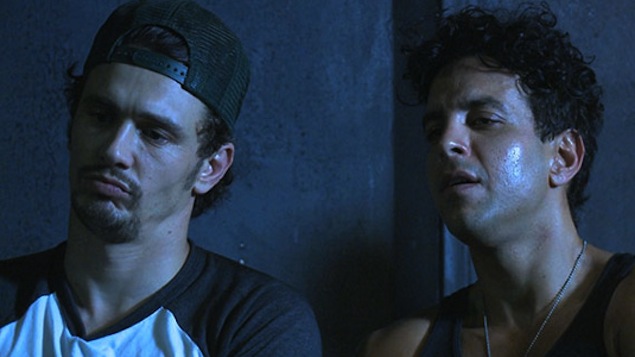
Interior. Leather Bar. is a film that toes the line of narrative documentary in an attempt to recreate/reimagine the footage that William Friedkin was forced to cut from his 1980 film Cruising to appease the MPAA. So the topics that are discussed are clearly homosexuality, censorship, artistic merit, public perception and the like. How good an idea the so-called project is, and the merits therein are constantly debated “You were in a Disney movie” the character Val states to James Franco to which he replies:

“Being in a Disney movie and doing this that’s the point. That’s what’s giving it it’s power.”

James Franco as of lately has been versatile enough that he probably could’ve gotten away with not having said anything about his appearance in the The Great and Powerful Oz, but in the conversation on public perception it does carry significant weight. The public, as a whole, likes an easy association.

A quick example, would be when Julie Andrews was topless in S.O.B. Surely, over the years Andrews had developed a persona. And part of the idea was to buck that in this role, and that lent some shock to the maneuver, but more often than not the thought wasn’t it was Julie Andrews who would do such a thing, but rather, Maria and more to the point Mary Poppins.

In more recent, more directly Disney-related incidents actor Jake T. Austin used a profanity in a tweet and the overwhelming reaction from those who responded negatively wasn’t really just about his syntax. Rather it was that he cursed while, or perhaps, just after finishing his run on Disney. His response was level-headed and something to the effect of “I may have been on Disney, but I’m human.”

Sure, even I am surprised that Disney doesn’t crack the whip on the social media activity of its contracted actors more, but that just highlights the fact that these are people, they are not branded cattle, but the perception publicly remains that the image portrayed in fiction is the persona in reality.

This is perhaps more true of Disney kids, and former Disney kids, than any other subset in entertainment. Disney is perhaps the most recognized brand around. And unprovable memes about what Walt would think of the Disney Channel as if he never dealt in cheese aside, the brand is still preserved and still seeking some of the same ideals while entertaining, but that doesn’t make the player automatons like those found in Magic Kingdom attractions.

Sure, we can sit back and comment upon the judgment, or lack their of shown in the exploits of Miley Cyrus and the photos of Dylan Sprouse, but the fact of the matter is whatever we think of such things Disney really shouldn’t enter the equation. Miley is very clearly no longer interest in her former persona or alter ego, and the Sprouses whether self-photographed or not, have already discussed the end of their Disney tenure. Therefore any current misstep or perceived misstep ought not lead back to where they started.

However, it invariably does, in a way its human nature. That brings us back to Franco. While there is a scripted nature to the film at hand, in spite of the documentarian approach, there is a consciousness and a willingness to use his name, and recent associations to garner attention for the film he’s making and the ideas he’s exploring. It’s a shrewd move to address it and consciously use it as opposed to running for it. Either way, whether the Disney connection should be used or not, he knows the link will exist in some minds and he willingly exploits it here to good effect.

March to Disney: Mom’s Got a Date with a Vampire (2000)

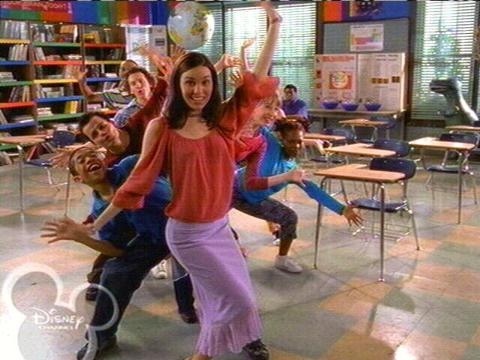
This was a title that I wanted to discuss during 61 Days of Halloween, however, one of the good things about having multiple annual topics is that you will frequently find overlaps. Such is the case with Mom’s Got a Date with a Vampire. Yes, it’s another DCOM (Disney Channel Original Movie), and another from the earlier days of Disney Channel’s sojourn into made-for-TV films.

The title is indicative of a few things: 1) what it’s about 2) That it’s at least partly (actually mostly comedic). The release date also give you a hint that said date is not seen as a good thing, seeing as how this is pre-Twilight.

As is the case with any of these titles that work a lot of the debt is owed to the cast, and this one runs pretty deep with Charlotte Rhea, Charles Shaughnessy, Robert Carradine, Matt O’Leary, Jake Epstein and Myles Jeffrey. More on that to follow.

The films begins with a movie-within-a-movie which sets the stage first for some of the comedic aspects, for the gothic (read: traditional) treatment of vampires, sets up characters and is used as a point of reference for rules when the kids find they are faced with a real vampire.

It is a an extremely structurally sound film as nothing is superfluous and things that seem like they are just fenestration do play a role later on and play into the plot everything from the desire to see a band called the Headless Horseman at the Harvest Festival, the promise of a date, the mention of mom (Rhea) having been in a band before, and more.

Typically in reviewing I avoid over-focus on the acting – not because it’s not important but mostly because it’s just one aspect of the film that needs to be discussed. In this film it’s what I frequently remember but it’s the solid foundation, the details in terms of the use of vampires that stand out.

There are a lot of hidden jokes for fans of the genre and a great implementation of archetypes commonly found in horror films. The discovery of the threat and the willingness to believe it’s true is very tied in to character arcs in the film.

Those arcs are accentuated by how good the performances are, and similarly virtually all the characters have pronounced, well-wrought and significant ones which is in fact a rare accomplishment. Matt O’Leary, had quite a few good turns as a young actor. The fact that this rivals his performance in Frailty is a testament to his skilled reads and reactions to situations, and the material. Playing his sidekick in a small, but not insignificant role, is Jake Epstein, who was perhaps best known as one of the forebears on the new-age Degrassi he is so good in this – such a different character than I saw him in afterward.

A perfect example of the cast’s work is a scene wherein Adam (O’Leary) is grounded (again set up by a seemingly innocuous improvised essay he created by reading a tabloid). It’s the kind of scene you see various times, but everyone O’Leary, Rhea and Laura Vadervoort; is so on that it works a lot better than it should.

That leads to the kids’ plotting which sets up everything that happens after that. If you’re after silly escapism, you’ll like this; if after a wink and knowing nod to the vampire subgenre, you should like this. If you like DCOM seasonal fare, you should love this. And that’s why I wanted to write about it of the Halloween-themed ones it’s by far the best and rarely airs. I had to re-screen it off a VHS recording I made in 2001. It’s a Disney title that really doesn’t get the attention it deserves.

Making Frozen Say What You Want It To Say

It’s not exactly a new phenomena that I’ve seen creeping up on the internet lately. Disney films, whether Walt was at the helm or not, have always been rife, fertile grounds for actual and fraudulent film theorists alike to put forth their theories.

When discussing actual theories I mean real, careful consideration of the narrative an visual cues of an entire work and not just analysis of a single frame in The Lion King where the word “sex” can be seen formed amidst dandelion spores.

The democratization of anything is always a double-edged sword. On the one hand the internet has helped bring forth voices in the world of film criticism that may not have had a platform 20+ years ago, on the other hand it gives a virtually free platform to someone with an ax to grind the ability, and the audience to transpose social norms and/or political debates on to a vague set of tropes set forth a film.

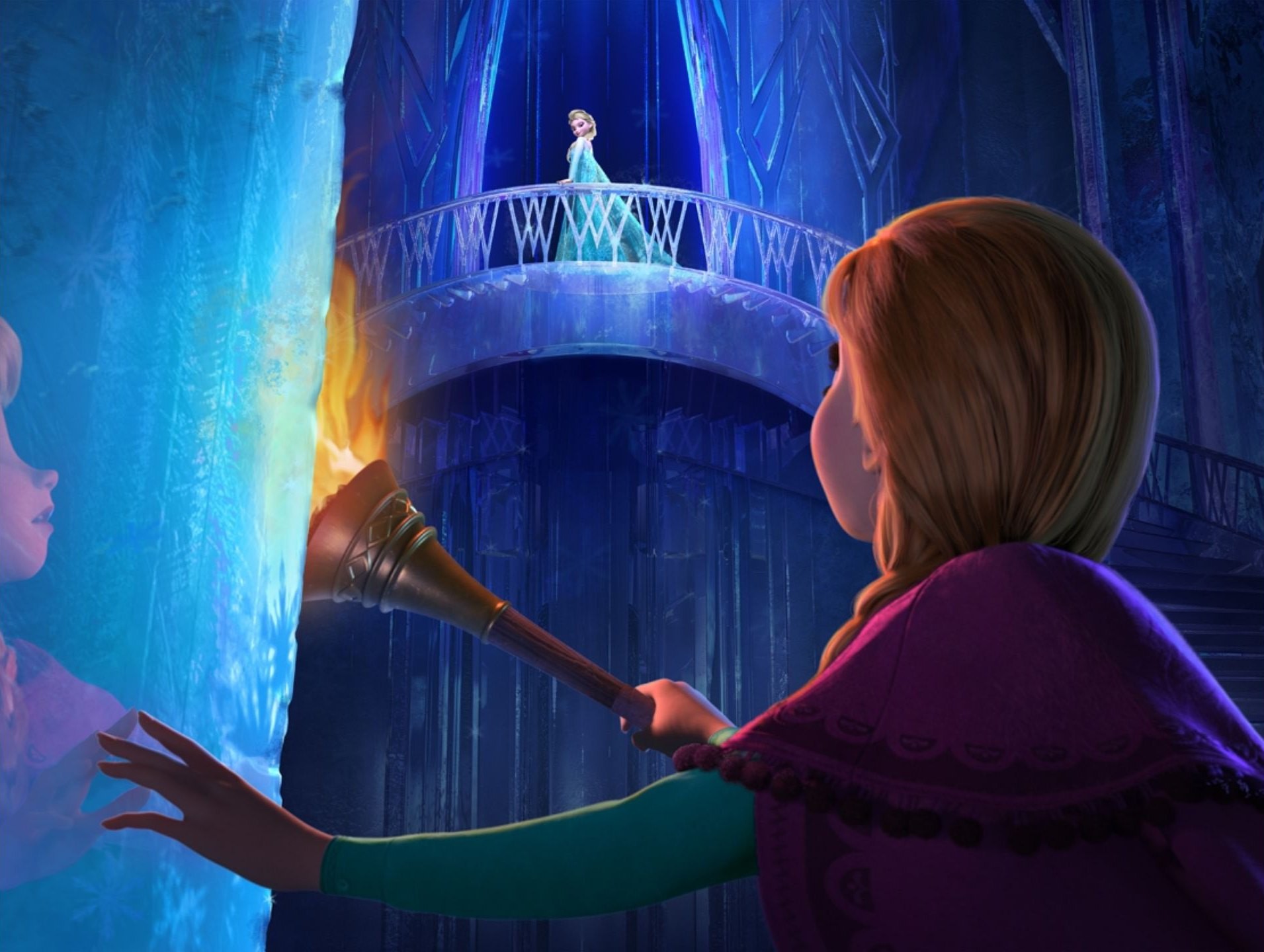
Frozen (2013, Disney)

Recently, and for some reason this has only crept up now that Frozen crossed the $1B world-wide threshold, there have been a rash of people discussing the homosexual agenda it puts forth.

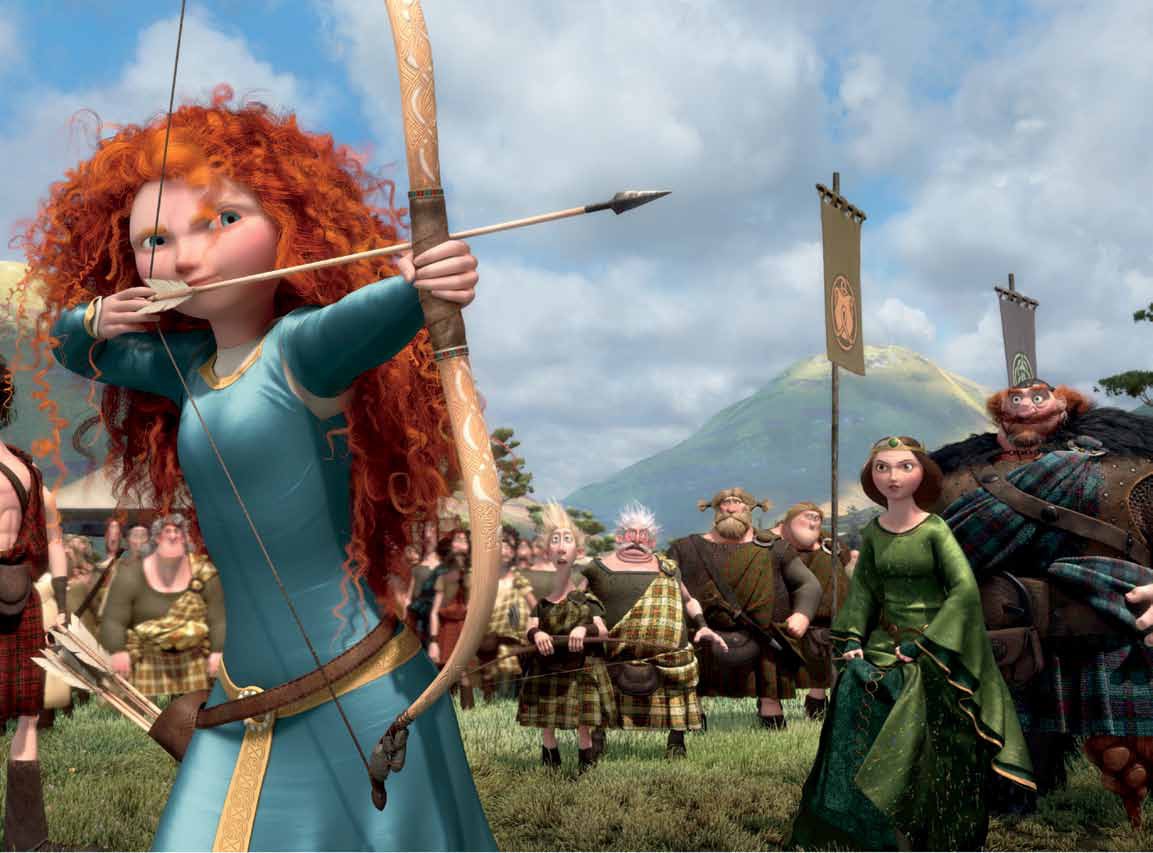
If this feels like Déjà Vu, then you’re right, it wasn’t all that long ago (when Brave was out) in fact since outlandish claims of “homosexual indoctrination” and/or lesbian characters have been made.

Brave (2012, Disney/Pixar)

Specifically, these claims are citing the thrust of Frozen wherein Elsa feels she has “something to hide” and that if anyone found out about her “power” it would be bad and people would get hurt, and so on and so forth. If you saw the film you can connect further dots without having to subject yourselves to these entire posts.

There are a few things these posts ignore, even giving them the benefit of taking their claims at face value. The first being that quite often fairy tales though they may have specific imagery that can be read in a subtextual way by adults they usually have a very simple object lesson that is usually so reductive it can apply to a universal audience. Ultimately, Frozen ends up being about being yourself and not hiding who you are whoever that may be. That can apply to any number of things.

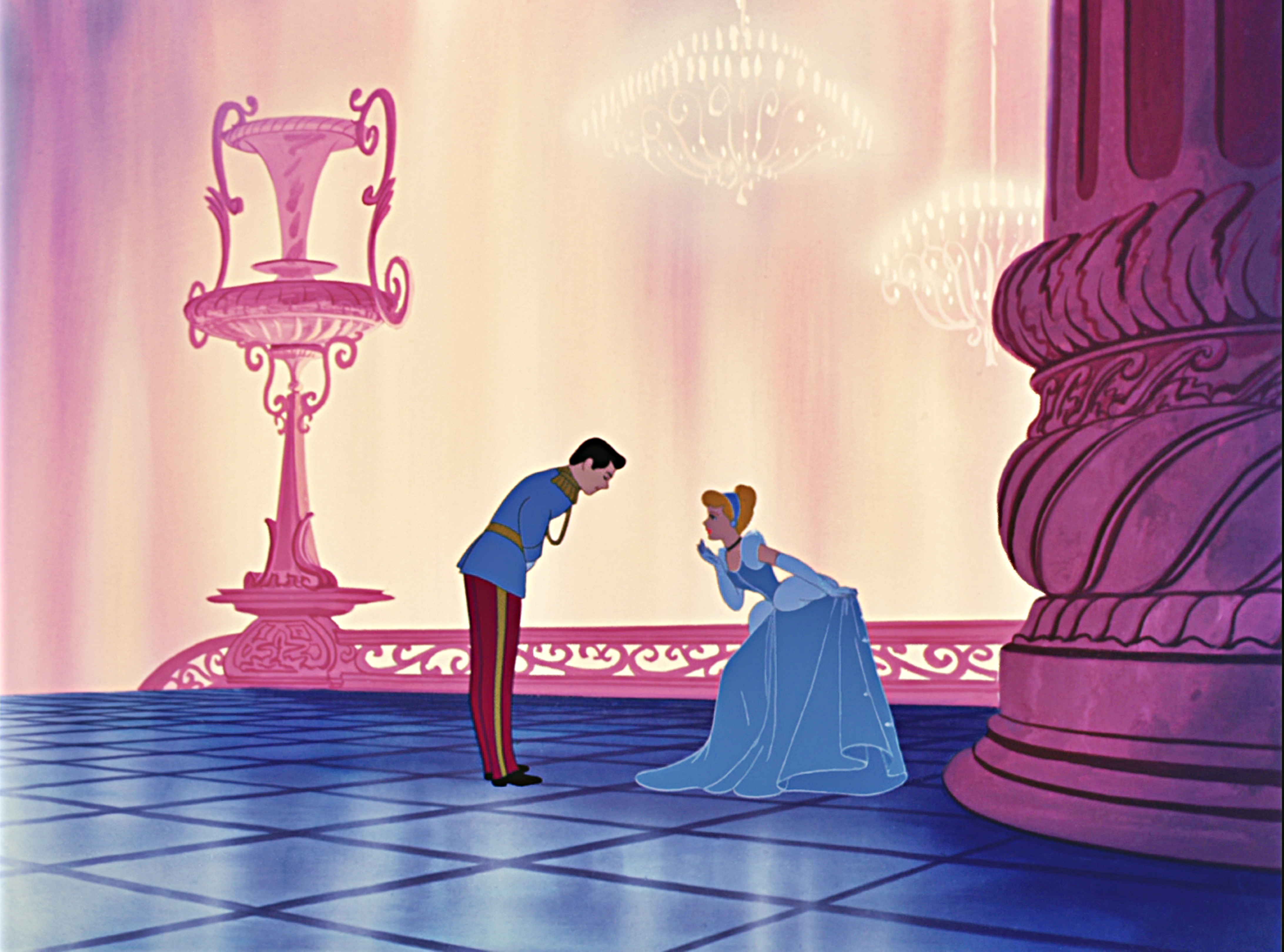
Drawing back to the Brave conversation it’s focusing a bit too much on the marriage plot. It’s a situation wherein you just can’t win with some people. When other Disney classics were made societal norms dictated there was nothing wrong with Snow White or Cinderella being rescued by a Prince Charming. That has changed. It doesn’t devalue the prior tale it just makes a new iteration of that trope undesirable. However, then you have Brave that emphasizes a strong, independent woman bucking the marriage tradition and reconciling with her mother; and Frozen is a sister tale wherein no man can really save the day and then there are shouts of lesbianism.

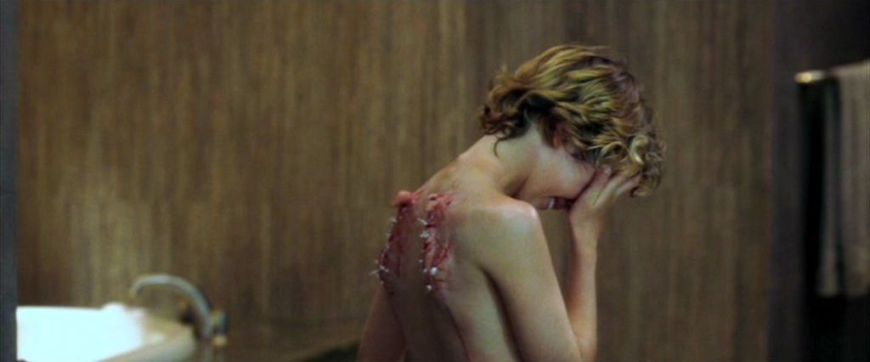
X-Men: The Last Stand (2006, 20th Century Fox)

The issue with the argument, setting political slant aside, is that there are things being ignored that factor in. Elsa has a supernatural power, therefore, she is closer to being a super-being afraid of how she can handle her power and that she may be villainous. Another superhero moment comes to mind an a point of comparison here:

In X-Men: The Last Stand the character of Angel is introduced. As the name implies he has wings growing out of his back. In his origin scene, we see a younger version of his character played by Cayden Boyd. he is trying to cut out his nascent wings to hide his affliction. His father walks in on him. Young Angel is bawling his eyes out, ashamed of what he has become.

One could take that scene in isolation and the emotions that Young Angel felt and correlate them to the homosexual experience. However, within the arc of the character as a whole the analogy doesn’t hold water.

This same faulty logic could lead one to deduce that Olaf is a drug addict because even though it may kill him, he wants “heat.” Or you could substitute with any other vice, and at the end he’s given an antidote of how he can be kept alive and still do what he wants. It’s far easier to argue, and more consistently represented in the film, that Olaf is merely seeking to be himself as well.

Mind you that he is also a creation of their childhood brought to life by Elsa’s power thus symbolic of their bond and what they lost and not really conducive to the drug analogy.

Getting back to Elsa these arguments also hang their hats on the vagueness of certain specific lines in “Let it Go.” Again this is hinging on the fact that her power is her hidden sexuality; and virtually ignores the ebbs and flows of Anna and Elsa’s relationship, and the fact that they have to be there for one another at the end, and the fact that Elsa’s power can quite literally stop someone’s heart from beating and give them hypothermia, I’m no physician but my core temperature never dropped based on someone’s sexual orientation.

Cinderella (1950, Disney)

I grant that last rebuff was extraordinarily facetious, but it almost has to be. The foundations of these arguments are cinematically shaky at best and come from a place where the answer is assumed and seeks facts to bear them out and doesn’t seek out alternatives – like the plot at face value or how it could easily apply to other things.

In Dumbo there is a statement being made about the stigmatization of, and harm caused by, involuntary admission to a mental institution. Where do I come up with that? It happens in the film. Missus Jumbo defends Dumbo. Is deemed a “Mad Elephant” and locked in a cell. Is it the entire point of the film? No.

Even if the Frozen theory hold water its presented in a way that makes it seem like “This movie is going to make kids gay.” “I mean it’ll be a Broadway show too so they’ll be super-gay after that happens.” I hate to break it to those folks but it doesn’t work that way. Similarly, even if it did have a normalizing agenda, that doesn’t always work either. Want an extreme example? Hitler’s favorite movie was reportedly Snow White; it was also one of Eisenstein’s. Hitler’s affection for that film didn’t make him dance about houses singing to birds and squirrels and little girls the world over singing “Let it Go” aren’t going to be gay if they aren’t already. You make Frozen, or any movie say what you want it to say in your head, that doesn’t make it true.

Short Film Saturday – Oswald and Ortensia Holiday Greeting Card

Whether one is fully aware of it or not, foreign Disney branches and the foreign Disney parks do contribute to the canon. Here is a short Holiday (Christmas) themed greeting featuring Oswald, the Lucky Rabbit (Walt’s first creation), and his girl Ortensia.

It’s interesting for both those aspects: a foreign contribution, and an animated incarnation of an early character outside the video game world.

Big Stars on the Small Screen: Leslie Nielsen as The Swamp Fox

Introduction

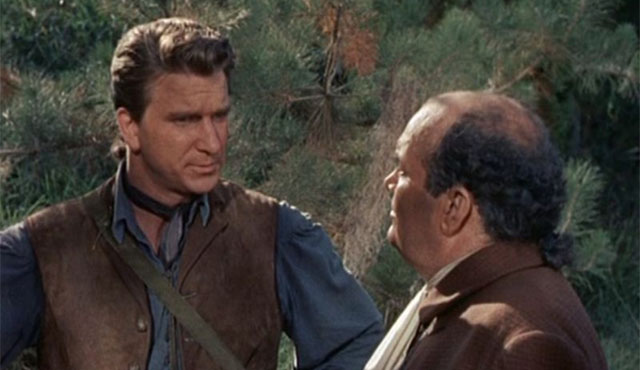
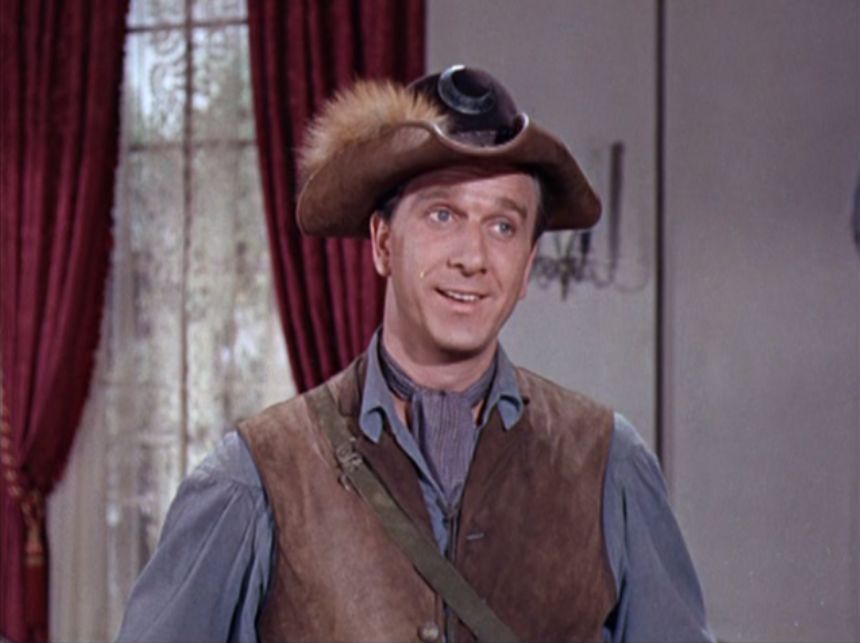
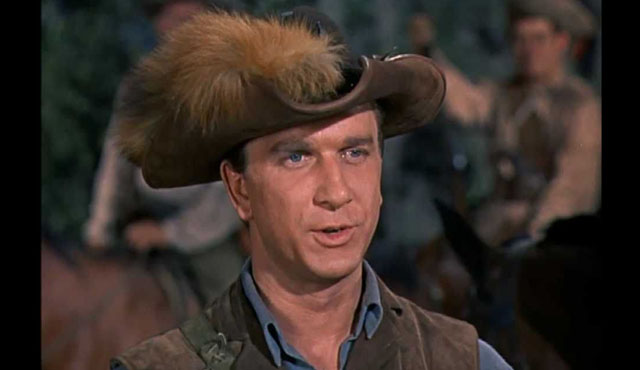
Leslie Nielsen as The Swamp Fox

fm3

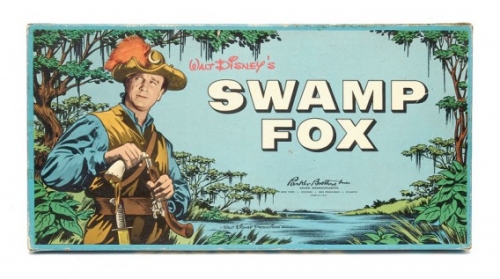
A few other things that come to mind when I think of Disney are apparent in the series “The Swamp Fox.” They are the association with music (while both the theme songs are good, Elfego Baca’s doesn’t have the earworm quality of this one. The next is the preponderance of colonial narratives. In looking back you see that Disney dealt a lot both in those times and American folklore and that’s not as common now.

Next, this series does highlight the early dramatic work of Leslie Nielsen. Now in the latter part of his career Nielsen became far better known as a comedic actor. However, in this part of his career he was mainly a dramatic actor with a lot of TV work. Some of his more notable titles were Forbidden Planet and Alfred Hitchcock Presents.

However, as I stated about that later work it was this dramatic foundation and aptitude that set the stage for him to help to redefine parodic comedy:

Many cite The Naked Gun series as one of the best examples of this subgenre, and much credit in that case is due to Leslie Nielsen. For as preposterous as what he was saying or doing was he was committed to it, there was a dramatic intent bordering on deadpan that tethered the silliness of the situation to reality.

The-Swamp-Fox-2

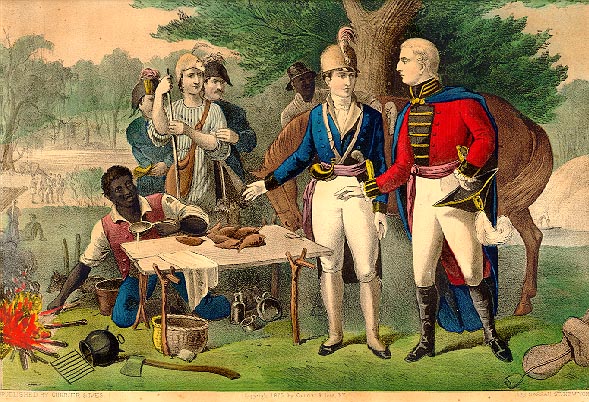
While this is, similar to the prior series, mainly action plots Nielsen had the dramatic gravitas to pull off the commander role. It was necessary that a kindliness, sternness and capability of valiant behavior shine through whatever actor was pegged for the role and Nielsen encapsulated all of these well. When you’re covering a figure of revolutionary times and establishing how that legend was born casting is that much more important such that the magnetism and whatever other qualities you’re trying to convey about them shine through.

Having seen much of Nielsen’s earlier work lately I don’t want to over-stress how he became most famous. However, this comment is a testament to his fine work here. There are people who bring such joy to film, so naturally funny that you smile when you see them show up (John Candy was one) this role is the opposite example it’s not funny in hindsight. The tone of the piece is well-conveyed and is as serious as it needs to be.

It may be deceptive to watch Nielsen as a dramatic actor because there is such a stolidity to his representation that it can be misread as lacking in range or depth. However, I don’t feel that’s the case, while there’s a dutiful nature to him and many of his speeches deal with his being the moral compass of his band of men it doesn’t carry weight if you don’t see the facets of his character.

Walt Disney Presents (1958, Disney)

Furthermore, what I was able to see in this section is but a prelude. As opposed to the three episodes of Elfego Baca which were somewhat transformative, here the series (as shown on DVD) stops at the point where a major change in the character and his approach to taking on the red coats is about to take place. Therefore, there’s far more of an arc to the series than these episodes show.

There are two Disney and film-related notes I found in watching these titles. Firstly, the more important thing to keep in mind when dealing with historical figures on screen is representation over misrepresentation. Which means that having historical figures conveyed is far more important than nitpicking issues of inaccuracy or dramatic license. Elfego Baca made me want to look him up. Entertainment can be an aid to but not a substitute for education in subject matter such as history. Donald in Mathmagicland is great fun, but it doesn’t mean you can skip algebra. It all seems obvious but these are things that are seemingly forgotten when people complain about historical inaccuracy in film. If people, with all the information easily available to them, take a fictional representation’s word for it and that’s it it’s not the movie’s fault.

In Disney-specific terms Walt Disney Presents was an early case of a work in a visual medium (TV) being influenced by a theme park. Therefore, the adages about nothing being new and history repeating itself are proven true again. This is not that far from Pirates of the Caribbean and the like.

Walt Disney Presents (1958, Disney)

As imported series and streaming services are further shaking up the notions of what constitutes a season of television and other rules. Future templates can be found in the past. More so than in the past perhaps because of current visual conventions the movie stars of tomorrow are the TV stars of today, and vice versa. I don’t know how many people predicted bigger things for Loggia and Nielsen, but having seen these small samples I’m not surprised by their success or longevity at all.

Big Stars on the Small Screen Blogathon: Robert Loggia as Elfego Baca

Introduction

This is a post for the Big Stars on the Small Screen blogathon. The titles and actors I chose to cover are Robert Loggia as Elfego Baca, and Leslie Nielsen as The Swamp Fox (Tomorrow). Both of these television narratives aired in rotating fashion on an ABC program called Walt Disney Presents from 1958 and 1960, at the tail end of what some refer to as the (first) Golden Age of Television.

The structure of Walt Disney presents was such that the stories told were inspired by any of the four sections of Disneyland at the time: Frontierland, Fantasyland, Adventureland and Tomorrowland.

Both of the series I will discuss dealt with tales inspired by Frontierland, the same section of the park that brought Davey Crockett and Daniel Boone (’60) to the small screen. The modus operandi of said show was stories inspired by figures in American history.

Now many projects from the Walt era are vaulted by Disney and not frequently available, especially these serialized show-within-shows. However, there was a time (and I think that it should return) when Disney Treasures released a series of tin-cased box sets in limited supply that would be of interest to collectors and Disney fans. This was one of the selections, one that I was able to obtain via the Disney Movie Club.

The unfortunate part of the packaging is that you are not provided here with the whole run of the show on these discs. Since they’re DVD releases and an hour-long show there are but three-episodes per show. In one case the selection closes a chapter, in another it feels more like a prelude.

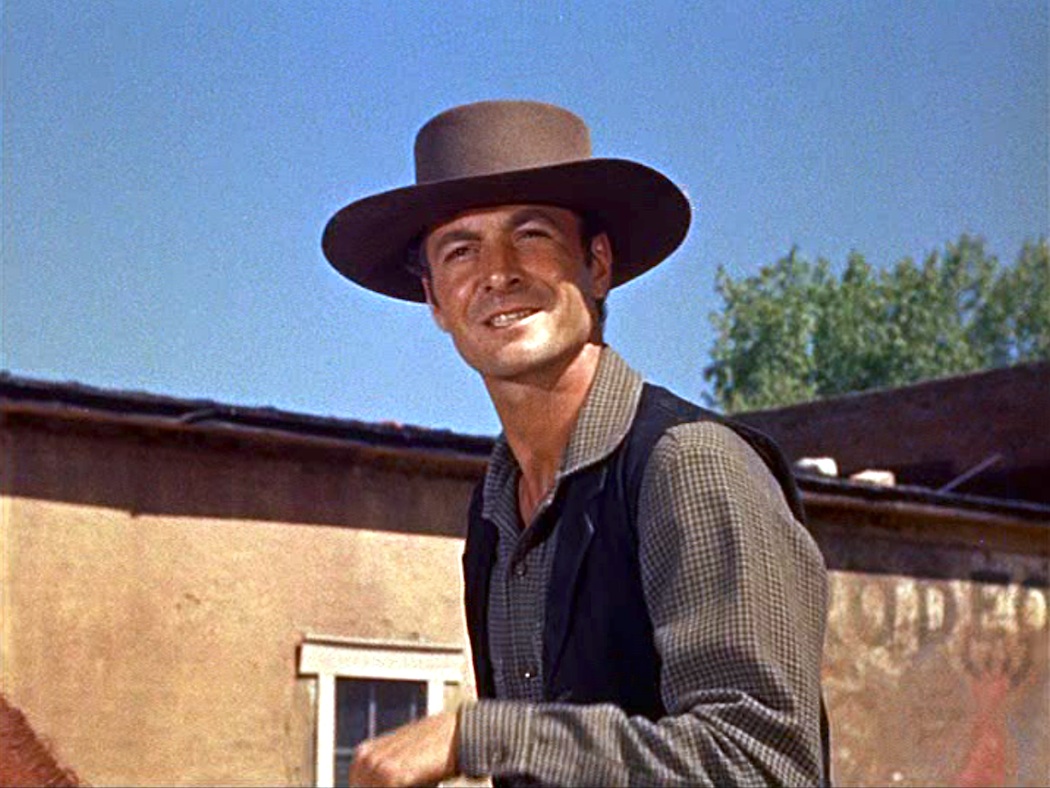
Having said all that, both these shows feature early-career performances of two actors who have had varied and successful careers: Robert Loggia played Elfego Baca and Leslie Nielsen played Robert Marion, a.k.a. The Swamp Fox.

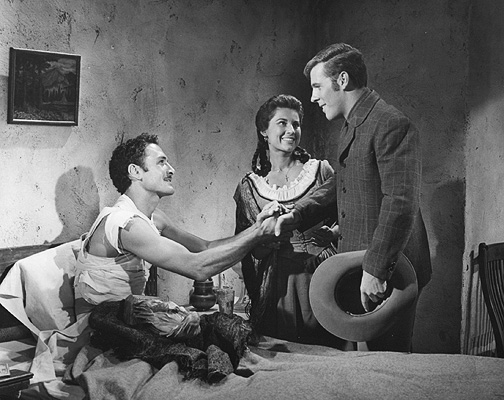
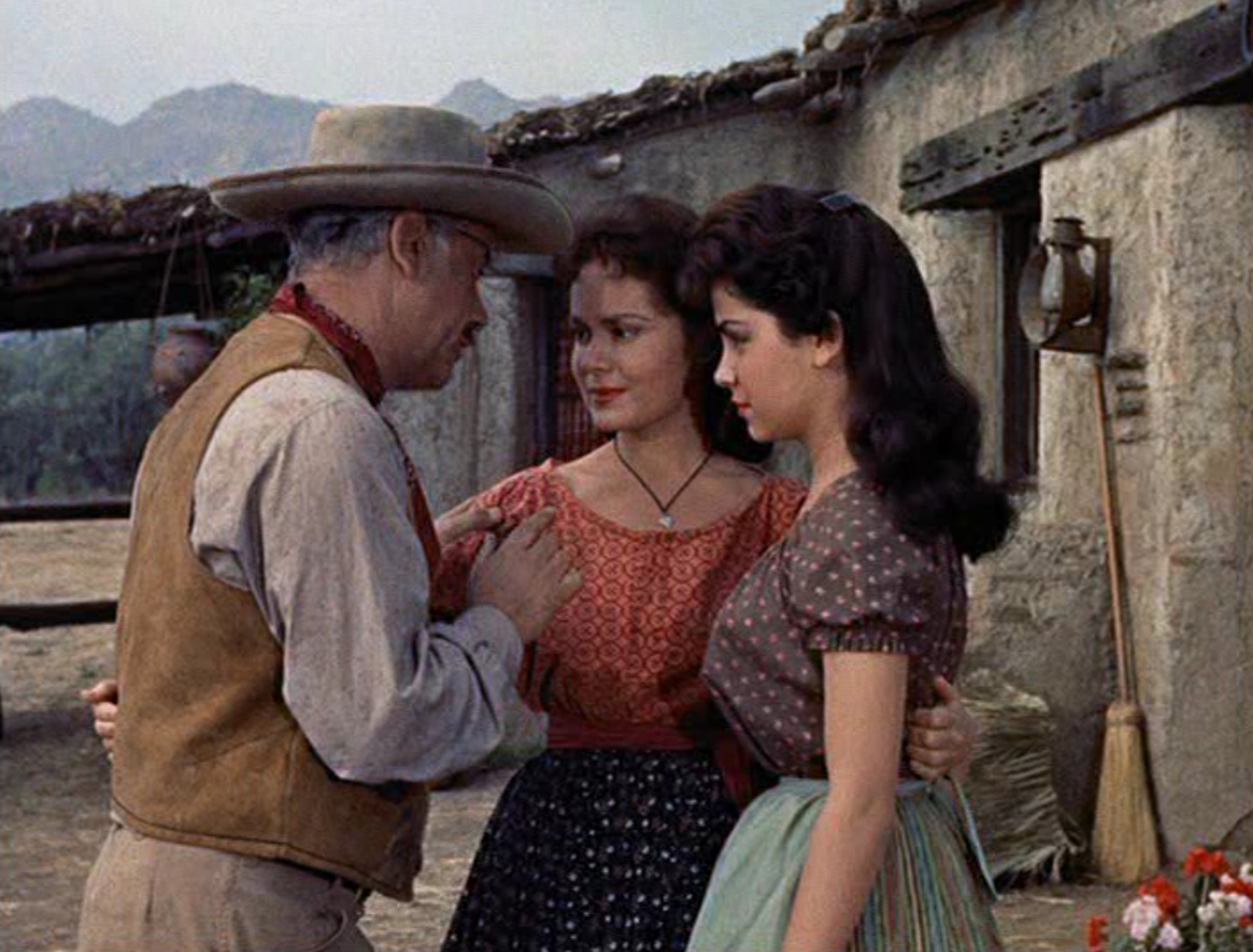
Robert Loggia as Elfego Baca

Walt Disney Presents (1958, Disney)

The insights gleaned to this show, and the story behind it are better in general and not just because there is a supplemental interview with Loggia that gives further background to the series and his involvement.

Firstly, in narrative terms, these short tastes of series give an interesting insight into lesser-known figures in the US’s past. In Baca’s case it’s even more interesting because he was a US-born and -bred bilingual Mexican-American. He lived in the frontier lands and built a legend of having “nine lives” and a unique sense of justice. He eventually, mostly through self-teaching, became an attorney. We first meet him as a self-appointed deputy standing up to a group of bandits. Then he comes into the fold as a full-fledged deputy.

In cultural terms, the mere depiction of an ethnic character in later 1958 and early 1959 is quite a big deal, much less making him the hero. Surely, he was a historical figure but there was nothing forcing Disney’s hand to tell his tale. While the interview between Leonard Maltin does reveal that casting was down between Loggia and Ricardo Montalban, and what tipped the scales his way is not discussed -especially considering Montalban seemed to have an in. However, with Loggia being cast Baca’s heritage could’ve further been buried but it was the actor’s option, per his telling, to accentuate the ethnicity more than even the script would with an accent. He also passably slips into Spanish here and there which makes it a unique take. Cross-ethnic casting is a double-edged sword, and was more common in this day-and-age, but it’s not something that can be held against Loggia if you disagree with it on principal– he had a job to do and did it very well.

Walt Disney Presents (1958, Disney)

Loggia ’s break here is one he describes as very fortunate. He was an athlete in college and had served in Korea. He was working on Broadway in fairly short order and then was picked by Disney to play this role. The cowboy elements, a hefty portion of the role, were things he learned to be able to play it, which is impressive as there is quite a bit of riding and action in a western-set tale.

He also worked with legendary stunt people and did quite a few of those stunts himself and made his portrayal seem even more authentic than it would have otherwise. Of course, as referenced above, with access to only 30% of the series it’s impossible to get a sense of the totality of the series. The IMDb does indicate the further addition of Latin actors later on.

However, not only is Loggia, who in the minds of many is the willing participant in a Family Guy cutaway, or the boss in Big; great in a very different kind of role here. There are some important things of note in this show additionally such as Native Americans appearing with Baca in a scene as an ally, Baca’s betrothal and marriage to a Caucasian woman. Loggia in discussing Disney’s influence on the production stating that he “knew everything,” which reaffirms my assertion that he was one of those producers who had their fingerprints on their films. Loggia’s memories were always fond it seems. Of course, he was on a parade float in Disneyland in ’59 so I assume it would be. And like many Disney alums he returned many years later this time voicing a character in Oliver and Company.

Walt Disney Presents (1958, Disney)

Furthermore, it set the stage for Loggia in his career he played many varied ethnicities. It became one if his calling cards. Of course, being a character actor to some extent and having a bit of chameleon about him it made him one of those actors you knew, but maybe not necessarily from what film. However, many actors will take that, when you can be any number of people to moviegoers that’s a pretty great thing. To me, he may always be Skeletor first and foremost.

CHeck back tomorrow for the post on Leslie Nielsen!

A Disney Musical Suggestion

There are likely a branches of the Disney media empire I’m not too big a fan of, perhaps the one that is the most confounding to me is the line of altered-for-younger-audiences musicals like Aladdin Jr., The Little Mermaid, Jr. and the like. Part of what I really don’t get is that content-wise there’s usually not much removed and simplified for younger audiences. If anything it seems to be just about managing expectations.

Now I fully recognize that the acquisition of rights, and staging could be more affordable. The musical tracks provided may well be simplified to be easier for young vocalists to learn. Having said all that the addition of the word “Junior” seems to add the connotations that a) it’s not the real thing and b) you ought to lower your expectations.

Now, I will hand it to them for allowing schools flexibility with things like the One-Act edition of High School Musical and things of that nature, which can allow those crunched for time and funds to more easily stage something accessible. While that is a much different creature than a slightly-truncated stage version of an animated classic, it’s still a less-than-ideal translation of all the intended elements of a story.

And, one might argue, rightly so, that High School Musical‘s heyday of cultural relevance has come and gone. Which brings me to my actual suggestion of a stage adaptation of something so far out of consciousness it my seem new, that and it wouldn’t be an edited version at all.

Even Stevens was one the first break-out hits Disney Channel had. It was one of the first that got me watching even though I was not the demographic any longer. Independent of the recent antics of Shia Labeouf, the show remains, as it ever has been quite funny, and in perhaps its most memorable episode it featured a musical episode that was Ren’s (Christy Carlson Romano) fever dream called “Influenza: The Musical.”

Being a half-hour (read: 23 minutes) sitcom it’s a perfect one act length that you needn’t cut. The setting is school, it relates to kids and has memorable songs.

While its still up, you can view it here, and that brings me to the last point: in an age becoming ever more digital Disney’s vaulting, and at times squatting on its own titles; burrowing them away,
not seeking to invest any more in them just makes no sense. Either downloads or disc-on-demand services would make sense for so many Disney titles; and making this a stage musical would be quite the easy feat.

Short Film Saturday – The Third Wheel

If there was something I wanted to shout from the rooftops after having seeing Get a Horse! was “Thank God for Disney (as a company) not completely forgetting Mickey Mouse’s roots but also fighting to keep him relevant and update his image.” Of course, I knew that there were new age shorts that started debuting on the Disney Channel last fall. However, I had not yet seen any of them.

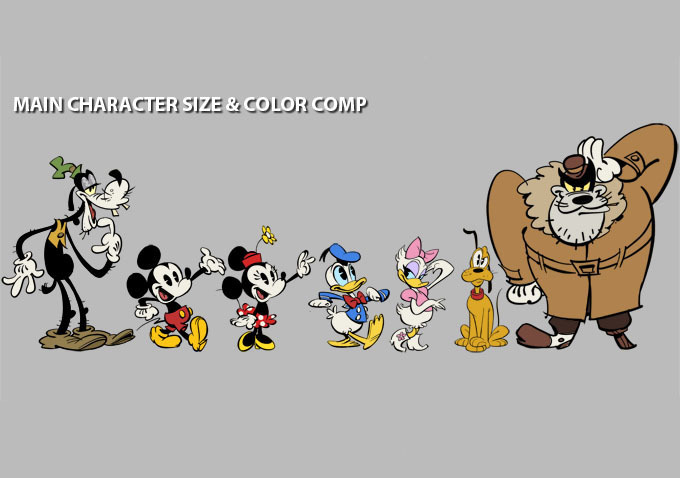
I have to say I am pleased at least upon first impression. Yes, it does take time getting accustomed to a more Ren & Stimpy kind of aesthetic for the visuals, but the humor though goofier (for all not jut Goofy) still keeps in line with the characters. Here Goofy misunderstands and gets in Mickey’s way on his date, Mickey doesn’t want to be overly-assertive until he has to. There was a harder edge to Mickey in the beginning than became the norm/stereotype and this is a good balance. It will take more examples for me to be convinced the new direction will consistently work, but with Disney as a company conglomorating more cultural icons and characters it’s good to see them not ignoring their own.

Labor Day and the Flawed Release Calendar

Labor Day

I will try and promise that this is my one release date/calendar rant of the year, but I will try and make it count for something. Here I will discuss the release path of Labor Day and some issues with the film calendar that it illuminates.

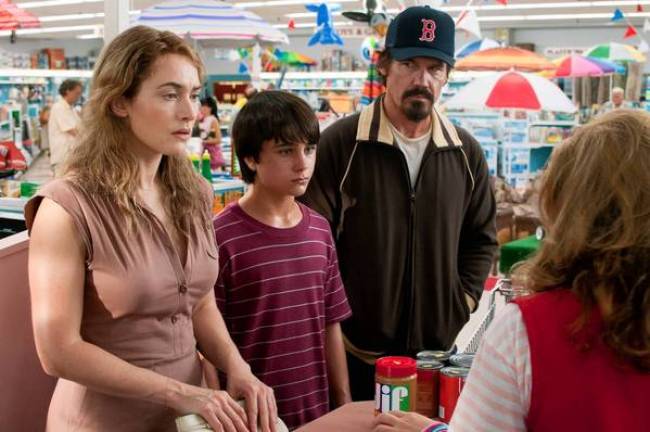
Now as this link indicates the film debuted on August 29th at the Telluride Film Festival. This release date is close to when its ideal release window should be. I know that in my initial 61 Days of Halloween posts I jested about how Labor Day as a cinematic holiday is about as significant as Arbor Day. And, historically speaking, that’s about right. There isn’t an over-abundance of films set around the time, and at the end of the day all the fete really means is a long weekend, the last vestige of summer. Therefore, it is more useful as a backdrop than a theme, but it does serve this story well and signify a specific time of the year to a North American audience.

The initial release date for Labor Day was announced as December 25th. Surely, that created some internet snickering, but as per the Hollywood code it indicated some confidence in the film. Although, it was a seasonally incorrect choice.

However, cramming your releases in at Christmas is what you “have to do” if you believe your film is an award contender. Here is my diatribe on the tyranny of release dates.

Here were the films that came out on December 25th:

47 Ronin, Believe, Wolf of Wall Street, Grudge Match, The Secret Life of Walter Mitty, Mandela: Long Walk to Freedom (Expanded).

When all was said and done this awards season only The Wolf of Wall Street made significant noise but it was ultimately shutout on Oscar night.

Eventually, the plan was for Labor Day to open in a limited Oscar-qualifying run on 12/27 and to open wide on January 31st. On the 27th Lone Survivor and One Chance opened in limited release. It opened against That Awkward Moment nationwide. That all would make it seem like it was an advantageous move marketing-wise. Less crowded weekend, plus the fact that January is usually a landing site for junk, or properties studios do not know what to do with, boded well for a nation-wide expansion of an Oscar hopeful.

So what happened?

The Release Date History
Labor Day (2013, Paramount)

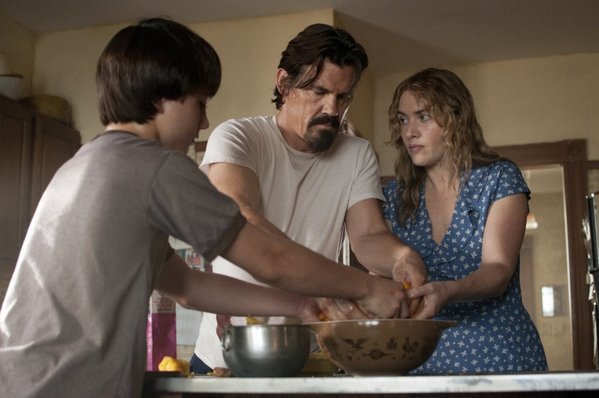
As of today Labor Day has not made its production budget back at the box office. The Rotten Tomatoes isn’t great (http://www.rottentomatoes.com/m/labor_day_2013/) but audiences flock to things in droves that critics slam creating terms like critic-proof.

One attribute that frequently affects releases in the fourth and first quarter of the year is weather. The east coast is a large proportion of the movie-going public and when it wasn’t snowing in January it was cold and about to snow. So nothing lit up the box office like The Devil Inside did. Not that that’s hard scientific evidence, but it never helps overall numbers.

Buzz has to be deafening to draw the crowds out nothing woke the masses up this year until The Lego Movie came out.

The Oscars are a big money-grab. They cost money and they, ideally, render you money. The end-of-year qualifying didn’t grab any attention. A Golden Globe nomination for Kate Winslet isn’t going to get butts into seats. No one cares. No one knows who the Hollywood Foreign Press is or what they say.

The Facts of a Brave New World
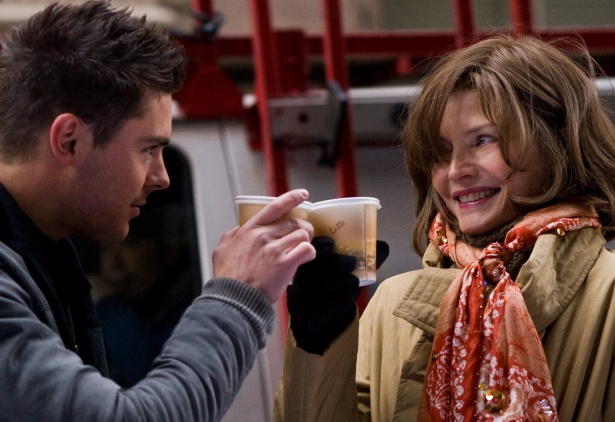
New Year's Eve (2011, Warner Bros.)

What does all that amount to? Essentially the studio seemed to scramble. They wanted in to the year end fray to try and grab some holiday money and garner some accolades. What wasn’t taken into account, aside from narrative-appropriate release was the fact that the times they are a-changing.

Long-delayed films in this Internet age are no longer getting the kiss of seat. Films are delayed for many reasons. The fact of the matter is, you’re unlikely to change how the Oscar and other award machinery works. The Academy and the studios are all complicit in making that work the way it does. However, the fact that 67% of those polled claimed to have not seen a single best picture nominee on Oscar night should concern everyone in the industry. The idea isn’t just bragging rights, guys.

That and Labor Day weekend, while usually not offering huge box office takes, is a soft spot in the annual schedule seeing as how the “fall films” aren’t quite ready to bow and August is the no-man’s-land of the summer schedule. For example, last year’s long-holiday winner was The One Direction movie with nearly $16M not a huge number but if Labor Day could’ve gotten that opening weekend it’d be in a different boat considering its relatively modest budget.

So I don’t think a delay would’ve hurt, I don’t think a tie-in with the actual date the story is set-on would hurt. Valentine’s Day and New Year’s Eve were mostly-asinine ensemble romcoms but still managed to win the box office mostly on timeliness. Even stupid holidays are things people would rather think about on said holidays rather than when they know they’re gonna freeze when they get back out of the theater.

Lastly, and a complete other story entirely, more same date VOD should start happening for titles that aren’t expected to rake in Frozen or Iron Man 3 like amounts of cash.

The “Award Film” Same-Old Same-Old
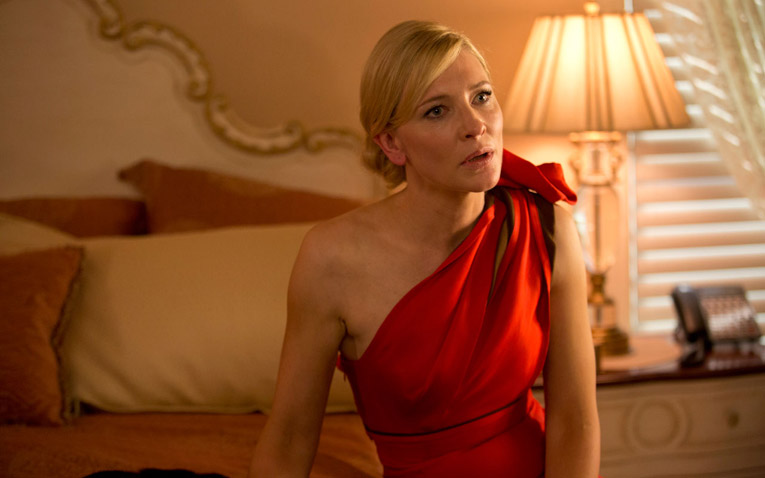
Blue Jasmine (2013, Sony Pictures Classics)

Blue Jasmine
The Grandmaster
Prisoners
The Great Gatsby
Iron Man 3
The Lone Ranger
Despicable Me 2
The Hunt
The Croods

The above-listed films are the only, I repeat, only films nominated for Academy Awards in any category that were released prior to the month of October.

Forget the fact that two of the most well-received films of the year were Mud and Fruitvale Station released in May and July were absent from Awards season.

There are many things that The Silence of the Lambs accomplished that will never occur again: it was a film that built-up momentum over the course of weeks, but it also a February, yes, February release that went on to Best Picture. Memories now are too short, perhaps by choice but part of the game, which is annoying is that you can’t release titles in the first three-quarters of the year and hope to garner nominations. The studio had some faith in Labor Day and because it held on to that glimmer of hope it put itself in a disadvantageous position financially.

A Season Turn, Turn, Turn
Halloween (1978, Compass International)

Part of the reason, aside from award consideration, that a title like Labor Day can land in late-December/January is that seasonality, with regards to film releases is not as much of a consideration anymore.

This is both a good and bad thing, the good thing is that if you’re a horror fan (as I am) you can expect horror films year-round. However, during my doubly-long focus on horror there were few theatrical wide-releases I could focus on and featured an indie VOD title as well.

With that example, and a more reason instance of Free Birds being available to rent or buy now despite its obvious tie to Thanksgiving there was less hesitation about pushing Labor Day into award season I’m fairly sure. A decision I feel ultimately hurt more than it helped. For in January if you’re not a purveyor of junk or catching up on Oscar fare you’re usually not seeing much, you’re recovering from Christmas more than likely.

Another negative of the current film game is that studios and the Internet have ensured that opening weekend becomes more and more important. Studios slotting release dates for titles that are two to three years from fruition are now news. Similarly, so are shifts in release date.

The award shuffle is ultimately not worth the effort a lot of the time. Films that debut in that time frame and don’t get the notice they want end up being buried and lost, perhaps losing an audience they had a chance to get at a different time. An example would be Monuments Men, which bowed out entirely and has made upwards of $100M worldwide.

I will leave the final word on finding the right time and not being tethered to releasing a film at “Awards Season” to Wes Anderson who said this in a recent Hollywood Reporter interview:

I don’t even have an opinion about it anymore. Every movie I’ve ever done was released in November or December until Moonrise Kingdom, which opened in May. It did better than any of my films had done in ages. It seemed like it helped that it didn’t come out in the middle of all this stuff [awards contenders]. It didn’t round up all kinds of prizes, so why not be released in May? And we weren’t finished with Grand Budapest in time to come out last year. I would not have wanted to try to rush it out. At the same time, I’m very happy not to wait 10 more months to release it. And Berlin seemed perfectly suitable, since we filmed the movie in Germany.
March to Disney: Images of Misery in Robin Hood

The cliche is that Disney is all happy puppies, sing-a-longs and Hollywood endings. Yes, Disney did defend his work by saying “Everyone is a little bit corny.” However, his films did get away with more than we often give them credit for because of the way they end. There are many orphans in the Disney canon, be they so at the start of the film like Cinderella; or be the orphaned through the course of the film like in Bambi, The Lion King or Frozen. As I talked about in Peter Pan there were some frightening moments there regardless of the fact that the imagery was sanitized from initial conception.

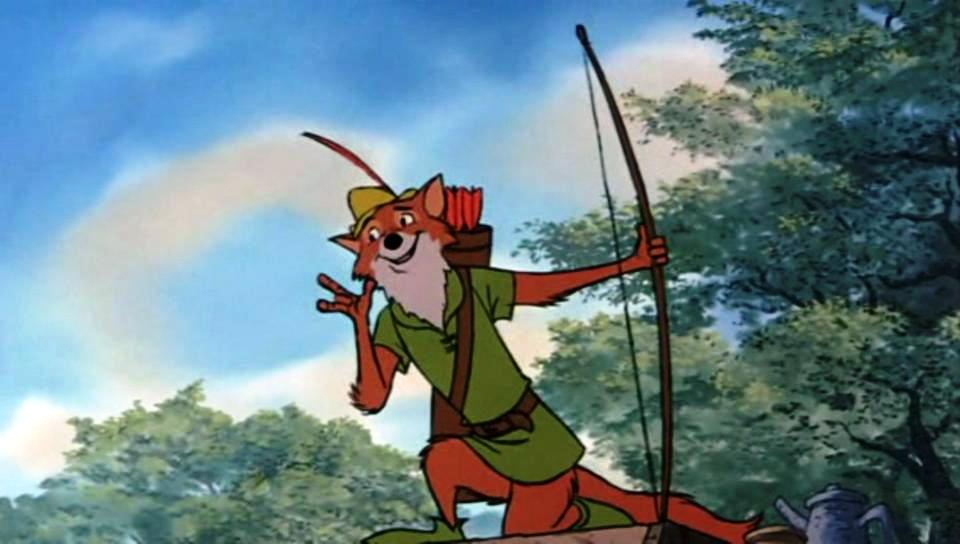
That brings me to Robin Hood. As with many a Disney tale the bones of story are well known by all: Robin Hood robs the rich to feed the poor. Clearly to illustrate this you’ll have to see said poor. Not only that but if you look at the standard structure of a classic story things will have to get worse before they get better. They may not be images as marking as those of Dumbo’s mother being beaten and chained but they are strong and pervasive in this film.

This is the most literal example of a minstrel acting as a narrator and it is the perfect storytelling device for a tale such as this. Not only is it so because this story is set in England and it is a British tradition, but because they were crucial in spreading lore through oral histories it’s a natural conduit for this story.

Most of the reason that Robin is impelled to go on his crusade is that the people of Nottingham, under the Sheriff, who is doing Prince John’s bidding (while King Richard is off on a crusade). A majority of that bidding is about imposing and collecting usurious taxes on the people who can scarcely afford to eat.

These rates get worse as the story progresses and you see imprisoned children clergy. People are shackled about their neck and feet in debtor’s prison. Furthermore, there are serious threats of hanging an narrow escapes.

The misery of the plight these people must escape is further underscored that during these scenes, mostly during the montage underscored by the song “Not in Nottingham”, by the fact that it rains; it rains a great deal. Even the in the rain those in forced labor on the rock pile must still work. The only respite from the doldrums this film descends into is that we can sense what the ending will be, and the narrator, who we know will leave to tell the story in the past tense, is also jailed.

Not to mention that the climactic sequence wherein Prince John is robbed while sleeping and Robin Hood narrowly escapes is one of the most treacherous and most risky in all Disney films. It also, due to all that passed before it, is one of the more triumphant and makes the ending all the more exultant.

So you’re dragged through the mud and bask in the glow of a sunset at the ending as Robin and Marian ride off. Could Disney have gotten away with such images if not using anthropomorphized animals? Probably not, but to kids there’s scarcely a difference and it makes it a more memorable visceral experience.