Bernardo Villela is like a mallrat except at the movies. He is a writer, director, editor and film enthusiast who seeks to continue to explore and learn about cinema, chronicle the journey and share his findings.
I had originally intended to post this on Black Friday, but with the Horror Movie Season in full-swing around here and the societal proclivity towards over-anticipating holidays why not present some public domain Christmas-themed horror in Silent Night, Bloody Night? It’s nothing special, but, hey, it’s free.
This is a post that is a repurposing of an old-school Mini-Review Round-Up post. As stated here I am essentially done with running multi-film review posts. Each film deserves its own review. Therefore I will repost, and at times add to, old reviews periodically. Enjoy!
The Awakening
I will elaborate on this point in a separate piece, but this film is a testament to my theory that drama is the foundation of all other genres. To be brief, even if this film fails to affect you with its creepy atmosphere, it is an effective character piece that delves into psychology as well as the supernatural.
When telling with a ghost tale, especially one that deals with characters who have been so greatly impacted by the sightings, or even suppositions thereof, the acting needs to be up to snuff. This film brings much more than that to the table, there are four top-notch performances, one of each “award type” both lead and supporting.
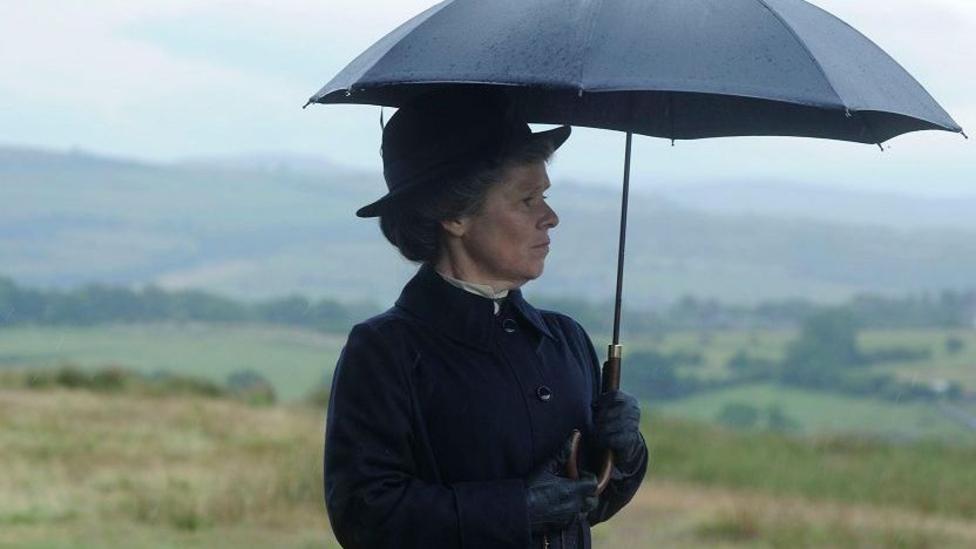
Rebecca Hall, in the lead, is someone I personally I have seen far too little of since Vicky Cristina Barcelona, and she carries this film brilliantly with a fine double-edged performance as a now skeptical ghost hunter. Dominic West plays a character who also has a facade, as seemingly everyone in this film does, his stoical demeanor is matched by his private pain in this work. Imelda Staunton, is nothing short of riveting. Then there’s Isaac Hempstead Wright (Bran on Game of Thrones, where he’s shown flashes of his capability) whom steals scenes and redoubles the impact this film has.
This is a film that eases into its narrative, it never gives its answers away too easily and stays nebulous about some things. Its timing of reveals is perfect and just when you think you’ve lost it, or it’ll flatline, there’s always one more turn than you expected.
This is a post that is a repurposing of an old-school Mini-Review Round-Up post. As stated here I am essentially done with running multi-film review posts. Each film deserves its own review. Therefore I will repost, and at times add to, old reviews periodically. Enjoy!
Paradise: Love
In a very naturalistic and non-sensationalist way Paradise: Love seeks to explore the sex tourism trade. It does so through the guise (and eyes) of a woman who is new to such things. She goes from Austria to Kenya in search of a new experience. Being new and not-yet-jaded she runs the gamut from being shy; falling for lies; falling in love; trying to deal with it coolly, heartlessly; and feeling regret.
Where the film finds its difficulties is that it plays things so close to the vest, in a very authentic seeming way, at times, in spite of a great lead performance by Margarete Tiesel, it’s at times hard to decipher if she’s willingly being duped or just duped. The pace suffers a bit through act two despite being usually engaging.
The conclusion feels proper and earned but the climactic sequence, a birthday rent boy party attended by all her “friends” achieves what it seems to want (an uncomfortable ambivalence and tenuous balance between expose and exploitation), but it, too, lingers well after its point has been made.
This is one of the films where it’s about the journey not the destination. It is in the journey where it issues lie.
For the 1995 commemoration of the 100th year of cinema the Pontifical Council for Social Communications created three lists of “Some Important Films.” Francesco was among those included on the list titled “Religion.” Clearly that makes sense but it well could have gone on the “Art” list.
Francesco (1989)
This is the second film I had the privilege to see thanks to Film Movement’s new line of repertory releases referred to simply as Film Movement Classics. Perhaps more so than The Tall Blond Man with One Black ShoeFrancesco shows the worth of repertory lines that bring overlooked gems to the fore anew. There really cannot be enough outlets such as these available.
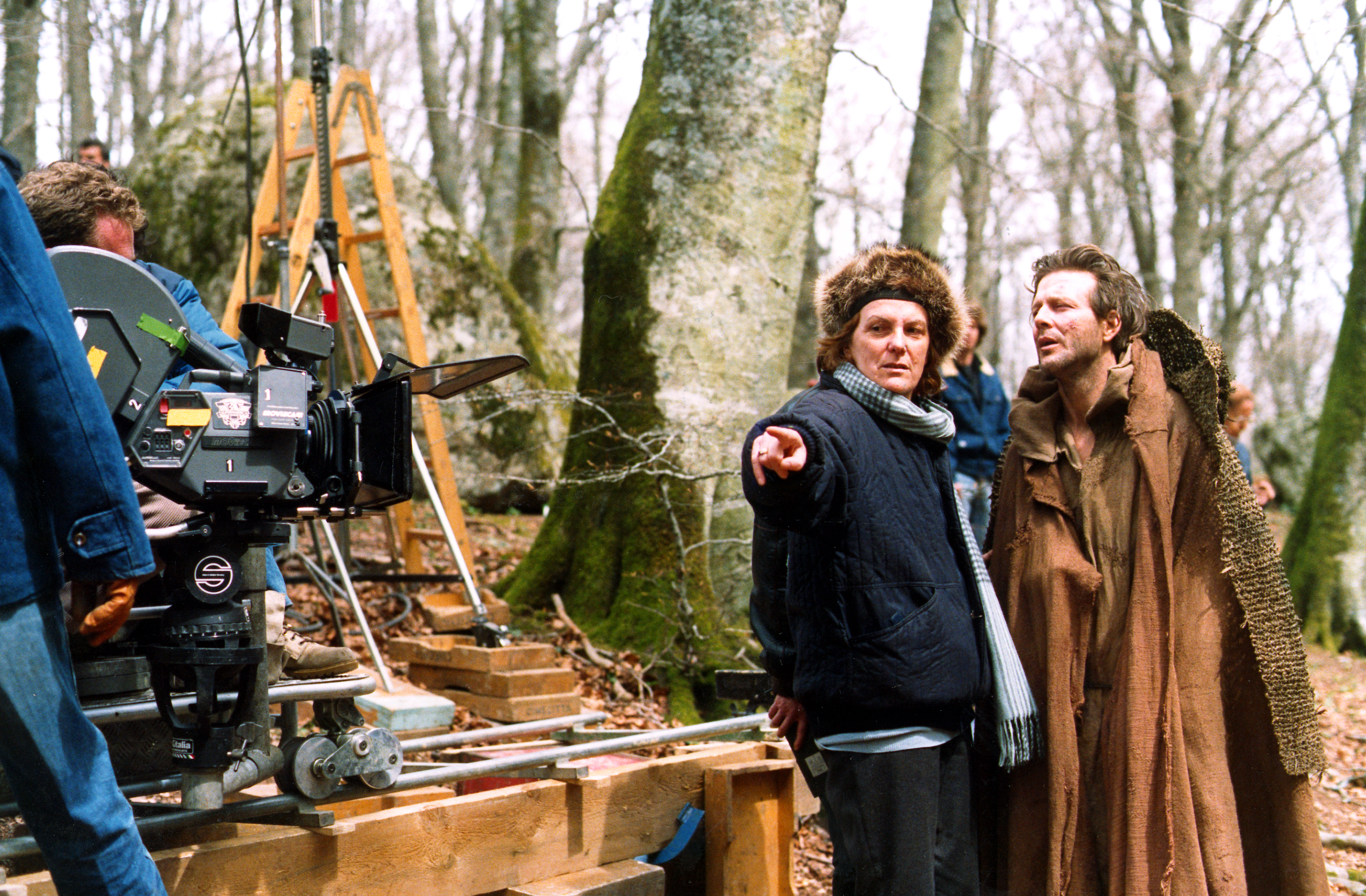
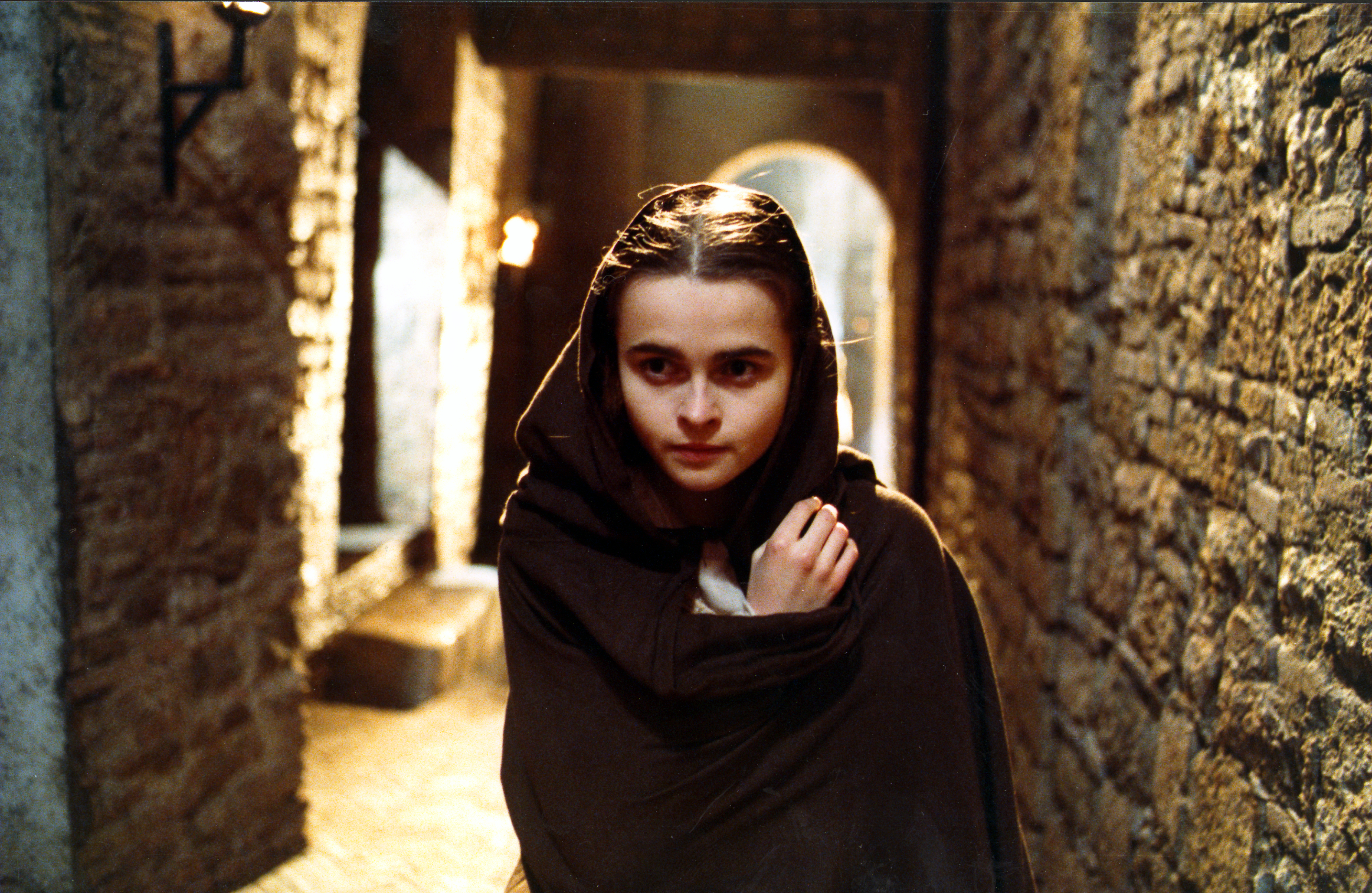
Francesco tells a story of the life of St. Francis of Assisi but this is no rote cradle-to-grave tale but rather remains a fairly focused account of his spiritual awakening, the inception of his brotherhood, and the personal and theistic struggles he faces after having been granted permission from Pope Innocent III to formalize his order.
Yet there is a simple austerity in Francis’ ways, a kind and gentle nature, one that embraces and accepts all humanity and strives only to approximate himself to divinity and nature that makes this a tale that’s universally accessible, and not merely one for the devoutly religious. Aside from this necessary focus another of the film’s strengths is not falling into any divisive tactics and tells of the conflicts Francis faced with a respectable semblance of distance.
This ability to portray a man of God who preaches in a film that doesn’t preach to its audience is most admirable. Furthermore, Cavani’s cinematic stylings in this tale make this an engaging experience in purely aesthetic terms. The production design is rightly award-winning, the score from Vangelis, as per usual is a standout, and fits in an anachronistic way that should make Moroder jealous, and features a sensitive, soft-spoken and brilliant performance by Mickey Rourke in an unlikely and inspired bit of casting.
Also, noteworthy about this release is that it could be seen as definitive cut of the film. Not only has this film been unavailable in the US for many years but it is a new 133-minute version. This is a significant improvement on the original US release (104 minutes); and is reportedly a more disciplined, effective version than the 150-minute Italian release.
Francesco is a film I had not even heard of, much less seen, and one I was glad to have a gander at. I’m also thankful this is the first full version of St. Francis’ life I took in. While any one can identify with his naturalist tendencies and love of birds, this earnest devout portrayal; a man fighting peaceably for a belief in conducting oneself, he firmly believes can inspire all and I can see why he continues to have such a following.
Bonus Materials
The bonus materials on this disc are a bit lacking compared to Film Movement Classic’s prior release, but there is still some good to be found.
The essays included are welcome. One is from the filmmaker Liliana Cavani on the unusual tale that to her to create her works on Francis, this one especially; and a take from critic Aaron Hillis, which fills in more background information.
Also included is a truncated press conference from Cannes, which almost would’ve been better off being omitted. It’s four minutes long, incomplete, and pack with overly-‘80s Rourke and the kinds of questions you would expect a Hollywood star like Rourke to get there.
Conclusion
Francesco is a wonderfully re-presented title that should delight viewers for secular and holy reasons alike.
This is a post that is a repurposing of an old-school Mini-Review Round-Up post. As stated here I am essentially done with running multi-film review posts. Each film deserves its own review. Therefore I will repost, and at times add to, old reviews periodically. Enjoy!
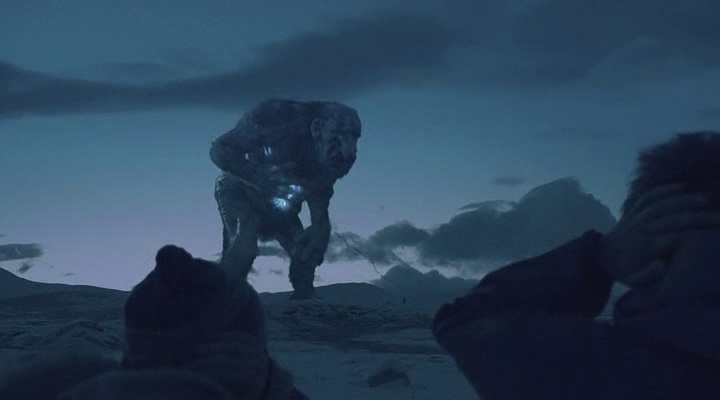
Trollhunter
It’s a found-footage mockumentary about a group of college students who meet a real-life troll hunter and follow him on his exploits.
There are some very smart things and concepts in this film that are never fully realized. There’s a silly, short tag to the entire mess. At some point the pace just never picks and it galumphs along at an agonizingly slow rate and then no real payoff to boot. It’s hard to quantify this but it may have been the most boring cinematic experience I’ve had this year.
This is a post that is a repurposing of an old-school Mini-Review Round-Up post. As stated here I am essentially done with running multi-film review posts. Each film deserves its own review. Therefore I will repost, and at times add to, old reviews periodically. Enjoy!
I’m Not Jesus Mommy
Here’s another one of those movies you just happen upon and then you look into it and you realize that the idea is so outlandish, and could end up being either brilliant or a disaster, and based on its premise that you absolutely have to see it.
Perhaps what’s most unfortunate about the film is that both in its title and in its synopsis it divulges what is truly revealed in the third act, however, intimations to the fact in question are made well before the revelation.
Perhaps the most surprising thing about this film is despite a rather flat, blank performance by its lead actress and clearly video cinematography is that it has a strong first act. It mixes in some themes that I don’t necessarily expect to see touched upon at all and rather well. Then there’s a time jump, now this is where the excessive amount of restraint comes into the mix, where the plot really begins plodding. There’s some sort of plague about, the world is a really crazed place. However, vague allusions as to why are all that’s ever made. Similarly, visual motifs come into play that are also unclear, but the real issue is that the near cessation of incident.
Unlike some who have seen it, I have no issue with the fact that this film handles what is potentially such a polemic, sacrilegious premise with utmost seriousness of tone. The issue seems to stem from, at least in part, a bit of reticence to fully commit, and it’s a shame.
The music, the lack of dialogue and the edit set the stage but there’s virtually no show upon it. I would see another work by Vaughan but what is most aggravating here is that it seems there was the courage and commitment to take a potentially ludicrous idea, treat it seriously and make it a film. However, the follow-through to make the film as shocking and effective as it could be doesn’t seem to be there. The film does become somewhat memorable for the previously alluded to fact but that’s rather dubious.
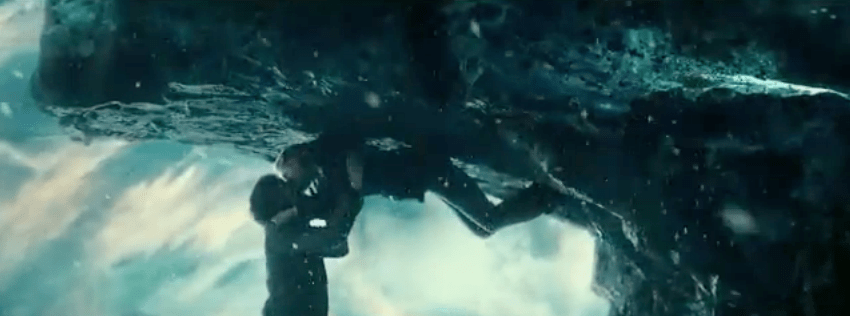
It’s all too easily to come out swinging at Upside Down. However, I’d be remiss if I didn’t note that the story does hold a lot of potential. The issues the film faces, and never really overcomes, are two-fold: firstly, the film starts with a long, overly-storybook, poorly-delivered voice over explaining the rules of the solar system wherein the story takes place. This type of exposition can be overcome but when you feel like you’ll be tested on rules and plot points at the end it’s the wrong foot to start on. Second, whether or not the science fiction element of the tale is hokey becomes irrelevant because, and it is honest about this at least, it’s perhaps one the most over-fenestrated love stories yet told.
The science fiction aspect makes shallow, general observations that could apply to any place or time, and they are not the point, which makes the façade quasi-farcical and cumbersome. There are some clever things that occur as the story progresses, which owe their debt to rules-establishing, but it’s little more than smoke and mirrors.
It’s a creative film visually, but it’s the same story that’s been told countless times on fancy, colorful stationery; thus it’s a highly redundant experience of little value save for the superficial.
This is a post that is a repurposing of an old-school Mini-Review Round-Up post. As stated here I am essentially done with running multi-film review posts. Each film deserves its own review. Therefore I will repost, and at times add to, old reviews periodically. Enjoy!
Playback
This is a film that has a formula shared by quite a few films in the horror genre: A town with a scarred past that comes back to haunt it anew. However, what this film attempts to is to double said formula. There is the now local-legend of a mass murder in a house but that fuses with a completely fictitious legend about the birth of cinema that borrows more than liberally from a few other films. I certainly cannot knock this film on the ambition front. However, where it does falter are in a few ways: first, the leads are very much in the dark about the famous case, which is an issue. We the audience don’t know the information and need it, but it seems unrealistic that most know nothing or care nothing about it. Second, I appreciate the attempted misdirection, however, the decisions about the paths the leads take also somewhat derails the story. Next, there’s a bit of inconsistency in the divulging of information. In certain cases it’s overly-expository and certain people know too much, yet in others certain aspects keep a little mystery. It’s a difficult balancing act, but it’s botched here I feel. Lastly, the ending does offer a resolution but it’s another one of those unsatisfactory shock cuts that puts a damper on the film when it had grown, just a bit, in the last third.
The elements for Playback are all there for it to work in hindsight but they’re either mismatched or mishandled in some way such that the center doesn’t hold.
The reason is that at current it is a sort of cinematic white whale for me. I’m sure any film enthusiast knows the feeling. It’s one I’ve known at many times. in fact, it’s of the larger themes of a novel I have to get back to editing (future plug! For more current works go here.)
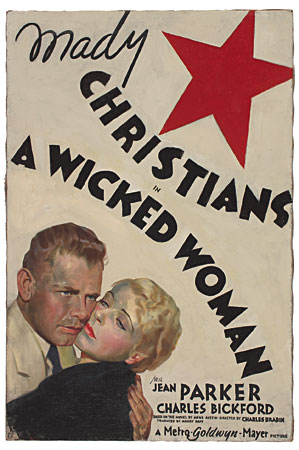
Probably the first cinematic white whale I had was Satantango. Now, that was a blind buy. I heard of this seven-hour film and what it was like and I had to see it. But that was a blind buy. With A Wicked Woman the story of estrangement of viewer and film is a bit different.
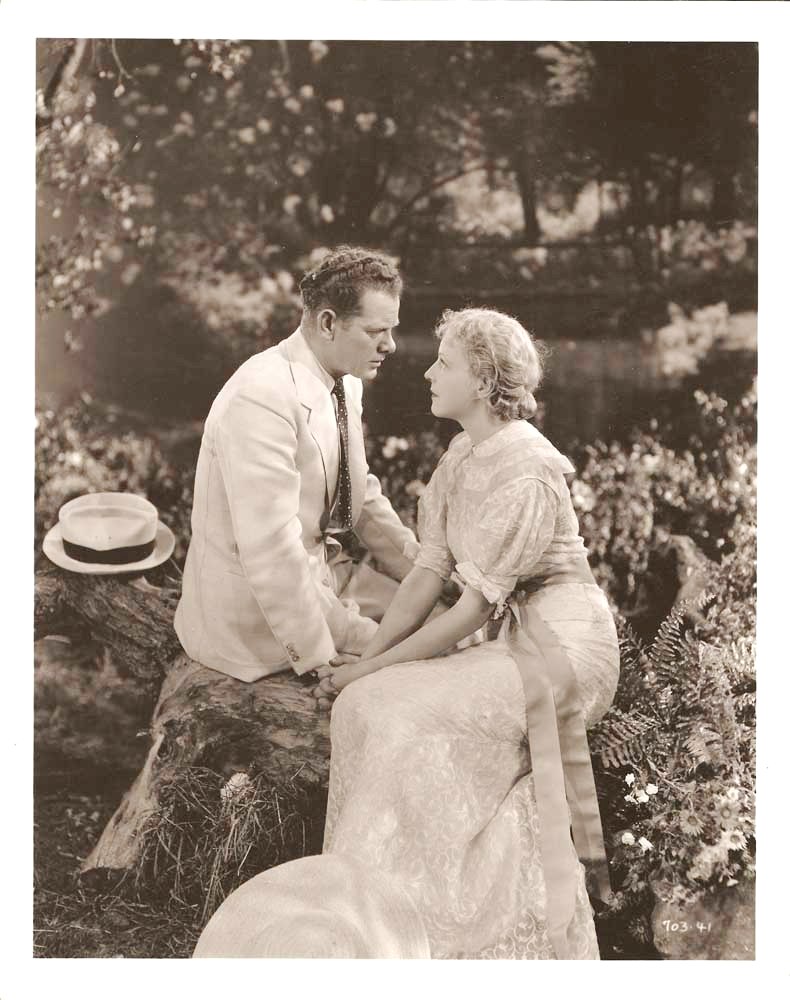
The first difference is that it’s a film I’ve seen. I believe it’s one I happened to see pop up on the schedule right before I was about to post my piece on Jackie Searl. It lived on my DVR for a while until the time came for it to be swapped out. The content could not be saved and I haven’t seen it on the TCM schedule since despite looking for it periodically and inquiring also.
Therefore, the limited availability of the film makes this a post that would also fit into my Film Activism category. I’ll get into that as well as how it may resurface again aside from TCM re-air. Clearly, I am glad TCM saw fit to air this fairly obscure title, otherwise, I would not have seen it at all.
Before getting into the journey since I saw it. A bit of what this film actually is.
Synopsis
One thing I’ve discovered since this film aired is more of the wealth of information that TCM provides on its website. Even on a little-known title such as this one there is a bit of information. The first being a highly detailed synopsis. It’s complete from beginning to end. For the purpose of this post I will include only the beginning, which is a very strong open that got me hooked:
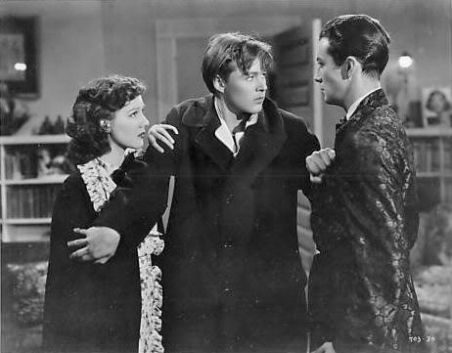
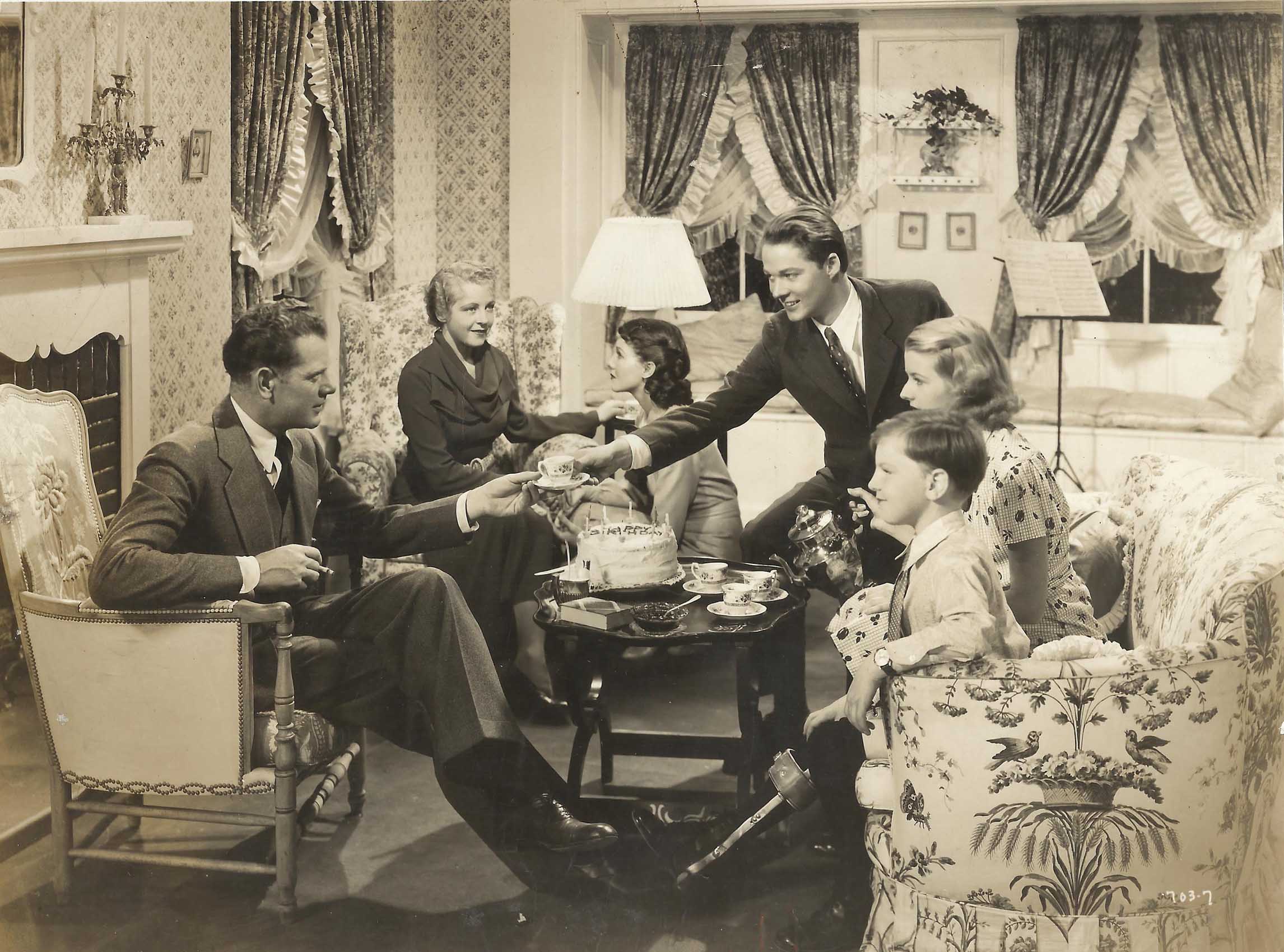
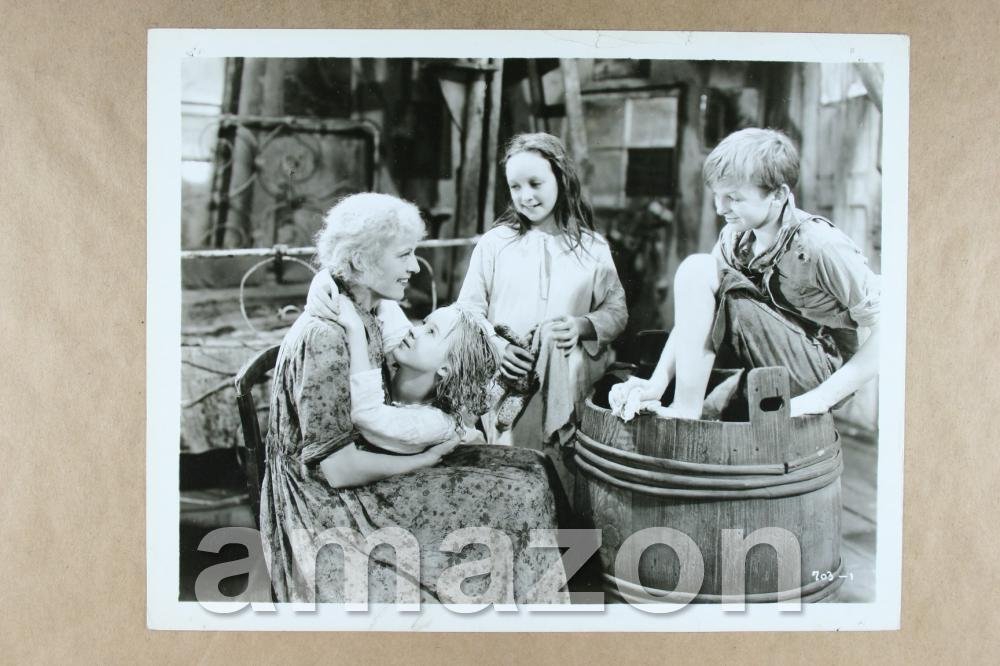
When her abusive, rum-running husband Ed storms into their Louisiana bayou shack one night, hotly pursued by the sheriff, pregnant Naomi Trice refuses to allow him to flee with their son Curtis. Determined to take Curtis, Ed knocks Naomi to the floor and tries to force his way to the boy’s bed, but is shot and killed by Naomi. After dumping Ed’s body in the swamp, Naomi gives birth to a boy, Neddie, whose leg is misshapen because of Ed’s abuse. The sheriff, whom Ed had shot while escaping, questions Naomi about her husband, but she refuses to reveal her deed. Later, she makes a pledge to God that if she is allowed to rear all of her children–Curtis, Yancey, Roseanne and Neddie–safely into adulthood, she will give herself up and pay the consequences of her crime. Naomi then moves her family away from the swamp and the still suspicious sheriff, changes her name to Stroud and eventually settles in a small Northern town.
Despite the cause of the leg abnormality, which may fall more of the category weird science than real science, there’s a lot to glom on to that makes this brisk, taut tale one worth watching: an abused wife and child easily engender universal sympathy; however, what sets this film apart is Naomi’s willingness to turn herself in when the time comes. It’s not seeking to get away but rather buying time.
The film then survives an abrupt jump in time of ten years. This is quite a feat because regardless of when it happens this can be jarring, particularly in a tale with young characters, and with so much time passing, things can change and not always for the better and the new complications don’t always work as well as the set-up.
However, the film’s usage of secrets, and motherly responsibility, provide renewable and palpable drama and lead to a thrilling and satisfactory finale.
Backstory
In terms of facts outside the story there are some interesting things to note. The release date of the film is cited as being December 7th, 1934 just after the Code came in, and I agree with Cliff Aliperti’s take on its content in that regard:
Ever notice these titles released immediately after Code enforcement, those from the last half of 1934 and even into ’35, are still a bit rougher than what follows? Take away the Production Code Administration banner at the front of A Wicked Woman and I’d have thought it was a pre-Code release.
Like many films produced in that era, it was an adaptation of a contemporary novel. A Wicked Woman by Anne Austin was released in 1933 and though out of print today is cited as having been 376 pages, which makes a feature under eighty minutes that works quite a screenwriting feat.
A review of the novel from New Books I dug up is not kind to the book overall but can’t help but praise Austin. It seems much of what the film breezes through is likely the latter half of the book which is described as:
Eventually, in the murder trial which clears Naomi, Miss Austin gets back to her own stuff, and does it very well.
Kirkus Reviews seemed more willing to give the book its due:
Melodrama, perhaps, but there is a strong human interest element which gives it dignity.
Though the film didn’t end up being one of the highest grossing films of 1934 (Per reports it failed to earn back its budget) or land on any lists it was a popular enough book for MGM to option and adapt in short order.
Here are some notices for the film that I found. First from Movie Mirror:
“This tough drama shows a mother struggling to raise her four children alone so that they will be able to survive without her, sacrificing her feelings to instill firm discipline.”
The New York Times recognized in it some of the contrary to the melodrama aspect that make it work, namely Mady Christians in the lead:
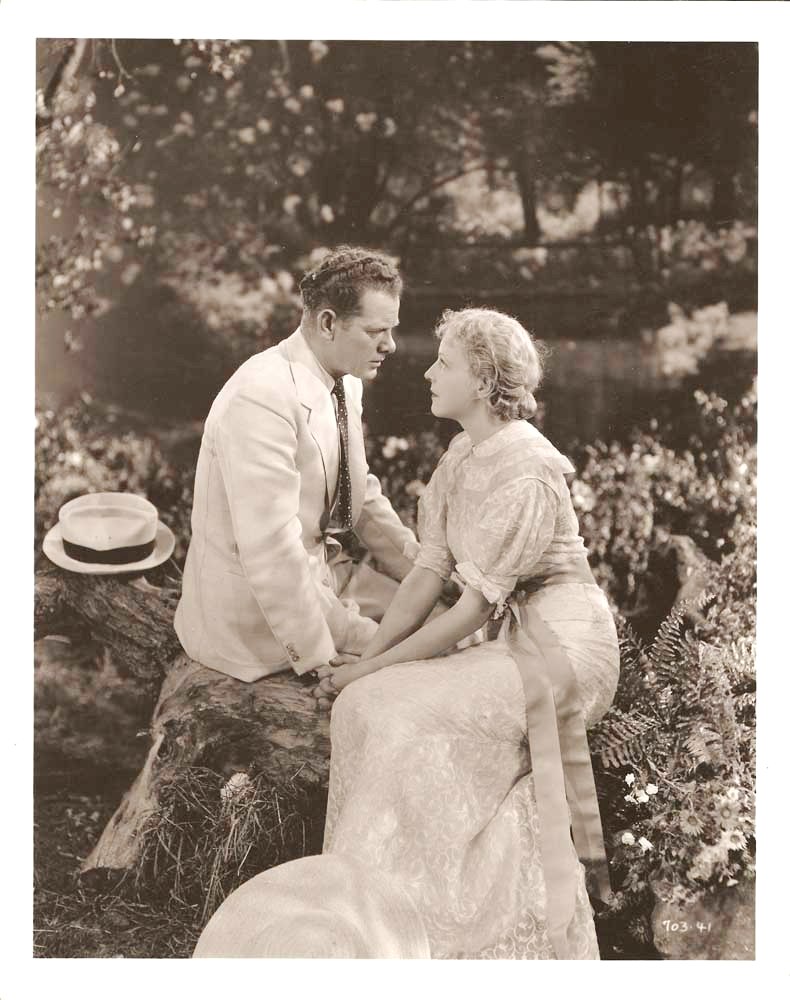
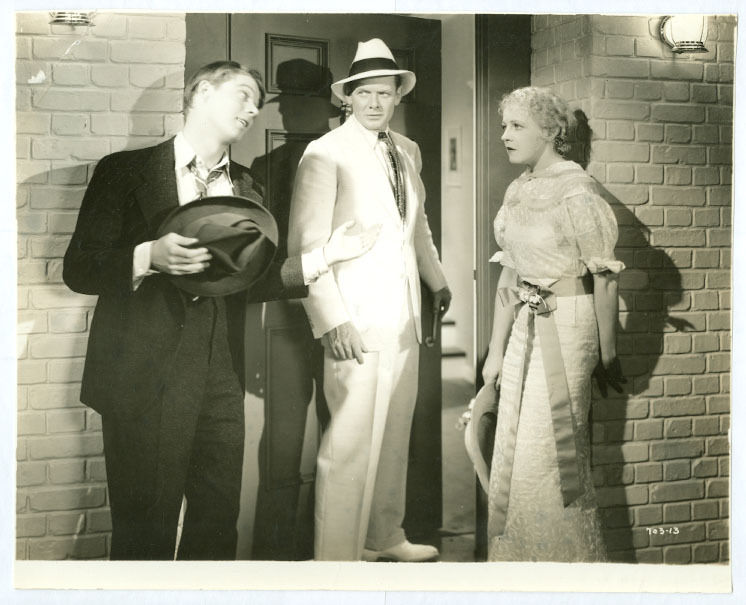
Yet Miss Christians wades into this ponderous drama with such genuine sincerity and skill that it becomes not only credible, which is a feat in itself, but impressive and considerably touching as well. Somehow in its description of Naomi’s latter-day household, the children growing up into the pangs of adolescence while the mother watches their development with patient and self-effacing pride, the photoplay comes to have a surprising freshness and conviction. Always you are aware that the work is marshaling all its forces for an unashamed assault upon the tear ducts, but you also discover that its assault is a success, and you find yourself helplessly engrossed in this woman’s courage and devotion. In addition to Miss Christians’s virtuoso performance, there is an almost flawless cast to assist her.
Other Info and Searches
Also available on TCM’s site that is of note is that three different running times are listed 71,74 and 76. I’m not sure if this means there was content cut but I believe the one TCM aired was the longest such cut.
When available I’ve requested airings, tried to set reminders, and shown interest in a DVD.
TCM also provides this background information I only found there:
Although reviews claim that Mady Christians, a well-known German stage and screen actress who had worked at Ufa’s Berlin studios, made her American screen debut in A Wicked Woman, modern biographical sources note that Christians actually had starred in a 1916 American film, Audrey, under the name Margarete Christians (see AFI Catalog of Feature Films, 1911-20; F1.0179). Christians moved to the United States in 1933 to escape persecution by the Nazis. Her most celebrated role was as the title character in the 1944 Broadway play I Remember Mama. Shortly before her death in 1951, Christians was blacklisted by the Hollywood community for her reputed involvement with the Communist party.
A Wicked Woman was screenwriter and actress Zelda Sears’s last film. She died on February 19, 1935. According to a Hollywood Reporter news item, Sears, who occasionally appeared in pictures she scripted, had been reluctant to act in this film. Early pre-production Hollywood Reporter news items announced first that William K. Howard was to direct Helen Hayes in the film, and then that Clarence Brown was to direct Hayes and Lee Tracy. None of these directors or actors worked on the production, however.
A Hollywood Reporter pre-production news item announced that Erskine Caldwell was assigned to write dialogue for the film, but his contribution to the final film has not been determined. Hollywood Reporter production charts add Benny Baker and Joe Twerp to the cast, but their participation in the final film has not been determined.
Although Hollywood Reporter news items announced that Christians was to sing “In the Hash,” a “novelty song” by Burton Lane, as well as “Swing Low, Sweet Chariot,” the only song actually performed in the movie was Lane’s “In Louisiana,” which was sung by an all-black group.
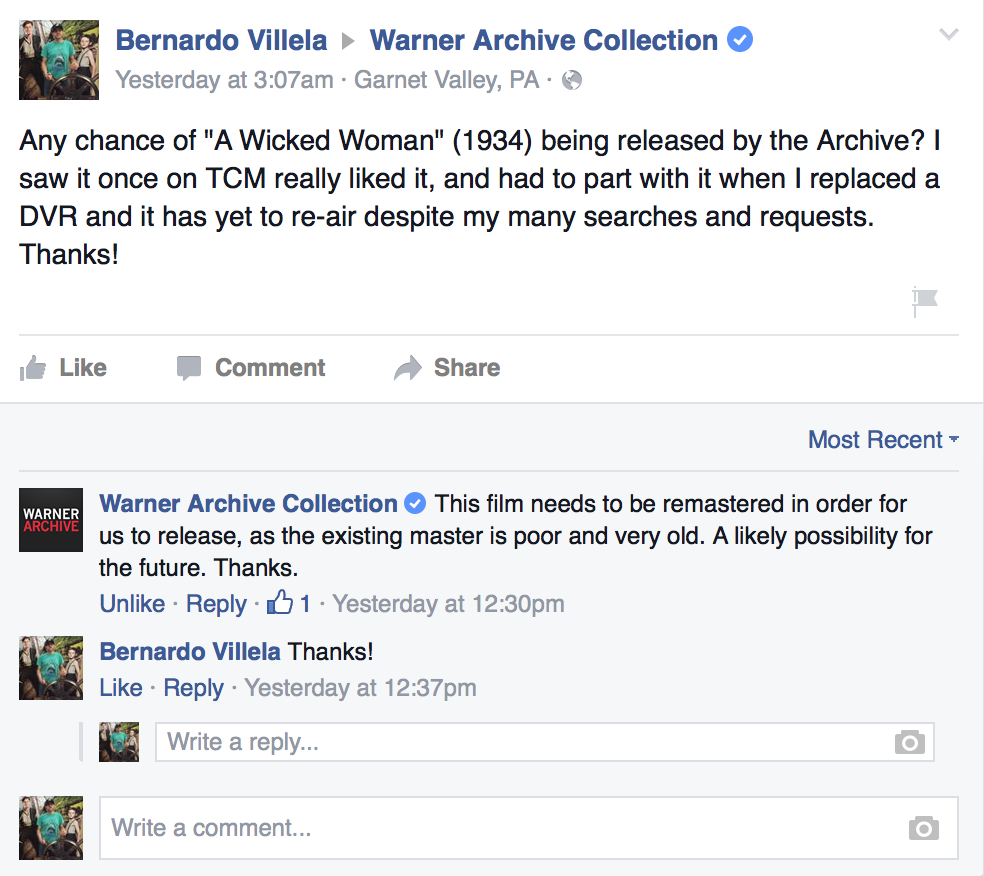
I also recently bugged Warner Archive about it this film. Firstly, to confirm that it was one in their purview. It is:
So it’s a possibility that this film will be released by the Archive eventually. Therefore, I recommend that if you’ve seen it you like the post, or comment it, if you haven’t be on the lookout on TCM as it may pop up again.
Conclusion
Quite frankly finding films like A Wicked Woman is what TCM is all about to me. Some classics are so universal and immortal if you love movies enough you’ll find a way to see them. A channel like TCM will bring you the things you may not have even known existed much less thought to see, and that’s a great thing.
This is a post that is a repurposing of an old-school Mini-Review Round-Up post. As stated here I am essentially done with running multi-film review posts. Each film deserves its own review. Therefore I will repost, and at times add to, old reviews periodically. Enjoy!
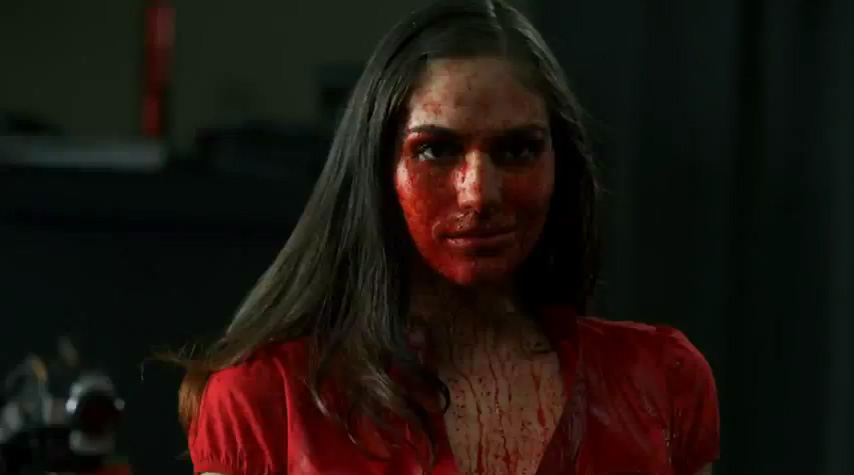
The Theatre Bizarre
Recently I’ve been seeing quite a few horror anthologies. Part of the reason behind that is just to familiarize myself with a few more of them and the voices involved in creating them. The second reason, to be perfectly honest, is that due to their episodic nature they are conducive to fractured viewing, which makes them easier to schedule. However, I did see The Theatre Bizarre all the way through in one sitting.
This one, like many horror anthologies, is a bit inconsistent in its quality, which is to be expected when different directors handle each segment. In my estimation, the highs are rather high and the lows are rather low. There are some interesting and at times daring attempts. It’s always hard to gauge them as a whole because this see-sawing in quality is not unusual at all. However, for fans of the genre I do think it’s one worth checking out, your feelings on the whole piece or a particular segment may be greatly different than my own. In the end, I really liked more of the installments than I disliked so it’s worth a watch.




 The Movie Rat