
The 110 Years of Ingrid Bergman Blogathon: The Confluence in Autumn Sonata
Introduction
Long after I signed up, I realized that I wrote about Autumn Sonata for this very blogathon way back in 2015. I realized, however, that writing about it again afforded me an opportunity look at this film from a very different angle than I did originally. So, despite my preparation being similar to how I wrote the first piece (re-reading the script and re-watching the film) my reactions and how I wanted to discuss this enigmatic piece were quite different this time.
My 2025 take will be posted in two parts. One strictly dealing with Bergman’s performance, which I will post today for the blogathon. The follow-up piece, is a bit more tangential that will look at how the creative forces of this film had their lives reflected in this work, not only from their perspectives but also from perceptions of those who covered them in the media and how that may have impacted them. That part is a bit more tangential so it made sense to split them.
Performance
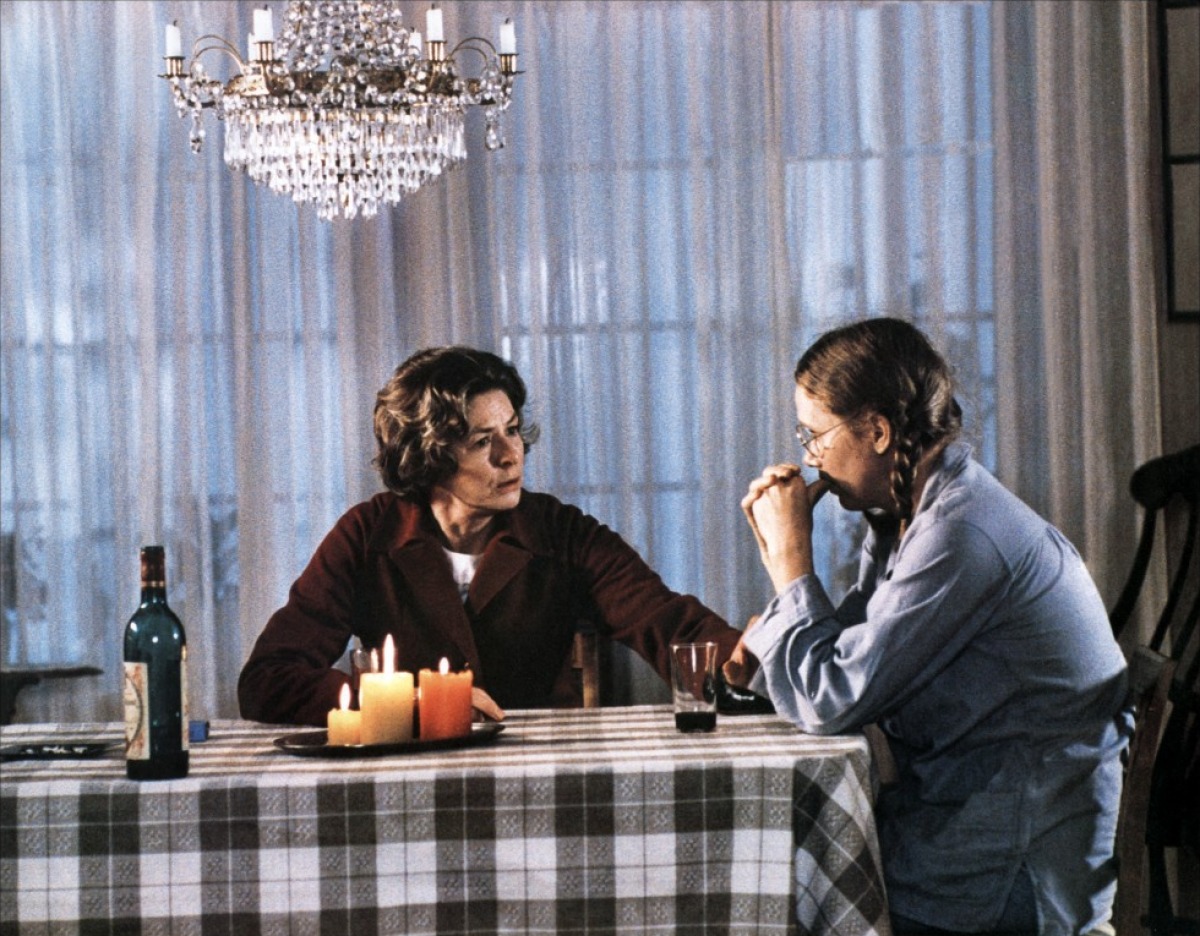
In watching the film, the first thing that’s apparent about Ingrid Bergman’s performance is her physicality. As soon as she steps out of her car she places her hand on her back due to the discomfort she’s feeling after a long car ride. A clear indication of her chronic back problems. Despite all Bergman’s dialogue, her physicality drives home the emotional toll the events of the film take on her character Whether it’s her still hand as she sleeps and then Lena comes in during the nightmare sequence, like her avoiding eye-contact during some of her daughter’s most difficult revelations and then looking back at Eva, pacing and smoking, lying on the floor to spare her back, and not wiping away her tears.
There’s also the performance within the performance aspect as Ingrid’s character is also an artist. Moments like when she speaks English on the phone, her Middle Atlantic accent and the presentational acting style that was prevalent when she broke into Hollywood. Ingrid and Ingmar butted heads over a few things in the making of this film. He didn’t want her methodically planning moves, glances, and gestures, but her persona and demeanor in English was a necessary ingredient.
Other points of contention were things like the precise length of time Charlotte and Eva had gone without seeing one another, Ingrid wanted a joke or two to soften her character. Ingmar didn’t bend to those request but there are some lighter moments, mostly when Charlotte is alone like when she speaks to Leonardo’s portrait.

The nuanced script rich in characterization set the film up for success, but the creative tension definitely yielded positive results. With two supremely talented lead performers, meaty material that hit close to home, the tension likely broke some resistance to certain aspects of the story and help wring out a tremendous amount of raw emotion from her. Emotions that usually radiate from Ingrid’s eyes outward to permeate entire frames. It was a confluence of events and talents that garnered her yet another Oscar nomination and created a masterwork.
 The Movie Rat