Mini-Review: City of the Dead (1960)

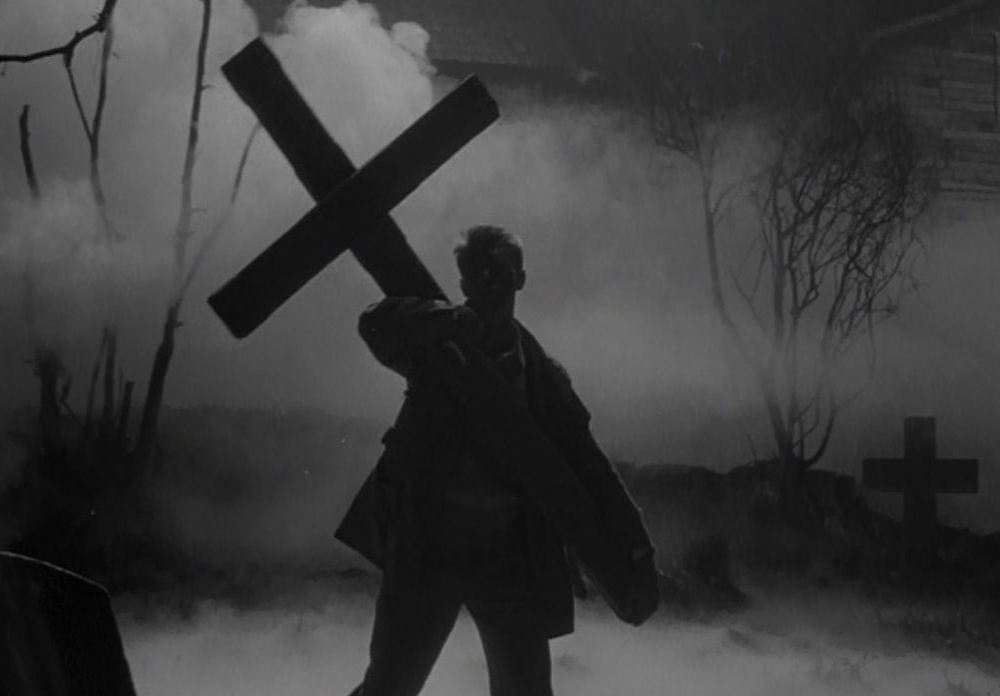
It seems as if this film has always been plagued a bit by its title. Its original British title, which it now goes by everywhere, City of the Dead, sounds like many a zombie film through the ages. Its original US title did not really serve a use, however, as Horror Hotel makes the film feel more schlocky and bloody than it is. What City of the Dead is is a story of witchcraft told in wholly Gothic, aggressively fog-laden style and quite effectively done.

On occasion this film is as transparent but highly enjoyable nonetheless. It features a tale told with a truncated running time allows it an almost El Mariachi-like replicative structure. It kicks off with a great teaser that leads to an awesome introduction for the late great Christopher Lee.

Christopher Lee in this film is given quite the interesting role to work with. It starts with an impassioned, excellently delivered monologue and builds in intrigue from there. While it’s not the largest of his roles it does much to buoy this film throughout. His presence grows to make an impression that belies the amount of screen time he’s allotted.

Music Video Monday: “You Better Run” Pat Benatar

When I featured The Buggles three weeks back, what made me realize I’d omitted them was seeing a list of the first 50 music videos played when MTV debuted.

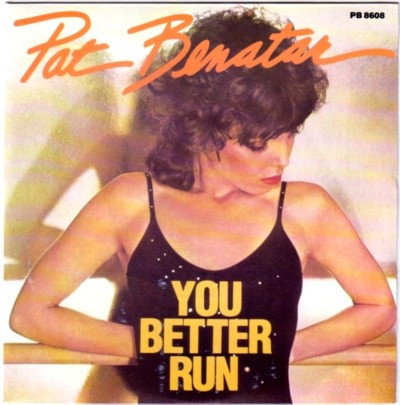
Many of the songs and videos on that list are familiar to me, but not all of them. So I wanted to explore them. “You Better Run” played seond. It was a song I was unfamiliar with, it was not amongst Benatar’s biggest songs but it’s certainly good and bears her signature.

It’s a performance-piece video, which is generally not that interesting, but there are some lap-dissolves hiding what would be jump cuts throughout; all such instances are on a head-and-shoulders shot of Pat, one right at the beginning. It’s the clearest evidence I’ve seen of tidbit I picked up in film school that la nouvelle vague influenced music video making’s first wave at the very least, giving those directors and editors a new way to shoot and cut. Enjoy!

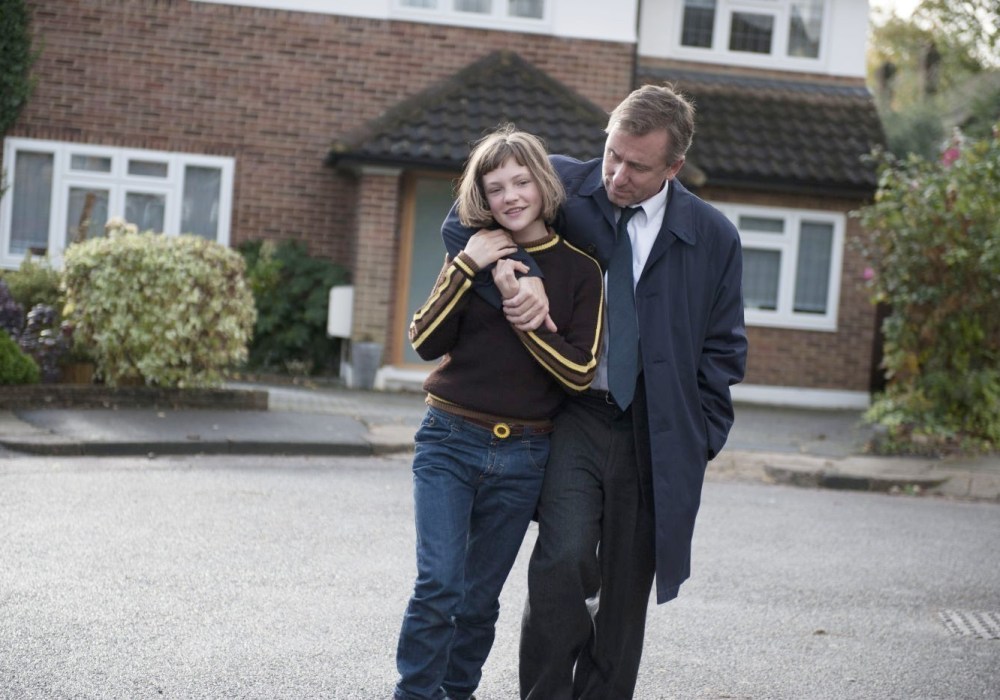
Mini-Review: Broken (2012)

This is a review that was originally posted in a Mini-Review Round-Up. As of this writing Broken can be streamed on Tubi, Pluto, and Plex.

This is a film that, aside from being the opening selection during Critics’ Week at Cannes and winning the Grand Prix at the Odessa Film Festival, was also nominated for nine British Independent Film Awards, A European Film Award and two awards at the London Film Festival; so it made a bit of hay that made me intrigued to see it.

I am glad to say that after all that hullabaloo I was not let down in the least, quite the opposite; Broken is the first great new film of the year that I’ve had the pleasure of watching. It’s an intricately told and layered tale that with many narrative threads, characters crossing paths, that could get trite, but is instead invigorating and riveting.

There are frames within the film and excellent persistent use of cross-cutting that acutely accesses the proper emotional tenor that is sought, which finds the commonality in these characters so frequently at odds. In certain ways, it’s like an externalized version of We Need to Talk About Kevin, in terms of the way it’s cut together and how the actors have to truly use the edit to great affect.

It’s what I like to term a “collision course narrative,” which is a tale wherein there’s a suspenseful foreboding to the meeting of certain events that you feel, and it’s perhaps the best example of such I’ve seen. It’s also a film that starts strong and never really lets go. 

Watch Broken, it is an absolutely exquisite piece of cinema.
Mini-Review: Love Me Forever or Never (Eu Sei Que Eu Vou Te Amar) (1986)

This film is not currently available on any streaming platform.

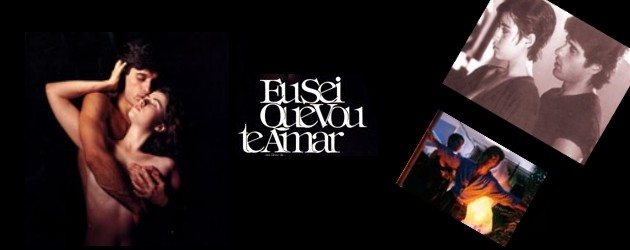
Fernanda Torres, is now a it more well-known in the US after having earned an Oscar nomination for I’m Still Here (Ainda Estou Aqui) last year. However, when she was younger she was the first the first Brazilian woman (or woman from any Latin American country) to win Best Actress at the Cannes Film Festival. She tied with Barbara Sukowa and was very worthy of the honor.

Writer/Director Arnaldo Jabor refers to this film as a sort of psychological playground. It is a that a a minimalist drama experimenting in negative fill an quite nearly stagebound and focused on two actors. However, the intensity and proximity to the actors is a trick that only film can pull off.