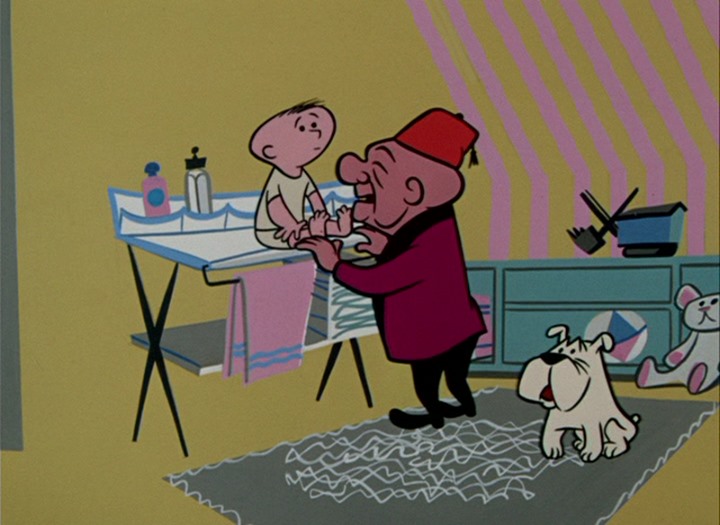
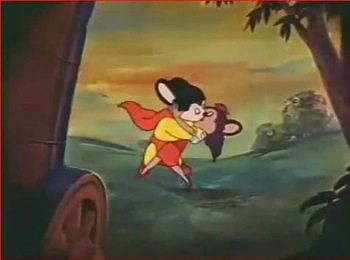
Short Film Saturday: Pink and Blue Blues (1952)
The films I share in my 31 Days of Oscar posts tend to get lost in the shuffle, so I’ll be featuring them on Short Film Saturday to give them their due.
The films I share in my 31 Days of Oscar posts tend to get lost in the shuffle, so I’ll be featuring them on Short Film Saturday to give them their due.
The films I share in my 31 Days of Oscar posts tend to get lost in the shuffle, so I’ll be featuring them on Short Film Saturday to give them their due.
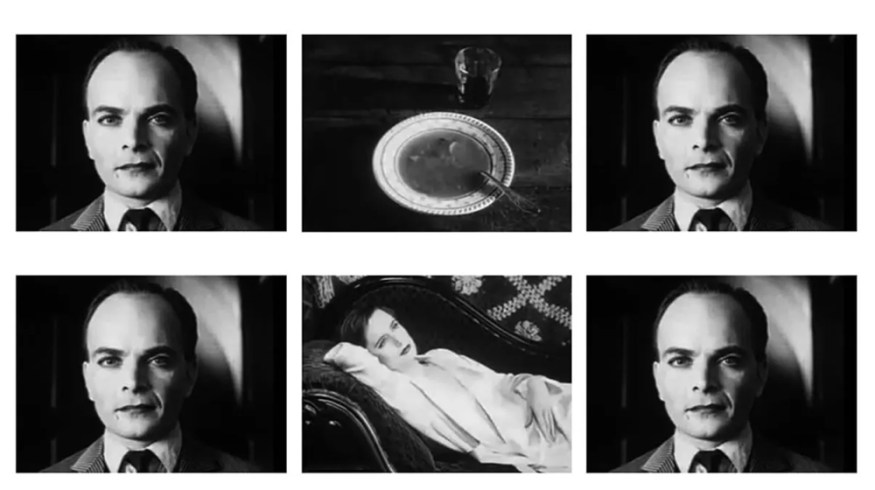
Following the end credits of the recent film Good Boy a mininature behind-the-scenes featurette serves as the film’s stinger. In it the director, Ben Leonberg, mentioned that the reason Indy’s (the dog’s) performance seems so emotive is due to the Kuleshov effect.
Here’s Hitchcock synopsizing it in one of his interviews with Truffaut:
“Yes, in one of his (Pudvokin’s) books on the art of montage he describes an experiment by his teacher, Kuleshov. You see a close up of the Russian actor Ivan Mosjoukine. This is immediately followed by a shot of a dead baby. Back to Mosjoukine again and you read compassion on his face. Then you take away the dead baby and you show a plate of soup, and now, when you go back to Mosjoukine, he looks hungry. Yet, in both cases they used the same shot of the actor; his face was exactly the same.”
There is also a shot of a woman in which Mosjoukine was interpreted as being in love. Like Hitchcock I’d only read of the experiment that cemented a piece of film theory. But in Good Boy the footage was shown. After having seen it, I looked it up to share here. Enjoy!
The films I share in my 31 Days of Oscar posts tend to get lost in the shuffle, so I’ll be featuring them on Short Film Saturday to give them their due.
The films I share in my 31 Days of Oscar posts tend to get lost in the shuffle, so I’ll be featuring them on Short Film Saturday to give them their due.
The films I share in my 31 Days of Oscar posts tend to get lost in the shuffle, so I’ll be featuring them on Short Film Saturday to give them their due.
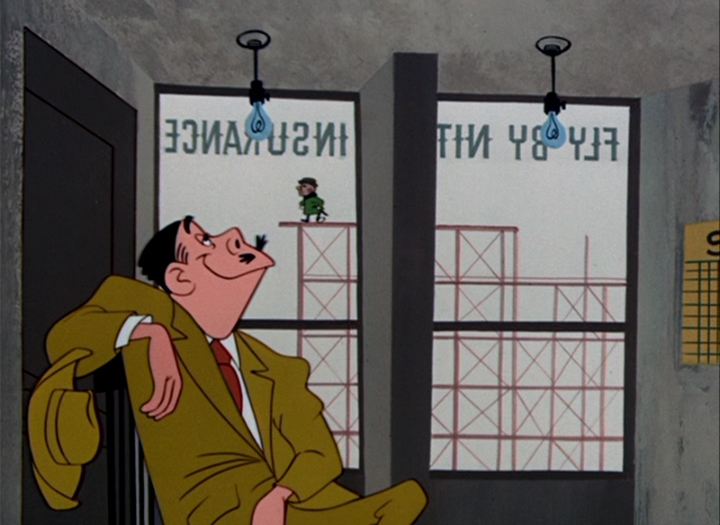
The title of this film, as well as some plit elements, refer to Double Indemnity which first came out in 1944 the year following the novel on which that film is based.
The films I share in my 31 Days of Oscar posts tend to get lost in the shuffle, so I’ll be featuring them on Short Film Saturday to give them their due.
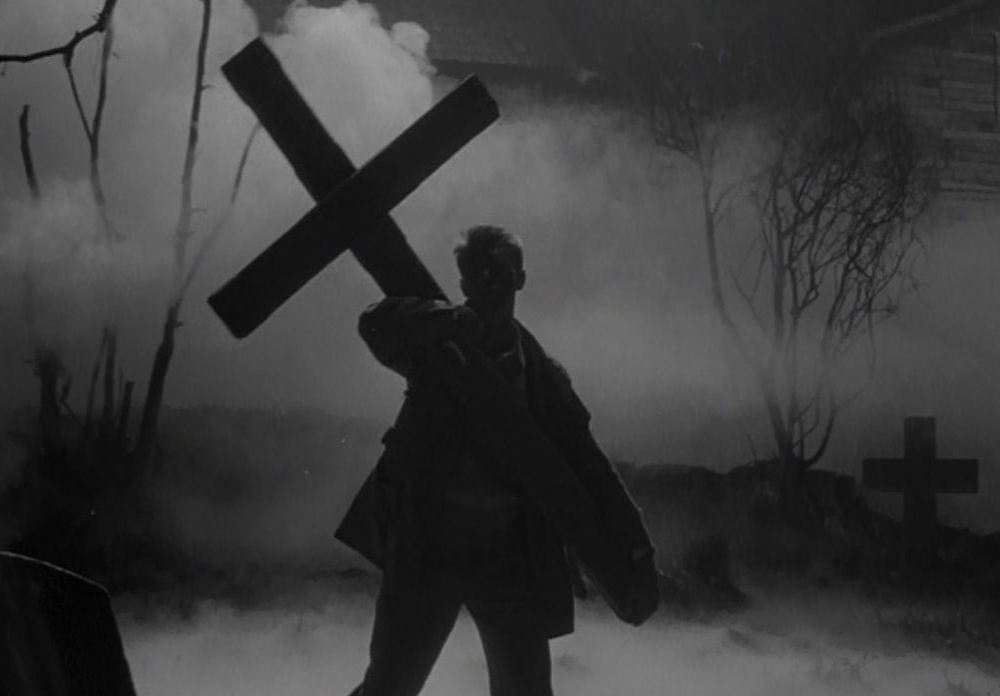
It seems as if this film has always been plagued a bit by its title. Its original British title, which it now goes by everywhere, City of the Dead, sounds like many a zombie film through the ages. Its original US title did not really serve a use, however, as Horror Hotel makes the film feel more schlocky and bloody than it is. What City of the Dead is is a story of witchcraft told in wholly Gothic, aggressively fog-laden style and quite effectively done.
On occasion this film is as transparent but highly enjoyable nonetheless. It features a tale told with a truncated running time allows it an almost El Mariachi-like replicative structure. It kicks off with a great teaser that leads to an awesome introduction for the late great Christopher Lee.
Christopher Lee in this film is given quite the interesting role to work with. It starts with an impassioned, excellently delivered monologue and builds in intrigue from there. While it’s not the largest of his roles it does much to buoy this film throughout. His presence grows to make an impression that belies the amount of screen time he’s allotted.
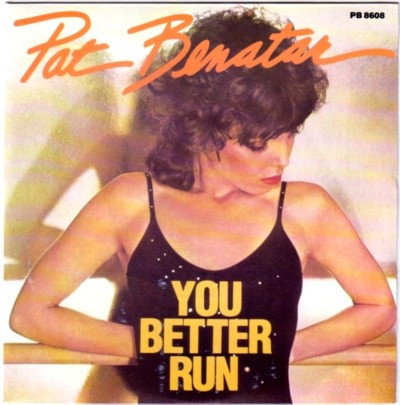
When I featured The Buggles three weeks back, what made me realize I’d omitted them was seeing a list of the first 50 music videos played when MTV debuted.
Many of the songs and videos on that list are familiar to me, but not all of them. So I wanted to explore them. “You Better Run” played seond. It was a song I was unfamiliar with, it was not amongst Benatar’s biggest songs but it’s certainly good and bears her signature.
It’s a performance-piece video, which is generally not that interesting, but there are some lap-dissolves hiding what would be jump cuts throughout; all such instances are on a head-and-shoulders shot of Pat, one right at the beginning. It’s the clearest evidence I’ve seen of tidbit I picked up in film school that la nouvelle vague influenced music video making’s first wave at the very least, giving those directors and editors a new way to shoot and cut. Enjoy!
The films I share in my 31 Days of Oscar posts tend to get lost in the shuffle, so I’ll be featuring them on Short Film Saturday to give them their due.
 The Movie Rat