Silent Recasting Blogathon: Harry Potter and the Philosopher’s Stone (1917 – a 17-Chapter Serial by Louis Feuillade)

This is my contribution to the Silent Recasting Blogathon at Carole and Co.

Had I given this post more time, in terms of design, I’d have come up with an actual one sheet as opposed to just a color-corrected banner image. However, what I am lacking in graphics I am prepared to try and make up for in terms of an alternate history narrative.

In this take I am imagining a parallel universe wherein there is a J.K. Rowling who instead of publishing Harry Potter and the Philosopher’s Stone in 1997 did so in 1897. With the book being published at this time, I also imagine that the British title would not have been changed for US audiences, due to the fact that American English and the King’s English were more closely related at the time.

What I imagine would have ensued had such a book come into being 100 years before it actually was written is quite a long process wherein the rights to the cinematic adaptation of the book changed hands a few times, and eventually taking 20 years to bring to the screen.

In fact, in this alternate history all the books would’ve been published, and similarly successful, before any film version had been made.

The development of the motion picture first started under the auspices of Georges Méliès and Star Film Company. However, with the closest thing to extended narrative that Méliès had offered where things like series of shorts based on The Dreyfus Affair and titles roundabout 30 minutes he felt uncomfortable fully committing to adapting the title to the big screen. As Star fell on hard times he let his option lapse prior to his first dealings with Gaumont in 1910.

When the rights were free again British filmmakers were again outbid. This time by Ufa in Germany. They tinkered with the idea for a few years and were willing to give a young, as of yet unproven, Fritz Lang a go at it and even began the casting process a few times, but ultimately they were not yet ready to take the project on properly.

Gaumont then finally got their chance at the rights in 1916. They began discussing the project with Louis Feuillade. Feuillade at this point with both Fantomas and Les Vampires under his belt had some clout and wanted to treat the book faithfully and turn the 17 chapters in the book into 17 shorts making one serialized feature. Though they were already casting the budget required to shoot that much material of so fantastical a story became something that Gaumont would ultimately balk at.

It was clear that it was a monumental task for any one studio to take on a globally renowned tale in an age when the concept of a worldwide blockbuster did not yet exist. Untrod trails were being blazed and nervousness abounded.

That was when Carl Laemmle and Universal Studios stepped up to the plate and offered a co-production deal that would not only guarantee many screens in the US but also assistance on inter-titling the film in quite a few language that would likely lead to the films profitability.

With Universal shouldering much of the financial burden they were able to make a few demands: first, production would move to Hollywood. They would willingly retain Feuillade and have him work with a translator, but would need to discuss new casting options.

With such a big, unprecedented project underway studio affiliations were all but meaningless and the stars lined up. Eventually, the cast started to come together with many of Feuillade’s original choices being replaced by American counterparts.

In the role of Harry, Gordon Griffith was cast replacing Fabien Haziza whom Feuillade had directed in Judex.
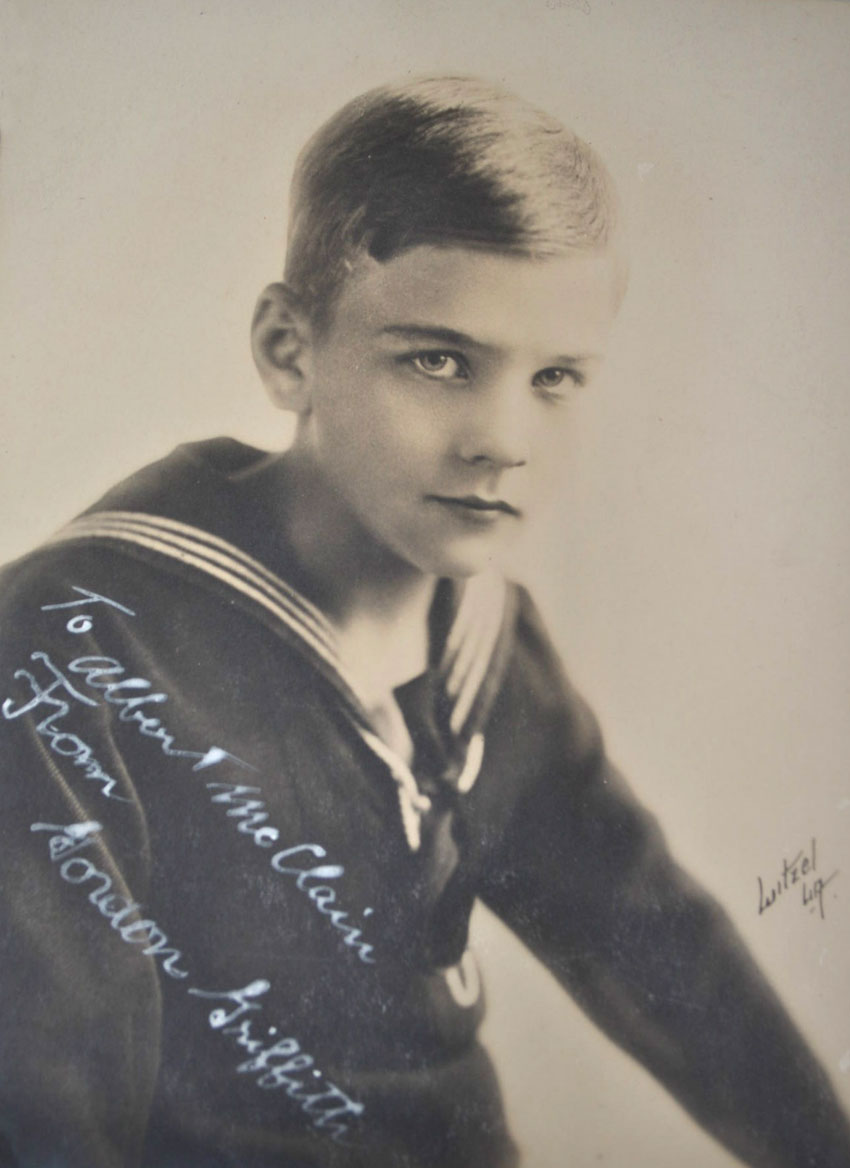
Gordon_Griffith_signedx850w

Feuillade didn’t have a Ron, so he was open to discussions. It ended up being one of the more heated debates. Wesley Barry was considered as he was actually a ginger. However, Laemmle argued, especially in black-and-white and tinted film, that that didn’t matter so the role ended up going to the more expressive Coy Watson, Jr.
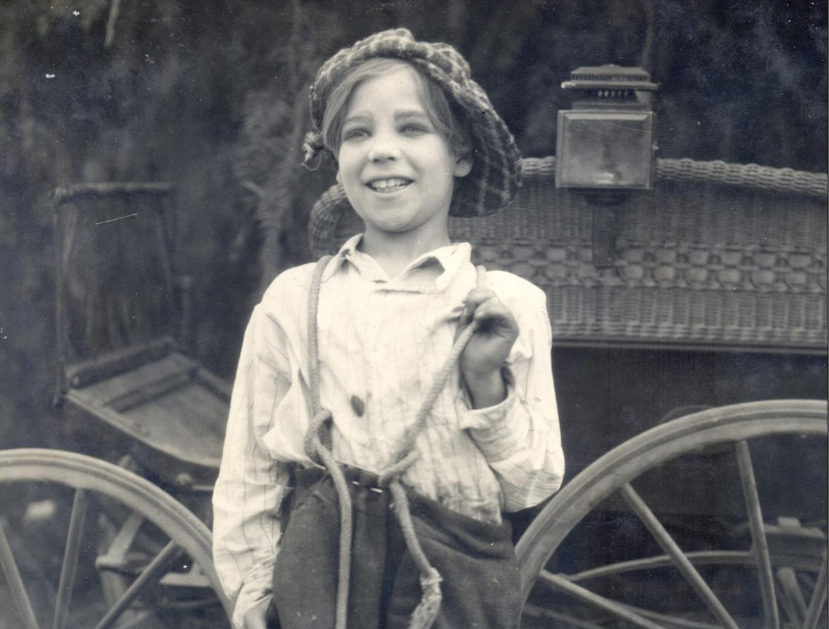
Coy Watson

Hermione was the role most bantered about. As opposed to the boys, few of the actresses considered were actually the age they were playing. Due to that fact much crystal-ball-gazing was done as they debated who would be able to play Hermione as the series progressed with the least likelihood of needing to be recast. Eventually hopes for longevity won out over bigger name older actresses and Mary Miles Minter, got the part and eventually lead to her also being cast in Anne of Green Gables.
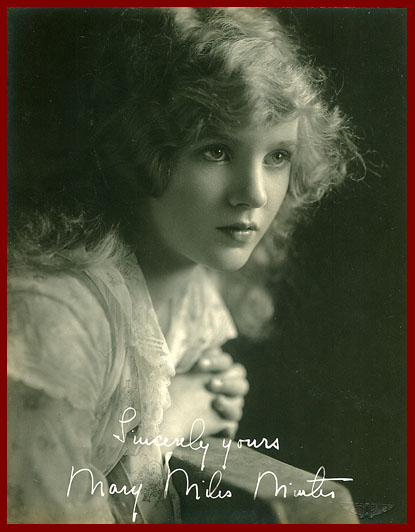
mary-miles-minter-flying-A-publicity-photo

Many of the supporting parts were open-and-shut discussions.

Harry’s friend Neville Longbottom was a role they were unafraid to go overseas for and cast Tibi Lubinsky (a.k.a Tibor Lubinszky, seen in the center of the photo below).
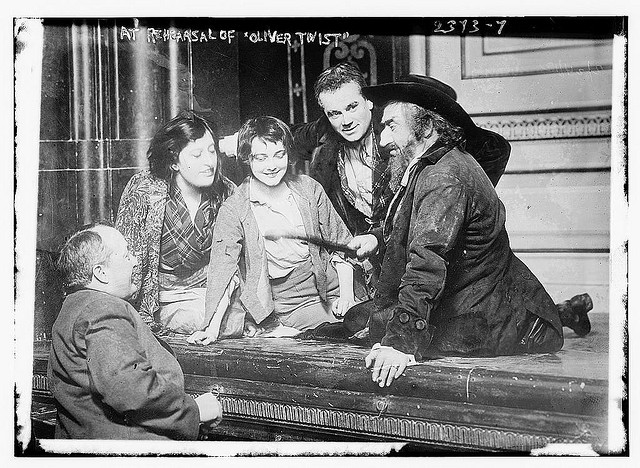
2163042781_e00f33d2e5_z

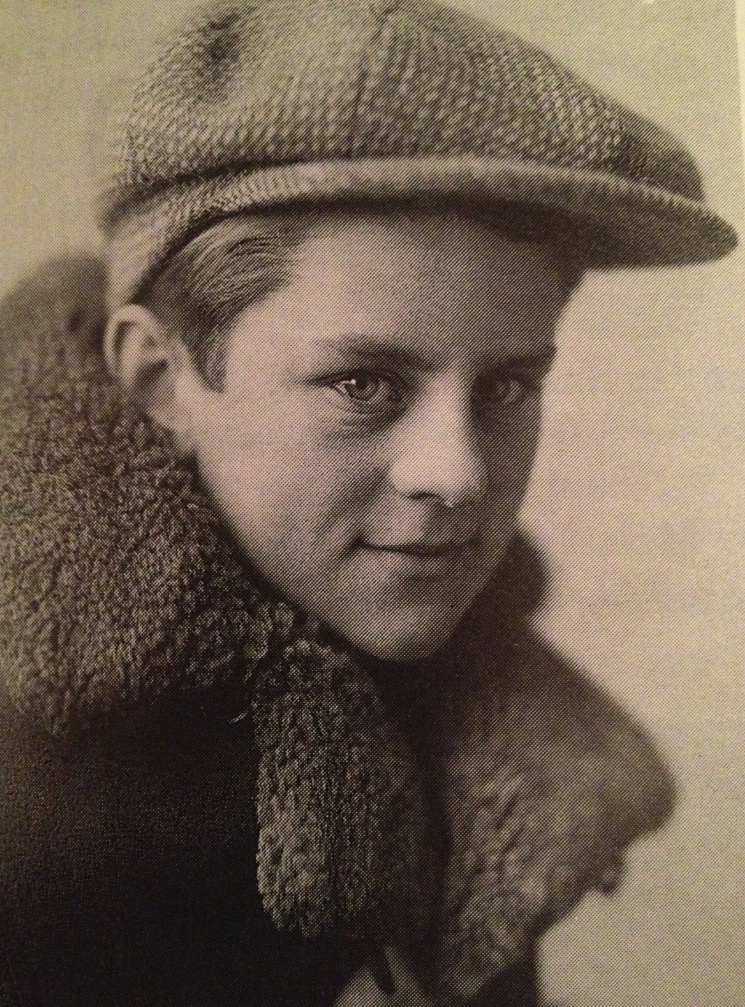
While Draco Malfoy, another nemesis, was cast locally with True Boardman, Jr.
TrueBoardmanJrCrop

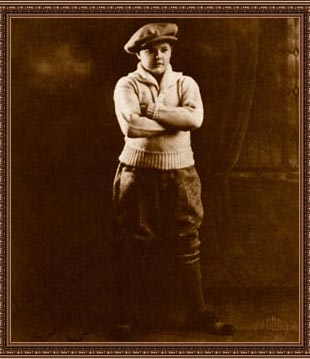
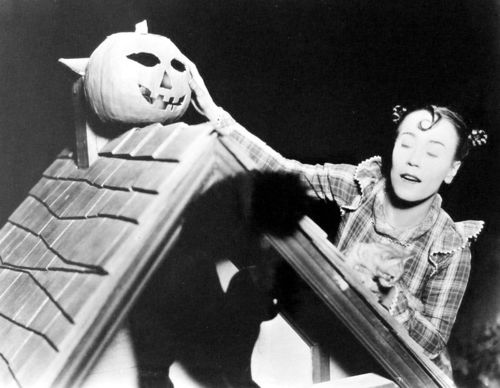
The Dursleys were decided quickly. Buddy Messinger was selected as Dudley and Louise Fazenda and Mack Swain, who had paired so often in the Wilful Ambrose films, would bring the necessary comedy to his parents.
Messinger

Louise Fazenda

Swain19

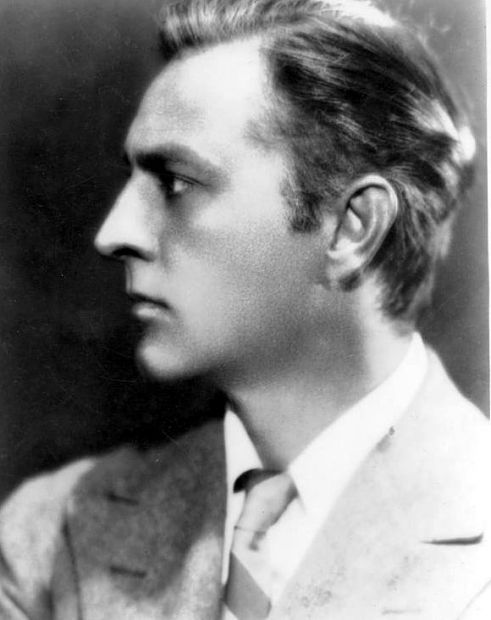
John Barrymore, carried himself with a gravitas beyond his years, and was cast as Albus Dumbledore.
john-barrymore-profile_opt

On the comeback trail, and with the film in need of more comedic touches (as per the studio not necessarily per Feuillade), Fatty Arbuckle was cast as Hagrid.

The overly-nervous Professor Quirrel was deemed to be a job for Harold Lloyd.
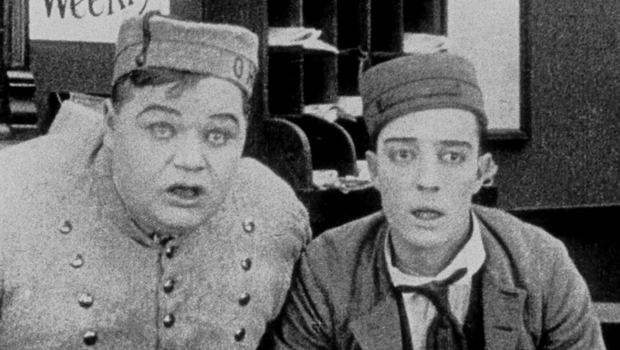
Fatty Arbuckle and Buster Keaton

While, his superior, and villain to the whole series could only be the Man with a Thousand Faces, Lon Chaney.

Lon_Chaney_by_Clarence_Sinclair_Bull_R1

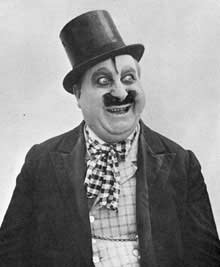
The role of Severus Snape was one much debated as Feuillade wanted something to stem the tide of comedic actors coming in to preserve some balance at least. The final two candidates were comedian Max Linder and as-of-yet-unknown German actor Mac Schreck. Feuillade won the argument and Schreck’s appearance in this film would make waves in Germany especially with F.W. Murnau who would later cast him in Nosferatu.
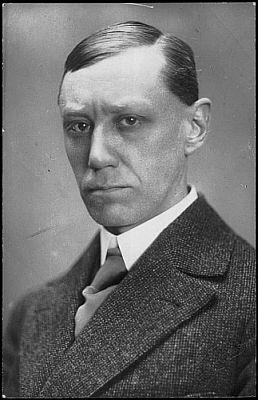
5561798_135566554083

As opposed to the Harry Potter series in actuality, which had to replace Professor Dumbledore (Michael Gambon took over after Richard Harris’ death), here it was Minerva McGonnigall that needed to find a new actress to fill the role later on. Sarah Bernhardt who would start the series and was unable to complete it. Feuillade was able to convince Universal that the inclusion of the renowned French stage actress would add box-office appeal among women.
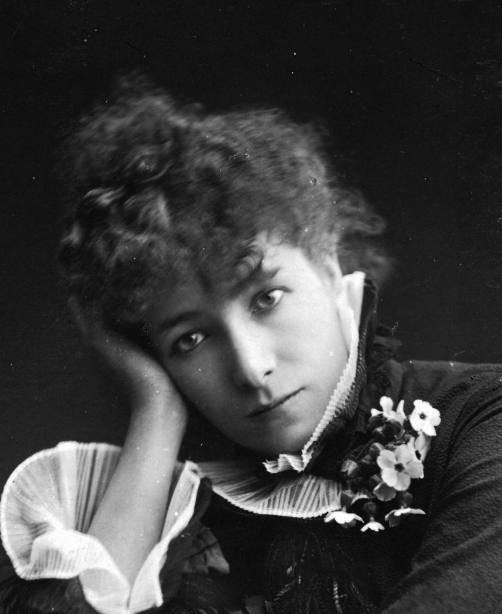
Sarah_Bernhardt_by_Paul_Nadar_(crop)

With such a cast as this in place this alternate-universe version of the film was a hit akin to the one in our own. As for who would come in to play key figures down the line that may be decided in future blogathons, or can be speculated in the comments below. Hope you enjoyed!
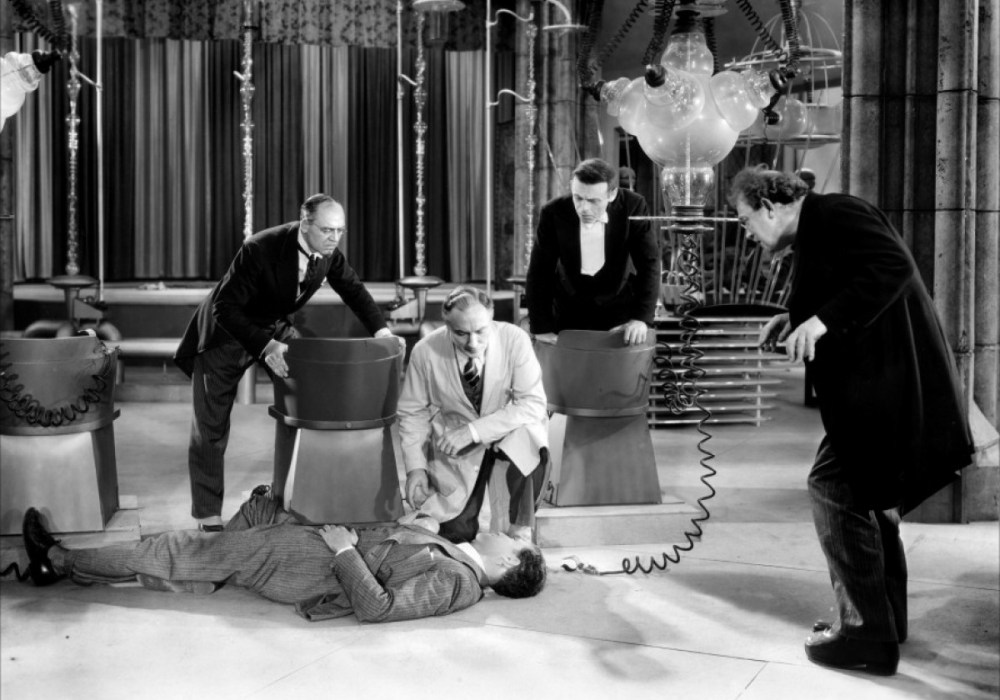
Journalism in Classic Film Blogathon: Doctor X (1932) and The Return of Doctor X (1939)

Introduction

Firstly, I’m glad to be contributing to Comet Over Hollywood and Lindsay’s Movie Musings blogathon. Secondly, I have to say that there are two very distinctive reasons why I chose these films for analysis: one, I am currently ensconced in my 61 Days of Halloween theme so anything that could combine that with a blogathon was preferred. Two, I firmly believe that while all films may not reach “greatness” or “importance” they are all worth being looked at seriously. Analyzing a particular aspect of these films made it easier. Yes, I said films twice now. That’s the last note I should mention: I thought Doctor X was on YouTube. I was mistaken, but it was on Netflix on a two-film disc with a later, similar but unconnected film so I watched both, and it’s a good thing I did.

Background

Doctor X (1932)

When looking at a specific profession as portrayed in film I think it important to discuss briefly my experience, limited as it may be, with it. I believe that at some point in junior high school I did take a very rudimentary elective in journalism. More to the point that is where you learn the very basics. Furthermore, being in an age with media at the tip of our fingers one can’t help but scrutinize media coverage. It is an interesting age for the profession of journalism because information, and misinformation, travels faster than ever before. Both great and not so great things are possible because of it. I think at current it’s also an interesting age for the journalist as represented in fiction again. Author Christopher Rice encapsulated it best in a tweet saying that thanks in large part to the rise of Swedish mystery novels in popular culture the literary figure of the journalist has been redeemed. There was a time when this personage seemed to be in a morass, however, that’s shifted. The cinematic tales I’ll examine, as outlandish as they might be, are closer to the halcyon days of representation.

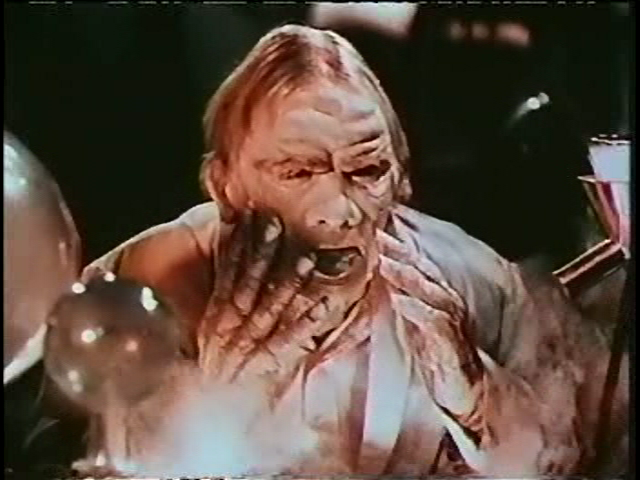
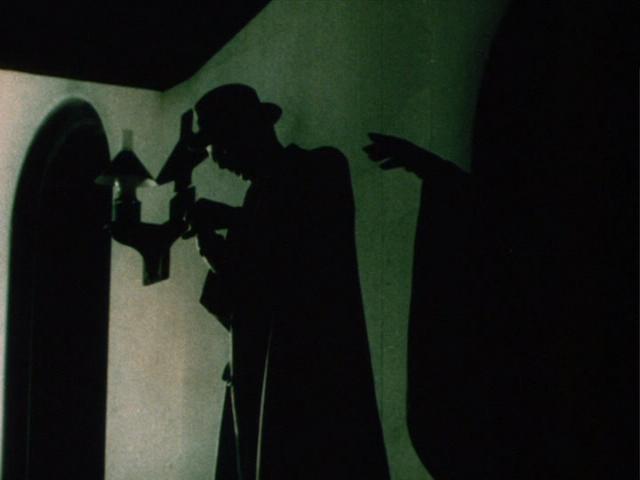
Doctor X (1932)

Doctor X (1932)

The synopsis of Doctor X describes Lee Taylor as wisecracking, and they’re not kidding. This reporter, Lee Taylor (Lee Tracy), following a series of murders referred to as the “moon killings” in several cases seems more content to joke around (he even wears a joy buzzer – it does function as a plot device later, but still) than take anything seriously. However, that line he’s toeing never really gets crossed as he does do his job. He does so both in a diegetic and non-diegetic sense. In the diegetic, he is committed to breaking the story wide open. The police talk to Dr. Xavier (Lionel Atwill) he rounds up his staff (the suspects in the case) and retreats trying to sniff out who it is himself for a period of 48 hours. Lee sneaks in and is, in a non-diegetic sense, our eyes. He similarly overheard talking in the morgue by pretending to be a corpse. There may have been breaches in professional etiquette throughout this film, but at least most of them kept him removed from the action and an impartial observer. Breaking in where he was not wanted or allowed notwithstanding at least he was tries in the end.

However, there are worrisome acts, aside from the aforementioned ones of dubious legality, throughout. For example, he complains of all he has to go through just to get the minimal amount of information he has to report when checking in and then asked off the case, then when his ego and pride are played to he claims to have been joking. Due to the performance of the scene the intent (joke or sincerity) is obscured. Overall, though, the film seems to be more slanderous to cops than reporters. The police continuously barter with Doctor Xavier, who is not the antagonist, to allow him to conduct his own search and present his findings. The police threaten and bloviate but ultimately do not interrupt the drama before it’s time. They are within their rights to interrupt the game of charades passing for a film, but they do not.

While Tracy does make some blunders, like becoming smitten with Xavier’s daughter and becoming a part of the story he’s covering, at the end (to an extent) he is far more admirable in his efforts than the police are in their inaction. Yet none really come off that great, for the young Miss Xavier (Faye Wray) does get him to sit on the story, at least for a little while. And that’s why it’s fortunate I did the double feature because not only is The Return of Doctor X (1939) a much better film, but it also has a much better and more well-portrayed reporter.

The Return of Doctor X (1939)

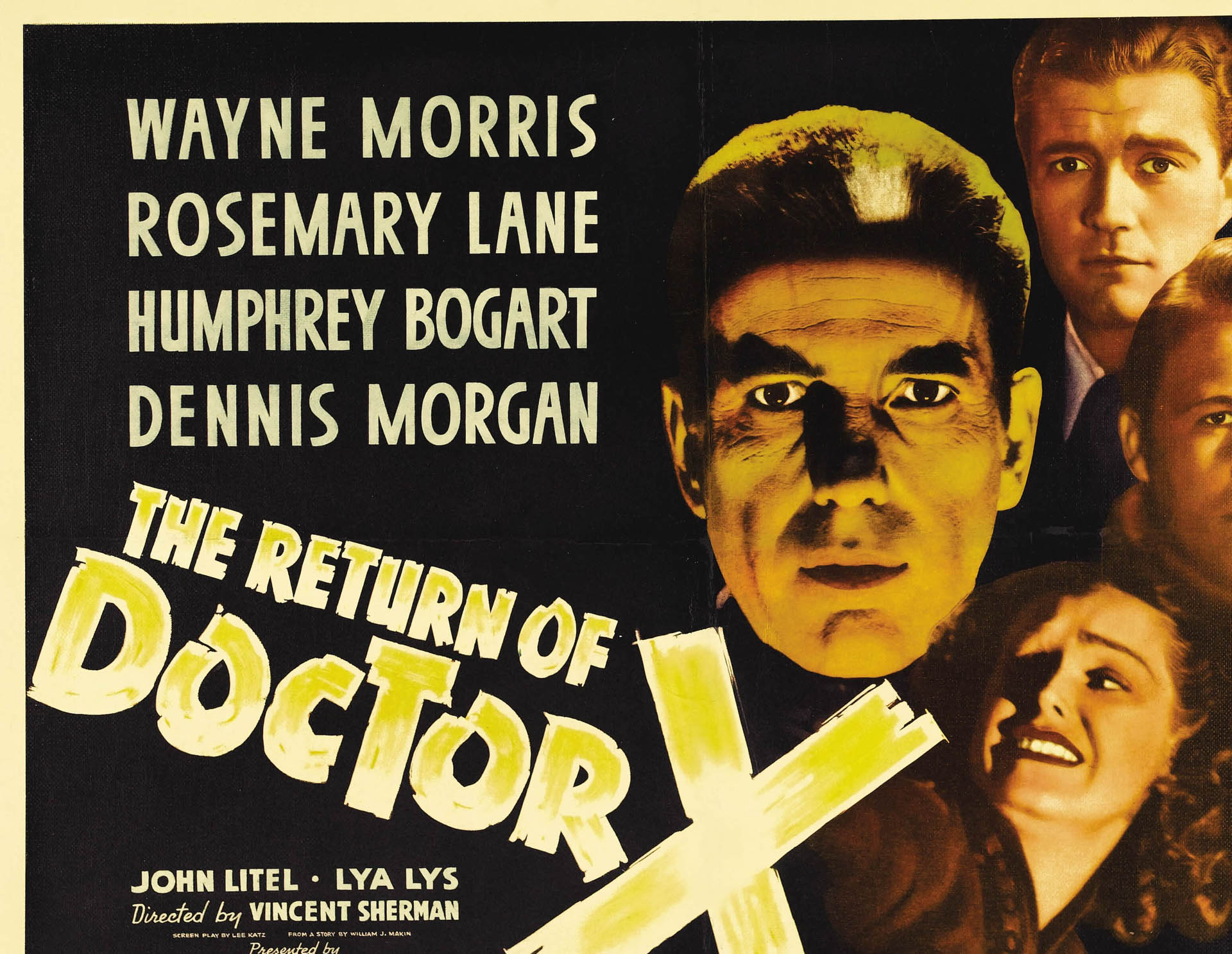
The Return of Doctor X (1939, Warner Bros.)

One might think these films are related, despite having similar templates one really could at best call this film a sequel-in-name-only though you’d be hard-pressed to prove even that. Other differences are that this film was not shot on two-strip technicolor and not directed by Michael Curtiz, but this is better film, and a better portrayal of a journalist. Part of that has to do with the performance by Wayne Morris as Walter Garrett, and part of that has to do with the writing. Interestingly, in this film the reporter’s presence is felt more throughout. Taylor disappeared for large chunks of time, usually hiding out, but he was also peripheral to the action – a plot device, a living MacGuffin. Garrett, however, finds himself embroiled when a strange turn of events puts him in the middle of a controversy and makes him look a fool.

He eventually has to go at it on his own, with a little help from a friend, to clear his name and try and solve the mystery. The film seems to use the prior installment as a template rather than a bible. For example, Xavier was not the antagonist in the first, he had a murderer in his midst and struggled to discover whom he was. Suddenly, in less than seven years, he’s a mad scientist – hence the films are similar yet disconnected in that way. Likewise, Garrett isn’t a wisecracker so much as he’s a well-meaning goof. He does do his sneaking around here too but nothing that seems unorthodox, all quite par for the course.

He’s also resourceful. His friend, Michael Rhodes (Dennis Morgan) is a doctor. He asks him questions, then follow-ups, then joins him to talk to people and eventually they investigate as a team.

With regards to women and his work he’s a little more levelheaded than his predecessor at one point he says “This is no time for dames.” He only allows a “dame” to distract him, and influence a choice, in the denouement when everything is already decided.

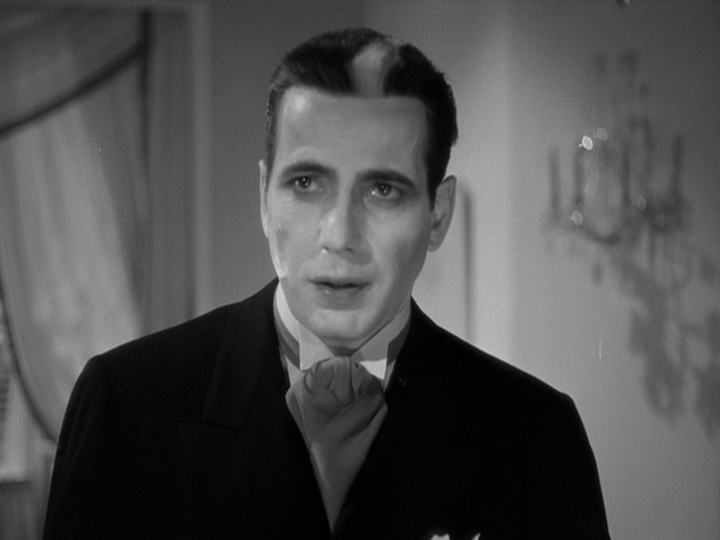
Much as the reporter is much surer of himself, this film is also surer of itself itself. It runs a full 14 minutes shorter (62 as opposed to 76) than the prior installment and the difference feels bigger than that because of how well-placed all the story elements are. Not to mention the fact that you have Humphrey Bogart before he was big playing a deliciously creepy role.

Conclusion

The Return of Doctor X (1939, Warner Bros.)

My analyses of how well each of these two fictional characters do their job is not meant to be propagandizing. There are good and poor practitioners of all professions. However, A bit of recognition and understanding by the film about how well Tracy does his job seemed necessary. The phrase “loose cannon” is cliché but it’s something that usually comes up. People who are by the book versus people who are unorthodox is a classic trope, it comes up, it’s discussed. In Doctor X he seemed more a vessel with which to tell the story. Maybe I had to rack my brain more but it was hard to come up with a reporter in a horror film that qualified in terms of time period. However, that’s not to say it’s a dead concept in the genre now. There is a bit of a resurgence. The first two, and maybe the fourth, films in the [REC] series have a journalist lead, as well as the US remakes Quarantine and, though it’s a very minor point so does The Baby’s Room. In the wonderful adaptation of Stephen King‘s 1408 to the big screen John Cusack plays a journalist of sorts, a writer who debunks supposedly haunted locales. Regardless of how omnipresent it may or may not be in the genre it is a useful device for horror that could be further utilized.