Bernardo Villela is like a mallrat except at the movies. He is a writer, director, editor and film enthusiast who seeks to continue to explore and learn about cinema, chronicle the journey and share his findings.
This is an idea I first saw on Rupert Pupkin Speaks wherein he lists his favorite “new-to-me” titles of the prior year. During the pandemic years my viewings were down in general, my posting even more so. I created a list for 2023 and had choices ready to go last year, but neglected to post them. Here you go.
2025
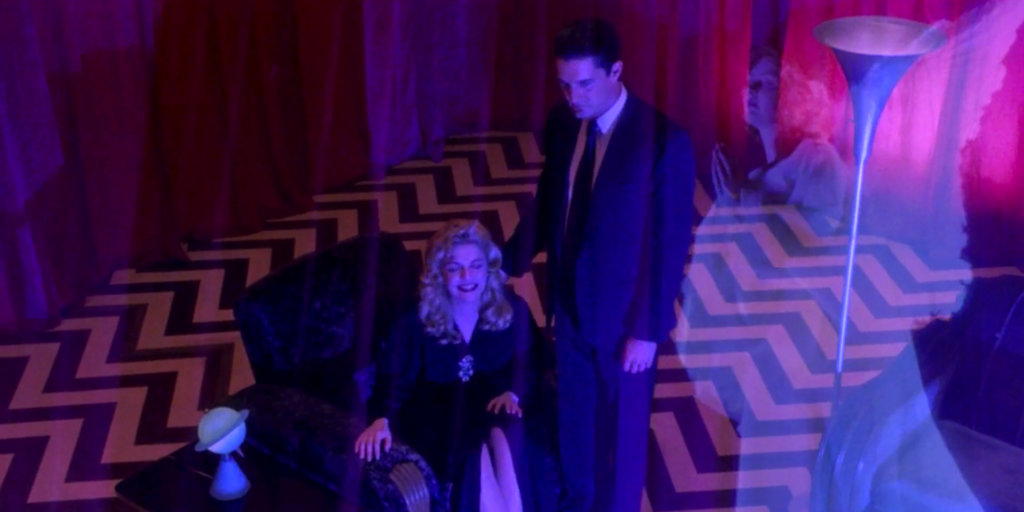
Twin Peaks: Fire Walk with Me(1992)
I had, and still have many Lynch blind-spots. He’s one of the few directors I concede that I watched too early. Following his death, I went to Twin Peaks first watching the original series, this film and The Return. Slightly different flavors to all, but each piece of the puzzle where he was behind the camera was a masterwork.
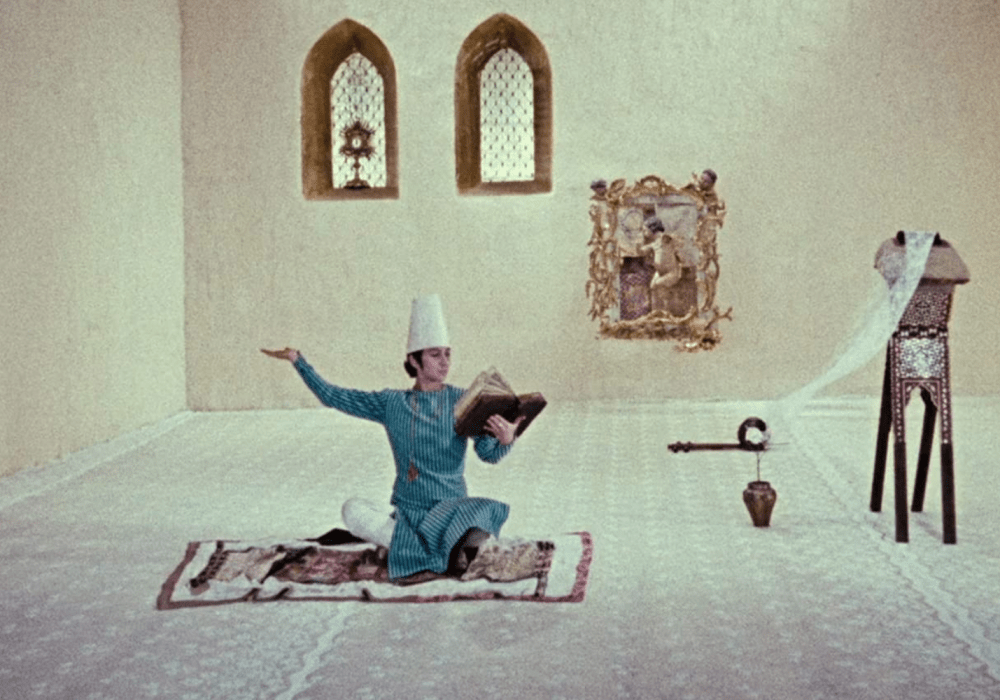
Sayat-Nova (The Color of Pomegranates) (1969)
This one had interested me for a while, seeing that clips were making the rounds not just with cinema enthusiasts but on social media in general, I jumped in and treated myself to one of the most hypnotic cinematic experiences I’ve ever had.
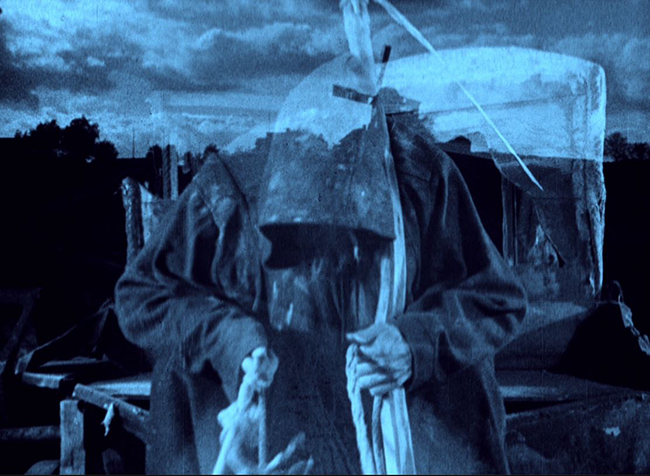
Körklaren (The Phantom Carriage) (1921)
This is another one I’d put off long enough. Bergman always thought highly of this film, citing its influence on The Seventh Seal. It’s one of the most visually refined films of the silent era.
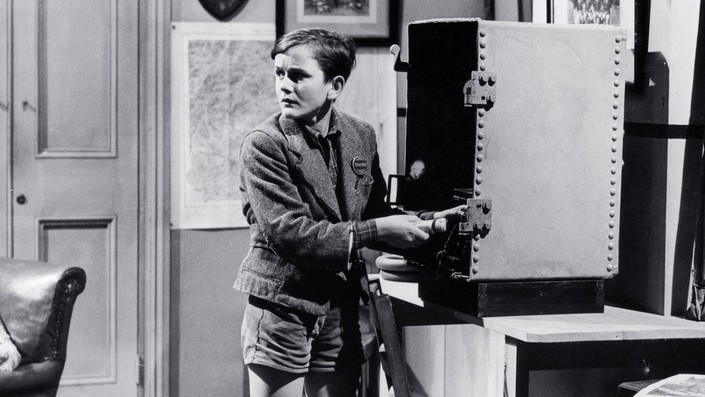
Johnny on the Run(1953)
This Children’s Film Fund title from BFI is a fascinating, amped up glimpse into the post-War reality refugee children faced in Britain.
Il medium (The Medium) (1980)
Based on the description I was hopeful this film wouldn’t be too similar to The Psychic. While it does rely on my giallo tropes it’s not the same kind of film at all and quite successful.
Poil de Carotte (The Red Head) (1925)
Julie Duvivier tackled this story twice once as a talkie and here as a silent film. It’s a compelling intense drama that puts protagonist and audience alike through a Dickensian emotional wringer.
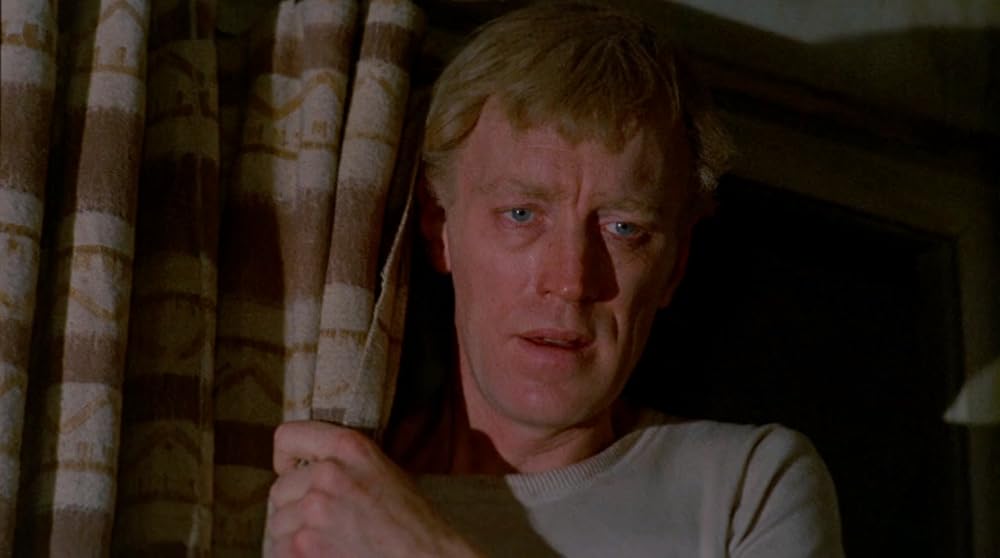
The Night Visitor(1971)
This was a blind-buy I had sitting around on my shelf for a while. This film is part revenge thriller and part locked-door mystery. Featuring a very strong turn by Max von Sydow in one of his earliest English-speaking role.
Az ember tragédiája (The Tragedy of Man) (2011)
This was a film that director Marcell Jankovics made section-by-section over the course of 23 years, an adaptation of Imré Madach’s classic play. There has been at least one other film adaptation of that text one of my favorite films The Annunciation. This one takes on more of the text and also fully exploits what the medium of animation can do.
This is an idea I first saw on Rupert Pupkin Speaks wherein he lists his favorite “new-to-me” titles of the prior year. My 2021 viewings were as varied through time periods as others, and I saw some oddball films and interpretations of themes (like vampires), more on each specific title below.
During the pandemic years, and a little after that, I neglected to post these. I did one for 2023 and will now make up for the years I missed.
2022
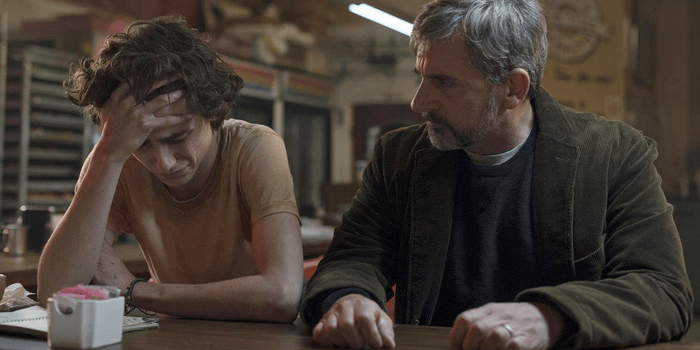
Beautiful Boy (2018)
A devastating and beautifully performed film all around.
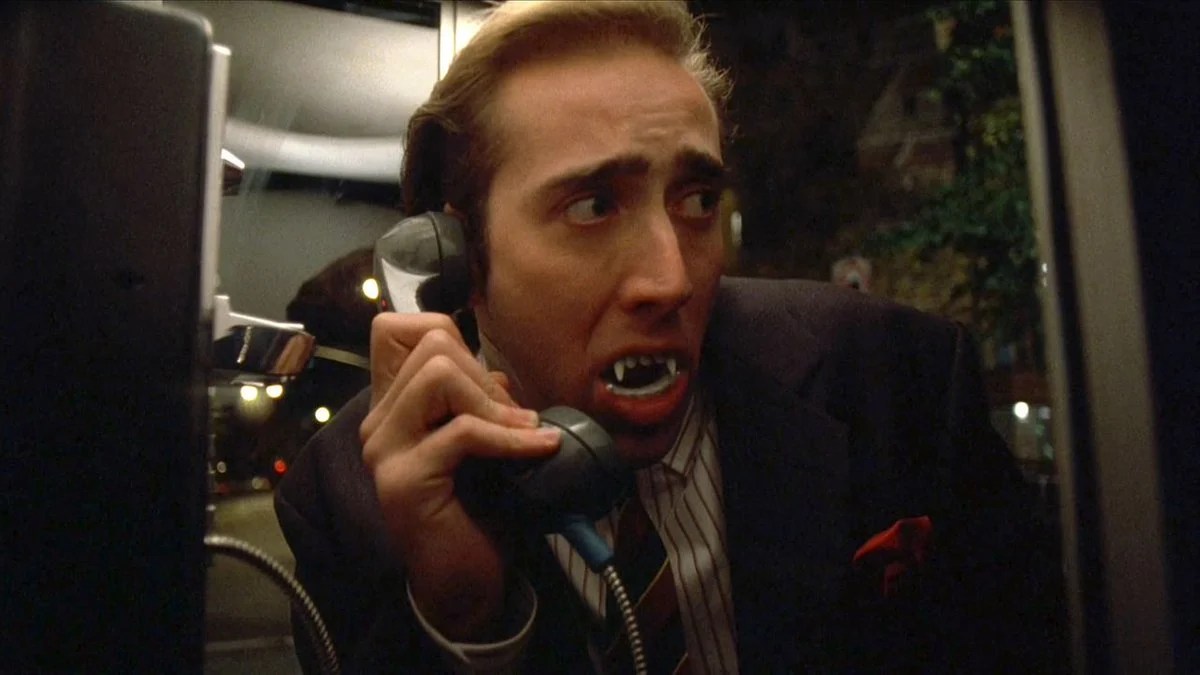
Vampire’s Kiss (1988)
This is a film that I knew of through memes but hadn’t actually seen. That fact, however, did not spoil or detract from the experience. An early big, fantastic turn from Nicolas Cage.
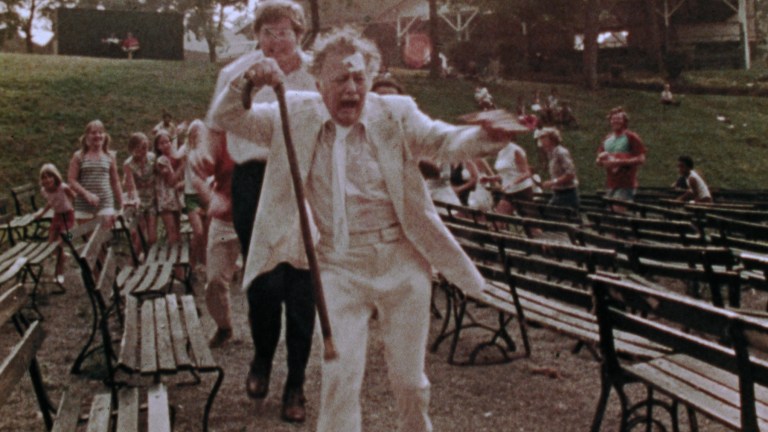
The Amusement Park (1975)
When I heard a George Romero film that had disappeared for decades was restored and would be on Shudder, I was excited but The Amusement Park exceeded my already high expectations.
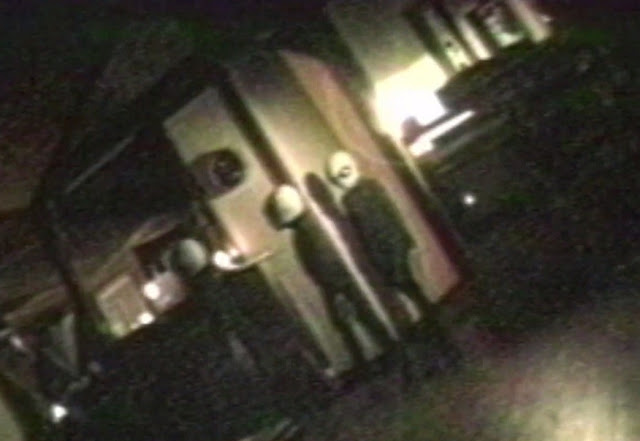
The McPherson Tape (1989)
Found footage rarely works for me. However, this film never overstays its welcome, it utilizes VHS in a stripped-down, authentic low-budget approach of a paranoid concern that was quite timely in this film.
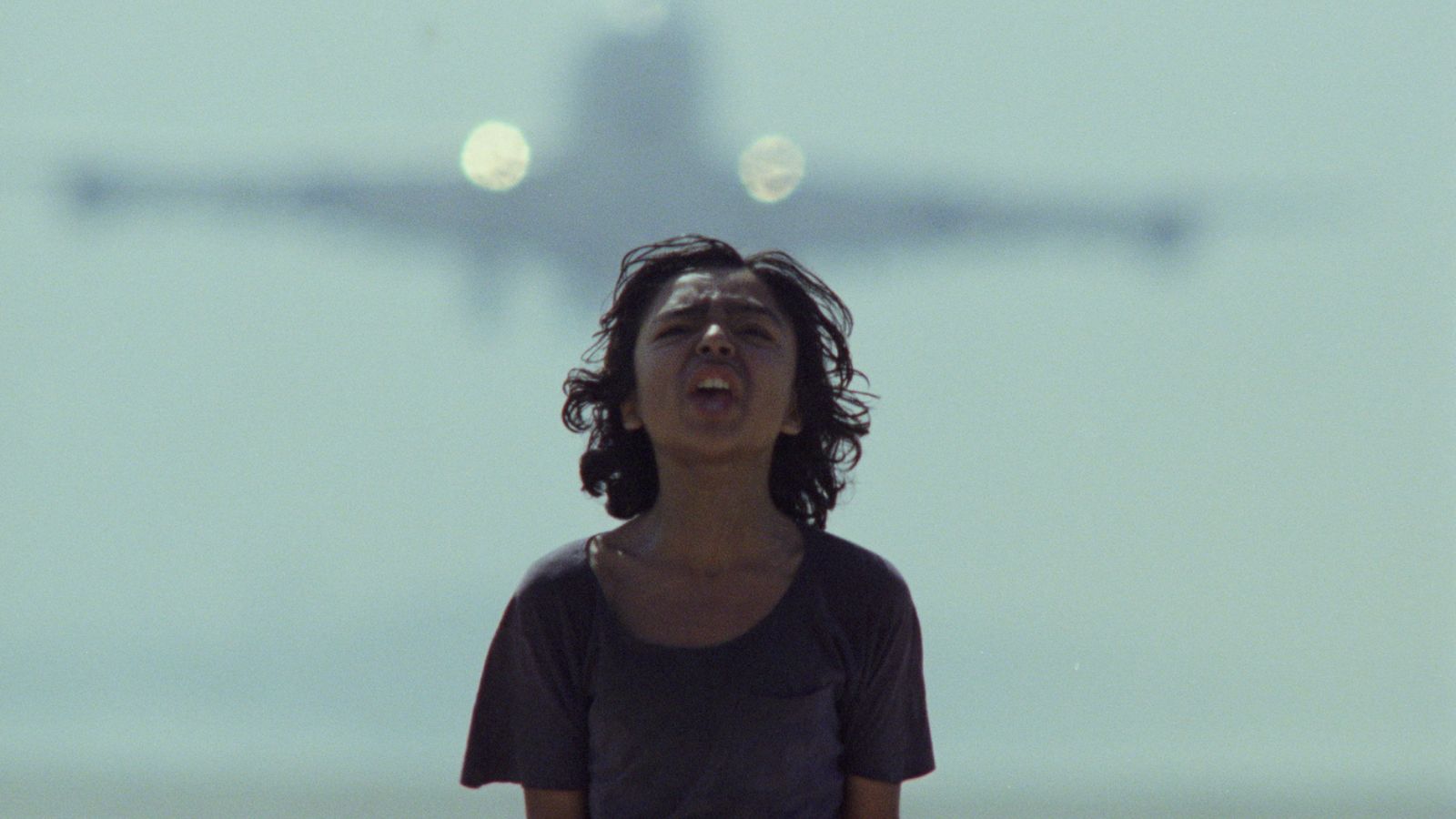
The Runner (Devandeh)(1984)
Made a trip to Film Forum for this restoration from Kino Lorber. Its a lyrical and wonderful film that marked a new stage in Iran’s presence on the world cinema scene.
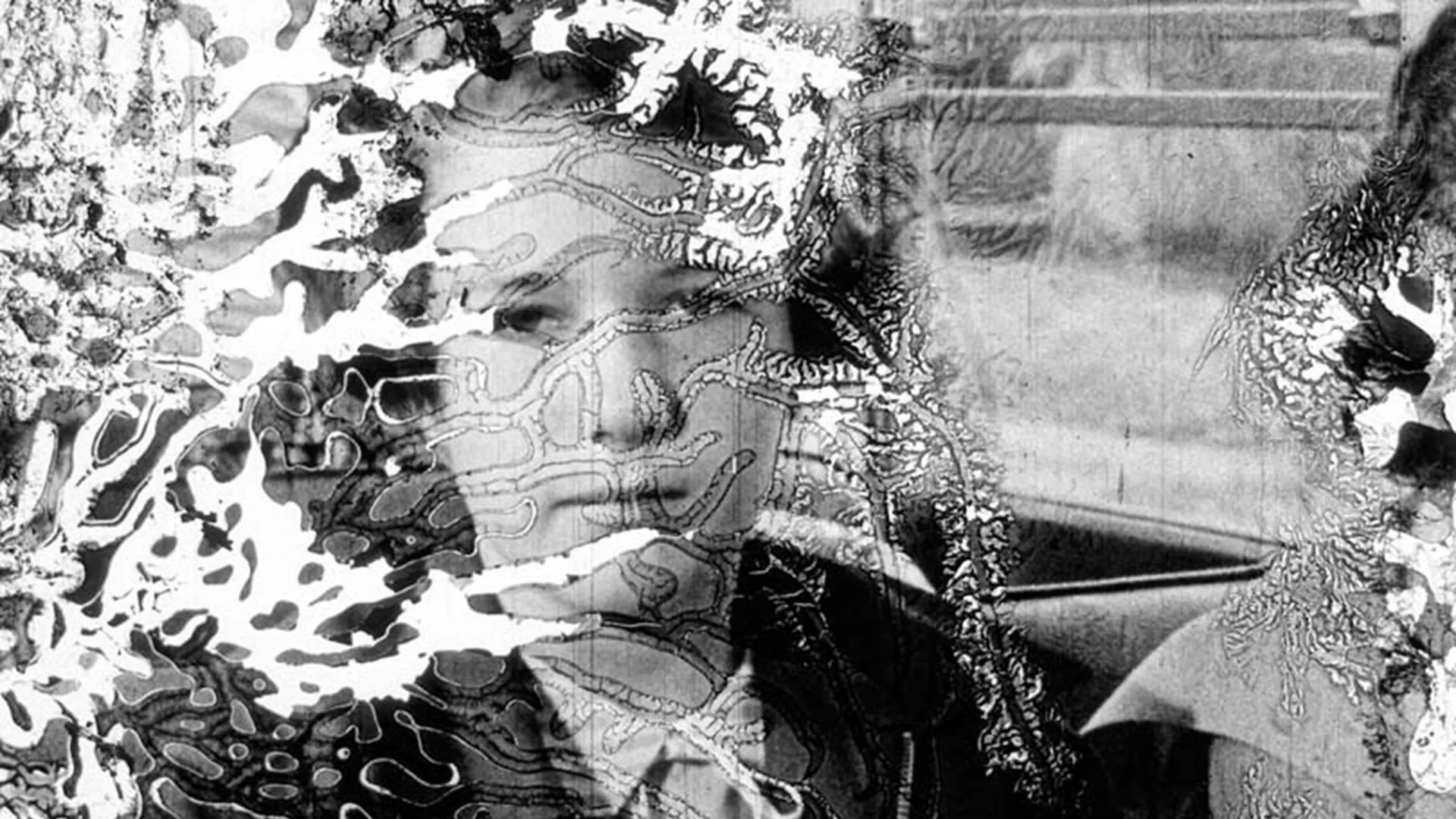
Decasia (2002)
I’ve written in the past about the work of Bill Morrison, as opposed to Frozen Time this is less documentary more artful expression that is quite transcendent.
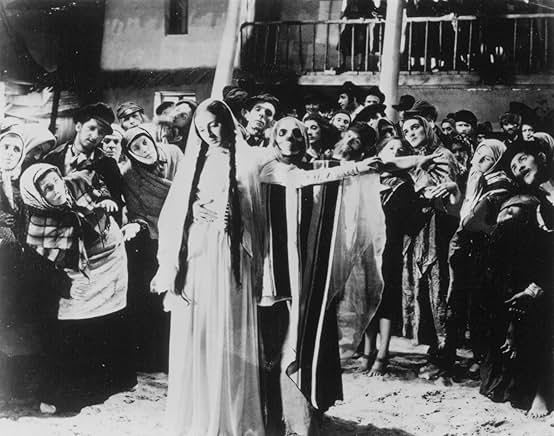
The Dybbuk (Der Dybuk) (1937)
This was the first sound version of this Jewish myth and is included in Kino Lorber’s Yiddish film box set and is captivating from start to finish.
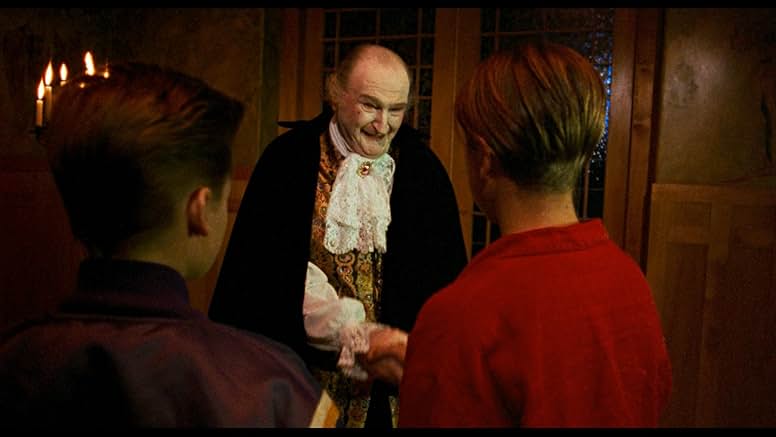
My Grandpa is a Vampire (1991)
This is a film I might’ve been aware of as a kid, but I never saw it until Severin put it out on video. It’s a funny, goofy throwback that’s worth seeking out.
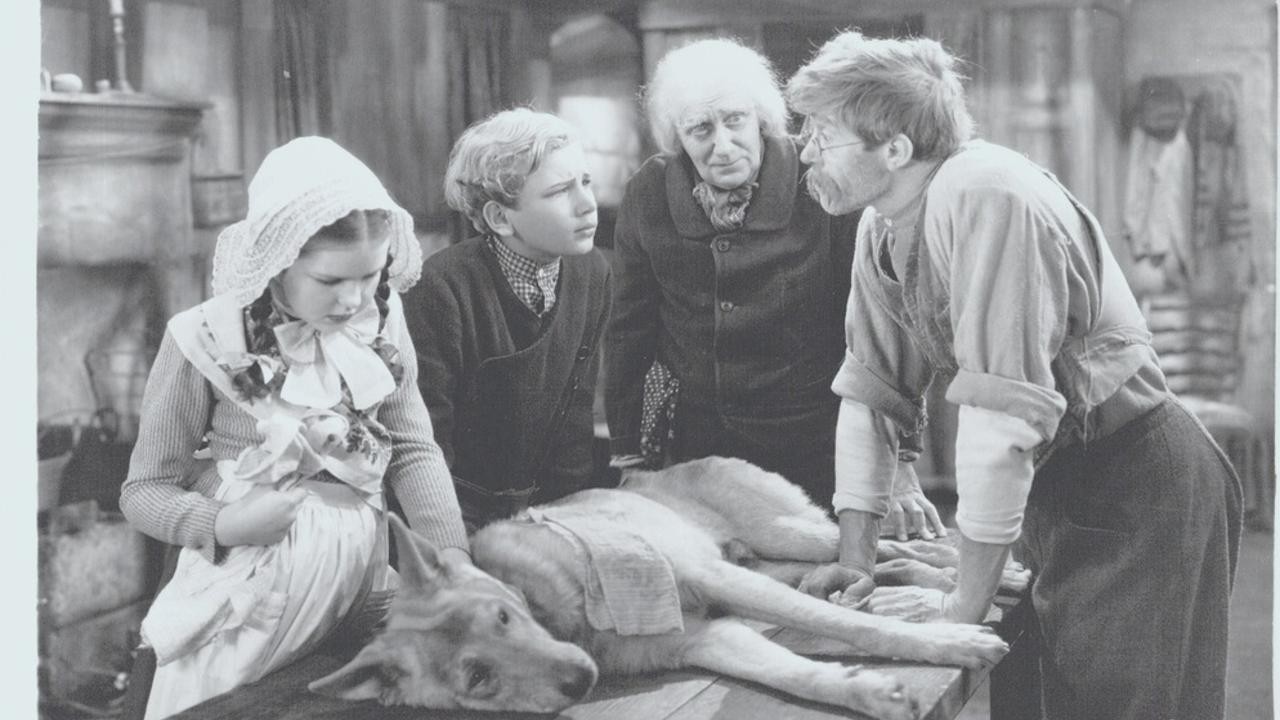
A Dog of Flanders (1935)
I’ve seen a few versions of this story and this one does go hard after the tear-jerking aspect of the source material.
This is an idea I first saw on Rupert Pupkin Speaks wherein he lists his favorite “new-to-me” titles of the prior year. My viewings were a little more plentiful in 2021, but I still neglected to post a list of discoveries. However, I can construct a list now due to my tracking activity on my Letterboxd. I didn’t see films from as wide a range of years this year that stood out, but there were still some interesting discoveries.
Cameron’s Closet (1988)
This was an Amazon Prime discovery and was genuinely the most surprising discovery of the year. Not only hadn’t I heard of it but it’s rather impressive. The bones of this horror story were strong enough such that I sought out the novel afterwards.
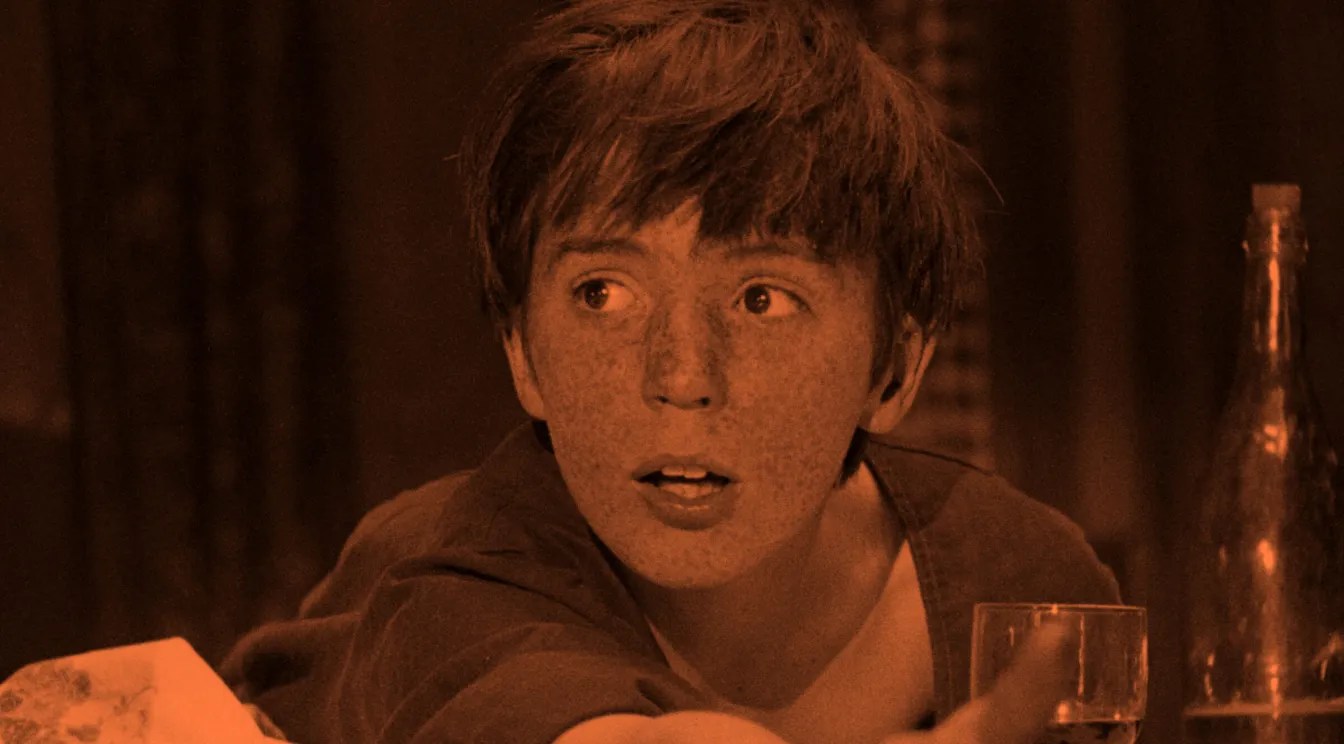
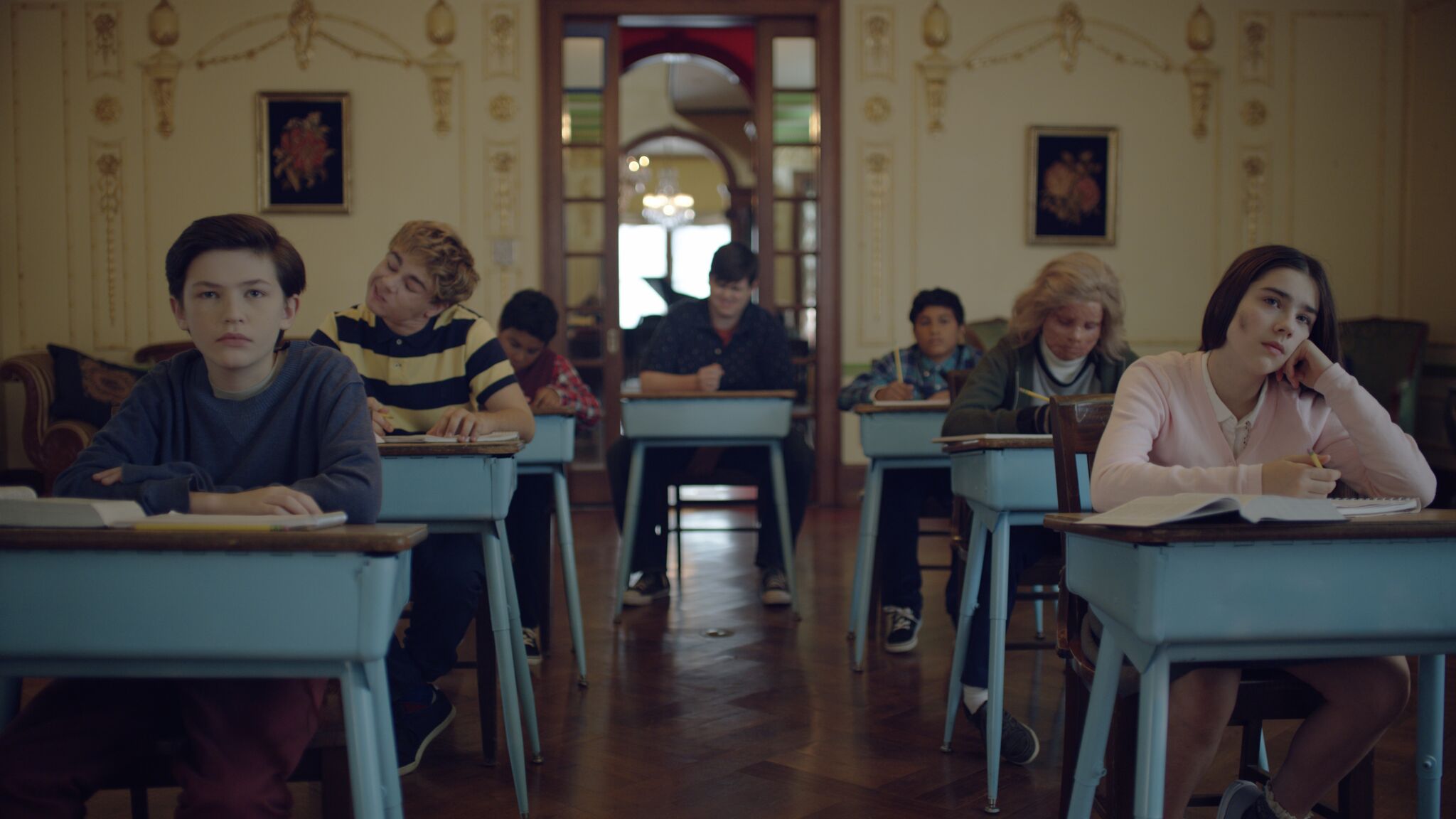
Boarding School (2018)
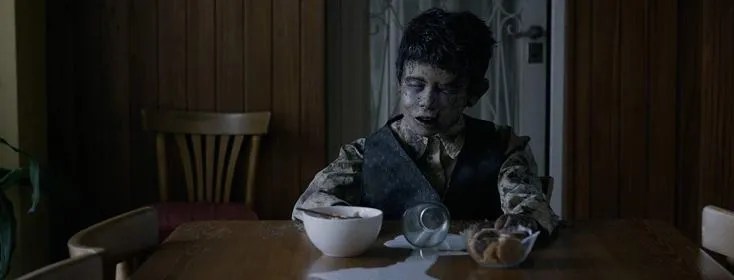
Boarding schools are places rife with horrific possibilities on film. Finding new or interesting takes on the trope can prove a challenge, in 2021 I discovered not one but two well worth seeking out. This one dealing with misfits, an odd couple, and a boy obsessed by the image of his deceased grandmother.
Boy Missing (Secuestro) (2016)
This particular boarding school tale hails from Mexico and is unafraid of mixing social commentary and class amidst its unsettling and uncanny occurrences.
I Remember You (Ég man þig)(2017)
A small Icelandic town bears many mysteries waiting to be unearthed in this moody and atmospheric psychological horror tale.
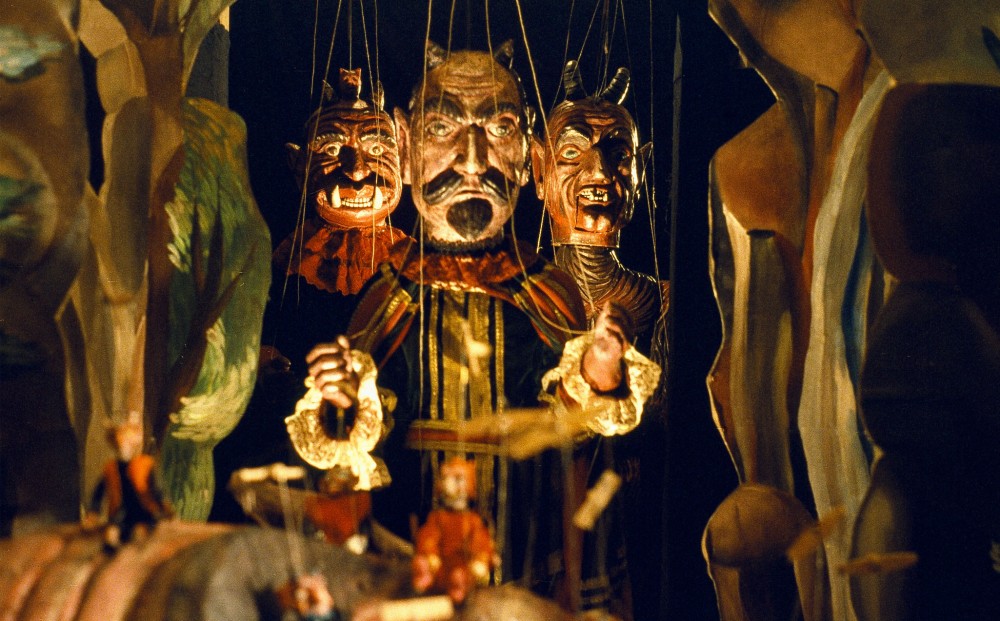
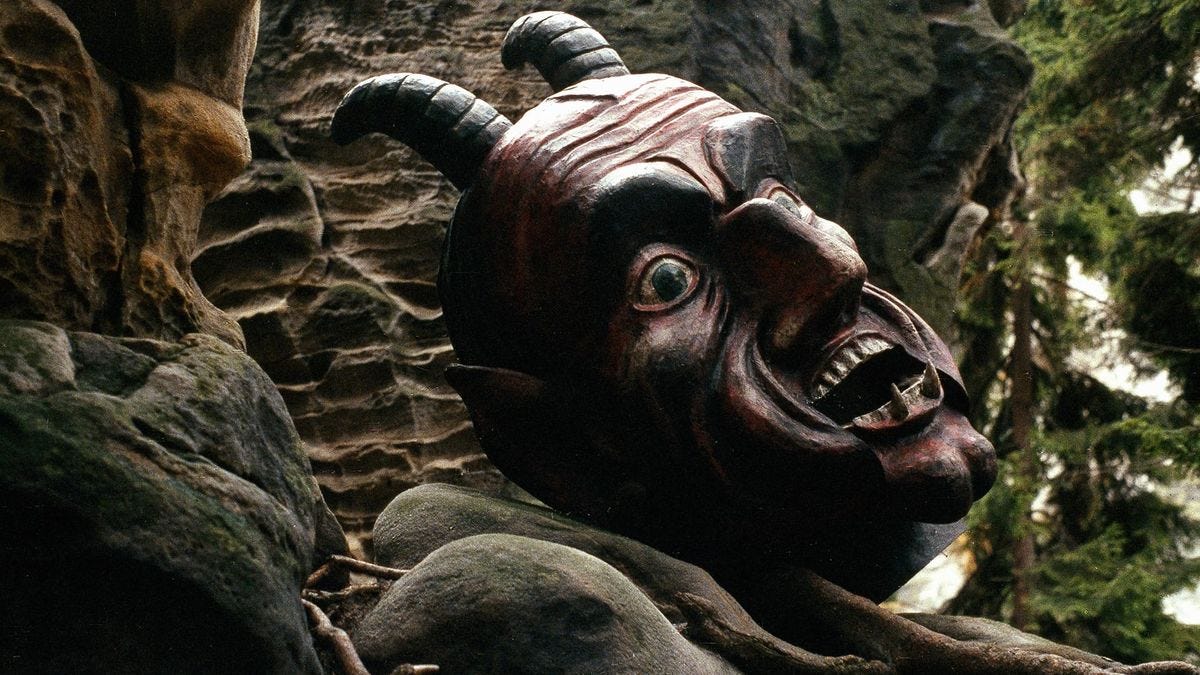
Faust (Lekce Faust) (1994)
This Jan Švankmajer film was one that took me a while to see. His rendition of Goethe’s classic tale was well worth the wait and as iconoclastic as one would expect from as unique a filmmaker as Švankmajer.
Cowards Bend the Knee (2004)
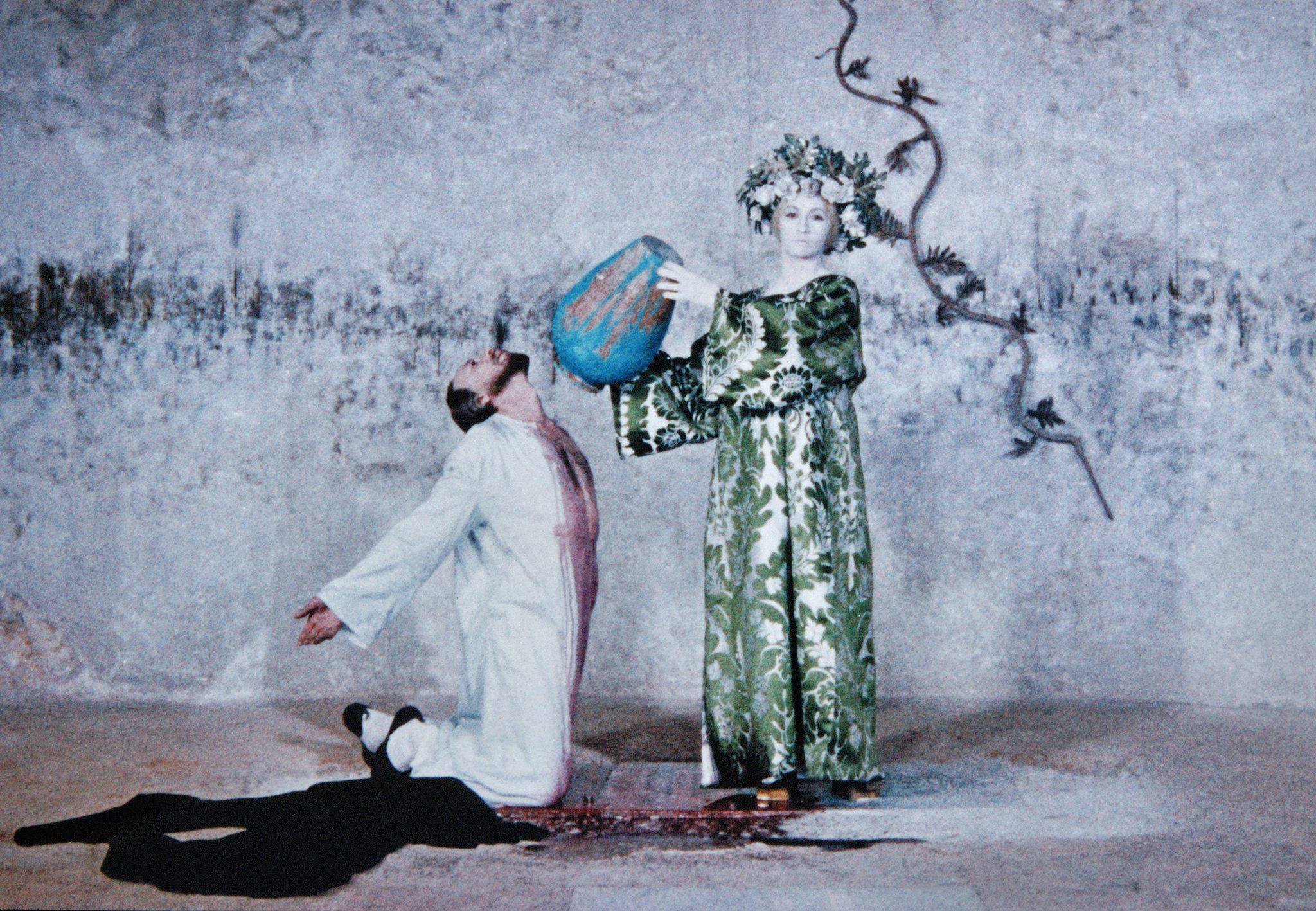
If you’ve followed my blog through the years know that I am very fond of the work of Guy Maddin. Such that whenever I get to see one of his works it’s likely to be a new favorite. And whenever I happen to see a work of his that’s new to me it’s likely to become a favorite.
I Am Not a Serial Killer (2016)
A local murder spree along with struggles with mental illness paint a far more intricate portrait than the title would have you believe, featuring two standout performances by Christopher Lloyd and Max Records.
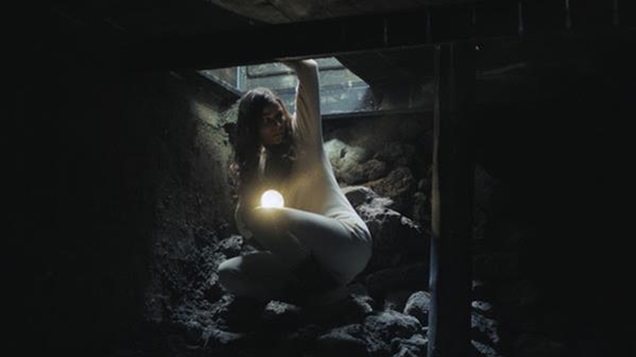
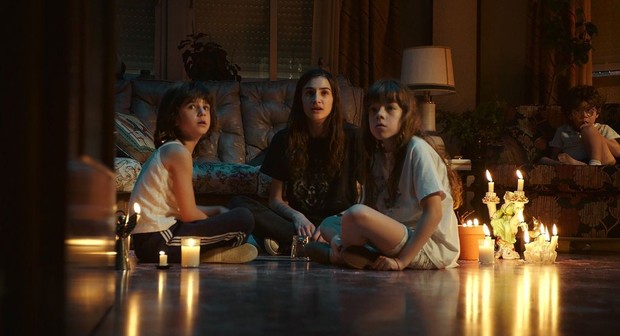
Véronica (2017)
For a film using the Ouija board trope, this one does that most of it scares with a great deal of finesse and focusing on characters.
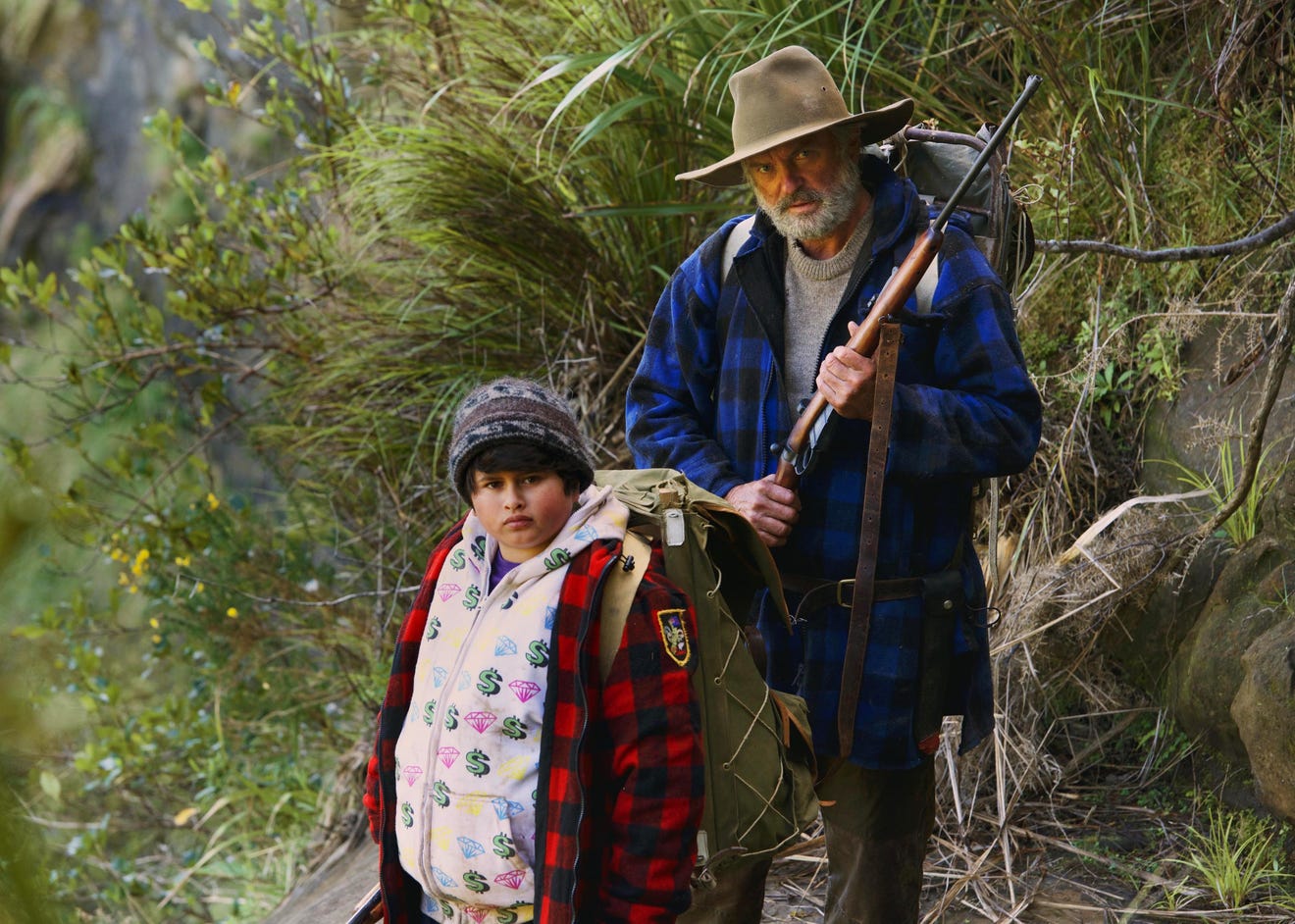
Hunt for the Wilderpeople (2016)
For some reason this Taika Waititi film was one it took me a while to see. However, when I did it was well worth it. Another funny and heartfelt Kiwi film in his repertoire.
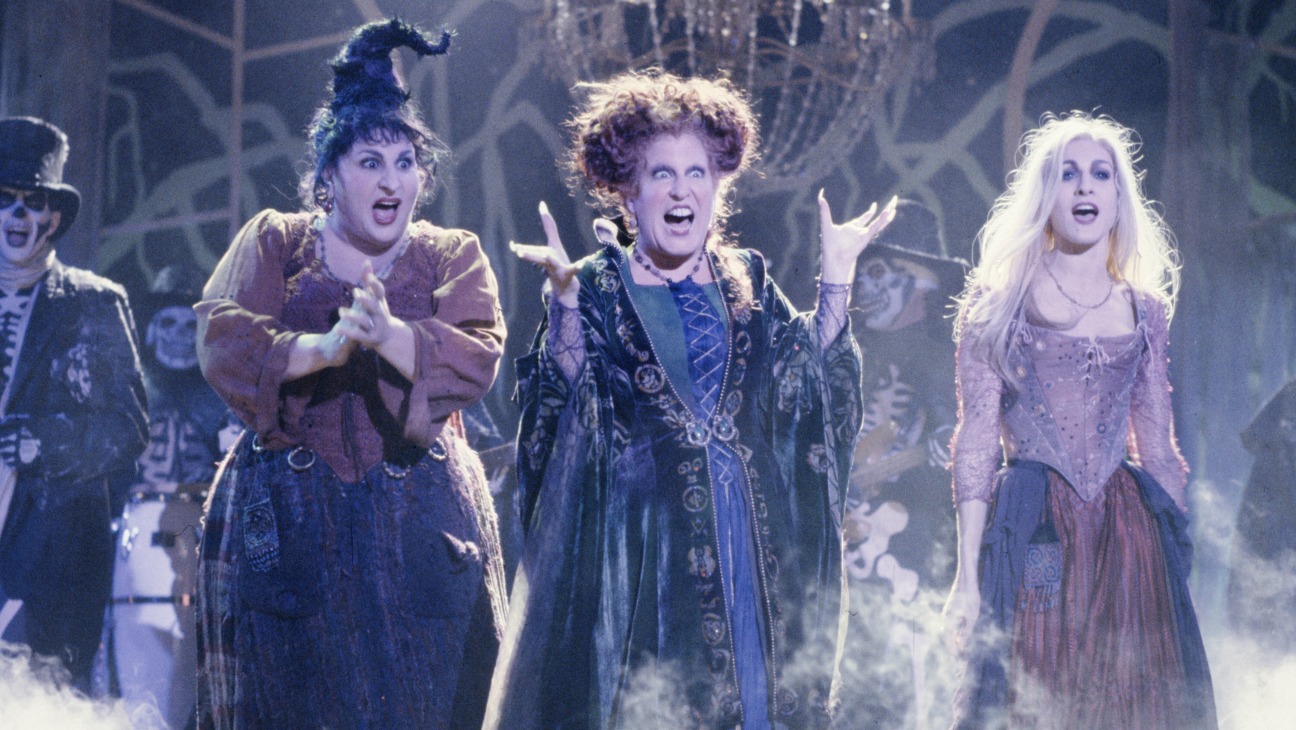
Hocus Pocus (1993)
Yes, this was another one that managed to be a blind spot of mine for years. There was never an explicit reason this was one I hadn’t seen, just hadn’t gotten around to it yet. Now, I’ve seen it multiple times including one big screen viewing.
I decided to go with both possible titles for this list because while “film discoveries” is breezier I sometimes get too bogged down in the semantics of whether or not a film was truly a “discovery,” which could potentially eliminate a great film I saw for the first time despite the fact that I already knew of it. So there’ll be some commentary on whether or not I was familiar with a film, and for the more well-known titles I will explain why I might not have gotten to see it and how I finally did.
I also felt it was time to post this sort of list again because it used to be a staple on this site, and while I intended to do one encompassing the pandemic, but I never did. That despite the fact that I did have year-specific hashtags for newly viewed films on my Letterboxd page.
The titles are presented in no particular order. I didn’t disqualify any films from consideration due to its having recent release year, only 2023 titles were ineligible. Without further ado the films.
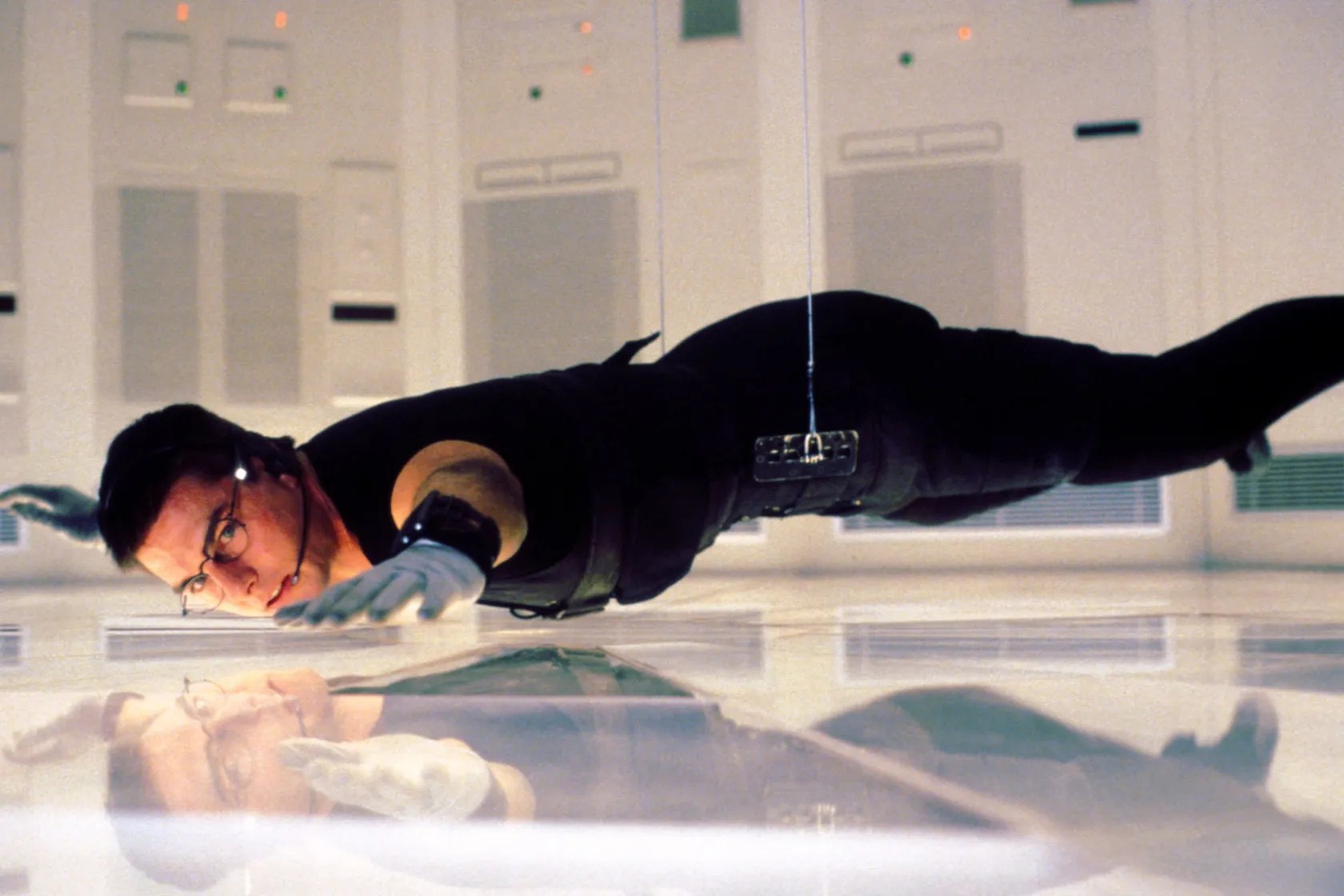
Mission: Impossible (1996, Dir. Brian De Palma)
As a kid I was aware of the original series, knew the theme song and concept, although, I don’t know if I ever caught it on Nick at Nite, but when the film came out it’s not something I made a point of seeing. After seeing a billion parodies of the famous vault scene I thought it had nothing else to offer.
As the years went by I did see later installments as they came out, not much if any information regarding previous films was necessary to follow and enjoy them. However, this initial film in the series has a lot of legendary talent involved like Brian De Palma directing, Robert Towne, David Koepp and Steven Zaillian on the screenplay, and a villainous turn from Jon Voight, make this not just another highly watchable ‘90s studio product but an exemplary one.
I viewed this film when it was on Netflix, it has since shifted over to Paramount+ and Amazon Prime.
Benny’s Video (1992, Dir. Michael Haneke)
Knowing of a film’s infamy is not the same as watching it. Not only is it harrowing and terrifyingly matter-of-fact but it eschews any and all impulses toward the sensational and exploitative and is instead contemplatively brutal and brooding as we’re left but to watch footage both diegetic and non-diegetic that illustrates cause and effect without vocalizing except in simplest terms without the character being able to fully comprehend his compulsion when we, over the course of the film, can.
I saw this film thanks to Criterion’s new release of Michael Haneke’s Trilogy from Criterion. Whether familiar with his work or not, I wouldn’t recommend doing as I did and watching all of these films in rapid succession.
Terrified (Aterrados) (2017, Dir. Demián Rugna)
This was a film that I flirted with seeing for a while on Shudder. When I finally watch it it was just before I saw When Evil Lurks (Cuando acecha la maldad). This film takes a fascinating approach at looking of paranormal events occurring in Buenos Aires by staring us smack dab in a police interrogation room, as the mystery of what the police and the people accompanying them want to know is solved more imponderable and horrendous ones unfold.
Black God, White Devil (Deus e o Diabo na Terra do Sol) (1964, Dir. Glauber Rocha)
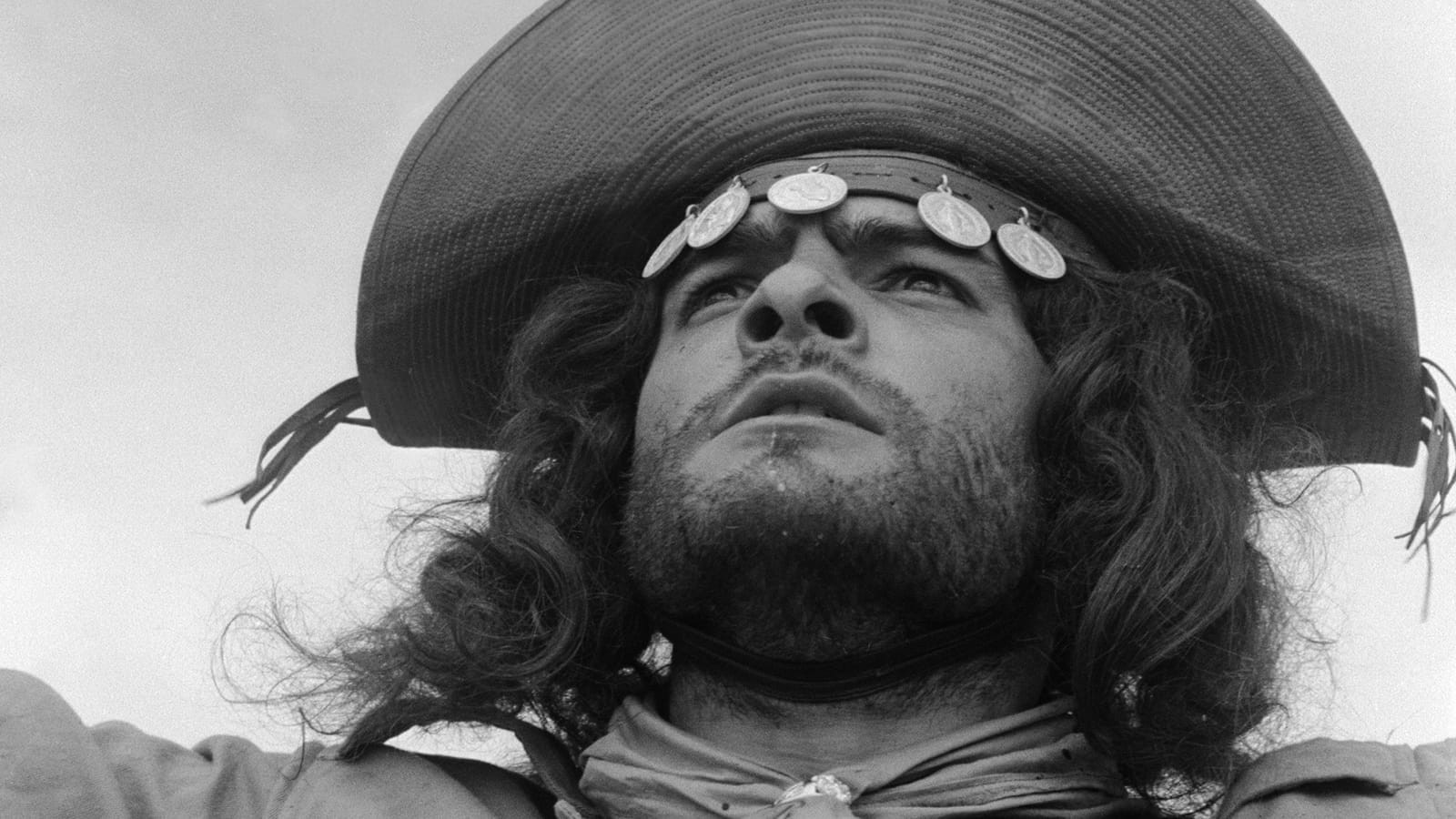
At a time when a coup d’etat and military dictatorship were descending up Brazil this film, essentially a western set in the 1940s the lines between good and bad, god and the devil, bandit and victim are all blurred in a deliberately paced but nonetheless electrifying film.
I viewed this title on 35 mm at Film Forum, in a beautiful new restoration. Having never seen it prior I’m sure the new subtitles are far better than the original, but as a Portuguese speaker I found it unfortunate that the subtitles stripped some poetry from the song lyrics and even dialogue in the film
Which brings me to an additional point, this film was one of those that made me want to return to listing both English and native language titles as mentioned in my most recent post. While the English title is snappy and gives a glimpse of the duality and contradictions found within this film the original title literally translated God and the Devil in the Land of the Sun, aside from being poetic that touches on the allegorical elements of the film.
At current there is no news of a North American physical media release.
The Possessed (La donna del lago) (1965, Dir. Franco Rossellini, Luigi Bazzoni)
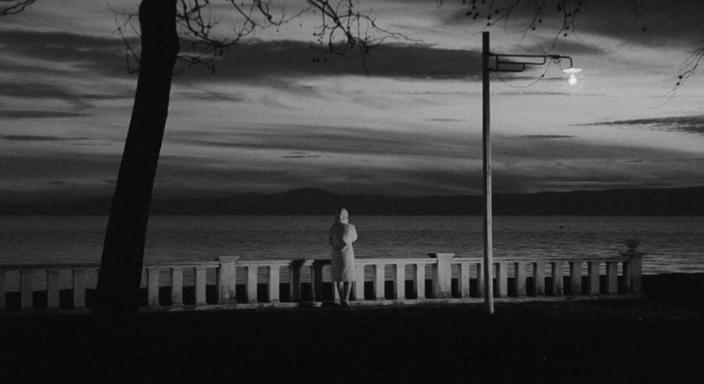
When a film is described as “proto-” of a given genre it is noteworthy by default but it doesn’t mean it is good by default, but this proto-giallo is captivating, atmospheric, well-rendered, and fans of the genre will definitely see the blueprint for later gialli here.
This was a film I was able to see thanks to the great Giallo Essentials box sets from Arrow Video.
Don’t Tell Mom the Babysitter’s Dead (1991, Dir. Stephen Herek)
This is one I think I saw a few select scenes of in the past but never saw the whole thing. As a kid when it first came out I didn’t want to see it because I was not yet truly familiar with the concept of a dark joke much less a dark comedy. Not that this one is textbook dark comedy, but that’s just an illustration of my naïveté at the time. I saw the beginning of it the morning of December 23rd but last minute food shopping for a holiday gathering needed doing so I saw it from the beginning, all the way through, that night on HBO Max.
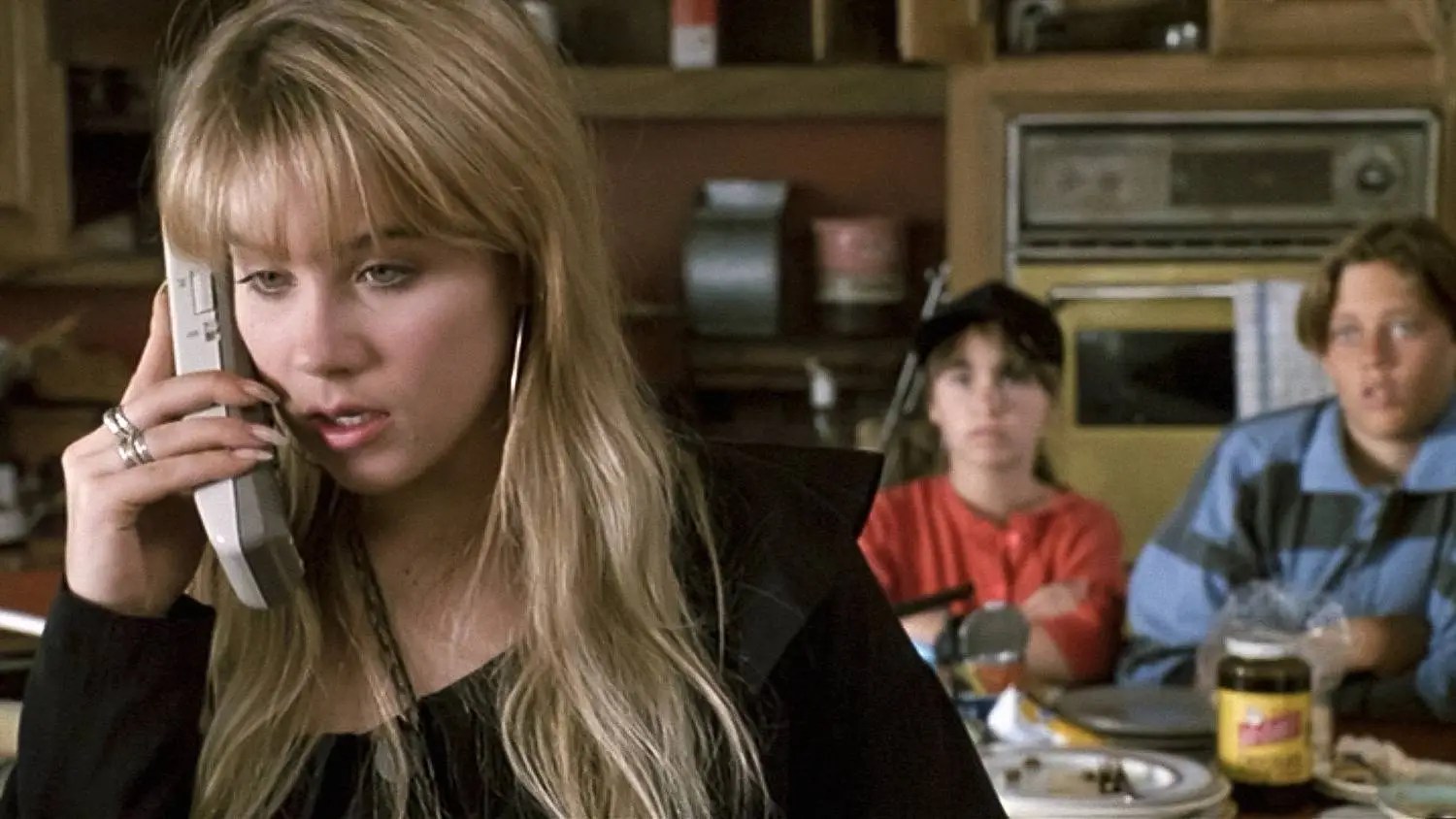
Questions about how Sue Ellen lied to payroll at her employer notwithstanding, it is quite a funny, irreverent film that’s sadly not entirely irrelevant in its handling of women in the workplace.
El Pico 2 (1984, Eloy de la Iglesia)
Severin Films with this release introduces me to the subgenre in Spanish cinema known as Quinqui, which emerged in the 1970s and dealt with drug addiction and delinquency. De la Iglesia’s work deals with the aforementioned topics and homosexuality in Spain in a more blunt and compassionate manner than many of his contemporaries. These films also feature a touch of neorealism casting many who were not previously actors but who turn in marvelous performance in part because these things are true to their lived experiences, most notably the lead José Luis Manzano.
The capstone of de la Iglesia’s Quinqui trilogy offers the most well-crafted, complete, and emotionally rounded look at this circle of characters whose struggles were followed. Flashbacks are incorporated organically and completes a tough to watch but artful and affecting saga.
Your Vice is a Locked Room and Only I Have the Key (Il tuo vizo è una stanza chiusa e solo io ne ho la chiave) (1972, Dir. Sergio Martino)
This was a film I was able to see thanks to the great Giallo Essentials box sets from Arrow Video. It possesses one of those titles that make you either love or hate the genre and the setup is one that can be described similarly: a rash of murders breaks out at the estate of a debauched, abusive writer and his wife. As always with Martino the visual style of the film is as gorgeous as the story is twisted and suspenseful.
Nancy Drew…Reporter (1939, William Clemens)
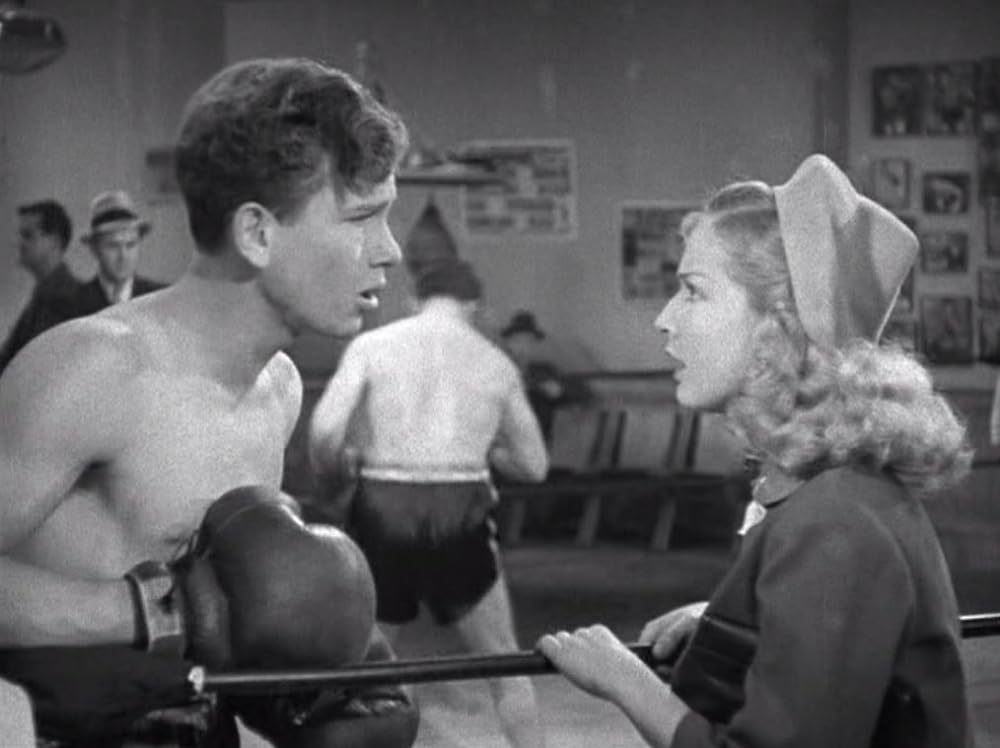
I DVRed some Nancy Drew titles for some light fare to watch when there was a TCM bloc of them in honor of Bonita Granville’s birthday a while back. I got to watching a few and still have a few more to go. The movies are generally fun and brisk, however, this one worked a little better to me because it’s funnier and all the characters function better within the stories framework and the actors more comfortable playing said characters. Comedic boxing scenes are always a winner.
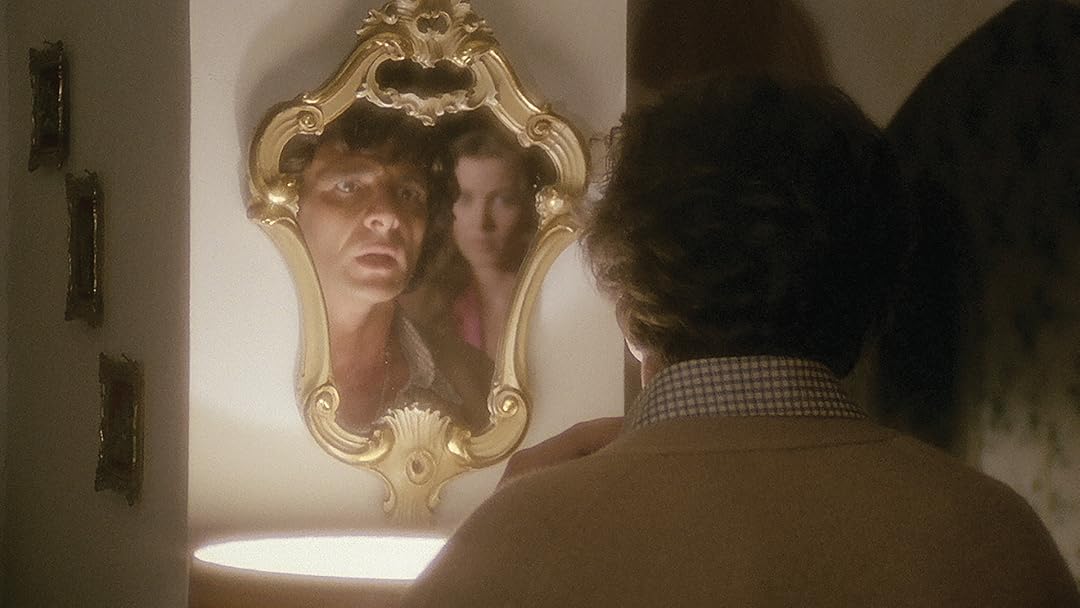
The Venus of Ille (La Venere d’Ille) (1981 Dir. Mario Bava, Lamberto Bava)
The Venus of Ille (La Venere d’Ille) (1981Dir. Mario Bava, Lamberto Bava)
This was horror legend Mario Bava’s final film and a collaboration with his son Lamberto, an accomplished director in his own right. It was produced to air on Italian television as part of an an anthology series called The Devil’s Eyes (I giochi del diavolo). It’s based on an 18th century short story by Prosper Merimée, while the inspiration is older text its interpretation of the star-crossed infatuation with a statue is infused not only with Bavas’ treatment of the Gothic but also a touch of French New Wave as one scene mirrored Jules and Jim (Jules et Jim).
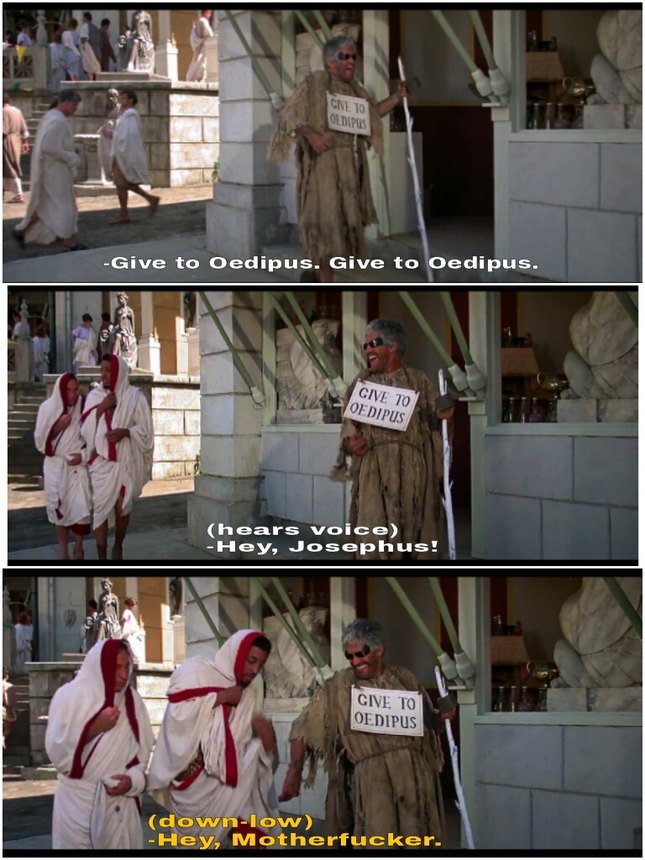
Mel Brooks’ History of the World, Part I (1981, Dir. Mel Brooks)
Not sure why I have Mel Brooks blindspots still, but I do and this was one. The weird thing about finally viewing it was I watched it in order to then see the sequel series (not that I’d be confused, it just wouldn’t feel right) but then I didn’t watch the show.
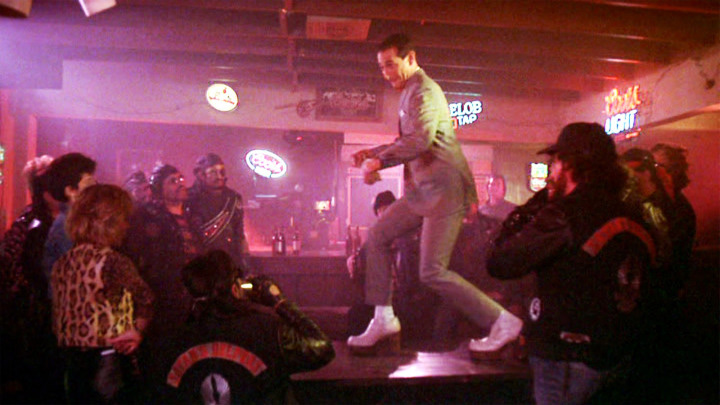
One of the many things that the death of Paul Reubens brought to mind was that he was the author of one of the most iconic and hysterical scenes I watched in my childhood, one of those rare moments where I can still remember how hard I laughed first witnessing a bit or sequence in a movie. With that in mind I compiled a list of some memorable (to me) comedic sequences that left their mark on me.
“The Lady I Know” at Comic Relief 1990
Barroom Scene in Pee Wee’s Big Adventure (1985)
The tent scene in Austin Powers The Spy Who Shagged Me (1999)
The Fight in Borat: Cultural Learnings of America for Make Benefit Glorious Nation of Kazakhstan (2006)
I am back, not as soon as I wanted to be, but after a shorter layoff than I had much of last year. For those of you who looked over my BAM Award winners and nominees and wondered what order the movies nominated for Best Picture might fall in, go to my Letterboxd page where I have made public my top 10 of 2018. Less hindsight posts to follow.
This is an idea I first saw on Rupert Pupkin Speaks wherein he lists his favorite “new-to-me” titles of the prior year. My viewings were down in 2016 overall but there were things worth noting, even things that were not brand new. Some are rather short and can be viewed in their entirety below. For those who prefer features and talkies those can be found toward the end of this post. Enjoy!
Shorts
Many of the older films I was able to see for the first time last year that left an impression on me were both silent and short. The first two are archival shorts of Native Americans.
Sioux Ghost Dance (1894)
Buffalo Dance (1894)
Many of these short silents inspired me to start on a theme commemorating film firsts. Here is the first time the Statue of Liberty was filmed.
Statue of Liberty (1898)
Demolishing and Building Up the Star Theatre (1901)
Pan-American Exposition by Night (1901)
Georges Méliès almost always makes an appearance.
The Temptation of St. Anthony (1898)
The Execution of Mary, Queen of Scots (1895)
Now, a short film by Mike Leigh. I need to see the rest of these five-minute titles.
Five-Minute Films: The Birth of the Goalie of the 2001 F.A. Cup Final (1982)
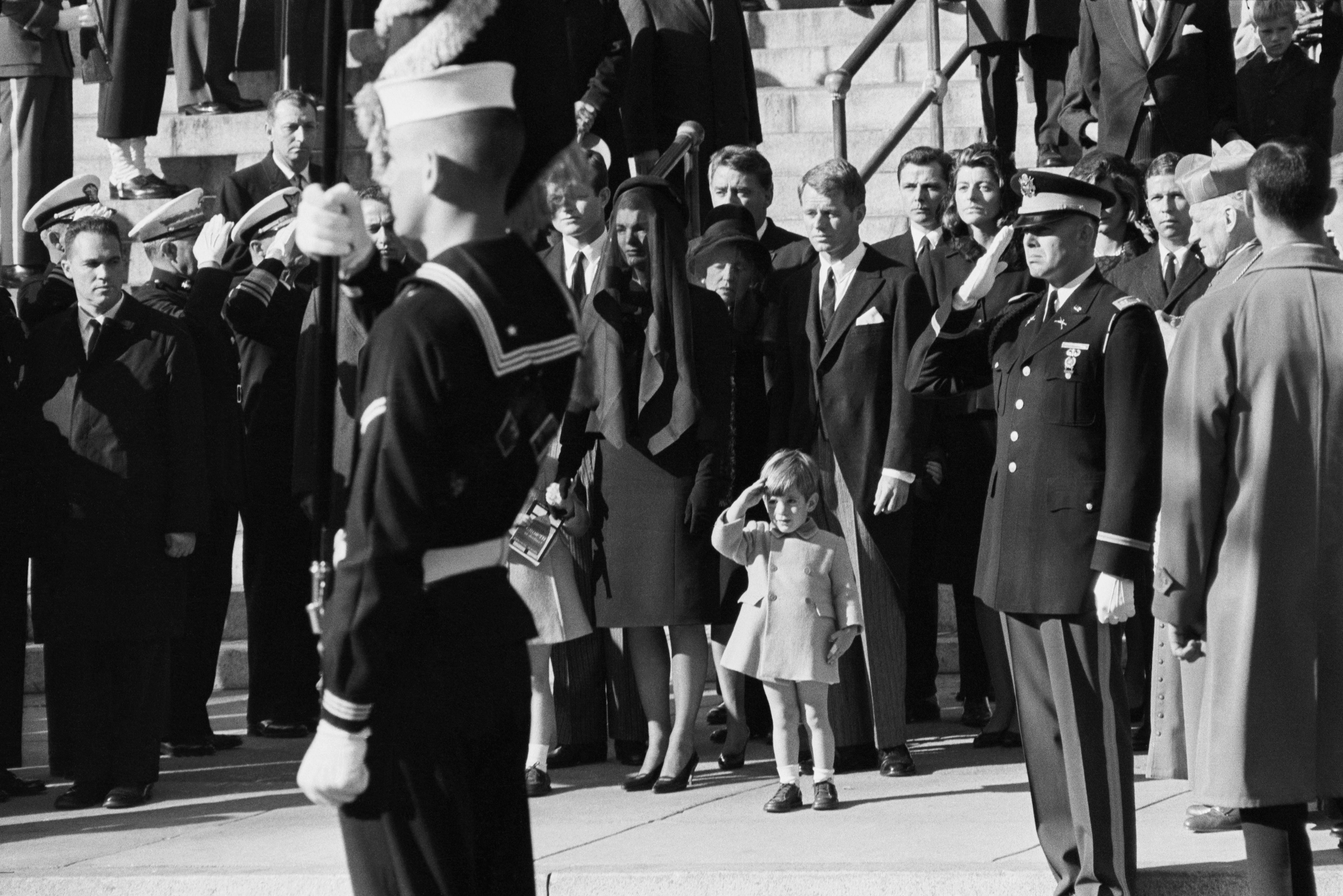
Faces of November (1964)
I got and saw the Kennedy films set from Criterion. Two of them made enough impact to land on this list. One dealt with the aftermath of the assassination.
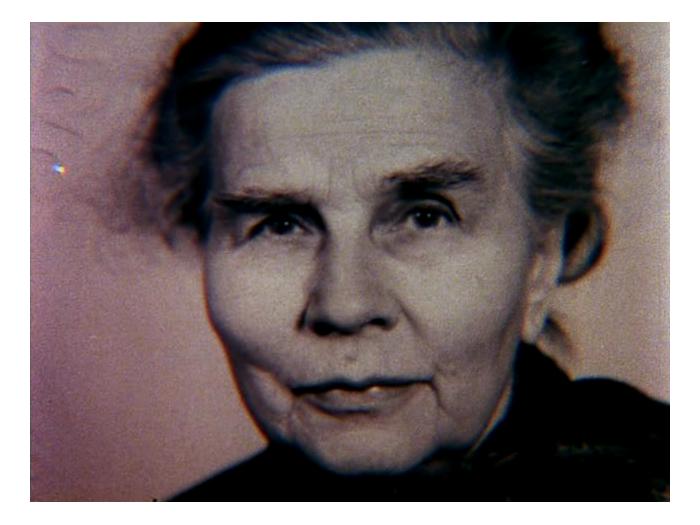
Karin’s Face (1984)
Any newly seen Bergman is worth noting even if it’s shot that is a study in stills and dissolves focused on his mother’s face.
As much as this film relishes the artifices of more classical horror techniques its rooting itself in historical precedent and wanting to carve a fictional enclave amidst historical happenings is highly commendable indeed. One might watch this film and consider it to be dated. However, with older films that is a conversation that is mostly moot to me. All films are created for the times in which they exist, even ones borrowing older techniques. Timelessness is an alchemistic accident that cannot be manufactured.
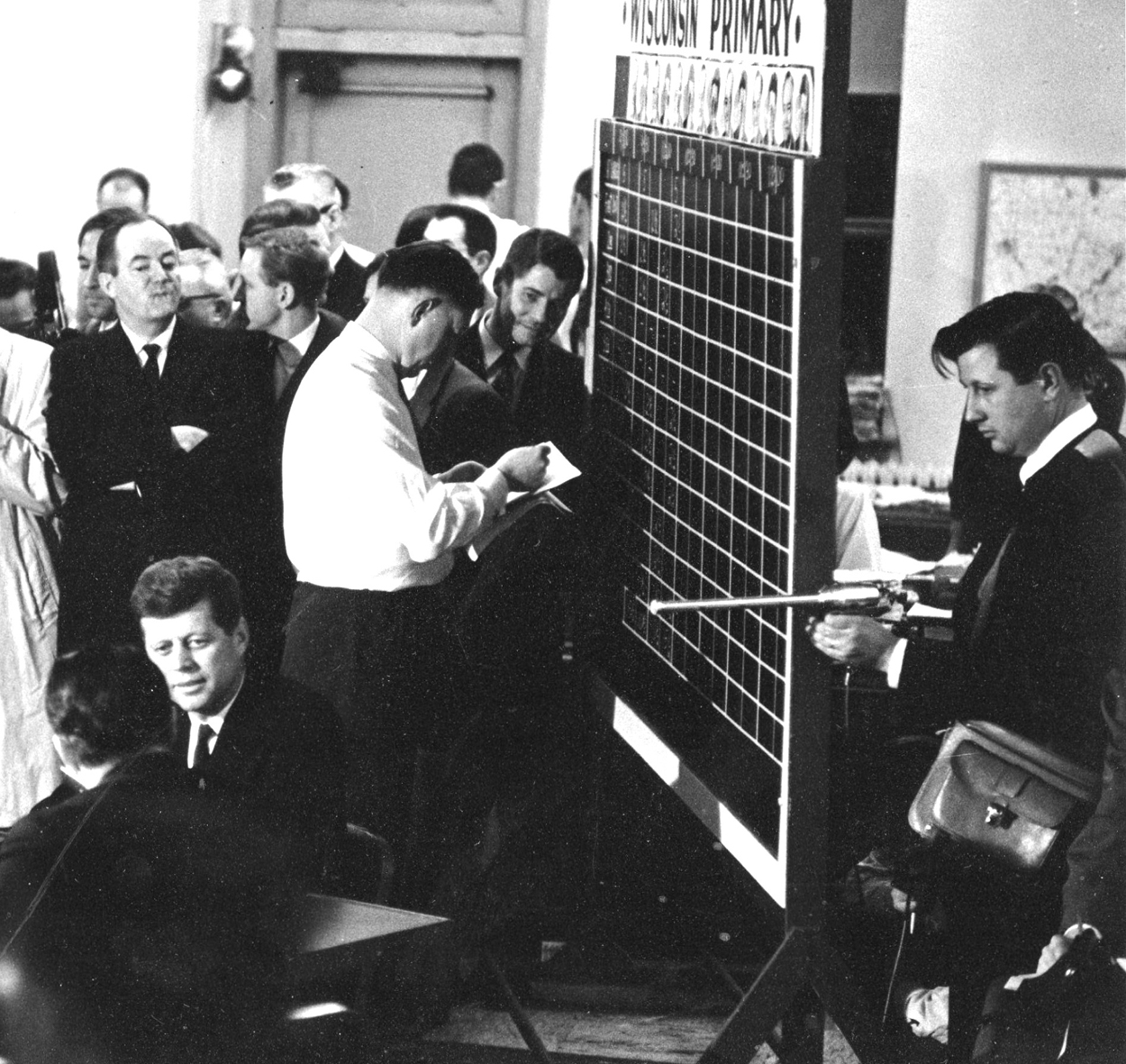
Primary (1960)
Also in the Robert Drew & Associates box set from Criterion is a feature called Primary which focused mostly on Kennedy’s campaign to try and win the Wisconsin primary.
“This is a film that stands as a unique statement on an artistic level. It’s being set but seven years in the future, whence the Berlin Wall would fall, also gives it a curious undertone that it likely didn’t possess upon its initial release. It societal relevance may be more culturally relativistic than some other films, but its function as allegory seems as it could spring eternal with increased intensity based on the changing tides of the world’s sociopolitical currents.”
“As if this film needs more accolades it is indeed one of those Academy Award winners that quote, truly deserved it, unquote. It’s a film that’s so good that I find it nearly an affront to it to discuss the feminist merits of it in the context of a standard review. Watch it, you’ll know what I mean. It’s spectacular.”
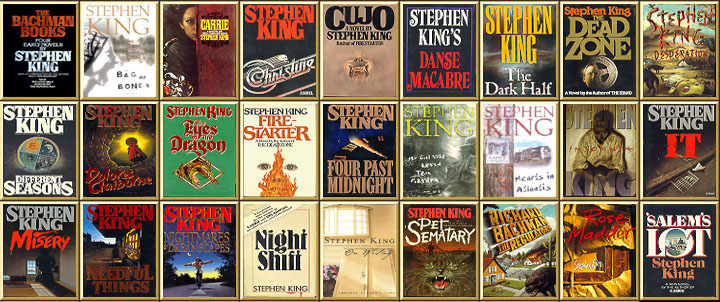
I’m rather sure that this is the list in this series that most people have been waiting for. Stephen King’s novels be they gargantuan or modestly sized are where most know him from, and it’s where most of his noticeable unadapted works reside.
And as I planned on completing this series on his birthday; Happy Birthday, Mr. King!
Omissions
With King being so prolific, so many means of adaptation, as well as phases of production there are quite a few omissions:
One note about this list is that since The Dark Tower is in production, I have omitted those books from this list, clearly the idea is to start with The Gunslinger and proceed from there.
The Colorado Kid, Under the Dome, and 11/22/63 having been morphed into TV series are also exempt.
Titles currently in any stage of development are excluded namely: Rose Madder, Mister Mercedes (TV series, as well it should be), and Lisey’s Story.
Although it’s no guarantee there was just an announcement made that Mike Flanagan is developing an adaptation of Gerald’s Game for Netflix, so I’ll be optimistic and assume that happens, so I’ll skip on it also.
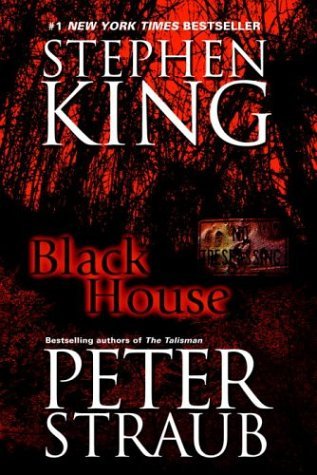
I include Black House in the section on The Talisman. However, with it being a sequel to the the latter I cannot imagine it going first for obvious reasons.
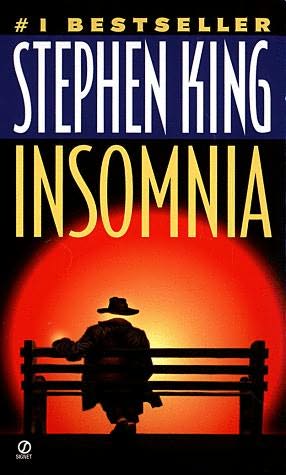
7. Insomnia
Stephen King wrote, in On Writing I believe, how with all due apologies to his fans who enjoyed it, Insomnia was one of the books he didn’t consider to be very good. Aside from the occasional brilliant image, which would be useful in a film version granted, I don’t see much cause for this one to be adapted, and am not surprised it hasn’t been. However, if the old adage of a bad or mediocre book making a great movie maybe it’s a nut someone can crack when no options remain, and Hollywood is still refusing to buy an original screenplay.
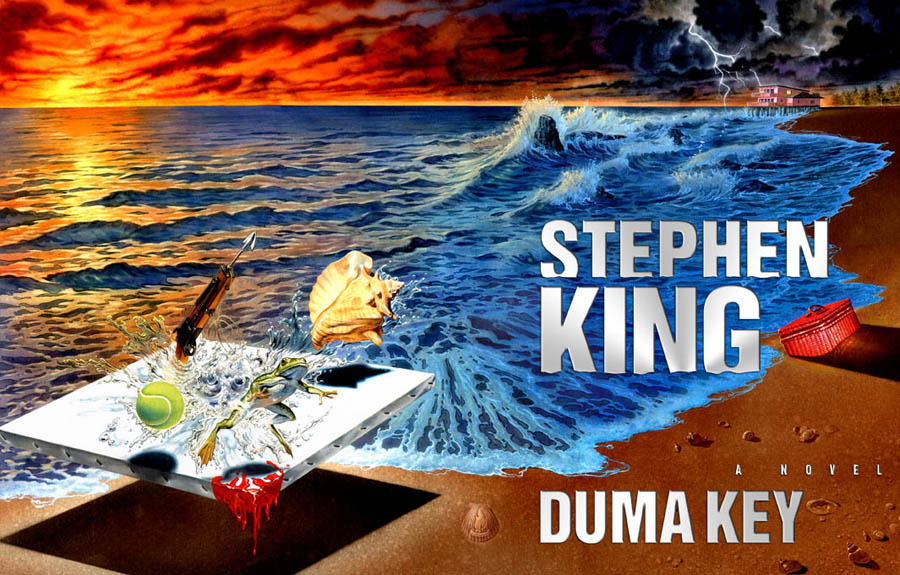
6. Duma Key
Inasmuch as it also deals with paintings that’s where I see a similarity between this and Rose Madder. Why I place Duma Key slightly higher (than Rose Madder would’ve been) in the pecking order is that merely the fact that this is a more extroverted and cohesive effort making the transition in medium easier.
5.From a Buick 8
This is Stephen King’s other car-related novel but is nowhere near the fantastical end that Christine was, and perhaps that’s why it’s not been looked at as a possible film yet. I wouldn’t mind seeing it but as you can tell, I have quite a few ahead of it.
4.The Girl Who Loved Tom Gordon
A few personal items here in the interest of full disclosure (non-sports fans can go down past the photo): one I am a Yankees fan, and as such the only King book I never read is Faithful his collaboration with Stewart O’Nan that chronicled the Red Sox breaking of The Curse of the Bambino. Not that I begrudge them having won in principal, and as a writer I wished my teenage self had chronicled the New York Rangers ending the curse of 1940 (something I felt in my bones would happen in the preseason), but it was the fact that it was against the Yankees, and overcoming a 3-0 deficit (a comeback I also felt coming), that I skipped it.
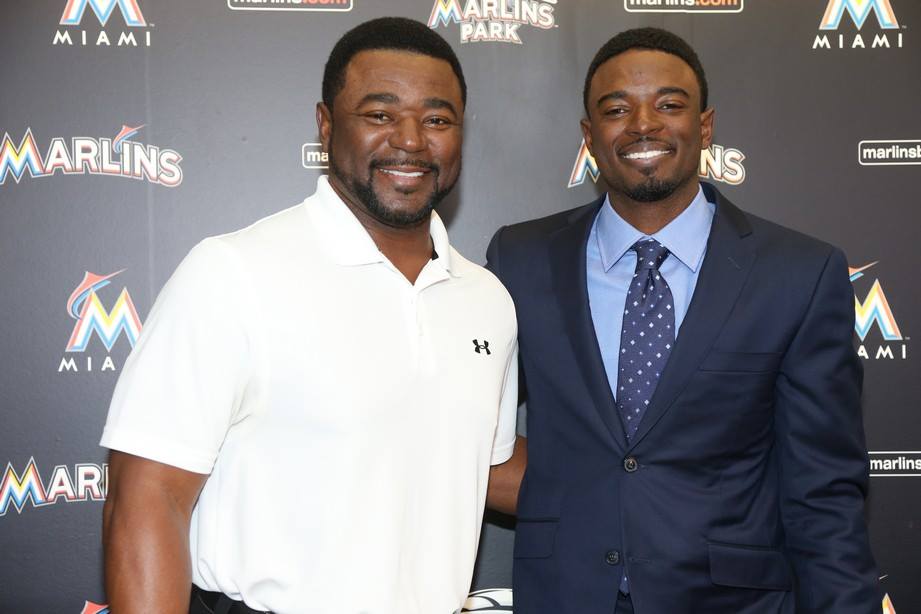
Once upon a time I considered The Girl Who Loved Tom Gordon part of The Curse no one much talked about. Just after the book came out in April of 1999, Gordon only pitched 17 more innings in a Red Sox uniform. He had elbow issues and ultimately needed Tommy John surgery. Missed all of the 2000 and was then let go by the Sox. Coming full circle on the Curse he was on that Yankees team that lost to the Red Sox.
Tom (Left) and Dee Gordon.
The book tells of a young girl gets separate from her parents in the woods, something may be following her and she relies on her wits and her imagined version of Red Sox star Tom Gordon to help her. The set-up is fairy visual even with all the inner monologue in the story, it doesn’t necessarily need a lot of dialogue and much of that can be externalized or turned into visuals. I’m not sure if it’s the specificity of the title (like that stopped The Shawshank Redemption from making the title more marketable by leaving Rita Hayworth by the wayside) or the fact that interest may be limited in a fictional version of a relief pitcher. It can work. Now it’d have the added bonus of being a period piece. And who knows maybe Tom’s son Dee, also a Major Leaguer, wants to give acting a shot.
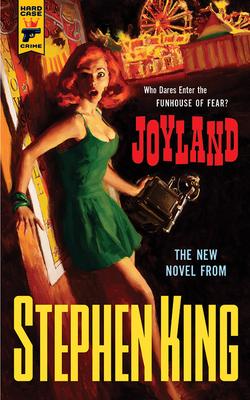
4. Joyland
Any amusement park or carnival them in Horror has a certain amount of visual potential, add a ghost and an unsolved murder into the mix and it could have even more. What it is prone to would be a touch too much cinematic cheese and/or a dampened impact by virtue of a non-traditionally unsettling setting. Still I would like to see someone take a stab at this because for every Funhouse, where the atmosphere doesn’t help it much, there is a Goosebumps or Zombieland that uses the locale expertly.
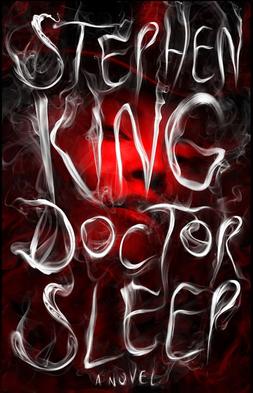
3. Doctor Sleep
I love the idea of a film based on Doctor Sleep. However, there’s no gimmickry that would work to tie it in to The Shining in my mind. You can’t really parallel it to the Kubrick version or the mini-series in any kind of way that would work, nor do I think producing it as a tandem of new films with a new version of The Shining before it would work either.
The most I can say about making it work in a cinematic context is to have a really good casting director look at Danny Lloyd, see who may
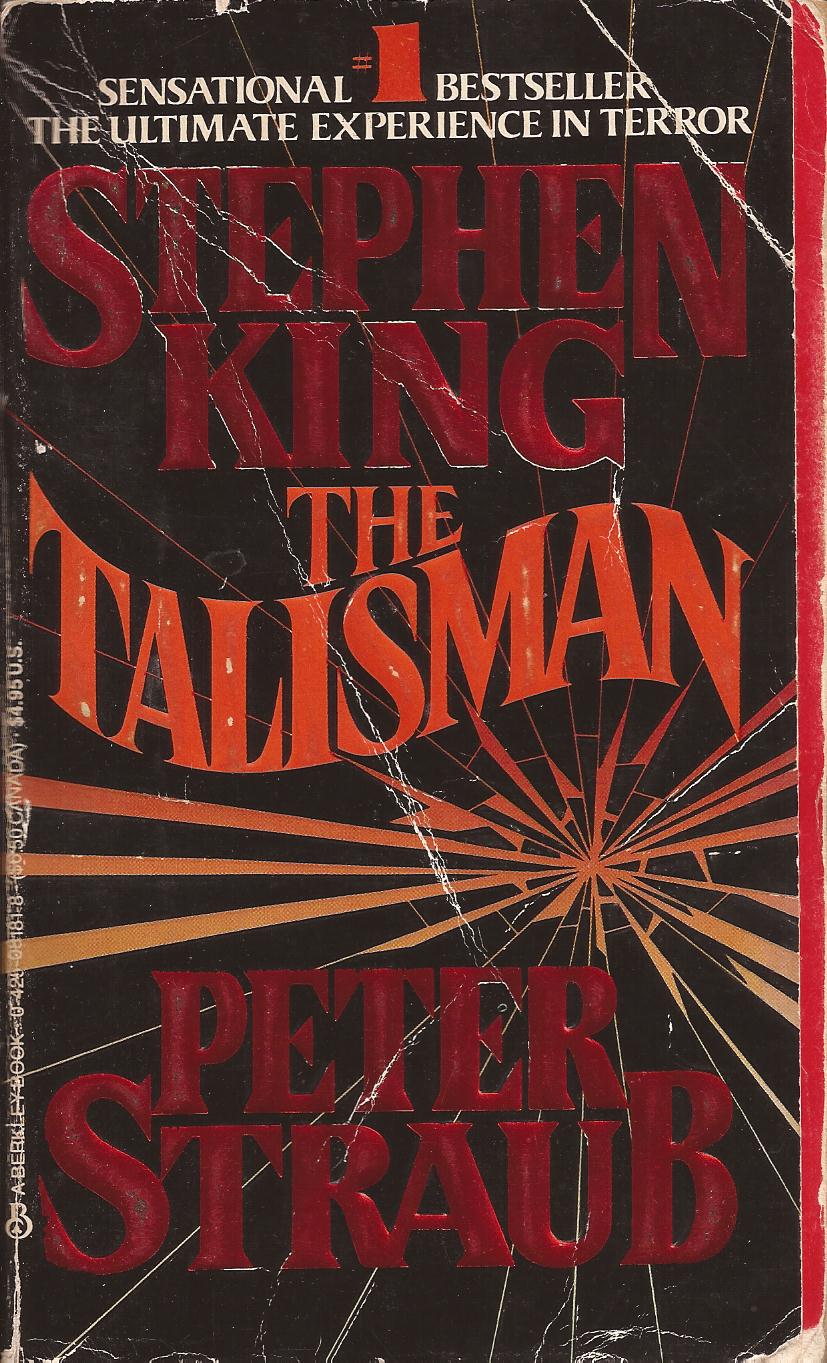
2.The Talisman
Though I chose this as my number two selection, I am far more baffled by The Talisman not having been adapted yet than by any other King title. It is one of my earliest reads, one of my favorite books, and one I know has passed through more than one option: none other than Steven Spielberg has this in his docket and some point.
The narrative is lovely and simple, the magic seems real, and one of King’s greatest protagonists abounds. And while it was rumored a while ago, CGI technology has clearly advanced far enough to hand the fantastical elements of this tale. I have nothing but praise for this as a possible adaptation.
As for the sequel Black House, clearly it can’t happen before The Talisman. Not sure it will but it would be amazing if, in an ideal world, if there was a long layoff between The Talisman and this. Maybe even retaining original cast members like whomever is cast as Jack.
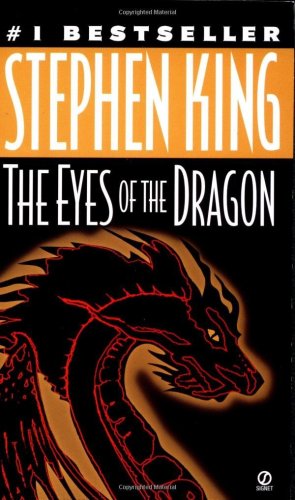
1. The Eyes of the Dragon
It’s a wonder, it can get under your skin, yet is a fairy tale the likes of which you might actually read aloud to your kids. And as opposed to the runner-up it’s not a leviathan page count tale. There clearly is no good reason to my mind why this has not happened yet. With Dark Tower films would there be enough of a lull to have casting crossover as well? McConaughey as Flagg? Alright, alright, alright. Idris Elba as King Roland? Hell, yes!










 The Movie Rat