The 2012 Embarrassed To Say Festival

The 2012 Embarrassed to Say Festival

This is a project I likely should’ve undertaken sooner, but now more than ever it is easier to tackle a lot of the massive films I’ve yet to see. I can likely continue doing it every year and hopefully (eventually) the titles will become more and more arcane to the common filmgoer but no less bothersome for the film buff and/or filmmaker.

However, Edgar Wright the very talented director and great film enthusiast has said something quite true on his Twitter, in response to apologetic fans having seen Scott Pilgrim vs. The World, only on video, “It’s never too late to watch a movie.” That’s the spirit in which I’m undertaking this venture.

In spite of that sentiment there will be films on this list that I have to grin and bear admitting only now having seen so I offer you this explanation in preamble:

My conscious desire to be in film blossomed much later for me than with most, the pure love of it was always there. Therefore, what I want to see has always been a strong impulse as it is with many. However, once one becomes a student of film you quickly learn there are those titles you ought to see and if you haven’t already seen them watching them on your own, later on, can seem like homework. Whereas in school screenings were the best class assignments you were given, homework is a bothersome thing, no one liked homework, not entirely, and the assignation of necessity to something that ought to be a pleasurable and visceral experience alone can make one reticent to watch certain films. In fact, in the schools I attended I saw the disillusion many students felt as they could no longer enjoy films for they analyzed them to much.

I remained steadfast and can control hyper-analysis during viewing and do that legwork after the fact. This is an elongated and roundabout way of saying that some films I have avoided in part because of their stature, for fear that watching them would be more like work than pleasure or conversely for as important as they might be in a historical or technical context I’d not be moved by it in a narrative sense.

Well, the time has come and the access to some is so ready that I’ll bite the bullet on many titles this year (ideally at least 52) and I hope you the reader either get a chuckle of what I’ve deprived myself of thus far or find something new to look for, ideally both. And who knows maybe even undertake this challenge yourself.

Without further ado the films…

1. Apocalypse Now (1979)

Marlon Brando in Apocalypse Now (United Artists)

Reasons I Hadn’t Seen It:

War stories are tough to watch.
Running time.
Rather informed by a making of and needed to distance myself from that viewing.


Expectation Going In:

I had forgotten much I’d learned about the plot so all I really expected were a few scenes I knew of and brilliance.

Reactions:

At times mesmerized, others horrified and befuddled. A film that works brilliantly on an intellectual and visceral plane and as much as I wanted to see the theatrical and “Redux” cuts before they left Netflix I could not deal with seeing it twice in two days.

10/10

It’s been far too long since I updated this post but I figured when I do it had better be a doozie. So how does a Hitchcock film strike you. Now, I did add a new Hitchcock both during 31 Days of Oscar and since, but this one is a big one that is a worthy successor to the aforementioned film.

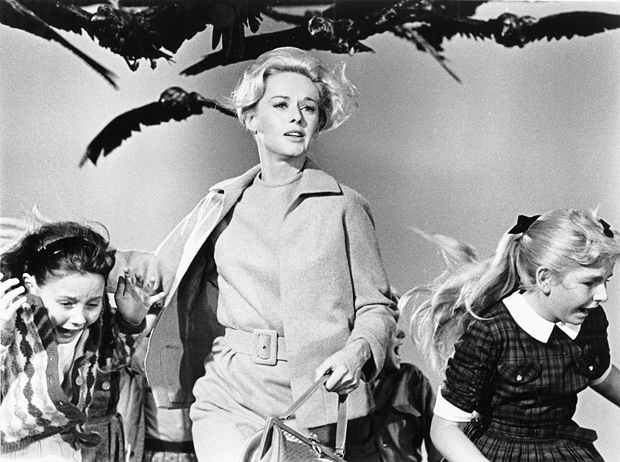
2. The Birds (1963)

Reason(s) I Hadn’t Seen It:

I have seen bits and pieces of The Birds, and like any Hitchcock film (any good film) it’s not an experience meant to be fragmentary. My avoidance of The Birds always came back to a philosophical quandary: How effective can it be when the film openly acknowledges there’s no real catalyst, at least not one blatantly indicated in the story, as to why the birds are attacking? In a B-Film (This is not one, I’m merely contrasting) that deals with animal attacks there will be the discussion as to why, perhaps too much and perhaps the explanation satisfies and perhaps it doesn’t, but it’s there. I was never sure how well it’d work for me, especially stacked up against other Hitchcock films.


Expectation(s) Going In:

Guarded, to say the least, yet hopeful that it’d be the best rendition of the story at hand, and potentially bulldoze my reservations.

Reactions:

The first thing that really struck me is the importance of the MacGuffin in this film especially. The MacGuffin is really just a device that is used as an excuse to tell the story, but in The Birds, without the flirtation and the new-found connection the two protagonists share, without her coming to Bodega Bay, meeting people; essentially introducing herself into a new family, it’s hardly different than many animals attack movies. However, you do spend that time building characters, relationships and attachments, the story is about them, and the attacks of the birds mount incrementally. They come intermittently and with growing intensity.

The lack of scoring was something I knew about going in but I must say that it really does contribute to making this film as good as it is. It’s not going to work for every film but a certain intimacy and terror are built in just by hearing the flapping of wings.

I am a bird-lover, member of Audubon and all that but I take no issue with this film in that regard particularly because of how Hitchcock executes it cinematically. Birds aren’t usually a feared animal, so to transform the sound of a flock of flapping wings into something fearful is quite a feat.

Hitchcock’s is a filmography with so many greats, and so many personal favorites that many overlook, that it’s hard to gauge this film, even in the context of his canon, but it is undeniably solid and effective.

8/10

31 Days of Oscar Log

As you are likely aware every year TCM does a month long festival of only Oscar-winning or -nominated films. Each year the slate is different and differently organized but it’s a great chance to see films you’ve never watched before. Below I will list films I’ve watched as part of the block this year (Goal: minimum 31).

As always refer to My Rating Scale for insight on the scores.

1. Key Largo (1948)
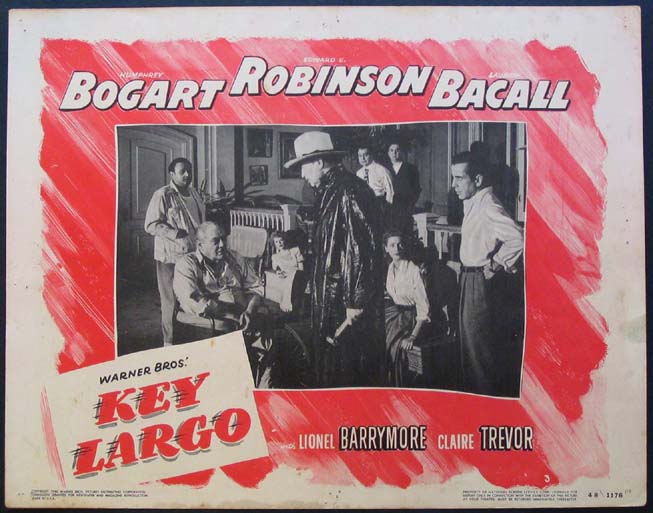
Key Largo (Warner Bros.)

I’ll admit I allowed myself to get too swept up in the MacGuffin but that didn’t hurt the film at all. The only things that really got in its way was that I ended up knowing what Bogart’s endgame would be and the occasional heavy-handed (read dated) attempt of inserting a message into the film about Native Americans while still reinforcing certain stereotypes. In the big picture it’s minor stuff. It’s a great situation that lends itself to tension-building and surprising reversals of fortune and plot.

Oscar Nominations/Wins: 1/1

Score:
8/10

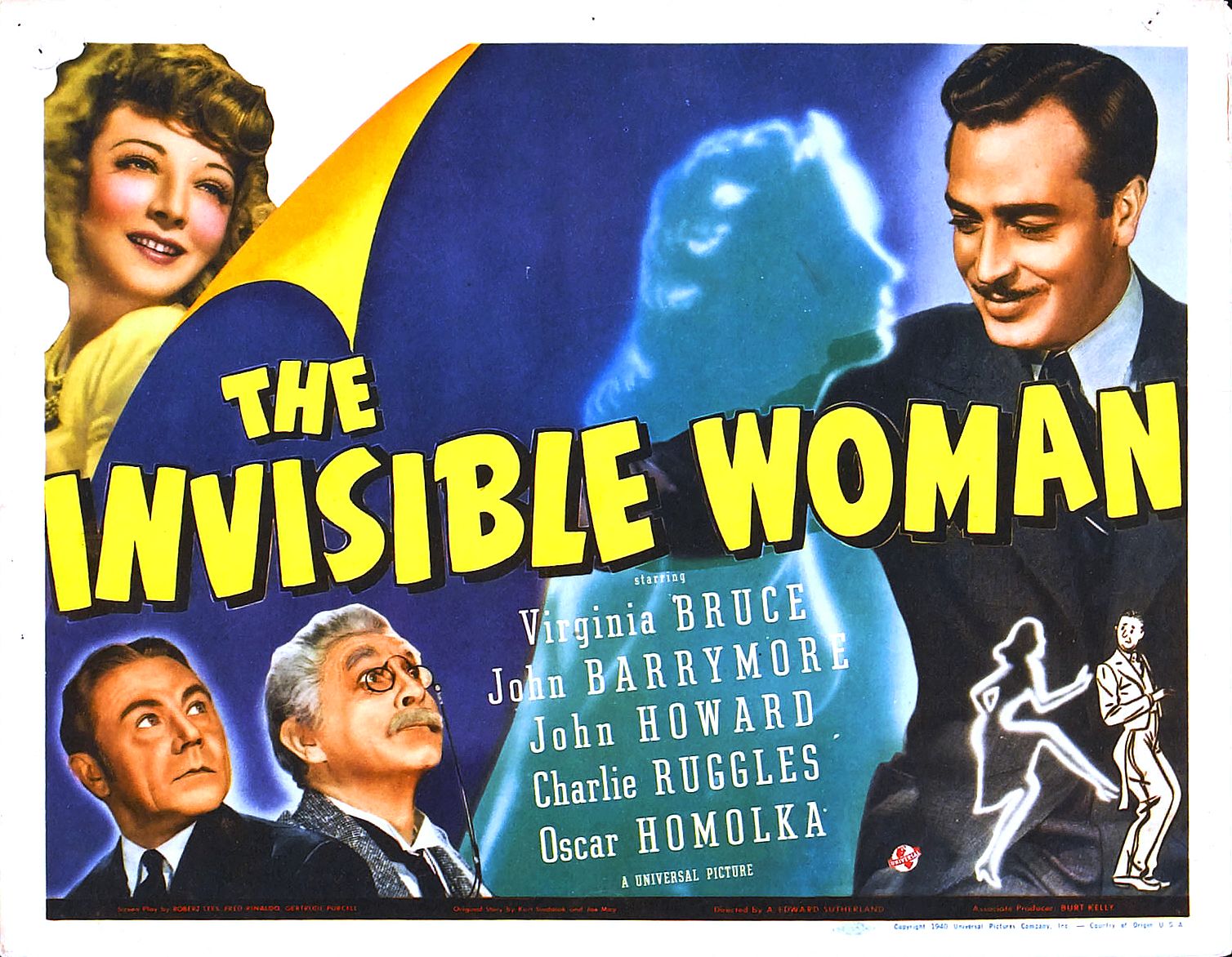
2. The Invisible Woman (1940)
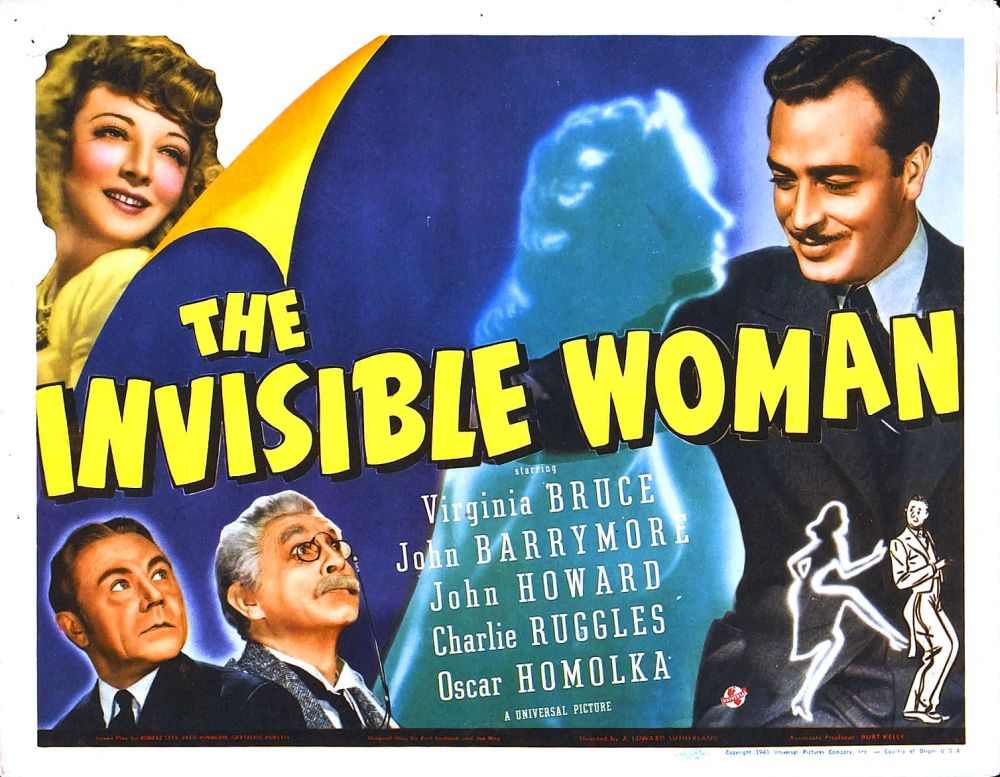
The Invisible Woman (Universal)

If you think that dumb movies that are all about effects are a new thing you should check this out. While not even new I must say the effects work in this film are great, however, the film is comedic in tone and isn’t that funny and truly suffers from the cast trying a bit too hard to sell it. Virginia Bruce does fine when she’s visible but when she’s invisible she’s as obnoxious as her character’s antics. It’s premise is thin and it’s a lame effort, sadly.

Oscar Nominations/Wins: 1/0
Score: 3/10

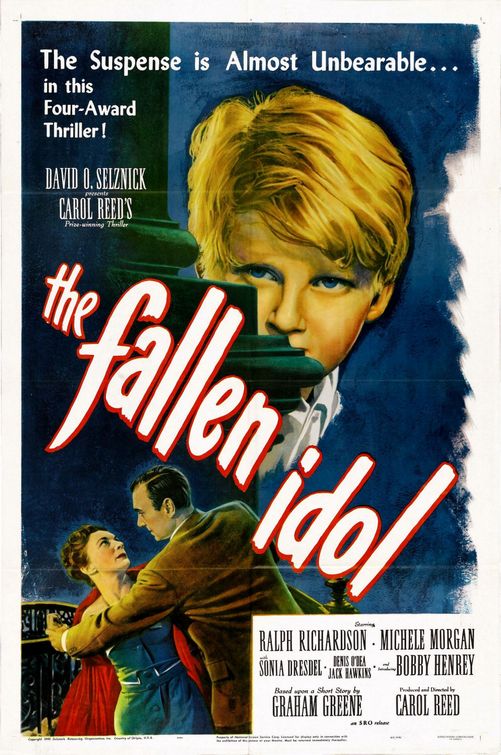
3. The Fallen Idol (1948)
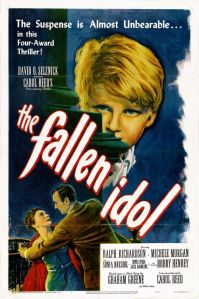
The Fallen Idol (Selznick Releasing Organization)

This is the first film I’ve seen in this year’s run I’d truly call great. Carol Reed, a director with many great titles to his credit, does a wonderful job building the tension in this film and creating doubt there’s also some great writing of conversations overheard or purposely cryptic. The Kordas always had great sets and the design of the film factors into it as well. It’s no wonder that this film is in Criterion’s library.

Oscar Nominations/Wins: 2/0
Score: 9/10

4. The Ladykillers (1955)
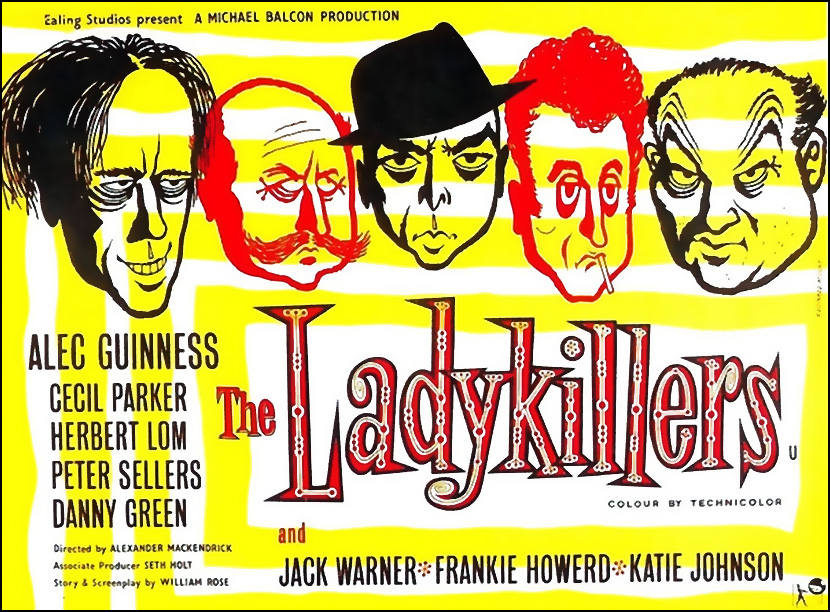
The Ladykillers (Ealing Studios)

To describe the humor of this film as dry would be an understatement. As a matter of fact most of its humor would be situational and not in the dialogue or actions, in fact, Katie Johnson as the old woman offers most of it in the film simply by being so kindly and oblivious. The film also serves to show a small glimpse of what Alec Guinness and Peter Sellers are capable of but is not among their peak performances.

Oscar Nominations/Wins: 1/0
Score: 6/10

5. Lies My Father Told Me (1975)
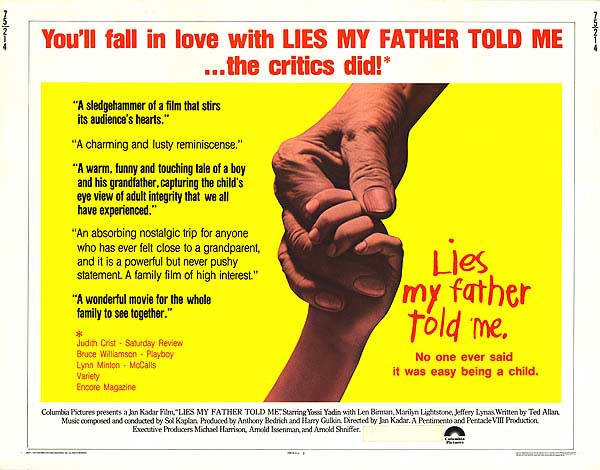
Lies My Father Told Me (Columbia Pictures)

Sadly, I have to say that I chose the above image because of its orientation rather than because I agree wholeheartedly with all the sentiments conveyed therein. While the film does have its moments of charm and humor they aren’t consistent enough to sustain this film. The song is more grating than memorable, too many of the characters are tiresome, some scenes too repetitive and the edit is not tight enough. Had the film shifted focus some, tried to place David in the courtyard’s world more often it would have succeeded for me.

Oscar Nominations/Wins: 1/0
Score: 5/10

6. Judgment at Nuremberg (1961)
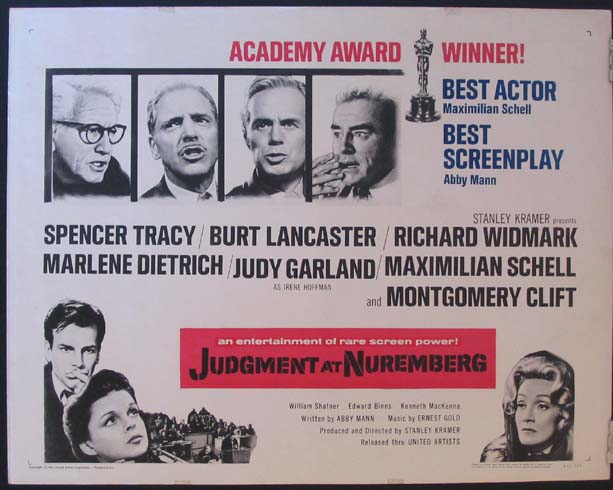
Judgment of Nuremberg (United Artists)

It was bound to happen at some point: I saw this film but just didn’t vote for it at the IMDb and didn’t recall having done so. Part of the reason was because I viewed it in a social studies class in grade school (Junior High or High) I forget which. Regardless, I watched again it anyway because that is not way to have watched this film and it is great enough to revisit. In Night and Fog one of the narrator’s asides discusses responsibility and that’s the crux of this film how far up or down the line does responsibility for the holocaust lie and it’s examined brilliantly with superlative acting. Those interested in film or history should watch this film.

Oscar Nominations/Wins: 11/2
Score: 10/10

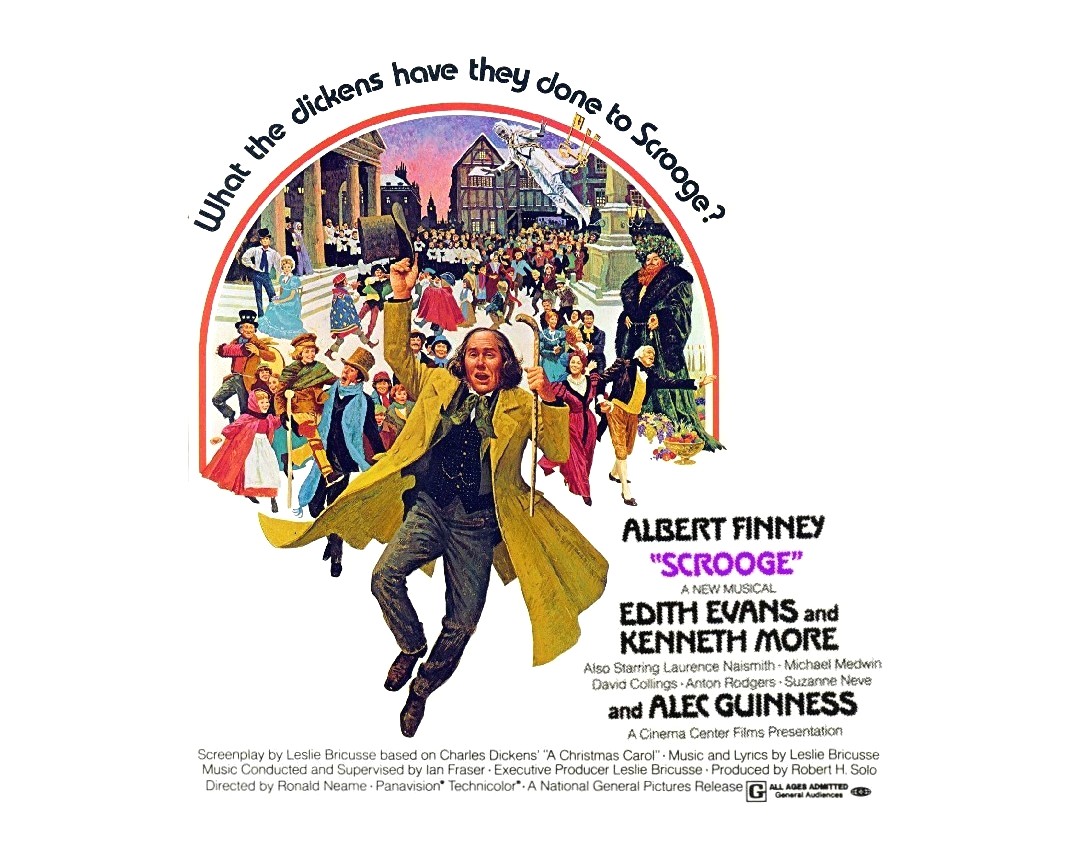
7. Scrooge (1970)
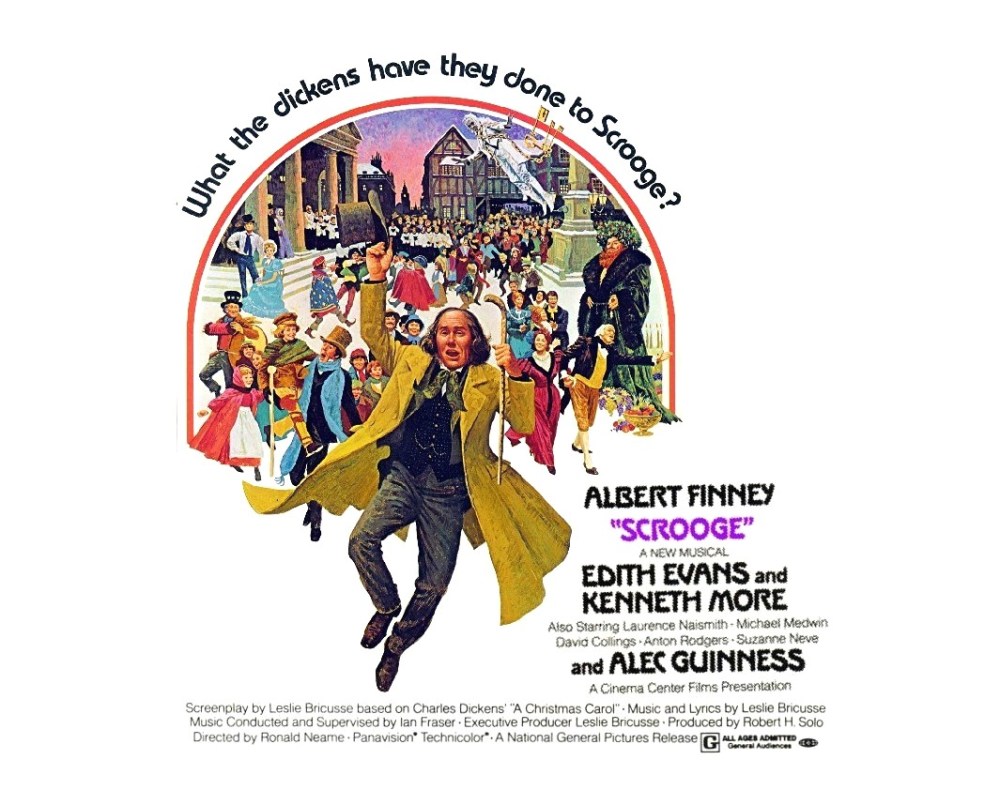
Scrooge (MGM)

I, like many, have seen many a version of Dickens’ classic A Christmas Carol it’s one of the Great Stories that we all become accustomed to and can analyze individual adaptations based on interpretation and choices more so than for the narrative itself. This version is a musical that is penned by the renowned Leslie Bricusse and for as closely as it sticks to the structure of the story for the most part offers as change of pace with songs, many of which were new. The songs are well-spaced allowing the drama to unfold adequately between numbers and also many are half-sung which lessens the theatricality of it. When watching 31 Days of Oscar I like to try and guess the nominations, if I don’t know them already and I guessed right on Art Direction and Song and was not surprised by the costuming being included. This is a very enjoyable rendition of the tale that ought not be overlooked.

Oscar Nominations/Wins: 4/0
Score: 8/10

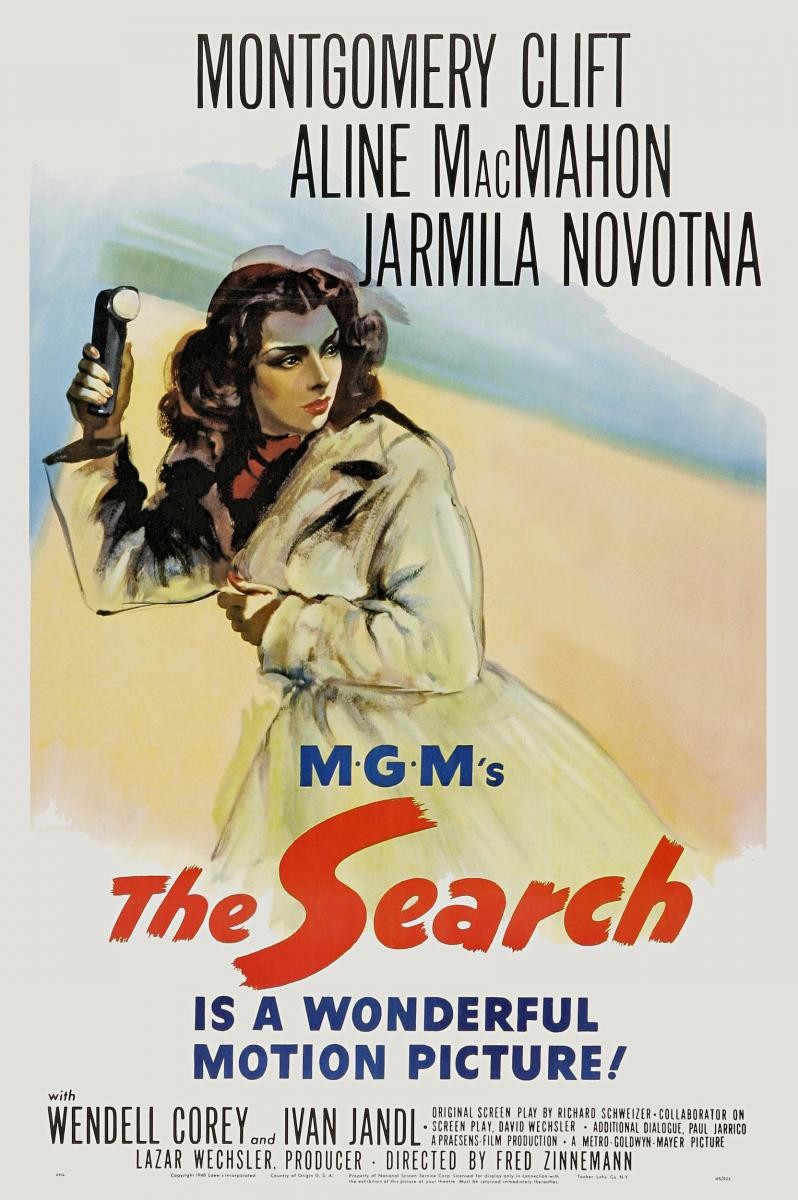
8. The Search (1948)
The Search (MGM)

In mentioning my guessing game above I must say that upon checking the IMDb I was astonished by all the nominations this film got. I knew of this film because of the fact that it featured one of the rare Juvenile Award winners, a now defunct non-nominated category that was occasionally awarded to a deserving youth. However, Fred Zinneman, a talented director perhaps best known for High Noon the writing and Montgomery Clift were all also nominated. Now I do like the film but only by the skin of its teeth. I will grant that shooting in occupied Germany and dealing with displaced children so soon after the war is commendable and it does tell a good tale but not as tightly as it should and with truly intrusive narration. The flip-side of the equation (German children in post-war Germany is handled so much better in Germany Year Zero). The film means well and is enjoyable but some of its fumbling I can’t chalk up to merely being dated, there’s a fine line between simplistic storytelling and spoonfeeding information, between being direct and bad dialogue and this film crosses it on a few too many occasions.

Oscar Nominations/Wins: 4/0 (1 Win in a special non-nominated category)
Score: 6/10

9. The White Cliffs of Dover (1944)
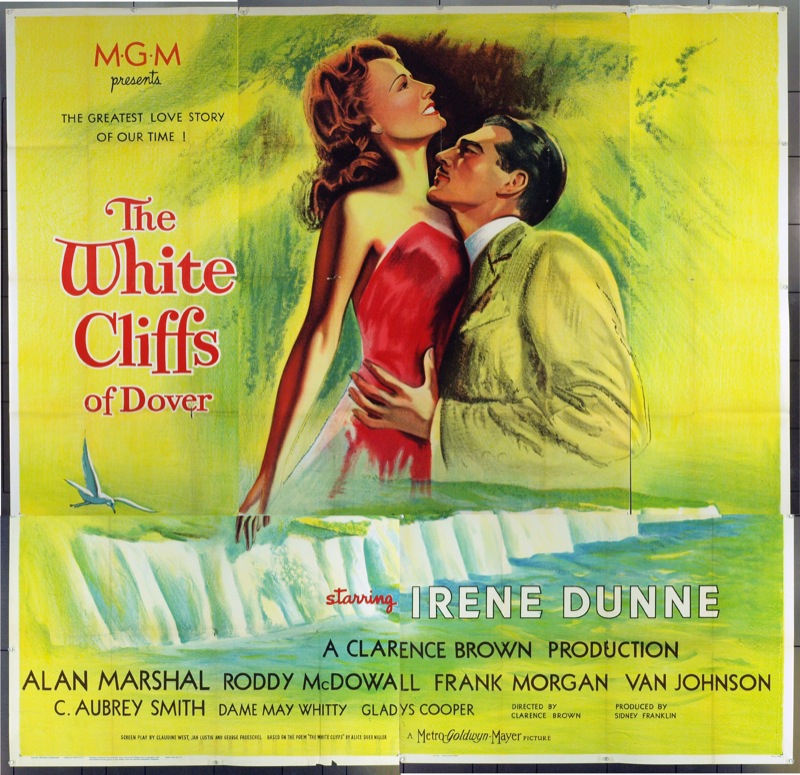
This is a film that suffers somewhat from its preachiness which can be overlooked for the most part when you consider its release date both in a historical context and a film history context. The start is also a little slow considering the fact that you know where the story is going in a lot of cases. One other quibble aside most of it works quite well and is entertaining. Irene Dunne does wonderfully as do Roddy McDowall and Elizabeth Taylor in fleeting parts. It’s lengthy but moving in spite of some of its faults.

Oscar Nominations/Wins: 1/0
Score: 8/10

10. Indiscretion of an American Housewife (1953)

Motgomery Clift and Jennifer Jones in Indiscretion of an American Housewife (Coumbia)

This film illustrates some of the great things about this month of screenings. First, I’ve been able to discover more the marvelous work of Montgomery Clift. Second, aside from his early neorealist work I was none too familiar with De Sica and while this employs many of his production precepts it is a heightened and stylized forbidden romance. The tension and chemistry is absolutely electric and only suffers some pace issues somewhat towards the end. It’s a fascinating film that I may want to revisit on Criterion.

Oscar Nominations/Wins: 1/0
Score: 9/10

11. Panic in the Streets (1950)
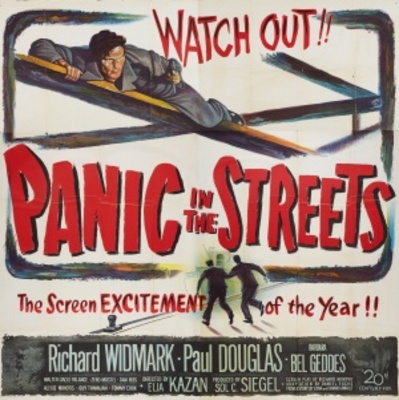
This is a very interesting film which can be categorized as Film Noir but also as an outbreak film. It’s that unusual combination which truly makes this film special and entertaining. Was it either but not both it likely isn’t that intriguing but the combination thereof makes it worthy.

Oscar Nominations/Wins: 1/1
Score: 7/10

12. Wait Until Dark (1967)
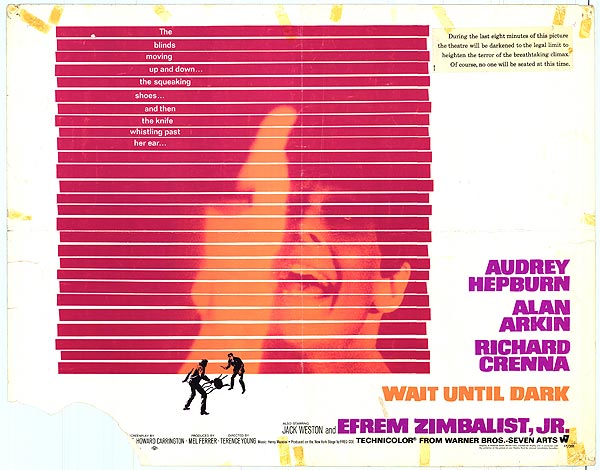
This is a film that after having seen it I expected it to have more than one nomination. The films is very tense and the set-up is brilliant. I take some issue with the way it decides to quickly, practically brusquely, resolve itself but most of what happens leading up to that point is great. Of course, Audrey Hepburn is great in one of her more celebrated roles but Alan Arkin is also very noteworthy in this film. The climax of the film nearly makes up for the unfortunate and quick ending.

Oscar Nominations/Wins: 1/0
Score: 9/10

13. The Green Years (1946)
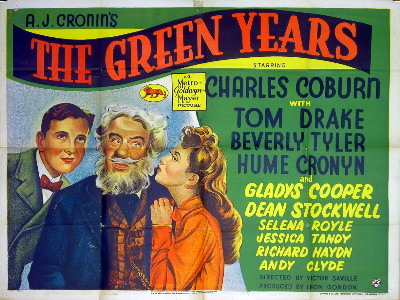
Oh, boy. It’s not a wonder that this one slipped my mind and I had to backtrack through my twitter feed to see if I missed something else. I asked rhetorically if a film could polarize one individual when I finished watching this film because the aspects I disliked about it I truly loathed and the things I loved I adored. It made for a very frustrating and difficult viewing experience. The film does have balance in showing its protagonist as a child and a young adult, however, the beginning is a bit repetitive and almost masochistic in the amounts of gruffness, insensitivity and bullying he comes across. Thankfully, he manages to get through to a few people who warm to him otherwise it would’ve made Dickens at his most dire look like Disney at his sunniest. Yet, there’s a bit too much deus ex machina at play later on and an albeit moving but all to typical All-This-Horrible-Stuff-Happened-To-Me-But-I’m-Fine-Now ending. I wanted to like this one but in the end I just couldn’t.

Oscar Nominations/Wins: 2/0
Score: 5/10

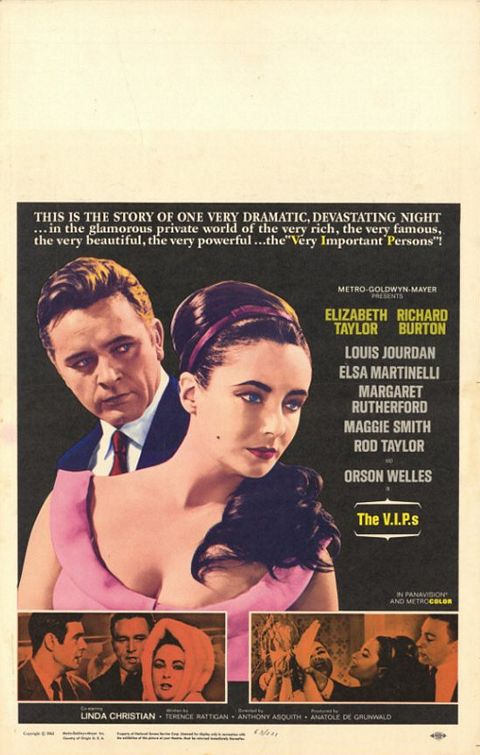
14. The V.I.P.s (1963)
This is a film that is pretty intriguing while its players are all fogbound in the airport and their disparate stories are interesting but when the story extends to a second day and incorporates another locale it loses steam and fast. I can’t say I guessed that this was a supporting actress win for Margaret Rutherford but it makes the most sense, however silly her character and plot-line were.

Oscar Nominations/Wins: 1/1
Score: 5/10

15. The Window (1949)
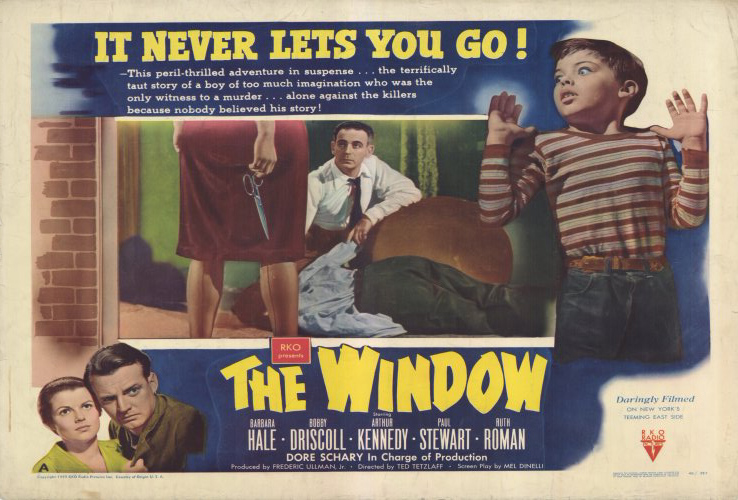
This film was not on Turner’s line-up this year. Instead I acquired it form the Warner Archive Collection. This film was out of print for sometime despite its brilliance and it being one of the rare films to win a young actor the Juvenile Award. Not only is it likely to be my favorite film of this month but it’s also one of the best films I’ve seen in quite some time. The set-up is simple: a boy who cries “wolf” once too often is witness to a murder and doubted at every plea for help and in danger because of it. If you didn’t know that this was based on a story by Cornell Woolrich you’d guess, it plays like a kids’ introduction to Rear Window and that’s not a wonder as the one of Hitch’s DPs (Ted Tetzlaff Notorious) directs here. Combine Woolrich brilliant story with a man who worked with the Master and you get something very close and a film so suspenseful you hope it’ll last. I’m not embarrassed to admit this film actually had me talking to the TV and shouting interjections at times that’s how into it I got. Yet all this is accomplished in a little over 70 minutes. It’s not a wonder this film also earned an editing nomination. Not a shot, not even a moment is wasted in this film. I’ve talked about this film more than most in this rundown and and I think you can see on and clearly I could go on. One could call many Academy decisions into question but Bobby Driscoll’s Juvenile Award is not one of them, not in the least. He is absolutely pitch perfect in this performance. It embodies all his abilities as a young performer yet all things are in service to the story it’s not a star vehicle per se.

Oscar Nominations/Wins: 1/0* (One academy award win for Bobby Driscoll as this film is cited for his Juvenile Award win).
Score: 10/10

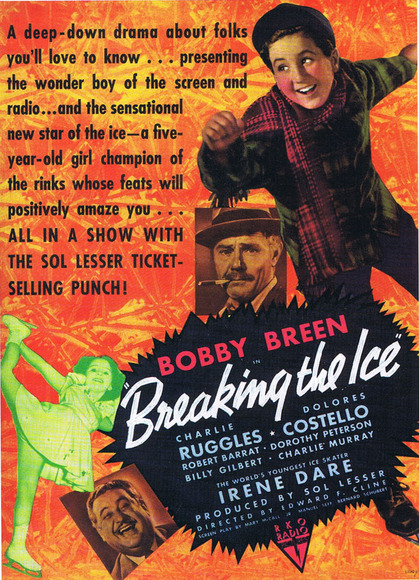
16. Breaking the Ice (1938)
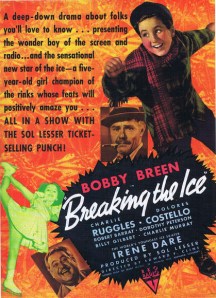
Here’s another film where I went outside the TCM schedule to add a title. I wrote of Bobby Breen recently and this is one of his many films you can stream or save from The Internet Archive, all are in the public domain. I already knew that many of his films had an Oscar nominated song, so there was no guessing game and while the narrative of this one is better than most of his vehicles it is a little lacking in as much as there is some filler were we watch a lot of skating that really doesn’t impact the story in any great way. However, like all his films it ends well and enjoyable enough to watch and there is decent spacing and plenty of singing.

Oscar Nominations/Wins: 1/0
Score: 7/10

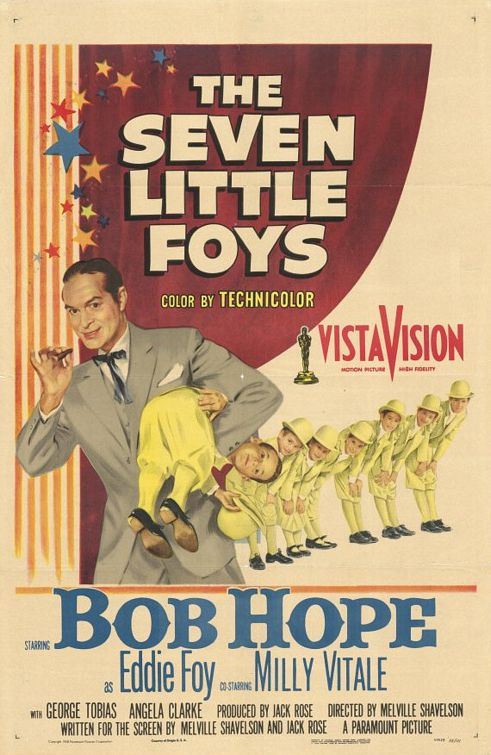
17. The Seven Little Foys (1955)
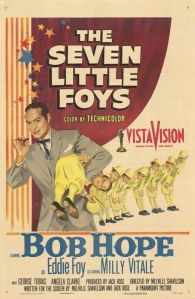
This is a pretty enjoyable tale of the old vaudeville days. It takes some great classical elements and recombines them. It creates in the process an unusual family dynamic that you get accustomed to and you root for all the characters and in a sense understand all of them. Bob Hope is very good in the film and there is a showstopping dance routine where he is paired with James Cagney that is something to behold. Its writing nomination is well-earned.

Oscar Nominations/Wins: 1/0
Score: 7/10

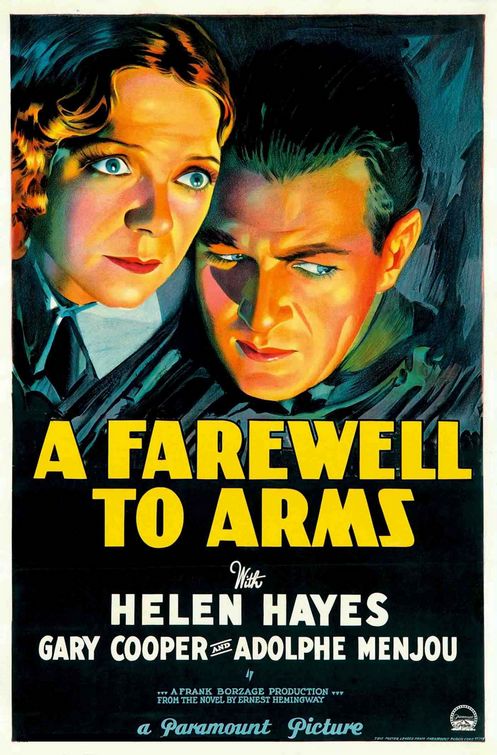
18. A Farewell to Arms (1932)
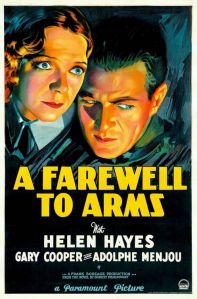
I will be espousing the importance of separating film from source material soon but my minor quibbles with this film are somewhat different than that. I never read the book. However, when you know something is an adaptation of Hemingway, a titan of literature whose reputation precedes him, you expect something a bit more in terms of story than what amounts to a fairly standard Hollywood tragic love story. The sound work for the era is superlative, the cinematography grand and there’s a brilliant albeit slightly lengthy montage but story-wise it lacks a little.

Oscar Nominations/Wins: 4/2
Score: 7/10

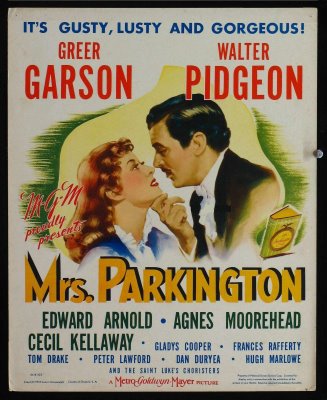
19. Mrs. Parkington (1944)
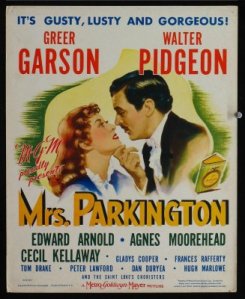
Oscar Nominations/Wins: 2/0
Score: 10/10

I think it was last year that TCM did a spotlight on Greer Garson and how I wish I’d seen the whole thing. They aired all 5 of her consecutive Best Actress nominations (an unparalleled achievement) back-to-back. After what I thought of Mrs. Miniver I really regretted not seeing all of them. I tried to rectify that as best I could this year. This film is also a “through the years” kind of tale but very interestingly told going from the story’s present to several other key junctures in the past. The conclusion comes swift and impactful and nobly triumphant. Another film I watched for Garson but loved entirely.

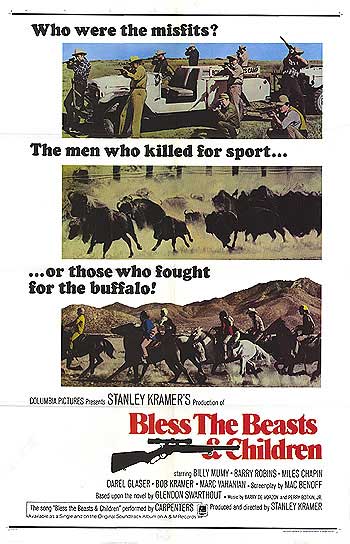
20. Bless the Beasts & Children (1971)
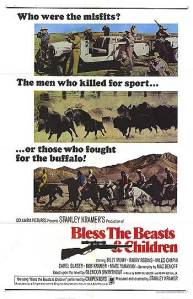
As soon as I saw the opening credits I knew this film had one nomination and likely didn’t win it. The title song to the film is a great one by The Carpenters and may be perceived as the kind of nomination that’s trying to get young viewers to watch the ceremony- I think it’s worthy. However, as the film progressed I really liked it. It’s the kind, in fact, that I may like more once I see it again. It’s about six misfits who become friends at a summer camp and decide to free buffaloes from a reserve. The film starts with the beginning of their mission but at key and appropriate points we backtrack so you get an introduction to a particular character then you see how they interact and understand them more. There are some quirky 70s transitions and an ending that leaves you wanting more both in a good way and a bad way but it really is timeless if you look past the details. In fact, with Goodenow’s plight of being bullied due to his perceived homosexuality (the movie brilliantly never confirms or denies it) and threatening suicide it becomes quite relevant today and other characters are as engaging in their struggle to fit in but it’s Daryl Glaser’s portrayal as the aforementioned character and Stanley Kramer’s direction that make the film succeed whatever its faults. I’m glad this is another title now available through the Warner Archive.

Oscar Nominations/Wins: 1/0
Score: 7/10

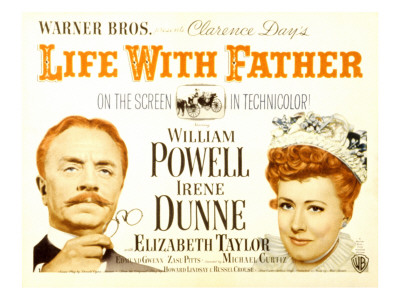
21. Life with Father (1947)
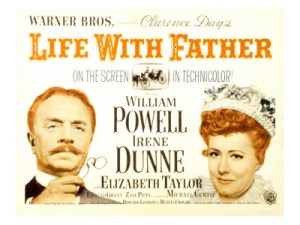
This is a quirky and pleasant film though it does feature some odd logic and math for humor’s sake and does get a bit long in the tooth. The cinematography proves there’s nothing quite like three-strip technicolor and once again proves that there’s nothing that Michael Curtiz could not do he was just better at some genres than others but more than capable of doing anything. It really in an enjoyable and contained film that is a tribute to restorers as the film has only resurfaced in viewable condition in recent years.

Oscar Nominations/Wins: 4/0
Score: 6/10

22. The Thief of Bagdad (1940)
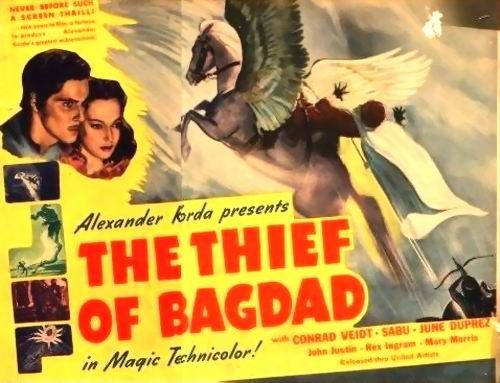
This is one of the more surprising titles of this year’s festival. I knew some things about some of the talent involved but not the film itself. I was surprised on many occasions. I knew Vincent Korda was a great art director but these sets may be his best. I didn’t know the story was such an enjoyable fantasy. You typically pick up on common names in the fest other not as well-known artists make their presence felt, especially musicians. This year it was Alfred Newman and Miklos Rosza, nominated for this film. Sabu, recently given an Eclipse set by Criterion, stars in this film but there’s also Conrad Veit. It’s a very fun, enjoyable movie with great effects, amazing for the era.

Oscar Nominations/Wins: 4/3
Score: 9/10

23. To Catch Thief (1955)
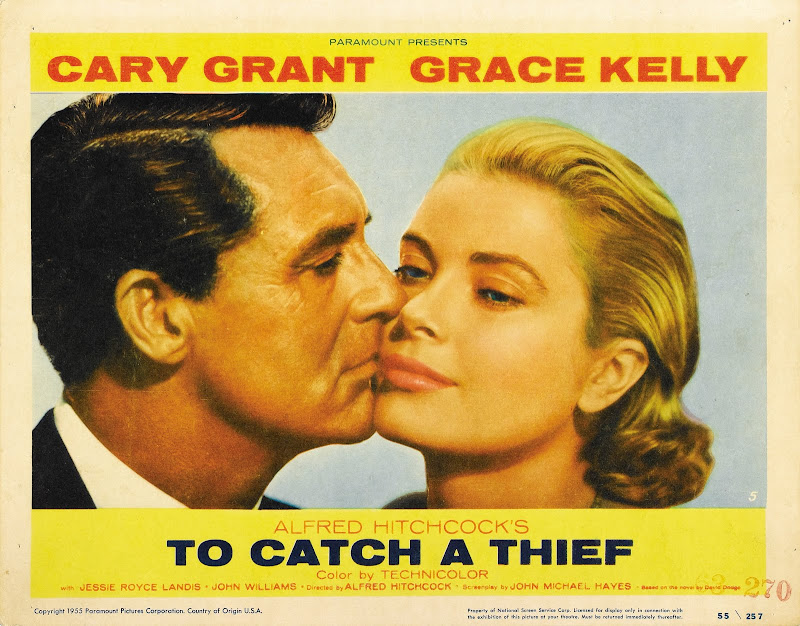
When I become familiar with a filmmaker part of my scoring indicates how the film fits on their scale. Hitchcock was the first director I started to watch religiously. I always avoided this film based on the description. It’s better than I thought it would be but still not what I’d recommend to anyone as where to start as a starting point. It is enjoyable though.

Oscar Nominations/Wins: 4/1
Score: 8/10

24. A Man Called Peter (1955)
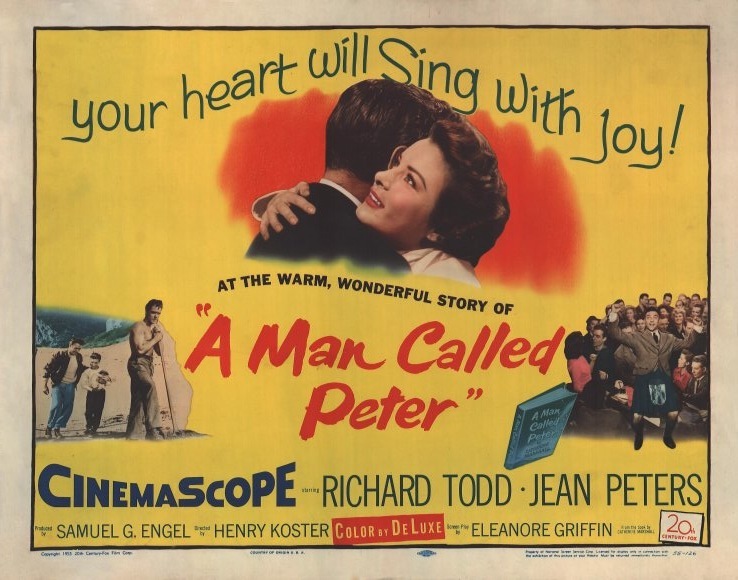
Perhaps the most interesting thing about this film is the fact that it contains some really amazing sermons, which are even greater if cribbed from real life and more impressive. Now preaching is generally verboten in film, however, one exception is when your lead is a priest. Some of the thoughts conveyed are great and even applicable to current times, one reminds me of Stephen Colbert’s recent point about being a Christian country. It gets a little languid towards its inevitable conclusion but the cinematography is great as are some of the performances.

Oscar Nominations/Wins: 1/0
Score: 6/10

25. Tristana (1970)
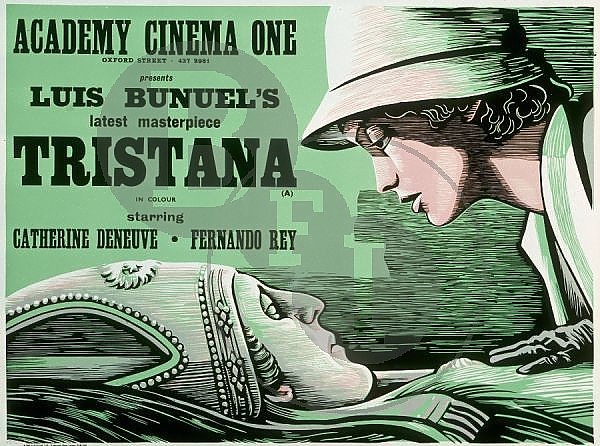
This is an interesting film by Buñuel which stars Catherine Deneuve. It’s not great but the plotline is simple and accessible and the protagonist’s situation is easy to identify with. There is a pretty impressive closing montage, not to say too much.

Oscar Nominations/Wins: 1/0
Score: 6/10

26. Stella Dallas (1937)

Barbara Stanwyck is brilliant in this. Very deserving of her Best Actress nomination and frankly the only thing that truly makes the whole film worth watching. The film hits an unusual flatness as the romance fizzles and the marriage is in name only it all feels like a lot of window dressing to the next major conflict of the film. It’s about as enjoyable as it can be but not as good as it could be.

Oscar Nominations/Wins: 2/0
Score: 5/10

27. Boomerang! (1947)
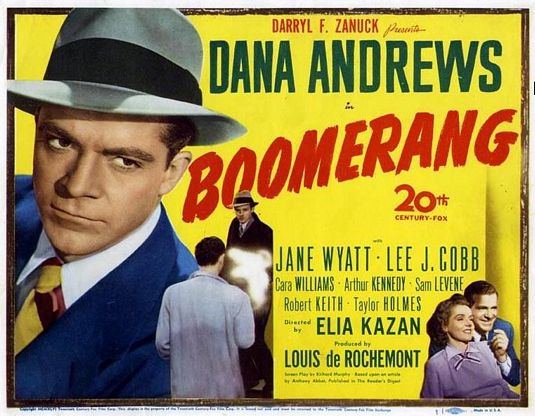
It’s funny how similar in conclusion and resolution this is to the other Kazan film I saw (Panic in the Streets above). Another thing that struck me is that it handles a lot of similar elements much better than the later The Town That Dreaded Sundown.

Oscar Nominations/Wins: 1/0
Score: 7/10

28. The Letter (1940)
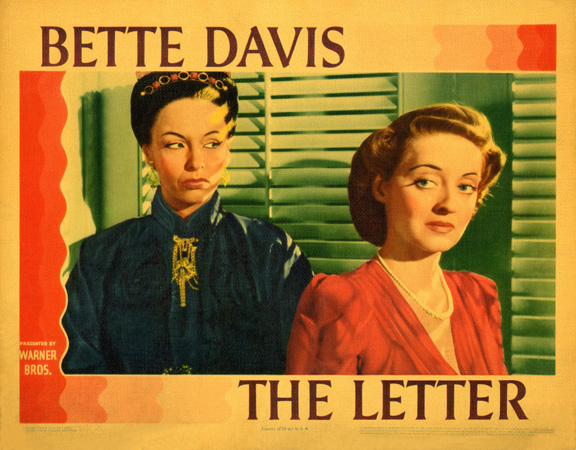
Better Davis and William Wyler were a pretty dynamic duo when they joined forces, however, this is not the best that duo can do. The situation and complications the protagonist finds herself in are fascinating and he cast is brilliant but the resolution is slightly lacking and a bit anticlimactic, the twists make it work.

Oscar Nominations/Wins: 7/0
Score: 7/10

29. Kiss of the Spider Woman (1985)
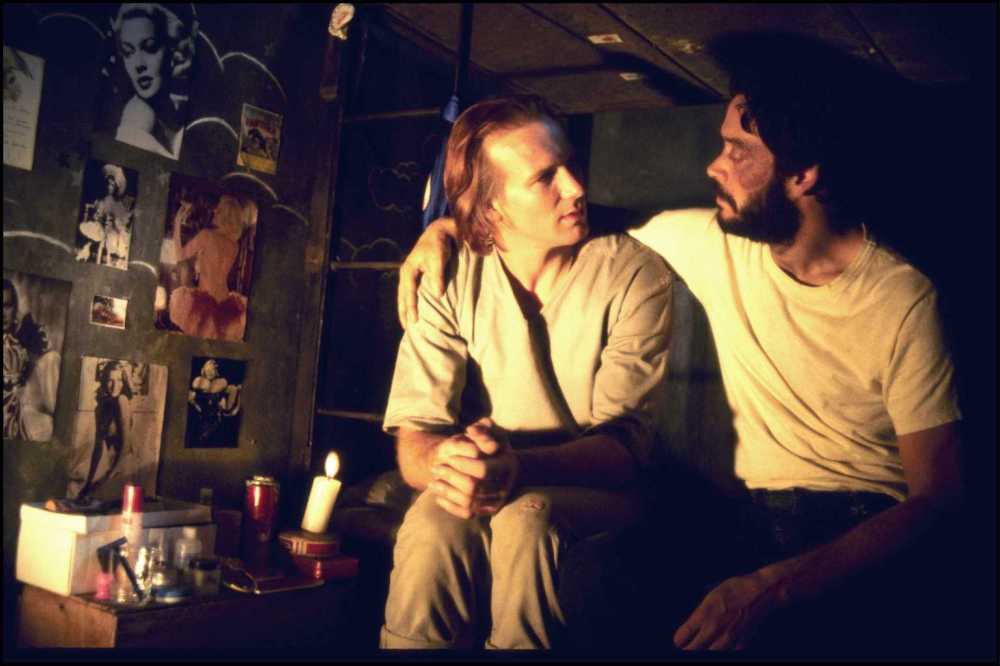
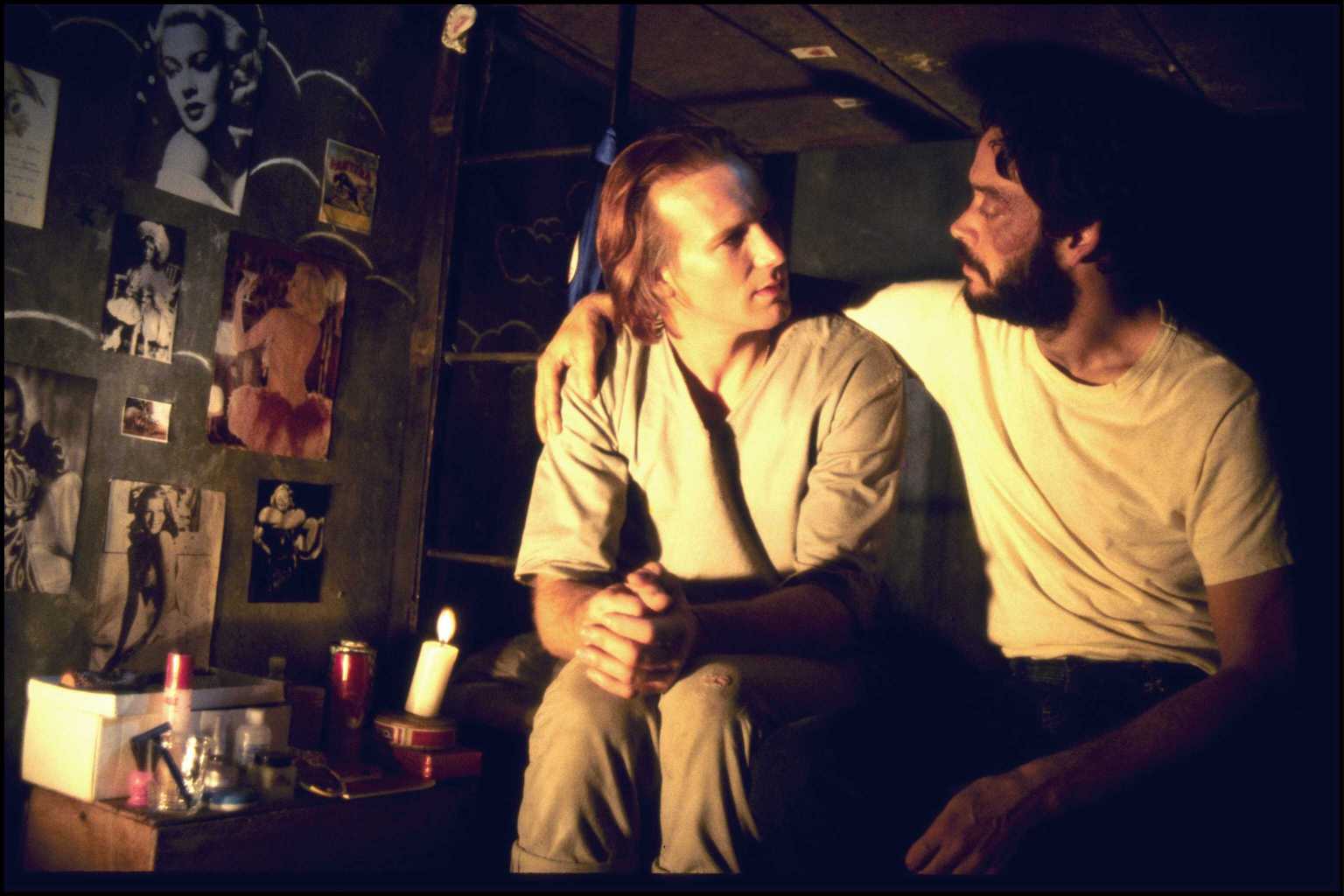
William Hurt and Raul Julia in Kiss of the Spider Woman (HB Filmes)

Despite the fact that it’s based on a novel I first became familiar with Kiss of the Spider Woman though a play version. I know that for the most part the narrative is one I enjoyed yet there were a few reasons I avoided the film version for some time.

Most of it has to do with the fact that the film in production terms and representational terms ends up in a very weird cultural limbo. Now in the interest of full disclosure: I am Brazilian so in many ways I disqualify myself but bear with me and try to understand my perspective.

The setting according to the text is always vaguely South American and surely for many reasons dictatorships were rampant on the continent for a time but the signage, location, supporting talent and director (via naturalization) are all Brazilian. It’s a muddled world wherein I see great Brazilian actors look less than stellar for the most part as they struggle with their broken English. You have late great Raul Julia doing a wonderful job but who generally gets overlooked in this film, except by the National Board of Review, and as brilliant as William Hurt is his name is Molina and he has no accent and isn’t designated as a gringo. So those factors along with Brazilians playing German in the film clips don’t ruin the film they just make suspension of disbelief a chore at times.

I’d absolutely love to see this (as I would most stories) in the languages intended whether Spanish or Portuguese and German and French.

Other than that the film is a great tale of unlikely friendship and loyalty, however, another bugaboo is there’s a line where Molina seems to indicate he’s more transgendered at heart than homosexual, so perhaps the description is not accurate. The only difference that really makes is in a public perception and social awareness. If this is looked at as William Hurt playing a transgendered man rather than crassly classifying “just another actor winning an award for playing gay” it would be better for the whole GLBT community so that people would know there are differences amongst the letters in that acronym. To continue to merely characterize the character as homosexual does a disservice to Hurt’s performance and in this day an age a community though I recognize that when the film was made there was a lack of differentiation.

But the only other issue I had was the prolonged and foreseeable ending. It truly is a good piece despite issues I had with it. That baggage was mostly my own and those things didn’t turn me off from the film.

Oscar Nominations/Wins: 4/1
Score: 8/10

Your Online Georges Méliès Film Festival

Ben Kingsley and Asa Butterfield in Hugo (Paramount)

Now, I know what you’re thinking: “Here’s another blog trying to prove how clever they are by linking to all the visual references in Hugo.” Wrong. Granted it’d be more painstaking to jot down the shots and match them to those in the film. However, the purpose of this post is a bit broader.

I have linked to anything and everything I could find. Some are referenced in Hugo, some aren’t. What I really want to people to do is to take a few minutes and watch some of there. Some are quite short. However, I’ve also created this post using just one website.

The internet archive is a great resource for all kinds of material but especially films which have entered the public domain. You can stream and download all kinds of great movies for free.

If you enjoy these movies, as I suspect you will, in their more primitive degraded state then you can look to Flicker Alley who have released many great sets of Georges Méliès rediscovered and restored works on DVD.

Enjoy!

If you ever wonder where your dreams come from, look around: this is where they’re made.
-Ben Kingsley, Hugo

<a href="http://www.archive.org/details/Lauberge-ensorceletheBewitchedInn1897&quot; title="The Bewitched Inn (1897)”>

A Terrible Night (1896)

The Devil in a Convent (1899)

<a href='http://www.archive.org/details/Cinderella_601&#039;>Cinderella (1899)

Joan of Arc (1899) [TINTED; Third-Party Voice Over Added]

The Man with a Head in the Cabinet (circa 1900)

The One Man Orchestra (1900)

The Devil and the Statue (1901)

A Trip to the Moon (1902)

The Monster (1903)

The Infernal Cauldron

The Impossible Voyage (1904)

The Infernal Cakewalk (1903)

Frolics of Satan (1906) [TINTED]

The Palace of the Arabian Nights (1906)

The Eclipse (1907)

20,000 Leagues Under the Sea (1907)

Good Glue Sticks (1907)

The Devilish Tenant (1909) [TINTED]

Make Your Own Film Festival- Pick a Country (Part 7 of 7)

Windows doesn’t discriminate between regions any longer, and neither does Macintosh. Even if they do you should get a warning when inserting a Non-Region 1 DVD (meaning one made for distribution outside the US, Canada and Mexico) saying what region it is and asking if you want to change your computer’s region. Typically, there has been a set limit on how many times you could change regions before it became a permanent switch. Even if your computer is more finicky you still have an opportunity to watch many more DVDs, many of which you can only find online, that you never thought you could before.

Some foreign films have limited appeal and distribution internationally. You should take that into account when traveling overseas and pick up some movies you won’t find in the US. Taking that in to consideration this critic made a number of purchases when in Brazil in 2008 to set up a mini-festival.

Cidade de Deus (City of God)


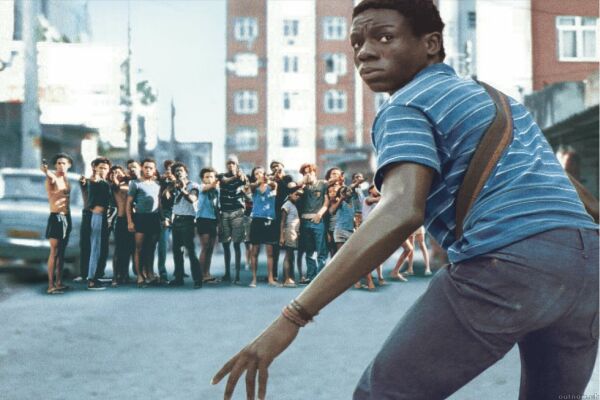
Alexandre Rodrigues in City of God (Miramax)

This is a film produced by Walter Salles who was at the helm of the prior breakout hit from Brazil, Central Station, it’s a tale of how the favelas got how they are, how they went from “purgatory to hell” as the film puts it. It’s a tale that weaves several threads together intriguingly it’ll start focused on a character or group of characters but also introduce other characters, then when the secondary characters come into focus the story backpedals and fills in blanks. It flashes back with style and tells a gritty story in the highest rendition of cinematic art. It not only tells a bulk of its story within a frame but also has several dovetails of jaw-dropping quality and affect. It’s also a film that proves samba can provide a score effective in all situations and reflective of all emotions. It’s a film unafraid of montage with dialogue.

One of the best films of the decade that just ended. Brazil in the past two decades has had tremendous achievements on the world cinema stage including a Best Actress award at Cannes for Sandra Corveloni in Linha de Passe. It is consistency that detractors seem to be in want of.

All in all this is a festival that showed some of the prowess, and in a few cases weakness, of Brazilian cinema. If you have seen a film from a country that intrigued you can look into creating a similar fest of your own because seeing only wide international releases doesn’t really give you a feel for a country’s cinema.

Make Your Own Film Festival- Pick a Country (Part 6 of 7)

Windows doesn’t discriminate between regions any longer, and neither does Macintosh. Even if they do you should get a warning when inserting a Non-Region 1 DVD (meaning one made for distribution outside the US, Canada and Mexico) saying what region it is and asking if you want to change your computer’s region. Typically, there has been a set limit on how many times you could change regions before it became a permanent switch. Even if your computer is more finicky you still have an opportunity to watch many more DVDs, many of which you can only find online, that you never thought you could before.

Some foreign films have limited appeal and distribution internationally. You should take that into account when traveling overseas and pick up some movies you won’t find in the US. Taking that in to consideration this critic made a number of purchases when in Brazil in 2008 to set up a mini-festival.

Se Eu Fosse Voce (If I Were You)


If I Were You (20th Century Fox Brazil)

This is a genre film. It’s a trading places story which is funny and elevated due to the tremendous performances of the ensemble specifically Tony Ramos and Gloria Pires. While very few of these films go out of their way to try and explain the catalyst of the switch this one does. While in other films most notably Freaky Friday the switch is caused by a minimal twist of fate like a fortune cookie. This film operates on a much more cosmic level with planets aligning, which makes you wonder why they’re the only ones, especially considering the jokey ending which, seemed to imply another switch which would’ve been impossible by the rules established at that point.

Another thing that absolutely undoes all the good work of the cast is the fact that the cat should be let out of the bag about their trading places when Ramos’s character, now a woman trying to pass herself as a man, receives a phone call from her husband trying to live as a woman; at that time of the month and in need of guidance. Unfortunately, the secretary announces it’s his wife so the staff overhears part of the conversation chuckles, this is not something that can be forgiven. He should’ve tried to cover by saying it was a mistake and it was his daughter calling. Worst still this occurrence was about where Act II was turning to Act III so it lightened the climax and rendered it an anti-climax because there was no longer the risk of being found out. We know they will understand one another and the opposite sex better. That’s a given of this subgenre what we need for entertainment purposes is some suspense.

It’s a harmless film in the end. It’s not the kind of bad film that gets you angry but just upset that great performances and talents were wasted in a simplistic tale with obvious flaws that could’ve been easily corrected.

Make Your Own Film Festival- Pick A Country (Part 5 of 7)

Windows doesn’t discriminate between regions any longer, and neither does Macintosh. Even if they do you should get a warning when inserting a Non-Region 1 DVD (meaning one made for distribution outside the US, Canada and Mexico) saying what region it is and asking if you want to change your computer’s region. Typically, there has been a set limit on how many times you could change regions before it became a permanent switch. Even if your computer is more finicky you still have an opportunity to watch many more DVDs, many of which you can only find online, that you never thought you could before.

Some foreign films have limited appeal and distribution internationally. With that in mind you should take that into account when traveling overseas and pick up some movies you won’t find in the US. Taking that in to consideration this critic made a number of purchases when in Brazil in 2008 to set up a mini-festival.

Avassaladoras (Overwhelming Women)

Overwhelming Women (Fox Filmes do Brasil)

This is the kind of film that would be described in Brazil as “sugarwater,” sweet, simple and ultimately disposable lacking any depth or substance. Granted it does try and in the end it is an anti-romantic comedy in as much as our protagonist gets no one in the end. It is so singularly focused on her finding someone that it barely builds her or any other semblance of a subplot. It is very narrow-minded throughout.

The cast is decent. Caco Ciocler appears here as well and is hardly recognizable and extremely funny. It goes a little over the top at times but at least it is generally light but the resolution in the end is facile and its oncoming was buried. Though they were fine Giovanna Antonelli and Reynaldo Giannechini were underutilized here and their relationship, though understandable, was quite odd until they finally speak to one another.

It is likely this kind of film and the next that give Brazilian films a bad name in Brazil. It’s a genre film, the likes of which we’ve seen thousands of come out of the US so why bother when they can be just as bad coming from the States? Also the idea could likely be better executed on television and at least would be more acceptable light fare in that medium.

Make Your Own Film Festival- Pick a Country (Part 4 of 7)

Windows doesn’t discriminate between regions any longer, and neither does Macintosh. Even if they do you should get a warning when inserting a Non-Region 1 DVD (meaning one made for distribution outside the US, Canada and Mexico) saying what region it is and asking if you want to change your computer’s region. Typically, there has been a set limit on how many times you could change regions before it became a permanent switch. Even if your computer is more finicky you still have an opportunity to watch many more DVDs, many of which you can only find online, that you never thought you could before.

Some foreign films have limited appeal and distribution internationally. With that in mind you should take that into account when traveling overseas and pick up some movies you won’t find in the US. Taking that into consideration this critic made a number of purchases when in Brazil in 2008 to set up a mini-festival.

Olga


Olga (Lumière)

The packaging of this film tells quite a tale. First, this is the only DVD of the batch which has the logos of all the corporate sponsors, production companies, studios and governmental agencies affiliated with the production of the film on the disc itself, which total 19. Another view into the Brazilian film industry is the stat on the back which hypes the film as a box-office smash having over 3 million viewers. Firstly, we obviously don’t measure films on individual ticket sales in the US but even if you translate that to an American audience you can see how modest audiences for domestic product in Brazil are. In America that would equal something just over a $30M gross, even with a modest budget that wouldn’t raise eyebrows.

Olga is a rather interesting tale of a woman Olga (Camila Morgado) who was a communist revolutionary in Germany and who travels to Brazil to ensure the safe transit of a famous Brazilian revolutionary, Prestes, and gets involved in a failed plot to overthrow the military dictatorship. It’s a long film because it tells three tales really – her love story with Prestes (Caco Ciocler) then her attempt to flee and then her deportation to Nazi Germany and incarceration in a concentration camp.

It was an epic challenge for a first time motion picture director Jayme Monjardim, who had quite a bit of experience on TV in mini-series and telenovela form. For the most part it’s quite effective. Morgado’s performance is great in arc and quality. At times the score is a bit overwrought as if asking you to feel seeming not to trust the material. There are also a lot of silent pensive scenes that could’ve been excised with more judicious editing. The film is already very visual, so we don’t need these silences inflating the run time.

Overall, it is a rather interesting tale and one which is likely unknown to most with good performances throughout including the supporting cast like Osmar Prado playing Getulio Vargas and Fernanda Montenegro, Brazil’s best actress as Prestes’ mother.

Make Your Own Film Festival- Pick A Country (3 of 7)

Zuzu Angel


Windows doesn’t discriminate between regions any longer, and neither does Macintosh. Even if they do you should get a warning when inserting a Non-Region 1 DVD (meaning one made for distribution outside the US, Canada and Mexico) saying what region it is and asking if you want to change your computer’s region. Typically, there has been a set limit on how many times you could change regions before it became a permanent switch. Even if your computer is more finicky you still have an opportunity to watch many more DVDs, many of which you can only find online, that you never thought you could before.

Some foreign films have limited appeal and distribution internationally. With that in mind you should take that into account when traveling overseas and pick up some movies you won’t find in the US. Taking that in to consideration this critic made a number of purchases when in Brazil in 2008 to set up a mini-festival.

Patricia Pilar and Daniel de Oliveira in Zuzu Angel (Warner Bros.)

Another interesting piece of history examined through the lens of fiction – the historical drama. The reason this form is likely so dominant in Brazilian art is because a documentary though more true to fact will be harder to piece together after the fact. The other key factor is the audience for fiction will always be bigger, like it or not.
So much of the material that is relevant is dramatized history that is being re-earthed for dramatic purposes and to avoid history repeating itself. It is interesting in that it tells the tale of Brazilian woman who meets an American, marries, becomes a famous fashion designer and her son becomes a radical opposed to the military regime. In trying to unravel the mystery surrounding his disappearance she becomes a radical herself.

It starts out on a very high note in medias res emotionally speaking and gives us a slightly telenovela moment (this kind of moment in Brazilian terms is much more naturalistic than its Mexican cousin). Patricia Pillar is spectacular in this role not only working bilingually but in terms of her arc and range she goes from uncaring and aloof to angry, embittered, passionate, sad and plays the lady when she has to.

Like many of the new era of Brazilian films it refuses to go in chronological order and yet becomes more engaging because of it and tells cumbersome tales that encompass years deftly. This proclivity for temporal distortion could be one of the reason many in Brazil do not like domestic films because they are not the simplistic Hollywood product they are used to seeing. The stories aren’t easy and to tell them in perfect order would be rote and trite and in these films would be all history lesson and no story, no emotional involvement whatsoever. This was without a doubt one of the most powerful entries in this festival.

Make Your Own Film Festival- Pick a Country (Part 2 of 7)

Windows doesn’t discriminate between regions any longer, and neither does Macintosh. Even if they do you should get a warning when inserting a Non-Region 1 DVD (meaning one made for distribution outside the US, Canada and Mexico) saying what region it is and asking if you want to change your computer’s region. Typically, there has been a set limit on how many times you could change regions before it became a permanent switch. Even if your computer is more finicky you still have an opportunity to watch many more DVDs, many of which you can only find online, that you never thought you could before.

Some foreign films have limited appeal and distribution internationally. With that in mind you should take that into account when traveling overseas and pick up some movies you won’t find in the US. Taking that in to consideration this critic made a number of purchases when in Brazil in 2008 to set up a mini-festival.

Tropa de Elite (Elite Squad)


Wagner Moura in Elite Squad (IFC Films)

Like the previous film it was an official selection of the Berlin Film Festival. This tale is like the flip side of City of God, this film instead takes the point of view of a specialized unit of the Military Police in Rio de Janeiro who battle drug trafficking and crime in the city’s favelas.

The film focuses on three officers in the troop. The protagonist/narrator is seeking a replacement so he can stop fighting in the war, as he terms it. The other two are novices who are being trained. The other interesting dichotomy that exists between this film and City of God is that for the most part it focuses on why things are the way they are and the way the police infrastructure allows things to stay the way they are where as City of God was much more focused on the sprawling tale of how things got the way they are.

The structure of this film does include a frame and is somewhat interesting and though there are moments of intensity and some very dramatic situations there is nowhere near the involvement or the frenetic energy that exists in City of God. The acting is quite good and the writing is rather strong in this tale but it’s nowhere near the revolutionary piece that the film earlier in the last decade was. Comparisons become hard to avoid when one film seems like such a companion piece to another, when they seem to be opposite sides of the same coin.

They would definitely make for a great double-feature if you can handle it.