Bernardo Villela is like a mallrat except at the movies. He is a writer, director, editor and film enthusiast who seeks to continue to explore and learn about cinema, chronicle the journey and share his findings.
If you saw last week’s post you saw the beginning of the series. It continues here. This one is a case of subject being a bit more intriguing than the short, however, there it’s still highly effective and there is a definite sense of style and tonality that Harries is achieving here.
For those who are not aware Jack and Finn Harries have gone from performers on the British sketch comedy series School of Comedy to YouTube personalities to now writing, directing and producing independent documentary projects.
This title is the first in a series called Following Heart, presented by Skype. It’s a wonderful short subject documentary that refuses to fall prey to talking head syndrome as it wonderfully blends voice over narration, music and visuals to tell its story artistically and viscerally. It’s well worth viewing.
If you want to be skeptical about the commercial presentation there is a clear reason for it. Furthermore, having backing doesn’t automatically taint short subject documentary projects. Another notable example is Xzavier by Werner Herzog for AT&T.
It’s rare that I post a short here and play the essential card. Surrealism works differently on different people. Not everyone will react identically to all films, much less this one. However, the first, boldest attempt to have film function as a dream is worth making note of and studying. Enjoy!
OK, two things are needed as lead-ins: first, yes, I did feature an earlier version of this film on New Year’s, and Disney’s version. Second, I will be finishing the best of 2014 list (25-21, 20-16, 15-11 can be seen here) and start my 2014 Film Discoveries after that, but I need a light day after all the BAM Awards posting yesterday.
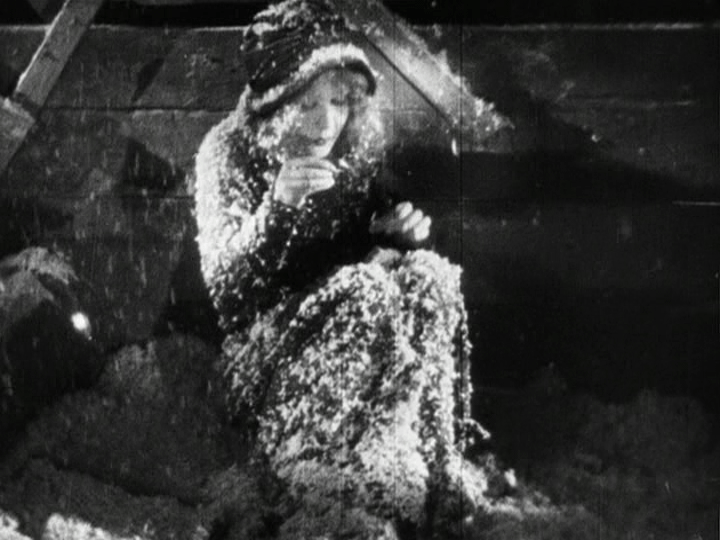
Jean Renoir is the son of painter Pierre-August Renoir but also one of the great filmmakers of all time. One of his earliest triumphs on film is this positively gorgeous short he made based on the story by Hans Christian Andersen. You can view the film here.
The Avant Garde was a movement in all artforms and cinema was especially included in this. Man Ray may have been best known as a photographer but he made his presence known cinematically also.
This is a quick short introduction to his work. For bit more about it here is the write-up from Open Culture on this short:
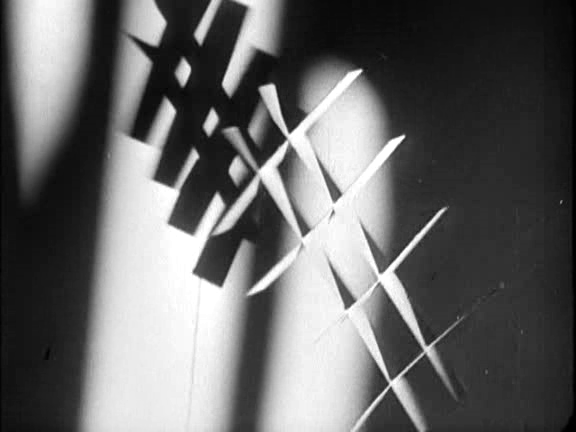
Man Ray was one of the leading artists of the avant garde of 1920s and 1930s Paris. A key figure in the Dada and Surrealist movements, his works spanned various media, including film. He was a leading exponent of the Cinéma Pur, or “Pure Cinema,” which rejected such “bourgeois” conceits as character, setting and plot. Today we present Man Ray’s four influential films of the 1920s.
Le Retour à la Raison (below) was completed in 1923. The title means “Return to Reason,” and it’s basically a kinetic extension of Man Ray’s still photography. Many of the images in Le Retour… are animated photograms, a technique in which opaque, or partially opaque, objects are arranged directly on top of a sheet of photographic paper and exposed to light. The technique is as old as photography itself, but Man Ray had a gift for self-promotion, so he called them “rayographs.” For Le Retour…, Man Ray sprinkled objects like salt and pepper and pins onto the photographic paper. He also filmed live-action sequences of an amusement park carousel and other subjects, including the nude torso of his model and lover, Kiki of Montparnasse.
I typically only feature short films on the weekend, and they are not always silent. However, with New Year’s Eve arriving I figured it’d make sense to mark the occasion with a short film.
Stay tuned for a lot of great stuff in 2015 including the BAM Awards and much more. Happy New Year all!
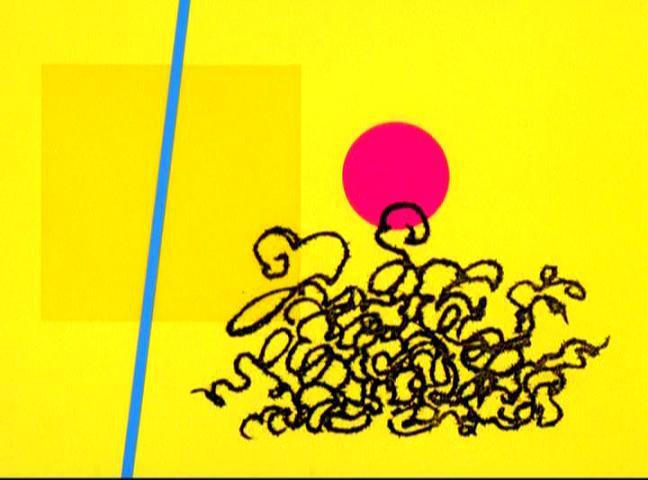
I love Chuck Jones. It was really in shorts such as these where he made his presence known and stood out from the other animation giants of his era. This one is short, simple and brilliant.
As has been noted here before, Edison was not just a technical innovator in film but he also brought many stories to the screen for the first time. Here is another very fitting for this holiday season.
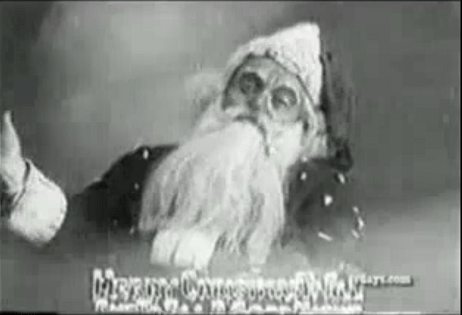
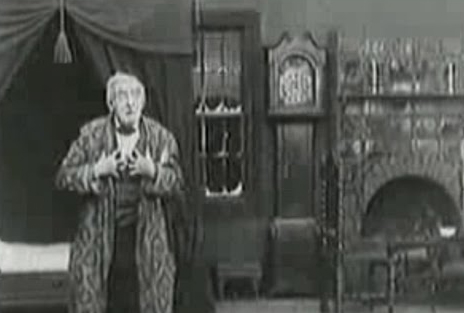
I’ve already mentioned on more than one occasion that it was Thomas Edison’s studio that brought many a classic piece of literature to the screen for, if not the first, one of the first times. Here’s a very brief and very early filmic rendition of one of my favorite all-time stories Charles Dickens’ A Christmas Carol.
This is a short film you’ve likely seen by now. I lost count of how many times I saw it in film school. It may not be my favorite, but it is a textbook example of structuring a short and building a tale visually. Enjoy!


 The Movie Rat