Bernardo Villela is like a mallrat except at the movies. He is a writer, director, editor and film enthusiast who seeks to continue to explore and learn about cinema, chronicle the journey and share his findings.
On occasion there will be a film that gets steamrolled by the critical mass and it really shouldn’t be. On a rare occasion it will be a film that is actually quite good, more often than not it will just be a decent film that’s just very harshly thrashed about and doesn’t really deserve it. Old Dogs falls into the latter category.
Don’t misunderstand me – the film isn’t great. It’s passable and ultimately disposable entertainment but for what it was, a simple family comedy, it’s fine. Most important, considering that it’s a comedy, I laughed quite a bit. The critical reaction I am sure are coming in response to things within the tale that are cliché like getting caught in the animal enclosure, the overly-aggressive game of ultimate Frisbee, being strapped to a jet pack, playing tea, the unwilling babysitter and other conventions. However, they are put together interestingly and cut together quickly and the execution of all these things you’ve seen is above average and typically humorous.
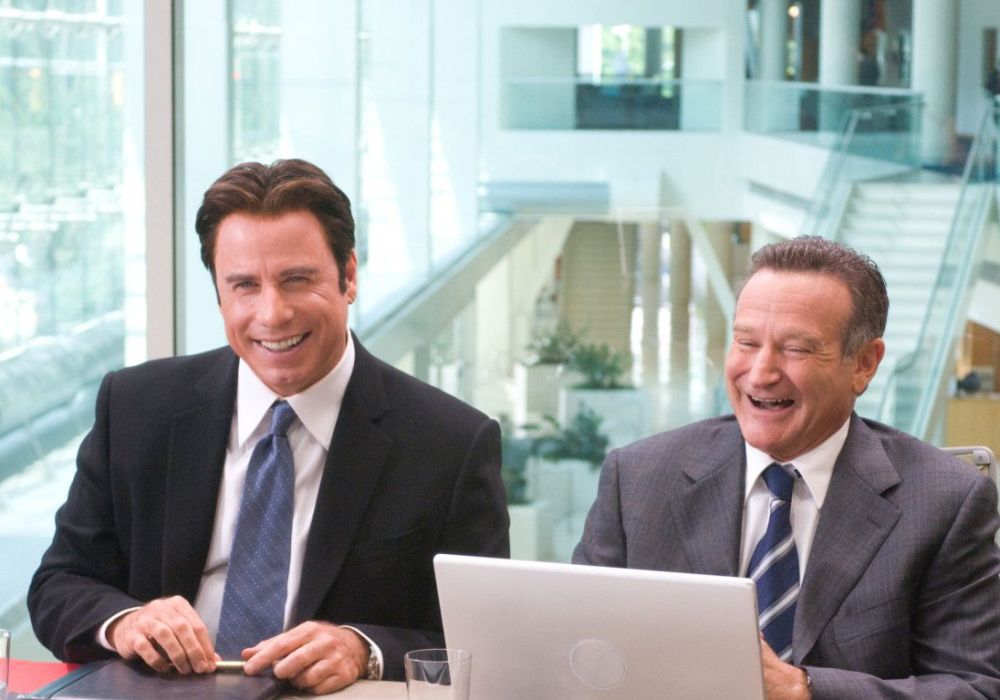
The one part of the film that was wholly unsatisfying was when Dan (Robin Williams) was being taught how to play by a friend of Charlie’s (John Travolta). The friend is played by the late Bernie Mac which makes you wonder how long this film has been in the can. This is the most difficult and preposterous part where Williams is turned into a “human puppet” so he can play with his daughter, thankfully the mechanism breaks and Williams is allowed to take the scene over as his normal charming self.
One also need not be concerned with pacing in this film as the bulk of the story is almost immediately taken on. You witness the usual formula for Dan and Charlie at a pitch, this usually involves Charlie telling one embarrassing story about Dan and softening up the client. What is unexpected is that this story which is cut to with frenetic pace actually factors into the plot so almost immediately there is pertinent information conveyed.
This being a Disney film there is the compulsory family content aside from the silliness. In this case it was Dan trying to connect and reconnect with his kids. It was surprisingly rather effective and really what held the story together. There’s certainly nothing new under the sun in this film but it a film that achieves its modest goals and one can’t fault it for that. There is also commitment from all involved to their roles especially in the smaller roles played by Seth Green and Justin Long.
The film actually manages a few sight gags, which is rare, after Dan and Charlie take the wrong medications and while some of the CG went a bit far the mesmerized images were rather humorous as was the scenario.
Should family fare over the next few weeks prove insufficient you should give this a chance. It’s a funny little movie with something for everyone.
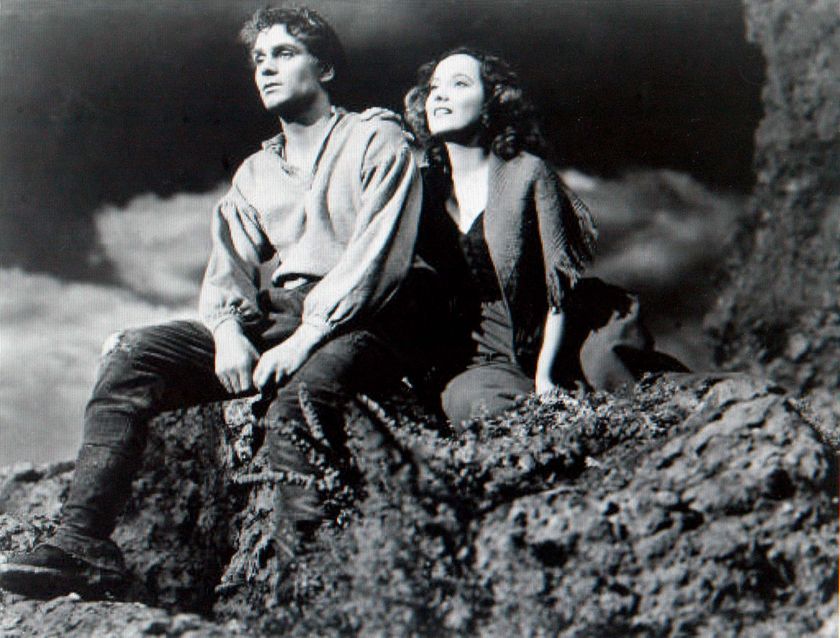
There’s something to be said for one’s first exposure to a story. As hard as it is to believe I’d never seen any rendition of this tale. I can’t put my finger on the reason why, but I’m glad to have seen it now. It’s a truly great tragic romance with allusions to a ghost story.
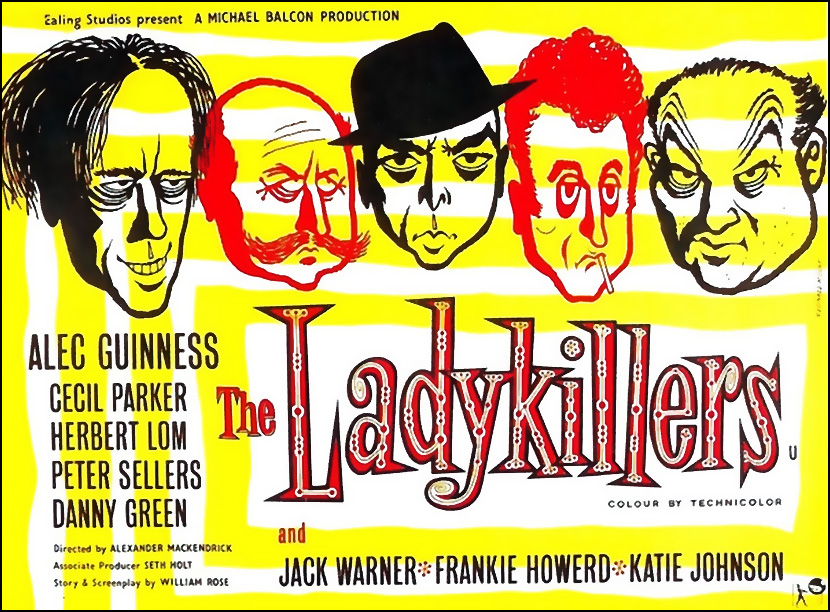
To describe the humor of this film as dry would be an understatement. As a matter of fact most of its humor would be situational and not in the dialogue or actions, in fact, Katie Johnson as the old woman offers most of it in the film simply by being so kindly and oblivious. The film also serves to show a small glimpse of what Alec Guinness and Peter Sellers are capable of but is not among their peak performances.
As those who know me, and if such a person exists, cyberstalk me, know I created this blog after writing on another site, which shall remain nameless, for a while. The point is, I have material sitting around waiting to be re-used on occasion I will re-post them here. Some of those articles or reviews may have been extemporaneous at the time but are slightly random now, hence the new title and little intro, regardless enjoy!
Cloudy with a Chance of Meatballs (2009)
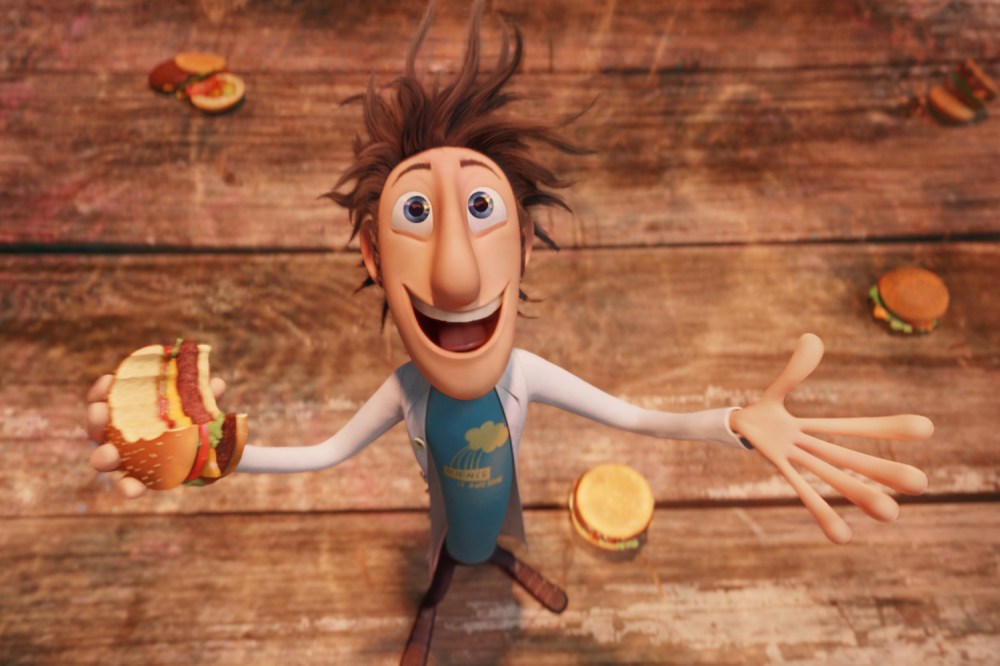
Cloudy with a Chance of Meatballs is the rare film that can keep the energy, verve and humor of an animated short through the course of a feature film. It is also a prime example of the modern equivalent of irreverent humor which would be better described as “random,” which would be typified by television programming such as Family Guy and the works of Dan Schneider such as iCarly, The Amanda Show, etc. The film manages to be consistently funny in an off-the-wall kind of way, which is quite difficult.
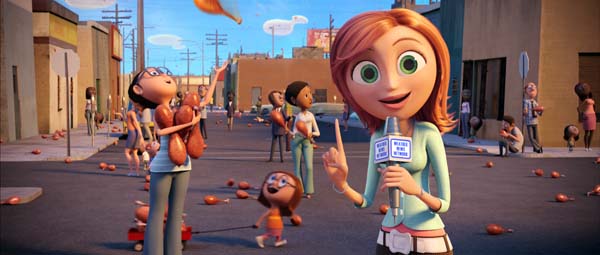
Yet simultaneously it also managed to have the things you needed to move the story along and not just the novelty of the science. There was the love interest which was instantly established with witty dialogue which shows that Sam Sparks and Flint Lockwood are meant to be as she instantly realizes the purpose of all his wild inventions. There is of course the inevitable moment where Flint’s success breeds blindness and slight megalomania and causes him to mistreat his love, but what is refreshing is that their parting doesn’t unnecessarily extend the film. As might happen in reality the reconciliation happens nearly without words needing to be exchanged and there is no undue, overly-long apology.
The father-son dynamic is also an underpinning of this humorous and whimsical tale that doesn’t in and of itself add itself as an obstacle but rather adds texture to the tale and also serves as the device that makes Flint realize that his invention that has been causing it to rain food has gone wild.
What drives Lockwood to lose perspective is pressure applied by Mayor Shelbourne, given life by Bruce Campbell in a very good role, who wants to use the machine to make Swallow Falls a tourist attraction and in the process he becomes morbidly obese. It would be a new claim to fame for the sardine fishing island which displaces ‘Baby’ Brent, the sardine mascot, who in his-mid thirties coasts on that fame and is one of the funniest characters in the film voiced by Adam Samberg of SNL fame.
While typically a voice cast should be invisible, meaning anonymous or unrecognizable in the part, the standout was someone who was distinctive and recognizable but yet managed to play a character and not a caricature. The local police officer Cal Devereaux played by Mr. T, yes that Mr. T, was one of the better characters and the funniest performance – and he didn’t even have to say “I pity the fool.” However, most of the cast was invisible as mentioned, case in point Neil Patrick Harris was Steve the monkey with the thought-translator strapped on which was just a small example of the random humor as well as Flint saying what he’s doing, vocalizing a fake score, or a face in the crowd saying something wild like “I’ve got a macaroni on my head” when that is the case.
The only thing in the film that gives you pause is that the camera man, Manny, is a walking deus ex machina. When someone capable of being a doctor and flying a makeshift plane is needed we learn that the man who has been there but unseen can do both these things. Even though it allows for one very good joke about how he was a doctor in Guatemala it was somewhat odd that he also had emergency supplies on him and then was also able to fly. In a film this irreverent it takes a lot to say “come on” but that did it.\
With the pervasiveness of 3-D it hardly ever seems worth mentioning. In this film, however, that is not the case and it in fact enhanced the experience especially the scenes within the machine-turned-meatball which were rendered much more realistic and interesting due to the fact that they were in 3-D.
All in all it is a very enjoyable experience that far surpassed this critic’s expectations and speaking as one who was unfamiliar with the tale it is likely to entertain most.
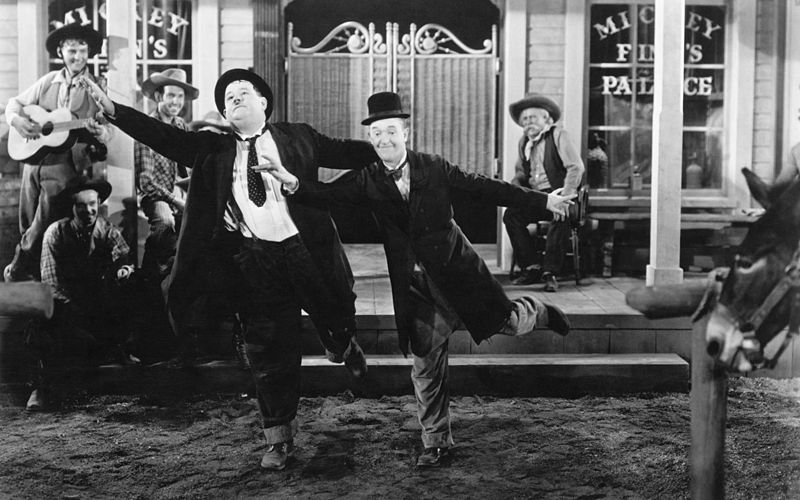
I love Laurel and Hardy. I’m not sure how many of their features I’ve seen. I do fondly recall watching their shorts on weekends growing up. Overall this movie is good. I haven’t the heart to dislike one, but this one does bug me in a serious way because the bamboozlers make one too many bad mistakes right at the beginning that should have been caught. Aside from that, the film is fine and has some hysterical sequences. The Oscar nomination is for scoring, which is truth be told, is pretty special. I do like that the Academy had a proclivity for recognizing comedic scoring earlier on. It’s definitely worth a watch for fans who haven’t seen it I would introduce them with it though.
Well, here it is again, It’s a weird year for me. My intake of the Oscar-nominated films is low, I’ll do something to address that soon; however, bottom-line is that many of the nominated films I will be catching up with in the longer-than-usual Gray Area.
So without further ado the more specific commentary…
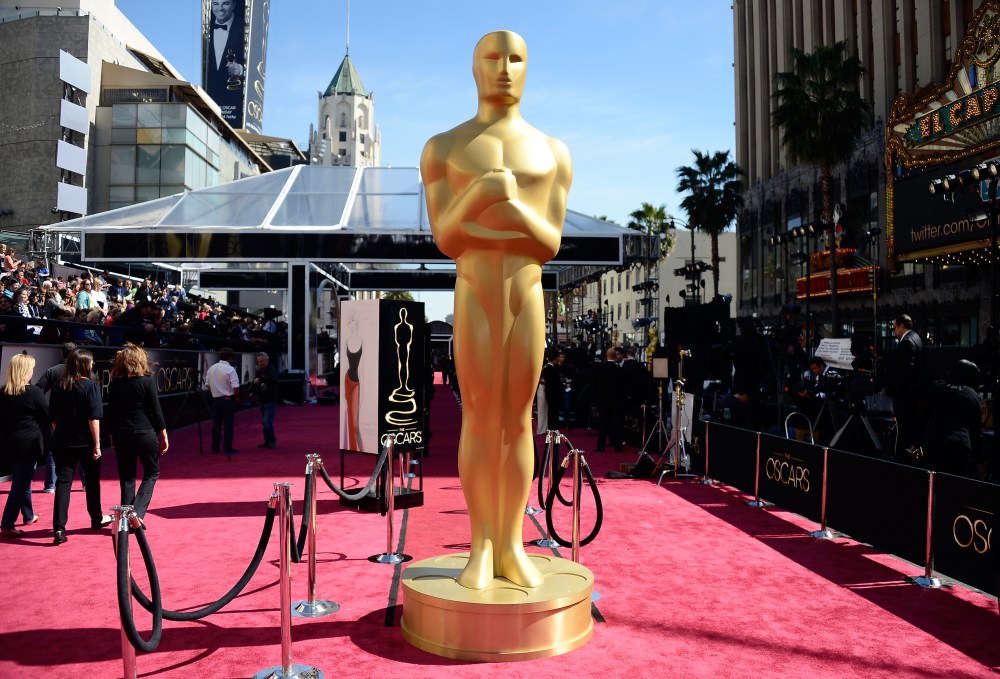
Red Carpet
Still awaiting the first absolutely ridiculous commentary.
Film #1 that needs seeing soon: Room.
Eddie Redmayne on the carpet. He’s a BAM Award nominee for Les Mis. Please ask him about Fantastic Beasts too. Nope. They didn’t I enjoy looking forward a bit too guys.
If you need some viewing pleasure between now and the ceremony here is a hilarious Consequences of Sound video that came out over the weekend:
In a surprising twist, many of the worst dresses are on the fashion analyst panel.
“Did his wife dress him?” epitomize moments when I regret them deigning to discuss men’s looks.
Switched to ABC because enough is enough.
I’m frequently late to switching to ABC, they line up most of the bigger, exclusive interviews right before the show.
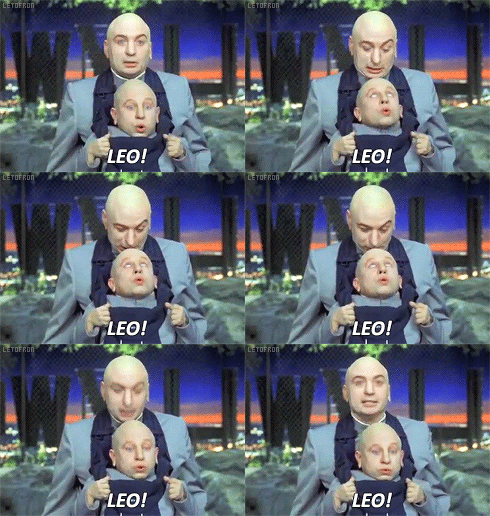
“…The end of it all…”??? – Leo
—-BREAK—–
Starting about a half hour behind because life.
New opening animation is a bit odd, always like these montages though.
Is there a prop bet on Trump/political statements?
Leave it to Chris Rock. Holy cow! Amazing. Still ongoing by the way.
Jamie Foxx love, is always welcome as is a random Paul Giamatti shoutout in a bit. Good stuff.
Like the filmmaking process approach to the nominees.
Spotlight on screenplay. This is one of the few I couldn’t get the gumption up to see. It could be very well executed indeed, but it’s a been-there-done-that ripped from the headlines story.
Gosling (Canadian) and Crow (Australian). Diversity.
I kid because I love.
The Big Short wins adapted so does that bode well for the end of the night? Still holding out hope for The Revenant.
Political message one: Pro-Sanders without saying his name explicitly.
OMG, Tracey Morgan at it again! LOL!
Stacy Dash bombed hard. So much so that his hilarious throw to Sarah Silverman didn’t land either.
Holy crap, as hilariously embarrassingly candid as that was, is anyone directing this show?
Two Best Picture nominees mean four of these awkward stand-ups. Is it time to shake this formula again?
Wow, awesome that Andy Serkis got that intro. Knew he’d announce special effect but glad they did it that way.
Not that surprised Ex Machina took it. That was the best part of it in my opinion.
Haha, robots take over on my birthday!
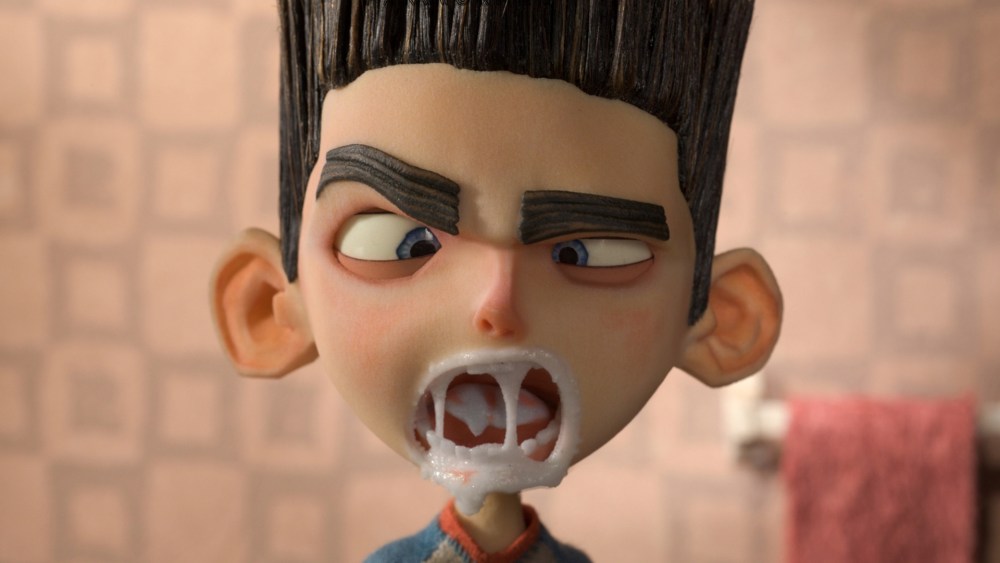
Yes, Laika won an award!
Yes, Sci-Tech awards do count.
50 Oscar nominations for John Williams. Holy crap! Enjoy some now.
Obligatory animated presenters: The Minions!
Political reference #2 was Serkis mentioning Trump.
Did a minion just say Obama (#3)?
This is the first year in a while I come in to the Oscars having seen next to none of the shorts.
Political statement #4: The animated short that won is an allegory for those exiled from Chile during Pinochet’s regime. Awesome and powerful stuff, especially since it’s Chile’s first Oscar.
Whoop!
Kind of a foregone conclusion but glad Inside Out wins. There’s a lot of importance in that film beneath its cutesy façade.
“Make stuff” acceptance speech the most inspirational so far.
Kevin Hart on stage, not making a movie at this time. Guffaw.
Didn’t listen to the nominated songs on hearing about them like I said I would. Oops!
Quite nearly live, maybe, maybe, maybe in the next commercial break I’ll catch up. had to check the latest promo for The Family though.
Supporting Actor, y’all!
Mark Rylance wins Best Supporting Actor, I’ve not seen Bridge of Spies yet to my shame, but it’s just another accolade one of his actors has gotten that he’ll not get due credit for molding because people perceive him being about story and the technical end and not performance like Bergman.
Yes, to The Good, the Bad, and the Ugly theme!
Leave it to Louis C.K. to make Documentary Short Subject matter in a hilarious way.
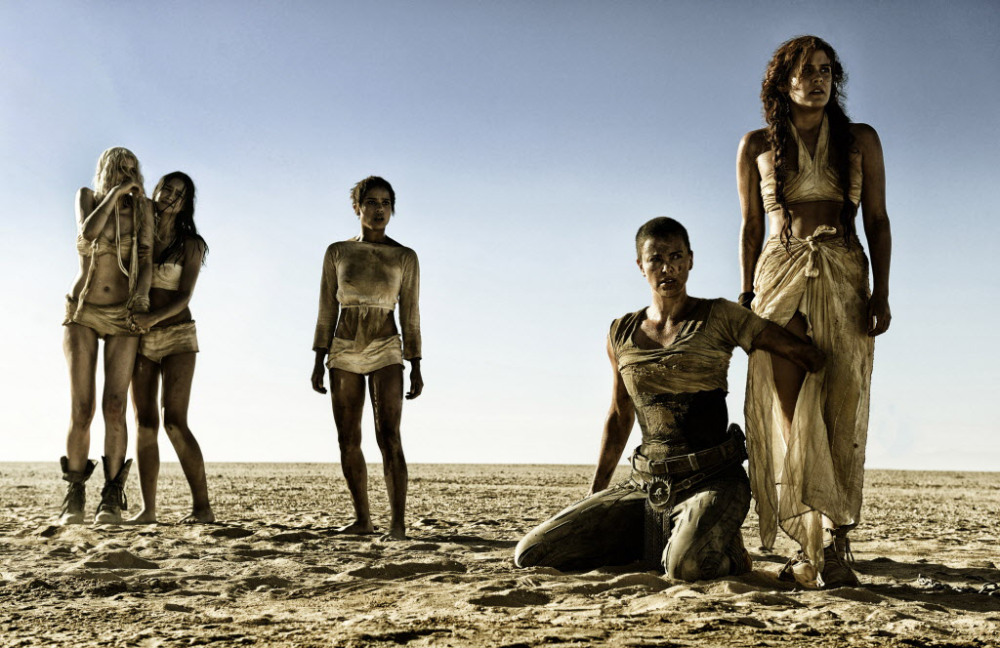
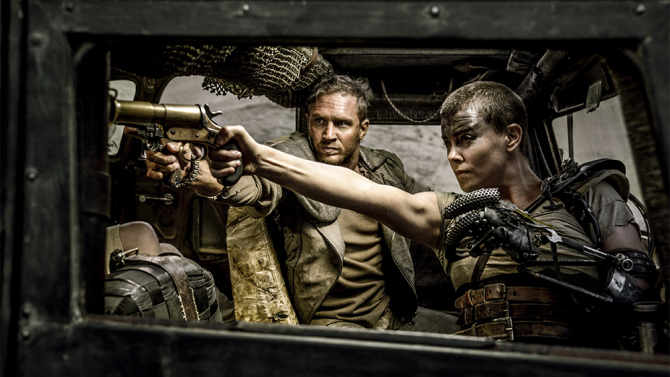
OK, “The Oscar goes to Mad Max” is the new best line.
Political statement #4: The biggest one the short documentary caused the Pakistani Prime Minister to change the law on honor killings. Another huge win for a country.
Kapadia gets an Oscar, Sennashould have gotten him one.
This Girl Scout Cookie bit was tired the second it started.
Whoopi introduced with “What’s Love Got to Do With It.” She’s not in that, but whatever it’s a good song, said the producers to themselves.
Cherly Boone Isaacs comes up for one of the most listened to and difficult addresses in the history of these awards I’d wager.
Was kinda dreading Grohl but it’s a cover song, so it’s cool.
Loved Robert Loggia in many things but always appreciated that he leant his voice to this bit.
“For Best Foreign Language Film, foreign people…” Diversity.
To clarify I like Byung-Hung Lee and still think Sofía Vergara is still the funniest woman on TV. I just think it humorous that in a year when diversity is the biggest talking point at this year’s Oscars the presenters are all rather predictable. Kids for short film and so on. I’d like it mixed up some.
If it’s possible to have Lady Gaga bring the house down every Oscars, it should be arranged.
This is the part in the Oscars where I forget what categories are left.
Always glad to see Hungarian cinema recognized. Have to see The Son Saul.
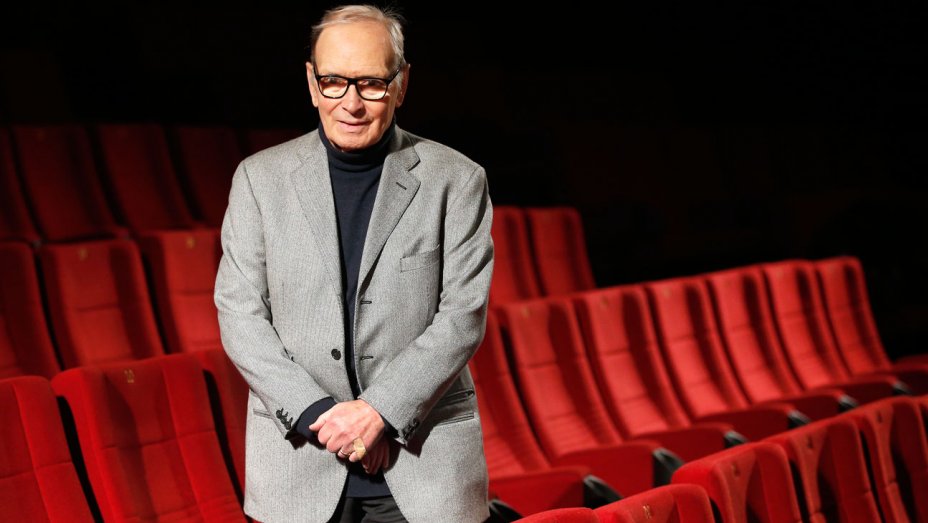
This is the first Oscar for Ennio Morricone in competition? Really? Well, at leas that gets him off the Lifetime Achievement only list.
Tear-jerking speech of the night so far: This guy!
Best Original Song: if you can’t say anything nice, don’t say anything at all, says I in response to that decision.
Ali G in da house!
“Now check out this movie about a room full of white people” gets into Gold Medal position.
My reaction to the Best Director presenter…
I thought the smile meant Miller but, more importantly…
GOD FORBID, IÑARRITU BE ALLOWED TO UNDERSCORE THE SALIENT SOCIOLOGICAL POINT THE REVENANT MADE IN HIS SPEECH WITHOUT BEING DISTRACTED BY THE STUPID PLAY-OFF MUSIC. THE SHOW IS ALREADY RUNNING LATE GUYS, GIVE IT UP!
Brie’s win seals it, Room has to be first up.
Thank you, Academy for picking that clip instead of a wracked in agony one!
Third or fourth standing O?
If you follow Leo on social media that speech was no surprise, yet still amazing. Political moment #6.
Not gonna be that guy who comments on a movie he didn’t see, but I was surprised it was Spotlight.
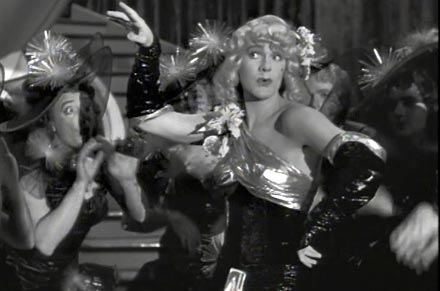
What an impossibly silly film. I will readily admit that part of the intrigue in seeing this film is that it’s short. It actually clocks in at under 50 minutes as opposed to the 51 listed on the IMDb. Thus proving the 40 minute plus rule the Academy has for features does have a place. Its nominations are musical and that portion of the film is fine. The premise is admittedly silly, but for a story that’s not going anywhere too far away it takes its time getting there, and gets bogged down in silly bits, such that the climactic sequences are a cacophonous blur. A great footnote is that I missed the TCM airing but found the film on the great Internet Archive.
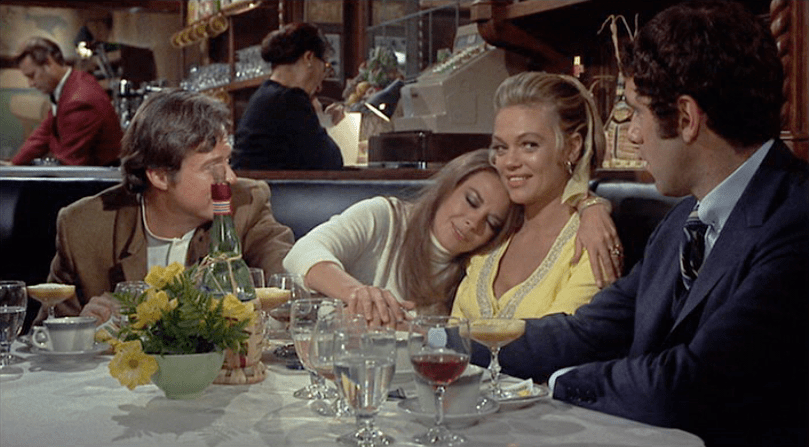
This is a film that strikes me as a great performance piece, but not the best possible execution of the idea. It has its comedic moments, its dramatic moments and all the acting is strong it just feels a bit sparse at times. The subtext is there and bubbles over, but the aftermath seems a bit unsatisfactory, and truth be told the path there isn’t that brilliant. The film may be a bit ahead of its time. Some of the paired scenes seemed precursors to Scenes from a Marriage, only trying more humor, not as tightly written and inferior.
Here you have a title that is typically classified, or at least described by some, as a war film. While it takes place on a military base, during the second World War, much of it takes place before the US enters the war and it’s not really about the war at all; it’s about its characters. It’s not only about them in a superficial sense either; it’s concerned with their love and loss, but it also, through showing how they react to diverse situations, provocations and set-backs espouses their philosophy without saying it outright. It’s the kind of film that’s easy to get preachy with and it avoids that temptation beautifully. It doesn’t ascend for me quite as much as it does with others, but it strikes me as one of those films that is unimpeachable. I can’t hold anything against it to downgrade it save that on a visceral level I didn’t connect with this film as strongly as I wanted to. It did highlight to me the shocking fact that somehow the Academy never saw fit to have Montgomery Clift win Best Actor.
This is a film that contains no shortage of Easter Eggs, oddities and charm for me personally. The first, and most surprising thing for me, is not only is this an original screen idea by Dr. Seuss, but one I really connect with. Even as a kid I was never really into Dr. Seuss at all, quite the contrary, but on occasion I will find a tale that sneaks by and I enjoy and this is one. Next this film features Tommy Rettig pre-Lassie and he’s perfectly cast and has quite a bit to carry aside from singing he also breaks the fourth wall and narrates the tale. The villain, played by Hans Conried, struck me as familiar. As the film started, I knew I had heard that voice. Sure enough I was right, and guessed it. I heard that voice a lot as Disney’s Captain Hook. Almost immediately I pegged this film as a one nomination film and having fallen in love with the production design thought it’d be that, it was the score which is also good. It merited multiple honors in my estimation. Part of the point of doing and Older Films list is when you stumble on these oddities that you connect with unexpectedly. This is definitely a highlight.