Bernardo Villela is like a mallrat except at the movies. He is a writer, director, editor and film enthusiast who seeks to continue to explore and learn about cinema, chronicle the journey and share his findings.
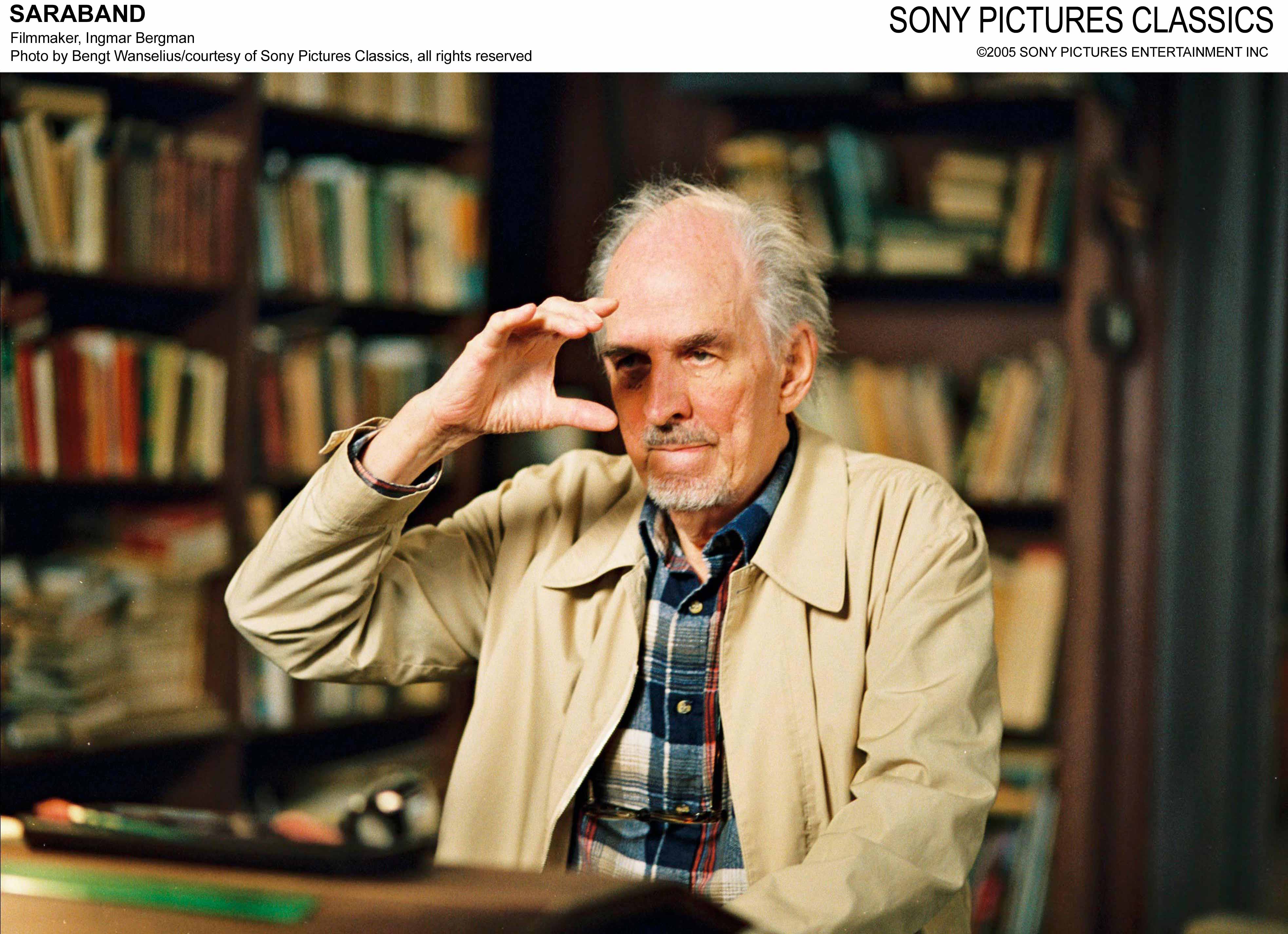
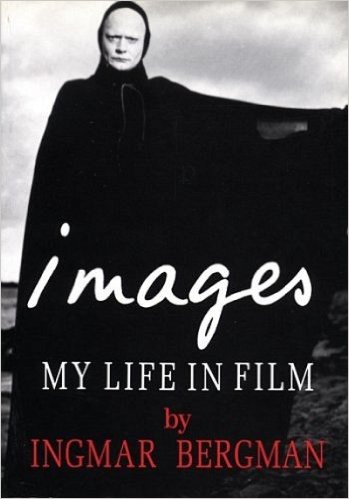
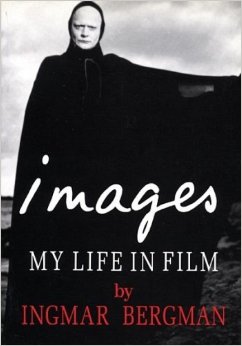
This is my latest post (third overall) for the Summer Reading Classic Film Book Challenge hosted by Out of the Past. This book fits in as a biographical/filmographic account, as Bergman speaks of the films he made from 1946 to around 1986.
Bergman and Me
In my second post in this series I chronicled my history with the films of Bergman. With that in mind I was very glad that this is the autobiographical Bergman account I chose to read first rather than The Magic Lantern. When making that decision it was based solely on the fact that Images was published at a later date and therefore would include a few more works.
As it turned out, that was a good thought on a few accounts. One of which was the fact that with further hindsight, and reviewing of his own work, Bergman was able to have more distance between the present day (of when this was written) and production. Therefore, his mind changed for the better, for worse, or he had more clarity on why certain things worked or didn’t work. Furthermore, there were citations from The Magic Lantern used as jumping off points. This may be tiresome for one who read that book but was helpful here.
Clearly the most illuminating to me were the excerpts of texts from his workbooks where he’s literally dissecting his own process from abstract notes you can either clearly see how the film developed, or are let marveling at the genius that he was able to to take something rather obfuscated and turn it into concrete emotion and a visual reality that exudes the intended visceral reactions and ideas.
The very formation of this account is one that’s fascinating. It started with what was going to be another interview book like Bergman on Bergman with interviews conducted by Lasse Bergström, Bergström then deleted his questions and Bergman edited the text. The filmography section, which was crucial in the days before the IMDb, and handy because of the plot synopses they at times contained, was compiled by Bertil Wredlund.
The film is also very interestingly organized as the films are grouped not chronologically so much as thematically. The sections within are:
Dreams and Dreamers
(Wild Strawberries, Winter Light, Hour of the Wolf, Persona, Face to Face, The Touch, Cries and Whispers, and The Silence)
This section ends with Bergman talking about why he went into self-imposed exile amidst tax evasion allegations that were eventually deemed meritless, then it transitions back to the beginning with-
First Movies
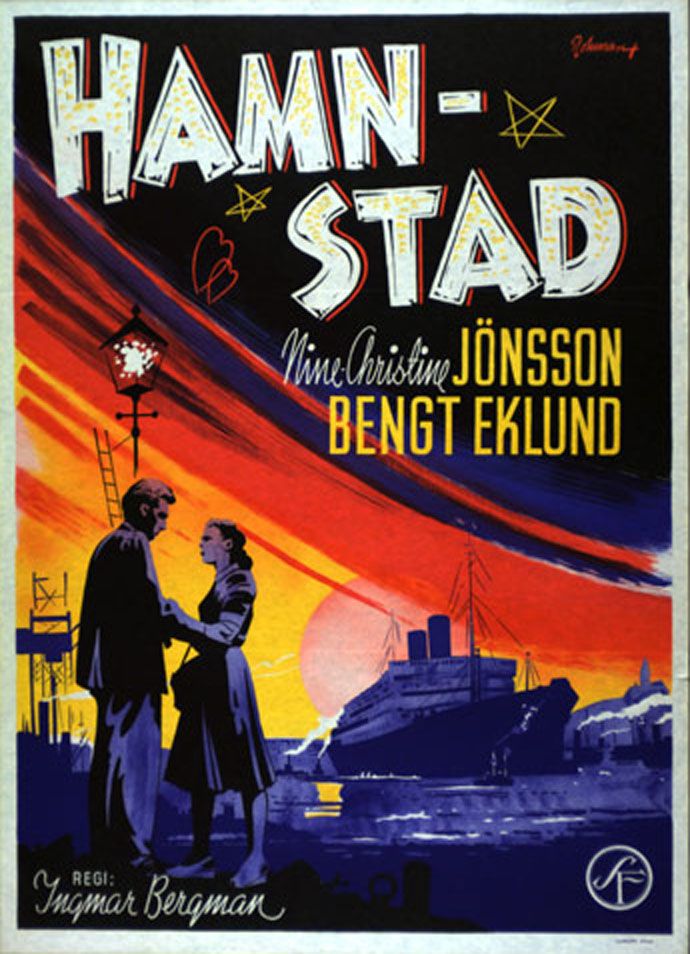
(Torment, Crisis, It Rains on Our Love, A Ship Bound for India, Music in Darkness a.k.a. Night is My Future, Port of Call, The Devil’s Wanton a.k.a Prison, and Thirst)
This section starts with him in the script department of Svensk Filmindustri then writing scripts and finally directing. It also interestingly discusses his stint as script supervisor (“script girl” as it was frequently called back then), for the first screenplay he wrote. He humorously admits to not being good at it, it’s an important job, and parenthetically, I wasn’t very good at it myself.
Jests Jesters
(The Magician, The Rite, Sawdust and Tinsel, The Serpent’s Egg, From the Life of Marionettes, Scenes From a Marriage, and After the Rehearsal)
In this section Bergman not only discusses his years out of Sweden but also ties that in with the themes of jesters and traveling entertainers, and puppets which were omnipresent in his work but prevalent in these films
Miscreance Credence
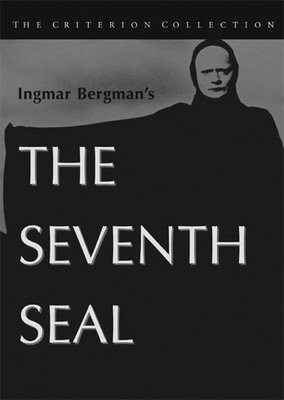
(The Seventh Seal, Through a Glass Darkly, The Virgin Spring, and Winter Light)
In this section the discussion at times runs together because of the religious themes that connect them all.
Other Films
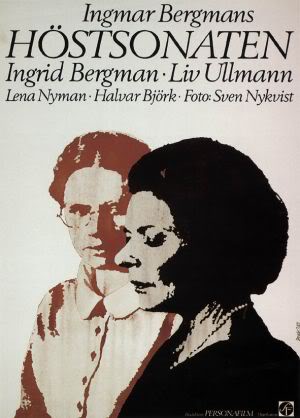
(To Joy, This Can’t Happen Here, Summer Interlude, Waiting Women, Summer with Monika, Shame, The Passion of Anna, Brink of Life, and Autumn Sonata)
While the title of this section is a bit uninspired it does talk of actors in general segues to the discussion on Autumn Sonata, which I will dedicate excruciating detail to in an upcoming blogathon.
Farces Frolics
(some commentary on Waiting Women, A Lesson in Love, Smiles of a Summer Night, The Devil’s Eye, The Magic Flute, and Fanny and Alexander)
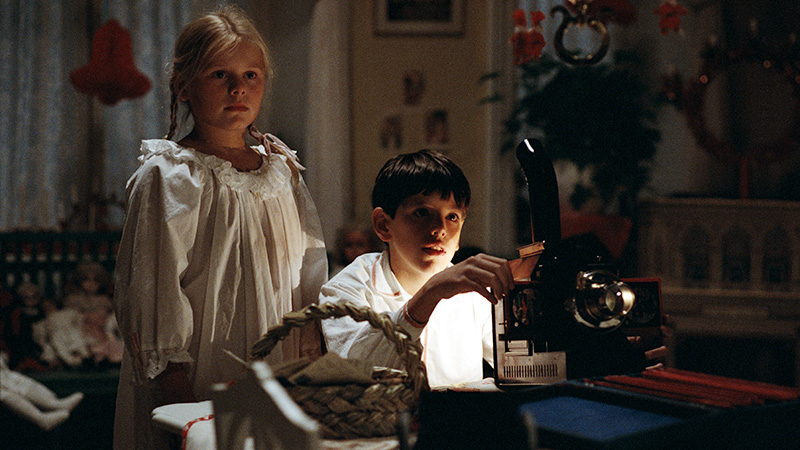
Herein he discusses his struggles with comedy in general and his repeated ventures (yes, there were a few) into the genre. In addition to that there is discussion on how Fanny and Alexander in many ways was born of the influence of both E.T.A. Hoffman and Dickens.
Anecdotal Awe
Note:If you want to go into the book knowing as little as possible bypass this section.
Sure there are wide-ranging insights into his process, life, development, and art in general, but for me (as I’m sure is the case with many of us) the greatest thing is the little insights. Things I never knew that aren’t earth-shattering but intriguing, or opinions he has on his work that you don’t share, and those you do.
Some examples of this are: Fanny and Alexander started with different names in his notes, and that he likes the TV version better (as do I). He detested The Devil’s Eye, and working on it; I didn’t like it either and that kind of thing has a tendency to show (like with John Carpenter and Christine). He claims he shouldn’t have included the interviews in the The Passion of Anna.
It is curious that the mention of the The Magic Flute being produced in the Swedish language, and not German, is non-existent. Though reading the whole book, and the section between the lines there are some inferences one can make about this choice.
Also included are insights into his extensive theatre work, which is fascinating as it helps us understand his day-to-day schedule for many years and also see diferences era and country create. There’s also a mind-blowing explanation of a brief stint in TV commercials (news to me), discussion of his lifelong relationships with the opera, and his work therein; radio (also news to me), and influences including Swedish novelist Hjalmar Bergman (no relation). As with any good work on film it made me want to watch and see more.
A Word on Formatting
If interested in reading this book I would advise seeking out a copy in print, even if you’re not a purist. The copy I read on Kindle had some spacing issues, typos in inserting diacritical marks, and captions awkwardly separated from photos. Maybe some of the display issues would be less of a concern if I read it on an iPad or laptop but some of the mistakes would still be there. Having just made a number of these corrections myself in my own books (Plug!) I have a heightened sensitivity to such issues.
Conclusion
If you are interested in Bergman, or the craft of filmmaking, I would definitely recommend this book. However, I recommend it with a grain of salt, if you’ve not seen any of these Bergman movies you will likely have them spoiled. However, keep in mind there are a few I have not seen due to a lack of availability and that made me more interested in it. So, check this out!
Introduction: Fanny, Alexander and the Magic Lantern
When dealing with a film that Bergman chronicles as being highly personal I feel it is only right that I give it the same treatment when I discuss it here.
There are times when I cannot help but inextricably tie my discovery of a filmmaker, or the genesis of my admiration for them, to the strength of my connection to their work. Which is to say Hitchcock and Bergman, for example, whom I gravitated to without prodding, and of my own volition, hold a more special place in my heart and mind than directors whose greatness I recognize but only found their work after hearing tell of how worthwhile an investment of my time it was and very consciously decided to watch them.
Specifically regarding Bergman, the story of my first viewing is that I decided to take the plunge when I was visiting family in Brazil. I saw a region 0 DVD of Fanny and Alexander on sale and even though to be able to see it I’d really do two translations (hearing Swedish audio, reading Portuguese subtitles and transposing it to English mentally); I went for it anyway.
I almost instantly loved the film a great deal and it fast became one of my favorites. I then proceeded to watch whatever Bergman I could from my teenage years through the present. DVDs were upgraded to Blu-rays at times; new-to-me titles acquired blind; repertory screenings at the Film Forum taken in when I was lucky enough to see them; his swan song was viewed the weekend it was released, dominating much of my annual BAM Awards; and then with his passing an honorary award with his name was created, and has a backstory of its own.
Fanny and Alexander (which I also got the box-set for and then viewed all versions, loving the TV version more than the original) was the impetus not only for my admiration but the best example of how I always inherently, nearly by osmosis, attributed to his films the axiom that the emotional truth of them was far more significant than the literal truth of the nearly fictitious “one true, correct meaning.” For it was without noticing really that I virtually never considered the wild conundrum, the paradox really, that exists in the telling of Fanny and Alexander until I revisited it and saw alternate versions.
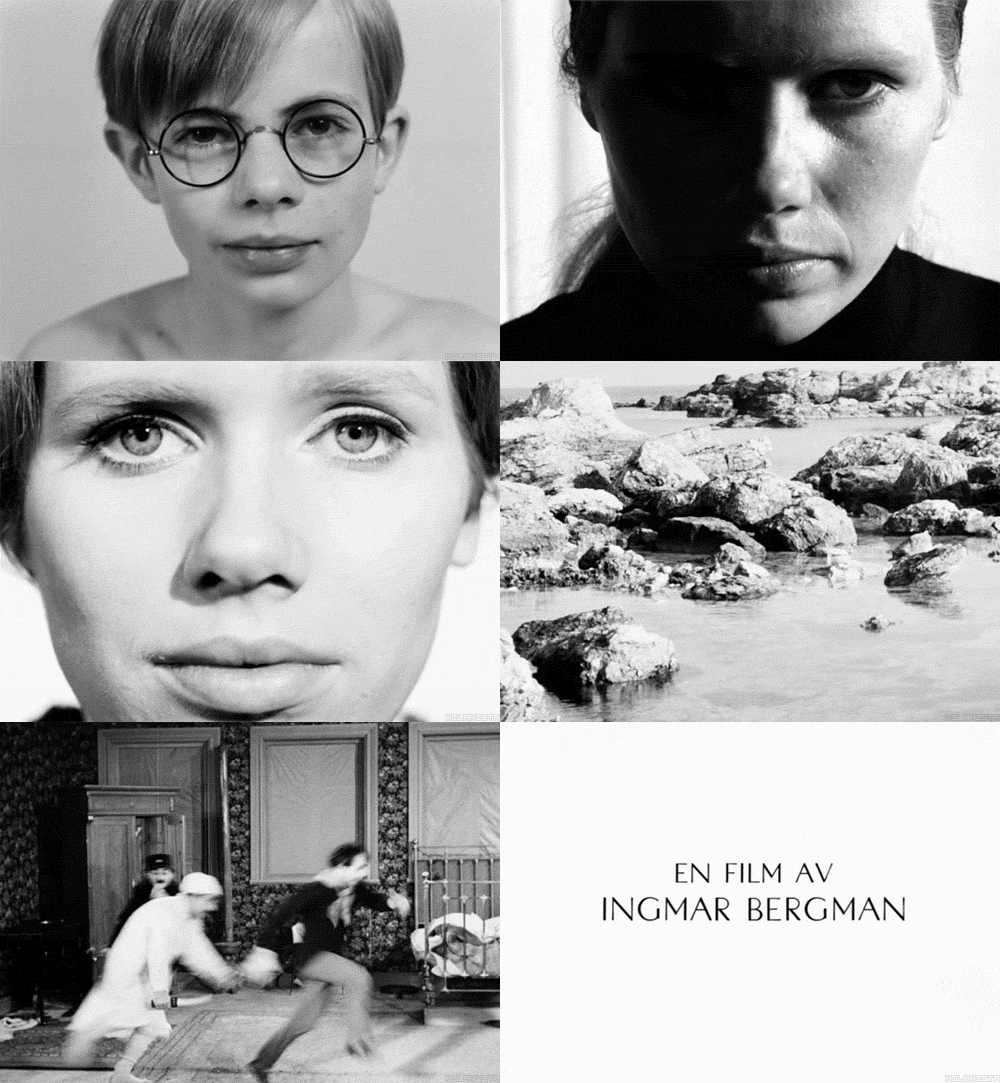
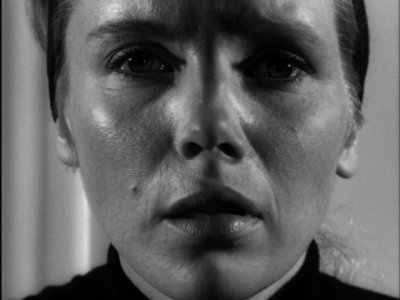
Thus, when I made it around to Persona, which I believe I first saw as a VHS rental before getting a DVD, it was one I instantly knew I wanted to come back and dissect. Even though I got the Repeated Scene, and it may not even be my favorite part of the film, I always came back to it.
When I began my journey with Bergman, much like Alexander watching the images produced by the magic lantern, I was transfixed, as if by a wholly new experience unlike any I’d seen. Through Bergman’s eye the Repeated Scene in Persona was perhaps the most hypnotically dazzling. So here goes …
The Scene
For those who have seen the film but would like a refresher here is a YouTube link that works (for now) Those who have not seen it are advised to read carefully and selectively and see it as soon as they can:
The Text
Stepping back from the audiovisual image to the script we can look at a few different things.
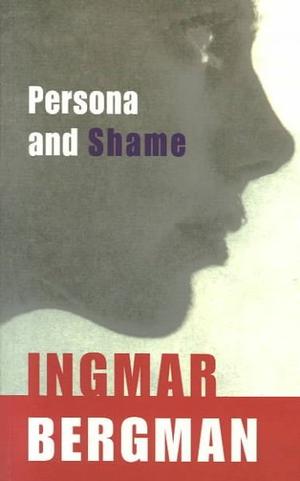
My need to be current on Bergman has extended a bit beyond films. Be they plays, screenplays, even his novels, I’ve read quite a bit of his work also. Some I took out from the library or photocopied, some I felt impelled to get like the recently republished Persona and Shame screenplays in a single volume.
A few things that become readily apparent when reading the screenplays are:
The edit is the final process so certain things are altered or augmented by the editing process. Specific to Persona the doubling, the very repetition of the scene, was a construct of the editing room rather than the initial design. It doesn’t make it any less a calculated decision just one that came to the film when it was deemed necessary. It’s the same reason famed editor Walter Murch would line up stills of the first frame of each scene in grids, not just to get a different look at the project as a whole (in abstract), but it also provided the occasional new idea.
As for the text itself, it’s instigated by an action and it gains added weight and significance by the visual treatment of the scene. For as talky as Bergman can appear and be he worked in theatre sufficiently to know very well the delineation and the framing, lighting, and editing were always pivotal as well as the dialogue painting images where the camera could not.
Bergman’s thoughts on the dialogue itself as well as the genesis for his creation of the film will be covered in the next section. What matters here are the basics:
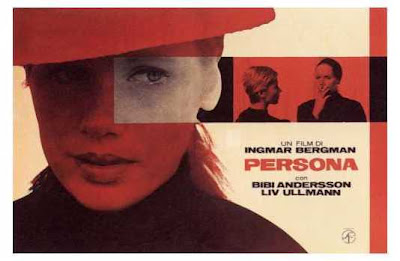
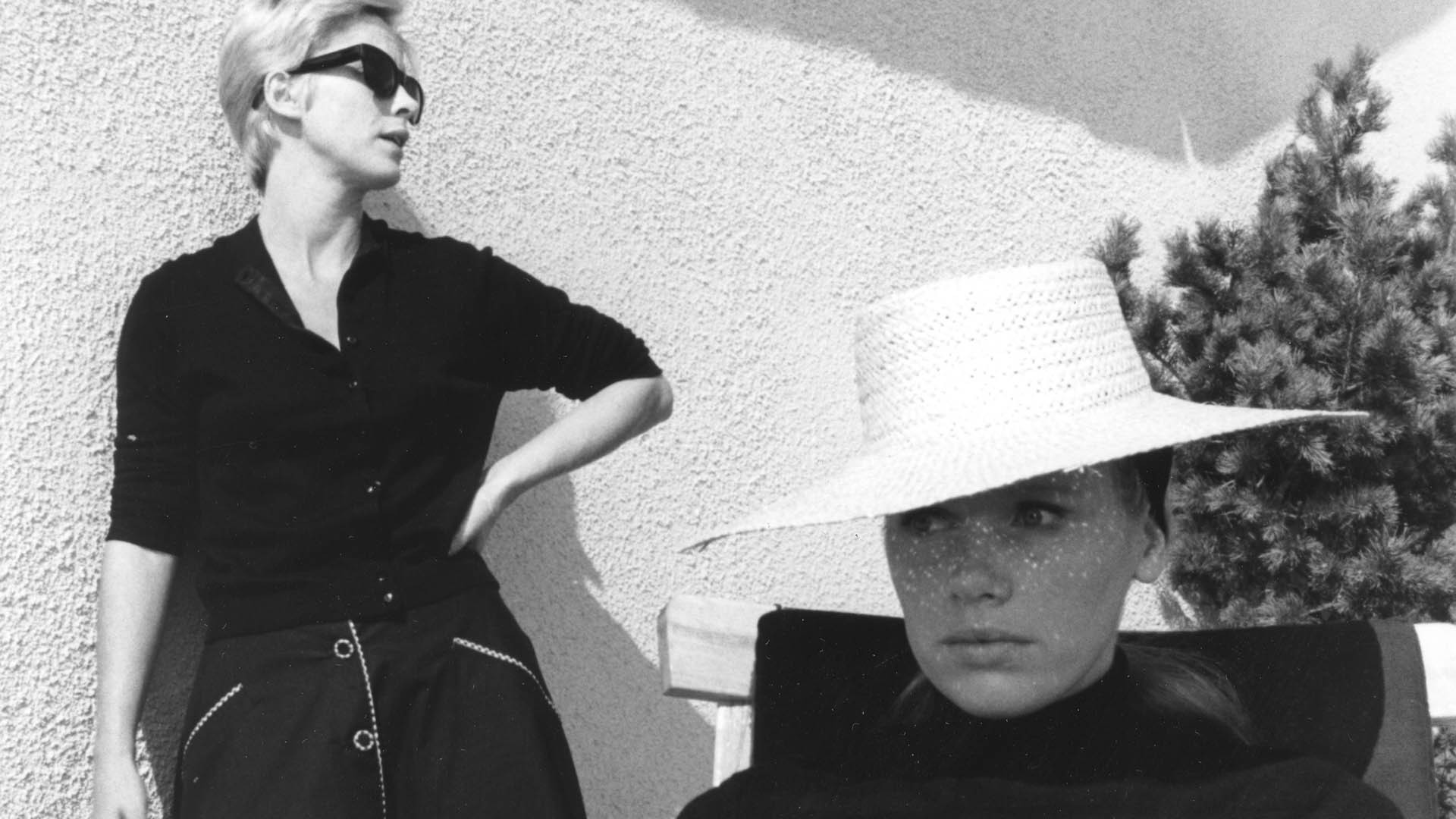
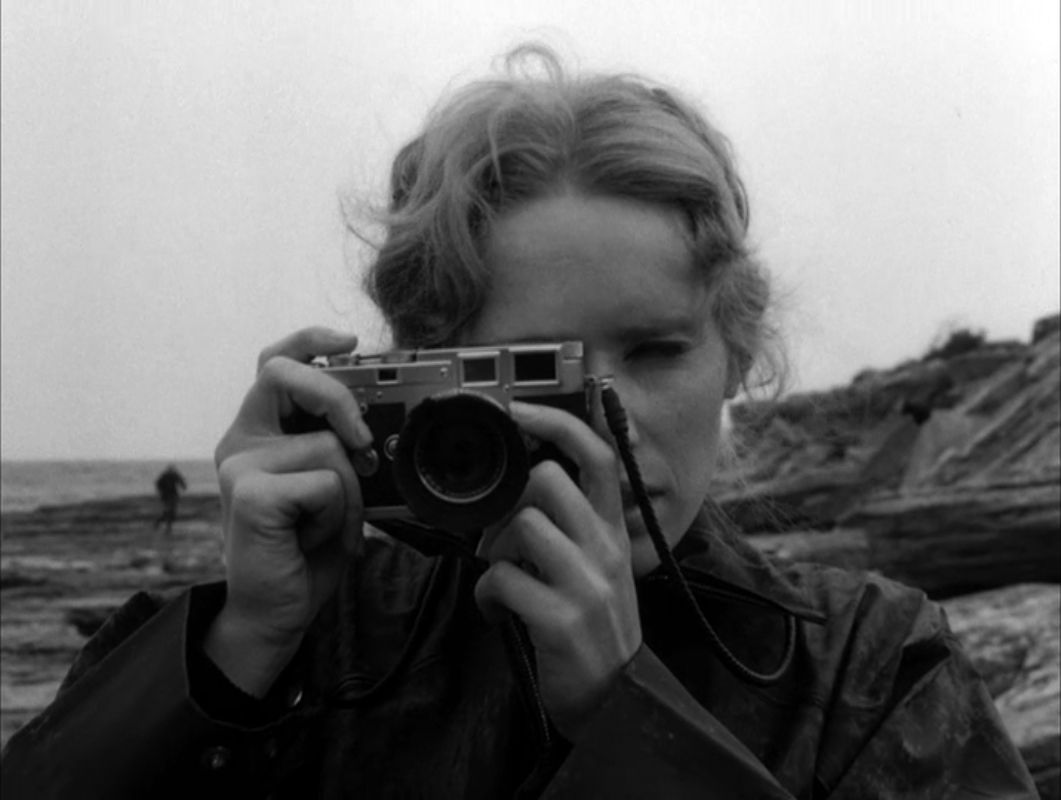
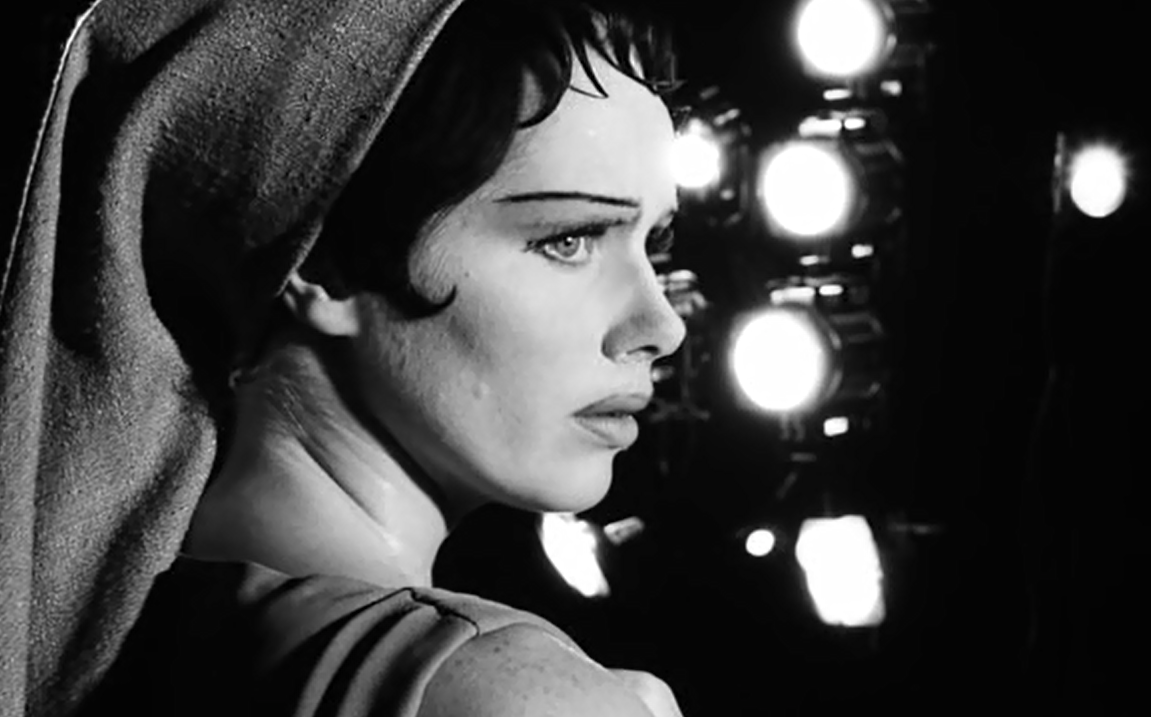
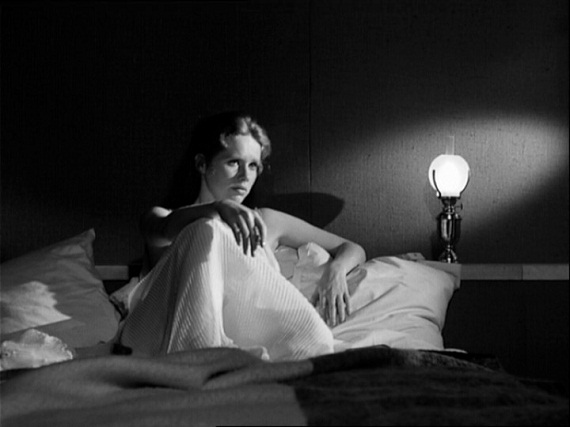
An actress Elisabet Vogler (Liv Ullmann) at the height of her fame and power consciously stops speaking but is just short of a breakdown and nothing is deemed physically or psychologically wrong with her. She and her nurse, Alma (Bibi Andersson), retreat to a country estate while she recovers. As Alma talks to her and observes her they clearly make an impression on one another such that the line that separates one from the other is blurred.
Also interesting to note, is that this film had a change of shooting locale from Stockholm to Fårö Island that remedied many of the issues Bergman and company perceived when they saw the need for reshoots.
In examining the photo of Elisabet’s son that was Alma concocts a story about who this child in the ripped up photograph is clearly her son, so why is it ripped up? Alma speculates, to put it bluntly and concisely, that he was: the abortion that never happened. However, after the seeming coup de grâce of this judgment Alma reaffirms that she is she and coming up with something. She isn’t Elisabet only she can be.
Then the cycle starts anew. Alma repeats the story from a different point-of-view, in the camera’s view. However, where the tale was not quite complete here it is with Alma struggling against Elisabet invading her mind and soul. The story becomes Elisabet’s and Elisabet becomes Alma.
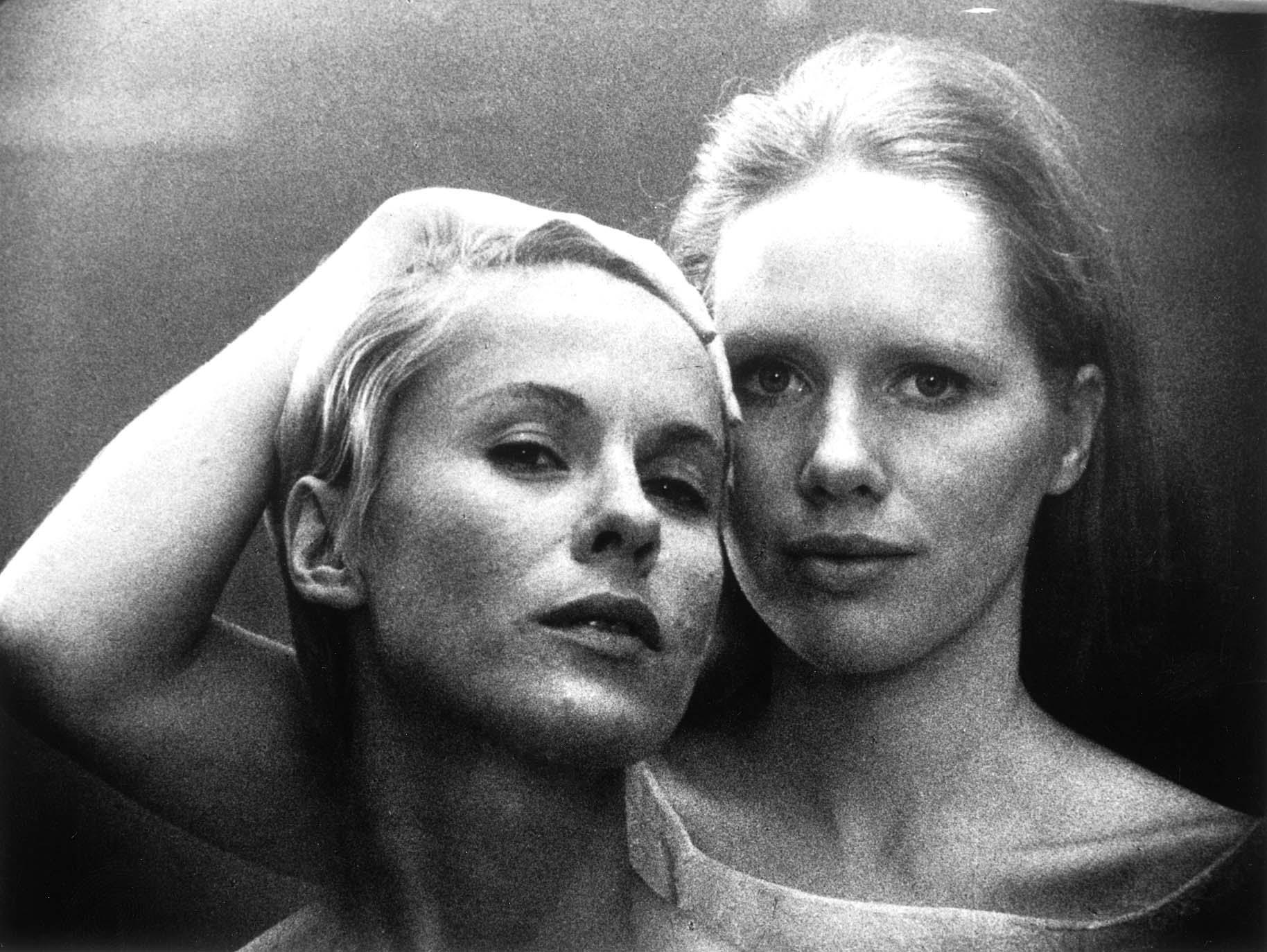
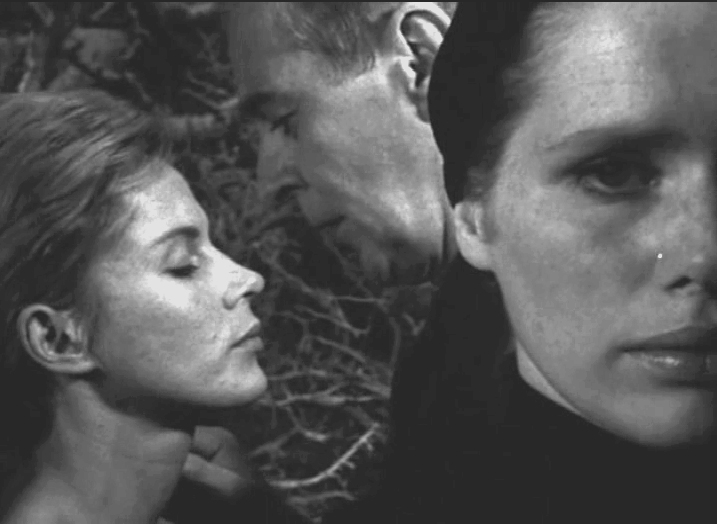
The first half of the sequence culminates in the (in)famous double-image of the “bad” side of each of their faces spliced together in one frame.
The transformation is not as literal as it would be in a genre film but for the intents and purposes of this story its just as true and for either character to move on whether recovered or depleted a fracturing needs to occur to get them apart from one another.
Ingmar Bergman’s Perspective in Images: My Life in Film (1995)
Many directors bristle at symbolism being imposed on their work or film theorists. And, at times, the bristling is more about that old chestnut of the “one, true version.” When it is quite clear that certain directors like Kubrick invited audiences engaging and refused to define the film for its audience. Therefore, Bergman’s background he gives on the making of the film give you the genesis, what was happening with him and how it shaped him and the story.
It should be noted that right before this he was burning the candle at both ends frequently writing and directing films for Svensk Filmindustri and was then appointed director of the Royal Dramatic Theatre. It was a lot but he thought he could handle it and ultimately chalked it up as so: “That experience was like a blowtorch, forcing a kind of accelerated ripening and maturing.”
After writing, shooting and promoting All These Women, and directing Ibsen’s Hedda Gabler for the stage, his health was waning: fever lead to double pneumonia and acute penicillin poisoning. As he was admitted to Sophiasammet Royal Hospital to recuperate the idea for Persona struck him and he began to work on it “mainly to keep my hand in the creative process.” And in doing so it was a bit freeing in a few different ways.
With an unmade project canceled, his wondering about the place of theatre in the art world, and himself as an artist; he found a vehicle to express these doubts and pains and channeled it mostly through Elisabet Vogler’s personage. This is an emotional state he accurately encapsulated in what he wrote when he accepted the Dutch Erasmus Prize, an essay entitled “The Snakeskin,” which served as the foreword for the published edition of Persona. That state is rounded out and linked to the film more thoroughly in the book.
What is perhaps most fascinating is that I had not read this book, whole or in part before researching this (only the “Snakeskin” portion in Persona); so there was much information to discover, and it’s always interesting to glean insights into an artist’s creative process, but more illuminating that that is the fact that much of this story and truth is translated to the screen without overt underlining. It’s there, you feel it, and it either affects you or it does not but it’s there for you to see. Bergman’s art is not unlike his philosophy on why he is an artist:
“This, and only this, is my truth. I don’t ask that it be true for anybody else, and as solace for eternity it’s obviously rather slim pickings, but as a foundation for artistic activity for a few more years it is in fact enough, at least for me.”
In his notes Bergman has not only poetics about his creative crisis and things that are implied by the film like “The conception of time is suspended,” and most importantly “Something simply happens without anyone asking how it happens.” Yet there is also the key to the emotional heart of the film, which is right there in the film itself:
Then I felt every inflection of my voice, every word in my mouth, was a lie, a play whose sole purpose was to cover the emptiness and boredom. There was only one way I could avoid a state of despair and a breakdown. To be silent. And to reach behind the silence for clarity or at least to try to collect resources that might still be available to me.
Here, in the diary of Mrs. Vogler, lies the foundation of Persona.
It’s interesting to note here that Bergman, as he himself notes has named a character Vogler before such as in “The Magician —with another silent Vogler in the center — is a playful approach to the question.” The name would then pop up in later films. The usage of silence, one of the quintessential traits of cinema that separates it from the stage, is also strongly present in this title as well as others by Bergman including the appropriately titles The Silence which features hardly any spoken dialogue.
About the Repeated Scene specifically he writes in his book:
“…Suddenly they exchange personalities.”
“They sit across from each other, they speak to each other with inflections of voice and gestures, they insult, they torment, they hurt one another, they laugh and play. It is a mirror scene.
The confrontation is a monologue that has been doubled. The monologue comes, so to speak, from two directions, first from Elisabet Vogler, then from Alma.”
“We then agreed to keep half their faces in complete darkness — there wouldn’t even be any leveling light.”
Leveling light here refers to fill light, which is any light that would be aimed at the darker side of an actor’s face to lessen the contrast ratio. In keeping the highlight normal and the fill side very underexposed there is an inherent additional disquiet added to the viewership of the scene combine that with the editing tactics, then the unconventional treatment of the dual dialogue, including some jump cuts, and there is a crescendo to climax that is fairly universal even if the beats are more subsumed and the conflicts more internalized than in a standard, conventionally structured and told film. Upon seeing rushes of the scene edited Bibi Andersson and Liv Ullmann reacted as follows:
Bibi exclaims in surprise: “But Liv, you look so strange!” And Liv says: “No, it’s you, Bibi, you look very strange!” Spontaneously they denied their own less-than-good facial half.
The trick had worked and fooled the actresses themselves into seeing each other’s faces on the film. The film from that point was already speaking to people through its images alone. Yet despite the unconventional approaches, even on the written page, Bergman warns about those as well saying that “The screenplay for Persona does not look like a regular scenario.” And that it “May look like an improvisation,” but it is quite clear that there is a meticulous level of plotting that is only elevated by the inspired choice made in the edit.
Even though Bergman saw his return to his position at the theatre as a temporary setback (“When I returned to the Royal Dramatic Theatre in the fall, it was like going back to the slave galley.”) there is no doubt that Persona was a personal triumph due to the very personal, even if abstracted, look at himself that revitalized virtually everything in his life as evidenced by the statement “I said that Persona saved my life — that is no exaggeration.” Persona also marked an artistic revolution for Bergman, a change in his whole approach wherein he realized “The gospel according to which one must be comprehensible at all costs, one that had been dinned into me ever since I worked as the lowliest manuscript slave at Svensk Filmidustri, could finally go to hell (which is where it belongs!).”
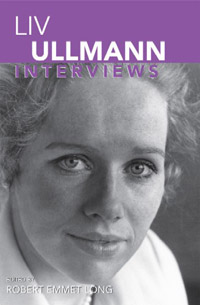
Liv Ullmann’s perspective in Liv Ullmann: Interviews (2006)
What Ullmann added in interviews through the years does speak more to the scene itself, and as one of its participants she gives tremendous insight into the making of it, as well as her process as an actress. Also, how she was cast became a legendary story as she is a Norwegian-born actress and Bergman had only worked with Swedish actors at the time. It is the kind of stuff legends are made of but not as fantastical as people make it out to be.
“He had seen one picture I’d been in. And it wasn’t like he picked me up off the street, because I’d been an actress for many years in Norway. But he did take a terrible chance because I was very young — I was twenty-five — and I was to play a woman at the height of her career and having neurosis, which I knew nothing about. So he decided to use me on intuition, and I did the whole part completely by intuition, because I only understood what it was about many years later.”
About production specifically:
“That was very strange because he did that with two cameras. There was one on Bibi when she told my story. It was supposed to be cut up, using the best from each. But when he saw it as a whole, he didn’t know what to pick. So we used them both. Many people have tried to analyze why he does this. The real reason is that he felt that both told something there which he felt was important. He felt he couldn’t tell which was most important so he had both. “
That above reaction reinforces Bergman’s feelings and vision. Closer to the time she made it she revealed:
“The way I prepared was to read the script many times, to try and block it into sections. I would try to think, ‘This is the section where this is happening to her, and now he goes a little deeper in this section.’
“That is the way I very often work. I divide the manuscript into sections which always makes you know where you are shooting.”
Later on she elaborated even further:
“A lot of things I seriously didn’t understand. I just had to do it on feeling, on instinct. I couldn’t ask him because I felt so grateful he was giving me this, that I must pretend. When I see it now, I understand it so much better. I understand the character. But in a way I think it doesn’t matter because deep down we can experience even if we don’t really understand. I think you can instinctively play a character without intellectually or by experience being at that level. So many more people would appreciate him if they would dare to go in and think he’s really simple that he’s going to their emotions, not worry about the symbols.”
So with all these vantage points where does that leave us?
Conclusion: The Film Tears
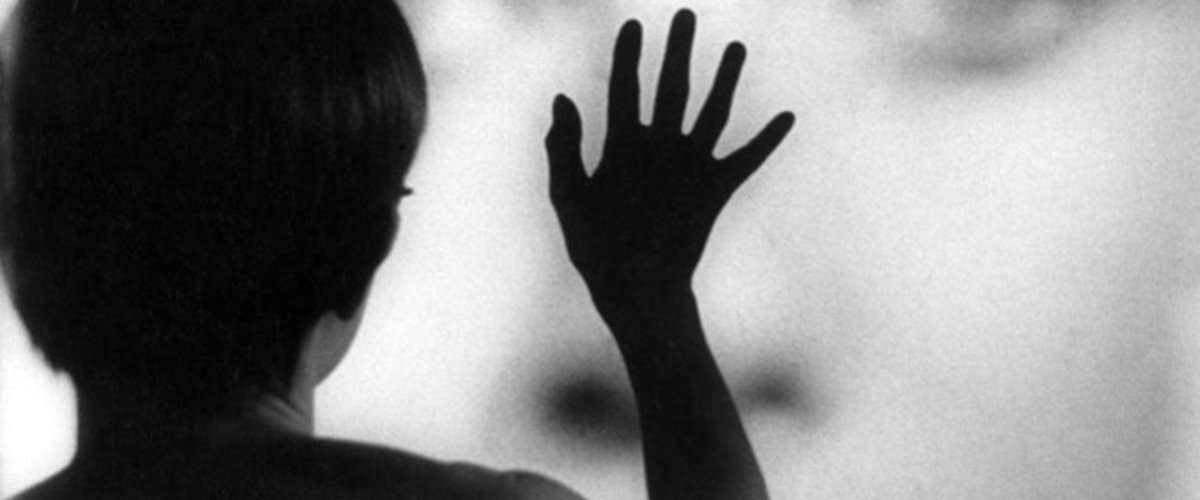
One of the structural totem poles in Persona is an image of a film strip burning and breaking. It marks a rupture in the reality as its being presented, and it reveals to us, as a reminder the eyes through which this story is being seen (Elisabet’s son played by Jörgen Lindström).
When the film tears for us as viewers what are we left with? Is all theorizing to be tossed out the window? An interview Ullmann gives later on in her career when she took on Faithless as a director, based on Bergman’s screenplay:
Both women are called Marianne, so you can make all sorts of fantastic connections. Every viewer should have the freedom to do that.
Everyone also has the freedom to make connections with Elisabeth Vogler, I didn’t know very much, but I just knew I was playing Ingmar. That’s why I said that Max von Sydow could have played the part. I thought at the time “I will just watch Ingmar and I will try to act like him. In the current film, the character is called Bergman like the character he made into a woman and I played as Elisabeth Vogler in Persona. You can have great fun with this.
Which actually is not discordant with her assertions that “The real reason is that he felt that both told something there which he felt was important. He felt he couldn’t tell which was most important so he had both,” and that “So many more people would appreciate him if they would dare to go in and think he’s really simple that he’s going to their emotions, not worry about the symbols.”
If the film guts you it’ll pay to dig and pick apart these images and examine the interplay of the characters, the questions about reality, dreams, psyche, life, death, and sexuality. If it doesn’t move you an intellectual examination may not make it any better for you, and what would your motivation be to go in search of answers anyway?
When seeing the Repeated Scene in Persona you will think any of three things: a noble attempt at an experiment that fell short, a brilliant gamble that pays off in spades or a wasteful piece of sophistry. Many of the scenes in the film can be seen along this spectrum. It just bears noting to modern audiences that while his style, at-times starkness, look, and human dramas have become clichéd through the reverence of film students and arthouse filmmakers through the years, but many of the things he was doing were new and unique when he did them.
When the film tears for you as a viewer as Persona ends Bergman seeks for you to have been moved, to have thought and to have examined just as he moved, thought on, and examined his own life in its making. All else is fun, as Ullmann says, but there is no wrong. In this film Bergman rebelled against the tyranny of coherence and singular meaning and came out a victor, and we are all better for it; for now we have been moved.
I wanted to start this series back in January. Basically, there are a lot of good movies out there that you can watch free and clear. Meaning you don’t have to pay for them and by streaming it free you’re not stealing it because they are in the public domain. Also, in some cases, these films are not all as ancient as copyright laws usually call for.
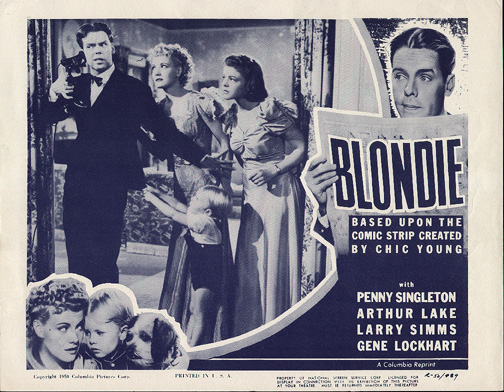
Blondie (1938)
Firstly, anyone lamenting that sequels are “ruining movies” today, this is one of the easiest examples to cite proving that everything old is new again, meaning sequels are not a modern scourge. There were about 25 of these films released over a thirteen year period. Also worth noting is that long before the Harry Potter films Larry Simms grew up on film – at least in real life if not so much as Baby Dumpling.
I finally started watching a box set of these short, easy-viewing comedies this year. They are in the public domain, readily available and usually quite enjoyable even if the formula has few variables. The series may bolster this section for quite some time as the completist in me does want to get through all of them.
On a personal note, it’s most compelling to me because I recall Blondie in the Sunday comics when I was very young. I always read it, as I did most things on the page, and I guess I never enjoyed it per se due to my youth and the dated nature they had at the time. A similar example on the comics page for years was my not getting or liking Doonesbury reading it anyway. Doonesbury I still don’t care for, but I have come to an appreciation of Blondie through these films mainly due to Arthur Lake and Penny Singleton’s characterization which I never would have read into the panels.
WARNING:While I will do my best to avoid major spoilers this series of posts is an in depth examination of the film so it will be discussed at length. Reading about the film in distinct sections is not the same as seeing it clearly but forewarned is forearmed.
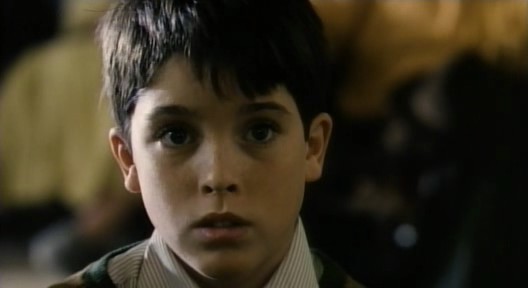
The first thing Léolo (Maxime Collin) tells you about is the story of how he believes he came to be conceived. In a way it’s his creation myth, the only explanation, however illogical, that he can come up with for why he feels so different than the rest of his family.
Naturally, with one feeling so estranged from one’s family can lead to a sense that they come from some other country. With Léolo having grown up in the midst of his family, and never having moved, the only viable option that remains in his mind is that he himself is from some other nation; somehow, some way.
This notion struck me not only because this film is French-Canadian, and the national identity of its populous has always been nebulous as a whole – as evidenced by two tight independence referenda in the ’90s and political jockeying for another. The notion was also likely to strike me personally for an obvious reason. I am neither French nor Canadian I will not get too cute about what Léolo’s desire to be Italian says about the Quebecois.
However, it’s not coincidental that that Léo’s tale of a randy Italian tomato-picker, an accident wherein his mother stumbles upon the most unlikely tomato imaginable makes him Italian in his mind, and thus, a countryman of Bianca, his great unrequited love.
Due to the fact that his belief is that an anonymous Italian is unintentionally his father and not the man he shares a house with, he also insists on being called Léolo Lozone rather than Léo Lauzon. He is rarely taken seriously in this request.
“Italy is too beautiful to belong only to the Italians” he says when talking about Italy and Bianca, whom to him is the country personified. This is portion wherein I feel some more identification. I am a dual citizen of the United States and Brazil. I think being a first generation American has made me very curious about the world and made me want to experience other cultures, at least vicariously, not only as an escape (though in my younger years it definitely was) but also for my own edification.
Léo’s world is a one of very small and dark corners; it’s his apartment, his tenement building, diving in the river, collecting papers. His neighborhood, in short, to a lesser extent Montréal as a whole. He is incessantly surrounded by things he wants to be freed of it’s not a wonder that a country he has never been to, landscapes he is imagining but may have never seen represented call out to him as a safe haven. In many ways, with a much different backdrop to grow up against I had that same longing for escapism in my adolescence. Sure, most adolescents do, but it’s the manifestation of such in this particular way that makes it a parallel.
One of the great and subtle touches of this film is how it uses his preferred name to put a bittersweet closing note on the relationship arc of Léolo and his mother (Ginette Reno). There are small moments when he shows his affection towards his mother. He writes of his true feelings with greater fervor than he shows her in real life. Though at times she was unable to understand all that went through her kids’ heads, and may have passively fought him on his desired name, at the end she calls him “Léolo” seeking to bring him back to consciousness. Whatever he calls himself she just wants him to stay. Léolo may have drifted off to a purgatory – how literally one should interpret closing events in the tale is debatable – what’s inarguable its that: because he gave up on his notion of heaven and gave up the will to fight, even with the supplications of his mother beckoning him back, he was lost.
However, the way this story unravels one would hear all he thought, hoped for, and feared.
This post is the second part of a series. Read part one here, stay tuned for part three.
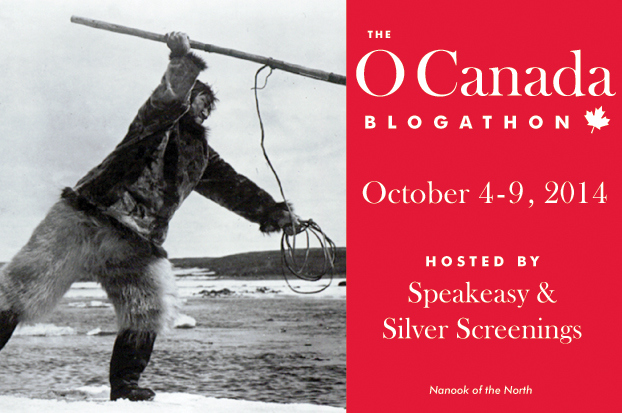
Since I have started participating in blogathons I have created an heretofore unwritten rule: I try to limit myself to participating in one a month. There are two main reasons for this: first, they tend to run out-of-sync with what the main theme of my regularly-scheduled programming, and second I tend to go a bit overboard with a post much larger than I normally write with several headings and topics discussed.
As someone who in commemoration of Canada Day one year created a province-by-province cinematic map of Canada of films I had seen or would like to see, I am clearly one with an appreciation for Canadian cinema. In that very post I try and get to the heart of why:
I can’t exactly pinpoint where my fascination with all things Canadian began. Yes, I’ve always been obsessed with hockey, but this burgeoning affection during my childhood also coincided with many of my entertainment staples being either vaguely or blatantly made in Canada such as You Can’t Do That on Television, The Kids in the Hall, Are You Afraid of the Dark? and to an extent SCTV. Regardless, the affinity has always been there and since thanks both to the internet and internationally distributed calendars I’ve come to learn of Canada Day, and decided to compile at least the beginnings of a list.
Strictly speaking in film terms the interest in films made north of the border this was likely the genesis. I vividly remember the inception of The Independent Film Channel as for probably a bit more than a month I saw movies that marked me and that I would never forget. Sometimes they were 8 PM showcases, other times they were just in heavy rotation. Léolo is one of those movies.
All I really wrote about it in that post, for being a very significant film to me I had to mention it, was:
A completely French-Canadian film (were my revisionist BAM Awards still legitimate would’ve won many awards) called Léolo. It’s a poetic, bizarre and unique tale of a young boy’s adolescence in 1970s Montreal. Sadly, this was the last vision Jean-Claude Lauzon brought to fruition as he tragically died in a plane crash in 1997.
So I always knew that it was a huge movie to me. Which is what would make writing about it quite the difficult task. As I sat down to revisit it for this blogathon that jumped out at me as the way to structure this post: enumerating and compartmentalizing the facets of this film that not only make it work but soar above so many others for me personally.
As I began to work on this piece I started to see it was going to be huge so I have decided to split this post into multiple parts over the course of the whole blogathon.
Without any further adieu, madames et monsieurs, I present to you Léolo Lauzon, or should I say signore e signori I present to you Léolo Lozone…
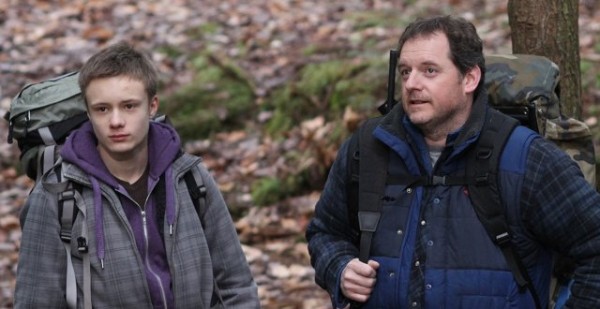
The Custody, original title La Garde, is a film that proves that a straightforward simple premise that opens an avenue to examine characters in the tensest circumstances possible can be highly effective. It’s a low concept that’s high on drama, character studying and features two tremendous performances by Paul Doucet and Antoine L’Écuyer.
The premise is as follows: Luc (Doucet) is frustrated with the restrictions that have been placed on his custody rights. His disobeyed court orders about visitation have lead to restraining orders and the like. Risking jail time he has continued to follow his son and resolves to take him hunting so they can be closer whether Samuel (L’Écuyer) wants to go or not.
In seeing the trailer or reading the synopsis you know certain things are givens. However, the foreboding that’s built in through the edit and the low-angle shots and urban color palette of the early shots really carries the film until there is a shift both in the tone and setting.
However, with the more traditional thriller template somewhat out the window once the backdrop is sylvan there is a fascinating shift, as despite the high stakes circumstances that come to the fore the characters continue to prod one another and seek answers. In certain ways they are still duty-bound as father and son, but the estrangement and conflict continues to influence proceedings. There are no facile resolutions, no epiphanies where unrealistic understanding can be achieved.
With all the givens in place be they character- or narrative-driven there could be a great temptation to expand the world and cutaway, to raise the stakes and detract from the central focus of the narrative: the father/son conflict. This temptation is wisely resisted and the world stays small.
Much of the storytelling in this film is visual and that is appreciated. However, to reach the heights this film does it needs superlative performances. It gets those in spades. Doucet carries himself as a man who is clearly flawed but not cartoonishly evil, a man whose motivations can be clearly understood even if his actions can’t always be condoned. When he fills in those blanks with backstory the film, and his performance just becomes richer.
It’s so unique to find two performances by an actor at such different ages in development as a child performer being released in the same year. When I saw It’s Not Me, I Swear recently I saw that L’Écuyer had tremendous potential. With that film waiting so long to see American distribution I did not realize that I had seen him in a music video before. In this part he’s about four years older than he was when he showed such promise in It’s Not Me, I Swear. That promise is followed through with tremendous alacrity and poise. His presence on film, this one especially, is a forceful one indeed.
I’ve been quite careful to try and preserve much of the surprise in this tale. Rest assured that what you now know of this film is only the very beginning where things set-up. There are changes afoot throughout and it is a tremendously engaging drama that is worth seeking out.
It’s interesting, on an ancillary note, to consider the English and French titles of this film. The English title is, of course, the above referenced Bicycling with Molière. The French title is Alceste à bicyclette, which translates literally to Alceste on Bicycle. What this speaks to the relativistic nature that Molière and The Misanthrope has to English-speaking cultures, as opposed to in his native France. In France a mere mention of the name Alceste is already an allusion to Molière, such is his influence in French literature. Here it’s better to merely mention Molière to have a better chance of and audience to know what this film’s driving at based on its title. An analogy would be that if a similar concept would be attempted here a Shakespearean character’s name would be more recognizable such that the Bard’s name need not be in the title.
Yet, even admitting to a bit of cultural myopia on our part this is a film that can connect with audiences regardless of their familiarity with Molière and The Misanthrope in general. Furthermore, you get to see quite a bit of it rehearsed in scenes such that it can definitely intrigue one and whet their appetite for more.
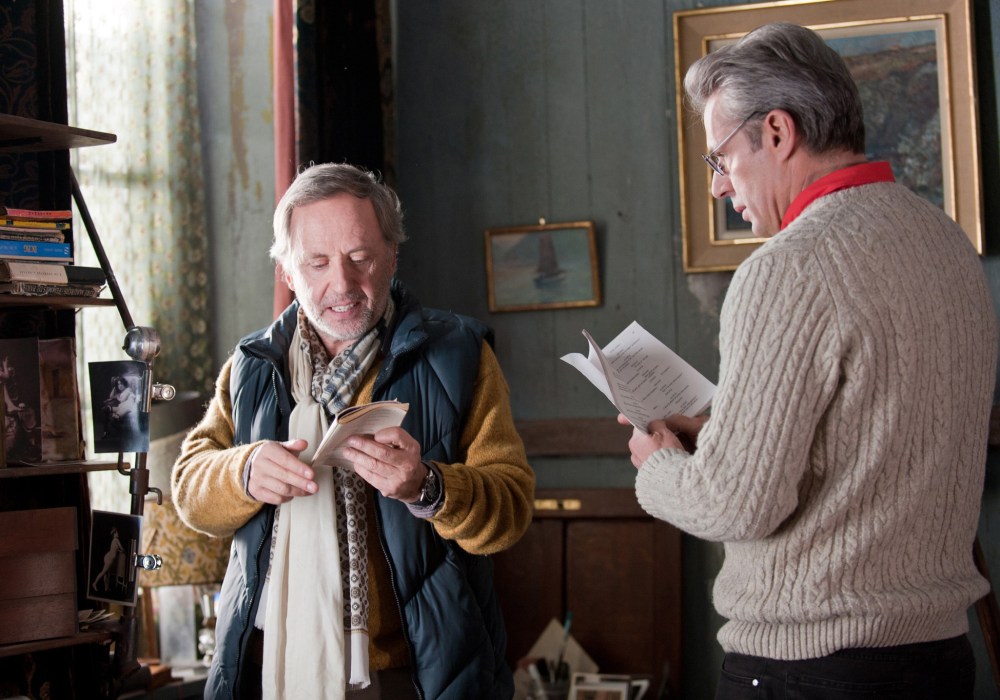
The set-up for the film is that now-famous TV actor Gauthier Valence (Lambert Wilson) travels to Île de Ré to recruit his friend, now-retired reclusive actor, Serge Tanneur (Fabrice Luchini) to be in a revival of The Misanthrope that he is producing.
Naturally this concept is one that is very conducive to playing with the line that divides theater and film. There isn’t anything very revolutionary done but there are subtle touches. One of which deals with the characters they read and how they mirror Gauthier and Serge in their interactions. While the concept of an alexandrine may be something new to the viewers of this film the way this dramatic/poetic device highlights personality differences between the two not only in their approach to their profession but their overall philosophy. The would-be unprecedented trick of having Serge and Gauthier alternate between Alceste and Philinte it allows even more aspects to be examined and more acting muscle to be flexed organically.
There is much muscle to be flexed indeed for the actors and both Wilson and Luchini are both fantastic. They have definitive approaches to the roles that have to tackle in reads, but also convey the complexity and humanity of their characters outside the framework of the play. Furthermore, with scenes of Valence’s medical drama on display Wilson shows a third acting style in just one film.
Yet with all that symbiosis and the tackling of a classical work it’s not merely an intellectual exercise. It is billed as a comedy and the humor does translate and comes from the characters and not out of knowledge requisite to follow it. Therefore, there’s a universal commonality that allows the audience comfort, and, should they be interested enough they can look into Molière and his works later.
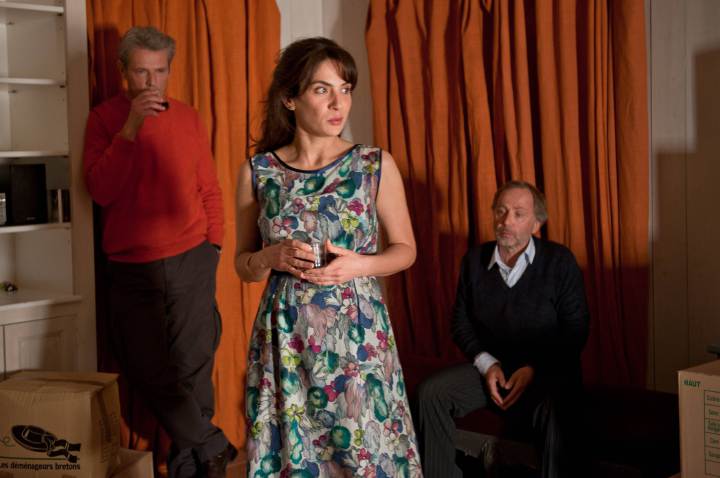
Due to the fact that it’s the people and not the situations so much that make the film funny, on the flip side because you can understand the characters and they are well-defined the drama makes sense is appealing. This perhaps shows itself best as Francesca (Maya Sansa) is fleshed out. With the presumed performance coming it seems prudent for Gauthier to buy a getaway house. At first Francesca is a brusque, abrasive b-word. Then she opens herself up and connects to each of them on an individual basis and contributes well to the whole.
From the outside Bicycling with Molière may seem like and ivory tower dweller’s delight, but there is an approachability and relatability to the humor that make it a welcome treat for all. The theatrical tricks, TV Drama jokes and the like are just icing on the cake.
This is a post that is a repurposing of an old-school Mini-Review Round-Up post. As stated here I am essentially done with running multi-film review posts. Each film deserves its own review. Therefore I will repost, and at times add to, old reviews periodically. Enjoy!
The Human Resources Manager
This was a film I was fortunate enough to win from Film Movement in a Facebook contest. Film Movement is akin to a book-of-the-month club for films. They send you award-winning foreign/indies usually before they’re released and that you can’t find near you. If you want to get a sampling of their films they stream many of their titles. The discs include a short as well.
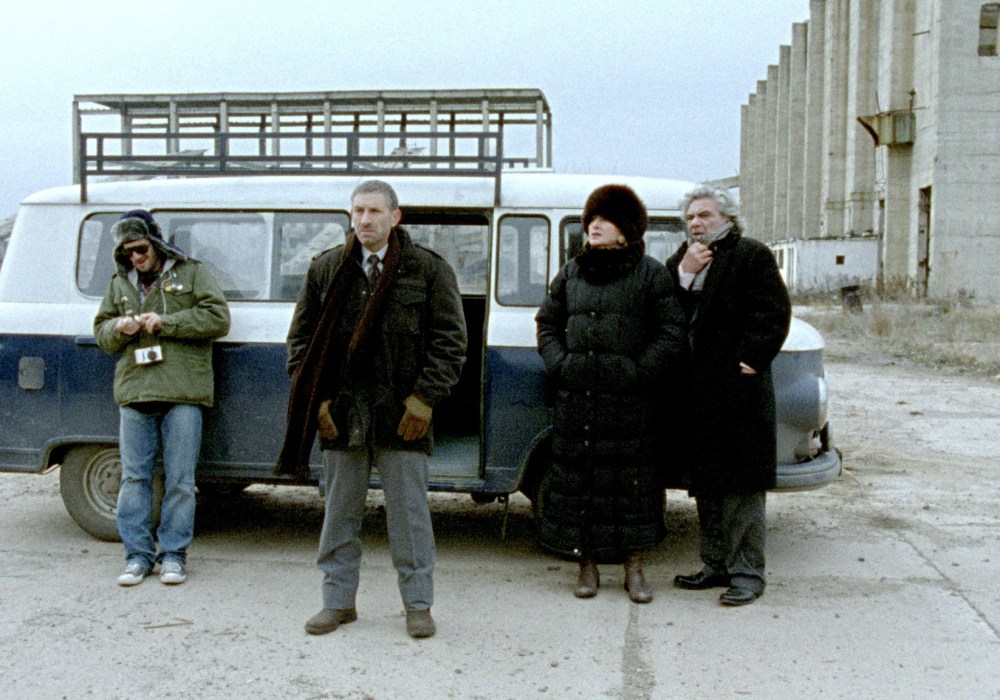
This is an Israeli film about an HR man who faces a bit of a firestorm after one of his employees has been killed in a car bombing and he through a bureaucratic mix-up was unaware of her employment status at the time. Much of the film deals with how he tries to make amends for it and then becomes a journey as he returns her to her native Romania and struggles to get her buried.
The story is rather well told and moves along at a good clip. There are some surprises in store. A lot of the acting is quite good, however, the character and performance of the journalist very annoying.
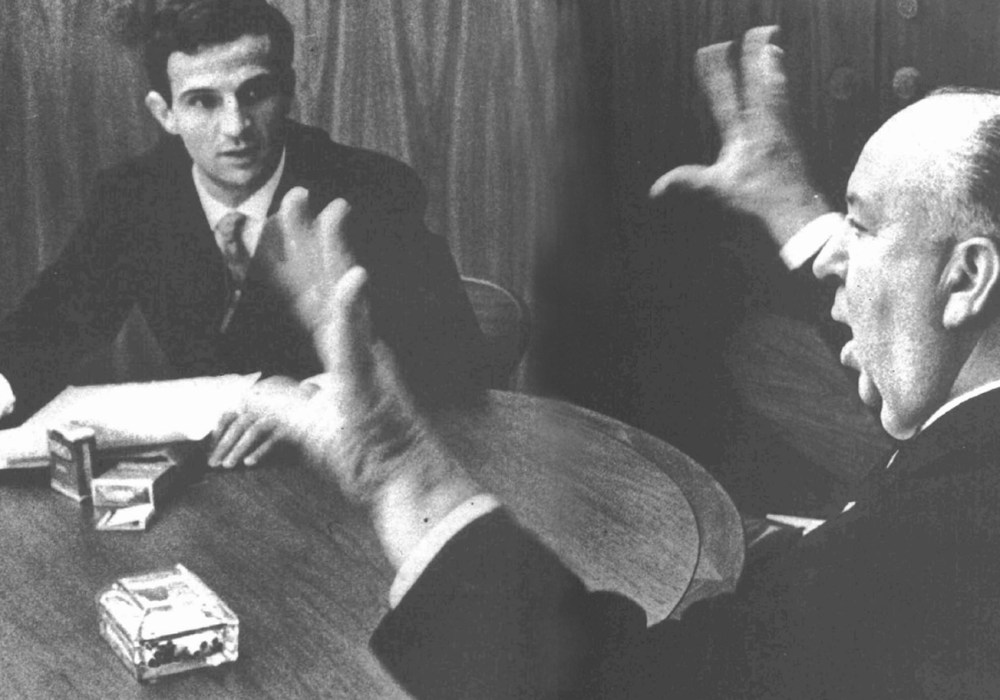
This article is a partially fictitious account wherein I imagine myself in conversation with two of the greatest minds in cinema: Truffaut and Hitchcock. This work was inspired by the series of interviews the two conducted which was later turned into a book. The quotes from the two are real though the context isn’t always. If you are interested in the book it can be purchased here. If this alternate history premise insults your sensitivities please move on.
Film is: Eternal yet momentary, Enormous but has no space, Minuscule yet takes its place, Inflexible yet elastic, Sincere and sarcastic, Confined to a frame, which expands in your brain. When a showing ends, The Journey begins. You close your eyes and travel within. Never has it ever been so warm to be frozen in form.
-Bernardo Villela
I’m a lot older than I look. I was in Paris in 1968 trying to get Nino Rota to score my latest film and ultimately I failed and managed only to gain six pounds eating Crepes Suzette. While there, however, I did run into Francois Truffaut. After I asked him how L’enfant Sage was going he told me he was going to meet with Hitchcock and asked me if I’d like to come along. Of course, I agreed. On the way there I asked him:
Bernardo Villela.: What do you believe is the art of suspense?
Francois Truffaut: The art of creating suspense is [!] the art of involving the audience, so that the viewer is a participant in the film. (Truffaut, 16).
We arrived a few minutes later in a very plush room at the Georges V. Francois introduced me and afterward Hitchcock said he’d like my last film very much, to which I got very embarrassed as I felt I didn’t deserve such phrase. We sat down had some Sauternes as apparently Hitch had just finished a meal. It wasn’t the best lead in but I then asked.
B.V.: What did you think of The Wizard of Oz?
Alfred Hitchcock: It was a very bad movie (39)
I was reading a newspaper and saw that Julie Andrews had just signed to make Darling Lili and this prompted me to ask:
B.V.: Can you tell me what you thought of the Star System?
A.H.: These are the problems we face with the star system. Very often the storyline is jeopardized because a star cannot be a villain (43). Cary Grant could not be a murderer (44).
B.V.: Yet you always seemed inclined to work with stars, why?
A.H.: I’ve learned from experience that whenever the protagonist isn’t portrayed by a star, the whole picture suffers, you see, because the audience is a lot less concerned about the predicament of a character who’s played by someone they don’t know. (145)
B.V.: The comment you made about Cary Grant brings us to the trouble with Suspicion. The film is constructed and leading us to think Cary Grant is guilty and then in the last 5 minutes you jump the rails.
A.H. Well I’m not too pleased with the way Suspicion ends. I had something else in mind. The scene I wanted, but it was never shot was for Cary Grant to was to bring her a glass of milk that’s been poisoned and Joan Fontaine has just finished a letter to her mother – “Dear Mother, I’m desperately in love with him, but I don’t want to live because he’s a killer. Though I’d rather die, I think society should be protected from him.” Then, Cary Grant comes in with the fatal glass and she says Will you mail this letter to mother for me, dear?” She drinks the milk and dies. Fade out and fade in on one short shot: Cary Grant, whistling cheerfully, walks over to the mailbox and pops the letter in. (142)
I felt quite embarrassed by dominating the questioning but I think Francois gave me free reign owing to the fact that this was a unique experience for me.
B.V.: Many directors including Robert Altman make films only for themselves and don’t care what the people or the studios think of them, what is your reaction to this kind of thinking?
A.H.: I always take the audience into account. (48)
Our exhaustive discussion of Citizen Kane led me to ask:
B.V.: How do you define as a masterpiece?
A.H.: Theoretically, a masterpiece is something that has already found its perfection of form, its definitive form. (72)
B.V.: Many people find your films very implausible. I love The Lady Vanishes but even I find the third act a little hard to swallow, what’s your response to that?
A.H.: I’m not concerned with plausibility; that’s the easiest part, so why bother? (99) In a documentary the basic material has been created by God, whereas in the fiction film the director is god; he must create life. (102)
B.V.: Can you comment on why your films so often deal with the extraordinary?
A.H.: I don’t want to do a “slice of life film” because people can get that at home, in the street or even in front of the movie theatre [!] And I avoid out-and-out fantasy because people should be able to identify with the characters. [!] What is drama, after all, but life with the dull parts cut out.(103)
B.V.: My two favorite British Hitchcock films are The Lady Vanishes and Sabotage. While I feel the Lady Vanishes is more sophisticated in its structure , bravery is something I greatly admire in filmmaking and that’s part of why I like Sabotage so much.
A.H.: I made a serious mistake in having the little boy carry the bomb (109).
F.T.: Making a child die in a picture is a rather ticklish matter; it comes close to an abuse of cinematic power (109).
A.H.: I agree with that; it was a grave error on my part. (109)
B.V.: But I feel that’s part of what made it such a compelling film, the fact that a man has to pay for his sins through the loss of his son.
This is the first part of a series that will post on Thursdays. This is the first time this series has appeared on my new home.
This is a post that is a repurposing of an old-school Mini-Review Round-Up post. As stated here I am essentially done with running multi-film review posts. Each film deserves its own review. Therefore I will repost, and at times add to, old reviews periodically. Enjoy!
Heartbeats
Director Xavier Dolan’s sophomore effort about a love triangle where a young man is the prize for a gay man and his girlfriend is a rumination on unrequited love and love in general.
I can see why this didn’t get the fanfare that his first film, J’ai tué ma mère (I Killed My Mother), did but in it Dolan proves himself to be a flat-out artist. He not only acts in it but directs it with a steady hand. The only things that hold it back is a conceptual/intellectual disconnect with how the material is rendered but there is an absolute certainty to how he does things. The cinematography is brilliant and vibrant throughout; the framing precise, the edit is good. The use of slow-motion is at times inspired and his affinity to source music rivals Tarantino. It’s not the greatest script but it is perhaps the best treatment that script could’ve gotten.









 The Movie Rat