Review – The Amazing Wiplala

The Amazing Wiplala is a family film from the Netherlands that introduces a new breed of diminutive personage to the big screen. There are many films of this kind, one of the more notable being the many iterations of The Borrowers that have come about – there is also a portion which hearkens back to Honey, I Shrunk the Kids, which is a touch I love.  Wiplala is a film adaptation of a children’s book that comes form the Netherlands and is beloved there. However, the film should have a fairly broad appeal and does have some wrinkles of its own.

The tale is outlined as follows:

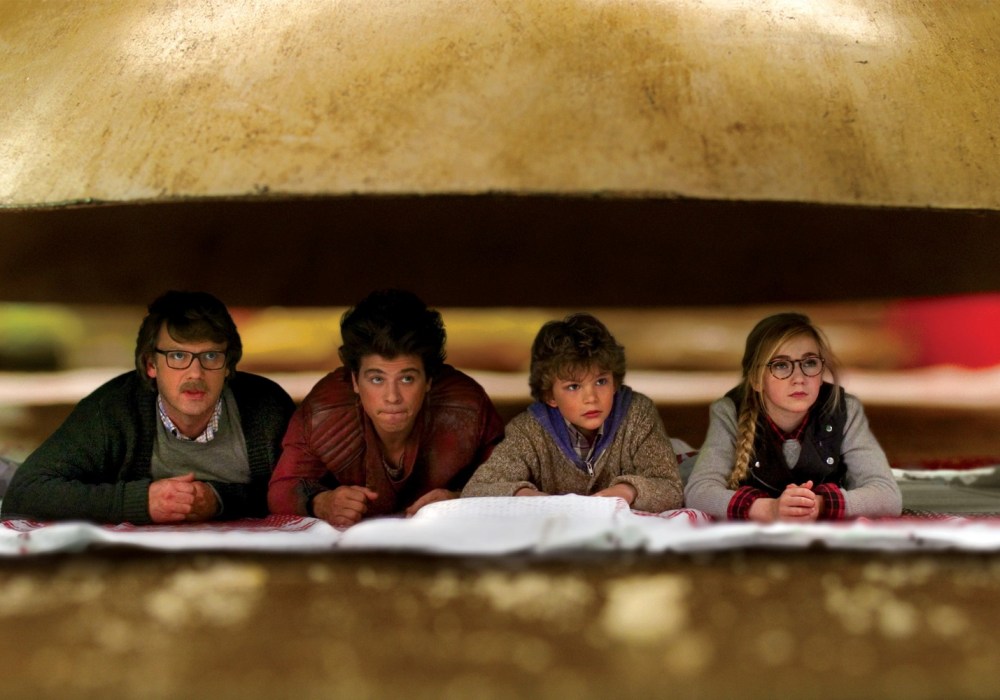
Young Johannes’ “Wiplala” is no imaginary friend, he’s as real as a four-inch-tall wizard can be. Wiplala befriends the family until he shrinks all of its members. Oops… the spell can’t be undone! Thrills and adventure ahead!

There is the added element of magic and its clear that thing soon start getting out of hand and somehow that has to be corrected. As with any film of this kind there is a discovery by the protagonist in this case Johannes (Sasha Mylanus), and slowly the existence of this creature must be learned by the rest of the family. This is handled in a fairly pain-free and humorous manner. In a nice bit of balancing the ramifications of the mishaps Wiplala incurs are far-reaching but only the family, and select others know. The world doesn’t get too big such that when the focus has to shift from Wiplala (or his deeds) to the individual family members its nearly seamless and not competing with anything else.

The narrative is full of creative, simply-rendered comedic elements and a few small subplots that work. The funniest one being about Arthur Hollidee, the lovelorn unsuccessful author. There is a more visually striking one but that is better off left as a surprise. The struggle is a fairly simple one and there is a good deal of emotional symbiosis that connects the characters and makes it click.

The cast does fairly good work making all this work. Geza Weisz in the eponymous role of errant betwinkler (a kind of wizard, but don’t call him that) is sprightly, bubbly and charismatic without a trace of irony. Kee Ketelaar has a tricky role to handle as the elder sister Nella Della. The script allows her little room for being anything other than an implicative, brown-nosing older sister through much of it then when things get serious she has to be more sincere and earn those moments for the film. Next, Sasha Mylanus well embodies the role of Kid Next Door who just kind of feels lost in the shuffle and finds this secret wonder. His character’s journey is the most complete and takes us into this world well. Many of the Dutch family productions I’ve seen recently have also featured memorable humorous turns from supporting players whom are senior citizens, most notably here Paul Kooij.

The Amazing Wiplala a humorous, escapist light fare that will offer diversion to all sensibilities in a family keeping them equally engaged and entertained; well worth looking out for.
7/10

Poverty Row April: Ten Minutes to Live (1932)

Introduction

This is a post that is a repurposing of an old Poverty Row April post. As stated here I am essentially done with running multi-film review posts. Each film deserves its own review. Therefore I will repost, and at times add to, old reviews periodically depending on the theme. Enjoy!

Ten Minutes to Live (1932)

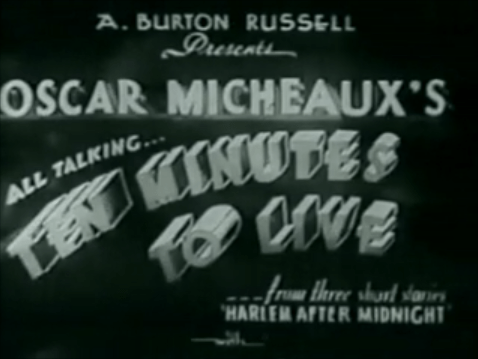
Quite a few times during this festival I have gone back to what is essentially the bible to this theme Pitts’ book on the Poverty Row Studios. It list companies, filmographies, synopses and has reviews. When I read of Oscar Micheaux, who for 30 years as an independent filmmaker was a pioneer. He was not only a virtual one-man operation, but a black man doing so from 1918 to 1948 makes him even more compelling. While he jump-started many a career, he was not without controversy both in his community and in white America also. In the end, I knew I had to see at least one of his films. I’m not sure if I searched The Internet Archive for all the titles listed in the book. After watching this film I did refer back to the review and my take on it is similar to Pitts’ “a jumbled mess,” and though it’s his only film I’ve seen, Pitts’ assertion that it’s his worst film is one I would hope would hold true. The sound is shoddy, the acting is the real-life inspiration of “bad acting” impersonations and much of the 57 minutes of screen time is wasted on non-diegetic song-and-dance numbers that act as filler during minimal stories, which, as Pitts states, are likely recycled footage.

1/10

Free Movie Friday: The Terror (1963)

I wanted to start this series back in January. Basically, there are a lot of good movies out there that you can watch free and clear. Meaning you don’t have to pay for them and by streaming it free you’re not stealing it because they are in the public domain. Also, in some cases, these films are not all as ancient as copyright laws usually call for.

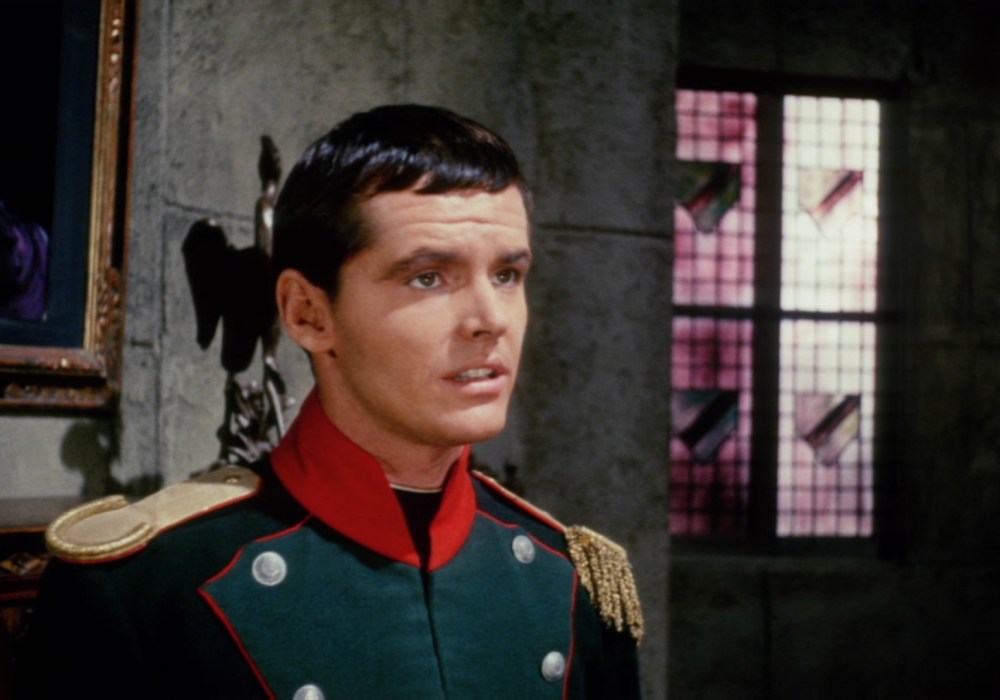
To be honest if The Terror wasn’t one of Jack Nicholson’s first screen appearances it wouldn’t very memorable. However, he is in it and it is a middling film worthy of a look if only for the curiosity if nothing else. Enjoy!

http://www.youtube.com/watch?v=4Bv4mfUXNR0

Poverty Row April: The Ghost Walks (1934)

Introduction

This is a post that is a repurposing of an old Poverty Row April post. As stated here I am essentially done with running multi-film review posts. Each film deserves its own review. Therefore I will repost, and at times add to, old reviews periodically depending on the theme. Enjoy!

The Ghost Walks (1934)

Well, one more and you can call it a streak. As I watched this in the wee hours, it made me wish I watched a few more during the day, like I did early on when my luck wasn’t nearly as good.

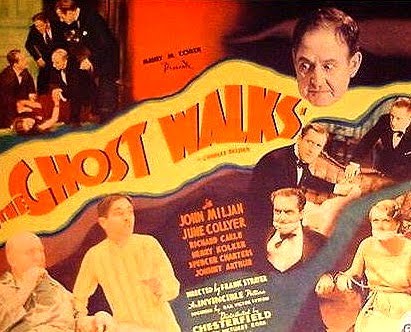
Perhaps the first thing that struck me as a side note is that this is the first of the selections I chose that struck me as being very Pre-Code, though its December 1st, 1934 release date made it after promised Code re-enforcement. Most of that impression has to do with the theatrical producer and his the male secretary, the secretary both in affectation and through dialogue directed at him, is being portrayed as gay – perhaps the biggest code taboo. This all leads me to my second point, which is had the acting not been of such quality, the lines not as well-timed or funny, this film would’ve been ridiculous. Instead it’s one of the funnier films I’ve seen in a while. Granted the horror/thriller portions are intended too and the first act pantomimes a straight horror film excellently, but the comedy is very much by design and laugh out loud funny.

The only patch this film, wherein a staged murder mystery in a creepy house comes true, stumbles is toward the end when the villain monologue plays out it’s not tremendously successful at being either a villainous horror plot or comedic. However, that’s a small bit of this film that runs a little over an hour and is highly entertaining throughout.

9/10

Poverty Row April: The World Accuses

Introduction

This is a post that is a repurposing of an old Poverty Row April post. As stated here I am essentially done with running multi-film review posts. Each film deserves its own review. Therefore I will repost, and at times add to, old reviews periodically depending on the theme. Enjoy!

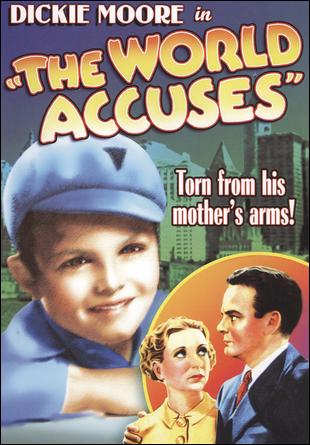
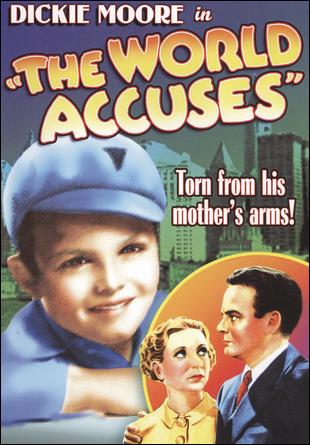
The World Accuses (1934)

The World Accuses (1934)

Prior to this screening the selections that I had made for this theme were threatening to make a liar out of me. Save for Short Film Saturday, I did not feel the need to link to any of these titles on the Internet Archive. Aside from the debut screening in the series there wasn’t even another title to which I awarded a passing grade, though others had close calls and good qualities.

Are there melodramatic building blocks to this tale? Yes. Are they necessarily used as such? Not especially. There are some narrative shorthands to cram this story into an hour, but the inciting incident is big, quick and out there. There is a strong villainess and a desperation-forced substitute for that role. The story takes some great twists along the way and is always engaging. As with any story of its kind, it requires you exercise suspension of disbelief, but it never lost my interested either intellectually or emotionally.

In his book Pitts describes much of the acting he watched as high school play caliber. I thought he jested too much, but through some of these I’ve chucklingly agreed. The entire ensemble in this film is capable here, even if a bit stock at times. Surely it’d take talented kids to have a Poverty Row studio like Chesterfield to build a tale around by Dickie Moore (maybe best known as the voice of Pinocchio) and Cora Sue Collins. The production values, particularly the set design, was a bit higher here than standard Poverty Row fare.

8/10

Poverty Row April: The Phantom Cowboy (1935)

Introduction

This is a post that is a repurposing of an old Poverty Row April post. As stated here I am essentially done with running multi-film review posts. Each film deserves its own review. Therefore I will repost, and at times add to, old reviews periodically depending on the theme. Enjoy!

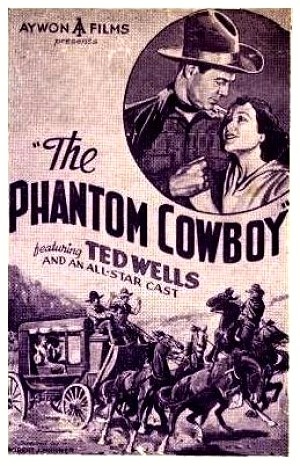
The Phantom Cowboy (1935)

Aside from the staple obstructionist arm-holding-up-a-cape-motif there are some good things going on in this film. Again, you have here a short tale wherein the pace suffers, here character identification also suffers and lessens the impact this tale could have. There is also a deplorable excess of early comic relief in this film, which makes that section of the film hard to bear.

4/10

Poverty Row April: The Tonto Kid (1934)

Introduction

This is a post that is a repurposing of an old Poverty Row April post. As stated here I am essentially done with running multi-film review posts. Each film deserves its own review. Therefore I will repost, and at times add to, old reviews periodically depending on the theme. Enjoy!

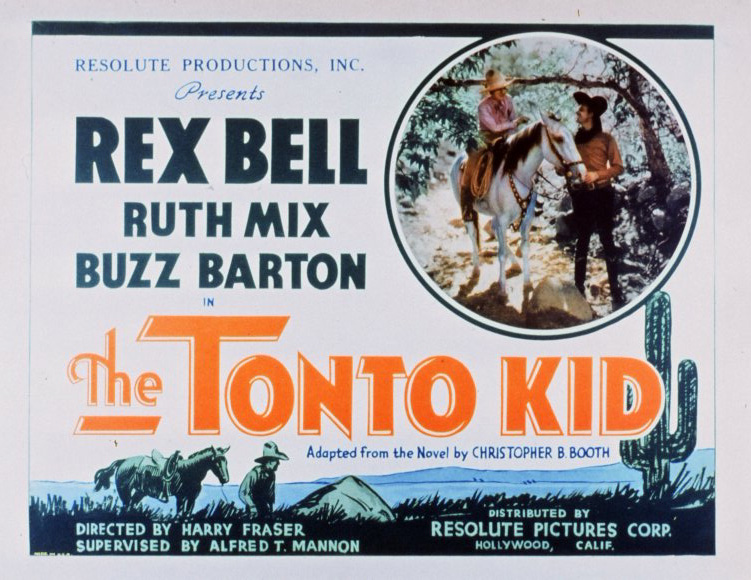
The Tonto Kid (1934)

This film got a second chance from me and in the end it truly did deserve, and earn it. My first attempt at screening this film was marred by home remediation project for a leak, thus, a lot of ambient noise was about. Pair that with digital files, substandard sound technology from early talkies and you can see my issue.

The film had more for it than I initially gave it credit for, but there were issues inherent with a sixty minute feature abound, such as telling a rather intricate tale that quickly, establishing a plethora of characters and motivations early on and lastly tying up loose ends very quickly.

However, it is an interesting film to note merely for the fact that it is a very early example of a western hero who plays both ends against the middle and is a gray character, one whose motivations and true nature aren’t very easy to figure.

6/10

Short Film Saturday: Crazy House (1928)

I have been, for quite some time, been sifting through a Little Rascals box set. It claims to be complete in terms of talkies. It just may be. However, it includes bonus silent films (about 4 and ingores the rest). Here’s one of the ignored one. It’s a bit of a different game in silents and I rather like this one.