Bernardo Villela is like a mallrat except at the movies. He is a writer, director, editor and film enthusiast who seeks to continue to explore and learn about cinema, chronicle the journey and share his findings.
This is a review that was originally posted in a Mini-Review Round-Up. As of this writing Broken can be streamed on Tubi, Pluto, and Plex.
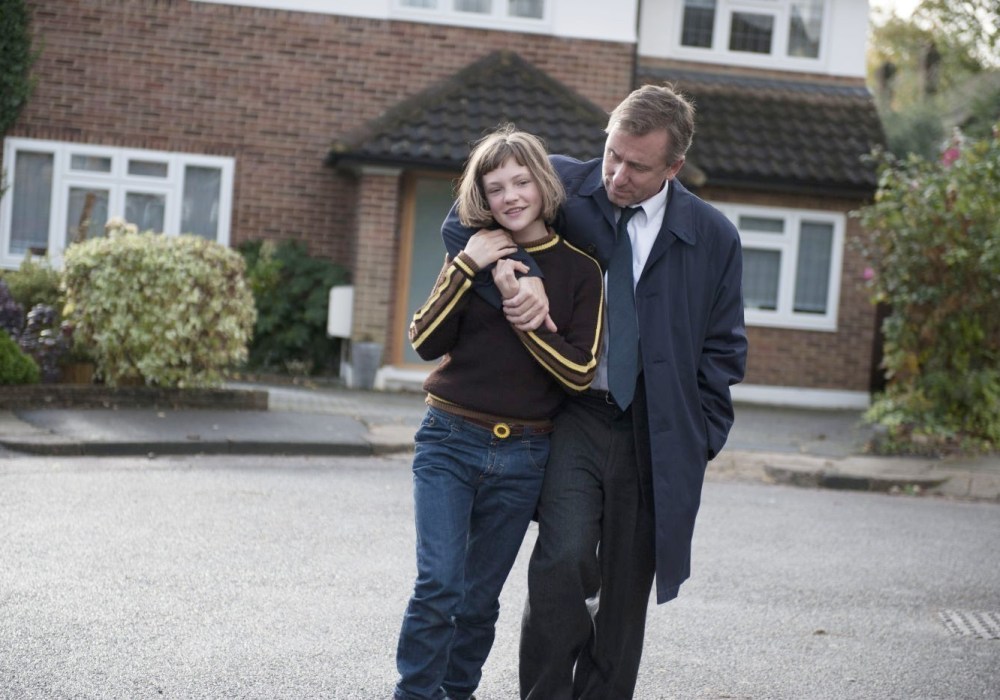
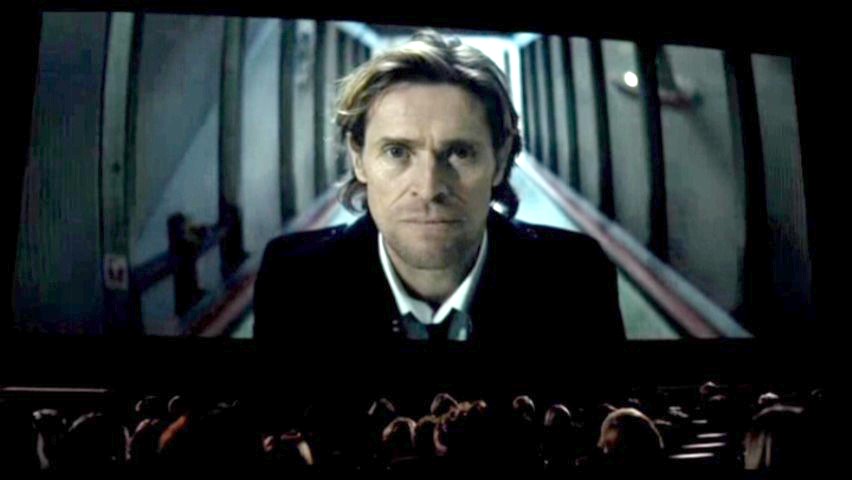
This is a film that, aside from being the opening selection during Critics’ Week at Cannes and winning the Grand Prix at the Odessa Film Festival, was also nominated for nine British Independent Film Awards, A European Film Award and two awards at the London Film Festival; so it made a bit of hay that made me intrigued to see it.
I am glad to say that after all that hullabaloo I was not let down in the least, quite the opposite; Broken is the first great new film of the year that I’ve had the pleasure of watching. It’s an intricately told and layered tale that with many narrative threads, characters crossing paths, that could get trite, but is instead invigorating and riveting.
There are frames within the film and excellent persistent use of cross-cutting that acutely accesses the proper emotional tenor that is sought, which finds the commonality in these characters so frequently at odds. In certain ways, it’s like an externalized version of We Need to Talk About Kevin, in terms of the way it’s cut together and how the actors have to truly use the edit to great affect.
It’s what I like to term a “collision course narrative,” which is a tale wherein there’s a suspenseful foreboding to the meeting of certain events that you feel, and it’s perhaps the best example of such I’ve seen. It’s also a film that starts strong and never really lets go.
Watch Broken, it is an absolutely exquisite piece of cinema.
The films I share in my 31 Days of Oscar posts tend to get lost in the shuffle, so I’ll be featuring them on Short Film Saturday to give them their due.
This film is not currently available on any streaming platform.
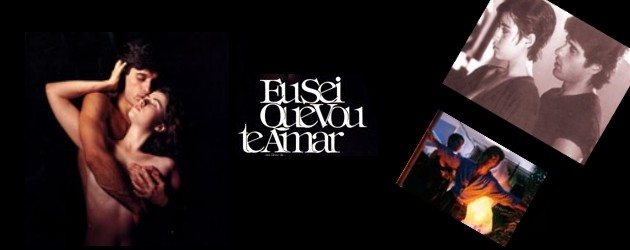
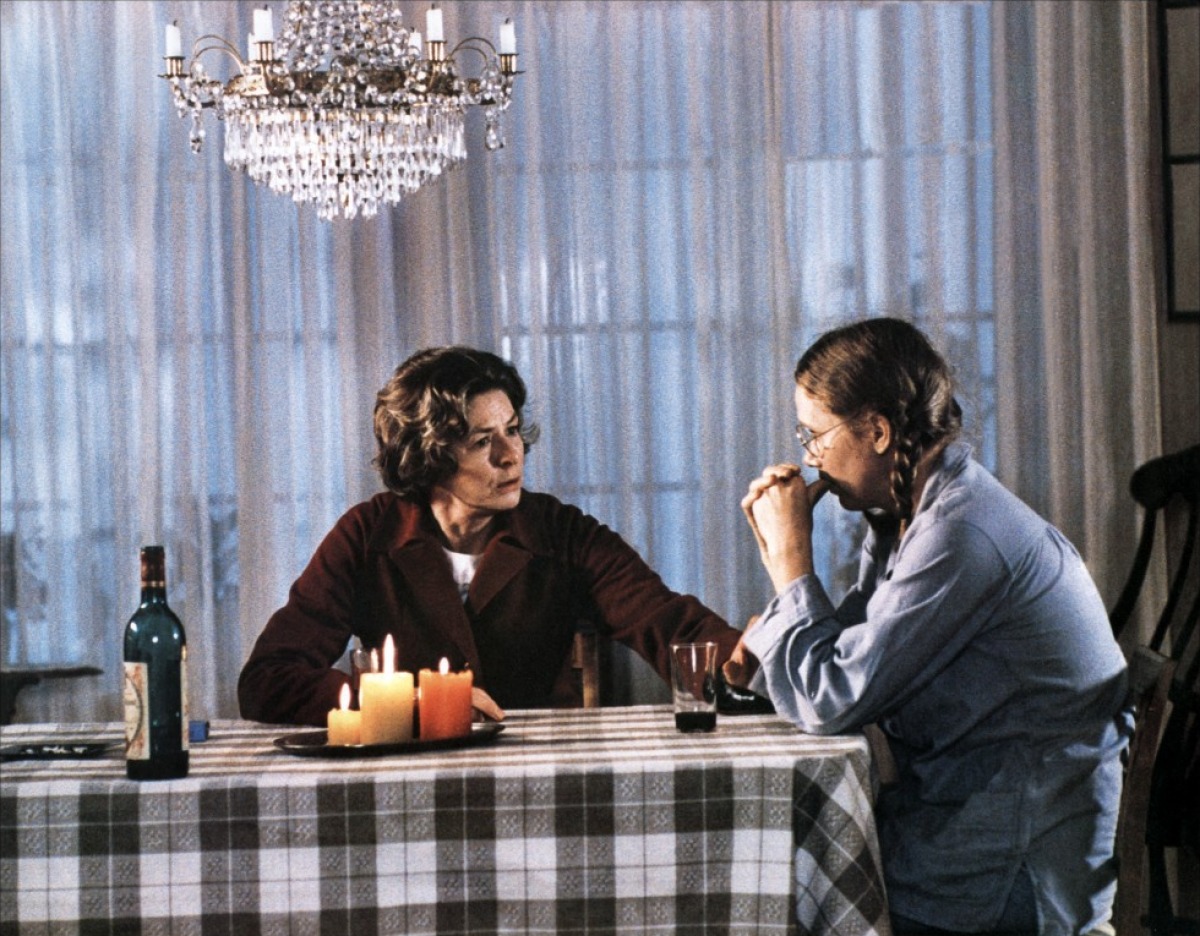
Fernanda Torres, is now a it more well-known in the US after having earned an Oscar nomination for I’m Still Here (Ainda Estou Aqui) last year. However, when she was younger she was the first the first Brazilian woman (or woman from any Latin American country) to win Best Actress at the Cannes Film Festival. She tied with Barbara Sukowa and was very worthy of the honor.
Writer/Director Arnaldo Jabor refers to this film as a sort of psychological playground. It is a that a a minimalist drama experimenting in negative fill an quite nearly stagebound and focused on two actors. However, the intensity and proximity to the actors is a trick that only film can pull off.
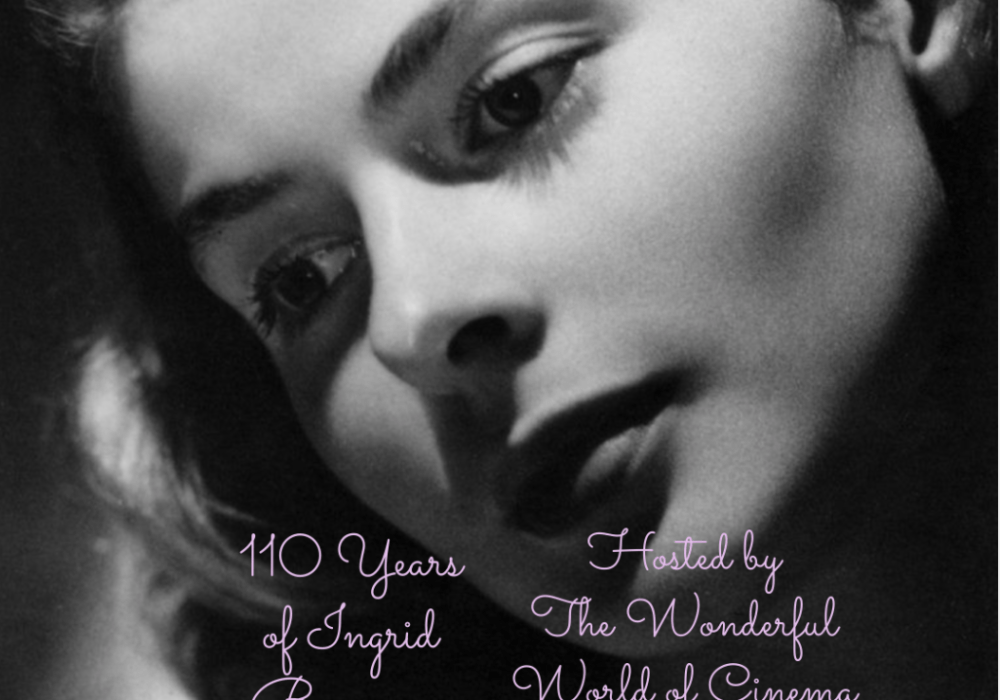
Long after I signed up, I realized that I wrote about Autumn Sonata for this very blogathonway back in 2015. I realized, however, that writing about it again afforded me an opportunity look at this film from a very different angle than I did originally. So, despite my preparation being similar to how I wrote the first piece (re-reading the script and re-watching the film) my reactions and how I wanted to discuss this enigmatic piece were quite different this time.
My 2025 take will be posted in two parts. One strictly dealing with Bergman’s performance, which I will post today for the blogathon. The follow-up piece, is a bit more tangential that will look at how the creative forces of this film had their lives reflected in this work, not only from their perspectives but also from perceptions of those who covered them in the media and how that may have impacted them. That part is a bit more tangential so it made sense to split them.
Performance
In watching the film, the first thing that’s apparent about Ingrid Bergman’s performance is her physicality. As soon as she steps out of her car she places her hand on her back due to the discomfort she’s feeling after a long car ride. A clear indication of her chronic back problems. Despite all Bergman’s dialogue, her physicality drives home the emotional toll the events of the film take on her character Whether it’s her still hand as she sleeps and then Lena comes in during the nightmare sequence, like her avoiding eye-contact during some of her daughter’s most difficult revelations and then looking back at Eva, pacing and smoking, lying on the floor to spare her back, and not wiping away her tears.
There’s also the performance within the performance aspect as Ingrid’s character is also an artist. Moments like when she speaks English on the phone, her Middle Atlantic accent and the presentational acting style that was prevalent when she broke into Hollywood. Ingrid and Ingmar butted heads over a few things in the making of this film. He didn’t want her methodically planning moves, glances, and gestures, but her persona and demeanor in English was a necessary ingredient.
Other points of contention were things like the precise length of time Charlotte and Eva had gone without seeing one another, Ingrid wanted a joke or two to soften her character. Ingmar didn’t bend to those request but there are some lighter moments, mostly when Charlotte is alone like when she speaks to Leonardo’s portrait.
The nuanced script rich in characterization set the film up for success, but the creative tension definitely yielded positive results. With two supremely talented lead performers, meaty material that hit close to home, the tension likely broke some resistance to certain aspects of the story and help wring out a tremendous amount of raw emotion from her. Emotions that usually radiate from Ingrid’s eyes outward to permeate entire frames. It was a confluence of events and talents that garnered her yet another Oscar nomination and created a masterwork.
The films I share in my 31 Days of Oscar lists tend to get lost in the shuffle, so I’ll be featuring them on Short Film Saturday to give them their due.
Animation offerings by the National Film Board of Canada tend to be very strong.
As someone who is fanatical about films what better way to celebrate one’s birthday than by taking in a film. I have been doing so for quite some time watching a film on or near my birthday and while some have been better than others many stayed memorable because they became one of my birthday films. Below are some which I have seen. I suggest that if you have not started this tradition you should do so now. With each of these films I seem to remember something about the viewing experience because the screening was on or near a momentous date and thus made the experience somewhat elevated.
I usually seek to go to the movies but there are some streaming and physical media selections here as well.
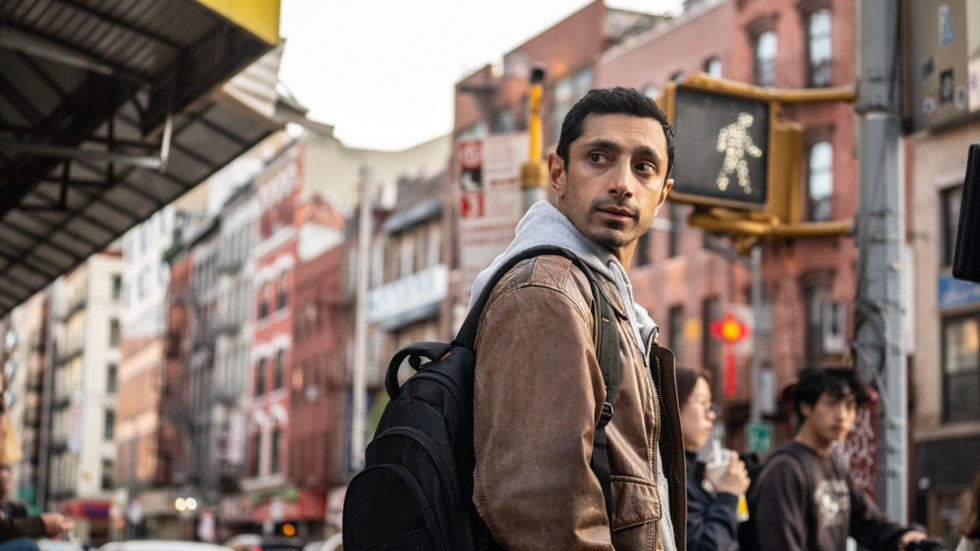
2025 Relay
This is a major winner. Cue the Scorsese meme: Absolute cinema.
2024 No movie watched
2023 Nomovie watched
2022 Zoolander 2 (2016)
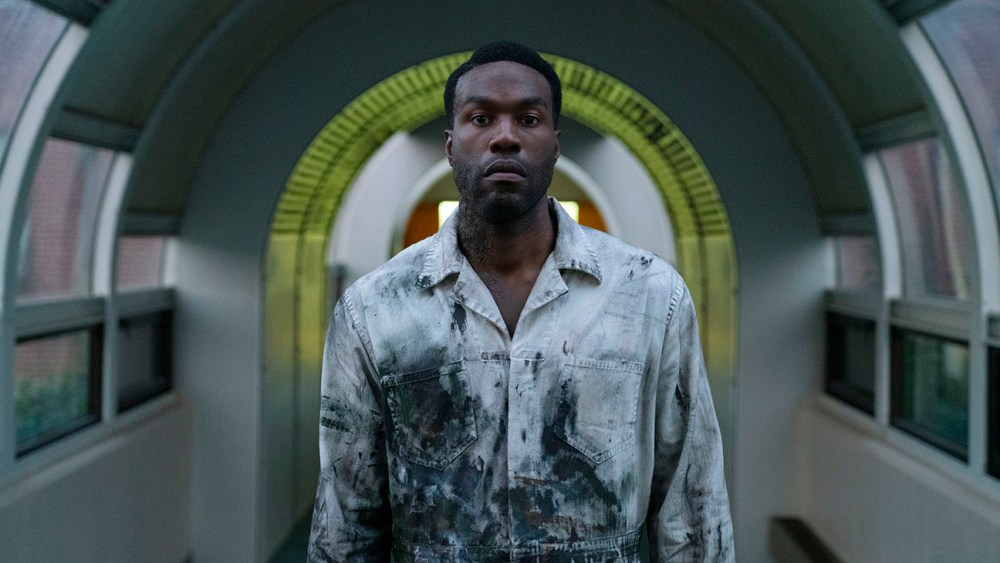
2021 Candyman
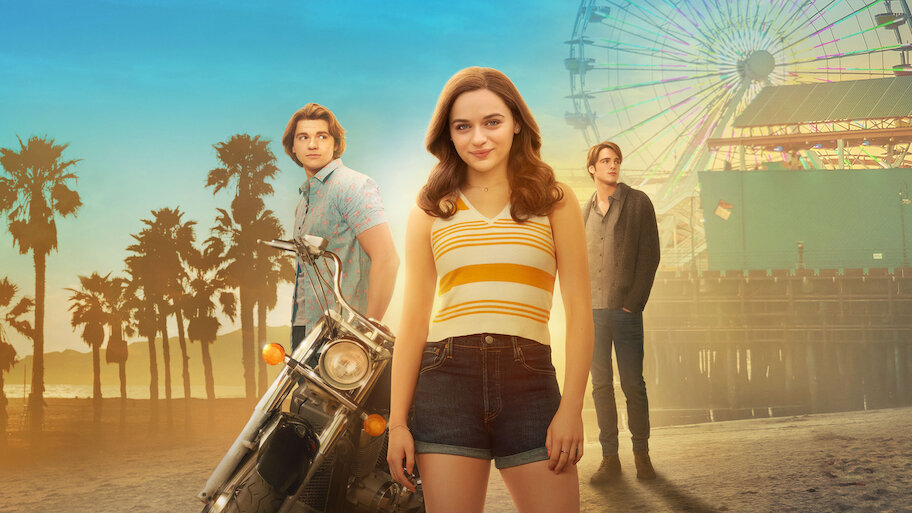
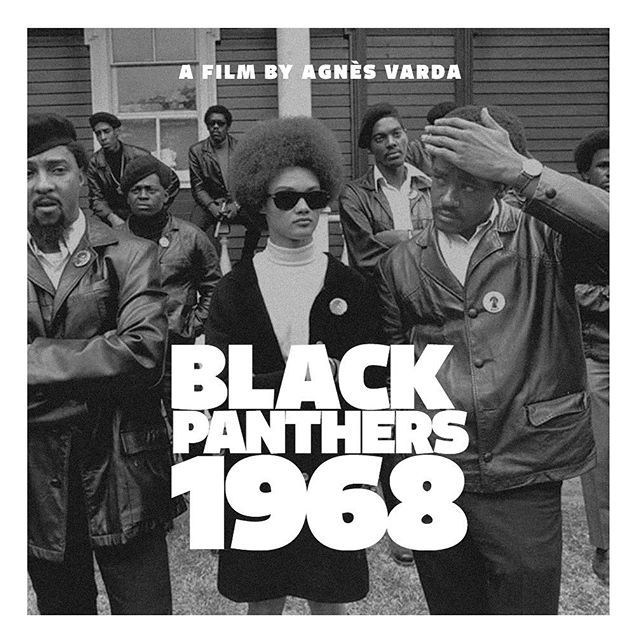
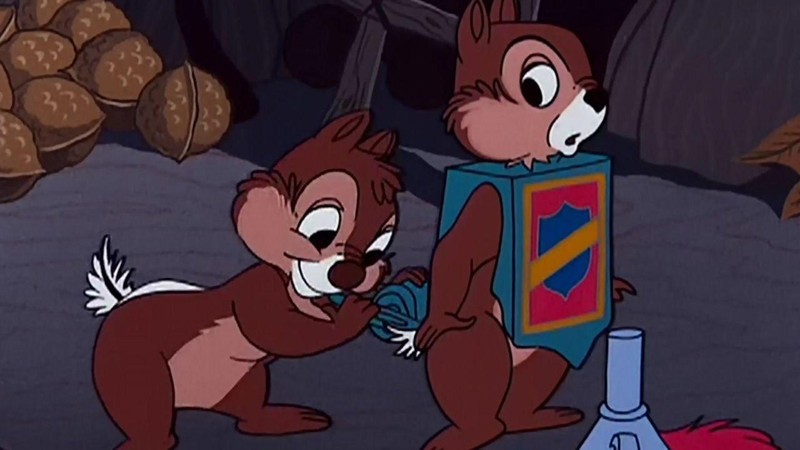
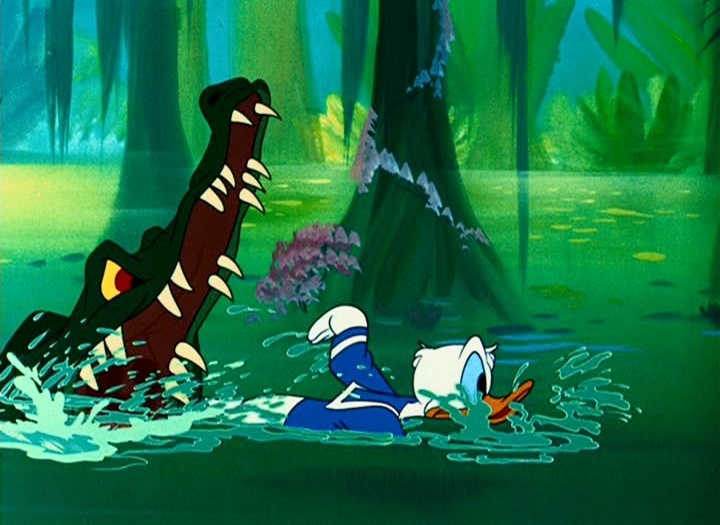
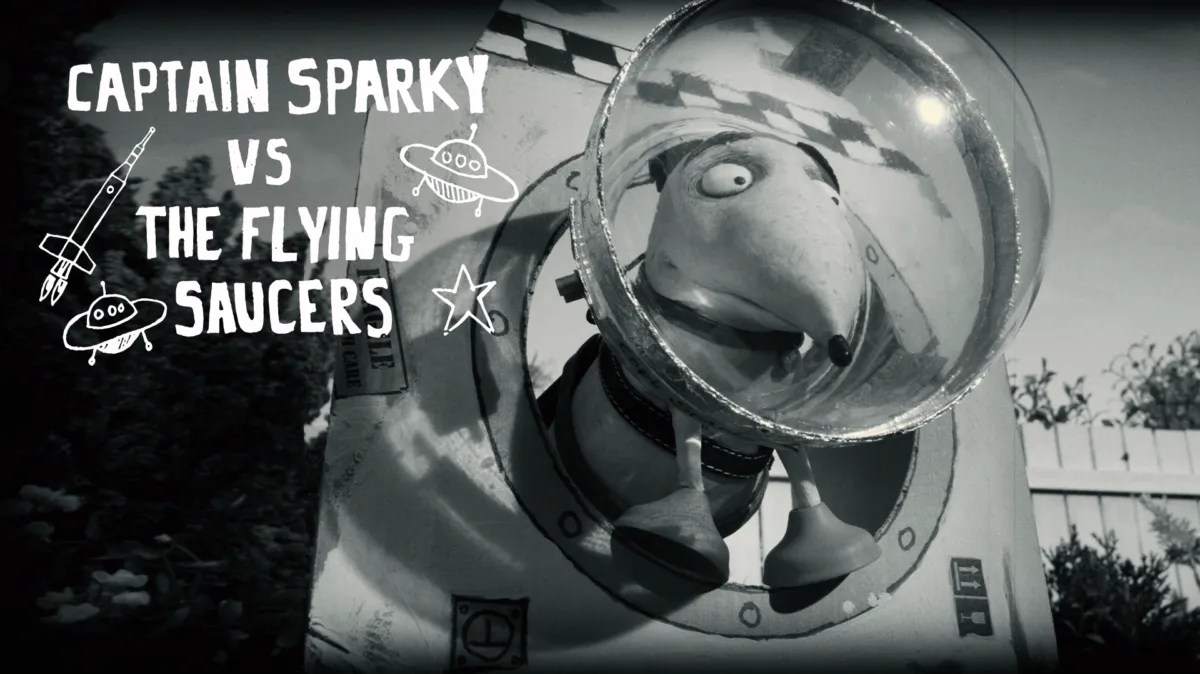
2020 The Kissing Booth 2, Seven Rooms, Kitchen, Bathroom, for Sale (1984), Captain Sparky vs. The Flying Saucers (2013), Dragon Around (1954), Don’s Fountain of Youth (1953) and Black Panthers (1968)
I could’ve had an honorary selection, but then I saw this on the actual day of my birth, and it’s the worst thing I’ve had the displeasure of seeing on this day.
1/10
2011 No movie watched
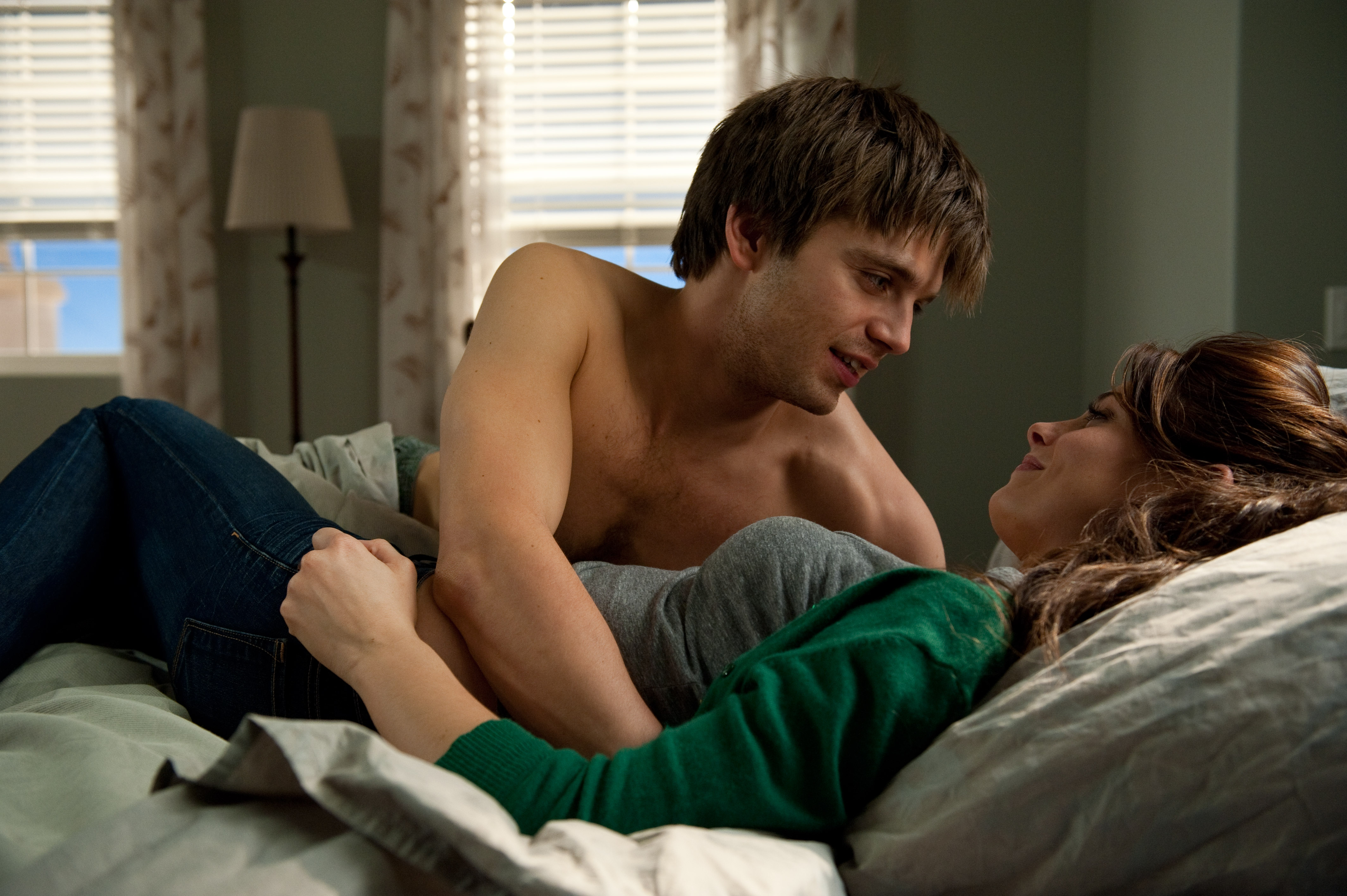
2010 Nanny McPhee Returns
This is yet another one of the rare sequels that is more enjoyable than the original, a fact I elaborated on in my initial review. This was a film that also made a dent in my annual BAM Awards. It continued my tradition of strong films on my birthday.
8/10
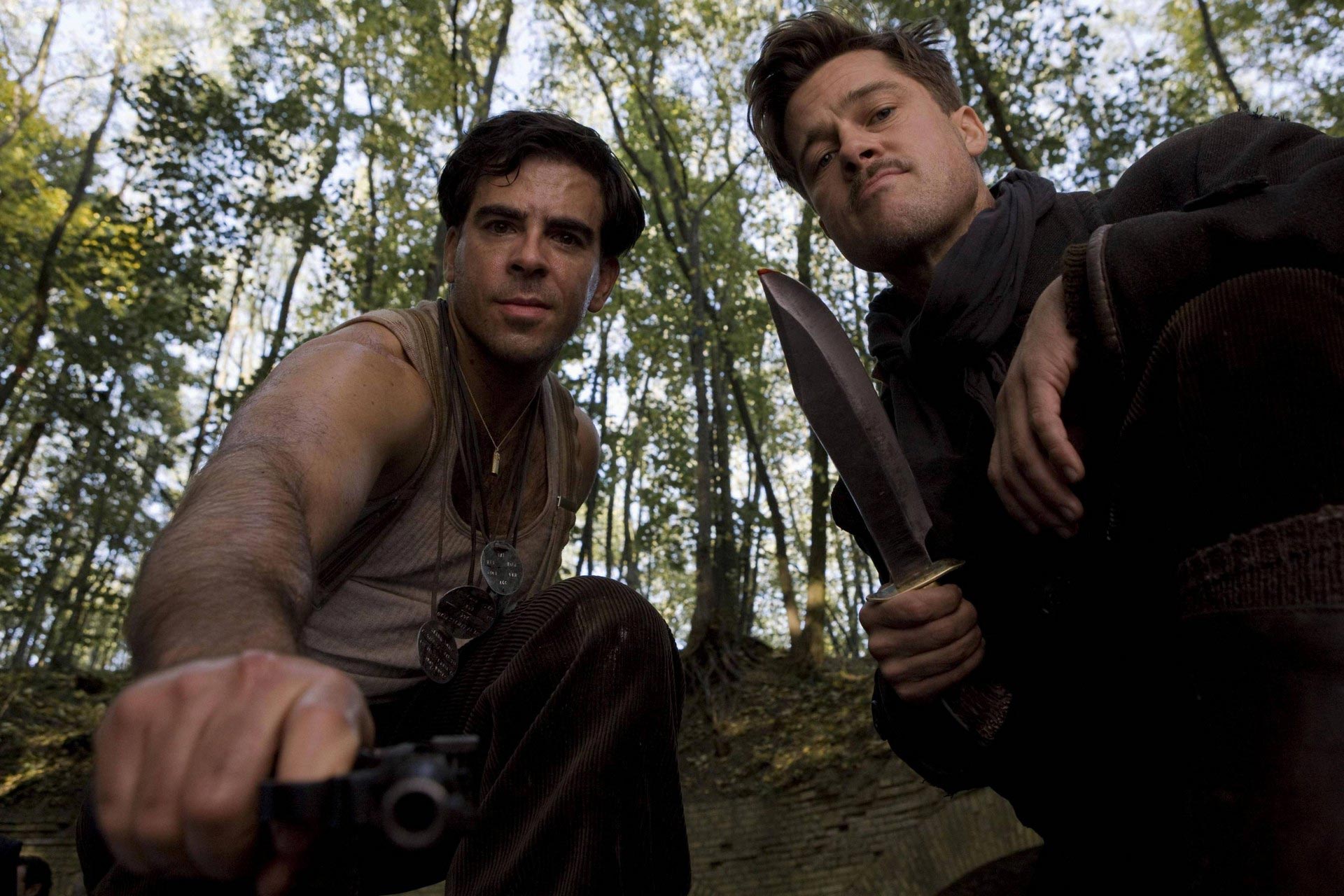
2009 Inglourious Basterds
This is without question the best film of the bunch and went on to quite a few BAM wins including Best Supporting Actor. It is a throughly enjoyable moviegoing experience made more special by knowing the time and place where I saw it.
10/10
2008 No movie watched
2007 Mr. Bean’s Holiday
It seems as if Rowan Atkinson is being true to his word and that this was, and is, Mr. Bean’s swansong and if that is so what a way to go. This movie absolutely cracks me up and not only is everything that Bean should be but also has some cinematic commentary to it. Fantastic stuff and still vastly underrated I feel.
10/10
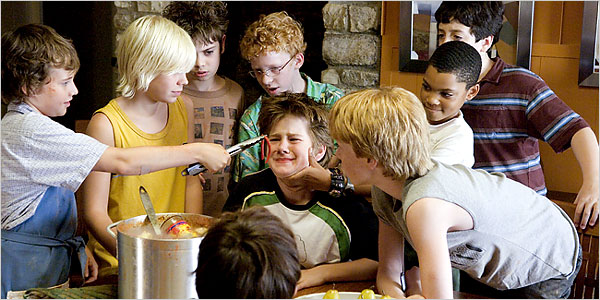
2006 How to Eat Fried Worms
How To Eat Fried Worms is another one I’d put in the underrated category. It embraces a child’s love of the grotesque with unbridled glee yet also tells what could be a very trite tale with enough sincerity to escape the commonplace and be something a bit more.
8/10
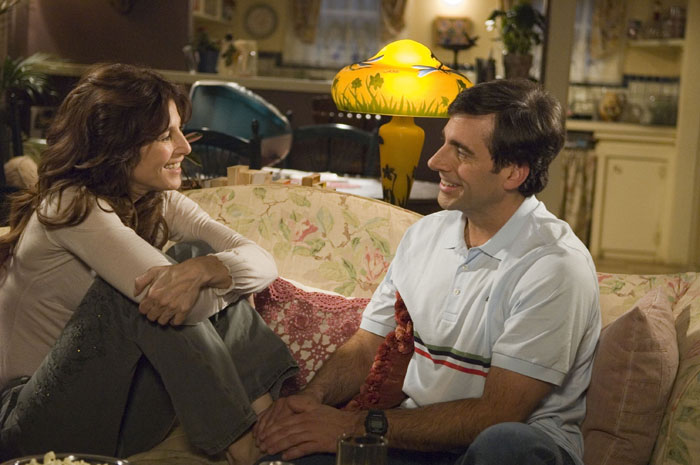
2005 The 40 Year Old Virgin
The 40 Year Old Virgin is one of those movie whose reputation preceeds it when it shouldn’t. It’s not a bad film, it’s not a great film. It’s just fine but is often touted as being much more. While not the prime example it’s in the Judd Apatow mold of not knowing when enough’s enough and it’s also not Carell at his best and I am a big fan.
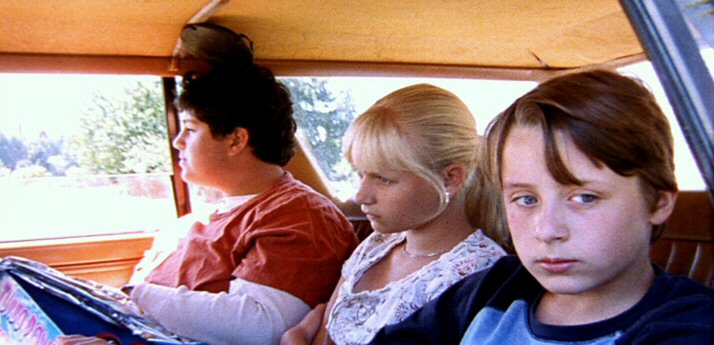
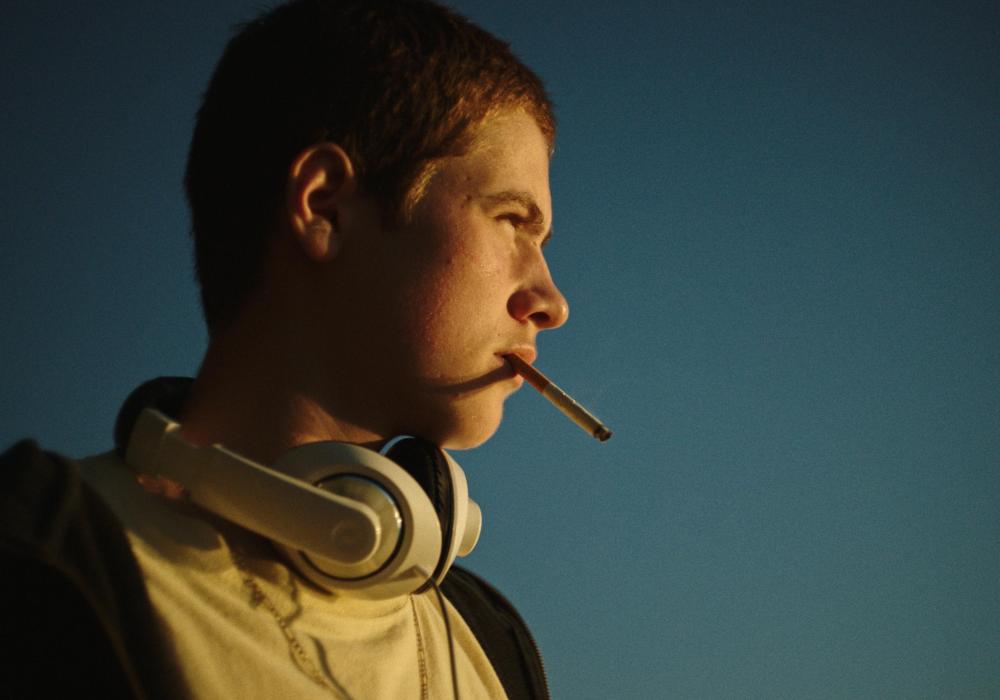
This is a film I included in my favorite films of the decade and clearly it was a BAM winner as Best Picture. It’s a film that not only treats its young cast as real people but also isn’t afraid to make them imperfect in an unsensationalistic way. It’s also a film that with its conclusion is unafraid of embracing ambivalence making the one villainous character more gray than black in the end.
10/10
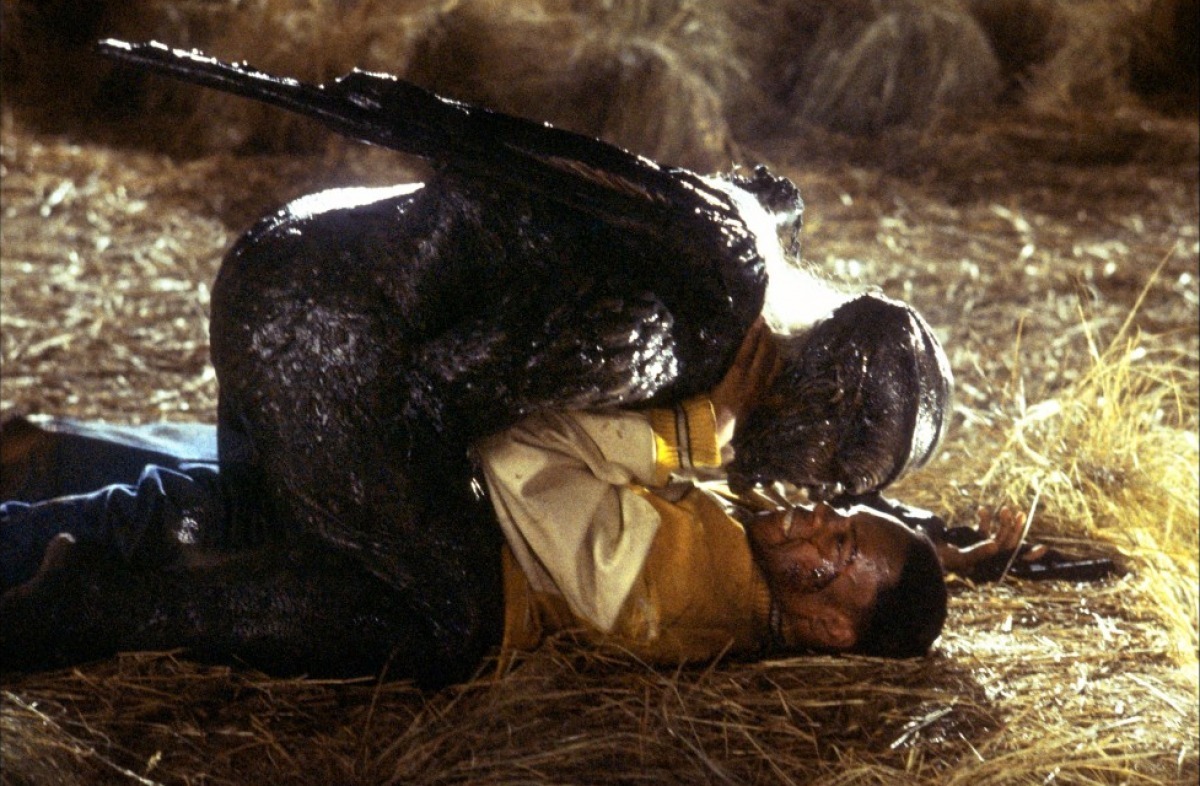
2003 Jeepers Creepers II
Jeepers Creepers is a horror phenomenon I never quite understood. I appreciate what made the original work for people on an intellectual level but did not enjoy it and this one is worse still. It was slim pickings this year and I was better off skipping the cinema.
4/10
2002 No movie watched
2001 No movie watched
2000 No movie watched
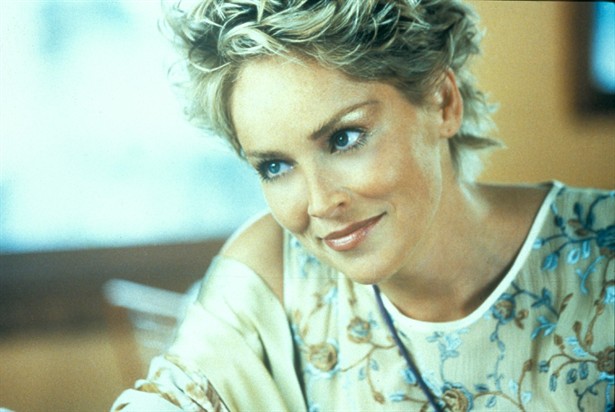
1999 The Muse
It’s most definitely not Albert Brooks at his best it almost seems like a riff on Woody Allen that loses steam but it’s not nearly as bad as the IMDb would have you believe. There was a time where Sharon Stone had a string of tremendous roles. Considering what a minor note it was, you can still get a taste of what she was like at her peak.
7/10
1998 No movie watched
1997 No movie watched
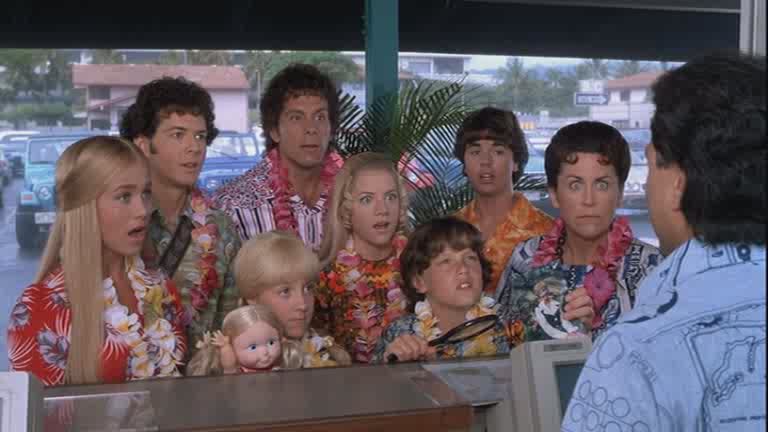
1996 A Very Brady Sequel
This is lovingly satirical adaptation at its finest. It set a precedent that other films have tried to emulate but failed in doing so quite badly. It’s a sequel head-and-shoulders better than its predecessor, compulsively watchable and hilarious stuff.
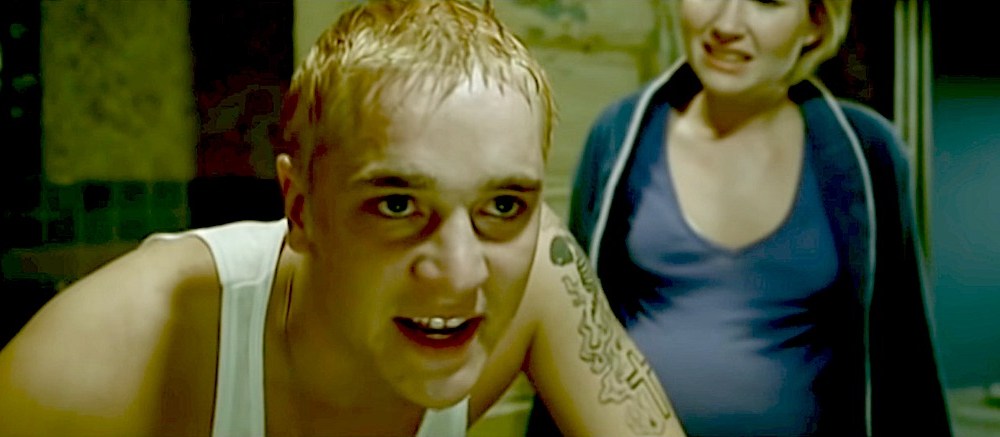
The cultural impact of Eminem’s “Stan” is already indelible what with the word becoming synonymous with obsessive fandom, even being added to the dictionary. However, while that cultural artifact comes from a misapropriation of the intent of the song, the music, lyrics, and video still stand as a tremendous fusion of creative power. One of the rare 21st century tracks to even offer an extended video that expands on the story of the song, and stars Devon Sawa when he was in the midst of making some of his most popular works. Enjoy!
The films I share in my 31 Days of Oscar lists tend to get lost in the shuffle, so I’ll be featuring them on Short Film Saturday to give them their due.
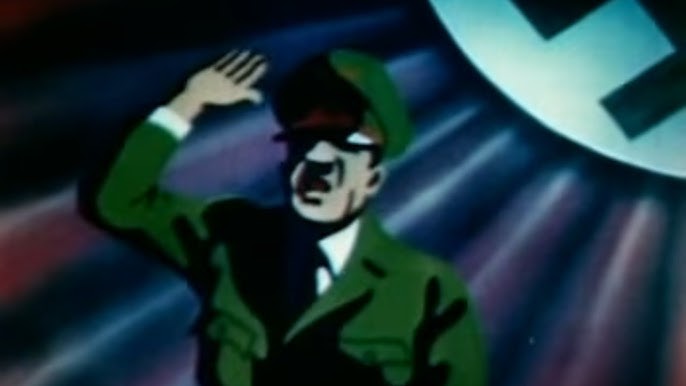
Aside from the stylistic animation choices of the era, this short can apply to many eras of American history.
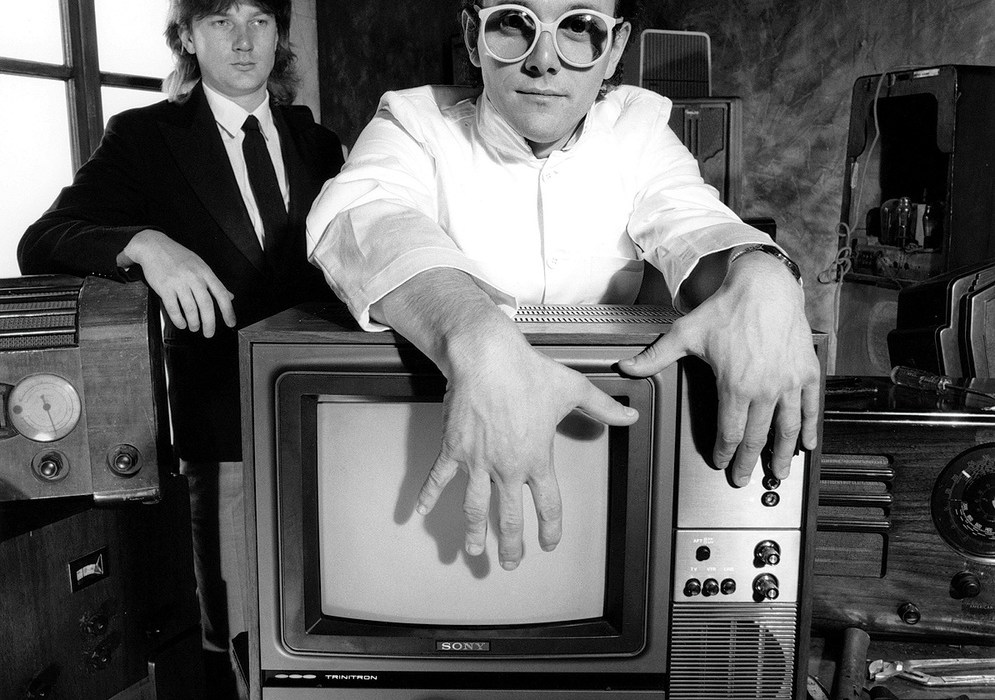
Despite dropping a reference to it in the music video section of my series Once Upon a Time in the 80s, I never featured the first vide MTV ever played in its own post. And that’s rather strange seeing as how “Video Killed the Radio Star” isn’t merely a footnote in musical history but rather prophetic, that and song and images are quite memorable as well. Enjoy!
The films I share in my 31 Days of Oscar lists tend to get lost in the shuffle, so I’ll be featuring them on Short Film Saturday to give them their due. Directed by Vincent-René Lortie Invincible dramatizes a harrowing ripped-from-the-headlines tale in a sensitive, empathetic, and moving way. It’s a film that was most deserving of its nomination, but sadly overlooked in voting. You can watch it below.




 The Movie Rat