Free Movie Friday: Blondie Meets the Boss (1939)

Introduction

I wanted to start this series back in January. Basically, there are a lot of good movies out there that you can watch free and clear. Meaning you don’t have to pay for them and by streaming it free you’re not stealing it because they are in the public domain. Also, in some cases, these films are not all as ancient as copyright laws usually call for.

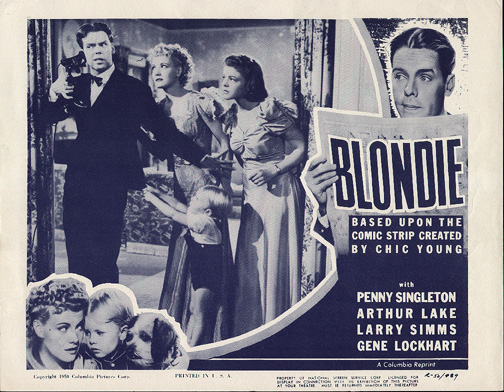
Blondie Meets the Boss (1939)

This is the second film in the series. I posted the first one last week. One of the pivotal characters in this series is Mr. Dithers (Jonathan Hale), Dagwood’s boss, through the zany misunderstandings that ensue he invariably fires, then rehires Dagwood several times and is a great foil and straightman for all the insanity.

Enjoy!

Beach Party Blogathon: Flipper’s Good Ol’ Retcon!

Introduction

Note: There is within a discussion of plot points, which can be considered spoilers.
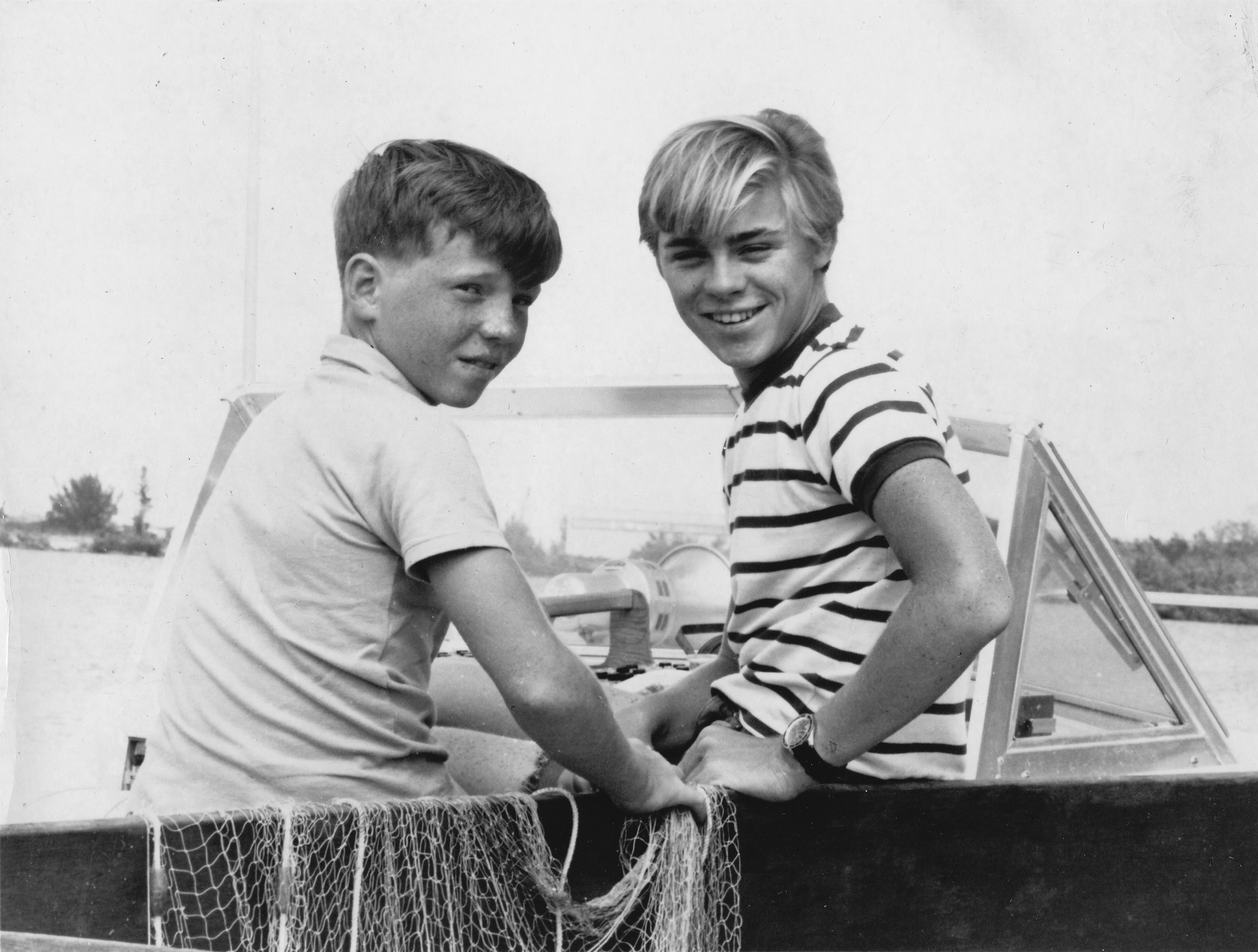
I must say when I offered to cover Flipper (1963) and Flipper’s New Adventure (1964) for the Beach Party Blogathon (co-hosted by Speakeasy and Silver Screenings) I believed that it would only fit the premise in a very superficial way. Neither are a literal beach party movie after all. Yes, there’s water, sand, even a boy named Sandy; but it’s not really about 1960s beach culture. However, there was something that caught me by surprise that does fit very well in the come as you are nature of this blogathon with no assigned days and things like that.

What came to mind to write about was not something one can really only notice by going from the first film to the next film and then into the series. That surprise is the bit of a retcon that occurs in the stories. For the uninitiated this is a phrase that is short for retroactive continuity. What this refers to are story changes in a follow-up that not only add a new wrinkle, but in many ways imply that the current state of affairs has always been true. While either the main term or the abbreviation were vernacular in the 1960s there are citations of this having happened in fiction dating back to the late 19th century with the death, and subsequent return of Sherlock Holmes. More specifically about the term can be found here.

I’m sure at this point you’re saying “That’s fine but what does that have to do with Flipper of all things?” Well, I kind of had to introduce the term in general simply because it seems like something so silly to have happen with as straight-forward a tale as family and their smarter-than-your-average dolphin friend/helper that I kept waiting for simpler explanations for certain things, and usually they didn’t come in overly-diegetic (story-based) ways.

To be clearer I’ll provide some context both with regards to myself, these films, and the show. I’ll begin with a bit of a personal history.

Flipper and Me
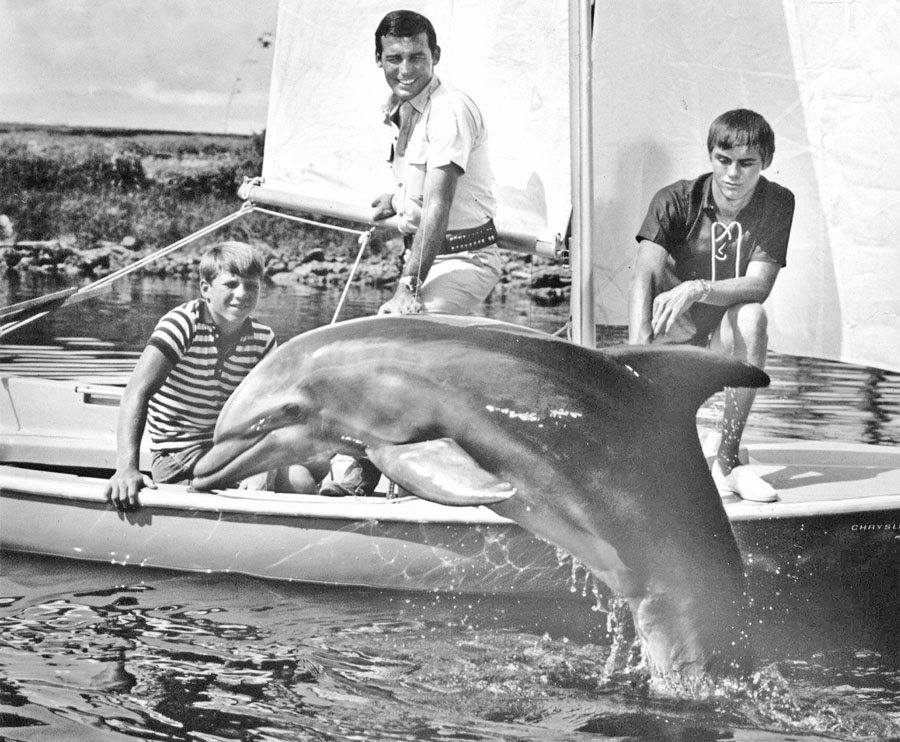
Flipper (1965. MGM)

I saw the TV show first. It was one of many shows I discovered on Nick at Night when young, this fact makes it ideally suited to a true cinematic episodes treatment. Later on, I went to see the movie in the mid-‘90s. Being a fan of both the old show and Elijah Wood, I wasn’t too thrilled with how that movie went down. As cheesy as it can be,  with too much filler at times, I do enjoy it taking it for what it is. Clearly, it’s a concept well-suited for TV and also for kids. You’re living vicariously through Sandy and Bud indulging in what adventures you’d likely have with a dolphin as best friend/pet living on a marine preserve. It has its place and serves its purpose. I say this because I don’t want this piece’s tone misconstrued. I believe in treating all titles seriously but not too seriously. What that means is: sure I’ll talk about narrative liberties taken, while I’m not excusing them entirely, I’m also not yelling “HOW DARE YOU!?” either. The point of demarcation between those two is debatable, and can be discussed elsewhere. Here, I’m just pointing out some interesting things I noticed, this is a beach party after all.

Clearly, the time period accounts for some of these liberties in part. In the 1960s movies and TV were still very much in competition so a network may not have cared to keep continuity, and it could be assumed that you’d never have exactly the same audience for your film and television show. Even if you did, and though things started to go from movies to TV, there wasn’t the interplay then that the two enjoy now, such as when Marvel weaves its universe on big and small screen alike and projects are discussed as having both feature and miniseries components. So there was a clear line of delineation These things may have happened in a movie, but now this is a TV show. Usually these were treated as very different things, not as much here, you’ll see how so soon.

Another example not too long after this is that Maya was a film starring Jay North that was followed up by a one-season series. The series rebooted the story though. In the series Jay’s character in constantly searching for his presumed-dead father, in the movie they are together then separated.

So what are the changes in between these movies, and then leading to the series?

Flipper (1963)
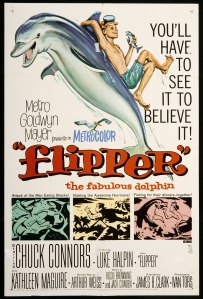
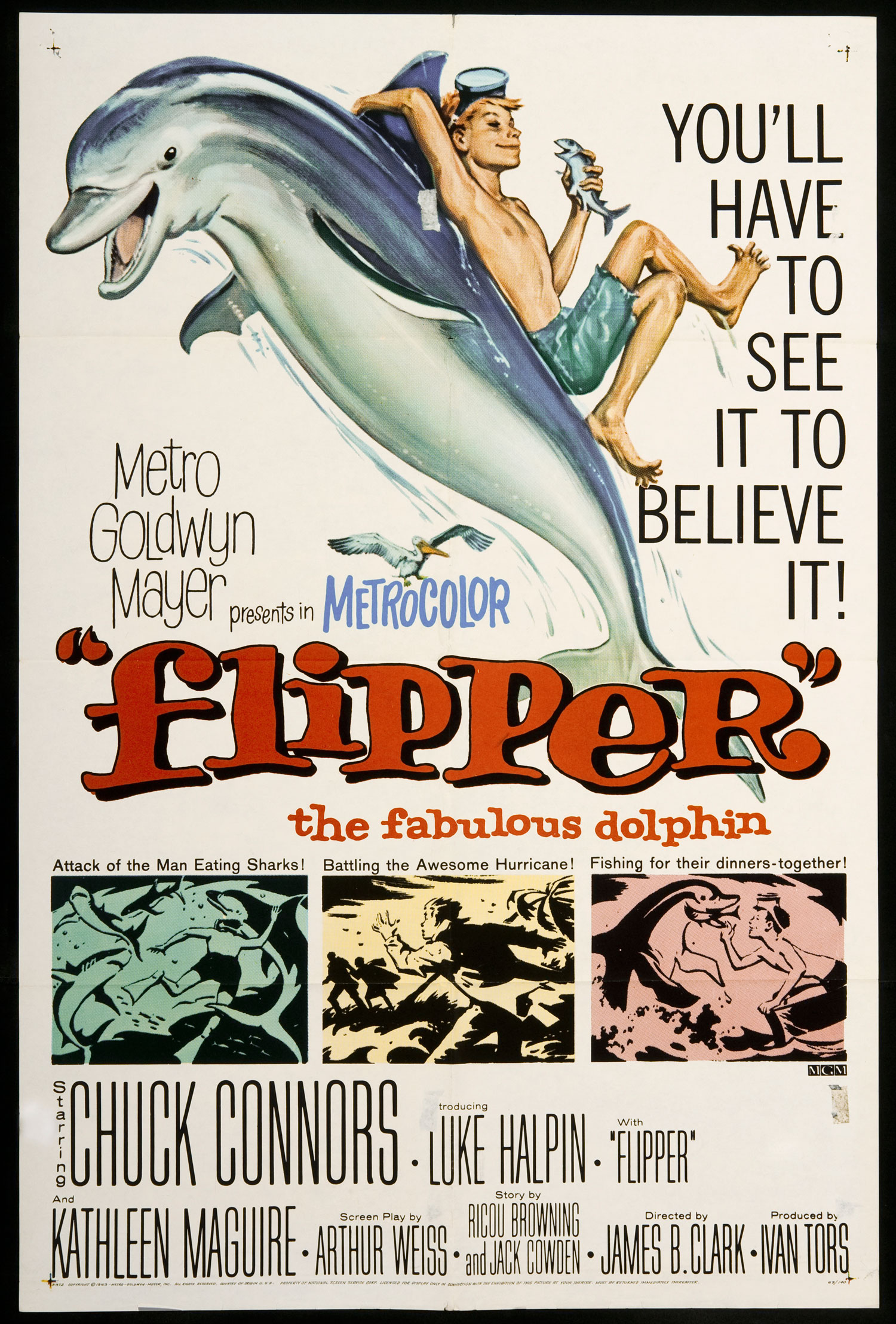
Flipper_1963_movie_poster

What Flipper ends up being is a boy-and-his-dolphin movie, as opposed to a boy and his dog.

The synopsis as seen on the IMDb appears as follows:

Sandy is distraught when, having saved Flipper by pulling out a spear, his father insists the dolphin be released. A grateful Flipper, however, returns the favor when Sandy is threatened by Sharks.

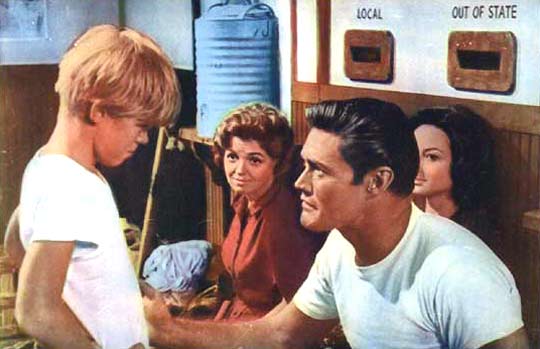
There’s some left out, some glossed over, but that’s the bones of it. It starts with a storm rolling in, a struggle to bear the brunt, then in recovery Flipper acts as the impetus for Act II. Flipper distracts Sandy and keeps him from his chores as his father’s away seeking a neighbor set adrift during the storm. There’s the classic father-son struggle about responsibilities. Needless to say its a little surprising to see Chuck Connors in this film lending name recognition as well as being a stern, but not overly-stoic when it matters, father.
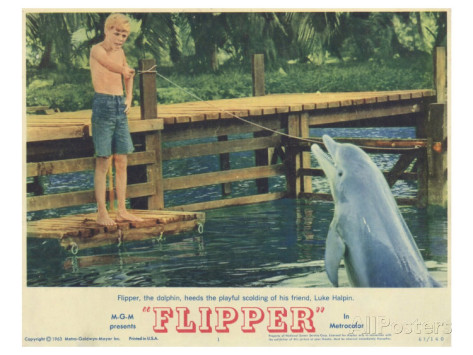
Flipper (1963, MGM)

In one regard it acts as the origin of how Sandy and Flipper meet, how Flipper becomes his de facto despite the fact in most regards Flipper is not really held captive. In a rather forward-thinking way he’s only really penned when injured and a short while after that. Beyond that her stays fairly free-roaming and seems to seek human companionship almost more than they seek him.

Flipper’s New Adventure (1964)
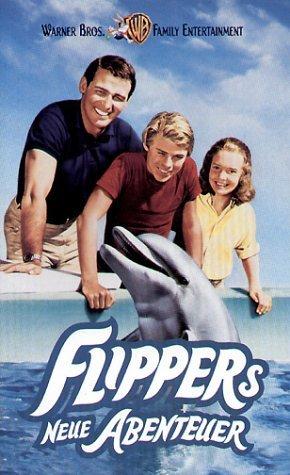
Flipper's New Adventure (1964, MGM)

With a second film is where things either become established parts of mythology or start to shift almost uncontrollably. The theme song, which debuted in the first film, here returns. (it was altered for season two). More original songs, that are about as forgettable and maybe worse, than the additional tunes in the first film come along for the fun too.

The next few changes are a combination or writing and casting concerns.

Kathleen Maguire, who played Martha Ricks, does not return. Instead of recasting her, as they did with Porter Ricks replacing Chuck Connors with Brian Kelly, who would proceed to the television show in in the role; she was written out of the story having tragically and inexplicably died (at least at this point) between the end of the first film and beginning of this one.

Flipper's New Adventure (1964. MGM)

Granted recasting will never be addressed with dialogue like “My father what strange plastic surgery you’ve had,” unless the intent is highly farcical. Deaths of parents were intimated, but not as often seen or discussed in children’s fare in earlier eras. This is just one reason Bambi stands out. However, it’s fairly rare for such a thing to occur between films.

Usually the writing accommodates a higher focus on one character through casting concerns by having that focus be integral. Both films in essence represent a coming-of-age or milestone for Sandy. In the first film he’s finding a pet and learning to care for it and balance his responsibilities. In the next film his father is again away through much of it; this time studying to be a Ranger, feeling a change is needed to be able to support his son. This allows the focus to be more on Sandy again as well as to distract the audience from the new actor playing Porter Ricks and making the change easier since it’s a small dosage. Sandy’s maturation here comes in helping a stranded family who are separated from their father, who was taken hostage on his own boat by escaped convicts. This allows him to see a family come together in real crisis and he copes with balancing wanting to help them and wanting not to be found himself. Clearly, he makes mistakes along the way but eventually does what he can to help with Flipper’s help.

All’s well that ends well here…

Television Series (1964-1967)
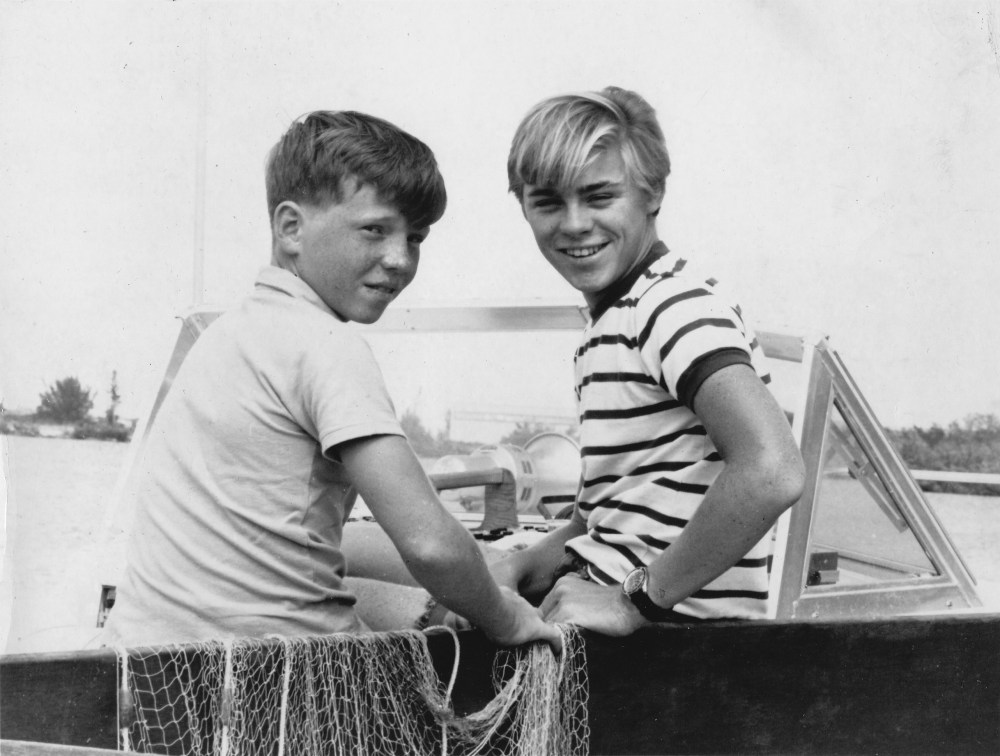
Flipper (1965, MGM)

Now, as of the last film things are set perfectly in place for an episodic run: Porter Ricks (still Brian Kelly) is now a full-fledged ranger assigned to Coral Key Park and Marine Preserve, he’s going to live there with his son Sandy (still Luke Halpin), Flipper is going there too after getting a clean bill of health. A single-father, a kid, an animal usually quicker on the uptake than human characters, all kinds of nefarious types doing who knows what on the waterways, threats to Flipper, threats to the main characters; plenty of fodder for show, sure. With frequent quests, guests, and usually minimal cutting to a B-plot from the A-Plot, or at the very least the B-plot wasn’t usually as detached from the A- as it is say on some sitcoms. So what’s missing?

Well, what if Sandy had a brother? Where’s Bud you say? Well, that’s what I was wondering as I had never seen these movies. I quickly got the feeling that Bud was quickly going to be the biggest, truest retcon in the series going from films to TV.

Any show will add supporting characters later that make their presence known. The beginning of season two establishes that Ulla (Ulla Störmstedt) will be “around all summer,” but a second sibling invariably adds potential conflict and plot-lines: differing ages and interests, sibling rivalry, different interactions, etc. That’s all well and good, especially considering that each episode of Flipper has a tendency to be so self-contained such that their order rarely matters; in fact, the episode shot as the pilot aired third after the show was picked up. However, you must accept that Bud (Tommy Norden) just exists there as Sandy’s younger brother with no precedent whatsoever. He was always there, he lost his mother too, he was just never seen before.

Conclusion
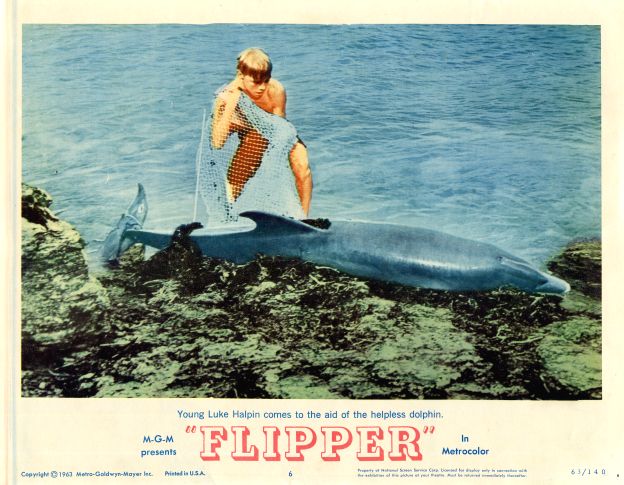
Flipper (1963, MGM)

As I mention above this is only really a concern if you’re going from one to another to another expecting seamless continuity. Being such a simple story I have to say, why wouldn’t I? However, I do say that for as much stasis as the show seemed to thrive on, being far more interested in situations for its characters to be in than in developing them; the films proved a pleasant surprise in those regards. Each had a sort of evolution from an unexpected kinds of adventure tale, to a quieter conflict and narrative demands. Sure, there are escaped convicts and a kidnapping plot and your usual action beats, but both have their smaller times as well as bigger character moments, which are an interesting contrast. It’s the movies that make Halpin’s theatre background and his appearance in Waiting for Godot on Play of the Week in 1961, which surprised me when I saw it on the IMDb, seem like less of an outlier.

Retcons aren’t new, nor are they necessarily going away, though they are certainly less than desirable. The invention of a character from one project to the next, especially when they were shot so close to one another that even some of the costuming is the same, is kind of crazy. Having said that the show would’ve had more struggles with fewer main characters, I just wish more thought had been give to how to introduce Bud. Regardless, it contributes a final odd chapter to the way these tales morphed from the silver to small screen that I thought was noteworthy.

Review: Kick It

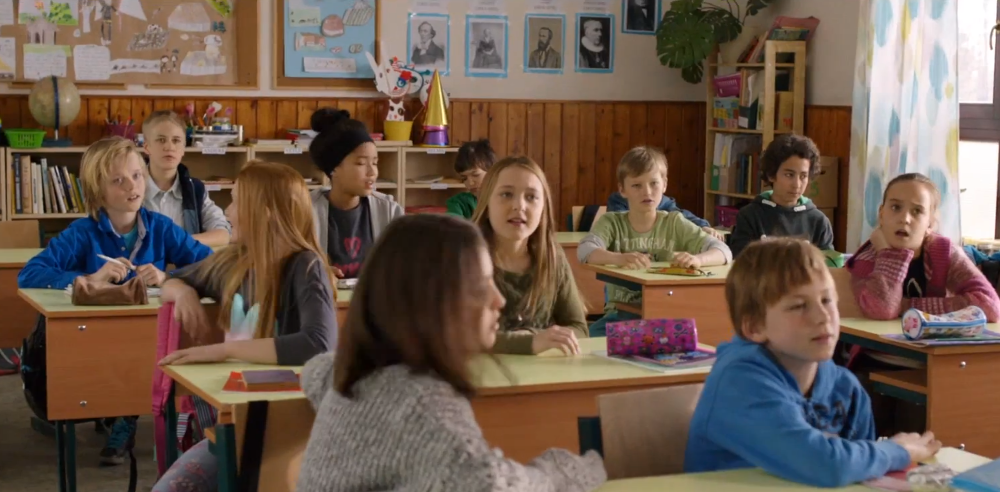
Here you have what is ostensibly a sports movie, as tends to be the case the best one’s aren’t inherently about the sport at all. Kick It would definitely qualify and it bears mentioning since the English title would lead you to believe its your run-of-the-mill sports film as opposed to well-crafted, superbly acted, and emotionally rendered drama focused on kids. The title of the original Dutch film, and this one in its native Norwegian, give you a bit more of an indicator of what you’re in for: Cool Kids Don’t Cry.

To know more specifically what you’re in for here is the official synopsis:

Kick it! Tells the story of Anja, a spirited young girl who loves soccer, even when her classmate Jonas thinks soccer is not for girls. Anja uses her humor to deal with Jonas’ bullying, not knowing that behind his hostility hides a boy who is in love with her. When Anja is diagnosed with leukemia, she remains optimistic and full of energy. She even continues interfering with the school soccer tournament while she is in hospital. When Anja is no longer able to participate in the tournament, Jonas comes up with a really special plan.

As becomes a pattern when you see enough foreign-language youth-geared films there is far more realism and less sugar-coating with subject matter just because children are involved in the project, or the intended audience. The film does very well to balance and appropriate level of seriousness with occasional comedic relief, and other emotions as appropriate through the different subplots.

One of these subplots are the actual dueling love stories. Anja (Mia Helene Solberg Brekke) has Lars (Ulrik William Græsli) who carries a torch for her, as her love/hate with Jonas (Victor Papadopoulos Jacobsen) moves toward the latter the arcs of both relationships is deftly handled. Surely, the change in emotions the two have becomes apparent but the progression is natural, and Lars’ being overlooked as a romantic option doesn’t go the conventional anger/bitter route and they remain good friends to one another. Sure, these characters are younger, it’s puppy love, but the complication of a love interest in a film whose main focus is not romance can be a hurdle either to trip a film up or that can be surpassed. Here it is clearly surpassed, and in a natural, organic, wholly satisfactory way.

Not shying away from things and refusing to treat difficult subject matters superficially puts a huge onus on the young actors of a film and the main foursome Brekke, Græsli, Jacobsen and Sigrid Welde (Anja’s other best friend, Lisa) are wholly up to the task. There is a general sincerity about all the interactions the children have with one another whether combative, friendly, supportive, or romantic that really drives home the emotion. This truth is not only evident in the scenes where the children interact with one another but also when Anja is dealing with adults, namely her parents and doctor.

This film is heartfelt, sincere, moving and beautifully done regardless for the emotion the film is striving for. It’s not a wonder that the book upon which this story is based is so popular, and that it’s already yielded two film versions. This film will have you chuckle, and also pull at your heartstrings but in a way that’s wholly intrinsic to the film and not in due in large part to manipulation. A truly excellent film.

10/10

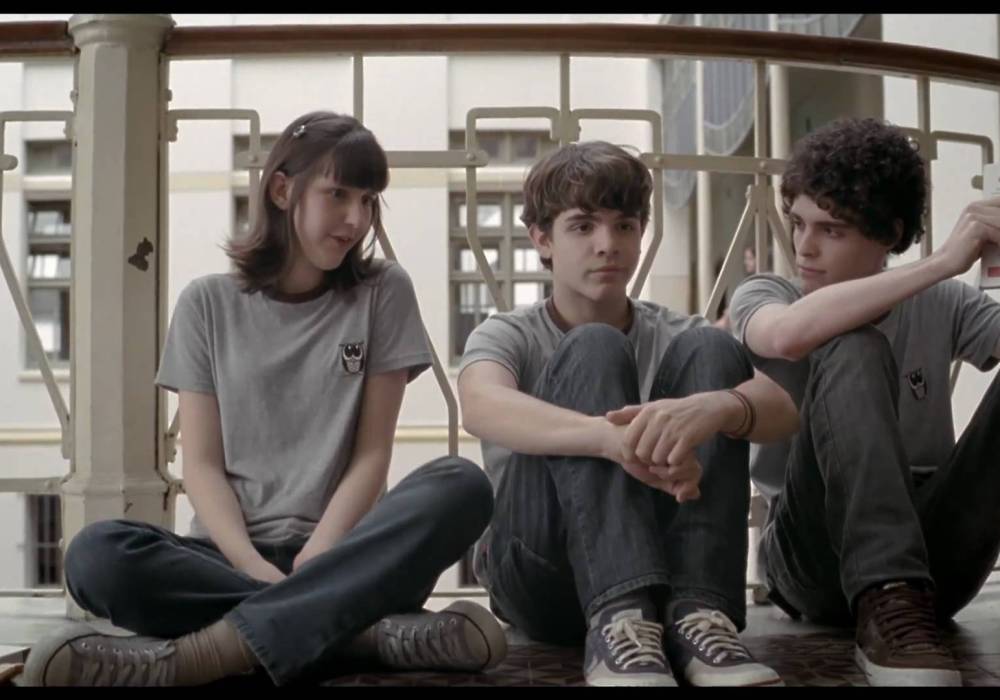
Short Film Saturday: Hoje Eu Não Quero Voltar Sozinho (VIDEO – Subtitled)

Being June now the shorts will be fitting for LGBT Pride month and if you read the blog regularly the first selection will not be that surprising.

This short eventually was expanded into last year’s BAM Award Winner for Best Picture, Best Foreign Film and Best Director, titled in English The Way He Looks.

As fate would have it I saw the feature first, but having seen them both I can assure you there are surprises in store for those who have seen either of the two. The longer version adds conflicts, expands on themes and has a few different surprises in store. Whereas there are some different surprises here.

Click the “CC” icon for myriad subtitle options.

Free Movie Friday: Blondie (1938)

Introduction

I wanted to start this series back in January. Basically, there are a lot of good movies out there that you can watch free and clear. Meaning you don’t have to pay for them and by streaming it free you’re not stealing it because they are in the public domain. Also, in some cases, these films are not all as ancient as copyright laws usually call for.

Blondie (1938)

Firstly, anyone lamenting that sequels are “ruining movies” today, this is one of the easiest examples to cite proving that everything old is new again, meaning sequels are not a modern scourge. There were about 25 of these films released over a thirteen year period. Also worth noting is that long before the Harry Potter films Larry Simms grew up on film – at least in real life if not so much as Baby Dumpling.

I finally started watching a box set of these short, easy-viewing comedies this year. They are in the public domain, readily available and usually quite enjoyable even if the formula has few variables. The series may bolster this section for quite some time as the completist in me does want to get through all of them.

On a personal note, it’s most compelling to me because I recall Blondie in the Sunday comics when I was very young. I always read it, as I did most things on the page, and I guess I never enjoyed it per se due to my youth and the dated nature they had at the time. A similar example on the comics page for years was my not getting or liking Doonesbury reading it anyway.  Doonesbury I still don’t care for, but I have come to an appreciation of Blondie through these films mainly due to Arthur Lake and Penny Singleton’s characterization which I never would have read into the panels.

Enjoy!

Review: Outlaw League

The sports film, it would seem, is one of the subgenres that’s most constrained by its tropes in all of cinema. Usually, a lot of hinges on the result of the game or a season. As there are only so many ways an athletic event can end that’s where the limitation of options begins. Things get a bit more unique when the competition, and the result thereof, are an afterthought and not the biggest thing.

The synopsis as provided by Attraction Distribution is as follows:

Nicolas, 12 years old, son and grandson of fishermen, lives alone with his mother in a village overlooking the sea. A terrible storm snatched his dad a few earlier. Summer vacation is the chance for Nicolas to resume his greatest pleasure: playing baseball with his friends. But a major obstacle greets the kids who assemble at the village baseball field: the town council has decided to convert the field into a municipal dump. With Nicolas as their leader, the village kids will resist the mayor’s machinations with ferocity and, to their surprise, they will receive the support of Nicolas’ grandfather and his old buddies.

In this guise the film is really as simplified as it could get: it’s really only about playing for the love of the game and that becomes paramount. The game that the kids have to win just becomes a means to an end. It’s about them being allowed to be played, satisfying the need the kids have while satisfying the adult concerns with the well-being of the town. This simplicity is enviable inasmuch as it strips most of the sports film encumbrances out of the the film.

The issues only come in to play because there’s not much else brought into it to fill the void that those clichés usually occupy. In fact, aside from the main conflict (finding a suitable playing field and being allowed to play) there’s really only one subplot that ends up being significant: Nicholas’ relationship with his grandfather and mending fences in the family he has left. The amassing of the few new friends is treated by the film as little more token scenes needed to round-out a starting nine.

With an uncomplicated plot, and a short running time, one would hope that the film would move briskly but it doesn’t so much. The film does end up feeling a bit longer than it really does. The must-win game being introduced late is good but it is rendered anticlimactic by its treatment.

The film has its enjoyable qualities, Nicholas’ relationship with his Grandfather, Nicholas’ imaginary conversations with his father, and the performance by André Kasper as the young lead.

If one is a huge baseball fan it’s definitely worth looking into, children who may not be as discerning, and can also deal with some adult themes can find enjoyment in it. The simplicity of the film could’ve yielded more but it is a fairly realistic treatment of young characters and love for sport that would likely find an audience.

5/10

Review: T.I.M (a.k.a The Incredible Machine)

In media res, is one of those phrases that is bandied about, at times a bit haphazardly. Such that it has become cliché inasmuch as we don’t really consider its true meaning at times and the functionality this technique can have. Beginning in the middle of things, which is what in media res translates to, factors into this story about T.I.M. is set in the future, in a world where personalized robots have become commonplace and Tibor (Dyon Wilkens) and his father (Bas Keijzer) have one that is a relic among many generations of newer better android assistants. However, these are things that we as an audience infer as the movie travels along a bit. It is not something handed to us via voice-over or other forced exposition. These facts are a given combined with an in media res beginning quickly tip you off, again subtly, that this movie is more concerned with other things than the robot and the sci-fi elements of the story.

At the heart of the story is a lonely, socially maladjusted Tibor; his struggling, verklempt father Arend; and a journey to try and find the man who built T.I.M. in the first place to try and fix him, holding on to him rather than having to part with him. Taking into account the fact that Tibor lost his mother when he was young the quest to get T.I.M. fixed takes on a thin veil masking the desire he has to keep some semblance of his mother’s memory alive.

Yet simultaneously the film also builds in and addresses Tibor’s struggle to relate to his peers as his pain and isolation have made him unable to relate to those around him. Readily confessing that T.I.M is his only friend, he faces challenges in owning up to his shortcomings, learning to trust, communicate, as well as the meaning of friendship.

Most of that learning how to have a friend is personified in the hot-and-cold relationship he has with Kiki (Claudia Kanne) as she helps him along his path to where he thinks he’ll find answers. He does just not in the way it was expected.

What’s loveliest about this film is that while all this is readily apparent it never hits you over the head, and it is still as enjoyable on the surface as it is in its subtext. The film balances emotions well, it keeps some humor in, there is a bittersweet nature to it, some sadness, and surpassing beauty to it all.

It’s a lustrously shot film with an enchanting score that closes its circle well and leaves the characters in a great place, so much so that you enjoy the journey as much as the destination. The film moves briskly apace and is entertaining throughout and can be enjoyed equally by audiences of all ages.

The irony that at times the best examinations of humanity are made when contrasting us to artificial intelligence is not lost on filmmakers. The motif still appears to be fertile ground yielding much fruit, this is just the latest in a long line of great films to prove that point. Exactingly done and precisely performed, it’s an enrapturing experience that should be sought out.

10/10

Mini-Review: The Famous Five 4 (Fünf Freunde 4)

As mentioned in my review of the most recent film of this series, learning of the existence of this long-running book-series and subsequent frequent television and cinematic adaptations was rather a revelation. When all is said and done for those unfamiliar with the stories one could look at them kind of like The Hardy Boys plus a pair of Nancy Drews, one a tomboy and one not, with a resourceful Lassie-like dog rounding out the quintet.

Considering that that this is fourth in a series you immediately run in to one positive and one negative: first, as its clear the actors have aged and matured their storylines and characters have as well. The makers of this series rather than recasting their talented bunch have remained realistic avoiding one pitfall the book series seems to have embodied per J.K. Rowling when previewing further Potter books “in book four the hormones are going to kick in – I don’t want him stuck in a state of permanent pre-pubescence like poor Julian in the Famous Five!”

However, the comments on the book series that seem to have come to roost are those about recycled plots and structures. More so than any other film in this series this film seems to most transparently telegraph the very thinly-veiled ulterior motives of characters leaving far fewer surprises in store for the viewer if any. Taking the story to Egypt can add a lot of intrigue and raise stakes but there is little of that and not much overly-unique in the premise here.

Not that this was ever a series that reinvented the wheel but so much of this particular installment on the face of it seemed derivative of other works or redressed self-cannibalized plot points from the past. It doesn’t even move quite as well as the prior installments.

The constants are there, the kids are all right, and there is another very capable new kid on the block (Omid Memar) joins the fray. It’s a film that could be viewed out of continuity if you wanted to, but I’d not recommend it. If interested get to the start of the series, die hards only need apply here.

4/10

2015 BAM Award Considerations – May

It seems that awards season on this blog just ended, however, assembling those nominees is a year-long process. So the cycle begins anew with posts at the end of the month and master lists offline in preparation for the big dates of the award’s calendar year. A collection of most, if not all titles viewed, can be seen on my Letterboxd.

Eligible Titles

Avengers: Age of Ultron
Charlie’s Country
Mad Max: Fury Road
Hot Pursuit
Cupcakes
Girlhood
The Famous Five 4
The Outlaw League
Poltergeist
Tomorrowland
T.I.M.
Big In Japan
Kick It (Cool Kids Don’t Cry)
San Andreas
Midnight Sun

Best Picture


Charlie’s Country
Mad Max: Fury Road
T.I.M.
Kick It (Cool Kids Don’t Cry)

Best Foreign Film


Cupcakes
Girlhood
The Famous Five 4
The Outlaw League
T.I.M.
Kick It (Cool Kids Don’t Cry)
San Andreas

Best Documentary


Most Overlooked Picture

As intimated in my Most Underrated announcement this year, I’ve decided to make a change here. Rather than get caught up in me vs. the world nonsense and what a film’s rating is on an aggregate site, the IMDb or anywhere else, I want to champion smaller, lesser-known films. In 2011 with the selection of Toast this move was really in the offing. The nominees from this past year echo that fact. So here, regardless of how well-received something is by those who’ve seen it, I’ll be championing indies and foreign films, and the occasional financial flop from a bigger entity.


Charlie’s Country
The Outlaw League
T.I.M.
Big In Japan
Kick It (Cool Kids Don’t Cry)
Midnight Sun

Best Director


Charlie’s Country
Mad Max: Fury Road
Hot Pursuit
T.I.M.
Kick It (Cool Kids Don’t Cry)

Best Actress

Charlize Theron Mad Max: Fury Road
Reese Witherspoon Hot Pursuit
Britt Robertson Tomorrowland

Best Actor
David Gulpilil Charlie’s Country
Tom Hardy Mad Max: Fury Road
George Clooney Tomorrowland

Best Supporting Actress
Sofia Vergara Hot Pursuit

Best Supporting Actor
Jeppe Beck Laursen Kick It (Cool Kids Don’t Cry)

Best Performance by a Young Actress in a Leading Role

Karidja Touré Girlhood
Valeria Eisenbart The Famous Five 4
Raffey Cassidy Tomorrowland
Mia Helene Solberg Brekke Kick It (Cool Kids Don’t Cry)

Best Performance by a Young Actor in a Leading Role

Justus Schlingensiepen The Famous Five 4
André Kasper Kolstad The Outlaw League
Dyon Wilkens T.I.M.
Victor Papadopoulos Kick It (Cool Kids Don’t Cry)
Dakota Goyo Midnight Sun

Best Performance by a Young Actress in a Supporting Role

Neele-Marie Nickel The Famous Five 4
Claudia Kanne T.I.M.

Best Performance by a Young Actor in a Supporting Role

Quirrin Oettl The Famous Five 4
Kyle Catlett Poltergeist
Thomas Robinson Tomorrowland

Pierce Gagnon Tomorrowland
William Ulrik Græsli Kick It (Cool Kids Don’t Cry)
Art Parkinson San Andreas

Best Cast

Avengers: Age of Ultron
Mad Max: Fury Road
Tomorrowland
T.I.M.
Kick It (Cool Kids Don’t Cry)

Best Youth Ensemble


The Famous Five 4
The Outlaw League
Kick It (Cool Kids Don’t Cry)

Best Original Screenplay


Charlie’s Country
Mad Max: Fury Road
T.I.M.

Best Adapted Screenplay

Avengers: Age of Ultron
Tomorrowland

Best Score


Charlie’s Country
Mad Max: Fury Road
T.I.M.
Big In Japan
Kick It (Cool Kids Don’t Cry)

Best Editing


Charlie’s Country
Mad Max: Fury Road
Tomorrowland
T.I.M.
Kick It (Cool Kids Don’t Cry)

Best Sound Editing/Mixing

Avengers: Age of Ultron
Mad Max: Fury Road
Tomorrowland
T.I.M.
San Andreas

Best Cinematography


Mad Max: Fury Road
T.I.M.
Midnight Sun

Best Art Direction

Avengers: Age of Ultron
Charlie’s Country
Mad Max: Fury Road
Tomorrowland
T.I.M.

Best Costume Design

Avengers: Age of Ultron
Mad Max: Fury Road
Cupcakes
Girlhood
Tomorrowland

Best Makeup

Avengers: Age of Ultron
Mad Max: Fury Road
Midnight Sun

Best Visual Effects

Avengers: Age of Ultron
Mad Max: Fury Road
Tomorrowland
T.I.M.

Best (Original) Song


Mad Max: Fury Road
Cupcakes
Tomorrowland
T.I.M.
Big In Japan

I commented last year that there was a film that had me reconsidering the soundtrack as a potential category. It’s happened again so I will be tracking it and seeing if it’s worth re-including this year.

Best Soundtrack


Cupcakes
Poltergeist
Tomorrowland
Big In Japan

Mini-Review: Cupcakes

As it turns out when I viewed this film turned out to be serendipitous, I saw this just before this year’s Eurovision competition in Bulgaria. Since I’ve joined Twitter I have lamented the fact that Eurovision is not broadcast in America even more so as those I follow make me even more envious than I normally would be as I hear a lot of extemporaneous reaction. I’ve known of this song competition for a while, always seeking to broaden my horizons, and due to my innate curiosity; however, I never really was able to get it – only getting snippets I couldn’t see how it worked or an illustration of the fascination.

However, I think even if one is wholly unfamiliar with the song competition it’s an easy enough tale to follow clearly. It’s humorous, warm and more about the characters’ struggles than in-jokes. Clearly, knowing some things about Eurovision will only deepen the appreciation you have for the fun it pokes, and the spirit it tries to invoke.

The film is a welcome bit of escapism taking a group of friends from different walks of life who watch the show annually for a bit of ironic enjoyment into the contest unbeknownst to them in a whirlwind the following year. Its humor and tonality is a welcome departure for director Eytan Fox director of such films as Yossi & Jagger and Yossi.

6/10