Bernardo Villela is like a mallrat except at the movies. He is a writer, director, editor and film enthusiast who seeks to continue to explore and learn about cinema, chronicle the journey and share his findings.
I haven’t posted much lately and I’ve considered many themes that I could begin. That has only fed my procrastination. So, first things first, I’ll try and get Short Film Saturday back up by not trying to stick to a given theme, but rather just trying to post one weekly. Enjoy1
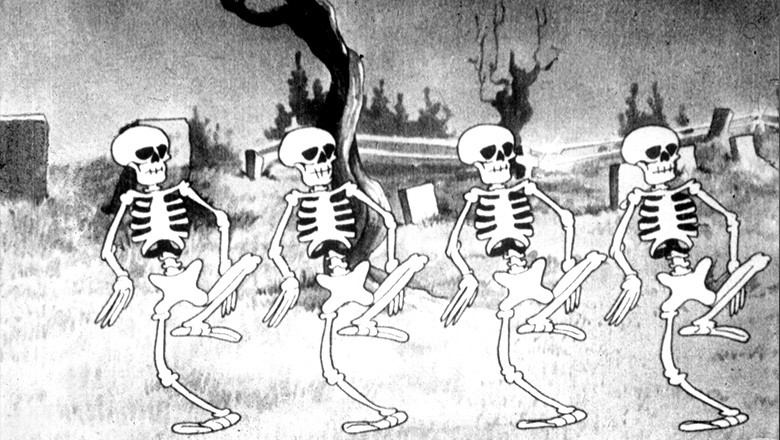
It’s been a while since I’ve done a Short Film Saturday, so I figured I may as well make the the first in 2025 a super-sized one. As you may know quite a few notable titles have been entering the public domain the past few years. So this weekend I decided to post all the Disney animated shorts that have entered. Yes, Steamboat Willieentering last year was big news and opportunists everywhere pounced on it. However, this year’s crop is larger. There are more Mickey and miscellaneous shorts as well as the beginning of the iconic Silly Symphonies series. Enjoy!
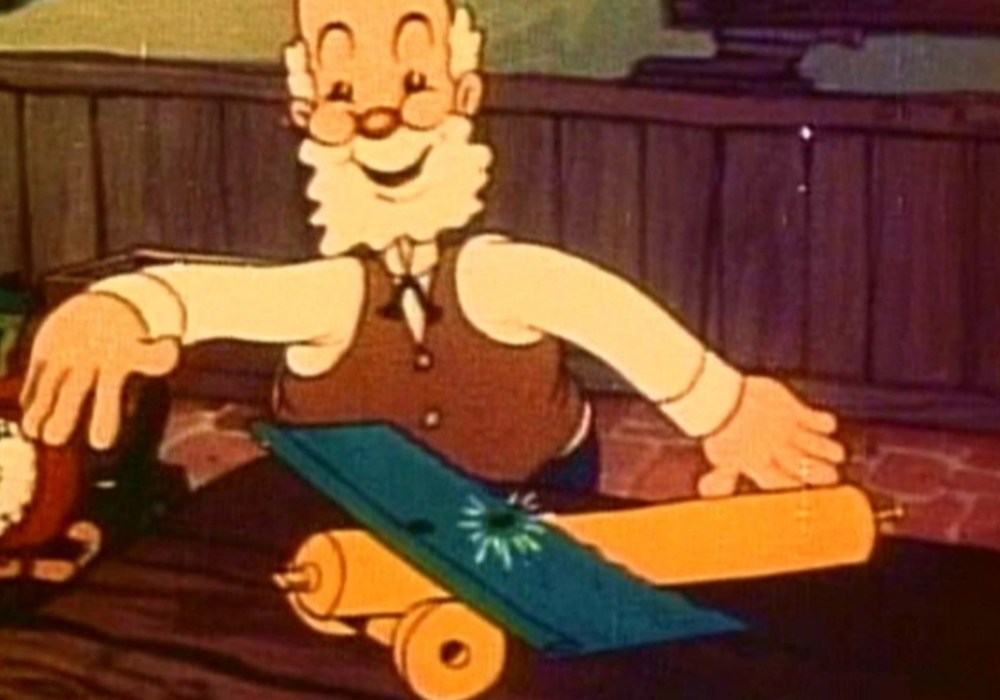
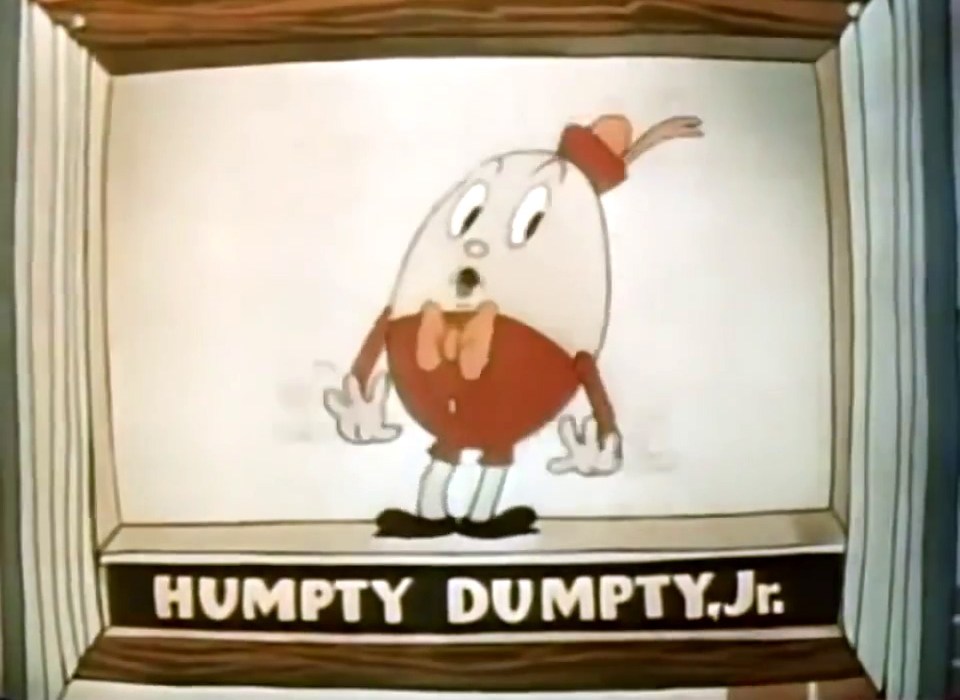
For Short Film Saturday for most of the past year and a half, I have revisited the animated shorts that were presented in snippets by the King of Cartoons on Pee-Wee’s Playhouse. On this blog I’ve presented these shorts in their entirety and will soon post a recap page. Aside from his acting work, showcasing these cartoons is another way in which Paul Reubens, through his character Pee-Wee Herman, left behind a lasting legacy. I hope you’ve enjoyed the retrospective.
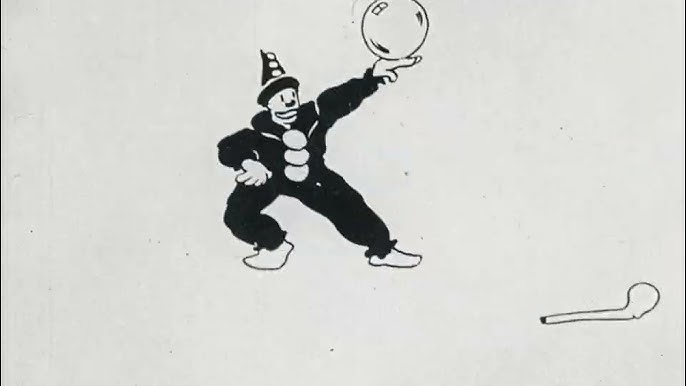
This weekend I bring to you a sampling of the Koko the Clown shorts created by Max Fleischer. These films appeared as part of the Out of the Inkwell series. This was a series of silent animated shorts released between 1918 and 1929. For more information on this character go here.
For Short Film Saturday for most of the coming year I will revisit the animated shorts that were presented in snippets by the King of Cartoons on Pee-Wee’s Playhouse. And here you’ll get to see the whole thing.
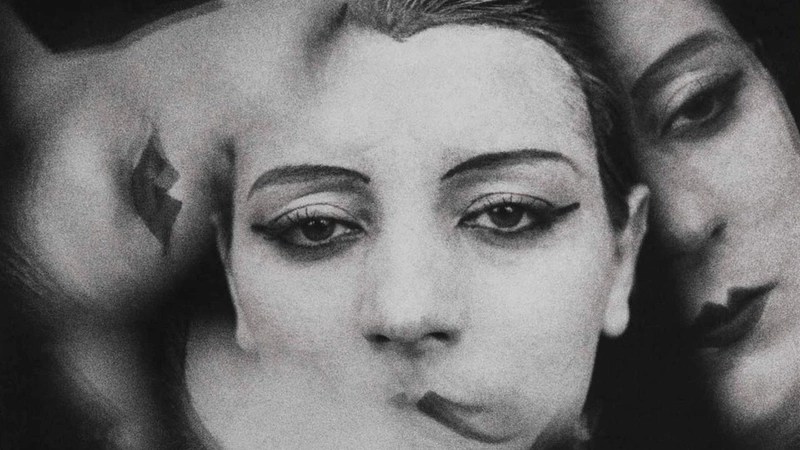
Aside form being a standout work of Dada filmmaking, Ballet Mecanique also demonstrates how silent film was always somewhat of a misnomer, which is why the addition of synchronous sound films led to the colloquial phrase “talkies” because they often had music via live accompaniment. Rescoring, or attempting to reconstruct the original score of a film, is often a task that is central to restoration as the quote below indicates.
An abstract, surreal mini-epic of kaleidoscopic images, “Ballet Mecanique” has a tangled history, marked by uncertainties about individual contributions and blurred by Leger’s re-edited versions. The music intended for the film also actually intersected with it only in intermittent fashion. Ironically, the Green Umbrella presentation matched the attempt to restore the original visual intentions with Antheil’s final revision of the score, made 28 years after the film was first shown in 1924. The union of sight and sound seemed more organic at some points than at others, but Antheil caught the manic rhythm of the film quite successfully. The combination proved surprisingly fresh and vital Monday, with Stephen Mosko conducting a tight, hard hitting performance of the brash score beneath the witty endlessly inventive images, in a remarkable triumph of imagination over the limitations of primitive technology.
For Short Film Saturday for most of the coming year I will revisit the animated shorts that were presented in snippets by the King of Cartoons on Pee-Wee’s Playhouse. And here you’ll get to see the whole thing.
There is only one film left in this theme but since it’s Christmas-themed I’ll save it for December.
For Short Film Saturday for most of the coming year I will revisit the animated shorts that were presented in snippets by the King of Cartoons on Pee-Wee’s Playhouse. And here you’ll get to see the whole thing.
For Short Film Saturday for most of the coming year I will revisit the animated shorts that were presented in snippets by the King of Cartoons on Pee-Wee’s Playhouse. And here you’ll get to see the whole thing.