Free Movie Friday: Night of the Living Dead (1968)

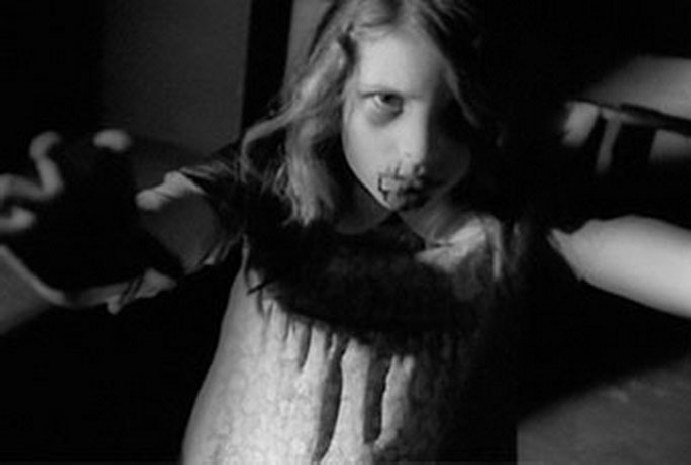
Last week I finally began a theme I meant to kick-off at the beginning of the year, which is to feature public domain films that you can find easily online. This week will continue a horror theme, the genre does have its fair share of public domain films that are newer than most. Today is the film that redefined the zombie genre forever, which you should have seen by now Night of the Living Dead.

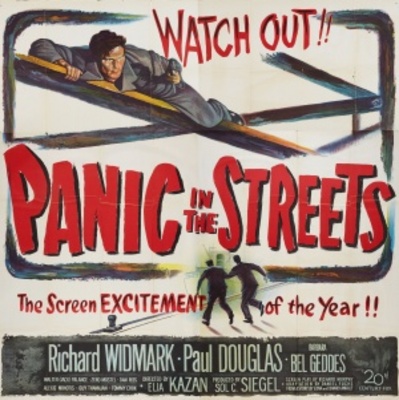
31 Days of Oscar: Panic in the Streets (1950)

Introduction

Whatever I do manage to see this year during 31 Days of Oscar will be covered in a wrap-up post. In the meantime, those films that previously got buried in conglomerated posts will get their own due here. In the wrap-up I will continue the tradition of attempting to see 31 new-to-me Films and accounting for 100+ nominations.

Panic in the Streets (1950)

This is a very interesting film which can be categorized as Film Noir but also as an outbreak film. It’s that unusual combination which truly makes this film special and entertaining. Was it either but not both it likely isn’t that intriguing but the combination thereof makes it worthy.

Oscar Nominations/Wins: 1/1
Score: 7/10

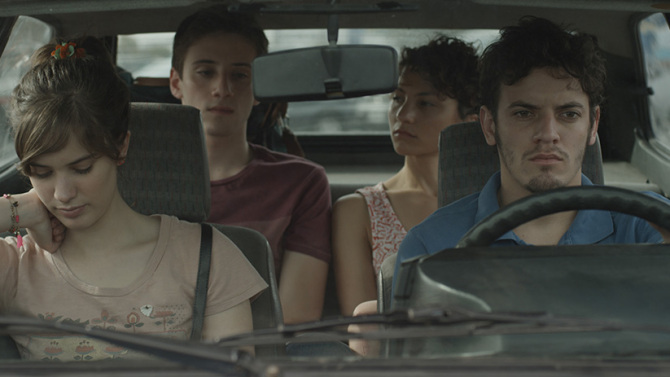
Mini-Review: Two Shots Fired

In Two Shots Fired what you have is a film that will draw you in with a rather stunning inciting incident. It’s one that will instantly act as a litmus test. As a result of reading it you will either be repulsed or compelled to watch it.

Per the IMDb’s page on the film the synopsis is as follows:

17-year-old Mariano finds a gun in his house and, in a thoughtless impulse, shoots himself twice. But he survives.

Now you can clearly see that this is the kind of story that will instantly either steer people clear or arouse curiosity. For the curious I must instantly inform you that the melodrama or the deep, detailed exploration of a psyche that one may expect are not found here.

For better or worse, one of the most effective aspects of this film is its employment of “MacGuffinism.” What I mean by this is in the classic tradition, as termed by Hitchcock, “the two shots fired” are the pretense for telling the tale, but not the thrust of the tale itself. It’s the flashpoint around which the personal tension both intra-familial and among friends can be explored. What would have been further subsumed tensions and resentments are brought to the fore by the incident that almost immediately kicks off the proceedings here.

The aversion to bombast here is such that even the conflict is atypically conveyed. The film skirts about it as the characters do. They are scarcely discussed, at times they are enacted. When they are most present is in the film’s visuals as opposed to the films dialogue.

There is a palpable intangibility of the strain beneath the surface. It also does portray a dichotomy between the reactions the characters display. Whereas Mariano’s malaise is not broken, the same which caused him to act thoughtlessly, his parents struggle with how much added attention should be foisted upon him in light of recent incidents. How much supervision can atone for what happened and try to prevent its happening anew.

There have been many strong films coming out of Argentina lately, but sadly this isn’t really one of them. While the main objective of the film is understood and appreciated the film sometimes comes off as being as aimless as Mariano is throughout.

4/10

Mini-Review- Spud 2: The Madness Continues

Spud 2: The Madness Continues is a follow-up to the film Spud. Like the cinematic predecessor before it this one is also based on a novel by John van de Ruit which tells a coming-of-age tale at a boys boarding school in South Africa. While the first film takes place against the end of apartheid and is very much Spud’s tale, the sequel begins to tell the story in the immediate aftermath thereof and is more an ensemble piece than the prior film.

It is the nuclear subplot in the film that is the most effective. In John (“Spud” Troye Sivan’s) home where his mother (Julie Summers) is insisting she wants to move to England for she feels she cannot adapt to the new South African reality, whereas Spud and his father (Aaron McIlroy) are perfectly content where they are.

While the romantic storyline is followed up from the first film and some good growth is shown there the film essentially ends up being too sporadic. Again there is a schoolyear-long structure to the story. The major difference here is that the flow is not nearly as good. That and the other members of the Crazy Eight (Spud’s group of friends) get more screentime in less substantive and interwoven manners than in the first installment. Add that to the emergence of the Normal Seven (A group of first years who are singled out and hazed for their normality by the Crazy Eight). Then when you add the late-game re-emergence and lessening of The Guv (John Cleese) the attentions are divided and the plot spread thin.

There are some laughs and good times to be had but eventually the trudging narrative does wear a bit. A misstep in the follow-up in a series is not unusual. With a third film released in South Africa in November and hitting iTunes globally this year hopefully the series concludes on a better note.

4/10

31 Days of Oscar Blogathon: The Snubs – Defunct Categories

Introduction

Oscar Envelope

Film is an ever-changing artform, so it stands to reason that the awards that Hollywood created to help celebrate the industry should evolve. It’s more apparent when you realize that the Oscars began when the industry was in flux as sound was in its infancy.

Film has twice adapted itself in competition with other media arts. Synchronized sound came on the heels of the popularity of radio and a shift in aspect ratio, away from 1:33 to widescreen formats was introduced to distance itself from television. The same competition with television helped push films away from black and white film and towards color. With just these technical changes its natural that some award categories would fall in an out of favor over time, some aren’t so obvious. Some, surprisingly, should have never left. I will discuss the categories that are no longer around.

Best Picture, Production and Best Picture, Unique and Artistic Production (1929)
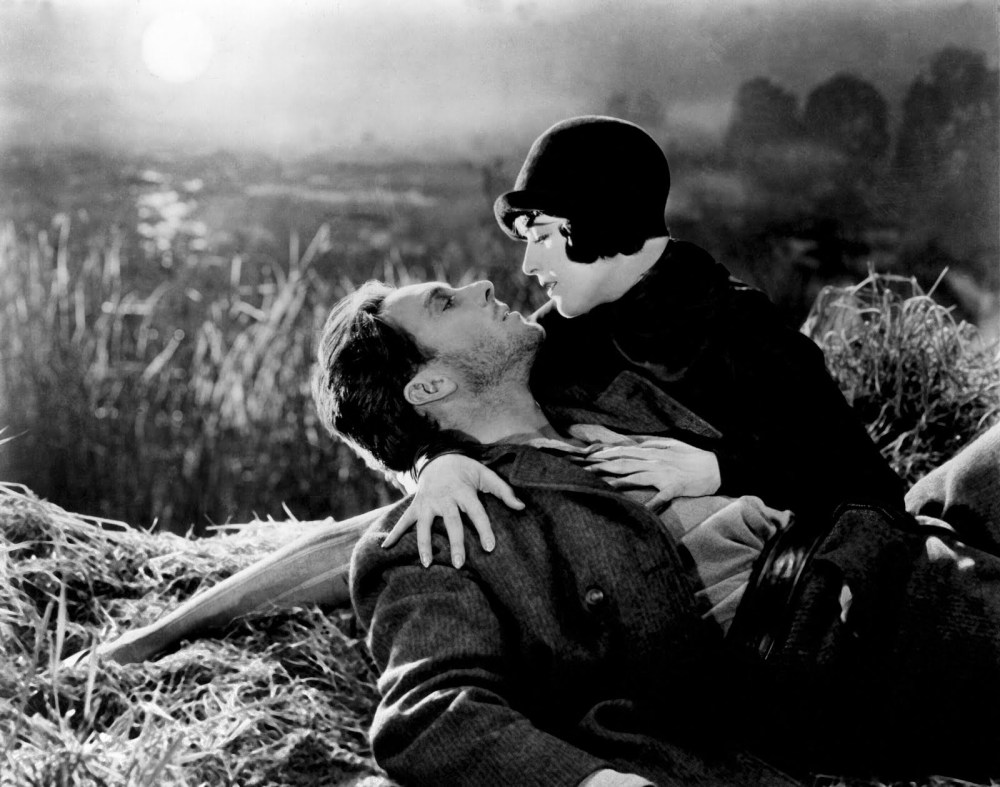
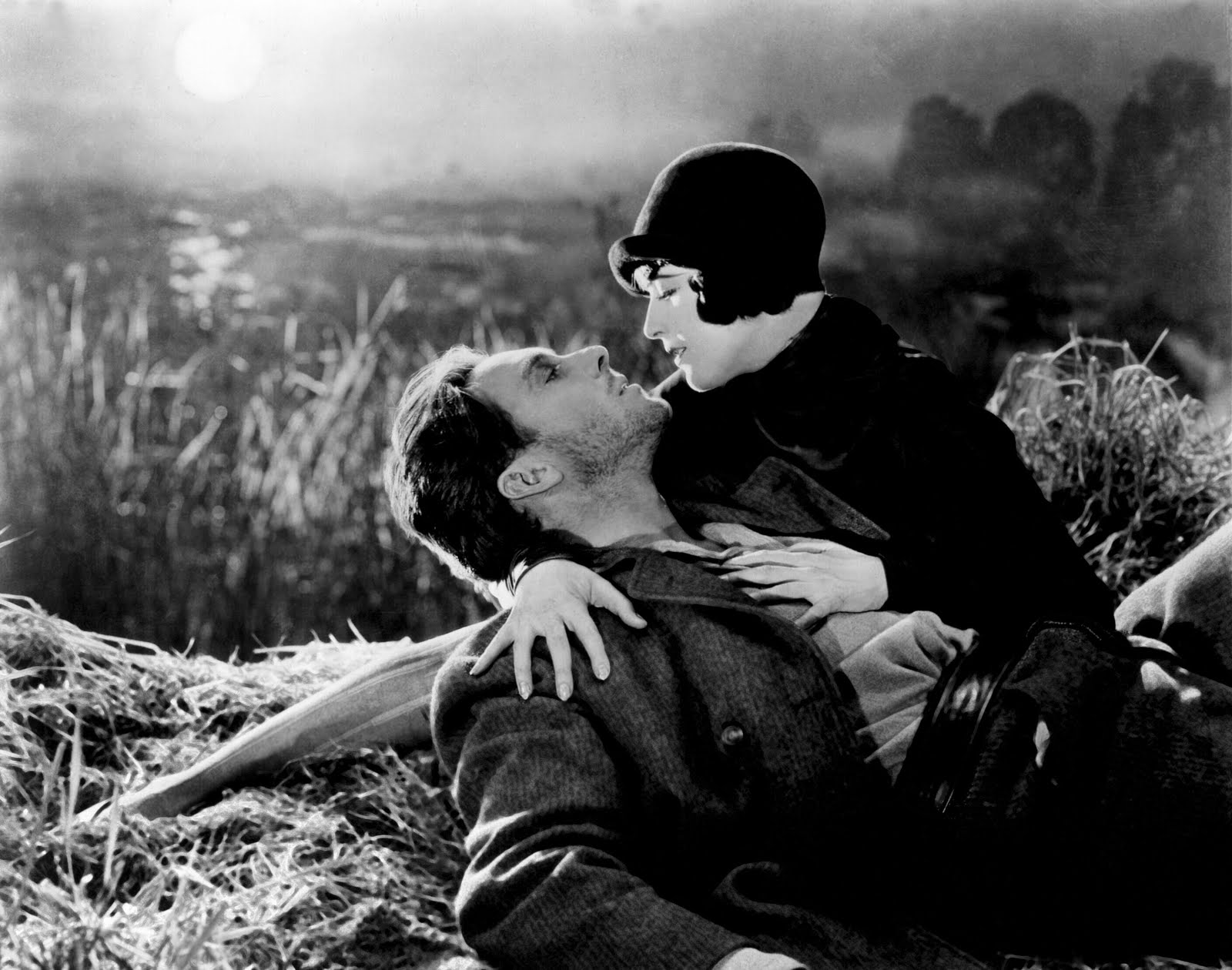
Sunrise (1927, 20th Century Fox)

The Academy Awards began with two different iterations of Best Picture. In 1929 the winners of these two respective categories were Wings (Production) and Sunrise (Unique and Artistic). My interpretation of these trophies is that one is more akin to a PGA (Producers Guild of America) award. Whereas, the logistics, accomplishments and merits of the production are highly impressive and well-executed even if the picture mat not be the best overall. Unique and artistic would then be a more narrative-award with special emphasis on creativity. This is a distinction that could’ve proved highly useful in later years. Imagine if it had been around in 1998 (the first year that jumps to mind) give Production to Titanic and Unique and Artistic to As Good as It Gets or L.A. Confidential or Good Will Hunting. Or earlier maybe How Green Was My Valley could get Production and Citizen Kane can get Unique and Artistic and everyone can leave the former alone already, and stop hating it for something that’s no fault of its own.

Ultimately, I understand how the two awards would forever cause confusion and why they needed merging, but it is interesting to consider.

Best Director, Comedy Picture and Dramatic Picture (1929)
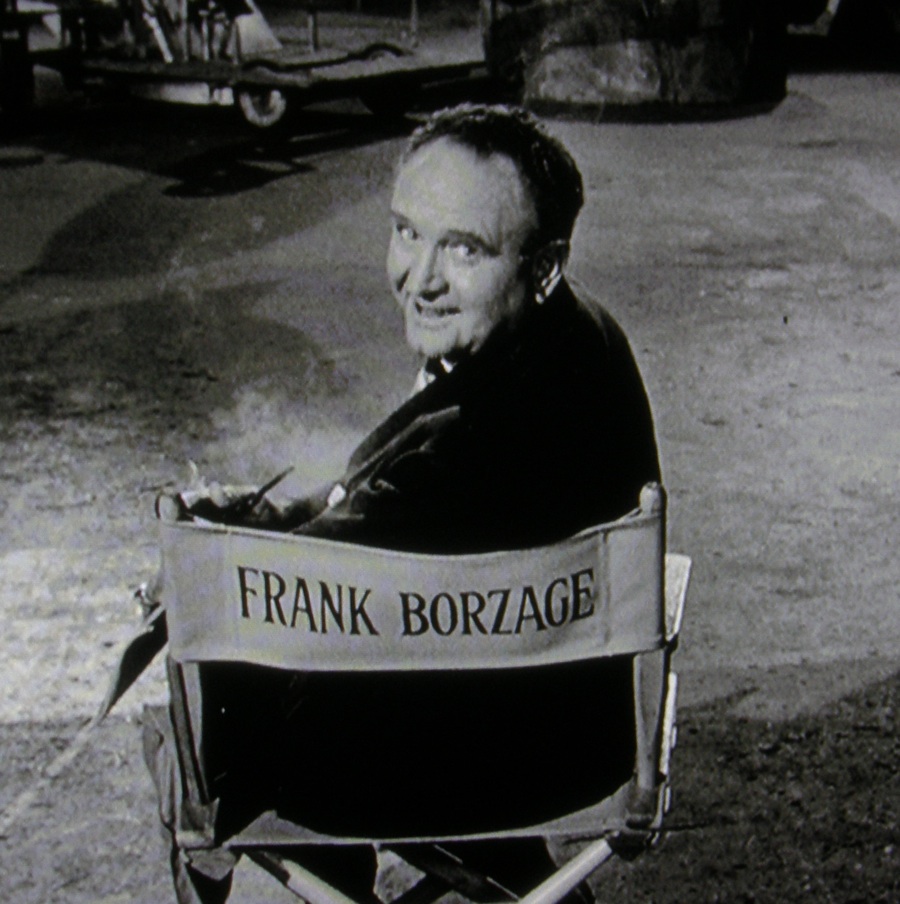
Frank Borzage

The Golden Globes still have Comedy/Musical and Dramatic categories for Films and Actors, but not directors. The directing job is highly different in both aspects. Are comedies far too overlooked when it comes to award shows? Yes. Does each year really merit having both categories? Probably not, and surely enough it was not a category the following year.

Best Title Writing (1929)
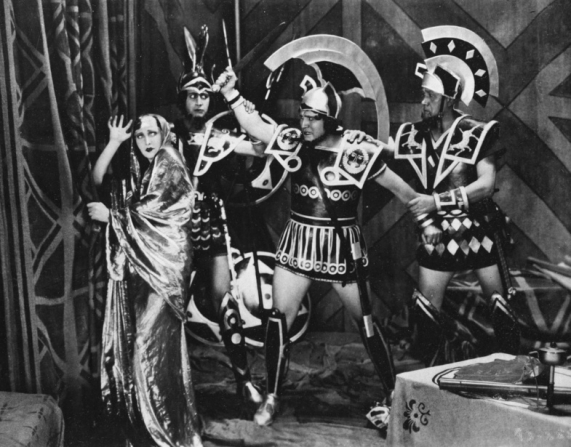
The Private Life of Helen of Troy (1927, First National Pictures)

To be quite honest considering that the industry was already in flux awkwardly transitioning from silent to talkie I’m a little surprised this was a category at the first awards. Granted some were trying to dismiss synchronized sound as a fad, but it was clear it was coming. Some categories held on longer, but silent films in the end virtually vanished quite quicker than black-and-white fare or 4:3 aspect ratio films.

Yes, titles were crucial in the silent era, and silents did win Oscars, but it’s slightly unusual that this was actually a category for one year.

Best Cinematography, Color and Best Cinematography, Black and White 1936-1939 (Special Achievement) 1940-1966
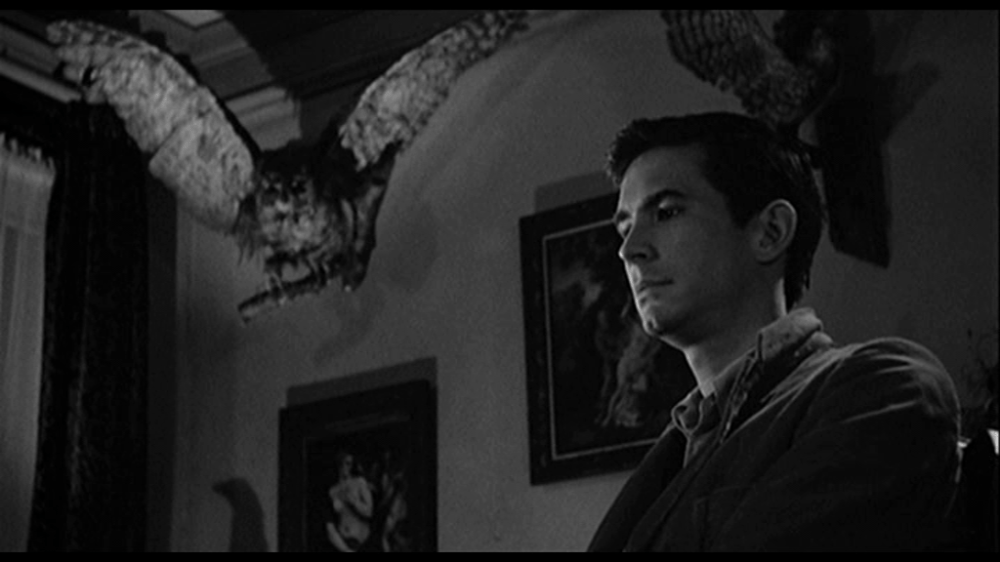
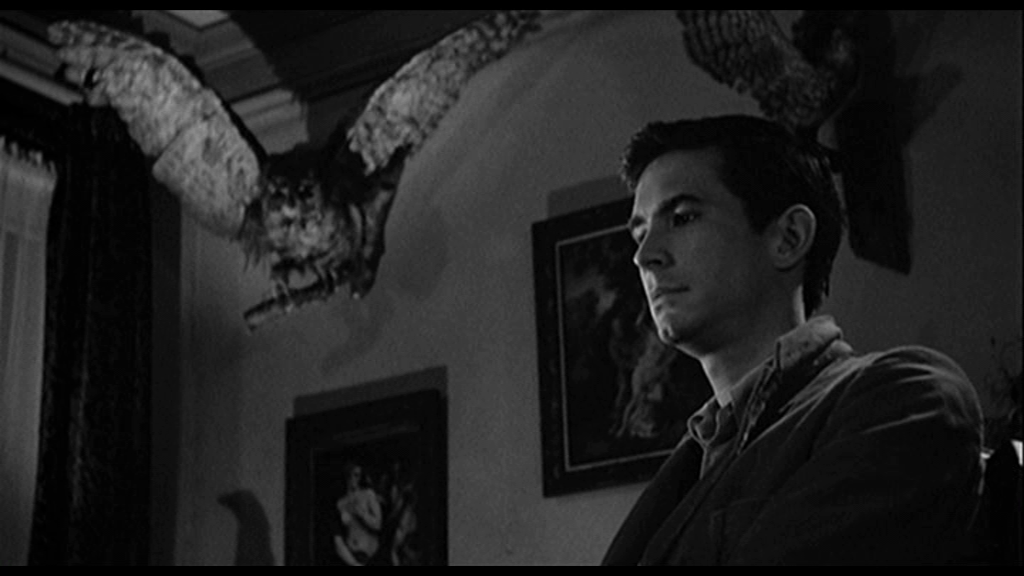
Psycho (1960, Universal)

This split became a mainstay of the Academy for 27 editions of the Awards. This is quite a long time and indicates that despite the business-related impetus for color cinematography the necessity of occasionally going into more ethereal monochrome remained and undeniable siren’s call for filmmakers for many years to come.

As wide as the gap between color productions and black-and-white ones have become they are not extinct as recent films like Ida, The Artist and The White Ribbon indicate. Yet, color cinematography in unquestionably ubiquitous enough such that the split no longer makes sense. It most definitely did at one time: color and black-and-white are two different ways of seeing the world. The reason for splitting the two was due to that and the fact that they were fairly equally split. With little equality superlative black-and-white films do have to compete against chromatic ones be it fair or unfair; it’s just a reality.

Best Effects, Engineering Effects (1929)
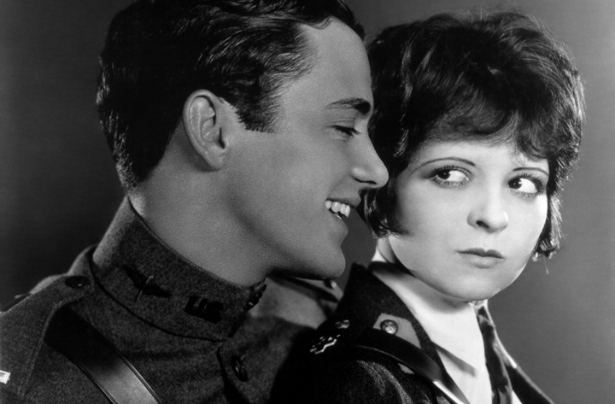
Wings (1927, Paramount)

The awards for Special Effects were ones that had many names an iterations before becoming a mainstay. A category for “Special Effects, Engineering Effects” existed at the first ceremonies. They returned in 1938 with and Honorary Award. From 1939 to 1962 Visual and Sound Effects shared an award titled Special Effects. In 1963 Special Visual Effects took over. From ’72-’77 it was awarded under Special Achievement Award. The current Special Visual Effects title debuted in 1995.

However, going back to the original trophy it puts me in a mind that perhaps the Academy does need to encourage and reward different kinds of effects work. Maybe split it between practical and computerized. It actually would encourage creativity and be fair. For example many of the most impressive feats in Inception (like the spinning hallway) were done practically. This could highlight those creative moments but still reward highly-creative, ever-evolving computerized effects work.

Best Writing, Achievement 1930
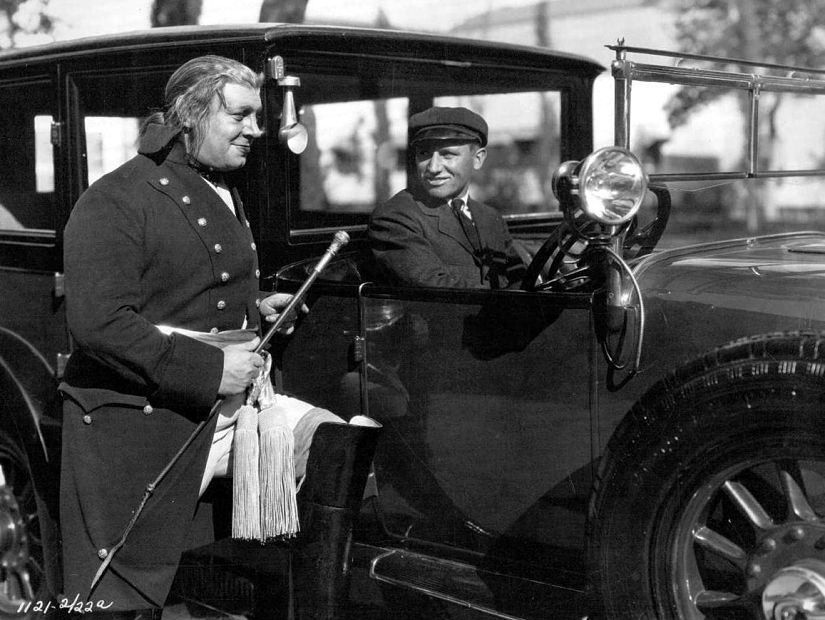
The Patriot (1928, Paramount)

This was the category introduced for the 2nd Annual ceremonies and for that year only. It was an attempt to transition away from three categories (Original, Adaptation and Title Writing) to just one. The only other award I ever saw merge all screenplays into one category was my own for a while. However, adaptation and original screenplays are games with similar rules but different approaches and need different skills. They should be separately awarded and this change is one that was needed.

The Juvenile Award (Awarded intermittently from 1935-1961)
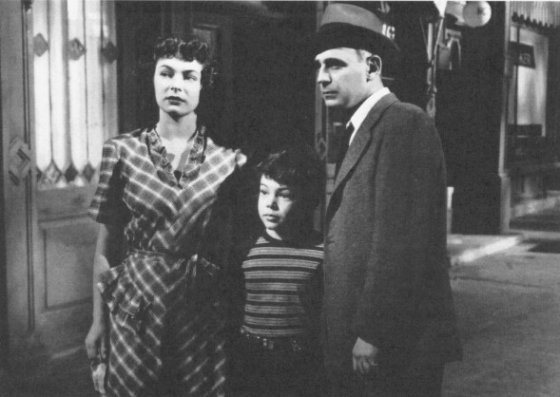
The Window (1949, RKO)

This is an award I’ve already written about at length here. In that post I chronicled those young people who were honored by the Academy. I also followed-up on that by listing who since 1961 would have earned the honor, or could have, if it was still something awarded. Since my personal BAM Awards have started offering parity (meaning the same categories for mature and young performers) I have become convinced the Academy could fill a roster of five nominees a year for a category with this same concept. The term juvenile may be dated, and have poor connotations now, but the idea is one worth revisiting.

Best Short Subject, Cartoons (1932-1957) Short Subject, Comedy (1932-1937), Short Subject Novelty (1932-1937), Short Subject Color (1937-38) Short Subject One-Reel (1937-1957) and Short Subject Two-Reel (1937-1957)
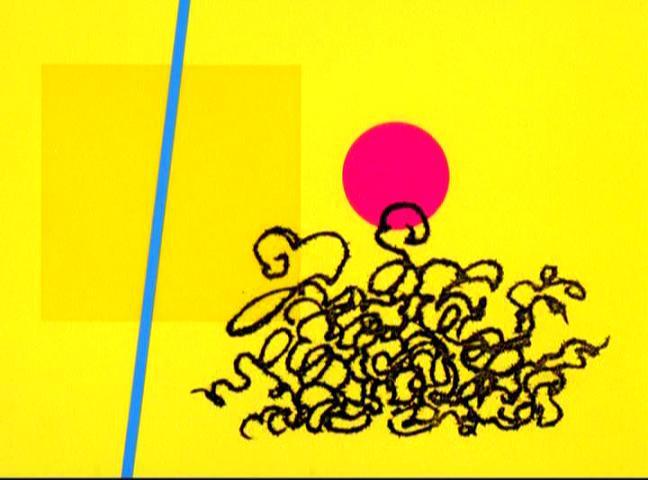
The Dot and the Line (1965, MGM)

You can almost always look to the Academy for some kind of indication as to what the state of the art at least in terms of trends. One thing that would be apparent to someone looking solely at the Oscars with no other film knowledge would be that short films used to be a much more integral part of Hollywood films than they are now. For six years Live Action films were split into Comedies and Novelties, which featured, as the name implies varied subjects and approaches. Starting in 1937 animated films (then referred to as Cartoons by the Academy) were split off and Live Action films were bifurcated by length either one-reel (about 10 minutes or less) or two-reel (about 20 minutes or less). In 1958 Live Action was introduced as the only short subject category for live action, Cartoons still the term used, and the category changed to Best Short Subject, Animated Films in 1972. It is notable that serials never had a category somehow. Maybe because Poverty Row and “lesser” majors specialized in them.

Best Assistant Director (1933-1937)
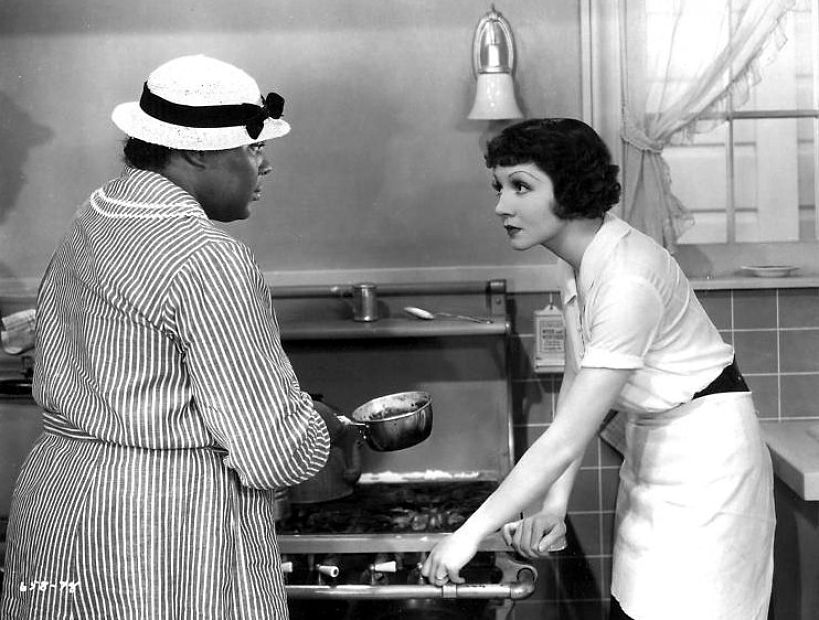
Imitation of Life (1934, Universal)

Assistant Directors back at the beginning of the film industry had a far different role than they do as the industry and art evolved. There used to be far more directing for assistant directors. First ADs now are far more administrative and keep the production running, most of their direction geared at background performers. Therefore, its interesting that the Academy once underscored the greater level of responsibility this job had with an award.

Best Dance Direction (1936-1938)
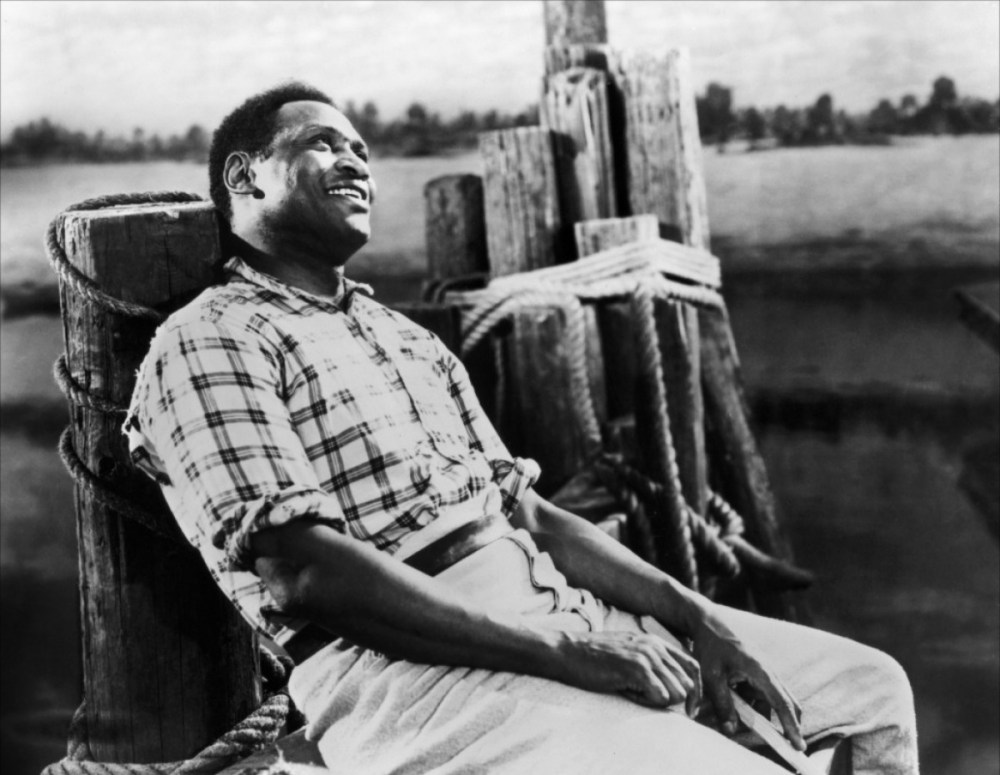
Show Boat (1936, Universal)

There are a few instances of the Oscars highlighting the elevated place that the film musical once held. This category specifically aimed at choreography on film is one.

Best Art Direction-Interior Decoration Black-And-White and Color 1940-1966
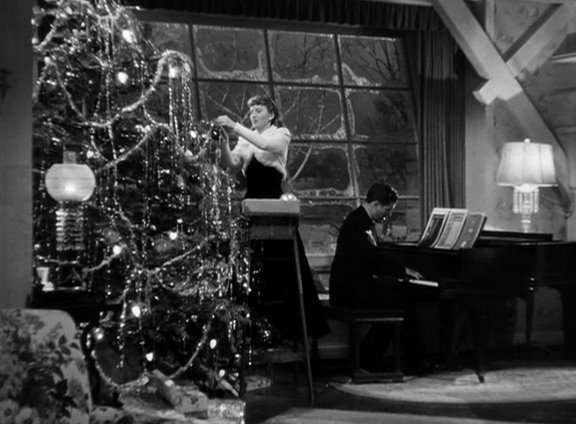
Christmas in Connecticut (1945, Warner Bros.)

This is the second of three categories that for year offered two prizes owing to the unique challenges and distinct differences in working in black-and-white and color. In simplest terms in color there are temperature, palette and tone considerations but in monochrome there is a transliteration of actual colors to gray tones for desired effect that must be considered and calculated by all department heads.

Best Music, Scoring of a Drama or Comedy (1946-1957) Best Music, Scoring of a Dramatic Picture (1942-1945) and Best Music, Scoring of a Musical Picture (1942-1957)
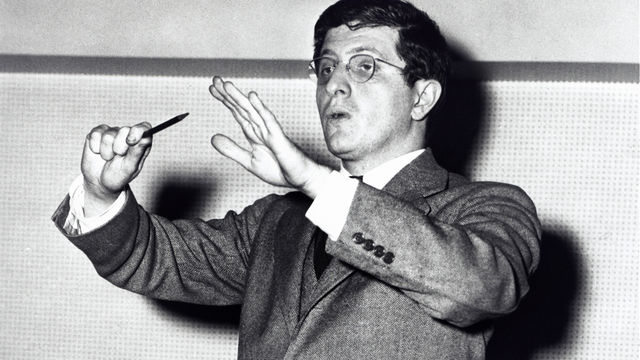
 

bernard-herrmann5

Here’s one more testament to the potency the musical once hand in the cinematic landscape of Hollywood’s output. In 1958 the distinction in scoring ended. For 16 ceremonies musicals were a category apart. They were so prevalent, significant, and thought to be so different that it had its own category for scoring.

The issue with genre-splitting is: where does it end? Comedy was excluded for three years, and then added. If musicals had stayed at their zenith would further scoring splits have occurred? Unlikely, but it may have been clamored for. Clearly, the loss of a category did not shut the door on the musical winning Best Score, The Sound of Music jumps immediately to mind, but it’s fascinating that it was a class apart for years.

Costume Design Black and White and Costume Design Color (1948-1966)
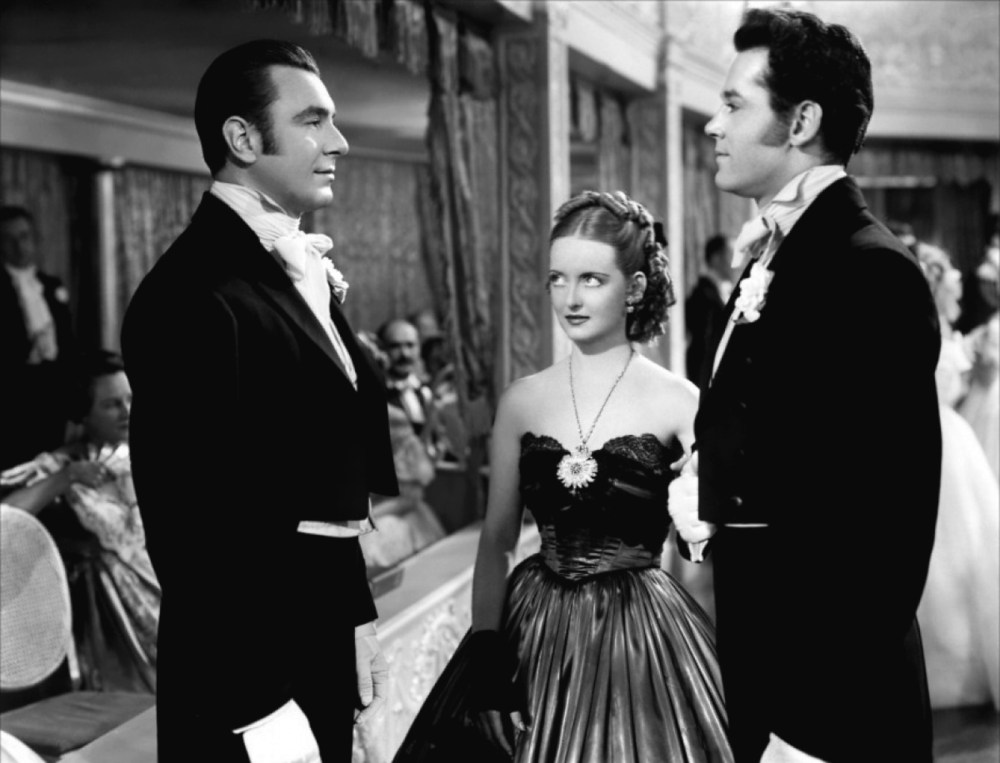
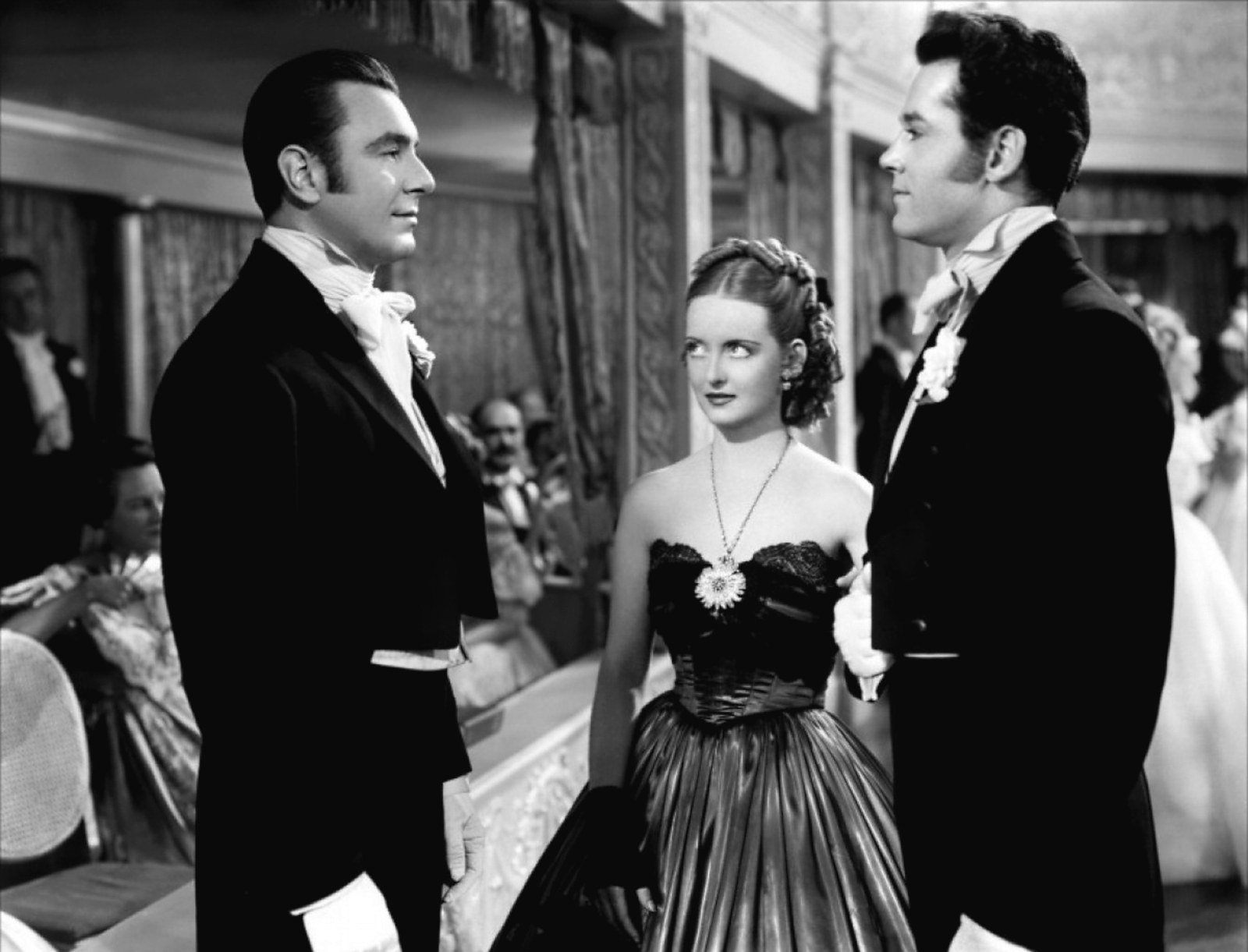
Jezebel (1938, Warner Bros.)

If there’s one thing that you can laud the Academy for it’s that there was uniformity in when categories stopped being subdivided by color and black-and-white. In all cases when there was such a division, either from the inception of a category like costume design, or later in the game like with cinematography, that split ceased after the 1966 Awards.

Similar to Cinematography and Art Direction costuming for both media is a different game. Black-and-white requires a more abstract understanding of colors and textures and how they’ll read when exposed. Thus, its a bit more intuitive, at times counterintuitive, and far less literal than working in color. Again the time had surely come for the category to merge due to ubiquity but the task is by no means an easy one in monochrome.

Conclusion
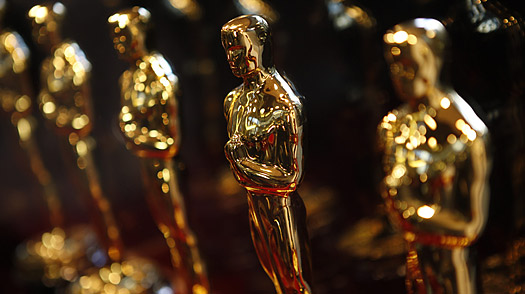
 

Oscars (AMPAS)

In most of the these cases it is just interesting and important to note how far the artform and industry have come. It’s important in aesthetic appreciation to note some things that used to be taken for granted and to acknowledge different trends and forms of the past. However, in some of these cases these categories could still be highly useful and be brought back today.

Mini-Review: In the Heart

Here is the synopsis for this film as listed on the IMDb:

Masha (37) is in an overwhelming relationship with Luuk, father of two and separated. Nothing seems to stand in their way until Luuk turns incurably ill, leaving Masha without status.

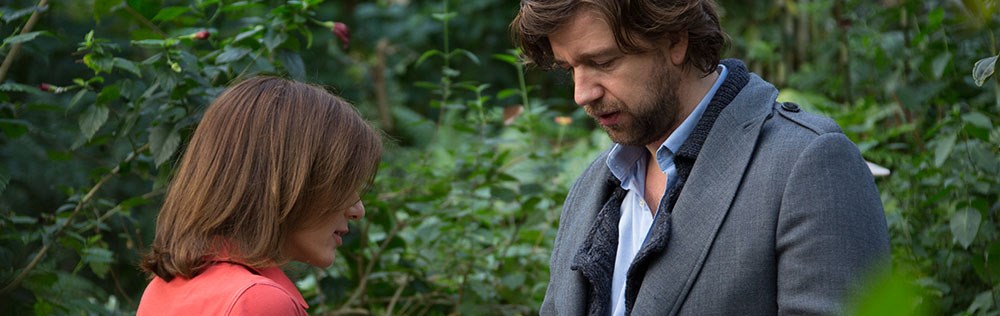
What is interesting about this film is the way it plays with the traditional meet-cute formula in act one with a couple that’s a bit more mature. Luuk is divorced with children and Masha has never been in a relationship. The typical romcom plot exhausts most of its plot points in this entertaining, funny and charming first act and then the aforementioned life-changing event alters the path and the genre of the film. This is the film’s strongest and most unique point.

The sequence when Luuk is diagnosed and the immediate fallout thereof is the next strongest section of the film and is ultimately what buoys it over the finish line.

However, the film does lose some of its momentum as it pulls into its inevitable conclusion the button on the story is strong and well-earned, but it does lose a lot of what if could’ve been in getting there.

Much of what slows it down is that the tension amongst makeshift family members ends up being as frustrating for us as it is for Luuk. Which does help us identify with him but it seems that, even as emotional as they are that the ex-wife/girlfriend tension is ill-timed, repetitive and unfortunate.

Kim van Kooten is highly effective in this film and her charms are equally evident in both distinct portions of the narrative. Though his character here follows a similar trajectory as his in Time of My Life Koen De Graeve is wonderful here playing a different kind of man in a similar process.

In the Heart was released in Netherlands in January. Should it hit other markets it is worth looking into if you are intrigued. While I lamented what it could have been it is still an enjoyable experience with memorable performances.

6/10

Short Film Saturday: A-D-Something Something

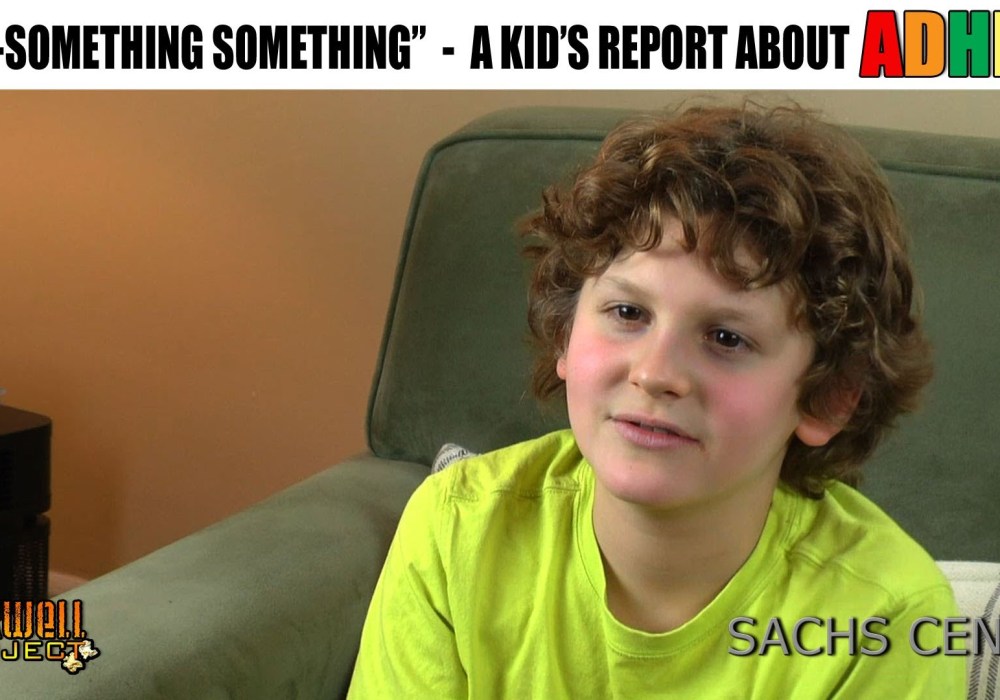
The Following Heart series will be back with part three next weekend. I previously featured Zachary Maxwell on Short Film Saturday for both his guerilla doc on school lunches and his farewell letter to Santa.

Here he discusses ADHD. As the title indicates many do not even know it stands for Attention Deficit Hyperactivity Disorder much less any actual information about how its diagnosed, and that it’s not a “trend” or a medicate-it-and-forget-it condition.

Taking a personal approach at learning about it, and what makes ADHD different than “that’s just how kids are” make it resonate more and illustrates there is a concrete foundation for those treating and managing the condition.

A-D-Something-Something from Maxwell Project on Vimeo.

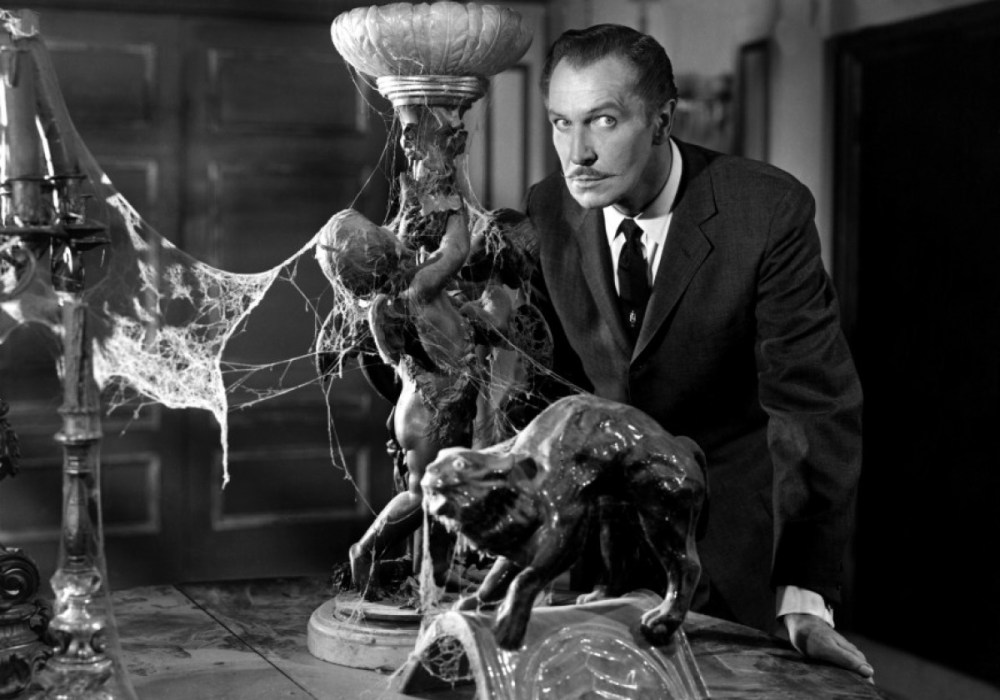
Free Movie Friday: House on Haunted Hill (1959)

I wanted to start this series back in January. Basically, there are a lot of good movies out there that you can watch free and clear. Meaning you don’t have to pay for them and by streaming it free you’re not stealing it because they are in the public domain. Also, in some cases, these films are not all as ancient as copyright laws usually call for.

There are quite a few horror films in this boat, which is where I’ll start. This was a film I first saw in a horror/sci-fi class and was likely my introduction to Vincent Price. It may be a good a one as any.

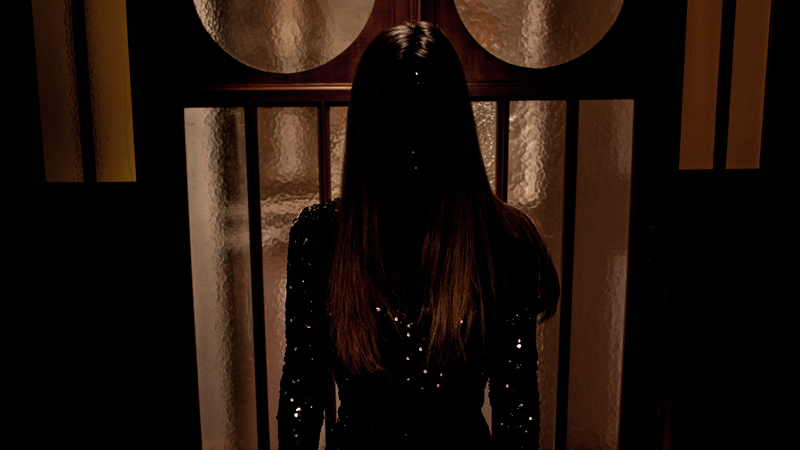
Review: The Strange Color of Your Body’s Tears

Typically when I have failed to write about something prior to the BAM Awards, then that film is nominated a half-dozen times, then wins three times; I consider myself done writing about it for a time. However, The Strange Color of your Body’s Tears is one of the films that deserves some extra consideration. It should rouse some giallo fans out of the funk and stupor of scouring old titles whose hats are now as old.

If you saw Amer, and walked away disappointed as I did, this is a wholly different experience from directors Hélène Cattet and Bruno Forzani. This is a fully realized vision. Now one thing I will caution viewers on was that this was not an insight I came to immediately.

This is a film I didn’t re-watch yet but has lived off-and-on in my mind since I saw it. The initial ambivalence about it overall are fading away. Yes, I was floored by the sound mix, edit, the visuals and oneiric flow, but I think now that I’ve chewed on it enough that it’s the giallo elevation I wished Amer was, and whether or not I get it intellectually is almost secondary to its overall gut-punch impact. It’s a film you should allow to ravish you. I cannot guarantee that it will be as rewarding for the uninitiated as it is for someone who knows Giallo, well but if you stick with it and start to reconstruct the jigsaw you may well find you like it as well.

…deep, penetrating backgrounds and precision [camera] movements in The Strange Color of Your Body’s Tears.

Quite frankly the only word to adequately describe the images carved out in this film is astonishing. There’s a lushness that far exceed the prowess of gialli that inspired it and brand themselves on the eyes and minds of those who see it. Sure, it’s excessive but it is so with definite intentions and planning and is all the more breathtaking because of it.

The Strange Color of Your Body’s Tears, which does cut frequently but with purpose. It is almost nearly living in someone’s psyche and attempting to replicate that with it also moving through time, creating frames and meaning visually it is clearly the most outstanding work of the year.

The Strange Color of Your Body’s Tears assaults the senses throughout its duration and the ears are not exempt. Many of the jolts, much of the impact is through the mixing of effects, dialogue and score and helps contribute to its dreamy flow greatly.

It is available on digital and disc not and is recommended for fans of this unusual subgenre and the unusual.