Film Discoveries (a.k.a. Best Older Film First Viewed in) 2023
Introduction
I decided to go with both possible titles for this list because while “film discoveries” is breezier I sometimes get too bogged down in the semantics of whether or not a film was truly a “discovery,” which could potentially eliminate a great film I saw for the first time despite the fact that I already knew of it. So there’ll be some commentary on whether or not I was familiar with a film, and for the more well-known titles I will explain why I might not have gotten to see it and how I finally did.
I also felt it was time to post this sort of list again because it used to be a staple on this site, and while I intended to do one encompassing the pandemic, but I never did. That despite the fact that I did have year-specific hashtags for newly viewed films on my Letterboxd page.
The titles are presented in no particular order. I didn’t disqualify any films from consideration due to its having recent release year, only 2023 titles were ineligible. Without further ado the films.
Mission: Impossible (1996, Dir. Brian De Palma)
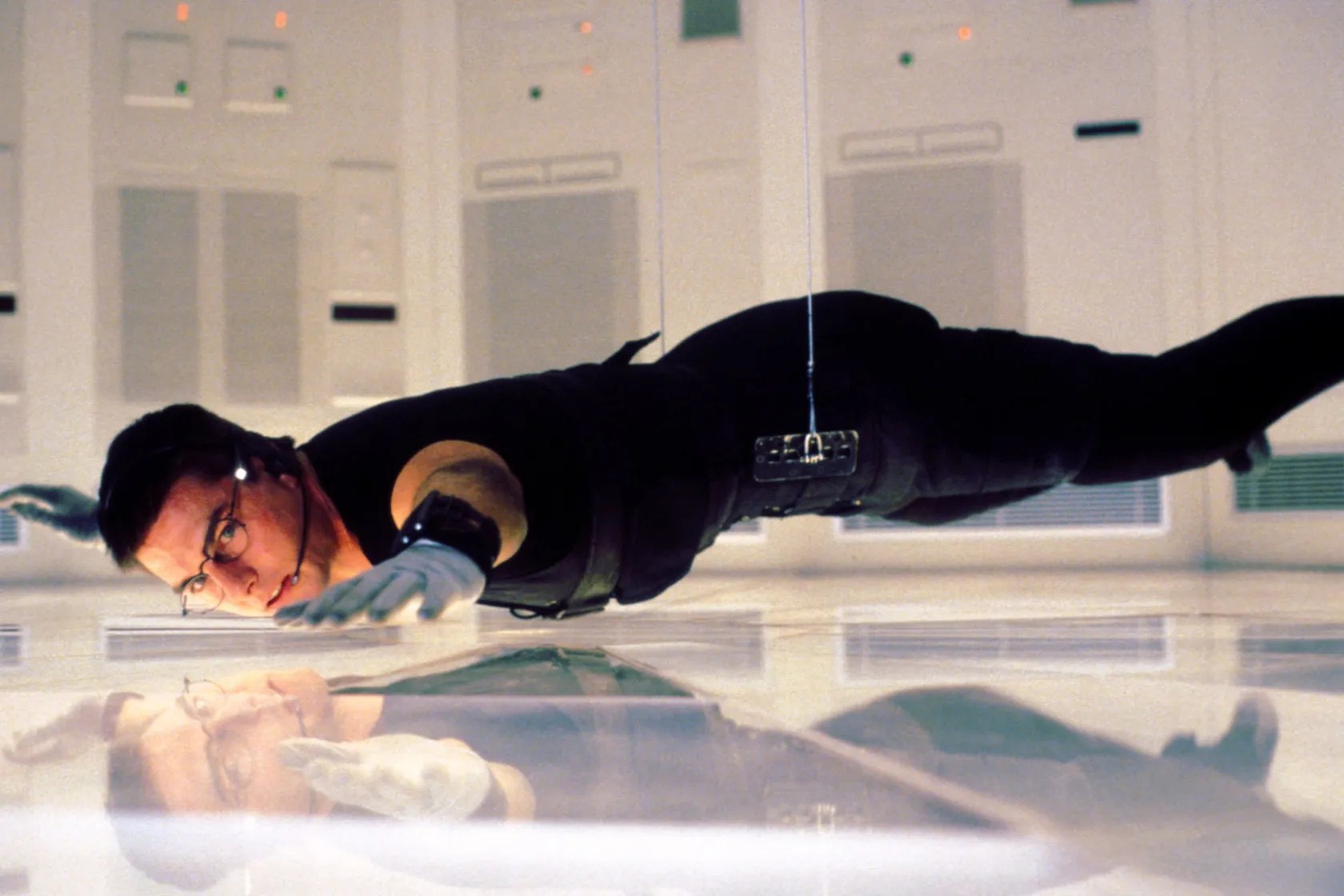
As a kid I was aware of the original series, knew the theme song and concept, although, I don’t know if I ever caught it on Nick at Nite, but when the film came out it’s not something I made a point of seeing. After seeing a billion parodies of the famous vault scene I thought it had nothing else to offer.
As the years went by I did see later installments as they came out, not much if any information regarding previous films was necessary to follow and enjoy them. However, this initial film in the series has a lot of legendary talent involved like Brian De Palma directing, Robert Towne, David Koepp and Steven Zaillian on the screenplay, and a villainous turn from Jon Voight, make this not just another highly watchable ‘90s studio product but an exemplary one.
I viewed this film when it was on Netflix, it has since shifted over to Paramount+ and Amazon Prime.
Benny’s Video (1992, Dir. Michael Haneke)

Knowing of a film’s infamy is not the same as watching it. Not only is it harrowing and terrifyingly matter-of-fact but it eschews any and all impulses toward the sensational and exploitative and is instead contemplatively brutal and brooding as we’re left but to watch footage both diegetic and non-diegetic that illustrates cause and effect without vocalizing except in simplest terms without the character being able to fully comprehend his compulsion when we, over the course of the film, can.
I saw this film thanks to Criterion’s new release of Michael Haneke’s Trilogy from Criterion. Whether familiar with his work or not, I wouldn’t recommend doing as I did and watching all of these films in rapid succession.
Terrified (Aterrados) (2017, Dir. Demián Rugna)
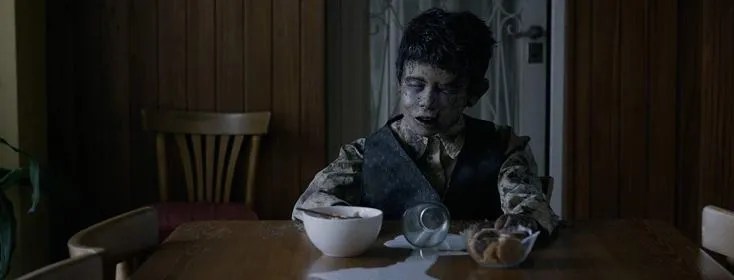
This was a film that I flirted with seeing for a while on Shudder. When I finally watch it it was just before I saw When Evil Lurks (Cuando acecha la maldad). This film takes a fascinating approach at looking of paranormal events occurring in Buenos Aires by staring us smack dab in a police interrogation room, as the mystery of what the police and the people accompanying them want to know is solved more imponderable and horrendous ones unfold.
Black God, White Devil (Deus e o Diabo na Terra do Sol) (1964, Dir. Glauber Rocha)
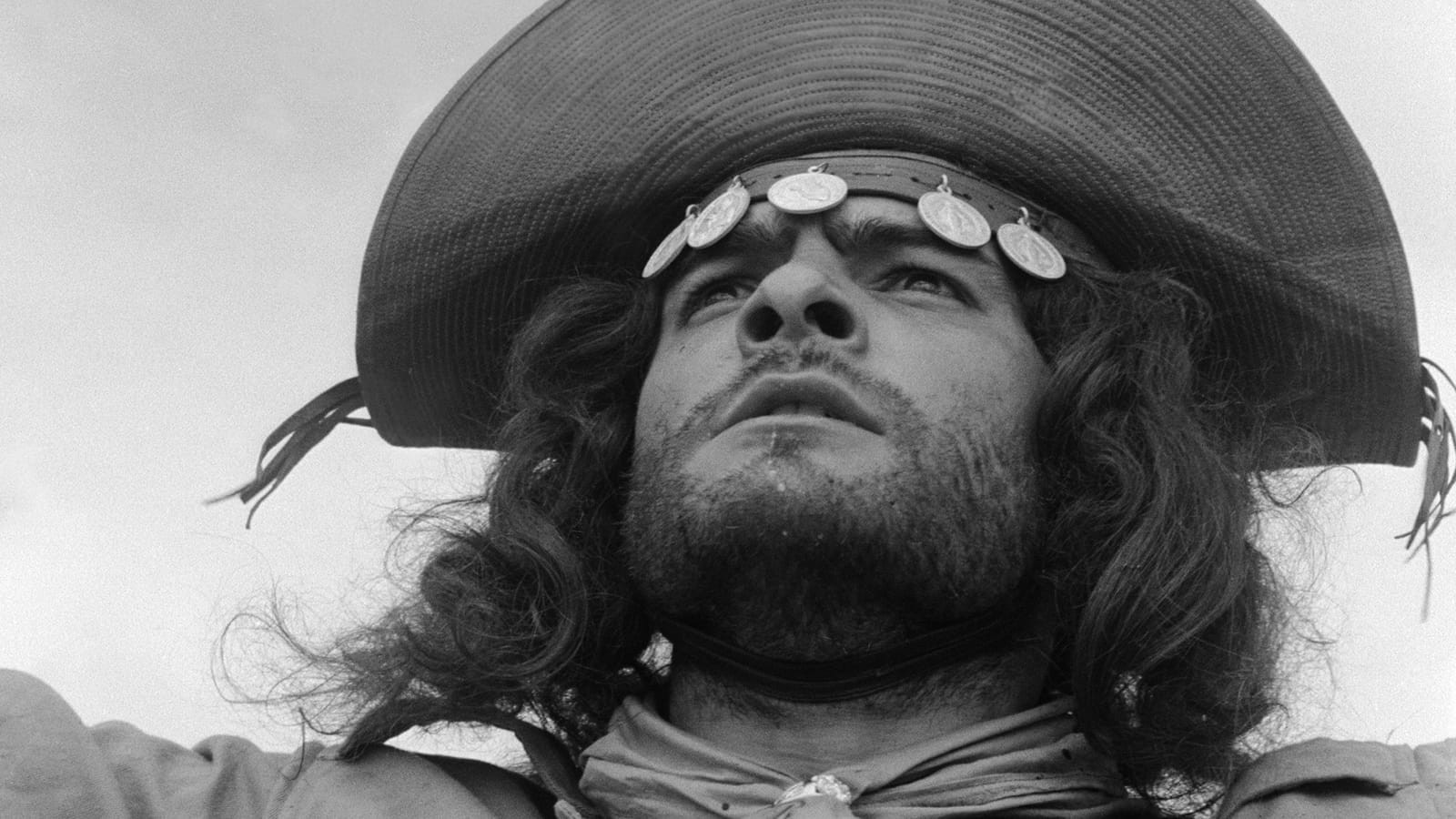
At a time when a coup d’etat and military dictatorship were descending up Brazil this film, essentially a western set in the 1940s the lines between good and bad, god and the devil, bandit and victim are all blurred in a deliberately paced but nonetheless electrifying film.
I viewed this title on 35 mm at Film Forum, in a beautiful new restoration. Having never seen it prior I’m sure the new subtitles are far better than the original, but as a Portuguese speaker I found it unfortunate that the subtitles stripped some poetry from the song lyrics and even dialogue in the film
Which brings me to an additional point, this film was one of those that made me want to return to listing both English and native language titles as mentioned in my most recent post. While the English title is snappy and gives a glimpse of the duality and contradictions found within this film the original title literally translated God and the Devil in the Land of the Sun, aside from being poetic that touches on the allegorical elements of the film.
At current there is no news of a North American physical media release.
The Possessed (La donna del lago) (1965, Dir. Franco Rossellini, Luigi Bazzoni)
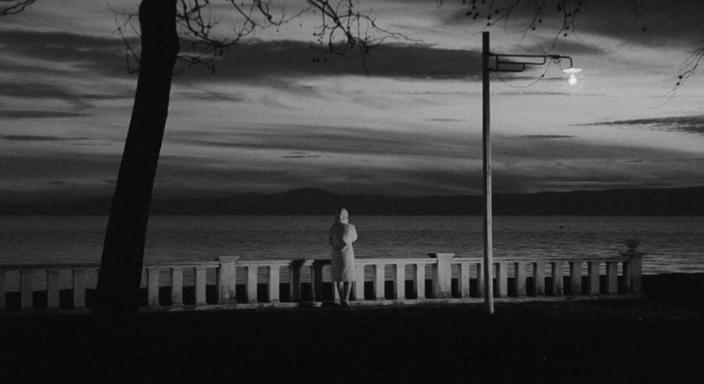
When a film is described as “proto-” of a given genre it is noteworthy by default but it doesn’t mean it is good by default, but this proto-giallo is captivating, atmospheric, well-rendered, and fans of the genre will definitely see the blueprint for later gialli here.
This was a film I was able to see thanks to the great Giallo Essentials box sets from Arrow Video.
Don’t Tell Mom the Babysitter’s Dead (1991, Dir. Stephen Herek)
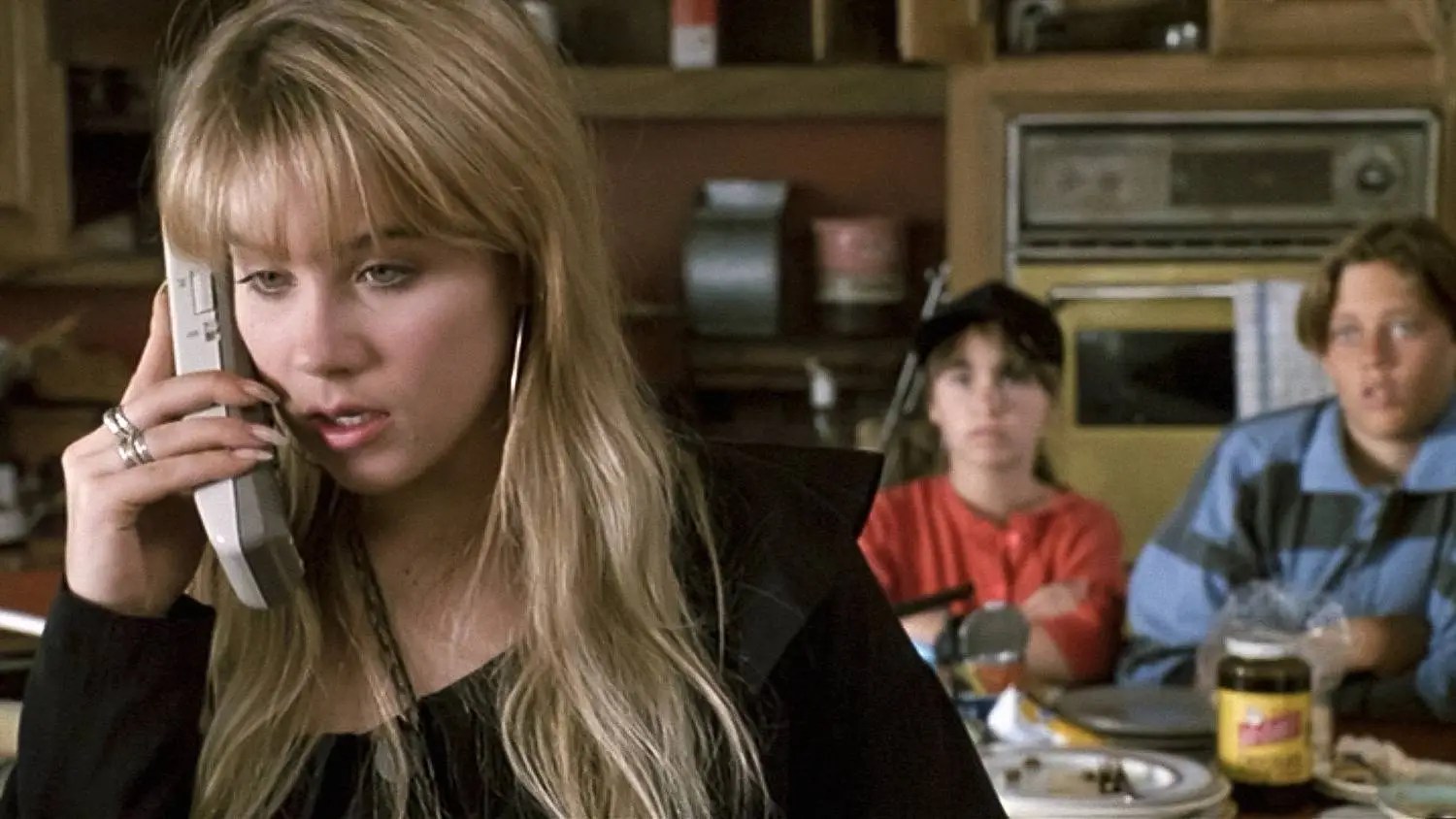
This is one I think I saw a few select scenes of in the past but never saw the whole thing. As a kid when it first came out I didn’t want to see it because I was not yet truly familiar with the concept of a dark joke much less a dark comedy. Not that this one is textbook dark comedy, but that’s just an illustration of my naïveté at the time. I saw the beginning of it the morning of December 23rd but last minute food shopping for a holiday gathering needed doing so I saw it from the beginning, all the way through, that night on HBO Max.
Questions about how Sue Ellen lied to payroll at her employer notwithstanding, it is quite a funny, irreverent film that’s sadly not entirely irrelevant in its handling of women in the workplace.
El Pico 2 (1984, Eloy de la Iglesia)

Severin Films with this release introduces me to the subgenre in Spanish cinema known as Quinqui, which emerged in the 1970s and dealt with drug addiction and delinquency. De la Iglesia’s work deals with the aforementioned topics and homosexuality in Spain in a more blunt and compassionate manner than many of his contemporaries. These films also feature a touch of neorealism casting many who were not previously actors but who turn in marvelous performance in part because these things are true to their lived experiences, most notably the lead José Luis Manzano.
The capstone of de la Iglesia’s Quinqui trilogy offers the most well-crafted, complete, and emotionally rounded look at this circle of characters whose struggles were followed. Flashbacks are incorporated organically and completes a tough to watch but artful and affecting saga.
Your Vice is a Locked Room and Only I Have the Key (Il tuo vizo è una stanza chiusa e solo io ne ho la chiave) (1972, Dir. Sergio Martino)

This was a film I was able to see thanks to the great Giallo Essentials box sets from Arrow Video. It possesses one of those titles that make you either love or hate the genre and the setup is one that can be described similarly: a rash of murders breaks out at the estate of a debauched, abusive writer and his wife. As always with Martino the visual style of the film is as gorgeous as the story is twisted and suspenseful.
Nancy Drew…Reporter (1939, William Clemens)
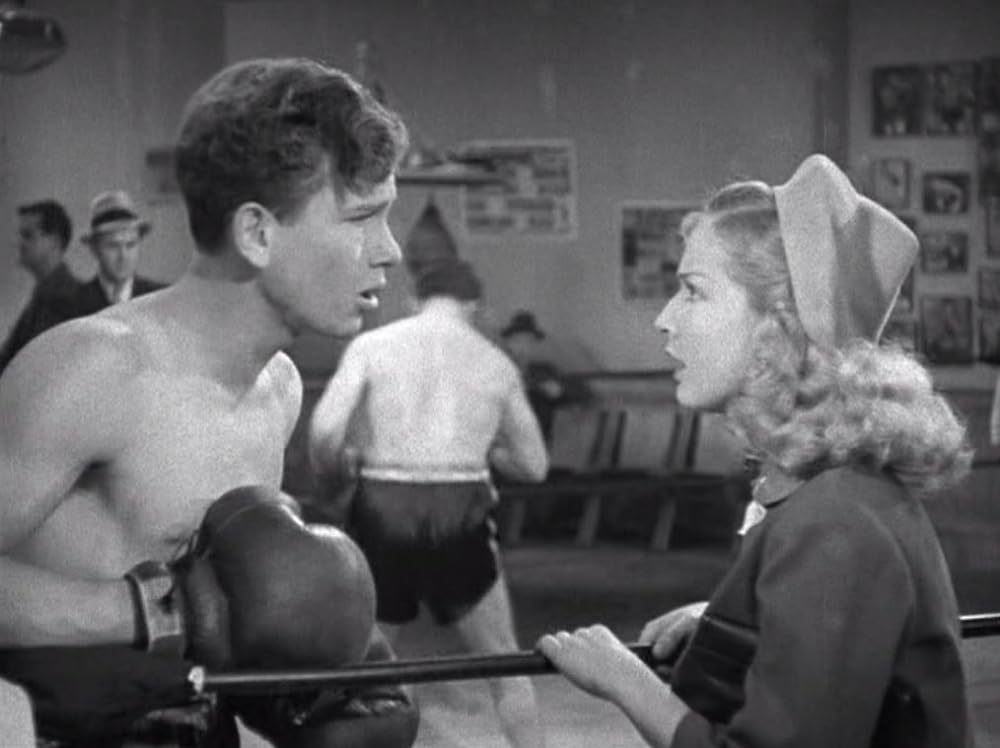
I DVRed some Nancy Drew titles for some light fare to watch when there was a TCM bloc of them in honor of Bonita Granville’s birthday a while back. I got to watching a few and still have a few more to go. The movies are generally fun and brisk, however, this one worked a little better to me because it’s funnier and all the characters function better within the stories framework and the actors more comfortable playing said characters. Comedic boxing scenes are always a winner.
The Venus of Ille (La Venere d’Ille) (1981 Dir. Mario Bava, Lamberto Bava)

The Venus of Ille (La Venere d’Ille) (1981Dir. Mario Bava, Lamberto Bava)
This was horror legend Mario Bava’s final film and a collaboration with his son Lamberto, an accomplished director in his own right. It was produced to air on Italian television as part of an an anthology series called The Devil’s Eyes (I giochi del diavolo). It’s based on an 18th century short story by Prosper Merimée, while the inspiration is older text its interpretation of the star-crossed infatuation with a statue is infused not only with Bavas’ treatment of the Gothic but also a touch of French New Wave as one scene mirrored Jules and Jim (Jules et Jim).
Mel Brooks’ History of the World, Part I (1981, Dir. Mel Brooks)
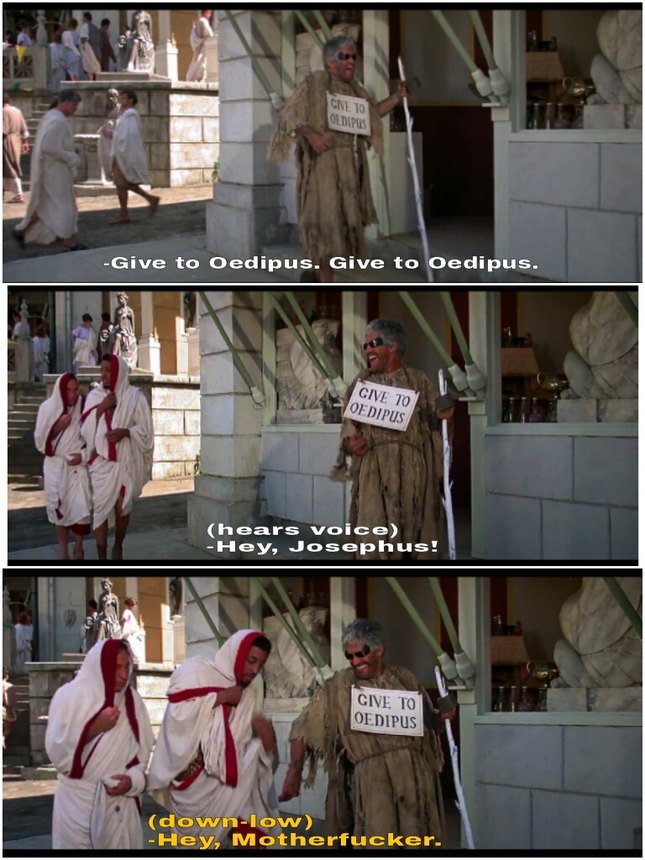
Not sure why I have Mel Brooks blindspots still, but I do and this was one. The weird thing about finally viewing it was I watched it in order to then see the sequel series (not that I’d be confused, it just wouldn’t feel right) but then I didn’t watch the show.
It’s not Blazing Saddles, but it is pretty funny.




 The Movie Rat