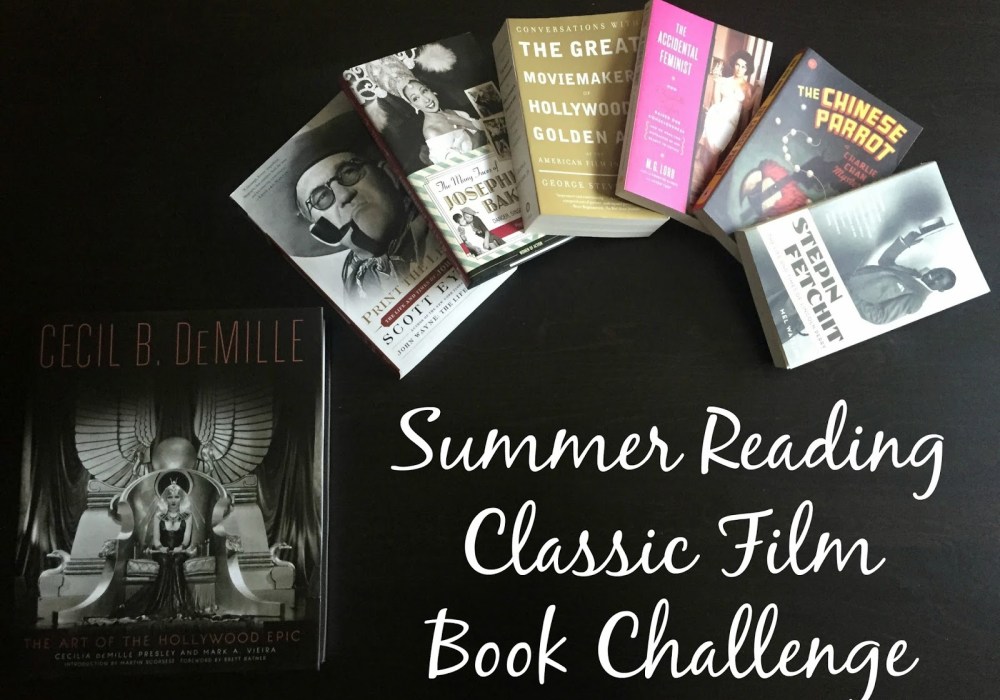
Summer Reading Classic Film Book Challenge: Images: My Life in Film by Ingmar Bergman

Introduction

This is my latest post (third overall) for the Summer Reading Classic Film Book Challenge hosted by Out of the Past. This book fits in as a biographical/filmographic account, as Bergman speaks of the films he made from 1946 to around 1986.

Bergman and Me

Bergman Island (2004, Sveriges Television)

In my second post in this series I chronicled my history with the films of Bergman. With that in mind I was very glad that this is the autobiographical Bergman account I chose to read first rather than The Magic Lantern. When making that decision it was based solely on the fact that Images was published at a later date and therefore would include a few more works.

As it turned out, that was a good thought on a few accounts. One of which was the fact that with further hindsight, and reviewing of his own work, Bergman was able to have more distance between the present day (of when this was written) and production. Therefore, his mind changed for the better, for worse, or he had more clarity on why certain things worked or didn’t work. Furthermore, there were citations from The Magic Lantern used as jumping off points. This may be tiresome for one who read that book but was helpful here.

Clearly the most illuminating to me were the excerpts of texts from his workbooks where he’s literally dissecting his own process from abstract notes you can either clearly see how the film developed, or are let marveling at the genius that he was able to to take something rather obfuscated and turn it into concrete emotion and a visual reality that exudes the intended visceral reactions and ideas.

Fanny and Alexander (1982, Svensk Filmindustri)

The very formation of this account is one that’s fascinating. It started with what was going to be another interview book like Bergman on Bergman with interviews conducted by Lasse Bergström, Bergström then deleted his questions and Bergman edited the text. The filmography section, which was crucial in the days before the IMDb, and handy because of the plot synopses they at times contained, was compiled by Bertil Wredlund.

The film is also very interestingly organized as the films are grouped not chronologically so much as thematically. The sections within are:

Dreams and Dreamers

The Silence (1963)

(Wild Strawberries, Winter Light, Hour of the Wolf, Persona, Face to Face, The Touch, Cries and Whispers, and The Silence)

This section ends with Bergman talking about why he went into self-imposed exile amidst tax evasion allegations that were eventually deemed meritless, then it transitions back to the beginning with-

First Movies
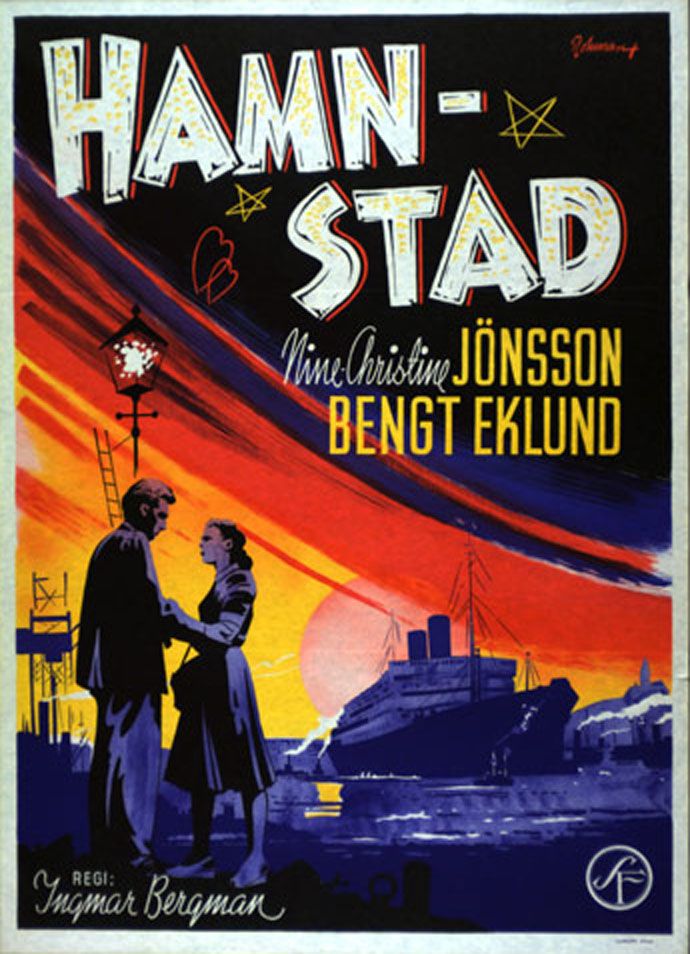
Port of Call (1948)

(Torment, Crisis, It Rains on Our Love, A Ship Bound for India, Music in Darkness a.k.a. Night is My Future, Port of Call, The Devil’s Wanton a.k.a Prison, and Thirst)

This section starts with him in the script department of Svensk Filmindustri then writing scripts and finally directing. It also interestingly discusses his stint as script supervisor (“script girl” as it was frequently called back then), for the first screenplay he wrote. He humorously admits to not being good at it, it’s an important job, and parenthetically, I wasn’t very good at it myself.

Jests Jesters

The Serpent's Egg (1977)

(The Magician, The Rite, Sawdust and Tinsel, The Serpent’s Egg, From the Life of Marionettes, Scenes From a Marriage, and After the Rehearsal)

In this section Bergman not only discusses his years out of Sweden but also ties that in with the themes of jesters and traveling entertainers, and puppets which were omnipresent in his work but prevalent in these films

Miscreance Credence
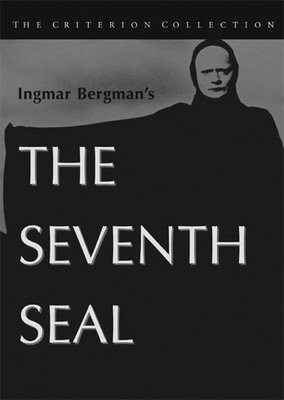
The Seventh Seal (1957)

(The Seventh Seal, Through a Glass Darkly, The Virgin Spring, and Winter Light)

In this section the discussion at times runs together because of the religious themes that connect them all.

Other Films
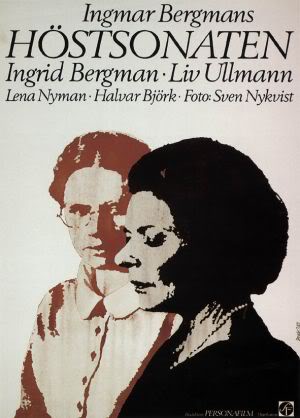
Autumn Sonata (1978)

(To Joy, This Can’t Happen Here, Summer Interlude, Waiting WomenSummer with Monika, Shame, The Passion of Anna, Brink of Life, and Autumn Sonata)

While the title of this section is a bit uninspired it does talk of actors in general segues to the discussion on Autumn Sonata, which I will dedicate excruciating detail to in an upcoming blogathon.

Farces Frolics
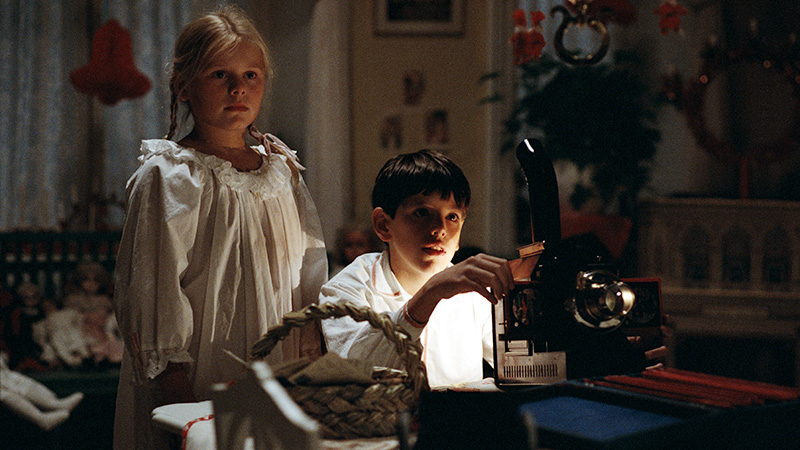
Fanny and Alexander (1983, Svensk Filmindustri)

(some commentary on Waiting Women, A Lesson in Love, Smiles of a Summer Night, The Devil’s Eye, The Magic Flute, and Fanny and Alexander)

Herein he discusses his struggles with comedy in general and his repeated ventures (yes, there were a few) into the genre. In addition to that there is discussion on how Fanny and Alexander in many ways was born of the influence of both E.T.A. Hoffman and Dickens.

Anecdotal Awe

The Passion of Anna (1969)

Note: If you want to go into the book knowing as little as possible bypass this section.

Sure there are wide-ranging insights into his process, life, development, and art in general, but for me (as I’m sure is the case with many of us) the greatest thing is the little insights. Things I never knew that aren’t earth-shattering but intriguing, or opinions he has on his work that you don’t share, and those you do.

Some examples of this are: Fanny and Alexander started with different names in his notes, and that he likes the TV version better (as do I). He detested The Devil’s Eye, and working on it; I didn’t like it either and that kind of thing has a tendency to show (like with John Carpenter and Christine). He claims he shouldn’t have included the interviews in the The Passion of Anna.

It is curious that the mention of the The Magic Flute being produced in the Swedish language, and not German, is non-existent. Though reading the whole book, and the section between the lines there are some inferences one can make about this choice.
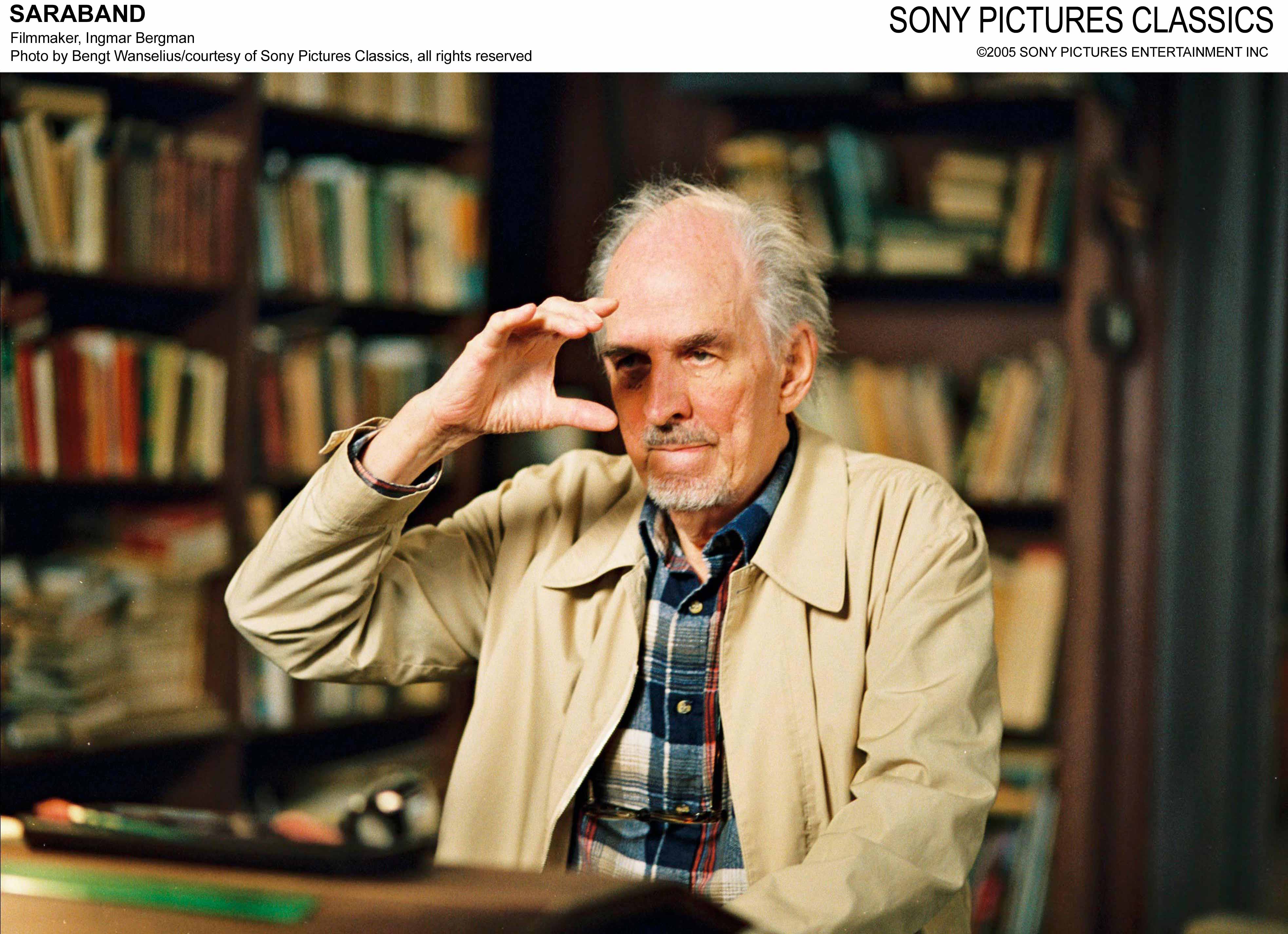
Ingmar Bergman

Also included are insights into his extensive theatre work, which is fascinating as it helps us understand his day-to-day schedule for many years and also see diferences era and country create. There’s also a mind-blowing explanation of a brief stint in TV commercials (news to me), discussion of his lifelong relationships with the opera, and his work therein; radio (also news to me), and influences including Swedish novelist Hjalmar Bergman (no relation). As with any good work on film it made me want to watch and see more.

A Word on Formatting
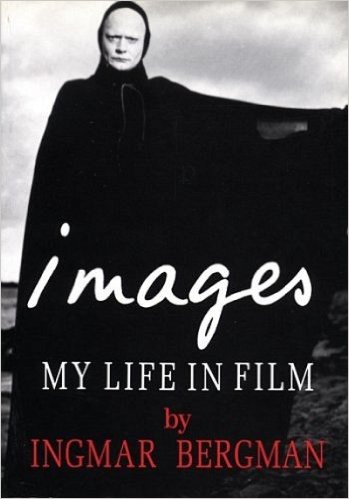
Images: My Life in Film (All Rights Reserved)

If interested in reading this book I would advise seeking out a copy in print, even if you’re not a purist. The copy I read on Kindle had some spacing issues, typos in inserting diacritical marks, and captions awkwardly separated from photos. Maybe some of the display issues would be less of a concern if I read it on an iPad or laptop but some of the mistakes would still be there. Having just made a number of these corrections myself in my own books (Plug!) I have a heightened sensitivity to such issues.

Conclusion
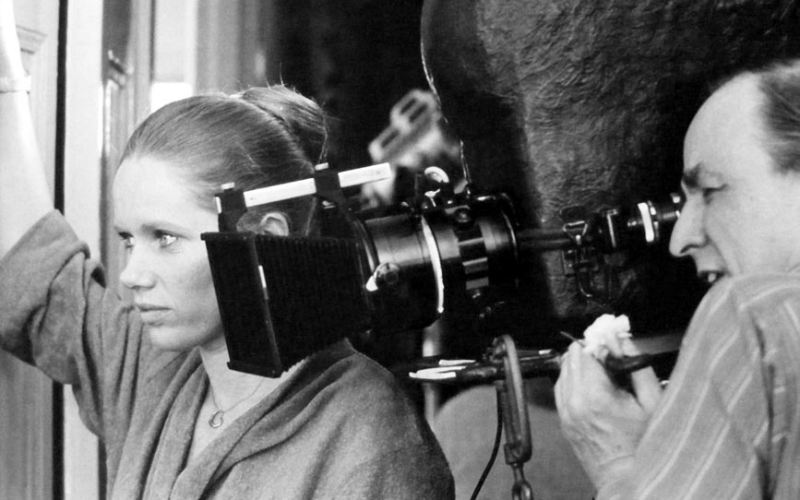
Liv Ullmann and Ingmar Bergman

If you are interested in Bergman, or the craft of filmmaking, I would definitely recommend this book. However, I recommend it with a grain of salt, if you’ve not seen any of these Bergman movies you will likely have them spoiled. However, keep in mind there are a few I have not seen due to a lack of availability and that made me more interested in it. So, check this out!
Summer Reading Classic Film Book Challenge – Interviews: Liv Ullmann

Introduction

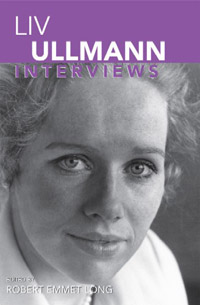
This post is part of the Summer Reading Classic Film Book Challenge. This particular title pertains to the blogathon by being a collection of interviews that serve as a biographical account of sorts as they are collected over a number of years, there are some personal questions, and Ullmann is speaks at various times of her life with evolving perspectives.

Interviews: Liv Ullmann

Liv Ullmann (2006, University of Mississippi Press)

I’ve written about Liv Ullmann here before. Naturally, having written about the films of Ingmar Bergman in the form of a list, and most recently a specific scene she was in that Bergman directed. I also posted a piece called Liv Ullmann: Between Stage and Screen here. This was something I wrote as a reaction to a speaking engagement she had in 2009 at the Brooklyn Academy of Music. It was held in conjunction with her directing a show there and touched on her career as an actress in both media. Following the engagement I got this book, as I have a tendency to do; it ended up in a pile of books for a while. A similar practice applies to movies as well. I’m trying to use Goodreads and Letterboxd to deal with both issues.

But I digress…

I’ve not made a habit of reading interviews exhaustively. However, it’s fascinating in this case because they are legitimate interviews that take a number of projects and topics into considerations and not as much of the junket/talk show nature is in there. Having them span years you can see certain progression, changes in perspective and priorities, and different career phases. The time when her career began, and the type of films she was usually involved in, I’m sure contributed to the meatiness of these interviews. Plus, she doesn’t give the short shrift to any answers.

The 1970s: The Bergman Years

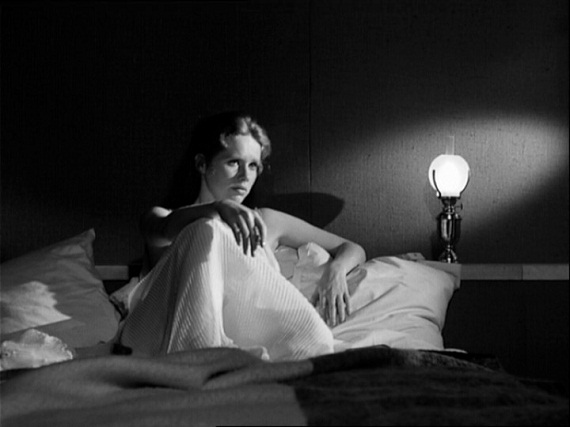
Persona (1966, Svensk Filmindustri)

If we’re being literal Ullmann’s “Bergman Years” began in 1966 with the release of Persona. However, these interviews begin in 1972. It was a different time and cinematic era, therefore, she only came over to the US and started doing interviews around the release of The Emigrants (Dir. Jan Troell), which garnered her a Golden Globe Award and her first Academy Award nomination.

Therefore, many of these interviews concern films like Persona, Cries and Whispers, Scenes from a Marriage, Troell’s epics The Emigrants and The New Land; Face to Face, Autumn Sonata; and her brief, mostly unsuccessful, in box office terms, but fun forays into Hollywood and the Broadway stage.

One can trace the growth of Ullmann as a person and her mastery over he instrument through these years. Always emotionally attuned she gives tremendous insights into her philosophy on life, art, the place of her craft, and the world in general.

The 1980s: UNICEF Ambassadorship and Broadening Horizons

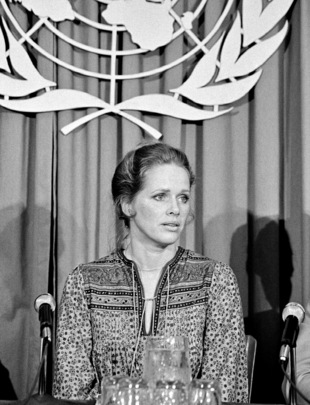
Liv Ullman (U.N.)

When asked to visit refugee camps, and eventually asked to be a UNICEF ambassador; Liv Ullmann admits to a personal epiphany. In a prescient way she talks of the power of the media, and the positive change celebrities can affect by using the media. This is even more true today. She fascinatingly comes to terms with her acting as a profession, something she does for income, but sees this ambassadorship as her new, truer calling.

The 1990s: Sitting in the Director’s Chair

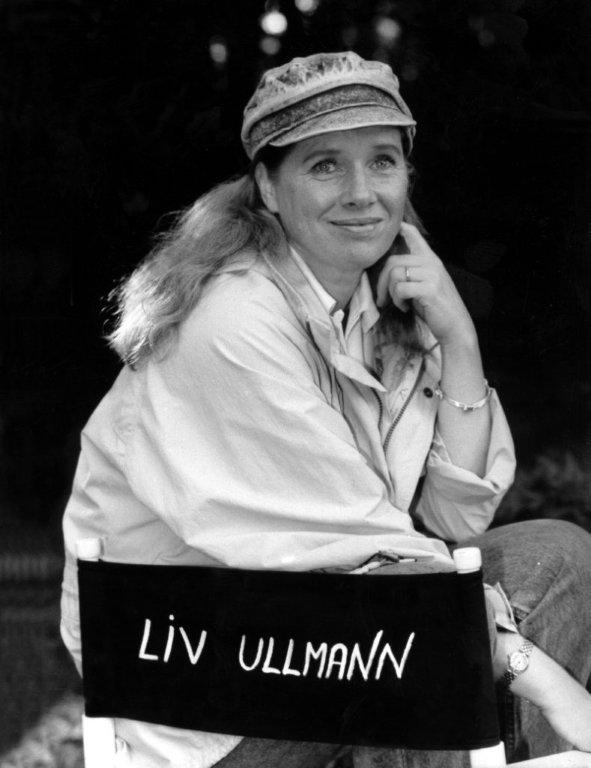
Liv Ullmann

Whether in Hollywood or abroad, the difficulty female actors face landing roles for the same time window of time as their male counterparts is a reality many have to deal with in an inarguably sexist industry. However, Ullmann seems to have found a new direction that personally satisfied her and coincided fortuitously with her entering an age range where actresses struggle to even see scripts much less good ones. Her transition to directing is well-documented, and openly explored.

Her first two films were quite personal yet also included departures. Ullmann is typically seen as a modern woman, emotionally open, intelligent and confidently independent found period pieces to tell her first tales. The first film Sofie is a story of a 19th century Jewish family (Ullmann herself is Christian but has always had Jewish friends and affection for the culture) who pressure their daughter to marry the man of their choosing. Her second feature is a cinematic adaptation of a classic Norwegian saga Kristin Lavransdatter. Also, clearly a temporal departure.

The 2000s: Bringing Bergman Back to the Silver Screen

Liv Ullmann and Ingmar Bergman

Even with only a handful of screen directing credits Ullmann herself has already seen phases. First, were her personally befitting period-pieces, and then after Bergman’s initial retirement from film (one he really only broke for Saraband, which Ullmann participated in) she tackled two Bergman adaptations Private Confessions, as a lengthy TV project and edited feature project based on a novel Bergman wrote, and Faithless, an original Bergman screenplay she piloted solo on his insistence.

Conclusion: All the World’s a Stage

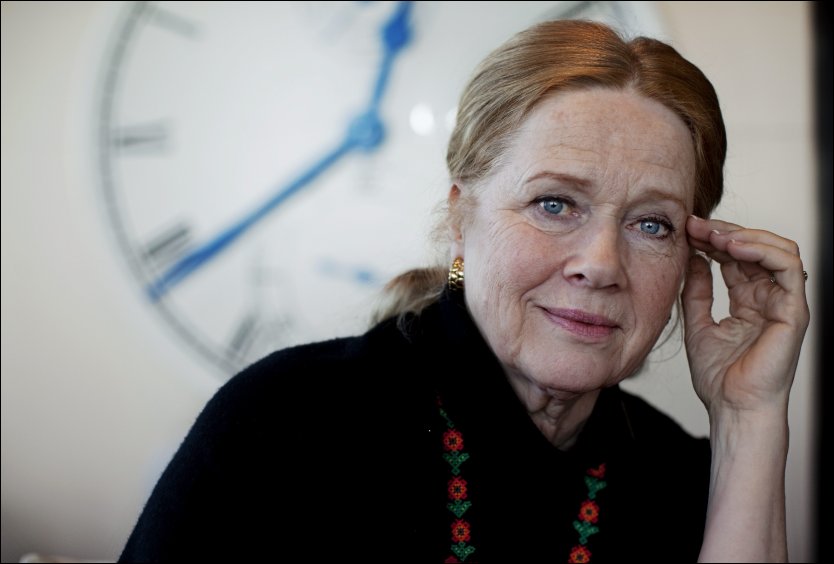
Liv Ullmann (Chicago Film Festival)

Whether it’s been as a legendary screen luminary and muse, activist and force for change, or emerging director; Liv Ullmann has never seemed to back down from a challenge starting from the moment she started Persona not 100% sure what she was getting into and how she was going to pull it off. These interviews cut-off about a decade ago and it shows.

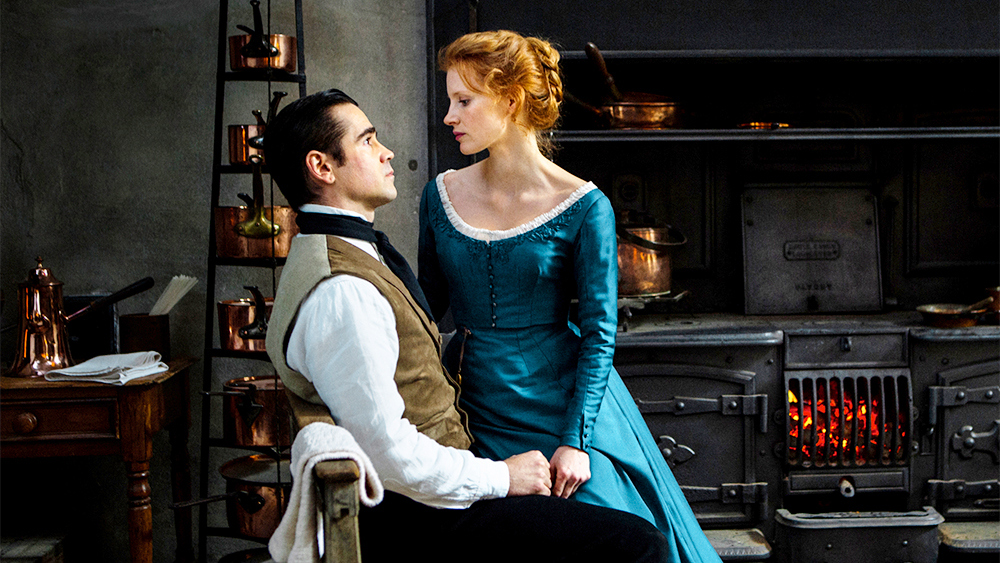
In researching this piece I learned that Ullmann has made her debut directing in the English language with her own adaptation of Strindberg’s Miss Julie starring Colin Farrell and Jessica Chastain. This doesn’t quite surprise me that much as I read some of her thoughts on Strindberg, and her saying she does not see language as an obstacle to directing.

Miss Julie (2014, Columbia TriStar)

Also, considering that Bergman was her closest collaborator who himself had a fascinating theatrical mash-up of Ibsen, Stringberg, and himself it’s not as surprising.

All the works I touched upon hardly scratch the surface as there is much to find in this book for fans. She talks of her evolving relationship with Ingmar personally and professionally, marriage in general, her relationship with her daughter, aging, fame, social issues, gender inequality, her theatrical works, coming to Hollywood as a newbie, interesting insights in to the film industry and specific films in general; and more.

Sure, as with any interview collection that at times features a few talks from the same year there will be some redundancies, certain titles will come up more than other ones, certain information will be redundant or slightly contradictory; but with minimal editorializing, and many Q & A transcriptions it really is speaking for herself and allowing us a window into her heart, mind, soul, and art. Fans and film enthusiasts should be willing to take a glimpse.