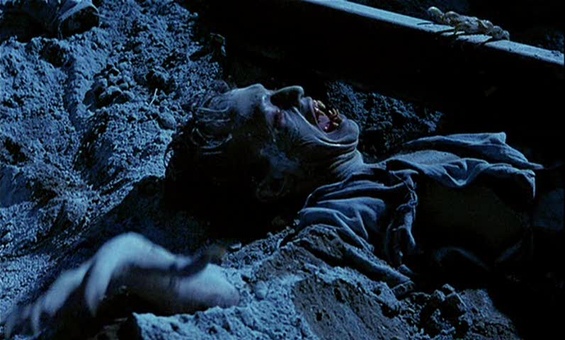
Journey to Italy Blogathon: A Blade in the Dark (La casa con la scala nel buio) (1983)

A Word of Caution

I decided to do a deep dive on this film. If you’re leery of spoilers it might be better to just scan this post. Although, I won’t lay the whole plot out in order in one section.

Also, this post is lengthy. I would’ve posted it in three parts if I hadn’t started so late.

Titles
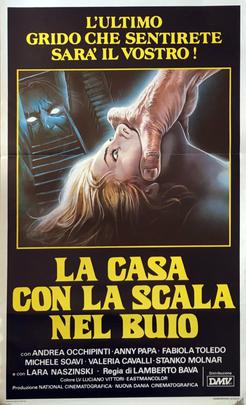
Titles of gialli, and Italian horror films, are usually your first clue of how to take them. They tend to revel in the poetry of death, they might even come off as overwrought and florid to some. I personally love them. Sometimes the alternate titles work better than the more commonly used ones. Just a few quick examples: Mario Bava’s Bay of Blood, is a good title. The alternate, on the other hand, is an all-time great: Twitch of the Death-Nerve. Mario Bava’s father shot a film called La farfalla della morte (The Butterfly of Death). Most of Argento’s titles are memorable, especially those in the animal trilogy. You also have things like Pupi Avati’s The House with Laughing Windows. With regard to this film, the original title La casa con a scala nel buio loosely translates to “The House with the Dark Staircase.” Lamberto later went on to say he preferred the English title. And I must say, as disparate translated titles go, it is quite an evocative one.

Origins
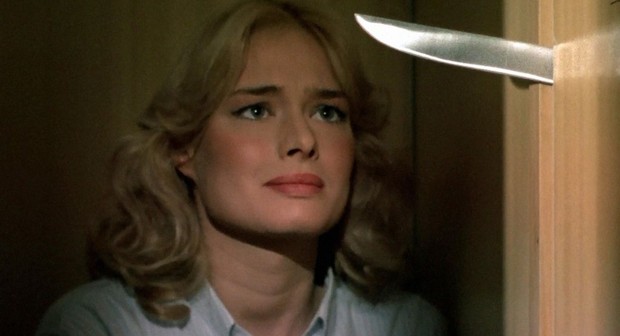
Prior to making A Blade in the Dark Lamberto Bava, son of titan Mario Bava, had directed one feature, Macabre, which is an outstanding film that deserves a proper North American Blu-ray release. Just before making this film he worked as an assistant director on Dario Argento’s Tenebrae. The influence of Argento and that film on this one are clear. However, each stands on its own due to the disparate handling of similar plot elements, but the dialogue they share is intriguing. Any two works of art that dialogue with one another will fascinate me to some extent. 

This film was originally intended as a four-episode mini-series. A televised event may have fit the structure better, but that would’ve made the piece more specialized and something only die-hards would discover later. It turned out that Bava tackled his subject matter with such verve and violence it couldn’t air on television. His producers then told him to cut it into a feature-length film, the original structure can be felt in the methodical pace of the feature-length cut as compared to many giallo films which are a bit more frenetic and byzantine in their construction. In preparation to write this piece I re-watched both the English dubbed feature-length cut and the Italian audio original and the pacing is perfect in the latter as it was structured to have each of its four parts end in a murder that is built to throughout; one of the many things that is far superior there. 

Yellow Fantasies (Fantasie Gialle)
One thing that is often emphasized in writing about giallo films is that they are fantastical, if not outright fantasies. In the essay booklet of Vinegar Syndrome’s box set I was reminded of that. It’s almost as if each giallo and Italian horror film felt impelled to re-remind audiences unaccustomed to these films that, yes, they’re fantastical. Watch enough of them and you know it to be true. 

When discussing Argento’s work, Guillermo Del Toro is practically awestruck by the fact that so many of his films function on a staple of the fairy tale he refers to as “the power of declaration.” Why is there a dance school run by witches? Why is there a room filled with barb-wire? Because there just is, I declared it. 

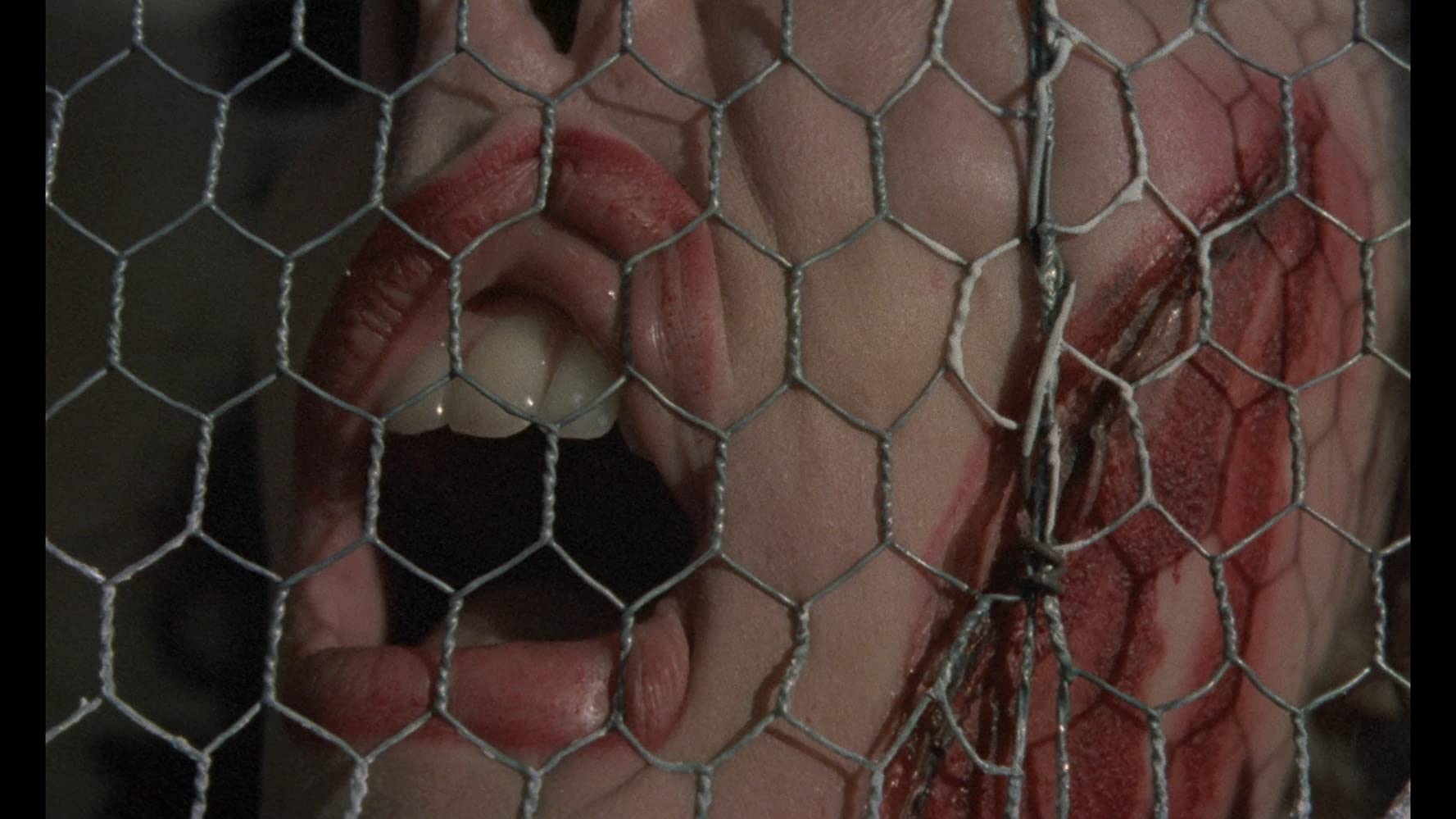
Even in giallo films, which are more earthbound, there are things you just need to go with. One example would be, the first victim in A Blade in the Dark. She’s not bound or otherwise impeded from fleeing from behind the chicken-wire extending past a half-demolished wall. It could be fear that traps her, but that needs to be inferred. Her not attempting to flee once “stuck” also plays into a giallo trope I refer to as “the teasing blade.” Wherein the murder weapon tests a latch, keyhole, door jamb, or other obstruction the target hides behind methodically, slowly at times; Torturing the would-be victim and the audience alike. In this film’s first kill we watch the killer undo blouse buttons, pierce skin, draw blood, and dig. Giallo kills are more protracted than slasher kills that followed. More about stalking than chasing, the film is less concerned about body-count and more concerned about labored, shocking, outlandish kills.
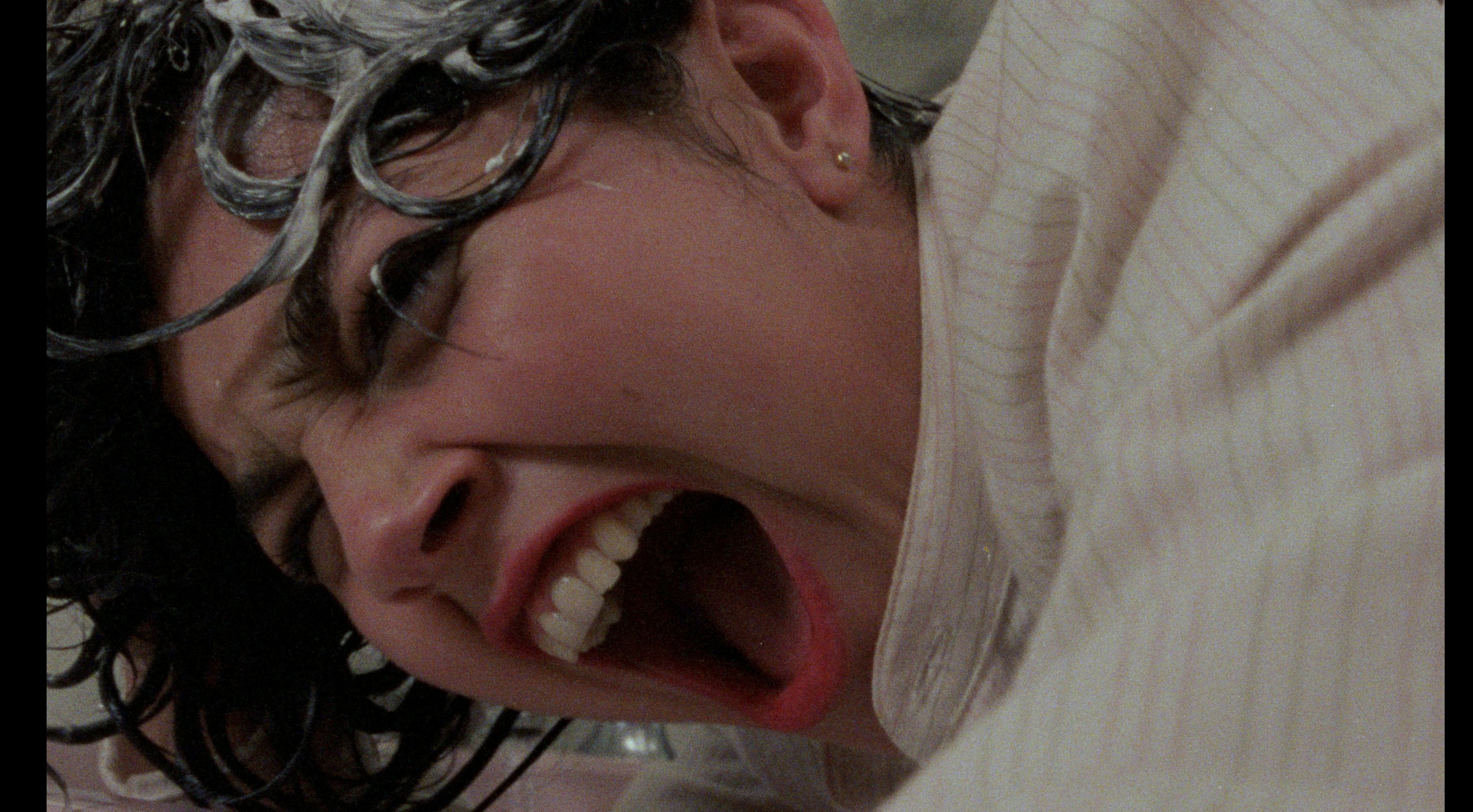
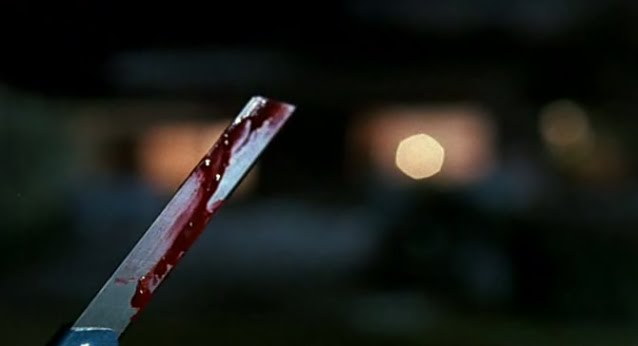
The exception to that rule in A Blade in the Dark is the bathroom kill. Typical gialli kills would have one flashy creative flare and that’d be it. This scene has multiple flourishes. It begins with the film’s most iconic bit of violence: the knife through the hand. It concludes with its most brutal coup de grace: a bag over the victims head while slamming it against the bathtub; then when the woman is practically dead, if not already there, the murderer slits her throat like she’s a slaughtered pig.

It’s safe to say this is the scene that kept it off television. A filmmaker wouldn’t want to compromise it for network censors. This scene, and the discovery of minor clues in clean-up later on, are just two of the elements in this film that remind people of Psycho. The other thing will be discussed later. While there are definitely problematic elements viewing it in the modern day, there are unquestionably many things that work about it and also many ways of parsing this film such that the aforementioned Vinegar Syndrome release’s booklet had three disparate short essays that didn’t even address my observations about it.

Another not-quite-realistic element is the women who pop-up uninvited at the house. Katia (Valeria Cavalli) is strange in general -a bit more subdued in the Italian audio- but is found in a closet by Bruno she’d come to retrieve her diary which was left there when Linda was staying at the house. Angela (Fabiana Toledo) likewise suddenly shows up wanting to use the pool, when Linda stayed she let her. Bruno agrees. She soon meets her end as well.

The Set-Up
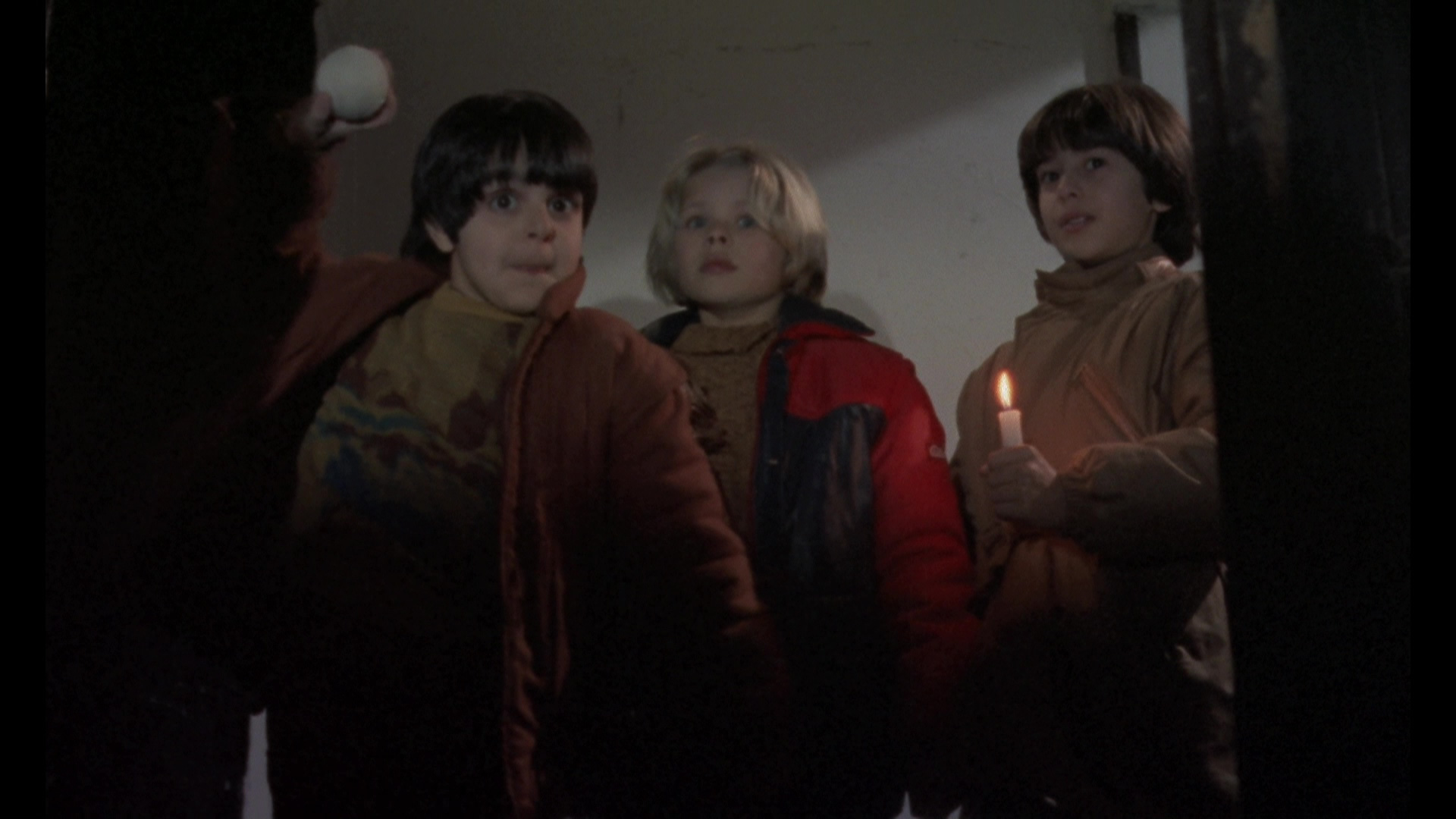
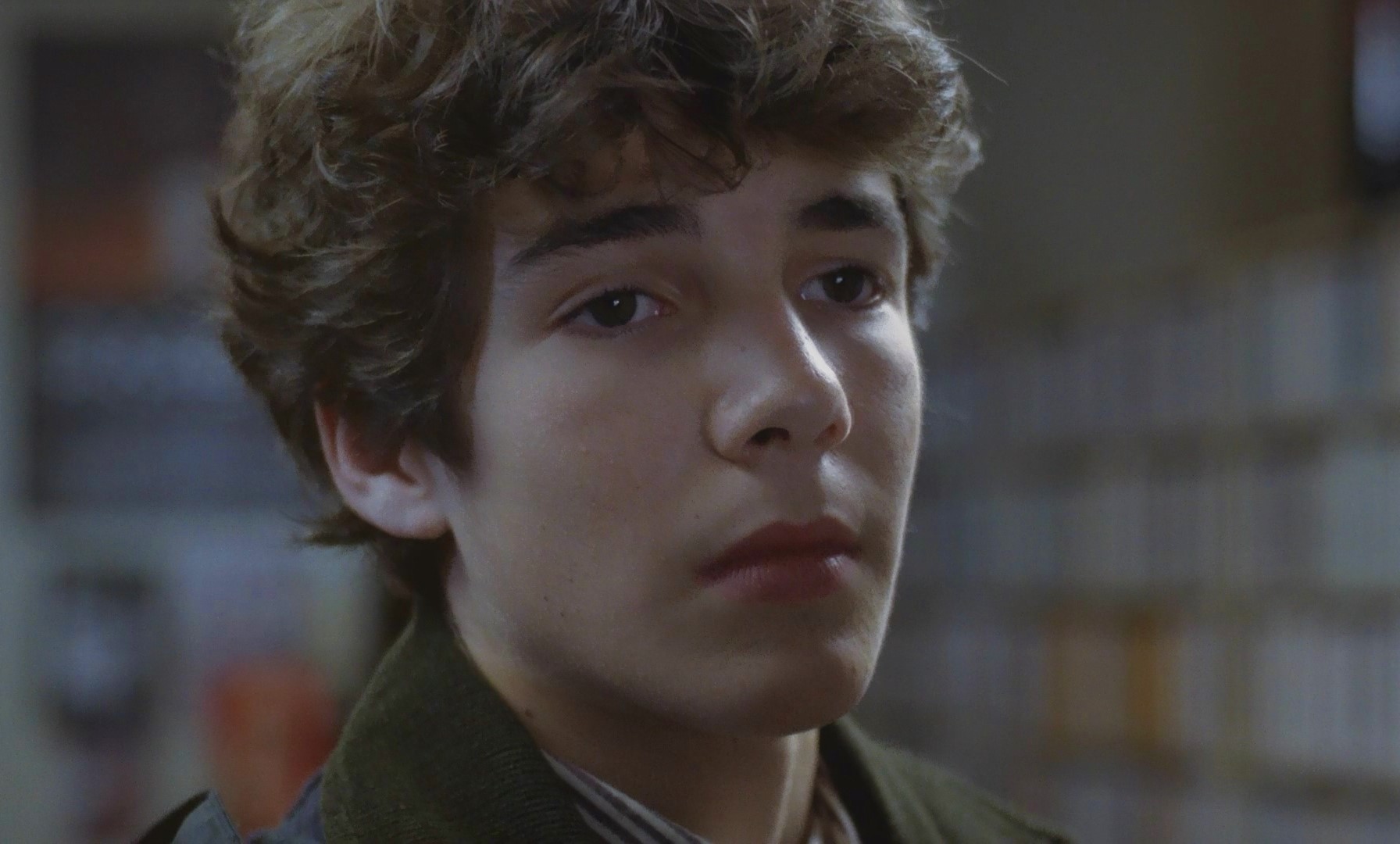
The film begins with three young boys walking into a creepy abandoned house. They gaze down through the open basement door, a stairway that vanishes into darkness tempting them. One of the boys throws a tennis ball down the stairs, daring the blond boy between them to go down and get it. They taunt him, call out his fear. Here we get one of the most significant differences between Italian and English, and TV and feature versions: in the English feature version the chant they hurl at their target is “You’re a female.” It comes across as overly formal and tin-eared considering these kids are ten at most, aside from that its on the nose considering the plot that unfurls afterward. What they say in Italian is “Femminuccia” which translates to “girl” or “baby girl.” I don’t know if there was some decision made to match the “fe” sound in both audio and subtitles, but boys calling each other a “girl” or “little girl,” as the case may be, is not only a far more universal experience, but also less predictive than how it’s generally been played in English and in the subtitles. 

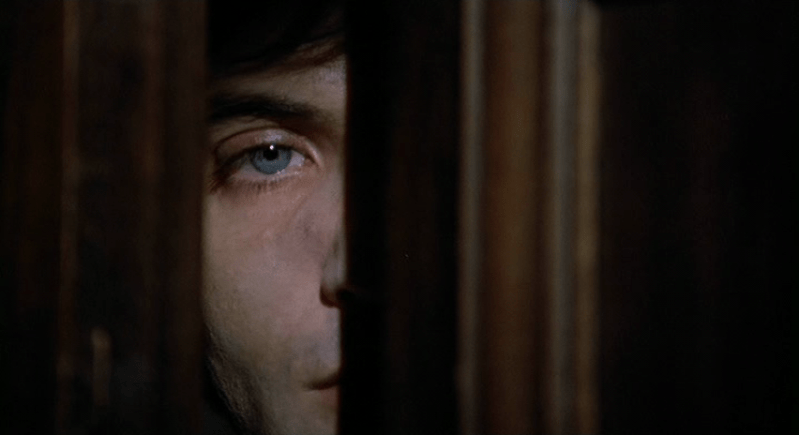
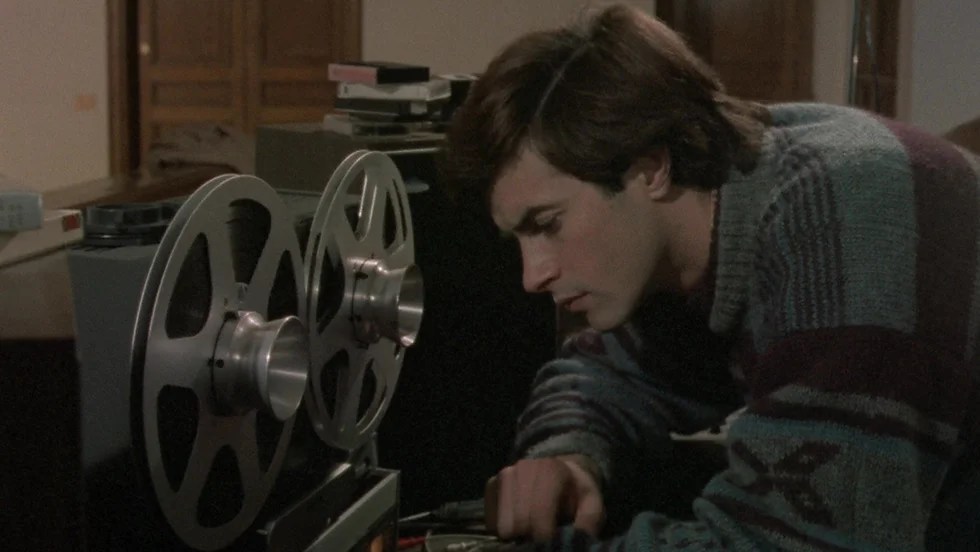
Regardless, after the tennis ball goes down the stairs, the frightened blond boy (Giovanni Frezza, best known as Bob in The House by Cemetery, and a staple in both Bava and Fulci’s films for half the ‘80s) disappears down the stairs. Then the tennis ball whizzes up the stairs, the other two boys avoid it. It leaves a bloody mark on the wall behind them. Shortly, after that we see a Moviola, Sandra (Anny Papa) and Bruno (Andrea Occhipinti, The New York Ripper) sit behind it. What we’ve been watching is a scene from a movie that Sandra directed that’s now being edited. The scene frightens Bruno. He’s tasked with scoring the movie. He’s nervous not only because the film frightens him but because horror music isn’t his usual metier. But that’s why she wants him. This is a great touch, not only does it put the protagonist out of his element artistically (he also is staying at what’s deemed to be a creepy house for inspiration), but Bava employs this very technique in scoring the film. He chose Guido and Maurizio De Angelis, who typically scored poliziotteschi films; a sub-genre of Italian action and crime films popular in the 1960s and 70s. Due to this choice A Blade in the Dark doesn’t sound like most other giallo films. The theme is melodic but not quite as entrancing as The Psychic (7 notte in nero), it has an electronic signature and layering, but isn’t anywhere as thumping as something like Suspiria. What it does is underscore the narrative perfectly and fit. 

Bruno’s working in a house rented to him by Tony (Michele Soavi, who also worked with Argento and on to direct his own films) who seems a bit odd but otherwise harmless. Aside from creepiness, Sandra hopes the solitude will enable him to produce his best work.

Sexuality, Representation, and Art
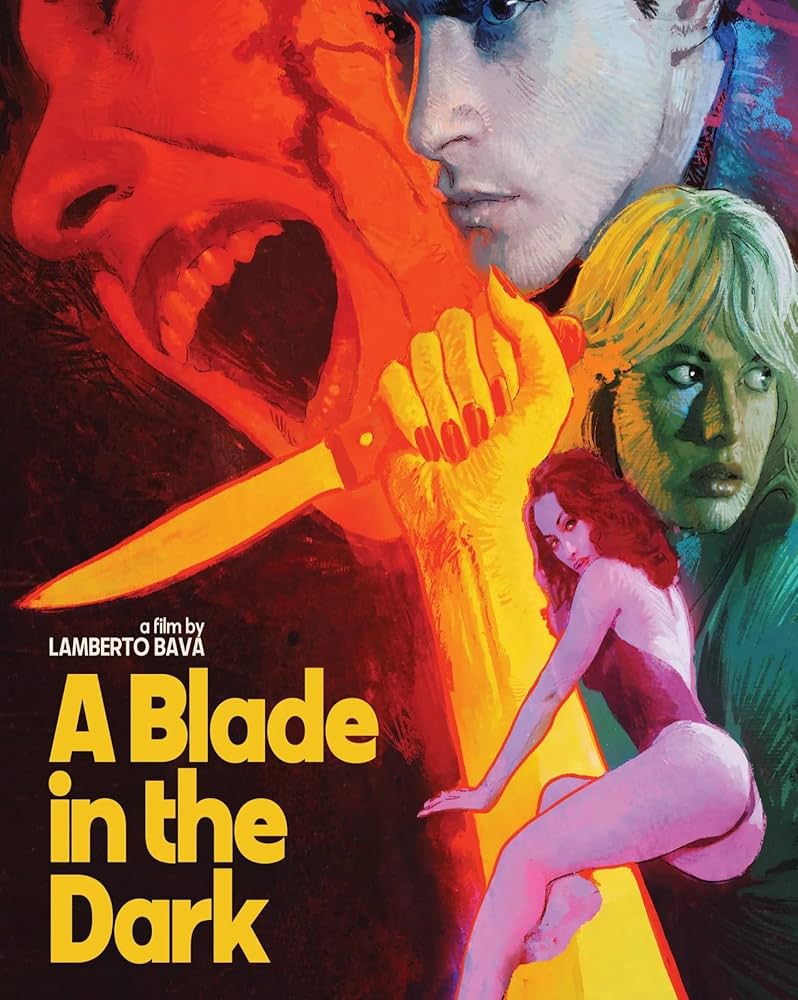
One thing that’s well-noted in the booklet of essays is that the giallo wave was pretty much dead by the time this film was released. The usual purveyors of it went on to tackle other sub-genres of horror and thriller after this. By the end of the giallo wave the films needed to find varied and more creative justification for those being targeted. 

While it’s possible to read this film according to a few theories of analysis, the main characters in this film operate from different places so I believe a layered reading of the film is necessary to truly appreciate all that’s going on. 

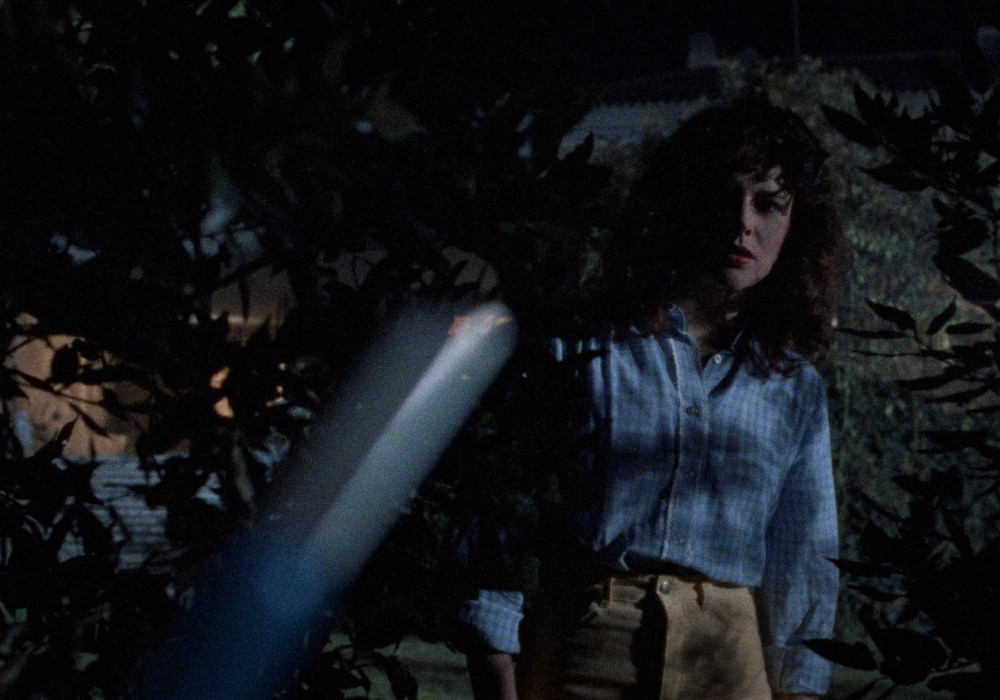
The creators of this film were coming from many places here. As mentioned, Tenebrae influenced Bava here immensely. In Tenebrae, the killer raped/murdered a trans woman he was attracted to and then targeted other women. The first part of that equation is sadly all too relatable today and wasn’t unknown in the ’80s, but it wasn’t discussed as much in film. When it was handled it was done with the understanding of the time, and usually to some extent for shock value. Here, at least, as in Tenebrae, it’s intrinsic to the plot as the big reveal of the film is Tony is Linda, who is the murderer.
When the societal outcast is lashing out rather than an expendable victim (see the myriad movies referenced in The Celluloid Closet, many of which had LGBT characters who were tertiary and pointlessly introduced only to be immediately killed), it’s a lot easier to take despite any errors. Now, I am gay, not transgender. I read a post by a transgender writer about this film. Unsurprisingly, they find it transphobic, but they also said they wouldn’t tell people not to watch. I understand that ambivalence and realize that my thinking more highly of it has to do with my layered reading and personal background. 

One thing that’s important to keep in mind watching older movies now is that they will have troubling content that might not age well, but they can still be viewed if you wish. I thought one of the best jokes on Brooklyn Nine-Nine was when Ace Ventura comes up Jake (Andy Samberg) says “Classic film. One of my childhood favorites. And it only gets overtly transphobic at the very end.” It’s a great line because it acknowledges a serious issue with the film while not discounting the work entirely. For gay and transgender characters to be the protagonist or survive horror films, they had to first be in them as more than tokens. This film at least does that.

Also, when a film is trying to do a lot, not everything will work for everyone. The fact that this film features a female horror film director is also significant. Sandra’s wardrobe is masculine. She wears ties and slacks reminiscent of Diane Keaton in that era, but that choice also speaks to gender expression being part of the plot. That her wardrobe not being commented upon also expresses an almost universal double-standard. If a woman wants to be more like a man, that’s fine to a degree. But a man or boy being more feminine, or being perceived to be more feminine, is a problem.

As I discussed some above, being an artist is also a central element to this story, most of the central characters are creatives. Bruno is a musician and composer; Sandra is a writer and director; and Julia, Bruno’s girlfriend, is an actress. Much of the film deals with the struggles of creation; Bruno trying to get the theme right, Sandra perfecting the film, and through Julia another LGBT reference is inserted in the film. She says her play has been suspended due to profanity. In the English audio she says the play is called “Sackville-West,” named after a correspondent and love interest of Virginia Woolf’s. In the Italian audio there’s an added line “Imagine a play by Mae West being obscene.” The reason for the obscenity charge is the play deals with “homosexuality in females.” Bruno’s response in both instances is “Oh, that explains it. No one wants to hear about that.” Whether Bruno agrees with the decision or he just means society in general won’t accept that almost doesn’t matter because they’re characters in a film that deals with something closely related.

The struggles of these three characters to create, the time they dedicate to it, their single-mindedness puts blinders on them. Bruno, is more interested in scoring this film and doing it well, while also solving the mysterious disappearances around him, than he is in self-preservation or working on his relationship. Similarly, Julia is too wrapped up in her play, and wanting Bruno to see it, to believe murders are even happening until she has not choice but to believe it. 
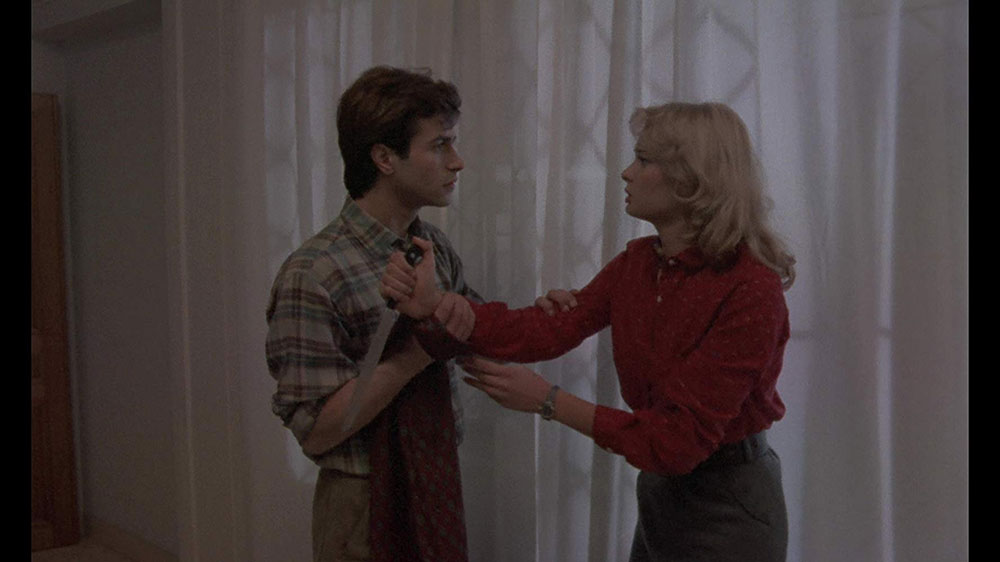
That brings us to Sandra, who perhaps best represents the narcissism that all artists have to some extent. She betrays Linda’s trust, when she was told Linda’s secret it was made explicitly clear it was a secret. Not only did she turn that into the seed of an idea for a film but she repeatedly minimized Linda’s feelings and she was the offended party. Sandra also is hiding the final reel from everyone, no one is to see it presumably until the film comes out. There are stories of controlling directors doing things like this, but stopping the composer from watching it goes beyond the pale. Obviously, the composer needs to see the images his music is supposed to accompany. It also intimates that she’s on edge about Linda or that she realizes, perhaps subconsciously, that the story she wrote is more true-to-life than she intended. She even tells Bruno “The killer in this film is a woman” meaning her film but that’s also true of the one they’re in. 

The Explication Scene and Linda’s Modus Operandi
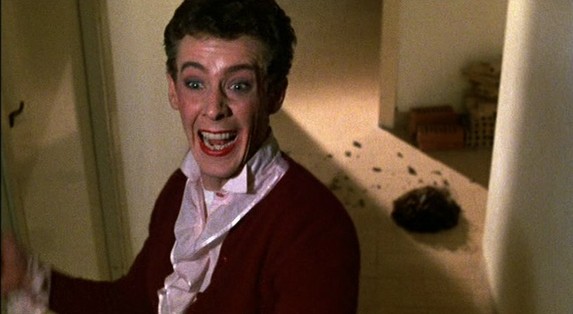
The explication scene is perhaps the Achilles heel of many gialli, sometimes the denouement allows the audience to get the bad taste out of its mouth. In this film it’s literally the last thing you hear which is unfortunate. The explication is typically necessary due to the double-edged sword of a giallo film. The audience is kept from knowing the identity of the killer for a vast majority of it. The whodunit aspect is fundamental to its structure. With that set-up, and a killer who has an alternative sexuality, by default you have other people speak for them as in the case of this film both Linda and Sandra are dead in the end. Add to that writers who are attempting to make a statement and be original and you get the kind of inaccuracy you find in this film. A lot of gialli also leaned on a pop-psychology that treated trauma as a kind of “Rosebud,” if you discovered what happened to this person you’d understand everything about them. That works to varying degrees in the genre. Even in a fantasy its hard to accept that one’s gender identity or sexuality will change because of bullying, but those taunts can make one see one’s self more clearly. Similarly, being unable to accept one’s queerness, however, is accurate and a universal phenomenon.

Not seeing the killer, not being anywhere near their headspace, one must also speculate on the plan Linda had in mind. Getting past the filmmaking elements and the surprise of the narrative into the idea Linda had is not hard. She and Sandra had a falling out. Linda told Sandra about her deepest trauma in confidence. Sandra decided to spin that story into a film using Linda’s story in a scene. Linda got upset. Her confidence was betrayed, the friendship ruined. It seems Linda’s initial goal is to ruin the film. She, as Tony, rents out the house to man people, including now Sandra’s composer. She whispers so Bruno can hear it on playback telling him eerie secrets, she then destroys his takes of the score, halting his work to make him start over. None of that deters him. Then the unexpected houseguests dying doesn’t stop him either. 

Linda then finds the film’s elusive final reel while no one is looking at the post production facility. She lops off half of it and slices the rest to ribbons. None of it stops Sandra from trying to tell the story she wasn’t supposed to tell. 
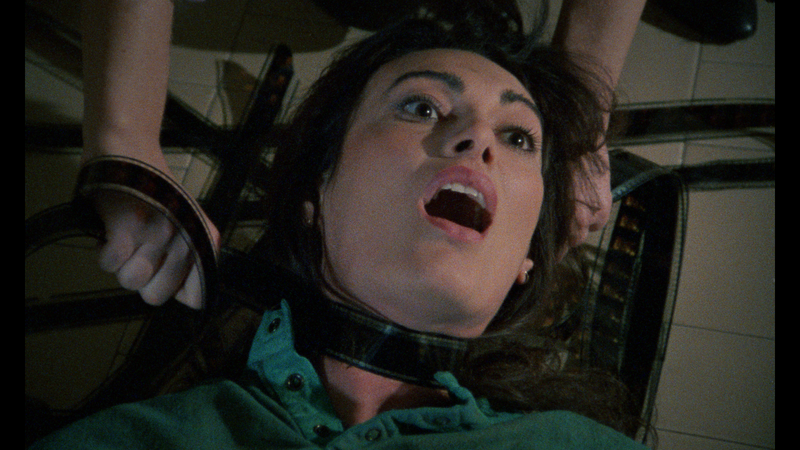
Aside from betraying Linda’s trust, Sandra was essentially outing Linda in her film, so why wouldn’t she want to get her revenge? She could stop at ruining the film, but then it wouldn’t be a giallo; the revenge fantasy aspect wouldn’t be as viscerally appealing. The fact that Sandra is strangled by a strip of 35mm film and then found in the remainder of the final reel is ham-fisted, perhaps, but it underscores the point that Linda wouldn’t have felt pushed to do this without the film. Giallo films are about excess and many times that’s just the kind of excess I want in a film. If it seems like you’re gonna go there, really go there!

At one point, Bruno and Sandra find in a room that was previously locked. It contains two collections of items traumatic to Linda in cardboard boxes: pornographic magazines (which could be a nod to her body dysmorphia without the film having the vocabulary for it. Early in the film she slashes at the centerfold in a nudie magazine when she first enters the recording studio), in the second box are tennis balls. While this is striking as an orgy of evidence, those are rarely found in reality, but this is a fantasy. Furthermore, I really love that Linda seeks to weaponize these traumatic totems. She also uses the taunt the bullies used on her (“Feminuccia“) on one of her victims. 
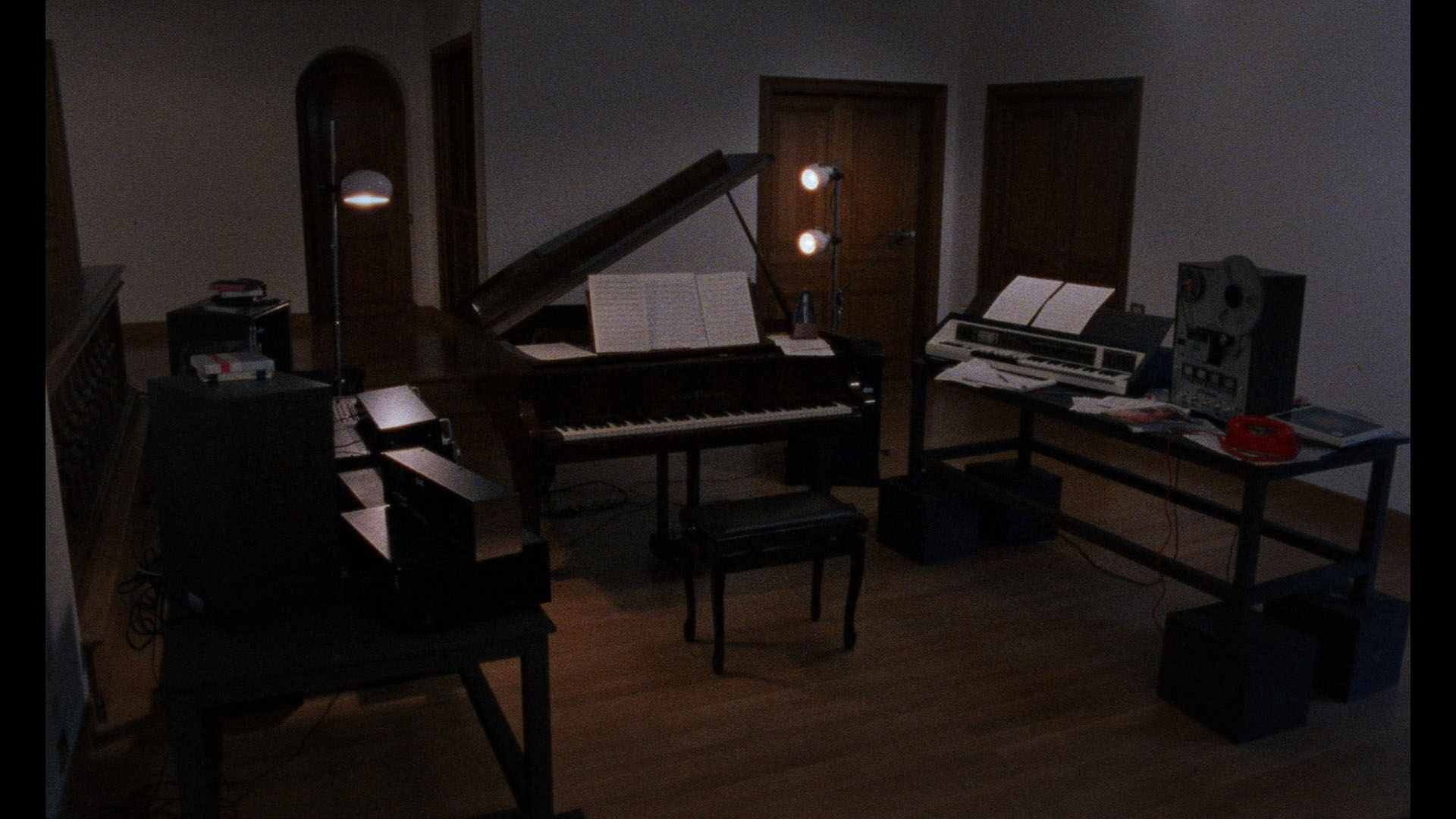
The score at one point I feel comments on Linda also. I previously mentioned musical overlays. Toward the end of the film the emblematic theme is played, then another piece of score plays over it. This is disconcerting for the audience but also can be read to represent the clashing of Linda’s personalities. 

Conclusion

Sex and sexuality are and were vital cogs in giallo films. As opposed to the slasher films they inspired in the US, there wasn’t as puritanical a bent, nor was the sexuality typically superfluous to the remainder of the story or themes. Neither is something like A Blade in the Dark totally out of left-field. In her essay “The Mother of All Horror: Witches, Gender, and Dario Argento” Jacqueline Reich wrote that giallo is “a genre dominated by sexually ambiguous villains and monsters offering cross-gender identification.” And I certainly agree with that take. Machismo or toxic masculinity has always made me bristle, so giallo characters (or those in any genre) offering a counterpoint to that intrigue me. 

While Bruno’s simplistic interpretation is that Tony’s masculinity was stunted, Linda’s whole being was affected. One final comparison between English and Italian audio, there comes a point where Linda loses the box-cutter she began her spree with. When she enters the kitchen and finds the knife-block displaying the knives vertically on the wall, there’s an ecstasy in Linda’s vocalized reaction that’s half-shock (like she sounded after the bathroom kill) and half-arousal. This also plays into ambiguity, as does the fact that in order to enact this plan Linda has to inhabit the body and clothing of her former persona more often. That definitely explains how uncomfortable and nervous Tony is, and why he goes out of his way to say he’s not just leaving the house, not just leaving Tuscany, but heading to Kuwait on non-existent business. 

The ingredients of many gialli, especially Tenebrae—sexuality, representation, and art—are in this film with a different recipe. Lamberto Bava wondered what if the trans person had been wronged and snapped. To answer that question and produce a film about in 1983, in Italy, it almost had to be in an exploitative genre as it was one of the few refuges to more fully examine outcasts. There is certainly more to A Blade in the Dark than meets the eye. 
Film Discoveries (a.k.a. Best Older Film First Viewed in) 2023

Introduction

I decided to go with both possible titles for this list because while “film discoveries” is breezier I sometimes get too bogged down in the semantics of whether or not a film was truly a “discovery,” which could potentially eliminate a great film I saw for the first time despite the fact that I already knew of it. So there’ll be some commentary on whether or not I was familiar with a film, and for the more well-known titles I will explain why I might not have gotten to see it and how I  finally did.

I also felt it was time to post this sort of list again because it used to be a staple on this site, and while I intended to do one encompassing the pandemic, but I never did. That despite the fact that I did have year-specific hashtags for newly viewed films on my Letterboxd page. 

The titles are presented in no particular order. I didn’t disqualify any films from consideration due to its having recent release year, only 2023 titles were ineligible. Without further ado the films. 

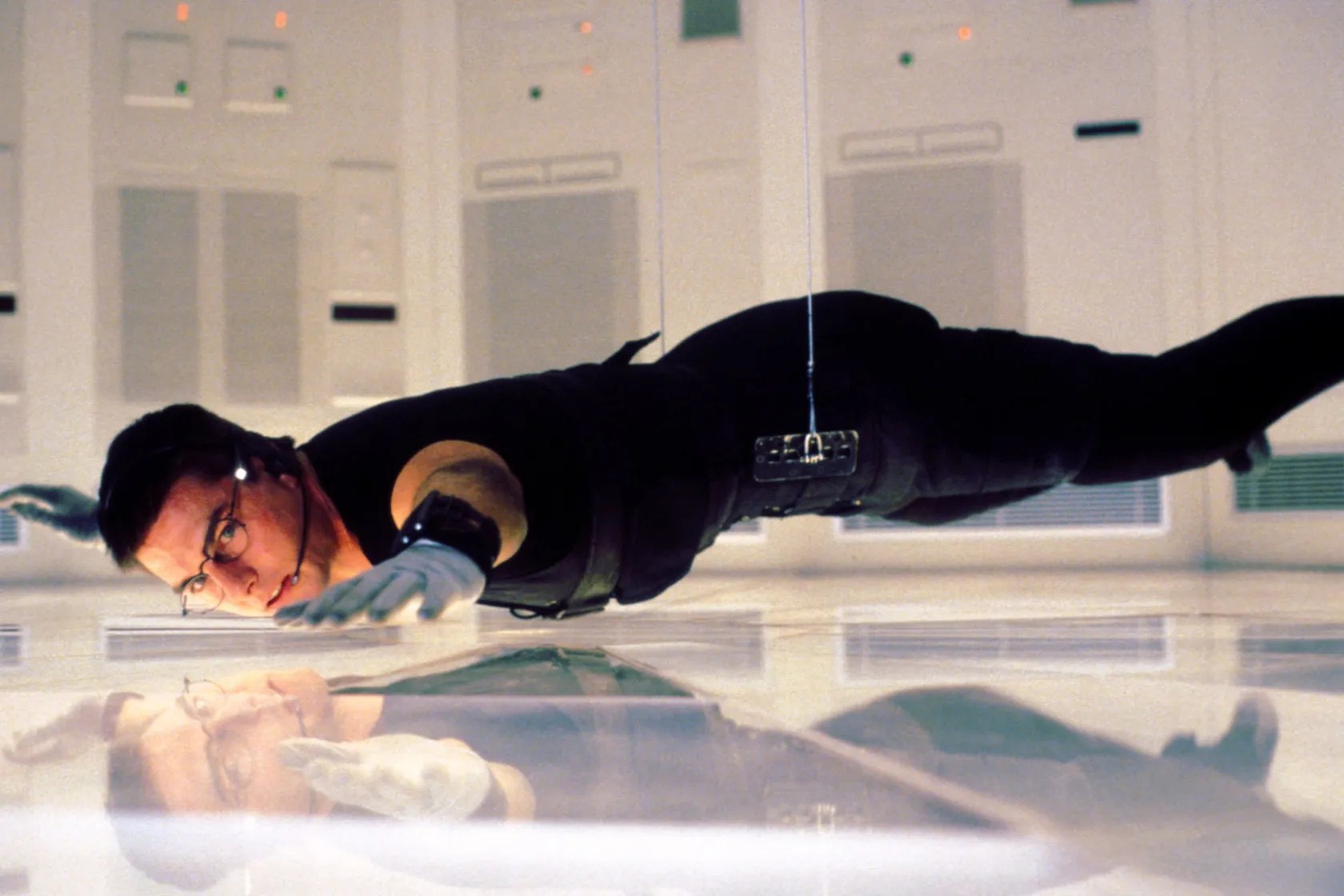
Mission: Impossible (1996, Dir. Brian De Palma)

As a kid I was aware of the original series, knew the theme song and concept, although, I don’t know if I ever caught it on Nick at Nite, but when the film came out it’s not something I made a point of seeing. After seeing a billion parodies of the famous vault scene I thought it had nothing else to offer.

As the years went by I did see later installments as they came out, not much if any information regarding previous films was necessary to follow and enjoy them. However, this initial film in the series has a lot of legendary talent involved like Brian De Palma directing, Robert Towne, David Koepp and Steven Zaillian on the screenplay, and a villainous turn from Jon Voight, make this not just another highly watchable ‘90s studio product but an exemplary one. 

I viewed this film when it was on Netflix, it has since shifted over to Paramount+ and Amazon Prime.

Benny’s Video (1992, Dir. Michael Haneke)

Knowing of a film’s infamy is not the same as watching it. Not only is it harrowing and terrifyingly matter-of-fact but it eschews any and all impulses toward the sensational and exploitative and is instead contemplatively brutal and brooding as we’re left but to watch footage both diegetic and non-diegetic that illustrates cause and effect without vocalizing except in simplest terms without the character being able to fully comprehend his compulsion when we, over the course of the film, can.

I saw this film thanks to Criterion’s new release of Michael Haneke’s Trilogy from Criterion. Whether familiar with his work or not, I wouldn’t recommend doing as I did and watching all of these films in rapid succession.

Terrified (Aterrados) (2017, Dir.  Demián Rugna)

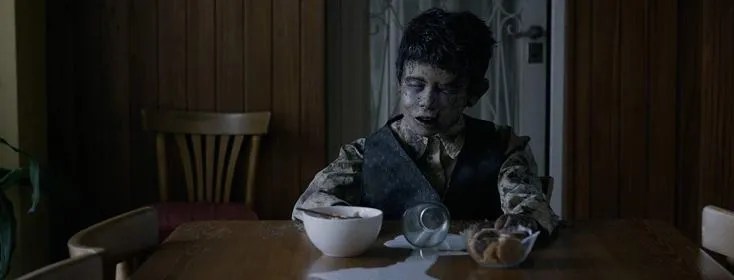
This was a film that I flirted with seeing for a while on Shudder. When I finally watch it it was just before I saw When Evil Lurks (Cuando acecha la maldad). This film takes a fascinating approach at looking of paranormal events occurring in Buenos Aires by staring us smack dab in a police interrogation room, as the mystery of what the police and the people accompanying them want to know is solved more imponderable and horrendous ones unfold. 

Black God, White Devil (Deus e o Diabo na Terra do Sol) (1964, Dir. Glauber Rocha)

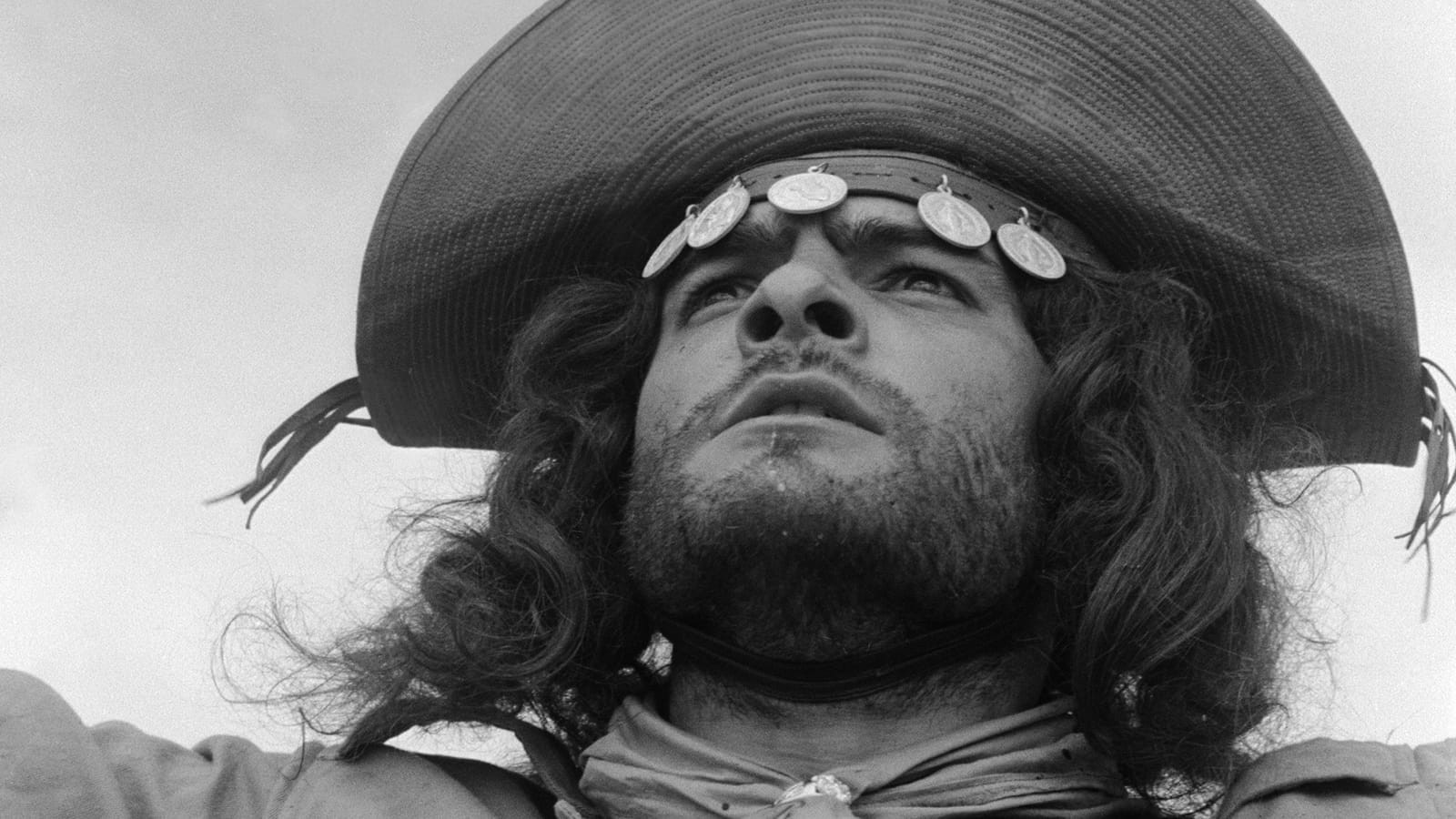
At a time when a coup d’etat and military dictatorship were descending up Brazil this film, essentially a western set in the 1940s the lines between good and bad, god and the devil, bandit and victim are all blurred in a deliberately paced but nonetheless electrifying film. 

I viewed this title on 35 mm at Film Forum, in a beautiful new restoration. Having never seen it prior I’m sure the new subtitles are far better than the original, but as a Portuguese speaker I found it unfortunate that the subtitles stripped some poetry from the song lyrics and even dialogue in the film

Which brings me to an additional point, this film was one of those that made me want to return to listing both English and native language titles as mentioned in my most recent post. While the English title is snappy and gives a glimpse of the duality and contradictions found within this film the original title literally translated God and the Devil in the Land of the Sun, aside from being poetic that touches on the allegorical elements of the film. 

At current there is no news of a North American physical media release.

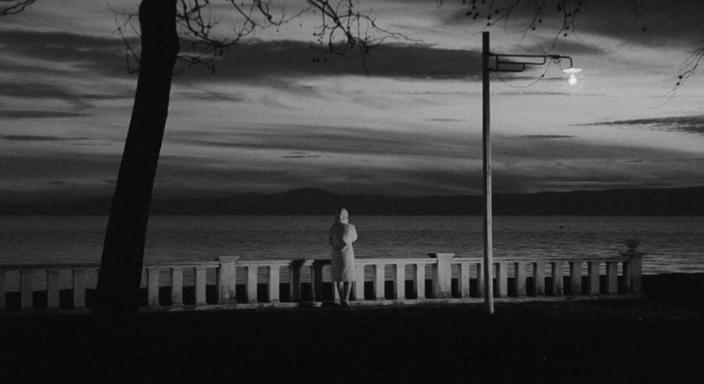
The Possessed (La donna del lago) (1965, Dir. Franco Rossellini, Luigi Bazzoni)

When a film is described as “proto-” of a given genre it is noteworthy by default but it doesn’t mean it is good by default, but this proto-giallo is captivating, atmospheric, well-rendered, and fans of the genre will definitely see the blueprint for later gialli here.

This was a film I was able to see thanks to the great Giallo Essentials box sets from Arrow Video

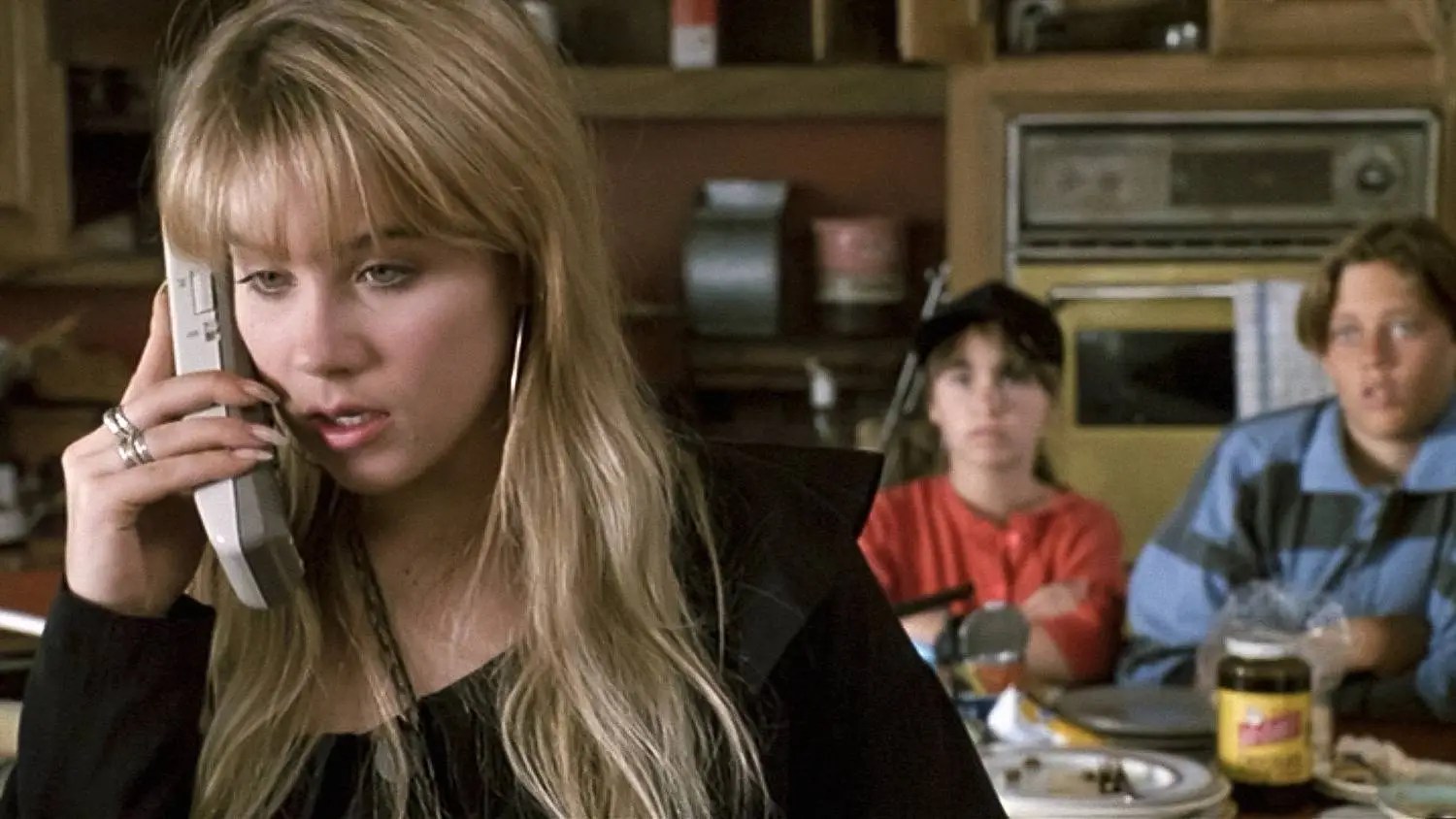
Don’t Tell Mom the Babysitter’s Dead (1991, Dir. Stephen Herek)

This is one I think I saw a few select scenes of in the past but never saw the whole thing. As a kid when it first came out I didn’t want to see it because I was not yet truly familiar with the concept of a dark joke much less a dark comedy. Not that this one is textbook dark comedy, but that’s just an illustration of my naïveté at the time. I saw the beginning of it the morning of December 23rd but last minute food shopping for a holiday gathering needed doing so I saw it from the beginning, all the way through, that night on HBO Max.

Questions about how Sue Ellen lied to payroll at her employer notwithstanding, it is quite a funny, irreverent film that’s sadly not entirely irrelevant in its handling of women in the workplace. 

El Pico 2 (1984, Eloy de la Iglesia)

Severin Films with this release introduces me to the subgenre in Spanish cinema known as Quinqui, which emerged in the 1970s and dealt with drug addiction and delinquency. De la Iglesia’s work deals with the aforementioned topics and homosexuality in Spain in a more blunt and compassionate manner than many of his contemporaries. These films also feature a touch of neorealism casting many who were not previously actors but who turn in marvelous performance in part because these things are true to their lived experiences, most notably the lead José Luis Manzano.

The capstone of de la Iglesia’s Quinqui trilogy offers the most well-crafted, complete, and emotionally rounded look at this circle of characters whose struggles were followed. Flashbacks are incorporated organically and completes a tough to watch but artful and affecting saga.

Your Vice is a Locked Room and Only I Have the Key (Il tuo vizo è una stanza chiusa e solo io ne ho la chiave) (1972, Dir. Sergio Martino)

This was a film I was able to see thanks to the great Giallo Essentials box sets from Arrow Video. It possesses one of those titles that make you either love or hate the genre and the setup is one that can be described similarly: a rash of murders breaks out at the estate of a debauched, abusive writer and his wife. As always with Martino the visual style of the film is as gorgeous as the story is twisted and suspenseful. 

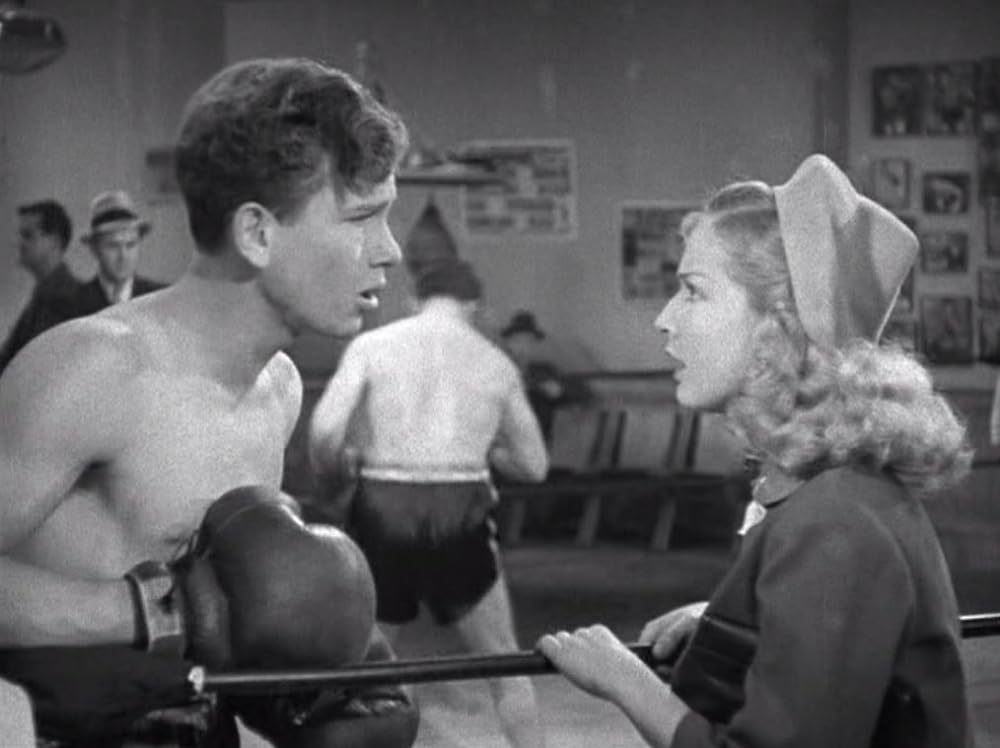
Nancy Drew…Reporter (1939, William Clemens)

I DVRed some Nancy Drew titles for some light fare to watch when there was a TCM bloc of them in honor of Bonita Granville’s birthday a while back. I got to watching a few and still have a few more to go. The movies are generally fun and brisk, however, this one worked a little better to me because it’s funnier and all the characters function better within the stories framework and the actors more comfortable playing said characters. Comedic boxing scenes are always a winner. 

The Venus of Ille (La Venere d’Ille) (1981 Dir. Mario Bava, Lamberto Bava)

The Venus of Ille (La Venere d’Ille) (1981Dir. Mario Bava, Lamberto Bava)

This was horror legend Mario Bava’s final film and a collaboration with his son Lamberto, an accomplished director in his own right. It was produced to air on Italian television as part of an an anthology series called The Devil’s Eyes (I giochi del diavolo). It’s based on an 18th century short story by Prosper Merimée, while the inspiration is older text its interpretation of the star-crossed infatuation with a statue is infused not only with Bavas’ treatment of the Gothic but also a touch of French New Wave as one scene mirrored Jules and Jim (Jules et Jim).

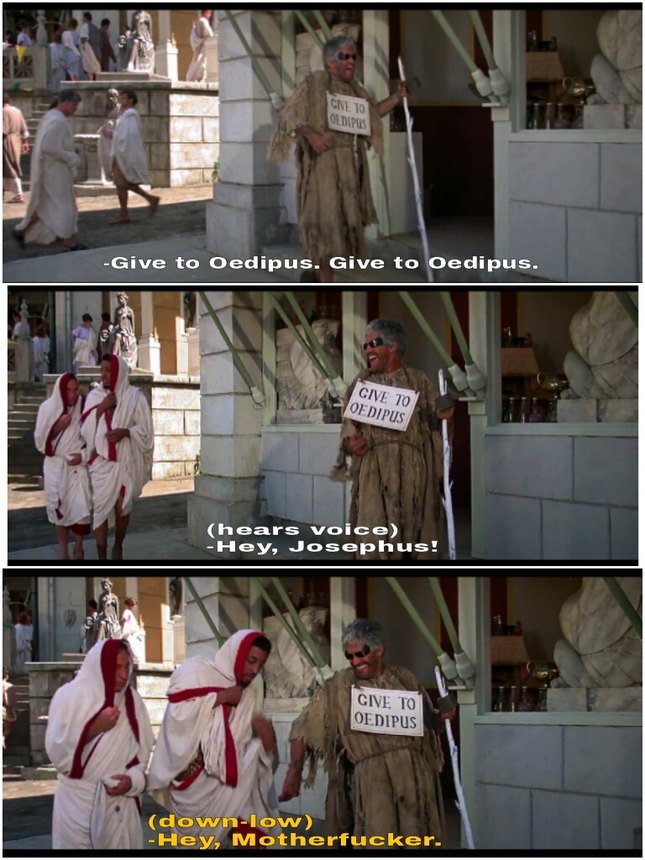
Mel Brooks’ History of the World, Part I (1981, Dir. Mel Brooks)

Not sure why I have Mel Brooks blindspots still, but I do and this was one. The weird thing about finally viewing it was I watched it in order to then see the sequel series (not that I’d be confused, it just wouldn’t feel right) but then I didn’t watch the show. 

It’s not Blazing Saddles, but it is pretty funny. 

1984 Blogathon: Devil Fish

Introduction

When deciding what to pick for a 1984-themed blogathon there were many great options. It was a great year. However, many of those were taken so I thought it’d be fun to go off the beaten path. At first I considered something foreign or very obscure. What ended up happening was that it turns out I had written about many of my favorites already. So that introduced a new possibility: something memorably bad; the only debate was “Do I want to write about two bad movies in a row?”

When I decided I did I was instantly surprised. Little did I know that when I chose Devil Fish there would be quite a few things about it to uncover that I had not known prior to starting on this post.

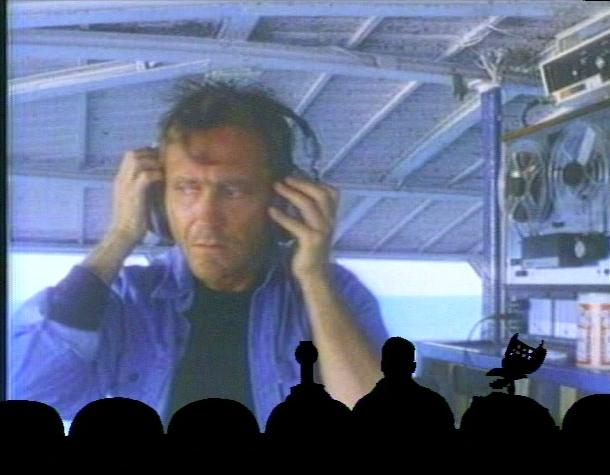
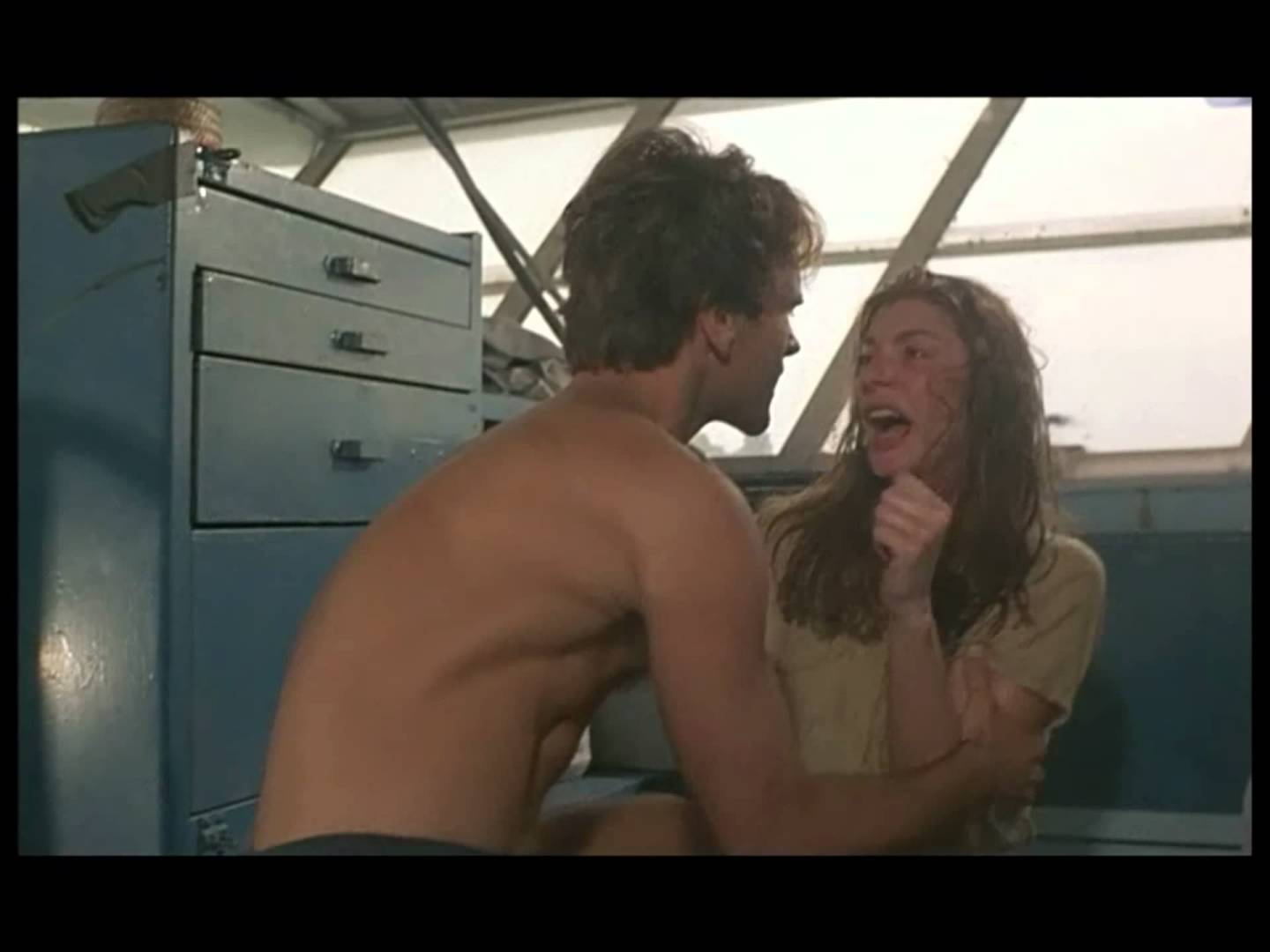
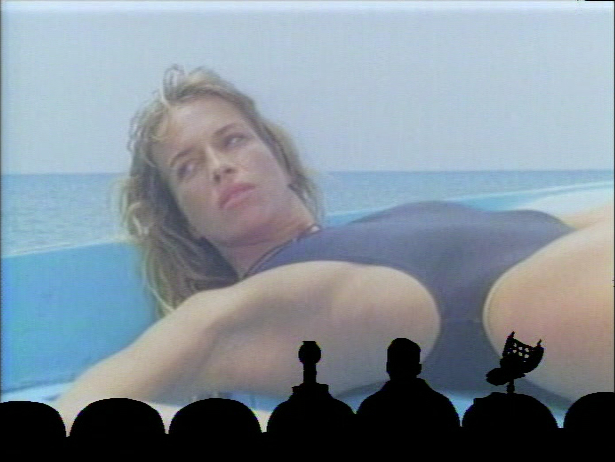
In the beginning, when I first saw it it was just another in the myriad of unfortunate works of cinema that Mystery Science Theatre 3000 introduced me to. Having revisited the film and asking myself questions like “Who wrote this?” and “Who directed this?” I came across some interesting answers that with more experience allowed me to better understand one of the eternal questions about bad films which is “What the hell happened there?”

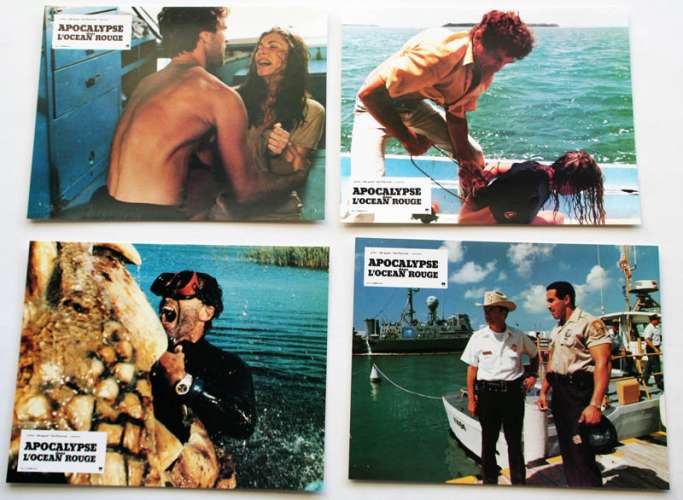
So the first and most significant discovery I made regarding this film was that the director behind the credit of John Old, Jr. is in fact Lamberto Bava. This being the same Lamberto Bava of Macabre, and a film I have come to love when I just had to see it (as I wrote a short script in the same milieu) Demons. As it turns out he slapped a pseudonymous credit on a few of his works that were in the Italian low-budget rip-off arena. Fashioning this nom de plume after his father’s. Legendary Italian director Mario Bava had many great films but he did the occasional film he felt the need to take a John Old credit for.

Devil Fish is one of countless titles that have sought to cheaply gain an audience by playing off the popularity of Jaws, which will be eternal. I’m not one who tosses about the rip-off phrase about lightly. However, one can scarcely find a shark movie made after 1975 that doesn’t pattern itself after Jaws in some way, shape or form. This doesn’t have the failed tongue-in-cheek homages that say Sharknado has, but it definitely borrows liberally and was produced less than a decade after the original while Universal was still littering the landscape with subpar sequels.

Behind-The-Scenes

Devil Fish (1984, Cinema Shares International)

So that was one thing, but wait there’s more! As it turns out most of the behind-the-scenes talent took on pseudonyms as well. Usually in this case they are somewhat anglicized versions of their given names. For example, cinematographer Giancarlo Ferrando became John McFerrand. Now, one could try to argue that part of the attempt is to make the film seem more genuinely American-made. However, all of the cast doesn’t play ball and one of the go-to jokes for the MST3K crew was “We’re from Europe!” so no one was being fooled.

Beyond the names there are plenty of things to scratch your head about in wonder, or to at least note. Firstly, is that much in the Italian tradition actors came from all over the place and spoke several different languages while the camera rolled and then the dialogue was dubbed to create a uniform soundtrack. That by itself does not guarantee a bad film. I’ve seen well-dubbed works and many of the better low-budget Italian films were made the same way.

Getting back to the Jaws rip-off angle leads to one of the most infuriating parts of this film. There are several underwater shots that are supposed to tease the creature much like Bruce was scarcely seen. The problem here is that it is very difficult to decipher, at times, exactly what you are looking at. Instead of suspense all this builds is confusion, sighs and unintended humor.

The aforementioned John McFerrand’s score is one of the facets that heavily confuses the issue in this film. It sounds like the kind of antithetical music that makes a lot of giallo and Italian horror work but here it just seems to be terribly out of place, drown things out and distract from what the film is trying to accomplish. Just what that is at times is also confused, but you know what I mean.

Dialogue

Devil Fish (1984, Cinema Shares International)

What would a bad movie be without bad dialogue? It’s almost impossible. Much as great movies have memorable lines, bad movies do as well. A few gems that really stand out. Here are a few of those notable exchanges:

“Full of hate?”
“Hate.”
“Yes…That’s it….hate.”

“Do you think it was an accident or that she committed suicide?”
“I don’t know I think that’s for you to decide.”
“Yeah, right on. I think I’ll decide on suicide.”

“Lots of new things in this town lately waitresses, sharks, and ladies who call a taxi and take a bath.”

“A million years of solitude is a long time. I bet it’s just dying to boff something.”

Editing

Devil Fish (1984, Cinema Shares International)

In continuing the laundry list there is also a fair deal of editorial redundancy in this film. The uninspired editing is due to a number of factors namely the script and budget (which influences the tight schedule this film was made on). Aside from the vague shots of the fish that are supposed induce suspense there are also several shots cutting to Peter drinking repeatedly.

Those motifs aside there are mysterious individual cuts like a cutaway to slow-motion pan up phone line to a clock.

Some support for the effects of the schedule and budget can be found in a Michael Skopkiw online interview here:

I would love to know the definition or formula for a “cult classic”. Lamberto was a very nice, gentle guy as most of the Italians are. But you know, the budget on these films would prohibit a Ron Howard from making anything great! These directors are working with a cast from at least three different countries speaking diverse languages and a mixed crew of Italian /American production team on a very tight budget. Lamberto , like most of the foreign crew, loved coming to the States and drinking in as much of our culture as they could get. (The hills of Georgia have a unique personality somewhat portryed [sic] in this film.) We had a crisis one day as a holiday was approaching and the Iataian [sic] film crew wanted to get back to their families. We had been working for 13, I think, long consecutive days in freezing mountain water and adverse conditions and both the cast and Lamberto were wearing thin. The crew wanted to plow right through but I had a good talk with Lamberto and pointed out how the film suffered further if we just continued. He finally went to the producers and they gave us a day off (which they were contractually obliged to anyway). So he did have a heart and tried to do what he could with what he had.

However, the decisions are the decisions regardless of what forced them and many films have succeeded with small budgets and tight schedules, myriad examples of both exist running the gamut of genres.

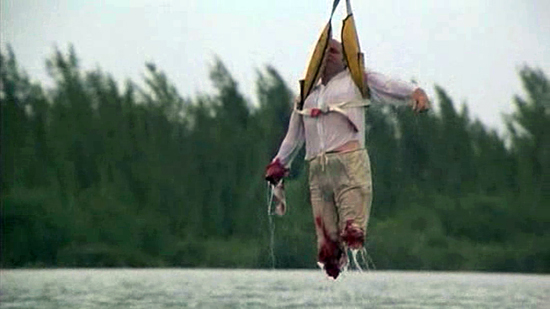
Even when cuts aren’t technically awkward the narrative makes them aesthetically unintentionally comedic or uncomfortable like a cut from a dolphin to a legless corpse and a cross-cutting sequence between a sex scene (that’s fairly gratuitous) and a murder.

Blame

Devil Fish (1984, Cinema Shares International)

In terms of writing it could be the speed and the number of chefs in the kitchen that lead to a film that referring to as half-baked would be greatly generous.

As I’ve intimated before one cannot blame the inspiration for what the inspired do with it. Meaning that you can’t hold it against Psycho for the rash of slasher films that eventually took their cue from it. Similarly, Jaws cannot be held accountable for the rash of pale imitations telling tales of terrors from the deep.

Characterization

Devil Fish (1984, Cinema Shares International)

In this film the characters don’t really get established, they just are. If you need further evidence of this it gets reinforced later on when there’s a climactic scene, where the stakes should be high and the revelation is large and to an extent you’re confused as to who the parties are; therefore, you haven’t time to care about what they have to hide and what they have to gain.

Part of that has to do with how many characters there are and another part of it has to do with the dubbing. I’ve written on dubbing a few times. In short, my stance is that it can be an artform, there is a technique to it and it can be well done, but all too often it is not. In this film is most definitely a detriment. It’s not just about matching, but about performance, but when the same language is not being spoken on set you have a harder time creating a unified vision on film.

Backfiring

Devil Fish (1984, Cinema Shares International)

It seems almost impossible to say after all of this, however, all is not entirely lost in this film. However, in the true nature of this film that adds to the frustration instead of just imbuing a modicum of appreciation. There are themes that excised from the narratives are fine. There are permutations of the giant, monstrous fish tale that aren’t terrible.The isolated concept of manipulating science, the twists employed, underwater knife fights and not seeing the monster are fine when all has not already been lost. When the movie has already lost hope then these things just make it longer, more boring, unintentionally comedic and worse.

As if you needed further proof that there are things worth working with here this film was remade as Sharktopus on Syfy a few years back. Likely another wasteful effort, but there was something to mine there indeed.

Furthermore, touching on the aforementioned twist again, the mysteries this film plays hurt it. It’s a case where perhaps further, quicker revelation would have elevated it.

Conclusion

Devil Fish (1984, Cinema Shares International)

What is there to conclude about a film such as this? Not much different than other terrible movies that are of the MST3K ilk. I recall reading about The Beast of Yucca Flats and its making, or watching the special features on their take of Manos: Hands of Fate; what I got there was there’s always a story and that was the spirit I undertook this venture in. What was surprising was that I found more of a story than I expected. Having said all this, can I, as I did with Reefer Madness, recommend you watch this anyway? I can’t do so without aid from the Satellite of Love. Your tolerance for cheese has to be really high. If you want to see either Bava at their best I suggest you stray from titles where they were credited as being “Old,” unless you want to end up prematurely in that state yourself.

61 Days of Halloween: Macabre (1980)

Introduction

For an introduction to the concept of 61 Days of Halloween, as well as a list of previously featured titles, please go here.

Macabre (1980)

I’m going to warn you right now that this is one of those films that makes me glad I didn’t decide to employ my rating scale and rather talk about narratives, themes, techniques, almost anything above quantifying how much or how little I enjoyed the film. For those of you who have to know (and I admit being in this vein myself) when ultimately deciding if this film sinks or swims I think I have to say sink. However, it’s one of those where there’s plot elements, and portions of it so well-handled that you’d like to see it get remade (that is assuming of course you do dislike it).

One of the things that does work about Macabre is that each of the three main characters is dealing with their own baggage. Jane (Bernice Steggers) is supposedly recovered after she spent time in an asylum following the tragic, nearly simultaneous deaths of her son and lover; Robert (Stanko Molnar) carries a torch for her and Lucy (Veronica Zinny) drowned her little brother and no one knows. Each has a secret, each is a little disturbed. The interplay that eventually comes into the mix is great.

However, and if you check the IMDb synopsis you can kind of fill in this blank. The film, after the teaser sequence, which establishes the affair and two deaths then spends the rest of Act I more or less reassembling the pieces of Jane’s life a year later. In Act II, if you haven’t figured out exactly what she’s hiding, you’re close, and the film plays that game quite a bit, it slows things down greatly. There is also probably a scene too many of Robert feeling rejected and obviously pining. In Act II there is are several bouts of repetition and lack of narrative thrust.

Where it gets frustrating, and here’s where it falls into a re-makable film category, is that there is nary a misstep in Act III; its a climax that (as you’re seeing the pieces fall into place) you want to see occur and most of what goes on there is great and well-handled.

Lamberto Bava has had his moments but this is one I can’t help feeling was maybe better served with another draft (who knows maybe some things hit the cutting room floor that would’ve made the flow feel a bit more natural) or perhaps waiting on this idea. That’s mere speculation on my part because, as I said there were combined elements that made me want to like this one, but in the end, I couldn’t and that was disappointing.

61 Days of Halloween: Graveyard Disturbance (1987)

Introduction

For an introduction to the concept behind 61 Days of Halloween and a list of films previously covered please go here.

Graveyard Disturbance

This is a film that was directed by Lamberto Bava, son of Mario and director of such films as Demons, for a televised horror film series called Brivido giallo. The inherent value of horror series in my estimation is challenging the writers and directors to create, be they within a theme or some of constraint to further contribute to the genre and hopefully push it forward. If it breeds experimentation and something new that’s ideal, but the goal ultimately, at least from an analytical viewpoint, is to not allow it to stagnate.

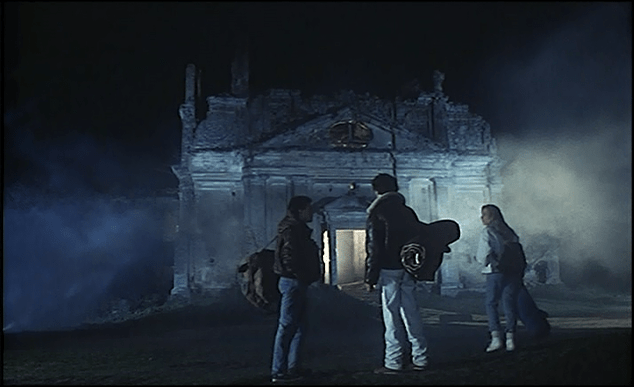
I’ve not seen other films released under Brivido giallo, but, sadly this title has little to offer in the way of either being a piece of quality workmanship or originality. That’s not to say it’s entirely bereft of positives but the film positions itself poorly to attempt to exploit said positives. The location, the atmosphere and overall art design is fairly great. However, it’s bookended by both poor acting and a fairly slapdash story so the atmosphere can only go so far.

As the mystery the characters find themselves in unravels itself, it wants you leaving more, in a bad way. It creates a mythos that is undernourished and it would have done well to exploit the “non-Euclidian nature” of the environs they found themselves within.

The first act offers almost nothing in the way of the incident, however, a title such as this one is not enough to get me to shut the door on Bava or this series of releases. When one watches horror one does so knowing there will be many failed ventures before finding something truly special.

Bad Movies I Love (Part Two of Four)

This is yet another post that has been inspired by Bob Freelander and his wonderful blog Rupert Pupkin Speaks. Check it out, if you haven’t already.

I’ve ruminated on this list long enough I believe. In the spirit of my recent post about lists not really being finished, I’ll just go with what I have at my disposal currently and spitball it. For the mutual convenience of myself and whomever may read this, I will split the list into four posts.

Now, I did, as most who have compiled this list recently, have to examine what makes a movie both bad and one I can enjoy because of that. There were a few different directions I could’ve gone with this list. I could’ve picked some films universally considered to be bad that I like and I don’t care who knows it (A few of those can be found here). I could’ve picked the rare film that’s so bad that it’s good, which in my mind are few and far between, and I won’t argue if you believe there’s no such thing.

What I decided to do instead was to pick movies that I find to be bad, however, that I still enjoy certain things about them (badness included), and in many cases I have given them more than one viewing due to their uniquely awesome awfulness.

Now, without much further ado, my selections:

Demons 2 (1986)

In one a screenwriting course I took, one exercise we did was to read our short scripts aloud, this was done so we could simultaneously share knowledge and offer each other constructive comments. A script I wrote reminded a classmate of mine of Demons. At the time I had not seen Demons, so the only responsible action I could take was to see it ASAP. I loved it. My short and it shared similarities, but were also different enough.

Eventually curiosity got the better of me and I just had to see Demons 2. The film is directed by Lamberto Bava, co-written by Dario Argento, features one of the first screen appearances by Asia Argento and more of the freaky demons. What ends up not working is the film shifts away from the movie theater setting. However, being an Italian horror film, it will be stylish, bloody and at times bizarre and at others nonsensical, which makes it engaging, if not quality.

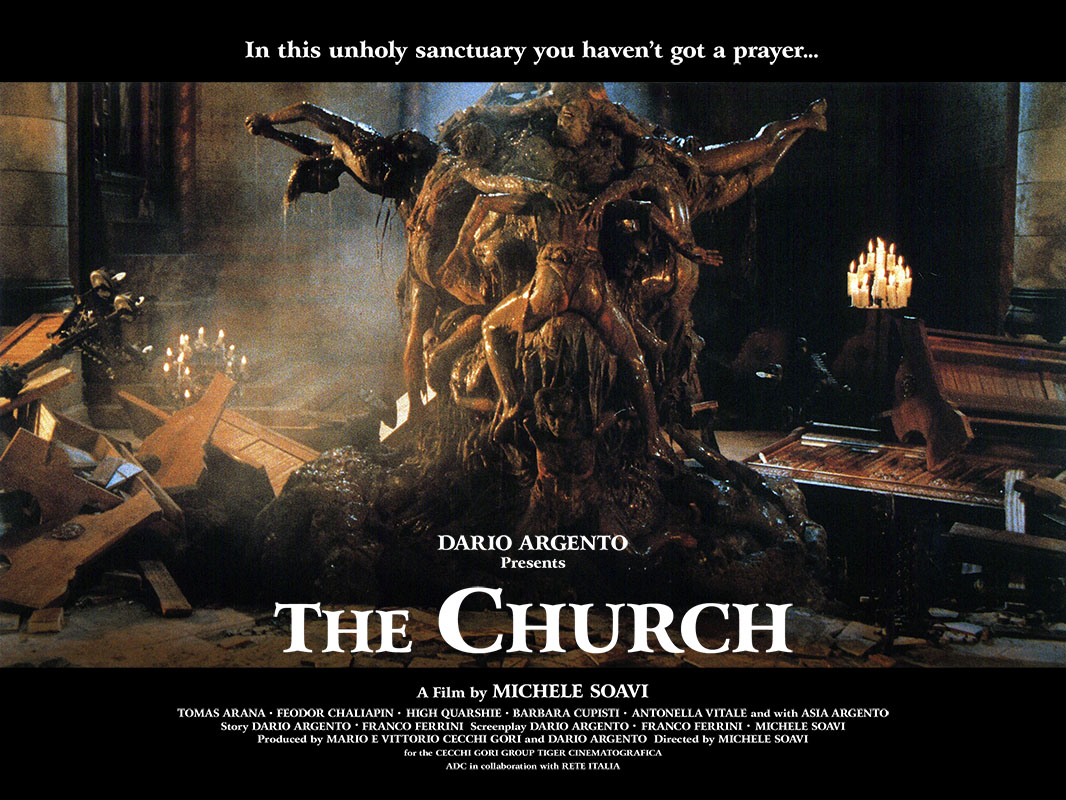
The Church (1989)

One not-so-good but watchable Italian horror film deserves another. This film has a lot of the same pedigree that Demons 2 has and a lot of the same issues: Argento has a writing credit, Asia makes an appearance, one of its alternate titles is Demons 3, it has a really good idea that doesn’t quite click and I really want it to. I’ve seen this one a few times, I’ve even listened to the score in isolation and I like that. There’s a draw to it that’s brought me back a few times, perhaps with this one more so than the prior choice, it really is the unfulfilled promise that’s been the reason.

Tommy Tricker and the Stamp Traveller (1988)

There will be another film that makes this list based in part on the audaciousness of its conception. However, I do have to admit that this one handles the execution of its outlandish concept better than the one to come.

As the title implies, in the world of this film you can literally travel by stamp. Now, as a concept that’s something you’re going to either buy or you won’t. The film has its heart in the right place through a lot of it (Such that I almost feel bad including it), it’s just really misguided much of the time, and the caper of bringing back someone lost via ‘stamp travel’ takes a bit away from it I feel. The acting’s not great, nor is the writing, but there is a boldness to the concept.

Also, as a bit of trivia, the film also features a cameo by a young Rufus Wainwright who sings a very catchy song, which is one of the redeeming qualities of the film, another one which becomes obvious as you watch the clip is how incredibly ’80s this film is.

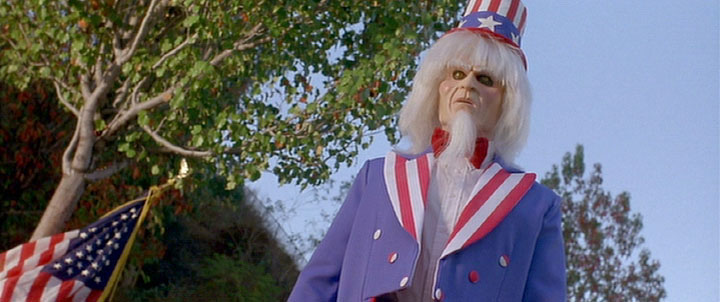
Uncle Sam (1996)

Perhaps one of the best ways to determine a bad movie you love is to gauge just how mixed your feelings on the film are. There are films written by Larry Cohen such as It’s Alive, The Stuff, Q: The Winged Serpent that I would say I love. This one I can’t really defend as staunchly but there are things about it that I do appreciate. Namely, it incorporates militaristic zeal in a horror film in a way I’ve rarely seen. Not only that but note the release date, there was no unpopular or costly (in terms of American casualties) war going on at that time, so there’s a certain gutsiness in telling this kind of tale when dissenting opinions are fairly quiet. The film does end up being sloppy and a bit slow, there’s no Michael Moriarty in it to up the caliber of the cast, but the satire is definitely there which makes it worth mentioning.

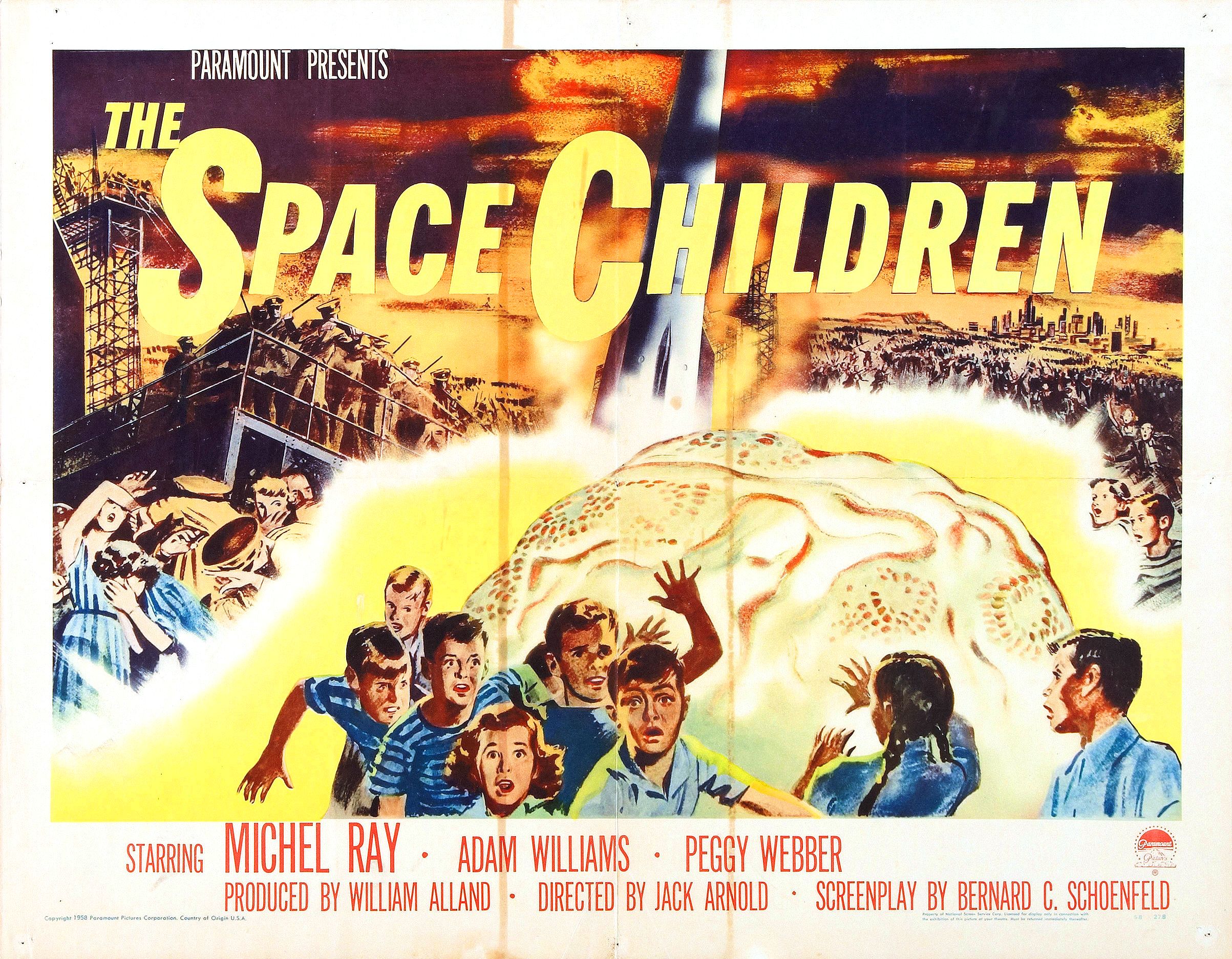
The Space Children (1958)

This is a case of Mystery Science Theater 3000 in reverse. Here’s one I saw first and then found an MST3K for, which I don’t do often. I was on kind of on the fence after I saw it and while I can’t ultimately say it’s a quality piece of work, as logic and reason vanish somewhere in the middle of act two, there are things about it I do like. As for the MST3K treatment it’s funny, not one of their best and this is nowhere near one of the legendary duds they’ve covered; in many of the films they watch it’s hard to even ferret out what the plot is supposed to be. Here there are issues but the plot is clear. The tropes of a hivemind amongst children, and some form of other-worldy radiation or possession, are not new but they’re also not the biggest problem. The film is actually consistently interesting, it just emotionally flatlines after a while, which is a cardinal sin, especially when any atomic age sci-fi tale is likely to hook me based on its implications. Michel Ray’s turn as the ringleader is also quite effective.

Part three will be up tomorrow!

61 Days of Halloween- Introduction and A Blade in the Dark

Most holidays worth their while encompass entire seasons, such as Christmas, for example. However, as you may have noticed there is a corporate push every year for us to think about the next holiday even sooner. While this has many negative side effects I figure I may as well embrace it.

Since Labor Day is really only good for college football and movie marathons cinematically it is as significant as Arbor Day, which means the next big day on the calendar is Halloween and we can start looking toward it starting now.

Daily I will be viewing films in the horror genre between now and then and sharing the wealth. Many, as is usually the case, will not be worth it so for every disappointment so I will try and suggest something worth while as well.

A Blade in the Dark

A Blade in the Dark is a film by Lamberto Bava (Demons, son of Mario Bava) which fits in perfectly in the Giallo tradition of filmmaking. You have all the necessary components: an unknown killer, a series of unexplained deaths, a theme song anchoring the film and a twist as to who is the culprit. What is most clever is that Bava here makes his protagonist a musician working on a film score so the repetition of the theme is naturalistic most of the time and can’t get annoying.

You may notice a slight similarity to Four Flies on Grey Velvet but there is a decided difference here. In this film you also have a film-within-a-film which doesn’t take up a lot of screen time but plays a significant role. You see one of the pivotal scenes full-frame before the credits roll and only later realize it’s a film-within-a-film. This little vignette also features Giovanni Frezza who was the poster child of the genre in the 1980s appearing in the works of Fulci and the elder Bava as well.

Giovanni Frezza in A Blade in the Dark (Blue Underground)

The twist in this film is one you think you see coming but you truly don’t. The film does a great job of dividing your suspicions in this whodunit and thus misdirecting you completely. While there is one scene in particular, the first kill, that stands out as being awkwardly staged the rest of it is handled masterfully. There are some tooth-clenching sequences and great gore work.

8/10