Horror Films and Stephen King (Part Two)

Stephen King’s philosophy on how he approaches the horror genre as a writer is three-pronged. “I recognize terror as the finest emotion and so I will try to terrorize the reader. But if I find I cannot terrify, I will try to horrify, and if I find I cannot horrify, I’ll go for the gross-out” (Danse, 25). He believes this to be a hierarchy system in which he has three methods of attack in which to impress the reader. He will, without question, attempt each of these tactics through the course of either his writing and/or filmmaking. 
    

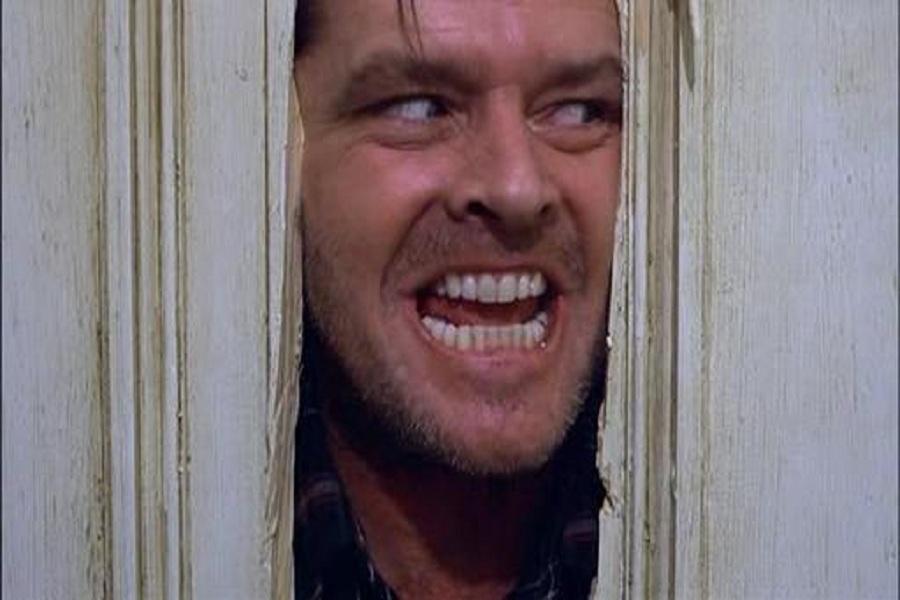
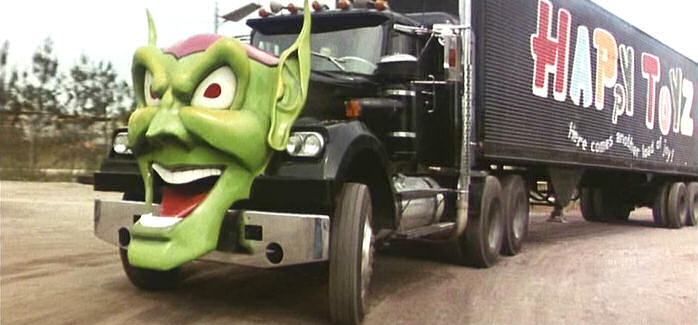
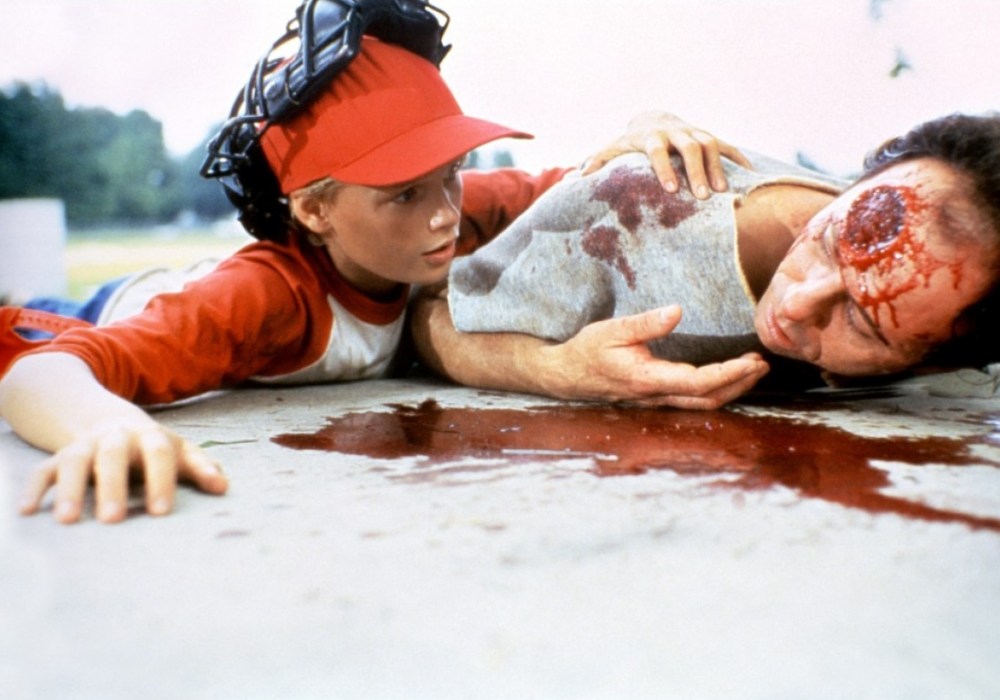
In the novel Desperation, as in the film version of The Shining, I feel there is a tremendous undercurrent of terror running through each of these tales. Maximum Overdrive relies mostly on the gross-out as its means to scare the audience but that does not depreciate its aesthetic value. “But the gross-out is art, and it is important that we have an understanding of this. Blood can fly everywhere and the audience will remain largely unimpressed. If on the other hand the audience has come to like and understand – or even just to appreciate – the characters they are watching as real people, if some artistic link has been formed there, blood can fly everywhere and the audience cannot remain unimpressed.” (Danse, 189).
  
 
And we are impressed to an extent in watching the havoc that King has created in this North Carolina town. That gag reflex does work on us on occasion. We are drawn into certain situations. The drawback of the gross-out being so dominant is that it’s the only level on which this film worked and it’s the bottom level. The reason it doesn’t climb higher is because “the gross-out serves as the means of last-ditch sort of identification when more conventional and noble means of characterization have failed.” (King, Danse, 190).
  

One thing that may have been a challenge to King is that this was his first produced first full-length narrative screenplay. His first two screenplays were Creepshow and Cat’s Eye. The former is an homage to EC Comics, it tells five tales and is masterfully put together by George Romero. Cat’s Eye, which isn’t as good, but it is in the same anthology format. Stephen King had written many screenplays that weren’t used prior to directing his own film. Scripts for The Shining, Poltergeist, The Dead Zone, Children of the Corn and Cujo all weren’t used for various reasons. And he had previously given an idea to the Dino de Laurentiis Company for something called Training Exercises, which was never produced. This is likely what prompted King to finally direct but just because he was finally directing didn’t mean producers wouldn’t interfere.

Horror Films and Stephen King (Part One)

Plenty of movies reek, especially horror films, they may have their moments that stick in your mind and cause them to be somewhat memorable, but every once in a while a movie comes along that makes you say, “What the hell happened there?” One such case is Stephen King’s Maximum Overdrive.
 

Stephen King can write just about anything he wants and make it work. Not only will it work but it will sell, as a book anyway. Due to the fact that King, through no fault of his own (if you call it fault), redefined popular fiction. Hollywood has always drooled at the opportunity to turn both his tomes and tales into film. They’ve done this with varying degrees of success, but have usually fallen on the lower end. Regardless of all that the films that have been made out of his literature have added to the already enormous King lexicon, a list of titles that is so huge that one can easily get lost and a few small unassuming films do slip by and are actually quite good.
    

While Maximum Overdrive hardly takes the cake as the best Kingflick it certainly isn’t the worst and it does hold the distinction of being the only one he not only wrote but also directed. Many things went wrong in the making of this film everything from production problems to distribution issues, which in my opinion contributed to making this film less than perfect. It ultimately led King to believe that his film wasn’t the greatest and he had better stay off the set for a while. I believe that what happened with this film doesn’t rest completely on King’s shoulders and there would be much worse things than having him direct again such as another Britney Spears movie (isn’t one painful enough?).


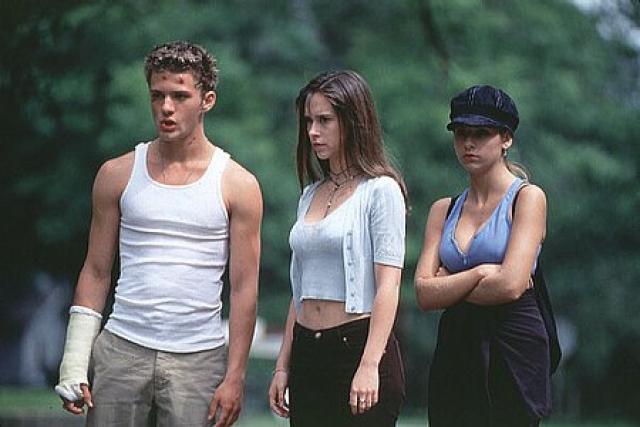
When we’re dealing with horror films onscreen there are certain conventions that some people will constantly follow. These conventions often come in direct conflict with the way Stephen King writes. The first thing we will recall is that most horror films rely on plots that are similar in construction to what King phrases as “The Tale of the Hook.” It’s a story we’ve all heard. Basically, it goes a little something like this: It’s the one with the guy and the girl who are making out in a car and there’s a report on the radio about a killer with a hook for his hand. During their make-out session the girl keeps getting distracted by a noise she hears. The guy persuades her that it’s all in her mind then when she gets dropped off at her house and slams the car door a hook is dangling from the door handle. It’s the stuff of urban legends that has been somewhat literally interpreted and turned into films such as Scream and I Know What You Did Last Summer.
    

King is not simple-minded, however, and understands that the “Tale of the Hook” is a basic form for much of horror fiction in both film and literature. “The story of The Hook is a simple, brutal classic of horror. It offers no characterization, no theme, no particular artifice; it does not aspire to symbolic beauty or try to summarize the times, the mind, or the human spirit.” (King, Danse, 21). This is the type of plot construction that dominated the horror of the 1980s and pretty much defined the slasher sub-genre and in fact still does ‘til this very day.
    

This Hook Mentality is prevalent only in film because the genre is a completely different creature than horror in literature. Often the best horror literature is impossible to adapt because we delve so deep into character and wander into such supernatural areas that film can’t do it justice. The target audience for horror literature is usually much larger than it is for movies in terms of different demographics. Producers usually do whatever will get the kids to show up. 
 

And this is why the “Tale of the Hook” works for them: “Stupid, simplistic and transparent are also perfectly good words to describe the Tale of The Hook, but that doesn’t change the fact that the story is an enduring classic of it’s kind – in fact, those words probably go a long way in explaining why it is a classic of its kind.” (King, Danse, 139).
  
 
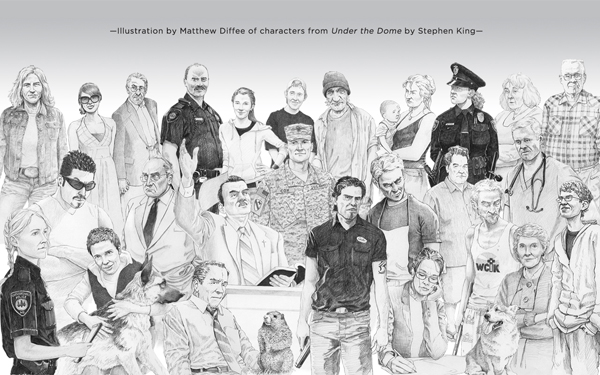
King rarely works with the hook picking at his brain. When we think of his novels and even films we often think of names: Jack Torrance, Gage Creed, Randall Flagg, Andre Lenoge, Roland, Bill Denbrough, Carietta White, Jessie Mahout Burlingame, Dolores Claiborne, Tak, Pennywise, Bobby Garfield, Bart Dawes; I could go on but I think you get the idea. King is about character first and foremost. He takes his time and builds them slowly and steadily allowing the plot to flow out of them. This tactic in film while it’s also effective is time consuming, costly and not easy to do. 
    

A mistake many filmmakers have made in handling his material is focusing on events and only slightly introducing characters and assuming the audience has an understanding of what makes these people tick. This is the case with Needful Things whereas in the book we always had a distinction between the characters, in the film things are blurred and many characters disappear. This is a question of logistics, considering that it was a novel that was 731 pages long and had to be transformed into a film script which at the maximum was 140 pages long. Aside from the condensation issue there were also certain unexplainable changes and bad casting decisions. 
 

While King contends to this day that he hates Kubrick’s version of The Shining (he even wrote a mini-series remake) one thing both King and Kubrick understand is that to adapt one needs to use the basic structure of a tale and expand on themes and not necessarily events. Adaptation is hard to do. That in mind one should be wary when venturing into a territory that has swallowed many a scribe whole. King can adapt his own stuff as he’s done it successfully in the past (Pet Sematary, Silver Bullet) but with this film I feel that he was under pressure because he would be required to shoot it. This may have caused him to emphasize the wrong elements in this tale, despite that fact that there is some structural similarity it doesn’t seem like King. When reading The Talisman, a book he co-wrote with Peter Straub, I remember thinking to myself ‘This all sounds like Stephen King.’ Yet in Maximum Overdrive the dialogue rang true to my ears like his but the story didn’t. In my mind I can just imagine an exec from the Dino De Laurentiis Entertainment Group phoning him up and saying, “Steve, I’ve got some notes for you.”
 

In this film, Stephen King made a real attempt at telling a multi-character tale on screen in his own way. In later years he would take on the role of producer in his mini-series’, and I think it’s the direct result of the difficulties he faced with trying to make this film the way he wanted. In this film, he did flesh out his characters more than he did in the short story but as we’ll see bringing them to life is another story.

 Note:
 This is a recapitulation of a paper I wrote in film school. It will be published here in installments.

That Movie Sucked: Trailers That Give Too Much Away

I had a recent Twitter conversation with Larry Richman, after he had attended an advance screening of Someone Like Us, and he had some interesting thoughts on the film. I told him I was glad to hear some of them after having seen the trailer. When he watched the trailer he confirmed what I feared: The trailer essentially gives away the entire movie.

I am doing my best to forget the details of said trailer before seeing it and won’t link to it here, but it does raise the point about why trailers feel the need to be so spoiler-laden. Now, there are certain realities I know and acknowledge, such as: I believe (and correct me if I’m wrong) it’s mainly the marketing department (in a studio) in collaboration with the producers who select highlight type moments, good footage and shop them out to companies who specialize in cutting trailers together. They usually get two or three different versions and choose one. Essentially, it’s a sub-contractor relationship. However, this outsourcing of the job isn’t the only reason that over-sharing in trailers occurs, if you ask me. The first part is that some involved with the film select segments to supply the bidders. So the selection has to be a bit more guarded.

What is going to compel me to see a movie is not necessarily knowing the synopsis, not that synopses are innocent of giving away too much (far too often on the back of a film you are told not just the first act break but the second also). What will compel me is getting a sense of the tone of the film with some compelling images that make me wonder “What’s that about? I have to see that!”

Some notable examples of this for upcoming films are:

Les Miserables (Teaser)

The Road (2012)

Even way back when in the Golden Age and before when audiences were not as sophisticated in certain respects as they are now, trailers disseminated information through voice-over and text but not too much of the story was seen and heard through actual footage:

1930s

Dracula (1931)

When I went to YouTube I just typed in the very generic search of “1930s Trailer” and sure enough I got more or less what I expected. A presentational pitch with hyperbolic text, grandiose announcements and key images that intimate what the film is but give very little real information. A lot of times with older films you were allowed to see a piece (sometimes a large piece) of a scene play out but you had little context by which to understand it. It was all just supposed to be enticing.

1940s

Casablanca (1942)

Approximately a decade later the formula was still pretty much the same. The hard thing is watching trailers for films you’ve seen already, for some the edit seem to be giving away a lot of the story because you know it, but it’s really not. Think of the moments in Casablanca that became iconic and none of them are here the farewell, “Louis, this could be the start of a beautiful friendship…”, “…shocked to find that there’s gambling going on in this establishment”, “As Time Goes By,” etc. Yes, this trailer is selling the adventure and danger much more than it is the romance but it’s not shying away from it either. The ethos is still similar in these two examples compelling images, backdrop, genre, stars but not the whole film.

1950s

Invasion of the Body Snatchers (1956)

My favorite professor in film school, Max Simkovitch, was not only great at planning double and triple features but also at screening clips and trailers. Therefore, even if something didn’t quite make it on the syllabus, we were made aware of it and tempted to see it. His horror/Sci-Fi class was where I first got a glimpse of Suspiria and then I had to track it down. We also watched The Invasion of the Body Snatchers there and while I can’t argue that this is a brilliant trailer, it is fragmentary enough in the ethos of its time to succeed. There is the frame of panicked reaction. First, you assume insanity then as images compound you think there’s more to it. The best part is the impact of the film is far greater than the trailer and the trailer doesn’t show it all, or intimate it all either. The bad part is that it doesn’t show you just how very good this movie is.

1960s

Psycho (1960)

Now, I will grant you that there are many things that allow this trailer to be as unique as it is. Firstly, you’re dealing with Alfred Hitchcock one of the greatest directors to ever walk the face of the Earth. However, he was also by this point a TV personality too. So his pitching his own film in an extended trailer is not so odd. However, what’s really brilliant about this Psycho trailer is how it seems to be telling you everything but there is so much misdirection and trickery afoot.

1970s

The Exorcist (1973)

Now, this is absolutely brilliant. There is next to now visual information revealed. There is one high contrast shot of Regan, no clear indication of what many of the shots mean and you don’t see the face of the exorcist. That creates the reaction you want. It gives you the emotional tenor of the film and compels you to want to see it. The voice-over works in conjunction with the images and scenes as opposed to presenting them. This is a clear indicator of the evolution of movie trailers. However, this sophisticated near artistry will in the course of the next forty years of film history will lose its restraint and start to give away too much information.

1980s

The Empire Strikes Back (1980)

Granted here’s another case where you’ve got a lot going for you as you set about creating a trailer: this is the follow-up to the most successful box-office smash of all-time as of this trailer’s debut, you have John Williams’ score and incredible visuals. Yet the temptation could exist to overplay your hand but it’s laid back. You have an exciting kinetic montage, with no information of any kind divulged really and the voice-over only comes in at the very end for one line. Perfect.

1990s

Jurassic Park (1993)

I tried to get a Spielberg film on for the 80s, I couldn’t because I thought of E.T. but the trailer I found had an incessant narrator who wanted to delineate every emotional beat in the whole film. With this short, if not brilliant Jurassic Park trailer, I think I re-affirm my point. Spielberg’s images are always strong. Here the story does a lot of the selling anyway, so just briefly touch upon what the chaos in the park is and make it a short, quick sell.

2000s

Peter Pan (2003)

For quite a bit of time I thought of Peter Pan as a standard-bearer of shorts. It had been some time since I had seen the trailer but I remembered how it had set the expectations very high for me, and then I saw the film it lived up to or exceeded practically every one of them. However, it also is a great illustration of how treacherous a game the cutting of trailers is. For above, what you have is the second version of the trailer. Multiple versions of trailers existing is nothing new, but what struck me as most interesting is that the minutest of changes could have such a drastic impact. When I found the #2 trailer I knew pretty quickly it was the one I liked for it seemed a more fragmentary and tonal presentation of this vision of the story whereas the #1 (below) felt a lot like a demonstration “Here’s this part of Neverland and this part and that part.”

The Present

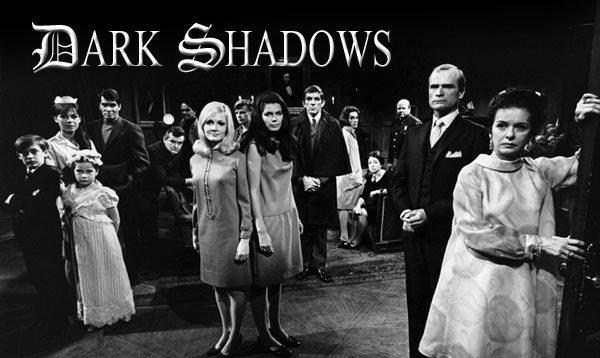
As for the newer crop the trailer fo Dark Shadows is bad, but does contain a similar tonal dissonance to the actual end product. The Girl with the Dragon Tattoo is an excellent trailer.

Dark Shadows (2012)

The Girl with the Dragon Tattoo (2011)

A recently compelling one, that convinced not only me, but many people to see the bad movie being hocked, was that of The Devil Inside.

It’s widely acknowledged that the marketing job done by Paramount to make this film a financial success while thudding with critics and audiences alike is astoundingly good. Another recent Paramount win was the viral marketing effort, the introduction of the “Demand It” concept prior to the release of the first Paranormal Activity film. However, regardless of whether you liked the film or not, the trailer is practically all the highlights of the film. Watch below…

Now, I will readily admit that I, as someone who frequents multiplexes and art houses alike and have a tendency to be quite early, such that I watch not only the trailer but the pre-show, will view these more times over than the average spectator. However, the success of the studios, the box-office both domestically and globally relies on everyone, and trailers are one of the best methods to repeat your business. You have a captive audience, a packed auditorium for the latest tentpole, all the big movies want to advertise in front of it. Whereas sometimes commercials work better because they can give less away, a trailer gives you anywhere from 90 to around 150 seconds to give your best pitch. So please try and tantalize not bore.

When a short film of mine Suffer the Little Children got into Shockerfest, we were afforded the opportunity to buy commercial time on local cable airwaves to advertise our screening. With only 30 seconds and my proclivity to tease rather than over inform, this is what I decided to do:

Here you’ve seen quite a few of the major plot points in the story, however, without knowing the Stephen King short story upon which the film is based you don’t necessarily know the context or the significance of the events. The shots come at you quickly, with juxtapositions that are apropos of nothing and little dialogue is heard. You are given the tone of the piece and some allusions as to what it’s about but you are not told everything. That’s as it should be I feel, even given more time to play around.

Far too often, after seeing a trailer, I will snidely say to myself “That movie sucked.” Now, of course, I’ve learned that the trailer is never a good indicator of what the film is. However, while I do want to be compelled to see the film by the trailer I don’t want to feel like I watched the movie. I felt John Carter, despite other marketing missteps at least attempted to compel with images first and not giveaway all the plot intricacies therein. The removal of the qualifier ‘of Mars’ from the title, the reticence to be upfront about the literary pedigree of the tale right off the bat likely had more to do with its failing, than a trailer that didn’t spoon-feed absolutely everything.

I think above there are plenty of examples of how to do it and how not to do it, and I hope that we get more good than bad in the future. However, in the meantime caveat emptor, buyer beware is definitely a motto to live by. Most recently I heard warnings to stay away from the trailer for Sinister. He is correct. The movie does look very good but there is much information in the trailers. So happy viewing but try and avoid spoilery trailers.

Hero Whipped: The Double Life of Archie Andrews

It’s about time to do one these again, as other ideas in the vain are coming to the fore, and I want this one focused and not as scatter-brained.

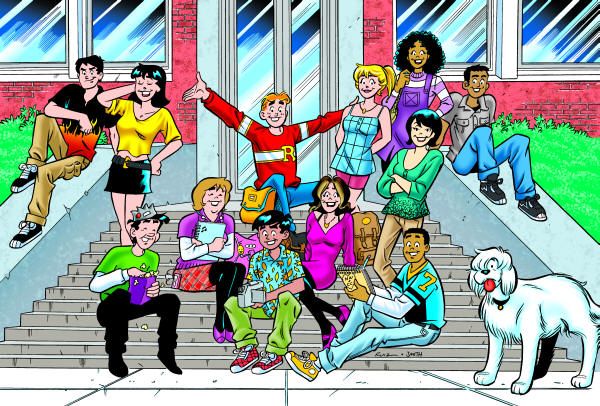
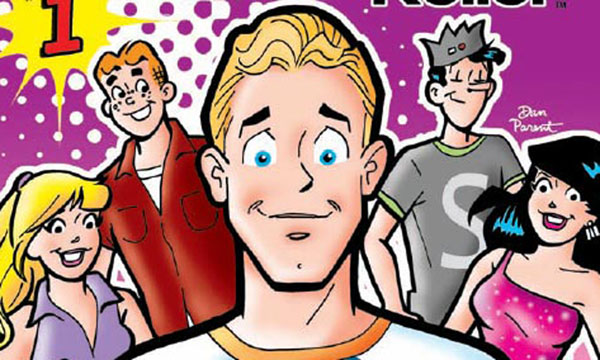
As you may or may not know, Archie Comics have been shaking things up over the past few years. The introduction of Kevin Keller, the first openly gay character in this comics universe, was a big step and perhaps the most significant of all such recent stories. I think many comics fans cut their teeth on the Archie tales, I know I did. What makes them a good stating place is that they’re usually humorous tales about the commonplace. That’s why Keller is significant, he’s been folded into a world that just accepts him.

Kevin Keller, however, was the second bold initiative from Archie recently. The first was the Life with Archie series that plays out two different realities: Archie marries Betty and Archie Marries Veronica. Each issues is double-sized in page count and magazine-sized in proportion at a standard comics rate, less if you subscribe like I do.

The stories, now several arcs deep, have always mirrored each other and it got me to thinking about the doppleganger phenomenon in certain realms of fiction. I haven’t had extensive experience with such phenomena with it but what it ultimately lead me to conclude is that this series could be great preparation for more involved and less direct, nonlinear storytelling modes kids may encounter as they grow older.

The first example that came to mind was the film The Double Life of Veronique. This film aside from having a signature and extremely memorable theme plays with the notion that we all have a double in rather dramatic and no frills kind of way. Here you also have slightly different interpretations of established characters, which is not only a staple of comics but occurs in other media too. One for instance would be Stephen King who, via his pseudonym Richard Bachman, treated his characters from Desperation almost like they were actors and recast and re-purposed them in The Regulators.

The story also has a soap opera like feel in the best sense of the word. I think of these as my stories; the tension is palpable and is delivered in drips and drabs. Each storyline and subplot is touched on just enough to keep you coming back for more. Each character’s plot runs about 2-3 pages per issues, thus they have about an issue (two counting both tales) per arc of their plot. Just enough to incrementally move things along.

Another thing the series does which is crucial to breeding comics readership and is applicable to certain films as well, is that it plays with the parallel dimension/multiverse concept in a stripped-down dramatic sense. The lack of grandiosity and superhero tropes introduces a fundamental of the medium in a much more conventional, comprehensible tale for the neophyte and rewards long-time readers with glimpses of old favorites and puts new spins on old tales.

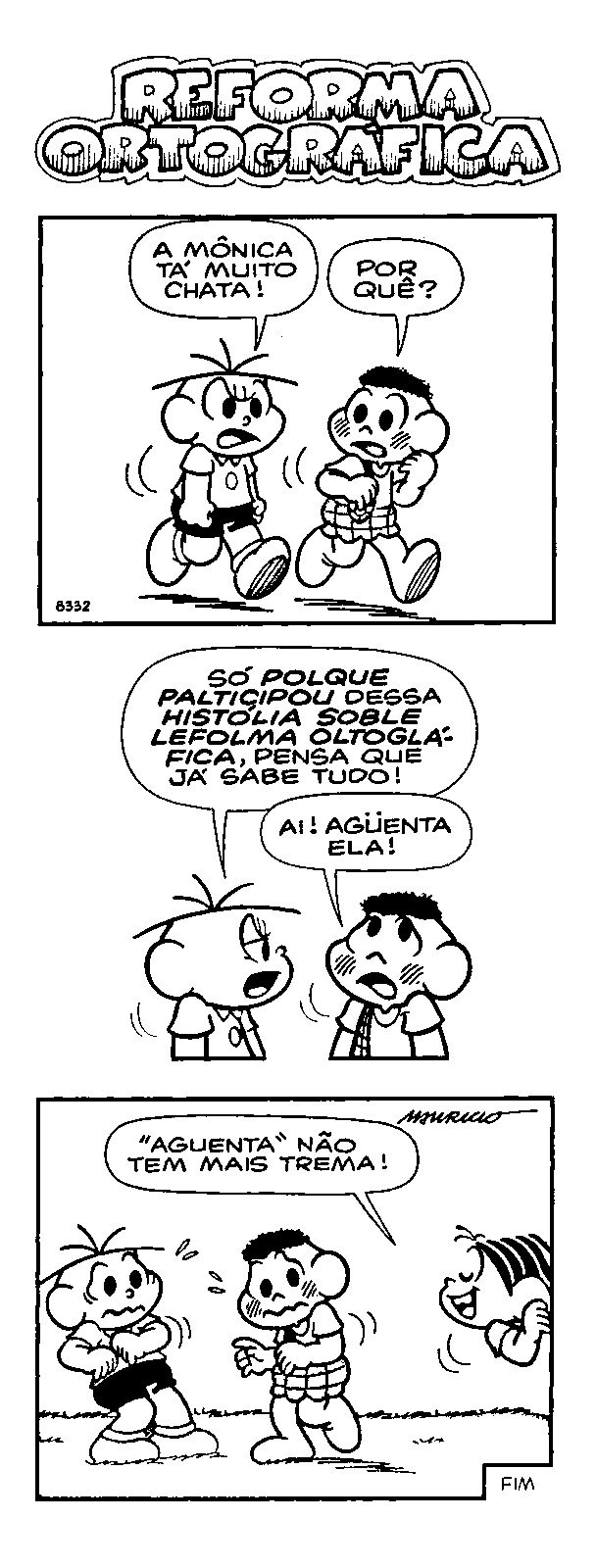
It’s a series that can still relate to teens but what it’s doing is making strides to stay somewhat in step with the times, which I think many will admit it hadn’t until recently. The aesthetic benefits of laying a foundation of more complicated story structures and approaches can be easily understood is what is really exciting; and the pedagogical abilities of comics, even in fiction ought never be overlooked. I’ve said it before and I’ll say it again, comics essentially taught me Portuguese and organizations like Reading With Pictures know of this power too.

Not to say that Archie’s social forwardness combined with its pushing its own aesthetic boundaries while staying true to its characters and style isn’t exciting too; but it’s this added element and depth that this series has that separates it, and makes it a great gateway to comics, more involved narratives and is the best fodder for cinematic adaptation they’ve likely ever had.

It’s brilliant on so many levels.

Properties That Could Use The Avengers Treatment

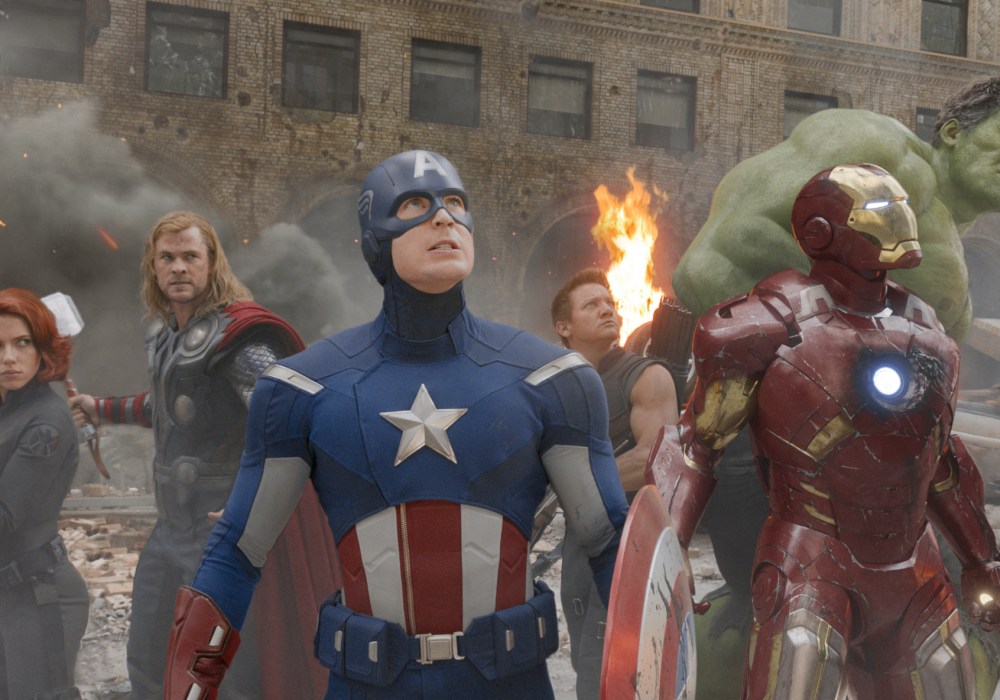
Now speaking for myself (for who else would I speak for) I was most definitely delighted with The Avengers. Now, whether you loved it, hated it or felt indifferently towards it one cannot deny the box office records it shattered. Which gets me to thinking that imitation is the sincerest form of trying to make money in Hollywood; so what entities could benefit from a ‘team up’ mentality, aesthetically at least (as the box office is always a crap shoot)?

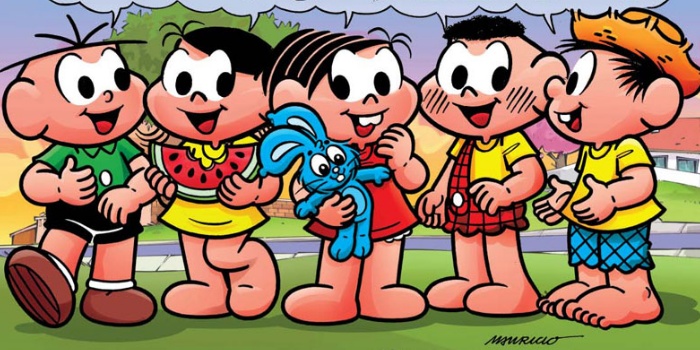
1. Turma da Mônica

OK, yes, this is absolutely my list and some of these ideas may not be feasible financially or even of broad appeal to a US audience. However, I am merely selecting properties where there can be a convergence of factions within a fictitious universe. This is a Brazilian comics universe I’ve discussed on occasion and the fact of the matter is there are many separate “Gangs” (as they’re referred to meaning more like Kool and the Gang, rather than biker gangs) that could each have their own films or a mash-up. There’s certainly enough characters and plots it’s about 11 sections and 100+ characters. Which does not include the new adolescent versions of many of the same characters.

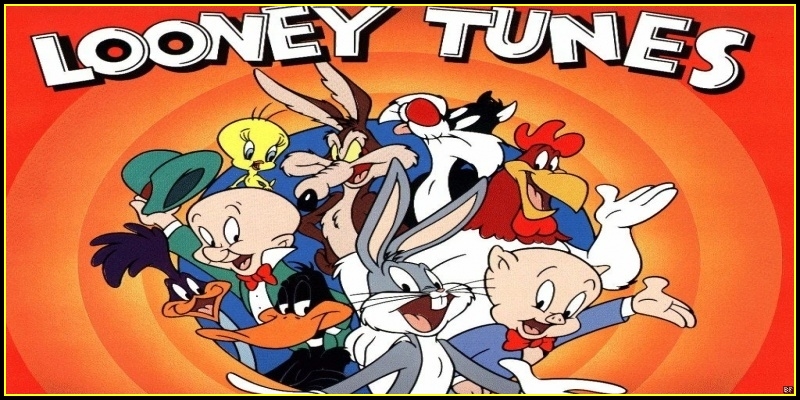
2. Looney Tunes

This has been touched upon to an extent both in Roger Rabbit, Space Jam and Back in Action, which I did not see. However, the Looney Tunes ensemble is still right for a feature length film that doesn’t stitch together shorts but rather creates new material and introduces a new audience to these wonderful characters.

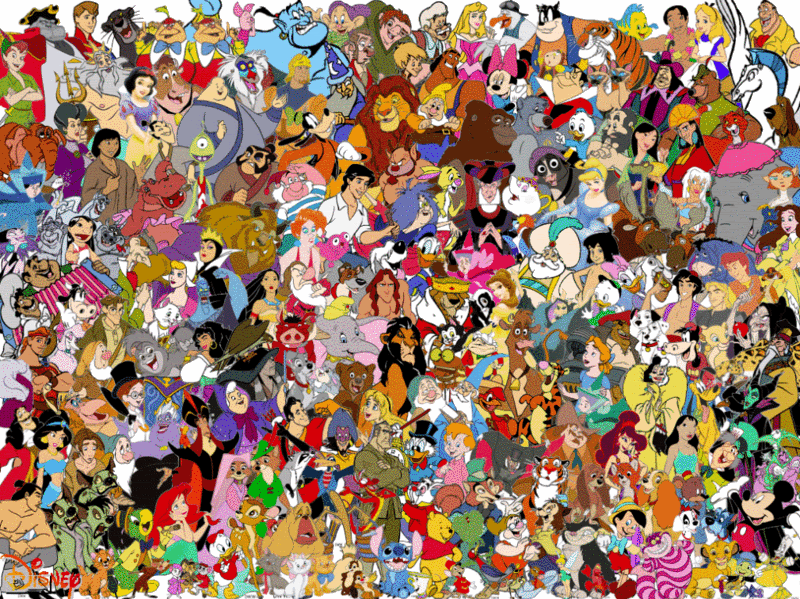
3. Disney

This was honestly the first idea that came to mind. Between the parks and the Epic Mickey video games (a new version to come next year) this idea is just sitting there. Disney fans are nothing if not loyal. We, for I speak as one of them, would gladly go to see a new story with old familiar faces in familiar contexts. This is much more in keeping with what will please us rather than uninspired straight-to-video sequels.

4. Walter Lantz

Universal Studios owns all these characters and only recently announced the development of a Woody Woodpecker feature. It’s a great property that should be exploited and while they’re doing that they may as well bring many back to us. Come on, Chilly Willy.

This group makes it on the list over something like Dick Tracy because at least here it seems like the current rights holder is seeking to do something with it.

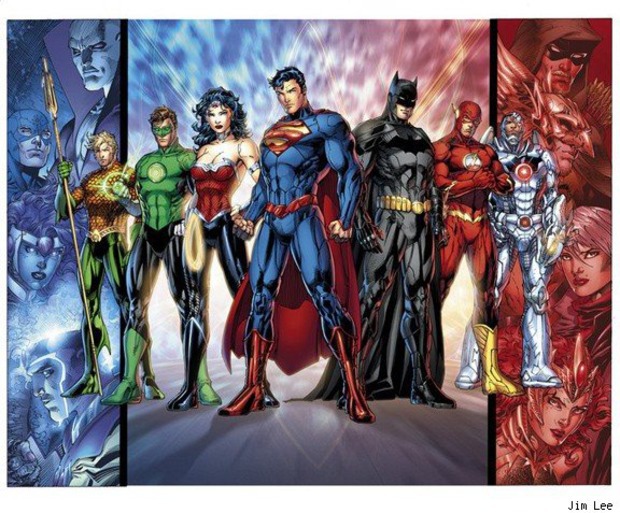
5. Justice League

The status of this project is in the balance and rumored, however, that’s not to say it’s not a possibility. Chris Nolan’s Batman series is a benchmark. Superman is being re-started. Despite its box office and critical struggles (I liked it) Green Lantern has happened. Getting a few more ducks in a row (Meaning films and attaching cast/director) this could work. Seriously.

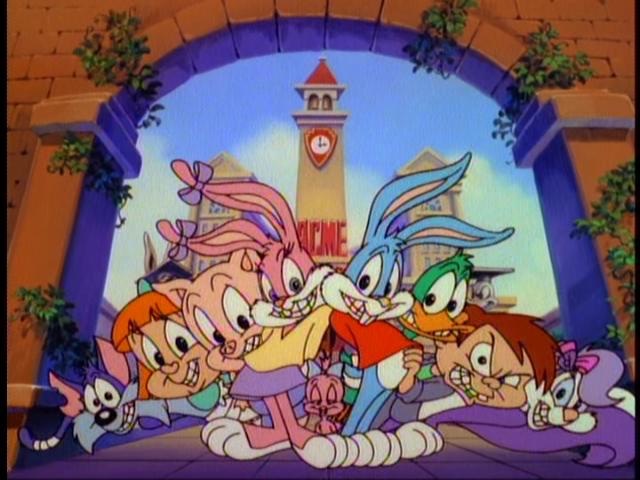
6. Animaniacs

I can’t be the only one who misses these guys and would absolutely love to see all the great characters this show created converge in one huge overriding plot. The common thread: everyone is, whether they know it or not, obstructing The Brain’s plot to take over the world.

7. Tiny Toons

This one is going a few years before that but, hey, Elmira is the crossover character! The Tiny Toons I felt were more unceremoniously dumped for The Animaniacs. They are far more legitimate heir to the Looney Tunes than the new Baby version which I can hardly bear to look at in a commercial.

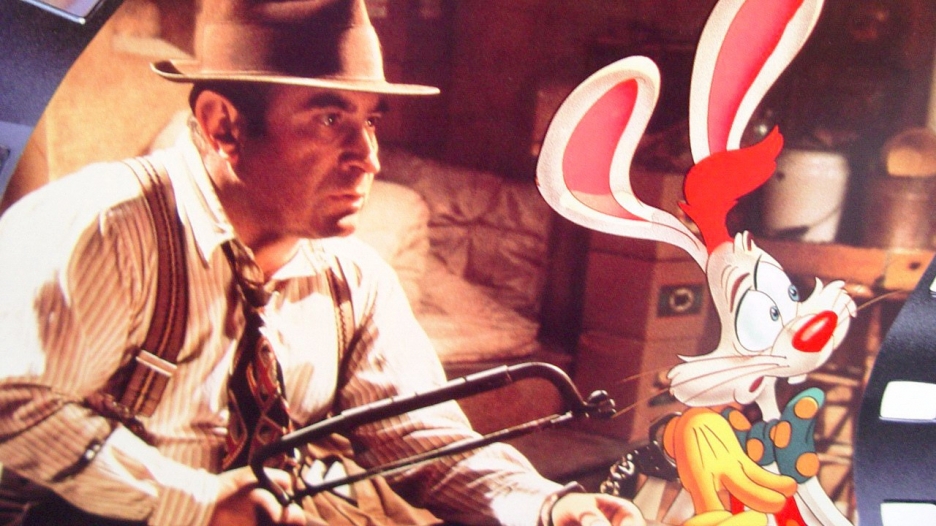
8. Roger Rabbit

I mentioned this in a short film Saturday post but Roger Rabbit has unjustly vanished from the world after being poised to be a huge real life star (better than Goofy?) but it never happened. If it all goes well I’d like Robert Zemeckis to get to do this. In spite of his motion capture struggles this is his project if its a hybrid, I would not object to an all toon version though.

9. Fradim

This could work better as a TV show but it is a Brazilian choice. Essentially, Henfil was one of Brazil’s great cartoonists and his strip was extra-ordinarily political. Creating a feature-length pastiche of his works would be something quite special, not that his universe is as massive as some of these others.

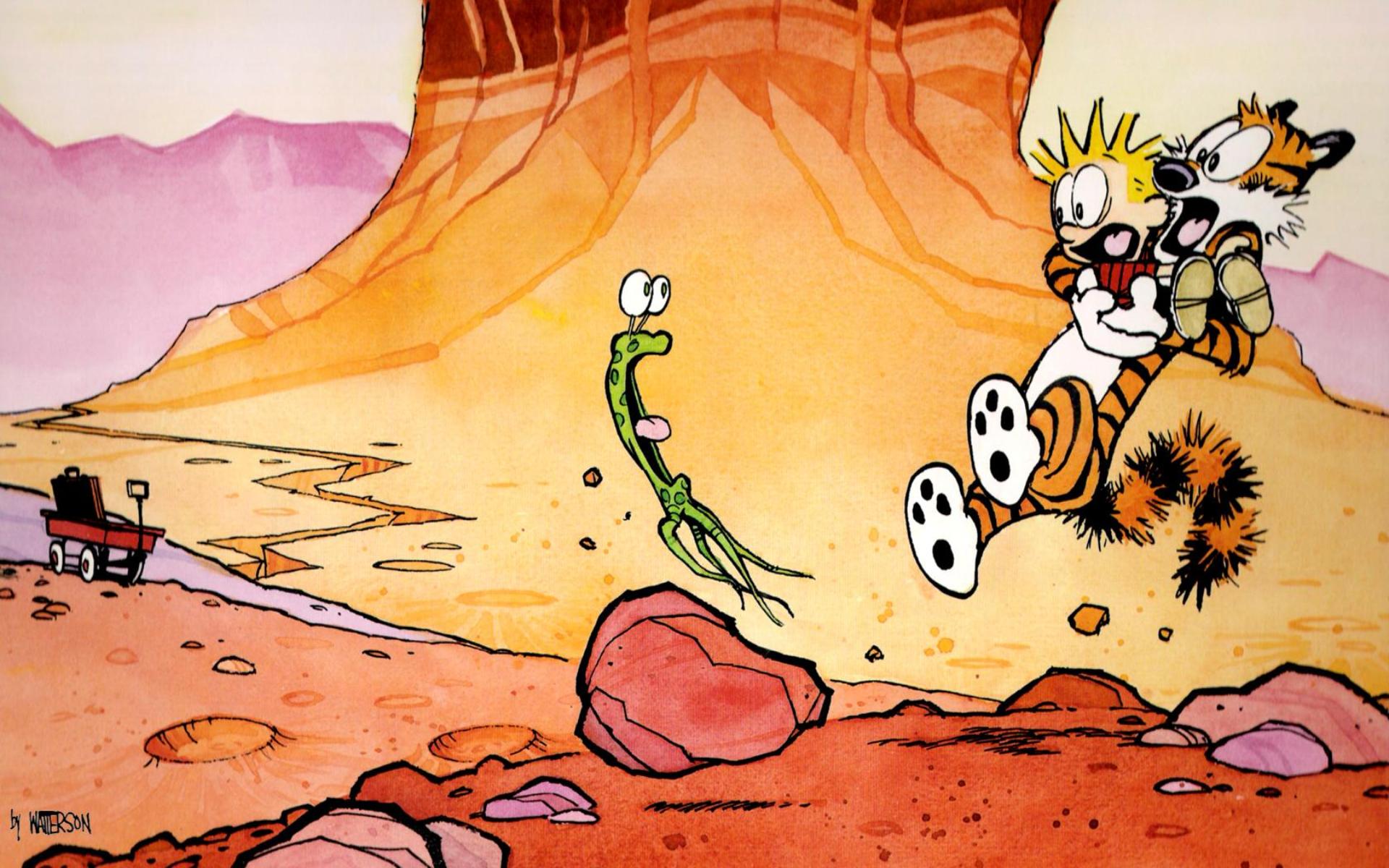
10. Calvin & Hobbes

I could include this in another list soon but clearly your argument against it, aside from the purist’s one, would be: “Calvin and Hobbes isn’t a heavily populated universe, is it?” No, not with people but were there to ever be a film I’d want to to be every bit as varied as Calvin’s imagination meaning Spaceman Spiff, Dinosaurs, Old Fashioned Soap Opera-Looking adults, Aliens and other imagined realities and alter egos of Calvin would be included in the story.

11. The Peanuts

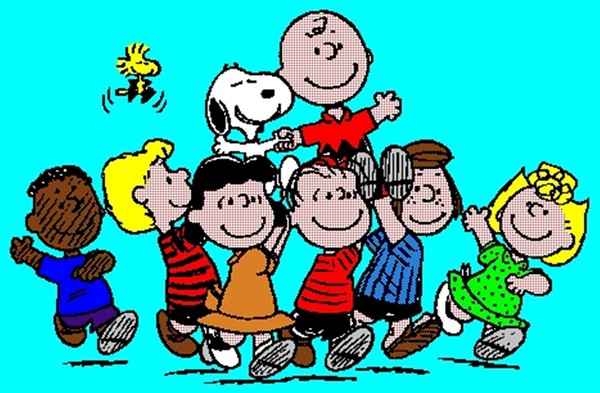
Perhaps no other comic strip was ever as simply philosophical and also got down to the brass tacks of childhood and life better than The Peanuts. Specials like at Christmas, Thanksgiving and Halloween are great but they only truly skim the surface of the series. With the Peanuts gaining new life in a series from Boom Studios and dailies being reprinted by Fantagraphics one would think someone would be able to edit and cull major story-lines that relate, and incorporate as many characters as possible into a tremendous feature.

12. Harvey Comics

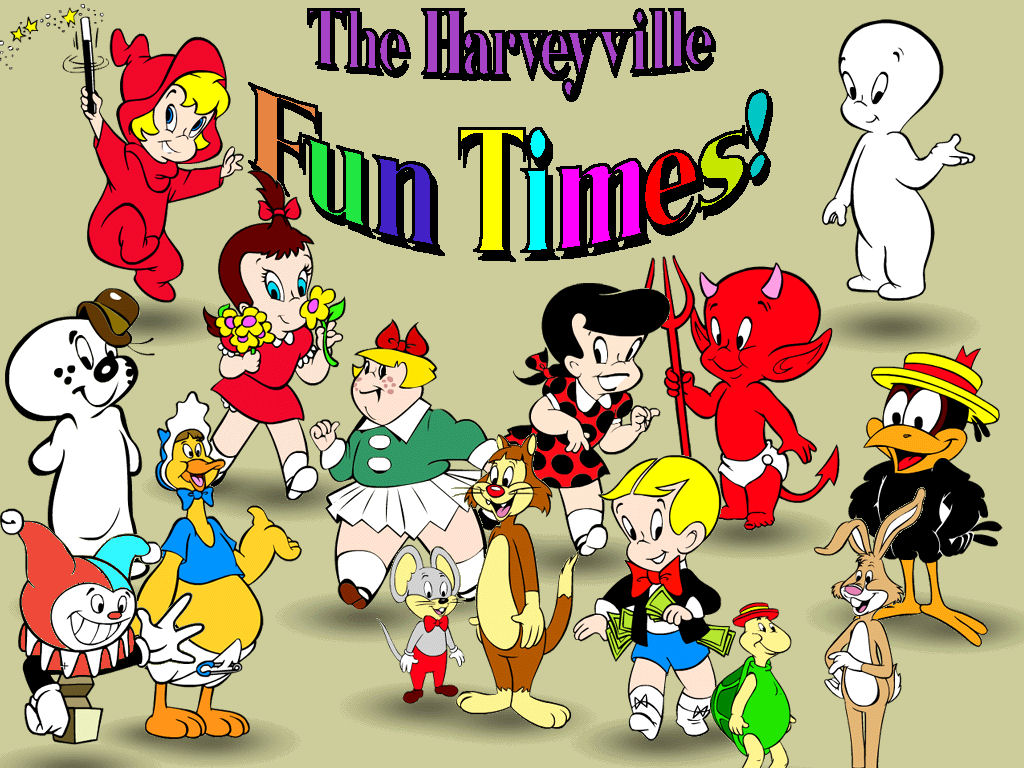
Now, there were a few adaptations of Harvey creations both Richie Rich and Casper (the latter being better and sequels not withstanding), however, Harvey comics no longer exist but the characters still exist in the collective consciousness and are getting either re-imagined or re-issued all the time. There are many characters to leverage and crossing over was frequent so it wouldn’t be hard to do if someone thought there was an audience for it.

13. The Fantastic Four

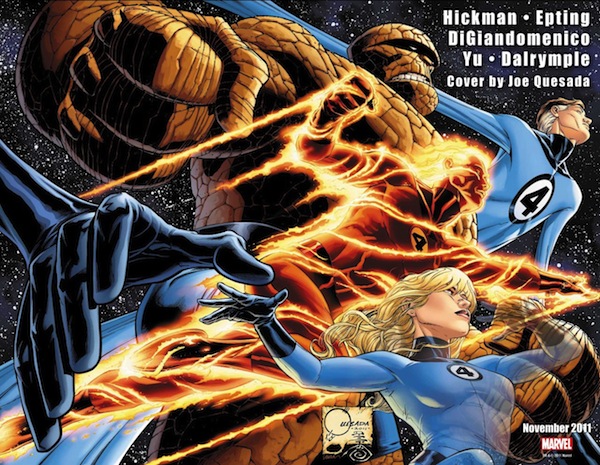
I’ll admit that I have not seen The Fantastic Four films that were attempted and based on what I’ve heard they’re not high on my list. Since my return to comics the First Family has become one of my great loves. Jonathan Hickman’s run, which I am fully up to date on, is truly epic and the kind of story that is conducive to an elevated sensibility that has been applied to superhero films as of late. The characters within the Marvel universe have always been sort of a crossroads so creating an Avengers-like project with them would not be difficult.

14. Asterix & Obelix

Here’s another one where the population isn’t huge but the amount of texts related to the characters is. Essentially this would be a narrative bomb, likely involving time travel or some other fantastical means to travel to a plethora of locations in the ancient world.

15. Histeria!

OK, imagine if you will a world wherein The Animaniacs and Tiny Toons were hits. Got it? OK, that’s where Histeria! will logically come into play. Now, it didn’t have nearly the run as those other Warner projects but I liked this one just as much. Similar, to Asterix in as much as this tales is mostly about history there’d be some way for the characters to go through the ages and also be a bit more dramatized than they were on the show.

16. Archie Comics

Anyone who has been reading the Life with Archie series knows that the Archie Comics are into breaking the mold now (Shameless self-promotion: I’ll discuss that further in an upcoming post). The same incarnations of the characters you grew up with still exist and can be exploited cinematically also, but the more mature mind-bending interpretation is the one with the most potential.

17. Star Comics

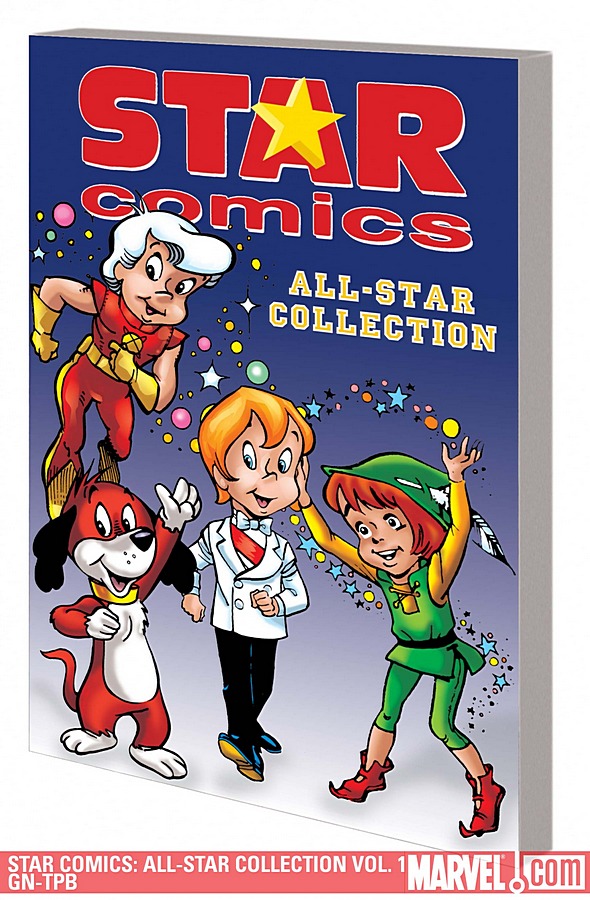
OK, here’s another personal pick and one that’s far more likely if Marvel were to ever do shorts. The mash-up angle is that Star was an imprint dedicated mostly to licensed material but it also did include some newly created original characters namely Planet Terry, Wally the Wizard, Top Dog and Royal Roy. Crossing over could easily happen here. To further convince the cynic here’s the Marvel “bridge,” meaning how can we possibly get to Star characters: Reboot The Fantastic Four (Make tons of money), incorporate the Power Pack in a sequel (as they’ve always been connected through Franklin Richards [See, crossroads]) and then get around to Star via Fantastic Four and Power Pack.

18. Hanna-Barbera

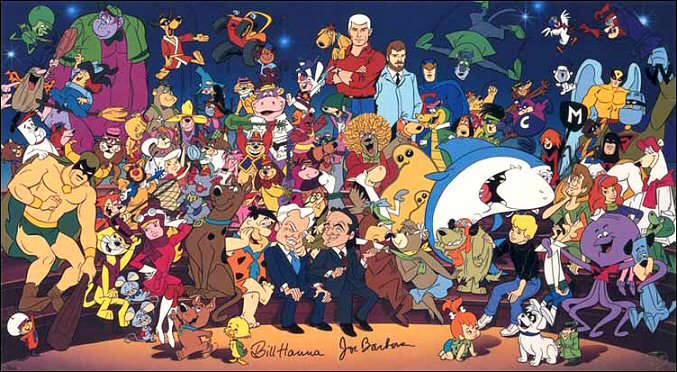
We all know that this is a huge universe and also that they had crossovers, many of these are animated simply because the possibility of combining a large number of characters is very exciting

19. Stephen King

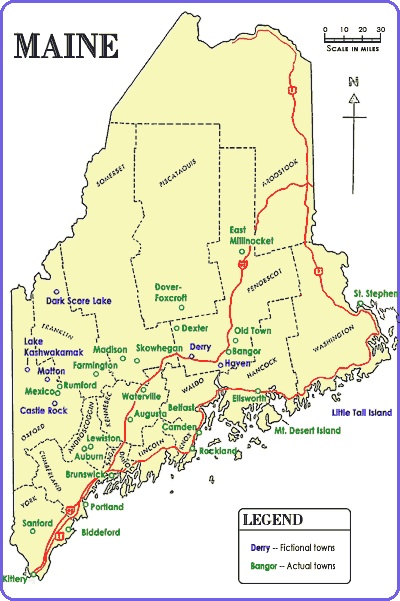
Here’s one I saw suggest by John Gholson on his twitter feed. I forget who he suggested but essentially with all of King‘s canon this could work any number of ways. It could be an assemblage of his greatest heroes, or it could also be new heroes and a few villains who survived (names avoided to not spoil). The third possibility is a poor, unfortunate schmuck goes through a horrific tour through King’s Maine, without any need to justify it. Because you don’t need one sometimes as King himself stated in Storm of the Century ‘When his life was ruined, his family killed, his farm destroyed, Job knelt down on the ground and yelled up to the heavens, “Why God? Why me?” and the thundering voice of God answered, “There’s just something about you that pisses me off”.’

20. The Kids in the Hall

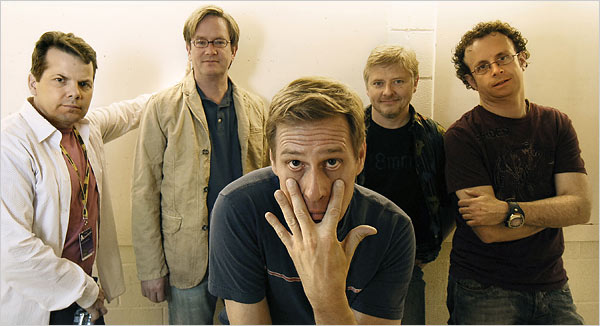
I preface this choice by saying I adore Brain Candy, I know I’m in a minority when I say that but I do. However, that’s not to say I wouldn’t love to see a Kids in the Hall film where they play say 995 out of 1000 characters and bring in many of their famous characters. One needs to only see the rendition of a film not unlike Kiss of the Spider Woman that Bruno Puntz Jones (David Foley) and Francesca Fiore (Scott Thompson) do to know how cinematic they can be and how easily they can pull it off.

The Flip Side: Seeing the Movie Then Reading the Book

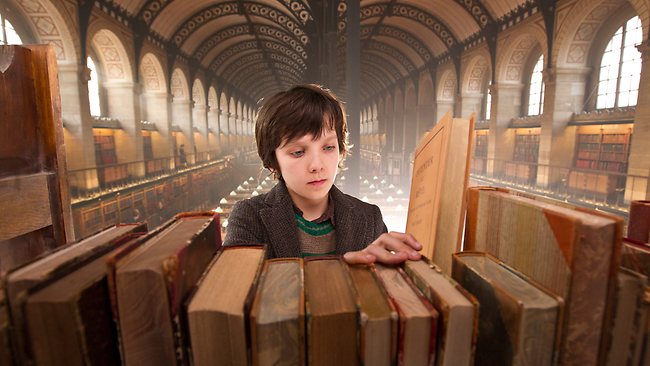
Asa Butterfield in Hugo (Paramount)

Recently I re-posted a series of articles I wrote on The Site That Shall Not Be Named (no it’s not the Dark Lord’s site) about how to divorce oneself from the source material when you’re watching an adaptation of a beloved book, comic, TV Show or what have you. If you want to read that series start here, otherwise bear with me.

In that series I really tackled a problem many face but mainly it pertained to books and their readers the most. To be more specific people who happened to have read the book prior to watching the film, which is a tough transition.

However, a twitter friend of mine and blogger in his own right, recently posted this intriguing entry:

People who follow me at all know I read a lot.

I read books now more than ever, used to read more newspapers and magazines.

But, I hear all the time, I want to see say “Hunger Games” but I need to read the book/books first. I personally prefer seeing the movie first.

Books are a totally different format, richer, longer, have subtext, a medium of words. Film is a medium of images and sounds, and quite a bit shorter at around 90-120 minutes. The average screenplay is 95-125 pages long, the average book is around 300 pages. It’s simply different.

For me a good example of this is Martin Scorsese’s “Hugo”. Although the book the “Invention of Hugo Cabret” by Brian Selznick is very cinematic, and the look is in the movie, Scorsese adds scenes, depth of character and a few other things I don’t see in the book. I did see “Hugo” before reading the book, and think if I read the book first I would have used my image of the book to cloud the movie and not loved the movie for what it did well but get trapped in comparisons.

An example of a book I did read first which clouded my judgment of the movie is “Jurassic Park.” I quite enjoyed Micheal Crichton’s novel, and I missed several scenes (especially the river scene) that were in the book in the movie. Although Spielberg does a good job with it, I find actually the monster movie “The Lost World” to be more fun. I think this is partially because my view of the book hurts the movie.

Another example for me from a recent movie is “The Hunger Games.” My wife has read through this series twice already, and I am still around 20% in the first book. I quite enjoyed the movie, and wonder if my judgment of the book would have clouded how I see the film.

Basically movies and books are entirely different mediums. If you try to make the movie just like the book you get boring movies like Chris Columbus’s Harry Potter 1 and 2, which although good and nowhere near as rich to me as Cuaron’s version that shares the vision of the book but doesn’t feel the need to get everything in Harry Potter 3 (still the best of the series to me.
What do you think?

The general points up there I agree with almost without exception. I wanted to quote the post mainly for context and also as shorthand to expound on my observations on this opposite phenomena I didn’t examine.

I completely agree with the assertion that one musn’t read the book before seeing the movie. The book is not Cliff’s Notes to the film. The film has to sink or swim on its own merits. With regards to The Hunger Games, I liked it but I knew innately that there was backstory and subtext from the book only being hinted at on screen, however, it didn’t ruin the film for me.

With regards to subtext allow me to make a minor semantical point: yes, many films are surface only but when you study them you learn to read them (I’m not being poetical, we say that) and seek the subtext. Some films are what they are; vapid or brilliant there’s not much else going on, those are few. There will be more forthcoming dialogue simply because the examples are ones I so closely relate to but I will transition, believe me.

Another thing that even I didn’t really examine in the prior series is that there really isn’t a direct correlation between pages in a book and a screenplay. One can make it, and I have, for a mathematical argument but truly the literal conversion of book to film can have so many more variables. A good example would be Swann’s Way by Marcel Proust. I stuck with it and finished it and liked, despite it being the most challenging read of my life. Such is the stream of consciousness and transition from reality to memory to fancy to dream that it makes it a very involving and exhaustive experience. Were you to take certain pages out of the book and transcribe them to screenplay form you could have so many changes of time and location that one novel page could be three to four screenplay pages. Again, if you’re a completist and being literal. A good film of the book would have some of those montages implied in the writing but not all of them.

Certain writing styles do imply montage as Eisenstein talks most about in the book of his I’m in the midst of and what can be done in a paragraph of prose may take a page or more in a screenplay depending on how you decide to exploit it cinematically. This is just further food for thought when thinking about taking something that’s purely text and turning it into visuals.

With regards to the example of Hugo above it’s amazing that we both reached virtually the same conclusion about the film having inverted reading schedules. I took The Invention of Hugo Cabret out of the library and devoured it because it was a quick read, liking the story much better than the presentation thereof and then though I knew Scorsese and Logan made certain changes I felt they enhanced the film and made it the best of 2011.
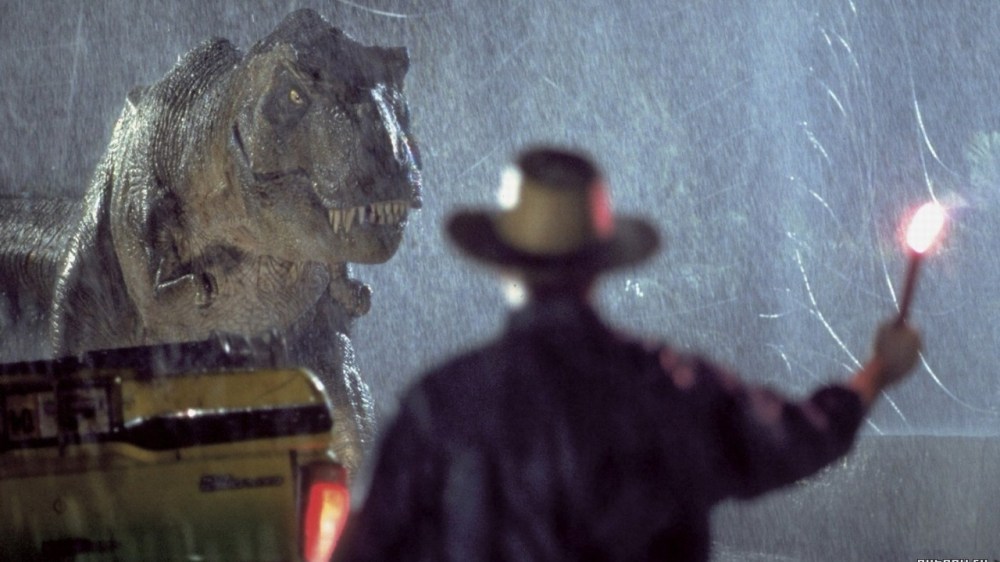
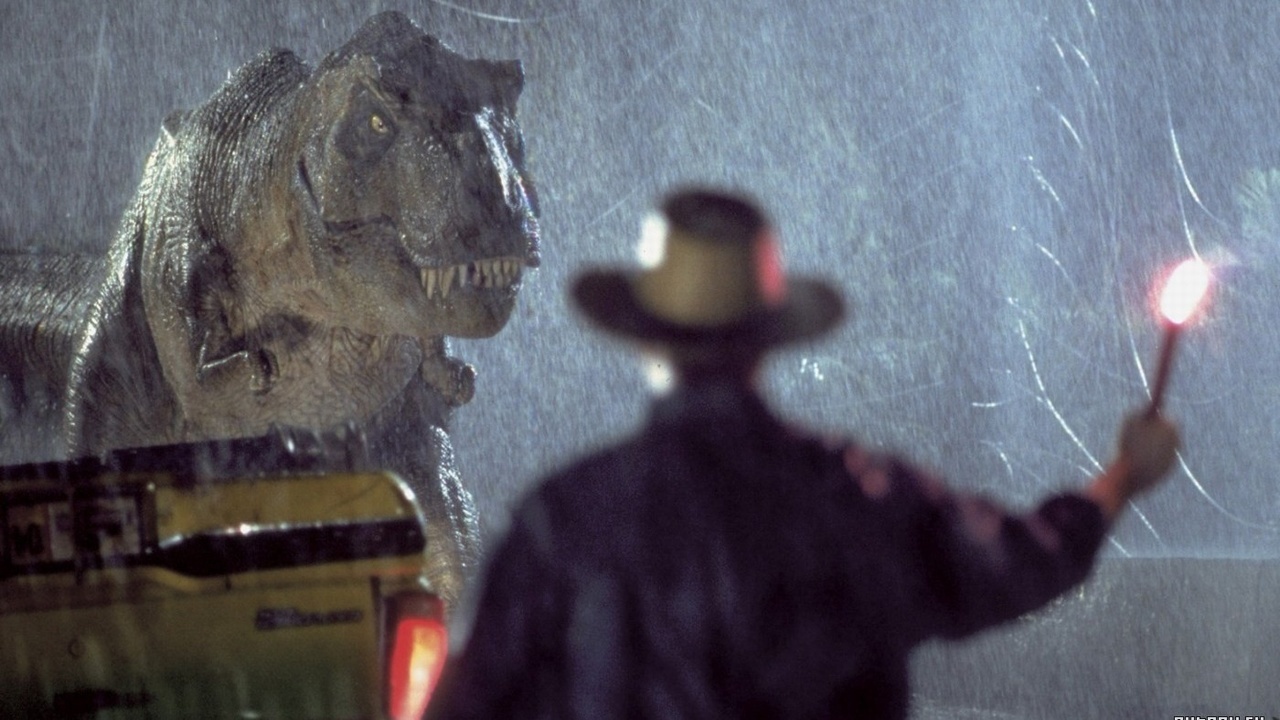
Sam Niell in Jurassic Park (Universal Pictures)

With regards to the Jurassic Park films, I actually tried to read the book and I failed to complete it despite needing to write a book report on it. That did not diminish my desire to see it or affect my view of it. I absolutely adored every second of it. Being a budding cinephile and a kid who at more than one point wanted to be a paleontologist it was, and will remain, one of the most exhilarating movie-watching experiences of my life. It’s magical. On the other hand, I didn’t try and read The Lost World, I disliked it a lot. How much? This much. I was pleased to learn in my Spielberg class that part of the reasoning behind his doing The Lost World was that Universal had been begging him for a sequel since 1982 and he would not hear of it being E.T.
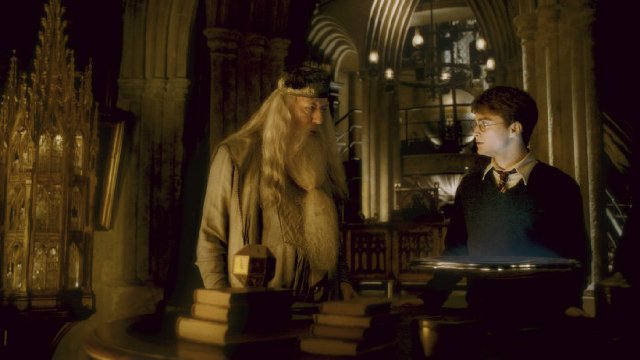
Michael Gambon and Daniel Radcliffe in Harry Potter and the Half-Blood Prince (Warner Bros.)

As for the Harry Potter films: I love them and I love the books. My love for both is separate but equal, to re-appropriate an old phrase. I always read them before I saw them but with the few production delays they had the gap between reading and viewing grew as the films moved on. My favorite is The Half-Blood Prince, it’s the apex of the story cinematically and in the books I feel so much of what was built in the series lead to that point. The Prisoner of Azkaban is great but like many of the films they stumble at the goal line, metaphorically speaking but that one just loses the ball entirely with the very last image and piece of voice over. Only part of the issue with the first two films is Columbus. The other part is that the books steadily grew in size through the course of the series. Slavishness to the novel was easy, and maybe a requisite to establish the franchise at the beginning. As the books grew slavishness became more difficult to accomplish, nearly impossible, thus the films truly came into their own as a separate but equal enterprise.

So having said all that in the interest of piggybacking and elaborating on points I previously made; What about seeing the movie first and then reading? I am very intrigued by the idea but I do not have much practice with it. I have a few candidates in mind to try it with but let’s see what case studies I have (Yes, we are quite literally discovering it together, hence why I wanted to write this post).
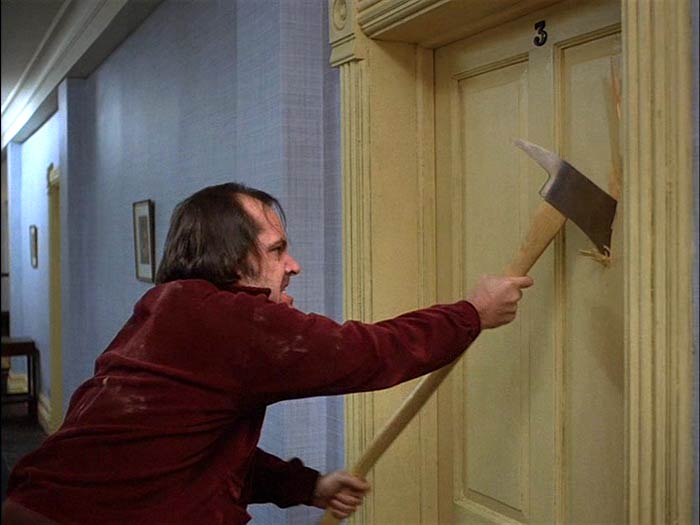
Jack Nicholson in The Shining (Warner Bros.)

The Shining

I decided to pick up a Stephen King book because I saw The Shining. I was just into High School and it was the first time I enjoyed being scared. I was averse to horror before then. I learned from King and went on to read many that he read. However, the film and the book are very different beasts. I had no problem with having a cast in my head, King even acknowledges that in a foreword or afterword of one of his books, but like I said it was different. I didn’t dislike it. I don’t disagree with King’s comments about Kubrick either, yet I still enjoy Kubrick’s riff on the story more than the book or the mini-series. Do I skew to the movie for having seen it first? Yes. However, then there’s The Hunger Games. I tried to read it as a library book. Hardly started. I then saw the movie still knowing next to nothing and would likely enjoy the book more.

Pet Sematary
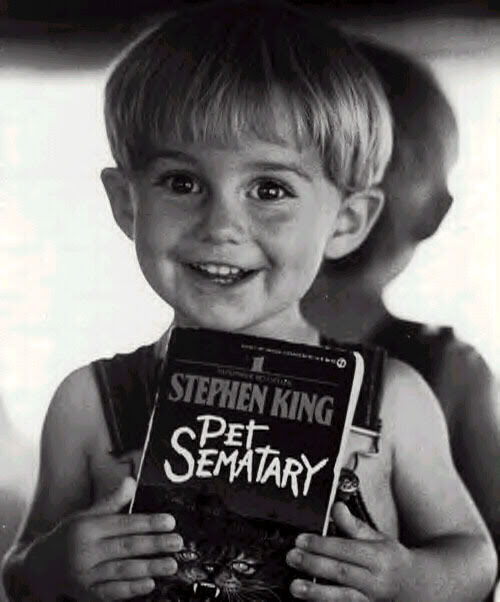
Miko Hughes holding a copy of Pet Sematary

Here’s one where if you make me pick which one I like I’ll kick, scream and refuse. I love them both so, so much.

Storm of the Century
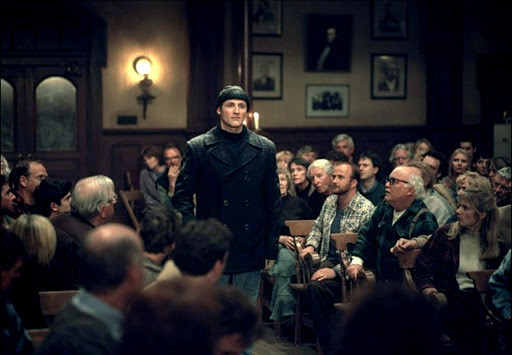
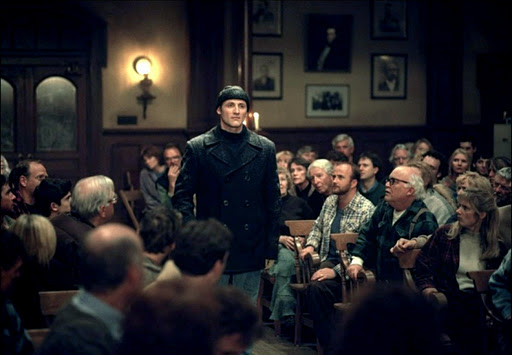
Colm Feore in Storm of the Century (ABC)

Ha, I’m such a cheater because this is a screenplay but regardless I may be in a minority but I really enjoyed it in both incarnations.

Hellraiser/The Hellbound Heart
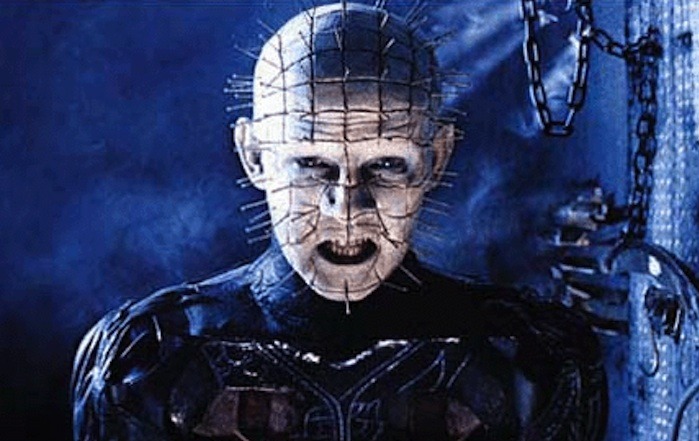
Doug Bradley in Hellraiser (New World Pictures)

Clive Barker brings such imagination and originality to everything he does it’s hard to be disappointed but it is a somewhat different interpretation of the vision than the one he put on screen I find. Similarly, he’s working on a comics series of Hellraiser now, which is incredibly good.

The Exorcist
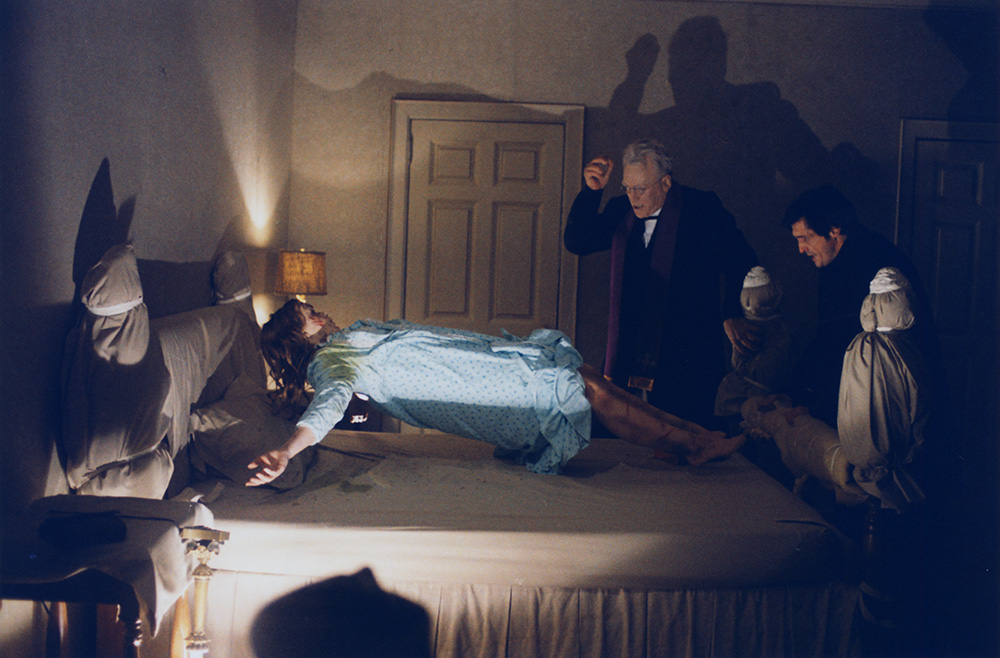
Linda Blair, Max Von Sydow and Jason Miller in The Exorcist (Warner Bros.)

With all apologies due William Peter Blatty the movie rips the book to shreds quality-wise. However, the reading experience was just fine.

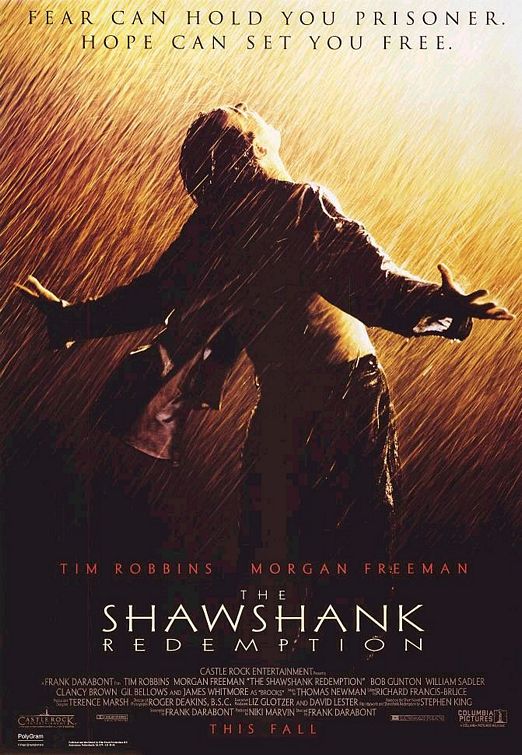
Rita Hayworth and the Shawshank Redemption/The Shawshank Redemption
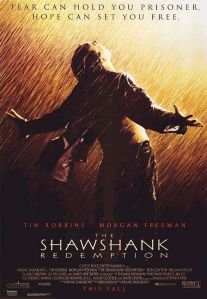
The Shawshank Redemption (Columbia Pictures)

It wasn’t a tainted reading experience in any way and it’s evidence of why Frank Darabont is Stephen King’s best adapter.

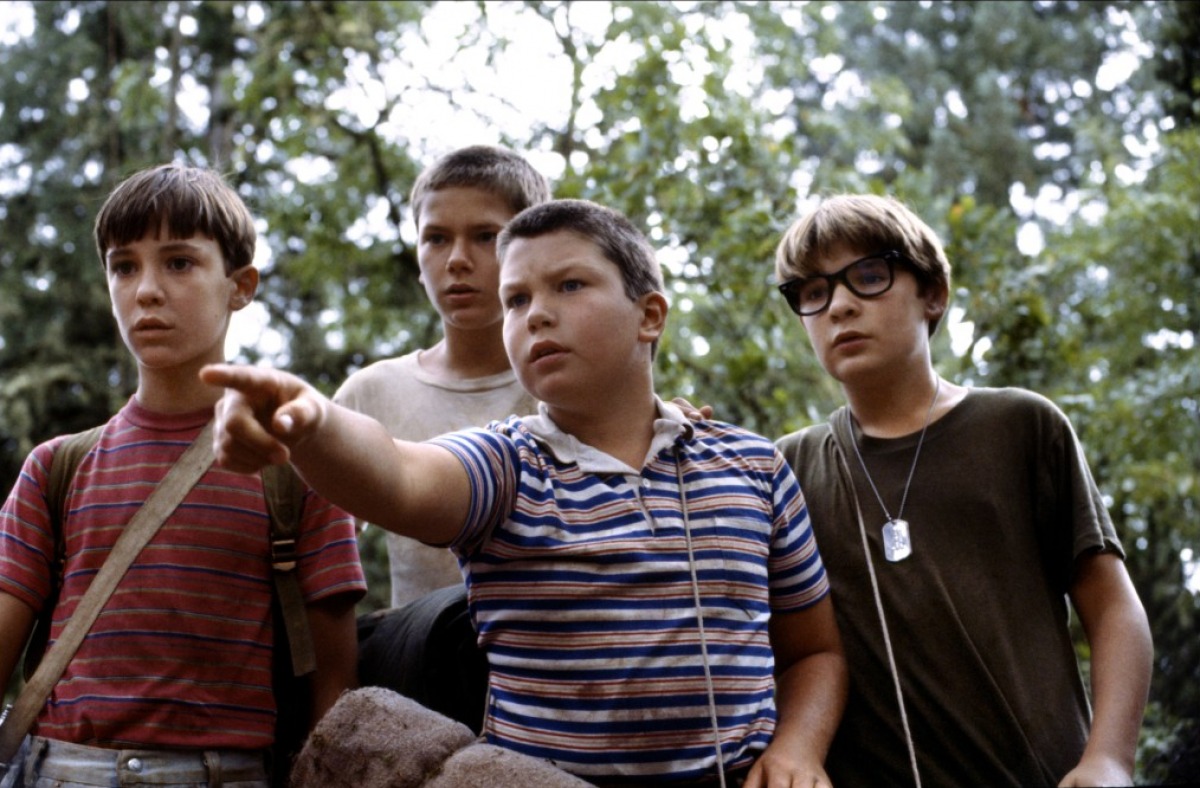
The Body/Stand by Me
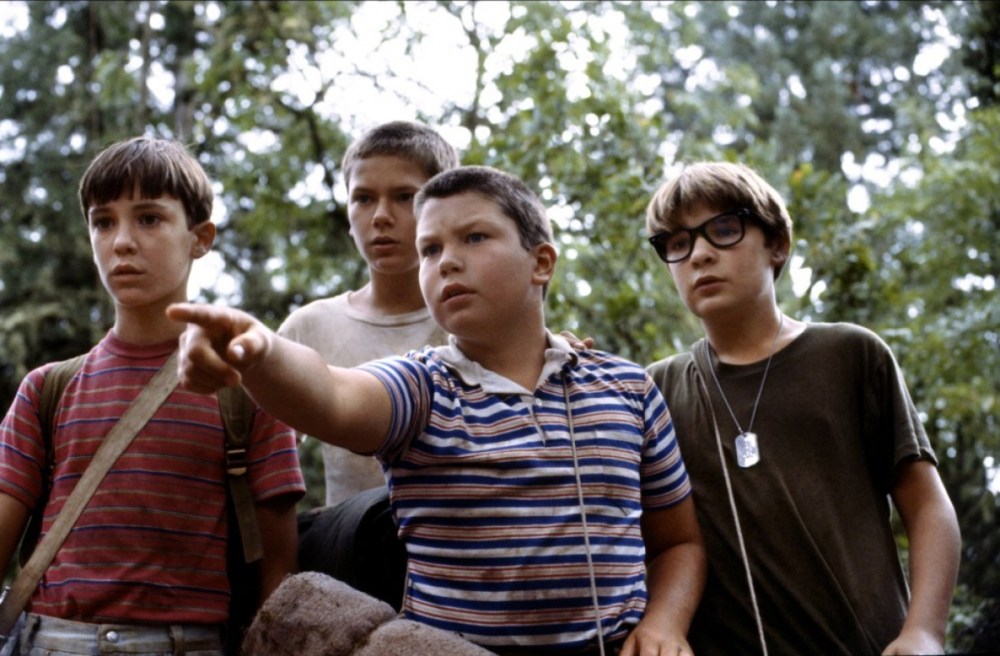
Wil Wheaton, River Phoenix, Jerry O'Connell and Corey Feldman in Stand by Me (Columbia Pictures)

In a similar way to Stephen King’s reaction to Darabont’s The Mist he also loved this one because of a crucial change Rob Reiner made for the better. Reading it was fine, watching it more lively. In this case it might’ve tainted it in my mind from having seen it so much.

Apt Pupil
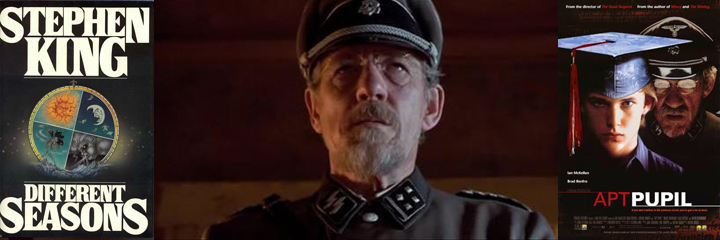
This story as written is outstanding. Yes, the cast remained the same but the story delves into the psychology of the situation in ways the film scarcely attempts. You should read it.

The Langoliers
The Langoliers (ABC)

Augmented by having seen it first in part because I love the mini-series up until the very end. It’s like King says, the story just falls into place so smoothly and that translates on to the page and the mini-series is great until one of the worst third act blunders, and effects shots ever.

Misery
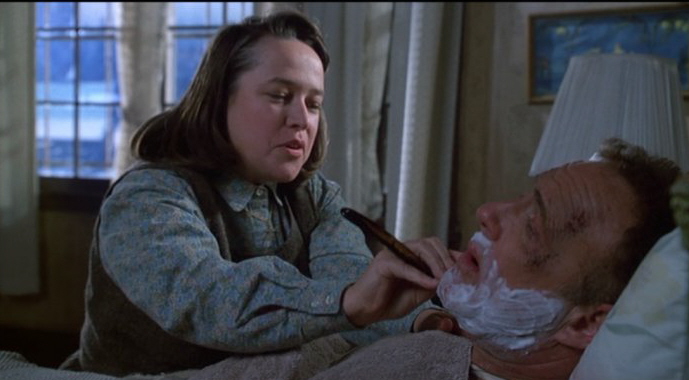
Kathy Bates and James Caan in Misery (Columbia Pictures)

How can having Kathy Bates in your head not make it better?

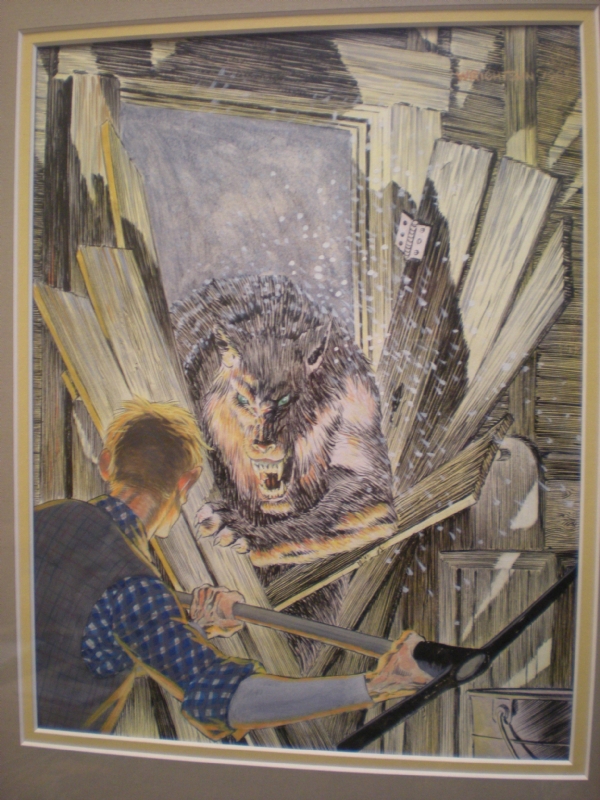
Cycle of the Werewolf/Silver Bullet
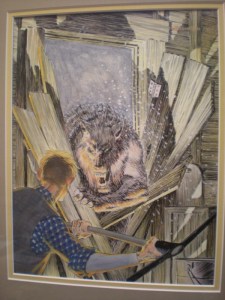
The Cycle of the Werewolf (Signet/Berni Wrightson)

It’s a totally different beast entirely. It’s a short little book with Berni Wrightson working his magic illustrating it, giving you new images to focus on.

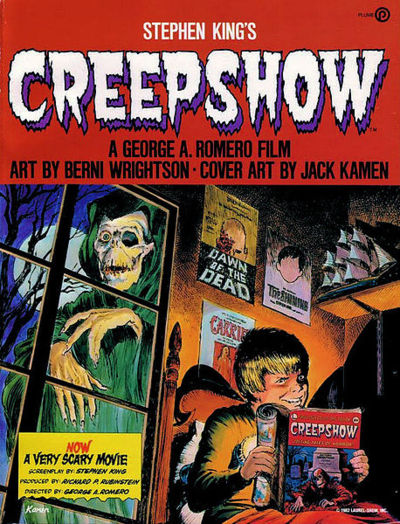
Creepshow
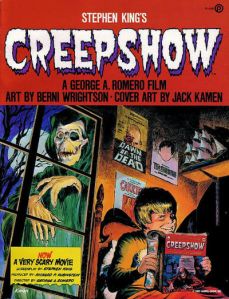
Creepshow (Berni Wrightson/Signet)

Quite frankly with the premise of Creepshow being tales in the style of old EC Comics how can it not be a good comic book, seriously?

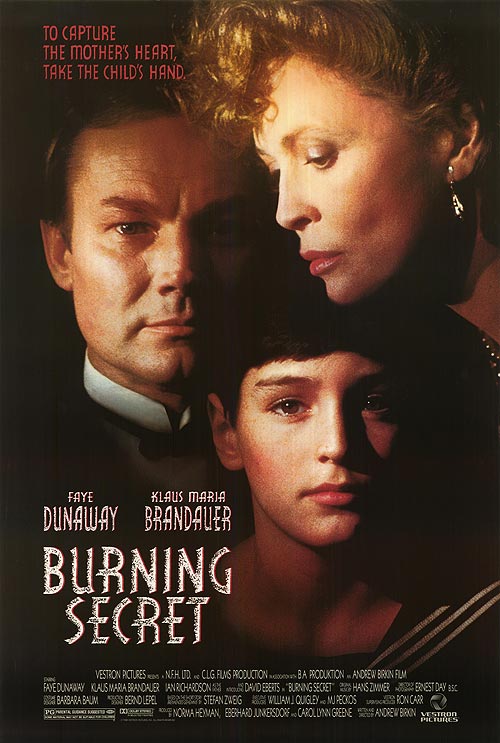
Burning Secret
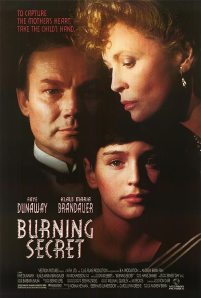
Burning Secret (Vestron Pictures)

I’m surprised I had forgotten this one. This tale is quite literally the perfect example of this list. I saw this film by chance on Netflix. I was rather intrigued by it and was curious to read the book. The book was rather short and a quick read. The adaptation is great because it develops cinematic subtext without using any of the inner-monologue inherent in the prose. What this does is create an air of mystery and a questioning of motives, at least to an extent, which never happens in the book. The strength of the book is that you get explicit detail about the thought processes of each character. In short, you get slightly different but very well-realized renditions of the tale. In each version the medium is exploited brilliantly.

These are likely the only examples I can be completely certain of. Having thought on them: Yes, the argument does have merit. It can be better and more enjoyable to watch and then read. This might mean that The Hunger Games and A Song of Fire and Ice are in my future.
10 Keys to a Better Life as a Fanboy: 8. It Won’t Change a Thing

Jeremy Sumpter and Rachel Hurd-Wood in Peter Pan (Universal)

This series of articles is designed to help you, the fan, try and divorce yourself from your attachment to source material and judge a film on its own merits and not in comparison to another work. These tips come from my own experience. I hope they are helpful.

The problem I think a lot of people have, and it’s a nasty trap that I’ve seen ensnare many, is that people seem to think that films are somehow definitive; as if that’s the final word on the work and that’s how it will be remembered for all eternity. While it’s true in a theoretical sense that film may be the most concrete and immutable art it by no means claims to be the coda, furthermore the verdict on the worth of a given piece of narrative.

Your favorite book or comic is being adapted into a film and you are pissed? Why bother? What for? I’ll explain why and this even works for remakes to an extent. It still doesn’t change an iota of the written piece that you love so dearly. If you disliked the mini-series based on Stephen King’s It the words in your copy won’t smear.

That’s an extremely hyperbolic example but surely you catch my drift. It’s all about perception and those can change as much as anything. So while it will be next to impossible for the film adaptation of The Catcher in the Rye to match the book in terms of acclaim I won’t deny it’d be interesting to see.

Not only is it waste of your ire to rail against an adaptation of something you love, it also is to an extent pointless, that piece you hold so dear is still there.
I’ve seen The Little Prince butchered on film. It’s still one of my favorite books and I can always turn to it and know that the story will turn out in my head just the way I see it. Just the way I interpret Exupéry’s words.

And that’s another thing: every adaptation is just an interpretation of a director’s vision regardless of how involved a studio is. It is by no means definitive, lest you agree, it’s just a variation on a theme. I personally think P.J. Hogan perfected Peter Pan and Spike Jonze got Where The Wild Things Are, others may disagree.

We all have baggage; it’s best to check yours before entering the auditorium lest it weigh you down.
 

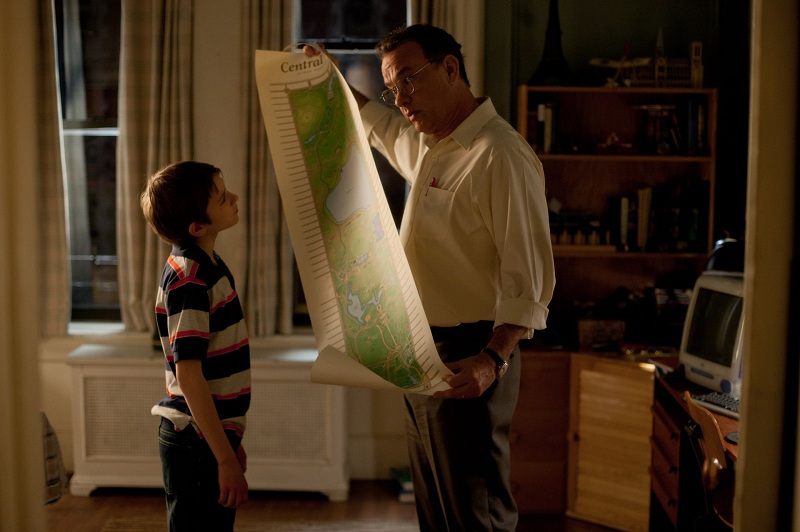
Everybody’s Got Stories: Extremely Loud and Incredibly Close and My 9/11

Thomas Horn and Tom Hanks in Extremely Loud and Incredibly Close (Warner Bros.)

I worked in 1 World Trade Center from 1999 to 2001- to September 11th, 2001 to be precise. My story about that day isn’t all that dramatic really. There are details I could divulge but suffice it to say I wasn’t on the schedule for Tuesday mornings that month. So I was not on either the 106th or 107th floor on that day, nowhere close, thank God. I thought about taking that shift when the proposed schedule came out but decided against picking up an occasional AM shift. I was juggling college and the job and Tuesday was an off day from classes and I decided to use that to rest.

Of course, we all know what happened that day and since then I’ve been fairly quiet about a number of topics that pertain to the day itself. I’ve also had varying reactions to works of art which have dealt with the attacks.

I am writing this, of course, because Extremely Loud and Incredibly Close is due out soon and it’s been lambasted by some as exploitative among other things. I have yet to see the film so I cannot defend its artistic merit, however, we should look at other depictions of 9/11. One other caveat: so unimaginable and unpredictable were the attacks to me that while working there I wrote a post-apocalyptic script wherein a family eventually lived in the World Trade Center.

First, there is the tandem of fairly fact-based films World Trade Center and United 93. Neither of these films interest me in the least. I have, more times than I care to, been able to imagine, only imagine but what more can one do, what those floors looked like that day. Having worked there I get a much clearer picture than I care to so I needn’t see any dramatization thereof. The films may be fine and as propaganda-free as possible but I just have no interest. To me those smack more of exploitation for it takes actual people and focuses on the event and tried to feed on rampant patriotism to generate box office. Some see it otherwise and that’s fine but as I said I have no reason to see it.

Remember Me, which I wouldn’t have seen anyway, was your standard father-son drama and decided to use 9/11 as a twist ending rather infamously and in classless fashion.

On the flip-side Stephen King in his collection of short stories Just After Sunset deals with the tragic day in New York in two different ways. In “The Things They Left Behind” he deals with the aftermath and those lost but in “Graduation Afternoon” it comes in at the end, in the distance. It does not inundate all that preceded it and change the entire story and feel like a blatant, in-your-face exploitation. It is there, it is stunning and it affects all, but it does not compromise the tonality of the entire piece.

In Brian K. Vaughn’s brilliant comics series Ex Machina the first issue concludes with a newly-minted superhero’s biggest failure, the fact that he only saved one of the two towers. Considering the tone of the series was serious, political and a very post-9/11 story it all fit.

So the last three I enjoyed so I can take in a tale of fiction which cites something that so closely affected me. Yet it seems this film gets quite a bit of vitriol just in the “How dare you?” realm. The question of “How should art deal with 9/11?” is a valid one but it seems that was never asked for the two that try to most closely replicate it. Bastardized truthiness does not a documentary make and what function is being served there? Those are movies about 9/11 but in a bright piece of marketing Extremely Loud and Incredibly Close is being labeled as being about every day after. In some ways those days were harder.

Furthermore, the word art is formed from the word artifice. It is about subterfuge. Exactitude is what a documentarian strives for but even they know there’s a gray area.

This film reminds me of some of the reading I did about Kapó before I decided to buy it. The film features perhaps the most over-analyzed shot in film history of an inmate dying in a concentration camp. It raised questions of morality in film, however, what should be moral about film? Absolute morality eliminates myriad genres. Horror is where we imagine out nightmares to try an exorcise them and horrid, immoral things are imagined and inflicted upon the people that populate those stories. What need have we of narrative morality?

Not to compare disparate tragedies but surely there was a time when the holocaust was an untouched topic. However, through the years different narrative avenues about events in and around World War II have been found, some not universally embraced, Stephen Daldry’s (the director of this very film) The Reader comes to mind.

The fact of the matter is there are events in world history that defy logical explanation and easy categorization. However, that does not stop us as human beings from exploring them and one of our biggest means of exploring is through the arts. Some say “Why make this film?” I say “Why not?”

5 Franchises That Should’ve Been

Some films that are made seem to be begging for more, in other incarnations of this topic people have tended to focus more on the tie-in and merchandising potential and less on story. In this list you will see five films I think were just begging to be continued, expanded upon and elaborated more greatly. What are some of your favorites?

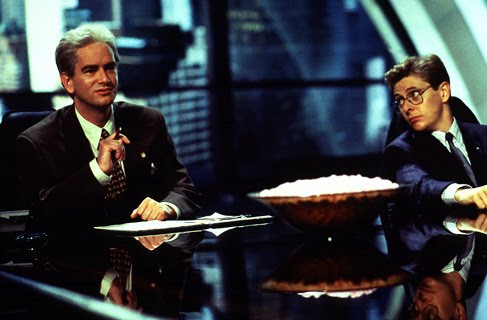
5. The Kids in the Hall: Brain Candy

Mark McKinney and Dave Foley in Kids in the Hall: Brain Candy (Paramount)

Why this film received such a cold shoulder and is largely overlooked is beyond me. The Kids in the Hall probably could’ve made a slew of films with a colon and their troupe’s effort following it in the title. They could’ve become the 90s incarnation of Monty Python. This film is hugely overlooked and vastly underrated. The franchise here is not the Brain Candy concept but rather the troupe’s brand of comedy transposed onto the big screen. Perhaps in the economically affluent, blasé, Generation X 90s a droll, snide stab at pharmaceutical companies and anti-depressants was not the way to go but it is hilarious. If you haven’t yet checked out their one and only feature length film to date please do. They still do shows and have appearances in Canada and each member does individual projects but perhaps the harsher times will reawaken the need for KITH as a unit.

4. Explorers

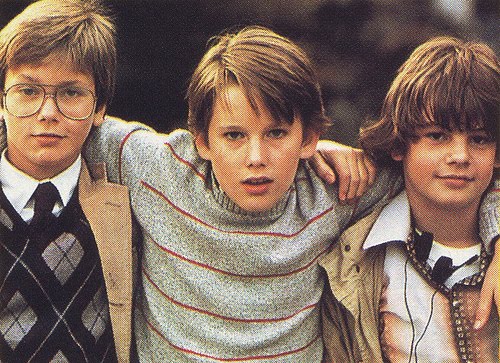
River Phoenix, Ethan Hawke and Bobby Fite in Explorers (Paramount)

While many do like it and it’s fine by me but not great, Explorers seems like the kind of film that would be better after a second installment when characters are already established and you can go deeper. Kids who design and build their own space craft and use it to travel to outer space; if this concept was developed today it’s an absolute certainty that it would be intended to be a series. Keep in mind that the original starred both Ethan Hawke and River Phoenix before they really hit it big with any project so it could definitely been continued as a star-vehicle and could be one anew. It’s just a wonder they haven’t tried again…yet.

3. Flight of the Navigator

Joey Cramer in Flight of the Navigator (Disney)

Again I think era might’ve had something to do with this concept not being followed up. If Disney was making Flight of the Navigator today and made a cent of profit it certainly would become a series. I just think here the film opens up a whole can of worms that could be revisited, not that it necessarily should. In the film David played by Joey Cramer travels through space and thus time and comes back still looking twelve eight years later. There are just so many possibilities other complications this could cause and other planets to visit. This film may soon be off the list as a remake is in development and has been for some time.

2. Stephen King Projects

Colm Feore in Storm of the Century (Walt Disney Television)

OK, allow me to explain this selection. It’s basically a tie because one would be a film and the other could be a film following a mini-series and the mini-series, lost art form as that is, is kind of in a no man’s land in terms of film.

The first King property I’m surprised never turned into a series was Silver Bullet. It is without question one of the most accurate and best interpretations of a King book put on screen. Due in no small part to the fact that King wrote the script himself. It’s like Cycle of the Werewolf was plastered on celluloid. It’s great and considering some of the other werewolf films that were popular in the 80s it’s even more surprising. The possibility of a follow up to that tale is definitely a tantalizing idea to think about but King doesn’t have it on his docket.

The second would be a sequel of some kind to Storm of the Century, King’s first mini-series. Without giving anything away for those who haven’t seen it the ending is not open but rife with possibilities and considering that Linoge is one of his best villains, on par with Randal Flagg, and to see power transition from him to his protégé would be something.

1. The House by the Cemetery

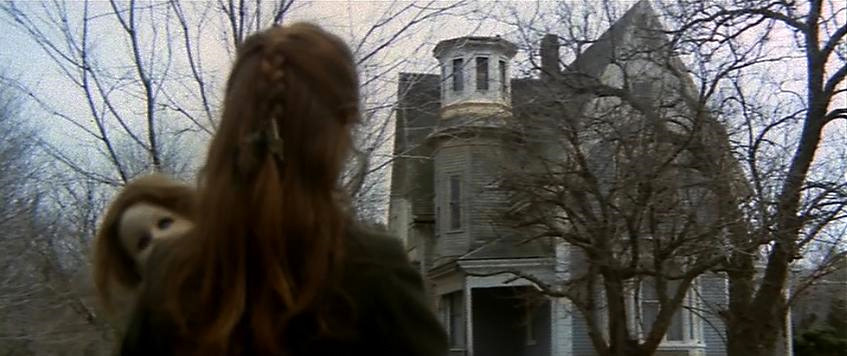
Silvia Collatina in The House by the Cemetery (Anchor Bay)

One of Lucio Fulci’s best works and one that screamed to be continued more so than any of the Zombie films which are terribly overrated. The House by the Cemetery features a great villain a cruel, twisted doctor who is undead, practically immortal and of course can’t really be defeated not that much resistance has been put up against him. The ending of the film is open and you really are left to wonder what happens with Bob next. If an American had made it with better known actors it likely would’ve been a series one that would’ve gotten ridiculously long after a time but might’ve been enjoyable still reminiscent of the original Halloween cycle.

Hero Whipped: From Film to Comics (Part 1)

Michael Fassbender in X-Men: First Class

This has been a year in films which has been replete, or perhaps over-saturated (depending on your stance), with comic book films. Now for all you fans of semantics (and believe me I am one) I won’t get into the whole “Is that really a genre in and of itself?” discussion as what I am seeking to discuss will be much broader than that one sub-topic. Never the less films based on comics have been plentiful and that is not the only way in which the two art forms have become linked.

In spite of the symbiosis that exists the two industries face very disparate overriding issues at current. While in film one of the many concerns are echoed in the recent statements of Universal Studios chief Ronald Mayer. To be stated succinctly: He said we’ve made a lot of “bad” movies. That statement is rather obvious and questions like what lead you to make project X over project Y and do you plan to change that mechanism any time soon are being largely ignored because we kind of know what that answer is.

Even with a purer decision making process film, like all the arts, is a sort of alchemy wherein the results and impact of a piece can not be guaranteed.

So that’s one of the big bugaboos the film industry is currently contending with, comics has a rather big one also and its underscored by the overwhelming (thus far) success of the New DC Universe, they’ve said don’t call it a reboot so many times they’re starting to sound like a poor excuse for LL Cool J.

While DC has just regained the market share for the first time since 2002 many, more knowledgeable than I, know that the market itself can and needs to grow and initiatives such as this one are what will do it. However, it’s not merely enough to slap a new number on the front of a book and alter the chronology somewhat to appeal to the masses.

I say that speaking as one who in comic book parlance am much closer to being the masses than I am to being an insider.

Due to the fact that I like to think I will be doubted and that I, at times, enjoy explaining things, let me tell you a little story to illustrate my noobness:

I consider myself a comics born again of sorts. It’s been a little more than a year since I started reading them anew and as such I’ve gotten more into them than I ever had before. However, it’s been a little slow. First, I do have many interests that consume time and money that I can’t necessarily dedicate all to comics.

That’s true of most and not that unique. Even avid fans need to prioritize which books to buy at a cost $3-$4 a month each, which to drop, which to trade-wait, etc. I stopped reading before the interwebs really became a part of everyday life. Had I held out I would’ve found more titles of all styles that I like much sooner. However, that was not the case so I’d peg the end of my serious reading round about 1994. Of course, there was the occasional exception but that’s a good a year as any to pick.

Part of the reason was at the time I was getting much more into film and other arts but there was also an intimidation factor with comic books. They were all, in my mind at the time, superhero books. Each book had its own history, a knowledge base was necessary to read one and it was impossible to jump in cold and if you did hard to navigate (I still struggle some there but I digress for now).

Calvin & Hobbes (Universal Press Syndicate)

Whereas a comic strip has a basic premise, some detailed knowledge of the world contained therein was a boon but not essential. They were also there all the time; daily in newspapers. However, I was reaching that age where I knew them all and all but a few fatigued me so they lost some of their luster for a time.

So in comes the hiatus and while being young and not necessarily that well-informed I wasn’t that far off from being right. You needed, and in some case still need, a lot more information going into a comic than you did an episode of a TV series and most definitely a film. There I tenuously linked this back to the point of my whole blog for a sentence, happy?

Anyway, just to give you a sense of where I started I knew there was a DC and Marvel as the two major names. I knew who the characters that pertained to each were. I had no concept of the Universes that each created.

Now before I go on I am not about to belittle the universe concept. I love it. As a long-time Constant Reader of Stephen King I love dovetailing and crossovers. However, the greatness of how King does it is that the intersections in his tales are more like Easter Eggs than vital information. You will be able to comprehend the Dark Tower series even if the revelation that The Man in Black has been referred to as Randall Flagg in other worlds and times means nothing to you. Whereas in comics at times your appreciation rests on the fact that you are familiar with previous Events or continuities or retcons.

That is friggin’ daunting for a newcomer. Putting it another way: I grew up with two very different perceptions of Batman. There was the Adam West Batman and the Michael Keaton Batman. Both I still enjoy for what they are. So I always had an understanding that different interpretations of the same character and/or stories can exist and it’s no big deal. Even with a bad experience with a Batman graphic novel as a kid (The Untold Legend of the Batman) that would seem like one of the perfect crossover titles right? Pick up Batman, get back into comics.

Only it didn’t happen that way. In the end I had to do research. Homework in essence just to find out what the hell was going on with Batman. Batman is one of the handful of origins that almost anyone can tell you. Knowing that there were several titles I figured just get plain old Batman that’s easiest, right? Only then I found that Bruce Wayne wasn’t Batman anymore and Dick Grayson wasn’t Robin. Finding that out after being away for so long, and never being entrenched to begin with, is like learning that two and two aren’t four anymore. It’s like New Math.

But I learned the New Math and now with a grasp of the current “Bat World” I can enjoy and appreciate it, however it took a while to get there.

And here’s where some of the disconnect will lie for the average fan. I did a lot of legwork to be able to pick up the kind of comic I never did in the past. I was literally just reading the occasional review Joey Esposito would post on Crave Online for months before I decided to take advantage of Free Comic Book Day and start reading again.

Granted there are issues with moviegoing these days: price, etiquette and so on but even people who walk into a theatre knowing nothing will have the gist of what they’re watching in a few minutes, no homework necessary. Of course, film can be a very different artform and at times being a blank slate is the best way to watch a film, however, the accessibility that exists in most films is what makes it such a force to be reckoned with and its that accessibility that comics at times struggles with.

I now have read enough that I get and appreciate the nuance and the interconnectivity of certain events and say nine times out of 10 can pick up any issue, of a series I know, and read it no problem. Ah, but there’s the rub again. A series I know. It takes some time to get to know a series.

Power Pack (Marvel)

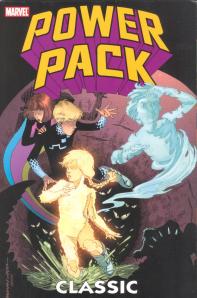
And that statement while true seems so odd. For me to say “Only if I really know a movie…” usually only applies to writing a paper about it or doing some other kind of in depth analysis. Picking up a random issue shouldn’t be that involved. Since I started reading again two of the series I’ve gotten familiar with are the now defunct (but hopefully born-again someday [wink, wink, nudge, nudge] hey, Marvel this one’s for you) Power Pack and The Fantastic Four. As fate would have it I found Power Pack and many of the single issues stood on their own so I could read them randomly before getting trades and discovering the link they have to The Fantastic Four. Links again a double-edged sword interesting but I may not get both. I’m pondering if I should get the FF/X-Men issues when they trade it.

Yet even reading several issues of both I did do a little web-research to augment my knowledge. A prime example of how precarious the jumping off point would be my most recent trip to my local comic book shop. I decided I’d scour the imminently more affordable bargain bins of back issues. I was able to pick up quite a few such that I decided to search through them A to Z. Certain letters, such as Q will make you wonder what’s even in there besides the one you know, others while not littered with titles will have the one stand out. Take the letter X for example. What comes to mind first? X-Men. I attested in my review of First Class that I love the X-Men and I do. However, that was love that was built in through television and the films. I knew enough follow each of the first three films to know who the characters were on sight and in many cases gauge the casting choices made. However, in the lead up to the release of First Class I picked up an issue of Uncanny X-Men and was lost. Now while that is slightly hyperbolic it’s not far off. I eventually more of less figured the issue out but I was unimpressed and still at a loss for context.

Now do not confuse what I’m saying here with a desire for complete and total synergy. What I’m talking about is complete and total accessibility. I’m talking being able to pick out any back issue and follow along. Granted there are arcs and tie-ins and events but there also has to be some level of a hook that can draw any and all comers in. I have since found out that the X-Men family is going through quite a bit of changes which would be fascinating to examine in a trade but people newer to them than I am would likely be confused. In the end I chose an X-Men issue from a series that was a tie-in to the TV show.

Whether one arc can be read independently from all others is a series-by-series kind of a question but the fact of the matter remains there’s no renumbering in trades. Volume one of a series will collect issues 1 thru X and you can start at the very begging.

On Twitter you see writers and other creators answer questions to fans quite regularly about a “Jumping on point.” Meaning clearly that the person posing the question has yet to read the series but has always been curious to, so he wonders could I start on this issue and figure out what’s going on?