Mini-Review- Paradise: Love

Introduction

This is a post that is a repurposing of an old-school Mini-Review Round-Up post. As stated here I am essentially done with running multi-film review posts. Each film deserves its own review. Therefore I will repost, and at times add to, old reviews periodically. Enjoy!

Paradise: Love

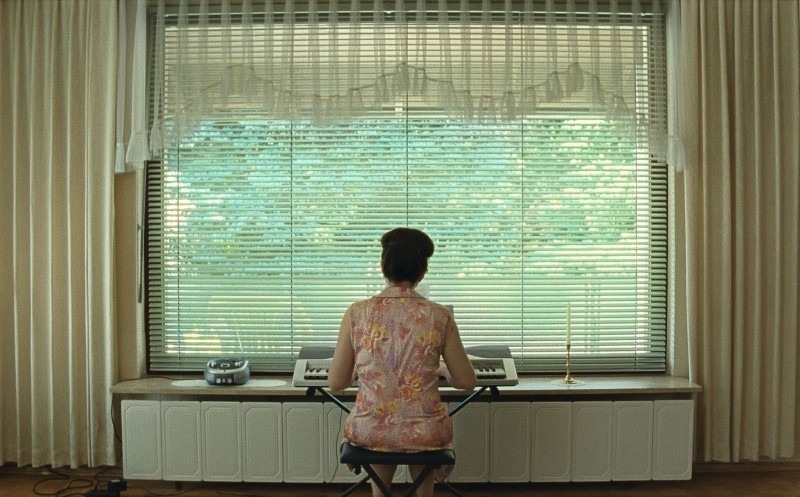
In a very naturalistic and non-sensationalist way Paradise: Love seeks to explore the sex tourism trade. It does so through the guise (and eyes) of a woman who is new to such things. She goes from Austria to Kenya in search of a new experience. Being new and not-yet-jaded she runs the gamut from being shy; falling for lies; falling in love; trying to deal with it coolly, heartlessly; and feeling regret.

Where the film finds its difficulties is that it plays things so close to the vest, in a very authentic seeming way, at times, in spite of a great lead performance by Margarete Tiesel, it’s at times hard to decipher if she’s willingly being duped or just duped. The pace suffers a bit through act two despite being usually engaging.

The conclusion feels proper and earned but the climactic sequence, a birthday rent boy party attended by all her “friends” achieves what it seems to want (an uncomfortable ambivalence and tenuous balance between expose and exploitation), but it, too, lingers well after its point has been made.

This is one of the films where it’s about the journey not the destination. It is in the journey where it issues lie.
6/10

Thankful for World Cinema – Paradise: Faith (2012)

Introduction

For an introduction to the concept of Thankful for World Cinema please go here.

Paradise: Faith (2012)

With his initial installment in this trilogy, Paradise: Love, Siedl established his template for the precipitous decline away from any hopes of fulfillment that his leading ladies face. In this film, the starting point is a far different one wherein Anna Maria (Very ably played by Maria Hofstätter) seems to have her devoutly religious, stern life well in hand and then things change.

The challenges that this particular tale faces are some of the same the first film does in terms of borderline exploitative narrative. Where it falls is that while the prior film only seemed over-extended; here the film frequently has a vacuous feeling. Certain points are raised and later expounded on, but they frequently over-stay their welcome and scenes last long after they cease to function. Not only is this a pacing issue but a question of narrative necessity.

Furthermore, it’s plainly apparent here that he works off loose outline and through improvisation. There’s nothing wrong with that, except when it shows. In other improvisational works (See any Mike Leigh film or even the prior film) there’s nary a hint of the nature of how the script/narrative is constructed.

Whereas the film does have some undeniably comedic moments, where some may even laugh in spite of themselves; it seems a bit of spite exudes the narrative. There doesn’t seem as detached and analytical an eye to this tale as there is with Love. Instead it seems we’re given a protagonist to pillory whether we want to or not and there’s only so much gratification one can derive from that.

Again, this is not a complaint about protagonist likability. Blue Jasmine is one of the best films of the year. I wouldn’t say I like Jasmine (Cate Blanchett), however, I do understand her and am made to invest in her fate. With Anne Maria, who shares (at least in her own perception) a similarly tragic fate, it’s as if we’re watching her slowly being tied to the stake and burned – and when all is said and done this film has not aroused vengeful glee, pity or disgust but rather ennui.

5/10