Spielberg Sunday- E.T.: The Extra-Terrestrial (1982)

E.T.: The Extra-Terrestrial (Amblin)


Owing to the fact that I have decided to honor Steven Spielberg this year with my version of a Lifetime Achievement Award I figured it was an appropriate time to dust off some old reviews I wrote when I took a course on his work. The remarks still hold true, he is an amazing filmmaker.

When a movie is a hit it’s sometimes called “home run.” But Steven Spielberg doesn’t hit home runs he hits Grand Slams. If there is any film that absolutely defines Spielberg in my mind it’s this one. This film is a complete and total success both as entertainment and within the framework of the director’s objectives.

It’s very odd to look at these films in retrospect after most of them have already gone on to become world-wide phenomena and see that many studios rejected not only this film but many other successful Spielberg ventures. Oddly enough Hollywood insiders have always viewed him as a risk-taker. This film’s success, however, shouldn’t have surprised anyone at all. In E.T. we have a wonderfully structured story that seamlessly crosses over from fairy tale to comedy to drama without ever missing a beat. It always keeps you emotionally involved both through the story and with the assistance of the score.

One of the most impressive things about this film is the dialogue. It is often humorous and insightful. The thing that makes it stand out is how succinct it is and how perfectly adept to the situation. A prime example of this is during the emotional good-bye between E.T. and Elliot. They meet each one points to their heart and says “Ouch” then they exchange pleas “Come” and “Stay.” Four lines of dialogue, four words exchanged between the two of them yet that says it all; can it get any tighter than that? The best part is that it works so brilliantly. The comedic dialogue is just as effective Elliot is asked, “Did you explain school to him?” and in response Elliot says “How do you explain school to higher intelligence?” There have been entire films on the subject of how futile public education is and in that one line everything has been said.

Another great detail in E.T. is the use of inside jokes. First, we see Elliot introducing E.T. to the characters from Star Wars and later in the Halloween sequence we see an homage to that film as well as to Night of the Living Dead and The Creature from the Black Lagoon. One thing that makes E.T. special is that it uses situations that all of us can relate to from our own childhood even if it’s only there for a second. There’s bickering amongst siblings, the use of comics, adults that just won’t listen to what you have to say, Halloween, being caught daydreaming by a teacher and many others. Spielberg implemented enough shared experience that even if we didn’t feel that Elliot was a snapshot of our past we could identify enough to get lost in the story. What also aids the story a great deal is the almost supernatural connection that E.T. and Elliot form. It’s akin to what identical twins are supposed to have according to parapsychologists. The connection of their emotional and physical states leads first to some very comedic moments with Elliot sharing E.T.’s drunkenness and also the magical mimicry of the John Wayne film. Later on it leads to some of the most emotionally wrenching scenes where E.T. and Elliot are sharing an illness. Everything is so beautifully set up in this film that you might even stop and consider, “Hey, didn’t that come out of nowhere?” but upon examining the film you’ll find there really are no holes in the narrative. An example of this being the bike flying one of the most brilliant moments ever recorded on film. It still catches me off guard but it was set up when E.T. levitated the balls in the kid’s room to demonstrate where he came from.

To measure a film’s impact it is probably best to look at landscape of the entertainment industry a few years later as opposed to just looking at initial box office returns. In both regards E.T.’s impact was enormous. There was a cheap copy-cat film a couple of years later called Mac and Me along with a very successful television series that took a different angle called ALF. Even scenes in E.T. had an impact, for example, the anti-dissection episode is now another staple in the sitcom book of ideas. The reason that this film epitomized Spielberg so well is not the emotional intensity although that has a lot to do with it and it’s most definitely not the fact that there are aliens involved. What makes it such a trademark in my mind is that it is such a resounding success.

This film is also timeless, it will never, ever, ever seem dated no matter how much magic computers can conjure up you’ll never be able to put aside a story as involving and touching as this one, it’s a classic and it’s quite hard to imagine someone making a film this beautiful, one of the best films ever made.

10/10

Short Film Saturday: Jan Švankmajer

Yet again I’d prefer to introduce you to an animator through one quick example of his style rather than a barrage. Should you enjoy it there are many examples of his works on Youtube and elsewhere on the web.

Below you will find some biographical information on Švankmajer, which accompanies the YouTube video:

Švankmajer (born 4 September 1934 in Prague) is a Czech surrealist artist. His work spans several media. He is known for his surreal animations and features, which have greatly influenced other artists such as Tim Burton, Terry Gilliam, The Brothers Quay and many others.

Švankmajer has gained a reputation over several decades for his distinctive use of stop-motion technique, and his ability to make surreal, nightmarish and yet somehow funny pictures. He is still making films in Prague at the time of writing.

Švankmajer’s trademarks include very exaggerated sounds, often creating a very strange effect in all eating scenes. He often uses very sped-up sequences when people walk and interact. His movies often involve inanimate objects coming alive and being brought to life through stop-motion. Food is a favourite subject and medium. Stop-motion features in most of his work, though his feature films also include live action to varying degrees.

A lot of his movies, like the short film Down to the Cellar, are made from a child’s perspective, while at the same time often having a truly disturbing and even aggressive nature. In 1972 the communist authorities banned him from making films, and many of his later films were banned. He was almost unknown in the West until the early 1980s.

Today he is one of the most celebrated animators in the world. His best known works are probably the feature films Alice (1988), Faust (1994), Conspirators of Pleasure (1996), Little Otik (2000) and Lunacy (2005), a surreal comic horror based on the work of Edgar Allan Poe and the Marquis de Sade. Also famous (and much imitated) is the short Dimensions of Dialogue (1982), which shows Arcimboldo-like heads gradually reducing each other to bland copies (“exhaustive discussion”); a clay man and woman who dissolve into one another sexually, then quarrel and reduce themselves to a frenzied, boiling pulp (“passionate discourse”); and two elderly clay heads who extrude various objects on their tongues (toothbrush and toothpaste; shoe and shoelaces, etc.) and use them in every possible combination, sane or otherwise (“factual conversation”). His films have been called “as emotionally haunting as Kafka’s stories[1].”

He was married to Eva Švankmajerová, an internationally known surrealist painter, ceramicist and writer until her death in October of 2005. She collaborated on several of his movies including Faust, Otesánek and Alice. They had two children, Veronika and Václav

Review- Ghost Rider: Spirit of Vengeance

Ghost Rider: Spirit of Vengeance (Columbia/Marvel)

Last year saw a rash of superhero films and I believe the consensus was that we as a moviegoing public were pleasantly surprised with how they turned out. While each of us may have had a different favorite overall, as a class, the superhero films of 2011 faired rather well. Now the number of films in 2012 I believe is less but the expectations are greater, which makes it a little strange that it kicks off with Ghost Rider. Now as is the case with any of these films I do preface it with my personal history with the character as I feel it does matter.

So far as Ghost Rider is concerned, though I have returned to the comics fold in the past few years, I know nothing about him coming into this film, which I think is likely the ideal for any of these films but it was a strange experience. Strange in as much as I can’t say I disliked this movie but only barely. I certainly found it very flawed and wanted many things to be better but I didn’t hate it. Not a ringing endorsement but a true and modest one.

Part of the reason I decided to watch this film was that it was reported in trades and elsewhere that it’d be a reboot and it kind of was but bearing that in mind it really skimmed over the pretty decent backstory this character has. Of course, owing to my ignorance of the character maybe the origin is even better than indicated here but it’s rushed through in a voice over. Granted we’re all weary of origins at this point but if you commit to something touted as a reboot you’re committing to re-sketching the character for dopes like me who know next to nothing about him.

The other issue is that much of the story hinges on two rites one religious and one irreligious that are really rather simplistic and anticlimactic considering how high the stakes are and how huge the tasks. Such large accomplishments with obstacles so small are rather silly.

This contributes to a certain inoffensive flatness in this film. It’s never really un-enjoyable but in this sequel that should’ve been the fix it seems the risk-taking is non-existent and the peaks and valleys of emotion are kept at a bare minimum.

In a similar vein to the above rite issue there’s also the problem that our hero gets a temporary reprieve from his gift/curse and that too is granted and reversed a bit simply. This dichotomy should be allowed to build and perhaps shouldn’t even be tackled in the “first” film of a storyline but the saving grace is that it is corrected cleverly.

I’ve written quite a few times on the conundrum of Nicolas Cage. A Nicolas Cage who is locked in can be a great thing. A Nicolas Cage just going through the motions can be very hard to watch. This turn is much closer to the former than the latter, which is good because aside from Ciarán Hinds, as his nemesis, and relative newcomer Fegus Riordan who is caught in the middle of the battle, he gets little help from the supporting cast.

The special effects in the film are pretty good but the 3D is not as good as one might expect a native 3D film to be.

In summation, I did like the story both of the character and that the character is in. Clearly, the way in which it is rendered leaves something to be desired. Essentially, it’s sin is not quite enough ambition as opposed to The Green Lantern but I do find it to be an adequate, enjoyable and not dissatisfying film.

6/10

Review- The Grey

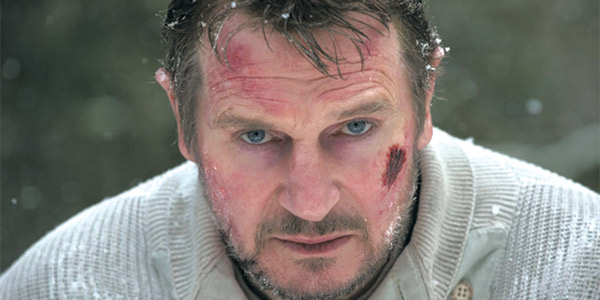
Liam Neeson in The Grey (Open Road Films)

Here’s another Liam Neeson butt-kicking his way out of trouble by himself with the promise to be so much more than the other ones. In some ways it better but in other ways it is more frustrating when things don’t quite work which they don’t on more than one occasion.

Now where this film succeeds greatly is in the use of the poem in voice over and then being explained later on along with the flashbacks. There are few things I enjoy more than effective and well-placed flashbacks and that I cannot take away from this film.

Now the film is about survival on the surface and frankly it’s better at skimming the surface than trying to plumb the depths. Yet even in the surface discussions of survival there are too many old hat, “necessary” conversations. One of which is the repetitive “Who made you boss?” discussion. It always ends in submission and it comes up too often in this film. I’m sure there are instances of one person leaving the pack and dying but you don’t see it enough.

One area wherein I don’t have issues with the film is on the animal rights front. There are reports of some groups being against this film. That’s silly. The film does a good job of explaining wolves habits and when they will attack and it’s a Darwinian set up. Yes, in his “past life” Neeson’s character was a contract killer but the bulk of the film is a kill or be killed basis. Not to mention that many scenes had no actual wolves in them.

So the animals pose no problem to me in my viewership and enjoyment of this film what does is one character in particular. Death to a film where it’s life or death is your not caring in the least of one of the character’s meets their demise, worse yet if you want it. That character to me in this film is Diaz. It’s not Grillo’s interpretation that I have an issue with it’s just that it’s written in such a way that there’s next to no chance for redemption for him.

Yet through all that I was hanging on for dear life and then the ravine swinging sequence and the end really took it over the edge. Now the former I can discuss. After real, gritty action suddenly a cliché, and an implausible one at that, breaks out. And it was lengthy and dumb and yet I still was kind of into it. Then it ended.

Like with any film I try and find things to like and there were quite a few things here. I can see how one would like it but it just really fell short for me.

5/10

Mini-Review Round-Up February 2012

I had quite a review drought to end 2011 so I think the remedy for this kind of post would be to have the post be cumulative monthly. Therefore, after each qualifying film a short write-up will be added to the monthly post. The mini-reviews will be used to discuss Netflix and other home video screenings. Theatrical releases, regardless of how they are seen whether in an auditorium or on VOD, will get full reviews.

For a guide to what scores mean go here.

Texas Killing Fields

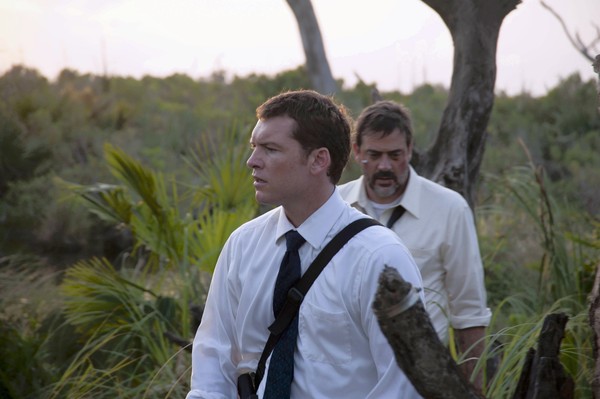
Sam Worthington and Jeffrey Dean Morgan in Texas Killing Fields (Anchor Bay Films)

This was a film I’d hoped to see when I went up to New York for a little over a day in the fall but little did I know it was only doing a one-week engagement in theatres there, which ended the day before I went, so I did not get a legitimate chance to see it last year therefore it counts towards this year. What’s interesting about the film is that it’s not so much a whodunit as a cat-and-mouse game between law enforcement and known local unsavory elements. It’s a rather interestingly rendered tale that kept me engaged and doesn’t live down to critical bashing or up to my take on its trailer. It also has some pretty good performances by Jeffrey Dean Morgan, Sam Worthington, Jessica Chastain in perhaps her least seen and most differentiated performance from her breakout year and Chloë Grace Moretz who is building herself quite a résumé, one which by the time she comes of age will likely be incomparable. Her plotline is well-rendered albeit somewhat predictable. The film also has the first legitimate Best Song contender of the year (maybe more than one) in the end credits.

6/10

Prairie Love

Prairie Love (Film Movement)

Yeah, I know that as I write this it’s March but I saw this film in February and needed some time to think it over.

This is the first film I got as a member of the Film Movement Movie of the Month Club. One thing I love about this club is that each DVD has a selected short film on it. The other is that on the inside cover you get a statement from both the company about why it was selected and the director has a statement as well. The comments from Film Movement are the most intriguing and they are how I couch this mini-review, essentially you don’t get backstory on the two leads or that much explication of why what occurs within the narrative occurs.

In a vacuum I’m fine with both. It becomes a question to the individual viewer if you want or need more. The situation and through-line are good and looking back in hindsight maybe a tag or frame would’ve made it better for me but with the approach it did take it didn’t quite work for me. However, it did make me think on it, reflect and I appreciate the aspect and feel the direction was clear but it ends up being similar to NEDs in a way, I feel there was a clear vision and it was achieved but it didn’t quite click for me. I did like that the first selection I got was thought-provoking and does have me considering revisiting it.

5/10

Spielberg Sunday: Duel (1971)

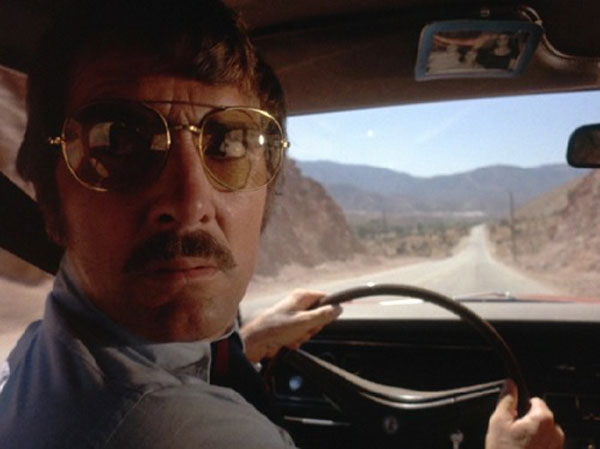
Dennis Weaver in Duel (Universal TV)

Owing to the fact that I have decided to honor Steven Spielberg this year with my version of a Lifetime Achievement Award I figured it was an appropriate time to dust off some old reviews I wrote when I took a course on his work. The remarks still hold true, he is an amazing filmmaker.

Duel is a film that is deceptively simple in its narrative. It is simple enough that if you are simply told what it entails you’d wonder “Well, how can that ever make a good movie?” This is the same thought I had when my Uncle told me about it and talked about how great it was. He wasn’t wrong and there are many reasons why this film works so well.

While Spielberg worked many wonders in wielding this tale into an unforgettable motion picture, for which, we cannot forget that Richard Matheson wrote a tremendous screenplay based on his own short story. When we watch this film we get a sense of quiet and inner-monologue along with paranoid, frightened contemplation by our protagonist which is so well laid out that this comes very close to being a novel on film which is why people thought it couldn’t be done.

At the beginning we have a long sequence from the point of view of the protagonist and the only thing we hear besides the car-whipped wind and the hum of the engine is a radio call-in show where a man is talking to a woman and saying that he feels emasculated by his wife. Little do we know it but we are getting information about our protagonist without even knowing about it. I had suspected this for if we weren’t hearing a reflection of our protagonist this background conversation would be most extraneous indeed. The first time we see our protagonist is a shot in the rear view mirror of his car.

Duel takes what is a very real situation and takes it to its most insane and cataclysmic possible conclusions, the quintessence of horror. All we get in most of the beginning is a truck and a little car on a road. One cuts the other off and then they exchange volleys and try and block each other off. It’s a situation people find themselves in quite often, the exchange of ‘being cut-off’ and it is likely that, more than once, someone has wondered ‘Maybe I should stop messing around with this guy I don’t know what’s going on in his head.’ Not only do we see a man pushed to his limits but we only see this man. The trucker appears but once in the whole film. Occasionally, we see an arm sticking out a window but most of the time it’s a mystery. The fear of the unknown is also played upon in this film to a great extent and in what took a lot of courage and was difficult to pull off we never really do get to meet the trucker or understand him.

I don’t often hear people talk about Spielberg’s visual sensitivity this is usually because people often confused good art direction and set design with cinematography this is not the case and ‘Duel’ proves it. We see the wheels bounce and the camera accompanies it. We have two instances in which Spielberg uses a close up on the speedometer to increase the tension just a quick little glimpse and we watch the climb 70, 80, 90, this in tandem with the Hitchcockian and an occasional sampling of vivacious Bluegrass music. We watch our lead talking to his wife through a washing machine lid to show how trapped he feels when talking to his wife. We see shots of the back of the dusty, grimy trucks that read ‘Flammable’ and foreshadow the trucker’s demise and many more. The important thing about all of his camera work in the film is that it all has a purpose it doesn’t just look pretty. There’s a beautiful sequence where Spielberg tracks around the grill of the car and around the back and does the same with the truck moving up and down as he goes. Not only does this get us closer to the battle but it leaves us uneasy as do much of the shots and it works tremendously.

The paranoia of the picture really shows itself when the man is in the diner. At this point and really at any point in the film his name is irrelevant (When speaking to the operator we discover his surname is Mann, that isn’t an accident). He is just any old guy. In the diner we hear his thought process as he jumps through possibilities and then just as any person might. We see him look at the bar and scan all the patrons up from their boots to their faces. In this scene he loses it and confronts the wrong man about the on highway altercation he had. It’s in fact probably a film that has become more relevant as the years have gone on with incidents of “Road Rage” and even the coining of that phrase. We’ve seen this sleeper go from an odd chunk of macabre and mutate into something not so far-fetched.

The tension just doesn’t let down. We see tight shots of the back of the bus with the kids antagonizing an already aggravated man. We later see a great shot of the truck going back into the tunnel. He comes and knocks the bus out so that he and the car can engage in battle. It’s all battle now the trucker has decided to take it to the finish. Our protagonist once tried to avoid it by sitting at the side of the road for an hour but the truck was waiting for him just around the bend. Spielberg returns to the speedometer towards the end as we see the speed decrease because the radiator hose is leaking. This was foreshadowed when he stopped at a gas station and the guy popped his hood and that was noted it was dismissed as mechanic jive.

This is a film that should be noted not just as the first film of a great filmmaker but a great film on its own.

9/10

Short Film Saturday: Jirí Barta

Rather than another marathon I will give you one example of the work of Jirí Barta. If you enjoy it an entire collection of his shorts is available on YouTube (at the moment). Below is the description found on Vimeo. Enjoy!

”Laid-off old mannequins spend their cracked and broken lives in an old, abandoned warehouse. New mannequins are brought to the warehouse. They are old as well, but from a younger generation. The two groups must live together, but it’s not easy at all.” written by Anon, taken from IMDB

Jirí Barta- Klub odlozenych (The Club of The Laid Off) (1989) from off the text on Vimeo.

31 Days of Oscar Log

As you are likely aware every year TCM does a month long festival of only Oscar-winning or -nominated films. Each year the slate is different and differently organized but it’s a great chance to see films you’ve never watched before. Below I will list films I’ve watched as part of the block this year (Goal: minimum 31).

As always refer to My Rating Scale for insight on the scores.

1. Key Largo (1948)
Key Largo (Warner Bros.)

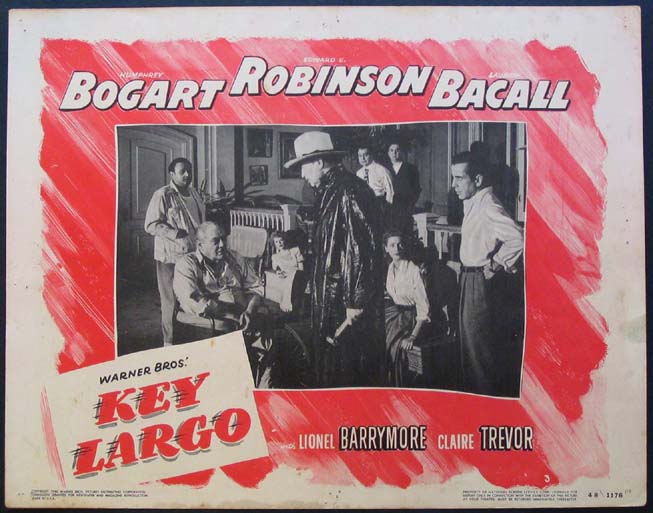
I’ll admit I allowed myself to get too swept up in the MacGuffin but that didn’t hurt the film at all. The only things that really got in its way was that I ended up knowing what Bogart’s endgame would be and the occasional heavy-handed (read dated) attempt of inserting a message into the film about Native Americans while still reinforcing certain stereotypes. In the big picture it’s minor stuff. It’s a great situation that lends itself to tension-building and surprising reversals of fortune and plot.

Oscar Nominations/Wins: 1/1

Score:
8/10

2. The Invisible Woman (1940)
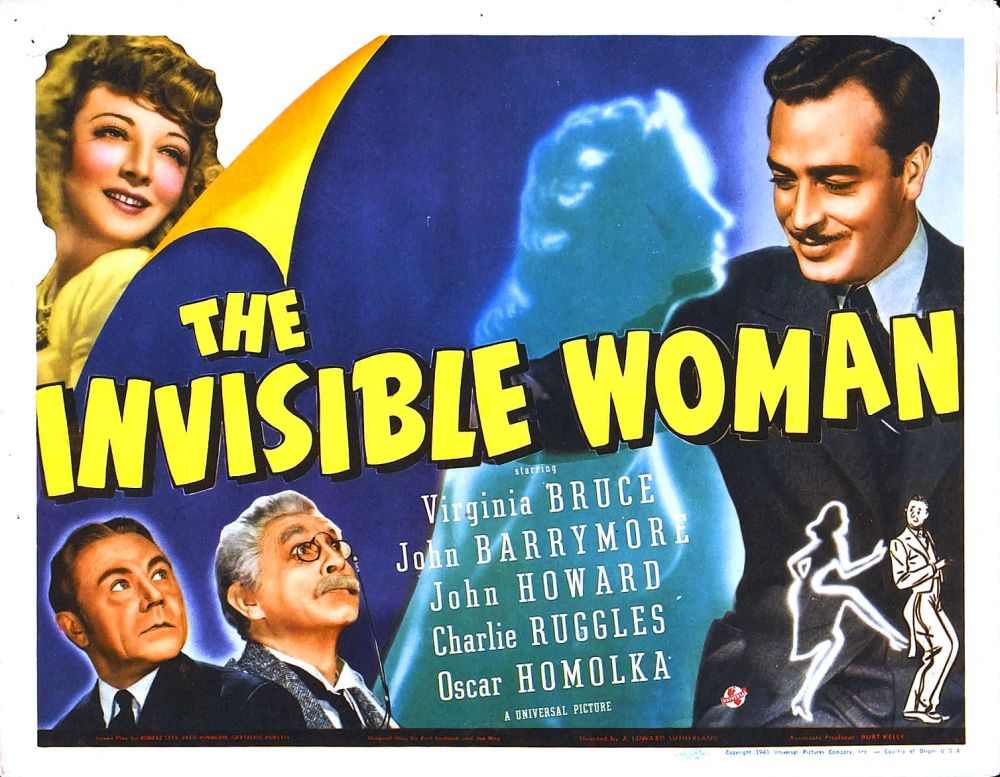
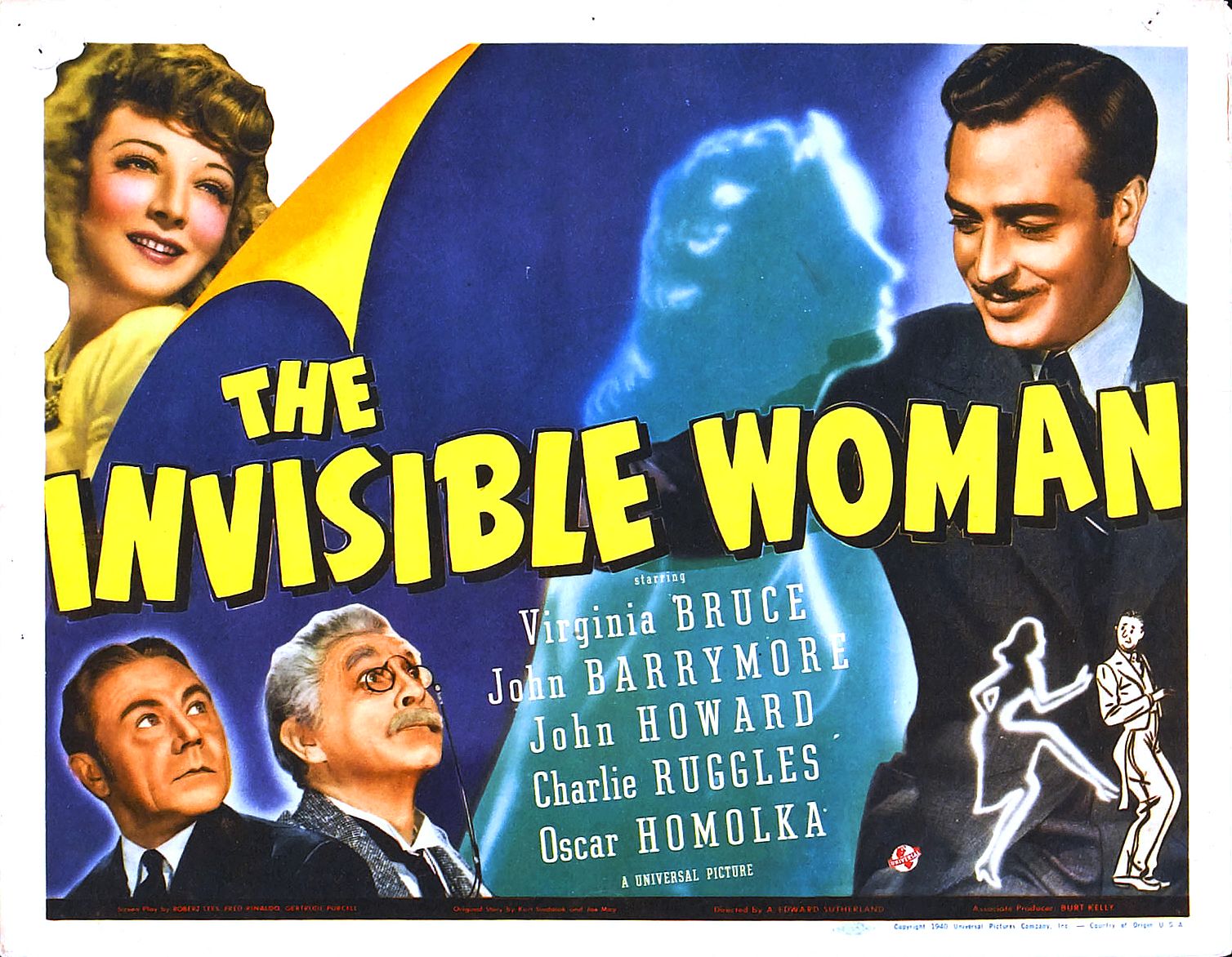
The Invisible Woman (Universal)

If you think that dumb movies that are all about effects are a new thing you should check this out. While not even new I must say the effects work in this film are great, however, the film is comedic in tone and isn’t that funny and truly suffers from the cast trying a bit too hard to sell it. Virginia Bruce does fine when she’s visible but when she’s invisible she’s as obnoxious as her character’s antics. It’s premise is thin and it’s a lame effort, sadly.

Oscar Nominations/Wins: 1/0
Score: 3/10

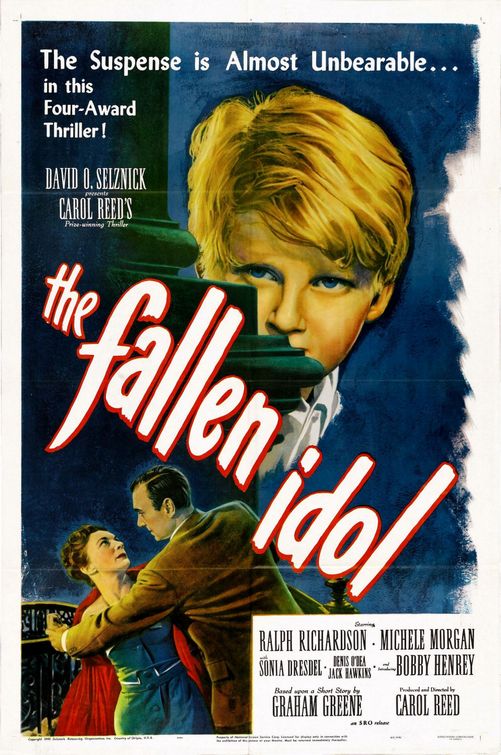
3. The Fallen Idol (1948)
The Fallen Idol (Selznick Releasing Organization)

This is the first film I’ve seen in this year’s run I’d truly call great. Carol Reed, a director with many great titles to his credit, does a wonderful job building the tension in this film and creating doubt there’s also some great writing of conversations overheard or purposely cryptic. The Kordas always had great sets and the design of the film factors into it as well. It’s no wonder that this film is in Criterion’s library.

Oscar Nominations/Wins: 2/0
Score: 9/10

4. The Ladykillers (1955)
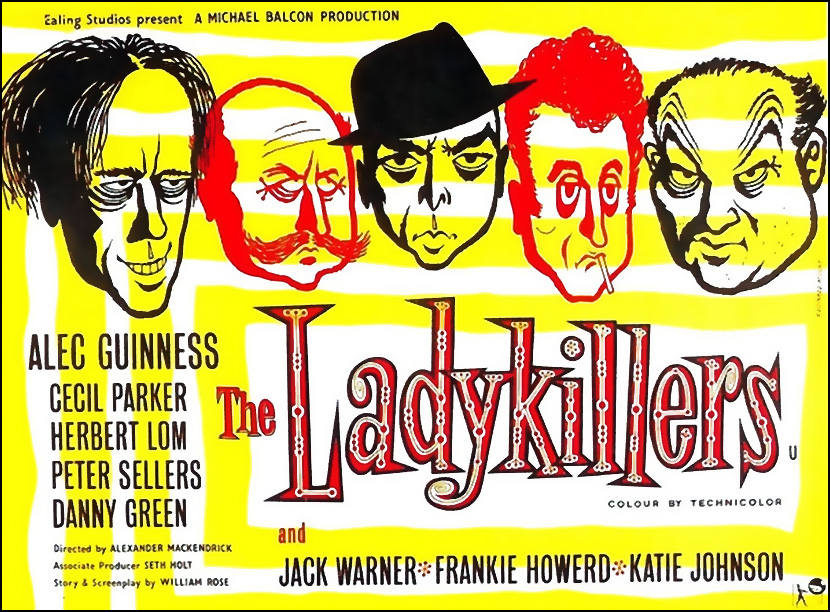
The Ladykillers (Ealing Studios)

To describe the humor of this film as dry would be an understatement. As a matter of fact most of its humor would be situational and not in the dialogue or actions, in fact, Katie Johnson as the old woman offers most of it in the film simply by being so kindly and oblivious. The film also serves to show a small glimpse of what Alec Guinness and Peter Sellers are capable of but is not among their peak performances.

Oscar Nominations/Wins: 1/0
Score: 6/10

5. Lies My Father Told Me (1975)
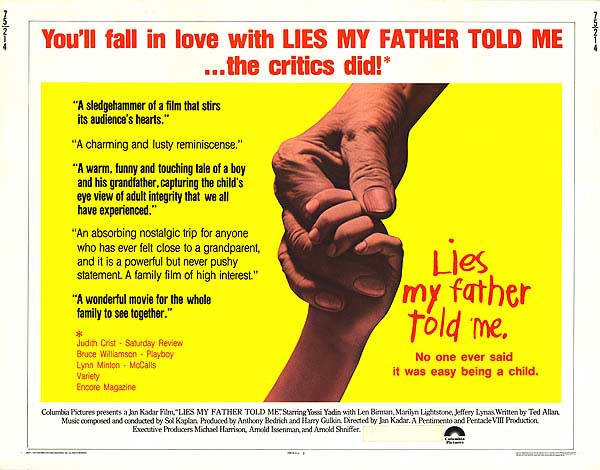
Lies My Father Told Me (Columbia Pictures)

Sadly, I have to say that I chose the above image because of its orientation rather than because I agree wholeheartedly with all the sentiments conveyed therein. While the film does have its moments of charm and humor they aren’t consistent enough to sustain this film. The song is more grating than memorable, too many of the characters are tiresome, some scenes too repetitive and the edit is not tight enough. Had the film shifted focus some, tried to place David in the courtyard’s world more often it would have succeeded for me.

Oscar Nominations/Wins: 1/0
Score: 5/10

6. Judgment at Nuremberg (1961)
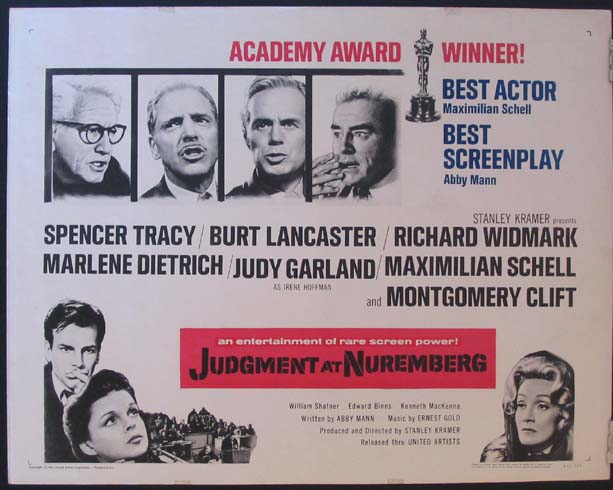
Judgment of Nuremberg (United Artists)

It was bound to happen at some point: I saw this film but just didn’t vote for it at the IMDb and didn’t recall having done so. Part of the reason was because I viewed it in a social studies class in grade school (Junior High or High) I forget which. Regardless, I watched again it anyway because that is not way to have watched this film and it is great enough to revisit. In Night and Fog one of the narrator’s asides discusses responsibility and that’s the crux of this film how far up or down the line does responsibility for the holocaust lie and it’s examined brilliantly with superlative acting. Those interested in film or history should watch this film.

Oscar Nominations/Wins: 11/2
Score: 10/10

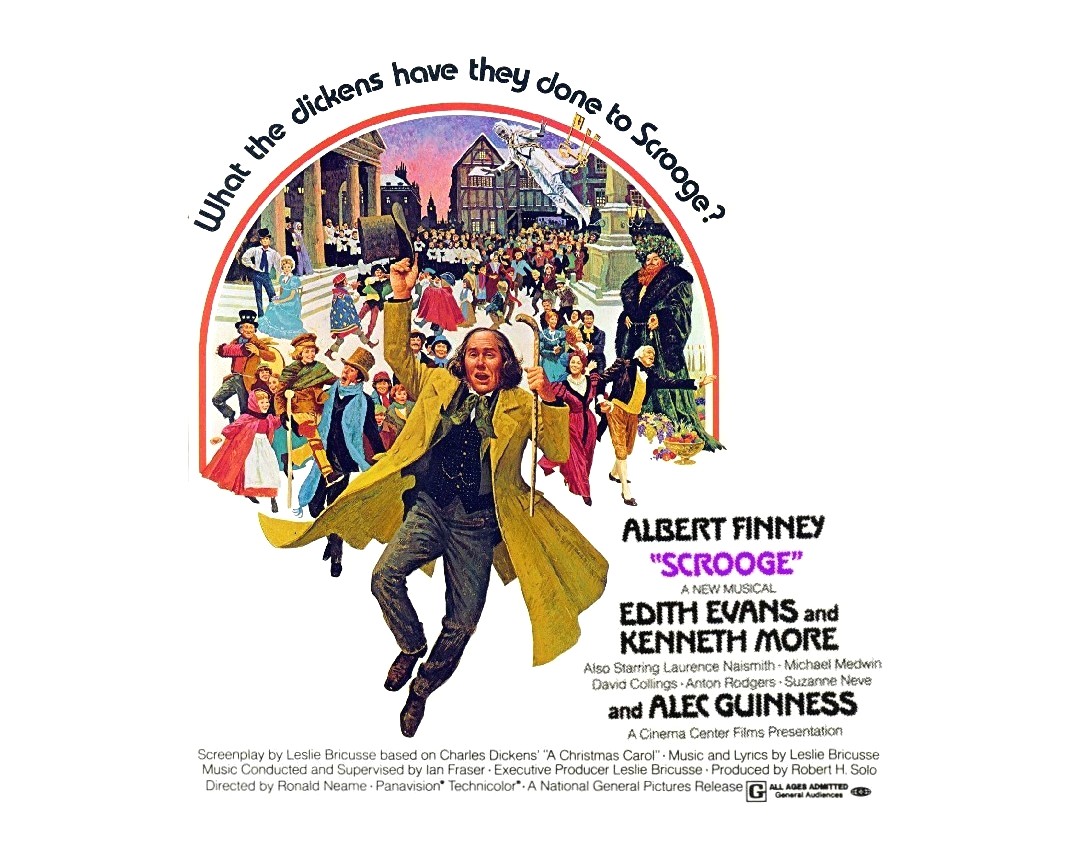
7. Scrooge (1970)
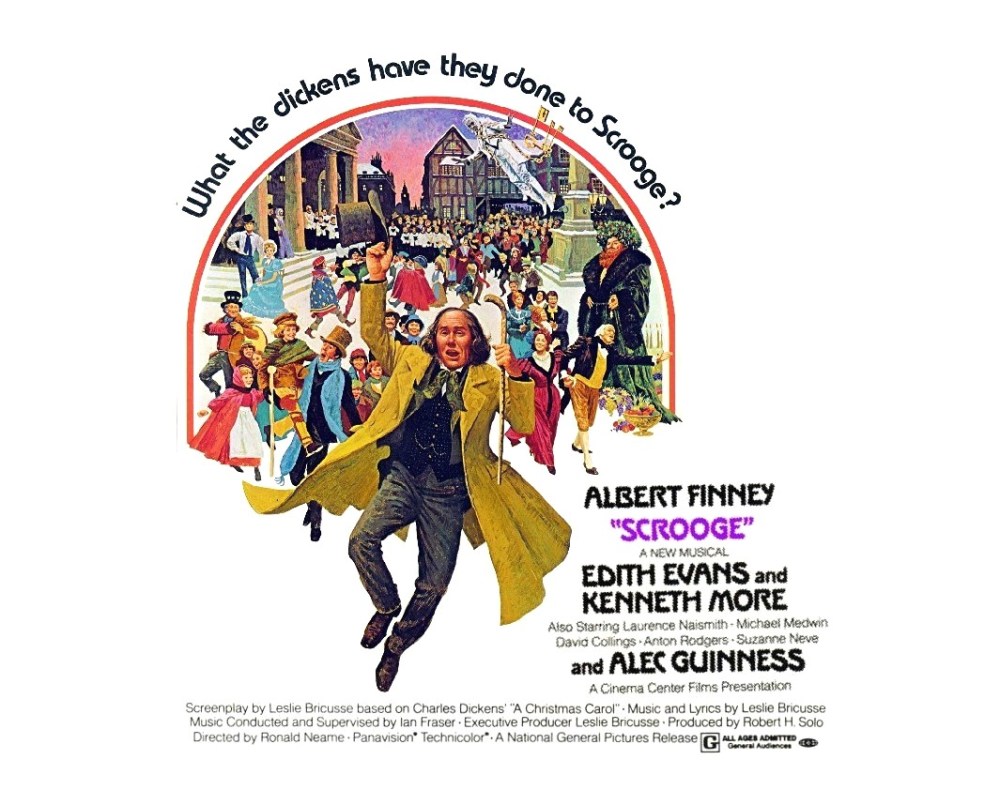
Scrooge (MGM)

I, like many, have seen many a version of Dickens’ classic A Christmas Carol it’s one of the Great Stories that we all become accustomed to and can analyze individual adaptations based on interpretation and choices more so than for the narrative itself. This version is a musical that is penned by the renowned Leslie Bricusse and for as closely as it sticks to the structure of the story for the most part offers as change of pace with songs, many of which were new. The songs are well-spaced allowing the drama to unfold adequately between numbers and also many are half-sung which lessens the theatricality of it. When watching 31 Days of Oscar I like to try and guess the nominations, if I don’t know them already and I guessed right on Art Direction and Song and was not surprised by the costuming being included. This is a very enjoyable rendition of the tale that ought not be overlooked.

Oscar Nominations/Wins: 4/0
Score: 8/10

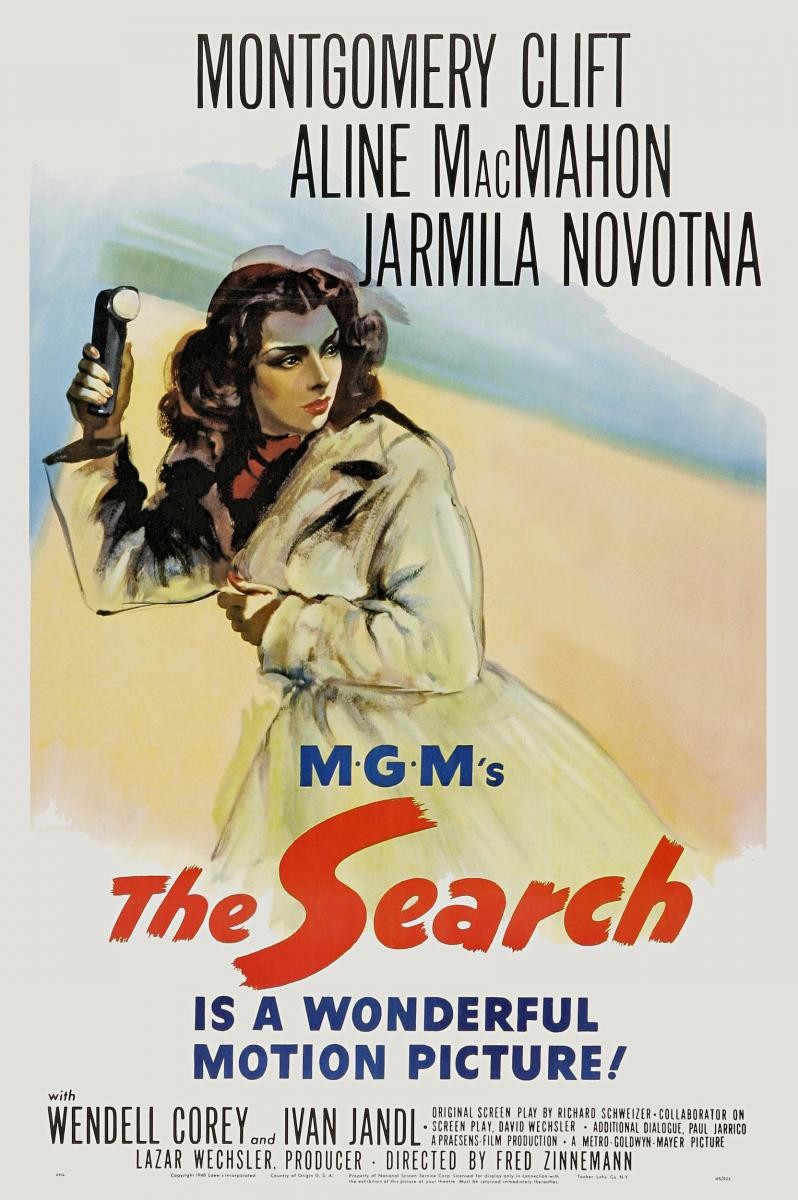
8. The Search (1948)
The Search (MGM)

In mentioning my guessing game above I must say that upon checking the IMDb I was astonished by all the nominations this film got. I knew of this film because of the fact that it featured one of the rare Juvenile Award winners, a now defunct non-nominated category that was occasionally awarded to a deserving youth. However, Fred Zinneman, a talented director perhaps best known for High Noon the writing and Montgomery Clift were all also nominated. Now I do like the film but only by the skin of its teeth. I will grant that shooting in occupied Germany and dealing with displaced children so soon after the war is commendable and it does tell a good tale but not as tightly as it should and with truly intrusive narration. The flip-side of the equation (German children in post-war Germany is handled so much better in Germany Year Zero). The film means well and is enjoyable but some of its fumbling I can’t chalk up to merely being dated, there’s a fine line between simplistic storytelling and spoonfeeding information, between being direct and bad dialogue and this film crosses it on a few too many occasions.

Oscar Nominations/Wins: 4/0 (1 Win in a special non-nominated category)
Score: 6/10

9. The White Cliffs of Dover (1944)
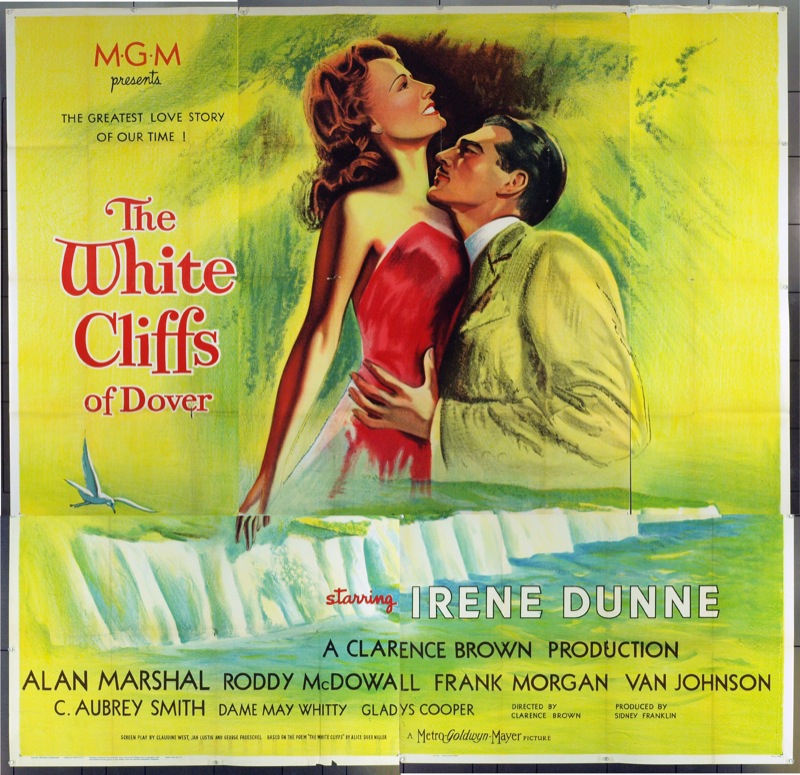
This is a film that suffers somewhat from its preachiness which can be overlooked for the most part when you consider its release date both in a historical context and a film history context. The start is also a little slow considering the fact that you know where the story is going in a lot of cases. One other quibble aside most of it works quite well and is entertaining. Irene Dunne does wonderfully as do Roddy McDowall and Elizabeth Taylor in fleeting parts. It’s lengthy but moving in spite of some of its faults.

Oscar Nominations/Wins: 1/0
Score: 8/10

10. Indiscretion of an American Housewife (1953)
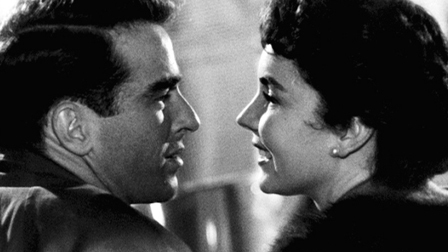
Motgomery Clift and Jennifer Jones in Indiscretion of an American Housewife (Coumbia)

This film illustrates some of the great things about this month of screenings. First, I’ve been able to discover more the marvelous work of Montgomery Clift. Second, aside from his early neorealist work I was none too familiar with De Sica and while this employs many of his production precepts it is a heightened and stylized forbidden romance. The tension and chemistry is absolutely electric and only suffers some pace issues somewhat towards the end. It’s a fascinating film that I may want to revisit on Criterion.

Oscar Nominations/Wins: 1/0
Score: 9/10

11. Panic in the Streets (1950)
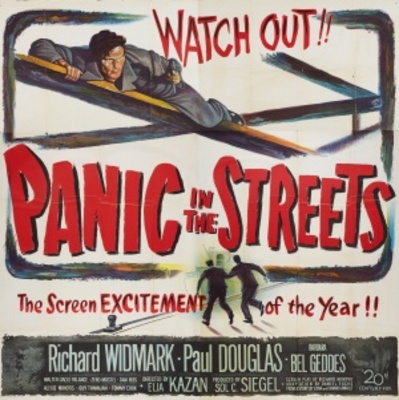
This is a very interesting film which can be categorized as Film Noir but also as an outbreak film. It’s that unusual combination which truly makes this film special and entertaining. Was it either but not both it likely isn’t that intriguing but the combination thereof makes it worthy.

Oscar Nominations/Wins: 1/1
Score: 7/10

12. Wait Until Dark (1967)
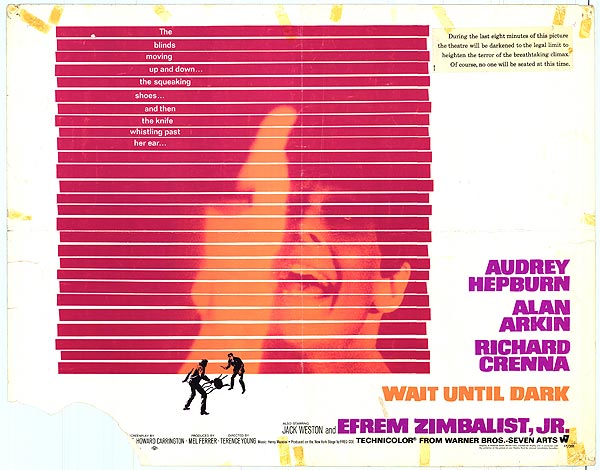
This is a film that after having seen it I expected it to have more than one nomination. The films is very tense and the set-up is brilliant. I take some issue with the way it decides to quickly, practically brusquely, resolve itself but most of what happens leading up to that point is great. Of course, Audrey Hepburn is great in one of her more celebrated roles but Alan Arkin is also very noteworthy in this film. The climax of the film nearly makes up for the unfortunate and quick ending.

Oscar Nominations/Wins: 1/0
Score: 9/10

13. The Green Years (1946)
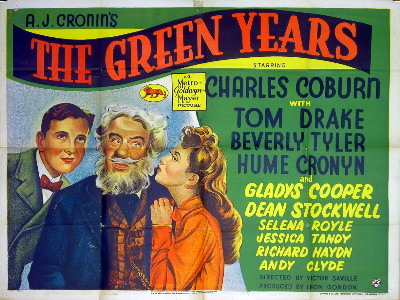
Oh, boy. It’s not a wonder that this one slipped my mind and I had to backtrack through my twitter feed to see if I missed something else. I asked rhetorically if a film could polarize one individual when I finished watching this film because the aspects I disliked about it I truly loathed and the things I loved I adored. It made for a very frustrating and difficult viewing experience. The film does have balance in showing its protagonist as a child and a young adult, however, the beginning is a bit repetitive and almost masochistic in the amounts of gruffness, insensitivity and bullying he comes across. Thankfully, he manages to get through to a few people who warm to him otherwise it would’ve made Dickens at his most dire look like Disney at his sunniest. Yet, there’s a bit too much deus ex machina at play later on and an albeit moving but all to typical All-This-Horrible-Stuff-Happened-To-Me-But-I’m-Fine-Now ending. I wanted to like this one but in the end I just couldn’t.

Oscar Nominations/Wins: 2/0
Score: 5/10

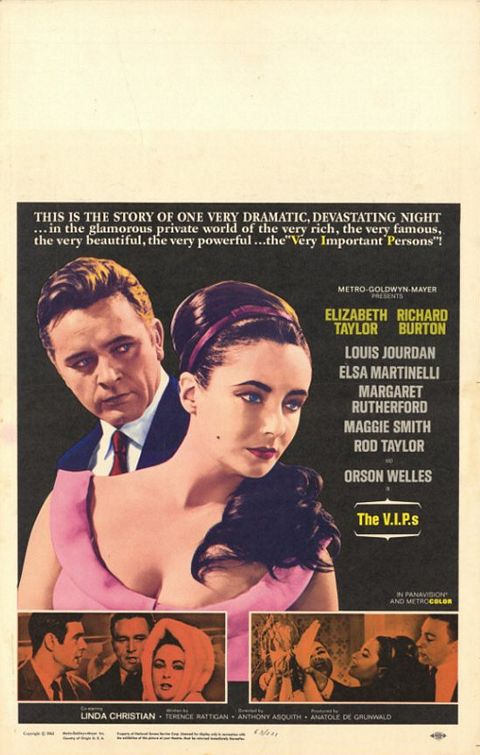
14. The V.I.P.s (1963)
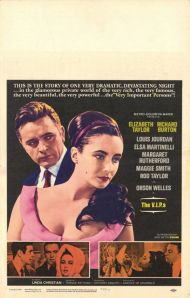
This is a film that is pretty intriguing while its players are all fogbound in the airport and their disparate stories are interesting but when the story extends to a second day and incorporates another locale it loses steam and fast. I can’t say I guessed that this was a supporting actress win for Margaret Rutherford but it makes the most sense, however silly her character and plot-line were.

Oscar Nominations/Wins: 1/1
Score: 5/10

15. The Window (1949)
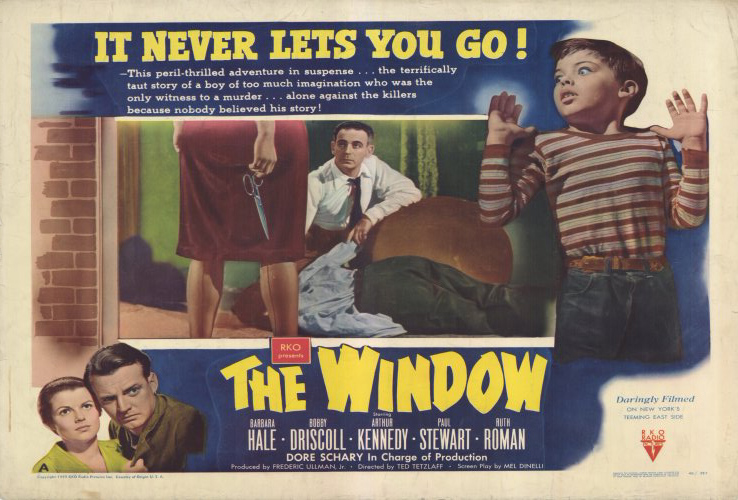
This film was not on Turner’s line-up this year. Instead I acquired it form the Warner Archive Collection. This film was out of print for sometime despite its brilliance and it being one of the rare films to win a young actor the Juvenile Award. Not only is it likely to be my favorite film of this month but it’s also one of the best films I’ve seen in quite some time. The set-up is simple: a boy who cries “wolf” once too often is witness to a murder and doubted at every plea for help and in danger because of it. If you didn’t know that this was based on a story by Cornell Woolrich you’d guess, it plays like a kids’ introduction to Rear Window and that’s not a wonder as the one of Hitch’s DPs (Ted Tetzlaff Notorious) directs here. Combine Woolrich brilliant story with a man who worked with the Master and you get something very close and a film so suspenseful you hope it’ll last. I’m not embarrassed to admit this film actually had me talking to the TV and shouting interjections at times that’s how into it I got. Yet all this is accomplished in a little over 70 minutes. It’s not a wonder this film also earned an editing nomination. Not a shot, not even a moment is wasted in this film. I’ve talked about this film more than most in this rundown and and I think you can see on and clearly I could go on. One could call many Academy decisions into question but Bobby Driscoll’s Juvenile Award is not one of them, not in the least. He is absolutely pitch perfect in this performance. It embodies all his abilities as a young performer yet all things are in service to the story it’s not a star vehicle per se.

Oscar Nominations/Wins: 1/0* (One academy award win for Bobby Driscoll as this film is cited for his Juvenile Award win).
Score: 10/10

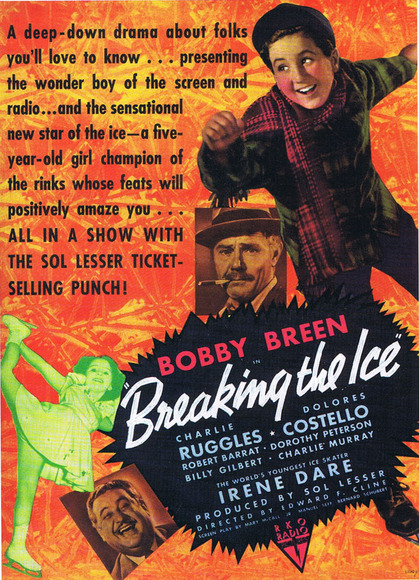
16. Breaking the Ice (1938)
Here’s another film where I went outside the TCM schedule to add a title. I wrote of Bobby Breen recently and this is one of his many films you can stream or save from The Internet Archive, all are in the public domain. I already knew that many of his films had an Oscar nominated song, so there was no guessing game and while the narrative of this one is better than most of his vehicles it is a little lacking in as much as there is some filler were we watch a lot of skating that really doesn’t impact the story in any great way. However, like all his films it ends well and enjoyable enough to watch and there is decent spacing and plenty of singing.

Oscar Nominations/Wins: 1/0
Score: 7/10

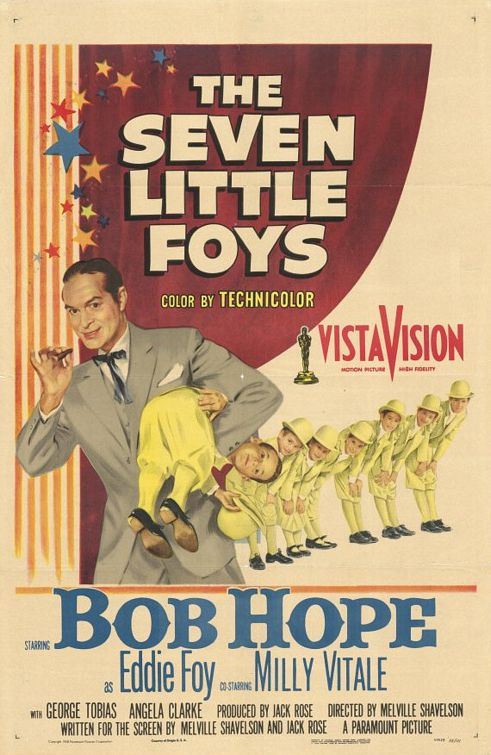
17. The Seven Little Foys (1955)
This is a pretty enjoyable tale of the old vaudeville days. It takes some great classical elements and recombines them. It creates in the process an unusual family dynamic that you get accustomed to and you root for all the characters and in a sense understand all of them. Bob Hope is very good in the film and there is a showstopping dance routine where he is paired with James Cagney that is something to behold. Its writing nomination is well-earned.

Oscar Nominations/Wins: 1/0
Score: 7/10

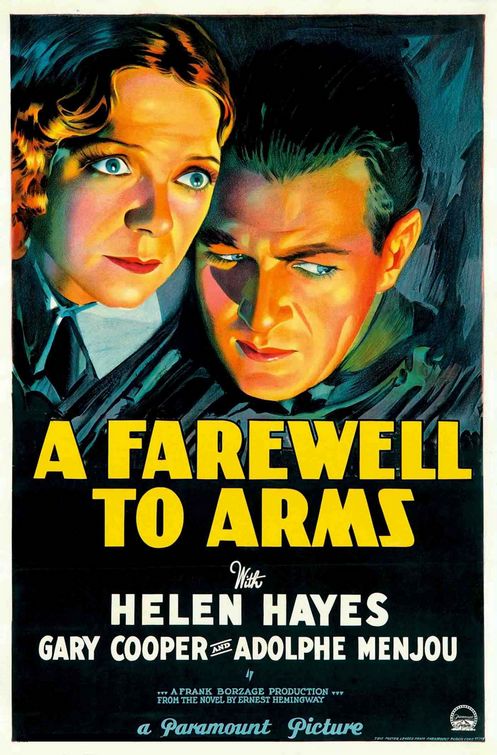
18. A Farewell to Arms (1932)
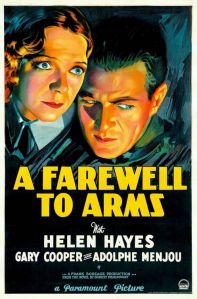
I will be espousing the importance of separating film from source material soon but my minor quibbles with this film are somewhat different than that. I never read the book. However, when you know something is an adaptation of Hemingway, a titan of literature whose reputation precedes him, you expect something a bit more in terms of story than what amounts to a fairly standard Hollywood tragic love story. The sound work for the era is superlative, the cinematography grand and there’s a brilliant albeit slightly lengthy montage but story-wise it lacks a little.

Oscar Nominations/Wins: 4/2
Score: 7/10

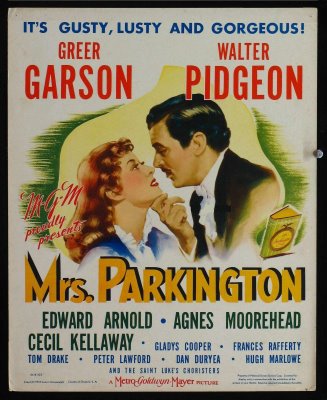
19. Mrs. Parkington (1944)
Oscar Nominations/Wins: 2/0
Score: 10/10

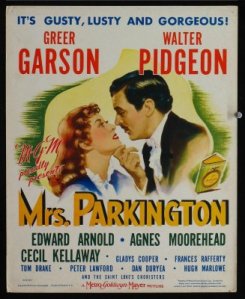
I think it was last year that TCM did a spotlight on Greer Garson and how I wish I’d seen the whole thing. They aired all 5 of her consecutive Best Actress nominations (an unparalleled achievement) back-to-back. After what I thought of Mrs. Miniver I really regretted not seeing all of them. I tried to rectify that as best I could this year. This film is also a “through the years” kind of tale but very interestingly told going from the story’s present to several other key junctures in the past. The conclusion comes swift and impactful and nobly triumphant. Another film I watched for Garson but loved entirely.

20. Bless the Beasts & Children (1971)
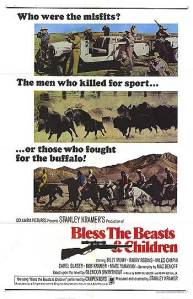
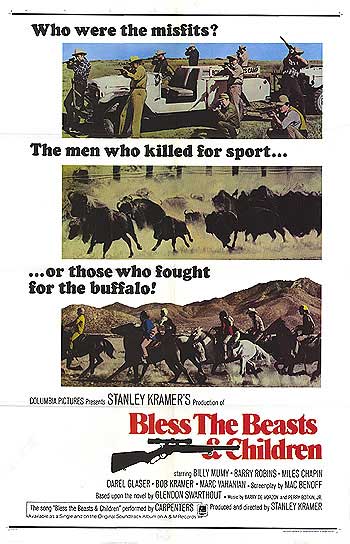
As soon as I saw the opening credits I knew this film had one nomination and likely didn’t win it. The title song to the film is a great one by The Carpenters and may be perceived as the kind of nomination that’s trying to get young viewers to watch the ceremony- I think it’s worthy. However, as the film progressed I really liked it. It’s the kind, in fact, that I may like more once I see it again. It’s about six misfits who become friends at a summer camp and decide to free buffaloes from a reserve. The film starts with the beginning of their mission but at key and appropriate points we backtrack so you get an introduction to a particular character then you see how they interact and understand them more. There are some quirky 70s transitions and an ending that leaves you wanting more both in a good way and a bad way but it really is timeless if you look past the details. In fact, with Goodenow’s plight of being bullied due to his perceived homosexuality (the movie brilliantly never confirms or denies it) and threatening suicide it becomes quite relevant today and other characters are as engaging in their struggle to fit in but it’s Daryl Glaser’s portrayal as the aforementioned character and Stanley Kramer’s direction that make the film succeed whatever its faults. I’m glad this is another title now available through the Warner Archive.

Oscar Nominations/Wins: 1/0
Score: 7/10

21. Life with Father (1947)
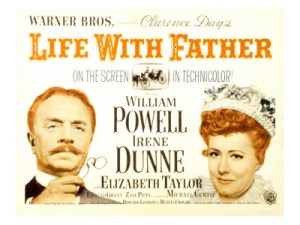
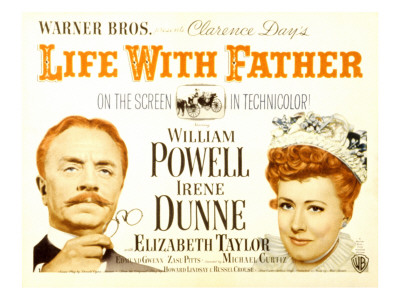
This is a quirky and pleasant film though it does feature some odd logic and math for humor’s sake and does get a bit long in the tooth. The cinematography proves there’s nothing quite like three-strip technicolor and once again proves that there’s nothing that Michael Curtiz could not do he was just better at some genres than others but more than capable of doing anything. It really in an enjoyable and contained film that is a tribute to restorers as the film has only resurfaced in viewable condition in recent years.

Oscar Nominations/Wins: 4/0
Score: 6/10

22. The Thief of Bagdad (1940)
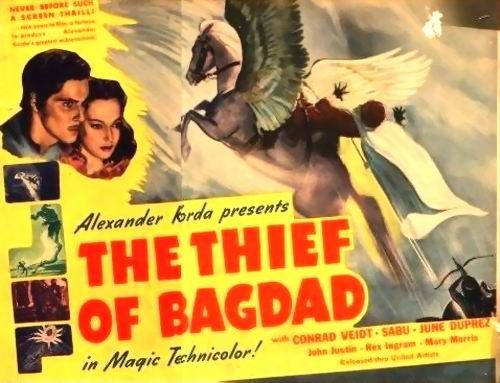
This is one of the more surprising titles of this year’s festival. I knew some things about some of the talent involved but not the film itself. I was surprised on many occasions. I knew Vincent Korda was a great art director but these sets may be his best. I didn’t know the story was such an enjoyable fantasy. You typically pick up on common names in the fest other not as well-known artists make their presence felt, especially musicians. This year it was Alfred Newman and Miklos Rosza, nominated for this film. Sabu, recently given an Eclipse set by Criterion, stars in this film but there’s also Conrad Veit. It’s a very fun, enjoyable movie with great effects, amazing for the era.

Oscar Nominations/Wins: 4/3
Score: 9/10

23. To Catch Thief (1955)
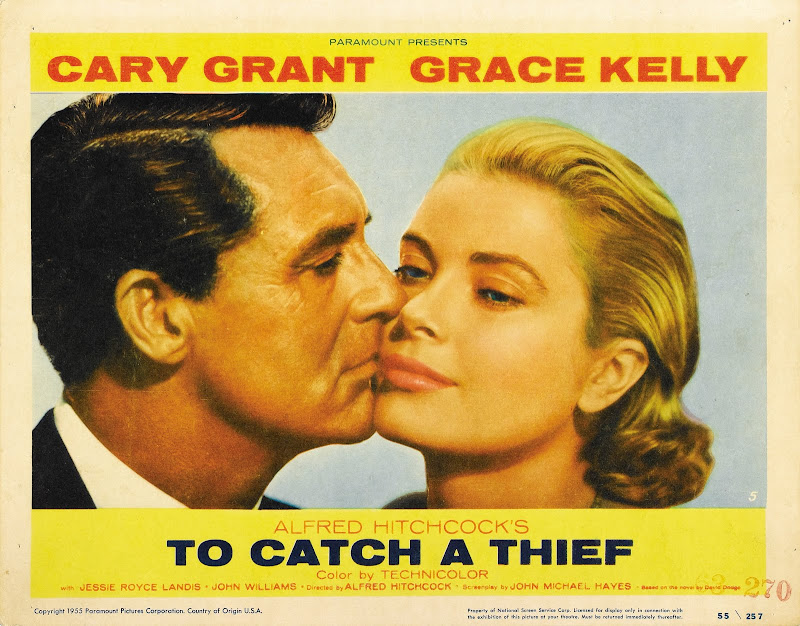
When I become familiar with a filmmaker part of my scoring indicates how the film fits on their scale. Hitchcock was the first director I started to watch religiously. I always avoided this film based on the description. It’s better than I thought it would be but still not what I’d recommend to anyone as where to start as a starting point. It is enjoyable though.

Oscar Nominations/Wins: 4/1
Score: 8/10

24. A Man Called Peter (1955)
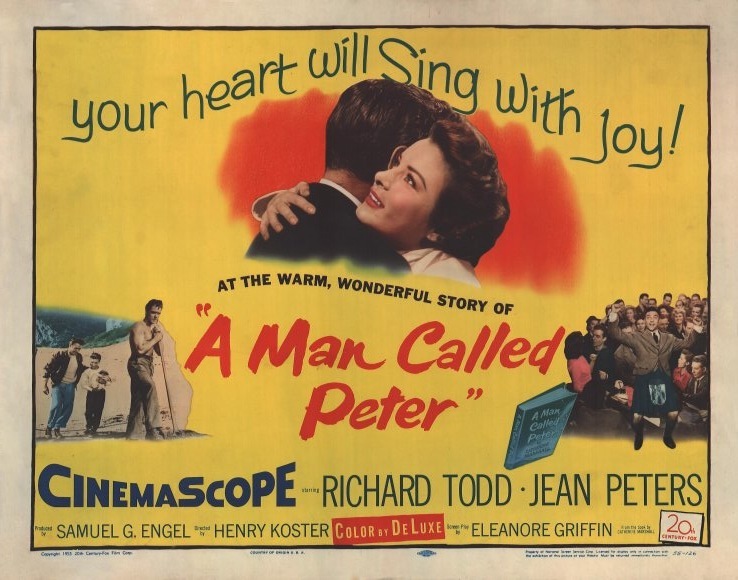
Perhaps the most interesting thing about this film is the fact that it contains some really amazing sermons, which are even greater if cribbed from real life and more impressive. Now preaching is generally verboten in film, however, one exception is when your lead is a priest. Some of the thoughts conveyed are great and even applicable to current times, one reminds me of Stephen Colbert’s recent point about being a Christian country. It gets a little languid towards its inevitable conclusion but the cinematography is great as are some of the performances.

Oscar Nominations/Wins: 1/0
Score: 6/10

25. Tristana (1970)
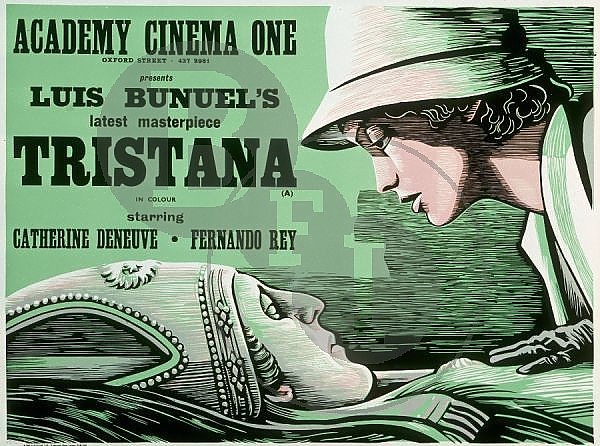
This is an interesting film by Buñuel which stars Catherine Deneuve. It’s not great but the plotline is simple and accessible and the protagonist’s situation is easy to identify with. There is a pretty impressive closing montage, not to say too much.

Oscar Nominations/Wins: 1/0
Score: 6/10

26. Stella Dallas (1937)
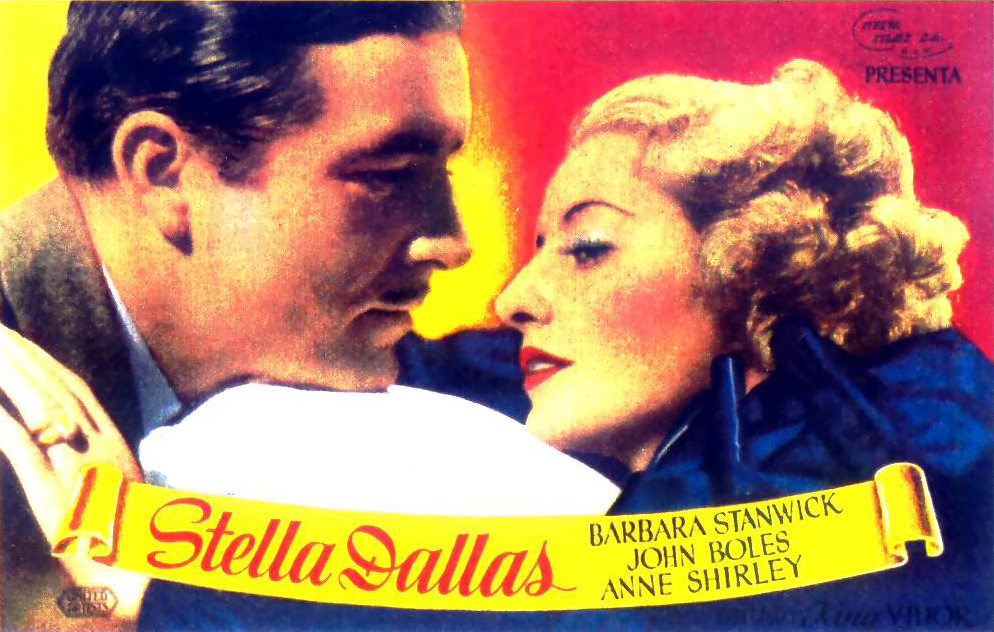
Barbara Stanwyck is brilliant in this. Very deserving of her Best Actress nomination and frankly the only thing that truly makes the whole film worth watching. The film hits an unusual flatness as the romance fizzles and the marriage is in name only it all feels like a lot of window dressing to the next major conflict of the film. It’s about as enjoyable as it can be but not as good as it could be.

Oscar Nominations/Wins: 2/0
Score: 5/10

27. Boomerang! (1947)
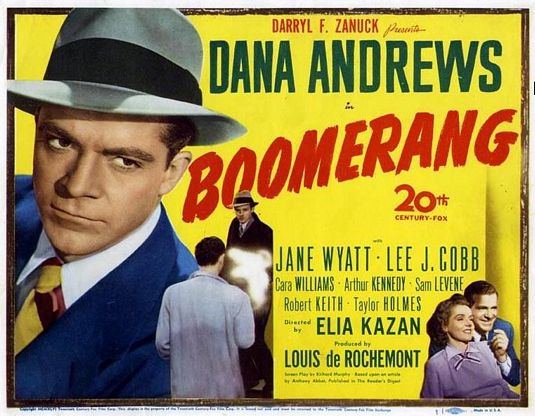
It’s funny how similar in conclusion and resolution this is to the other Kazan film I saw (Panic in the Streets above). Another thing that struck me is that it handles a lot of similar elements much better than the later The Town That Dreaded Sundown.

Oscar Nominations/Wins: 1/0
Score: 7/10

28. The Letter (1940)
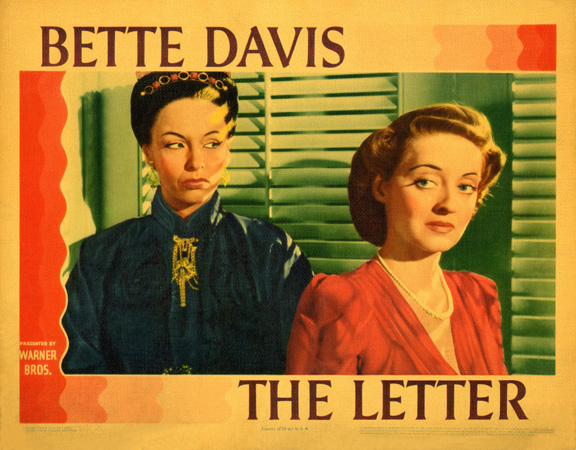
Better Davis and William Wyler were a pretty dynamic duo when they joined forces, however, this is not the best that duo can do. The situation and complications the protagonist finds herself in are fascinating and he cast is brilliant but the resolution is slightly lacking and a bit anticlimactic, the twists make it work.

Oscar Nominations/Wins: 7/0
Score: 7/10

29. Kiss of the Spider Woman (1985)
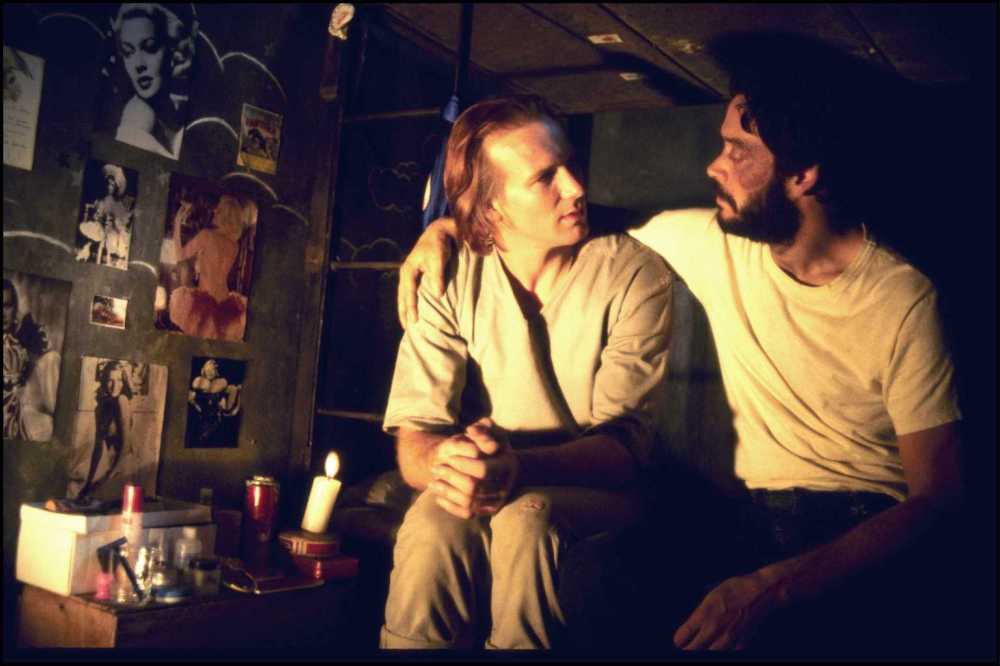
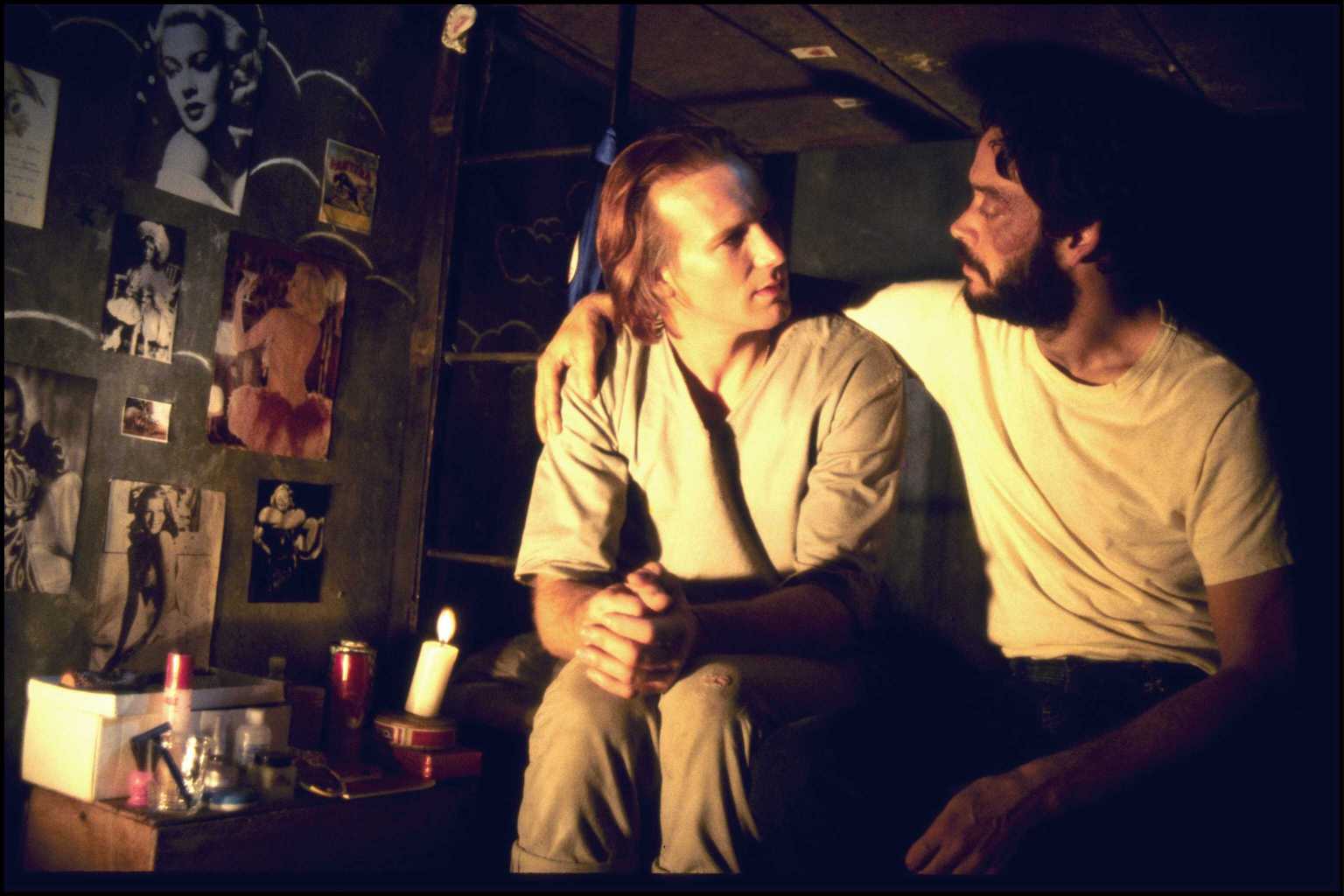
William Hurt and Raul Julia in Kiss of the Spider Woman (HB Filmes)

Despite the fact that it’s based on a novel I first became familiar with Kiss of the Spider Woman though a play version. I know that for the most part the narrative is one I enjoyed yet there were a few reasons I avoided the film version for some time.

Most of it has to do with the fact that the film in production terms and representational terms ends up in a very weird cultural limbo. Now in the interest of full disclosure: I am Brazilian so in many ways I disqualify myself but bear with me and try to understand my perspective.

The setting according to the text is always vaguely South American and surely for many reasons dictatorships were rampant on the continent for a time but the signage, location, supporting talent and director (via naturalization) are all Brazilian. It’s a muddled world wherein I see great Brazilian actors look less than stellar for the most part as they struggle with their broken English. You have late great Raul Julia doing a wonderful job but who generally gets overlooked in this film, except by the National Board of Review, and as brilliant as William Hurt is his name is Molina and he has no accent and isn’t designated as a gringo. So those factors along with Brazilians playing German in the film clips don’t ruin the film they just make suspension of disbelief a chore at times.

I’d absolutely love to see this (as I would most stories) in the languages intended whether Spanish or Portuguese and German and French.

Other than that the film is a great tale of unlikely friendship and loyalty, however, another bugaboo is there’s a line where Molina seems to indicate he’s more transgendered at heart than homosexual, so perhaps the description is not accurate. The only difference that really makes is in a public perception and social awareness. If this is looked at as William Hurt playing a transgendered man rather than crassly classifying “just another actor winning an award for playing gay” it would be better for the whole GLBT community so that people would know there are differences amongst the letters in that acronym. To continue to merely characterize the character as homosexual does a disservice to Hurt’s performance and in this day an age a community though I recognize that when the film was made there was a lack of differentiation.

But the only other issue I had was the prolonged and foreseeable ending. It truly is a good piece despite issues I had with it. That baggage was mostly my own and those things didn’t turn me off from the film.

Oscar Nominations/Wins: 4/1
Score: 8/10