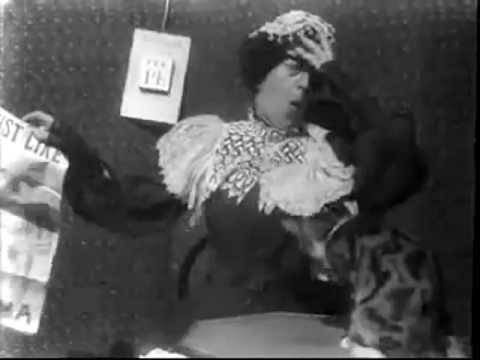
Short Film: The Old Maid’s Valentine (1900)
Happy Valentine’s day? Enjoy!
Happy Valentine’s day? Enjoy!
Introduction
This is an idea I first saw on Rupert Pupkin Speaks wherein he lists his favorite “new-to-me” titles of the prior year. My viewings were down in 2016 overall but there were things worth noting, even things that were not brand new. Some are rather short and can be viewed in their entirety below. For those who prefer features and talkies those can be found toward the end of this post. Enjoy!
Shorts
Many of the older films I was able to see for the first time last year that left an impression on me were both silent and short. The first two are archival shorts of Native Americans.
Sioux Ghost Dance (1894)
Buffalo Dance (1894)
Many of these short silents inspired me to start on a theme commemorating film firsts. Here is the first time the Statue of Liberty was filmed.
Statue of Liberty (1898)
Demolishing and Building Up the Star Theatre (1901)
Pan-American Exposition by Night (1901)
Georges Méliès almost always makes an appearance.
The Temptation of St. Anthony (1898)
The Execution of Mary, Queen of Scots (1895)
Now, a short film by Mike Leigh. I need to see the rest of these five-minute titles.
Five-Minute Films: The Birth of the Goalie of the 2001 F.A. Cup Final (1982)
Faces of November (1964)
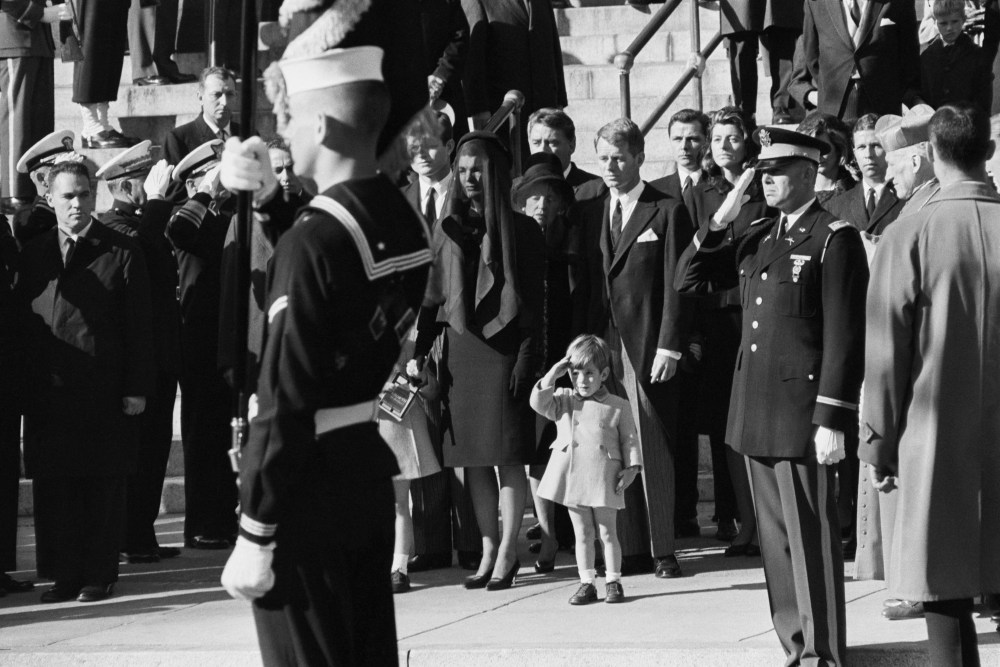
I got and saw the Kennedy films set from Criterion. Two of them made enough impact to land on this list. One dealt with the aftermath of the assassination.
Karin’s Face (1984)
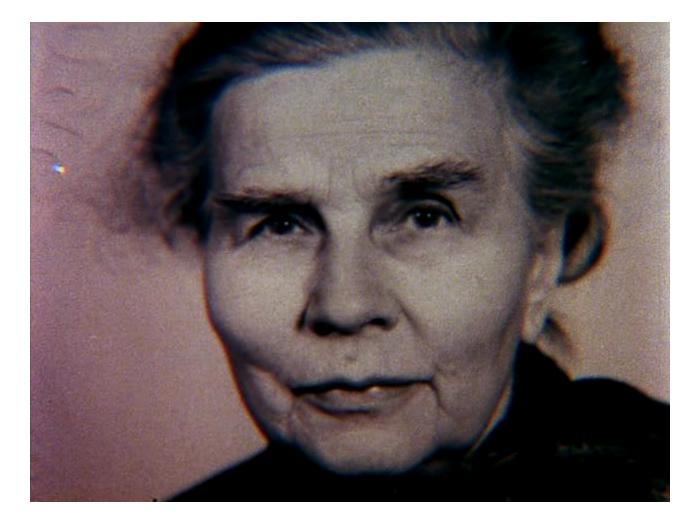
Any newly seen Bergman is worth noting even if it’s shot that is a study in stills and dissolves focused on his mother’s face.
Features
City of the Dead (1960)

As much as this film relishes the artifices of more classical horror techniques its rooting itself in historical precedent and wanting to carve a fictional enclave amidst historical happenings is highly commendable indeed. One might watch this film and consider it to be dated. However, with older films that is a conversation that is mostly moot to me. All films are created for the times in which they exist, even ones borrowing older techniques. Timelessness is an alchemistic accident that cannot be manufactured.
Primary (1960)
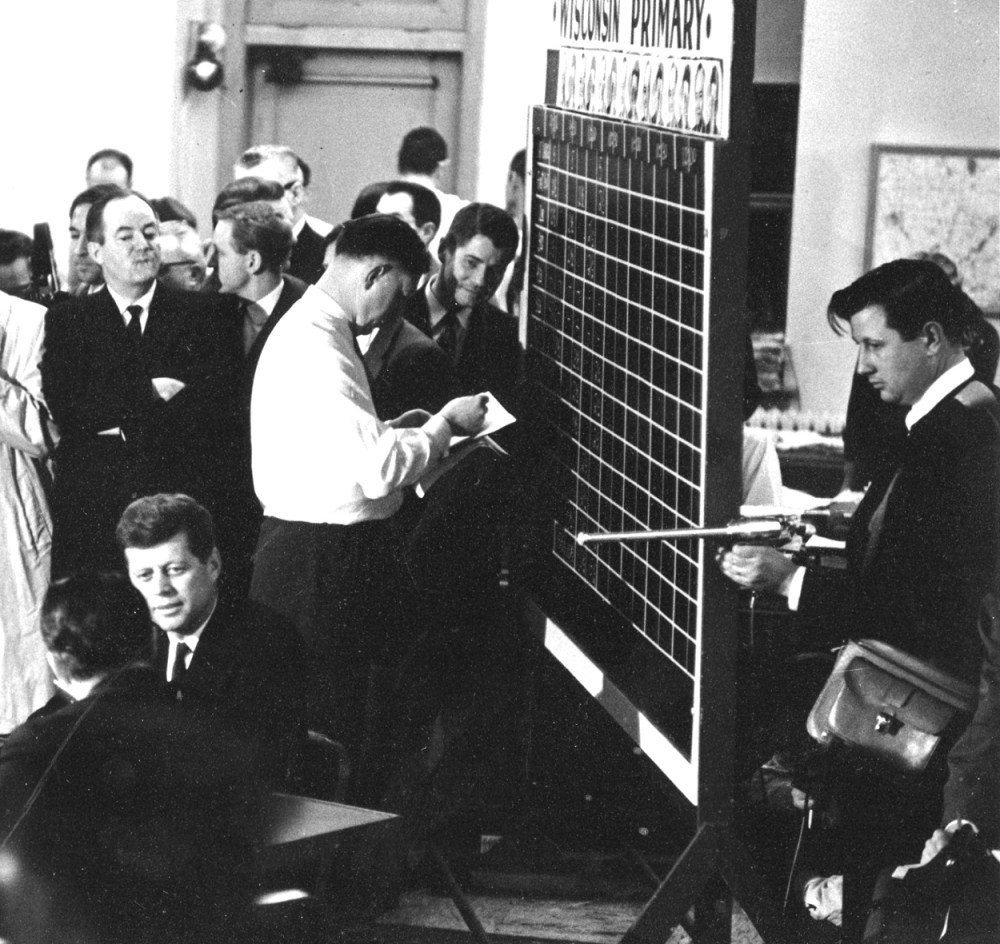
Also in the Robert Drew & Associates box set from Criterion is a feature called Primary which focused mostly on Kennedy’s campaign to try and win the Wisconsin primary.
Kamikaze 1989 (1982)
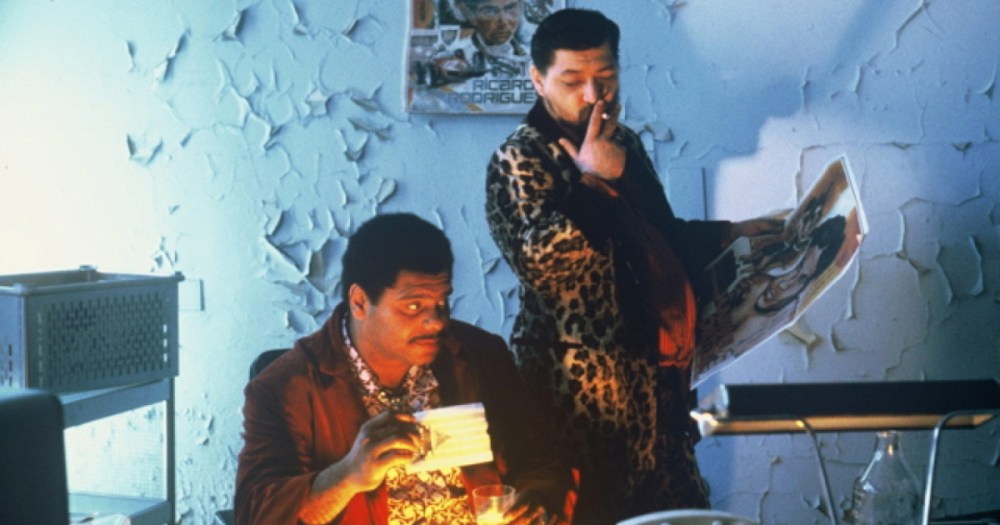
“This is a film that stands as a unique statement on an artistic level. It’s being set but seven years in the future, whence the Berlin Wall would fall, also gives it a curious undertone that it likely didn’t possess upon its initial release. It societal relevance may be more culturally relativistic than some other films, but its function as allegory seems as it could spring eternal with increased intensity based on the changing tides of the world’s sociopolitical currents.”
Antonia’s Line (1995)
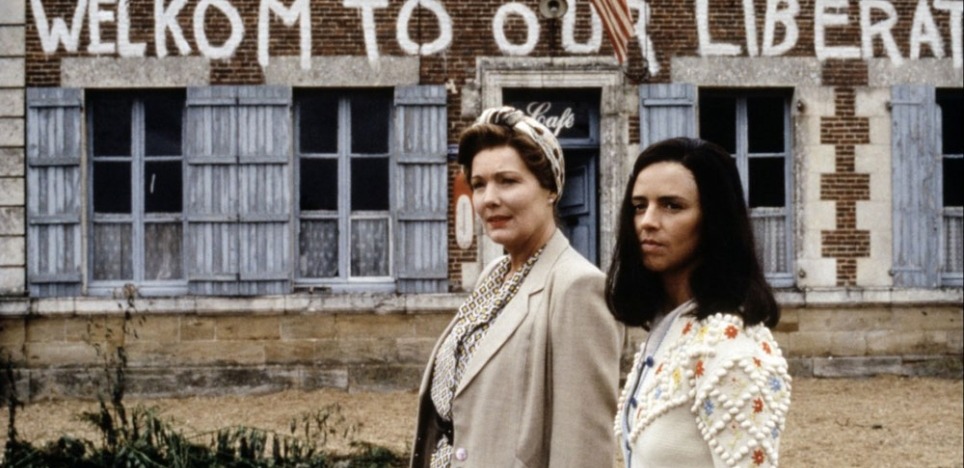
“As if this film needs more accolades it is indeed one of those Academy Award winners that quote, truly deserved it, unquote. It’s a film that’s so good that I find it nearly an affront to it to discuss the feminist merits of it in the context of a standard review. Watch it, you’ll know what I mean. It’s spectacular.”
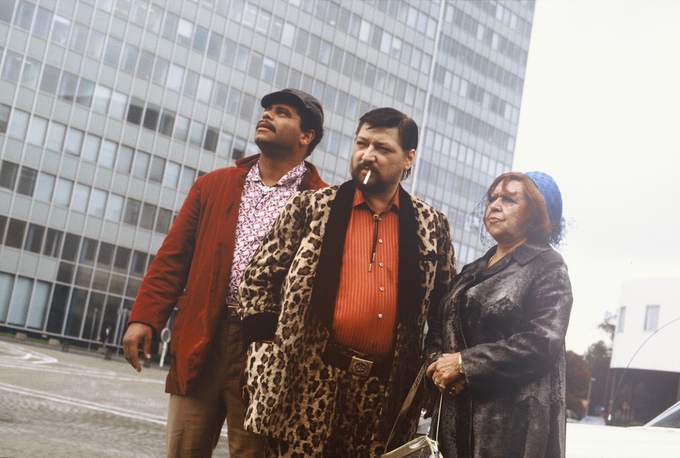
Kamikaze ’89 was the subject of a crowdfunding campaign that I supported vehemently on this site. Were it merely one of Fassbinder’s final films, it would’ve earned my support regardless; however, there’s more in the film worth noting than just that. This newfound exposure is definitely warranted. As Film Movement Classics was in the midst of restoring the film and wanted some aid getting it up on the big screen where it belongs. That effort proved this film did have an audience and it saw both repertory arthouse, physical, and digital release last year.
This is a film based on the novel Murder on the 31st Floor by Per Walhöö, which has seen a number of cinematic adaptations first in the USSR in 1972 and 1980 respectively both on TV, then in 1981 in Hungary, then this version in 1982. The plot ostensibly revolves around a murder investigation the machinations and convolutions of which are giallo-like but it’s the underpinnings of a system on the edge of collapse and the portrait of a society in an uncomfortable middle-ground between dystopia and utopia that give it its emotional resonance, and its melange of capitalism and communism food for thought.
As something of an anomaly in Fassbinder’s filmography, he did not adapt or direct this film, but was lead actor. However, one thing you will glean from Nick Pinkerton’s wonderfully insightful essay on the film (preferably read after having watched it) is that Fassbinder directed by proxy through Wolf Gremm, which can be seen in a few ways. So, if you know Fassbinder’s work it will still feel very familiar.
The score is a trance-inducing orchestration by Edward Froese of Tangerine Dream fame (for more on that score the Blu-ray booklet also features an essay by Samuel B. Prime about it), bringing its eerie familiar yet vacuous other-worldliness to life was Xaver Schwarzenberger the same DP who brought Berlin Alexanderplatz to life. The film also features a small role performed by the legendary Franco Nero, and Fassbinder mainstay Günther Kauffmann.
Kamikaze ’89 does feature the minimalistic futurism of films like Fassbinder’s own World on a Wire or Godard’s Alphaville one wherein the implication of future happenings is more about societal structure rather than awe-inspiring technological advancements. This tale is also cloistered in as much as it takes place in and around one particular edifice and its mysterious and unfindable 31st floor.
This is a film that stands as a unique statement on an artistic level. It’s being set but seven years in the future, whence the Berlin Wall would fall, also gives it a curious undertone that it likely didn’t possess upon its initial release. It societal relevance may be more culturally relativistic than some other films, but its function as allegory seems as it could spring eternal with increased intensity based on the changing tides of the world’s sociopolitical currents.
Bonus Features
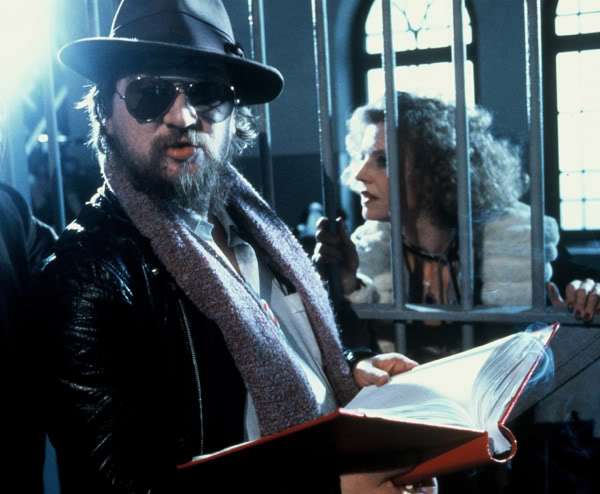
Aside from the aforementioned essays there is plenty of added viewing including:
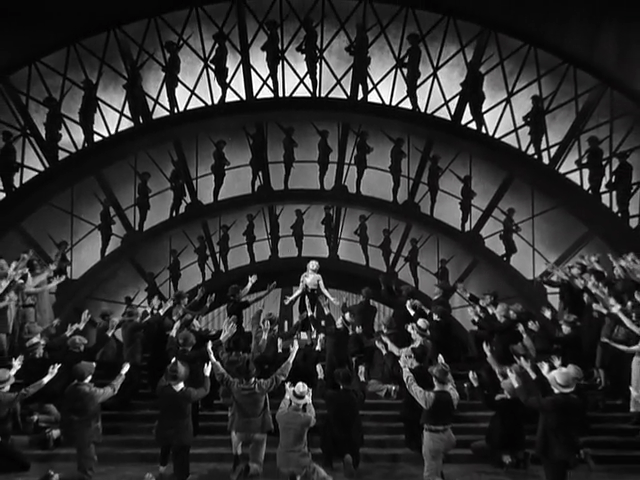
Gold Diggers of 1933 (1933)
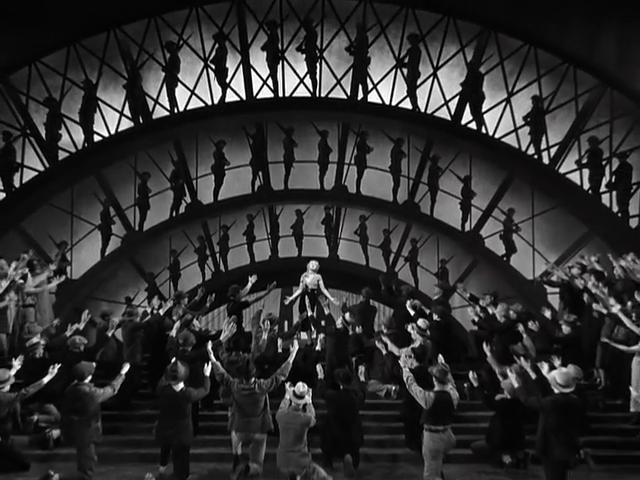
I remember when I sent away for a headshot of Anna Chlumsky when I was young this was listed as being her favorite movie. Recently in reading about the Pre-Code era I was reminded of this title. The opening number “We’re in the Money” became a standard, but many forget that it was a very topical Depression Era song. The musical sequences directed by Busby Berkeley are magical but by and large there is a disconnect between them, the occasional commentary and the light, escapist fare that is the thrust of the film.
I forget my guess regarding this film’s nominations, but its nod for Sound Recording is well earned as the audio is crystal clear – not always the case in this time period, as sound was still in its infancy.
Score: 6/10
Oscar Nominations/Wins: 1/0
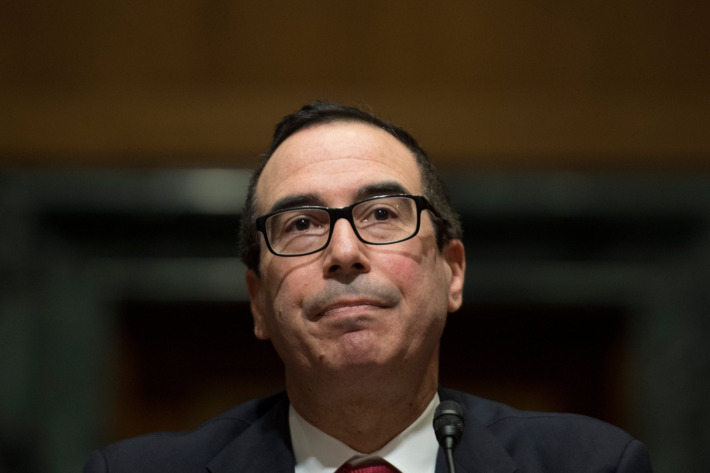
President Trump’s Treasury Secretary, Steven Mnuchin, has been confirmed. Mnuchin as a former hedge fund manager with Goldman Sachs it instantly drew criticism in political circles. Don’t worry further political commentary will be saved for my new embedded page The Democ-Rat.
This post is to discuss Mnuchin’s recent rampant and highly inconsistent run as an executive producer of Hollywood films. He has 34 credits to his name from 2014 through the end of this year if his forthcoming productions come to fruition.
The kinds of these movies he’s helped financed vary as much as his box office performances, some of these titles include surprise hits (The Lego Movie, Edge of Tomorrow, Mad Max: Fury Road), funding auteurs (Midnight Special and Rules Don’t Apply), Reboots or Extensions of a Franchises (Annabelle, Entourage, Vacation, The Man from U.N.C.L.E., Pan, Batman v. Superman: Dawn of Justice and The Legend of Tarzan), and Clint Eastwood movies (American Sniper and Sully), to name a few.

Clearly, like many Executive Producers a lot of these decisions have been dictated by what movies need funds and what can get me a return. Hence the varied type of film and the hits and misses, most notably in the reboots no one especially seemed to be clamoring for.
With Mnuchin confirmed I suggest a magnanimous move on his part would be to have his (blind?) trust still fund films but be open to suggestions from the very public that would benefit from the enjoyment of these films. It could very well be a long, contentious four years why not have a pipe-dream to bide the time? If the swamp isn’t being drained, we may as well have the Treasury Secretary get some projects out of Development Hell if he can and distract us from the madness.
In the meantime, if you need to build a film festival check out his IMDb.
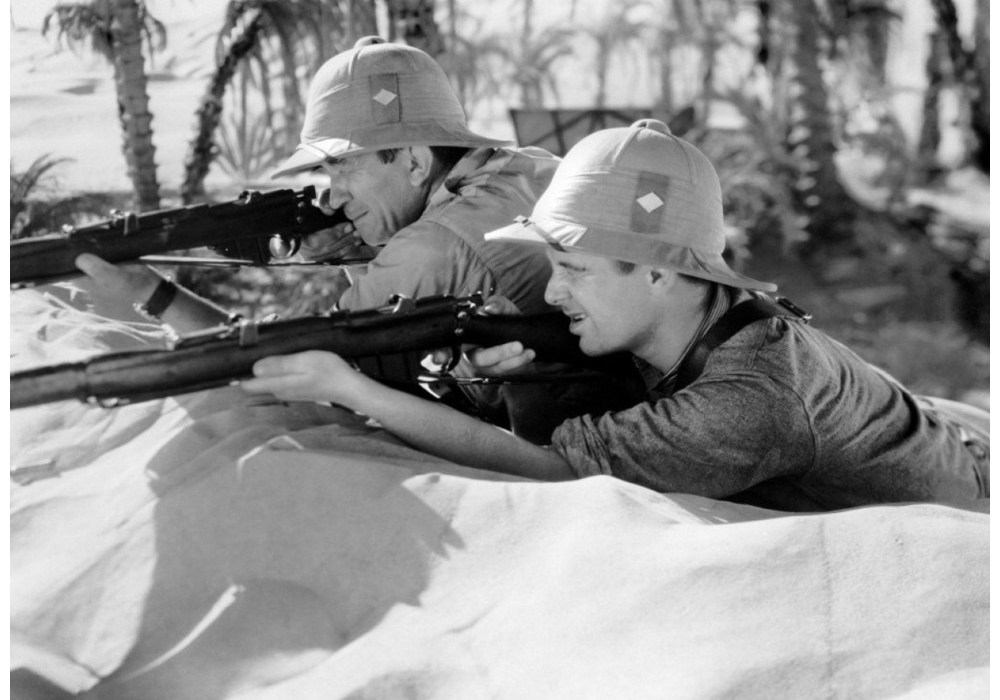
The Lost Patrol (1934)
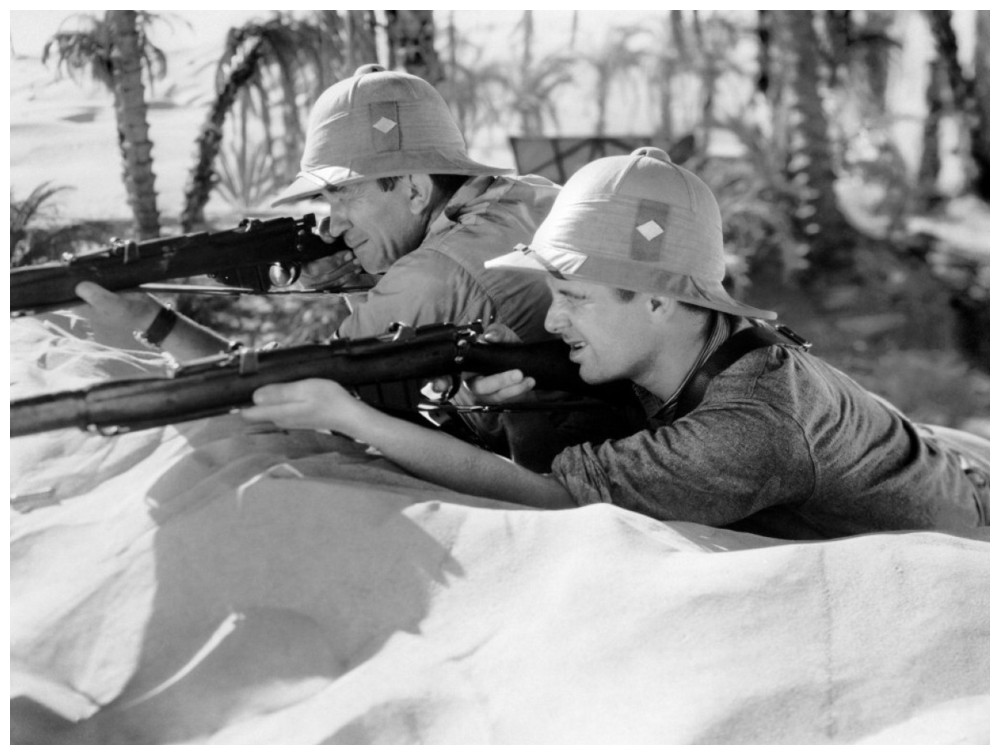
This film is proof positive that brevity can still cause impact and that an unseen enemy can be the most frightening. This is another John Ford film, but this one is so eerie, and builds its characters well such that the doomed nature of the mission has an even greater effect. Even Boris Karloff, in an early dramatic turn, as over-the-top as he is here, has an arc and shows the effects of the strain faced so well.
Score: 9/10
Oscar Nominations/Wins: 1/0
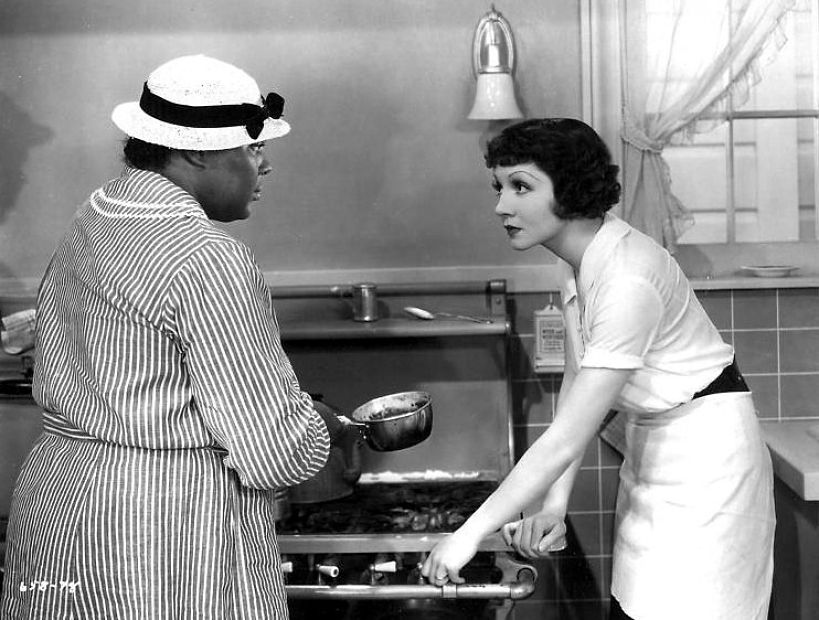
Imitation of Life (1934)
Merely being ahead of one’s time is a great in and of itself, however, that alone doesn’t make for a great drama. What’s fortunate is that for this film it has both. Imitation of Life deals with race about as openly, maturely and progressively as any film of its era – if you can fault it for anything cinematically it’s being slightly repetitious (But it addresses that), in social terms it discusses and even challenges norms. This was considered a dangerous films and Universal was strongly urged not to make it. Not only does it deal with race relations but in having Delilah’s daughter be able to pass for white, it also implies miscegenation, which was at the time one of the biggest taboos there was.
However, as I said without a compelling narrative all of the above is just a footnote. Bea’s chance meeting with Delilah snowballs in a very compelling way into a most unlikely friendship and partnership. The trials as single mothers also form dueling subplots that at times are equally compelling. The only knock I thought I had against it was that I wanted more focus on the more unusual plot, but based on the way things play out it is handled properly.
If one is not very familiar with Claudette Colbert there are likely few roles that are better for you to get to know her in. Every year, it seems, I mention that I do love the selections that have intros by the hosts on TCM. This one was a gold mine. Not only for mentioning that Colbert appeared in three Best picture nominees in 1934 alone, but also for pointing out the fact that this film likely could’ve sported two best supporting actress nominees (Louise Beavers and Fredi Washington) but the category was two years from being created.
Score: 10/10
Oscar Nominations/Wins: 3/0
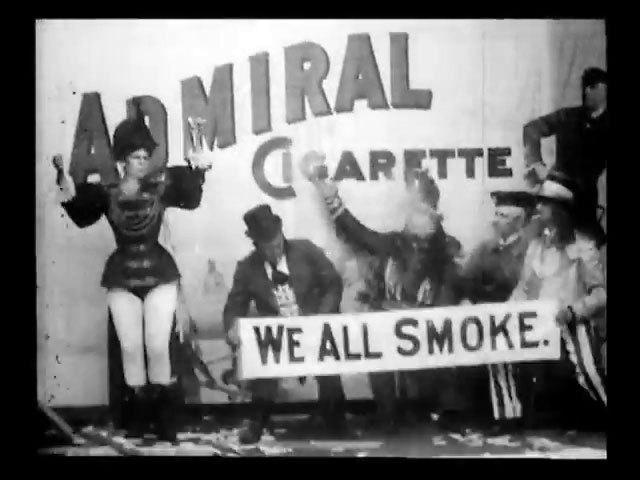
The world’s first commercial on film was fittingly enough for cigarettes.
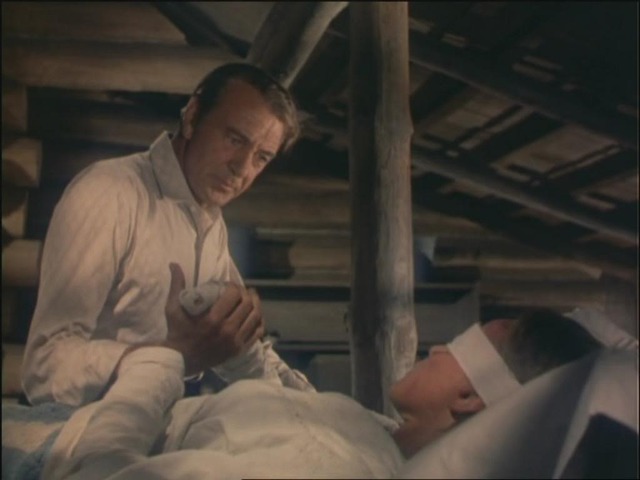
The Hanging Tree (1959)
This is, as are many westerns, a gorgeously shot film. There is a culmination its ultimately building to, but there is a bit of meandering and seeming filler in the latter half of act two. Characterization for the supporting parts is fairly thin such that it seems to leave good actors like Karl Malden and George C. Scott trying a bit too hard to make sense of their living plot devices. This film has its admirers, and I get that. I think more focus on Frail (as we lose him) and a few minutes off the running time, which could easily be lost, may have had me among them. Needless to say this film’s Oscar nomination is almost instantly clinched as it’s a Best Original Song nod.
Score: 4/10
Oscar Nominations/Wins: 1/0
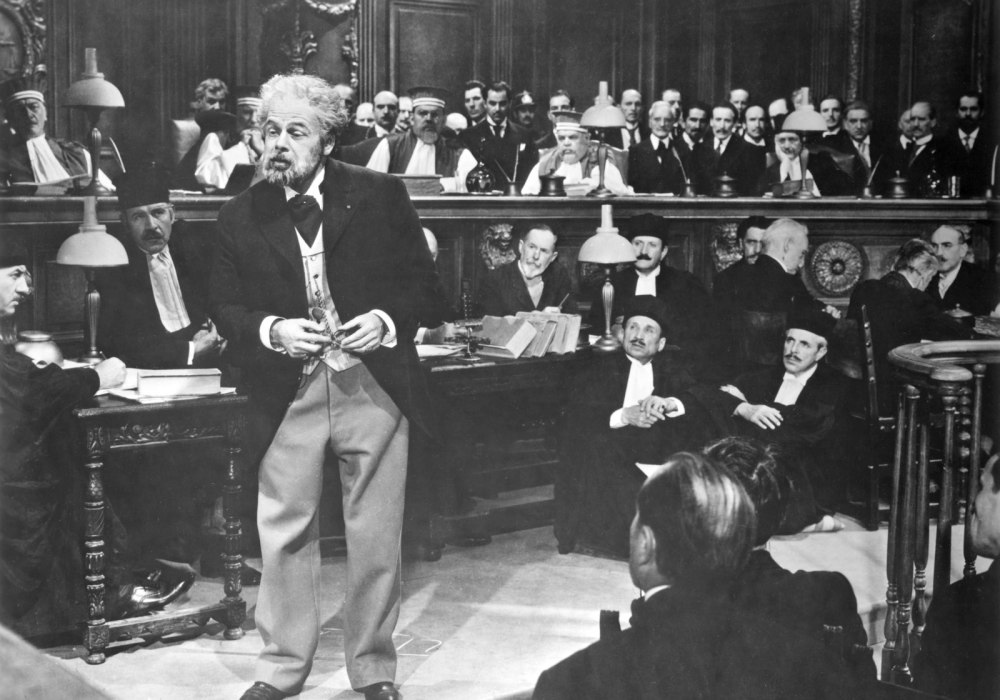
The Life of Emile Zola (1937)
A Paul Muni biopic strikes again, and perhaps he takes an early lead in the Neutron Star Award race for this year. What’s fascinating is that it chronicles a writer’s rise in typical biopic fashion in act one, then a military frame-up at the head of act two and has them smash together and culminate in a riveting courtroom drama. It distills the essential and best elements of a few subgenres to make a riveting and engaging film that surpasses its formulaic and periodic tropes.
Score: 10/10
Oscar Nominations/Wins: 10/3

