A Visit with M. Night Shyamalan

Introduction

For 61 Days of Halloween, as well as for my posts categorized as Shyamalan Week (these usually lead up to, or surround, one of his new releases), I usually do some posts that are formatted a bit differently.

It’s with that I commence discussing M. Night Shyamalan’s The Visit. As per usual with Shyamalan, I go in depth and may reveal plot details you’d rather not know, so spoiler alert. Forewarned is forearmed.

The Visit (2015)

The Visit (2015, Universal)

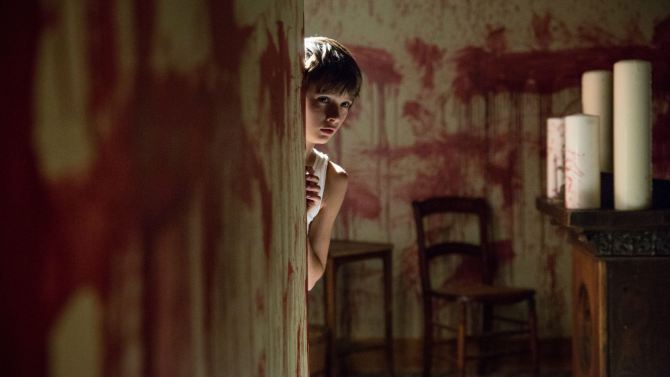
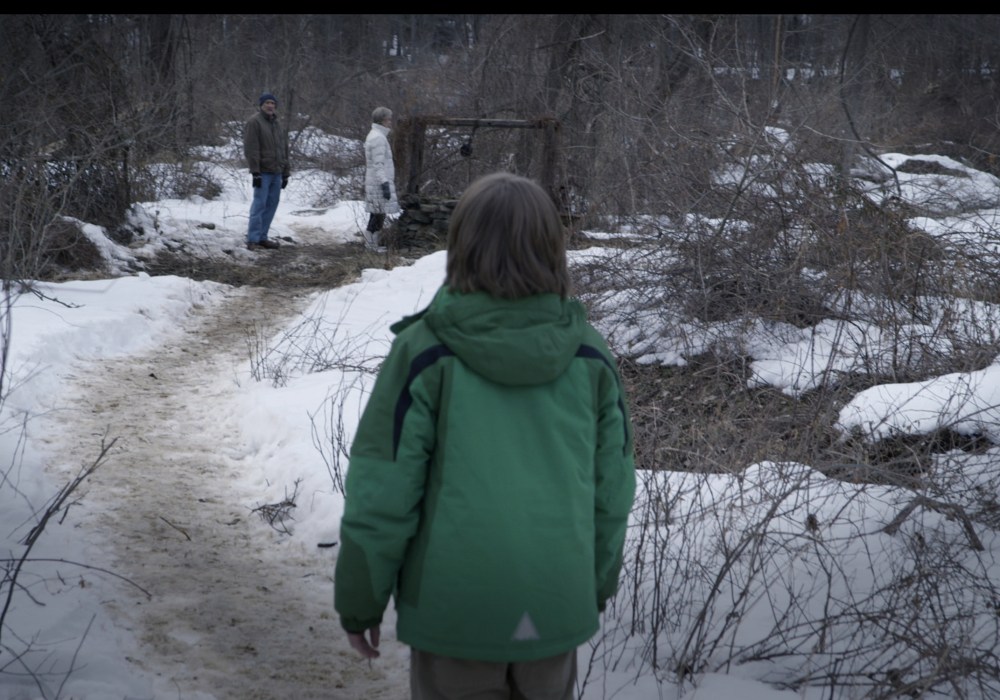
The Visit has a simple set-up: two kids, aspiring filmmaker, Becca (Olivia DeJonge), and her irreverent younger brother, Tyler (Ed Oxenbould), are going to spend a week with their grandparents (Peter McRobbie and Deana Dunagan) to get to know them as they are long estranged from their mother (Kathryn Hahn). It’s a scenario that allows for a stripped-down, character-driven relatively shoestring take from M. Night Shyamalan, and it’s also a perfect vehicle for found footage.

As do a lot of other found footage premises, so what makes this one work?

Auteur Theory
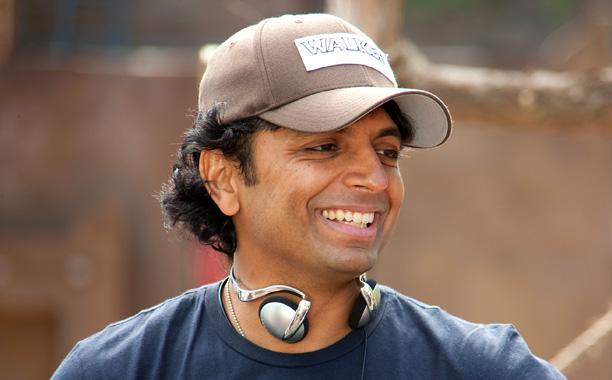
M. Night Shyamalan (2015, All Rights Reserved)

Knowing a director’s work can be a double-edged sword, to Shyamalan for me; I feel it always works as a benefit. Here what ends up occurring is that you’re put in the mindset of a Hansel and Gretel (Not the witch-hunters) tale immediately through the set-up that’s reinforced by the marketing but it ends up being the first of the film’s misdirections.

Shyamalan works some of his common touches better in this film than in many of his others including the ones with the most similar occurrences.

In no particular order they are:

  • Mom’s full story about the fight that lead to her leaving home, along with the fact that she is a single mom is reminiscent of The Sixth Sense.
  • In this film the tale of sports-related trauma is more organically folded in and involved the climax than in Signs.
  • When Grandma is stalling to tell the truth about her relationship with her daughter the tale she tells in its place, that sounds like lunacy, is not unlike The Lady in the Water.
  • The inclusion of Sundown Syndrome, a strange and fairly rare affliction, is also a recurrent theme most notably employed previously in Unbreakable.
  • Lastly, Pop Pop’s tale of the white creature with yellow eyes he saw at the factory reminds me of the creature in The Village.
\

\

Way back when, I forget if this was on At the Movies or in an article, Roger Ebert exclaimed that M. Night Shyamalan’s Pennsylvania was beginning to be a cinematic analog of Stephen King’s Maine. Here Shyamalan goes to Masonville, PA. Even as someone who lived in the state for four years it’s still a marvel to me how vast and expansive to me. It’s certainly a larger in-state playground than King has.

There are all touches that delighted me, and there’s a sort of active engagement, what-next urgency to my viewings of his films (most of them) that have me rapt regardless, like a kid listening to campfire story.

So far as his dovetailing he’s not only filmmaker who does so, and that’s also like a King story. With regards to the moviegoing public there seems to be a strange phenomenon with Shyamalan where certain people keep going to see his movies though they may not necessarily want to. It’s like sports fandom: you believe your team hasn’t been good in years, and maybe never will be again, but you still won’t give up your season tickets.

Performance, Tonality and Character
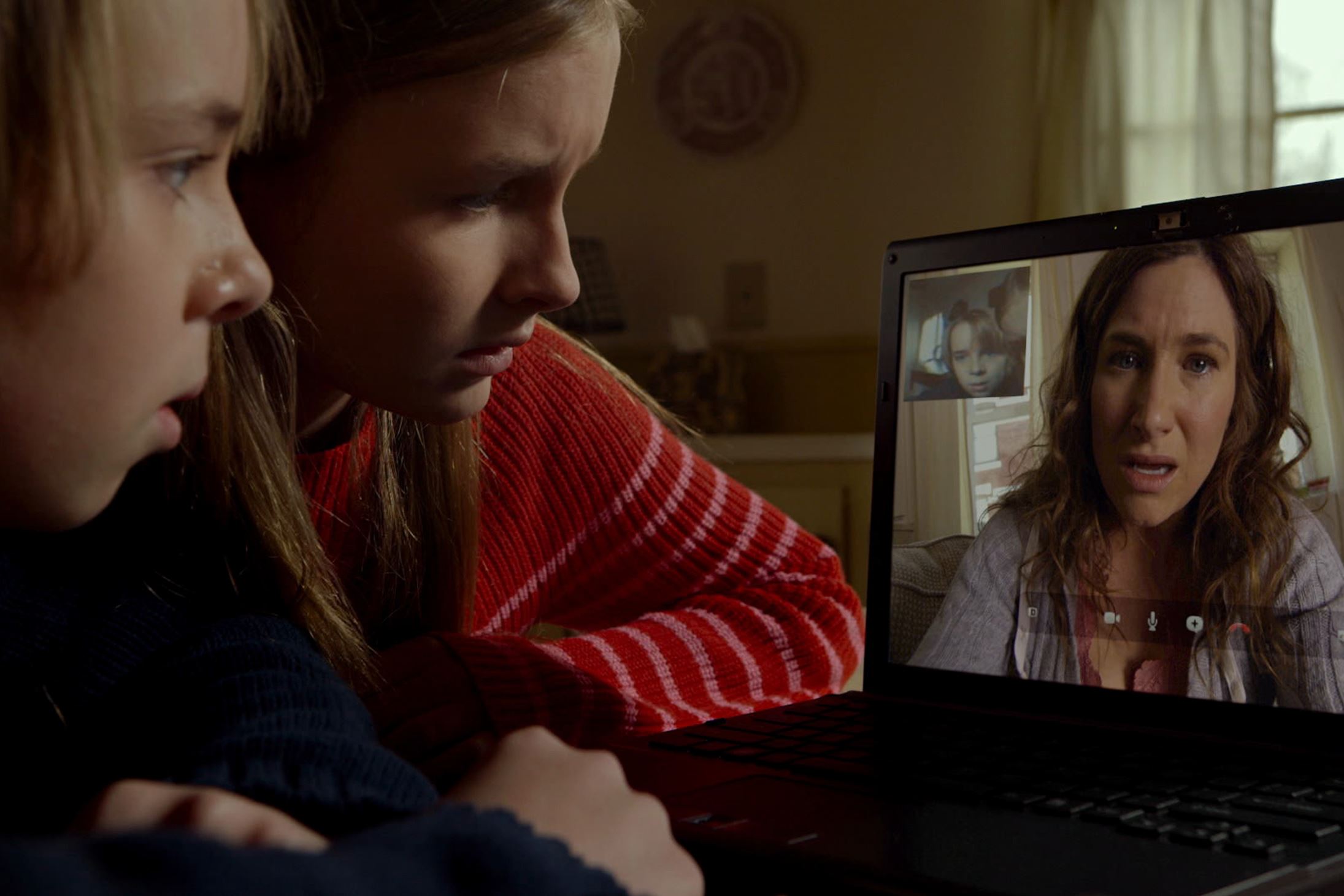
The Visit  (2015, Universal)

It manages to successfully shift tones and close-out all aspects of its narrative appropriately. It’s unquestionably both comedy and horror (the inclusion of Hahn and Oxenbould was a hint even beforehand). However, unlike many horror/comedies it does not struggle in either aspect and it does find equilibrium.

It excels mostly because Olivia DeJonge and Ed Oxenbould are both inordinately exceptional and achieve the unique tricks of appearing natural as if the camera is just rolling, being believably awkward when the moment demands it, and also entirely inhabiting their characters.

They have many memorable moments: the companion coerced confessions, freestyle rapping, and Oxenbould when snapping out of freezing in a rage are dream takes for an actor and director both.

The Visit (2015, Universal)

DeJonge’s interpretation of Becca is that of clearly intelligent girl without a note of falsity or petulance, heartbreaking in her embittered memories of her father. These two are really the glue that holds the film together.

This is not to discount Peter McRobbie and Deana Dunagan. They provide some of the needed laughs as well, all the necessary scares which are very effectively delivered, and even one heart-rending moment. Their feat is also not limited as their physicality is a triumph for both.

With a cabin fever aspect to the story, and a lack of a supernatural element, character is at a premium and remains so. The characters are explored even more than the plot is built but both are slowly revealing themselves sometimes it’s even subsumed in seeming temporary nonsense.
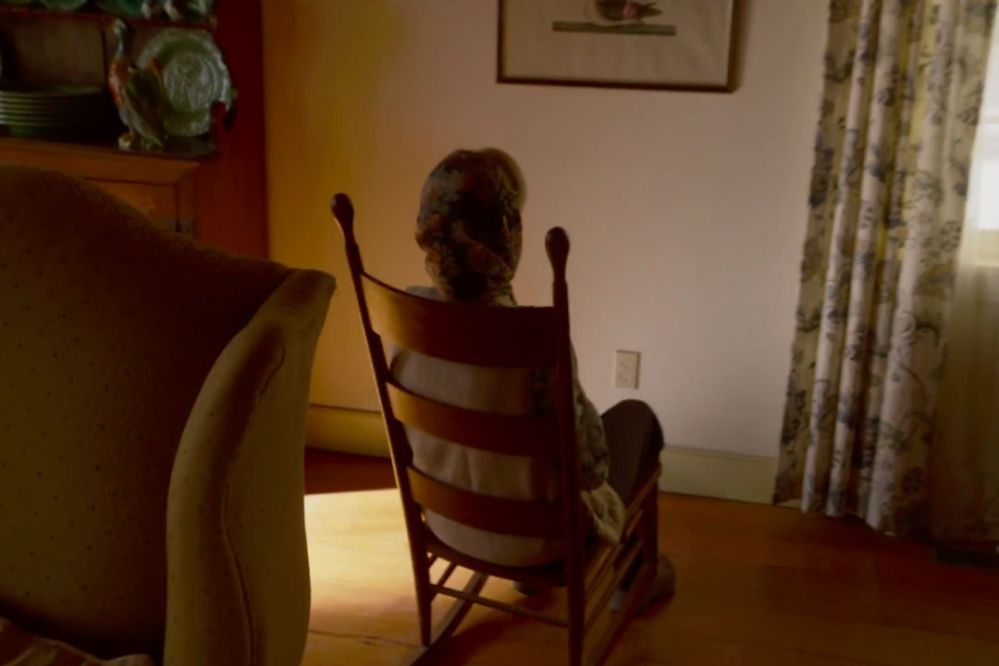
The Visit (2015, Universal)

Even in the conclusion where Tyler is allowed to do his closing freestyle rap (Shania Twain, bitches!) and Becca is looking into the mirror, her former aversion to such and the trauma that started that behavior were previously established. We see the growth and progression of both.

Newfound Footage

The Visit (2015, Universal)

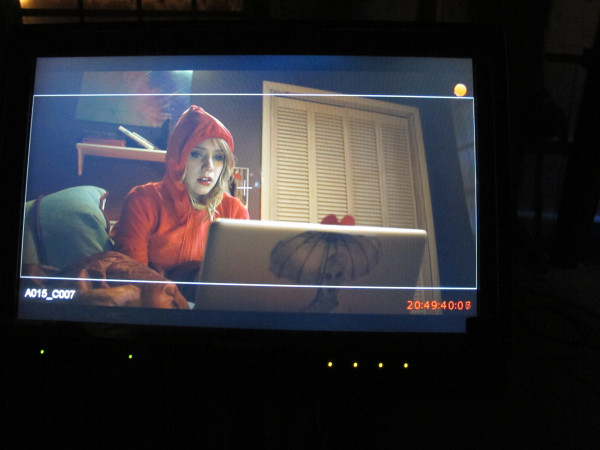
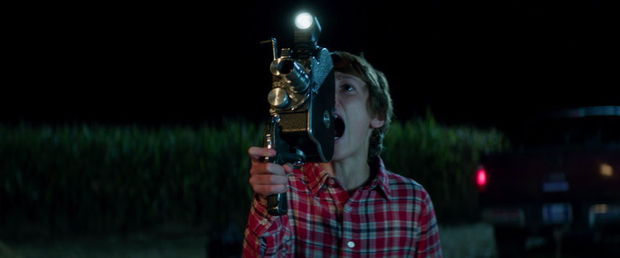
This film takes a few tired found footage tropes and injects some life into them, as well working a few tried-and-purported-to-be-true ones better than prior acclaimed films of the technique.

Incessant documentation is a new reality that is becoming more accepted by society with less and less backlash with each passing day, therefore one of the past requirements of this technique is already passé.

In differentiating itself from the newer brood of the found footage approach it both doesn’t ignore the cameras to its detriment nor does it obsess over the “Why Are We Filming This?” Conundrum.

With regards to the past it does at times it seem to echo The Blair Witch Project with dramatic moments in corners. It also takes what was the entire basis of at least two Paranormal Activity films, distills it into one chilling scene; and thus condemns the former to the purgatorial state of anti-cinema wherein it belongs for all eternity.

Conclusion: The Visit Twists

The Visit (2015, Universal)

The Visit is a film that deals with creatures both real and imagined, the real being people, the ghosts of this tale being figurative. It’s a film where I was not waiting for a twist but rather reveals, but this one is successful because it was just sitting there waiting to be discovered like some others, but is highly organic and intrinsic to the plot. Furthermore, little morsels of prior information that seemed meaningless before ring true after it.

Another way for a viewer to ruin their potential enjoyment of a film is to be expecting a twist and constantly trying to ferret out what it is. What would happen if there was none? It’s like going to see an adaptation of a book and constantly be referring to your mental checklist about which favorite parts were included and which were edited out. It occludes you from focusing fully on what’s before you because you’re worried about parallel problems.

How many given endings can a story really have in cinematic terms? In most movies, especially Hollywood releases, you know how things will go. You’re there for the journey.
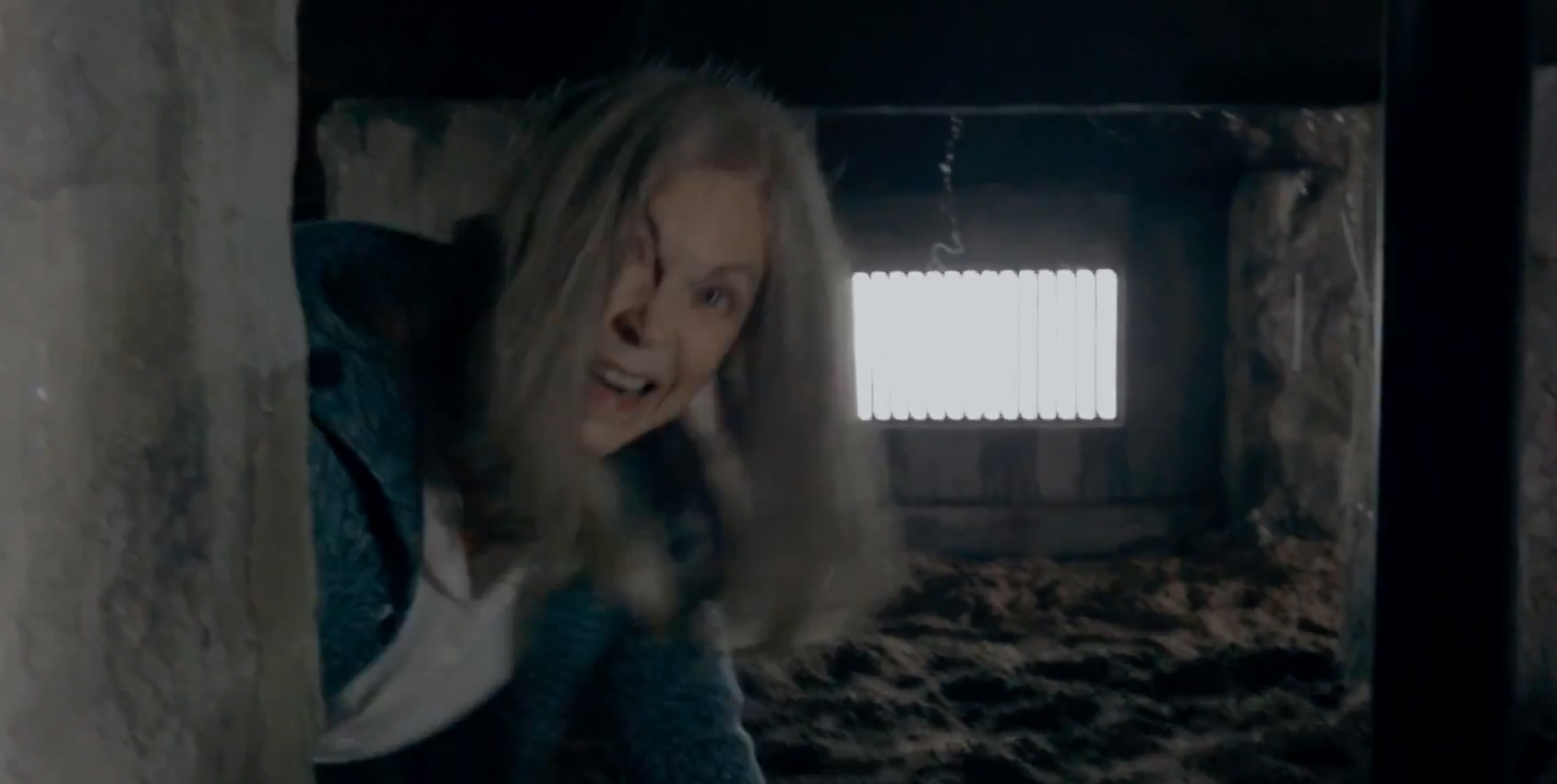
The Visit (2015, Universal)

Previously I discussed how at least Shyamalan is consistently giving us something to talk about, something a lot of people can’t even claim, which is noteworthy at the very least. I still want to discuss, and watch, and I wanted this visit to continue and enjoyed it greatly.
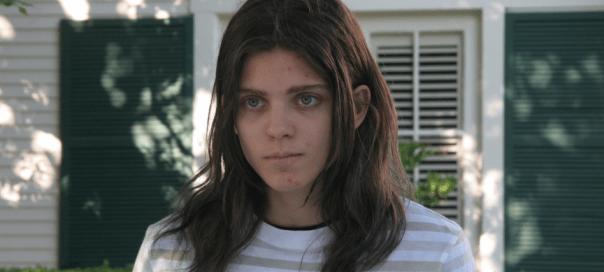
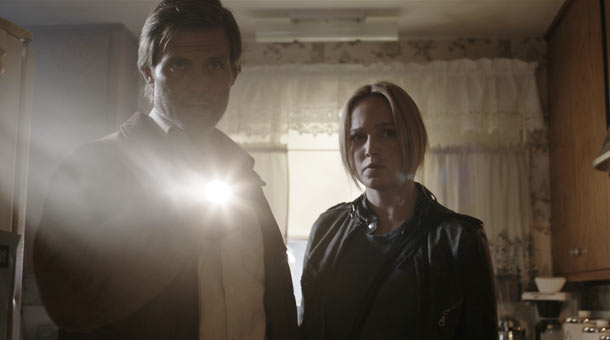
Mini-Review: Excision

Introduction

This is a post that is a repurposing of an old-school Mini-Review Round-Up post. As stated here I am essentially done with running multi-film review posts. Each film deserves its own review. Therefore I will repost, and at times add to, old reviews periodically. Enjoy!

Excision

What is most successful about Excision is that it is a study in character from the inside out. Which is to say that the fantasy/daydream segments in this film may be too numerous, but the purpose they do serve is to show how the inner-monologue of a disturbed, delusional character come to the fore and affect her everyday life. There are a few dichotomous splits in character: a struggle between adoration and mutilation (both their own versions of body worship), a fight against authority, a struggle between a libertine attitude and a theistic construct. Perhaps, what’s most intriguing about Excision is watching the journey, granted I did figure where the journey would end at some point, but it seems like a basic virginity plot with a very socially awkward lead, but as it progresses you see so much more is going on here. Through all the serious and horrific observations you make there are also some laughs to be had, and many great performances notably AnnaLynne McCord, Traci Lords, Roger Bart, Ariel Winter and Jeremy Sumpter.

8/10

Mini-Review: The Pact

Introduction

This is a post that is a repurposing of an old-school Mini-Review Round-Up post. As stated here I am essentially done with running multi-film review posts. Each film deserves its own review. Therefore I will repost, and at times add to, old reviews periodically. Enjoy!

The Pact

This is the kind of movie that will be referred to as a slow burn. The slow burn in the horror genre, the gradual but consistent build-up, has become more popular as of late. However, like any technique or philosophy it is not inherently good or bad. What I believe is that if you’re going to take this approach you have to take the escalating events to a fairly wild and unpredictable place. The stakes and incidents continue to increase and just when you think you have the film pinned down it expands.

The films imperfections, barring a seemingly nonsensical title and a jolt-shock end shot, are mainly that early pace that makes it a tough tale to get into. The performances are inconsistent, but the story does just enough to buoy it. How much each individual enjoys the film will likely vary on his or her patience, and their embracing or rejecting of the twists.

6/10

Shyamalan Week: Devil

Introduction

As those who know me, and if such a person exists, cyberstalk me, know I created this blog after writing on another site, which shall remain nameless, for a while. The point is, I have material sitting around waiting to be re-used on occasion I will re-post them here. Some of those articles or reviews may have been extemporaneous at the time but are slightly random now, hence the new title and little intro, regardless enjoy!

Devil (2010)

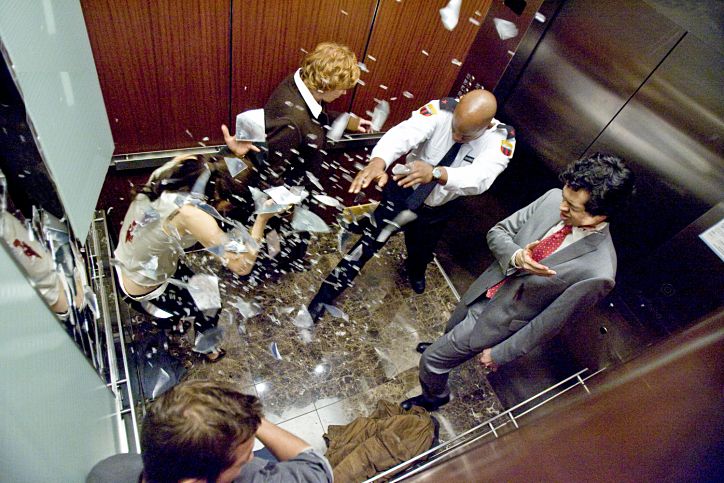
As for this film it’s the first of what is (was) being referred to as the Night Chronicles Trilogy. His impact on this film is a story credit alone so mention of him will be minimal, aside from saying that his stamp can definitely be felt on this story regardless of the level of involvement he actually had. This is a thriller which hearkens back to some of his earlier films and oddly one where you’re not necessarily waiting for a twist but you get it anyway and it does not color the whole film.

The film starts with inverted shots of the Philadelphia skyline. They are shots whose significance is not immediately made known and not overtly explained. They set the tone for a film where something is slightly amiss throughout.
 
The film does well to keep its tale confined to the elevator as much as it possibly can. Granted to investigate and to try to get to the bottom of the mystery it is necessary to go outside on occasion the fact that so much of the film is contained to that cramped space definitely is a boon to the narrative and aids its effectiveness.

When dealing with a film that is so confined such that its part-absurdist chamber drama it is crucial that your cast be capable of carrying the film and this cast is definitely capable. The core of the cast being: Logan Marshall-Green, Jenny O’Hara, Bokeem Woodbine, Geoffrey Arend and Bojana Novakovic. What is most compelling about not only the story but also their respective portrayals is that at one moment or another they all lead you to believe that they, in fact, are the devil in the elevator car.

Devil (2010, Relativity Media)

The film also employs a narrator, who acts as storyteller. A technique it seems that is a bit on the rebound in film. However, in this case this narrator does not get into the fray too much but merely fills in a few blanks and acts, essentially as the glue binding this tale together. It is this voice that gives a little reason to the tale. Whereas without this narrator it might just send a chill or two up your spine with the narrator there is a point made and something to reflect upon.

With the combination of the opening montage and the narrator setting the stage the tension level in this film is ratcheted up pretty early and rarely if ever dissipates throughout out. There is a consistent feeling of dread which is pounced upon at opportune times and while there are peaks and valleys the highs are high enough to sustain a significant level of interest.

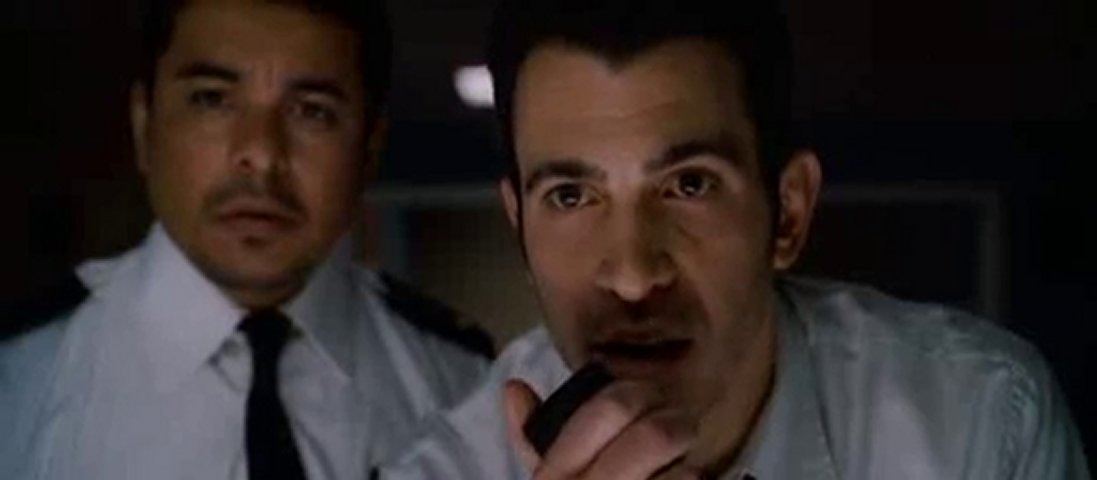
The only things that can be questioned are very minor points which could’ve been addressed by more judicious editing of the footage and story itself. One concern is that while most believe the elevator is malfunctioning due to possibilities that are terrestrial we follow around a janitor. He vanishes from the story for too long. Pieces of his journey to the roof and basement could’ve been spliced in real quick so he wouldn’t disappear for so long after having been a significant player in the early going. The characters also don’t think to use their cell phones as flashlights during the temporary blackouts for far too long.  The introduction of the religious element of the film is a bit clumsy and lastly our protagonist, Detective Bowden (Chris Messina) does a Sherlock Holmes impersonation in deducing the circumstances surrounding a suicide early on that is not only a bit extraneous but also a little hard to swallow.

Devil (2010, Relativity Media)

However, Devil is still a highly effective and well-crafted tale that is an edge-of-your-seat kind of film that is well worth your time.

8/10

Mini-Review: ATM

Introduction

This is a post that is a repurposing of an old-school Mini-Review Round-Up post. As stated here I am essentially done with running multi-film review posts. Each film deserves its own review. Therefore I will repost, and at times add to, old reviews periodically. Enjoy!

ATM

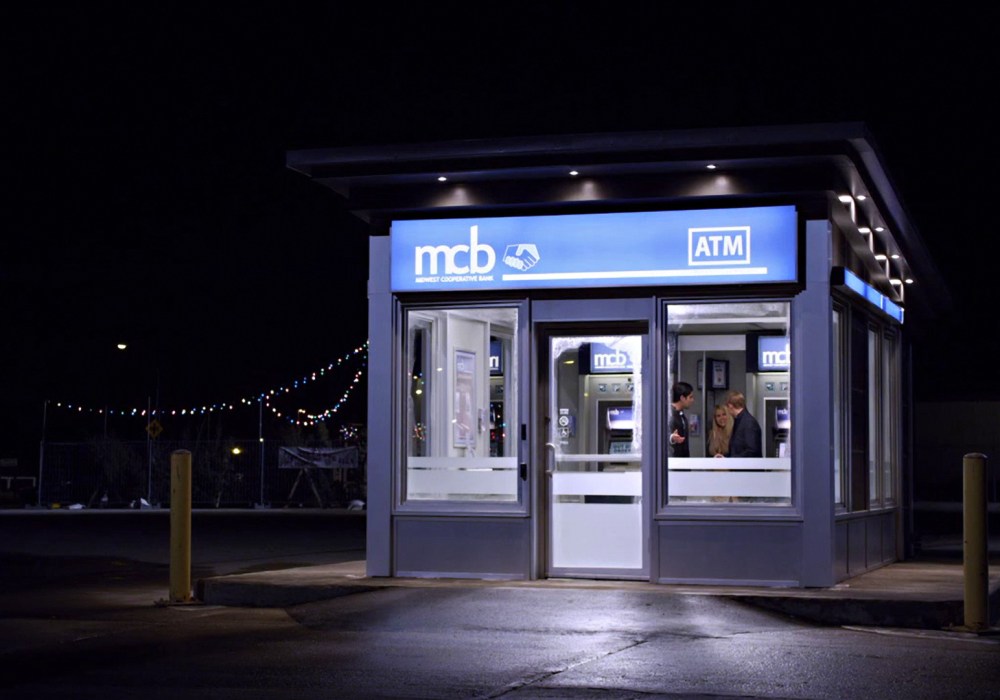
I often discuss the merits of going into a film as a clean slate. I can’t say I went in 100% clean to this film, however, I don’t see that as a detriment here. I found this was streaming, saw it qualified as a 2012 release, and added it to my queue without further thought for a time. One tweet by a fellow Twitter compatriot who disliked it, didn’t give much away, but intrigued me enough to give it a play.

A few things struck me as odd as it pertained to ATM: the first of which is that it does hold interest and a fairly believable premise through a much larger portion of the film than I expected based on what I heard. While I will credit the film for its set-up and a certain degree of cleverness in it maniacal plan, the second oddity is that the most major twist I was way ahead of, and the resolution was one that doesn’t stand up to harsh scrutiny, and the length of the reveal allows you to scrutinize it. It reminds me a bit of Penumbra but with more annoyance and less impact.

This is also a film that inflated its running time to its detriment. It cut out of the closing credits at least three, if not four times, to additional montages hinting at more villainous plots. Such were the cutaways that it bloated the credits crawl (which were slow to begin with) to nine minutes. The film clocks in at exactly 90 minutes with it included. It wouldn’t have saved the film, but it is OK to run less than 90 minutes. It really is. Add to that a very slow reveal, and you have an end that doesn’t end long after the point where the film becomes completely asinine.

4/10

61 Days of Halloween: Sleep Tight

Introduction

This is a post that is a repurposing of an old-school Mini-Review Round-Up post. As stated here I am essentially done with running multi-film review posts. Each film deserves its own review. Therefore I will repost, and at times add to, old reviews periodically. Enjoy!

Sleep Tight

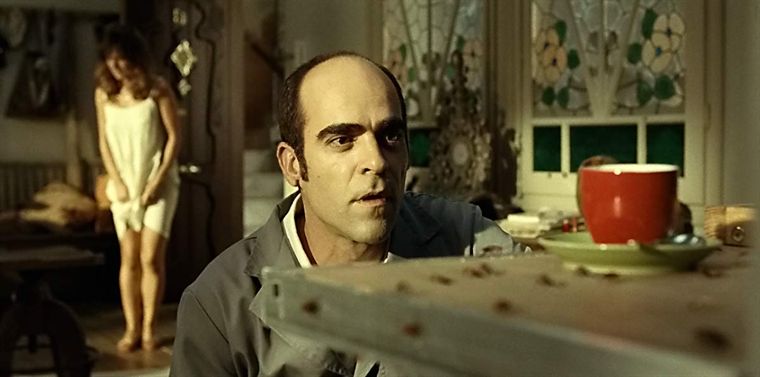
Upon conferring on his IMDb page I am missing one feature from Jaume Balaguero’s filmography after having seen Sleep Tight. His films that worked for me thus far have worked exceedingly well, namely The Nameless, [REC] and [REC] 2. I barely recall it, but judging by my score of Darkness that was more of complete miss than either of his apartment tales (To Let and Sleep Tight).

Balaguero is still a director I’d put at the vanguard of the current Spanish horror scene due to his voice, and it’s why I want to complete his current filmography and why his name being attached to something still garners my interest.

With regards to these apartment tales, a lot of To Let‘s struggles I attribute to a restricted timeframe for an intimate, nebulous portrait to be painted, which is why half the Films to Keep You Awake titles are amazing, and why the other three are forgettable to poor. Here it’s not that there is anything inherently wrong, it’s more a question of insufficient build, unmoving voyeurism and predictable plot points with minimal impact. The actions and motivations are always fairly clear, which in a way makes this film less engaging than his other ventures. There’s a stark blandness and removal of encumbrance that’s supposed to compound the impact but instead dulls it.

In the end, Sleep Tight presents a portrait of a psychopath without an excess of depth, engagement or shock; it’s sadly flat.

4/10

61 Days of Halloween: Come Out and Play

Come Out and Play

Whenever possible I try to give those who may be reading these reviews a frame of reference of where I’m coming from with a particular title. That can in large part become relevant when one discusses a remake. I believe I viewed Who Can Kill a Child? last year and I was not a fan in the slightest. When dealing with a remake, you want to try to have a clean slate, but I realize this can be difficult as certain things are expected. I liked this version just marginally and here’s why:

The biggest faults the film has are in the beginning and the end, there’s far too much unspoken and not enough urgency as the weird situations start to present themselves. I’ve not read the book, but so far as I’m concerned there’s not yet the perfect rendition of this tale, regardless of how faithful each may or may not be to the book.

As the film progresses further from the overly-coy beginning, it does start to address some concerns, seriously up the stakes and after some missteps in the suspense department early playing that up. The score is consistently effective, and the all-too-ghostly children start to have presence, a bit of information to them, which makes them more dangerous, and in turn makes the audience engage further. It creates some mystery and makes you interpret events after a minimal mandatory amount of information is handed out.

Where I feel the film could’ve further excelled was at the very, very end. However, what it manages to do after being a fairly ineffectual carbon copy elevates it oh-so-slightly from its predecessor.

6/10

Mini-Review: Hayride

Introduction

This is a post that is a repurposing of an old-school Mini-Review Round-Up post. As stated here I am essentially done with running multi-film review posts. Each film deserves its own review. Therefore I will repost, and at times add to, old reviews periodically. Enjoy!

Hayride

About the only thing Hayride does in something akin to a proper fashion is create a legend. However, that legend is lodged a bit too deep into the story, nearly usurped by others and leads up to quite a clunker of a climax.

The film spends a bit of time with its characters, which is fine as an isolated fact, but it’s less desirable when they are so simply drawn and so unconvincingly interpreted. There is a supposed hayride attraction that is incredibly poorly staged in both filmic and hayride terms. Lastly, there is the open ending which is not only expected but is quite nearly an anti-jolt. There are very small patches that show promise, but overall it’s quite a wasted effort.


2/10

Mini-Review: House of Bodies

House of Bodies

If you’ve ever wanted to see a feature that legitimately ought not be due to the fact that it’s essentially an under-edited short then this film is for you. There are two main parallel sequences that are drawn out: the former home of a mass-murderer that’s now the home base of a porno site, and a police interrogation room with said killer. The interrogation feels like it will be a springboard for early escalating events instead they lead to an anti-climactic discovery at the very end. I viewed this on Netflix and the story developed in the synopsis, which sounds like merely an inciting incident also takes too long to occur. Forget that the character who is the subject of the synopsis is non-existent for a quite a few minutes. The bottom line is there’s not enough story and while the running time is short the pace is glacial. I don’t know why Terrence Howard, Peter Fonda and Queen Latifah are in any way involved in this film, but they are and that’s unfortunate as there’s nothing they can do to save this hopelessly cockeyed in structure, scarcely flinching tale.

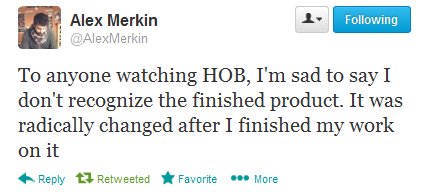
I was “glad” to learn when searching for photos that the director has publicly Tweeted that the finished version of the film is something he does not recognize. I’m sad to hear that’s happened, however, it doesn’t alter the fact that the film as it exists it nightmarish.

1/10

61 Days of Halloween: Sinister 2 (2015)

The life of a horror sequel is not an easy one. Invariably, whether from the fandom that spawned the sequel or the critical masses, a continuation will be far more scrutinized it seems. Not to worry, Dear Reader, I am not opening up the Pandora’s Box that is editorializing on the agglomeration of reviews, or even fan reaction. I’m pointing out that while I was anticipating this film highly, I too went in ready to be overhyped and possibly disappointed, as the original was one of the tops of 2012, but I must say I walked away most certainly pleased.

One of the biggest successes it that it is indeed an expansion of the mythos, a further closer look rather than a straight-up regurgitation that many series seem to covet, and at times audiences seem to demand. A classic example would be how Carpenter originally had designs on the Halloween series always telling different tales on All Hallows’ Eve, yet he only managed to steer the films away from Michael Myers once.

Sinister 2, follows-up and picks up with Ex-Deputy So & So (James Ransone) from the first installment. He’s back but having found no satisfactory resolution in his own mind he continues to seek out properties where similar occurrences happened that can be linked to the demon Bughuul.

Sinister 2 (2015, Universal)

Almost immediately the film puts you in a new frame of mind, ready for anything, as it seems to be playing a temporal trick. By casting one of the boys (Robert Daniel Sloan) and making him look a lot like a young Ransone; and having few telltale signs of era you wonder for a bit if these sequences aren’t flashbacks to his past. This is quickly cleared up and cleverly played into. With this trick played, and explained away ,you’re prepared to tread a different path.

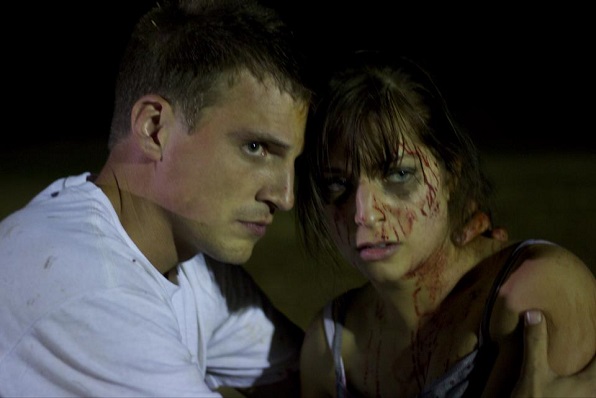
Another differentiating factor is the interweaving a naturally fearful situations: namely the custody dispute and domestic violence themes displayed by the contentious relationship that Courtney (Shannyn Sossamon) and Clint (Lea Coco) enact. Coco is chillingly convincing as a sociopathic, abusive, ex-husband. This just adds a layer to the terror, which is natural rather than supernatural.

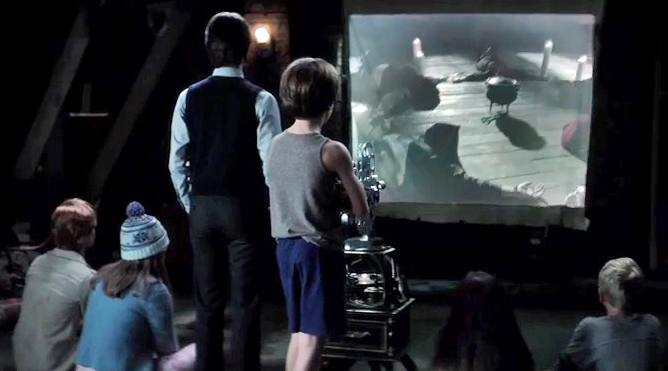
Further layering this tale is the shift in perspective from that of a terrified father (Ethan Hawke) learning of this strange, dark past through these home movies; to the children targeted to be sacrificed to and to make offerings to Bughuul. What is brilliantly left behind the curtain in the original is revealed here, and examined with results that are nearly as terrifying, and just as captivating.

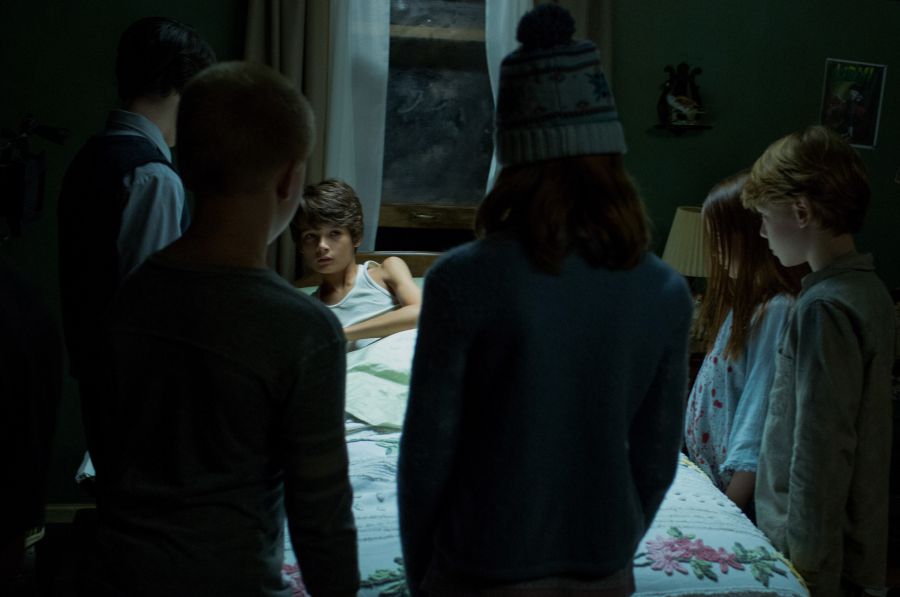
The children herein also play well on a classic horror trope: that of twins. This film differentiates itself first by making them fraternal, and secondly by having these two have entirely distinctive personalities. This is also intimated early on by one subtle fact: they do not share a room. Just having mom have separate bedtime visits in different rooms and talk to each about the other makes an immediate statement.

Sinister 2 (2015, Universal)

Having the children be more the focus means they have to a little more this time around than just look the part of scary ghost or unfortunate victim. Starting with the twins played by Robert Daniel and Dartanian Sloan they are expertly cast and play their types to a tee. When necessary they emote precisely namely Robert Daniel engendering sympathy and pity, exuding fear; Dartanian on the other hand inhabits the role of bully and can strike fear, and causes shock in the blink of an eye.

Those children who are apparitions are also allowed to have their moments namely Lucas Jade Zumann as Milo who delivers the most hypnotically serpentine performance by a young actor since Frank Dillane in Harry Potter and the Half-Blood Prince.

Delving further in to the plot there are great single-scene subplots like the Norwegian Hell-Call, which I wouldn’t mind seeing a whole spinoff film about, and also the clever excision of Vincent D’Onofrio’s character. Granted it was likely due to scheduling more than anything else, but it works and leaves the door open for a return if needed.

Sinister 2 (2015, Universal)

Coincidentally, I saw Sinister 2 with the same large group of friends as I saw the first one, and it similarly caused quite a bit of discussion afterwards. When more often than not the reaction after a horror film is tepid apathy, or worse disgust (I’ll never forget the reaction at my screening to The Devil Inside); this is least one can ask for but it goes further than that.

Much but not all of what made Sinister a success was its witty retort to the standard found footage approach. However, what the Sinister films have found it seems is a mythology that it’s exploring to its fullest based on the self-assigned parameters of each film. Sinister, like the Purge, leaves fans wanting more, but in Sinister’s case it’s not a backhanded compliment but rather the highest praise.