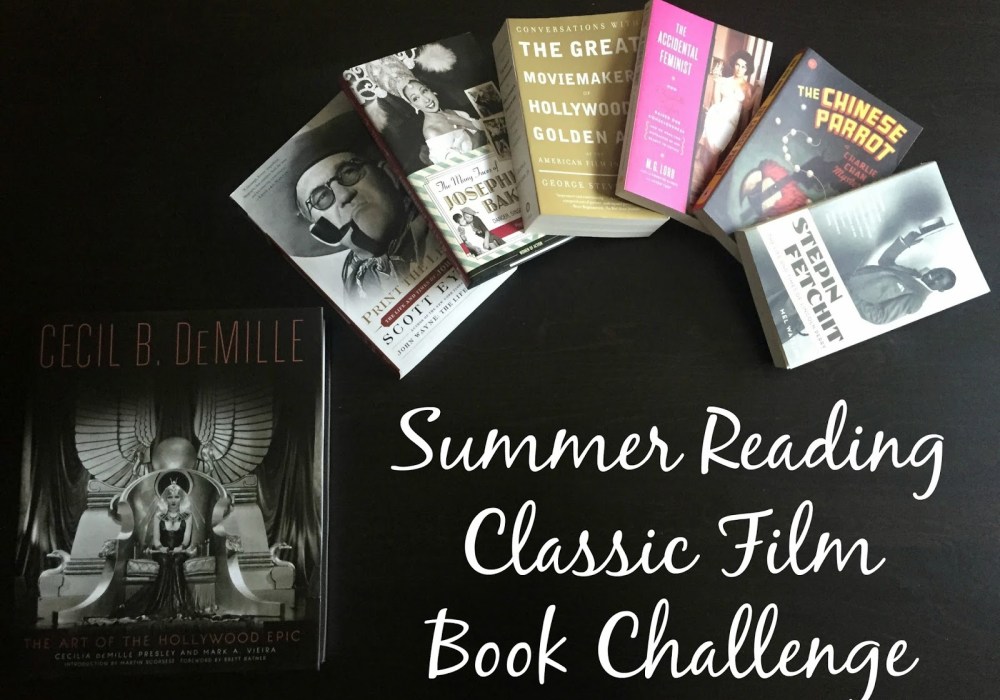
31 Days of Tales From the Crypt S:06 E:03

Hey all, my contribution to the 31 Days of Tales from the Crypt Blogathon is up! Check it out as well as some of the other fine selections on Channel Superhero. Enjoy!

Bubbawheat's avatarChannel: Superhero

Good morning creeps and creepettes, Cryptkeeper Bubbawheat back for day 22 of our 31 Days of Tales From the Crypt. Today’s rodent is none other than Bernardo Villela who is The Movie Rat where he nibbles on all sorts of film, including plenty of foreign, indie, and documentary titles. Today, he takes a look at one of the episodes that I’m entirely unfamiliar with but sounds infinitely interesting, especially for me considering I have a penchant towards time loops, or might I say a time Whirlpool.

Episode Title: Whirlpool
Original Airdate: 10-31-94

View original post 922 more words

TCM Discoveries Blogathon: A Wicked Woman (1934)

Introduction

When I first heard about the TCM Discoveries Blogathon hosted by Nitrate Diva only one film really came to mind: A Wicked Woman.

The reason is that at current it is a sort of cinematic white whale for me. I’m sure any film enthusiast knows the feeling. It’s one I’ve known at many times. in fact, it’s of the larger themes of a novel I have to get back to editing (future plug! For more current works go here.)

Probably the first cinematic white whale I had was Satantango. Now, that was a blind buy. I heard of this seven-hour film and what it was like and I had to see it. But that was a blind buy. With A Wicked Woman the story of estrangement of viewer and film is a bit different.

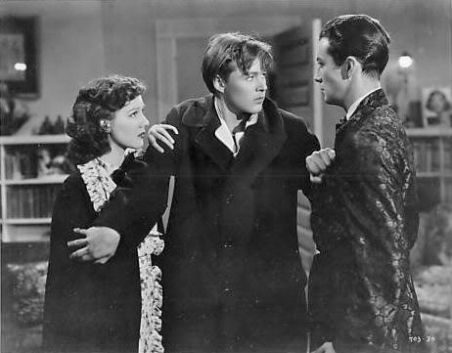
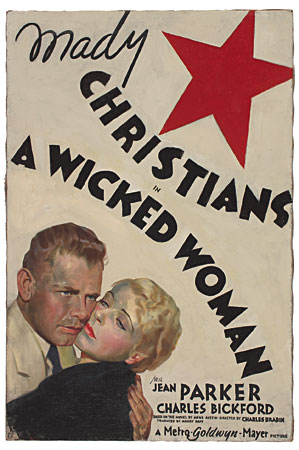
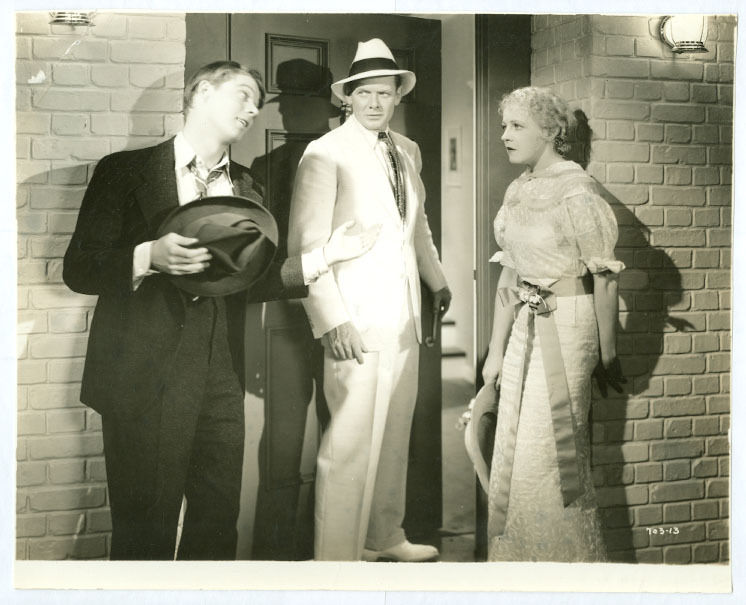
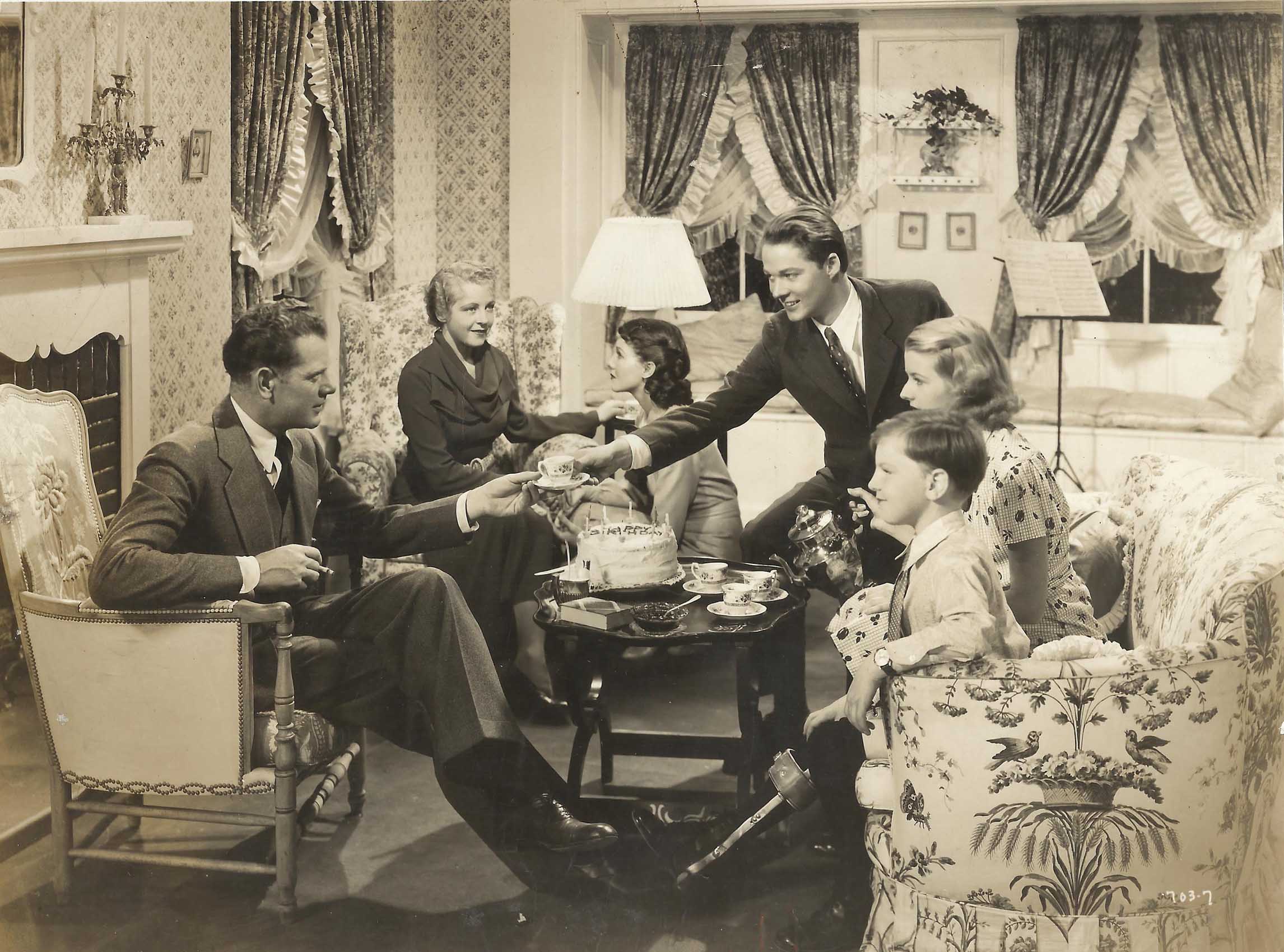
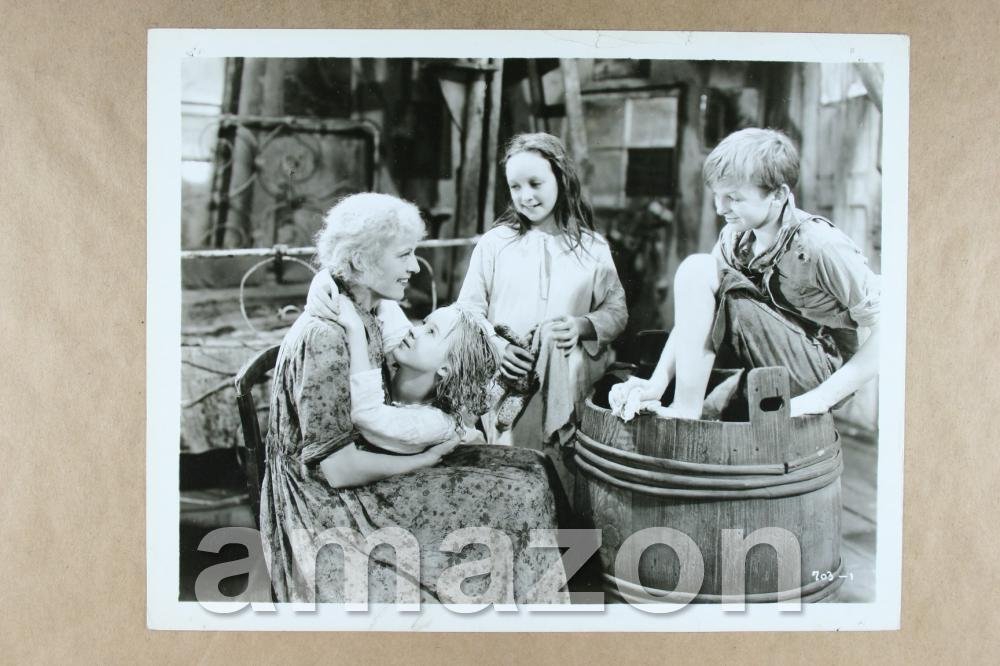
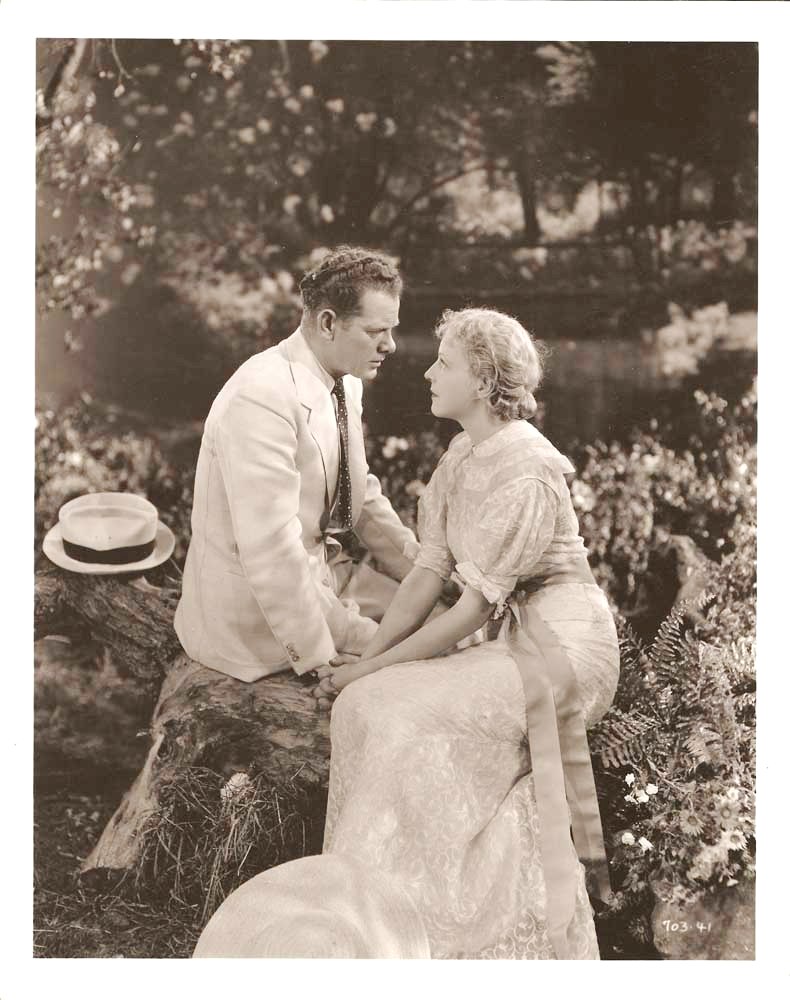
A Wicked Woman (1934, MGM)

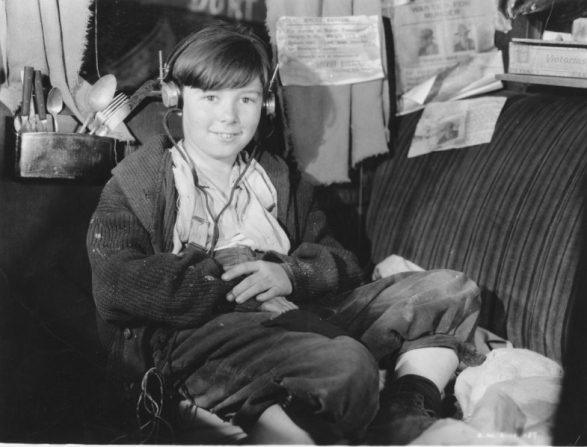
The first difference is that it’s a film I’ve seen. I believe it’s one I happened to see pop up on the schedule right before I was about to post my piece on Jackie Searl. It lived on my DVR for a while until the time came for it to be swapped out. The content could not be saved and I haven’t seen it on the TCM schedule since despite looking for it periodically and inquiring also.

Therefore, the limited availability of the film makes this a post that would also fit into my Film Activism category. I’ll get into that as well as how it may resurface again aside from TCM re-air. Clearly, I am glad TCM saw fit to air this fairly obscure title, otherwise, I would not have seen it at all.

Before getting into the journey since I saw it. A bit of what this film actually is.

Synopsis

https://www.youtube.com/watch?v=igRnA7cyWZQ

One thing I’ve discovered since this film aired is more of the wealth of information that TCM provides on its website. Even on a little-known title such as this one there is a bit of information. The first being a highly detailed synopsis. It’s complete from beginning to end. For the purpose of this post I will include only the beginning, which is a very strong open that got me hooked:

When her abusive, rum-running husband Ed storms into their Louisiana bayou shack one night, hotly pursued by the sheriff, pregnant Naomi Trice refuses to allow him to flee with their son Curtis. Determined to take Curtis, Ed knocks Naomi to the floor and tries to force his way to the boy’s bed, but is shot and killed by Naomi. After dumping Ed’s body in the swamp, Naomi gives birth to a boy, Neddie, whose leg is misshapen because of Ed’s abuse. The sheriff, whom Ed had shot while escaping, questions Naomi about her husband, but she refuses to reveal her deed. Later, she makes a pledge to God that if she is allowed to rear all of her children–Curtis, Yancey, Roseanne and Neddie–safely into adulthood, she will give herself up and pay the consequences of her crime. Naomi then moves her family away from the swamp and the still suspicious sheriff, changes her name to Stroud and eventually settles in a small Northern town.

Despite the cause of the leg abnormality, which may fall more of the category weird science than real science, there’s a lot to glom on to that makes this brisk, taut tale one worth watching: an abused wife and child easily engender universal sympathy; however, what sets this film apart is Naomi’s willingness to turn herself in when the time comes. It’s not seeking to get away but rather buying time.

The film then survives an abrupt jump in time of ten years. This is quite a feat because regardless of when it happens this can be jarring, particularly in a tale with young characters, and with so much time passing, things can change and not always for the better and the new complications don’t always work as well as the set-up.


A Wicked Woman (1934, MGM)

However, the film’s usage of secrets, and motherly responsibility, provide renewable and palpable drama and lead to a thrilling and satisfactory finale.

Backstory

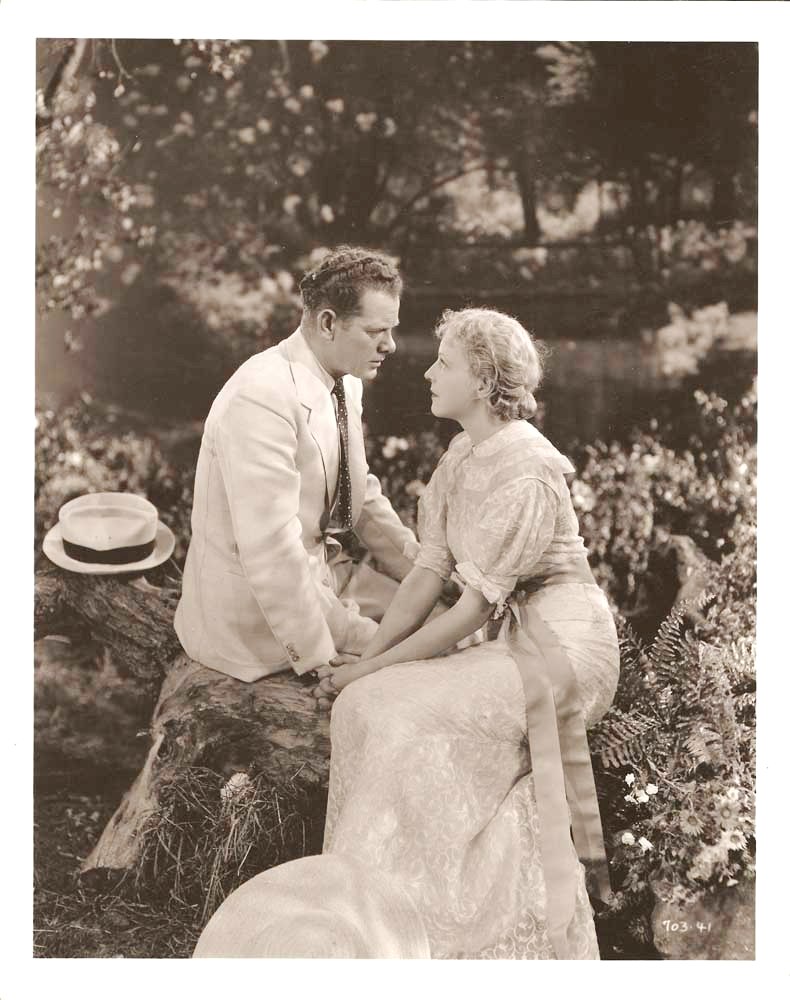
A Wicked Woman (1934, MGM)

In terms of facts outside the story there are some interesting things to note. The release date of the film is cited as being December 7th, 1934 just after the Code came in, and I agree with Cliff Aliperti’s take on its content in that regard:

Ever notice these titles released immediately after Code enforcement, those from the last half of 1934 and even into ’35, are still a bit rougher than what follows? Take away the Production Code Administration banner at the front of A Wicked Woman and I’d have thought it was a pre-Code release.

Like many films produced in that era, it was an adaptation of a contemporary novel. A Wicked Woman by Anne Austin was released in 1933 and though out of print today is cited as having been 376 pages, which makes a feature under eighty minutes that works quite a screenwriting feat.

A Wicked Woman (1934, MGM)

A review of the novel from New Books I dug up is not kind to the book overall but can’t help but praise Austin. It seems much of what the film breezes through is likely the latter half of the book which is described as:

Eventually, in the murder trial which clears Naomi, Miss Austin gets back to her own stuff, and does it very well.

Kirkus Reviews seemed more willing to give the book its due:

Melodrama, perhaps, but there is a strong human interest element which gives it dignity.

Though the film didn’t end up being one of the highest grossing films of 1934 (Per reports it failed to earn back its budget) or land on any lists it was a popular enough book for MGM to option and adapt in short order.

Here are some notices for the film that I found. First from Movie Mirror:

“This tough drama shows a mother struggling to raise her four children alone so that they will be able to survive without her, sacrificing her feelings to instill firm discipline.”

The New York Times recognized in it some of the contrary to the melodrama aspect that make it work, namely Mady Christians in the lead:

Yet Miss Christians wades into this ponderous drama with such genuine sincerity and skill that it becomes not only credible, which is a feat in itself, but impressive and considerably touching as well. Somehow in its description of Naomi’s latter-day household, the children growing up into the pangs of adolescence while the mother watches their development with patient and self-effacing pride, the photoplay comes to have a surprising freshness and conviction. Always you are aware that the work is marshaling all its forces for an unashamed assault upon the tear ducts, but you also discover that its assault is a success, and you find yourself helplessly engrossed in this woman’s courage and devotion. In addition to Miss Christians’s virtuoso performance, there is an almost flawless cast to assist her.

Other Info and Searches

A Wicked Woman (1934, MGM)

Also available on TCM’s site that is of note is that three different running times are listed 71,74 and 76. I’m not sure if this means there was content cut but I believe the one TCM aired was the longest such cut.

When available I’ve requested airings, tried to set reminders, and shown interest in a DVD.

TCM also provides this background information I only found there:

Although reviews claim that Mady Christians, a well-known German stage and screen actress who had worked at Ufa’s Berlin studios, made her American screen debut in A Wicked Woman, modern biographical sources note that Christians actually had starred in a 1916 American film, Audrey, under the name Margarete Christians (see AFI Catalog of Feature Films, 1911-20; F1.0179). Christians moved to the United States in 1933 to escape persecution by the Nazis. Her most celebrated role was as the title character in the 1944 Broadway play I Remember Mama. Shortly before her death in 1951, Christians was blacklisted by the Hollywood community for her reputed involvement with the Communist party.

A Wicked Woman was screenwriter and actress Zelda Sears’s last film. She died on February 19, 1935. According to a Hollywood Reporter news item, Sears, who occasionally appeared in pictures she scripted, had been reluctant to act in this film. Early pre-production Hollywood Reporter news items announced first that William K. Howard was to direct Helen Hayes in the film, and then that Clarence Brown was to direct Hayes and Lee Tracy. None of these directors or actors worked on the production, however.

A Hollywood Reporter pre-production news item announced that Erskine Caldwell was assigned to write dialogue for the film, but his contribution to the final film has not been determined. Hollywood Reporter production charts add Benny Baker and Joe Twerp to the cast, but their participation in the final film has not been determined.

Although Hollywood Reporter news items announced that Christians was to sing “In the Hash,” a “novelty song” by Burton Lane, as well as “Swing Low, Sweet Chariot,” the only song actually performed in the movie was Lane’s “In Louisiana,” which was sung by an all-black group.

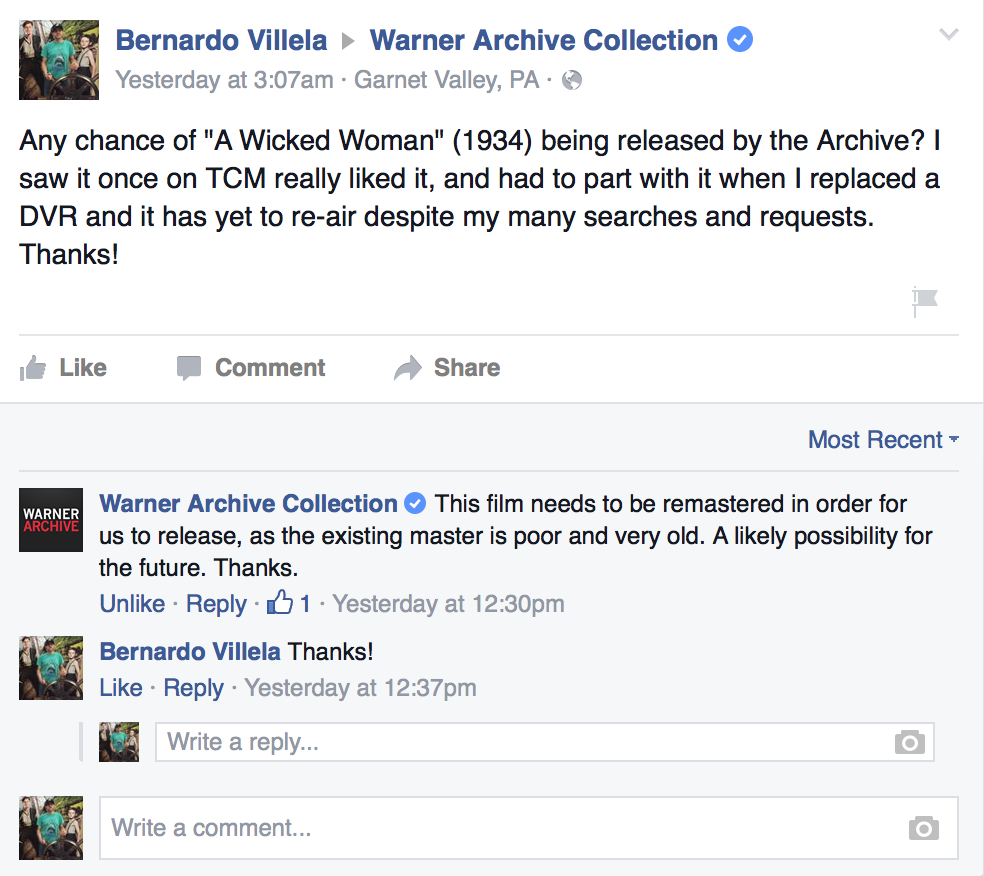
I also recently bugged Warner Archive about it this film. Firstly, to confirm that it was one in their purview. It is:

Then I proceeded to inquire on Facebook;

WickedWomanComment

So it’s a possibility that this film will be released by the Archive eventually. Therefore, I recommend that if you’ve seen it you like the post, or comment it, if you haven’t be on the lookout on TCM as it may pop up again.

Conclusion

A Wicked Woman (1934, MGM)

Quite frankly finding films like A Wicked Woman is what TCM is all about to me. Some classics are so universal and immortal if you love movies enough you’ll find a way to see them. A channel like TCM will bring you the things you may not have even known existed much less thought to see, and that’s a great thing.

William Wellman Blogathon: Night Nurse (1931)

Introduction

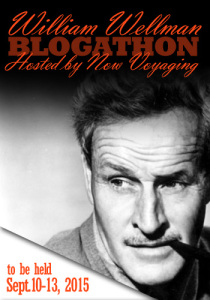
This is a post for the William Wellman Blogathon hosted by Now Voyaging.

Night Nurse is a film that I would not have heard of if not for my reading Pre-Code Hollywood. Having read that I decided to get the Forbidden Hollywood volume that featured the highest number of intriguing-to-me titles on it. One of the foremost of those films to seek out was Night Nurse directed by William A. Wellman.

Perspective on Wellman from One of His Actors

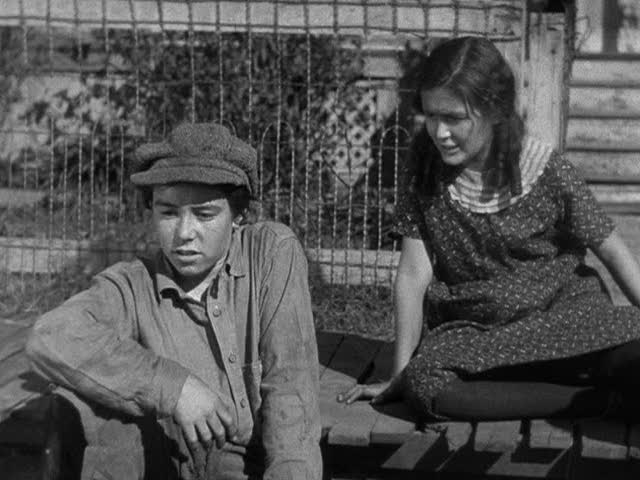
The Public Enemy (1931, Warner Bros.)

Frank “Junior” Coghlan in his autobiography They Still Call Me Junior discussed Wellman based on his experience with Wellman on The Public Enemy, and it’s quite insightful:

This unusual man had the nickname of “Wild Bill,” which was pinned on him while he was a World War I fighter pilot in the Lafayette Escadrille, the elite group of American aviators who flew under the French flag before our U.S. Army Air Corps was formed.

I believe his nickname was earned because of his daring exploits in the air and from his equally foolhardy antics at the squadron bar after fighter planes were in the hangar for the night.

Wellman was credited with being an ace with this group and the war time experience gained there stood him in good stead when he later directed the blockbuster aviation film Wings.

He broke into motion pictures as a juvenile actor working in The Knickerbocker Buckaroo with Douglas Fairbanks in 1915. From that single acting role he knew he wanted to be a director. He then went to work for the Fox company as a property man and worked himself up to the position of assistant director in a period of four years. B.P. Schullberg, then producing independently for Paramount, gave him the first opportunity to direct.

The multitalented man also directed such diverse films as So Big with Barbara Stanwyck and The Call of the Wild with Clark Gable, Loretta Young, and Jack Oakie. In 1937 he wrote and directed the first, and I think by far the best, production of A Star is Born. This was the version that starred Janet Gaynor and Frederic March, for which Wellman won the Academy Award for his collaboration on the original story.

Wellman had a way of looking right through you, with one eyebrow cocked, as he directed, yet at times he could be very tender. In many ways he reminded me of my early days director hero, Marshall “Mickey” Neilan.

So Wellman, albeit for a short while, was a young actor which is interesting to note as in both his credited and uncredited work he did direct children on a few occasions: the aforementioned The Public Enemy, Night Nurse, Wild Boys of the Road, Viva Villa, and The Adventures of Tom Sawyer, to name a few.

Also interesting to note was that his final film was Lafayette Escadrille. Fitting.

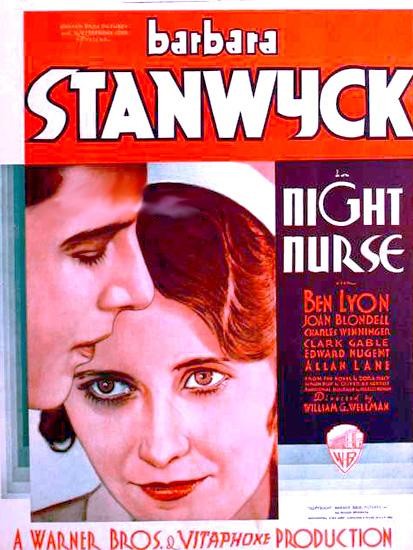
Night Nurse (1931)

Night Nurse (1931, Warner Bros.)

As for Night Nurse, the aforementioned Pre-Code Hollywood offers a good introduction to it:

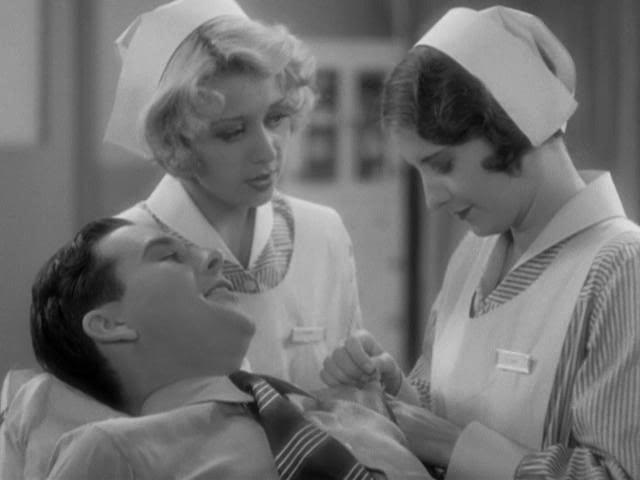
The uninhibited Night Nurse is the most cynical of the pre-Code excursions down hospital corridors. Directed by William Wellman from the novel by Dora Macy, the medical melodrama follows the rounds of spunky nurse Lora Hart (Barbara Stanwyck), who uncovers a plot by a wealthy society doctor to starve two children to death in order to seize their trust fund. Along with evil chaffeur Nick (Clark Gable, clad in black), the doctor keeps the mother hopped-up on drugs (“I’m a dipsomaniac and I like it!”). Medical ethics are elastic: Lora first meets her bootlegger beau Mortie (Ben Lyon) in the emergency room and agrees not to report his bullet wound to the police. At no point does a cop or judge appear; at no point does it occur to anyone to turn to the authorities for justice. The single force for moral order is the likeable Mortie, the bootlegger, who in the last reel nonchalantly informs Lora that Nick “has been taken for a ride.” The startling coda repays the montage that began the film, the screeching sirens of an ambulance rushing a dead-on-arrival victim to the emergency room. The supine passenger is Nick, the chauffeur, his capital punishment administered not by the law but by the criminal.

Night Nurse is more concerned with telling a story that’s one where the lesser-of-evils wins out, than some of its more Male Gaze-focused lascivious scenes. But much to the chagrin of the Code crime does pay and the justice system is scoffed at to an extent. The bootlegger becomes and aid to rescuing the children.

One of the final ticking clocks in this very brisk film is the need to get the endangered children a transfusion. This the nurse takes upon herself after finding serious lack of ethics and immorality in the medical profession thus far counterbalanced by exaggerated bureaucracy.

Conclusion

Night Nurse (1931, Warner Bros.)

As dour as this film may seem it’s counterbalanced by the innocent hero who still believes in justice and doing what’s right regardless of the circumstance. She’s however not a stickler for the rules, going back again to her meeting the bootlegger.

Even in the film’s opening montage, after a POV shot from the inside of the ambulance, is a tracking shot around the inner-workings of a hospital, it’s a true melting pot where people of all walks of life including a Chinese family wherein it seems only their boy speaks English. It sets out from the beginning to tell a small story of greed (an anti-capital slant during the Depression, especially in the Pre-Code era was not unusual) wherein good can triumph in the often seedy societal tapestry portrayed.

In Wellman’s crowded 1931 filmography (five, count them, five releases) this film and The Public Enemy were consecutive titles. So not only are Coghlan’s insights from around when this film was made but they make an interesting pairing as they tell a tale of the underworld in a society turned on its head. The moral ethical dilemmas here are more prevalent but the criminal activity is still present.

Summer Reading Classic Film Book Challenge: Writing Vampyr by Carl Theodor Dryer, Christen Jul, and Sheridan Le Fanu

Introduction

The final book that I selected for the Summer Reading Classic Film Book Challenge was actually a back-up option. In scanning my unread titles two that slipped through the cracks were books that were included as supplemental features on Criterion Collection releases. And by books I don’t mean booklets, which are standard, but actual paperbacks which are rarer.

A Side Trip

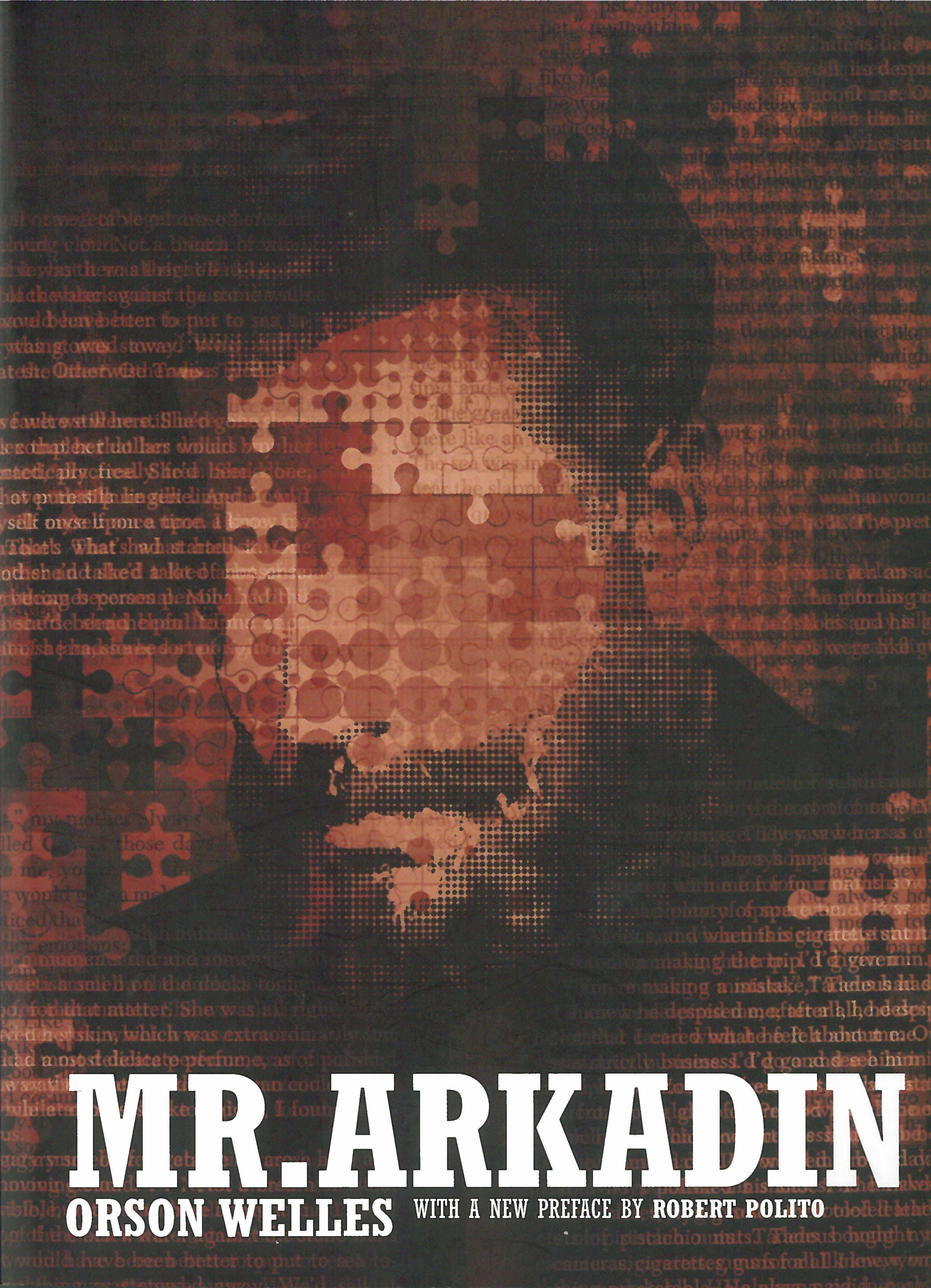
Mr. Arkadin (Criterion)

The first book I tried to read was Mr. Arkadin by Orson Welles. This is the novelization of Welles’ script, alternately called Confidential Report. I saw the four cuts of the film in a weeks’ time therefore decided to wait on the book. While the story of the strange nature of this novel, which ran serialized in France, and was later translated back into English presumably making it less than Welles original version (again!); I lost interest as it read slow and I was juggling a few other books. It’s a rare case of my successfully enacting the Brautigan Rule, as described by Stephen King in Hearts in Atlantis (the character Ted Brautigan encouraged Bobby to read more by moving on to another book after it’s 10-20% read if he’s not interested). I may come back to it, but not right now. Maybe next year if the blogathon returns.

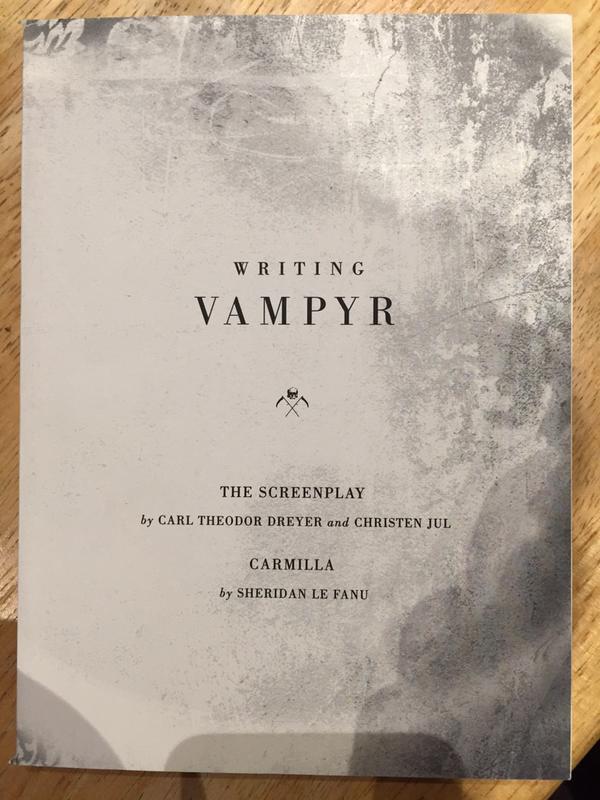
Writing Vampyr (Vampyr by Carl Theodor Dreyer and Christen Jul and Carmilla by Sheridan Le Fanu)

Writing Vampyr (Criterion)

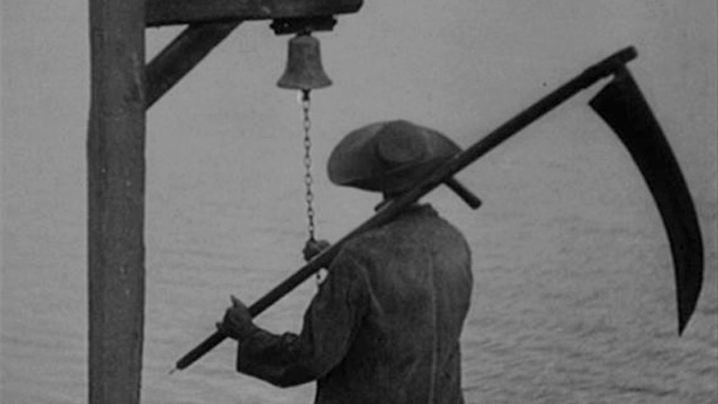
What I decided on was Writing Vampyr, which was included in Criterion’s release of Vampyr (1932). This seminal vampire film is often overlooked in part because it has neither the flash of German Expressionism nor the iconic makeup work of Nosfertau. Yet Vampyr as an early sound film still is built mostly on imagery and is not a locked-down camera early sound film.

This book is composed of two texts: the original screenplay by Dreyer and Jul and the novella from which it draws quite a bit of inspiration, but is not a literal adaptation of, Sheridan Le Fanu’s Carmilla. The fact that these two titles work more like companion pieces than identical texts makes this a very enjoyable reading experience.

As for the screenplay, I can’t help but feel it actually contains a better vision for the story than the film does. It’s what would have qualified as a “great flawed film” in Truffaut’s parlance as the script wasn’t entirely feasible to shoot due to technological restraints at time as well as budgetary ones. Full credit goes to Criterion here for including the full text denoting in two different ways what was excised from the script and when in the process of pre-production. As I touched upon in my Ingrid Bergman Blogathon post, both time and country play a role in dictating screenplay form, and it is ever-changing. With the amount of prose in the script it really is like reading two novellas. And that should ingratiate it to the uninitiated in screenplays.

Vampyr (1932)

If Sheridan Le Fanu’s Carmilla intrigues you the collection from which it is culled, In a Glass Darkly, can be found digitally online for free. As for Carmilla itself it should be of interest simply for all the adaptations its inspired like The Blood Splattered Bride, Twins of Evil, Let’s Scare Jessica to Death, Lust for a Vampire, Vampire Lovers, Crypt of the Vampire, Blood and Roses, and more.

What was surprising is that the introduction cited the story as having undertones of lesbianism, but for the time in which it was written it seemed rather overt. I can only imagine that maybe it read more as an undertone back then because the phrase “the love that dare not speak its name,” had not been coined.

The language, as per usual in the Victorian era in my estimation, is brilliant, yet  here concise and not overly-florid such that it obscures meaning and intent. It’s also a relief to read things described in detail anew as the sparsity of modern description can leave one wanting on occasion.

These two pair beautifully together and truly demonstrates the elasticity that film has when adapting the written word.

Summer Reading Classic Film Book Challenge: They Still Call Me Junior by Frank Coghlan, Jr.

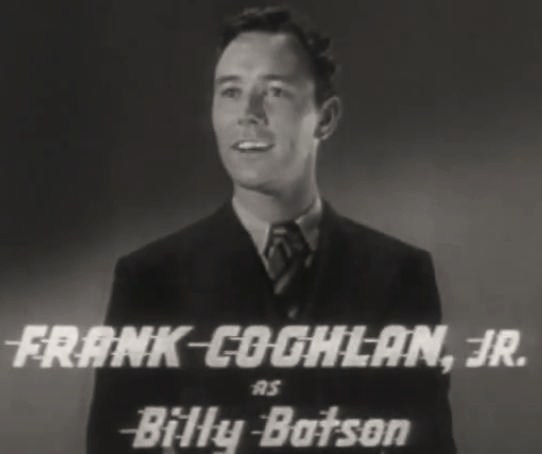
In 2009 Frank Coghlan, better known by his screen name Junior Coghlan, died. At that time I wrote an In Memoriam for him on the Site That Shall Not Be Named. Owing to the fact that I was looking for new material, and obits tend to be topical, I never re-published it here on The Movie Rat.

Adventures of Captain Marvel (1941, Republic Pictures)

It seems appropriate to do so now as it makes a perfect jumping off point for discussing this book:

Frank Coghlan Jr., who was a child actor in the silent film era passed away quietly last month of natural causes at the ripe old age of 93. He was the kid who brought the phrase “Shazam!” into the American consciousness and played Captain Marvel later on in a serial, the pre-transformation Captain Marvel.

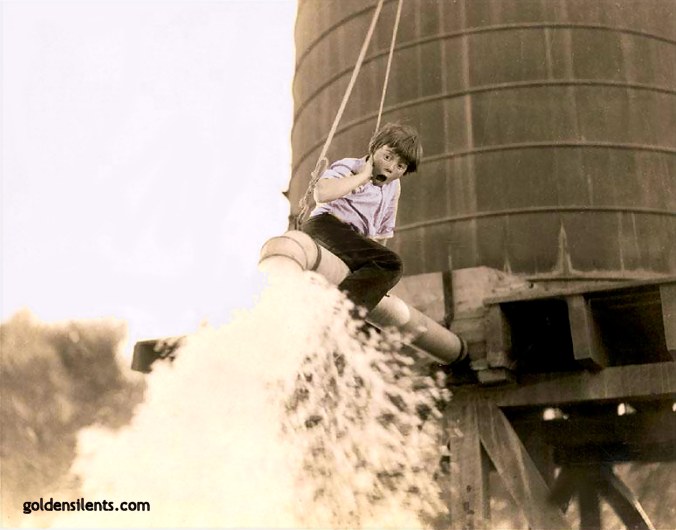
He started at the age of three appearing in a Western serial called Daredevil Jack. He was typically credited as Junior Coghlan and left his mark indelibly in this chapter play Bruce Goldstein, Director of Repertory Programming at New York’s world famous Film Forum lauds it “It’s considered by many aficionados as the best cliffhanger serial of all time,” and continues saying “What a great fantasy for kids: a kid who turns into a superhero.”

Leonard Maltin puts Coghlan’s place in history further in perspective by saying “If you went to the movies in those days, you couldn’t help but know him, even though he was never a major star,” which, of course, places his importance in as much as he made up the tapestry of cinema when films and movie stars whether A-List or not where a part of American culture and something everyone was well versed in.

In 1925 legendary director/producer Cecil B. DeMille signed him to a five-year deal on the strength of his publicity stills. Another small yet important role he had was as the young James Cagney in Public Enemy.

Yet it is Captain Marvel and “Shazam!” for which he is most remembered. For many who toil and seek a serious dramatic career a singular, ubiquitous role, one to which they are always associated can be a burden and later on even a regret and something they seek to forget. Coghlan frequented conventions and seminars in his later years and was always pleased when people recognized him or came to see him. So appreciative was that according to Leonard Maltin he even personalized his license plate to read “Shazam.”

Some people in entertainment don’t realize their good fortune and look a gift horse in the mouth. Frank Coghlan, Jr. was not one of those people and now left with only memories of classic film moments it is we, the film fans, who didn’t know how lucky we were.

Rubber Tires

I cannot say for certain how many of his films I had seen at that point. The Adventures of Captain Marvel was definitely one of them. While in my limited experience I can’t say I agree about it being the very best serial, it is a superlative one. I was impelled to write that obit based on the one the New York Times wrote for him. It was touching to me that he still held that experience dear rather than feeling embittered that he was still identified by that work no matter where life took him.

Since then I have seen quite a few more Coghlan films, and may see more yet. Some of these include titles from when he really was a kid, as he was in his twenties when he made The Adventures of Captain Marvel. I liked him as a performer, and still with that obit in mind I was curious to read his biography.

Like many books and films do it languished on my Amazon Wish List for years. Due to this blogathon, I returned to Amazon resorted the used offers and found a cheap one.

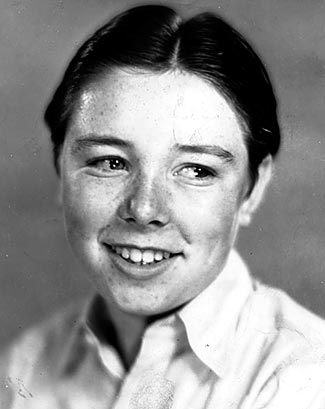
Junior Coghlan

Even more so than with prior reviews in this blogathon I do not want to spoil the surprises in store in this book. There are 76 chapters, most of them quite short, wherein Junior regales you with stories in  what sounds simply like him speaking (as promised in the introduction by William C. Cline). He tells tales from sets, his home life, of other stars, of friendships, transitioning to sound, secrets of the silents, how he continued to work around films, Navy life, family life, other work, and more.

Ultimately, this book, published when he was 74, reinforced that warm and fuzzy feeling that I got reading about how fond he was of his most famous work. Not that he sugarcoats things, or doesn’t relate some sadness, but none of it was a horror story and lamenting the Hollywood system.

Now, while Junior did know Jackie Cooper and Mickey Rooney, in young actor terms he was a generation older so maybe not being pre-pubescent during the Depression and not in a big studio helped, but he still made it OK and recognizes it. Like Ingrid Bergman whom I just wrote, about he freelanced after a five-year deal and in the studio era that’s unusual.

Junior Coghlan (BFI)

There is much to like here, and much to learn, as with any autobiography, or work on film, you won’t agree with 100% of the opinions espoused but it is an interesting, fact-filled journey with a handy, lengthy filmography that should help you track down titles.

It’s very enjoyable overall and worth looking for if interested.

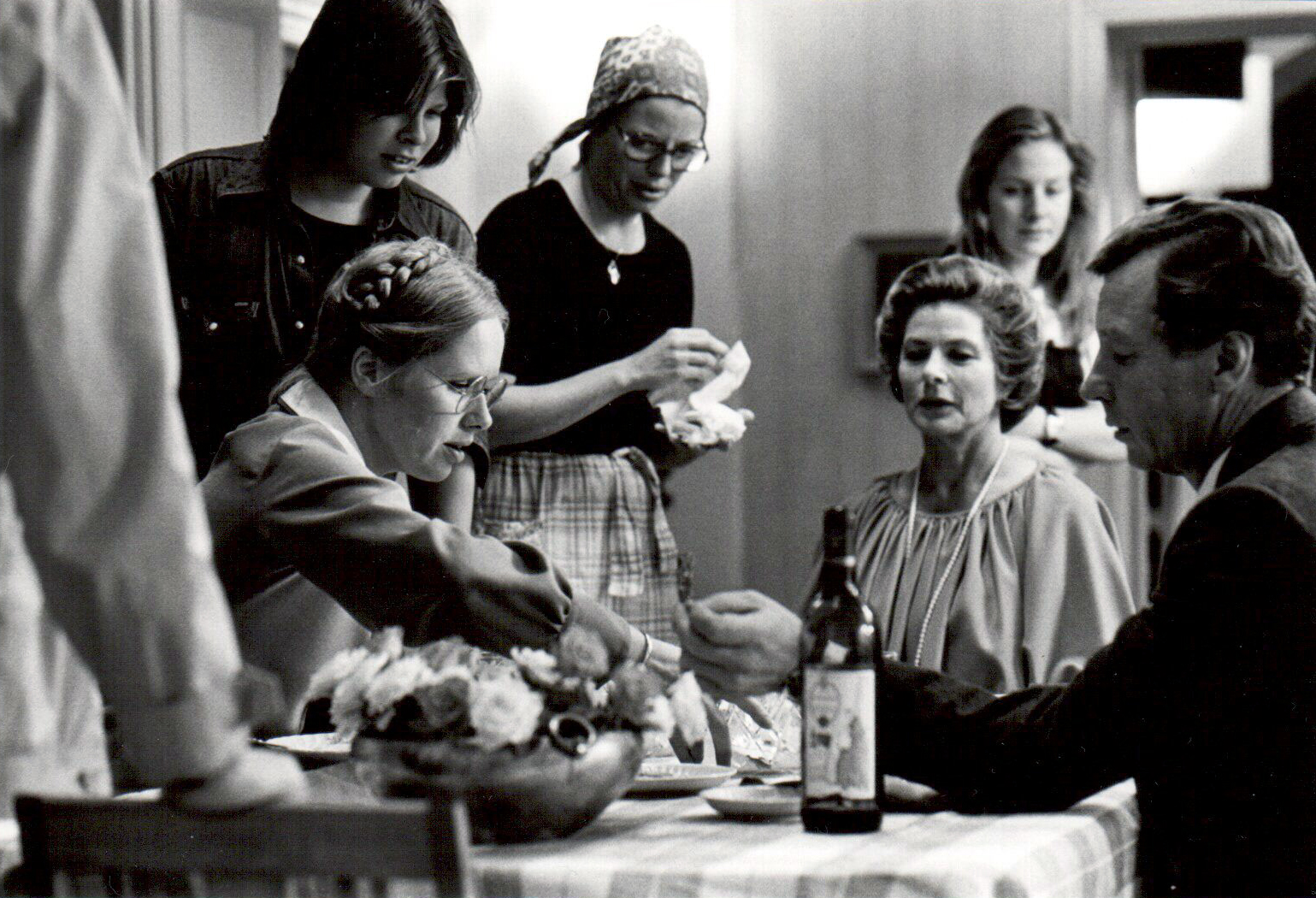
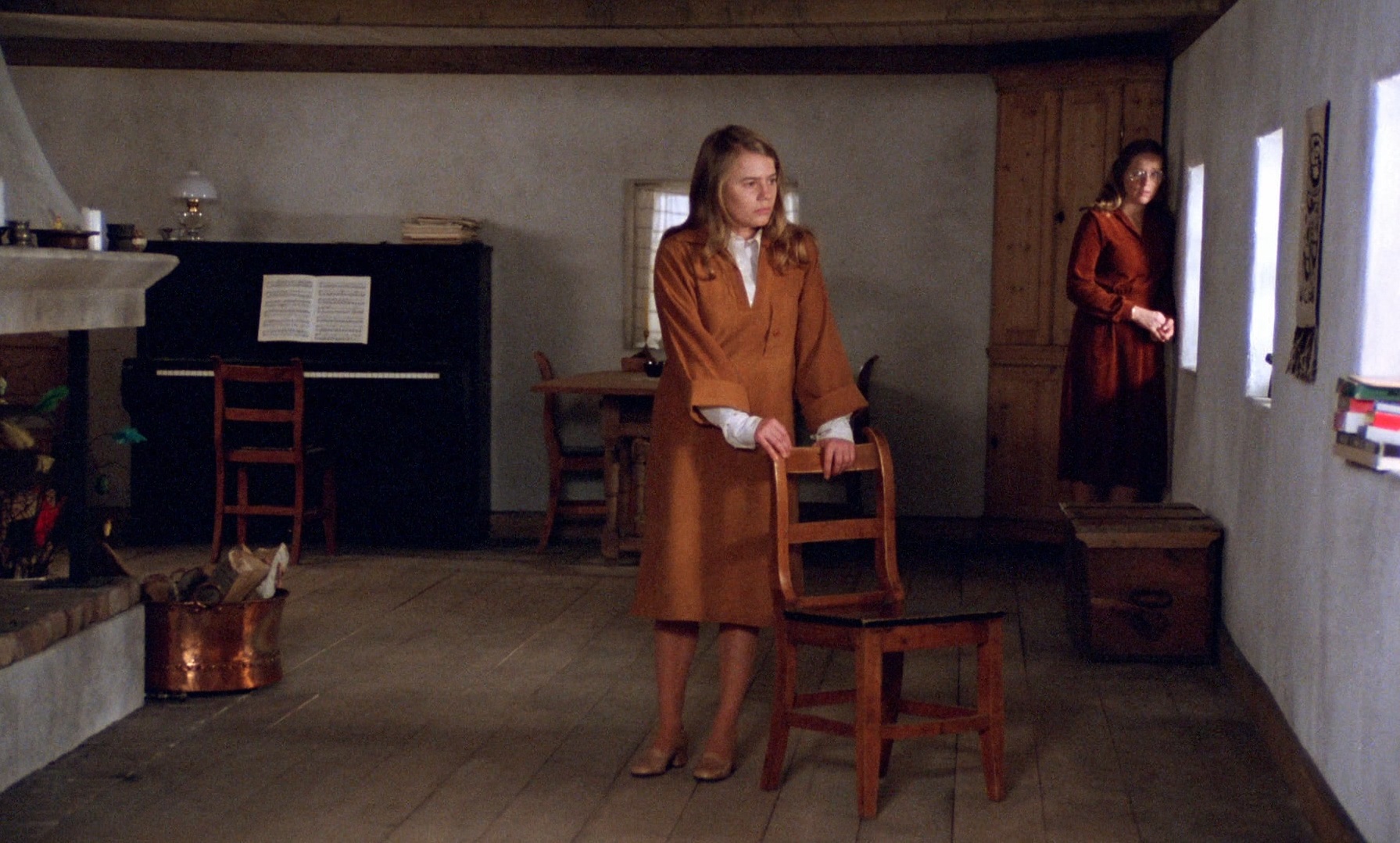
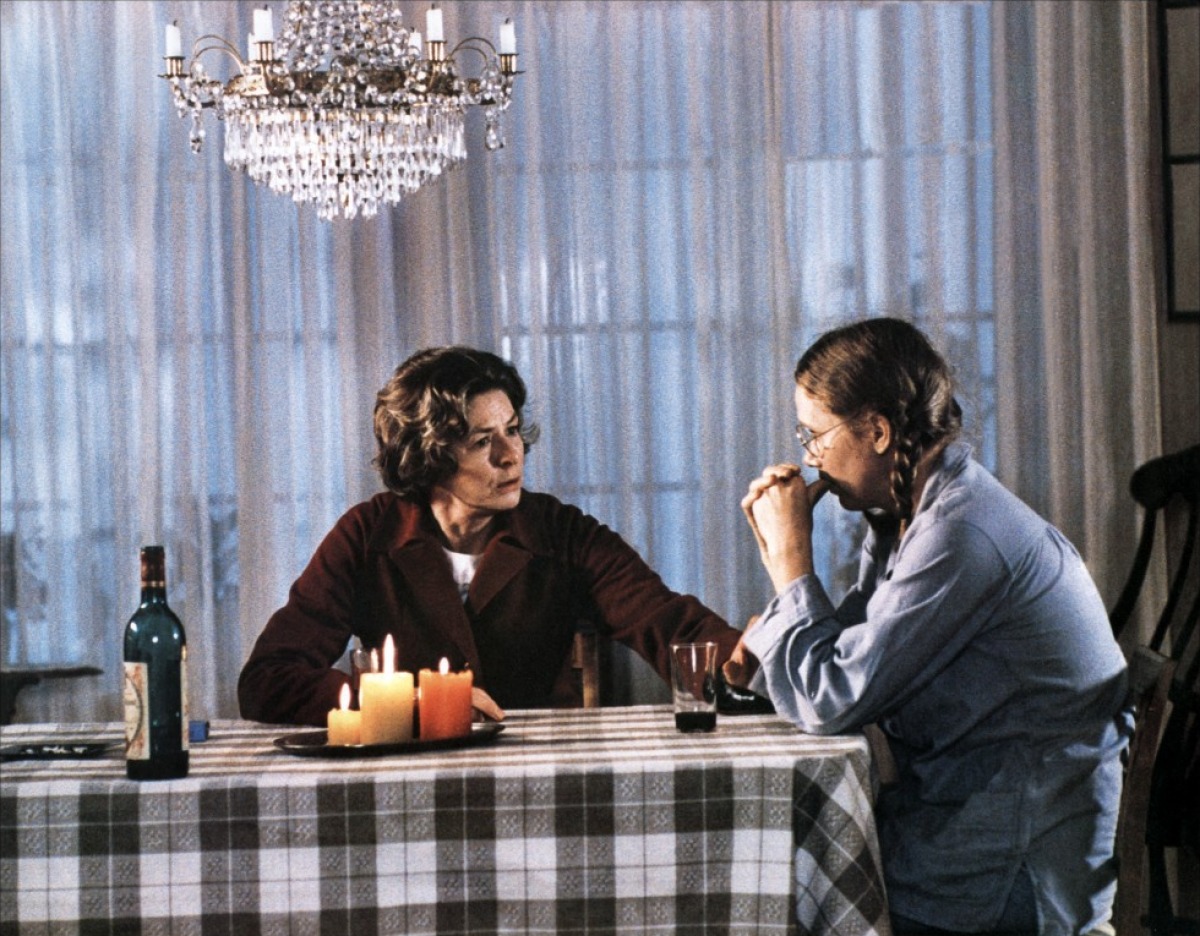
Ingrid Bergman Blogathon – A Tale of Two Bergmans: Autumn Sonata (1978)

Introduction

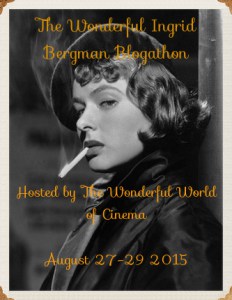
This is my, sadly late, contribution to the Ingrid Bergman Blogathon hosted by The Wonderful World of Cinema.

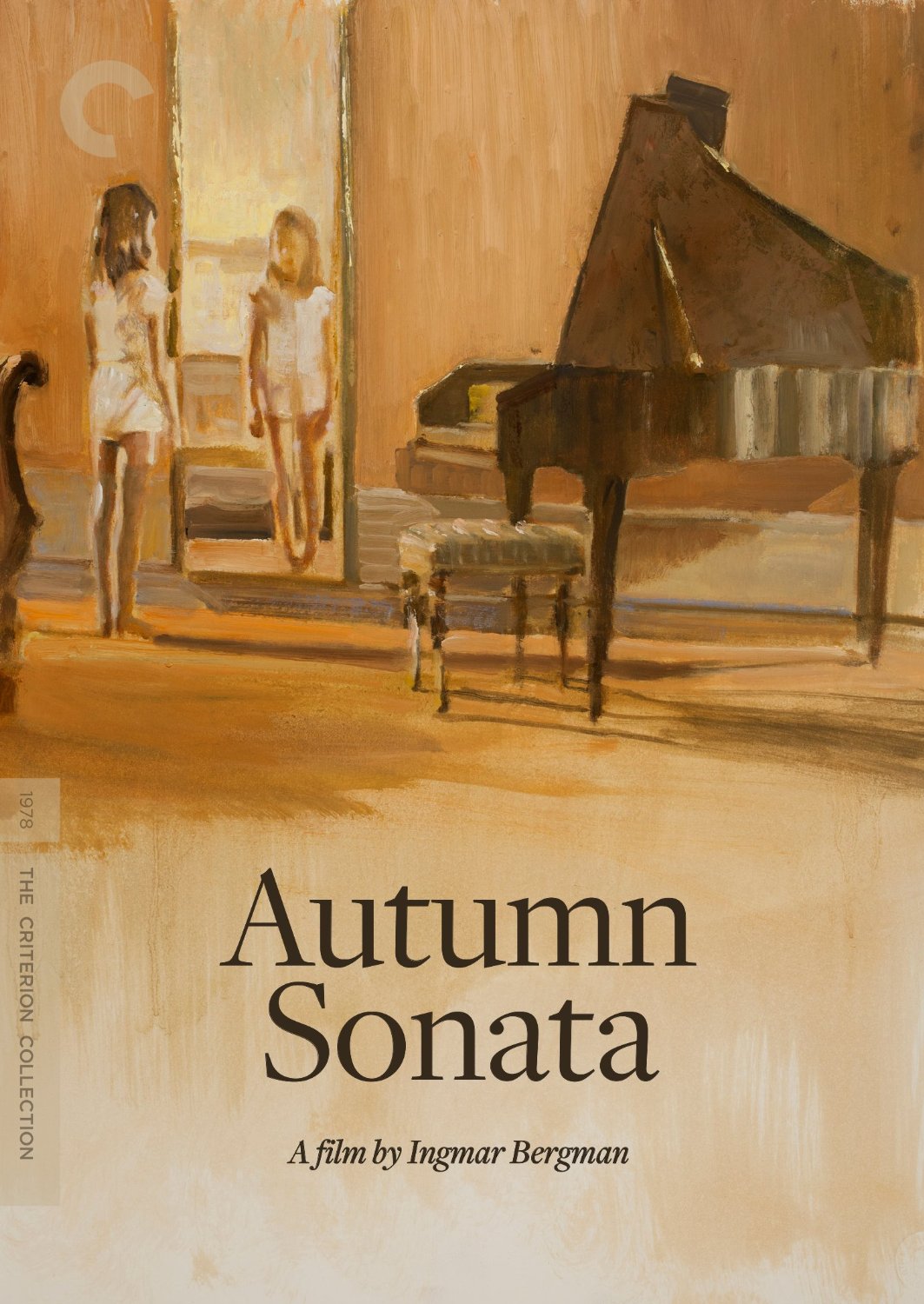
When I saw this announced I knew there was only one selection I could really make. Granted my recent Blogathon contributions about Images by Ingmar Bergman, and Interviews: Liv Ullmann, combined with my recent acquisition of the Autumn Sonata Criterion edition made it a natural choice.

However, this is a film I loved since I first saw it, and one of the rare Bergman films I saw in the theatre first. This was thanks to a retrospective the Film Forum had a while back.

So with the new Blu, the supplements, and all the other sources I could cull from, it really did open up a world of new insights into the making of this wonderful, heart-wrenching film.

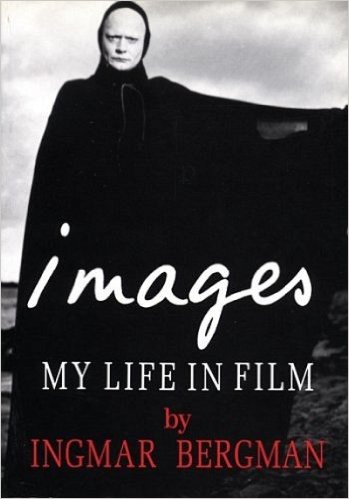
Images: My Life in Film by Ingmar Bergman
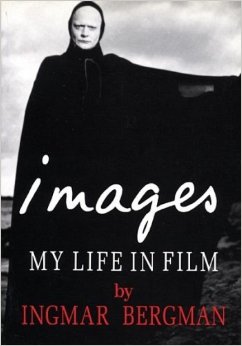
Images: My Life in Film (1995, All Rights Reserved)

As I stated previously, Bergman’s book Images is perhaps a better source for his notions of his work as he had the benefit of hindsight and didn’t have as close an emotional attachment to the material, and whatever emotional scars production may have left faded over time.

It’s always fascinating to get into the creative process. Bergman shares much of his for this film. He states “Ingrid Bergman and Liv Ullmann were necessary for Autumn Sonata.” As the idea was born first that he wanted to work with Ingrid, then as this idea occurred to him it seemed it was the perfect vehicle. And it was.

Much as Stephen King describes the construction of The Langoliers, Bergman speaks of how easily the story seemed to flow from him: “Autumn Sonata was conceived in one night, in a matter of hours, after a period of total writer’s block.”
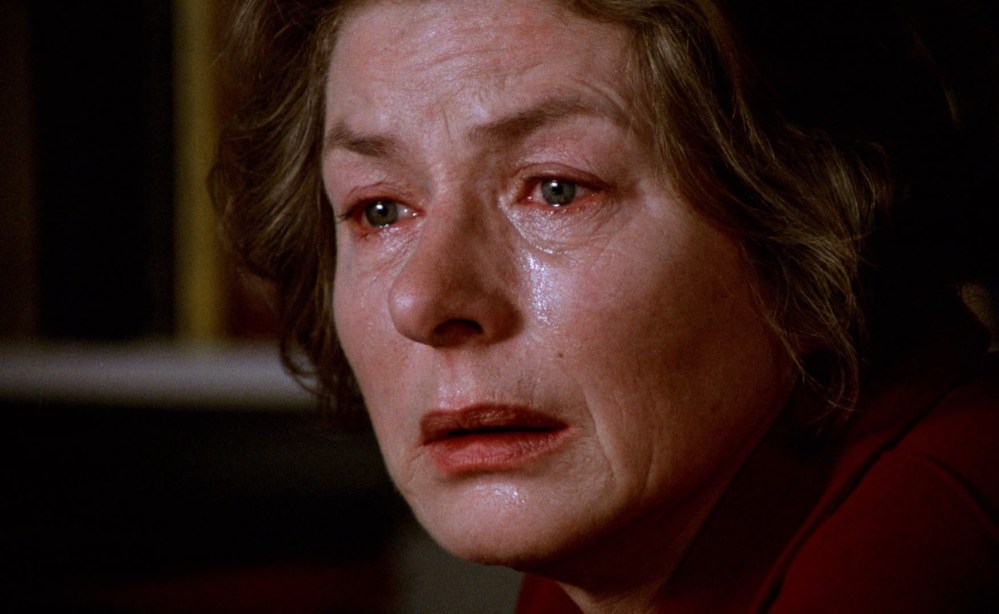
Autumn Sonata (1978, All Rights Reserved)

It came about in manner not dissimilar to Robert Rodriguez’ theory about obfuscating what film is in fact a director’s second. With regards to Autumn Sonata Bergman stated:

I wanted to have something up my sleeve in case The Serpent’s Egg flopped with a somersault.

The title of the film makes sense as per the dictionary definition of sonata:

noun, Music.

a composition for one or two instruments, typically in three or four movements in contrasted forms and keys.

Bergman similarly wanted to limit the number of characters in the drama:

“Ingrid Bergman and Liv Ullmann in the two roles, and no one else. Eventually there may be room for a third character.”

In terms of major speaking roles he succeeded in this aim. In production many of the alluded to flashbacks do occur giving bodies, if not voices to those characters.

Bergman speaks of how he feels ultimately the film was a failure due to the fact that “A French critic cleverly wrote that ‘with Autumn Sonata Bergman does Bergman.’ It is witty but unfortunate. For me, that is.” He felt this was accurate going on to further state that:

“I also feel that Tarkovsky started to make Tarkovsky films and Fellini began to make Fellini films. Yet Kurosawa never made a Kurosawa film.”

“Has Bergman begun to make Bergman films? I find that Autumn Sonata is an annoying example.”

“Had I had the strength to do what I intended at the beginning, it would not have turned out that way.”
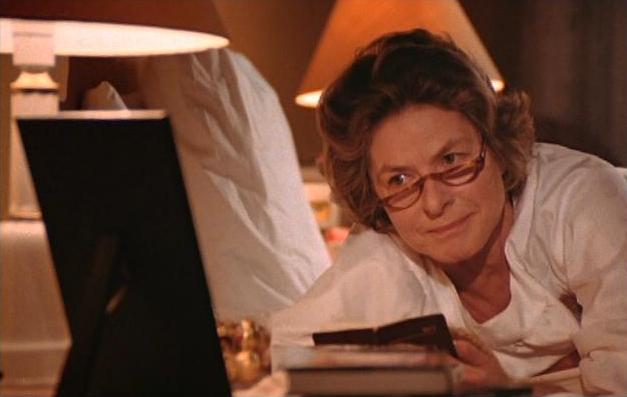
Autumn Sonata (1978, All Rights Reserved)

On the results Bergman states the following:

“It is impossible to discern how a film evolved and why it ended up as it did.”

“Why did I choose this story, and why was it so complete? It was more finished in the outline than the execution.”

“The daughter finally gives birth to the mother. Through this reversal they unite for a few brief moments in perfect symbiosis.”

“The idea that Helena gives birth to her mother is a difficult one to convey and one which, I’m sad to say, I abandoned.”

In that quartet of statements we see the struggle of creation. It is a bit of a wonder that Bergman simultaneously complains of the film being too Bergman but complains of this inability to create a symbiosis of character in this film. A symbiosis which would undoubtedly cause instant comparison to Persona.

In one way it reminds me on the latter chapters of Hitchcock’s Notebooks where later in his career Hitch seemed to be getting overwrought and unable to clearly to convey to his leads who the characters were. Here the result is clearly one of superior quality, and one of the Best in Bergman’s career in my estimation, but the statement does represent a kind of disconnect. Had he attempted and succeeded in having the daughter birth the mother it would’ve been even more Bergman than the French critic initially cited, yet somehow more successful. Certainly it points to that uncertainty in his feeling that it had failed for unknown reasons.

Autumn Sonata (1978, All Rights Reserved)

Ingmar made it clear he felt he hung Liv out to try in order to better manage Ingrid. I don’t necessarily agree with these statements but here were his impressions:

“I was difficult to work with these two actresses together. When I look at the film today, I see that I left Liv to shift for herself when I ought to have been more supportive.”

“In a few scenes she sometimes goes astray”

What made Ingmar need to dedicate so much additional attention to Ingrid. His own words on the matter are as follows:

“The idea was rekindled when “at the screening of Cries and Whispers she had snuck a note in my pocket which she reminded me of my promise that we would work together.” One of the things they first discussed was bringing “Hjalmar Bergman’s novel The Boss, Mrs. Ingeborg to film.”

The ideal to Bergman: “Three acts in three kinds of lighting: One evening light, one night light, and one morning light. No cumbersome sets, two farces, and three kinds of lighting.

“Therein lies an emotion that I was not able to realize and carry through to its conclusion.” “That is an unerring symptom of creative exhaustion, exceedingly dangerous because it doesn’t hurt.”

Autumn Sonata developed as it did and Ingmar said of Ingrid: “I did not have what one would call difficulties in my working relationship with Ingrid Bergman” but a “kind of a language barrier, but in a profound sense.” Meaning that after the table read, and through the first few days of production he “Discovered that she had rehearsed her entire part in front of the mirror, complete with intonations and self-conscious gestures.” The language barrier comment makes more sense as you continue to read “It was clear that she had a different approach to her profession han the rest of us. She was still living in the 1940s” and had “Different approach due to generational acting style preference.” While it didn’t click with Bergman he didn’t discount it entirely calling it an “inspired system of working, albeit a strange one.”
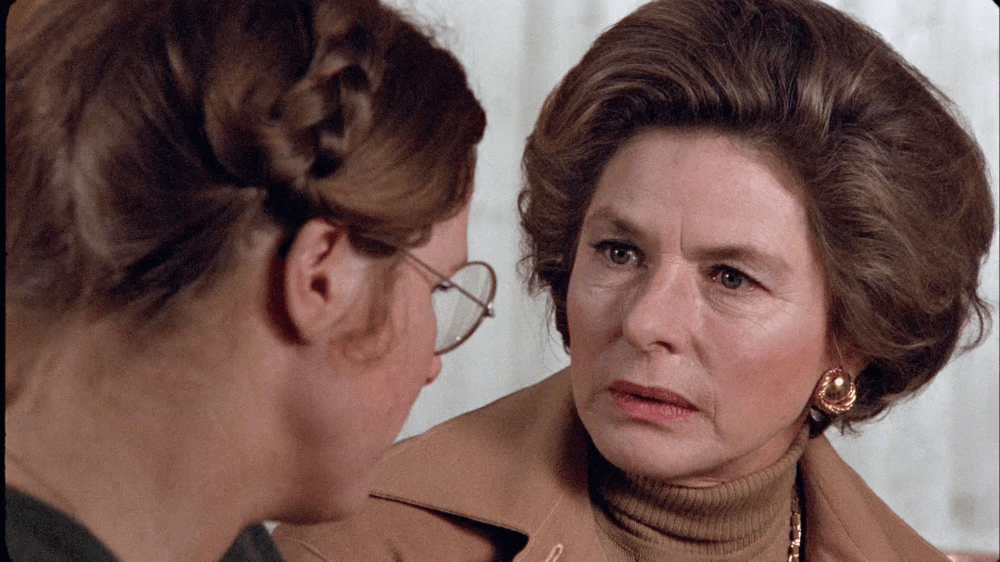
Autumn Sonata (1978, All Rights Reserved)

Late in the writing he pondered her prior working habits. “She still must have been somehow receptive to suggestions from two or three of her former directors.” “In Hitchcock’s films, for instance, she is always magnificent. She detested the man.” Of Hitchcock Bergman said:

“I believe that with her he never hesitated to be disrespectful and arrogant, which evidently was precisely the best method to make her listen.”

This lead to Bergman feeling that he “was forced to use tactics I normally rejected, the first and foremost being aggression.”

Later in interviews shed some light on the on-set relationship saying Ingmar confronted Ingrid. When he showed her dailies at her request. She was in agreement about her dated, inaccurate approach to the film, she asked for and got reshoots and things were somewhat better from there. However, considering all these facts Ingrid saying “‘If you don’t tell me how you want me to do in this scene, I’ll slap you!’” makes more sense. He wanted to work with actors to interpret text interestingly not dictate. It is a funny and insightful line because most directors at some point wish they could hear that exact thing rather than being fearful of stepping on toes.
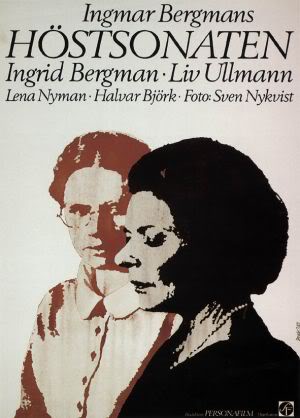
Autumn Sonata (1978)

Still he said that Ingrid was ultimately “generous, grand, and highly talented.” And was made aware that she was fighting cancer after their first on-set heart-to-heart where they reached a somewhat better understanding of one another.

It is really interesting that this collaboration occurred. However, based on her track record of seeking Hollywood on her own terms, contacting Rossellini and wanting to work with him, and then dropping Bergman a note; it seems she liked a challenge and to be a bit uncomfortable, as each of these stages of her career brought her much different environments and working conditions than she was heretofore used to.

The fact of the matter is that Brando and Dean brought actors to the fore anew as creators. This was after Ingrid made a name for herself, and while she challenged herself with new directors she did not evolve but rather refined her own method, so it’s natural that there was some friction.

Autumn Sonata by Ingmar Bergman
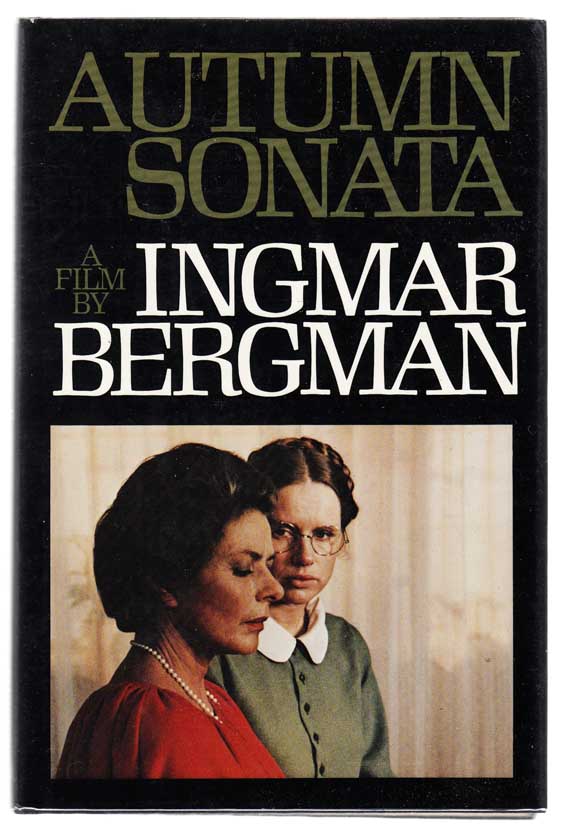
Autumn Sonata

After having prepared the aforementioned notes the next thing I wanted to do was to read the screenplay anew. This would mark a third reading for me. All from a photocopy I ran off of a paperback I happened to find.

The script runs for a total of 21 scenes on 83 pages. The first is labeled as a Prologue. The added characters which are embodied and speaking are Viktor (Erland Josephson), a parson, representative of his father, based on his biography and other films and Helena (Lena Nyman).

Some of the themes touched upon are rather familiar such as the cultural references, the existential themes, a dead child, the topic of abortion; discussions of childishness and the nature of adulthood, travel, culinarian are a bit unique to the proceedings but not unlike how Bergman handles subjects. It’s also further interesting in hindsight to note that struggling with adulthood is not just for Millennials, and it never has been.
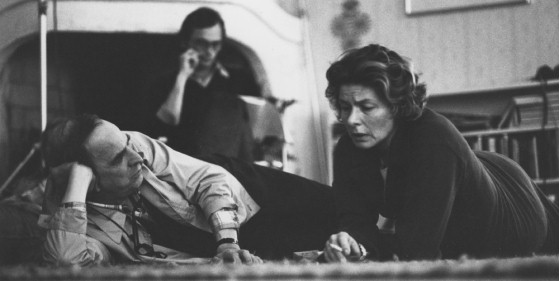
Autumn Sonata (1978, All Rights Reserved)

As for Bergman doing Bergman, it occurred to me while reading that many of his motifs are there but in many ways better than they were ever realized. In some ways its reminiscent on my thoughts on Madonna’s MDNA album, which were that it reminded me of everything she ever did but was wholly new.

As opposed to Ibsen’s Ghosts who were the central characters, the ghosts here a literal literary ones and are characters mentioned in passing or musicians. Examples include, but are not limited to; Agnes, Leonardo, Paul, Schneiderhahn, Starker, Janos, Nurse, Master Harold, Samuel Parkenhurst, Varvisio, Chopin, Adam Kretzinsky, Maria van Eyck, Father, Schmeiss, Stefan, Grandmother, Grandpa, Paul.

Some dialogue changes are lamentable, like the wonderful image of “Cloudberries on the Bog” being lost but ultimately Bergman was the end arbiter of his script on film, and likely the closest thing to a cinematic playwright as we ever so. Therefore, I typically trust his judgment.
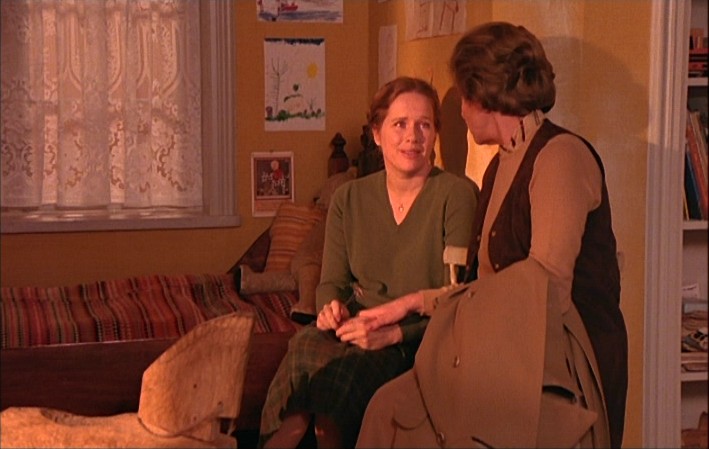
Autumn Sonata (1978, All Rights Reserved)

The script is a testament to how the visual dictates the focus of the narrative, simply by its omission in the text most of the time. You are given the images you need in the end product. Furthermore, the reveal of one of the characters (Helena) being present is itself a plot point underscoring that the script is character driven as characters literally are the plot.

It’s a document that allows the actors to play subtextually, and is even contains metatextual moments with Viktor describing his wife to the audience. Furthermore, it allows characters soliloquies a technique usually reserved for the stage.

Eva’s soliloquy on Erik’s drowning. She then speaks of him as a near- literal ghost, talked about intriguingly as present. This allows her to transition to religion. Bergman was always described as one seeking to creat a map of the soul, and going into this realm and everywhere in between is why. It’s also interesting that in this story there is more faith found in Eva than in the parson.

Autumn Sonata (1978, All Rights Reserved)

It paints Charlotte as a woman who relates all things to music because reality is hard, and getting outside her own head and life is even harder. She has spent years seeking the secrets of the preludes, but those of life elude her and do not demand nearly as much of her attention. She practices an art of interpreting others as a means to express oneself. But her dedication to, and ability to mother has always been suspect at best.

There are passive-aggressive moments and the heights and depths of volume with persistent intensity. All indicated through the dialogue and rarely with parenthetical directions,

In technical terms the first lengthy parenthetical action/discription on Page 43. Now based on what I’ve seen Bergman’s scripts are a bit unorthodox anyway, especially as compared to standard Hollywood formatting. Sometimes you’ll see scripts dumbed down to an easier to read interface similar to stage plays. There usually is no indication of the visuals or the blocking. Bergman knew these things but divulged them when the time came. The screenplay is and has been an ever-evolving blueprint for a film and Bergman had his own way of fashioning his.
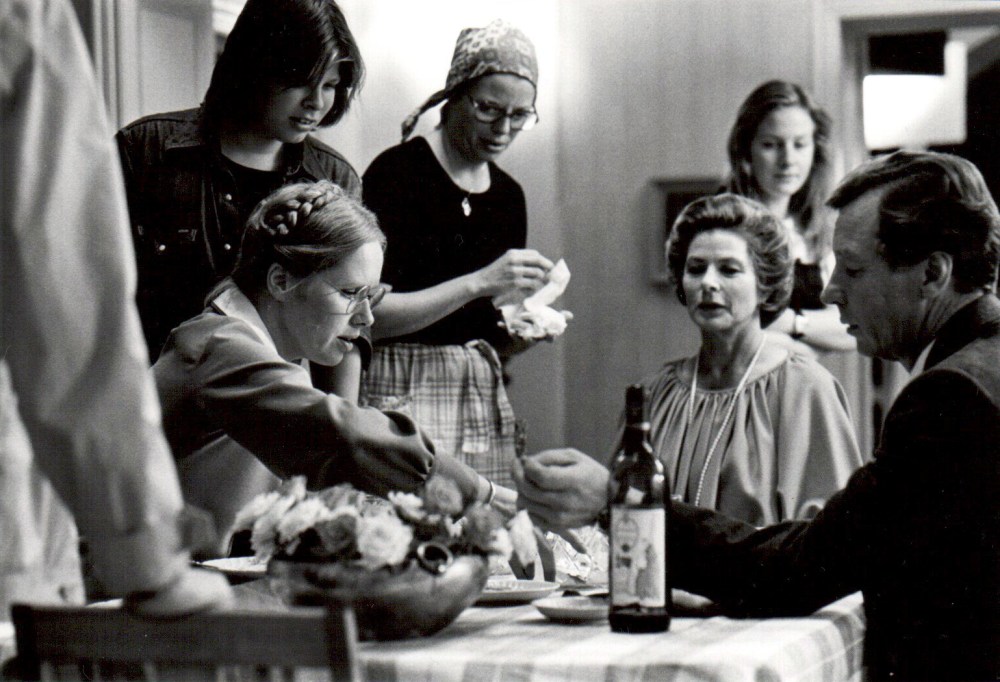
Autumn Sonata (1978, All Rights Reserved)

The ending of the script is insistent and offers a glimmer of hope. However, clearly can be no facile reconciliation. Nor may there be one at all. All endings besides the one offered would be false. It is a tale wherein mother and daughter have become estranged and the daughter still holds on the adolescent tendency to blame one’s parents for all their faults, and a mother who shares a certain burden of guilt never having felt entirely at ease in her role at home.

Autumn Sonata (1978)
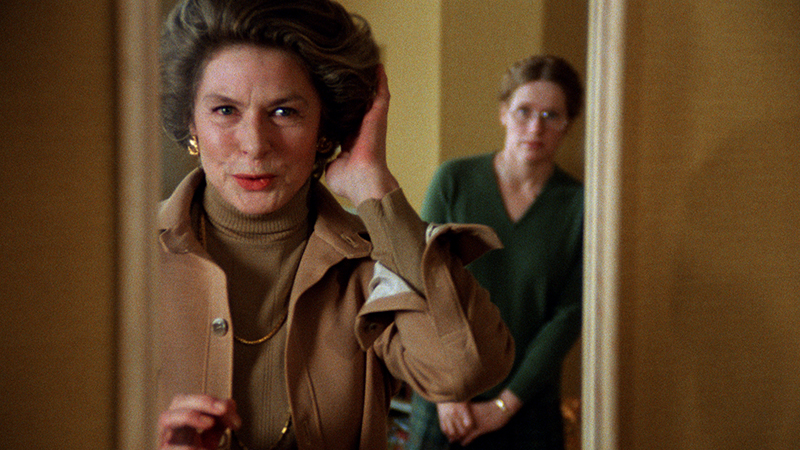
Autumn Sonata (1978, All Rights Reserved)

As mentioned above the cast members in flashback nor some of the visuals are mentioned in the script. Most notably a photo of Erik, a photo of Leonardo Charlotte delivers a soliloquy to, and a scene where slides are being projected.

Bergman/Nyqvist’s affinity for using mirrors and reflections also shows up in the end product; as well as the emphasis on having the camera on the person listening at times for an extended period, of having both framed is brilliant, and allows Ingrid Bergman to shine and carry the film every bit as much when she’s listening as she does when speaking.

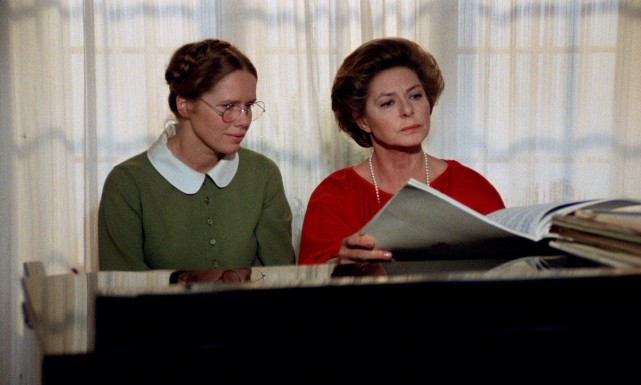
Clearly the indication of the emotions that will be conveyed by the disparate playing of the sonatas can’t really come across in the script, and Bergman did fake it very well indeed, as she claimed she could. Both list to one another play captivatingly.
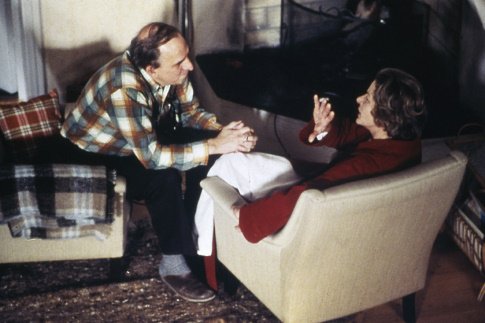
Autumn Sonata (1978, All Rights Reserved)

This is as good a time as any to mention that there is a brilliant three-and-a-half hour documentary on the making of the film. While watching the process is fascinating there is only so much that can be gleaned, a bit of it will be indicated later. But some changes are never examined like the fact that Ingrid rehearsed phone calls to her agent in Swedish and then in the film they were in English. It was a great touch but that was one change I was looking forward to seeing happen.

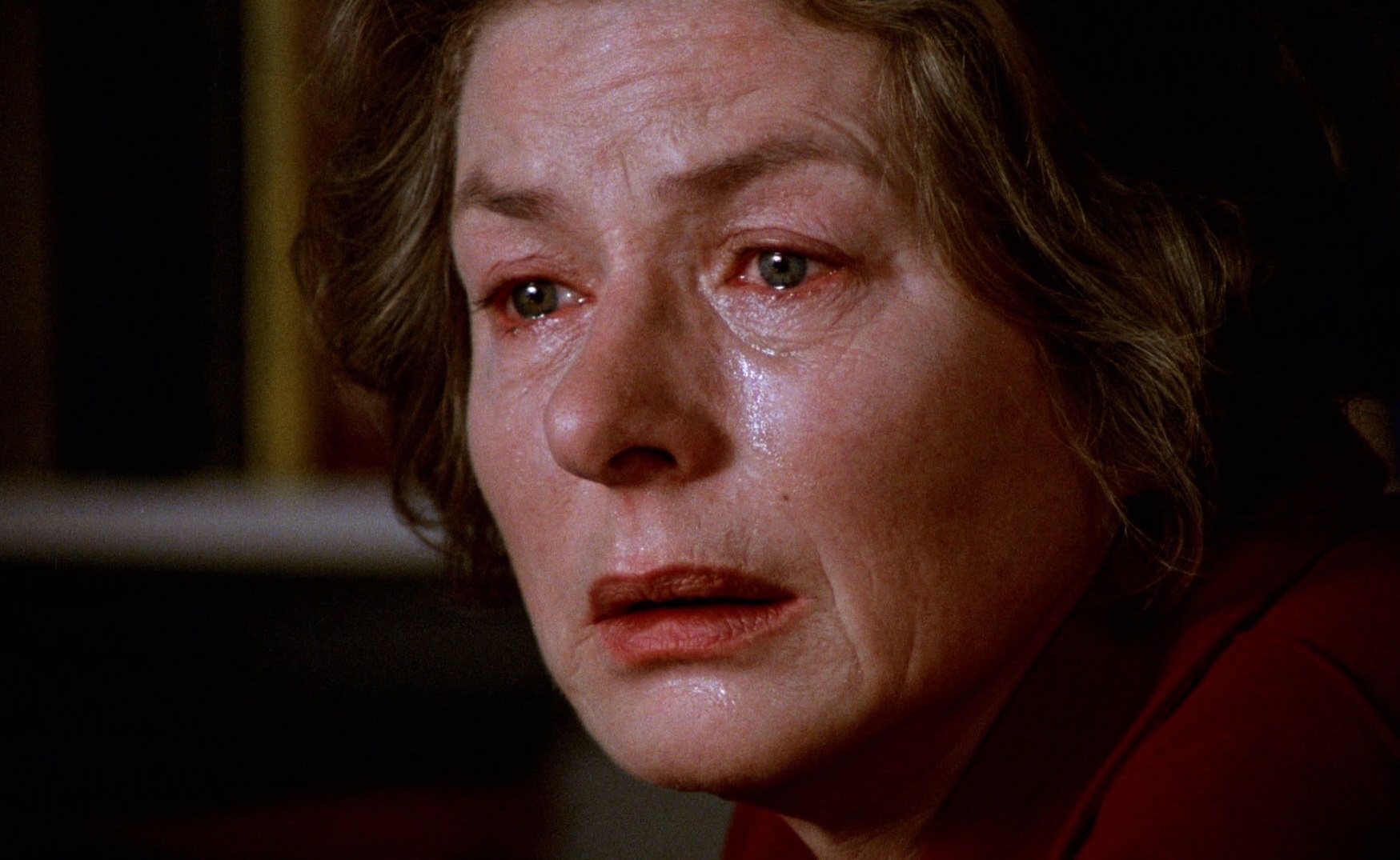
In visual terms, the success of Autumn Sonata at the end truly hinges in Ingrid Bergman’s expression as Charlotte is seen reacting to Eva’s letter. The pain is clear, and if there is any reconciliation even possible is left nebulous at best.

Ingrid Bergman Interview at NFT
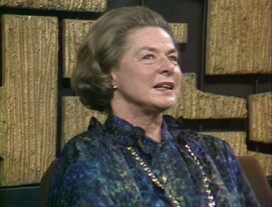
Ingrid Bergman (2015, Criterion)

In a revealing interview at the National Film Theatre in London Ingrid sat down to discuss her career, and her at that time most recent film, Autumn Sonata. She touched on her desire to change, as evidenced by the phases of her career. The fact that she was independent was something that contrarian, and likely contributed to her gaining fans and losing them when she was turned on during the height of the Red Scare, and she stayed off the American screen until she made Anastasia.

This maverick streak was there from the start as she played under only one contract during her whole career, a four-year one with David O. Selznick following the success of Intermezzo. She was always a freelancer after that, which made her shift to working in the Italian cinema with Rossellini easier to accomplish logistically.

Bergman’s involvement with Rossellini professionally and personally made him possessive and she was not allowed to work with anyone else when they were together until Jean Renoir spoke to him. Owing to Rosselini’s respect for Renoir he allowed the two to collaborate.
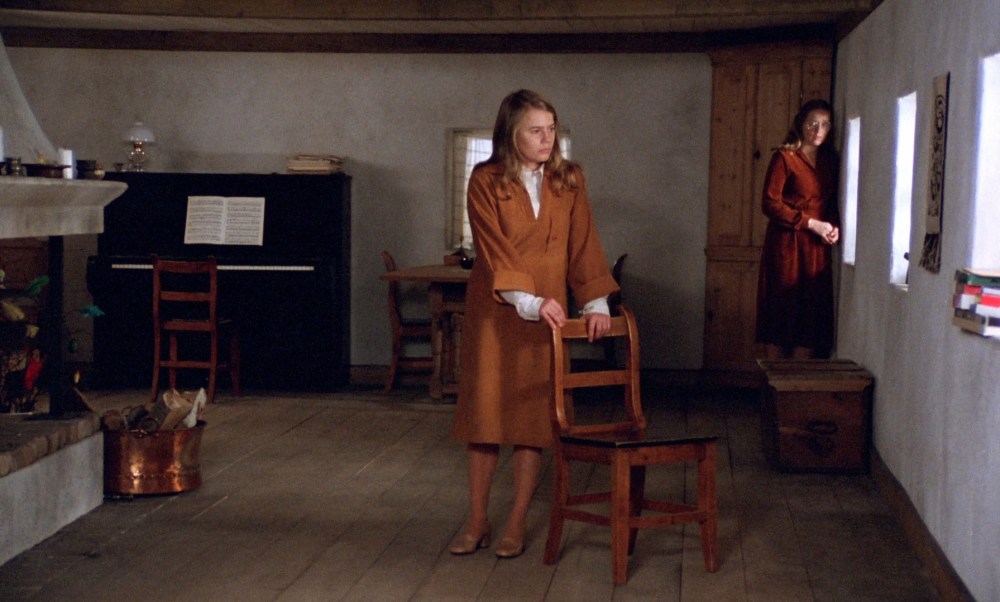
Autumn Sonata (1978, All Rights Reserved)

When speaking of Bergman she talked of how they got to know one another, and how he joked that they were “brother and sister.” She spoke of her determination to work with him that it was “written in fire over my forehead.” Considering she wrote Rossellini out of the blue it was sure to happen even though it was a project that faced many delays.

As an actress who had worked in German, English, French, and Italian in the years since her last Swedish film (in her homeland) she stated it wasn’t hard to get back into and it was a “great relief after so many years. I can’t believe it was so easy to learn the dialogue.”

As an actress who learned English to play her first American role, it should surprise no one that she had piano instruction again for the first time since she was 13 to be able to convincingly fake her piano playing for Autumn Sonata.
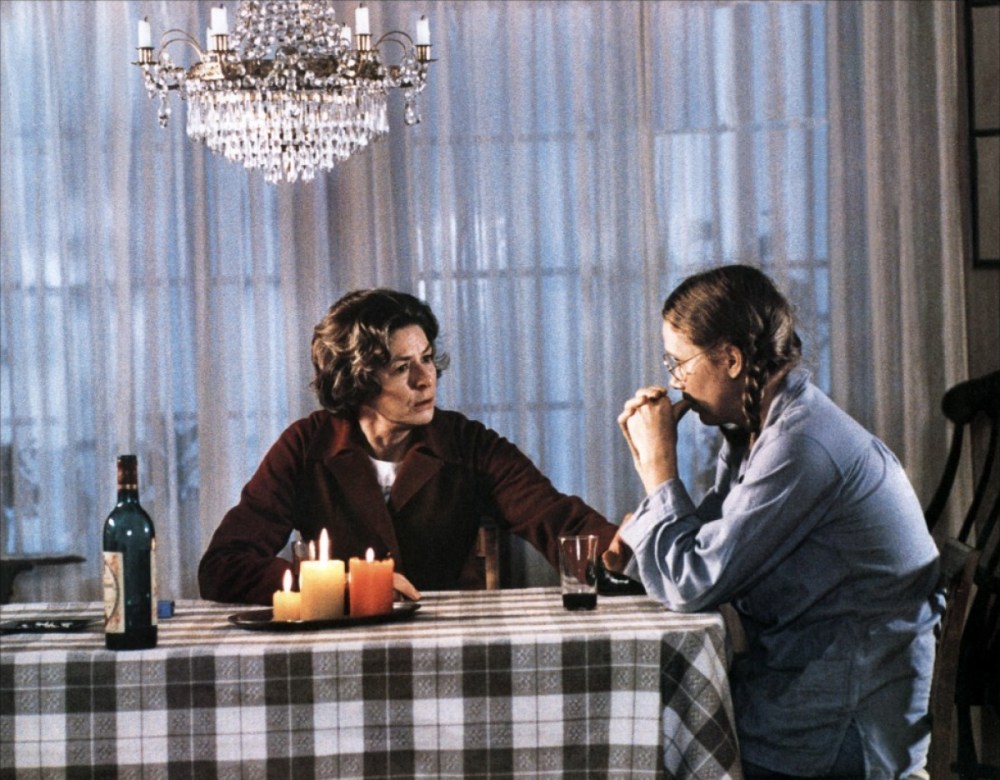
Autumn Sonata (1978, All Rights Reserved)

With regards to the film she felt quite a bit of connection. Saying that a lot of it was her life, leaving her home and her children, be it for work or relationships dissolving. “That just makes me very sad because I’ve done it many times,” she stated.

She also admitted to arguing with Ingmar over certain points but didn’t frame these stories with bias. She thought certain lines and facts of the story were hard to swallow, complaining that the time Charlotte and Eva spent apart was “inhuman.” Bergman usually won out stating “We’re not telling your story it’s Charlotte’s.”

Interview with Bergman

Bergman Island (2004, Sveriges Television)

This feature includes the full (and I believe unedited) interview footage with Bergman on Farö Island which was filmed for the documentary Bergman Island.

Here Bergman again related much of the story, with no major details changing, just more information. Much of which Ullmann corroborates at a later date.

Bergman discusses having a fear headache based on the performance he believed he was getting. He was finding he couldn’t direct her. When they sat and talked he found out about Ingrid’s cancer, she took the notes well and professionally, and in hoping to merely reach a sort of compromise he saw she agreed and came around.

He felt at that point her sensitivities opened up to the truer nature of the character. My feeling is her defensiveness my have been built up due in part to her health issues, a hiatus from work, and dealing with a new director with a different vision. Maybe the tendency to lean on old habits proved too strong. Thankfully for her, Ingmar, and the film she came through it.

Interview with Liv Ullmann
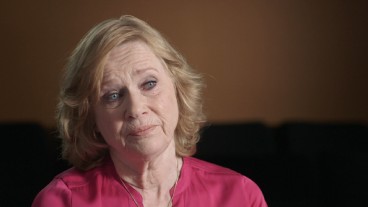
Liv Ullmann (2015, Criterion)

Having recently read a book of her interviews I was wondering what Liv could offer her. Being a newer interview, and after the deaths of both Ingmar and Ingrid added an emotional tenor to the matter but also some new information.

The first aspect of which was that she really was in on the ground floor. As parents together, former lover, and now collaborator, Ullmann knew this project existed before Bergman realized this was the perfect vehicle for Ingrid. The realization that it had to be her came a bit later.

Ullmann, as could be expected, gives great insight into the script and characters by her and Ingrid; two fiercely independent women. They both identified with playing women who needed to give of her own creativity, and could relate to the fact that society would tell them they could not do so. While I understand their quibbles with how audiences may interpret these characters, I believe that not every character is not a referendum on a gender or a race or group.
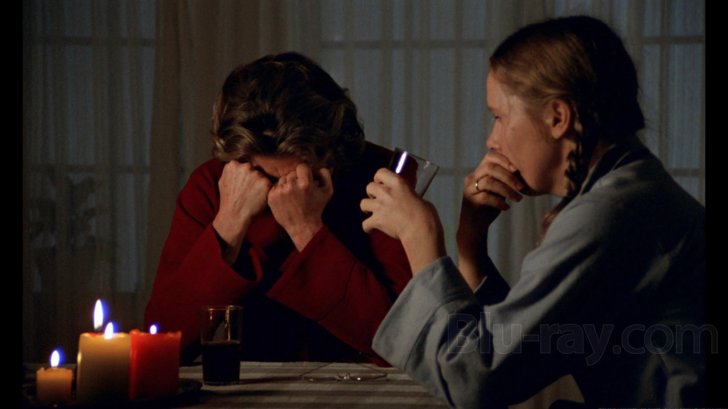
Autumn Sonata (1978, All Rights Reserved)

She learned in this film how vulnerable emotionally a director who writes is, and she didn’t really appreciate it then. Ingmar was unused to this questioning, and was one to not allow changes in wording. She doesn’t feel Ingmar and Ingrid ever real communication that they creating from themselves.

In Ingmar’s defense Liv does state she doesn’t like too many questions being asked, nor the director telling her too much. Her ability to create on her own, and play against dialogue allowed her the freedom to make Autumn Sonata work as well as it does.

Ullmann related how Bergman had a tradition of screening a film of his choosing for all cast and crew on Wednesday night. One day Ingrid had had enough, and was tired and left five minutes in. It was something that wasn’t done. Liv envied that but would never dream of doing so herself.
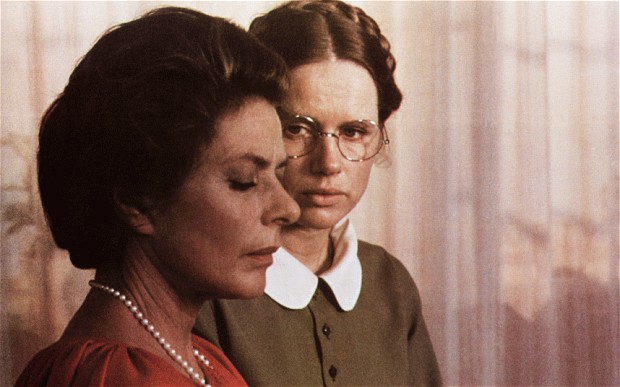
Autumn Sonata (1978, All Rights Reserved)

Liv credited Ingrid for in the end she never actually said no. She questioned things but eventually did do as she was asked. Perhaps the prime example of that is the fact that Ingrid wanted to slap Eva for what she was saying to her mother and it caused a big fight on set. Eventually she performed the scene as scripted. Liv was astounded at the results that through her choked back tears and rage she expressed “the anger of every woman who was forced to apologize” for choosing to create and have a family. The subtextual truth comes out.

What I came away with from the interview is that subtext wins over time, and the commentary is made without dialogue but through these actions and interactions.

Conclusion: The Booklet

Autumn Sonata (2015, Criterion Collection)

The Criterion Collection’s final nugget of wisdom on this film is the booklet (and bless them for still making them) is Farran Smith Nehme’s insightful essay on the film.

She rightly underscores that not only does the film scratch something off Ingrid’s proverbial bucket list, but it’s also Bergman’s final film created expressly for cinema. All his films afterward usually debuted on TV and then went to cinemas in either edited or unedited forms.

While its “built on exposition” and not metaphysical it still is Bergman with its touches and I think it’s an essay that helps frame the brilliance and surreal nature of having Ingrid Bergman in an Ingmar Bergman film one that feels not only intensely personal to those involved. Whether or not these fine actresses were allowed to say what they wanted to say about their own lives they expressed truths that could connect to all on either side of the parent-child relationship. As flawed, improbable, monstrous or sympathetic you find these figures they are written and played by wonderous artists that allow you to identify with them regardless of the facts of their case. It’s compelling to watch, and one thing Bergman was inarguably right about is that it had to be Liv and Ingrid. No question about it.

Summer Reading Classic Film Book Challenge: Twinkle, Twinkle, Little Star by Dick Moore

Introduction

This is my latest post (fourth overall) for the Summer Reading Classic Film Book Challenge hosted by Out of the Past. This book fits in a few categories as biographical/filmographic account of Dickie Moore’s work but also counts as an interview book as he spoke to many of his contemporaries later on and compared experiences.

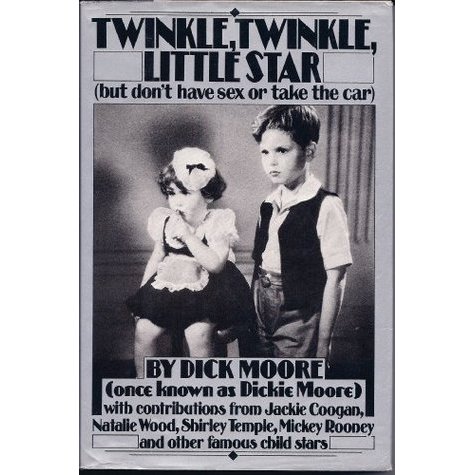
Twinkle, Twinkle, Little Star (But Don’t Have Sex or Take the Car) by Dick Moore

Twinkle, Twinkle, Little Star (1984, Harper & Row)

When I was growing up I was a kid who loved movies, movies of all kinds. When there were young characters, of course, I identified with them. Still recalling what it’s like to be of that age, I still do to the extent I can. As I grew, and started to learn a bit more a bout how films are made, separating the fantasy from reality and liking them both; things were really changed for me with one film and one name: Home Alone starring Macaulay Culkin.

As a kid who sought all different kinds of artistic expression it was mind-blowing that a kid could have that kind of success, and at that age I believed a great deal of talent. Following his trajectory there was quite a class of young actors in the early ‘90s I followed: the star of his next film Anna Chlumsky, another talent he teamed with that had more depth and range, and still does, Elijah Wood. It was quite a group of actors in the early years of the soon-to-be-called Millennials.

As I continued to follow film, and created my personal film awards, I wanted to recognize and reward young talents that were often overlooked. Similarly, as I started to watch older films I started find favorites from different eras. One of those is Dickie Moore, who I’ve seen in a number of studio and Poverty Row titles alike.

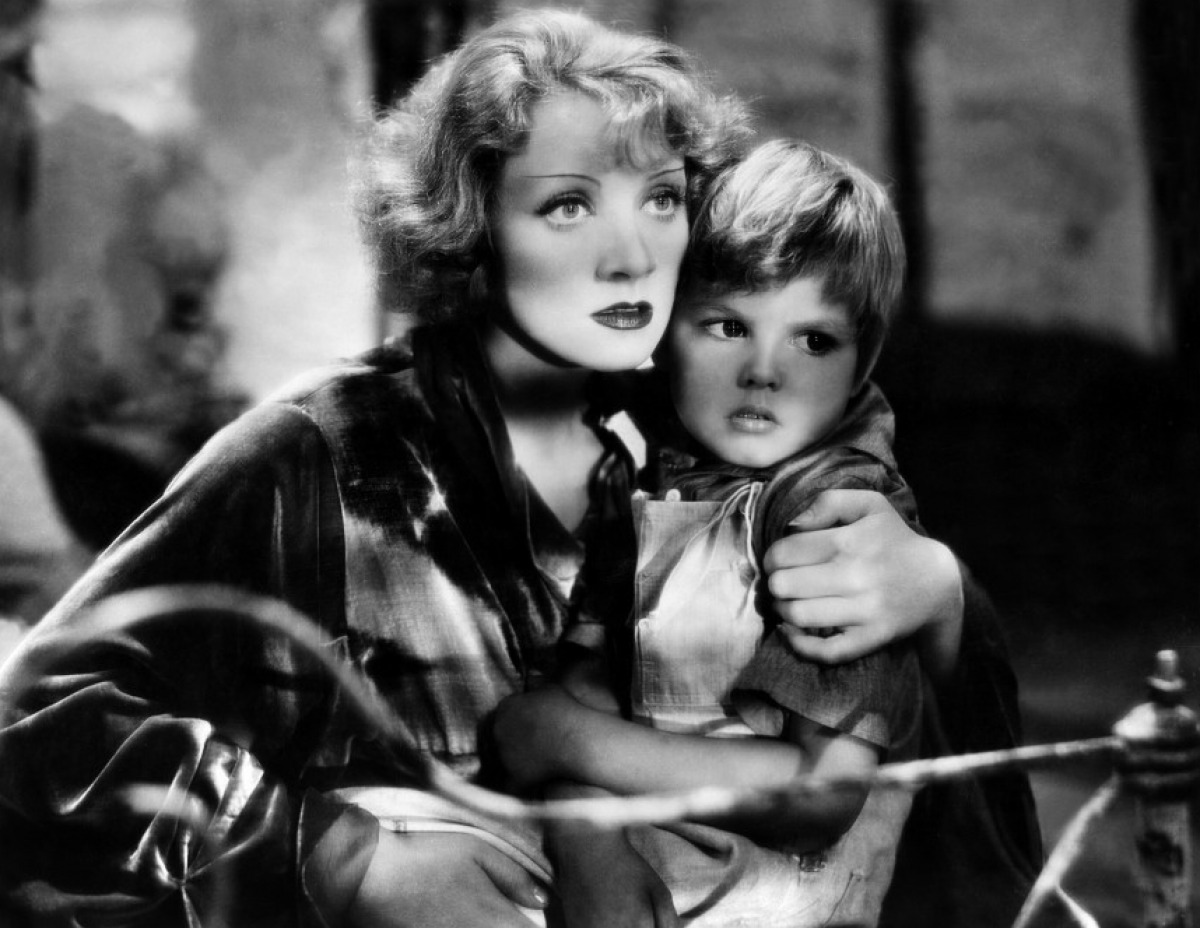
Blonde Venus (1932, Paramount)

Perhaps the strongest group of young actors came to the fore in the infancy of synchronized sound and the dawn of the Depression. As is astutely covered in Dick Moore’s account the conditions in Hollywood and society as a whole were perfect for this boom crop.

Typically, when I’ve read about film I’ve been most concerned about the material at hand. The film, analysis of it, the construction and creation of it. Having a staunch belief in separating art from artist as much as possible has limited my interest in biographical accounts to an extent. One thing I do like is setting the record straight, which is much of the larger goal of Cliff Aliperti’s great bio on Freddie Bartholomew, which I just read.
However, seeking a firsthand account lead me to this book, and what’s better is that it constructs itself based on the collected experience of many actors from the era. Yes, there is hindsight involved, but the honesty and self-examination and multi-faceted nature of the investigation of their careers, their lives, and how one affected the other is fascinating to read.

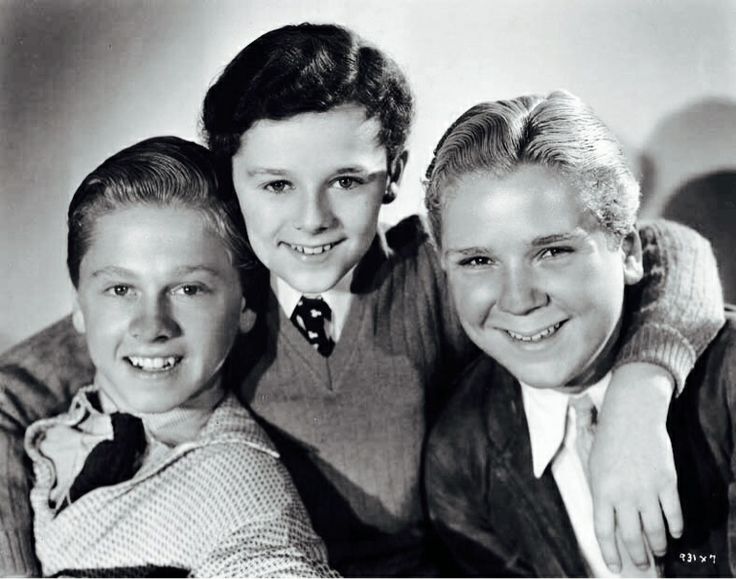
The Devil is a Sissy (1936, MGM)

Those Moore talks to are a veritable all-star cast:

Cora Sue Collins, Jackie Coogan, Jackie Cooper, Edith Fellows, Peggy Ann Garner, Lillian Gish, Bonita Granville, Darryl Hickman, Sybil Jason, Gloria Jean, Marcia Mae Jones, Roddy McDowall, Spanky McFarland, Sidney Miller, Kathleen Nolan, Margaret O’Brien, Donald O’Connor, Diana Cary (a.k.a. Baby Peggy), Jane Powell, Juanita Quigley, Gene Reynolds, Mickey Rooney, Ann Rutherford, Dean Stockwell, Matthew Beard (a.k.a Stymie), Shirley Temple Black, Bobs Watson, Delmar Watson, Jane Withers, and Natalie Wood.

The chapters are typically focused on one topic at a time yet linked chronologically so you get versions of:

Life before the movies; stories of parents on set in; how the studio system pressured kids to keep in front of rolling cameras; an insightful look inside the studio school bubble; how these kids related to the adults they work with and around, important as they had few contemporaries; a chronicle of successes, nerves, and stresses; tales of financial woe in the days before regulation and the loophole in the first law to protect minors’ earnings; tales of further imposed awkwardness and arrested development in adolescence; struggling with what happens after the phone stops ringing; and leaving home and/or show business.

Conclusion

In Love with Life (1934, Invincible)

I could go on and citing quotes ad nauseum as I did quite a bit of underlining in this one, but for those interested I’d rather not ruin the surprises herein. There is certainly plenty of food for thought, differing and insights. It’s not an easy book to get anymore, I believe mine was secondhand, unless it really sat around Strand for years and years but if you look around the Internet you should be able to find it, and if interested in any of the subjects you should give it a read.

Summer Reading Classic Film Book Challenge: Images: My Life in Film by Ingmar Bergman

Introduction

This is my latest post (third overall) for the Summer Reading Classic Film Book Challenge hosted by Out of the Past. This book fits in as a biographical/filmographic account, as Bergman speaks of the films he made from 1946 to around 1986.

Bergman and Me

Bergman Island (2004, Sveriges Television)

In my second post in this series I chronicled my history with the films of Bergman. With that in mind I was very glad that this is the autobiographical Bergman account I chose to read first rather than The Magic Lantern. When making that decision it was based solely on the fact that Images was published at a later date and therefore would include a few more works.

As it turned out, that was a good thought on a few accounts. One of which was the fact that with further hindsight, and reviewing of his own work, Bergman was able to have more distance between the present day (of when this was written) and production. Therefore, his mind changed for the better, for worse, or he had more clarity on why certain things worked or didn’t work. Furthermore, there were citations from The Magic Lantern used as jumping off points. This may be tiresome for one who read that book but was helpful here.

Clearly the most illuminating to me were the excerpts of texts from his workbooks where he’s literally dissecting his own process from abstract notes you can either clearly see how the film developed, or are let marveling at the genius that he was able to to take something rather obfuscated and turn it into concrete emotion and a visual reality that exudes the intended visceral reactions and ideas.

Fanny and Alexander (1982, Svensk Filmindustri)

The very formation of this account is one that’s fascinating. It started with what was going to be another interview book like Bergman on Bergman with interviews conducted by Lasse Bergström, Bergström then deleted his questions and Bergman edited the text. The filmography section, which was crucial in the days before the IMDb, and handy because of the plot synopses they at times contained, was compiled by Bertil Wredlund.

The film is also very interestingly organized as the films are grouped not chronologically so much as thematically. The sections within are:

Dreams and Dreamers

The Silence (1963)

(Wild Strawberries, Winter Light, Hour of the Wolf, Persona, Face to Face, The Touch, Cries and Whispers, and The Silence)

This section ends with Bergman talking about why he went into self-imposed exile amidst tax evasion allegations that were eventually deemed meritless, then it transitions back to the beginning with-

First Movies

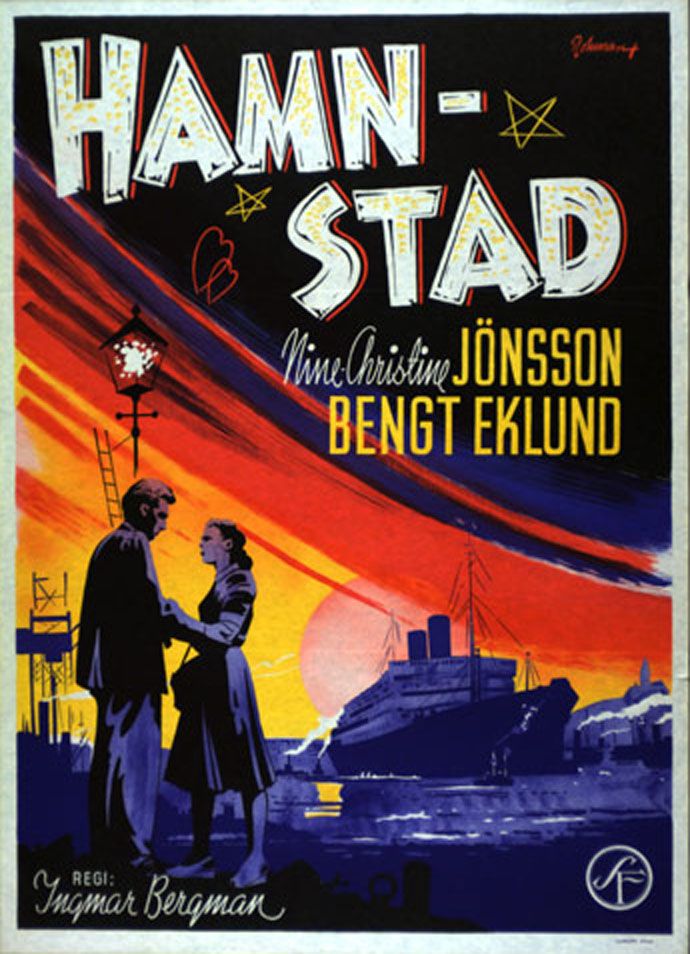
Port of Call (1948)

(Torment, Crisis, It Rains on Our Love, A Ship Bound for India, Music in Darkness a.k.a. Night is My Future, Port of Call, The Devil’s Wanton a.k.a Prison, and Thirst)

This section starts with him in the script department of Svensk Filmindustri then writing scripts and finally directing. It also interestingly discusses his stint as script supervisor (“script girl” as it was frequently called back then), for the first screenplay he wrote. He humorously admits to not being good at it, it’s an important job, and parenthetically, I wasn’t very good at it myself.

Jests Jesters

The Serpent's Egg (1977)

(The Magician, The Rite, Sawdust and Tinsel, The Serpent’s Egg, From the Life of Marionettes, Scenes From a Marriage, and After the Rehearsal)

In this section Bergman not only discusses his years out of Sweden but also ties that in with the themes of jesters and traveling entertainers, and puppets which were omnipresent in his work but prevalent in these films

Miscreance Credence

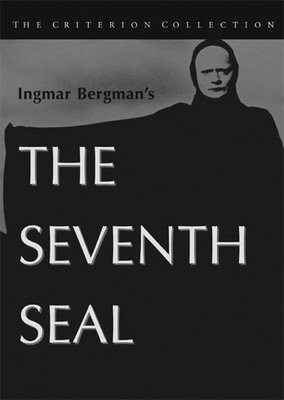
The Seventh Seal (1957)

(The Seventh Seal, Through a Glass Darkly, The Virgin Spring, and Winter Light)

In this section the discussion at times runs together because of the religious themes that connect them all.

Other Films

Autumn Sonata (1978)

(To Joy, This Can’t Happen Here, Summer Interlude, Waiting WomenSummer with Monika, Shame, The Passion of Anna, Brink of Life, and Autumn Sonata)

While the title of this section is a bit uninspired it does talk of actors in general segues to the discussion on Autumn Sonata, which I will dedicate excruciating detail to in an upcoming blogathon.

Farces Frolics

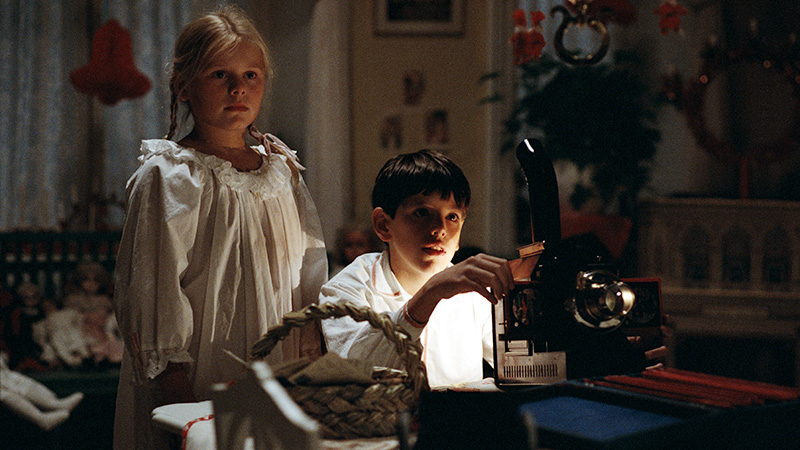
Fanny and Alexander (1983, Svensk Filmindustri)

(some commentary on Waiting Women, A Lesson in Love, Smiles of a Summer Night, The Devil’s Eye, The Magic Flute, and Fanny and Alexander)

Herein he discusses his struggles with comedy in general and his repeated ventures (yes, there were a few) into the genre. In addition to that there is discussion on how Fanny and Alexander in many ways was born of the influence of both E.T.A. Hoffman and Dickens.

Anecdotal Awe

The Passion of Anna (1969)

Note: If you want to go into the book knowing as little as possible bypass this section.

Sure there are wide-ranging insights into his process, life, development, and art in general, but for me (as I’m sure is the case with many of us) the greatest thing is the little insights. Things I never knew that aren’t earth-shattering but intriguing, or opinions he has on his work that you don’t share, and those you do.

Some examples of this are: Fanny and Alexander started with different names in his notes, and that he likes the TV version better (as do I). He detested The Devil’s Eye, and working on it; I didn’t like it either and that kind of thing has a tendency to show (like with John Carpenter and Christine). He claims he shouldn’t have included the interviews in the The Passion of Anna.

It is curious that the mention of the The Magic Flute being produced in the Swedish language, and not German, is non-existent. Though reading the whole book, and the section between the lines there are some inferences one can make about this choice.

Ingmar Bergman

Also included are insights into his extensive theatre work, which is fascinating as it helps us understand his day-to-day schedule for many years and also see diferences era and country create. There’s also a mind-blowing explanation of a brief stint in TV commercials (news to me), discussion of his lifelong relationships with the opera, and his work therein; radio (also news to me), and influences including Swedish novelist Hjalmar Bergman (no relation). As with any good work on film it made me want to watch and see more.

A Word on Formatting

Images: My Life in Film (All Rights Reserved)

If interested in reading this book I would advise seeking out a copy in print, even if you’re not a purist. The copy I read on Kindle had some spacing issues, typos in inserting diacritical marks, and captions awkwardly separated from photos. Maybe some of the display issues would be less of a concern if I read it on an iPad or laptop but some of the mistakes would still be there. Having just made a number of these corrections myself in my own books (Plug!) I have a heightened sensitivity to such issues.

Conclusion

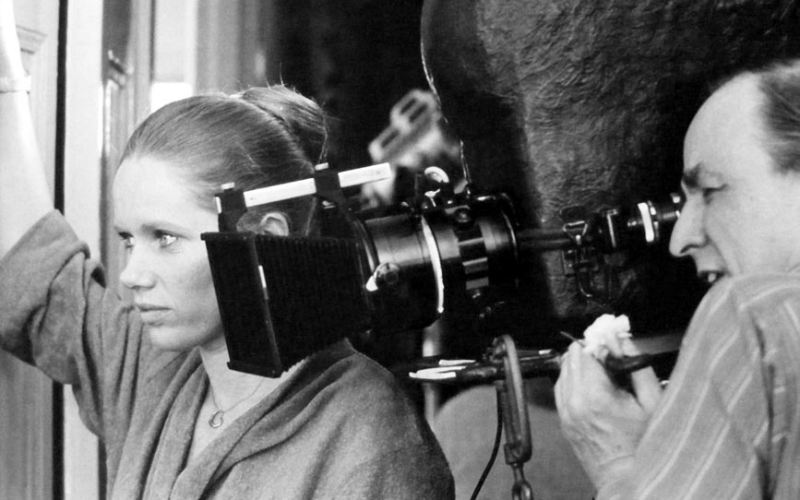
Liv Ullmann and Ingmar Bergman

If you are interested in Bergman, or the craft of filmmaking, I would definitely recommend this book. However, I recommend it with a grain of salt, if you’ve not seen any of these Bergman movies you will likely have them spoiled. However, keep in mind there are a few I have not seen due to a lack of availability and that made me more interested in it. So, check this out!
Summer Reading Classic Film Book Challenge – Interviews: Liv Ullmann

Introduction

This post is part of the Summer Reading Classic Film Book Challenge. This particular title pertains to the blogathon by being a collection of interviews that serve as a biographical account of sorts as they are collected over a number of years, there are some personal questions, and Ullmann is speaks at various times of her life with evolving perspectives.

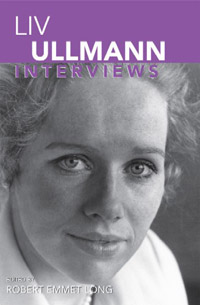
Interviews: Liv Ullmann

Liv Ullmann (2006, University of Mississippi Press)

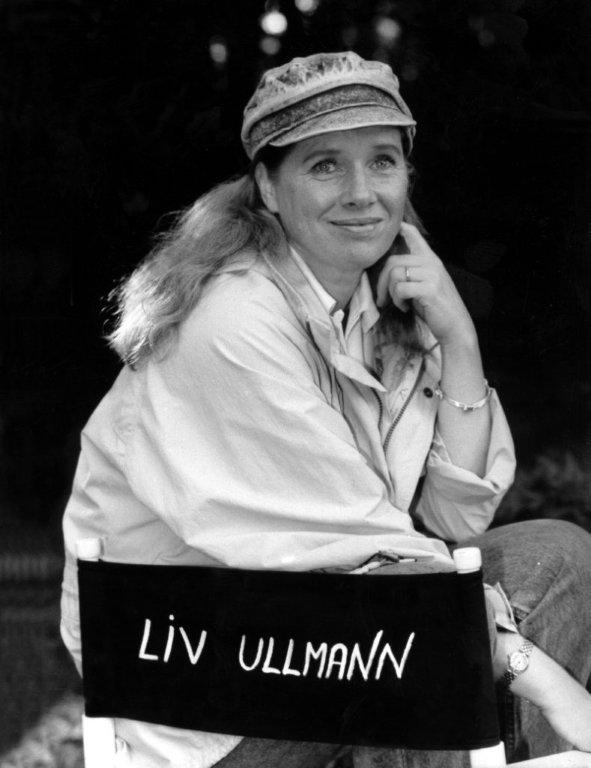
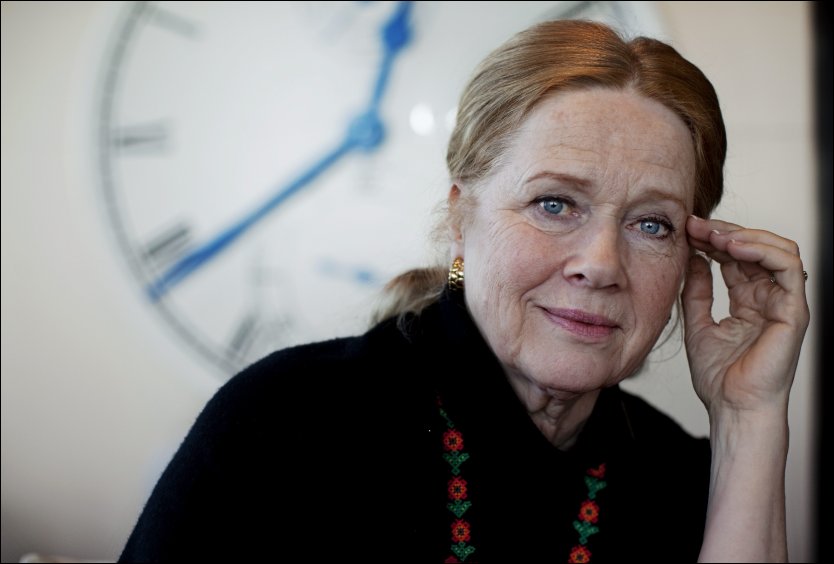
I’ve written about Liv Ullmann here before. Naturally, having written about the films of Ingmar Bergman in the form of a list, and most recently a specific scene she was in that Bergman directed. I also posted a piece called Liv Ullmann: Between Stage and Screen here. This was something I wrote as a reaction to a speaking engagement she had in 2009 at the Brooklyn Academy of Music. It was held in conjunction with her directing a show there and touched on her career as an actress in both media. Following the engagement I got this book, as I have a tendency to do; it ended up in a pile of books for a while. A similar practice applies to movies as well. I’m trying to use Goodreads and Letterboxd to deal with both issues.

But I digress…

I’ve not made a habit of reading interviews exhaustively. However, it’s fascinating in this case because they are legitimate interviews that take a number of projects and topics into considerations and not as much of the junket/talk show nature is in there. Having them span years you can see certain progression, changes in perspective and priorities, and different career phases. The time when her career began, and the type of films she was usually involved in, I’m sure contributed to the meatiness of these interviews. Plus, she doesn’t give the short shrift to any answers.

The 1970s: The Bergman Years

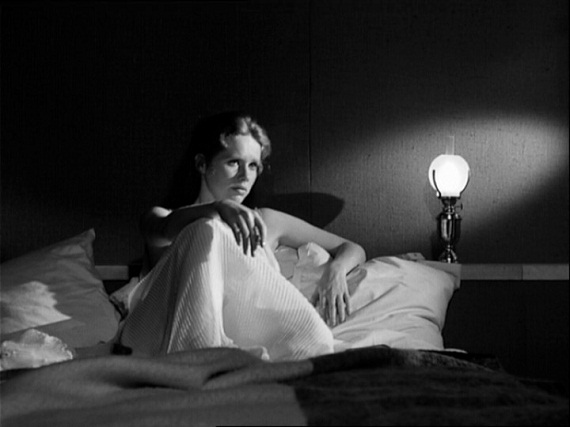
Persona (1966, Svensk Filmindustri)

If we’re being literal Ullmann’s “Bergman Years” began in 1966 with the release of Persona. However, these interviews begin in 1972. It was a different time and cinematic era, therefore, she only came over to the US and started doing interviews around the release of The Emigrants (Dir. Jan Troell), which garnered her a Golden Globe Award and her first Academy Award nomination.

Therefore, many of these interviews concern films like Persona, Cries and Whispers, Scenes from a Marriage, Troell’s epics The Emigrants and The New Land; Face to Face, Autumn Sonata; and her brief, mostly unsuccessful, in box office terms, but fun forays into Hollywood and the Broadway stage.

One can trace the growth of Ullmann as a person and her mastery over he instrument through these years. Always emotionally attuned she gives tremendous insights into her philosophy on life, art, the place of her craft, and the world in general.

The 1980s: UNICEF Ambassadorship and Broadening Horizons

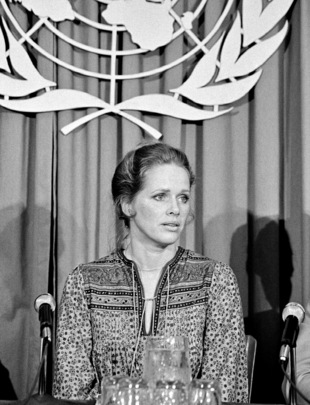
Liv Ullman (U.N.)

When asked to visit refugee camps, and eventually asked to be a UNICEF ambassador; Liv Ullmann admits to a personal epiphany. In a prescient way she talks of the power of the media, and the positive change celebrities can affect by using the media. This is even more true today. She fascinatingly comes to terms with her acting as a profession, something she does for income, but sees this ambassadorship as her new, truer calling.

The 1990s: Sitting in the Director’s Chair

Liv Ullmann

Whether in Hollywood or abroad, the difficulty female actors face landing roles for the same time window of time as their male counterparts is a reality many have to deal with in an inarguably sexist industry. However, Ullmann seems to have found a new direction that personally satisfied her and coincided fortuitously with her entering an age range where actresses struggle to even see scripts much less good ones. Her transition to directing is well-documented, and openly explored.

Her first two films were quite personal yet also included departures. Ullmann is typically seen as a modern woman, emotionally open, intelligent and confidently independent found period pieces to tell her first tales. The first film Sofie is a story of a 19th century Jewish family (Ullmann herself is Christian but has always had Jewish friends and affection for the culture) who pressure their daughter to marry the man of their choosing. Her second feature is a cinematic adaptation of a classic Norwegian saga Kristin Lavransdatter. Also, clearly a temporal departure.

The 2000s: Bringing Bergman Back to the Silver Screen

Liv Ullmann and Ingmar Bergman

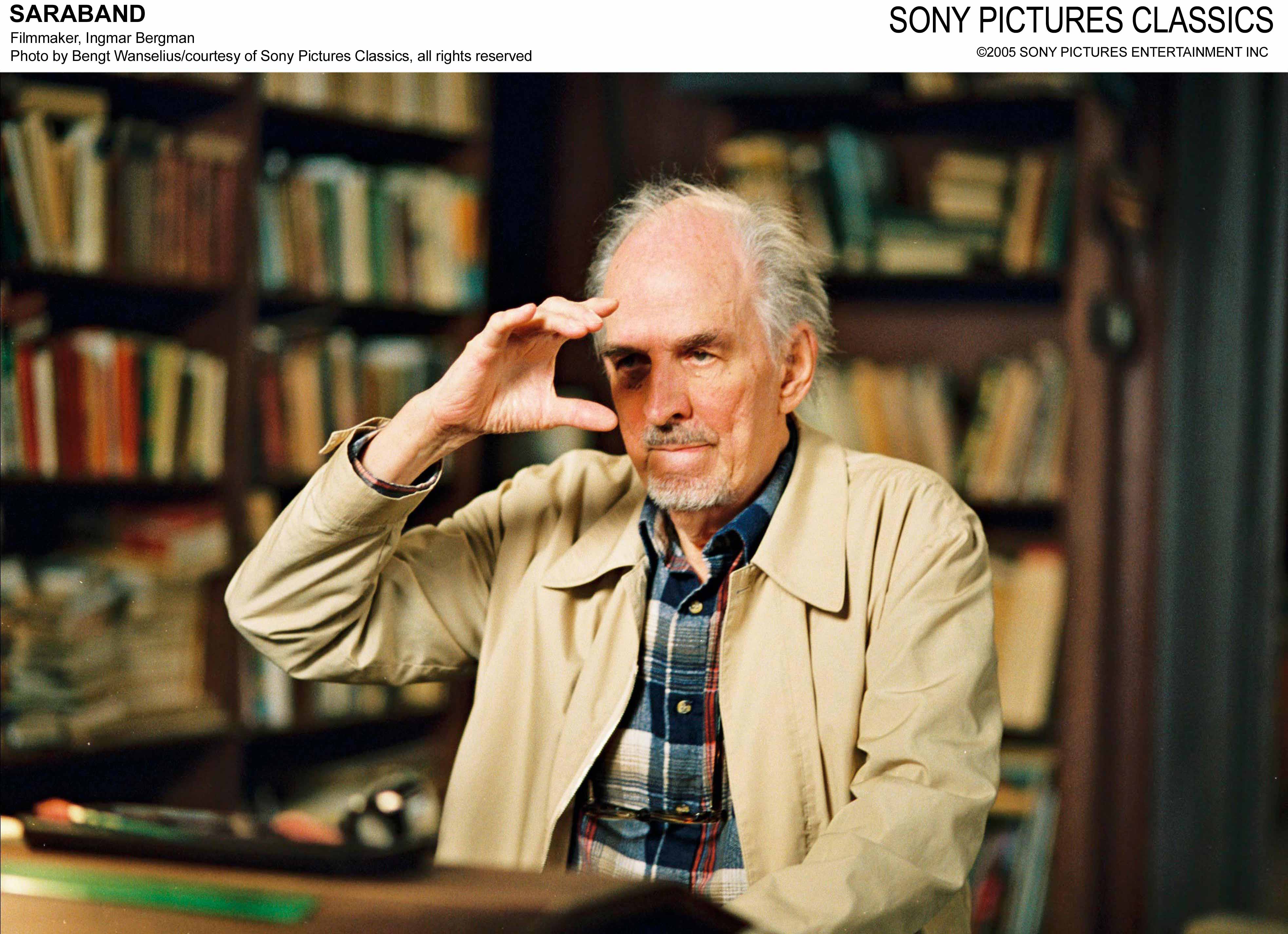
Even with only a handful of screen directing credits Ullmann herself has already seen phases. First, were her personally befitting period-pieces, and then after Bergman’s initial retirement from film (one he really only broke for Saraband, which Ullmann participated in) she tackled two Bergman adaptations Private Confessions, as a lengthy TV project and edited feature project based on a novel Bergman wrote, and Faithless, an original Bergman screenplay she piloted solo on his insistence.

Conclusion: All the World’s a Stage

Liv Ullmann (Chicago Film Festival)

Whether it’s been as a legendary screen luminary and muse, activist and force for change, or emerging director; Liv Ullmann has never seemed to back down from a challenge starting from the moment she started Persona not 100% sure what she was getting into and how she was going to pull it off. These interviews cut-off about a decade ago and it shows.

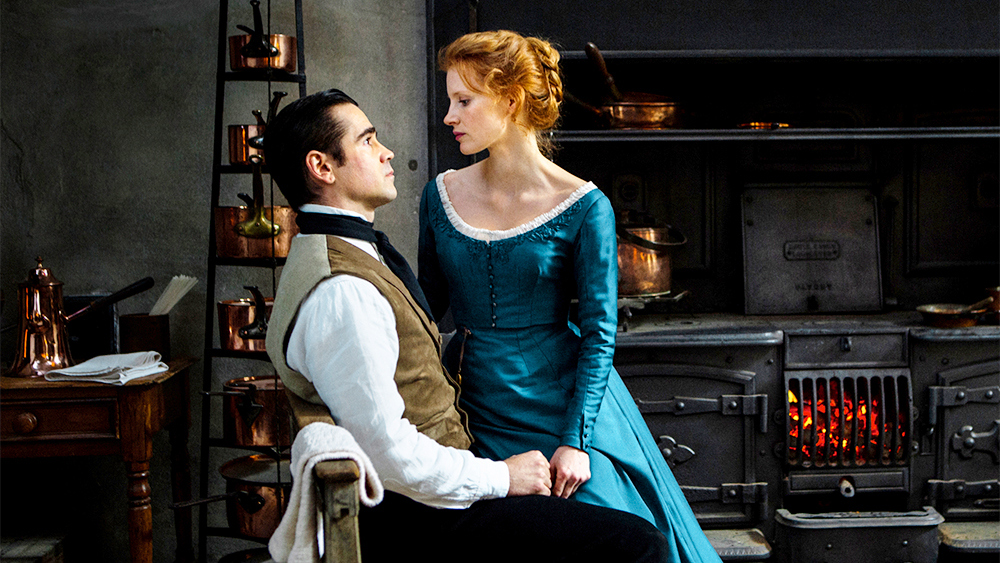
In researching this piece I learned that Ullmann has made her debut directing in the English language with her own adaptation of Strindberg’s Miss Julie starring Colin Farrell and Jessica Chastain. This doesn’t quite surprise me that much as I read some of her thoughts on Strindberg, and her saying she does not see language as an obstacle to directing.

Miss Julie (2014, Columbia TriStar)

Also, considering that Bergman was her closest collaborator who himself had a fascinating theatrical mash-up of Ibsen, Stringberg, and himself it’s not as surprising.

All the works I touched upon hardly scratch the surface as there is much to find in this book for fans. She talks of her evolving relationship with Ingmar personally and professionally, marriage in general, her relationship with her daughter, aging, fame, social issues, gender inequality, her theatrical works, coming to Hollywood as a newbie, interesting insights in to the film industry and specific films in general; and more.

Sure, as with any interview collection that at times features a few talks from the same year there will be some redundancies, certain titles will come up more than other ones, certain information will be redundant or slightly contradictory; but with minimal editorializing, and many Q & A transcriptions it really is speaking for herself and allowing us a window into her heart, mind, soul, and art. Fans and film enthusiasts should be willing to take a glimpse.