Monochromatic Monday: Bobby Breen

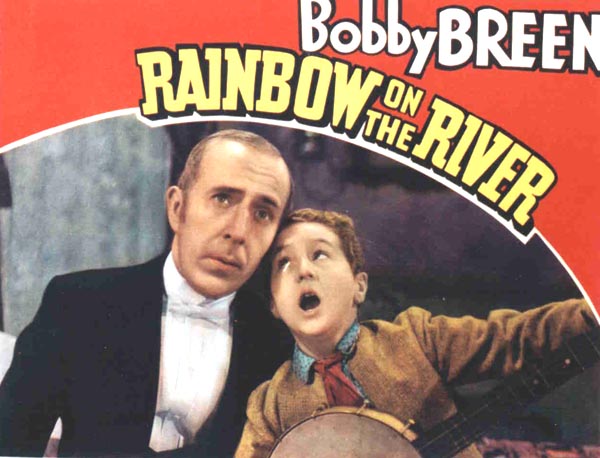
Charles Butterworth and Bobby Breen in Rainbow on the River (RKO)

These are articles wherein I’ll profile a black-and-white film or films worth looking out for.

I couldn’t rightly tell you now how it was I discovered the films of Bobby Breen. It may well have been through Movies Unlimited’s catalog back when they had brick-and-mortar locations. They wonderfully subdivided so it was likely there that I first noticed his name. It’s not a name many will know among the pantheon of stars from the 30s but he most certainly should be.

He was touted as the boy soprano and, of course, there’s no doubt his voice is incredible but what’s really intriguing is the films are truly built around him and showcasing his singing. Genre definitions were rigid back then but in a way that simplified things and allowed accessible, quality star-vehicles to be created with a higher rate of frequency. Producer Sol Lesser was always heading up these productions and seemed to place things just right to make the projects successful. Four films Bobby starred in were nominated for Academy Awards in scoring categories so they were fine productions.

I have seen three myself: Way Down South, Let’s Sing Again and Make a Wish and have enjoyed them all. While all are similar enough each has its own feel to it: one being an antebellum southern tale, another a touching reunion piece and the last a light summertime romance. Sadly, based on what little information I can gather it seemed Breen, like all too many a child star back then, wasn’t accepted in films as anything but a kid act. The trend is more broken now than it was but it’s unfortunate, it seems he stayed in music in one way or another for many years but never did clear that hurdle in the minds of some. I admit I don’t have as much information as I’d like about the whole of his career and welcome enlightenment.

The goal of this piece really is to possibly introduce him to those who may not know of his work. Below you will find links to three of his films on The Internet Archive, all of which are in the public domain. I wanted to see them before linking to them but I will be watching them this week. I hope you enjoy and are seek out his other work as well.

Hawaii Calls (1938)

Breaking the Ice (1938)

Escape to Paradise (1939)

What My Film Reviews Mean

The Critic (Gracie Pictures)

In many ways it’s more important that people read the following than My Rating Scale for it will allow you to understand my philosophy on film criticism:

Anyone who claims they have nothing else to learn is a liar. Part of why I have found my time film writing valuable is because I am constantly learning and re-learning things because you can never really stop. Similarly, I will never disable commenting (no matter how much I may want to at times) because on occasion there will be a thoughtful reader who will engage you in an actual conversation and make you examine your thought process and have you come to realization. It’s not even a question of being right or wrong about something but just understanding how you reach your conclusions or a truth you couldn’t put into words yet, an epiphany if you will. Recently when discussing my piece on Extremely Loud & Incredibly Close I realized my philosophy on film reviews is as follows:

I just try as accurately as I can to convey what my feelings are and why such that the reader can draw his/her own conclusions. I never presume my opinion to be more “right” I just always try to logically explain it.

That’s as simply as I can put it but I’d add the caveats that I’m not a fan of synopses in reviews (they can be found in many places, I’d go to official film-related sources for those), I am also by the above definition not a consumer advocate in strictest terms. Many times when I read a well-written review someone’s reasons for disliking it will compel me to go for I know I may like it for those same reasons. The key to choosing critiques to read is clarity of opinion and not taking the writer’s word for it. There will be no one in the world who shares all the same thoughts on films as you. We all have slightly different perspectives. Therefore you want to find someone who can accurately convey rather specifically why they liked/disliked a film and read them. No one reviewer’s word is gospel.

Lastly, and this is a little similar to the above, while I apologize for this, I also cannot and do not provide parental advice regarding appropriateness of material. There are myriad reasons: first, each parent has his/her standards; two, the MPAA’s standards may not be yours or mine regarding appropriateness (they may either be too strict or too liberal). Third, it’s not something I often consider in terms of a review. If you ask me in a comment I will do my best to address specific concerns of profanity, nudity, etc. However, for better sources the IMDb usually has a parent’s guide for titles with very detailed explications of things that may be objectionable and also there’s Lights Camera Jackson the “kid critic,” who always comments on family friendliness of titles he sees.

I appreciate your readership and welcome intelligent discourse and just wanted it clear that my aim is to state opinion not shape it.

Short Film Saturday: Dym (Smoke)

Short films are an artform in and of themselves. Sadly, there are rarely avenues for these films to be displayed. While the platform I can offer is not a large one I do hope that by featuring short films on the weekend you’ll be encouraged to look for more that you do like or perhaps even work on your own. I will try to get these up on Saturday morning, which may be the ideal time to catch a short film: It’s a relaxed time and you’re in search of some entertainment but your attention span may not be as long as it will be later in the day.

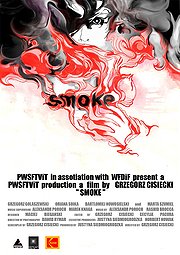
The first film I am deciding to highlight is one called Smoke. It’s a film that was actually brought to my attention via an email from the film’s director. I’m sorry it took me so long to profile it here, however, I am glad he brought it to my attention as it truly is quite special.

The film is constructed in a stream-of-consciousness montage that is incited by the turning on of a tape recorder. What words are being spoken on the tape, or to it for that matter (if any), are left for the audience to divine as we don’t hear them. The images are rather surreal and at times completely disconnected and at others only connected by the common motif: smoke, be it in one form or another. While some images are Kubrickesque the film possesses a voice of it’s own that speaks to you in visual fragments seeking your input and associations to determine meaning. I’ve seen the film twice now and had two distinct, but both positive reactions to it.

Before I belabor it too long watch it for yourself:

Review- Contraband

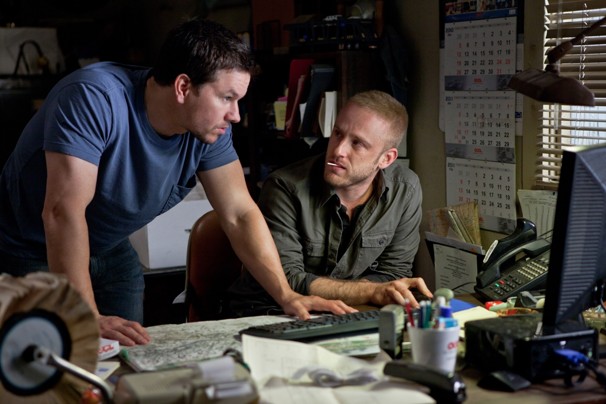
Mark Wahlberg and Ben Foster in Contraband (Universal)

In the first incarnation of the Best Foreign Film Awards for the BAMs one of the winners was The Sea, a film from Iceland. While I try to keep tabs on former winners it does get harder as the years go on and the new winners accumulate. Combine that with the fact that Baltasar Kormákur, the director of the aforementioned film, continued to work in Iceland, a country that doesn’t always achieve international recognition and distribution, one could see how I lost track of him but that one film with its sharp direction, palpable drama and believable performances stayed with me. So when I saw his name on the opening credits of Contraband, which is itself an American remake of an Icelandic film, I was perhaps a little more hopeful than I otherwise would’ve been and I was not disappointed.

Contraband indeed does take a lot of familiar elements: an ex-con turned legit doing “one last job” (until the potential sequel) to protect his family because his brother-in-law got in over his head. The set-up is one we’ve seen but the film language and interpretation is a bit more artistic than one might expect. The precise relationship of the characters does not reveal itself right away, concepts that might be unknown to the audience are introduced then explained later, certain continuity is assumed therefore less-than-essential elements might be omitted and bother completists. It is this kind of telling that is almost required of a story that otherwise doesn’t offer much in the way of innovation.

One of the places wherein this film really does excel is in the portrayal of its villain both in the scripting of the film and in his interpretation. Briggs is not only ruthless and reckless but very well realized by Giovanni Ribisi. In this modern era there seem to be fewer black-and-white characters than before and a lot of navigating in the gray areas of humanity, which can be fine but it’s a lot more nebulous and difficult to get through it. Therefore to have a character who has no obvious redeeming qualities or seemingly no complexity is practically verboten but a good actor relishes this challenge. It can allow the actor to do a lot of work on the character’s story that could lead to his mannerisms and so on. I’m not saying Ribisi is method, I can’t confirm or deny but that what I am saying is a character so seemingly simple free of being judged can be a liberating experience and allow an actor to bring more than expected to a part. One way or another Ribisi goes above and beyond here and is a big reason this film works.

It seems every so often some way or somehow I’m reminded that Mark Wahlberg started in music and I do need to be reminded. Not only am I now accustomed to seeing him as an actor but have liked quite a few things he’s done. I think the key is creating a screen persona. He has one and usually he finds himself in films not too different than this and he also helps makes this film happen. Some action films need to work to have you believe the star fits in the milieu or builds up the world of the character and then the character but Wahlberg due to his persona and the types of characters he plays naturally fits therefore the film’s world and character can be discovered simultaneously. He always makes his characters identifiable and likable in spite of their flaws.

The supporting cast highlighted by Kate Beckinsale as the knowing yet vulnerable and worried wife, then there’s Ben Foster who’s very nuanced and Caleb Landry Jones who seems to be carving out his own niche as the engaging yet troubled youth.

Two other things that are a boon to this film are: it has a very good twist that propels it to a dramatic conclusion and it depicts an interesting and oft unexplored world of smuggling on ocean faring vessels. The conclusion gets quite dramatic and actually does leave you wondering how things will work out in the end.

The end did make me wonder how things turn out in the Icelandic version, however, that didn’t really adversely affect this film. What did was in the Panamanian episode there’s really the only pacing issue of the film and our leads are forced into a situation where they become passive observers, which makes that section quite tedious. That and a few other willful suspensions of disbelief are all that hold it back.

Despite its second act stumbles Contraband is a slightly elevated genre film with some good surprises in store and a nicely appointed denouement that should be a crowd pleaser.

7/10

Film Thought: Sorry, No Refunds For Bad Movies

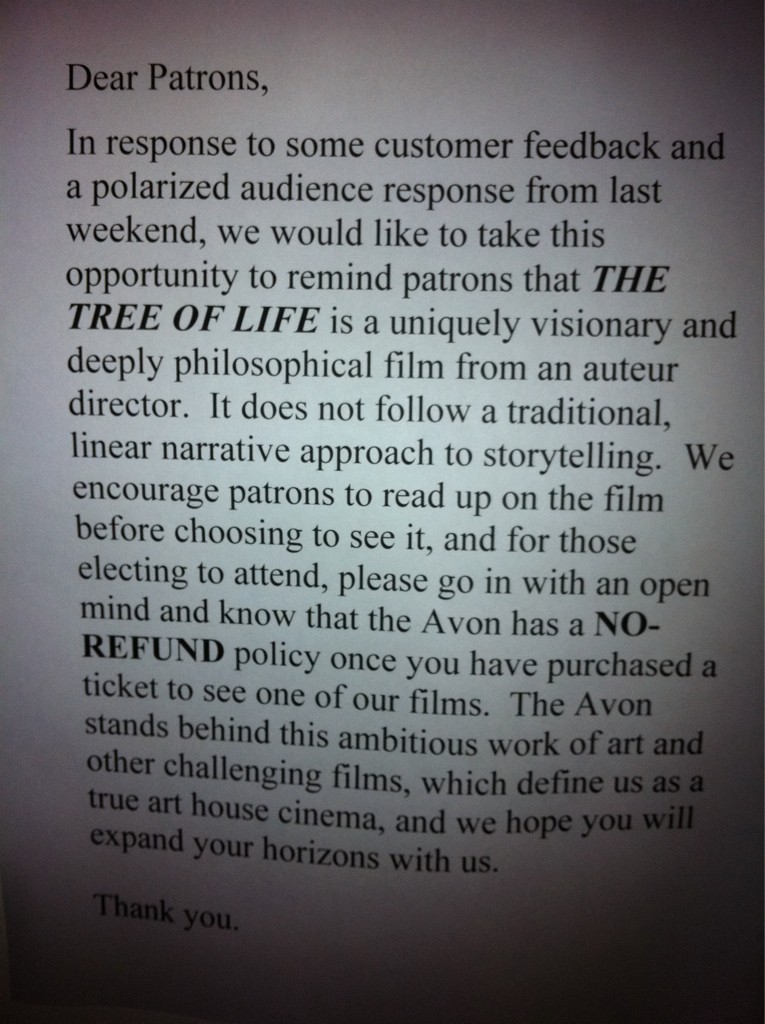
Sign at the Avon Theater Warning People about The Tree of Life and the no refund policy


Attention to All and Sundry:

After hearing about people seeking refunds for disliking The Tree of Life because it was too artsy and a woman suing the makers of Drive because it’s not an action flick and now people in the UK are unaware that The Artist is (mostly) silent.

I’ve recently had cause to go on a few Twitter rants about all too frequent substandard filmgoing experiences but this is one where I have to defend exhibitors.

Essentially we as filmgoers have to grow up and take some responsibility and think about what it means to buy a movie ticket:

1. The film you watch may, in fact, be bad and that’s OK.

To be truthful watching some movies I hated has been just as memorable as one I thought was great, maybe you really just have to love the form but the bottom line is that money you pay may be for something you dislike. It’s a mystery, that’s part of the fun. The theatre does not guarantee your enjoyment of the film, what it should guarantee is a clean, quiet auditorium, a properly projected image and crisp, clear sound. In short, they should guarantee you enjoy the experience of watching the film not the product itself.

2. Make Sure You Want to See The Film

If you are one who shows up looks at the showtimes and picks something at random, live with that. The same goes for something you think will be stupid or that you can’t wait to see. Also, if you are seeing a film because you think it will be stupid normal codes of conduct still apply to you. Your snarky disposition is not a license to speak or be otherwise disruptive.

3. Forewarned is Forearmed

This goes for things as basic as sound/silent (a rare conundrum), color/black & white (nearly as rare), synopses and parental information, some who are defending the audience members make it seem like finding out The Artist is a silent film is a chore. If all you knew is it won awards you can find out. As an experiment I just searched “The Artist Movie” on Google and results came up in the usual split-second and then it took me just a few seconds to scan down and find the Wikipedia entry that in the abstract starts by stating the film is silent. Such a chore.

4. A Movie Is Not That Different From…

Perhaps the best comparison (the most apples to apples) I can think of is books. Everyone has likely read a bad book and in all likelihood you owned it. I never once thought of reading something and then taking it back to the store. What does the store have to do with it? They only made it available to me. I chose to buy it.

Movies are similar. The difference is it’s a scheduled artistic presentation not unlike a concert. You are buying a ticket that guarantees you admission, not fulfillment. Has anyone ever seriously sought a refund because they didn’t know who the opening acts are or because Guns N’ Roses didn’t play “Pretty Tied Up”?

In both books and concerts there’s an accepted level of the unexpected and we’re fine with that. Why not films?

5. Trailers Aren’t Accurate

Things will make trailers and not the final cut, tone will be mangled and you will be manipulated. A trailer is a commercial. They are meant to make you want to see a film. Some are bad and some are good and they rarely are an accurate representation of the film’s quality.

6. Knowledgeable Complaining & Spending

If you truly dislike some film trend like remakes or a given franchise then you’d be best served by not giving those things your money. Otherwise, your complaints fall on deaf ears as the studios cash their checks. If you are curious to see those things that’s fine but know they will still exist if you contribute to their box office. If you just want to be informed as you besmirch them that’s fine but don’t delude yourself into thinking you can wish them away.

The box office is really all that decision-makers will listen to 99 times out of 100.

7. When I Should Complain/Seek a Refund

The theatre’s responsibilities are limited to presenting the films it has. Therefore, issues such as sound, projection or anything else that adversely affects your viewing are grounds to complain and/or seek a refund. I’ve read that being compelled to walk out can get you one but I wouldn’t bet on it hence the above stipulations.

I could probably get further bogged down in the minutiae but the above seems to be the minimum that needs to be stated in light of the recent silliness that seems to have occurred at the movies perpetrated by patrons.

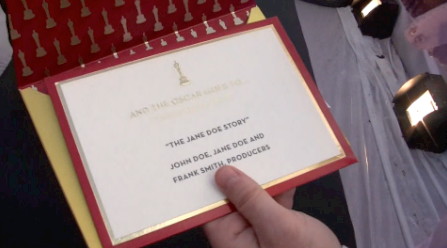
The Oscars Should Change Its Best Foreign Language Film Processes

Antonio Banderas and Elena Anaya in The Skin I Live In which is not Spain's entry therefore ineligible for the Oscars (Sony Pictures Classics)

The official submissions for Best Foreign Language Film are now in and the nominees, like those for all other categories, will be announced on January 24th, the shortlist will be announced today. The list of submitted films does immediately indicate some issues with the nomination process in this category that should be addressed.

The Process

This sections facts were clarified with the help of this Hollywood Reporter article.

Here’s how the system works:

Each nation through its national film board creates a list of contenders and then the constituency therein picks one film to submit for Best Foreign Language Film. Each country is allowed one submission, chosen by its film board. Sixty-three films have submitted this year. Some noticeable omissions this year include: Albania’s first pick, Joshua Marston’s Forgiveness, was disqualified because it didn’t have enough Albanians in key behind-the-scenes roles, which Marston calls “ridiculous.” Similar grounds were used to to knock out Angelina Jolie’s debut In the Land of Milk and Honey because it was so international no one country claimed it, however, those sort of casualties occur yearly and are a bit harder to legislate against but I will address them.

The Academy’s foreign-language selection committee, which consists of any Academy member prepared to sit through many a film, are divided into four color-coded groups, and each member must see at least 80% of the pictures in his/her group.

Few active members have the time this requires, which means older and retired members figure heavily among the voters, which can factor into the strategy of selecting a film the avant garde will stand less of a chance. Hence, Greece’s selection of Dogtooth last year and Hungary’s The Turin Horse stand out as bold selections for bravery.

Approximately 300 members vote, grading films on a scale from 7 to 10, and their scores are averaged, meaning if 10 people or 100 see a movie, it’s their average score that counts. There’s no weighting that takes into account that X film got many people to watch it.

The top six point-earners qualify for the shortlist.

The nine-title shortlist includes three additional films chosen by a 20-person Executive Committee led by producer Mark Johnson (The Chronicles of Narnia).

This additional provision was implemented in 2008 after the broader committee failed to select 2007 Cannes Palme d’Or winner 4 Months, 3 Weeks and 2 Days. The super-committee consists of such prominent figures as director Florian Henckel von Donnersmarck, cinematographer Janusz Kaminski and writer Michael Tolkin.

Once the nine films are named, they are screened during one weekend for 20 invited voters in Los Angeles and 10 in New York. Those voters comprise a few random Academy members and others specifically named by Johnson, who attempts to find a distinguished range of Academy veterans across all fields. They decide the five nominees, which are unveiled the same day as the other Oscar nominees, Jan. 24.

After the 5 nominees are named the vote is held as such: Any member can vote on the winner but must give proof that he or she has seen all five nominees, voters can only see the movies in a theater, not on DVD because as Johnson asserts “In a perfect world, nobody should be seeing movies on DVD.”

How it Should Be

The National Film Board Level

Some may look at this process (with one submission a nation) and say “Well, what’s wrong with that?” While it is egalitarian, it is exclusionary to some extent. Countries like France, Italy, Spain and India (and others) with large quantities of film production and a lot of good product to offer have to pick one, and only one film and with that one choice the submission could be more political. It can be based on who the filmmaker is, what the subject matter is, how appealing it might be to the American viewer, instead of what it should be based upon – the quality of the film.

Aside from one film knocking out another contender from its own country like Au revoir les enfants being submitted in 1987 and Le grand chemin being overlooked, not that the former shouldn’t have been nominated but both should have, the problem with the current system is that there is not a true representation of what the Best Foreign Language Film is, it is the best from amongst the submitted films.

How does one go about solving this? There are a few ways. The Academy has juries, viewers and voters for all categories. What should happen is that this group should be expanded so that more films can be submitted.

The Expansion Plan: Submission Quotas

The Division of Continents would be Similar to FIFA's for the World Cup

Now should every film in the world be submitted? Of course not. However, to limit every filmmaking nation in the world to one is crazy. Think of this: Canada gets one submission, which basically means the best Quebecois film goes in because with a majority of Canadian films being shot in English they are ineligible, which is not to knock Quebecois filmmaking. Canada absolutely should get its submission but again you are saying a region of a nation and a prolific nation are on equal footing. They have the same number of submissions that France, the birthplace of cinema gets. So there definitely needs to be more allowable submissions when there are a handful of nations that have a strong field annually.

There are a few ways to go about expanding. Regardless of which plan is enacted the jury needs to be divided and watch the submissions of each continent. The cap of submissions should be five per nation at most. Now if the Academy wanted to control submissions for a while they could allocate submissions to nations based on the “strength” of the nation as a film producer. For example France, Italy, Spain, Sweden, etc., who have been nominated for and won several Academy Awards in this category would receive 5 submissions, and whatever nations were considered the next tier would get four and so on.

Therefore, you’d have a team who have to watch the submissions from each continent. This may seem like a ridiculous idea but one must consider that the deadline to submit your foreign language film consideration is approximately 3 months (late September/early October) ahead of the Oscar nominations. With enough dedicated Academy members all films, even with increased submissions, can be whittled down to a reasonable size (a top 10-20) for larger viewership and voting similar to how its constructed now.

Selection Process

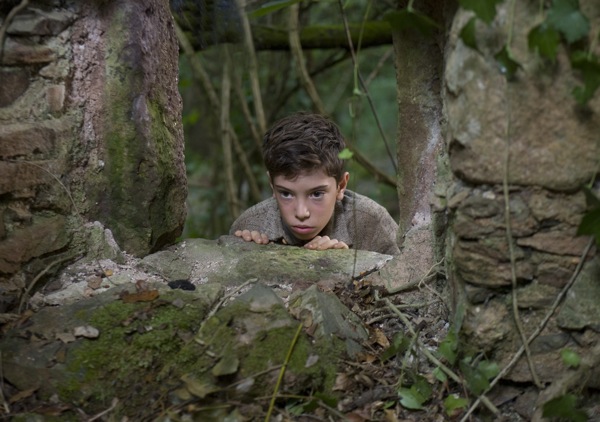
Francesc Colomer in Black Bread (Massa d'Or Produccions) Spain's Official Selection not yet distributed in the US.

So that is how they could expand submissions. Now on to the selection process – firstly, it should expand to between five and ten films and be a preferential ballot like Best Picture (can be) lest the Academy be seen as jingoistic but the selection of nominees should be based on the scores of several viewers. The films receiving a score above a certain threshold (on a scale of 1 to 10 rather than 7 to 10) would move on. Then the remaining films would be seen by all members and the films with the ten, or five, highest scores would be the nominees. It could be similar to the Best Original Song in that way in as much as the films need to be of a certain quality to be considered. What shouldn’t happen is that the Academy feels the need to nominate one film from every continent. This system is meant to find the best films not to represent all regions as if it was the World Cup.

Conclusions

Making some countries pick just one film has always been and will always be wrong based on the quality and quantity they churn out and it should be addressed. Expanding submissions will also open up other categories since at current only submitted foreign films are eligible in other categories and ideally giving some nations multiple submissions would subvert the political machinations that might block a particular film or director from being considered for a nomination. Also, to be considered under a new mode of selection would be at a minimum the removal of the DVD restriction. Anyone with an appreciation for film knows that a theatrical viewing with ideal conditions is preferable, however, it is a bit more time-consuming and restrictive for a voter. I think what should matter is getting all the films in a given phase a viewing regardless of how that occurs.

Implementing any of these changes will be a boon to the Best Foreign Language Film category would be most important. Specifically, expanding the number of nominees many of these films are hardly viewed or get their only boost in the US after a nomination so why not expand?

Review- The Devil Inside

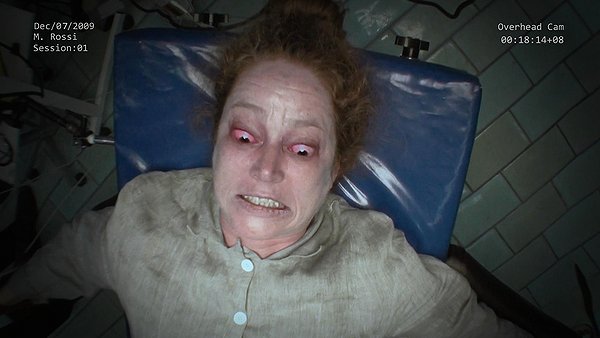
Suzan Crowley in The Devil Inside (Paramount Insurge)

The possession, or exorcism film if you prefer, is not likely the most retreaded but definitely one of the more tired subgenres that horror has to offer. Despite the fact that I chose a film of this ilk as one of the best horror films last year it is an area wherein filmmakers have struggled as of late to cover any new ground whatsoever.

Interestingly this film also acts as a found footage/mockumentary. Unlike some I will not allow, whenever possible, one film to forever change my perception of a given subgenre. Found footage like anything else has its pros and cons; the biggest pro being immediacy and one of the biggest cons being uninspired cinematography. However, the found footage technique alone is not why this film fails just as it’s not the only reason The Blair Witch Project, [REC] and Lake Mungo work. The way it decides to use the technique is a failing but it’s not the only one.

Some examples besides the obvious are cutting around certain incidents rather than watching them happen live. Another is actually going the other direction than the subgenre usually goes, it’s actually over-edited and over-produced at times such that any chance it has of creating anything like simulacrum is squandered quickly.

The performances in the film are a bit too inconsistent, which is unfortunate because many of the incidents in the film are very low concept and restrained so more is needed from the actors. Typically Simon Quarterman and Evan Helmuth, the sometimes rogue priests, are fine but on occasion they were written into situations where they couldn’t avoid being unintentionally humorous.

Those characters in and of themselves are fine though, they make sense, the cameraman Michael (Ionut Grama), however, is an unnecessary disruption. His only functions as a character are to be a nuisance and act as cynic when Isabella Rossi (Fernanda Andrade), the subject of the supposed doc, can serve that function.

It’s easy to appreciate the efforts this film makes to legitimize exorcism and possession both through scientific and theological means to those who would have trouble suspending disbelief. The effort can’t be reproached that badly it’s the clunkiness of how facts are introduced, finer points are debated and lastly church bureaucracy reveals itself that hurts the film’s credibility more than anything.

If you were to look at this film in terms of a meal it’d be one with myriad amuse bouche, hors d’œuvres and appetizers but not much of a main course. The attraction of an exorcism film is…exorcisms. There’s the hospital encounter and one later, both a brief and somewhat anti-climcatic. However, that’s not unusual many of the countless progeny of The Exorcist are underwhelming in this manner. I will admit that for most of its duration it’s a watchable bad film that even features a strong performance by Suzan Crowley. What then makes this movie so terrible?

It is the ending. A few things need to be said about it: first, even though I heard stories about how bad it was before I saw it, it was actually worst than advertised. Second, I refrain from re-writing in reviews but what angered me most was that I could feel the potential for a good 20-30 minutes coming, most could, there’s a satisfying conclusion to this film (good enough to redeem the whole thing) in some other dimension perhaps but sadly we weren’t shown it.

2/10

Review- Beneath the Darkness

Tony Oller and Dennis Quaid in Beneath the Darkness (Image Entertainment)

It’s a bit frustrating that a film like Beneath the Darkness can scarcely find an actual screen to play on while the universally reviled The Devil Inside is out making January box office history. That’s really neither here nor there but is something that needed saying in my estimation. That being said I do like this film.

While not the most ground-breakingly original in conception this film does feature a rather good teaser. It’s the kind of opening that is vague enough such that you can’t quite connect the dots to how it will factor in later on in the film but you know it will. Not only is it well-done but it’s a quick effective table-setter that adds unease to the next section of the film despite the lightening of tone incumbent thereafter.

In the horror genre substandard to poor performances from the cast are nearly expected and for those most familiar with the genre rather easy to overlook. I’m not sure if it’s that horror generally scares away actors with chops or there is a commitment issue from those involved but that’s really not the case here at all, in fact, much of the success of this film hinges on the fact that it gets good to very good turns by most everyone involved.

Tony Oller has the unenviable task of being a male lead in a horror film which usually doesn’t amount to more than a hill of beans, however, he is the protagonist and carries the movie rather well. Ultimately, he does not fall into tiresome horror movie tropes and is affable and relatable, which lends a level of credence to the plot not easily found.

Were Oller alone in his impressive turn the film would not work nearly as well as it does. Devon Werkheiser also manages to add a layered performance to his character distinguishing him as the good-natured joker of the group, a role which suits his talents very well and then there’s Aimee Teegarden an actress of such abilities that she automatically elevates any genre film she’s in even if she were written into a scream queen type but thankfully she is given some dimension.

So there’s a likable core of leads who despite their missteps we end up rooting for as we should. Now we get to the antagonist. How good is he? This is a film that’s in the psycho mold rather than the slasher mold. It makes the identity of the killer apparent to all except to bumbling local cops, whose aloofness adds some good comedic value but with this higher visibility is the antagonist a good one? Absolutely. Dennis Quaid relishes the role it seems and adds some life to a film that while well-executed wouldn’t have been as memorable otherwise. He’s funny, creepy and believably nuts and really makes it work.

Two other things that really work in this film’s favor are through the voyeurism of our young leads we are left wondering what the precise nature of the antagonist’s oddity is, it could either be a ghost tale or a necrophilic tale. Another wonderful step is that it brilliantly sidesteps it’s biggest opportunity to be incredibly stupid by having their be a disagreement about whether to enter the house.

I saw this movie On Demand and not only was it a great value, which was a given but it was also quite a pleasant surprise. It’s a funny, well done and intriguing little horror tale that pulls off the rare feat of having a nearly flawless core of young leads and an engaging, magnetic antagonist. It’s well worth looking for.

8/10

2011 BAM Award Winners

First, my apologies for this post coming out so late after the announcements and another apology for the fact that this is essentially a post for self-edification. Basically, I do not recall an occasion in the 16 years I’ve presented these awards wherein I didn’t do a rundown like this compiling the nominations. The list of the number of nominations and wins is at the bottom. Essentially what I like to see is a long list with many parentheses because it indicates good compartmentalization in my view as I never tally nominations and winners beforehand. I like the symmetry the top two films this year share.

Part of the delay was that deliberations this year were quite exhaustive. Therefore I think in 2012 I will have a shortlist date of December 27th (which was an old cut-off date) wherein I’ll trim down the selections. Clearly anything seen after the cutoff still qualifies and are very much in play, in fact, two films seen on the very last days of the year, The Darkest Hour and Rammbock, featured rather heavily here and in my Top 10 Horror Movies of 2011 list.

Also, for more details about why certain films won certain awards please check the original awards posts for film, acting and behind the scenes categories.

Winners are in BOLD.

Best Picture

The First Beautiful Thing
Harry Potter and the Deathly Hallows, Part 2
Hugo
In a Better World
Super 8
Terri
Toast
The Tree of Life
War Horse
Winter in Wartime

Best Director

J.J. Abrams Super 8
S.J. Clarkson Toast
Martin Koolhoven Winter in Wartime
Paolo Virzì The First Beautiful Thing
Martin Scorsese Hugo

Best Actress

Bérénice Bejo The Artist
Elizabeth Olsen Martha Marcy May Marlene
Carey Mulligan Drive
Micaela Ramazzotti The First Beautiful Thing
Jeong-hin Yin Poetry

Best Actor

Matt Damon We Bought a Zoo
Jean Dujardin The Artist
Wagner Moura Tropa de Elite 2
Brad Pitt The Tree of Life

David Rasch Olhos Azuis

Michael Shannon Take Shelter


Best Supporting Actress

Anjelica Huston 50/50


Claudia Pandolfi The First Beautiful Thing
Sarah Paulson Martha Marcy May Marlene
Stefania Sandrelli The First Beautiful Thing
Octavia Spencer The Help


Best Supporting Actor

Ben Kingsley Hugo

Christopher Plummer Beginners
John C. Reilly Terri
Alan Rickman Harry Potter and the Deathly Hallows, Part 2
Irandhir Santos Tropa de Elite 2

Best Cinematography

Larry Fong Super 8
Eduardo Serra Harry Potter and the Deathly Hallows, Part 2

Stephanie Anne Weber-Biron Heartbeats

Robert Richardson Hugo
Janusz Kaminski War Horse

Best Makeup


Harry Potter and the Deathly Hallows, Part 2
Super 8

Tucker & Dale vs. Evil

Rammbock
Winter in Wartime

Most Overrated Picture

13 Assassins
Attack the Block
Certified Copy
Cold Fish
Don’t Be Afraid of the Dark
I Saw the Devil
Martha Marcy May Marlene

Melancholia
Trollhunter
Unknown

Worst Picture

11-11-11
Annelise: The Exorcist Tapes
Children of the Corn: Genesis
Creature
The Darkest Hour
Don’t Be Afraid of the Dark
Final Destination 5
The Thing

The Three Musketeers
The Wrong Ferrari

Most Underrated Picture

Battle: Los Angeles
Bereavement
Fireflies in the Garden
The Hole
Justin Bieber: Never Say Never
Red State
The Sitter
The Ward
Toast
Winter in Wartime

Best Original Screenplay

J.J. Abrams Super 8


Michel Hazanavicius The Artist
Benjamin Hessler Rammbock
Stevan Mena Bereavement
Paolo Virzì and Francesco Bruni and Francesco Piccolo The First Beautiful Thing

Best Adapted Screenplay

Marti Noxon and Tom Holland Fright Night
Steve Kloves and JK Rowling Harry Potter and the Deathly Hallows, Part 2

John Logan and Brian Selznick Hugo
Lee Hall and Nigel Slater 
Toast

Mieke de Jong, Martin Koolhoven, Paul Jan Nelissen and Jan Terlouw Winter in Wartime

Best Editing

Job ter Berg Winter in Wartime
Mary Ann Brandon and Mary Jo Markey Super 8

Mark Day Harry Potter and the Deathly Hallows, Part 2

Thelma Schoonmaker Hugo

Hank Corwin, Jay Rabinowitz, Daniel Rezende, Billy Weber and Mark Yoshikawa The Tree of Life


Best Score


Stevan Mena Bereavement
Alexandre Desplat Harry Potter and the Deathly Hallows, Part 2
Howard Shore Hugo
Michael Giacchino Super 8

Jónsi We Bought a Zoo

Best Sound Editing/Mixing

Harry Potter and the Deathly Hallows, Part 2
Hugo
Super 8


Real Steel


X-Men: First Class

Best Visual Effects

The Adventures of Tintin
Harry Potter and the Deathly Hallows, Part 2
Hugo

Super 8


Real Steel

Best Cast

Harry Potter and the Deathly Hallows, Part 2
Hugo
Super 8

Toast


War Horse


Best Youth Ensemble

Chinmai Chandrashuh, Vedant Desai, Devji Handa, Rohan Grover, Naman Jain, Ifran Khan, Aarav Khanna, Shriya Sharma and Sanath Menon Chillar Party
Ellie Darcey-Alden, Ariella Paradise, Benedict Clarke, Alfie McIlwain, Rohan Gotobed, Arthur Bowen, Daphne de Beisetgui, Will Dunn, Jade Gordon, Bertie Gilbert, Helena Barlow and Ryan Turner Harry Potter and the Deathly Hallows, Part 2
Asa Butterfield, Chloë Grace Moretz, Gulliver Mcgrath, Shaun Aylward and Ed Sanders Hugo
Laramie Eppler, Tye Sheridan and Hunter McCracken The Tree of Life
Joel Courtney, Ryan Lee, Riley Griffiths, Gabriel Basso, Zach Mills, Elle Fanning Super 8

Best Performance by a Child Actress in a Leading Role

Elle Fanning Super 8
Bailee Madison Don’t Be Afraid of the Dark
Chloë Grace Moretz Hugo
AnnaSophia Robb Soul Surfer
Saoirse Ronan Hanna

Best Performance by a Child Actor in a Leading Role

Cayden Boyd Fireflies in the Garden
Asa Butterfield Hugo
Joel Courtney Super 8
Dakota Goyo Real Steel
William Jøhnk Nielsen In a Better World
Hunter McCracken The Tree of Life

Best Performance by a Child Actress in a Supporting Role


Landry Bender The Sitter

Celine Buckens War Horse
Olivia Crocicchia Terri
Elle Fanning We Bought a Zoo
Joey King Battle: Los Angeles

Best Performance by a Child Actor in a Supporting Role

Chase Ellison Fireflies in the Garden
Colin Ford We Bought a Zoo
Ryan Lee Super 8
Bill Milner X-Men: First Class
Bridger Zadina Terri

Best Art Direction

Anonymous

Detective Dee and the Mystery of the Phantom Flame
Hugo

Winter in Wartime

X-Men: First Class

Best Costumes


Drive

Hugo

Super 8
Terri

Toast

Best Foreign Film

The First Beautiful Thing

In a Better World

Olhos Azuis

In Their Sleep
Incendies
Rammbock
A Screaming Man
The Skin I Live In
Tropa de Elite 2
Winter in Wartime

Best Documentary

Bill Cunningham New York
Buck

Life in a Day
Justin Bieber: Never Say Never

Senna

Best Song

“Chatte Batte” Chillar Party
“Exploded Diaper” Löded Diper Diary of a Wimpy Kid: Rodrick Rules
“I Want Candy” Cody Simpson Hop
“Born to be Somebody” Justin Bieber Justin Bieber: Never Say Never
“Pictures in My Head” The Muppets

“Let Me Take You to Rio (Blu’s Arrival)” Ester Dean & Carlinhos Brown Rio

The Robert Downey, Jr. Award for Entertainer of the Year

Andy Serkis

The Ingmar Bergman Lifetime Achievement Award

Steven Spielberg

Special Jury Prize(s)

The Confession

The Harry Potter Franchise

Nominees

Hugo– 15 Nominations (6 Wins)
Super 8– 15 Nominations (6 wins)
Harry Potter and the Deathly Hallows, Part 2– 11 Nominations (2 Wins)
The First Beautiful Thing– 7 Nominations (1 Win)
Winter in Wartime– 7 Nominations
Toast– 6 Nominations (1 Win)
The Tree of Life– 5 Nominations (1 Win)
Terri– 5 Nominations
We Bought a Zoo– 4 Nominations (1 Win)
War Horse– 4 Nominations
Martha Marcy May Marlene, Justin Bieber: Never Say Never, Real Steel– 3 Nominations (1 Win)
The Artist, Tropa de Elite 2, Rammbock, Don’t Be Afraid of the Dark, Bereavement, Fireflies in the Garden, X-Men: First Class – 3 Nominations
In a Better World, Drive, Olhos Azuis, Battle: Los Angeles, The Sitter, Chillar Party – 2 Nominations
The First Beautiful Thing– 7 Nominations (1 Win)
Take Shelter, 50/50, Tucker & Dale vs. Evil, Attack the Block, The Darkest Hour, Senna – 1 Nomination (1 Win)
Poetry, The Help, Beginners, Heartbeats, 13 Assassins, Certified Copy, Cold Fish, I Saw the Devil, Melancholia, Trollhunter, Unknown, 11-11-11, Anneliese: The Exorcist Tapes, Children of the Corn: Genesis, Creature, Final Destination 5, The Thing, Three Musketeers, The Wrong Ferrari, The Hole, Red State, The Ward, Fright Night, The Adventures of Tintin, Soul Surfer, Hanna, Anonymous, Detective Dee and the Mystery of the Phantom Flame, In Their Sleep, Incendies, A Screaming Man, The Skin I Live In, Bill Cunningham New York, Buck, Life in a Day, Diary of a Wimpy Kid: Rodrick Rules, Hop, The Muppets and Rio– 1 Nomination
Hero Whipped: Comics and the Studio System (Part 3)

The previous two entries in this series offered one connected stream of consciousness. You can read them here and here. In this installment I break from that narrative and take a look at how comics could benefit from emulating the better parts of the imperfect and once standard studio system that films employed for many decades.

The Studio/Indie Parallel

Disney and Marvel logos. They merged in 2009.

One way in which you can definitely draw a parallel between comics and movies is that there is a definite distinction between the studio system/The Big Two and indies.

Seeing as how that industrial dynamic is similar between the two of them there are ideas that can be borrowed from the studio era and altered to accommodate comics. Not that in a perfect world I wouldn’t like to see movie studios re-adopt things but comics might be more apt to experiment with ideas such as these to get new readers.

Serials

Buster Crabbe in Flash Gordon (Universal)

I’ve written here on a few occasions about my love of serials. Now part of the cliffhangers design was to get kids into movie theatres on a weekly basis, even if they had no interest in the feature they’d show up to see the continuation of their favorite chapter play. How this could apply to comics is in the form of the five-page story (perhaps perfected by Harvey as their staple). The five-page tale would serve as a means to display another character in a given book and should be advertised. It could be an intermediate step before giving a character a book. All-Star Western, part of DC’s new 52, featured a B-story (maybe it still does I dropped it out of my pull list) and if it’s known about it could be a draw. Every reader of comics has a favorite character who is currently not headlining an ongoing series I think most would agree something is better than nothing and it could provide a boost.

Stars

Avengers Academy #23 (Marvel)

Speaking of headliners the star system is the next thing that can be exploited just a bit more than it is now. It is nice to be surprised by an unexpected appearance, however, if it is not crucial to the plot that the secret be kept guest appearances should be promoted. You may have people try a new title but it could also serve as an introductory issue for new readers.

Loans

Image Comics

In the studio system actors pertained to one studio or another but they would and could be loaned to a rival studio for a given project in exchange for a favor.

This does not mean I think it likely that the aisle would be crossed and Marvel and DC characters would co-exist in a story. However, each does still have imprints of its own and can send its big boys to those tales and vice versa, if necessary and applicable to boost readership and cross-pollinate fanbases. Preferably in standalone narratives that do not adversely affect continuity.

Trailers

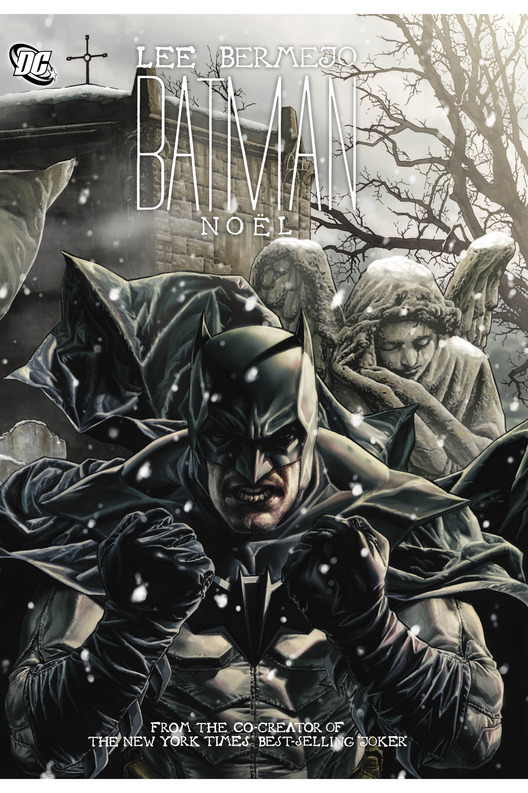
Batman: Noël (DC Comics)

Now previews do exist and they can serve their function. However, just as trailers will inundate us there are months when you can’t get away from the same five pages.

A bit more variety might expand fan-bases for more books.

Self-Containment

Batman & Robin (DC Comics)

All above suggestions would imply and perhaps even demand a greater amount self-containment in each series.

One thing I’ve noticed in the New 52 is that, at least in some cases, there is less co-dependence. I started reading Batman and Batman & Robin in their new incarnations and there is little to no leaning on the other series thus far one needn’t read both if they choose not to.

That lack of co-dependence is a lot of what the above is about also. If you have a guest character in a new arc it can easily be its own entity and not need to play into a hierarchy.

Marvel Short Film Rumors

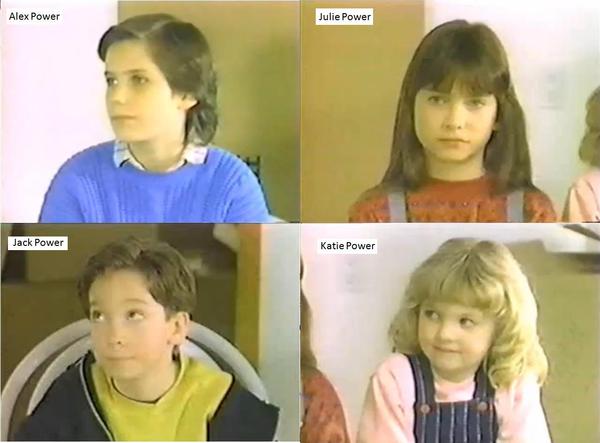
Nathaniel Moreau, Margot Finley, Bradley Machry and Jacelyn Holmes in Power Pack (Marvel/New World)

Pictured above is the cast from a pilot for a Power Pack series that was never picked up but along with Dr. Strange would be an ideal candidate for a short film treatment. There were rumors a while back that Marvel would produce shorts to play prior to its tentpole films. That seems to have died down but it shouldn’t a short film would be a great boon to a lesser character and not the investment or risk that a major summer release for a borderline top tier character would be (top tier in film terms).

Both Marvel and DC have established cinematic properties such that they can try and get lesser properties some limelight too. They are both studios and they should act like it with greater frequency.

Movie Tie-Ins

The Adventures of Tintin: The Secret of the Unicorn (Little, Brown)

In keeping with that any all comic-based feature films need their tie-ins and branded to get their product out there. I purchased The Adventures of Tintin: The Secret of the Unicorn recently with the all too rare “Soon to be a Major Motion Picture” sticker on it but a week or so removed from having seen the film.

However, novelist and comics writer Joe Hill had a great idea on Twitter this summer just before one of the huge superhero movies came out: Why not have comics at the movies when those projects come around? When else would an impulse buy be as strong? “I just saw this movie and liked it, yes I’ll buy a comic; it’s half the price of a soda.”

Conclusion

The studio system was imperfect but so is the current one. The idea of changing a system isn’t replacing everything about it but just what didn’t work. Some of these ideas form a parallel industry can help comics.