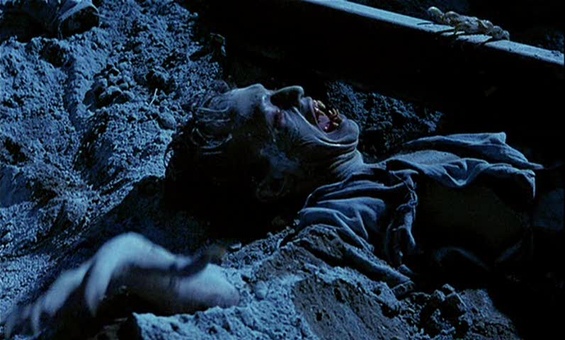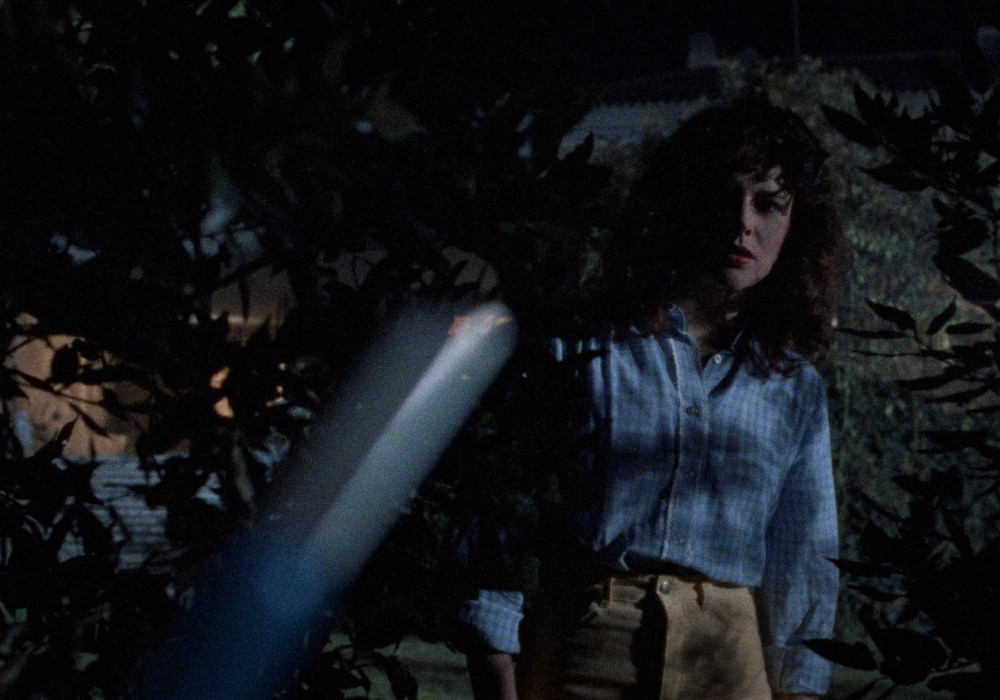
Journey to Italy Blogathon: A Blade in the Dark (La casa con la scala nel buio) (1983)

A Word of Caution

I decided to do a deep dive on this film. If you’re leery of spoilers it might be better to just scan this post. Although, I won’t lay the whole plot out in order in one section.

Also, this post is lengthy. I would’ve posted it in three parts if I hadn’t started so late.

Titles
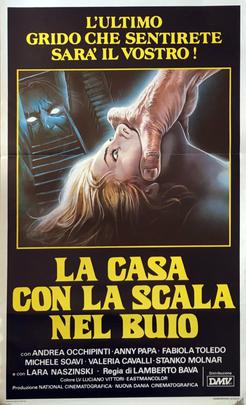
Titles of gialli, and Italian horror films, are usually your first clue of how to take them. They tend to revel in the poetry of death, they might even come off as overwrought and florid to some. I personally love them. Sometimes the alternate titles work better than the more commonly used ones. Just a few quick examples: Mario Bava’s Bay of Blood, is a good title. The alternate, on the other hand, is an all-time great: Twitch of the Death-Nerve. Mario Bava’s father shot a film called La farfalla della morte (The Butterfly of Death). Most of Argento’s titles are memorable, especially those in the animal trilogy. You also have things like Pupi Avati’s The House with Laughing Windows. With regard to this film, the original title La casa con a scala nel buio loosely translates to “The House with the Dark Staircase.” Lamberto later went on to say he preferred the English title. And I must say, as disparate translated titles go, it is quite an evocative one.

Origins
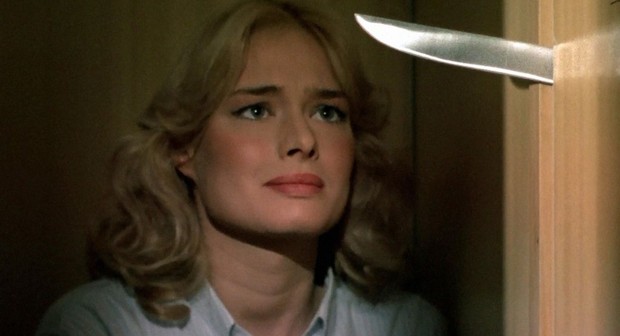
Prior to making A Blade in the Dark Lamberto Bava, son of titan Mario Bava, had directed one feature, Macabre, which is an outstanding film that deserves a proper North American Blu-ray release. Just before making this film he worked as an assistant director on Dario Argento’s Tenebrae. The influence of Argento and that film on this one are clear. However, each stands on its own due to the disparate handling of similar plot elements, but the dialogue they share is intriguing. Any two works of art that dialogue with one another will fascinate me to some extent. 

This film was originally intended as a four-episode mini-series. A televised event may have fit the structure better, but that would’ve made the piece more specialized and something only die-hards would discover later. It turned out that Bava tackled his subject matter with such verve and violence it couldn’t air on television. His producers then told him to cut it into a feature-length film, the original structure can be felt in the methodical pace of the feature-length cut as compared to many giallo films which are a bit more frenetic and byzantine in their construction. In preparation to write this piece I re-watched both the English dubbed feature-length cut and the Italian audio original and the pacing is perfect in the latter as it was structured to have each of its four parts end in a murder that is built to throughout; one of the many things that is far superior there. 

Yellow Fantasies (Fantasie Gialle)
One thing that is often emphasized in writing about giallo films is that they are fantastical, if not outright fantasies. In the essay booklet of Vinegar Syndrome’s box set I was reminded of that. It’s almost as if each giallo and Italian horror film felt impelled to re-remind audiences unaccustomed to these films that, yes, they’re fantastical. Watch enough of them and you know it to be true. 

When discussing Argento’s work, Guillermo Del Toro is practically awestruck by the fact that so many of his films function on a staple of the fairy tale he refers to as “the power of declaration.” Why is there a dance school run by witches? Why is there a room filled with barb-wire? Because there just is, I declared it. 

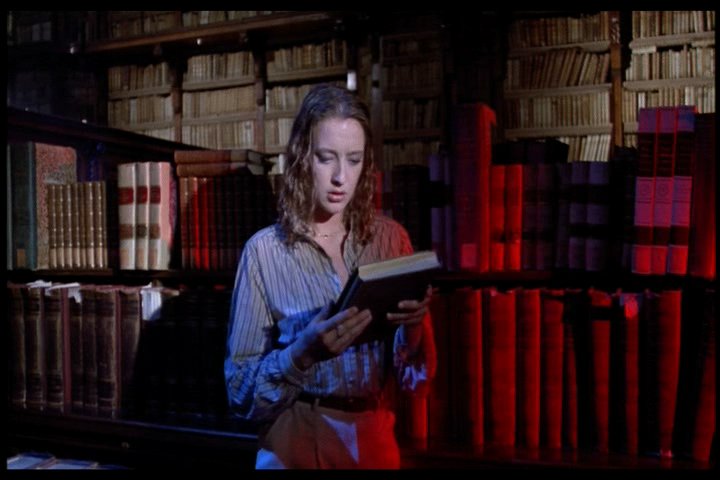
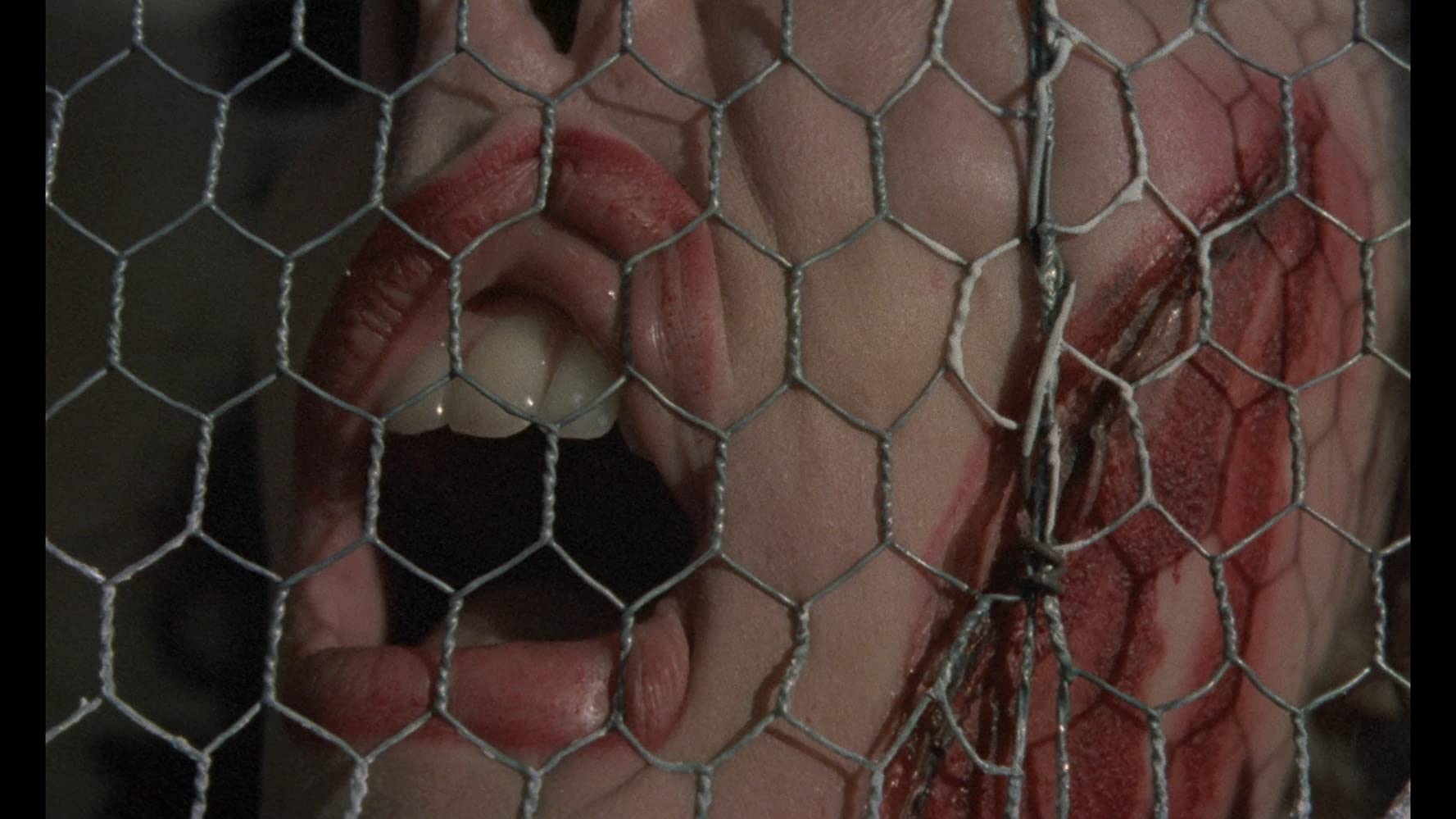
Even in giallo films, which are more earthbound, there are things you just need to go with. One example would be, the first victim in A Blade in the Dark. She’s not bound or otherwise impeded from fleeing from behind the chicken-wire extending past a half-demolished wall. It could be fear that traps her, but that needs to be inferred. Her not attempting to flee once “stuck” also plays into a giallo trope I refer to as “the teasing blade.” Wherein the murder weapon tests a latch, keyhole, door jamb, or other obstruction the target hides behind methodically, slowly at times; Torturing the would-be victim and the audience alike. In this film’s first kill we watch the killer undo blouse buttons, pierce skin, draw blood, and dig. Giallo kills are more protracted than slasher kills that followed. More about stalking than chasing, the film is less concerned about body-count and more concerned about labored, shocking, outlandish kills.
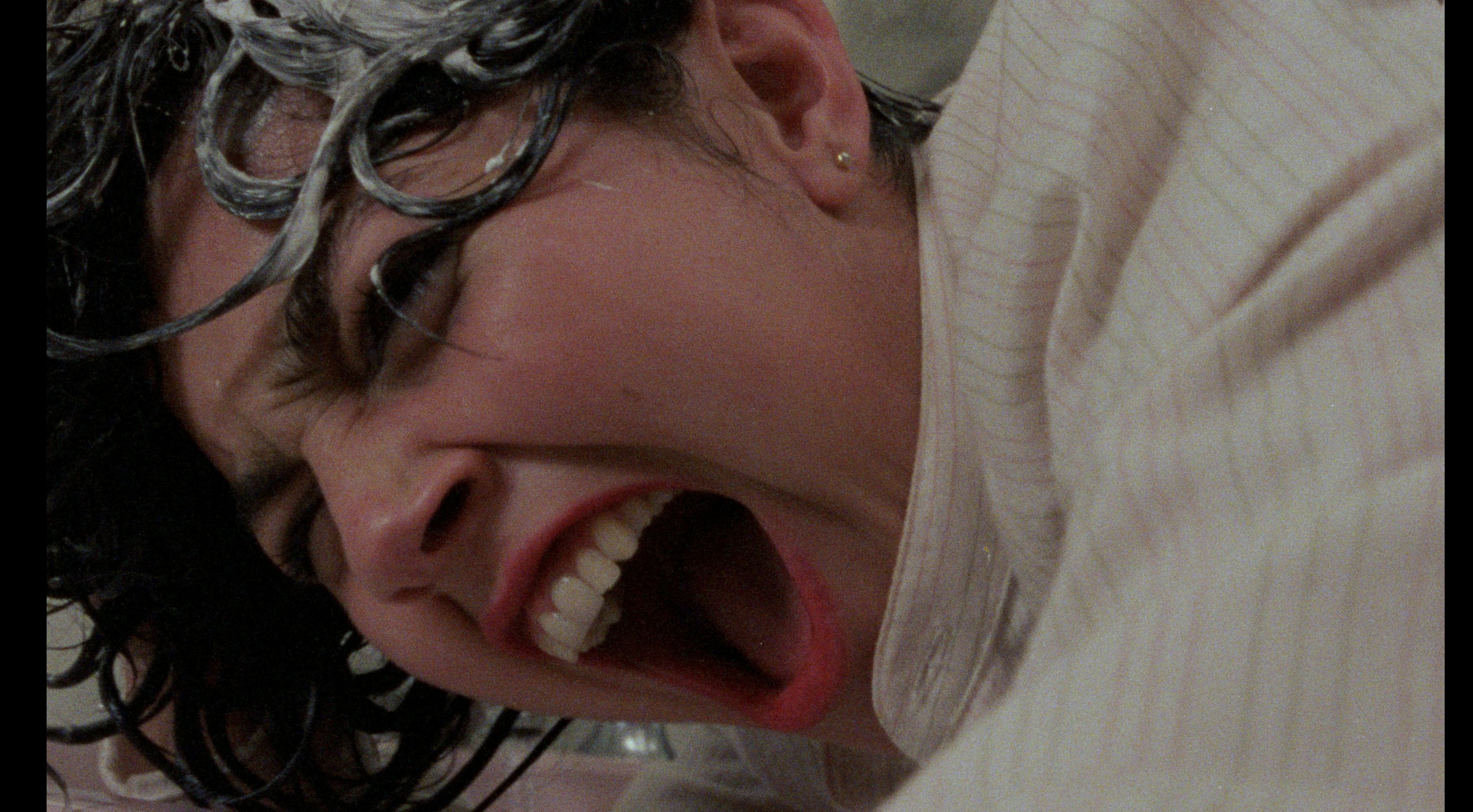
The exception to that rule in A Blade in the Dark is the bathroom kill. Typical gialli kills would have one flashy creative flare and that’d be it. This scene has multiple flourishes. It begins with the film’s most iconic bit of violence: the knife through the hand. It concludes with its most brutal coup de grace: a bag over the victims head while slamming it against the bathtub; then when the woman is practically dead, if not already there, the murderer slits her throat like she’s a slaughtered pig.

It’s safe to say this is the scene that kept it off television. A filmmaker wouldn’t want to compromise it for network censors. This scene, and the discovery of minor clues in clean-up later on, are just two of the elements in this film that remind people of Psycho. The other thing will be discussed later. While there are definitely problematic elements viewing it in the modern day, there are unquestionably many things that work about it and also many ways of parsing this film such that the aforementioned Vinegar Syndrome release’s booklet had three disparate short essays that didn’t even address my observations about it.

Another not-quite-realistic element is the women who pop-up uninvited at the house. Katia (Valeria Cavalli) is strange in general -a bit more subdued in the Italian audio- but is found in a closet by Bruno she’d come to retrieve her diary which was left there when Linda was staying at the house. Angela (Fabiana Toledo) likewise suddenly shows up wanting to use the pool, when Linda stayed she let her. Bruno agrees. She soon meets her end as well.

The Set-Up
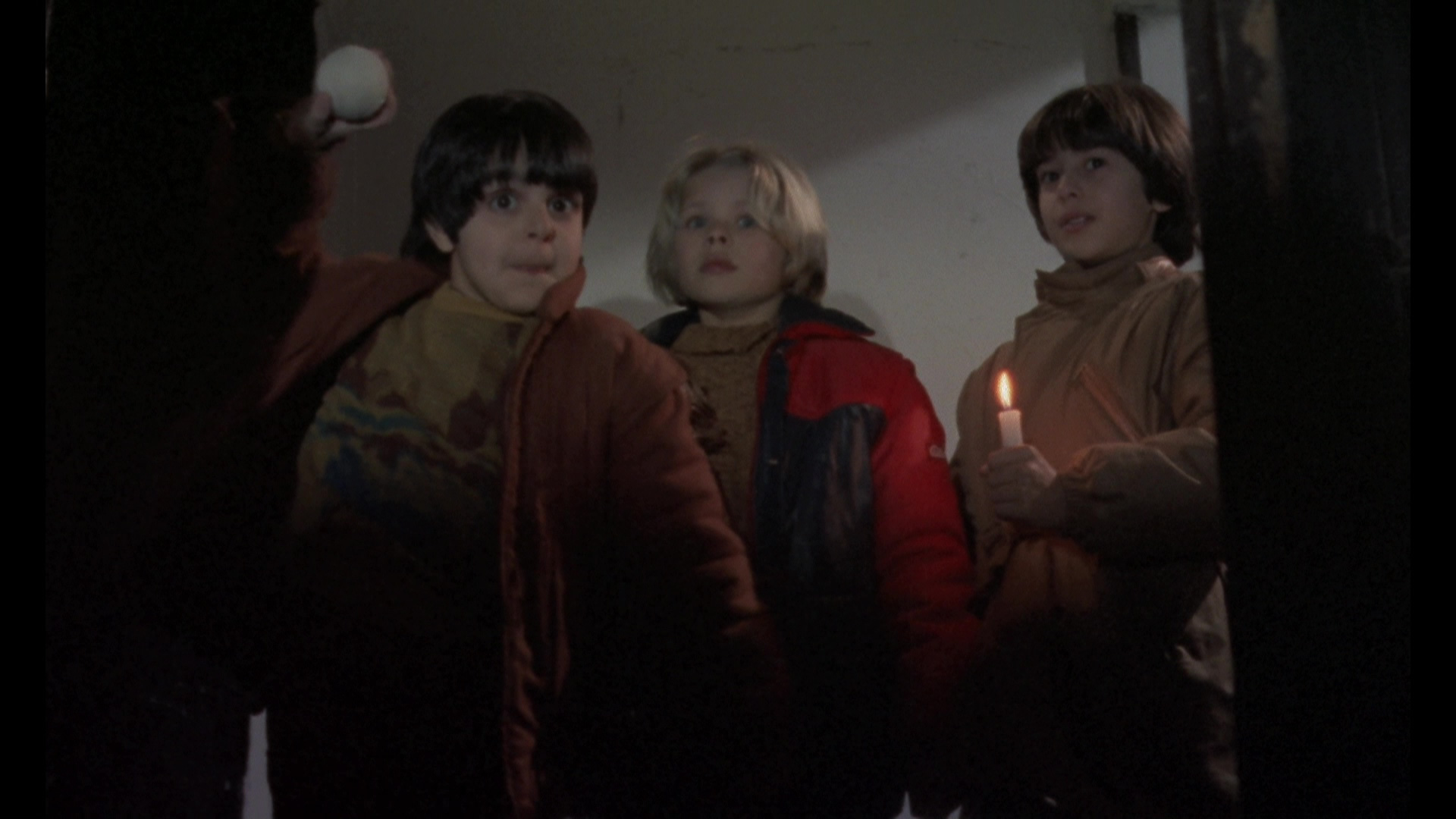
The film begins with three young boys walking into a creepy abandoned house. They gaze down through the open basement door, a stairway that vanishes into darkness tempting them. One of the boys throws a tennis ball down the stairs, daring the blond boy between them to go down and get it. They taunt him, call out his fear. Here we get one of the most significant differences between Italian and English, and TV and feature versions: in the English feature version the chant they hurl at their target is “You’re a female.” It comes across as overly formal and tin-eared considering these kids are ten at most, aside from that its on the nose considering the plot that unfurls afterward. What they say in Italian is “Femminuccia” which translates to “girl” or “baby girl.” I don’t know if there was some decision made to match the “fe” sound in both audio and subtitles, but boys calling each other a “girl” or “little girl,” as the case may be, is not only a far more universal experience, but also less predictive than how it’s generally been played in English and in the subtitles. 

Regardless, after the tennis ball goes down the stairs, the frightened blond boy (Giovanni Frezza, best known as Bob in The House by Cemetery, and a staple in both Bava and Fulci’s films for half the ‘80s) disappears down the stairs. Then the tennis ball whizzes up the stairs, the other two boys avoid it. It leaves a bloody mark on the wall behind them. Shortly, after that we see a Moviola, Sandra (Anny Papa) and Bruno (Andrea Occhipinti, The New York Ripper) sit behind it. What we’ve been watching is a scene from a movie that Sandra directed that’s now being edited. The scene frightens Bruno. He’s tasked with scoring the movie. He’s nervous not only because the film frightens him but because horror music isn’t his usual metier. But that’s why she wants him. This is a great touch, not only does it put the protagonist out of his element artistically (he also is staying at what’s deemed to be a creepy house for inspiration), but Bava employs this very technique in scoring the film. He chose Guido and Maurizio De Angelis, who typically scored poliziotteschi films; a sub-genre of Italian action and crime films popular in the 1960s and 70s. Due to this choice A Blade in the Dark doesn’t sound like most other giallo films. The theme is melodic but not quite as entrancing as The Psychic (7 notte in nero), it has an electronic signature and layering, but isn’t anywhere as thumping as something like Suspiria. What it does is underscore the narrative perfectly and fit. 

Bruno’s working in a house rented to him by Tony (Michele Soavi, who also worked with Argento and on to direct his own films) who seems a bit odd but otherwise harmless. Aside from creepiness, Sandra hopes the solitude will enable him to produce his best work.

Sexuality, Representation, and Art
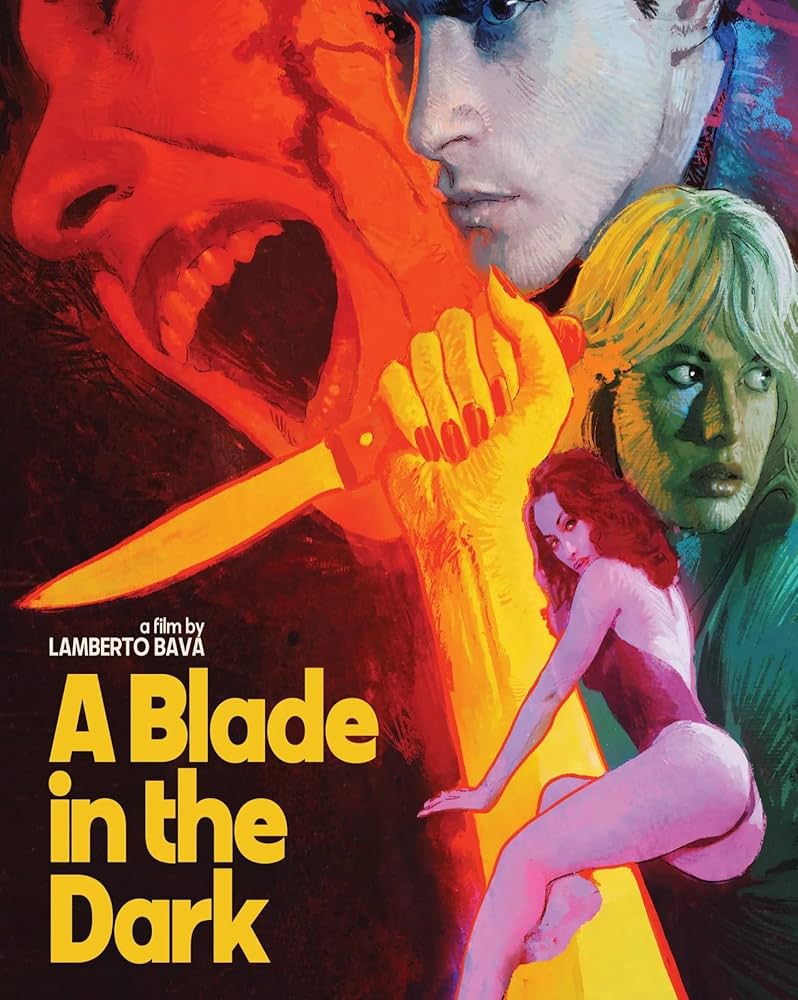
One thing that’s well-noted in the booklet of essays is that the giallo wave was pretty much dead by the time this film was released. The usual purveyors of it went on to tackle other sub-genres of horror and thriller after this. By the end of the giallo wave the films needed to find varied and more creative justification for those being targeted. 

While it’s possible to read this film according to a few theories of analysis, the main characters in this film operate from different places so I believe a layered reading of the film is necessary to truly appreciate all that’s going on. 

The creators of this film were coming from many places here. As mentioned, Tenebrae influenced Bava here immensely. In Tenebrae, the killer raped/murdered a trans woman he was attracted to and then targeted other women. The first part of that equation is sadly all too relatable today and wasn’t unknown in the ’80s, but it wasn’t discussed as much in film. When it was handled it was done with the understanding of the time, and usually to some extent for shock value. Here, at least, as in Tenebrae, it’s intrinsic to the plot as the big reveal of the film is Tony is Linda, who is the murderer.
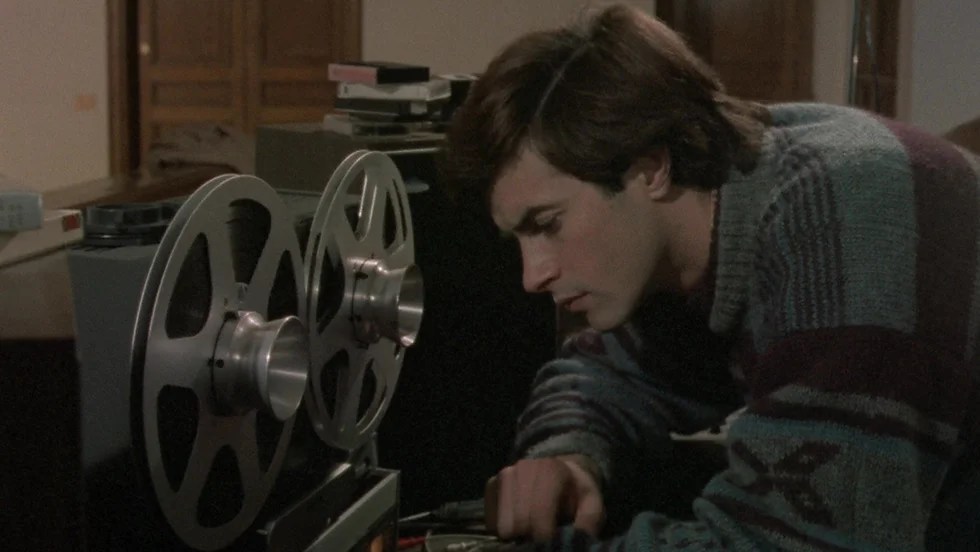
When the societal outcast is lashing out rather than an expendable victim (see the myriad movies referenced in The Celluloid Closet, many of which had LGBT characters who were tertiary and pointlessly introduced only to be immediately killed), it’s a lot easier to take despite any errors. Now, I am gay, not transgender. I read a post by a transgender writer about this film. Unsurprisingly, they find it transphobic, but they also said they wouldn’t tell people not to watch. I understand that ambivalence and realize that my thinking more highly of it has to do with my layered reading and personal background. 

One thing that’s important to keep in mind watching older movies now is that they will have troubling content that might not age well, but they can still be viewed if you wish. I thought one of the best jokes on Brooklyn Nine-Nine was when Ace Ventura comes up Jake (Andy Samberg) says “Classic film. One of my childhood favorites. And it only gets overtly transphobic at the very end.” It’s a great line because it acknowledges a serious issue with the film while not discounting the work entirely. For gay and transgender characters to be the protagonist or survive horror films, they had to first be in them as more than tokens. This film at least does that.

Also, when a film is trying to do a lot, not everything will work for everyone. The fact that this film features a female horror film director is also significant. Sandra’s wardrobe is masculine. She wears ties and slacks reminiscent of Diane Keaton in that era, but that choice also speaks to gender expression being part of the plot. That her wardrobe not being commented upon also expresses an almost universal double-standard. If a woman wants to be more like a man, that’s fine to a degree. But a man or boy being more feminine, or being perceived to be more feminine, is a problem.

As I discussed some above, being an artist is also a central element to this story, most of the central characters are creatives. Bruno is a musician and composer; Sandra is a writer and director; and Julia, Bruno’s girlfriend, is an actress. Much of the film deals with the struggles of creation; Bruno trying to get the theme right, Sandra perfecting the film, and through Julia another LGBT reference is inserted in the film. She says her play has been suspended due to profanity. In the English audio she says the play is called “Sackville-West,” named after a correspondent and love interest of Virginia Woolf’s. In the Italian audio there’s an added line “Imagine a play by Mae West being obscene.” The reason for the obscenity charge is the play deals with “homosexuality in females.” Bruno’s response in both instances is “Oh, that explains it. No one wants to hear about that.” Whether Bruno agrees with the decision or he just means society in general won’t accept that almost doesn’t matter because they’re characters in a film that deals with something closely related.

The struggles of these three characters to create, the time they dedicate to it, their single-mindedness puts blinders on them. Bruno, is more interested in scoring this film and doing it well, while also solving the mysterious disappearances around him, than he is in self-preservation or working on his relationship. Similarly, Julia is too wrapped up in her play, and wanting Bruno to see it, to believe murders are even happening until she has not choice but to believe it. 
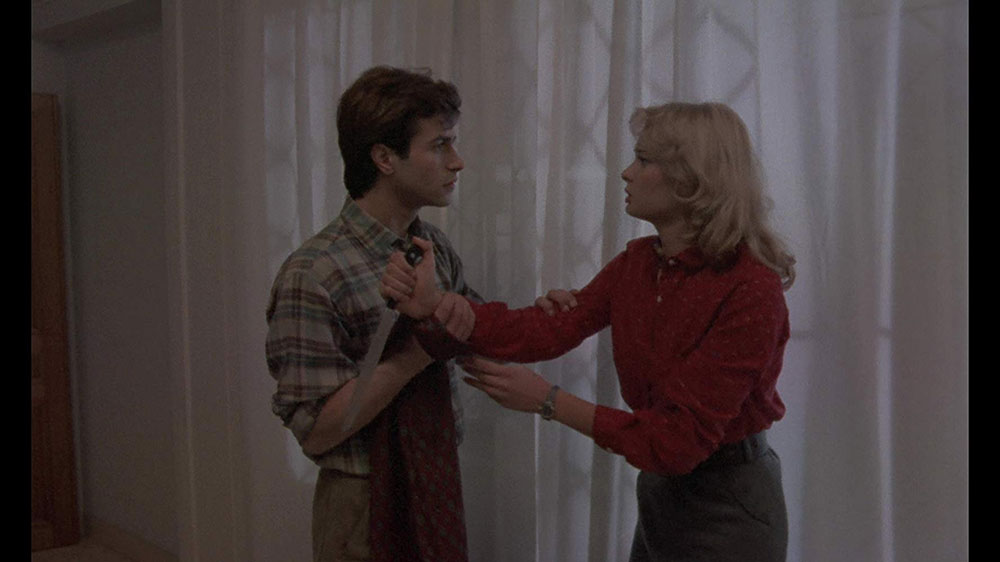
That brings us to Sandra, who perhaps best represents the narcissism that all artists have to some extent. She betrays Linda’s trust, when she was told Linda’s secret it was made explicitly clear it was a secret. Not only did she turn that into the seed of an idea for a film but she repeatedly minimized Linda’s feelings and she was the offended party. Sandra also is hiding the final reel from everyone, no one is to see it presumably until the film comes out. There are stories of controlling directors doing things like this, but stopping the composer from watching it goes beyond the pale. Obviously, the composer needs to see the images his music is supposed to accompany. It also intimates that she’s on edge about Linda or that she realizes, perhaps subconsciously, that the story she wrote is more true-to-life than she intended. She even tells Bruno “The killer in this film is a woman” meaning her film but that’s also true of the one they’re in. 

The Explication Scene and Linda’s Modus Operandi
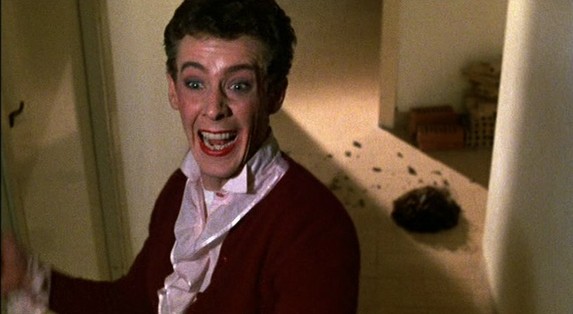
The explication scene is perhaps the Achilles heel of many gialli, sometimes the denouement allows the audience to get the bad taste out of its mouth. In this film it’s literally the last thing you hear which is unfortunate. The explication is typically necessary due to the double-edged sword of a giallo film. The audience is kept from knowing the identity of the killer for a vast majority of it. The whodunit aspect is fundamental to its structure. With that set-up, and a killer who has an alternative sexuality, by default you have other people speak for them as in the case of this film both Linda and Sandra are dead in the end. Add to that writers who are attempting to make a statement and be original and you get the kind of inaccuracy you find in this film. A lot of gialli also leaned on a pop-psychology that treated trauma as a kind of “Rosebud,” if you discovered what happened to this person you’d understand everything about them. That works to varying degrees in the genre. Even in a fantasy its hard to accept that one’s gender identity or sexuality will change because of bullying, but those taunts can make one see one’s self more clearly. Similarly, being unable to accept one’s queerness, however, is accurate and a universal phenomenon.

Not seeing the killer, not being anywhere near their headspace, one must also speculate on the plan Linda had in mind. Getting past the filmmaking elements and the surprise of the narrative into the idea Linda had is not hard. She and Sandra had a falling out. Linda told Sandra about her deepest trauma in confidence. Sandra decided to spin that story into a film using Linda’s story in a scene. Linda got upset. Her confidence was betrayed, the friendship ruined. It seems Linda’s initial goal is to ruin the film. She, as Tony, rents out the house to man people, including now Sandra’s composer. She whispers so Bruno can hear it on playback telling him eerie secrets, she then destroys his takes of the score, halting his work to make him start over. None of that deters him. Then the unexpected houseguests dying doesn’t stop him either. 

Linda then finds the film’s elusive final reel while no one is looking at the post production facility. She lops off half of it and slices the rest to ribbons. None of it stops Sandra from trying to tell the story she wasn’t supposed to tell. 
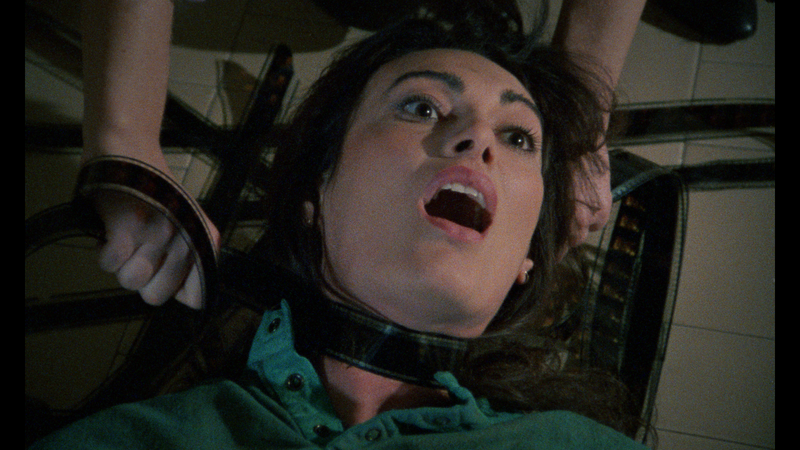
Aside from betraying Linda’s trust, Sandra was essentially outing Linda in her film, so why wouldn’t she want to get her revenge? She could stop at ruining the film, but then it wouldn’t be a giallo; the revenge fantasy aspect wouldn’t be as viscerally appealing. The fact that Sandra is strangled by a strip of 35mm film and then found in the remainder of the final reel is ham-fisted, perhaps, but it underscores the point that Linda wouldn’t have felt pushed to do this without the film. Giallo films are about excess and many times that’s just the kind of excess I want in a film. If it seems like you’re gonna go there, really go there!

At one point, Bruno and Sandra find in a room that was previously locked. It contains two collections of items traumatic to Linda in cardboard boxes: pornographic magazines (which could be a nod to her body dysmorphia without the film having the vocabulary for it. Early in the film she slashes at the centerfold in a nudie magazine when she first enters the recording studio), in the second box are tennis balls. While this is striking as an orgy of evidence, those are rarely found in reality, but this is a fantasy. Furthermore, I really love that Linda seeks to weaponize these traumatic totems. She also uses the taunt the bullies used on her (“Feminuccia“) on one of her victims. 
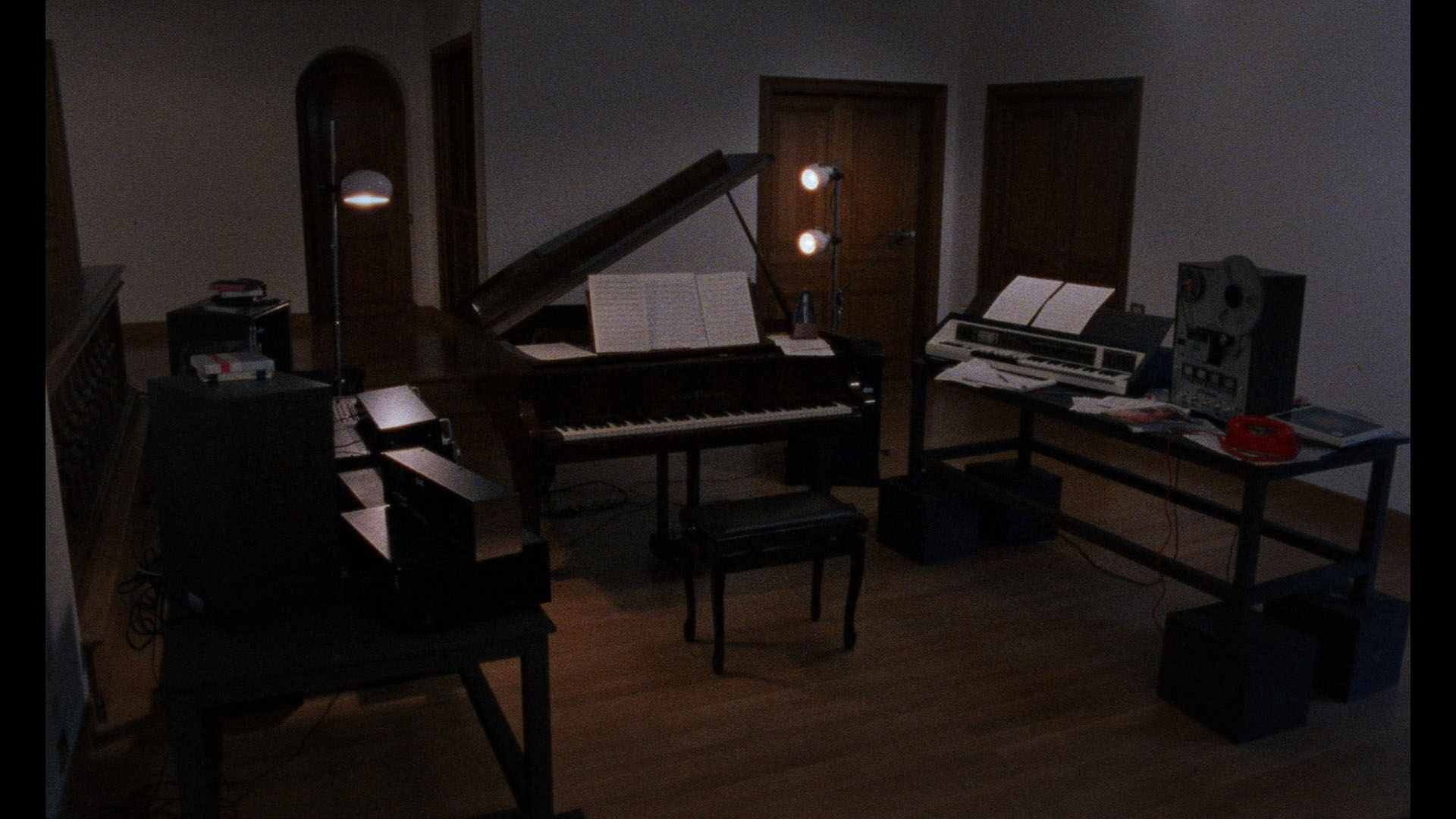
The score at one point I feel comments on Linda also. I previously mentioned musical overlays. Toward the end of the film the emblematic theme is played, then another piece of score plays over it. This is disconcerting for the audience but also can be read to represent the clashing of Linda’s personalities. 

Conclusion

Sex and sexuality are and were vital cogs in giallo films. As opposed to the slasher films they inspired in the US, there wasn’t as puritanical a bent, nor was the sexuality typically superfluous to the remainder of the story or themes. Neither is something like A Blade in the Dark totally out of left-field. In her essay “The Mother of All Horror: Witches, Gender, and Dario Argento” Jacqueline Reich wrote that giallo is “a genre dominated by sexually ambiguous villains and monsters offering cross-gender identification.” And I certainly agree with that take. Machismo or toxic masculinity has always made me bristle, so giallo characters (or those in any genre) offering a counterpoint to that intrigue me. 

While Bruno’s simplistic interpretation is that Tony’s masculinity was stunted, Linda’s whole being was affected. One final comparison between English and Italian audio, there comes a point where Linda loses the box-cutter she began her spree with. When she enters the kitchen and finds the knife-block displaying the knives vertically on the wall, there’s an ecstasy in Linda’s vocalized reaction that’s half-shock (like she sounded after the bathroom kill) and half-arousal. This also plays into ambiguity, as does the fact that in order to enact this plan Linda has to inhabit the body and clothing of her former persona more often. That definitely explains how uncomfortable and nervous Tony is, and why he goes out of his way to say he’s not just leaving the house, not just leaving Tuscany, but heading to Kuwait on non-existent business. 

The ingredients of many gialli, especially Tenebrae—sexuality, representation, and art—are in this film with a different recipe. Lamberto Bava wondered what if the trans person had been wronged and snapped. To answer that question and produce a film about in 1983, in Italy, it almost had to be in an exploitative genre as it was one of the few refuges to more fully examine outcasts. There is certainly more to A Blade in the Dark than meets the eye. 
Mini-Review: Dracula 3D (2012)

Introduction

This is a post that is a repurposing of an old-school Mini-Review Round-Up post. As stated here I am essentially done with running multi-film review posts. Each film deserves its own review. Therefore I will repost, and at times add to, old reviews periodically. Enjoy!

Dracula 3D (2012)

This particular selection from Dario Argento was an official selection of last year’s Cannes Film Festival and was recently picked up by IFC Midnight here in the US. However, if you are a fan of his I would not recommend you go out of your way to acquire the film, as I did, and simply wait for it to roll around as a rental [It has rolled around on DVD and Blu for purchase and rental. Rather cheap even for a 3D version]. If you are not familiar with Argento do not start here. I’d recommend Suspiria as a jumping off point.

Much of what’s unfortunate about this film is the disconnect between certain elements: there is throughout a very uneasy relationship between the well-photographed, geometrically intricate, well-lit shots; gorgeous production design and a tendency to go for really unconvincing and unfortunate CG. This is not just a complaint about CG blood, but larger elements. Much of the CG blood usually upon opening wounds and then the close-ups use practical effects well.

An issue of a less nitpicky nature is the that there isn’t a consistent enough progression and amplification of stakes and incidents. Argento has always had a leaning to a slow-burning style but there there’s not a lot of intrigue to buffer that slight build here. Those peaks where there are spikes in the action, where we need to feel the oomph, are usually undercut by the CG work.

The scoring is great, and minus some seriously off moments by some lesser players the acting is good to passable. One thing that had me searching online after it was over was that there is a veritable bestiary of creatures that this Dracula can become. This is not inaccurate, but with the redefinition that cinema has had in various versions over the years it rather took me aback without a more overt introduction in this tale. However, it really is the stuttering pace, the disjointed nature of certain elements and fairly lifeless final third that keep this version from staying afloat.

5/10

The Magic Flute: My History with Opera on Film

My History With Opera

I cannot claim that I have a foundation in opera. Nor can I claim, as I can with ballet, that I have a very active appreciation of it.

What my history with this artform is, in all likelihood, not unlike that of most people. Pieces that were featured in Looney Tunes shorts either in part, or as the basis for entire stories I know well. In fact, two of my more memorable Looney Tunes viewing experiences were shorts of this type, Rabbit of Seville being one of the funnier ones, and Long-Haired Hair being one that as a kid made me a bit uncomfortable because I did start to feel bad for the pompous Mr. Jones (I got over that eventually).

My first true introduction to opera appropriately enough was through a film. In French class we watched Franceso Rosi’s Carmen (1984) as one of our screenings to get more acclimated with hearing the language; this time through Bizet. I absolutely loved it. I later found what I thought was the same film and didn’t like that interpretation of the story at all (that version being Saura’s 1983 version).

Opera (1987, Blue Undrground)

There was a long hiatus after that where I really didn’t take another jump back in. As I discovered the works of Dario Argento, Opera quickly became one of my favorite works in his oeuvre. In that film I did learn both a bit about Argento outside film and also about the operatic version of Macbeth; and how it has similar tales of misfortune associated with it.

Later on I would, again going through the works of a particular director, this time Ingmar Bergman; come to know The Magic Flute. Yes, heathen that I am, I first experienced Mozart’s tale with all-Swedish libretto. I enjoyed that version a lot and then viewed it in German, as it was written, at a Fathom Events screening at a local movie theater.

Since then, while I may not have gained too much narrative or other insights into operas in general, I have listened to a lot more of them through a few means. Namely borrowing CDs from the library and on Spotify (I’ve used both these means to become more versed in classical music as well).

The Magic Flute (2006, or 2013 as the case may be)

The Magic Flute (2006, Revolver)

That brings me to the present and my latest brush with the artform in Kenneth Branagh’s only-recently-distributed English rendition of The Magic Flute. What Branagh does with this film is not that unlike what many have done with Shakespeare: the text is the same albeit translated and the setting is updated. This tale taking place during World War I.

Branagh’s doing this makes perfect sense when you consider that most are familiar with him through his Shakespearean adaptations. However, this film is perhaps the best assimilation of his sensibilities: there’s the classical dramatic sensibility he’s familiar with in Shakespeare and parlayed well in Thor, but also a zany, irreverent humor that he possesses as he’s shown as an actor in the Harry Potter series that fit this film as well.

Being an opera on film it will invariably have its stagier moments, but it has infinitely more cinematic ones. The camera, and at times even the characters in motion, accompany the movements of the music. This is especially true in the “Queen of the Night Aria” which is as mind-blowing cinematically as it is musically in this version.

In short, after all prior re-introductions to opera on film are taken into consideration the Looney Tunes are a wonderful warm up, but Kenneth Branagh’s The Magic Flute is the perfect introduction to opera for the uninitiated.

Mini-Review Round-Up June 2013

Here’s my standard intro to this post:

I had quite a review drought to end 2011 so I think the remedy for this kind of post would be to have the post be cumulative monthly. Therefore, after each qualifying film a short write-up will be added to the monthly post. The mini-reviews will be used to discuss Netflix and other home video screenings. Theatrical releases, regardless of how they are seen whether in an auditorium or on VOD, will get full reviews [That is when deemed necessary. As I wrote here I do want to focus more on non-review writing wherever possible].

For a guide to what scores mean go here.

Dracula 3D

Dracula 3D (2012, IFC Midnight)

This particular selection from Dario Argento was an official selection of last year’s Cannes Film Festival and was recently picked up by IFC Midnight here in the US. However, if you are a fan of his I would not recommend you go out of your way to acquire the film, as I did, and simply wait for it to roll around as a rental. If you are not familiar with Argento do not start here. I’d recommend Suspiria as a jumping off point.

Much of what’s unfortunate about this film is the disconnect between certain elements: there is throughout a very uneasy relationship between the well-photographed, geometrically intricate, well-lit shots; gorgeous production design and a tendency to go for really unconvincing and unfortunate CG. This is not just a complaint about CG blood, but larger elements. Much of the CG blood usually upon opening wounds and then the close-ups use practical effects well.

An issue of a less nitpicky nature is the that there isn’t a consistent enough progression and amplification of stakes and incidents. Argento has always had a leaning to a slow-burning style but there there’s not a lot of intrigue to buffer that slight build here. Those peaks where there are spikes in the action, where we need to feel the oomph, are usually undercut by the CG work.

The scoring is great, and minus some seriously off moments by some lesser players the acting is good to passable. One thing that had me searching online after it was over was that there is a veritable bestiary of creatures that this Dracula can become. This is not inaccurate, but with the redefinition that cinema has had in various versions over the years it rather took me aback without a more overt introduction in this tale. However, it really is the stuttering pace, the disjointed nature of certain elements and fairly lifeless final third that keep this version from staying afloat.

5/10

Deadfall

Deadfall (2012, Magnolia Pictures)

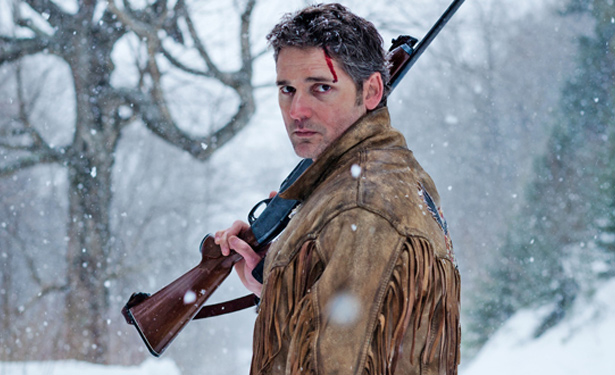
The hook in Deadfall, or what pulls you into the story, is the inevitable collision course of events and people at a Thanksgiving dinner. From the start when a bank heist escape goes awry in a blizzard and characters split up, you can feel it coming. However, what keeps you engaged throughout is the characters and their personal journey leading up to the moment.

You have in the tale essentially four parallel story-structures surround the manhunt. There is Addison (Eric Bana) who takes off and tries to keep on the move and get to the US-Canada border, who while on the run encounters some foes and plays out some family traumas of his own. Liza (Olivia Wilde) who sets the collision course in motion by finding Jay (Charlie Hunnam) whose troubles and complications we are introduced to early.

Then there’s the law enforcement side with another family dynamic of Sheriff Marshall T. Becker (Treat Williams) and his daughter, a trooper named Hanna (Kate Mara). Lastly, the parents awaiting Jay, and little do they know the trouble coming with them, Chet (Kris Kristofferson) and June (Sissy Spacek). What occurs in the end is a tense, though not overly-melodramatic, confrontation. There is great acting throughout, particularly by Bana, and the story takes its time so there are stakes invested on behalf of characters who we now know and understand. Some of the explosive dynamics of the climactic sequence we know will occur, just not how, are set up wonderfully; but they have even more impact with the work that has been put into these personages.

Deadfall is a beautifully photographed film that doesn’t neglect development while creating a compelling crime thriller. It delivers plenty of shocks, heart and intelligence.

8/10

Room 514

Room 514 (2012, Film Movement)

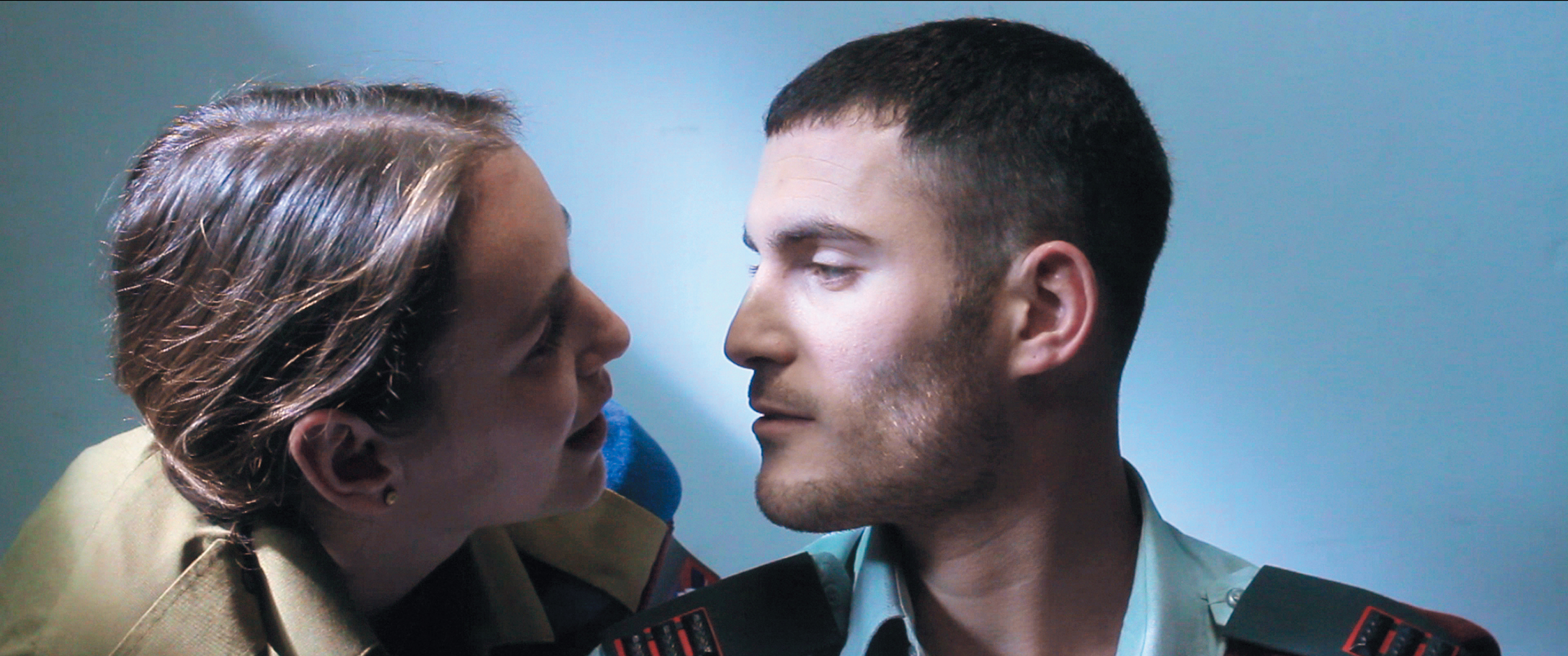
This film contains one of the slyest, most telling pieces of foreshadowing I’ve seen in some time. I won’t give it away, but as I reflected on this film it seemed to me to be a modern, Israeli-set version of A Few Good Men. The drama is more intimate and behind closed doors, but what the film is about is the people and how they react in a given set of circumstances rather than what the consequences for said action is. The comments both societal and militaristic have been made and the story is at an end. The outside world may never feel any ramifications or repercussions from what occurred, but those behind said closed doors do.

What director Sharon Bar-Ziv achieves is an intimate tale not only in terms of the number of participants but also in the frame. There are many times where there is scarcely background to be spoken of as two faces, within very close proximity to one another, dominate our view. Their is an intense focus on the characters studying one another and we in turn study them and not only how they react to one another but also what they are saying.

For a film of this nature to achieve maximum effectiveness it needs great acting and it gets that from its three main players: Asia Naifeld, Guy Kapulnik and Udi Persi. Neifeld plays Anna the Military Police interrogator at the center of virtually every scene and her performance is a veritable tour de force. Her choices as an actress are as clear as the convictions of her character and really help bring this film home. It’s a fascinating tale that is worth your time as it really and truly engages you.

Room 514 will be available on home video from Film Movement on 6/18.

9/10

Brooklyn CastleBrooklyn Castle (2012, Millennium Entertainment)

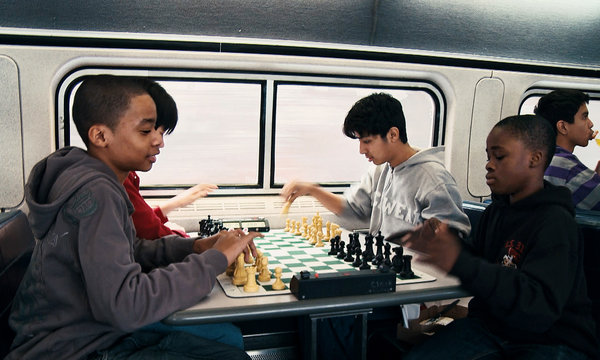
A few things with regards to documentaries that most of the good ones prove true is that: the quality of the documentary is determined by the filmmaking and not by the subject being examined, and, second, when making a documentary you have to go where the story is taking you and not the other way around.

Clearly if you enjoy chess this will be a film you are drawn to. However, this film works well enough, and focuses enough on its the people involved and their journey, such that it should connect with anyone and everyone.

While the story of a junior high school (I.S. 318 in Brooklyn, NY) where the chess team not only excels in unparalleled ways, but also where the players not the outcasts but some of the most popular kids in school, is certainly enough of a hook; it carries even further significance following the recent economic crash. While we engage readily in the personal struggles, victories and defeats big and small alike, there is a greater game at play as budgeting becomes a large concern of the film and the importance of extracurricular activities in the lives of students, both academically and otherwise, is made abundantly clear.

It is the people whom we get to know that drive and tell this story. What the filmmakers do is craft the tale for maximum efficacy that allows you to connect with the tale. An perhaps having seen a successful program personified it may convince others of the vitality they possess and why they should be preserved. It really is a great film that will put a smile on your face, get your rooting for these kids and make you wish all students had a program like it available to them.

10/10

The Ghastly Love of Johnny X

The Ghastly Love of Johnny X (2012, Strand Releasing)

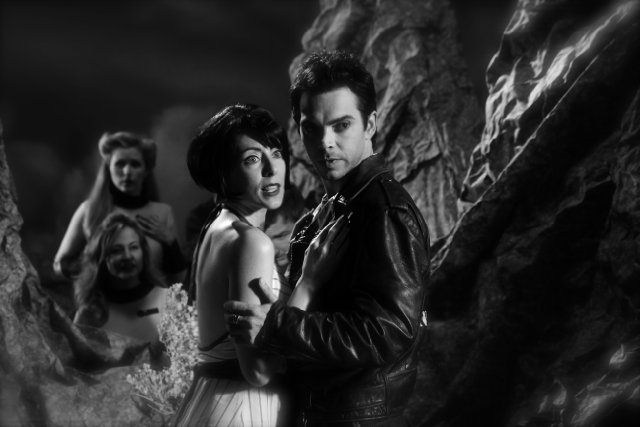
There is an odd concoction of elements that the Ghastly Love of Johnny X is trying to blend. Its charms, however, are not enough and the spell it attempts to weave doesn’t have enough staying power to make it a truly successful venture.

What it does well is riff on nuance pretty brilliantly, create some memorable lines, it’s odd and unique and has its moments in terms of cinematography, production design and musically (in terms of arrangement if not always the singing – yes, it’s a musical too).

All that sounds good and the tale of a man exiled from his home planet to earth to wander with a gang of ’50s style hoods and try to earn his way home does have potential. The issues it ends up facing are that it devolves into being what it seeks to emulate in the worst ways as opposed to transcending to it while still making us laugh at its tropes; namely a cheesy ’50s movie except this one plays quite a few genres at once. In short, the pace begins to suffer; there are touches slightly too modern; the plot, goals and motivations of characters become muddled and the comedy starts to click less consistently.

Also, as a musical there are some very long stretches between some of the numbers that are far too big. It’s not an entirely regrettable experience, but one I can’t say I’d recommend.

4/10

Upstream Color

Upstram Color (Erbp, 2013)

The one thing I can advise potential viewers of this film is: you should not embark on this journey if you’re not ready to be challenged. If you’re looking for escapist hit-me entertainment, this isn’t it.

The film is quietly cacophonous and, on the surface, visually disjointed. This is all by design as, much like characters in the film, we go off in search of as to how and why things occur. The answers to the questions are not disseminated in an overt manner, but most of the ones that truly matter are there. Ones that seemingly aren’t would likely be there upon review, or aren’t as much of a concern.

The heavily visual nature of the film is among its greatest assets, along with its edit. Some of the performances and the sound work, and the plot that is unearthed, are among its more uneven elements. Ultimately, its the craftsmanship and artistry of the film that has it succeed in spite of its missteps.

It welcomes revisiting, debate and discussion but once most of its mystery fades, and its minor ambiguities settle in, there’s not as much impact as it seems to promise early on. It’d make a great double feature with Beyond the Black Rainbow; though I find this to be a better film in a similar vein.

7/10

The Giants

The Giants (Kino Lorber, 2011)

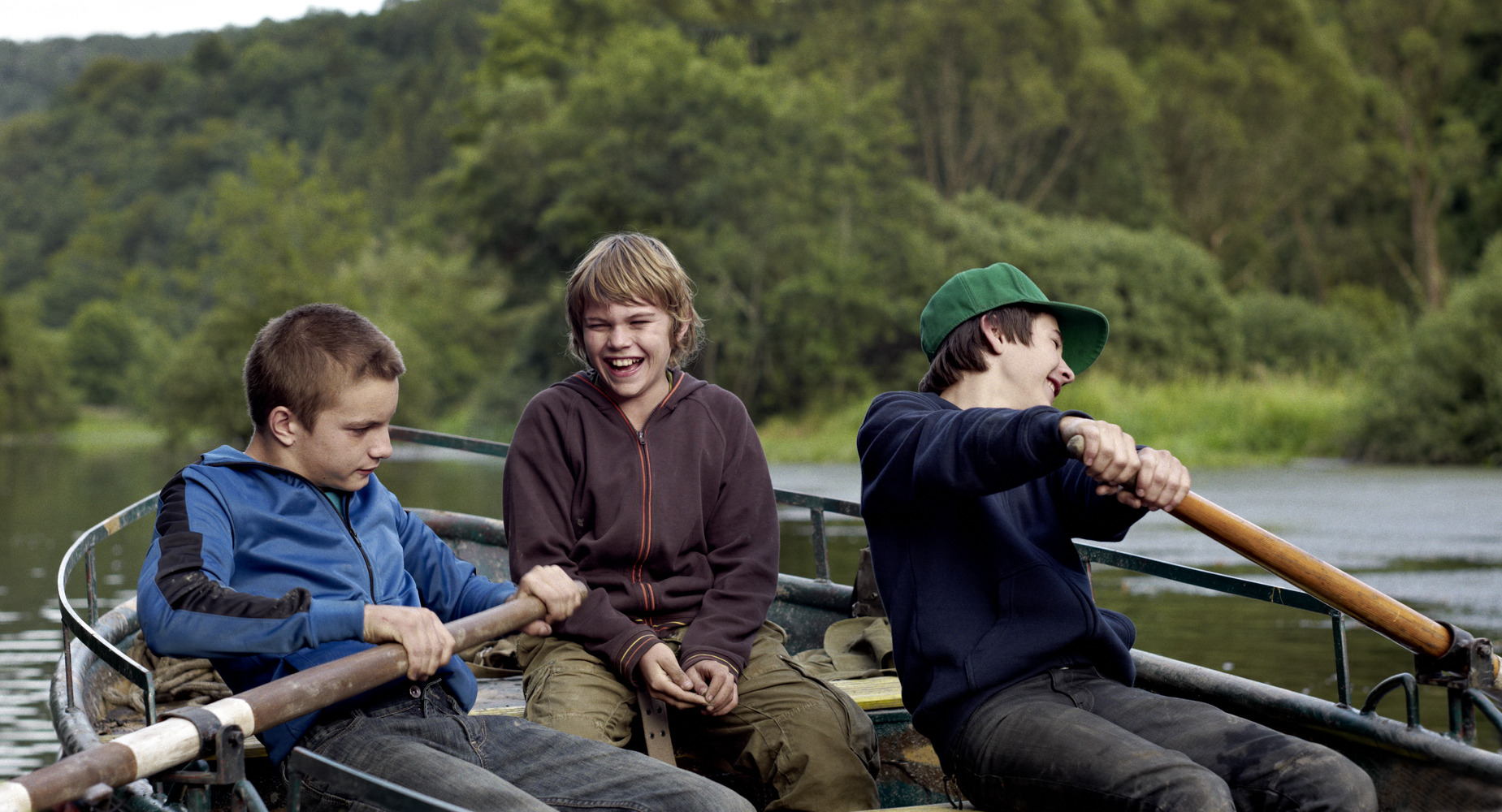
If there’s a trope, or worse yet a cliché, you can name in a coming-of-age film it’s very likely that The Giants sets you up to expect it and then subverts it. That is not to say you should approach this film with a checklist, but there are many times wherein either salvation or damnation threatens these characters, but what you see instead is maturation and survival. Brothers, Zak and Seth, along with their friend Danny are isolated both by circumstance and by choice. The adult world is an invasive burden on their existence but one they are ultimately forced to cope with by themselves.

The film has opportunities to embrace conventions either of dystopian coming-of-age stories, like Kids, or more utopian ones where despite all the travails the characters go through there’s a classical Hollywood ending. This film takes the road less traveled as often as possible when faced with a plot point that can be seen as fairly common and that choices pays off over and over again.

With parents that are perpetually absent without true explanation, it’s a tale essentially of individuation rather than any of the other pitfalls of growing up. There’s definitely no love interest in the tale, and, without station too much, if there is even any true commentary on sexuality is left ambiguous.

The restraint and certainty that the film has in the handling of its plot, edit and musical selections is matched by the young cast. This especially applies to Zacherie Chasseriaud shows the poise and control of a veteran from first scene when he deals with his mother’s absence and nearly cries, but doesn’t, through to the end.

Bouli Lanners does not seem to be going for either extreme of the emotional spectrum with this tale, but rather and accurate portrayal of kids in circumstances out of the ordinary forced to grow up. They are neither idealized through nostalgia or auteristic proclivity nor are they “gritty” just for the sake of it. Elements that could be used for shock value in less-skilled hands here are what they are, meaning part of their existence and are there without commentary. The Giants is a highly effective, well-crafted tale deserving of a larger audience.

10/10

Kai Po Che!

Kai Po Che! (2013, UTV Motion Pictures)

I took a Bollywood film course which got my feet wet in the style of popular cinema that emerges from India in college. Since then I can’t say I’ve taken many forays back there again, though both Netflix and certain multiplexes make it a distinct possibility. However, what I’ve noticed in my last few forays (Namely Zokkomon and Chillar Party) is that there are stories that have featured aspects of subgenres and tales tied together by approximately a half dozen montages throughout a two-hour-plus film.

This film is about three friends who want to start a cricket supply store/training academy. The motivation for each to get involved is different and there are different narrative threads throughout. There is the assisting the underdog plot which leads into the sociopolitical commentary the film has to make, that eventually becomes a factor in the friendship. While there are not non-diegetic bursts of song there is source music during said montages. There is a romantic subplot, which links its way into the interaction of these friends and so on.

While the sports theme is always there, and as tends to happen I picked up a bit more about cricket through this film, it never becomes a sports film per se. It essentially remains a slice-slice-of-life drama with much fenestration throughout that charts many years in the lives of this group of friends.

The film through judicious editing tells a lot of story in not a lot of time and handles its tonal shifts fairly well and it is very capably performed. It’s an entertaining film, and I hope to be able to catch some more recent titles from India before the year is out.

7/10

Imaginaerum

Imaginaerum (2012, Solar Films)

What the Finnish symphonic metal group Nightwish brings with this film is not so much a musical but a film built around music. It’s the visual accompaniment to their concept album that’s the kind of thing that I would’ve liked to have seen from the titans of the music video form at their zenith as well. Having said that there is not much at all un-cinematic about this tale, quite to the contrary.

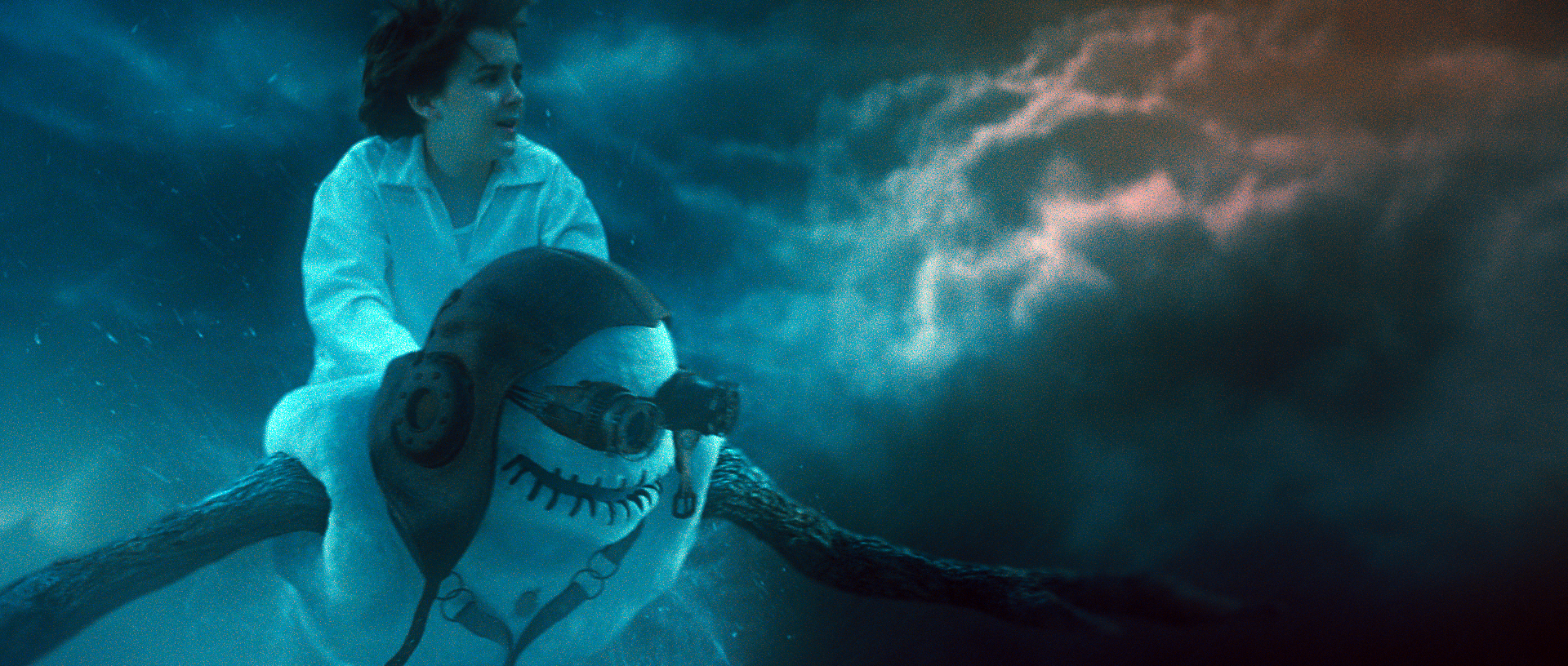
What Imaginaerum is, is a mind-play and it implements the inner-workings of a man’s psyche and imagination to create a personal and engaging fantasy. Throughout symbols consistently come to the fore and return to create their meaning to tell the tale of a quasi-willful descent into dementia, and what precipitated it all.

The way in which it does all this is a gradual process and the implementation of the music, which is fantastic, is always at the service of the narrative. In other words, it gets the equation right and doesn’t live to support the music but the music serves to buoy the tale.

There is fine editing, cinematography, production design and quite a few good special effects throughout. The film is also aided by very engaging performances by Joanna Noyes and Quinn Lord.

This film is not readily available in the US, but fans of Nightwish and inventive cinema should seek it out.

8/10

Upside Down

Upside Down (2012, Millennium Entertainment)

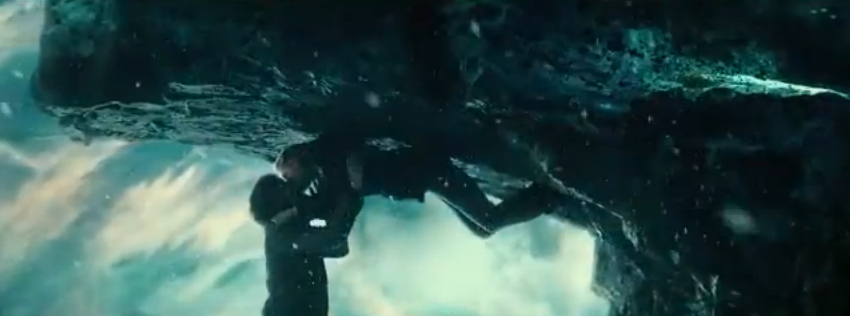
It’s all too easily to come out swinging at Upside Down. However, I’d be remiss if I didn’t note that the story does hold a lot of potential. The issues the film faces, and never really overcomes, are two-fold: firstly, the film starts with a long, overly-storybook, poorly-delivered voice over explaining the rules of the solar system wherein the story takes place. This type of exposition can be overcome but when you feel like you’ll be tested on rules and plot points at the end it’s the wrong foot to start on. Second, whether or not the science fiction element of the tale is hokey becomes irrelevant because, and it is honest about this at least, it’s perhaps one the most over-fenestrated love stories yet told.

The science fiction aspect makes shallow, general observations that could apply to any place or time, and they are not the point, which makes the facade quasi-farcical and cumbersome. There are some clever things that occur as the story progresses, which owe their debt to rules-establishing, but it’s little more than smoke and mirrors.

It’s a creative film visually, but it’s the same story that’s been told countless times on fancy, colorful stationery; thus it’s a highly redundant experience of little value save for the superficial.

4/10

23:59

23:59 (2011, Magnet Releasing)

Where this film succeeds in in bringing oral history and the element of fireside horror stories into a mostly cohesive narrative. Where it finds troubles is unfortunately towards its ending. What was a very simple and straightforward story decides it’s going to take a dip into the coy and vague.

Sadly, the ending though does feel a bit of a letdown and incongruous when it first occurs is truly symptomatic of the lack of ebb and flow of the film as whole. During act one, when most of the flashbacks are occurring there are some good moments, and maybe even a shock or two, as the suspicions of what’s really occurring come to the fore the film becomes increasingly uninteresting and uninspired.

The ending is the built-to whimper rather than a necessary jolt.

5/10

Hanson Re Made In America

Hanson Re Made in America (2013, 3CG)

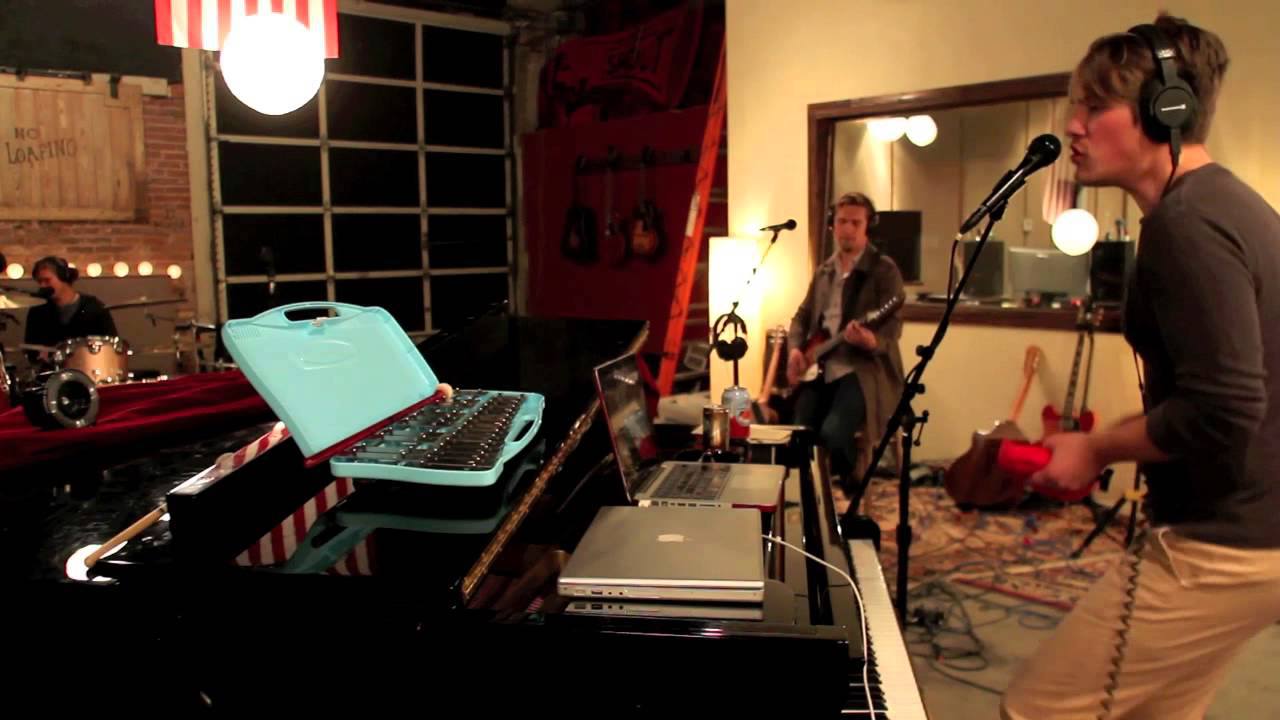
As I tweeted when I recently acquired tickets to one of their upcoming tour dates, I’m no longer in high school so I really don’t care who knows about this fandom of mine at this point – like what you like and haters be damned. However, a large part of the reason I include this review in this round-up is not just the fact that this self-produced documentary does qualify, but it’s a further chronicle of the band’s trajectory as indie musicians that may surprise those who still wrongly perceive the group as a “one hit wonder.”

Granted there isn’t the turmoil in this narrative that there was in Strong Enough to Break, a doc that was put together over the course of many years that chronicled the group’s failed attempt to release their third studio album with a major label and the ultimate formation of their indie label 3CG; but anyone interested in a glimpse of the creative process, regardless of the form it takes, will be interested in this film. While many of the discussions occur in a vernacular all their own that doesn’t always necessarily incorporate musical jargon you do eventually see the follow-through and progression as the tracks are laid down.

Aside from just not following as tumultuous a time in their career the film’s climax has its literal, if not figurative, fireworks and not too much else. The only other slightly disappointing thing is that certain processes of creating an album like additional recordings and overdubs are explained in a cursory manner, but they can seem redundant to the layman. This is a doc recommended for fans and music enthusiasts. Fans of music, Hanson specifically, and film in general, are urged to watch Strong Enough to Break.

6/10

5 Movies That Are Scarier When They’re Over

Recently, after having gone out with friends to see a very effective horror film (Sinister, which will feature here at some point soon) were exchanging anecdotes about our scariest horror viewing experiences. This concept came to me based on a comment left unsaid, and believe me this is a pure compliment, plain and simple. Nothing backhanded about it.

One of the films I was going to reference was Halloween, and the specific note I was to make on it was that not only is it a consistently, identifiably frightening film, but the end offers you no relief. In fact, the film is scarier after it’s over based on what occurs right before the end credits roll. I then proceeded to think about other similar films for this list.

The list may grow at some point in the future, but for now here are my five selections.

The Exorcist (1973)

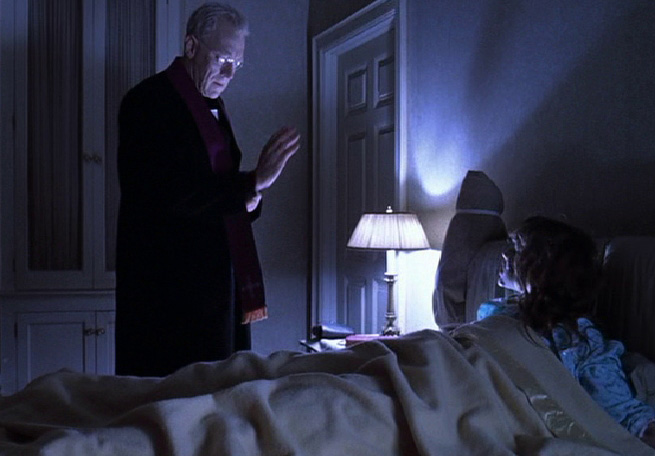
This is the most visceral of the selections on this list. In every other selection the lingering effect has at least a little something to do with the way the story decides to resolve itself. With The Exorcist when the film is over, it’s over. The fact that there are sequels is a prime example of a studio meeting a demand that the story didn’t necessarily leave open. I understand that many horror films aspire, at least in a very small way, to leave the franchise opportunity out there. Being a horror “tentpole” is desirable, especially for studios who don’t have to spend much and get a massive return on hits, but the The Exorcist was over. Finished. What makes it such a lingering, troubling viewing experience is not only the steady intensity of the film that builds to a beautifully protracted, gutting, exhausting climax, but it’s a film that has you invest in all of its characters. All of them.

The Exorcist bravely eschews cutting to the chase in favor of character development. It could afford to do so, in part, because it was a new kind of tale at the time so you meet Reagan both before and after her possession; Chris, her mother; Father Merrin and Father Karras. The film raises the stakes for all those involved. All the characters have something to gain and lose in the final confrontation.

The film ends in a life-goes-on denouement, which other horror films have taught you not to trust, but why it really works is the overall power of the third act. The end is natural and makes sense, but you’re uneasy throughout due to all that transpired up to this point.

The Exorcist is the kind of film that wears on you and continues to do so long after it’s over.

Halloween (1978)

As previously stated, out of the three long-running slasher franchises that this one is the best overall. However, with regards to the first installment of the series, nothing in the subgenre comes close to Halloween. Few horror films are anywhere near it.

Halloween, like The Exorcist, is rather incessant, this time in the use of the stalking motif, some of the scenes leave you waiting and some of them lead to kills. That can be exhausting, but add to that how the film ends (You really should’ve seen it by now) that’s what makes it linger.

You have a rather lengthy, well-staged and fairly well-strategized final battle between Laurie and Michael. Then, finally, there’s no respite just escape.

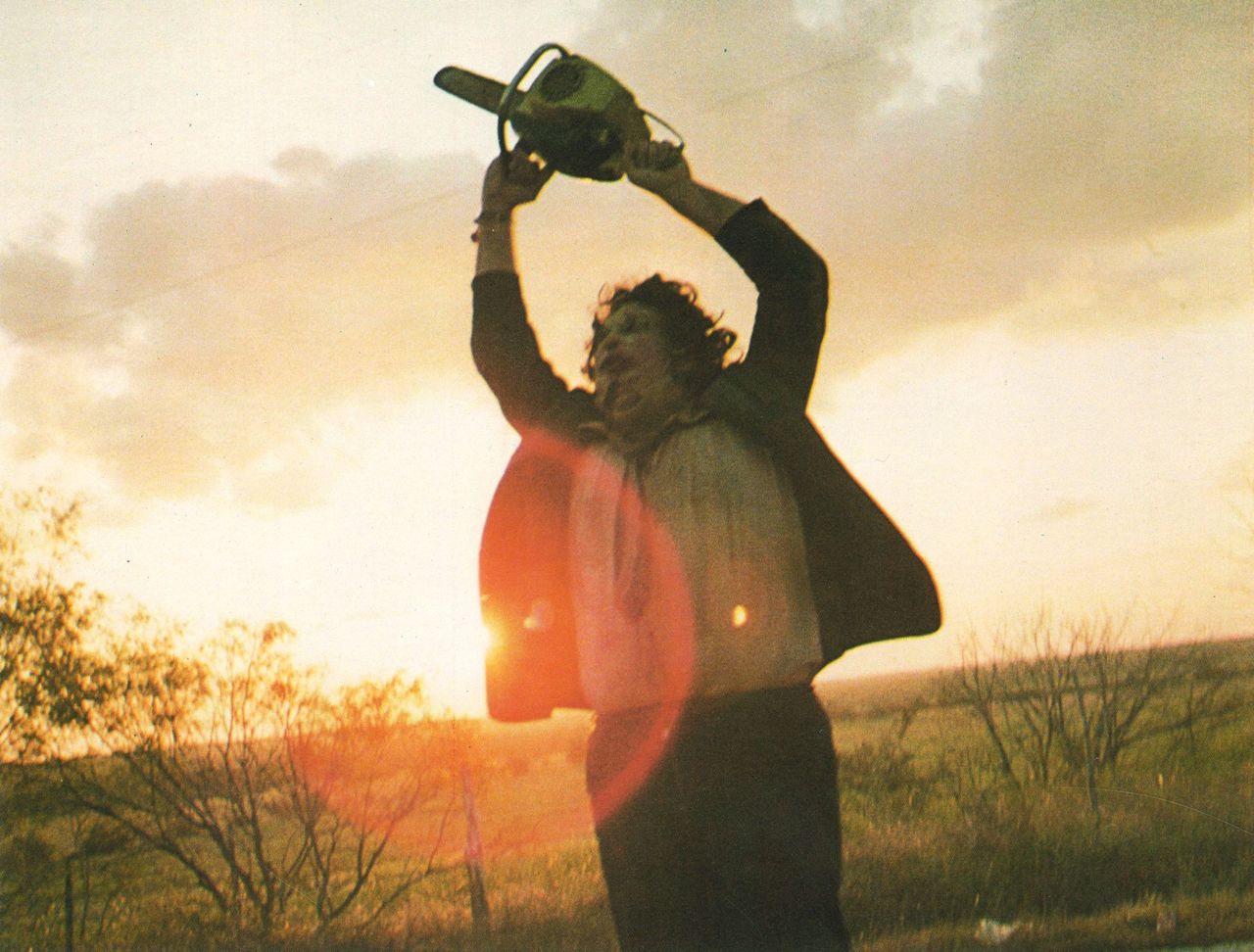
The Texas Chainsaw Massacre (1974)

Not dissimilar to the choice above, The Texas Chainsaw Massacre has a similar effect of an ending. The major difference being there’s no mystery element about how does Leatherface get away. Our last remaining hero merely manages to get away by the skin of her teeth.

A fuller reaction to the film, specifically the end, can be read here.

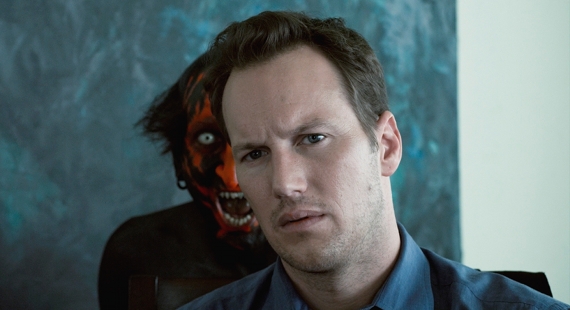
Insidious (2010)

As a fan of the genre, you can start to become desensitized the more material you watch. That is not to say that a horror film can’t really affect you. Sometimes they manage too. The really good ones do. What’s fairly rare is to not really know how much.

After having seen it, when it was already late, suddenly some very creepy music was heard by both myself and my brother. Neither of us immediately figured out where it was coming from. After a second, we realized he’d left his laptop on with his iTunes playing. He and I both took it as an additional indicator that we saw something pretty good because that unnerved us so. More effective, in fact, than we realized.

Inferno (1980)

Inferno is the second, and perhaps most overlooked, film in Argento’s Three Mothers Films. Suspiria gets a lot of love and is deserved, Mother of Tears…to be kind I’ll say it’s divisive, but I’m fairly convinced I’m in a small minority of people who really like it. Anyway, the reason Inferno ends up here is because it quite literally ends on a jolt, on its highest point and then its followed by the entire theme blasting through the credits. What more could you want?

For Dario Argento Filmmaking is A Family Business

A few years ago I was fortunate enough to attend a horror convention that Dario Argento was attending. The following is a repost based on questions that I and a friend of mine were able to ask.

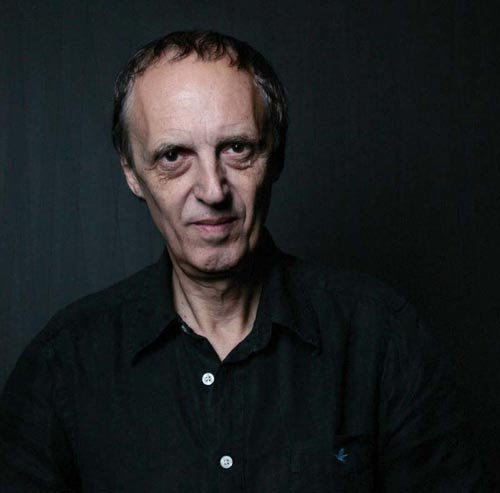
A friend of mine asked Dario Argento during a Q & A session at this year’s Monster-Mania on March 13th if he found it challenging to work with family. His answer was quite insightful and rather great.

He said it’s like a “bottega nascimentale,” which is roughly translated as a family business. He said it’s easy his grandfather was a distributor his father and brother are producers. Now his daughter Asia is a actor and director. He called it the “Italian style” and it is truly the only way he knows how to work and it’s worked well for him.

Dario Argento Says No to Prequels

A few years ago I was fortunate enough to attend a horror convention that Dario Argento was attending. The following is a repost based on questions that I and a friend of mine were able to ask.

While at a Q & A session at Monster-Mania I managed to ask a question. It was as follows:

Considering that the flashback that acts as a frame in Deep Red is one of my favorite flashbacks have you [Argento] ever considered expanding that story into a prequel?

The answer was short, sweet and pretty funny.

“No, no, no. That’s a joke; for money. The movie is the movie.”

Bad Movies I Love (Part Two of Four)

This is yet another post that has been inspired by Bob Freelander and his wonderful blog Rupert Pupkin Speaks. Check it out, if you haven’t already.

I’ve ruminated on this list long enough I believe. In the spirit of my recent post about lists not really being finished, I’ll just go with what I have at my disposal currently and spitball it. For the mutual convenience of myself and whomever may read this, I will split the list into four posts.

Now, I did, as most who have compiled this list recently, have to examine what makes a movie both bad and one I can enjoy because of that. There were a few different directions I could’ve gone with this list. I could’ve picked some films universally considered to be bad that I like and I don’t care who knows it (A few of those can be found here). I could’ve picked the rare film that’s so bad that it’s good, which in my mind are few and far between, and I won’t argue if you believe there’s no such thing.

What I decided to do instead was to pick movies that I find to be bad, however, that I still enjoy certain things about them (badness included), and in many cases I have given them more than one viewing due to their uniquely awesome awfulness.

Now, without much further ado, my selections:

Demons 2 (1986)

In one a screenwriting course I took, one exercise we did was to read our short scripts aloud, this was done so we could simultaneously share knowledge and offer each other constructive comments. A script I wrote reminded a classmate of mine of Demons. At the time I had not seen Demons, so the only responsible action I could take was to see it ASAP. I loved it. My short and it shared similarities, but were also different enough.

Eventually curiosity got the better of me and I just had to see Demons 2. The film is directed by Lamberto Bava, co-written by Dario Argento, features one of the first screen appearances by Asia Argento and more of the freaky demons. What ends up not working is the film shifts away from the movie theater setting. However, being an Italian horror film, it will be stylish, bloody and at times bizarre and at others nonsensical, which makes it engaging, if not quality.

The Church (1989)

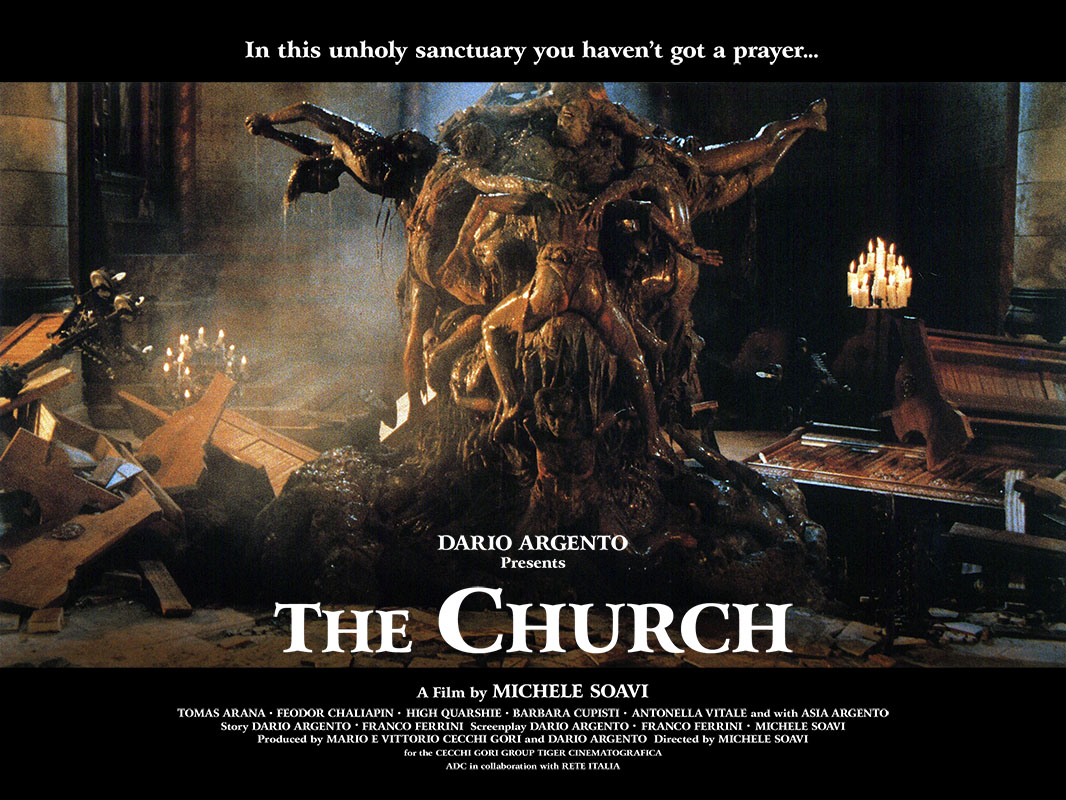
One not-so-good but watchable Italian horror film deserves another. This film has a lot of the same pedigree that Demons 2 has and a lot of the same issues: Argento has a writing credit, Asia makes an appearance, one of its alternate titles is Demons 3, it has a really good idea that doesn’t quite click and I really want it to. I’ve seen this one a few times, I’ve even listened to the score in isolation and I like that. There’s a draw to it that’s brought me back a few times, perhaps with this one more so than the prior choice, it really is the unfulfilled promise that’s been the reason.

Tommy Tricker and the Stamp Traveller (1988)

There will be another film that makes this list based in part on the audaciousness of its conception. However, I do have to admit that this one handles the execution of its outlandish concept better than the one to come.

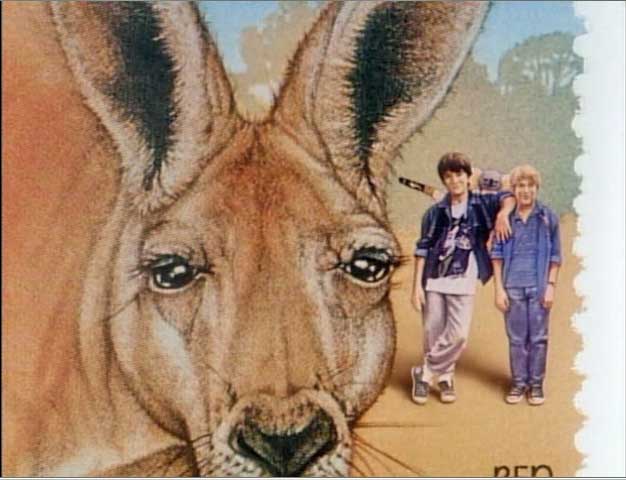
As the title implies, in the world of this film you can literally travel by stamp. Now, as a concept that’s something you’re going to either buy or you won’t. The film has its heart in the right place through a lot of it (Such that I almost feel bad including it), it’s just really misguided much of the time, and the caper of bringing back someone lost via ‘stamp travel’ takes a bit away from it I feel. The acting’s not great, nor is the writing, but there is a boldness to the concept.

Also, as a bit of trivia, the film also features a cameo by a young Rufus Wainwright who sings a very catchy song, which is one of the redeeming qualities of the film, another one which becomes obvious as you watch the clip is how incredibly ’80s this film is.

Uncle Sam (1996)

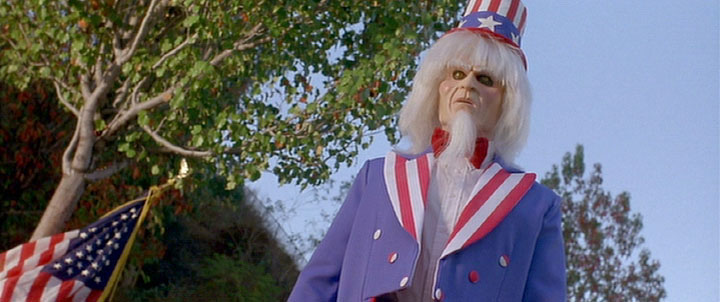
Perhaps one of the best ways to determine a bad movie you love is to gauge just how mixed your feelings on the film are. There are films written by Larry Cohen such as It’s Alive, The Stuff, Q: The Winged Serpent that I would say I love. This one I can’t really defend as staunchly but there are things about it that I do appreciate. Namely, it incorporates militaristic zeal in a horror film in a way I’ve rarely seen. Not only that but note the release date, there was no unpopular or costly (in terms of American casualties) war going on at that time, so there’s a certain gutsiness in telling this kind of tale when dissenting opinions are fairly quiet. The film does end up being sloppy and a bit slow, there’s no Michael Moriarty in it to up the caliber of the cast, but the satire is definitely there which makes it worth mentioning.

The Space Children (1958)

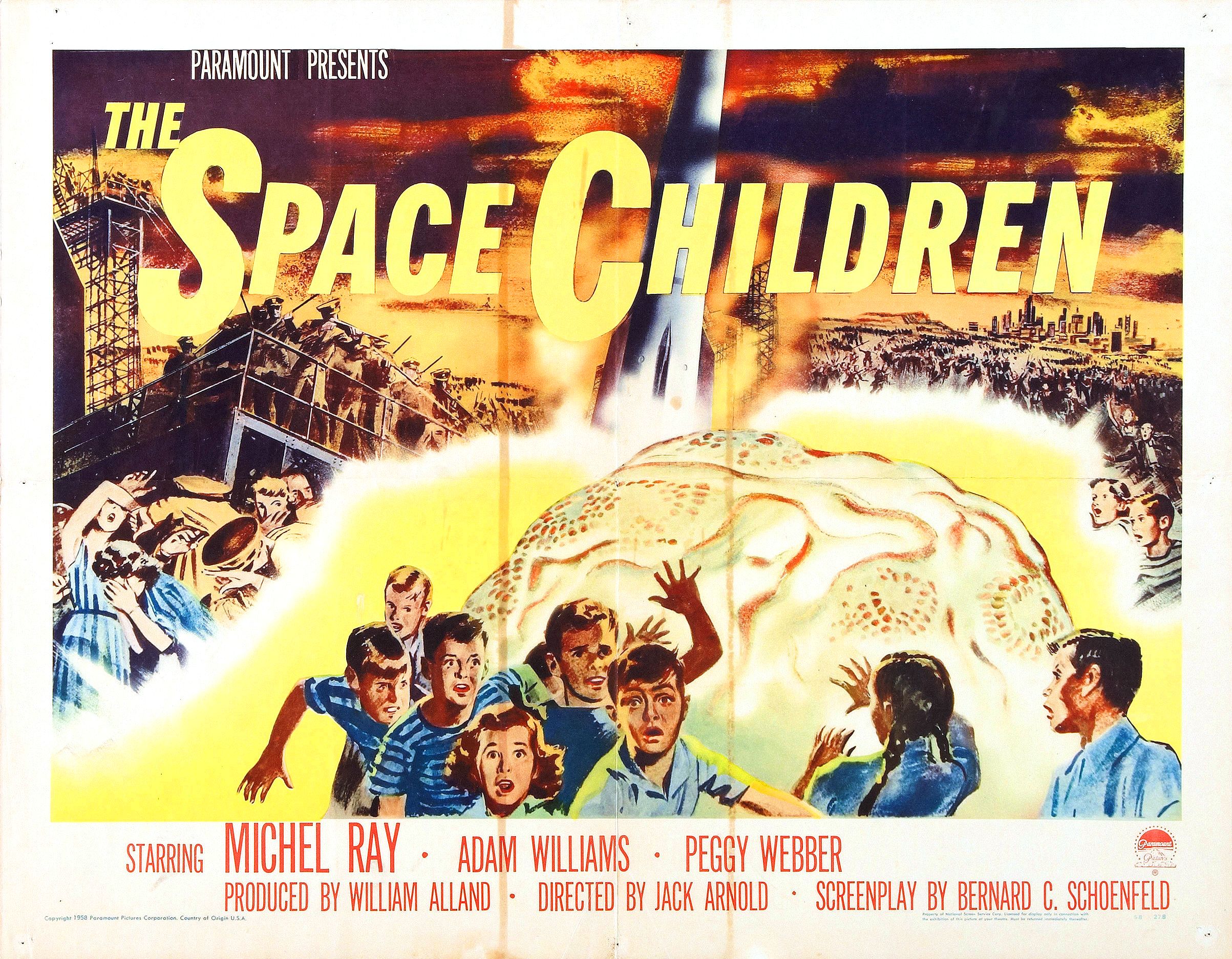
This is a case of Mystery Science Theater 3000 in reverse. Here’s one I saw first and then found an MST3K for, which I don’t do often. I was on kind of on the fence after I saw it and while I can’t ultimately say it’s a quality piece of work, as logic and reason vanish somewhere in the middle of act two, there are things about it I do like. As for the MST3K treatment it’s funny, not one of their best and this is nowhere near one of the legendary duds they’ve covered; in many of the films they watch it’s hard to even ferret out what the plot is supposed to be. Here there are issues but the plot is clear. The tropes of a hivemind amongst children, and some form of other-worldy radiation or possession, are not new but they’re also not the biggest problem. The film is actually consistently interesting, it just emotionally flatlines after a while, which is a cardinal sin, especially when any atomic age sci-fi tale is likely to hook me based on its implications. Michel Ray’s turn as the ringleader is also quite effective.

Part three will be up tomorrow!

5 Reasons the Suspiria Remake May Not Be The Worst Thing in the History of the Universe

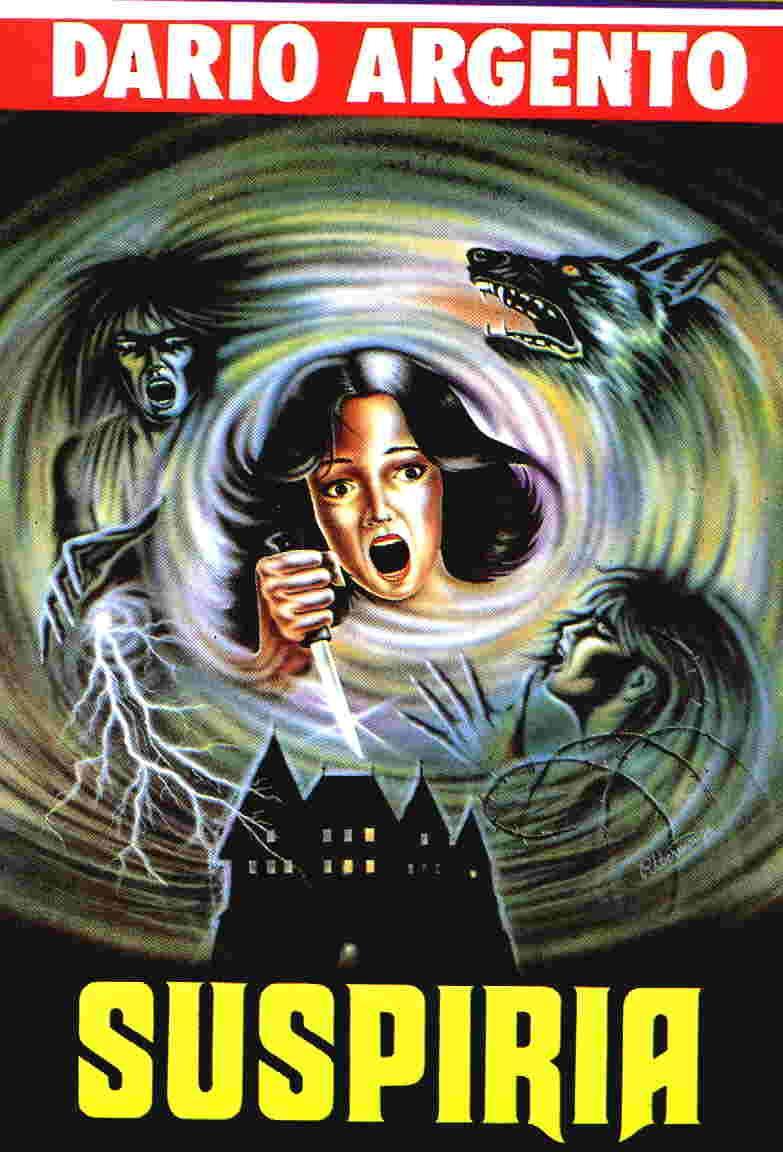
Suspiria (International Classics)

I am not a proponent of remakes in general and certainly am not a fan of the idea of a Suspiria remake, however, in light of recent information I am more positive than I was.

5. Possibility of Reviving A Classic

A common fear with a remake is that the original will be replaced with Suspiria it will likely not be the case. Aside from horror buffs you hardly every heard mention of this film before, when news of the remake first broke people are talking about Argento’s version more than ever before and good or bad the release of the remake will likely revive interest in viewing the original.

4. The Road Less Traveled Theory

Another reason this film may not be such a bad thing is something I’m calling The Road Less Traveled Theory, meaning that in remakes people always seem to be wary of seeing iconic scenes re-interpreted, likely the fault of the Psycho remake. I have reason to believe the story will be updated somewhat and the film is one of such intricacies that there are other avenues to explore and other ways to portray things and it’ll likely look like a very different movie.

3. Natalie Portman

Initial Reports way back when, speculated she might be in the running for the film, yet she stands sort of as a symbol of the positive casting possibilities this film has. Portman, or someone like her, is a positive because I have a feeling based on the inherent tension of Suspiria, plus the fact that David Gordon Green always gives his actors something to sink their teeth into, we should see her (whomever she may be) best.

2. David Gordon Green

You have at the helm of this project a man who has not only directed such diverse ventures as Undertow, Pineapple Express and The Sitter but also someone who is writing the adaptation. So you have not the puppet of some studio, I don’t think Green has yet been accused of that but a man fully invested in bringing his vision of this tale to the screen. Whether or not you like the adaptation presented is another thing entirely but it should be a focused and skillful interpretation of the story.

1. Argento’s Blessing

Up until recently this project had proceeded through pre-production stages without talking to Dario Argento and beyond not getting a seal of approval they hadn’t officially been granted the rights of adaptation, which is a hairy situation to be in. Now Argento has conceded because he has come around to the viewpoint that he is “convinced that his movie is a masterpiece and can’t be overshadowed.”

Which is a fair enough point. Why people get up in arms about remakes is usually due to the “How Dare You” syndrome we fall victim to when hearing about it. Indeed, there has been a rash of remakes of films that can’t be topped recently but in truth they, and similarly sequels, do not truly detract from the original inherently, it is our perception that skews. Similarly, if we really were so sick of all these retreads we would stay away en masse. While those who don’t know any better will flock out to see these films, the fact of the matter is the information is out there to be had so if you’re going to see a remake at least see it knowingly. The internet is a great thing sometimes.
 
These are the reasons I am not as scared as I once was. Fingers crossed.

61 Days of Halloween- Hatchet for the Honeymoon

Most holidays worth their while encompass entire seasons, such as Christmas, for example. However, as you may have noticed there is a corporate push every year for us to think about the next holiday even sooner. While this has many negative side effects I figure I may as well embrace it.

Since Labor Day is really only good for college football and movie marathons cinematically it is as significant as Arbor Day, which means the next big day on the calendar is Halloween and we can start looking toward it starting now.

Daily I will be viewing films in the horror genre between now and then and sharing the wealth. Many, as is usually the case, will not be worth it so for every disappointment so I will try and suggest something worth while as well.

Hatchet for the Honeymoon

***Spoilers herein***

Stephen Forsyth in Hatchet for the Honeymoon (Reel Media International)

The customer reviews of Hatchet for the Honeymoon on Netflix were wildly varied such that it dissuaded me from seeing it for a while. The difficulty being that I don’t have much of a track record with Mario Bava aside from the breathtaking Black Sunday so it was hard to decide (True at the time now I’ve seen many of his films). It’s not like there’s an established relationship like with Dario Argento I know I will watch them all even if I have to grin and bear it through some.

Having said all that I will give this film a pass but if you haven’t seen Bava it is definitely not the title you should start off with. What is interesting about it is that it deals with a mutating madness. In fact, the film starts with our protagonist announcing via voice over narration that he is mad. We soon learn his modus operandi but we also eventually see that he is being compelled that with each murder he is unearthing part of a repressed memory of what happened to his mother.

Now what happened to her ends up being not so mysterious which is why there’s a twist in store after he kills his wife which makes this film interesting and watchable even through some of the somewhat messy cinematography and subpar sound work. Someone in this man’s life still has a hold over him.

Hatchet for the Honeymoon is by no means terrific but it is worth a gander if you are so inclined. It definitely makes up for some of its deficiencies with a deliriously myopic view of a madman where murder and mayhem are commonplace.

6/10