Mini-Review Round-Up March 2013

Here’s my standard intro to this post:

I had quite a review drought to end 2011 so I think the remedy for this kind of post would be to have the post be cumulative monthly. Therefore, after each qualifying film a short write-up will be added to the monthly post. The mini-reviews will be used to discuss Netflix and other home video screenings. Theatrical releases, regardless of how they are seen whether in an auditorium or on VOD, will get full reviews [That is when deemed necessary. As I wrote here I do want to focus more on non-review writing wherever possible].

For a guide to what scores mean go here.

Bestiaire
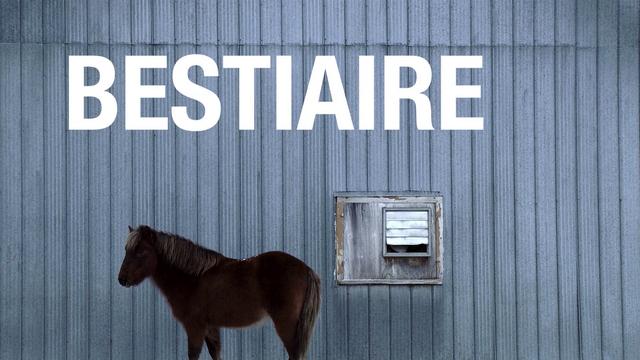
Bestiaire (2012, Kimstim Films)

This is a film that qualifies for this year because, though I heard of it last year, I had no legitimate chance to see it. I learned of it through a coming soon postcard while I was in New York, the soon it was referring to was not while I would be there.

What’s interesting is that I was anticipating seeing another documentary free of significant dialogue prior to this one, but when I saw this pop up on Netflix instant I had to jump at it.

Bestiare plays out like a non-fiction version of Le Quattro Volte inasmuch as the structuring of the very slight, and completely open to interpretation, narrative is nearly invisible. The description of this film on Netflix is appropriately stripped down there are extended sequences of static shot either of animals observing humans, vice versa or sometimes they seem to be staring right at us.

Some of the shots are framed beautifully to convey either claustrophobia or just how nestled some animal enclosures in the modern world are be they farms, ranches, zoos or what have you. As I mentioned, it doesn’t insist upon deciding for you what the interpretation of the film should be, believing instead that the audience is the ultimate arbiter of meaning.

I found the film very effective in places with some great cuts and angles that underscored a harsh indifference. The incessant rhythmic banging of a zebra against a wall, or the frantic pacing of an ostrich, and the, to me, disquietingly laid back work of a proficient taxidermist were scenes that really shocked me out of the lull that this hypnotic film can get you into.

It’s not a long film but it is deliberate. I would qualify it as experimental, and I think more times than not the scenes work, so I believe a 6/10 is fair for now.

The Awakening

The Awakening (Universal Home Video, 2011)

I will elaborate on this point in a separate piece, but this film is a testament to my theory that drama is the foundation of all other genres. To be brief, even if this film fails to affect you with its creepy atmosphere, it is an effective character piece that delves into psychology as well as the supernatural.

When telling with a ghost tale, especially one that deals with characters who have been so greatly impacted by the sightings, or even suppositions thereof, the acting needs to be up to snuff. This film brings much more than that to the table, there are four top notch performances, one of each “award type” both lead and supporting.

Rebecca Hall, in the lead, is someone I personally I have seen far too little of since Vicky Cristina Barcelona, and she carries this film brilliantly with a fine double-edged performance as a now skeptical ghost hunter. Dominic West plays a character who also has a facade, as seemingly everyone in this film does, his stoicalness is matched by his private pain in this work. Imelda Staunton, is nothing short of riveting. Then there’s Isaac Hempstead Wright (Bran on Game of Thrones, where he’s shown flashes of his capability) whom steals scenes and redoubles the impact this film has.

This is a film that eases into its narrative, it never gives its answers away too easily and stays nebulous about some things. Its timing of reveals is perfect and just when you think you’ve lost it, or it’ll flatline, there’s always one more turn than you expected.

10/10

Sleep Tight

Sleep Tight (2012, Dark Sky Films)

Upon conferring on his IMDb page I am missing one feature from Jaume Balaguero’s filmography after having seen Sleep Tight. His films that worked for me thus far have worked exceedingly well, namely The Nameless, [REC] and [REC] 2. I barely recall it, but judging by my score of Darkness that was more of complete miss than either of his apartment tales (To Let and Sleep Tight).

Balaguero is still a director I’d put at the vanguard of the current Spanish horror scene due to his voice, and it’s why I want to complete his current filmography and why his name being attached to something still garners my interest.

With regards to these apartment tales, a lot of To Let‘s struggles I attribute to a restricted timeframe for an intimate, nebulous portrait to be painted, which is why half the Films to Keep You Awake titles are amazing, and why the other three are forgettable to poor. Here it’s not that there is anything inherently wrong, it’s more a question of insufficient build, unmoving voyeurism and predictable plot points with minimal impact. The actions and motivations are always fairly clear, which in a way makes this film less engaging than his other ventures. There’s a stark blandness and removal of encumbrance that’s supposed to compound the impact but instead dulls it.

In the end, Sleep Tight presents a portrait of a psychopath with out an excess of depth, engagement or shock; it’s sadly flat.

4/10

Leviathan
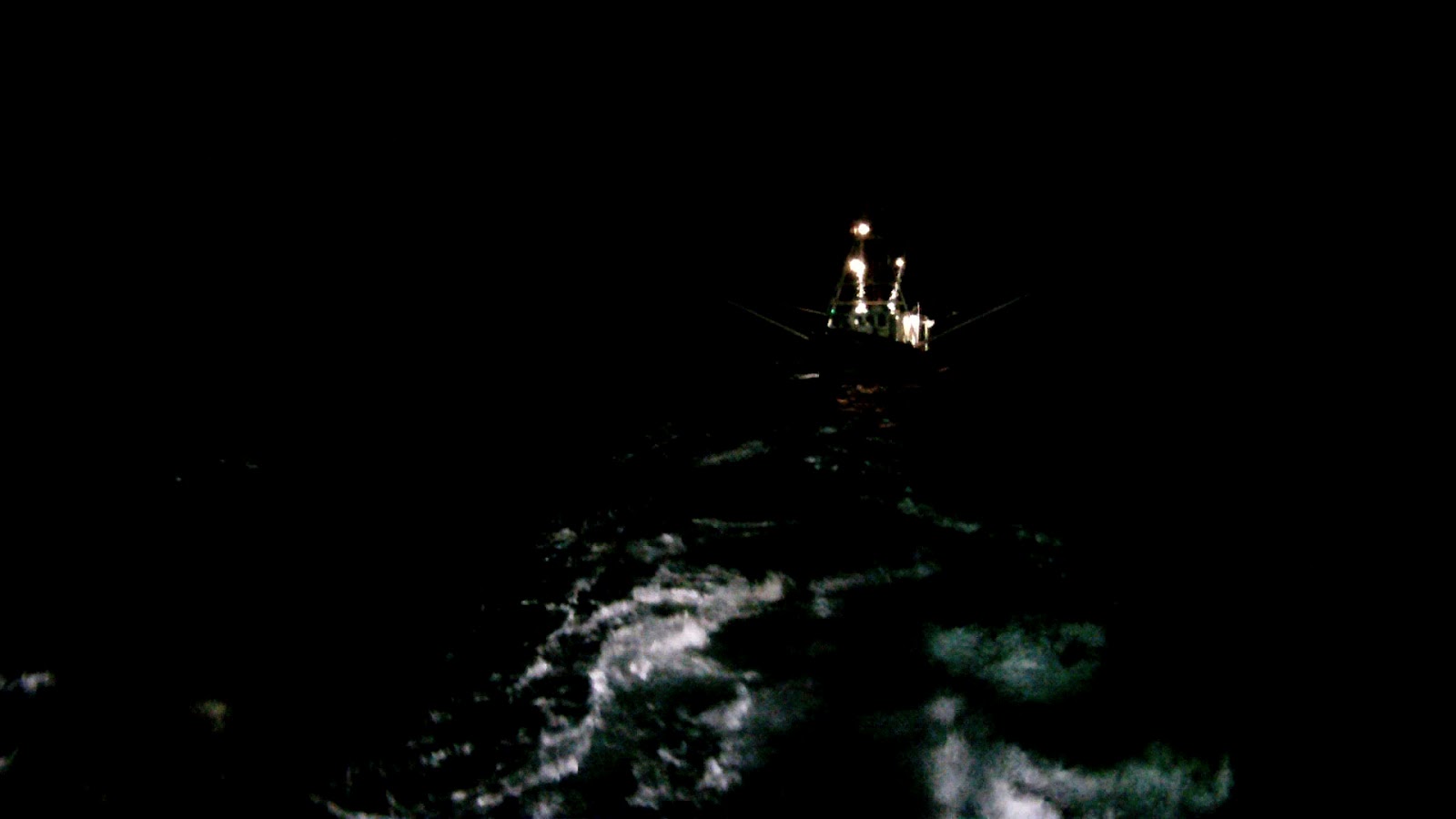
Leviathan (2012, Cinema Guild)

If you scroll to the top of this post you’ll note that in my review of Bestiaire I stated that it was not the first doc of its kind I was anticipating seeing. The one I thought I’d see first was this film, Leviathan.

Why that came first boils down to chance, but I am glad I saw it first. Both these films have similar constructs in that they’re documentary features with no narration, and practically no dialogue of any significance. Both deal, in part, with the interaction of modern man with animal kingdom, but Leviathan offers a more focused, kinetic, at times dreamlike, other times haunting, look at the subject.

If one were to enter the film completely cold, and watched all the credits through to the end, virtually the only tidbit of information left out of the synopsis was that fisherman were given cameras and told to shoot with them.

The location comes though the end credits, and as nebulous and surreal as some of the early images of the film are, you soon start to see what’s happening.

The most impressive things about Leviathan are: first, the sound design, which more so than the images most of the time, drive home the uneasy balance between monotony and danger of the job. Second, how the Bible passage at the beginning sinks in after it’s done, as does information disseminated in the end credits.

Without knowing what to expect precisely, I found myself retracing certain visual passages and started coming to grips with what I had just seen through the lens.

Leviathan, much like the aforementioned film Bestiaire, is not for everyone, but it is certainly a unique experience and it’s a more immersive, less observational take of this particular documentary niche.

7/10

A Dark Truth

A Dark Truth (2012, Magnolia/Sony Home Entertainment)

More and more in modern cinema, in part because audiences sense it and in part because it’s been seen/done, stories with a moral, considered important, or that have some sort of social or political statement, are harder and harder to make. As enthusiasts of film or sociopolitically aware individuals, there are things you’d like to see on screen. The wants of the latter group can be said to be more altruistic and deserving of representation, regardless, a good film is required to support the aesthetic or activist statement it seeks to make.

To be clearer, here are some hypothetical examples: a film fan can say I’d love to see a serious take on rabies as a horror motif, it’s been too long. Now, outside the world of film that has no real weight. Whereas, if you were to say it’d be great if a film could show the negative aspects of privatizing water, there could be real life impact and eventual change.

Now for either rabies to become a popular horror motif or for privatization of resources and utilities to garner serious attention, the film espousing these things has to be good. Which brings me to A Dark Truth, which deals with the latter subject matter. The film has some very good touches, and the finest intentions in the world regarding the aforementioned issue. However, the anti-corporate, water-should-be-free-and-here-are-the-consequences-if-it’s-not messages, which are very valid viewpoints, are squandered in a film that’s poorly executed on some technical levels, is overlong, has some unfortunate and questionable dialogue and a few questionable casting choices and some good actors in uncomfortable surroundings. The extra-long lead-in to this piece is essentially due to the fact that I like the concept and the goals, but the end product failed to live up to the promise, which is sad.

4/10

Straight A’s

Straight A's (2013, Courtesy of Millennium Entertainment)

A review of this film can be found here.

Storage 24
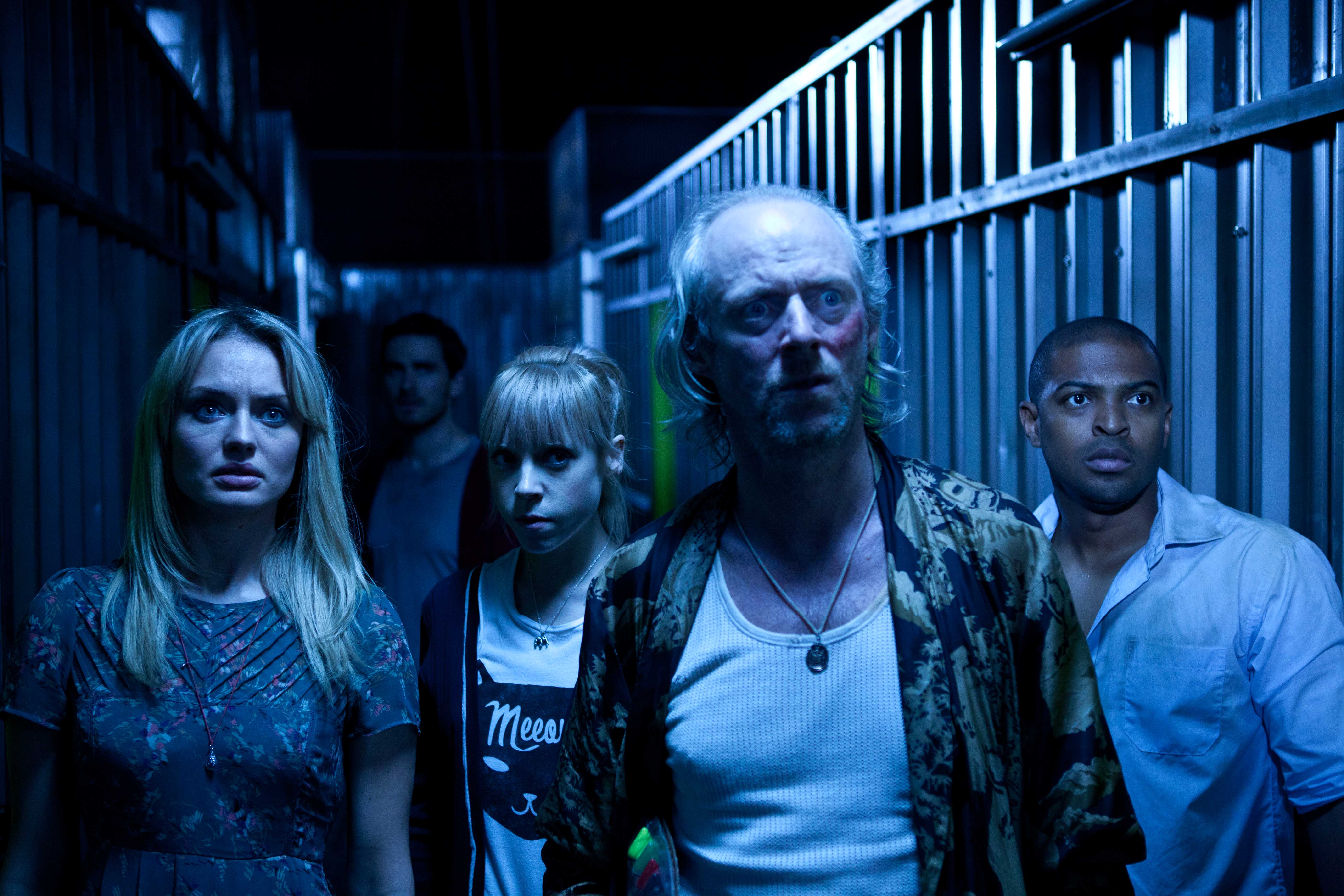
Storage 24 (2012, Magnet Releasing)

One certainly cannot complain that Storage 24 doesn’t try to develop its characters. However, it does so to such an extent that it very nearly turns the plot detailed in the synopsis into a MacGuffin. The tale is essentially a couple that recently broke up and their friends meet by chance in a storage facility. They make it there despite a suspected plane crash that shut down most of central London. The cargo was an alien creature that’s not trapped in there with them during a power outage. It’s a good set-up.

The sound design, however, isn’t always great and makes the characters seem more oblivious than they are to what is going on. The effects work is pretty good, as is the design of the creature. The alien does end up being a dominant story force you expect it to, but in a film that runs under 90 minutes about half the time is spent mostly in repetitive discussions that are cited as such, and don’t move things along quickly enough. When things do happen it gets better.

Another failing is that the film tries to have character-based connections to the creature à la Super 8, and to be not about the creature, but is more blunt about it, and far less successful for as much time is spent in development, there aren’t many facets to the characters created. They’re fairly basic.

The scenario doesn’t end up being a MacGuffin, but the narrative pendulum swings very wildly and ineffectively in the film. Lastly, the pace, which isn’t bad overall, takes a hit from one too many tracking establishing shots down the corridor, which are void of significance save to try and build suspense, but it doesn’t. Storage 24 tries its hand at a few things, but is too uneven and unsuccessful with regards to most in order to work.

4/10

Thankful for World Cinema: Bergman Island

This Criterion collection offering pieces together three Swedish television interviews with internationally renowned writer/director Ingmar Bergman that originally hit their airwaves in 2004. This re-edited version, with cutaways and a feature structure, premiered in 2006.

The interview flows naturally with rarely a question heard. It starts with Bergman recapping his childhood and then goes through his career, spending much time on his early days breaking in, and then the rest of it is told chronologically. Then towards the end we hear his thoughts on life and death.

The discussion on the films is enhanced greatly by cutting in clips from some of his most famous films, or other dialogue to support what he is saying. What you get in this film is a rare look at a filmmaker who didn’t interview much, and this was the last one, but it was also not overly-manipulated. He stops, restarts, stumbles, rubs his eyes in discomfort; the master filmmaker, always in control, is very human here.

You learn quite a bit in this film both about Bergman as a man, and about life in general, but not necessarily anything new on film, which is fine. Like all of Bergman’s tales, this too is personal.

To delve too far into the details divulged in this film would be to do it a disservice. It is the perfect companion piece to your library and a wonderful coda to a life and a career, even more so when you take into consideration the titles at the end of the film. It adds a certainty, sadness, finality and a feeling of bittersweet farewell to the proceedings, and gives you the sense that the director who spent a career and lifetime trying to sort his beliefs was at peace in the end.

For any fan of Bergman or of film, this is a must have it can be purchased either as a single disc edition or as a supplementary bonus feature on the new edition of The Seventh Seal.

10/10

A Journey from Narrative to Documentary with Werner Herzog

Werner Herzog is a very interesting figure with whom the typical film enthusiast may not be familiar. However, if you believe that all films are run-of-the-mill, and that documentaries cannot compare to narrative fiction films, allow Herzog to demonstrate the opposite. With these titles you can become familiar with him and if you enjoy them can move on to his more challenging, esoteric works.  

Narrative

The Enigma of Kaspar Hauser

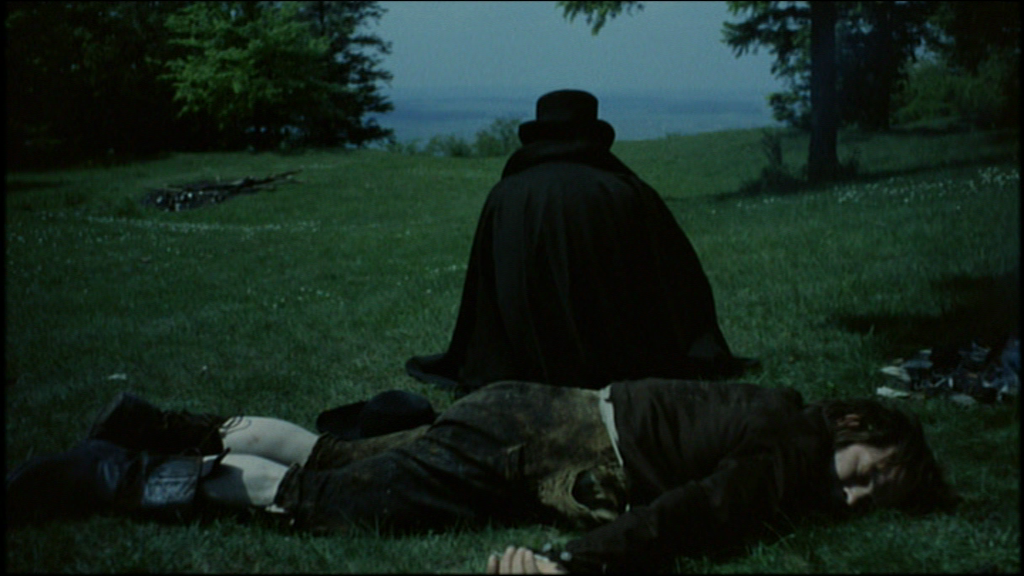
This tale is the perfect introduction to Werner Herzog, as it is the simplest and most transparent of his tales. It is also the perfect segue from his narrative work to his documentaries because it concerns a true story. It tells the tale of a mysterious foundling, Hauser, who appears as if from nowhere on the streets of Nuremberg in 1828. He can hardly speak, walk or write. Rather than interviewing historians and having them dispute the facts and various uncertainties regarding this strange and unusual case, Herzog presents us with a fictionalized depiction of this man’s life, mostly due to the fact that both its beginning and end are shrouded in mystery.

The mysteries of Hauser’s life are echoed throughout with a brilliant use of fragmental imagery and stories. One story Hauser only knows the beginning of, another being a shot of what looks like the hills in the distance as a Mysterious Caped Man freed him, this image is inconsistent and flickering seeming to indicate his spotty memory of his past, lastly in a near-death experience we see an awe-inspiring image of people climbing a pebbly crag in a heavy fog where at the top, remaining unseen, Kaspar says he sees Death. Foreshadowing his demise but as in reality we remain uncertain of the culprit’s identity.

The cinematography in this film is always simple in its framing and even in its lighting except where it needs to be fantastical, keeping a very true-to-life feel no dramatic contrast, or shafts of light to detract from the reality of the tale being told. Some takes are also quite long so that we see how the simplest task is labored for Kaspar when he is in his cellar.

Lastly, this movie will really keep you hooked due to the incredibly layered performance of Bruno S., which is absolutely spellbinding. He creates a wonderfully intriguing and surprisingly complex character which belies his seeming simplicity.

Documentary

Lessons of Darkness

The next logical step in the progression from narrative film to documentary would be Lessons of Darkness. What is amazing about this film, in part, is the cinematography with long tacking helicopter shots of oil fires and the destruction which Kuwait was left in following the Gulf War. However, starting with a quote from the Book of Revelation, a common theme in Herzog’s docs, Lessons of Darkness is much more an allegorical statement about the destructiveness of war in general than a commentary on the Gulf War itself. In fact, it is never identified as Kuwait in the narration of the film and no soldier discussed is ever identified as American. Herzog rendering the chaos more anonymous makes it then much more profound. For about an hour we travel across the countryside amidst oil lakes, fires and smoke and watch as the destruction remains, increases and regenerates.  There is little if any narration at all in this film because the images and the title cards say it all, as does the title of the film itself. This is a land that has been demolished and left in squalor and a cloud of smoke and it needn’t be identified because it could be anywhere next, due to these factors Lessons of Darkness toes the line between documentary and narrative film and it is also the rare documentary that increases the scope of the subject it is covering rather than decreasing it.

Little Dieter Needs to Fly

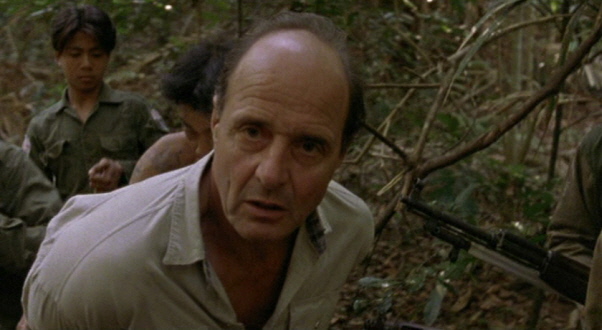
The progression should continue with this step because it also concerns war but in a much more concrete and traditionally documentarian fashion. This film tells the tale of Dieter Dengler, who grew up in Germany after World War II. The theme of a country decimated (in more ways than one) by war returns. As a child he has a dream to fly but has no means to do so in his homeland. He decides to immigrate to the US and become a citizen and join the Air Force. He goes off to Vietnam where he ends up a POW.

At this point in the tale is where Herzog’s talents really come into play. He does use some stills but he decides to re-enact certain events in Vietnam with Dengler, many years later, and with local volunteers making the experience much more immediate to all involved, the audience, Dengler and the Vietnamese. Certain parts of the jungle are crucial to his escape are also revisited with several incredible tales such as the retrieval of his wedding ring, loss of his comrade, spotting of a bear and being alone facing death.


Grizzly Man

Anyone who ever heard of Timothy Treadwell during his lifetime and dismissed him as crazy should watch this film. Here Herzog tells the tale of a man many simply called ‘The Grizzly Man’ due to the fact that he’d sojourn to Kodiak Island, Alaska every summer to live amongst the Grizzly Bears and ultimately met his demise there. Every decision a person makes especially one of this magnitude, involving this much risk, is made for a reason. In this tale the reasons unravel themselves. An intimate and complex portrait of a gentle tortured soul is painted beautifully by masterful filmmaker.

The range of emotions you feel watching this film run the gamut and they hit you hard and in succession. You’ll be astounded by the purity of his intent, think him crazy for something he did, feel nostalgic sadness hearing his parents speak, laugh because of something he said, be on the verge of tears feeling his friends loss and be remorseful that things didn’t go differently.

Grizzly Man is a complete cinematic experience in every sense and the fact that the film is a documentary is irrelevant. The structure and pacing of events gives you chills at times.

Grizzly Man just might be the best documentary I’ve seen in my limited experience, (barring my having seen Encounters at the End of the World because the idea of meeting those who work in Antarctica has always fascinated me) in part because of some things a documentary professor would dislike. Herzog remains the eminent auteur putting his stamp and occasionally his opinion in the film, which is technically verboten but I didn’t mind – it’s human, it’s being an artist. It was a film as seemingly simple but utterly complex as the man himself and to paraphrase Herzog as any man’s human struggle. Treadwell’s footage couldn’t have found better, more caring hands.

So now that you have a road map showing you how to go from Narrative to documentary by the great Herzog you can find all of these films on Netflix.

The Spirit of Little League

20120821-001032.jpg

ESPN’s series of documentaries 30 for 30 tackled the 30 biggest stories in sports since ESPN’s launch in 1979, and many acclaimed filmmakers took the helm. The ESPN Films brand have since spun off to further sports docs. While I have not been able to catch all of them I have seen many and the series of films has been even more fascinating and riveting than many anticipated (Note: many of these films now stream on Netflix).

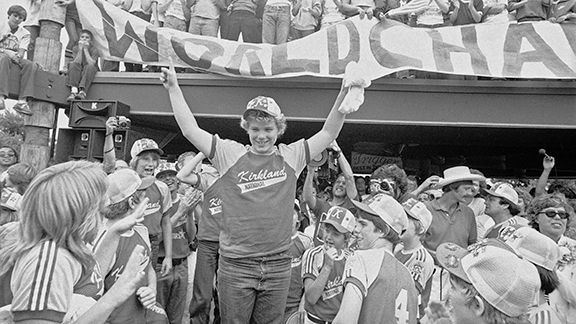
Little Big Men,the tale of the Kirkland, Washington team that captured the 1982 Little League World Series title, originally aired, interestingly enough, after this 2011 tournament’s completion; which made sense since most of the film dealt with their lives after the championship was claimed, and how the sociopolitical climate was ripe for these kids to be put on a pedestal, which made them heroes and symbols to be looked up to, and then taken down.

As is typically the case, there are mixed emotions in this film. All the players loved the experience and were still glad to have won in spite of the unforeseeable hoopla that followed them.

They also drove home the point that they played, trained and strove for the title because they wanted it and no one forced it upon them, which in this day and age is a legitimate concern.
The Little League World Series is a great event, having been there several times, it seems that all the players take it as a great experience regardless of outcome. However, the sentiments of the Washington players do bear repeating as the notion of enjoyment of the game being paramount is one that needs to be cultivated and should not be taken for granted. Just as players and parents need to learn and practice sportsmanship, so are constant reminders needed about the joys of baseball.

Here are a list of some films that vary in their quality, but all remind us why the game is great and will bide the time between now and next year’s Little League World Series:

The Perfect Game

The true story of the 1957 Monterrey team that won it all.

The Bad News Bears Go to Japan

Both versions of the tale need acknowledging, so I figured I’d highlight the end of the trilogy.

The Bad News Bears (2005)

It’s one of those remakes that make you scratch your head…until you see it. My apologies again, Billy Bob.


Amazing Grace and Chuck

It’s only about baseball, and sports in a roundabout way, it’s really about nuclear disarmament and a movement; but it starts and ends on the diamond with one Little Leaguer and is one of the best examples of the power of sport.

Mickey

This is a film that was delayed and limited in many ways. Little League even assisted in the production, but I believe it began filming in an age when age fraud was largely fiction. Then the Almonte scandal broke. The film means well but is really a bad and misguided cautionary tale that does bad mentioning.

Small Ball: A Little League Story

This is a PBS documentary about a team from Aptos, CA that made the 2002 World Series that is a very balanced look at the process.

Nominate Films for the 2012 National Film Registry

Recently, while scrolling through Twitter I noticed quite a few people posting that the National Film Preservation Board is allowing the general public to suggest titles to be entered to the National Film Registry for the first time. You can read the pertinent details here. The only thing I found a bit confusing was whether an individual can select 50 titles from a calendar year (e.g. 1933) or if and individual may only suggest 50 per year. I erred toward the latter option. My choices feature many Hitchcock, Disney, horror, Looney Tunes; a few silents, docs, and the occasional footnote. What’s great is that since 575 films have been picked in 23 years they provide a list of significant films not yet selected for you to peruse. Of course, you can submit whatever you like if it fits their criteria. I made all my selections 25 years or older, however, the official cut-off is 10 years.

The National Film Registry was instituted after a bill was passed “Congress first established the National Film Registry in the 1988 National Film Preservation Act, and most recently extended the Registry with passage of the Library of Congress Sound Recording and Film Preservation Programs Reauthorization Act of 2008 (PL110-336).” So, essentially these are your tax dollars at work, America, so make some suggestions. If you’re curious you can read mine below:

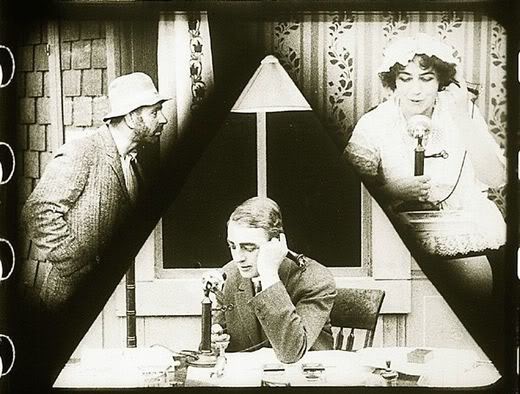
1. Suspense (1913)
2. The Perils of Pauline (1914)
3. Charlie the Champion (1915)
4. Mickey’s Orphan’s (1931)
5. Skippy (1931)
6. Island of Lost Souls (1931)
7. Wild Boys of the Road (1931)
8. Babes in Toyland (1934)
9. Manhattan Melodrama (1934)
10. A Midsummer Night’s Dream (1935)
11. Son of Frankenstein (1939)
12. Rebecca (1940)
13. Dumbo (1941)
14. The Little Foxes (1941)
15. The Wolf Man (1941)
16. Gaslight (1944)
17. Mrs. Parkington (1944)
18. Three Caballeros (1945)
19. The Yearling (1946)
20. Panic in the Streets (1950)
21. Strangers on a Train (1951)
22. Limelight (1952)
23. House of Wax (1953)
24. It Came from Outer Space (1953)
25. Creature from the Black Lagoon (1954)
26. Them! (1954)
27.Lady and the Tramp (1955)
28. The Trouble with Harry (1955)
29. Forbidden Planet (1956)
30. Ali Baba Bunny (1957)
31. Witness for the Prosecution (1957)
32. The Children’s Hour (1961)
33. The Pit and the Pendulum (1961)
34. Whatever Happened to Baby Jane? (1962)
35. The Birds (1963)
36. Hush…Hush Sweet Charlotte (1964)
37. Wait Until Dark (1967)
38. Rosemary’s Baby (1968)
39. Willy Wonka and the Chocolate Factory (1971)
40. Texas Chainsaw Massacre (1974)
41. Carrie (1976)
42. Burden of Dreams (1982)
43. The Big Chill (1983)
44. A Christmas Story (1983)
45. National Lampoon’s Vacation (1983)
46. Terms of Endearment (1983)
47. Amadeus (1984)
48. The Times of Harvey Milk (1984)
49. The Breakfast Club (1985)
50. Stand by Me (1986)

Short Film Saturday- City of Gold

This past Sunday I detailed some films both that I had seen and not yet seen based on what their location was in honor of Canada Day. In that post I also detailed my difficulty in locating films for certain localities, most notably the Yukon. Well, sure enough one of my wonderful contributors @poced thought one up and linked me to a video shortly after the post went up.

City of Gold is not only an Oscar nominee for Best Documentary, Short Subject it has also been cited as an influence on the works of Ken Burns. How this is so should be fairly evident early on as this film is date 1957 and Burns was trying to convince people his techniques would work on a film about the Brooklyn Bridge in the late 70s and Early 80s.

Aside from the importance the film claims in the progression of documentary aesthetics, it is a great story about Dawson City, Yukon that is wonderfully executed. The script, which has to be strong for a film like this to work, is captivating; and the conjoining of archival photography and contemporary motion picture footage is compelling, and some of the images are magical.

City of Gold (1957)

Mini-Review Round-Up May 2012

I had quite a review drought to end 2011 so I think the remedy for this kind of post would be to have the post be cumulative monthly. Therefore, after each qualifying film a short write-up will be added to the monthly post. The mini-reviews will be used to discuss Netflix and other home video screenings. Theatrical releases will get full reviews.

For a guide to what scores mean go here.

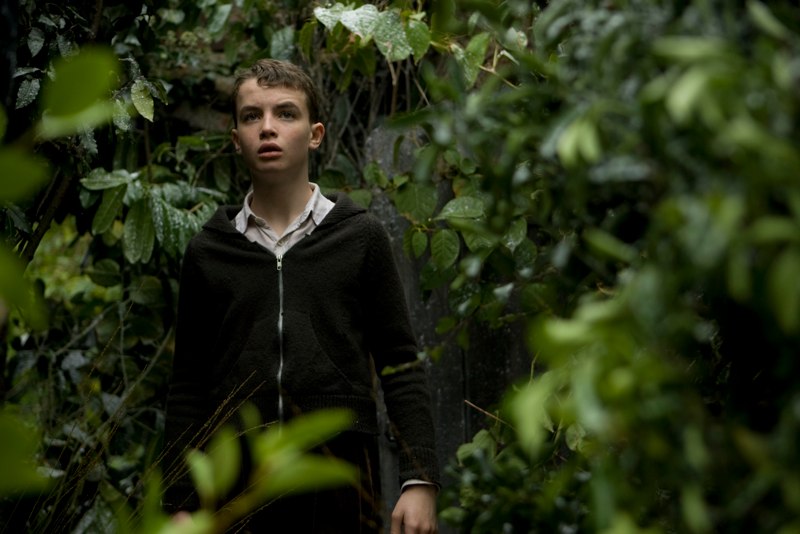
From Time to Time

Kwayedza Kureya, Alex Etel and Eliza Bennett in From Time to Time (Freestyle Digital Media)

This is a film that I saw a little bit ago and I struggled with whether I’d qualify it for this year’s BAM Awards or just leave it in the Gray Area. Typically, I go by US release date (so long as I had a legitimate chance to see it), should a film have not had a US release date (namely only released overseas, or seen in a festival, etc.) it’s qualified in the year viewed. With regards to From Time to Time, I knew that its actual vintage was a few years old and it was released in the UK some time back, however, it only his US home video very recently. Technically, that is is its US release since it didn’t have a theatrical run, so there you have it.

This is a very interesting ghost drama, which has a few interesting things going in its favor: first, it cuts through time with great facility and creates a British gothic tale with the ease of Magical Realism. This stripping down of the typical pretensions of supernatural tales making the acceptance of these other-worldly facts commonplace allows the film to dwell in a more dramatic and intriguing milieu. Second, as clearly intimated above this film deals in two periods but makes them both intriguing and vital and blends them wonderfully. Lastly, this film features very strong performances most notably by the under-utilized Alex Etel, last seen by me in Sea Horse; Maggie Smith, whom at this point could benefit any and every film in creation and Carice Van Houten, whom viewers of Game of Thrones may recognize.

This is an intriguing film that is worth looking for on Netflix or other home video resources.

8/10

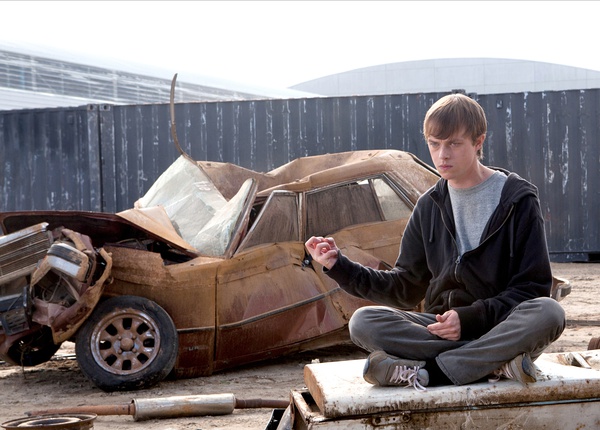
Chronicle

Dane DeHaan in Chronicle (20th Century Fox)

Since I viewed this film on a plane it was easy and not distracting to take notes on an iPhone, but I will try to keep these comments brief as the review is supposed to be “mini.” Having said that, this was a film I heard a lot about and I love the fact that it is divisive. I had a lot of stumbling blocks to overcome in this one, but seeing elements enacted as opposed to just hearing about them are two completely different things.

This being a found footage film there are “cheats,” inasmuch as it’s not always the same source camera providing the footage, but as events escalate you’ll see why it’s possible, you just get no hint as to who put it all together. That’s a minor concern regarding the handling of technique.

In fact, the only other quibble I have has to do with Casey (Ashley Hinshaw) who is a blogger, thus she too obsessively records things. It’s a bit convenient but mostly the film works in the found footage milieu because it remains tremendously reflexive, and it has to. Andrew (Dane DeHaan) feels compelled to record his life due to his abusive father (a wonderfully malignant villain with few parallels), it clearly continues after the mysterious inciting incident.

Perhaps what is most brilliant and moving about the film is that it creates a sense of identification immediately and it builds from there. It’s not a case of likability but rather understanding. It gives characters powers, and inherently responsibilities, they’re not necessarily equipped to cope with and shows you what they do.

Yes, there is a slightly Jackass, slight YouTube voyeuristic quality to certain scenes inherent in the found footage approach but things to do come back that seemed as if they didn’t fit, and the seemingly frivolous is sublimated quickly. Through it all it remains a character study. It’s a film that does not get overly-concerned with its technique to the detriment of its plot or personages.

Clearly, the performances need to be really strong for a film of this kind to work. That is the case with Michael B. Jordan as Steve, who convincingly plays the winning, popular, untouchable jock but also conveys some hidden depths when allowed to. However, the true standout is Dane DeHaan who is asked to deal with far more range in a film of this kind than you’d expect and is magnetic and captivating in all facets of his character. The scripting shows a certain amount of restraint in many of his scenes and intonation and expression have to convey a lot and he does.

There’s an air of mystery to the story even after the inciting incident as you learn with the characters but are still not overly-inundated with facts.

The sound mix is rather effective especially as it counterbalances with certain moments of dead silence paired with powerful images. The visual effects aren’t as flashy as some other films but very strong.

I tend to try and avoid things that can be construed as pull quotes but the film did get quick a few visceral, nearly unconscious reactions from me I laughed, I was was on the verge of tears a few times and my jaw literally dropped at least once.

I have the few small reservations mentioned above but many prejudices I had coming in vanished entirely and I came away resoundingly impressed with this film.

9/10

Corpo Celeste

Yle Vianello in Corpo Celeste (Film Movement)

I have previously discussed the benefits of programs like Film Movement. This film is their most recent offering.

What is most interesting about Corpo Celeste is that it comments through its narrative or visuals on any number of topics but always does so in an interesting, thoughtful and compelling way it is never didactic, pedagogic or heavy-handed. This is key with themes such as coming of age, religion, politics, family and nationalism (to name a few) being discussed. Most of the reason the film can do this is that all of these things are discussed personally and visually. They barely need to be elucidated. When dialogue is employed to convey the touched-upon themes it is used sparingly and tightly.

The personal approach keeps a film that might be overly aloof rather cool and connected. One of the more interesting things about it is the approach the film takes in bringing its protagonist to the fore. The first few images, scenes even you rarely see Marta alone, she is in crowd scenes and crowded dinner tables and gatherings. Our knowledge the story is to be about her allows us to get a glimpse of her world and her not really seeing a place in yet, hence she’s coming of age. She soon comes further and further into focus and in some way identification is already established.

The film features a tremendously natural performance by Yle Vianello, which enables you to connect to the film not only through her character but through any facet you see fit. The two major ways to connect to the film are either as a coming-of-age tale or a spiritual journey. Many of us have been through either, if not both, so closely examining these two major journeys in one protagonist makes it quite effective.

This is a really good film that is worth your while. The DVD also features the Academy Award nominated short Raju, which I saw earlier.

8/10

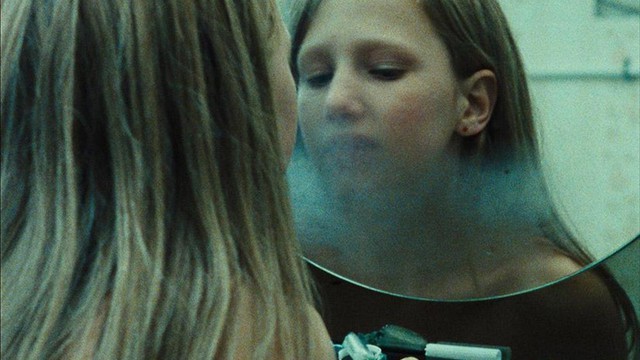
Hick

Chloe Grace Moretz in Hick (Phase 4 Films)

Hick is a resoundingly disappointing experience on a number of levels. One reason this is so is that Derick Martini, the director of this film, crafted a wonderful film a few years back entitled Lymelife. It was one of my favorite films of the year in question, while some of those same motifs and actors that made that film work are back in this film there’s little else that binds the two. Part of the issue with this film is it’s a case of novelist acting as screenwriter backfiring, it can be a wonderful thing, but here it’s a detriment. The film does not move well; the denouement is massive; the amount of coincidence; the lack of clear motivation on the part of certain characters; seemingly extraneous elements, and awkwardly staged situations are some of those reasons. The lead in the film is Chloe Grace Moretz, who as previous honors have indicated is very talented, yet even her excellent performance cannot salvage this film.

What it reminded me of was Leolo gone wrong. You have a very strange home life and an adolescent seeking to escape. The world isn’t very firmly established neither is the protagonist’s desire, not at first. She clearly is haunted by the loss of a sibling but that’s not clear imemdiately. She has a goal but it quickly becomes clear she’ll need a new one, and how she finds it and why is underdeveloped and is a tremendous example of deus ex machina. The pace of the film is also off and it feels a lot longer than it is. Hick is one worth avoiding.

4/10

First Position

Gaya Bommer Yemini and Aran Bell in First Position (Sundance Selects)

I can’t claim to be an aficionado but I am a fan of dance. Through my production company I sponsor a dance competition, so while not an insider I do know my fair share about the world this film describes. What I was somewhat fearful of was that this film would serve as a glorified infomercial for YAGP (Youth America Grand Prix), which is the world’s largest youth dance competition.

All those fears are soon allayed. The necessary information is divulged such that the layman understands the enormity and the gravity of the competition and the controversy regarding any competition is vaguely hinted at, but mostly the film is an introduction to just how competitive the world of dance is, and also a glimpse into how dedicated these artists must be from a very young age.

Yet any film can only get so far on the facts alone. Where First Position succeeds is that it profiles dancers from diverse ethnic and economic backgrounds and also with varying aesthetic philosophies. The film is structured very dramatically such that the performances with the highest stakes appear latest in the cut and the flow from performer to performer is just right and well-ordered.

What starts as an informative, introductory doc soon turns quite the emotional experience that gets you very invested in the outcome. It’s a great film sure to please fans of film and dance alike.

10/10

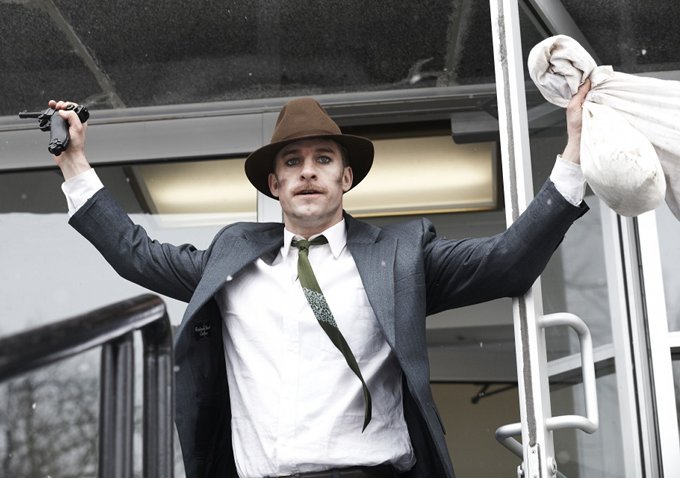
Citizen Gangster

Scott Speedman in Citizen Gangster (IFC Films)

This an interesting story about a man, Eddie Boyd (Scott Speedman), in post-WW II Canada who frustrated with his job and trying to get by embarks on a career as a bank robber. The film interestingly has a quick and effective genesis. The pathology and inspiration is properly established in a short time such that through the course of the film you follow the protagonist further and further past the point of no return. It’s the case of an anti-hero plot in as much as it does at least create a sense of identification if not sympathy.

The film also has a tremendous amount of technical prowess that helps create the world of the story. The cinematography offers a tremendous balance between stark, pale sunlit exteriors and blown-out interiors. When you combine this with the production design which was very concerted on white interiors with one accent to break up the monotony.

When you consider some of the scoring and performances there is quite a lot working for this film. The only thing that really holds it back in anyway is that from about the mid-point on the pace does become very stilted, which is especially noticeable towards the climax and denouement. Having said all that, this is a film that should be getting more notice and I’m glad to have seen it. As indicated above, it’s especially strong in compartmental areas but is intriguing enough in its narrative, especially for those unfamiliar with the details of the story upon which it is based, to sustain interest.

7/10

Hospitalité

Kanji Furutachi, Bryerly Long, Kenji Yamauchi, Kiki Sugino, Kumi Hirodo and Eriko Ono in Hospitalité (Film Movement)

Comedy just may be the most culturally specific genre of them all. In my experience, each culture has their own precepts it brings to comedy. Granted there are some things that are universally embraced as funny, but cinematic aesthetics, narrative constructs and indigenous commonalities often color how these tropes are conveyed. Which is a very roundabout way of saying that certain films purported to be comedies have struck me with confusion, surprise, and consternation on occasion. American comedy being typically rather broad is rather accessible; British comedy being somewhat dry and witty I’ve always been drawn too and being Brazilian I have a grounding there in where the jokes are coming from.

Hospitalité is a Japanese film, which is quite funny at times simply because it relies almost wholly on situations, characters and the element of surprise to deliver its humor. Where it loses a bit of its steam is that it could use a bit of tightening up in length and towards the end. The power plays exhibited are necessary but perhaps a bit drawn out there too. In essence, the dramatic elements of the narrative are overplayed as there isn’t a lot of follow through.

You may find it more funny than I did, and to be fair there are effective dramatic elements and pieces of commentary being made, but as it is a situation that is seemingly simple and does follow the house-guest-from-hell mold rather there’s just a certain deliberateness and gravitas to it all that drains it a bit.

6/10

Michael

Michael Fuith in Michael (Films du Losange)

I generally remain vague about plot descriptions in my reviews. Philosophically I believe that if you happened upon my review you know enough about the film and you’re just looking for some further information. With a film such as Michael one does need to be forewarned: while not sensationalistic or exploitative this film does chronicle about five months in the life of a pedophile. You will be disturbed and affected by it: I guarantee it. What is most effective is that the film does so almost exclusively through implication.

The film edit of the film is tremendous and much of the dialogue on reflection implies so much more than is said. One example of how the film communicates horrible consequences while doing little is a simple visual: Michael and Wolfgang, the child he has captive, are setting up a bunk bed in his room. That scene has made its point and hits you in the gut.

What makes the film most harrowing is the humanistic portrait painted of Michael. With an act as awful as child abuse, whether of a physical or sexual nature, some films overplay their hands. Meaning they feel the need to make the antagonist over-the-top and borderline cartoony as if to re-emphasize the inherent villainy and cruelty of their actions. Yet more often than not that kind of writing takes a viewer out of the moment. This film takes things as mundane as decorating a Christmas tree, talking to a neighbor or a haircut and tinges them with malignancy and implications that belie the simplicity of the line spoken or the action taken.

You also have in this film two performances that make this film work and they are those of Michael Fuith, who used his awkwardness to endearing effect in Rammbock, but here is intimidating, frightening, awkward and charming as needed. Then there’s also David Rauchenberger, who while not in the film a tremendous lot, has the unenviable task of playing the victim who as times dour, at times detached, at times a child and also rebellious.

The craftsmanship of the film is what truly makes it work. There’s one scene that really doesn’t jibe with the restraint, and the ending is one I stewed on but decided it is earned, as a whole other film would start had it continued.

8/10

Review- Bully

Kelby in Bully (The Weinstein Company)

Clearly with all the press that Bully had received from its initial rating, to the online animus it caused, to the subsequent edits and marketing campaign; there are many things outside of simply what’s in the film that can be discussed, even as it pertains to filmmaking. However, that doesn’t really apply to the film itself and if further discussion needs having I will post it here. That situation mutated a few times, therefore it’s best I didn’t comment pre-release, and therefore I will proceed.

Similarly, the subject of bullying itself is one I could talk about extensively. I’ve seen from afar, yet closer than most, some of the effects that it can have. How it should be handled can be couched many different ways based on your cultural or political background, however, that’s neither here nor there in this review as this film, like many documentaries are and should be, isn’t about finding a cure for the issue but rather examining the issue. And let’s face it, in spite of increased media coverage of incidents, there are still those in this country who will say there isn’t an issue.

Eseentially, my feeling is that there’s always been an issue, it’s worse and harder to deal with in today’s world, and we as a society have been too slow to act but we need to.

Yet, what of the film Bully? As I stated above, what it does is seek to examine a very broad subject on a closer level by citing several different kinds of examples. In some cases the students in question are living with it on a daily basis, some have confronted the issue, some shy away from confrontation, in some cases we only meet the family as the bullied has since committed suicide. In another, a student reacted harshly and goes through the juvenile justice system. While the film could’ve been slightly more geographically diverse, it does do a good job of going around our vast nation and showing the similar patterns of behavior and administrative inaction and/or ineffectual action.

However, that conclusion is the one I’ve drawn. The film does volunteer the occasional dissenting opinion about the severity of the issue, however, the film never through a narrator or through over-manipulated editing, tries to espouse a dogma. Instead, it allows the subjects to offer their opinions and feelings. On a few occasions, it captures incidents but merely displays them rather than invoking judgment within the narrative. It’s presenting evidence, which we are parsing.

Perhaps the best and most persistent example of this technique is the fact that, wherever possible, the main cause of a student’s being bullied is suppressed or hardly commented upon. For it truly is not the point, and while the film doesn’t actively try to impose an opinion on its audience it’s made from an anti-bullying point of view and there is ample footage and facts to support it. However, anti-bullying can be a secondary and tertiary rallying cry of other activists, therefore to focus it strictly on the issue of bullying by removing the catalyst as much as possible, it examines the phenomena, its impact on its victims and keeps its focus and scope as narrow as possible, which is essential in documentary work.

In keeping with the theme of the film’s scope, there are a number of case studies made within the film but the film is very astute at establishing these personalities and locations such that as cuts are made from narrative to narrative there is minimal reminding we as an audience need of who these people are, where they’re from and what their precise situation is. It’s a credit to the filmmakers because it allows the film to have a sense of flow rather than being segmented case-by-case it traverses the nation over the course of a year and follows an emotional ebb and flow to its conclusion.

What stands out most in that the film is at its most effective when it reveals how these things affect those who love the victimized. Typically, the bullied are resigned to one extent or another or not present. What’s most revealing is the collateral damage caused in the families examined.

The fact that some people searched for a solution in this film just shows that they acknowledge that there’s an issue and they’re desperate for there to be an answer for this generation’s sake, and for those to come. However, while this film is zeitgeist to some it still has to contend with a faction who dismiss the notion and it as propaganda. I think the film very strongly and steadfastly makes its case that there is, in fact, an issue and that it must be addressed and it will continue to be an issue until serious actions are taken and policies are adhered to. The film is a heartbreaking necessity, both in its making and its need for an audience. It’s a film that should be seen by all and I hope it has a long life.

10/10

Review- African Cats

African Cats (DisneyNature)

Ever since the inception of DisneyNature there has been a social awareness angle to all their nature documentaries due in part to the fact that during these films initial week of theatrical release a portion of the box office has gone support a wildlife conservation fund. This social awareness has in the previous three films crept into the narrative but this film avoids that self-conciousness, which is good. They’ve realized that almost any nature documentary has an environmental aspect now regardless of your conservationist and/or Global Climate Change stance, especially when you release the film on Earth Day.

What’s not as good is that cinematically it doesn’t stack up to prior installments. There are quite a few reasons for this.

It almost goes without saying that the cinematography in this film is great. If you’re making a nature doc and you don’t have at least a few breathtaking shots and a handful of “How’d you get that?” shots you haven’t really done your job. In some cases it could’ve been better in terms of working with the edit and clarifying action and sometimes shots were intimated at by narration that didn’t exist.

The only reason I bring the comparative aspect of it into play is that a) this is the same team that brought Earth to the screen and b) the films in this series regardless of director have shared some similar traits in construction.

One of the larger issues the film faces is balancing the amount of narration to include. It seems as if there was too much included and it makes me wonder is there was more written simply because they knew Samuel L. Jackson was going to be reading it. Many times in the film I mentally omitted extraneous portions of narration. Far too many times for it to not be bothersome.

Aside from the sheer amount of dialogue that was included there were scripting issues such as not naming any of Kali’s, a powerful lion, sons.

Perhaps this decision was made due to the fact that this is a film that was dealing both with cheetahs and lions and there were two rival factions of lions to include. The balancing act between the two, or three really, was quite precarious and the overlap was very minimal. This is unfortunate not only because the cheetah’s tale, which I found to be more interesting, got the short shrift.

This film is at times a moving an intimate portrait of wildlife on the African Savanna that only slightly miscalculated the use of some of its elements. It, while focusing on cats, did manage to include many other species that inhabit the area and convey information about their behavioral and migratory patterns.

African Cats is well worth viewing both for entertainment and altruistic purposes but it just falls short of maximizing its potential.

7/10

Justin Bieber: Never Say Never Extended Cut Coming this Weekend

Justin Bieber in never Say Never (Paramount Pictures)

As previously reported Paramount is poised to release an extended cut of Justin Bieber: Never Say Never this coming weekend, for one weekend only.

Reports vary between sources about how much content would be added but estimates are between 30-40 pushing the running time over two hours.

The film will include music which is not seen in the current cut, more friend footage and other things which were suggested by fans and already existed but were excised pre-release. What’s perhaps most compelling is that the film will get somewhat reflexive and include footage of fans watching the sneak preview of the film on February 9th, which truly brings the story of the film full circle. Jon Chu, director, in the video embedded below talks about how this film fits the mold being made by the current artist.

Ultimately, it is quite likely that the correct decisions were made for the initial theatrical release as it was quite a successful that told a well-rounded tale and didn’t just shoot concert footage all fancy like but it would be interesting to see what was left out and how an extended cut change things. Again it’s something you can look at a few ways: either crass or a team and crew going the extra step to thank the fans who made all of this possible. With all the suggestions and the technology available (as Chu mentions it’s screening in 90% digitally-capable cinemas) these were easy request to accommodate and documentaries offer more flexibility.

It is also being reported that the film will be released on DVD in August. That has yet to be confirmed by Paramount and clearly details don’t yet exist about it.