Hero Whipped: Richie Rich

It’s been a while since I’ve done a Hero Whipped piece and I was considering this idea and several others to liven things up. If you’ve not read one of these posts before. Since the introduction the focus has been on one character, one who appears in comics but usually in many kinds of media, including films, of course.

With regards to Richie Rich there are really quite a few avenues of my return to comics, not to mention that but also the relationship between comics and film, which I can touch upon here. Before getting to a specific case study, which is where this post will differentiate itself. I’ll go through a bit of character history, as well as personal history with the character.

Histories
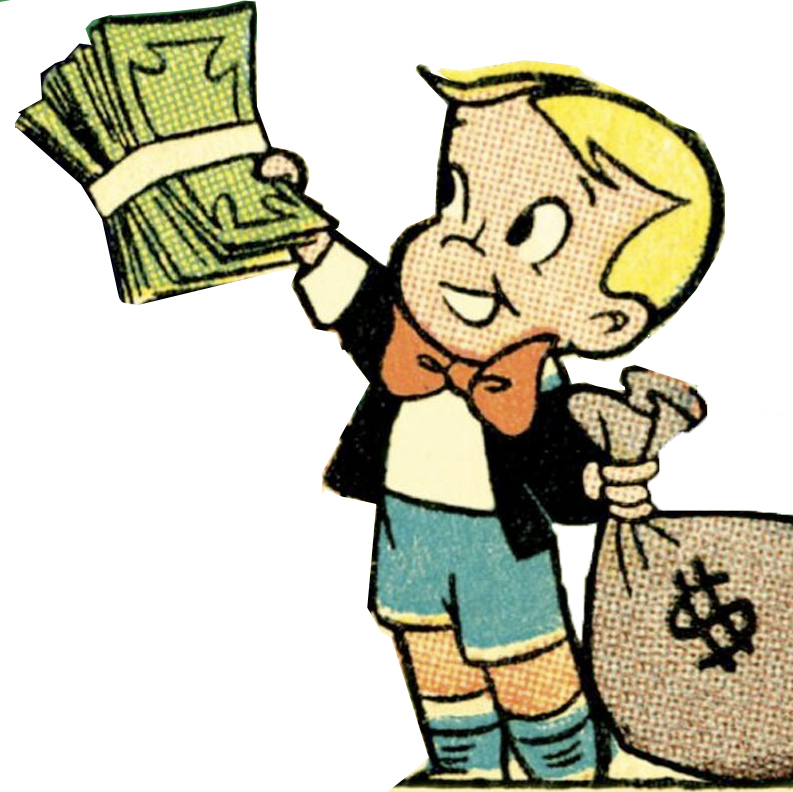
Richie Rich (Classic Media)

Richie Rich is one of the characters I grew up with when I was first reading comics before I abandoned them. The fate of his character and Harvey Comics was one of the hard truths I had to come to terms with upon returning to enjoying the medium after about a decade and a half hiatus.

Now, he and other Harvey creations aren’t exactly dead in the water. Harvey Comics met its demise not too long after the release of the Richie Rich film. It was second major film project based on their characters and ironically, the single-issue adaptation of the film’s story was actually released by Marvel, and that’s where the case study will come in.

Since Harvey went under the characters of their universe have undergone quite a journey. They were reprinted in a series of collections, most of which are now hard-to-find, by Dark Horse Comics.

Richie Rich: Rich Rescue (Ape Entertainment)

However, that didn’t last long, but Richie Rich has been revitalized through Ape Entertainment’s Kidzoic label. What Ape, with aid of the old hands that are still with us, have managed to do is that they’ve modernized the character in appearance, behavior and plot, but kept Richie’s essence the same. Through Rich Rescue he still gets into capers but the tales are more formalized and less random. He rings a bit more true but is still essentially a good kid, and not the spoiled silver spoon baby one would expect. Reggie, his antagonistic cousin, is a bit more rounded. The art is also more malleable inasmuch as there are reprints/recolorings of old tales as well as new stories with classical design of the characters.
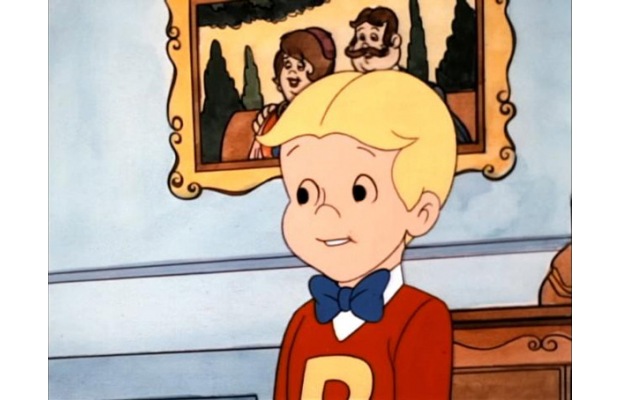
Richie Rich (Classic Media)

Then last year, Classic Media, which is the company that took control of the intellectual property of Harvey and a couple of other companies was purchased by DreamWorks. This development is great for the future of these characters. Firstly, it doesn’t seem like right now it’ll endanger rekindled comic adaptations (while Star Wars comics will migrate to Marvel, comics based on Disney’s characters remain entrenched at Boom Studios, and Disney has never really had a proprietary brand) I don’t foresee DreamWorks or Classic Media entering the fray either, but do believe Spielberg/DreamWorks will try and build upon his investment, and considering he was executive producer on the first Casper cinematic incarnation, other films may be in the offing.

The Harvey Universe would be a prime candidate (and this could be a list at some point) for a motion capture treatment in the future.

Which brings me to the specific.

Case Study
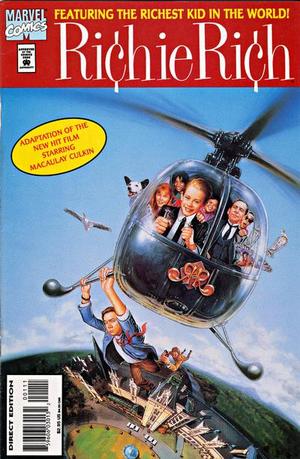
Richie Rich (Warner Bros./Marvel)

Before I revisited, and read Richie Rich more voraciously than I ever had before my departure from comics, I hovered around what was in part wrong with the film version. I think if I saw the film again, I’d still like it but there’d be similar issues for me.

Culkin (and here may be another list ranking his films) was not necessarily the wrong choice for the part, but the part was written more to suit him than the character, there’s the occasional precociousness and snark that’s really not Richie. There’s that origin of meeting his friends where the trite envy is built in where the greedy adult world is really what’s supposed to be the enemy. Richie, his father and mother are fictitious, altruistic billionaires that are all childlike counter-capitalists in their desire to always do right over what’s profitable, yet, due to their virtue always come out swimming in money. This nuanced tonality, even with some similar dialogue and plot points comes through a lot better in a comic version of the film tale because the performances are my interpretations through reading rather than being presented a concrete interpretation onscreen.

Richie Rich (1994, Warner Bros.)

Granted some of this commentary runs counter to some of my fanboy advice, but it’s a lot easier to avoid these pitfalls when there are multiple cinematic versions to fall back on. With Richie Rich there’s just this one major film and the TV show. It’s still a better more complete film than the latter TV project Richie Rich’s Christmas with David Gallagher, but a more creative dynamic with thew friends and perhaps someone like Elijah Wood in the lead would’ve worked better.

With recent sociopolitical developments the atmosphere’s right for a new, more mature, dare I even say deep, handling of this character. The time has definitely come I think for a screen return of some kind and a continued proliferation in comics for Richie Rich.
The 85th Academy Awards

So to spare my friends And followers on social media I’ll be live blogging the Oscars here.

Thoughts may be more sporadic this year.

Red Carpet/Pre-Show

George Clooney is just naturally funny. Great stuff.

Audio issues. Yikes.

Once I heard Anne’s guess (about the mystery item) I knew she was right. That’s the first time she’ll win tonight.

Not sure it’s a gimmick that should stay, but an interesting wrinkle for this year.

Watched the countdown clock more than ever. That was an ordeal.

I wonder if Hugh Jackman gets tired of being referred to as Wolverine. He’s not actually Wolverine. He just plays him in the movies.

Didn’t see enough red carpet to pick a best dressed.

The Show

Love the profit joke and the Ben Affleck obviously.

Shatner!

Well, I expected sporadic updates just because I wanted to watch but that opening was spectacular!

Excellent speech by Waltz.

Got the first shot of Jack and the mandatory playing of the E.T.
theme in segment one.

Animated short was no surprise. I had a feeling it’d be nominated since I saw it.

Brave winning actually did surprise me. It was rather divisive and I was lukewarm on it. Animated films are deep right now, there were other viable winners, and better ones in my estimation.

Well, I expected those two to go to Pi. Miranda’s speech was memorable. The Rhythm and Hues comments by the VFX team had to come earlier. I expected them. Using the Jaws theme to play them off was just too funny.

Hair and Costume winners are always tough to figure. Very pleased with the results. Glad to see Anna Karenina get some love.

“Goldfinger” sounded amazing!

So the shorts just got announced. I didn’t see the short subject docs, but it was a good opportunity for an apropos stump speech.

As per usual, it would seem, my favorite live action short didn’t get the win. It makes Death of a Shadow even more marked in my mind. It’s a short I’ll remember.

Didn’t see any of the Feature Documentaries. Based on buzz I was expecting Sugar Man.

I know Affleck tried to pass it off as a joke, but he sounded kinda ticked off by the stupid Kardashian joke. I mean, I laughed, but I agree with MacFarlane, likely should’ve been dropped.

Had to wait 2 segments to update.

Thankfully, they had three musicals to draw upon for the past decade tribute. Musical theme plus Seth MacFarlane makes perfect sense, but musicals aren’t as prominent as they once were, clearly. They can still clearly work the Tatum-Theron dance was great at the start.

Obviously Les Mis would bring the house down. When you record live those songs live with you forever.

I don’t know the last time, if there ever was a tie, but that’s surely a historic moment. Glad that Skyfall, an action film took one of them. It’s a really well done work.

Argo owes much of its success to the edit. It moves along brilliantly. It’s not just about shot selection and cuts, but also pace. It’s a thriller at its core for all its other fenestrations, and it needed that edit to succeed.

Glad to hear “Skyfall” during the broadcast. Performing all the songs got too routine, but combining a Bond theme and allowing the song to be in the broadcast is definitely a highlight.

The Governors Award winners for this year is a varied field and a good one. Most notably to me is George Stevens, Jr. I was unaware he founded AFI. I staunchly support any organization that promotes and preserves film.

I was pulling for Anna Karenina again, but Lincoln winning the newly re-named Production Design is fine with me. Lots of great sets throughout bring that world to life.

The In Memoriam was well-handled. I hadn’t thought ahead to it. Amazing surprise having Streisand come out and sing in honor of Hamlisch.

So I was off and they added one more performance, the Norah Jones song in Ted</em that I'd forgotten about. A little awkward to go from saying you saw two, here's video of two more and another live. I thought it a toss-up between Skyfall and Les Mis. Glad Skyfall took it though. It’s an intrinsic and quintessential Bond song.

Best Original Score not my favorite choice of the night. Coul’ve picked any of the other four in that one and I’d be happy.

I was pulling for Lincoln but fully expected Argo.

However, the highlight of the screenwriting tandem was Quentin getting it. Right before it was announced I pleaded “Come on, this is the one other thing it can get!” It was likely my favorite win tonight because I shouted with glee. I didn’t expect it to happen.

OK, weird footnote: Ang Lee has now won Best Director twice. Will he have that distinction with no Best Picture wins? Life of Pi won in categories I expected it to until recently. Is it a fourth front-running candidate for Best Picture?

Very cool that Jack came out for Best Picture. And as for Michelle Obama announcing and speaking via satellite, great message.

So it turns out that quirky footnote happened. Argo won as the tea leaves have been showing.

I think the closing song would’ve worked better if both were former nominees who didn’t win.

Conclusion

I expected many of the awards but it was a greatly entertaining show. Unlike last year where I gave it a pass, I was biased here, being a MacFarlane fan and he delivered. He even got to get his favorite Sound of Music gag in, which I think is great. Basically, the new paradigm should be, regardless of sensibility, treat it like it’s your only shot to host. He and the writers knowledgeably poked fun at Oscar trends and patterns and occasionally ruffled feathers. It was great fun, especially as the musical theme gave it that air of gaiety and celebration.

Once Upon a Time in the 80s: The Directors (Part 8 of 17)

This is a recapitulation of a paper I did in college. This is part eight in the series to read other parts go here.

When discussing the 1980s no director stands out more prominently than does Steven Spielberg. Just looking at his repertoire of films from the decade and we can see his artistry was ever-expanding. He had blockbusters in the Indiana Jones trilogy and also with the incredibly sensitive and heart-felt E.T. He also started to venture into uncharted territory. I truly admire directors who are always looking to change to make a departure so to speak, and Spielberg was always willing to do that. Even while E.T. was a success he had Poltergeist in general release, which was a supernatural horror film. It was E.T. that did it for him. It was his biggest hit to date and it allowed him to create his own production company, Amblin Entertainment.


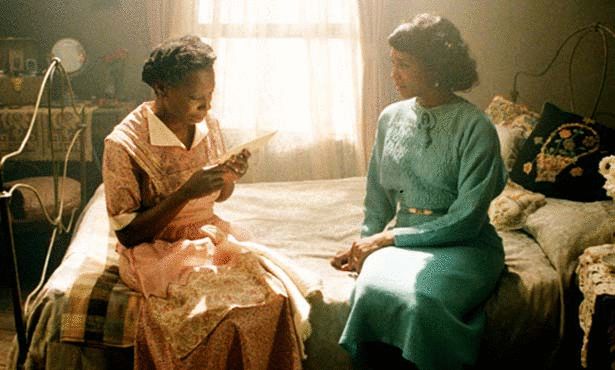
After his second Indy film he started work on his first drama and it’s one of his better efforts called The Color Purple. There was much critical uproar over Spielberg handling a story about African-Americans. Regardless of that it’s a great film that works beautifully and like most of his films has a triumphant theme. His next film was also a drama but here we saw World War II from a difficult angle. In Empire of the Sun Spielberg beautifully documents the travails of a lost British child. This is Spielberg’s first wartime opus and the war is less involved in the events of this film than in other films and it works fantastically. The film received much critical praise including in the international media, which called this his most European film. After the third and final Indy film, for the time being, he did a remake called Always. Spielberg would continue to change from film to film doing whatever he wanted. He then went on to the much maligned but absolutely magical Hook in ’91. Then came Jurassic Park, which was in all likelihood what helped him start up DreamWorks.


Steven Spielberg was the ideal director for the 1980s. Most of the films I’ve talked about were Amblin Productions. Spielberg was producer of Young Sherlock Holmes, The Money Pit, An American Tail, Harry and the Hendersons, Innerspace, *batteries not included and Back to the Future Part II amongst others. All of these films are adventurous, family-oriented and fantastical in some way or another. Steven Spielberg’s worked has only improved and multiplied in the 90s. He was also the standard setter in the 80s whereas everyone was trying to emulate his style but none really could.

Beetlejuice (1988, Warner Bros.)

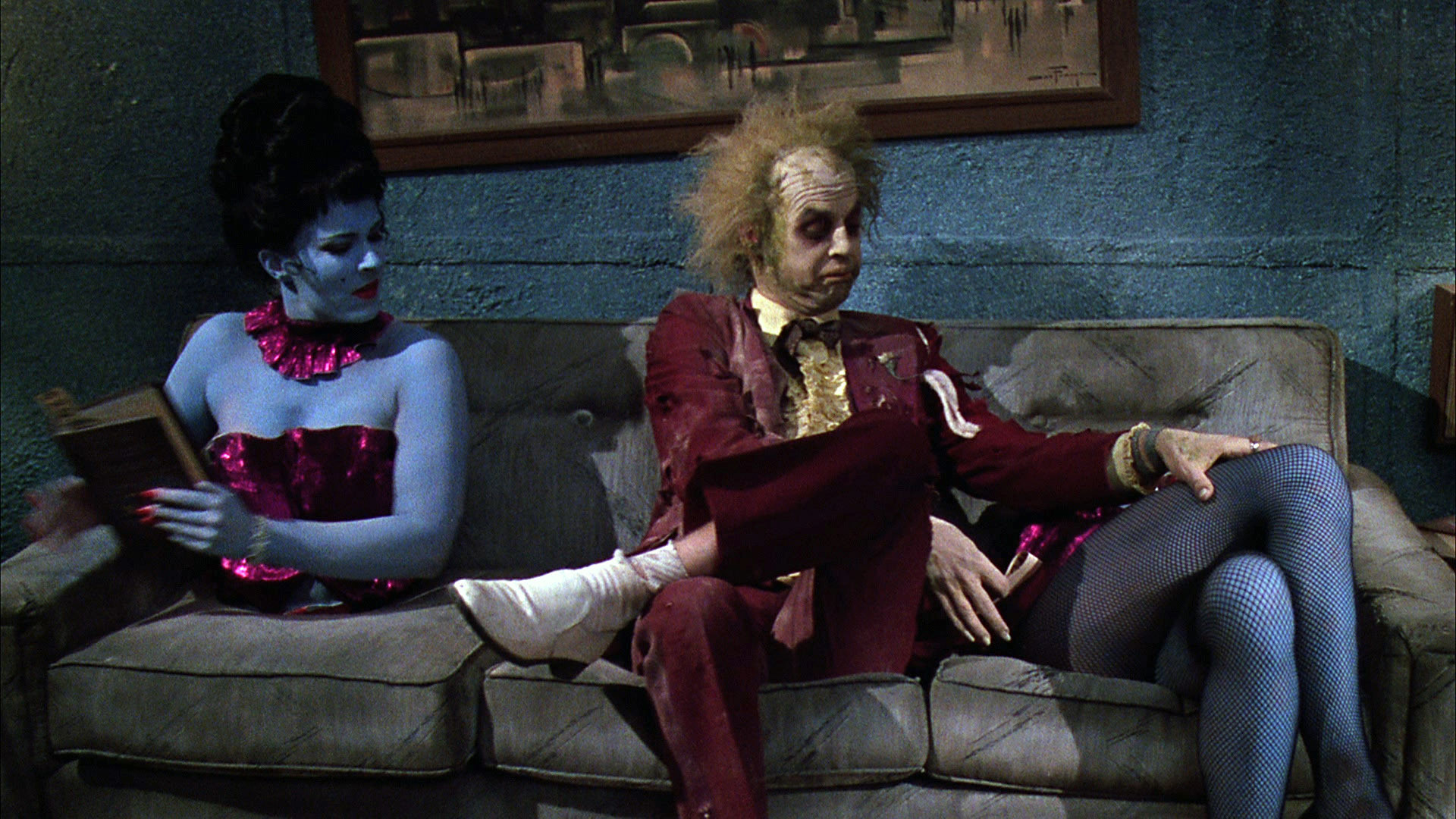
Lucas’ impact has already been noted with the Star Wars films and co-authoring the Indiana Jones series but stylistically few directors were more noticeable than Tim Burton. His first break into the big time was directing Pee-Wee’s Big Adventure, a quirky film about a child-like adult’s search for his lost bike. The film surprised everyone and spawned a Saturday morning program. Burton’s flair for the quirky and unusual and his visual sensitivity got even more free-range in his next project, Beetlejuice. Not only is this one of the most original films I’ve seen but the cinematography, particularly in the after-world sequences with the sandworms, is fantastic. In Beetlejuice we follow the tale of a couple that has recently died and they try to scare the new residents of their house out. Michael Keaton delivers one of his best performances as the gross and irreverent title character and this film too was spun-off into a cartoon.

Wall Street (1987, Columbia/Tri Star)

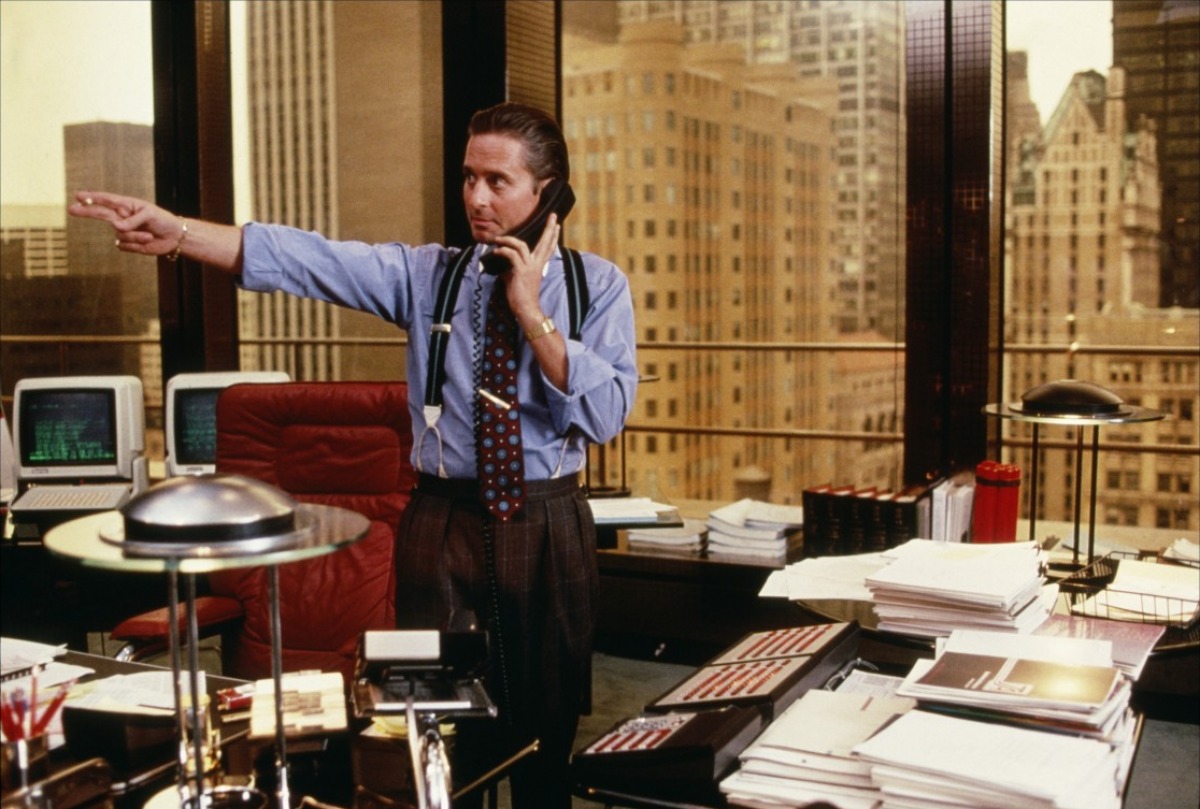
Oliver Stone is one of the best directors out there right now [as of this writing]. He’s very different from most directors at any point in time because he’s more willing to be political than most American directors. The film that put him on the map was Salvador, which deals with Panama at a time when Reagan looked upon all of South and Central America as his toys. He then had his two anti-Vietnam films being Platoon and Born on the Fourth of July, which are powerful and stirring accounts. I do believe that every good director has a bit of good fortune in their timing every once in a while. Spielberg released Minority Report when privacy and surveillance are big issues, and Oliver Stone came out with Wall Street a year after Ivan Boesky and Dennis Levine plead guilty of insider trading and just a few months after the stock market crash of 1987. Daryl Hannah’s pathetic performance aside, this one of his best films and it’s the most emblematic of the 80s, in a negative Oliver Stone-like way. Money leads to these characters downfall and it practically tears a family apart. We get Michael Douglas playing one of his most memorable characters, Gordon Gekko, delivering that fabulous speech, which Stone seems to know how to write, starting off “Greed, for lack of a better word, is good.” Gordon Gekko is the 80s captain of industry. Combine him and Sigourney Weaver in Working Girl and you have the ultimate cold-hearted capitalist.


The 1980s was more a decade of individual films than of directors. There weren’t a bunch of auteurs walking around but there were plenty of movies coming from all over the place. There were but a handful of powerful filmmakers, these were the foremost.

Work Cited and Footnotes: Otavio Frias Filho “Spielberg” pp. 214-220. Folha Conta 100 Anos de Cinema. Ed. Amir Labaki. Imago Editora: Rio de Janeiro, 1995.

-“Pee-Wee’s Playhouse” had probably the best set design I’ve seen on television.

-Despite the quality of the film, Beetlejuice, the cartoon series is one of the worst piece of junk I ever saw all the jokes were in pun form, who wrote that?

Tarzan Thursday: Tarzan The Ape Man (1932)

Last year the character of Tarzan celebrated his 100th year in print. A serialized version of the story first appeared in 1912. A hardcover collection of Tarzan of the Apes first appeared in 1914. Being in the middle of the Tarzan centennial period it’s an opportune time to (re)visit many of the screen renditions of the character.

If there’s one thing that’s beneficial about viewing, and in many cases revisiting, installments in the Tarzan film adaptations it’s that by viewing the Weissmuller-starring MGM-produced versions I now get a sense for that series. Before, having skipped certain installments and gone out of order, some patterns harder to pick up on, yet some traits were easy to pick up, like the sudden vanishing of Jane’s presence as a forward-thinking character when Maureen O’Sullivan was replaced.

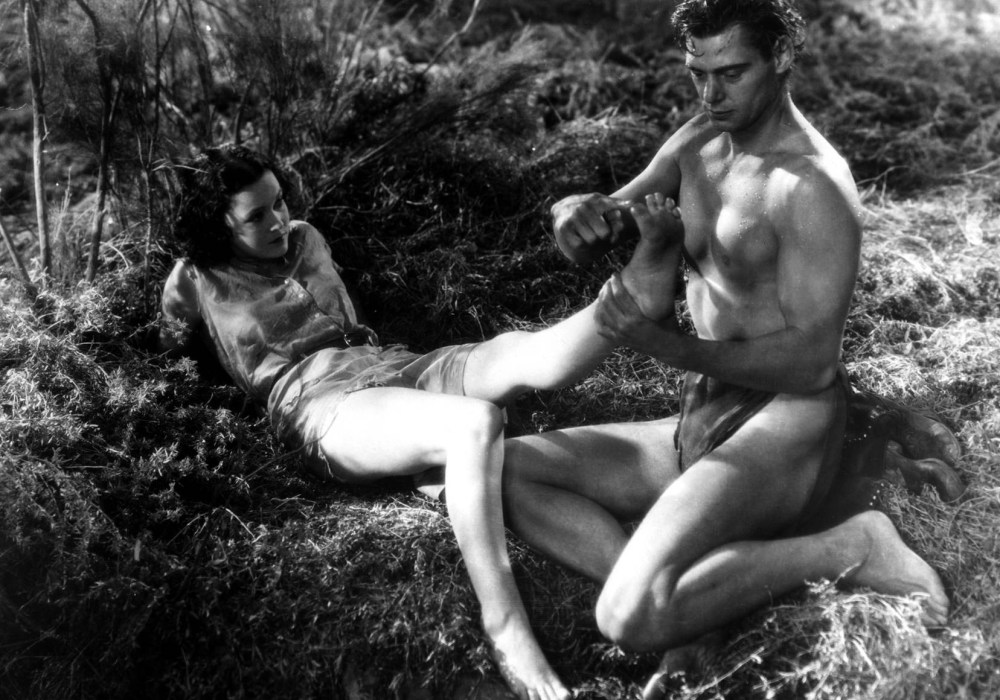
Now, at long last, I viewed Tarzan The Ape Man and began the series properly. I must say that I am most impressed with how this series starts off. Everything that had been intimated about Jane in sequel shorthand is firmly entrenched here. Furthermore, the commitment to building character is so strong that Tarzan, the titular character, is absent from the entire first act. His signature call is heard a few times off-screen, disembodied and creates a chilling effect for an audience that does not know the story that will unfold after his introduction.

My feelings about O’Sullivan, the writing she seemingly demanded, and the performances she gives, was solidified by seeing this entry now. Tarzan’s progression towards “Noble Savage” is very slight in this film. Jane really is the conduit to the audience’s understanding about this character’s nature. We must see and feel through her eyes and that link is so well-forged and so strong in this film that it makes for a rather engaging and emotional experience.

Perhaps what’s the biggest pleasant surprise of the film is that Tarzan, and the nature of his character, becomes the focus of the story and the MacGuffin, the mission that the hunters and/or other white men embark upon truly takes a backseat. As seen through the spectrum of this film, it will be interesting to see how the rest of the films play out, if any differently.

Film Thought: What’s Your Favorite Film?

After having updated this year’s 31 Days of Oscar, someone commented, after seeing my reaction to Imitation of Life “That’s my all time favorite movie.” The conversation that ensued essentially came to this conclusion: “What are the odds?”

The conclusion I drew separately was “Hmm. Well, what if I hadn’t said anything, and I never knew?” Even film buffs who watch bajillions of things have one favorite that they can point to. The difficulty usually becomes trying to pick a top 5 or 10 say – definitely in going beyond that.

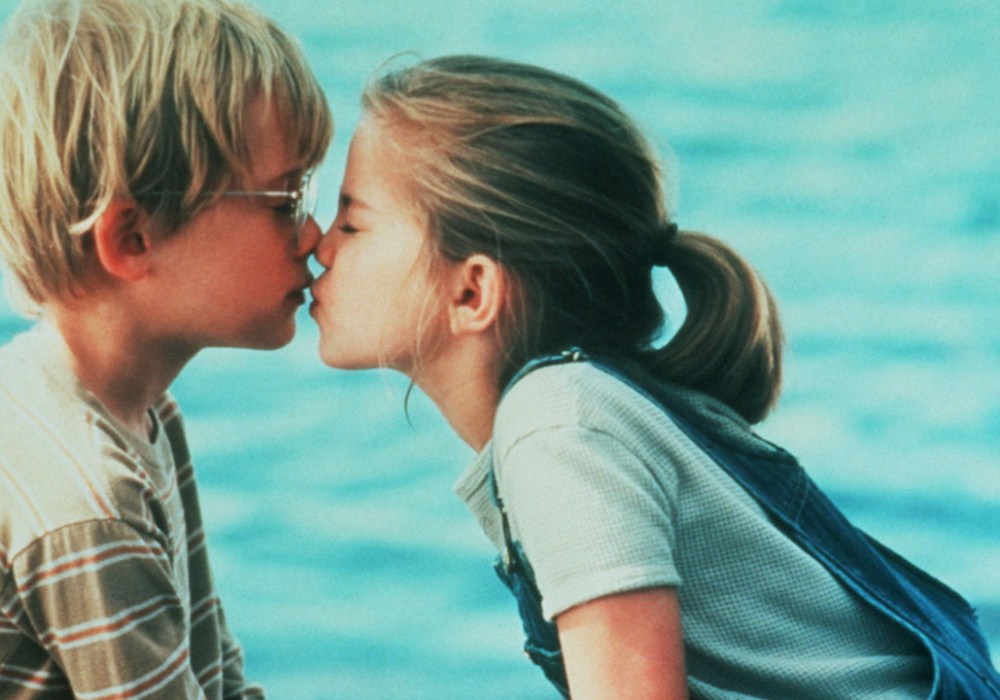
Even I, who am usually extraordinarily reticent to proclaim the best film ever made, have my answer: which would be A.I., however, every time I see Citizen Kane I think it kind of sits above being ranked. In doing my recent Spielberg list I was reminded that he supplanted himself as having made my favorite film of all-time when he made A.I. The film I’d last thought that of was Jurassic Park, and before that My Girl for very personal, and probably not so cinematic reasons. My point is a favorite film is a part of you for a number or reasons, it marks you and you it, whether for all time or at the very least in a time and place in your life.

What I came away from that conversation most curious about was “What’s your favorite film?” The general your, meaning almost anyone I talk to. I want to hear them, and see them if I haven’t. And a friendly note: if you ask someone their favorite film, and you set out to see it, do not expect it to be yours too, please just take it for what it is.

So there’s the question, I’m curious to know, if you can name just one favorite what would it be?

Cinematic Episodes: Introduction

Themes are sometimes difficult to stick to. The way I usually manage to stick to them is by getting a bunch of installments written and ready and then scheduling ahead of time. Themes that I work on extemporaneously have a chance of being more inconsistent, or worse, falling into abandonment entirely.

I say this because I have had it in mind to do this idea for quite some time. I have not made the intention to do this theme known here, just in a few conversations. The main reason I’ve not announced this one to try and get this one started, and to give themes I do not consider to be done, some staying power.

Without much further ado, the idea I purport to embark upon is one I call Cinematic Episodes. This would be another cross-medium post wherein the link between cinema and another medium is explored. I have written about adaptations, films in books, characters in comics and other arts hitting the big screen. However, I recently have started to consider some of the technical, and in some ways, narrative similarities film and television have always shared and are starting to share.

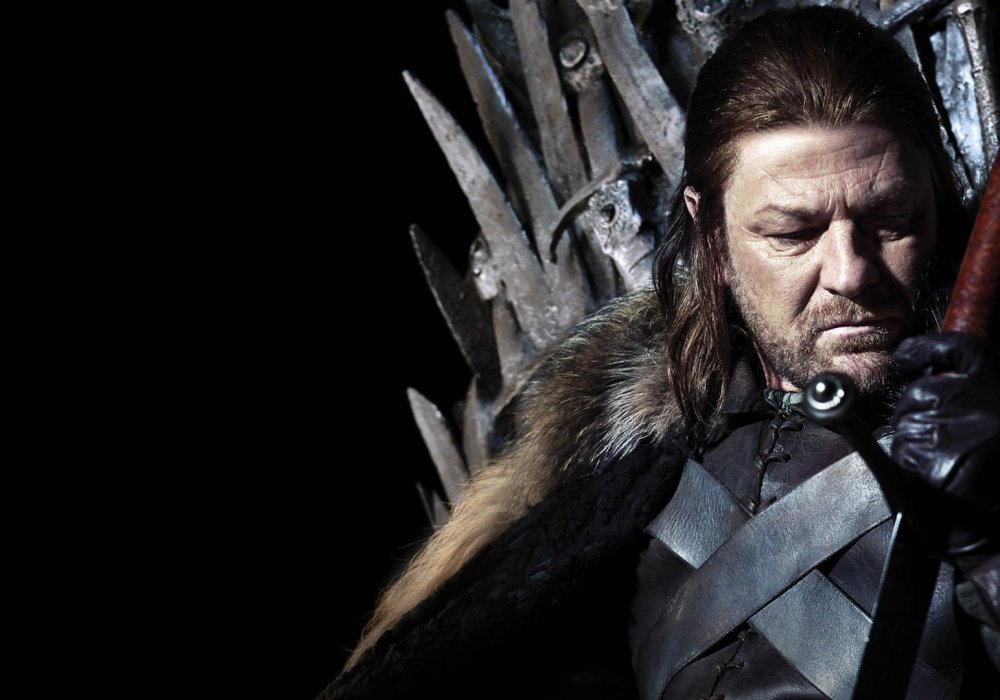
It’s no coincidence that on the day I sit awaiting delivery of Game of Thrones‘ second season that I post this, HBO and other cable outlets have truly blurred the lines more so than most in the past due not only to single camera approach, but also production values and elimination of the commercial break, thus, creating a more cinematic structure that builds its ebb and flow in a more traditional three-act manner than an hour of network television does due to the crescendo to commercial, the precipitous drop upon retuning and then the rise anew.

However, many shows on many outlets come to mind when thinking of the parallels and the current landscape, which I will plumb for the examples I am familiar with. This evolution didn’t happen on its own. I will look back and try and trace, to the extent I possibly can, the evolution of the exchange of ideas.

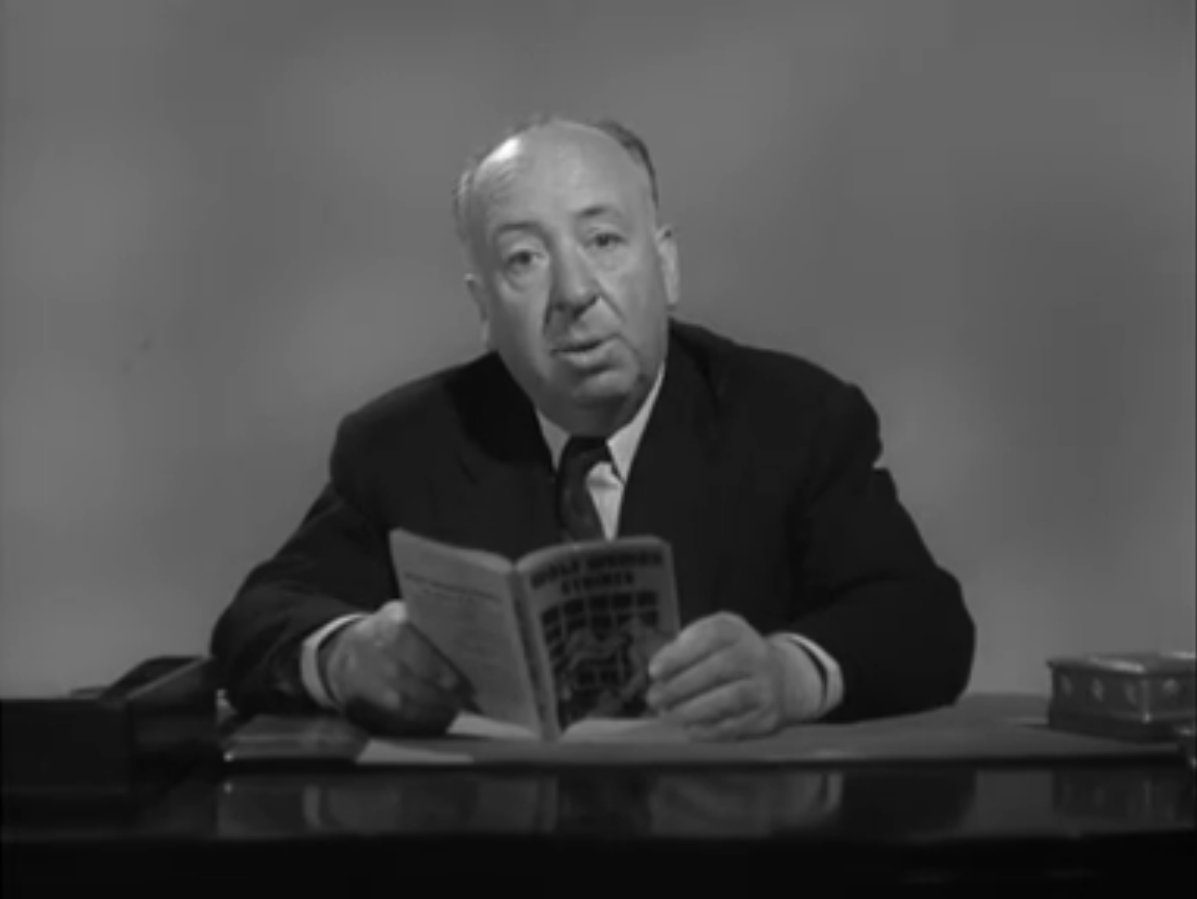
Alfred Hitchcock Presents (Universal)

However, it’s not only a technique and structural focus. The first topic I thought of and will likely examine, with what I have access to are the Hitchcock-directed episodes of Alfred Hitchcock Presents. There will be other topics to examine, other specific shows, but I won’t be tiresome in listing them here.

Essentially, any other medium in relation to cinema is worth taking a look at. I’ve always viewed film as a culmination of all the other arts since the advent of sound. With the introduction of sound elements of theatre were further added, music was added as a permanently affixed appendage rather than a variable live element, through the ages an artist’s touch in framing and composition, be it in color or black and white, has been needed. As any new form of communication and/or artistic expression has come about, film has been challenged, however, it perseveres both by adapting itself and also by an eventual embracing and exchanging of ideas and symbiotic influence. It’s been illustrated before with the rise of radio and then with television, the internet is the next frontier, but that landscape is still a bit nebulous. Film is not yet truly threatened or totally changed, similarly those making content for YouTube and other such sites are progressing, pushing back and breaking through but, still being in process, the changes are not yet as evident.

Television being the middle child of “Threats to Film” has firmly established its foothold as a fixture, mostly due to its varied nature of content and usage, but on the entertainment side it remains vital. The last thing that bears saying is that the fallacious “which is better” arguement will not be found in this space – and considering the main focus of my site I doubt you want to read such an anti-climactic piece. As many similarities as I will find, and as many cases of shared influence I will illustrate both films and television work, or don’t, due to completely different reasons. If television is in a halcyon it’s certainly not due to the networks. It’s a bit like the major/indie dynamic in film. What’s pushing the envelope and advancing episodic visual storytelling is basic and prime cable original content.

The Hitchcock piece will likely be the first. I have a definitely viewing list for that and taking an auteurist approach and looking at a different kind of show is actually one of the better easier way to start such a comparative analysis. Stay tuned.

Mini-Review Round-Up February 2013

Here’s my standard intro to this post:

I had quite a review drought to end 2011 so I think the remedy for this kind of post would be to have the post be cumulative monthly. Therefore, after each qualifying film a short write-up will be added to the monthly post. The mini-reviews will be used to discuss Netflix and other home video screenings. Theatrical releases, regardless of how they are seen whether in an auditorium or on VOD, will get full reviews [That is when deemed necessary. As I wrote here I do want to focus more on non-review writing wherever possible].

For a guide to what scores mean go here.

Night Across the Street

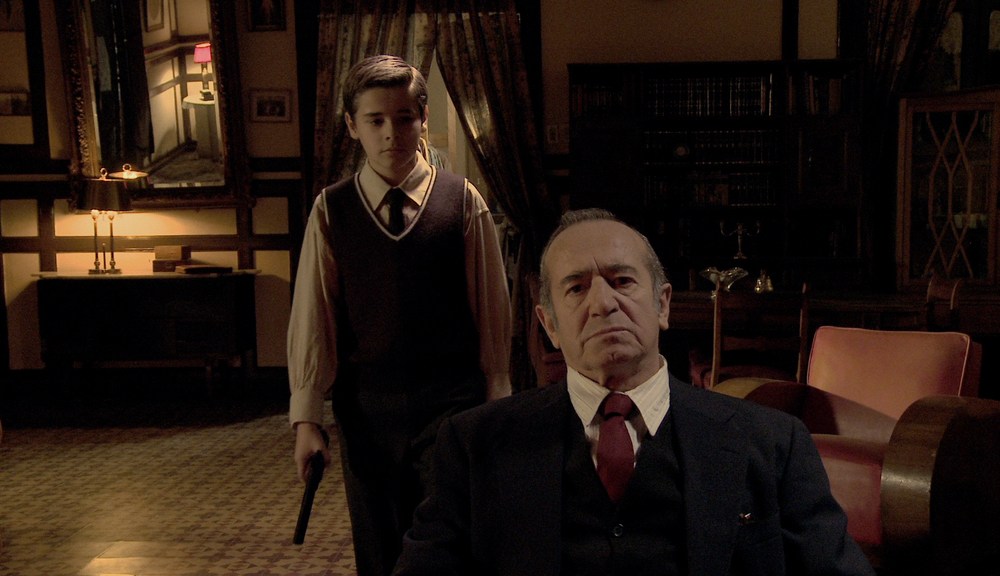
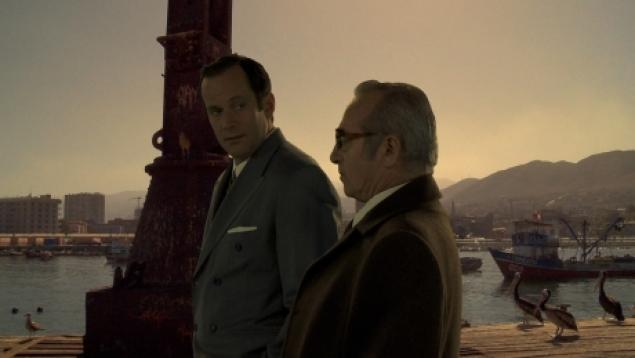
Night Across the Street (2012, Cinema Guild)

It can be most difficult to assign a numerical value to a film told in magical realism, which means you can pay less heed to the number assigned and more heed to what is said about the film. The reason it becomes difficult is that there are two interpretations you’re trying to quantify: your intellectual interpretation and your visceral one. These two interpretations of a film with more literal forms of cinema are virtually intertwined. With magical realism, or any other subgenre that ventures outside the norms or representative realities, it’s harder to gauge.

One can definitely take a symbolist approach to this film and try to devise a schema wherein the entirety of this film encapsulated in a dream, a hallucination or fancy. However, what bears noting is that this is the kind of film wherein there will be varying interpretations of plot points, symbols, uses of color, place, abuse of time, and all will be right, wrong and somewhere inbetween. The truth of the film and its meaning lies in the thematic basics of it, which is mainly that an old man on the brink of death is reflecting on his life and everything is coming back to him all at once, and is always there, and always will be.

That may sound cryptic but this is a film where, if you watch closely enough, you may even begin to doubt when certain events, like his impending death happened, or if they happened.

I cannot say it’s magical realism at its most accessible. It’s definitely one recommended for those with at least some grounding in it, as it is intentionally dizzying. However, for the most part the calculations in Ruiz’s final film add up. This film lends itself to re-viewing and analysis, and refuses to leave you disengaged and inactive, and will prompt debate, which are all great things for a film to do. It doesn’t do them impeccably, but it does them with a lot of style, great cinematography, effects and a unique editing language that I picked up on as it went along.

8/10

Be My Valentine

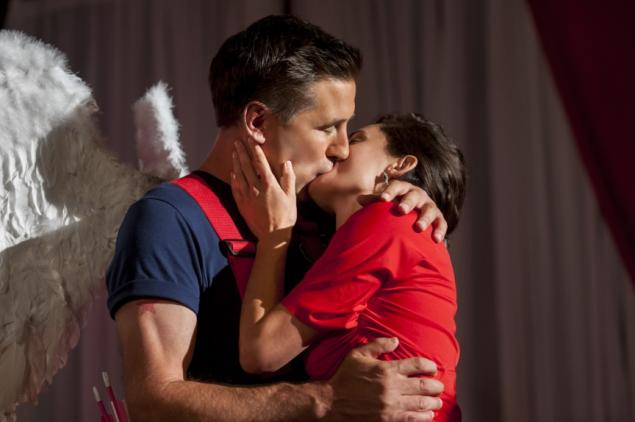
Be My Valentine (2013, Hallmark Channel)

Yet again, the prerequisite comments that TV movies do count in my world and they have won awards and been nominated in the past in categories both flattering and dubious. Having said that, it doesn’t mean I didn’t venture into this holiday-themed romcom with some trepidation. However, what it does well is not only build its relationships well but it also doesn’t get contrived in adding necessary complications. It also rightly resolves its significant subplot of puppy love prior to the climax allowing that to proceed unfettered. It features good to strong performances from the whole most notably Lisa Berry, Natalie Brown and Christian Martyn.

8/10

Arcadia

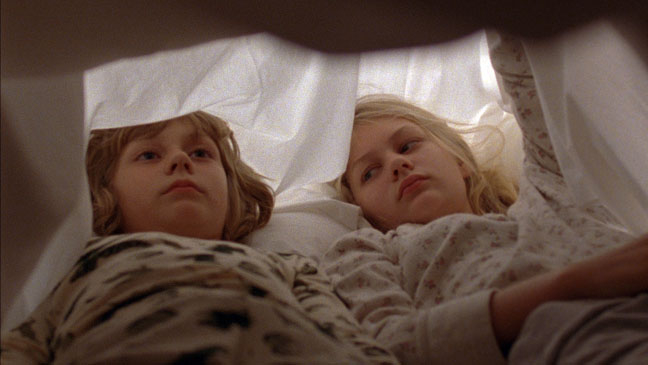
Arcadia (2012, Film Movement)

One of the greatest tools at a filmmaker’s disposal is their ability to manipulate time. I recall in one of my screenwriting courses we were asked how long, hypothetically, it would take in movie time to dispose of a murder victim. Answers varied. We were then shown what I believe was a 15 minute sequence in Blood Simple wherein a murder victim was stowed, transported and buried. There is no correct answer to the hypothetical question, what determines the answer is how intrinsic said activity is to the plot and the film as a whole.

This brings me to Arcadia which tells the tale of a father and moving with his children cross-country by car. There are a few things that are purposely nebulous throughout (what this job is, why their mother isn’t with them, what the nature of their temporary separation is) but the film get stretched out past its simple parameters with cutaways and b-roll to accentuate the passage of time a bit too effectively.

This film is a very good character study, that could plumb deeper depths sooner if it so chose too. It features standout performances by John Wilkes, who since Winter’s Bone has been cornering the market on meaty character work for male characters of his age and type; Ryan Simpkins who in smaller films, and of less frequency than she merits, is finding challenging roles and rising to the occasion as stoically, if not moreso, than Chloe Moretz; and her brother Ty Simpkins, in an example of casting real life siblings working brilliantly, he frequently steals scenes both of comedic and dramatic nature. Yet, these performances, and the plot they operate within, don’t have the impact they could in the end because of the drag of time this film consciously implements. Verisimilitude can be a great thing, and emotionally the ebb and flow makes sense, however, a quicker, more violent storm likely would’ve made as much sense, and carried significantly more weight.

What will stay with me from this film is the outstanding, dynamic performances of the Simpkins siblings, and how I wish the overall experience was as electric as their work in it.

5/10

Nicky’s Family

Nicky's Family (2011, Menemsha Films)

In this documentary, which also includes dramatizations that are thankfully usually silent, the tale of a British businessman, Sir Nicholas Winton, who took it upon himself to organize the Kindertransport program, which evacuated hundreds of children out of Czechoslovakia prior to World War II and the transport of Czechoslovakian Jews, Slavs and Gypsies to concentration camps, is told. However, as the title suggests how Winton came to be inspired to do so, what he had to do and how is only a part of the tale. The film also tells of how the story became more widely known and some of what the survivors went through both as Nazi Germany annexed the Sudetenland, what occurred during and after their relocation and lastly how the legacy of Nicholas’ actions are still felt to this day both with survivors and those inspired by his tale.

Within a seemingly simple story at the outset this is a hefty and ambitious task when all the component parts are taken into account. Having said that it does so quite well. Though I occasionally wondered about, or lost track of a thread, there is a narrative language established wherein transitions between hosted intros, stills, interview pieces, stock footage, re-enactments and b-roll occurs. It’s only a minor pacing hiccup in the end.

Much of the footage implemented, along with the personal accounts as well as some unique and well-placed scoring and original music really elevate this film.

In a great piece by Christopher Campbell from last year he discussed the importance of judging the film in question when dealing with a documentary and as a sidebar you can talk about the topic as he discusses in issue films, which this is. So here’s my sidebar: while there are myriad stories of heroics that occurred during the holocaust that saved further lives from being lost what separates this one is what a small, almost individual effort it was, how unassuming the hero is and how he’s inspired others to take action to this very day in almost a real-life Pay It Forward manner.

Nicky’s Family is a fairly good documentary that should find a wider audience both for the cinematic qualities it possesses and the tale it tells, one that may not be so widely known. For more information on the film you can visit Menemsha’s site or go here to request a screening near you.

8/10

Short Film Saturday: Sweet Love

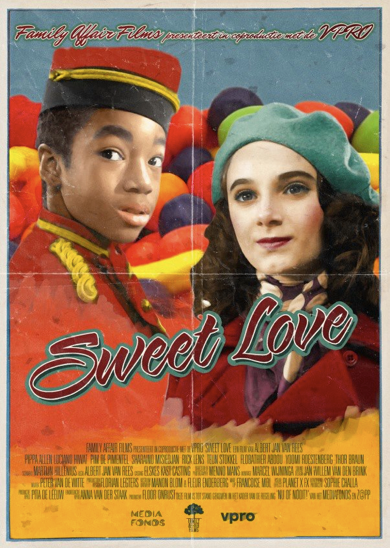
Roundabout early January, when the new year hasn’t really kicked in yet, and there’s nothing good coming out, I starting searching around for what many BAM nominees would be up to this year. Turns out Best Performance by a Young Actor in a Leading Role winner, Rick Lens, was in this film.

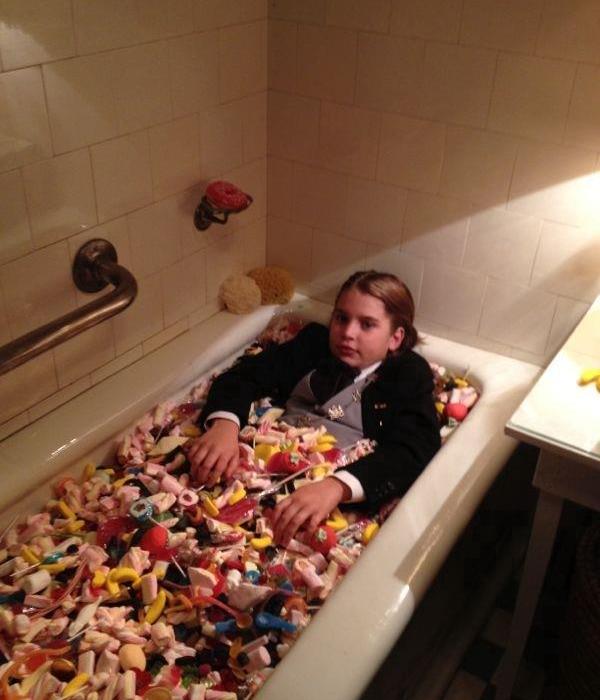
Sweet Love is a romantic comedy, told with an all kid cast, that is set in a fictional town where a bizarro version of Willy Wonka, the town’s Burgemeester (Read: burgomaster played by Lens), has everyone under his thumb. His girlfriend, Roos (Pippa Allen), falls for a doorman, Saba (Luciano Hiwat), but is with the Burgemeester, and the drama ensues from there.

Sweet Love (2012, Family Affair Films)

What’s most interesting to note is not just the juvenile cast but the fact that this film is also a musical. Now as opposed to being a sung-thru musical (the only other thing of this length I’ve seen that’s a musical and live action would be the “Influenza” episode of Even Stevens) this film places a song strategically in each act at the right time. Another interesting aspect is that the IMDb listed this film as having aired on TV, which for a short is rare here save for specialty channels.

This is a very humorous, quirky and charming tale that’s masterfully produced with some really great cinematography throughout. It is certainly a film that already has me thinking about possibly breaking out special jury prizes at the end of the year.

I’ve not been able to locate this film online, but if/when it is available I’ll update this post.

Once Upon a Time in the 80s: Animation (Part 7 of 17)

This is a recapitualtion of a paper I wrote in school. Part one can be read here. A search can retrieve subsequent parts. Since time does bring about changes and developments, I have included some notes in brackets after statements that may no longer hold true, or at least are in need of further enlightening.

In the 1980s Animation and Television are one. Even more so than in the 1970s animation was in the 80s a medium of television, while the animated feature was always a rarity we see in the 80s the complete discontinuation of cinematic shorts and the dominance of half hour animated programs before getting to that there are some important developments in the cinema that need examining.

Walt Disney Studios were my catechism in film. From 1937 to 1995 they were the Notre Dame of film in my eyes and could do no wrong. There is an asterisk, however, and that comes in the 1980s. The films they made were very eclectic in the 80s.

They made some very good films The Fox and the Hound (1981), The Great Mouse Detective (1986) and The Little Mermaid (1989) yet they produced films that I had no interest in seeing as a child and they were Oliver and Company (1988) and The Black Cauldron (1985). Disney went beyond the point of experimentation later on and just got bad on occasion. They’d lost the luster and were not something I looked forward to any longer. [I’ve since filled the 80s gaps in my viewing, and have found newer and older Disney titles I like. My fandom is complicated thing, as I will explore in March.]

If it takes about four years to produce an animated feature film then I estimate the death of Disney films as we knew them in 1991. Which is when they would’ve started working on Pocahontas and Mulan the first two Disney films I consciously avoided and then they released the terrible Hercules and it was over. The only quality they can come up with now is through collaboration with Pixar and through use of computer animation. [This too has changed since this writing and the introduction of Walt Disney Animation Studios, which focuses more on traditional techniques.]

Not that there was anything wrong with the Disney of the 1980s, oddly their best film of the period may have been The Brave Little Toaster in 1987 but one of the best things the 80s brought us was a legitimate alternative American feature length animation film for the first time since Max Fleischer’s Gulliver’s Travels.

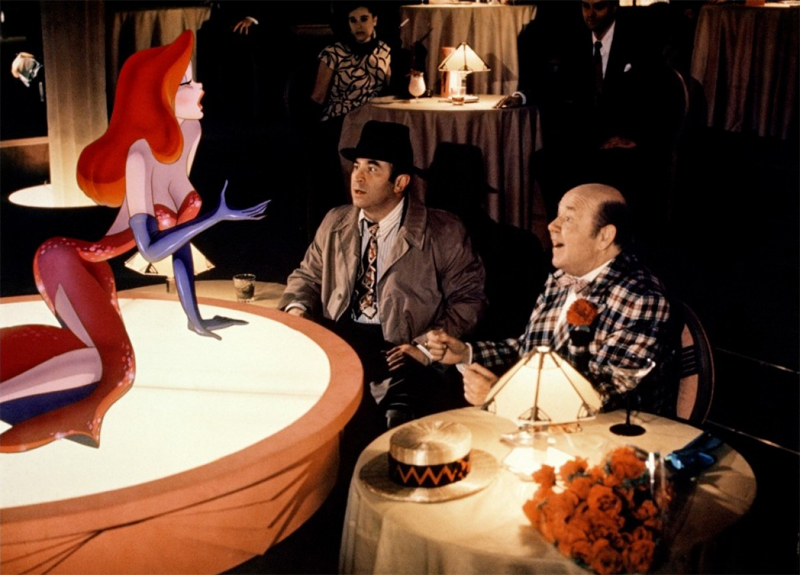
One of the very best films ever made has got to be Who Framed Roger Rabbit. It took the technology from Bedknobs and Broomsticks to the nth degree. Not only that but it’s one of the most entertaining and delightful films I’ve eve been witness to and it’s nearly miraculous that Spielberg was able to pull it all together. What makes Who Framed Roger Rabbit truly a great film of the 80s cinema is how we see the cartoon characters. This probably has more resonance with people who saw this film as children because, in essence, what the film is doing is rounding out these characters, if not that adding dimension at least. Whereas in shorts we knew what Bugs Bunny was going to say and how Daffy would respond. Here we saw them in different situations and in a new light. It’s something kids do all the time: take characters that have existing attributes, stories, etc. and put them in new ones either just in their own imagination or with the aid of action figures. This makes it such a rich and pleasing cinematic experience. While as children get to bask in whimsical awe that all these characters we never saw interact are running around together (Donald and Daffy) we also get wrapped up in the mystery and it becomes very suspenseful. For adults the opposite effect must be true the suspense and plot keep you in it and the cartoon characters take you back in time, making this a unique experience for all who see it. It is truly a gem of the 80s which was hailed as a ‘landmark’ at the time but hasn’t had much said about it since. Spielberg attempted to make Roger a new star of shorts but the logistics probably got in the way and only a few were made, however, Spielberg has continued to work with animation making the all computer animation Shrek, yet another breakthrough and creating such television series as Tiny Toons Adventures, Anamaniacs, Freakazoid! and Histeria.

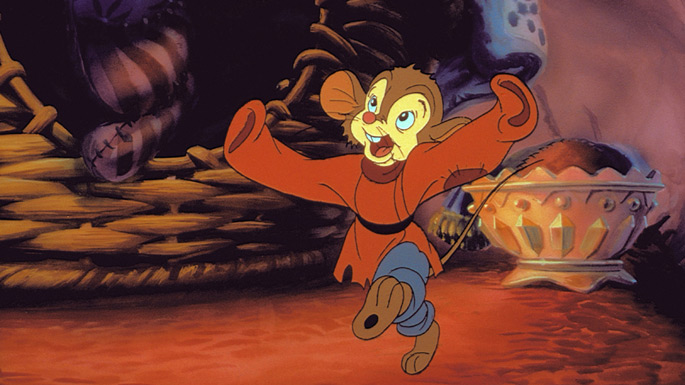
An American Tail (1986, Universal)

Aside from Spielberg’s efforts the 80s has produced another animation specialist named Don Bluth:

“Don Bluth was one of the chief animators at Disney to come to the mantle after the great one’s death. He eventually became the animation director for such films as The Rescuers (1977) and Pete’s Dragon (1977). Unfortunately, the quality of animation that Disney was producing at this point was not up to par with the great works of Disney, and there was rumor that the production unit at Disney might be shut down indefinitely. In retaliation, Bluth and several other animators led a walkout, and went off to form their own independent animation firm.”

Bluth’s story is one of those twenty-years-in-the-business-overnight-success-stories. In 1982 he released his first film The Secret of NIHM and it was a success. In fact, he didn’t have a bust in the 80s following that up with An American Tail, The Land Before Time and All Dogs Go to Heaven. While he’s never been on a Disney-like scale he has made quality films and continues to make his own works. As a businessman and a producer, he’s never said no to a sequel. God knows how many Land Before Time films there are now but he does have his standards as a director and his most recent animated sci-fi adventure Titan A.E. received sharply mixed reviews.

Animation is definitely now the domain of television. [Obviously this no longer holds as animated features now come from all studios and have spawned an Academy Award category all their own.] The short which used to be on before a feature film, is now paired with two other shorts and called a television show. The stage for this change was set in the 1980s as we will see in the television section.

Works Cited: http://us.imdb.com/Bio?Bluth,%20Don

http://www.rottentomatoes.com/m/TitanAE-1097051/