Royalty on Film Blogathon – The Chronicle of Narnia: The Lion, the Witch and the Wardrobe (2005)

Introduction

When I first read about the Royalty on Film Blogathon, one film jumped out at me immediately as the topic I should write about. Now, having selected The Chronicles of Narnia: The Lion, the Witch and the Wardrobe as Best Picture at the BAM Awards I have written about it. However, a specific piece on the royalty featured within this film, and the interesting narrative and philosophical devices they are employed in was something I couldn’t pass up.

Method

Chronicles-of-Narnia-cover

The approach I wanted to take to this topic, because I love this story so, was to revisit the story in three different forms. Aside from a look at the film itself I also wanted to examine the two translations that any novel takes before reaching the big screen (novel to screenplay and screenplay to finished film). This is not a fanboy needing a talking down but rather a comparative analysis.

The Lion, the Witch and the Wardrobe and Its Royals
Background2

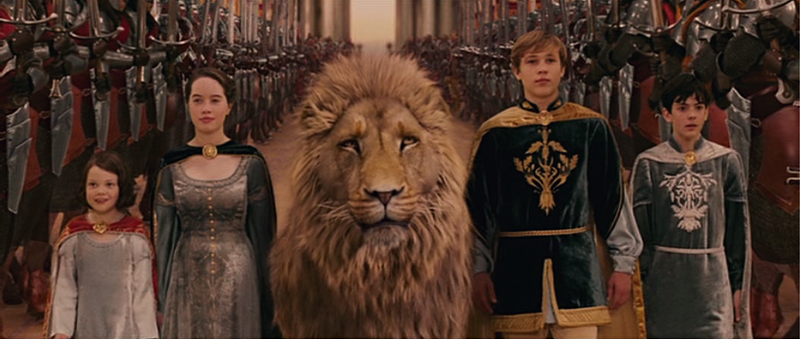
Now, one thing all versions of this particular installment of The Chronicles are focused on, is the power struggle, in external terms, of the chosen monarchs of this land (the Pevensies) and the presumptive tyrant (the White Witch), as well as the one between the White Witch and the Godhead of Narnia (Aslan).

Jadis, The White Witch, Chatelain of Cair Paravel, Empress of the Lone Islands, Etc.
The Chronicles of Narnia: The Lion, the Witch and the Wardrobe (2005, Disney)

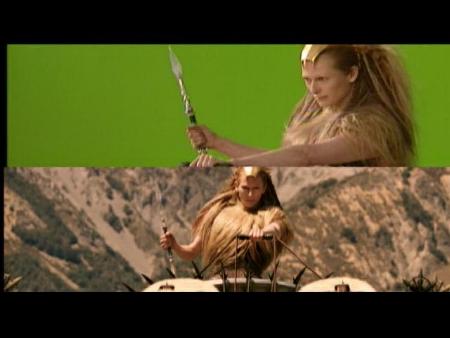
The bones both to the story and the arc of the White Witch’s persona are not only well established in the book but they are very well adhered to by the screenplay. She: hired Tumnus as a spy, talks to Edmund upon his arrival, harps on the Four Monarchs prophecy, per Lucy and others she has “no right to be queen,” levies constant threats in true authoritarian style, establishes the Secret Police, and seeks to consolidate her power at all costs.

The bits of detail in the book are left out of the film add a bit more depth but do not really rob the film of much: on occasion she is called Lilith, after “Adam’s first wife”; she is a Half-Jinn, Half-Giantess; and was the Emperor’s (akin to the Father in the Christian trinity) hangman.

Edmund Pevensie, King Edmund the Just
The Chronicles of Narnia: The Lion, The Witch and the Wardrobe (2005, Disney)

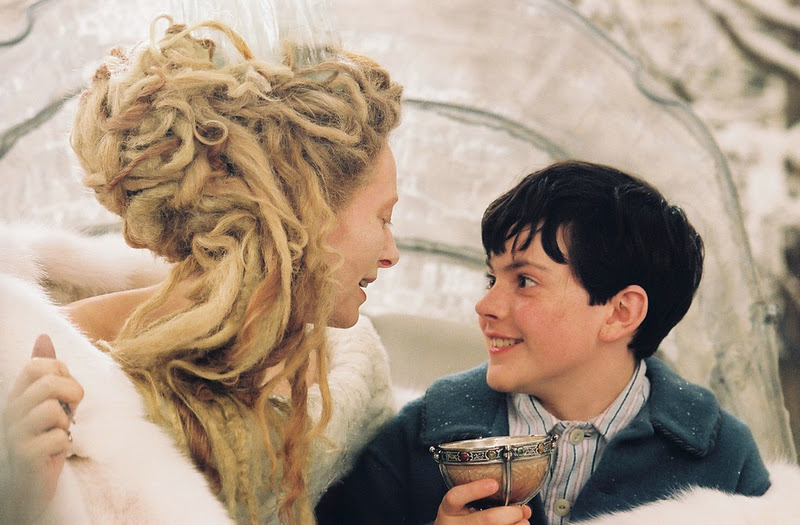
One thing this particular filmed version of the story gets absolutely right beyond a shadow of a doubt is the complexity and conflict of Edmund’s chareacter. Oversimplification or piling on of him for his mistakes, as I witnessed in a stage version due to either the bastardized script or the unfaithful direction of the theatre company performing it; is not only a wrongful interpretation but angers me to no end.

In the novel we get insights like “Edmund did not like this arrangement at all but dared not disobey” and that “Deep down inside him he really knew that the white witch was bad and cruel.” However, simple visual literacy, as well as the adept personification by Skandar Keynes (which earned him a BAM Award Nomination as Best Actor also) make it quite clear that that doubt and conflict exist within him early on despite his regrettable decisions. In the book it’s stated in black and white he realizes he was lied to and regrets his decision. In the film there is less verbal fat and more visual fodder.

What the book includes for all the children are some of the things they either dreamed of before assuming the throne or did once they took it. Edmund dreamed of roads he’d build, a private cinema, giving the beavers lesser legal status, getting revenge, and building railways. It also describes his reign as one where he proves to be “great in council and judgment” and that he is “graver and quieter” than his siblings as he grows, no doubt influenced by these formative experiences upon coming to Narnia.

The-Chronicles-of-Narnia-The-Lion-The-Witch-The-Wardrobe-the-chronicles-of-narnia-26557043-1920-816

Now, the films spend even less time with the children being actually crowned monarchs than the book does, however, what it does do to compensate for that fact is have loyalists refer to them as “King” or “Queen” or “Your Majesties” and also show where these Sons of Adam and Daughters of Eve act worthy of the thrones they will possess that are their right.

Edmund later leads by example, feels pity for Tumnus who he lead to his slaughter, is condemned a traitor and is to be sacrificed for penance and never pleads for his life. His actions in battle are not only part of his redemption but Peter vouches for him. He is also spared of details of the deal the White Witch and Aslan struck. All of this is reflected in the film.

He comes a long way, the longest way of all, from the young naïf swayed merely by offers of endless Turkish Delight.
Aslan
Aslan_res-e1325267362299

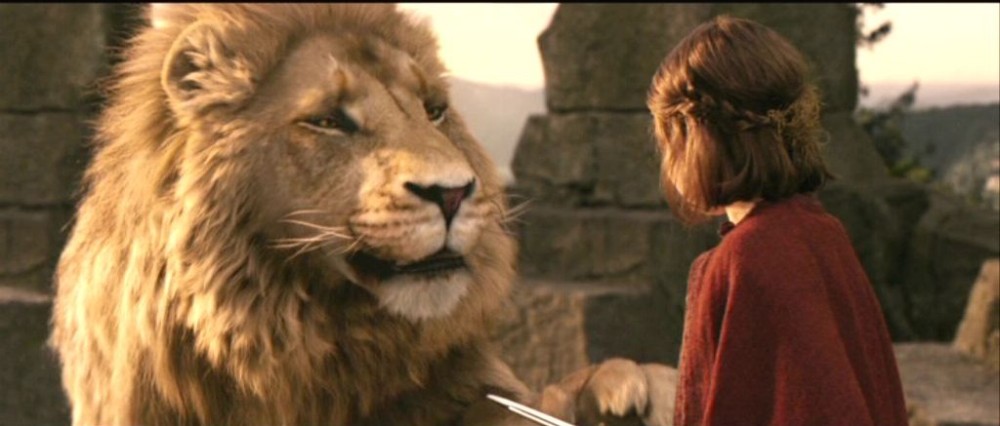
Being the deity of this world is frequently referred to as a king as well much in keeping with the Judeo-Christian tradition. He is touted as the rightful king, and in an example of terrestrial kingliness he holds private council with both the White Witch and Edmund (after his rescue). The film wisely follows the books example of having these conversations occur off (screen/page). We are witness merely to the aftermath and it adds a bit of mystery to the proceedings. His willingness to act as a sacrifice and also to want to spare Susan and Lucy the sight of his death but willing to accept their company for the journey is in essence a service a king would provide his subjects.

Lucy, the Valiant and Susan, the Gentle
171557_1232357045056_full

The evidence in the screenplay of the children working into their roles as monarchs is evidenced on the page as well. In one of the earlier drafts when the film version was still referred to as The Hundred Year Winter, Peter is referred to as nodding in “kingly” fashion in a descriptive the precedes the coronation. On page 68 of the script there is use of “majesties” in plural.

This is needed in the film as in the book their coronation is toward the end (pp.193, per the omnibus pagination), as are honors bestowed upon their friends (p. 194). Lewis concludes that “They governed Narnia well and long and happy was their reign” and “All foul brood was stamped out.” Furthermore, they “…made good on laws and kept the peace and saved good trees from being unnecessarily cut down and saved young dwarfs and young satyrs from being sent to school, and generally stopped busybodies and interferers and encouraged people who wanted to live and let live.”

0874eb7e635fe457545a8270cfde25f6

Over the years they earned their nicknames. In the films Aslan bestows the monikers at coronation. King Peter the Magnificent, Queen Susan the Gentle, Queen Lucy the Valiant. In the film, they had to earn the names along the course of the film such that Aslan could bestow them upon them. Also, having them be assigned territories of Narnia to take special care of to shutdown the nitpicker wondering why one kingdom needs four monarchs.

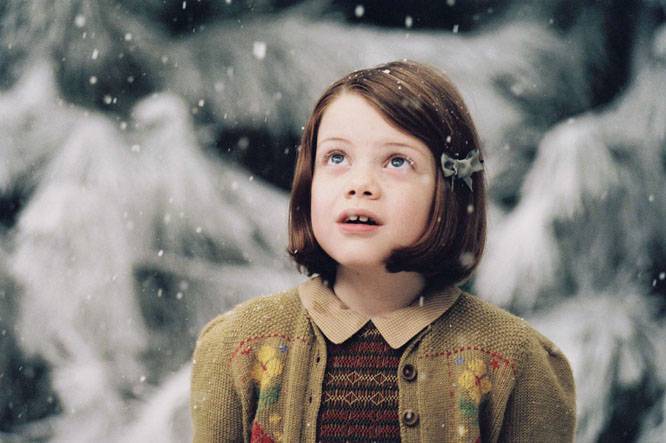
Peter’s nickname is best exemplified by his leadership leading up to and during the battle. Edmund’s name of Just is perhaps the most fitting for it is through being unjust himself to start that he starts to learn firsthand what is right and proper in given situations. Lucy’s valiance is on display from the start as she never wavers in her certitude that the quest to save Tumnus, and thus, Narnia, is right. Susan’s gentility is one you have to dig for. However, its her protectiveness of her siblings, wanting to see them out of harm’s way, her needing to be coaxed into battle, and trying to avoid the conflict if it an be avoided, is where it is seen most readily.

Escalation

The-Chronicles-of-Narnia-The-Lion-The-Witch-The-Wardrobe-the-chronicles-of-narnia-26561655-1920-816

In the script, and then in the film, you can see how certain aspects become emphasized. In the film there is more emphasis on the battle, which is dealt with in post-mortem in the book. In the script the White Witch more convincingly sways Edmund here than in the book because the language is simplified and less on the head. Tilda’s interpretation of the White Witch then takes the character to the next level.

In the book there is no incidence of Edmund and Tumnus in cells next to one another. This triangulation wherein the White Witch plays Tumnus off Edmund, exagerrating “He traded you in for sweets,” truly allows for additional depth for all character involved: Tumnus suffers further, Edmund experiencing this and plotting his escape aid him redemption, and the Witch is further vilified in cinematic terms.
The Chronicles of Narnia: The Lion, The Witch and the Wardrobe (2005, Disney)

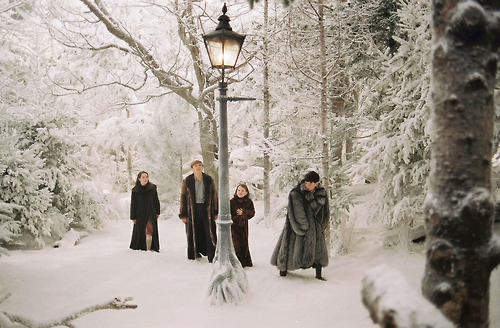
As they prepare for war, Edmund really comes full circle fully committing to a battle he knows he must participate in. The emphasis of screentime spent on their training adds good bonding time for the siblings.

Susan asks: “Edmund already nearly lost his life! What are we supposed to do?”
Edmund responds: “Whatever we can.”

Conclusion
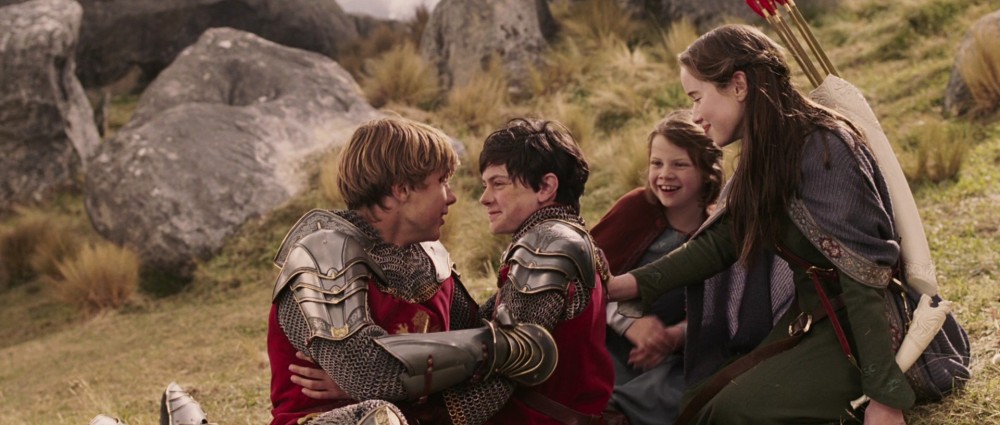
the-chronicles-of-narnia-the-lion-the-witch-the-wardrobe-the-chronicles-of-narnia-26562156-1920-816

Yes, the White Witch through being the antagonist and the reigning monarch, justly or not, takes the led in this film. However, as magnetic and magnificent as Swinton is; he desires and actions are all highly logical and compelling. Having those who are prophesied to inherit a throne slowly travel from a feeling of unworthiness to a desire for and a deserving of that seat is a more compelling journey. Furthermore, the return of a God-king to a land and an ousting of the evil ruler is also compelling. There are few characters in said books that are commoners at the end, but those who bring us into the story, those we travel with are those who will assume the thrones and those we follow. Aslan’s showing favor to the Pevensies lends truth of being anointed by God to this mythic landscape and provides the perfect counterbalance in this story.

The Lion, the Witch and the Wardrobe is nearly flawless tale, and a main reason for this is the unique looks at regality it affords us.
Athletes in Film Blogathon: Amazing Grace and Chuck (1987)

Introduction

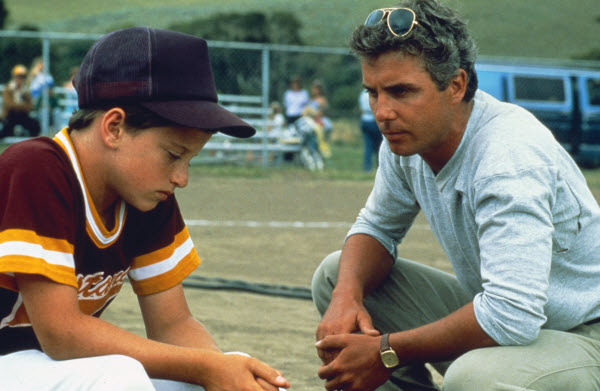
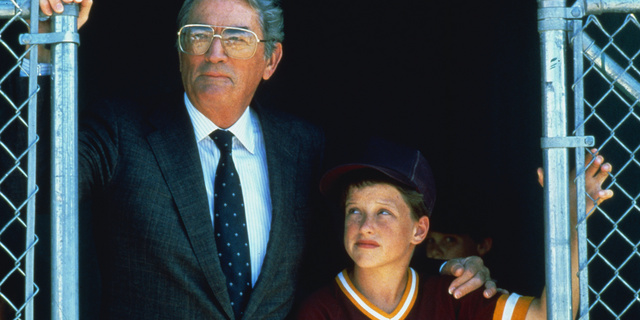
When first learning of the Athletes in Films Blogathon, there were some obvious choices I could make. However, having just written about Space Jam, and not holding in it in as high esteem as some in my generation and younger, the only clear choice left for me was to write about Amazing Grace and Chuck yet again. Though having written on it extensively as part of a larger piece, I didn’t focus too much on the professional athlete involved in a key role. Therefore, I will do so here.

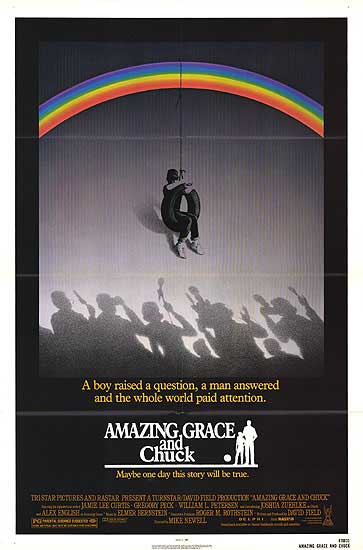
Amazing Grace and Chuck (1987)

Amazing Grace and Chuck (1987, TriStar Pictures)

This is a film in which:

A little league player named Chuck refuses to ever pitch again until nuclear weapons are disarmed. Basketball star “Amazing Grace” Smith follows the boy’s example, and starts a trend.

The athlete in question in this film is:

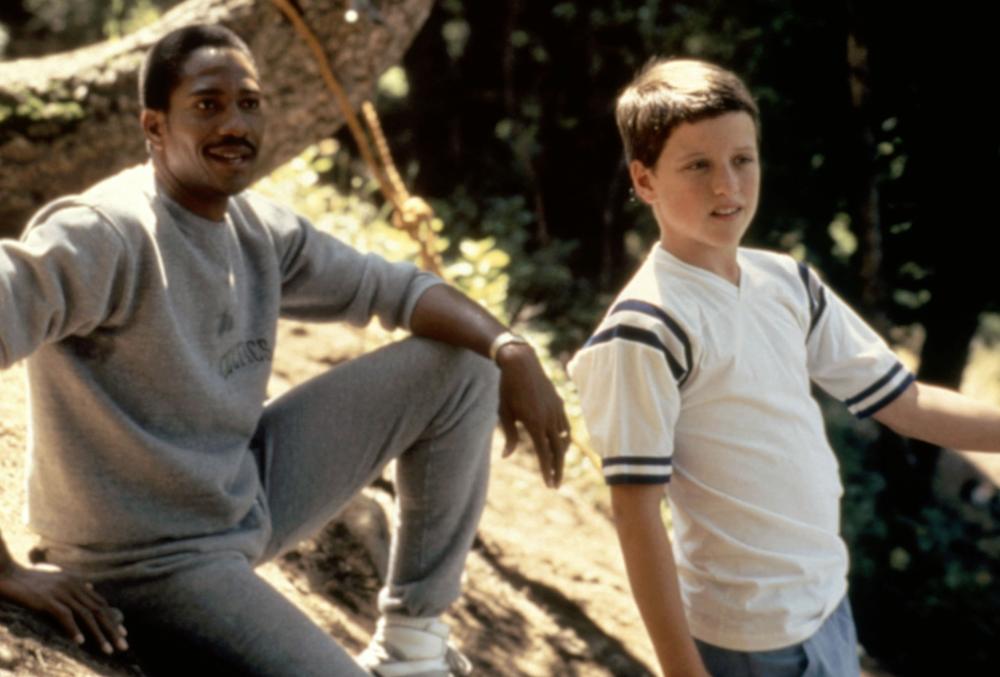
…played by Alex English who was a player for the Denver Nuggets at the time this film was produced. We see him playing, hit a three-point shot and give his famous three fingers in the air gesture, after the game his agent/best friend, Lynn (Jaime Lee Curtis) reads him an article about Chuck and the wheels start spinning.

With the memory of his wife and daughter gnawing at his mind, Amazing decides to quit basketball and do like Chuck did, an official protest has begun. At one point someone asks Amazing “Do you really think you’re going to bring an end to nuclear weapons?” Amazing turns to him and says “I don’t know but wouldn’t it be nice.” This soon starts a snowball effect and so many athletes join the cause that professional sports are crippled and the movement spreads worldwide.

Alex English Celtics

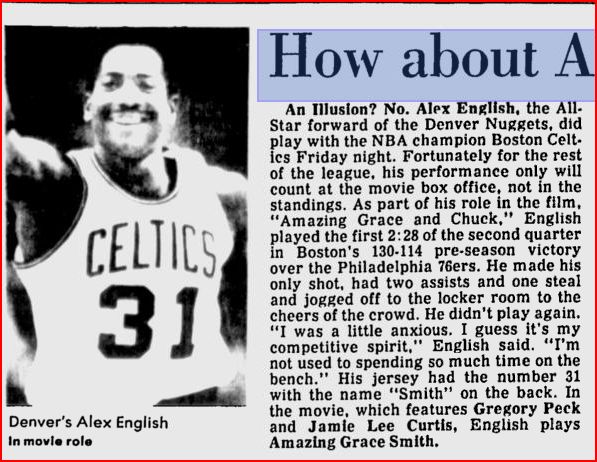
English (pictured) played a preseason game with the Boston Celtics that was used as his game footage for the film. Having an active player play an exhibition with a team he was not contracted by is an impressive feat that Columbia/Tri-Star and the production team pulled off with the NBA’s cooperation.

The notion of athletes as activists does have quite a few precedents in sports. Here are some examples:

  • Muhammad Ali refuses induction in Vietnam.
  • “Republicans buy sneakers too.” Michael Jordan on his sociopolitical neutrality as a public speaker.
  • 1980s a decade of sports as politics: consecutive Summer Olympic boycotts.
  • First Post-9/11 games in New York.
  • “I can’t breathe” shirts in NFL.
  • Athletes for Trump.

Alex English

MSDAMGR EC020

This film marked Alex English’s debut as an actor. Later he went on to play Mayor Wade on Midnight Caller, then the coach of the Cleveland Cavaliers in the Whoopi Goldberg vehicle Eddie. The following year (1997) he was in The Definite Maybe as “The Premiere.” It was his first big screen role as a non-athlete and his second time playing some sort of leader. Despite an intermittent, free of too-much fanfare acting career, he did develop a second type aside from the most obvious one based on his first career. His most recent role was in Lumera, which was the feature film debut of his son writer/director Alexander English, Jr. who sure enough got bit by the bug during dad’s forays into the entertainment industry.

Critical Reception

Amazing Grace and Chuck (1987, TriStar Pictures)

With regards the reaction to the movie, it was critically panned. Variety noted that “Amazing Grace and Chuck is destined to go down in history as the camp classic of the anti-nuke genre. As amazingly bad as it is audacious, film will live forever in the hearts of connoisseurs of Hollywood’s most memorably outrageous moments.”

Prescient words as one of my viewings of this film was an unexpected premiere on TCM not too long ago, and Warner Archive recently rescued this film and has made it available on DVD at long last I could move on from my recorded off TV version.

However, not all the reviews were as harsh as Variety‘s. Janet Maslin of The New York Times at least had gentle praise for the performers stating that “Mr. Zuehlke, who is so precocious and somber, and Mr. English, who is nothing if not sincere…” which he most certainly is. Director Mike Newell chose English well. Newell has had tremendous results from young actors in his charge. A professional athlete like a child has less craft than an experienced, trained actor — so much falls to the director to cast well, finding the right persona, and coaxing as much natural response as his trust engenders from his actor.

Amazing Grace and Chuck (1987, TriStar Pictures)

If limiting the casting options for Amazing Grace to contemporary basketball players of the late-‘80s English stands out as the obvious pick: as Michael Jordan would later show in Space Jam he was a bit stiff performance-wise and a bit too cool in persona to pull it off. Charles Barkley would be more suited in a comedy and would not bring the necessary gravitas to the film. Magic Johnson was too Hollywood to not be a distraction in this role. English fits.

Newell went on to imply that the audaciousness — and the Amazing Grace quote — are the very point of the film that must be taken into account when appraising its virtues and contrasting them to its deficits:

“I hope this film will leave audiences energized and with a great surge of hope. I hope it will be a reminder that the individual can make a difference and that humanity is capable of following its best instincts.”

Conclusion

Amazing Grace and Chuck (1987, TriStar Pictures)

In my initial piece I concluded by saying:

This is a film that is idealist and dares to dream. It takes the fears of Three Mile Island and Chernobyl and combines them with the hope of Glasnost and presented us with a fantasy. The poster for this film should tell you it’s a fantasy. And it’s one that only could have come out of the 80s, this film literally drips 80s. In the 1990s, and especially in the present, disarmament was the furthest thing from anyone’s mind. It’s a great film about one person can make a difference and a film with a message.

This paired with Newell’s notion of the certitude I have that English was likely the best possible choice from a shallow talent pool of professional basketball acting talent. A humility, Grace (to match the fictional nickname), believable idealism, and the ability to quietly inspire followers was a necessity for this concept to have a chance and its what Alex English could bring to the table naturally.

Rewind Review: Bridesmaids

Introduction

As those who know me, and if such a person exists, cyberstalk me, know I created this blog after writing on another site, which shall remain nameless, for a while. The point is, I have material sitting around waiting to be re-used on occasion I will re-post them here. Some of those articles or reviews may have been extemporaneous at the time but are slightly random now, hence the new title and little intro, regardless enjoy!

Bridesmaids (2011)

Timing is interesting and I think if I sat down to write this yesterday It might’ve been rather uninteresting, however, today is when I writing anything and it’s after having read a very interesting New York Times article about the “Jokeless Comedy.” Bridesmaids is mentioned there and it fits the more character-driven mold Sternbergh makes reference to.

As with any approach, it has its pros and cons and some cons can be avoided entirely if executed perfectly or very, very well. While it is very funny and enjoyable Bridesmaids doesn’t hit all the marks perfectly.

One of the best parts of the film is through these ladies, even in their silly exploits, we find quite a bit of commentary on youth, parenting, marriage, self-pity, jealousy, etc.

kristen-wiig-and-annie-mumolo-in-bridesmaids-(2011)-large-picture

The script which is co-written by star Kristen Wiig is rather strong in building its protagonist and breaking her down. It also very tenuously is able to laugh at her misfortune with out feeling sorry for her. This is made more difficult by the fact that it seeks sympathy and not pity but it succeeds.

It will never be a fault of a film if they attempt and take the time to build character and this film does. This films builds it and builds it well but the only sin that can be committed is building too much. The over-building and a montage too many have happen in Act II making it a bit too long. Not too much of the information is redundant but some of it is.

This makes the film a bit longer than it should be and not too many laughs are added to the mix because of it. Judd Apatow is attached as producer to this film and another mandate of his lately apparently is that no film shall less than two hours long. This is not to say comedies ought never be that long but the reason so many run 90 minutes is because it works. It’s still just as hard but it’s easier to get your momentum up and keep the laughs rolling.

bridesmaids-trailer

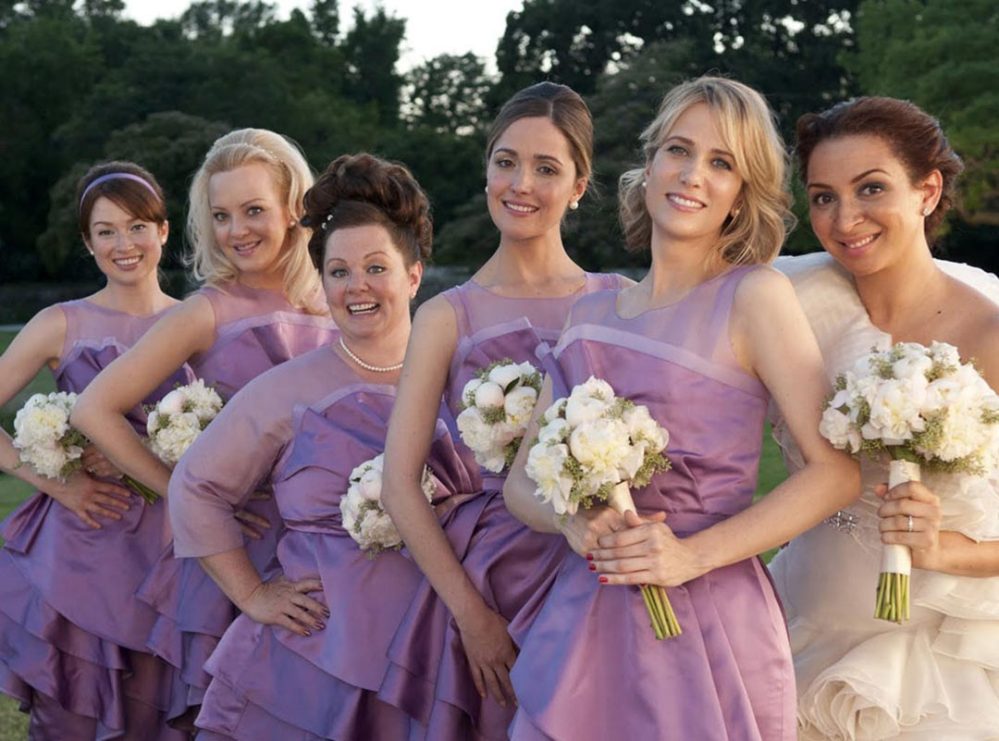
The cast of the film is brilliant, which helps greatly. Kristen Wiig does carry the film very well both in dramatic and comedic scenes. Maya Rudolph also does very well and makes a great partner for Wiig. Melissa McCarthy frequently steals scenes but Wendi McLendon-Covey was not to be outdone either.

So all in all the film is quite funny but I’d be hard-pressed to call it one of the funnier films in recent years, however, it is definitely recommended.

8/10

Review: Antboy 3

To say simply that DC/WB can take to watching this Danish mini-franchise to learn a thing or two, and leaving it at that, would make it a backhanded compliment to a film deserving of plaudits on its own merits and not just those at the expense of a financial and marketing juggernaut that should know and do better.

The successive build in the Antboy series has been absolutely outstanding. Not only have themes, reversals, and evolution of characters springboarded off the prior installment; but the coalescence of the trilogy here results in a film of breeze-like efficiency of pace, seamless incorporation of themes, and true emotional resonance that can be enjoyed by audiences of any age. By taking two cinematic tropes, kids and superheroes, that are quite often fodder for building characters that are thinly developed and under-served, these films have faced uphill battles but each time taking the climb haves succeeded more resoundingly each time out.

Rather than over-crowding the film with new-to-the-series characters it instead focuses on the change of circumstances and heart of personae who are already well known to the audience, or so we think. Moreover, similar to other “Watching These Kids Grow” series that have become more commonplace in the 21st Century, the growth as performers by Oscar Dietz, Samuel Ting Graf and Amalie Kruse Jensen has been spectacular over the course of these films.

Nicolas Bro og Paprika Steen - Antboy

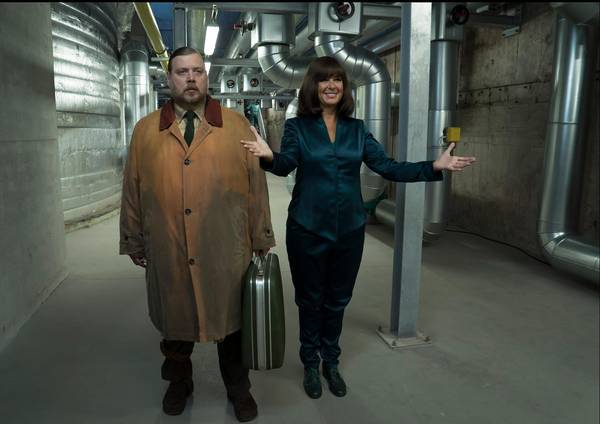
The ensemble is bolstered by the returning Astrid Juncher-Benzon and among the older set Nicholas Bro and joining for this film Paprika Steen (2008 BAM Award Nominee – Best Ensemble The Substitute).

If you’re jumping in at this point, some impact will be lost of joining the series here, but it’s still enjoyable and communicates well as a standalone. It is also a film that succeeds in large part because its focus is narrow (these heroes are concerned with their hometown only not the entire world), and then it narrows it further focusing on these characters struggles both within their alter ego and without. It’s a tremendously refreshing breath of fresh air.

While the Antboy series of books total six numbered editions and a follow-up, similar to the Diary of a Wimpy Kid, three seems to be the logical end for this series in narrative terms and in logistical ones. Where as this series has wiggle room as a new phase of life is embarked upon, if that should not happen a chapter has closed and the films have been a rousing triumph.

10/10

Film Activism: Jan Švankmajer’s Final Film Insects

Sadly, the last Film Activism title I featured did not get fully funded. Since I was a backer, this is especially disheartening and  I hope Kamikaze ’89 finds its way to a new audience by other means.

However, i just learned of a new worthy project that is already well on its way to being funded. I have featured the works of Jan Švankmajer on this blog a few times. Now he’s taken to crowdfunding, this time via a flexible funding Indiegogo project to make his last feature. There are quite a few great perks. Furthermore, with how close it is with 20 whole days left there may be awesome stretch goals. Check it out.


UPDATE!

otva6rtoexxvhccat986

It is 0ver 100% funded. However, stretching past its goal will expedite the process and take care of more of the costs involved in making this film. Read the update!


Short Film Saturday: The Birth of the Goalie of the 2001 F.A. Cup Final

Mike Leigh’s improvisational filmmaking style did not come to him out of thin air. It was developed and one way in which he did is through short films. This one movies and tells a simple story quickly and economically. Here is Open Culture’s take:

The short, which consists of ten vignettes spanning a half-dozen years, is about a couple deciding whether or not to have a baby. The nameless bloke repeatedly asks his reluctant partner, “Wouldn’t it be great to have a kid?” At the end of the movie, he’s kicking the ball around with his young son. The end. It is almost as if Leigh wanted to see how little backstory and character psychology he could get away with.


Rewind Review: Brüno

Introduction

As those who know me, and if such a person exists, cyberstalk me, know I created this blog after writing on another site, which shall remain nameless, for a while. The point is, I have material sitting around waiting to be re-used on occasion I will re-post them here. Some of those articles or reviews may have been extemporaneous at the time but are slightly random now, hence the new title and little intro, regardless enjoy!

Brüno 

I think the most common mistake reviewers will make is to try and compare this film to Borat. While it stars the same man and follows in the same style & formula it needs evaluating on its own merits; just because Simon Pegg and Edgar Wright both joined forces for Shaun of the Dead and Hot Fuzz doesn’t necessarily mean those two projects should be compared either.

Every one falls victim to it on occasion but comparative analysis and film criticism should be separate.

While that’s easy to say I think Brüno does pale slightly as compared to the burden of expectation I and others have placed, whether rightly or not, upon it. However, while it might not achieve the title of “Funniest Film of the Year” upon first viewing it is the kind of film for which time will be the ultimate barometer and not knee jerk reaction.

Sacha Baron Cohen does not just seek to make us laugh he seeks to provoke thought, reaction and discomfort both in those he encounters and in the audience.

Bruno+Movie+Australian+Press+Conference+vZqPBqqbrUXl

I know some might argue the merits of a straight man doing this kind of “exposé” but that fact is commentary on society as well. For example, the issue of racism garnered national attention on a very wide level with the publication of Black Like Me in which a white journalist went undercover as a black man.

 Lastly, whether or not any part or more of it was scripted than previously also doesn’t concern me because as much as it masquerades as a documentary it is a piece of fiction.

Now that all the disclaimers and social commentary questions have been addressed moving on to the actual film, which when all is said and done will either be remembered as a film people find funny or not. 

It doesn’t just push the boundaries of good taste but far surpasses them. This reviewer personally found the film quite funny.

 Brüno does follow the same formula as Borat as noted earlier, specifically – a foreigner coming to USA and finding his own American dream, both rather vacuous is commentary in itself and a lightning rod for comedy.

The situations created in this film are memorable: the focus group, the gay converter, the boot camp, the music video, the swinger party, The Richard Bey Show, the Ron Paul and Paula Abdul interviews, the hunting trip, Mideast peace talk, photo casting and the psychic. The wrestling scene is great social commentary if one steps back for a moment and examines the situation. The audience reacted as if someone had died, and the ignorance displayed by the on-screen audience who actually believed the Straight Dave character was appalling.

Ultimately, it was an enjoyable and outlandishly funny film.

9/10