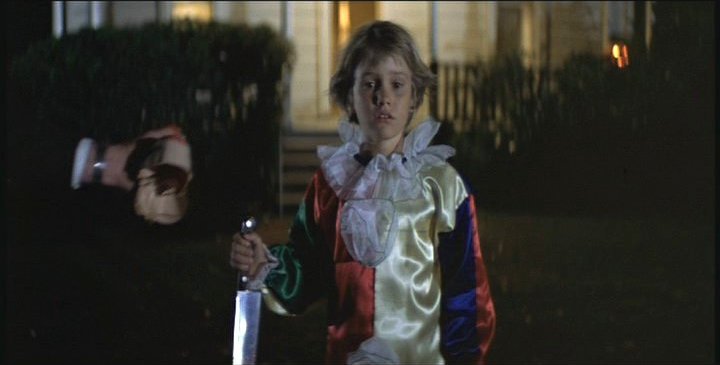
61 Days of Halloween: The Innkeepers

Introduction

This is a post that is a repurposing of an old-school Mini-Review Round-Up post. As stated here I am essentially done with running multi-film review posts. Each film deserves its own review. Therefore I will repost, and at times add to, old reviews periodically. Enjoy!

The Innkeepers

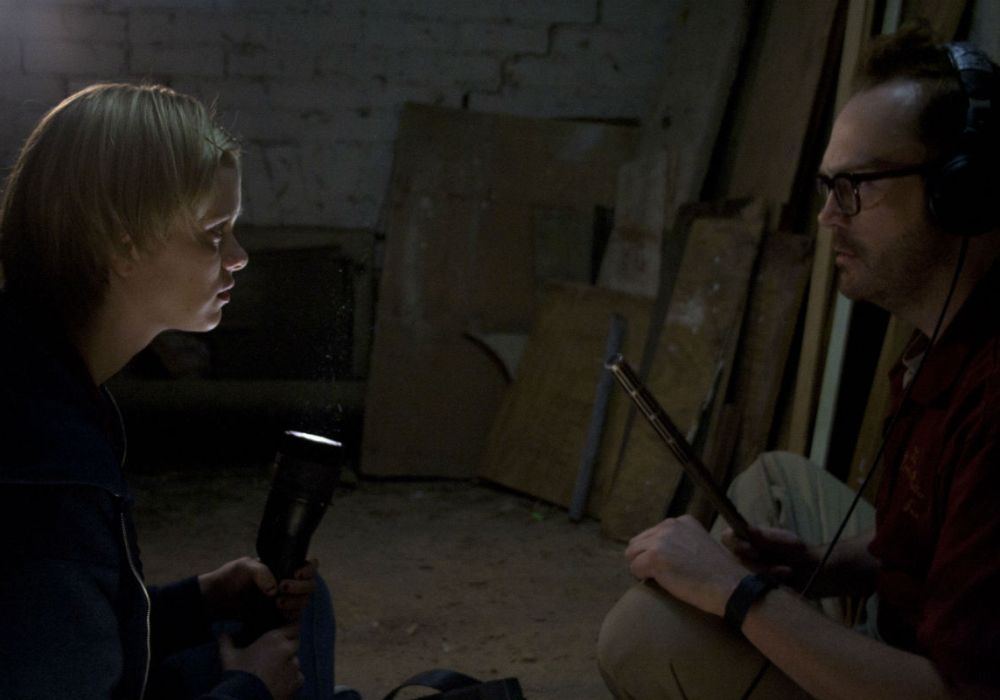
The Innkeepers is Ti West’s sophomore effort, following on the heels of The House of the Devil and it tells the tale of a pair of hotel employees left to their own devices in a haunted, rundown hotel on its closing weekend. They do some further paranormal investigating and get far more than they gambled for. While I can categorically say I like this film more than I liked House of the Devil, especially upon second viewing, it still battles some of the same issues that film does. There are great performances by Sara Paxton, Pat Healy and Kelly McGillis which take this film up a notch above the prior by itself. As well as the film builds atmosphere and tension the incremental ratcheting up of incidents develops a bit too methodically to be as effectively as it should have. It has its occasional jolt but the ending leaves you wanting some. Leaving some details unexplained is fine but there’s a bit too much restraint throughout to have such a subtle payoff work ideally. Again I stress that I enjoyed the film West is clearly talented and I enjoy watching his films and seeing what he’s doing but at the moment his films play almost like the opening acts of Carpenter’s work. If he escalates and concludes a movie like Carpenter can he has classics waiting to happen in him. With that in mind I conclude by saying that I do anticipate highly seeing what he is capable of in a horror anthology where his running time is limited as V/H/S is one of the hot properties coming out of this year’s Sundance Film Festival.

7/10

61 Days of Halloween 2015 & In Memoriam: Wes Craven

Today is a big day on this blog.

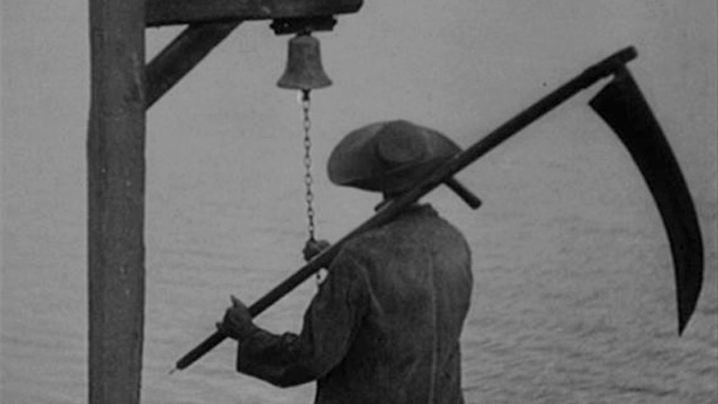
Vampyr (1932)

First, as you may have noticed I already posted my 6th and final contribution to the Summer Reading Classic Film Book Challenge.

The Movie Rat

Secondly, it’s the first of the month, therefore, it means it’s time to compile another list of BAM Awards considerations. Those can be viewed here.

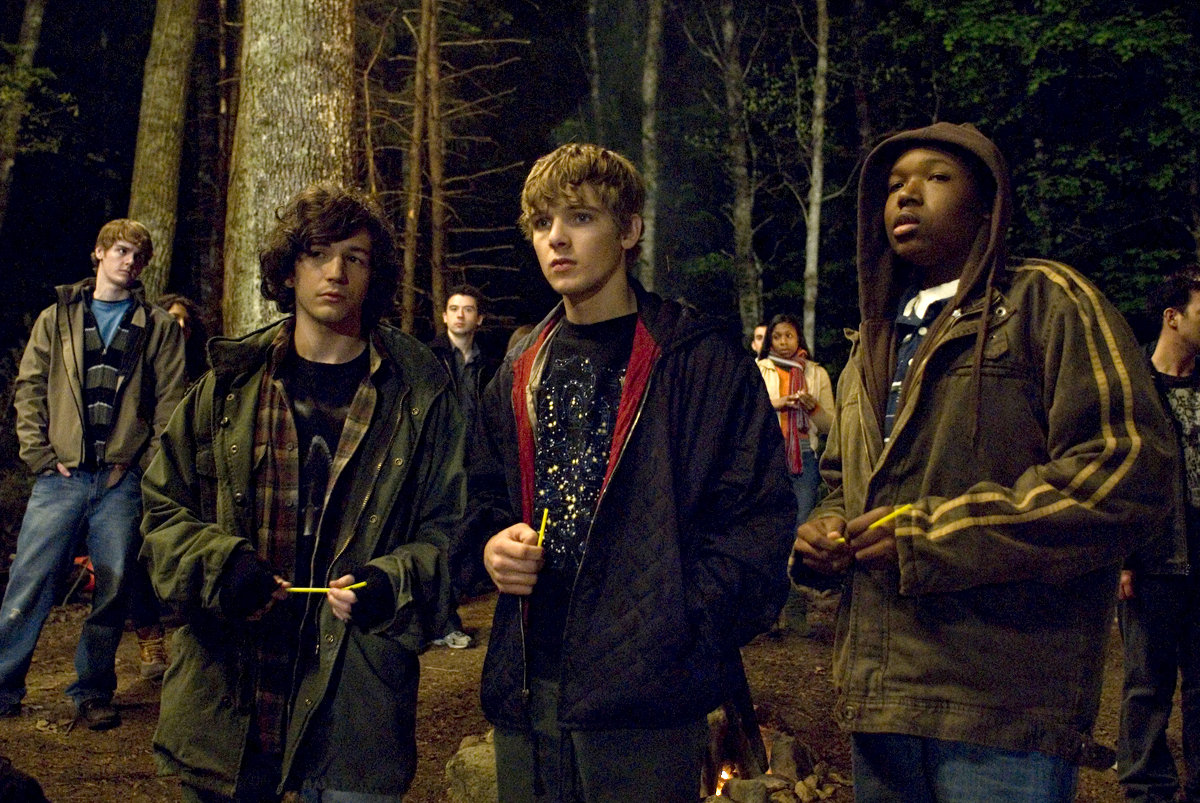
My Soul to Take (2010, Rogue)

Thirdly, September 1st marks the first day of my most gargantuan of annual themes known as 61 Days of Halloween.

As the name indicates, I will be focused on horror films for the next two months. However, thanks to the backlog of films I’ve written on and can repurpose, the site will not stay myopic.

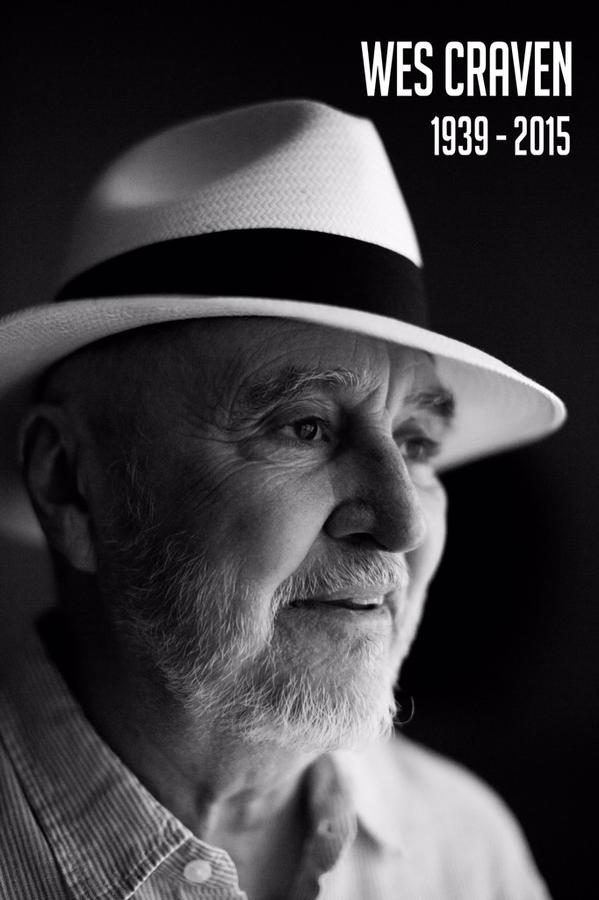
Furthermore, I would be remiss in starting a horror film theme without a few words about Wes Craven.

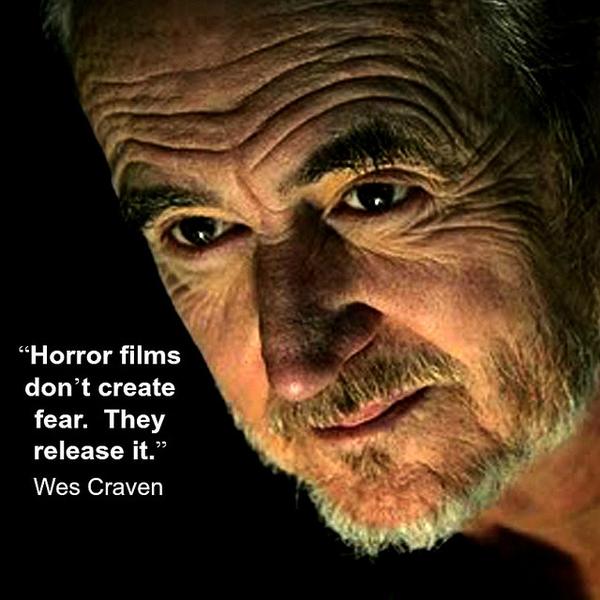
In Memoriam: Wes Craven

Wes Craven (2015, Wes Craven)

There is a nearly invariable amount of adoration that comes to the fore when a beloved filmmaker or actor dies. With Craven it is genuine, and speaking only for myself, these glowing praises for many of his works have not been formed posthumously.

Writing in the zeitgeist about My Soul to Take I was higher on it than most giving it not only this review, but placing it in my top 10 of 2010.

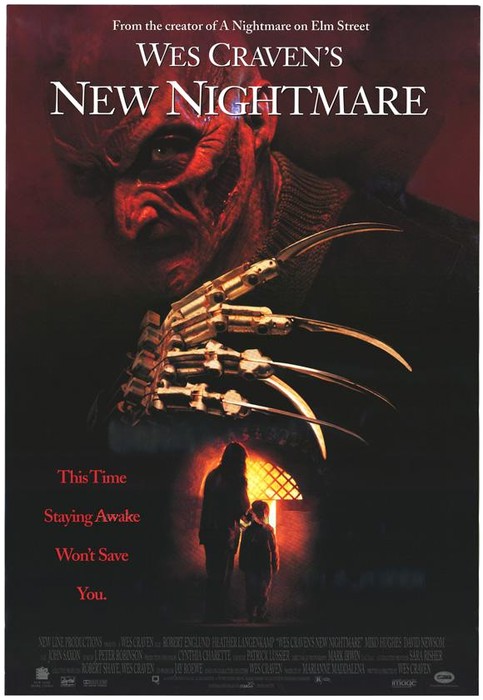
Prior 61 Days of Halloweens got me more up-to-date on his most iconic series. As a child, like many youngsters in the ‘80s; Freddy did scare me, and I caught pieces of the films but didn’t sit down to see all of them until recently. New Nightmare’s inclusion on this list is a testament to the brilliance of its reinventing the series.

Wes Craven's New Nightmare (1994, New Line Cinema)

Some Craven films I had not gotten a chance to see yet for one reason or another will be a focus this year. In my Lifetime Achievement Awards I try in a maverick spirit to buck the Oscar trend and not award people “too late,” but you can’t get them all (I have gotten horror represented though). However, as Edgar Wright brilliantly stated: “It’s never too late to see a movie.” So I will become more a completist with him this year.

Happy Horrors all, may you find those films that sate your need for catharsis and may you find the works of Craven if you have not yet.

Rest in peace, Wes.

Wes Craven (All Rights Reserved)

Mini-Review: Byzantium

Introduction

This is a post that is a repurposing of an old-school Mini-Review Round-Up post. As stated here I am essentially done with running multi-film review posts. Each film deserves its own review. Therefore I will repost, and at times add to, old reviews periodically. Enjoy!

Byzantium

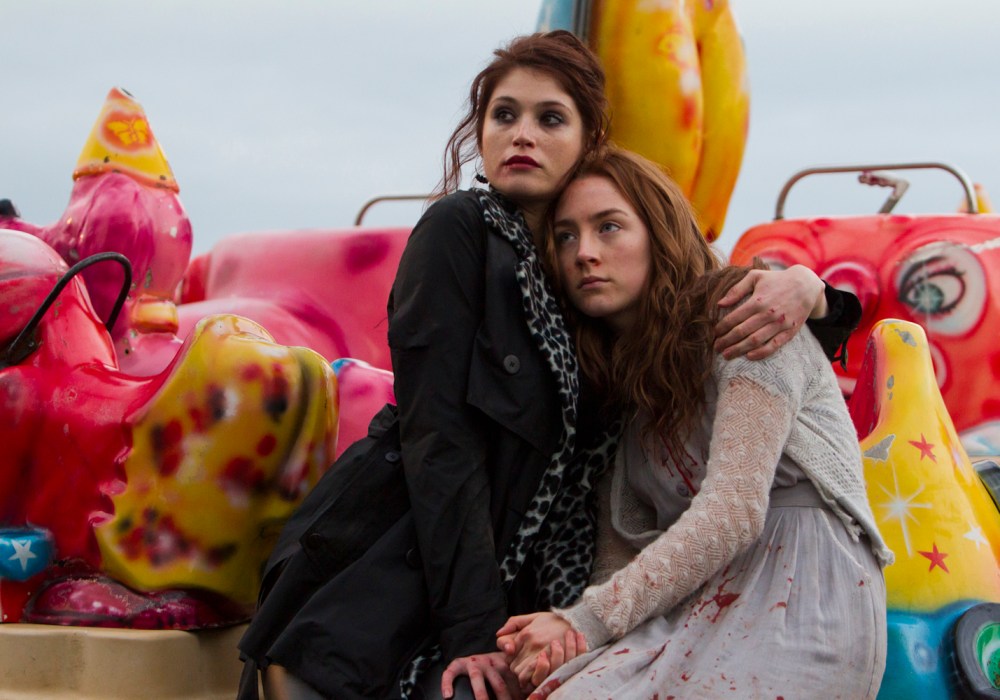
If one were to just look at the surface of Byzantium you might think it rings a bit too familiar as compared to other vampire-related films of recent vintage. However, when you consider the fact that this film has Neil Jordan at the helm, or if you just simply watch it then you see that surface similarities are merely what the name suggests: superficial. For what Byzantium has in spades are what other vampire narratives all too often lack: backstory, character, emotion, depth, conflict and humanity.

To put it quite simply, the only thing Byzantium does that is a little tiresome is something that’s true to a teenage character, it’s that it rehashes the same conflict over a few times without true progression of the struggle. However, it does move forward and unravel more of the web that these characters find themselves in.

The film is spearheaded by another brilliant turn by Saoirse Ronan and by far the best performance I’ve seen by Gemma Arterton to date. It’s another film that epitomizes the fact that drama is the foundation of all other genres and is intrinsic to building a good horror tale, and this is a great one.

9/10

The Movie Rat discusses The Funhouse on Forgotten Filmcast

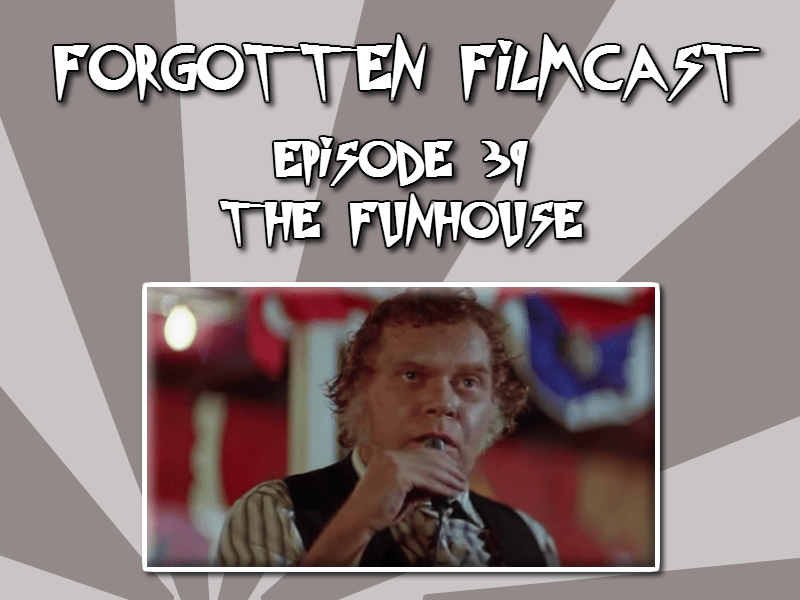
I was invited back as a guest on the Forgotten Filmcast during this Halloween season. Yesterday, it went live. You can find it here. Todd and I discuss the 1981 film The Funhouse directed by Tobe Hooper. It’s an in depth discussion of that film, as usual Todd brings up some great points to consider about this weird little film. We also include our own personal film recommendations. The runners up for my own pick were the films of Zé do Caixão (a.k.a. Coffin Joe) and The Other, which has a great Blu-ray release from Screen Archives Entertainment. My choice was Rammbock, see why I recommend it so highly, and if you think a comparative allusion I make in talking about it is wrong, ben trovato or eerily accurate. So it’s worth checking out for that and for a deeper look into The Funhouse. For other episodes you can also search iTunes for “Forgotten Films.”

It’s a timely horror listen. Also, while I’ve not brandished many posts with 61 Days of Halloween, I am still covering horror here this season. Look:

Katasumi
Under the Bed
Mercy
The Captured Bird
Annabelle

A new post about Halloween (1978)
Shadow People
Stoker
Fantasmagorie
Grace
A Haunting at Silver Falls
Bad Kids Go to Hell
Kiss of the Damned
The Horribly Slow Murderer with the Extremely Inefficient Weapon
The Depraved
The ABCs of Death
Dracula 3D
Jacob
Tucker & Dale vs. Evil
The Condemned
Hambuster
In Their Skin
The Hidden People
The Ward
The Innkeepers
The Strange and Eerie Memoirs of Billy Wuthergloom
11/11/11
Red State
Bereavement

Short Film Saturday: Katasumi (1998)

With this being the last Short Film Saturday entry before Halloween I figured it was time to kick up the selected horror film. Katasumi one of the short films that acted as a precursor to The Grudge films in the US, and Juon in Japan, does that in three short minutes: it features a simple set-up, unsettling soundtrack and a rate on incidents. Enjoy and Happy Happy Halloween (Silver Shamrock)!

http://www.youtube.com/watch?v=TaQm2YhPAPc

Mini-Review: Under the Bed

Introduction

This is a post that is a repurposing of an old-school Mini-Review Round-Up post. As stated here I am essentially done with running multi-film review posts. Each film deserves its own review. Therefore I will repost, and at times add to, old reviews periodically. Enjoy!

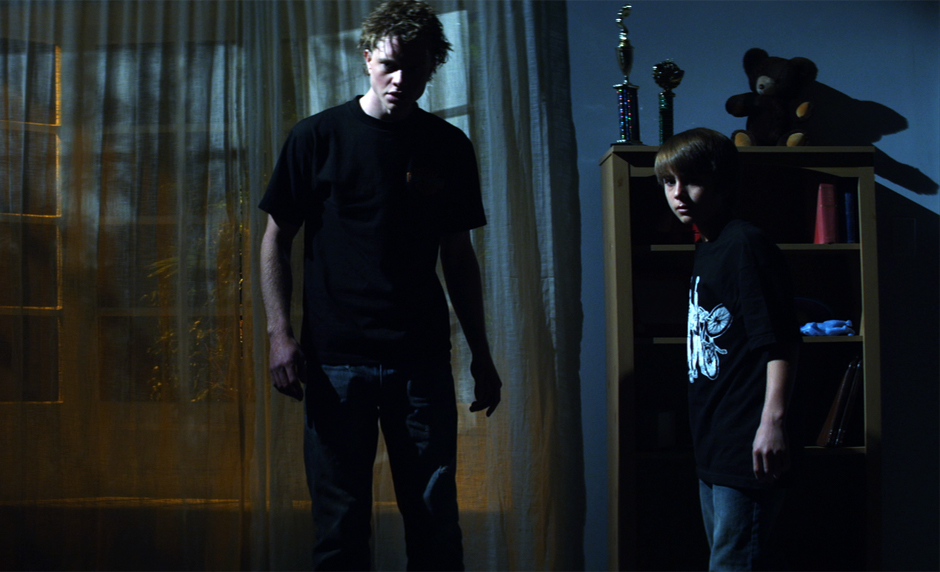
Under the Bed

This is a film that’s a classic non-starter. The work that’s done to build the characters, the brothers, at least, is appreciated; as is the late reveal of several key pieces of information. However, the issues that come into play are that the film ends up not having enough jolts or enough incidents. The battle against the evil entity these brothers fight is forestalled too long, is resolved to quickly and far too anti-climacticly. So you have a film where engagement is barely kept for as long as it takes and then there’s no real pay-off. With a horror film, especially one of this type, you know certain characters are going to be safe so it really ends up being more about how things occur rather than who makes it. The film has really good performances by Jonny Weston and Gattlin Griffith, especially the latter, but not much else to show for itself.

3/10

Review: Mercy

Mercy was a film that I had on my radar for quite some time. It was a film announced a while ago. It was one of a rash of projects that Joel Courtney got involved with on the heels of his outstanding performance in J.J. Abrams’ Spielbergian Super 8. Combine that with the fact that it is a Stephen King adaptation, the signing of Chandler Riggs (The Walking Dead), the involvement of Blumhouse and Universal and there were plenty of reasons to look forward to this film. Eventually though, without and fanfare (as there usually isn’t), this film kind of vanished from consciousness as all involved moved on to the next job.

Then with just as little fanfare the film plopped up available as a digital first download on Amazon ahead of its DVD release.

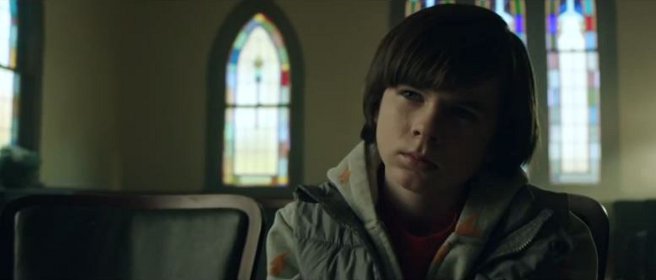
Mercy mainly concerns a young boy, George (Chandler Riggs), who with his grandmother (Shirley Knight) bedridden starts to wonder about and discover her true nature and family secrets buried in their past.

The difficulty of divorcing one’s fanboy self from an objective film-viewer is epitomized by the fact that this film could have harvested an intriguing internalized tale from the prose, but instead it perhaps over-externalized it. One of the pitfalls it faces is also expanding a short and building out characters because it only does so part of the way. More dimensions are added to characters but it only goes part of the way. Mark Duplass, plays an uncle, he comes to George (Riggs) to disavow him of his notions because he idealizes her. However, this has to be assumed. He’s barely introduced when he makes this leap, and knowing how jaded he is, why not try and talk to Buddy instead (Courtney)?

The aforementioned facets of the film nits; smaller quibbles. There are things that occur that in some ways make you wonder about the production, and in general questionable decisions. The very first scene in the film cuts awkwardly. Riggs and Courtney overall do fine jobs, but in the early scenes they seem a bit ill at ease in their roles, Courtney especially; as they get caught up then the stakes go up. Unfortunately, CG plays a hug role in the latter third and it doesn’t really work that well at all.

I think to convey it best to King fans I can frame it this way: the CG-heavy climactic portions of this film remind me of a 21st Century Langoliers, only this film isn’t anywhere near as compelling as The Langoliers is before being heinously under-served by the effects work.

Up until then the film is passable, and there are things worth watching it for, Shirley Knight is another. In a film whose running time is less than 80 minutes it tries to spread the tale between too many inconsequential supporting characters, and doesn’t move as quick as it should.


When Mercy is available on rental platforms it’s worth it if you’re curious enough, but in this case sadly the whole is far less than the sum of the parts.

5/10

Review: Annabelle

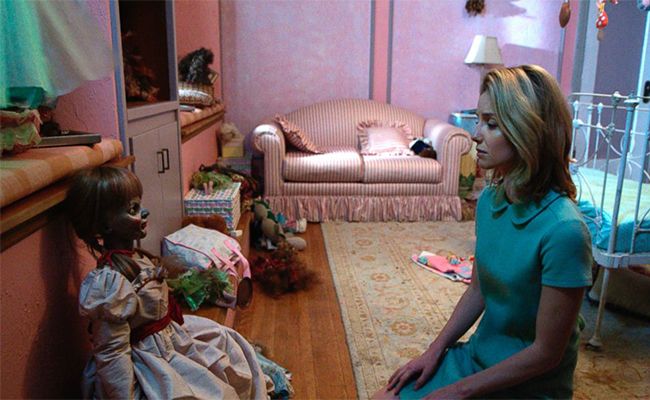
When The Conjuring came out, I, like many enjoyed it a great deal. Not necessarily like many, and moreover, a bit uncharacteristically; I was really psyched about the prospect of Annabelle. It was one of the rare cases where I thought a prequel, or more appropriately, a spin-off had the potential to expand a bit of backstory into a feature-length tale on equal footing with its progenitor.

After having seen it, however, it did bring to mind Dario Argento’s response to when I asked if he ever considered further examining the backstory of Deep Red. Basically, what this ended up feeling like was a vacuous money-grab even though it, and the Deep Red concept, still could theoretically work.

What Anabelle lacks is not only atmosphere, which it is sadly in wont of throughout, but also a compelling narrative. In The Conjuring James Wan and the Hayes brothers wrung out so much effect from this doll affectation to give the protagonists a background you were left wanting more, in getting it you are left dissatisfied.

One issue the film contends with is that it’s not really an origin. The accursed doll comes to the couple at the center of this story and they deal with it. However, that’s not really a fault of the film. One true fault is that its zest for innovation peters out on the first act when introducing the notion that the world is changing in light of the Charles Manson killings. Much of the rest of the film following the inciting sequence is methodical and rote, and rarely introduces a wrinkle that is unique to this tale.

BANG!

There. Are you scared yet? No, well then don’t see this movie, because as it is unable to generate palpable atmosphere, real concern, or interest, in its characters the film then resorts mostly to jump- and false-scares. This is really a shame because the score does have some nice moments but it has to be an accomplice to the lacking script and direction and try and pry scares out of its prospective audience.

One would think that it would be hard to bungle a film wherein one protagonist is either pregnant or raising an infant, but this film manages to quite easily. Some milquetoast performances along with all else that’s plain to lacking really doesn’t help.

To add insult to injury the obligatory, somewhat open ending is as anticlimactic as the rest of the film is. It’s rare I use the phrase “forgettable” as it usually employed crassly, but when one has recently experienced a film so empty, so devoid of soul and verve, that you could easily forget that you just saw it. “Forgettable” one of the most fitting words there are.

3/10

Film Thought: The Tableau Vivant in Halloween (1978)

Each year I will revisit the original, classic Halloween at least once. This year, owing to the new Blu-ray box set I will be revisiting the whole series anew. However, the one I will likely come back to more than once, and always find new things to say about, is the first.

With very good reason there has been much made about the use of Steadicam not only in the film as a whole, but also during the opening sequence (one of the last shots in the can during principal photography) where Michael’s POV is taken as he stalks around the house and kills his sister, Judith (Sandy Johnson). Now in technical, artistic and production terms this shot is quite a feat. In the narrative terms it, of course, begins the film with some mystery, a thrill when the POV is broken and a great reveal. However, over the course of time that has obfuscated something of almost equal intrigue (if not anywhere near as hard to achieve as the prior sequence).

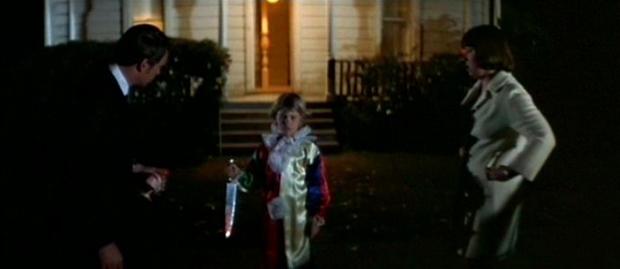
The shot that immediately follows reveals Michael to be a young child of six years of age (Will Sandin). Here again narrative shock may distract you from absorbing what’s happening in its fullest implications. The cut occurs when his mask is removed. We see his face and pull back. As we do, we are introduced visually to Michael’s parents. They look shocked, try to get his attention and the camera continues to methodically crane away. As the camera makes its move there is an unnatural lack of movement in the mise-en-scène, it can be argued, by all parties. Even if you’ll give a pass to the fact that Michael doesn’t move; owing that to some semblance of shock he may be feeling (which would be the last time he really, totally felt any sort of human emotion), then you still have to consider the parents who having found their six-year-old with a bloody butcher knife merely stand there befuddled and scarcely move or comment after having merely called his name a few times, mom crosses her arms and dad takes a step back. That’s it.

Previously, I believe I had dismissed such concerns owing to the fact that the shot needed to happen, and being a director that sufficed. However, the shot can still go on with some more movement by the players as the camera drifts away. So, what was it that was compelling this blocking? It’s a choice so conscious it cannot be dismissed as an oversight and has to be viewed as intentional on the part of the director.
Halloween (1978, Compass International Films)

As I watched it this time it struck me. It was so obvious I can’t believe I hadn’t considered it before. What is being created is a cinematic equivalent of a tableau vivant. This is a technique that is rarely implemented on film, however, it’s one I always felt a powerful to implement on stage, and when one considered some instances in which they are used (such as in fairly tales or religious stories) it starts to make sense.

The tableau vivant is described as:

Tableau vivant (plural: tableaux vivants) means “living picture”. The term, borrowed from the French language, describes a group of suitably costumed actors or artist’s models, carefully posed and often theatrically lit. Throughout the duration of the display, the people shown do not speak or move. The approach thus marries the art forms of the stage with those of painting or photography, and as such it has been of interest to modern photographers.

Usually the only times this has been approximated on film or television that I can recall off the top of my head is is in very obvious circumstances where a character would say “Freeze” or some other directive like it and rather than freeze framing the actors stop moving. One notable example of this was the children’s sitcom Saved by the Bell. Now here you have a far more subtle form and the reason I believe it is: one, is that it is allowing the events to sink in; two, building a legend; three, ending a chapter in the story prior to moving to another one. In the world of this film, in this town, this is the local legend; this is the boogeyman. Now that we the audience know what happened, have ruminated on it for 29 seconds during the shot (Yes, 29 whole seconds this shot runs uninterrupted; quite nearly unconscionable now) here is a story set in the present (1978) about the same town, and what happens when he comes home.

It’s the kind of time-taking and camera move that you wish was easier to get away with in the modern language of cinema. However, it is the way that this shot works, the way it so perfectly caps off the opening salvo of this film that has allowed it to stand the test of time and multiple viewings without even being subject to tremendous amounts of scrutiny. Although, as with most things in Halloween, added scrutiny only enhances the mastery of the work, and doesn’t diminish it in any way, shape or form.