My Ballot: BAFTA Rising Star Award

I have for some time wanted to start a series like this, and figured this new year was a good time to start. Essentially, whenever there is a publicly-voted award in the film world I will share my thoughts and vote here.

I was thankful to be reminded of this award this morning. It’s one I have voted in before and since it’s kind of a body of work award and is thus more intriguing than most. I can’t recall how many times I have voted in this poll in the past, but considering that Nicholas Hoult and Emma Stone have been nominated previously, and also been BAM honorees, I’m fairly sure I cast my ballot for them in the years in which they were nominated.

As for this year’s ballot the choices are:

Elizabeth Olsen, considering that I picked her as Best Actress last year, and liked her in a subpar film this year, she’s already “risen” in my mind.

Andrea Riseborough, I sadly haven’t seen in any of her recent roles, so I couldn’t vote in her favor.

Suraj Sharma, I liked him far more than I did The Life of Pi, but it’s a stepping-stone to potentially bigger and better roles for him.

Juno Temple, I liked her performances in Killer Joe and The Dark Knight Rises. However, there was another tandem of roles that was more impressive this year amongst this list.

Alicia Vikander, is not only a very strong lead in A Royal Affair that was quite nearly earned her a Best Actress nomination in the BAM Awards, but also had a “Don’t You Recognize Me?” kind of moment to me after I saw that when I realized she was in Anna Karenina.

BAM Award Winners: Best Documentary

In many ways this category exists now because of Waiting for ‘Superman’. As I intimate in the review linked below, I have come full circle with regards to documentary films. I can embrace them as a separate but equal entity to narrative film. I will strive to qualify this category annually but while I can appreciate documentaries fully now I acknowledge my proclivity for fiction whereas when I’m given a choice between which two to watch at a given time I will invariably choose the narrative. Having said that the category is, of course, valid and proved it can threaten to be the best of the year.

2023 Not Awarded 

2022 Not Awarded 

2021 Not Awarded 

2020 Not Awarded 

2019 The Village Detective: A Song Cycle

the-village-detective

2018 Not Awarded

2017 Not Awarded 

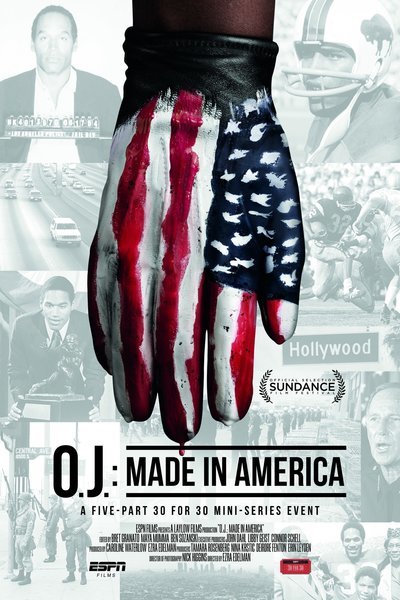
2016 O.J.: Made in America

img_3477

2015 Not Awarded

2014  Not Awarded

2013 The Short Game

The Short Game (2013, Netflix)

2012 Not Awarded

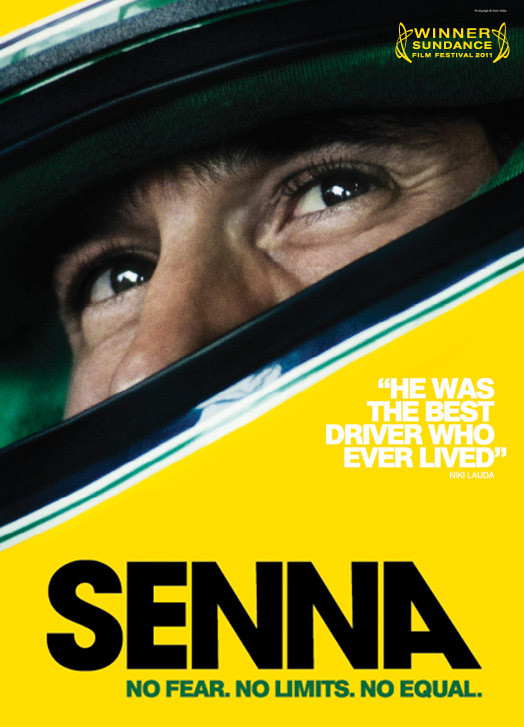
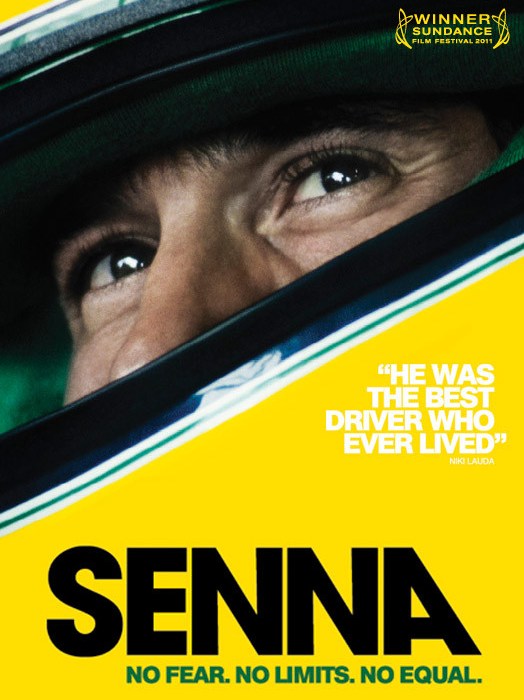
2011 Senna

2010 Waiting for ‘Superman’

This one may have been a bit lacking in the drama department because Superman did make my Top 10 and no other doc crashed the Top 15, however it is truly an amazing experience but none of these others should be missed either. They are all on Netflix (the nominees being: Prodigal Sons, Killing Kasztner, Waiting for ‘Superman‘, Best Worst Movie, The Art of the Steal)

Waiting For Superman  (2011, Paramount Vantage)

The First Annual Neutron Star Award

The Neutron Star Award

2012 Honoree

Vincent Price

As tends to be the case when I’m breaking out a new honor (e.g. The Ingmar Bergman Lifetime Achievement Award or the Robert Downey, Jr. Award for Entertainer of the Year), my initial write-up about it will be fairly short.

OK, so what is the Neutron Star Award? As I watched older selections through the year, I was frequently compelled to pick a film based on the fact that Vincent Price was in it. When I was younger I was very actor-oriented, more so than with directors. The fact that an actor had that kind of draw, and was one who is sadly no longer with us, made me think there had to be some kind of way I could honor them.

So I thought literally about stars, and being a nerd I confirmed that a neutron star fits the definition of a star that has gone out but glows more brightly after its passing.

Which brings me back to Price. If you look at my older films list this year you’ll find Vincent Price all over it. He was not only a talent, and not only elevated works he took part in, but in a way elevated the entire horror genre; in large part because of the horror icons he arguably was the longest-lasting and most identified with it. Christopher Lee, for example, has for years been synonymous with other kinds of films, but once Price got his foothold it was nearly his sole dominion.

I fight Netflix indecisiveness so anyone that great that makes me say “Oh, he’s in it? Good enough for me.” Is certainly worthy of some honor.

I truly like this idea and I hope it acts as another incentive to discover and get to know other actors’ filmographies in the future.

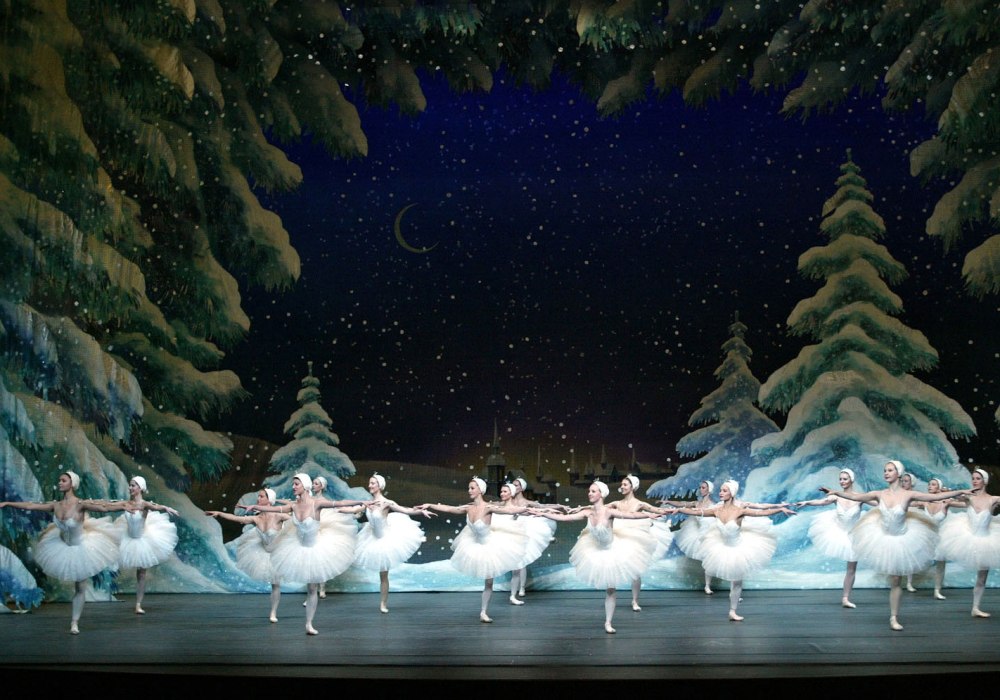
2012 Battle of the Nutcrackers

Last year I took inspiration from Ovation TV’s annual Battle of the Nutcrackers for a post on a cinematic version thereof. This year I decided to be a bit more literal about it.

While I’ve known of this programming block for years, and it’s served as background, or the occasional distraction during past year-end dashes, I have never seen enough of each selection to vote. This year I wanted to do so.

Now, clearly I will look for a cinematic treatment in a selection, but it does come down to the ballet. While I, through my production company, sponsor a competition, I can claim no expertise but I know what I like and know this story extremely well.

I could give this an over-analytical approach as I tend to compartmentalize and choose which one has the best in the following general categories: libretto, choreography, blocking, set design and depth thereof, filmic treatment, casting, then with show specifics: Russian Dance, Arabian Dance, Dance of the Sugar Plum Fairy; Look of the Nutcracker and Rats/Rat King; Tree, prince casting, the snowfall; and I just might next year, but this year I wanted to just give overall impressions and why I picked what I picked.

The Australian Ballet’s rendition of an alternate take called Clara’s Story is the better of the two non-traditional selections and the most cinematically rendered. The Casting of the San Francisco Ballet may be the best.

However, the best overall production in my mind, which did have its visual allure, is the Mariinsky production. The color palette is spectacular. The first half usually makes or breaks a production, the second is the tiebreaker. The consistency of costuming and color selections ties together the seemingly disconnected pieces of this tale. Also, lending to this cohesion is that some part of the town set is always visible. The execution of the individual dances is consistently excellent. Even though there is a lot of the musical conductor it is visually intriguing because of the occasional interesting shot or movement, the sets and costumes.

Overall, it was fascinating to view each of these unique productions, to compare and contrast. It’s a story I know well and enjoy, I could’ve easily voted for quite a few versions. The winner of the vote airs on Christmas Eve at 8PM EST. A marathon of encores airs all day on Christmas Day. For channels and schedules visit Ovation’s site.

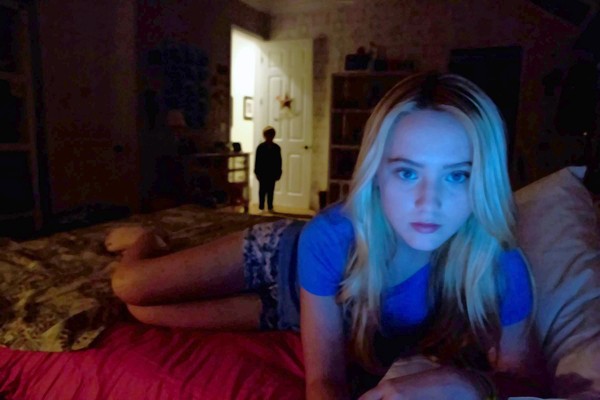
Paranormal Activity 4 and the Found Footage Problem

This year saw another installation in the Paranormal Activity series. I will not bemoan the perpetuation of the series. I understand that. They cost virtually no money and the profit margins have been fairly huge. As a business decision, it’s a no brainer.

When writing about the first installment of this series, removing the marketing scheme which was brilliant and the hoopla, I complained it was like a surprise symphony.

I have not given up on the series entirely and what I find odd is that each film has done something, in a particular section of the film, that if removed (as if that were possible) and combined with another section of another installment, would make a whole enjoyable horror film.

The main issue that this series has confronted in the sequels is that it hasn’t broken far enough away from the formula that the initial film established. If one looks at any lengthy horror series almost any of them will have a film that bucks the trend. Now, of course, that could backfire but at least it’s an attempt to shake things up.

What part three does best is have payoffs and a fairly good climax, but the build-up as per usual is fairly mind-numbing. In this recent installation certain motifs and twists are introduced, but it ultimately builds to something we’ve all seen before. Whether you’re a fan of the series or not, it’s not a progressive move.

Even purists couldn’t argue that the Halloween and Friday the 13th series kept trying to up the ante and find new avenues by which to lead into their new tales. What I can give to the first part is that it does catch you off guard, but the set-ups for the very modest scares are are too long, this film at least progressed (to an extent) the visual aesthetic.

Part of the dereliction of the series can be attributed to fear of rocking the boat, but the other part hinges on the found footage element. More often than not the found footage approach is used as a crutch rather than a license, or a challenge, to be more creative.

In four, I was very close to liking it, but they felt beholden to the formula.

Ultimately, how vital either this series or implementation of the found footage technique will be how varied, creative and unique the footage sources are. The image quality can be degraded but an over-abundence of static, uncut images is not modernizing; it’s regression to the advent of sound, if you’ll allow the hyperbole.

Cameras are now ubiquitous accessories, so there is much untrod ground in this series and the approach. It must be trod if found footage is not to die by atrophy.

The Dichotomous Parallel Between MP3s and Digital Copies

Recently, I drew the parallel between the digitization of music and that of cinema. Digitization in terms of the end user’s home entertainment product. I often describe myself as being caught between two times because I always like to have links to the past, while conversely staying fairly current. I remember when MP3s first came around it was amazing. It was like “Ermagerd, I can listen to music on the computer” (That is, if we talked that back then).

Maybe it had a little to do with the fact that the internet was still in its infancy and we all either turned a blind eye to, or were ignorant to, the piracy it incurred. Eventually, the free music party came to a halt. While Lars Ulrich was neither the right person, nor an un-douche, he had a point about Napster. The fact of the matter is the word monetization wasn’t even in the vernacular back then. In the end, it was Apple with the inception of iTunes and the iPod that legitimized MP3s. Now, there was and is music business tussling there too. The point of the mini-history lesson is: Music on a computer was instantly fine with the masses. I can’t say it was preferred, even I have to give it to certain formats (even the analog ones) for having un-reproduceable qualities, but it was widely and quickly accepted as a norm.

With movies that’s not really the case. I’m citing mostly myself in this instance but the shelves of a Best Buy and the warehouses of Amazon will back me up on this, films on physical media are still king even if not by much. However, having some sort of file saves room. I had a clutter of CDs that I then jammed into my iTunes and could access it at the touch of a button on my iPod. With movies I’d still rather hold the disc.

There are gray areas which I’ll come to, devices may play a large part. Apple didn’t just start iTunes, as I mentioned they added an accessory. So, yes, the new album I both wouldn’t be something I physically received, but I’d access it through a device.

This tactile obsession is a bit odd and interesting. I think the volume of streaming done on Netflix and Amazon will indicate that we’re fine with cutting the rental store out. We just want to see a movie. People have been watching movies on TV since there was TV, and even more frequently since the advent of HBO. However, that’s watching a movie. Owning a movie up until recently has meant possessing a physical copy of the film.

Even within the realm of digital film there’s a slight stigma I feel. I like having as a bonus a digital copy of a film … on a disc that I can download into my iTunes. However, Ultraviolet annoys me and is something I’ve not used and I think many others feel the same way, and I have access to digital versions of many Disney films I’ve purchase, which remain unstreamed. It still comes down to having a box with a film in it feeling more like owning it even though the issue of space is still present.

Perhaps, this is a slower evolution, or maybe physical copies of films on one media or another will never die our for home video use. Perhaps it’ll be smaller or less successful films that go digital only, while the blockbusters and new classics that can still make a killing on video will get DVDs and Blu-Rays and whatever comes next. I don’t know the answer; time will tell. I just thought it was such a jarring juxtaposition for me personally of how readily I accepted digital representations of one artform but struggle with another. Furthermore, it’s confined to a feeling of ownership, of wanting to have that film in my grasp. I can watch any old thing by any number of streaming methods even as a first viewing but ownership still equates to a holding the film, and I’m sure I’m not alone there. That may change for me and for many some day but it hasn’t yet.

Adding To Your Classics Library

A while back on Twitter, Bill Milner a great young actor, as well as past nominee and honoree, asked a simple yet important question: it was about bolstering his library of classics.

This is a fascinating question for me, and for any cinephile I feel, because it brings up the elusive question of “What are the essentials?”

My response was, and is, one that I think is not only apropos, but one I think a lot of people can use. Now, a reminder this is not a piece that aims to be a starter kit by cherry-picking milestones in film history, but rather one that will augment your collection when you think to yourself: “Well, what should I be getting now?”

My proposition is simple and personal, we all have our favorite directors throughout the various eras of cinema. I suggest getting the oft-overlooked works of these greats. More often than not these are the films I’ll point out as being a personal favorite.

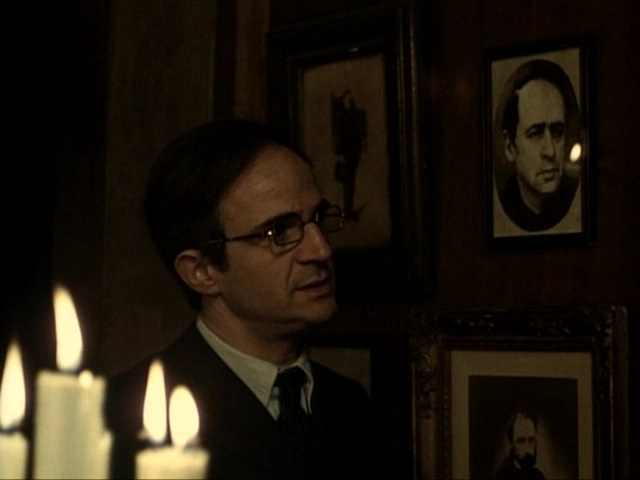
Anyone, and everyone, can, and has, write, speak or opine on the greatness of Jules and Jim or The 400 Blows, but the film of Truffaut’s that affected me most was The Green Room (aka The Vanishing Fiancee), and its absence from DVD for so long bothered me. Hitchcock would be another good example. Everyone knows the widely recognized masterpieces he made. However, few of his films ever engaged me on first viewing like Rope did, even though he wasn’t too fond of his no-cut experiment, or for that matter Dial M for Murder, though I’ve never seen it in 3D.

Those are just two quick examples with a few films to illustrate my point. Who the directors are that you seek out the oft overlooked works in their ouevre is your choice entirely, but when one has the staples you’re filling in the pages, and, I for one have always been one to seek things out that are a little off the beaten path even amongst the most highly regarded cineastes.

The Problems of Limiting Foreign Film Submissions (Part 2 of 2)

Similar to the first installment of this piece there was one nation where I got a more rounded, abundant reaction. However, I still didn’t have near the sample size as I did with Brazil. Therefore, I wanted to test the waters and get samples from around the world about the foreign film submissions from my Twitter friends’ respective countries. Even with fewer reactions, and fewer characters with which to glean and convey information, I still got some interesting insights that furthers my hypothesis that limiting a nation to one film submission to the Oscars for consideration can cause issues. Some of these reactions point to aforementioned stumbling blocks, some are new. As is the case with Brazil’s selection, I have not had the chance to see the films that have been submitted on behalf of the nations listed below. I will attempt to see as many of them as I can. Also, I realize that some of these opinions may venture into more perception than reality, but that’s kind of the point. There is a threshold where perception becomes reality and behind every cynicism is some truth, so these opinions do highlight flaws in the system.

Sweden

Sweden’s is a case I alluded to in my prior commentary and review about Simon and the Oaks, so I was glad to get the kind of feedback I did there. Sweden’s official selection is The Hypnotist by Lasse Hallström. The general reaction I got from the handful of people who ended up commenting was that it was a weak choice. In fact, the notion I had in mind when formulating the “reputation of the director” question was echoed here. What prompted me to write that question was the conventional wisdom of ‘Oh, well, so-and-so directed it so it has to be selected.” The reactions to the the film itself were mixed to negative, as was the perception of its choice, and chances of making a dent on the nominees list. I also saw in this selection a reflection of a common theme with a award shows in the US, wherein the film was submitted to the Academy but hadn’t premiered, which is not dissimilar from press screenings of late-December releases that are up for awards before a vast majority of moviegoers have gotten a chance to see it. If these comments are any indication, I wouldn’t be surprised to see either Brazil or Sweden missing out on the shortlist. More tellingly they seem to play out scenarios and ill-feelings that would be alleviated by additional selections.

Canada

Canada, and the next section, are in this list for a few reasons. So far as Canada goes, I have a lot of Twitter contacts there, and it’s important to note that none I asked had seen War Witch at the time I asked. Quite a few heard of it and wanted to, some went on to learn of its fairly impressive festival run to date. So again you have, at least based on a small sampling, an underseen film, which would benefit from Oscar attention. I don’t necessarily think that it represents a language barrier (That is, however, a selection concern for many nations where multiple languages and/or dialects are spoken), as the film was only playing in Vancouver when I asked.

Chile

The difference between the answers I got from two contacts in Chile and the myriad I have in Canada is that the Chileans were both well aware of No, it has been well-received and they intended on seeing it.

France

When asking a contact in France I got very interesting and honest feedback regarding The Intouchables, which I missed over the summer. He believed it a worthy selection for many reasons, but also added that it was “the most Weinsteinable,” which, of course, refers to the Weinstein Company who are not only Award forces but purveyors of ‘gateway’ foreign film selections.

Conclusion

Lastly, I asked a huge foreign film watcher my question. The answer was qualified by not having seen sufficient titles from any country to make definitive statements, but he did cite both France and Denmark as countries that had stronger films in his estimation that could’ve been submitted. In the end, the point of this exercise is not to definitively approve or condemn a film selection. It has been to gather information from those who have seen said film(s) and are familiar with the machinations of their nation’s film industry. In doing so I hoped and think I have illustrated that there are issues with the system at current that would be alleviated by allowing for additional submissions. If you were to introvert the Oscar screening process, that is to say, were I to only stick to Oscar nominees I never would’ve discovered Le Grand chemin, and if it wasn’t self-evident by now, my personal awards (The BAM Awards) do not have a limiter. However, as I’ve stated with many synonyms this plan is an interesting academic exercise, somewhat impractical, and unlikely to be implemented in any way shape or form. Therefore, what can we take from all this? If nothing else, it’s that whether there’s a cinema that we’re close to personally, either through relations or by aesthetic appreciation, we should try to get to know it more fully. Rather than just debating and griping about the film it submits to the Oscars, have another immediately in mind, or better yet know and appreciate that cinema well enough to not care what the submission is, but just think of that as a bonus. Should the country you call home, home away from home, or whose films you enjoy gets nominated; that’s great. If it does not, you can still watch all its other great films.

How The Foreign Language Film Submission Process Could Change

Earlier this year, but before the Academy Award cermonies, I wrote about how the Best Foreign Language Film submission process works and how I think it should change. Now, in proposing changes I was vague but made the point that the system is kind of broke and needs fixing.

To further examine this hypothesis this Oscar year, I will write two pieces. In this one, I’ll propose specifics and examine logistics of the proposed changes. Now, the main tenet of my argument is that some countries should be afforded additional submissions. Those additional submissions I believe should be awarded on a merit-based system. Again, this goes back vaguely to a FIFA-inspired system. The allocation of spots for each continent in the World Cup is partially influenced by size of the continent, but is more influenced by past results.

So with each echelon achieved more submissions will be afforded. The system will explain itself as it goes.
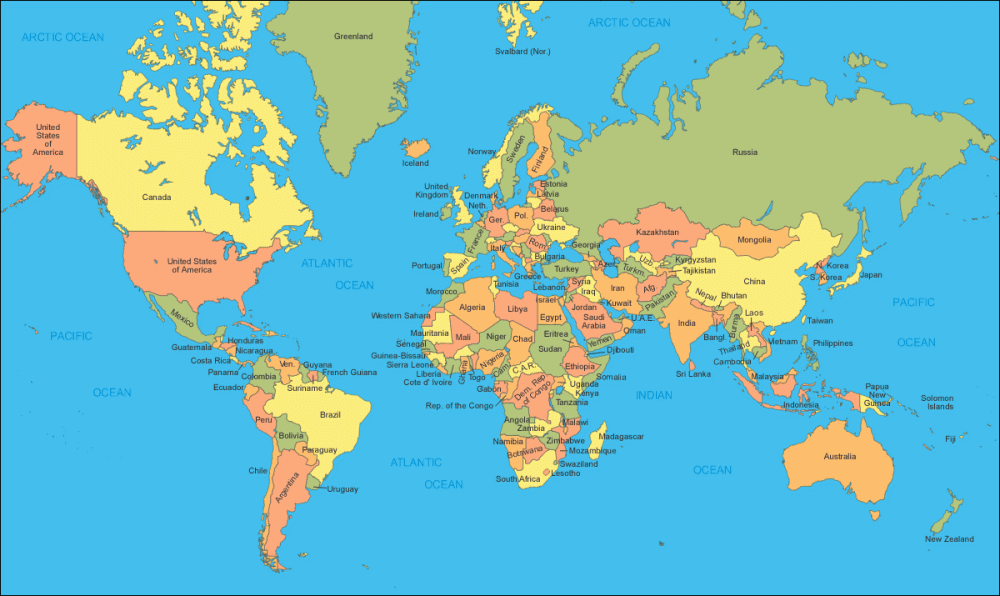
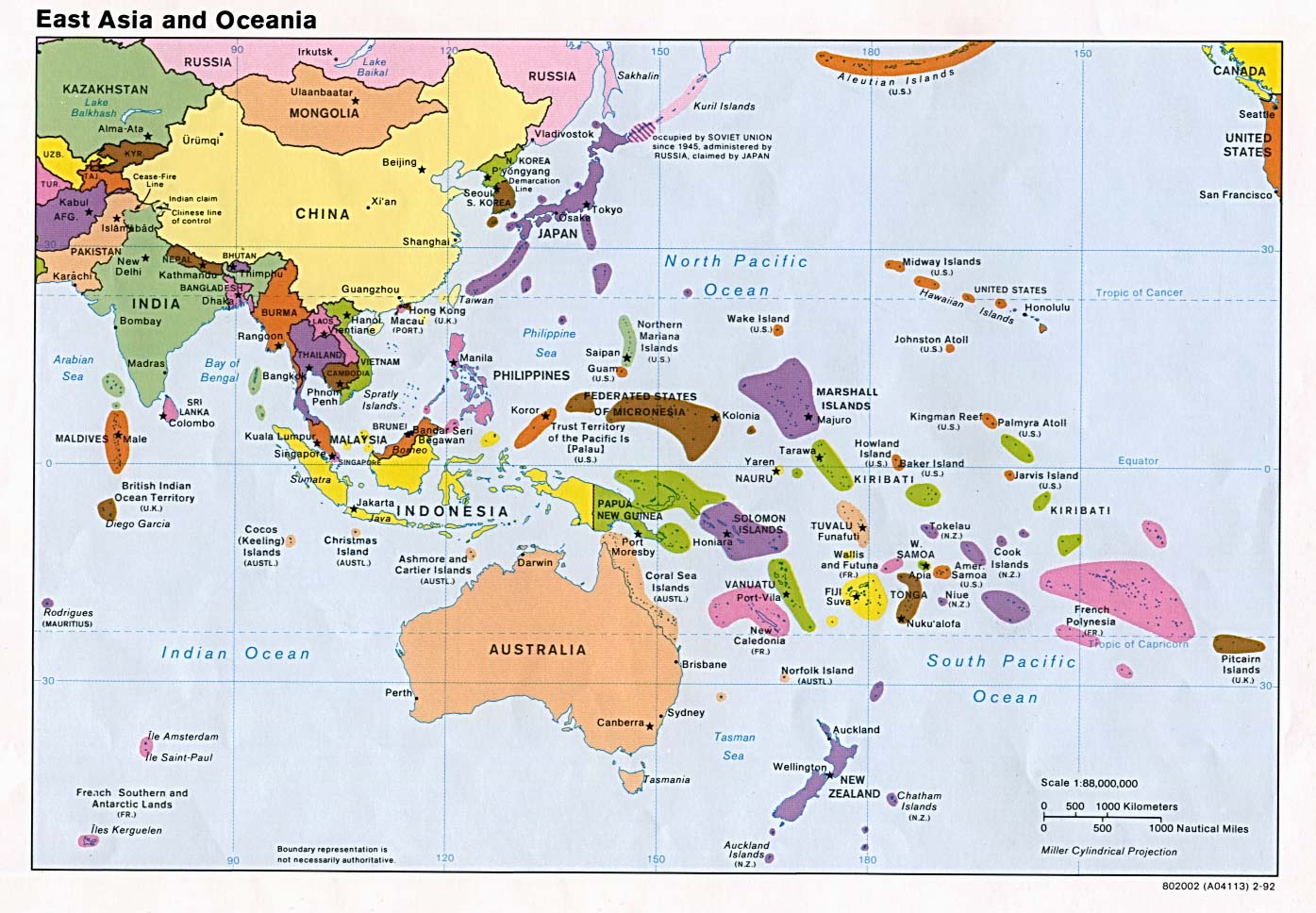
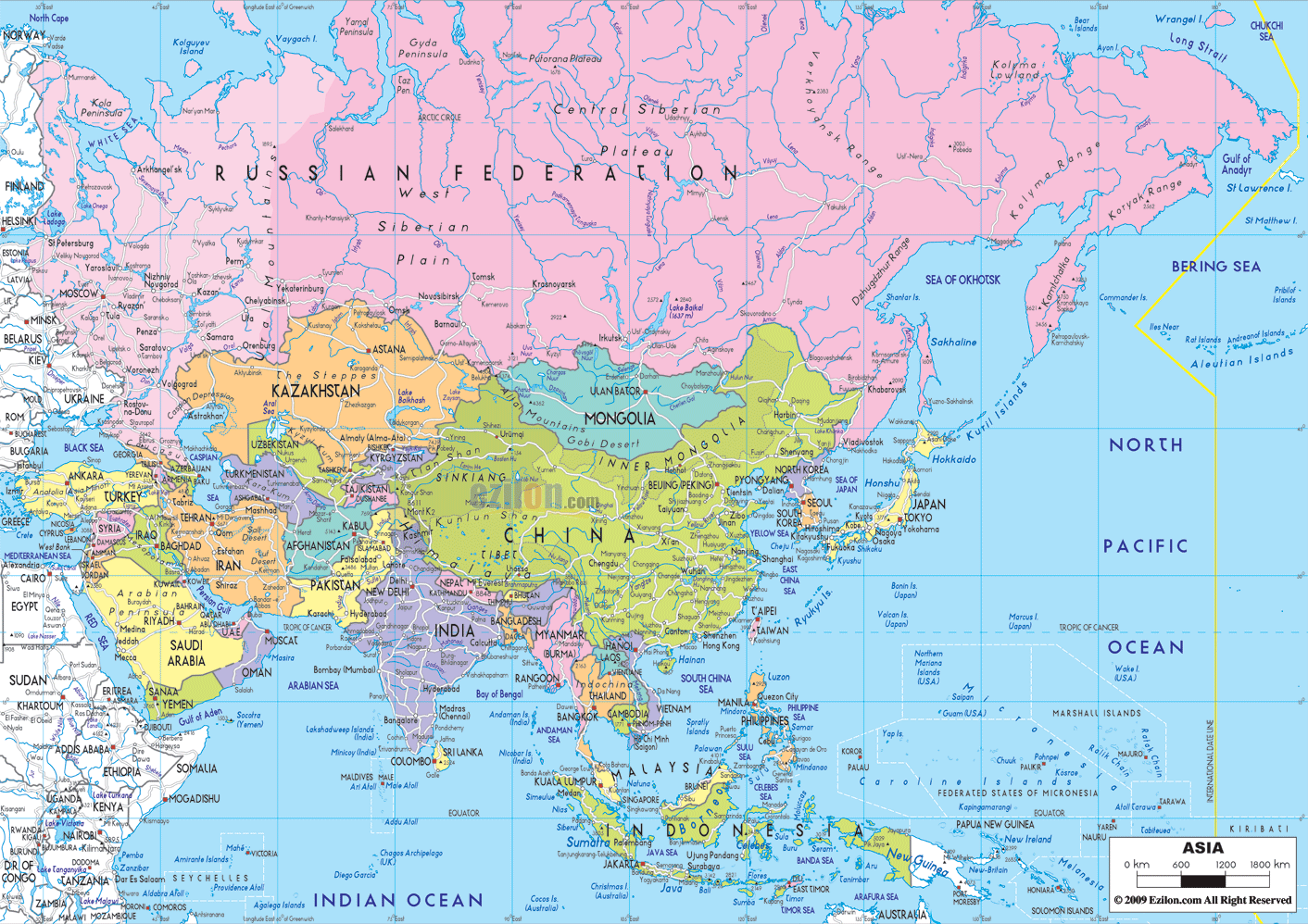
Here is a breakdown of the Oscar histories of the nations who have submitted a film for consideration in this year’s awards:

0 Nominations (32 Nations)

Aghanistan
Albania
Armenia
Azerbaijan
Bangladesh
Bulgaria
Chile
Colombia
Croatia
Dominican Republic
Estonia
Greenland
Iceland
Indonesia
Kenya
Kygyrzstan
Latvia
Lithuania
Malaysia
Morocco
Phillipines
Portugal
Romania
Serbia
Singaporean
Slovak Republic
Slovenia
South Korea
Thailand
Turkey
Ukraine
Uruguay
Venezuela

Nominated (7 Nations)

Finland
Georgia
Kazakhstan
Macedonia
Palestine
Peru
Vietnam

Multiple Nominations (8 Nations)

Israel (10 Nominations)
Poland (9 Nominations)
Mexico (9 Nominations)
Belgium (6 Nominations)
Greece (5 Nominations)
Brazil (4 Nominations)
Norway (4 Nominations)
India (3 Nominations)
China (2 Nominations)
Hong Kong (2 Nominations)

1 Win (9 Nations)

Algeria (Z)
Austria (38 – Vienna Before the Fall; One Additional Nomination)
Bosnia (No Man’s Land)
Canada (The Barbarian Invasions; 5 Additional Nominations)
Czech Republic (Kolya – 2 wins and 3 nominations as Czechoslovakia)
Hungary (Mephisto; 7 Additional Nominations)
Germany (The Tin Drum; 7 Additional Nominations)
Japan (Departures; 11 Additional Nominations; 3 Honorary Awards Prior to Inception of Category)
South Africa (Tsotsi; 1 Additional Nomination)
Taiwan (Crouching Tiger, Hidden Dragon; 2 Additional Nominations)

2 Wins (2 Nations)

Argentina (The Secret in their Eyes, The Official Story; 2 Additional Nominations)
Switzerland (Journey of Hope, First Love; 3 Additional Nominations)

3 Wins (4 Nations)

Denmark (Babette’s Feast, Pelle the Conqueror, In a Better World; 5 Additional Nominations)
Netherlands (Assault, Character, Antonia’s Line; 4 Additional Nominations)
Spain (The Sea Inside, All About My Mother, La Belle Epoque; 15 Additional Nominations)
Sweden (Fanny & Alexander, Through a Glass Darkly, The Virgin Spring, 10 Additional Nominations)

9 Wins

France (My Uncle, Black Orpheus [Brazilian story/Portuguese dialogue, French production], Sundays at Cybele, A Man and a Woman, The Discreet Charm of the Bourgeouisie, Day For Night, Madame Rosa, Get Out Your Handekerchiefs, Indochine, 25 Additional Nominations, Three Honorary Awards Prior to Inception of Category)

10 Wins

Italy

La Stada, Nights of Cabiria, 8 1/2, Yesterday, Today and Tomorrow; Investigation of a Citizen Above Suspicion; The Garden of Finzi Continis; Amarcord; The Legend of the Holy Drinker; Mediterraneo; Life is Beautiful; 19 Additional Nominations; 3 Honorary Awards Before the Inception of the Category)

Russia (Since fall of Communism)

4 Nominations; 1 Win

USSR

6 Nominations; 3 Wins

Totals: 4 wins, 10 Nominations

Quotas

With all that information, here is the breakdown of how I would award submissions.

Nation with No Nominations– 1 Film
Nation with a Nomination– 2 Films
Nation with Multiple Nominations– 3 Films
Nation with a Win– 4 Films
Nation with Multiple Wins– 5 Films

Now, history provides a few quirks, and being fundamentally a progressive, I will choose not to carry over wins and nominations from prior nations to current ones. Therefore, Russia is awarded their quota of films based on Russia’s submission history and is not buoyed by the USSR’s wins. The same goes for The Czech Republic and Slovakia.

The Continental Divide

With those statistics in mind, and keeping in mind my proposal that more viewers be brought into the selection process and be divvied up by region, here is an example of the viewing load that each section would have to take on. Now, I have also sub-divided Europe owing to the fact that there are many nominated and winning countries in the continent. This was also done to try to equalize the viewings among groups.

North America (4 Submitting Nations)

Canada
Greenland
Mexico
Dominican Republic

The screening load based on Canada winning and Mexico having multiple nominations with this group would be 9 films.

South America (7 submitting nations)

Chile
Colombia
Brazil
Argentina
Uruguay
Peru
Venezuela

If Brazil as a multiple nominee was allowed 3 films, Argentina as a multiple-winner was allowed 5, and Peru as a past nominee was allowed 2; the South American viewing group would still only be seeing 12 total films.

Africa

Algeria (4)
South Africa (4)
Kenya

Africa’s viewing group would screen 9 films.

Oceania

Austalia
Indonesia
Philippines
Taiwan
Hong Kong
Malaysia
Singapore

This viewing group would have 7 films.

Asia
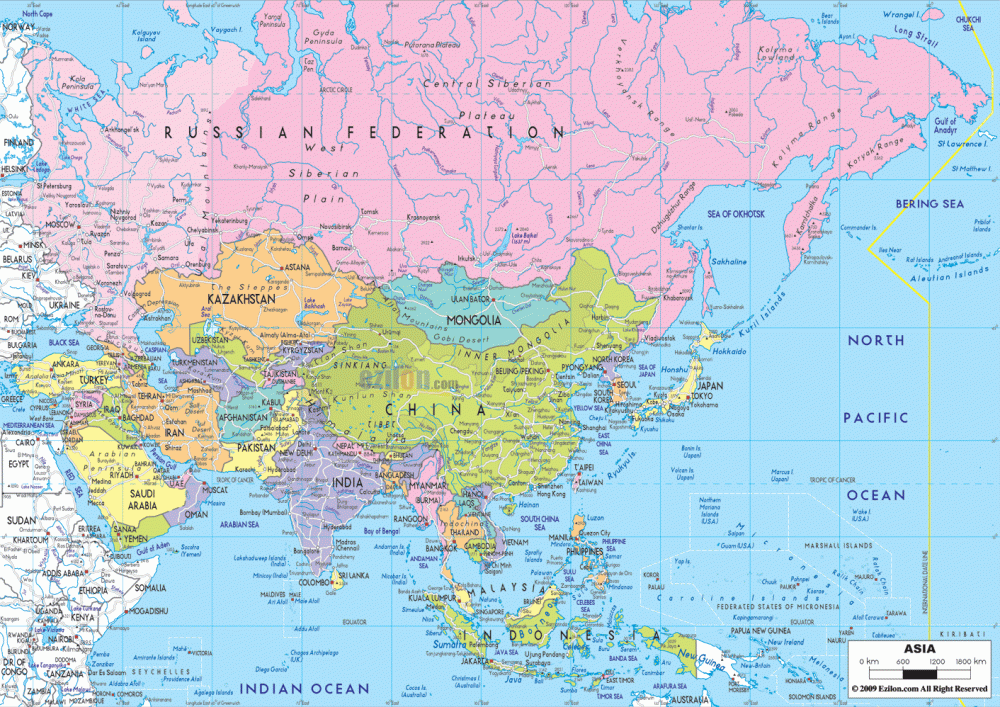
Afghanistan
Armenia
Azerbaijan
Bangladesh
India (3)
Cambodia
Japan (3)
Georgia (2)
Israel (3)
Palestine
Kazakstan
Kyrgyzstan
Thailand
Turkey
Vietnam (2)

This group would view 23 films.

Europe
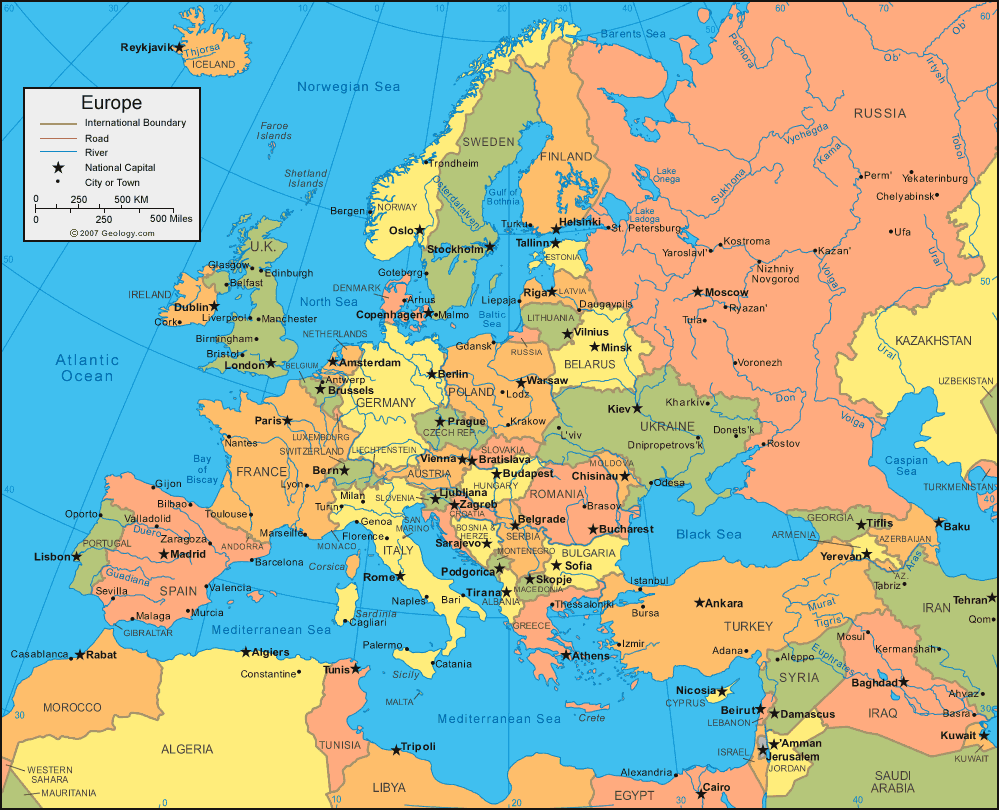
Albania
Austria (4)
Belgium (3)
Bosnia & Herzegovina (4)
Croatia
Czech Republic (4)
Denmark (5)
Estonia
Finland (2)
France (5)
Germany (4)
Greece (4)
Hungary (3)
Iceland
Italy (5)
Latvia
Lithuania
Macedonia (3)
Netherlands (5)
Norway (3)
Poland (3)
Portugal
Romania
Russia (4)
Serbia
Slovak Republic
Slovenia
Spain (5)
Sweden (5)
Switzerland (4)
Ukraine

75 Films maximum from Europe.

To alleviate viewer load geographical subdivisions would be necessary.

Scandanavia & Benelux (Sweden, Norway, Norway, Denmark, Belgium, Netherlands, Luxembourg)- 19 Films

Eastern Europe (Poland, Hungary, Serbia, Macedonia, Albania, Greece, Croatia, Romania, Ukraine, Lithuania, Latvia, Estonia, Bosnia & Herzogovina, Slovenia)- 21 films

Western Europe (France, Spain, Portugal, Switzerland, Iceland)- 16 Films

Central Europe (Germany, Austria, Italy, Czech Republic, Slovak Republic)- 19 films

Closing Findings

In spite of giving many nations additional submissions, the increase of films is not quite as drastic as expected. The 2012 submissions, if countries maximized their quotas, would be 125 as opposed 71. I fully expected to double the field.

I’d revamp the initial and final round scoring system. Films scoring above a 7.5 would be eligible for the next phase, and I’d also increase the scoring scale from 7 to 10 to 1 to 10. Only the highest scoring film from each nation with multiple submissions would be eligible for the next phase.

Let’s assume 2/3 of the field beats the score threshold, meaning about 83 films. Then assume that half those films are eliminated as multiples, you’re at 41 or 42 after the first phase.

At this point, I’d carry over the scores and have the remaining films screened for those who had not yet seen them. Scores could then be tabulated for the remaining candidates, and the shortlist would be determined.

Once the shortlist is determined, screeners go out the membership votes, and the nominees are decided based on that.

Conclusion

Is this system perfect? No, and there could be tweaks to the quotas and viewership logistics I’m sure I’m not considering. However, increasing the number for some countries above one can alleviate many issues in the selection process within those individual nations. What problems are those? I’ll get some support for my hypotheses regarding that in tomorrow’s post.

The Evolution of War of the Buttons

Typically, when preparing a new version of a work the first thing that needs to be addressed is what will be different from the last time this film, play or whatever the case may be. This is not dissimilar from the approach one must take when transferring a book to film. In remaking a film, whether the changes be large or small, there should be a goal in mind.

I have not seen the 1961 version of War of the Buttons, but barring few exceptions, it’s safe to assume that the first adaptation of a tale is usually the closest to the original. The first, and only, English-language version came in 1994. The obvious changes, of course, being not only of language but of locale. The tale moves from France to Ireland.

In the third rendition of the tale, released in France last year and the United States this year, the change is a temporal one, which also greatly affects the allegorical potency of the tale.

The tale of two clans of kids in rival towns is transplanted to the south of France during the second World War. As much as possible, and as kids tend to do, they take things in stride and adapt to their reality such that this war of buttons becomes extremely important, as futile as it seems. I can see the ease of criticizing this move, but to me framing this condemnation of warfare, and the nature thereof, amidst the biggest battle ever fought is perfect. It facilitates, and minimizes, the machinations and melodramatic over-elaboration of the shift from enemy to ally among the kids because they all realize much more important things are afoot.

Taking the narrow view you can find it insulting or minimizing to compare the two in any way, but I see that as the narrow view, because the point really is that there’s no reason for the fight. At their core, the children in the neighboring town are the same as those we meet first. The same assertion can be made of any war. We’re all human underneath it all, so why fight?

This may also seem like an easy shortcut to pathos, but it’s not really. Stories about the war abound, and situational empathy will only get you so far, there has to be investment in the antagonists and protagonists and their battle for it to matter. Not only that but this film builds in the first love plot, as well as a rekindled adult romance. Due to the fact that there are many well-developed threads, I should’ve expected all the compulsory elements of the story having already seen a rendition of it prior, but it seems more fresh and not only that they literally were more organic.

In miniscule points, are there imperfections to the film, as well as areas where it could be better? Of course, but in narrative functionality and effectiveness, the areas where it matters the most; it excels greatly.