Hispanic Heritage Blogathon: The Films of Robert Rodriguez

I. History with Him

No matter how well-known a director is one always has to find them as an individual. In the case of Robert Rodriguez I actually started watching his films before Quentin Tarantino’s, who is Rodriguez’ friend and occasional collaborator.

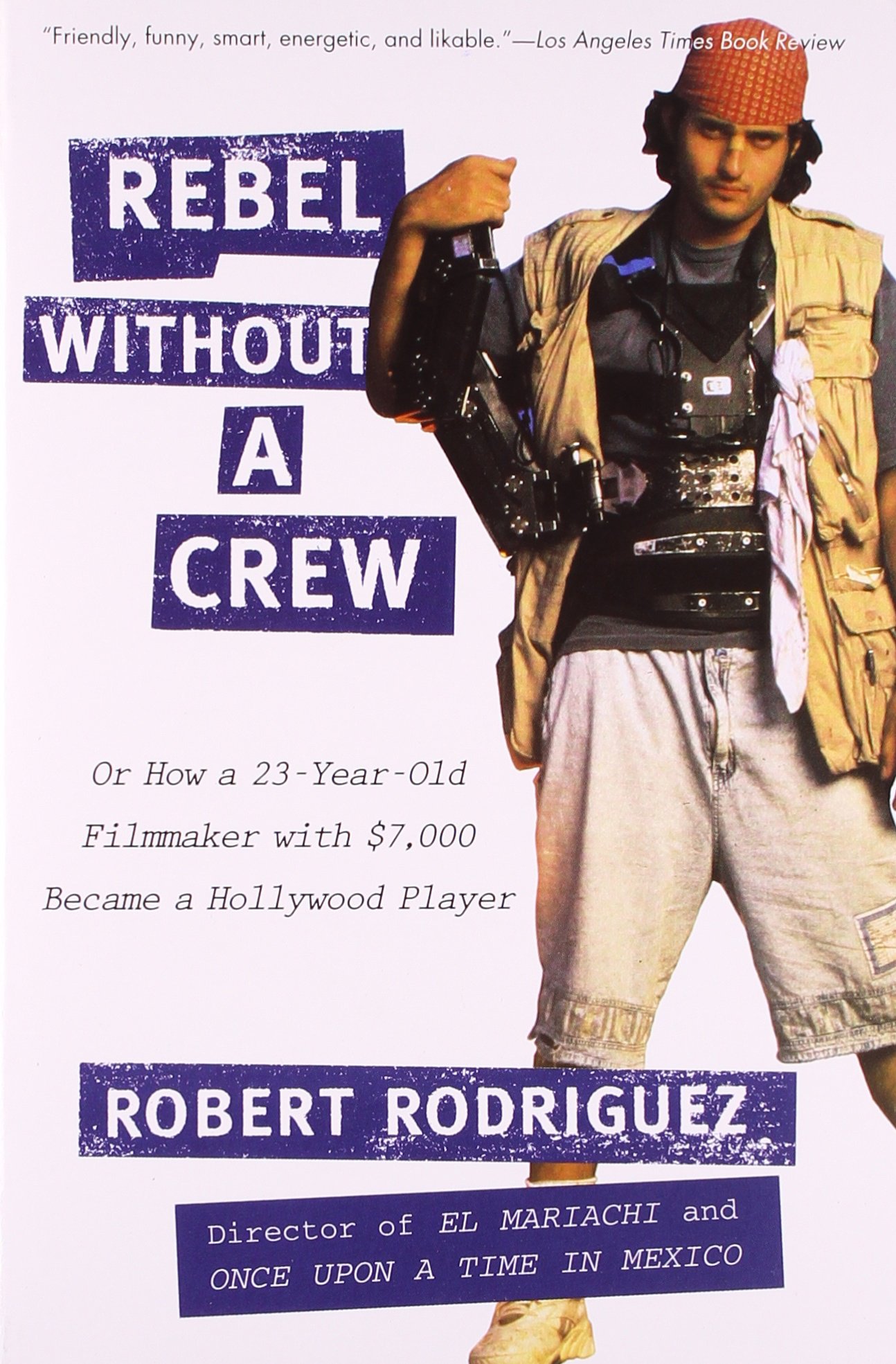
I first saw the Spy Kids films that were out at the time in college. Then I began seeking out more of his work (consciously, but more on that later). As such I saw El Mariachi and read his book Rebel Without a Crew, and as such he became one of the rare directors I not only have read but much of what I learned from his books serves me well until this day.

Not only did his name become part of my personal nomenclature for a director who does it all but some of the philosophies espoused are still ones I can recite, and agree with. Among them being his theory about trying to work on several films immediately after his big success such that there was a bit of uncertainty as to what his second film actually was. The idea being if the public and critical masses didn’t know they couldn’t really chomp at the bit to tear apart number two.
81gpaIBJ0GL

While video cinematography still hasn’t quite approached what cinema can accomplish, I do and did appreciate his being on the vanguard of the digital revolution, and his joke about going to fondle some film stock if you absolutely needed to is still one that tickles me greatly.

II. El Mariachi
El Mariachi

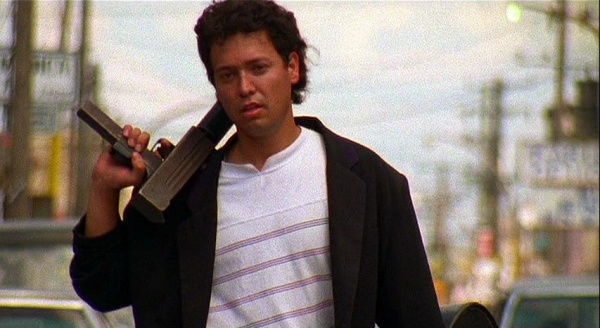
Starting at the very beginning, and picking up where the last section left off, El Mariachi is a sort of cinematic miracle. This is not just because of the budget, the size of the crew or lack thereof, or the fact that it was edited on a VCR and cuts were dictated by when the sound started to run out of sync; but also for the narrative and what Robert Rodriguez did not only while he was essentially an amateur but with a group of them.

There’s a tremendous amount of intuition at work. For example, before this film he had never written a feature-length screenplay, and had no idea how to go about it. He had, however, written shorts running about 30 minutes, he knew how to structure that. Therefore, he repeated that process three times, moving the story along and there was the feature. This is most noticeable in the film in examining the dream sequences, which follows the Rule of Three in a feature form.

El Mariachi proved not only a launchpad for his career but also was one of the franchises that Robert Rodriguez brought into being. Most impressive about this trilogy is that it may (I’ve not formalized this comparison) be the most aesthetically successful trilogy of films wherein the lead actor was recast after the first film.

III. What’s Your Second Film?
Desperado (1995)

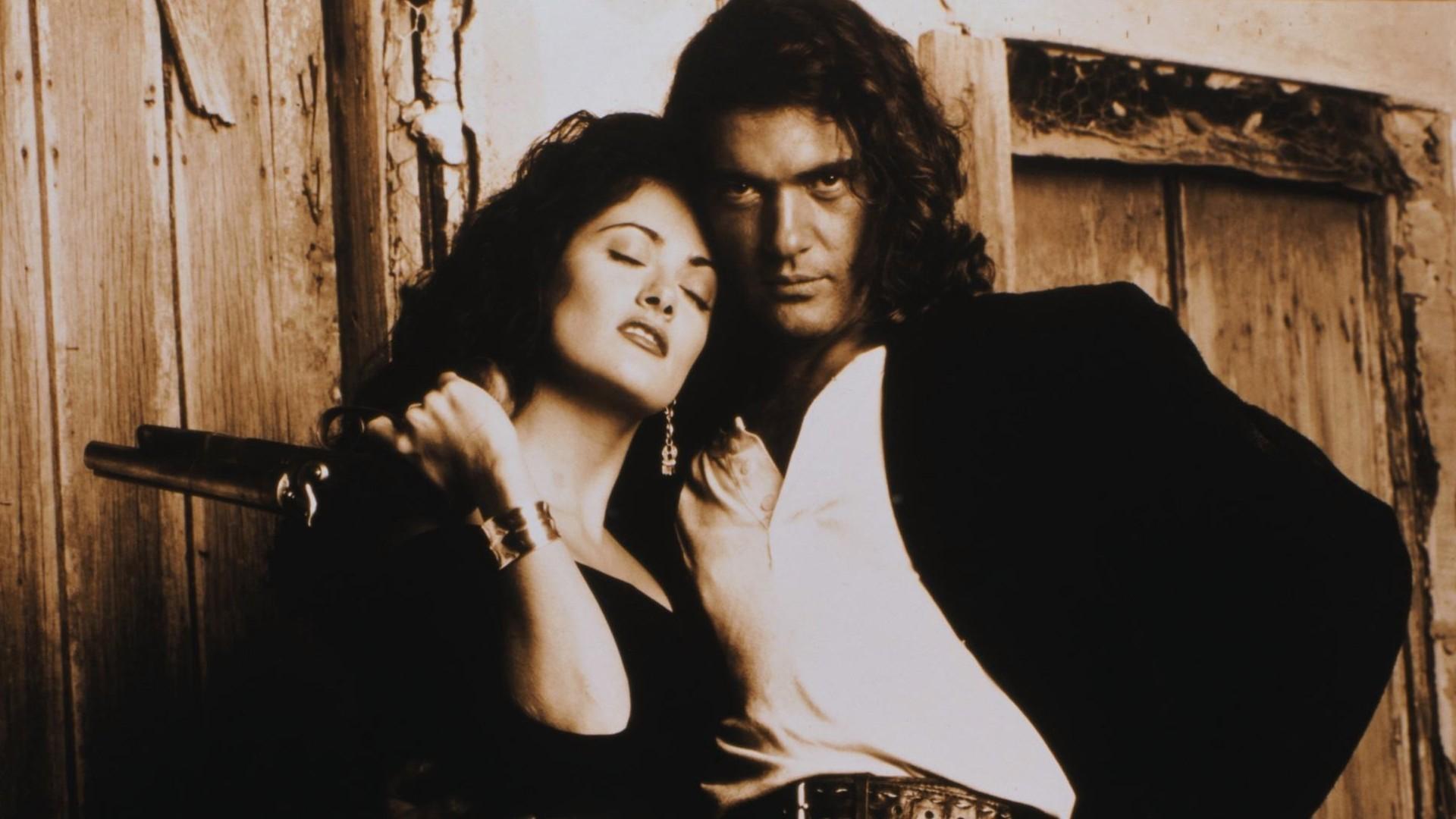
In the interest of full disclosure the other films that Robert Rodriguez worked on that vied to be his second were one I’ve not seen (Roadracers), believe I’ve only seen partially (Four Rooms), and Desperado, his follow-up to El Mariachi with Antonio Banderas, which in some ways is like a bigger budget remake but does progress the narrative.

IV. Back to School with Bedhead
Bedhead (1991, Robert Rodriguez)

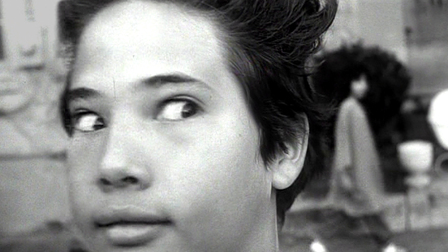
Later on in my schooling I discovered one of Robert Rodriguez’ student films. One thing I’ve always admired a lot about him is his willingness to share not only early works but also advice. This is one I’ve featured on Short Film Saturday and find quite funny and creative. Give it a look if you haven’t yet.

V. Horror and Sci-Fi: The Faculty From Dusk Till Dawn
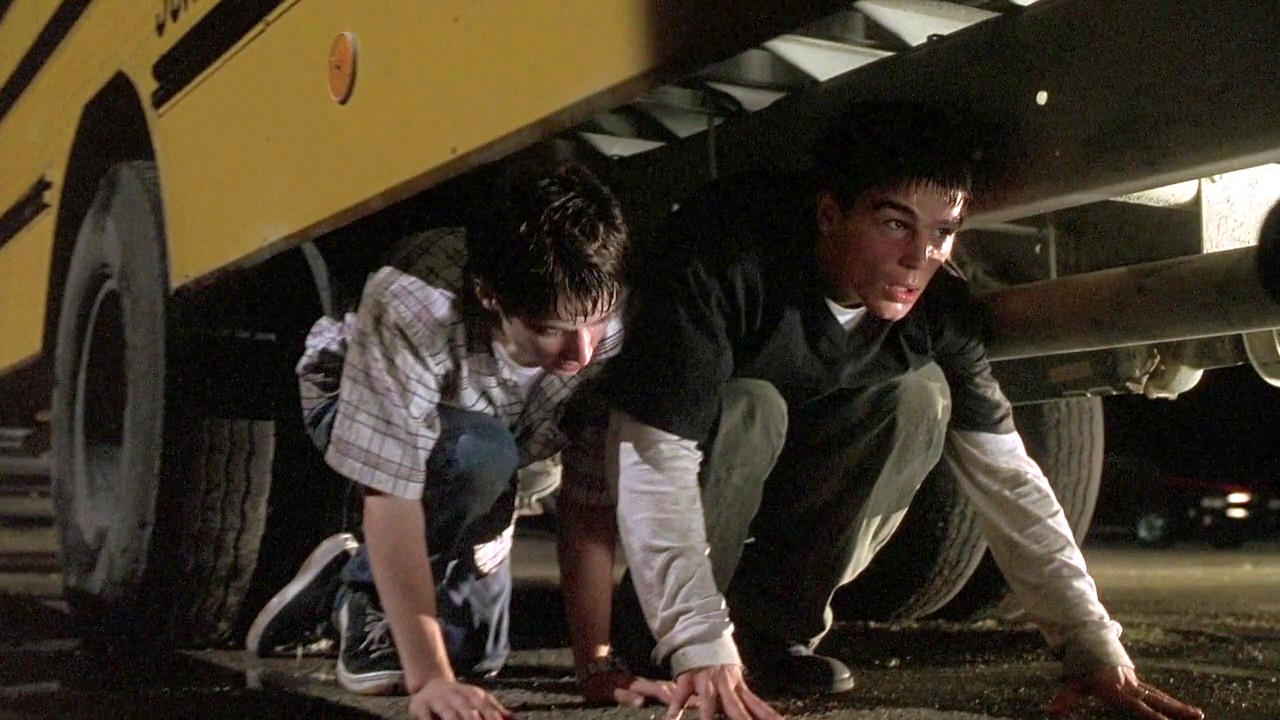
The Faculty

Another thing a bit unique about my fandom of Robert Rodriguez is the current alpha and omega in terms of the films of his I’ve seen, they are the two titles discussed in this section. I saw The Faculty during its theatrical release, however, I didn’t know him at the time so it wasn’t an auteur-based decision. It was motivated by the trailer, Elijah Wood’s participation, and Kevin Williamson (at the time I was a high school student and Dawson’s Creek and all his works were a big deal).

VI. Family Films
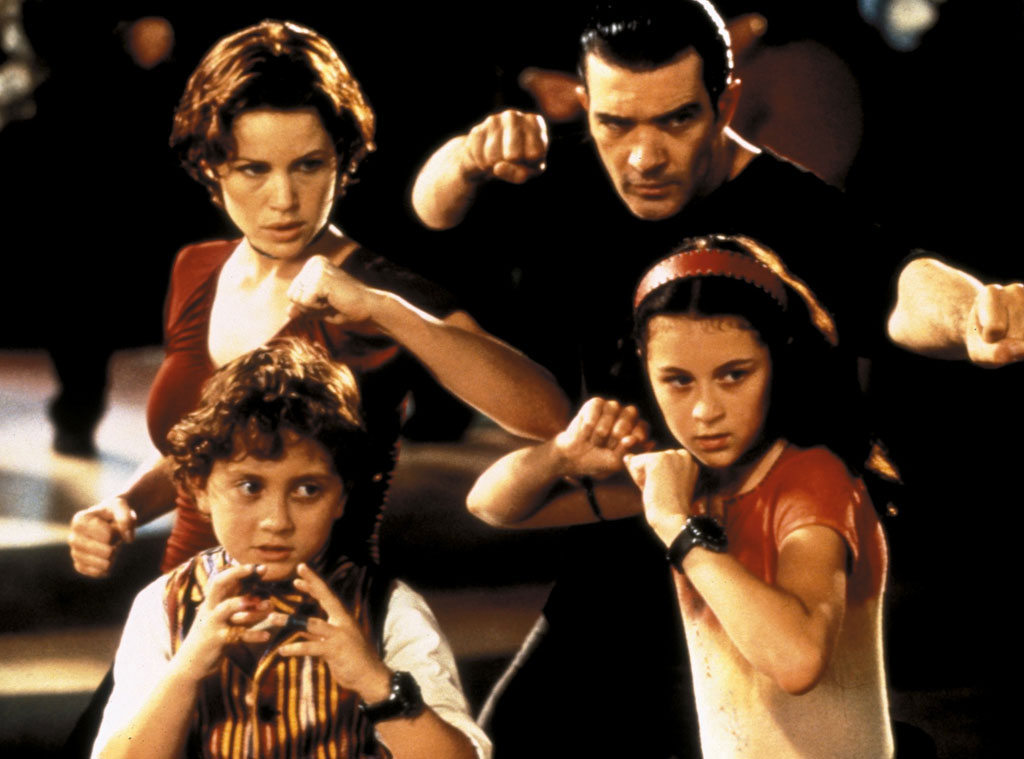
Spy Kids (2001, Miramax)

In discussing Robert Rodriguez’ family films there are quite a few to discuss. First and foremost there is the Spy Kids franchise. It’s almost tiresome, but nor unnecessary to state that clearly the progenitor is the best of the series, and earned Best Screenplay and other nominations. Whimsy and imagination are not words I throw around lightly, and exceedingly rare when films fashioned by adults seem to truly capture a child’s imagination.
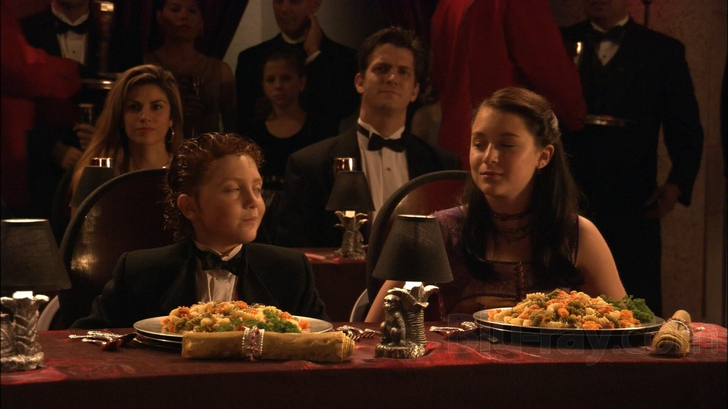
Spy Kids 2: The Island of Lost Dreams (2002)

The sequel was also nominated, and while it doesn’t live up to the first, it doesn’t keep the characters in a state of cinematic cryogenesis maturing them as they go. This time Juni (Daryl Sabara) and Carmen (Alexa Vega) have counterparts of the opposite sex (Matthew O’Leary and Emily Osment). The homage to Ray Harryhausen is quite appreciated as well as the reified dreams.
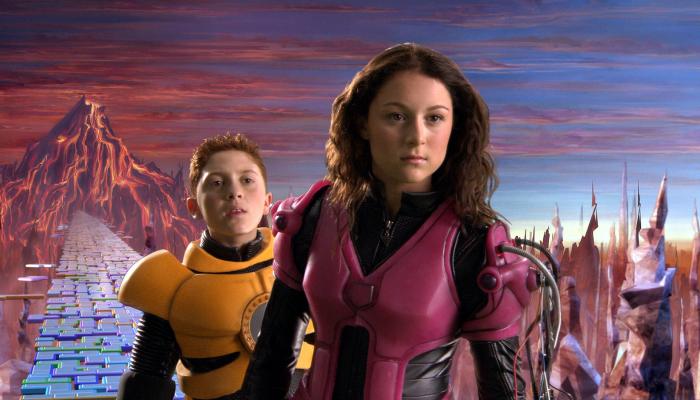
Spy Kids 3: Game Over (2003)

Game Over provided a successful what-was-then-believed to be conclusion to the series, and a good, more modern take on the trope of entering the world of video games.

Spy Kids 4-D: All the Time in the World (2011)

Keeping in line with his vision of moving forward new leads (Mason Cook and Rowan Blanchard) Spy Kids: All The Time in the World in 4-D not only experiments further with Rodriguez’ own ahead-of-the-craze version of 3-D and scratch and sniff cards but tells a tale of families growing up together, as it features the original core in smaller roles, and the continuation and expansion of an institution.

The Adventures of Shark Boy and Lavagirl

Prior to that newest film in the series, which did not in any way feel superfluous after it was over there were two more sojourns into juvenalia. First, there were The Adventures of Shark Boy and Lavagirl in 3D, starring Cayden Boyd, Taylor Lautner (his screen debut) and Taylor Dooley, which was quite literally of childish imagination as Robert Rodriguez’ then eight-year-old son Racer Max Rodriguez received a story credit.
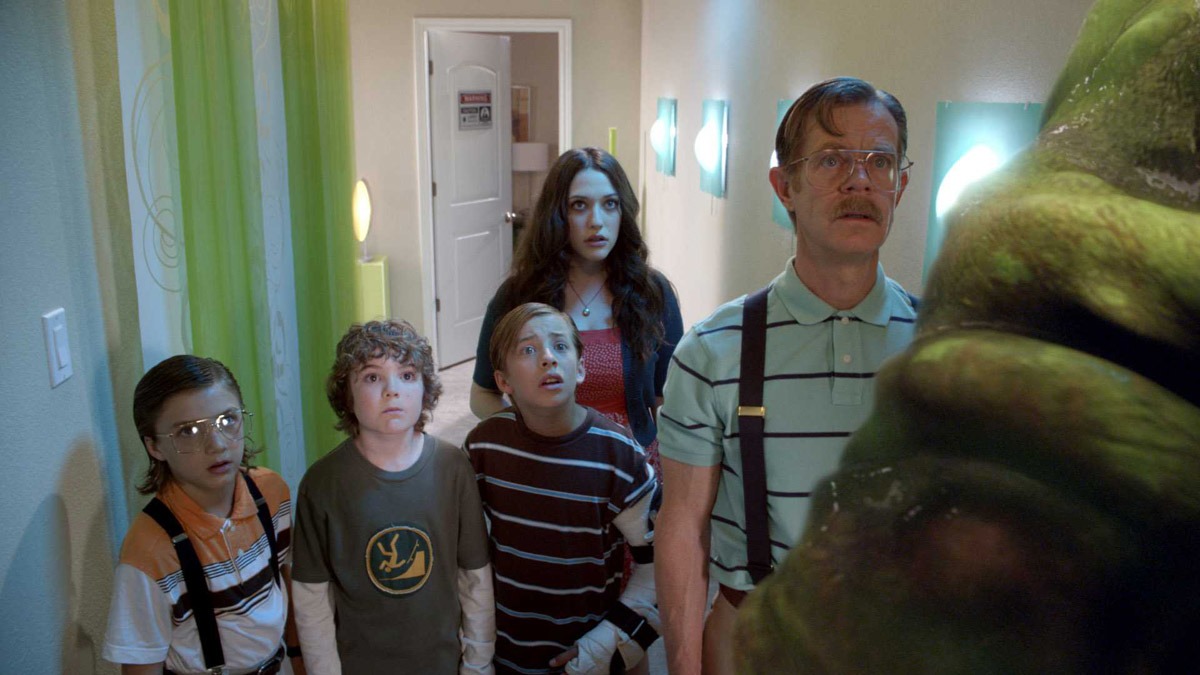
2009_shorts_026

Then there was Shorts, which I found to be a rather unique updating of the structural concept that drove El Mariachi, it played again with time and youthful notions rather successfully.

VII. Machete on Planet Grindhouse

Machete Kills

Firstly and most blatantly, I absolutely love that Robert Rodriguez was the first to turn his spoof trailer that was part of his Grindhouse double feature with Tarantino into an actuality. Eli Roth has tinkered with Thankskilling but it has yet to materialize, and I would love to see Edgar Wright’s Don’t but Machete lives in an eponymous film, Machete Kills and the forthcoming Machete Kills in Space. Now if that will complete a trilogy and rest there remains to be seen. However, even though Rodriguez seems to be bouncing from one notion to another that he’s made famous lately, the first in the Machete series is his most recent triumph.

Grind House

Not only did I land Machete in my Top 10 for 2010 but earned a rare BAM Awards feat (and other award shows also) as it was nominated for Best Picture and in no other categories, but that one is the best one to land in. Furthermore, in a very grindhouse or Italian genre cinema way Danny Trejo is back playing Machete but there is no indication he connects to the world of Spy Kids, but it in all other respects seems to be the same character examined further.
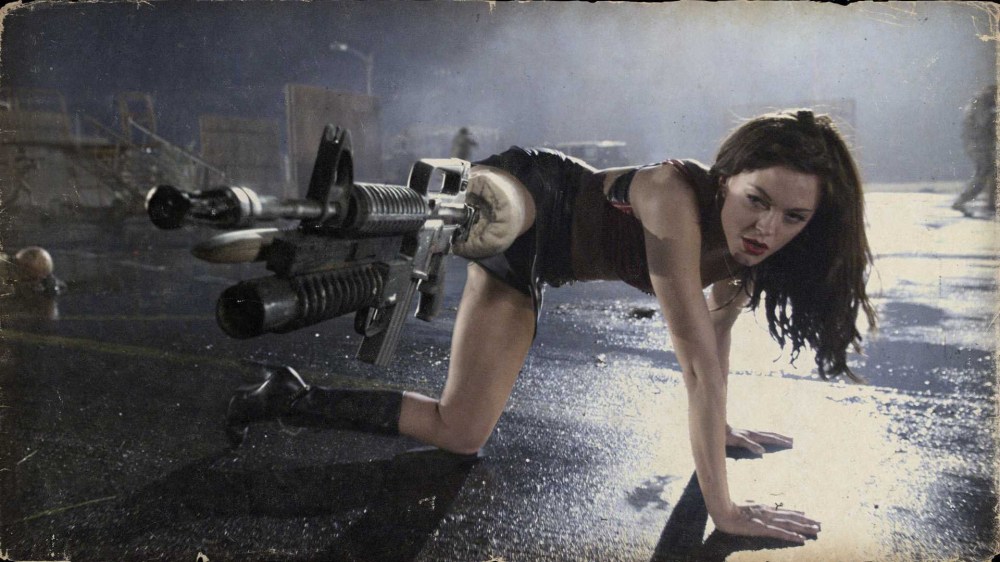
Planet-Terror-Movie-300MB-Free-Download

As for Planet Terror, the film he created that lead to Machete. It’s not my favorite part of that double-bill but it is good, holds up its end, and if anything over-commits to the notion of grindhouse in its faux-scratched film, excessive cigarette burns, and missing reels.

VIII. Painting Sin City with Light
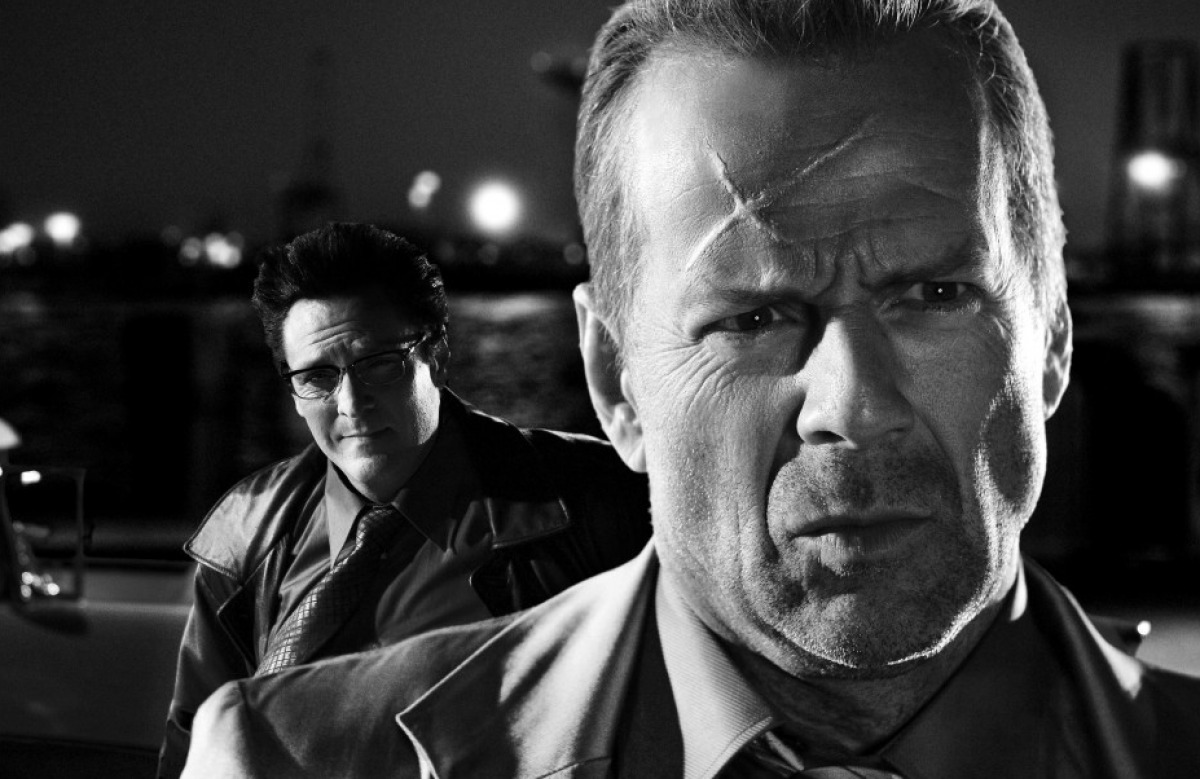
Sin City (2005)
Perhaps most noteworthy thing about Sin City is the fact that in continuing his rebellious streak, with due cause, this was the film that caused Robert Rodriguez to part ways with the DGA. The reason was that the Guild would no allow Rodriguez to co-direct with both Frank Miller and Quentin Tarantino. Under DGA rules only blood relations can co-direct a DGA film. So he dropped out of the Guild.

At it’s time I really liked Sin City quite a great deal and gave it a 9/10. It was in the state-of-the-art at the time, quite visually alluring, and one of the best approximation of the graphic novel in cinema. This proved to create an anachronistic fascination in the film when combined with the Film Noir styling.

I have yet to view the recent sequel because it took too long to follow-up, I admit to some comic book film fatigue, which was not a phrase that made sense in 2005, and until I sat down to write this all I recalled about the original was the excessive, in a perhaps too true to the style and source material, voice over narration.

IX. “He’s emotional. Latinos.”
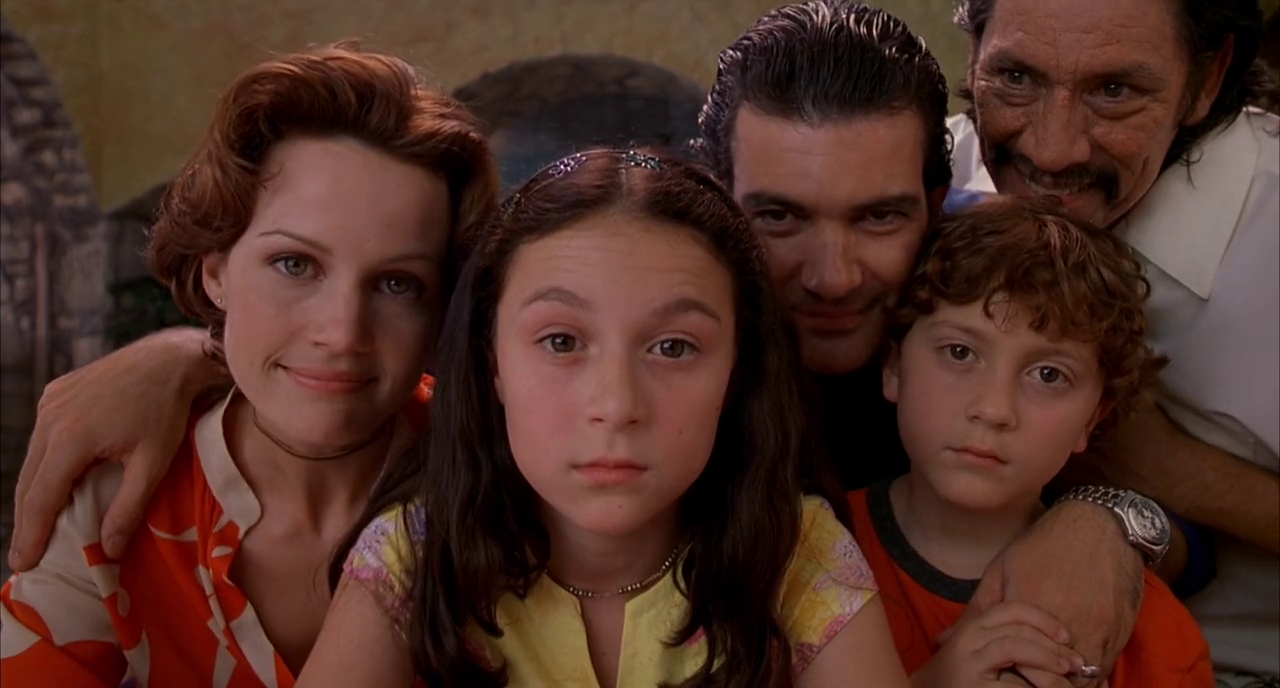
Spy Kids (2001)

Watching the films of Robert Rodriguez, whether they be kids films or his action or other adult content ones, was also part of my personal maturation process. Prior to having seen his works I was not one for cultural transliteration. To be abundantly clear what I mean to say with this is that his films, though not about my background (being a dual citizen of the United States and Brazil), I could relate. Going just beyond being a necessary and representative voice for his own people Mr. Rodriguez was the catalyst of a sort of cultural awakening for me.

Surely, his films won’t undo the laments and wrongs I bemoan in the pre-amble of my review of Rio (Nothing can), but his films; epitomized by the line from Spy Kids quoted above – strike a universality that is not accessible only to Mexicans, not only to Latinos but to everyone who chooses to watch his films. Since then that specificity combined with universality has been something I’ve sought and found in many corners of world cinema. However, there was a realization I found here and for that alone he earned a special place in my pantheon separate from all his other accomplishments.
X. El Rey del Futuro
from-dusk-till-dawn-background

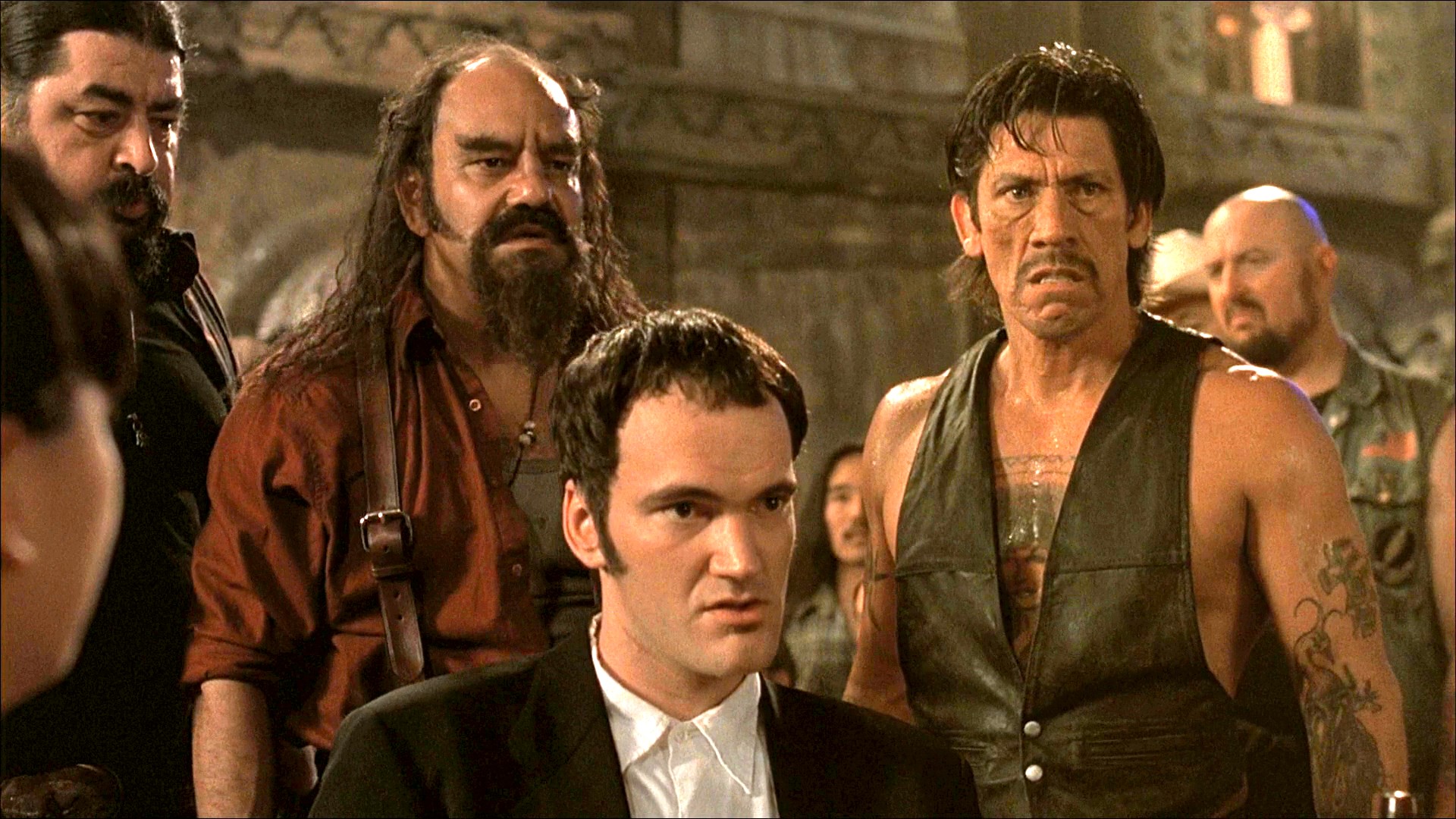
Unfortunately, due to my cable and streaming services at current, El Rey is not available to me all the time. However, I plan to check out the From Dusk Till Dawn series soon, and whatever other content is available online. Hopefully, The Director’s Chair, too. Not many directors have a whole network, much less one that represent their cinematic interests so well.

As if that wasn’t enough, besides the aforementioned Machete follow-up, Rodriguez has also been tapped to bring Johnny Quest to the big screen, which if it finally happens should be a big deal and it’s significant because it’s a rare occasion where he is working with characters not of his making.

Robert Rodiguez’ rise not only came at a time when independent cinema was getting noticed more but also during a new crest in the rise of Latino culture in America. Robert Rodriguez seeks always to entertain first and he has; he is his own voice and doesn’t deal with issue films except how they might make sense within his wheelhouse, like Machete (“This time they fucked with the wrong, Mexican” the voice-over states).

Wherever Robert Rodriguez goes I’d willingly follow to give a chance and a glance, as will others I presume, and along the way he’ll open hearts and minds and accelerate pulses with action, but also not be averse to provoking some thought while having fun in the process. He’s truly well-rounded in all regards. I could go on in this, as I hope he shall in cinema; quite nearly forever.
Review: Michael

Introduction

This is a post that is a repurposing of an old-school Mini-Review Round-Up post. As stated here I am essentially done with running multi-film review posts. Each film deserves its own review. Therefore I will repost, and at times add to, old reviews periodically. Enjoy!

Michael (2011)

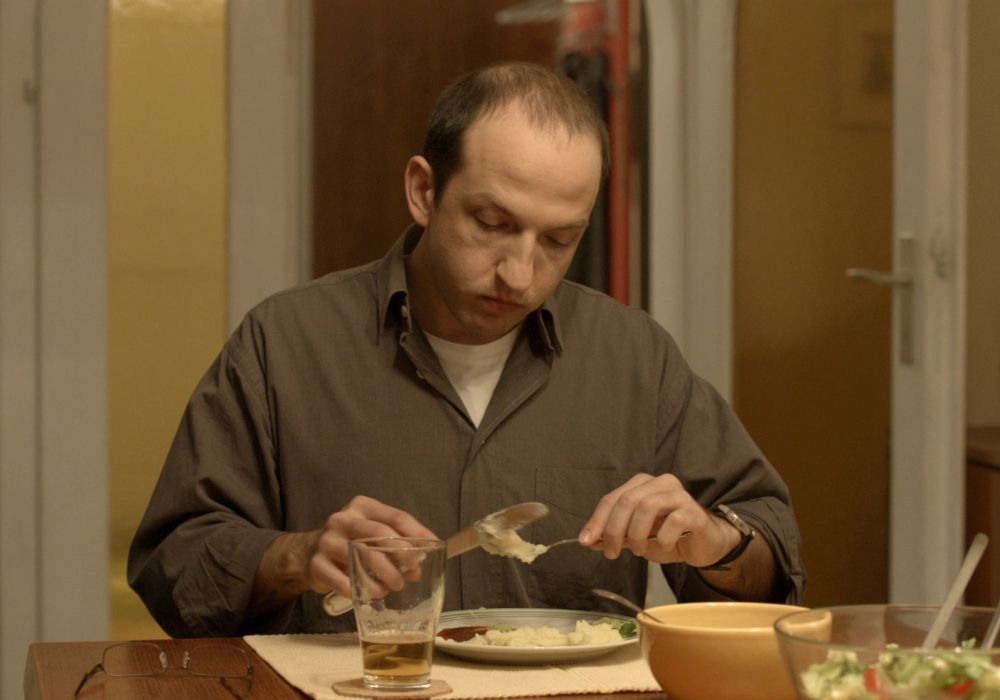
I generally remain vague about plot descriptions in my reviews. Philosophically I believe that if you happened upon my review you know enough about the film and you’re just looking for some further information. With a film such as Michael one does need to be forewarned: while not sensationalistic or exploitative this film does chronicle about five months in the life of a pedophile. You will be disturbed and affected by it: I guarantee it. What is most effective is that the film does so almost exclusively through implication.

The film edit of the film is tremendous and much of the dialogue on reflection implies so much more than is said. One example of how the film communicates horrible consequences while doing little is a simple visual: Michael and Wolfgang, the child he has captive, are setting up a bunk bed in his room. That scene has made its point and hits you in the gut.

What makes the film most harrowing is the humanistic portrait painted of Michael. With an act as awful as child abuse, whether of a physical or sexual nature, some films overplay their hands. Meaning they feel the need to make the antagonist over-the-top and borderline cartoony as if to re-emphasize the inherent villainy and cruelty of their actions. Yet more often than not that kind of writing takes a viewer out of the moment. This film takes things as mundane as decorating a Christmas tree, talking to a neighbor, or a haircut and tinges them with malignancy and implications that belie the simplicity of the line spoken or the action taken.

You also have in this film two performances that make this film work and they are those of Michael Fuith, who used his awkwardness to endearing effect in Rammbock, but here is intimidating, frightening, awkward, and charming as needed. Then there’s also David Rauchenberger, who while not in the film a tremendous lot, has the unenviable task of playing the victim who as times dour, at times detached, at times a child and also rebellious.

The craftsmanship of the film is what truly makes it work. There’s one scene that really doesn’t jibe with the restraint, and the ending is one I stewed on but decided it is earned, as a whole other film would start had it continued.

8/10

Film Thought: The Tableau Vivant in Halloween (1978)

Each year I will revisit the original, classic Halloween at least once. This year, owing to the new Blu-ray box set I will be revisiting the whole series anew. However, the one I will likely come back to more than once, and always find new things to say about, is the first.

With very good reason there has been much made about the use of Steadicam not only in the film as a whole, but also during the opening sequence (one of the last shots in the can during principal photography) where Michael’s POV is taken as he stalks around the house and kills his sister, Judith (Sandy Johnson). Now in technical, artistic and production terms this shot is quite a feat. In the narrative terms it, of course, begins the film with some mystery, a thrill when the POV is broken and a great reveal. However, over the course of time that has obfuscated something of almost equal intrigue (if not anywhere near as hard to achieve as the prior sequence).

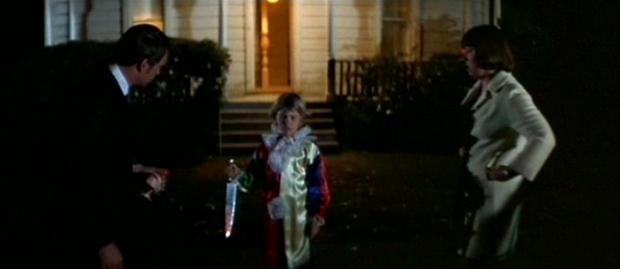
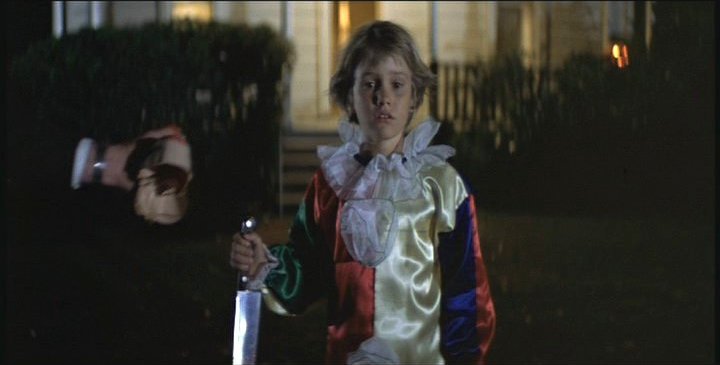
The shot that immediately follows reveals Michael to be a young child of six years of age (Will Sandin). Here again narrative shock may distract you from absorbing what’s happening in its fullest implications. The cut occurs when his mask is removed. We see his face and pull back. As we do, we are introduced visually to Michael’s parents. They look shocked, try to get his attention and the camera continues to methodically crane away. As the camera makes its move there is an unnatural lack of movement in the mise-en-scène, it can be argued, by all parties. Even if you’ll give a pass to the fact that Michael doesn’t move; owing that to some semblance of shock he may be feeling (which would be the last time he really, totally felt any sort of human emotion), then you still have to consider the parents who having found their six-year-old with a bloody butcher knife merely stand there befuddled and scarcely move or comment after having merely called his name a few times, mom crosses her arms and dad takes a step back. That’s it.

Previously, I believe I had dismissed such concerns owing to the fact that the shot needed to happen, and being a director that sufficed. However, the shot can still go on with some more movement by the players as the camera drifts away. So, what was it that was compelling this blocking? It’s a choice so conscious it cannot be dismissed as an oversight and has to be viewed as intentional on the part of the director.

Halloween (1978, Compass International Films)

As I watched it this time it struck me. It was so obvious I can’t believe I hadn’t considered it before. What is being created is a cinematic equivalent of a tableau vivant. This is a technique that is rarely implemented on film, however, it’s one I always felt a powerful to implement on stage, and when one considered some instances in which they are used (such as in fairly tales or religious stories) it starts to make sense.

The tableau vivant is described as:

Tableau vivant (plural: tableaux vivants) means “living picture”. The term, borrowed from the French language, describes a group of suitably costumed actors or artist’s models, carefully posed and often theatrically lit. Throughout the duration of the display, the people shown do not speak or move. The approach thus marries the art forms of the stage with those of painting or photography, and as such it has been of interest to modern photographers.

Usually the only times this has been approximated on film or television that I can recall off the top of my head is is in very obvious circumstances where a character would say “Freeze” or some other directive like it and rather than freeze framing the actors stop moving. One notable example of this was the children’s sitcom Saved by the Bell. Now here you have a far more subtle form and the reason I believe it is: one, is that it is allowing the events to sink in; two, building a legend; three, ending a chapter in the story prior to moving to another one. In the world of this film, in this town, this is the local legend; this is the boogeyman. Now that we the audience know what happened, have ruminated on it for 29 seconds during the shot (Yes, 29 whole seconds this shot runs uninterrupted; quite nearly unconscionable now) here is a story set in the present (1978) about the same town, and what happens when he comes home.

It’s the kind of time-taking and camera move that you wish was easier to get away with in the modern language of cinema. However, it is the way that this shot works, the way it so perfectly caps off the opening salvo of this film that has allowed it to stand the test of time and multiple viewings without even being subject to tremendous amounts of scrutiny. Although, as with most things in Halloween, added scrutiny only enhances the mastery of the work, and doesn’t diminish it in any way, shape or form.

Moviegoing in Days of Future Past

The temptation to make this a tirade that meanders for far too long, waxes poetic finds any and all tangents and beats them to death several times over is great. However, with a few days I have been able to ponder the impetus for sitting down and writing this in the first place to the reasoned, cautionary bit of friendly advice was meant to be in the first place. In other words, please don’t take this as get-off-my-lawn but rather a necessary suggestion on course correction as we proceed through time as moviegoers.

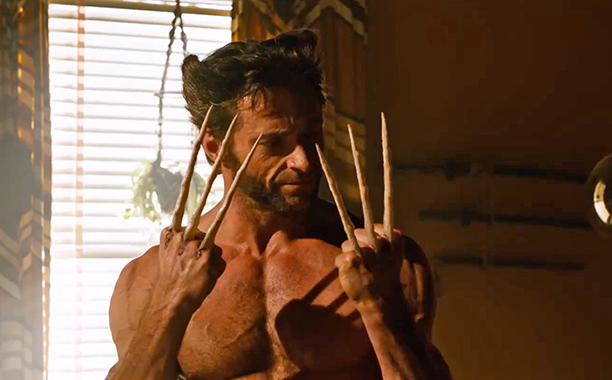
The impetus was, as has been the case in the past, something overheard while leaving a theater. This time it was rather innocuously, and I must admit rather enthusiastically, a parent saying, mere moments after the end of the new X-Men film “Now we have to wait two years for the next one; X-Men: Apocalypse.”

This little moment struck me in so many ways as a microcosm of the current state of moviegoing, and entertainment in general. It was mere seconds after the film had ended, the experience not yet fully absorbed, but already the next one was anticipated and longed for. Clearly, there’s a positive to that. However, there’s a certain lack of even “stopping to smell the roses” indicated when one cannot walk out of an auditorium and wait five minutes before pondering the follow-up.

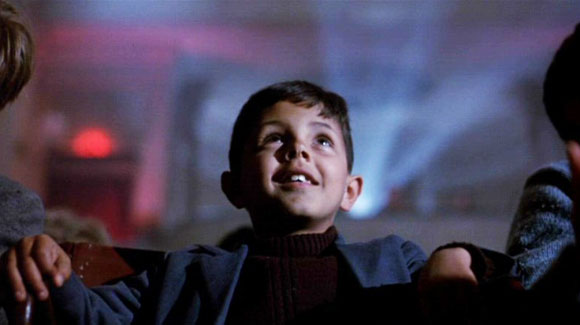
Hugo (2011, Paramount)

Perhaps the acuity of this particular observation was amplified because it was a parent and a kid (or kids). I distinctly recall not knowing what was coming out far in advance as a child and the surprise seemed to add to the magic. I’m not saying I don’t anticipate things for a long time now, but I still very diligently try to preserve mini-surprises like trying to only see trailers at the movies. I also don’t play the whole teaser to a trailer game.

The impact of this particular moment was further amplified by the fact that I anticipated there’d be another X-Men film but I honestly had not read up on it and didn’t even know a title. I fully understand that we live in a day and age wherein untitled projects from studios getting a slot three years down the line is news, and press releases including initial synopses get ubiquitous coverage, but I don’t want to look forward to all things at all times, so X-Men fell through the cracks. Not that I’ve had a big issue with any X-Men film. Perhaps it’s due to a subconscious desire to have Sony and Fox fall asleep at the wheel, or strike a deal, to unify the cinematic Marvel universe that I don’t diligently follow their plans.

Another reason this moment jumped out to me was that in my blogging I try and strike balance in what I cover. I try and keep current but also not forget cinematic achievements and glories of films past. It seems that the old struggle (for lack of a better word) was to not ignore the past as a film enthusiast. Now with the evolution of Internet coverage it seems at times a struggle to give adequate focus to the present.

Is it possible that all this short-sightedness has unexpected positive side-effects, such as more films being “rediscovered” after being too quickly summarily dismissed and/or ignored? Sure, but I wouldn’t count on it.

Look, I get that there’s a glut of information out there, and I don’t want to sit here and preach that we should be ignoramuses. I am perfectly aware of my bad habits. For example, I hate casting rumors and prefer confirmations, but I read both. I think my best advice to dealing with an excess of information is that there is a time for everything. So if you love a series you will read about what’s next regardless, but save your thoughts and longings for further installments for an adequate time after seeing the latest. Give it a moratorium.

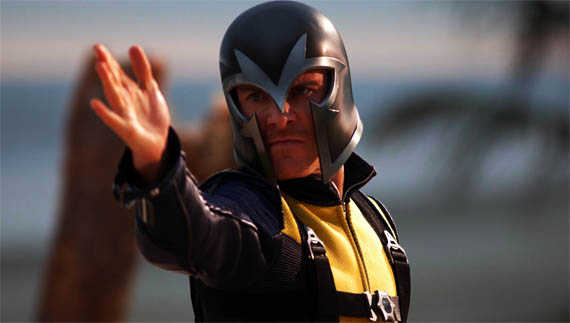
X-Men: First Class (2011, Paramount)

Going back to the specific example that was the catalyst for this piece: I loved First Class a lot. So much so it ended up very high on my year-end list. My watching Days of Future Past was a lock based on how much I liked it. I saw news tidbits and they slipped in-and-out of my consciousness, as it was a film I wanted to see regardless. The trailer enticed me. I liked it quite a bit. Only today five days after seeing it did I start to read up on the stinger that closes it out. Granted it was a longer moratorium than is needed, and it connects to this last film, but it does foreshadow.

Everything is cyclical and going against the current, or trying to change is single-handedly, is foolhardy. A certain amount of information has always been available to film lover. It’s just that, like with everything, the Internet has democratized it and moved it out of the sole purview of the trades. I have more frequently lately had to check Fandango to see “What’s out this weekend?” It’s something a while ago I may have been embarrassed to admit, but I’d rather check it to see what’s out this weekend than know what’s out this weekend so I can see what I have to look forward to two or three years from now.

Film Thought: Why I Balk at the Megaticket Experiment

Not too sound too much like a get-off-my-lawn-type but I did have a few thoughts on the recent Megaticket trial for World War Z.

Now, as much as possible, I will separate these thoughts from my thoughts on the film itself.

As many have pointed out, it’s fairly ironic that this trial occurred about a month after Steven Spielberg and George Lucas spent quite a bit of time speculating on the future of films, and Spielberg made the observation that moviegoing in a theatrical setting was heading the way of the Broadway musical becoming cost-prohibitive for the average consumer. This ticket hit half the $100 bogey he set.

And this is what the $50 got you:

included a ticket to a 3D screening of the movie on June 19, two days before the film’s release; one HD digital copy of the movie when it becomes available; one pair of “World War Z” custom RealD 3D glasses; a full-size limited-edition movie poster and a small popcorn

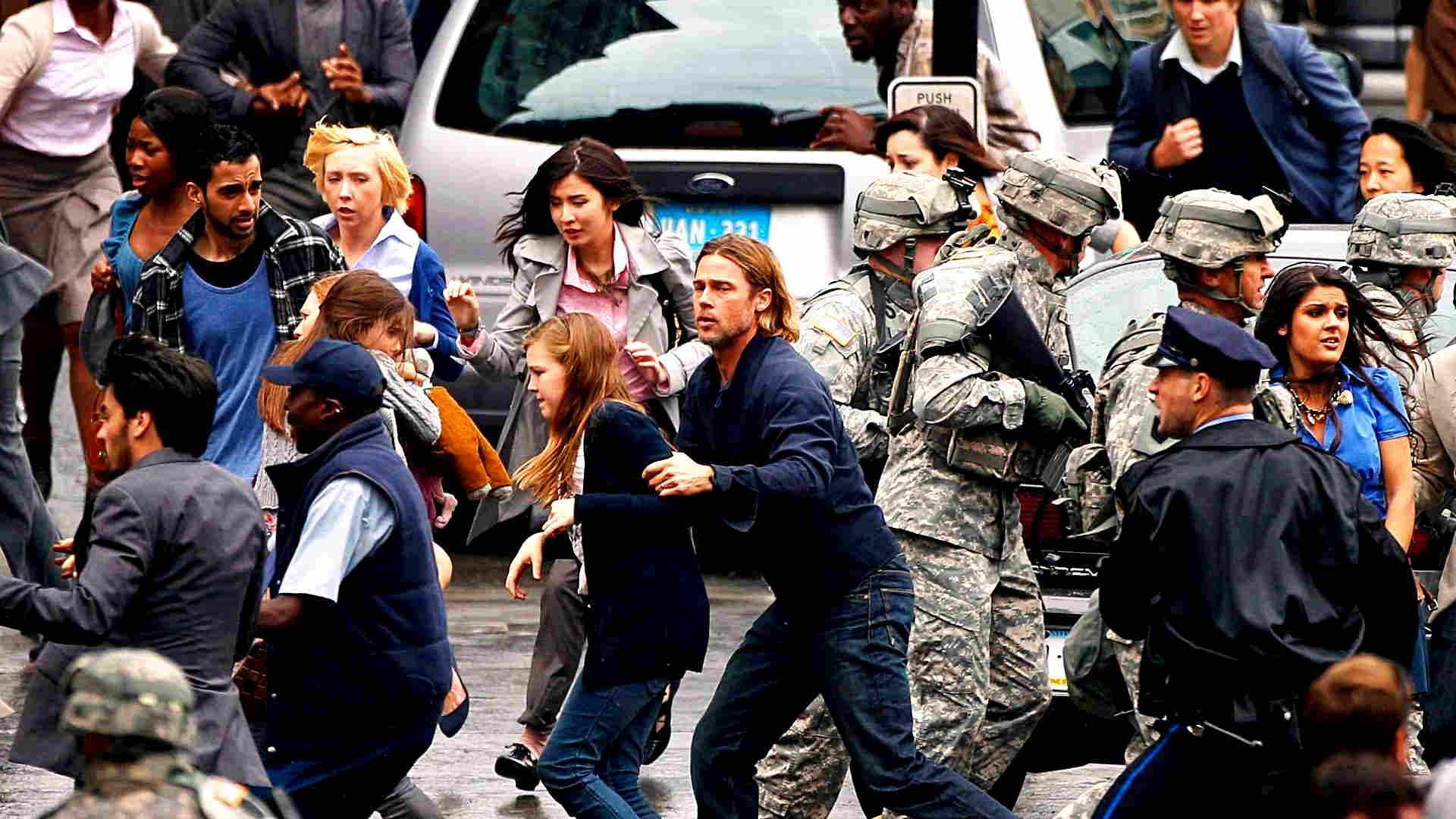
World War Z (2013, Paramount)

My first issue is that if you look at the cost per item, you’re about breaking even but reserving the right to own everything right away (They claim $75 in value. If that’s true they’re overvaluing the glasses and digital copy to me). However, you get no soda and you get no physical version of the film.

I’m not going to say I’d never parttake in a megaticket experience (the early screening is likely the most enticing in this now/future film culture that exists). However, if I were to do it I would more likely shell out the money for a DVD/Blu-ray combo and a title that was pre-sold to me.

I honestly still have issues believing World War Z was pre-sold to anyone. Yes, the novel had quite a following, but it was widely reported that this was an adaptation in name only. So for something say like Star Wars: Episode VII, I might consider it. Otherwise it’s going to take me a while to get on board.

The inclination is already for the studios to forgo risk-taking, if we, the movie-crazed minority, will jump at the opportunity to give up even more cash per head than we already do we’re further ensuring the studios’ business plan and endangering theatrical attendance.

Not too be overly-alarmist but it’s not hard to foresee the slippery slope this could lead us down. Make sure we don’t redefine what an event film is. Some releases may be worth this treatment but not most, and certainly not all.

Film Thought: Moviegoing Solo

Sometimes the short commentary pieces are one I think of and slip my mind and crop up every so often and I need a nudge to remember that the question could use asking.

I’ve meant to discuss, hopefully open up a dialogue, about moviegoing solo for a while. It’s one of the several aspects of the moviegoing experience I feel are worth some exploration. This is due in part to the fact that not only do I actually enjoy it but quite frequently some of my favorite films of the year happen to be seen just that way. Most recently and notably number two last year.

The impetus to finally bring it up was the other day Alexander Huls on Twitter mentioned he was asked “Just one?” when buying a ticket. We had a brief discussion about this wherein I likened it to being attended to at a restaurant. What that question, in either scenario, boils down to, at the very least, is not taking into consideration its connotation and the presumptive nature. Yes, people meet up and get names in for tables ahead of time at restaurants. That’s why the question is “How many?”As with moviegoing, it should be the same.

There were then two moviegoing-related anecdotes in pop culture that came to mind; I believe it was the ‘movie-saving episode’ of Seinfeld that brought up the question, how is moviegoing inherently better in a group. I also frequently harken back to Stephen King’s comment in Danse Macabre about people attending horror films in packs, in part to subconsciously stave off being frightened.

The answer to the Seinfeld question is that it is and it isn’t inherently better. If the movie is any good, or worth discussing, you can instantly talk to your friends afterwards about what you just watched. I think I saw Sinister in a group of five (a rare pack outing for me) and there was much to discuss. However, if there’s a film I have to get in, or I really want to see, and I don’t want to have to twist anyone’s arm to do it, like say a Bela Tarr, why wouldn’t I go alone? There’s no good reason for it, and I frequently do go.

New York is one of the great moviegoing destinations in the world. Whenever I’m there now I like to partake in activities on either end of the spectrum: either fairly touristy or something more localized that I know of having been born and raised there. However, I also typically also make it an overnight excursion and take advantage of the fact that there’s plenty of films out I can only see there and for a limited time.

So those are some of my tales of moviegoing solo. And what of you? Do you like, love or hate it, and why?

Film Thought: I Think We’re Alone Now

A few times recently I’ve been very close to being the only person, or party, in a theater for a particular showing of a film. In fact, a film I mentioned last week, Creature, may have been the last time that happened as it got a much wider release than should’ve been possible, and thus, shattered a record for box-office futility.

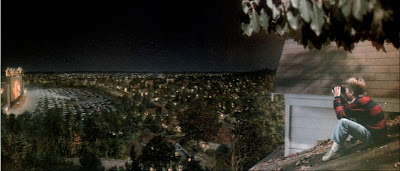
I recall the first time it happened was when I finally got around to seeing the extended/altered cut of E.T. many weeks after it was out. It sure is a fun and surreal experience for being alone and not having to worry about social graces and movie-watching etiquette; it’s one of the few times if ever I slack on that kind of thing.

Being in the sole party is the sort of thing I should contrive to do more often so maybe I’ll wait about a month to see Fast and Furious 6 because it is fun.

The two questions I have regarding this experience are: Have you ever been a part of the only party at a screening? And for people who have worked at theater, if no one is there does the movie even start up?

Film Thought: Walking Out of a Movie

Previously I had written about the conundrum of when to turn off a film. However, if there is one mark of delineation I drew there it’s that Netflix has somewhat changed my approach to that whole question. With Netflix, or any other service that gives you movies at the touch of a button, the tendency is to just push play with less consideration than in the past, unless you’re paying just for that film. With films that are included with a subscription we tend to treat them like they’re free, or at the very least we’re more inclined to click just to try and get the most out of our subscription.

However, the way I approach movies at the auditorium is a bit different. Whereas home viewing can be far more impulsive there is still a shrine-like, quasi-religious reverence granted to a movie being screened as it was intended. This is why I have no tolerance for disruptive, completely unnecessary, loud talking; cell phone use and other breaches of etiquette. While I’m at it it’d also be great if the glow stick brigade at my local theater, which is part of a large chain of multiplexes, would stop traipsing through the theater at the beginning and end of a film, when focus is more critical.

Due to the elevated status that I give seeing a movie in an auditorium (Though I see a much larger number at home than ever before), I am far more hesitant to abandon a screening that I’ve gone to see in person. There are a few reasons this is so: firstly, there is the time invested. Whether or not I’m close to the theater I still like to show up early, there are a significant number of trailers playing before the film so the time invested is more than the running time. Secondly, the financial investment is invariably greater. I’ve mentioned it on a few occasions, and the numbers are easy to figure out, if you’re viewing a film on demand you are renting it so it’ll play on your TV. They don’t verify how many people you have sitting in front of that TV so the savings are obvious especially if you snack at your home theater and at the multiplex. Lastly, it just seems like a much bigger move to get up and walk out. Yes, there is the complication of if you’re with a group of people, but hitting a stop button and walking out of an auditorium are two massively different things.

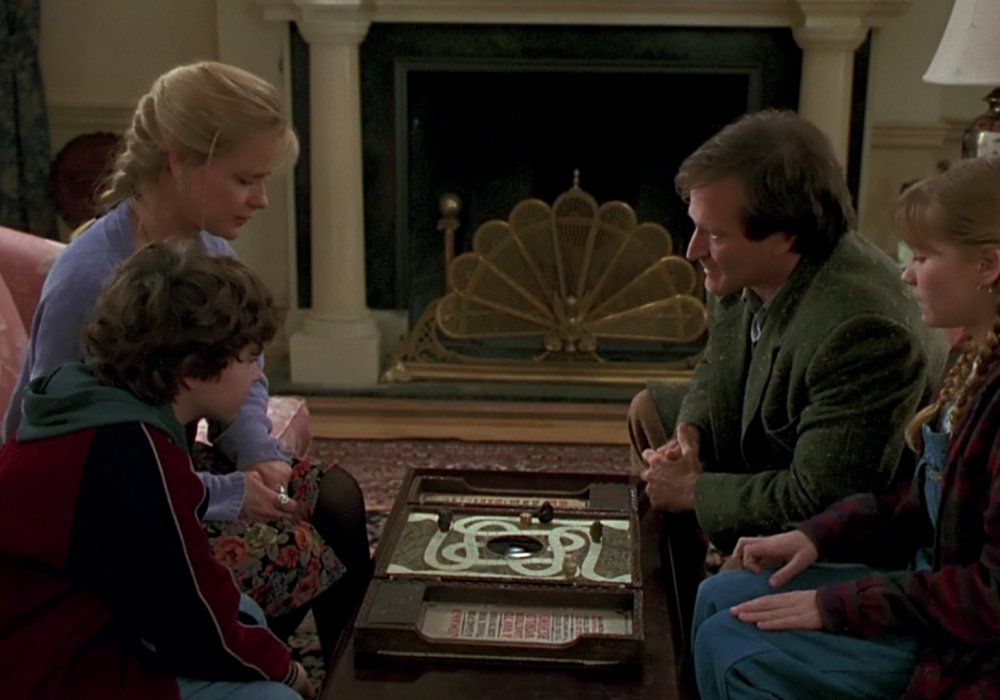
The last time I felt the twinge to want to leave a film was when I saw Creature. However, it was ultimately too much train wreck to ignore so that leaves Jumanji as the only film I voluntarily walked out of because I just couldn’t take it anymore. I could count Big Fish also, but the decision was aided by a fire alarm that allowed me to realize “Hey, I don’t care if I finish watching this movie now. Thanks!”

So there’s my take. How about you? What have you walked out on and do you find it’s easier to shut off a film at home than to walk out?

Film Thought: Film Word Association

It recently occurred to me that though one could think of many moments to associate with almost any film, especially one you particularly enjoy. Some films have that one iconic moment or element that stick in your mind, in some cases whether you saw them or not. For some of these films it’s a positive attribute, in other cases less so.

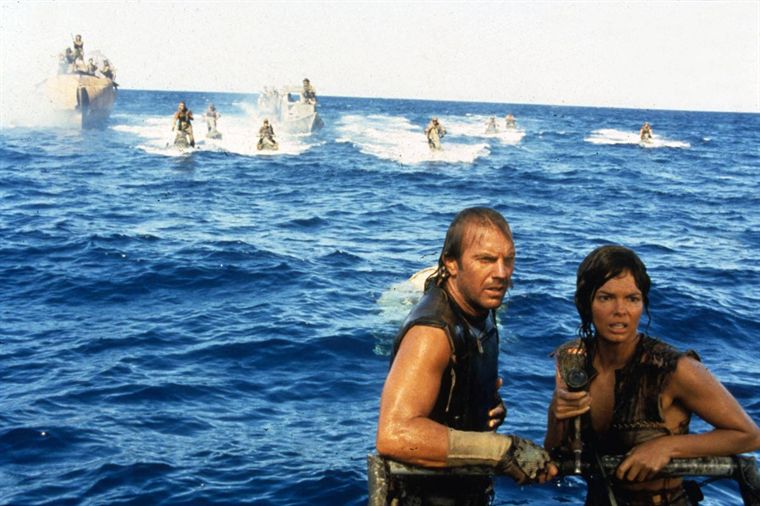
What made this notion come to mind was hearing mention of Waterworld. The word that instantly came to mind was: urine. Now, I don’t believe I’ve ever seen more than a few fleeting glances for it save for a scene here or there on TV. However, I heard of that element of the story enough that it’s the first thing I thought of. Similarly the original Total Recall had in it its famous scene that was the first thing that came to mind. That word association would be a cheat being two words, but still you get the idea.

It made me wonder how many films would conjure one instant word or image. It’d be rather trite for me to sit here listing all the ones I came up with, I think it’d function better as a game. If you want to try it here you can feel free to comment, or you could do it any of number of ways online or in person, with friends, family or non-frightening looking “strangers on a train” (Tennis, see it’s easy!). I’m sure there would likely be some rather funny results if were forced to pick a descriptive and representative word from a number of films.

Film Thought: Who Would Play You in a Movie?

How many of you have thought of the hypothetical question of who would play you in a movie of your life? It’s not the most unique query in the world. I assume there are a few. I gave it the occasional thought when I was younger, but never thought about it again until recently when asked.

More often than not I will admit I’ve considered what my life would be rated by the MPAA (can anyone get away without and R or higher knowing them?). I’ve also considered the end credits. Which are both very hypothetical and nearly metaphysical considerations. Who’s watching said movie to rate it or see the credits, is akin to the Theory of Size questions or other existential ponderings usually reserved for the very young.

Theoretically, someone making a movie about your life is a more feasible concept. What’s funny is that I have thought about this question more for people in my life than myself. Maybe the reason for that is how we all view ourselves, but I’ve had certain actors pinned down as certain family members for a long time: Melanie Griffith, Julia Roberts, Steve Martin and so on.

Casting a story based on my family is much easier. Myself? Not as much. If you want a reference point as to what I look like you can check out a photo on my Twitter. Let’s look through some of the ideas. One way to look at it is: who have people told me I remind them of? I can only readily recall two. When I was younger people used to say I reminded them of Fred Savage on The Wonder Years. However, I have a feeling a lot of kids got that around that time. Even if we did look like each other once upon a time, we no longer do.

A few people have told me I seem to resemble Roger Federer. I contest this notion, but even if I do, unless I wrote myself into some weird biopic/Tennis version of Space Jam that wouldn’t make sense anyway. The only actor that ever really came to mind is one I haven’t watched that much of recently, but was one of my favorites growing up, and one I’m looking forward to seeing in Maniac; Elijah Wood.

Now, to state the painfully obvious, I do not look like Elijah Wood. If this hypothetical film were to exist I’d be getting upgraded. If you’ve ever been introduced to a historical figure in a film typically the Hollywood edition is a bit of an upgrade to the original when you discover what they look like. My case would be that to the nth degree. However, another factor would be that we’re very nearly the same age. Yes, actors often stretch their range by a number of years, but since I have no obvious doppleganger I’ll limit it to people around my age. Second, his onscreen persona has always seemed somewhat similar to mine in life I feel. When he angers he may need to get louder, but I’m sure he can manage. Lastly, since he’s become a mature actor and gotten into social media Elijah has proven himself to be quite a film enthusiast. So there’s another reason.

Yeah, my choice isn’t a dead ringer, but it’s one I’d be pleased with. How about you? Who would play you in a movie?