So You Wanna Win Best Picture?

E.T.: The Extra-Terrestrial (Amblin)

To be clear this article is not meant in any way, shape or form to disparage the Academy. This list is aimed at the film enthusiast who may, as I used to, get a bit too worked up about who won or lost. Granted you will link your opinion to a sense of justice, however, it bears keeping in mind that below are 25 films all were nominated for Best Picture, did not win but all have a legacy stronger than most winners of the award. Ultimately, time, the public and critical re-appraisal are what determine the films that last, awards, while nice, are in the moment comparatively speaking. The Oscars are a great show and if something or someone you like wins it’s even better but if not it’s not the end of the world. The list below is evidence of that.

Films That Didn’t Win Best Picture

1. Citizen Kane
2. E.T.: The Extra-Terrestrial
3. King Kong
4. The Wizard of Oz
5. The Color Purple
6. The Sixth Sense
7. The Maltese Falcon
8. Apocalypse Now
9. Raging Bull
10. Star Wars
11. JFK
12. A Few Good Men
13. Pulp Fiction
14. As Good As It Gets
15. Double Indemnity
16. It’s a Wonderful Life
17. High Noon
18. Miracle on 34th Street
19. The Ten Commandments
20. Dr. Strangelove
21. The Graduate
22. The Exorcist
23. Chinatown
24. Jaws
25. Taxi Driver

Oscar Nominated Animated Short Films

In recent years there have been nationwide screenings of the Oscar-nominated short films, which is a great thing for many reasons: clearly it promotes the filmmakers but also as a filmmaker and Oscar spectator you’d like to have an informed opinion based on more than just the title and/or the snippet shown, which I have operated under many times.

Sunday

Sunday (Dimanche) (The National Film Board of Canada)

A really charming and imaginative piece that sees the world accurately through a child’s eyes and more importantly through his imagination.

The Fantastic Flying Books of Mr. Morris Lessmore

I will start out by saying I do love the concept of this short. There are some funny, insightful and charming moments, however, this short also bothered me on more than one occasion. It’s the most original idea but yet feels the need on several occasions to incorporate tropes that make it more mundane, more ordinary and less intriguing. One of the tropes is absolutely unnecessary spoon-feeding that puts a damper on the ending. The concept the film has gives it an edge I just feel some of the choices it makes means it doesn’t live up to its fullest potential. All that said I fully anticipate this film will win even though there are several worthy shorts.

Wild Life

Wild Life (The National Film Board of Canada)

If my gut about Oscar voters is right this is a long shot but by no means should it be. The animation in this film is beautiful in a painterly style and the story has comedic and dramatic impact. It also features some frames, a title-card driven subplot and documentary style confessionals. For a short it’s got so much going on, great stuff.

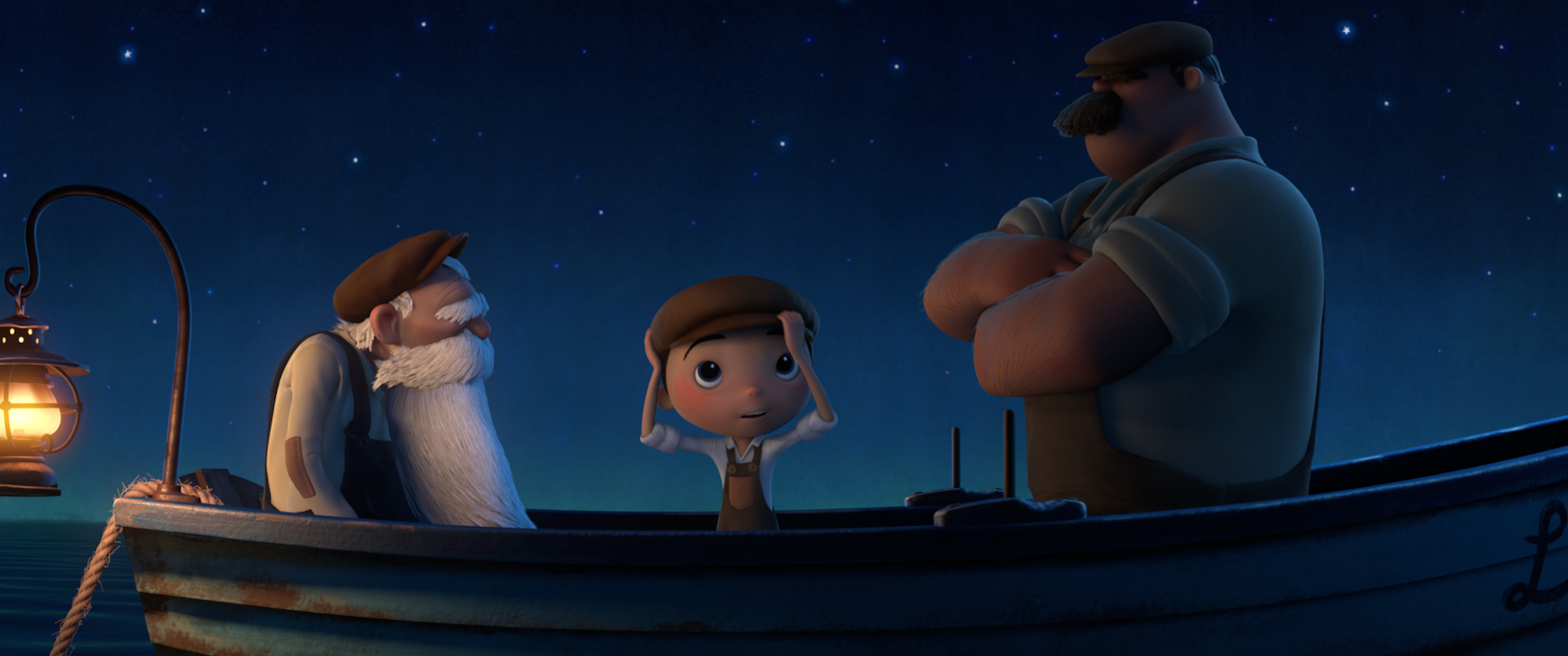
La Luna

La Luna (Disney/Pixar)

An absolutely wonderful and whimsical tale that is pure magic. The short features no actual dialogue but says so much. It boasts a beautiful score by Michael Giacchino and great 3D animation. My favorite by far.

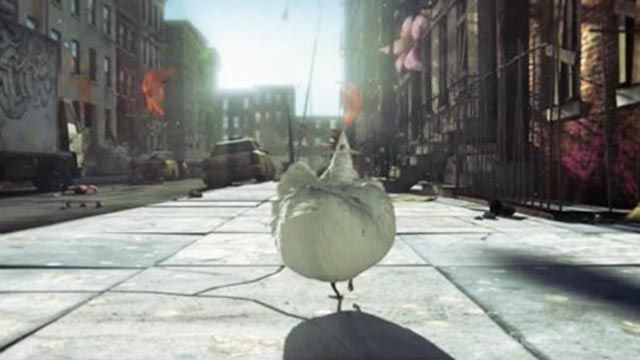
A Morning Stroll

A beautifully constructed and simple tale that uses several different animation styles to equal effect.

The animated program also usually features several highly commended shorts, as the nominees usually run short.

This year’s highly commended selections are: Skylight, Nullarbor, Amazonia and The Hybrid Union. All are very good and consistent across the board. In fact, some of the biggest reactions at my rather full screening was during this portion and I’d venture to say Skylight was the funniest one by far.

This year’s animation slate is quite strong with a few titles I’d be happy to see win.

For the Return of the Juvenile Award

This can be considered a general call to attention for several entities. Firstly, to the Academy of Motion Picture Arts and Sciences, you will be asked in the course of this article to un-retire an award. Now several categories have been scratched from the list of Oscars handed out annually many of them with reason. For example, there used to be separate color and black & white cinematography awards. This was logical because there is an inherent and obvious difference in shooting black & white versus color. It was also logical because for many years there was a fair split between films shooting in either medium. Now the question “Color or black and white?” is hardly asked and the award no longer is qualified.

That is an example of an award that has been retired and should be. An award that should be un-retired and become a staple is the Juvenile Award. The Juvenile Award was presented 10 times between 1935 and 1960. It was a category where there were never nominees but on occasion the academy would feel a performer was worthy of honoring.

Now the nomenclature is a little dated and if the Academy were willing to update the name that’d be fine. The fact of the matter is that due to the outstanding and consistent achievement by young performers year after year there should be a category to recognize these achievements. We’ve reached a point where the occasional young nominee as an honoree and as a pseudo-stunt is old.

This will allow proper credit to be bestowed upon young talent and thus Keisha Castle-Hughes would have her statuette and so would Haley Joel Osment and he would’ve been nominated appropriately as a lead amongst the youths anyway.

There is precedent for honorary statuettes becoming standardized categories, for example, honorary awards were bestowed upon foreign releases before the creation of a fully-nominated category in 1957.

The second intended audience for this piece is the studios and distributors who are sitting on Oscar-winning performances which are pieces of history that are unknown to the public.

Typically, the Juvenile Award was cited for the actor’s body of work as the best of his age group in Hollywood during the given year. However, examining filmographies one can easily see the specific projects that garnered the honor.

Juvenile Awards were Awarded to:
     

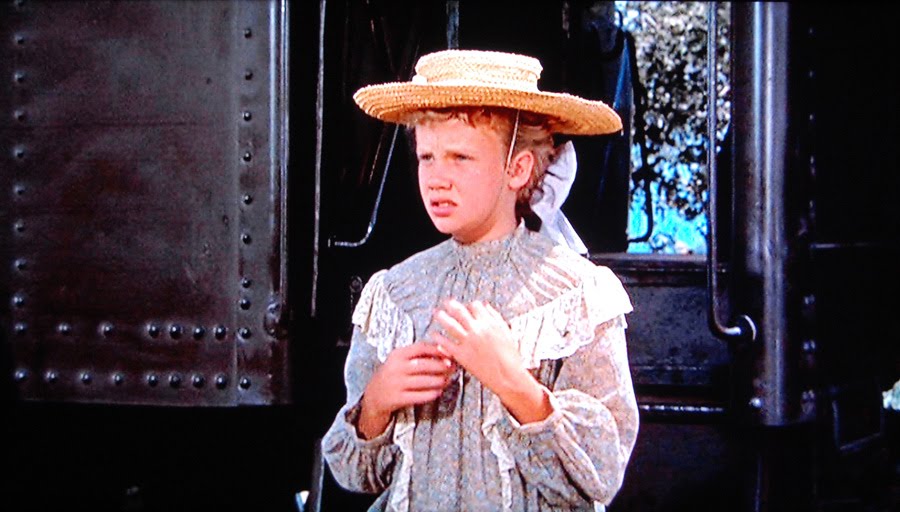
Hayley Mills

Hayley Mills in Pollyanna (Disney)

“For Most outstanding juvenile performance during 1960.”

Pollyanna is a Disney classic title and readily available.

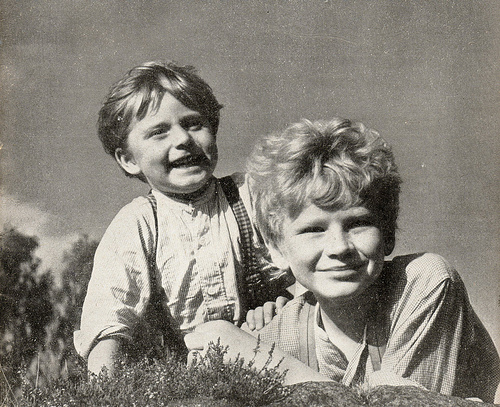
Vincent Winter and Jon Whiteley

Jon Whietely and Vincent Winter in The Little Kidnappers (United Artists)

For his outstanding performance in The Little Kidnappers.

This title seems to be out of print and it shouldn’t be it’s a shared award for one film, which is rare. I had also never heard of this film or these last two winners until I was updating this post so I’m glad I did.

Bobby Driscoll

Ruth Roman, Bobby Driscoll and Paul Stewart in The Window (RKO)

“For the outstanding juvenile actor of 1949.” 

This was mostly for the The Window, a film noir where Driscoll plays a modern incarnation of “The Boy Who Cried Wolf.” So Dear to My Heart, a Disney film, went wide in January of that year but premiered in 1948. It is typically drama that’ll have influence on such an award and The Window is available from The Warner Archive Collection but streams on Amazon.

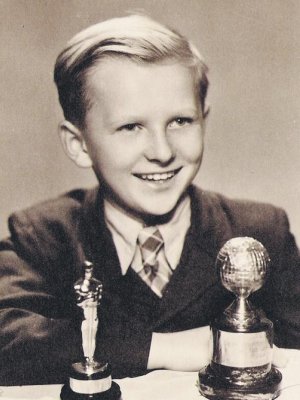
Ivan Jandl

Ivan Jandl

“For the outstanding juvenile performance of 1948 in The Search .”

This film is available from Warner Archive. It’s the tale of an American soldier helping a Czech boy find his mother.

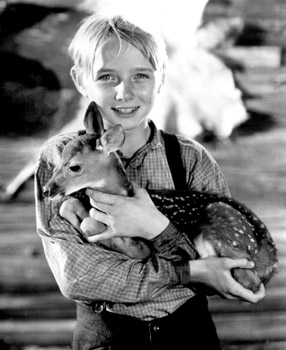
Claude Jarman, Jr.

Claude Jarman, Jr. in The Yearling (MGM)

“For the outstanding child actor of 1946.”

This award is truly for The Yearling which was Jarman’s debut. It is still readily available on DVD and is well worth seeing. Be sure to have Kleenex on hand for this tear-jerker.

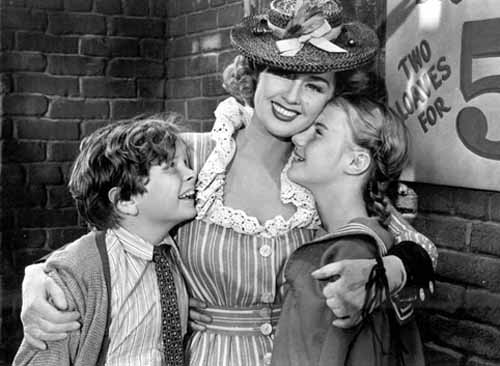
Peggy Ann Garner

Ted Donaldson, Joan Blondell and Peggy Ann Garner in A Tree Grows in Brooklyn (20th Century Fox)

“For the outstanding child actress of 1945.”

While her notable performances from 1944 (Jane Eyre and Keys to the Kingdom) are available and her most famous 1945 role (A Tree Grows in Brooklyn) the other two parts in 1945 that earned her a general citation for excellence (Nob Hill and Junior Miss) are out of print.

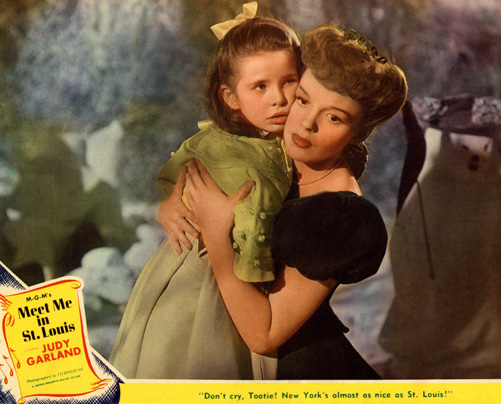
Margaret O’Brien

“For outstanding child actress of 1944.”

O’Brien earned her award for four performances. Only Meet Me in St. Louis is on DVD. The Canterville Ghost is on VHS, if you like that sort of thing.  
 
 
Judy Garland 
  

Judy Garland in The Wizard of Oz (MGM)


“For her outstanding performance as a screen juvenile during the past year [1939].”

Judy Garland’s performances in both Babes in Arms and The Wizard of Oz which won her the award in 1940 are both readily available. The first is part of a Rooney-Garland Box Set released by Warner Brothers Home Video.

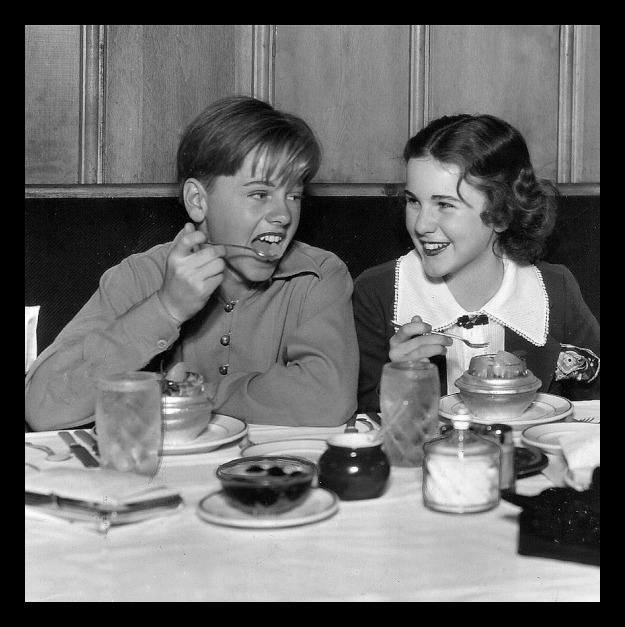
 Mickey Rooney and Deanna Durbin

MGM

“For their (Durbin/Rooney) significant contribution in bringing to the screen the spirit and personification of youth, and as juvenile players setting a high standard of ability and achievement.”

Rooney’s Andy Hardy films are still readily available.

Shirley Temple

Shirley Temple

“In grateful recognition of her outstanding contribution to screen entertainment during the year 1934.”

Most of Shirley Temple’s filmography is still readily available.

Any gaps in the availability of a performance in the history of this unique and short-lived award should be rectified. Likewise, the award should return. The Academy can name the award after Ms. Temple if they like and honor young actors every year.

For even missing from this list are the likes of Freddie Bartholomew, Jackie Cooper, Roddy MacDowell, Dean Stockwell, Elizabeth Taylor, Patty McCormack, Anne Rutherford, Debbie Reynolds and more, so even in an era when the award existed not everyone worthy won the award. Not that trophies need to be handed out in hindsight or to those who have left us but the award should definitely make its presence known again both on video and in the ceremony.

Oscar Nominated Live Action Shorts

In recent years there have been nationwide screenings of the Oscar-nominated short films, which is a great thing for many reasons: clearly it promotes the filmmakers but also as a filmmaker and Oscar spectator you’d like to have an informed opinion based on more than just the title and/or the snippet shown, which I have operated under many times.

Clearly seeing only a few seconds of each film as opposed to each in their entirety can skew your perspective. It’s rather enjoyable to discover these films and artists and while I don’t feel this year’s field is as strong as last year’s there are some very good contenders all the same.

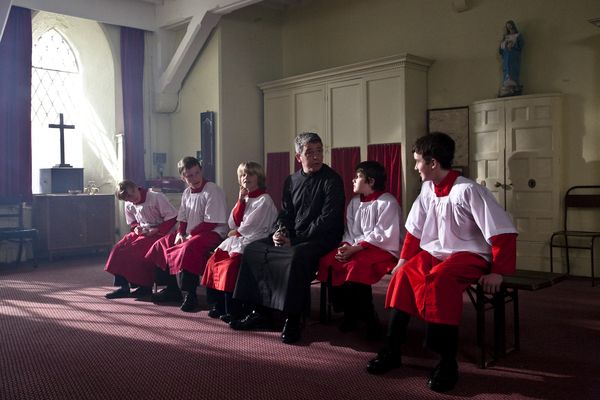
Pentecost

Pentecost (Irish Film Board)

Is a hilarious film from Ireland, which at my screening got the only round of applause upon its completion. It tells the tale of an altar server’s chance at redemption at a big service. It plays like a sports film at times and all its laughs are good natured ones.

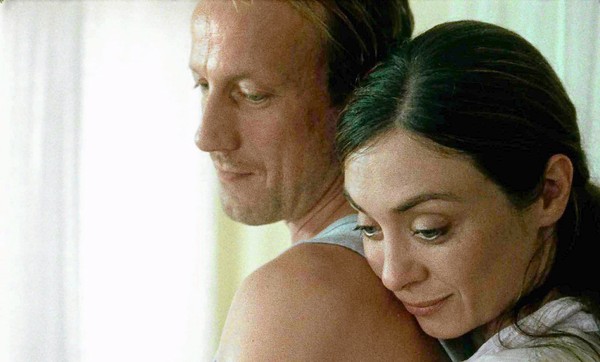
Raju

Wotan Wilke Mohring and Julia Richter in Raju (Interfilm Berlin)

A tale of the complications a German couple encounters in trying to adopt a child in India. The intentions of the tale and message are fine but there are a few narrative stumbles and predictable moments that hold the film back from maximizing its potential.

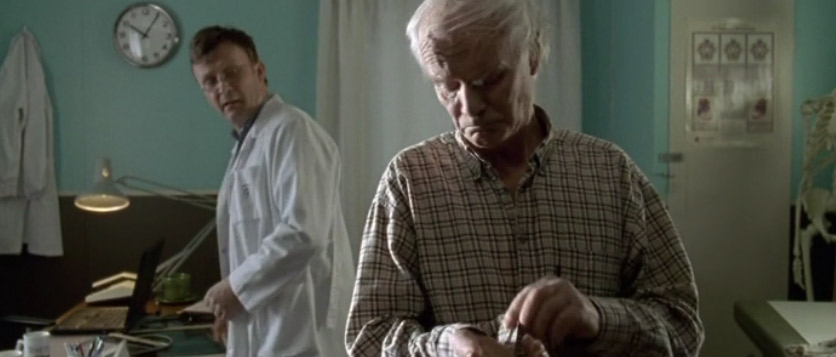
The Shore

Ciarán Hinds in The Shore (Screen Northern Ireland)

This film from Northern Ireland features not only the only star turn (Ciáran Hinds) in this year’s nominees but perhaps the simplest through-line. A great film about forgiveness and friendship above all else.

Time Freak

Michael Nathanson in Time Freak

It seems the American entry is usually comedic (based on these two years I’ve seen- not much to go on but bear with me). There’s been a surreal or silly edge to both, however, God of Love (Last year’s winner) is a fully articulated thought and this while funny felt a bit more like an ambitious sketch. There’s talent and film craft at work but it wasn’t as narratively whole or as ambitious as other entrants.

Tuba Atlantic

Edvard Hægstad and Terje Ranes in Tuba Atlantic (Norwegian Film School)

In a short tonality matters greatly and is harder to establish for you have less time so your choices have to be that much more certain, your intentions that much clearer. Therefore when a short not only plays as comedic and dramatic it’s twice as impressive. The film also creates very well-defined and unique but not irrationally quirky characters. It touches on many of the themes that the other nominees do but handles each quickly and deftly and creates its world quickly and precisely. It’s full of surprises laughs and emotion and the most complete and fulfilling short I’ve seen since this time last year.

More information about these shorts can be found here. The Academy Awards are on Sunday, February 26th on ABC.

The Oscars Should Change Its Best Foreign Language Film Processes

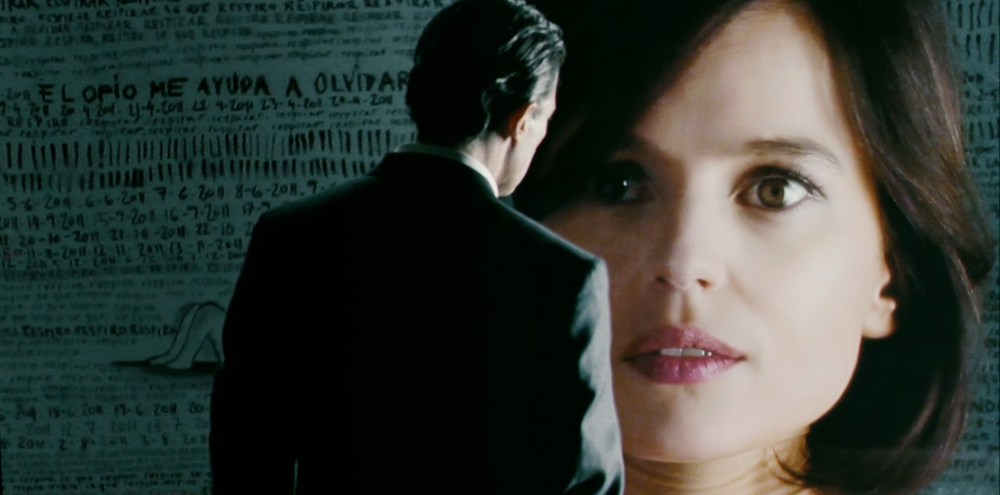
Antonio Banderas and Elena Anaya in The Skin I Live In which is not Spain's entry therefore ineligible for the Oscars (Sony Pictures Classics)

The official submissions for Best Foreign Language Film are now in and the nominees, like those for all other categories, will be announced on January 24th, the shortlist will be announced today. The list of submitted films does immediately indicate some issues with the nomination process in this category that should be addressed.

The Process

This sections facts were clarified with the help of this Hollywood Reporter article.

Here’s how the system works:

Each nation through its national film board creates a list of contenders and then the constituency therein picks one film to submit for Best Foreign Language Film. Each country is allowed one submission, chosen by its film board. Sixty-three films have submitted this year. Some noticeable omissions this year include: Albania’s first pick, Joshua Marston’s Forgiveness, was disqualified because it didn’t have enough Albanians in key behind-the-scenes roles, which Marston calls “ridiculous.” Similar grounds were used to to knock out Angelina Jolie’s debut In the Land of Milk and Honey because it was so international no one country claimed it, however, those sort of casualties occur yearly and are a bit harder to legislate against but I will address them.

The Academy’s foreign-language selection committee, which consists of any Academy member prepared to sit through many a film, are divided into four color-coded groups, and each member must see at least 80% of the pictures in his/her group.

Few active members have the time this requires, which means older and retired members figure heavily among the voters, which can factor into the strategy of selecting a film the avant garde will stand less of a chance. Hence, Greece’s selection of Dogtooth last year and Hungary’s The Turin Horse stand out as bold selections for bravery.

Approximately 300 members vote, grading films on a scale from 7 to 10, and their scores are averaged, meaning if 10 people or 100 see a movie, it’s their average score that counts. There’s no weighting that takes into account that X film got many people to watch it.

The top six point-earners qualify for the shortlist.

The nine-title shortlist includes three additional films chosen by a 20-person Executive Committee led by producer Mark Johnson (The Chronicles of Narnia).

This additional provision was implemented in 2008 after the broader committee failed to select 2007 Cannes Palme d’Or winner 4 Months, 3 Weeks and 2 Days. The super-committee consists of such prominent figures as director Florian Henckel von Donnersmarck, cinematographer Janusz Kaminski and writer Michael Tolkin.

Once the nine films are named, they are screened during one weekend for 20 invited voters in Los Angeles and 10 in New York. Those voters comprise a few random Academy members and others specifically named by Johnson, who attempts to find a distinguished range of Academy veterans across all fields. They decide the five nominees, which are unveiled the same day as the other Oscar nominees, Jan. 24.

After the 5 nominees are named the vote is held as such: Any member can vote on the winner but must give proof that he or she has seen all five nominees, voters can only see the movies in a theater, not on DVD because as Johnson asserts “In a perfect world, nobody should be seeing movies on DVD.”

How it Should Be

The National Film Board Level

Some may look at this process (with one submission a nation) and say “Well, what’s wrong with that?” While it is egalitarian, it is exclusionary to some extent. Countries like France, Italy, Spain and India (and others) with large quantities of film production and a lot of good product to offer have to pick one, and only one film and with that one choice the submission could be more political. It can be based on who the filmmaker is, what the subject matter is, how appealing it might be to the American viewer, instead of what it should be based upon – the quality of the film.

Aside from one film knocking out another contender from its own country like Au revoir les enfants being submitted in 1987 and Le grand chemin being overlooked, not that the former shouldn’t have been nominated but both should have, the problem with the current system is that there is not a true representation of what the Best Foreign Language Film is, it is the best from amongst the submitted films.

How does one go about solving this? There are a few ways. The Academy has juries, viewers and voters for all categories. What should happen is that this group should be expanded so that more films can be submitted.

The Expansion Plan: Submission Quotas
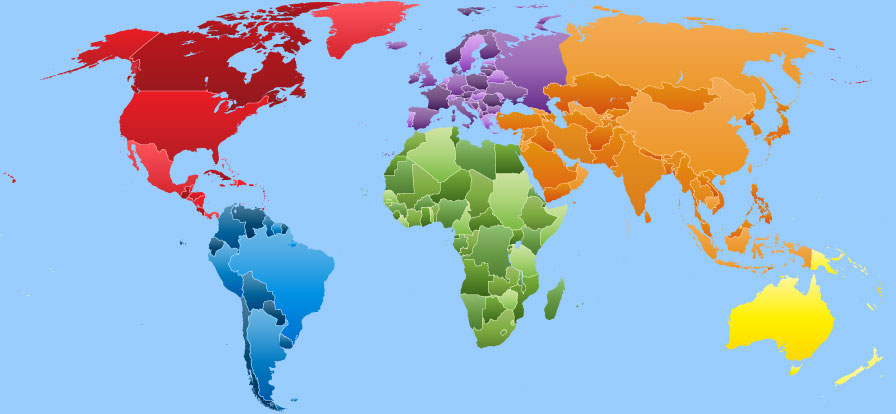
The Division of Continents would be Similar to FIFA's for the World Cup

Now should every film in the world be submitted? Of course not. However, to limit every filmmaking nation in the world to one is crazy. Think of this: Canada gets one submission, which basically means the best Quebecois film goes in because with a majority of Canadian films being shot in English they are ineligible, which is not to knock Quebecois filmmaking. Canada absolutely should get its submission but again you are saying a region of a nation and a prolific nation are on equal footing. They have the same number of submissions that France, the birthplace of cinema gets. So there definitely needs to be more allowable submissions when there are a handful of nations that have a strong field annually.

There are a few ways to go about expanding. Regardless of which plan is enacted the jury needs to be divided and watch the submissions of each continent. The cap of submissions should be five per nation at most. Now if the Academy wanted to control submissions for a while they could allocate submissions to nations based on the “strength” of the nation as a film producer. For example France, Italy, Spain, Sweden, etc., who have been nominated for and won several Academy Awards in this category would receive 5 submissions, and whatever nations were considered the next tier would get four and so on.

Therefore, you’d have a team who have to watch the submissions from each continent. This may seem like a ridiculous idea but one must consider that the deadline to submit your foreign language film consideration is approximately 3 months (late September/early October) ahead of the Oscar nominations. With enough dedicated Academy members all films, even with increased submissions, can be whittled down to a reasonable size (a top 10-20) for larger viewership and voting similar to how its constructed now.

Selection Process
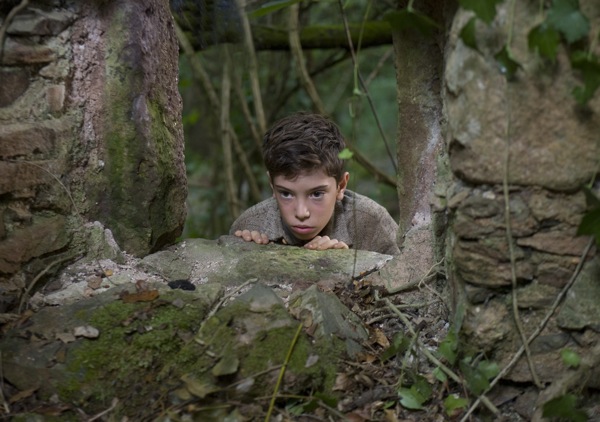
Francesc Colomer in Black Bread (Massa d'Or Produccions) Spain's Official Selection not yet distributed in the US.

So that is how they could expand submissions. Now on to the selection process – firstly, it should expand to between five and ten films and be a preferential ballot like Best Picture (can be) lest the Academy be seen as jingoistic but the selection of nominees should be based on the scores of several viewers. The films receiving a score above a certain threshold (on a scale of 1 to 10 rather than 7 to 10) would move on. Then the remaining films would be seen by all members and the films with the ten, or five, highest scores would be the nominees. It could be similar to the Best Original Song in that way in as much as the films need to be of a certain quality to be considered. What shouldn’t happen is that the Academy feels the need to nominate one film from every continent. This system is meant to find the best films not to represent all regions as if it was the World Cup.

Conclusions
Making some countries pick just one film has always been and will always be wrong based on the quality and quantity they churn out and it should be addressed. Expanding submissions will also open up other categories since at current only submitted foreign films are eligible in other categories and ideally giving some nations multiple submissions would subvert the political machinations that might block a particular film or director from being considered for a nomination. Also, to be considered under a new mode of selection would be at a minimum the removal of the DVD restriction. Anyone with an appreciation for film knows that a theatrical viewing with ideal conditions is preferable, however, it is a bit more time-consuming and restrictive for a voter. I think what should matter is getting all the films in a given phase a viewing regardless of how that occurs.

Implementing any of these changes will be a boon to the Best Foreign Language Film category would be most important. Specifically, expanding the number of nominees many of these films are hardly viewed or get their only boost in the US after a nomination so why not expand?

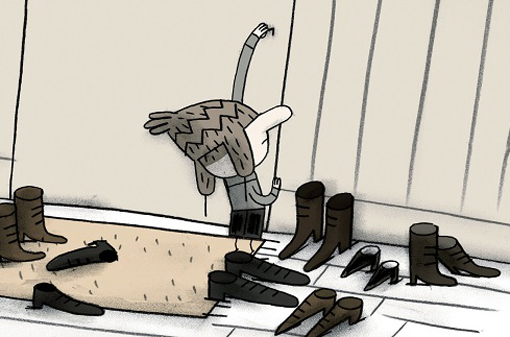
The 83rd Annual Academy Awards

I decided that I would not write during what portion of the red carpet I did watch as attention must be paid. Overall, while in the end there was nothing that will likely go down as a historic Oscar look. It was one of the better looking overall displays I can remember.

I don’t know when this half-hour pre-show started (it wasn’t that long ago). I never really cared for it and it’s a little superfluous and just makes the show end later. Why does it still happen?

Begnini’s celebration is my least favorite acceptance moment. For the record.

You gotta love Steven Spielberg. Wiping the producer’s forehead and giving him water is classic.

Like the opening montage of best picture nominees. Why not the end shot from Inception?

Great opening with Anne Hathaway and James Franco. Great joke in the opening about James ‘appealing to a younger demographic.’ Glad to see the families get introduced.

Tom Hanks presents as Gone with the Windand Titanic get mentioned. Art Direction and Cinematography mentioned early in the show is a nice change. This was not a category I was looking for an upset in Alice in Wonderland takes Art Direction. Shocked.

First, applause of the night upon hearing Wally Pfister’s name called for Cinematography. Very well deserved award. Loved his speech in regards to Nolan.

Another pleasant surprise and the first standing ovation of the night as Kirk Douglas is introduced.

Douglas’s shtick may go down as one of the moments of this year. Also, I have to see Animal Kingdom. It has been decided.

I stand corrected Leo’s speech.

“I’m Banksy”
-Justin Timberlake

Awesomely amazing line.

I said it previously I would be rather happy if The Lost Thing got animated short. Congratulations.

Toy Story 3 wins Best Animated Feature. I knew that already.

Didn’t really like that Screenplay got the short shrift in terms of presentation. No excerpts or anything. Surprised but gladdened by the win for The King’s Speech. I also think that winners should realize there are 23 other winners who all deserve their time to do their thanks and shouldn’t risk taking some time from others.

I want to see In a Better World but am a little surprised it won. It’s the 3rd Danish winner and surprisingly the first since 1959.

Am I the only conspiracy theorist who thinks clips are based on one’s chances of winning? That was not the best scene for Mark Ruffalo at all.

Best part of Bale’s speech was his saying he’d dropped the F-bomb enough already. Oscar-winner or not he’s had plenty of other wonderful and worthy performances not the least of which is the one that launched his career many years ago, Empire of the Sun. All roads lad to Spielberg.

I’ll bet the theme from E.T. has been played at the Oscars every year since 1982. It always makes the closing medley.

OK, so does Trent Reznor and Atticus Finch winning mean that the trend away from composers towards current/former recording artists is going to stick?

First, winner I was extremely geeked about in a while. Sound mixing goes to Inception. And there goes another sweep in the sound categories. I wish I had stats for it but I bet it happens a lot. I have also enjoyed how everyone is thanking Chris Nolan first, almost as if they are trying to subtly point out his being snubbed for Best Director.

I really wish that more time would be spent on the technical awards maybe a special after the earlier presentation. Some really awesome technology gets kind of glossed over.

I need to look into the other Make-Up nominee that I hadn’t heard of, The Way Back. Looks sweet.

Leave it to President Obama to have the best choice as best Oscar-winning song. I’m a little tired of these categories that flex their nominations between three and five. Pick a size. Really, only four songs were nominated? Why? The process is intricate but music is where you can add to your appeal if you’re looking to boost ratings. I was floored when “It’s Hard Out Here for a Pimp” won that scored high enough to be nominated and win but yet this year songs by Eddie Vedder, Alanis Morissette and Justin Bieber didn’t?

Kudos to Luke Matheny not only on the win but on plugging all the nominees who are iTunes. They were great.

The best, most entertaining part of the night was the musical montage.

Inside Job wins and now I never want to talk about Banksy again.

Billy Crystal comes on for a bit. Always glad to see him back.

Inception wins visual effects and stops Alice’s unthinkable streak.

Jude Law and Robert Downey, Jr. should do something together that’s not as “Holmesy” that was pretty funny stuff.

Listening to the other nominees actually got me rooting for Randy Newman for the first time in years. Some sleepy stuff in there.

Complete and utter failure this year in the “In Memoriam” montage. Firstly, with the lives singing people who were shown didn’t get their due applause like they did in previous years and first the SAG Award show excluded Corey Haim and now the Oscars did too. I assure you he is missed by many film fans and is exclusion is a joke.

Tom Hooper wins for The King’s Speech. Dare they split it?

Best story told by a winner tonight has to be Hooper’s tale about how his mom found out about the play and said “Tom, I just found your next film.”

They were at it again. Kevin Brownlow is a man who has more than earned his Life Achievement award. For all intents and purposes he pioneered preservation and restoration of films and brought many silent films back from the dead. Here is a link to Kevin Spacey’s speech about him at the Governor’s Ball.

I also found it a little humorous that they said Jean-Luc Godard was sorry he couldn’t be there.

This congratulatory intro to lead acting categories is also making it take a lot longer than it has to.

It looks like there’ll be no surprises in the acting categories.

Congratulations to Colin Firth for his win. It’s his first but it shouldn’t be. If you haven’t seen A Single Man you most definitely should. It’s good to know that some people do get their due.

Listing the previous winners and nominees in the Best Picture category is a great way to lead off the Best Picture montage.

The King’s Speech wins Best Picture and now I can rest comfortably.

The finale was a fanastic and needed addition to the show. It was either ending on a jubilant note or a down one based on where my rooting interest were. if they keep this up it’ll be a fantastic close every year. Great job, P.S. 22.