Shyamalan Week: Devil

Introduction

As those who know me, and if such a person exists, cyberstalk me, know I created this blog after writing on another site, which shall remain nameless, for a while. The point is, I have material sitting around waiting to be re-used on occasion I will re-post them here. Some of those articles or reviews may have been extemporaneous at the time but are slightly random now, hence the new title and little intro, regardless enjoy!

Devil (2010)

As for this film it’s the first of what is (was) being referred to as the Night Chronicles Trilogy. His impact on this film is a story credit alone so mention of him will be minimal, aside from saying that his stamp can definitely be felt on this story regardless of the level of involvement he actually had. This is a thriller which hearkens back to some of his earlier films and oddly one where you’re not necessarily waiting for a twist but you get it anyway and it does not color the whole film.

The film starts with inverted shots of the Philadelphia skyline. They are shots whose significance is not immediately made known and not overtly explained. They set the tone for a film where something is slightly amiss throughout.
 
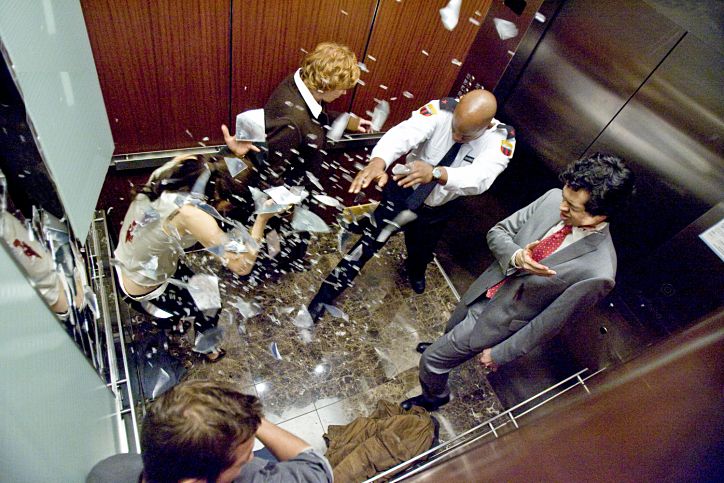
The film does well to keep its tale confined to the elevator as much as it possibly can. Granted to investigate and to try to get to the bottom of the mystery it is necessary to go outside on occasion the fact that so much of the film is contained to that cramped space definitely is a boon to the narrative and aids its effectiveness.

When dealing with a film that is so confined such that its part-absurdist chamber drama it is crucial that your cast be capable of carrying the film and this cast is definitely capable. The core of the cast being: Logan Marshall-Green, Jenny O’Hara, Bokeem Woodbine, Geoffrey Arend and Bojana Novakovic. What is most compelling about not only the story but also their respective portrayals is that at one moment or another they all lead you to believe that they, in fact, are the devil in the elevator car.
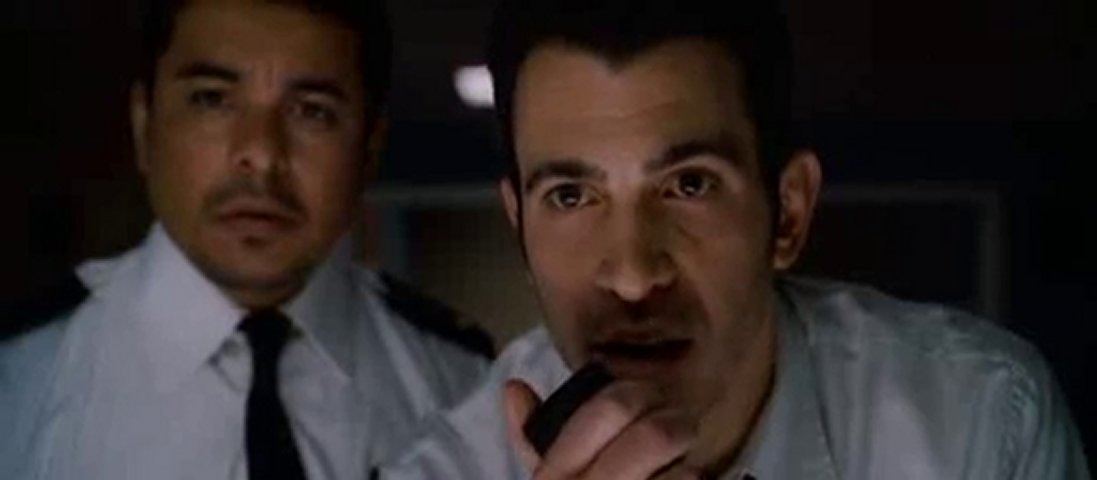
Devil (2010, Relativity Media)

The film also employs a narrator, who acts as storyteller. A technique it seems that is a bit on the rebound in film. However, in this case this narrator does not get into the fray too much but merely fills in a few blanks and acts, essentially as the glue binding this tale together. It is this voice that gives a little reason to the tale. Whereas without this narrator it might just send a chill or two up your spine with the narrator there is a point made and something to reflect upon.

With the combination of the opening montage and the narrator setting the stage the tension level in this film is ratcheted up pretty early and rarely if ever dissipates throughout out. There is a consistent feeling of dread which is pounced upon at opportune times and while there are peaks and valleys the highs are high enough to sustain a significant level of interest.

The only things that can be questioned are very minor points which could’ve been addressed by more judicious editing of the footage and story itself. One concern is that while most believe the elevator is malfunctioning due to possibilities that are terrestrial we follow around a janitor. He vanishes from the story for too long. Pieces of his journey to the roof and basement could’ve been spliced in real quick so he wouldn’t disappear for so long after having been a significant player in the early going. The characters also don’t think to use their cell phones as flashlights during the temporary blackouts for far too long.  The introduction of the religious element of the film is a bit clumsy and lastly our protagonist, Detective Bowden (Chris Messina) does a Sherlock Holmes impersonation in deducing the circumstances surrounding a suicide early on that is not only a bit extraneous but also a little hard to swallow.

Devil (2010, Relativity Media)

However, Devil is still a highly effective and well-crafted tale that is an edge-of-your-seat kind of film that is well worth your time.

8/10

Rewind Review: Nanny McPhee Returns

Introduction

As those who know me, and if such a person exists, cyberstalk me, know I created this blog after writing on another site, which shall remain nameless, for a while. The point is, I have material sitting around waiting to be re-used on occasion I will re-post them here. Some of those articles or reviews may have been extemporaneous at the time but are slightly random now, hence the new title and little intro, regardless enjoy!

Nanny McPhee Returns (2010)

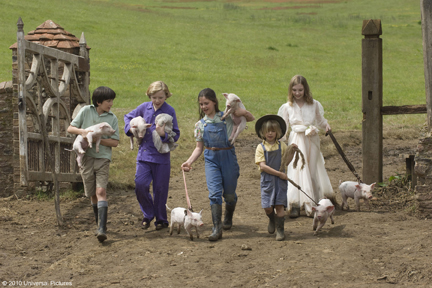
Nanny McPhee returns is a fun film that avoids many of the trappings that typically hamper family-oriented entertainment either by curtailing these issues or outperforming the expectations of the given situations which we may find in many films.

One of the things that makes this film rather delightful and enjoyable is that situations which we are expecting or are set up are only as obstructive as necessary. A case in point would be Phil’s (Rhys Ifans) several attempts to get the farm, upon which our heroes live, sold to settle his debts. Each attempt is no longer and no more of an obstacle than necessary as villains can be both unfunny and overly imposing in family films. The first saving grace the family finds is the sale of prize pigs, he releases them they are recovered quickly enough and with the help of Nanny McPhee. This film also, however, manages to not de-fang its villain simply because he is thwarted quickly.

Both in Ifans’ performance and the tandem of Katy Brand and Sinead Matthews bring over-the-top quirkiness but also humor. There is a fine line between comedically and painfully over-the-top and they tread it smoothly with nary a misstep.

Emma Thompson is certainly to be applauded for the many good things she does with this story as a writer. There is a lovely dovetail into the first film at the very end but for all intents and purposes this is a film that is in no way dependent on its prior installment for you to enjoy it.

Also, there is minimal didacticism. Nanny McPhee is there to teach the children, cousins both from the country and the city who hadn’t met, five lessons. We are not told what each lesson is until it has been learned. While we are told many times that she will leave when she is wanted but no longer needed the clues as to how close she is to leaving are visual and unspoken.

Thompson is also quite funny in her deadpan reincarnation of this character. As a writer though she was again unafraid to let the children drive the story for the most part and has her fun with the supporting cast. The children are all a credit to the film and none, no matter how young, are so-cute-you-could-puke or in any other way annoying unless they are supposed to be and all of them do round out their characters at least to some extent.

Kudos are especially in order for the younger set: Asa Butterfield (who some may know from The Boy in the Striped Pajamas and even more will when he is in Martin Scorcese’s Hugo Cabret), Lil Woods, Eros Vlahos and Rosie Taylor-Ritson.

The only weak link in the cast is Maggie Gyllenhaal, who for some unknown reason is cast as a British housewife. Needless to say her accent isn’t the greatest and she is somewhat off overall here. The credit to her and the film is that you do eventually get past it.

Regardless, Nanny McPhee Returns is a very funny, heartfelt and fun film which likely supersedes its predecessor.

8/10

Rewind Review: Harry Potter and the Half-Blood Prince (2009)

The new Harry Potter film, Harry Potter and the Half-Blood Prince, is by far the most enjoyable, fully-realized and total experience that the series has yet to offer. There are a number of reasons why this is so. By a total experience what is meant is a feeling of being there, completely immersed in this world which Miss Rowling has created. It does not necessarily imply that it is the most faithful adaptation; in fact, It most certainly it is not. However, that matters not at all. Keep in mind that all the films have been on average two and one-half hours in length while the books became more titanic – starting at just over 300 pages and reaching as many as 700 or 800 pages depending on the volume. Cramming all of that detail into a film is not only impossible but can be counterproductive. It’s a case of be careful what you wish for. If only Erich Von Stroheim had shot a page-for-page adaptation of War and Peace way back when no one would ever have complained about cinematic adaptations again.
Almost every scene of the film starts with either a unique camera movement or some sort of visual signature (the Weasley’s stair case, Luna’s POV through glasses, the apparition of the memories, the crane over the three to the Death Eaters’ Secret meeting and the move from the Lavender-Ron kiss to Malfoy lurking). The series has most definitely gotten more kinetic and enveloping, moving as far away from the steady, cold and at times stagnant hand that in hindsight we now see that Columbus wielded.
The camera moving about as it does allows the fan’s eye to wander about and catch characters they know by name from the book just being involved as part of the action albeit quite indirectly. This film uses the featured extra better than many you will see and what a fantastic setting in which to use them so well. One thing the series had kind of lost was the tapestry of supporting characters that Rowling weaves so well and it became too much about Harry, Ron and Hermione so seeing Dean Thomas, Crabbe, Goyle, Seamus, Romilda Vane, Professor Flitwick and first years is helpful so that it is not as if they are walking about Hogwarts on their own.
The strength of this series has always been in its cast. In this installment more so than any others that was the case. The ensemble has always been exceptional, however, never have they all rose to such heights all in unison regardless of the amount of time they were allowed to play in this particular installment. Stand-outs from the supporting squad are Alan Rickman, as always incredible, but now especially as Snape becomes increasingly the center of focus and people begin to wonder about him in the story, he has never been more apt, understated and downright perfect. The man who steals the show in this film, however, would have to be Jim Broadbent as Professor Slughorn, in each Potter film a new professor has come into the fray and been one of the lynchpins that would allow the film to either sink or swim and perhaps no one else has so brilliantly stepped into the function as Broadbent. All the supporting cast could have their merits spewed ad nauseum, however, the last who deserves noting for his exceptional contribution is Michael Gambon as Albus Dumbledore. With the passing of Richard Harris following The Chamber of Secrets this critic was terribly worried about the fate of the franchise, would this replacement forced upon the production by fate cost it? Indeed, it has not. Gambon has put his own stamp on the part and affirmatively become Dumbledore and both he and his material were the best they have been to date.
As for the lead cast what more can be said? Daniel Radcliffe was his stoic usual self, he got to play humorous while “under the influence” and that was one of the best parts of the film, while his most emotional scene was somewhat lacking the filmmaking and the moment took over. Emma Watson is a movie star and there are just no two ways about it; and this film furthered what she had established a few films ago already. Last but certainly not least Rupert Grint might’ve had his best turn and his best material to work with to date. He was absolutely hilarious.
The film itself also has tremendous scenes that standout greatly and come immediately to mind when thinking of the title and will likely stand the test of time: The Unbreakable Vow, The Love Potion, Harry on Liquid Luck, Harry and Dumbledore in the Cave. The most compelling of these was most definitely the Unbreakable Vow in which all those in the scene were just dead on in every word, gesture and action.
Kloves’s script for this particular film may well have been his best as well because not only were events within this film effectively foreshadowed but also those in the two which will comprise The Deathly Hallows. The tweaks also worked great such as Dumbledore asking about Harry and Hermione’s situation.
As enjoyable as the other films were there was always something minor or intangible that held them back just slightly. For The Prisoner of Azkaban it was the freeze-frame ending with Harry’s voice over declaring “I solemnly swear that I’m up to no good.” This film is uninhibited, unhampered, comfortable, certain in itself, its actors and its material and there’s nothing not to like. When Dumbledore was taking Harry on the mission to find the Horcruxes this critic was surprised that point had been reached because the film just flew. It was fantastic.
10/10

Review: Addicted to Fresno

Addicted to Fresno tells the story of two co-dependent sisters Martha (Natasha Lyonne) and Shannon (Judy Greer). Natasha is a lesbian, who is the more stable and responsible of the two and feels she always has to protect her sister and subjugates her own happiness. She helps out this time by getting Shannon a job after she is once again out of a rehab program for her sexual addiction.

This is the kind of film that takes a bit too much time to start going where it is predestined to, the lack all but the occasional minor surprise is a detriment to the film as well. It doesn’t offer enough modulation, and dimension for the characters until it’s too late to be salvaged. It thankfully doesn’t progress in to be the full-on trainwreck that the first act promises but its second and third act improvements do not ultimately salvage it but just make it tolerable.

The film does offer some laughs, and eventually takes a long hard look at these characters, it shows they do love one another and can examine their own and each other’s lives that pulls it from the realm of asshole cinema that it seems like its going to dwell in a strive for early on.

The performances bother from the leads; Natasha Lyonne who I have not seen enough of since her great debut in Everyone Says I Love You, is charming and relatable; Judy Greer who has recently garnered attention for her prodigious talents being under-utilized in blockbusters while having more screen time here seems to be an equally thankless position.

The standouts here in terms of memorable performances and comedic moments are actually the supporting players. Like Aubrey Plaza, as Martha’s love interest; Clea DuVall, who I also do not see enough of; Fred Armisen and Alison Tolman deliver with the greatest frequency and highest success; last but not least Ron Livingston.

All the players no matter how well they did are not well served by the script that feels like it could’ve used some polishing off, and the edit which could’ve truncated the tale so it’d move a bit better, especially at the denouement.

There’s slapstick potential that’s squandered in this film and that’s regrettable. The film in its patchwork way may find a cult of fans through Netflix or cable airings but will go down as ultimately forgettable and lamentable in my book.

3/10

61 Days of Halloween: Sinister 2 (2015)

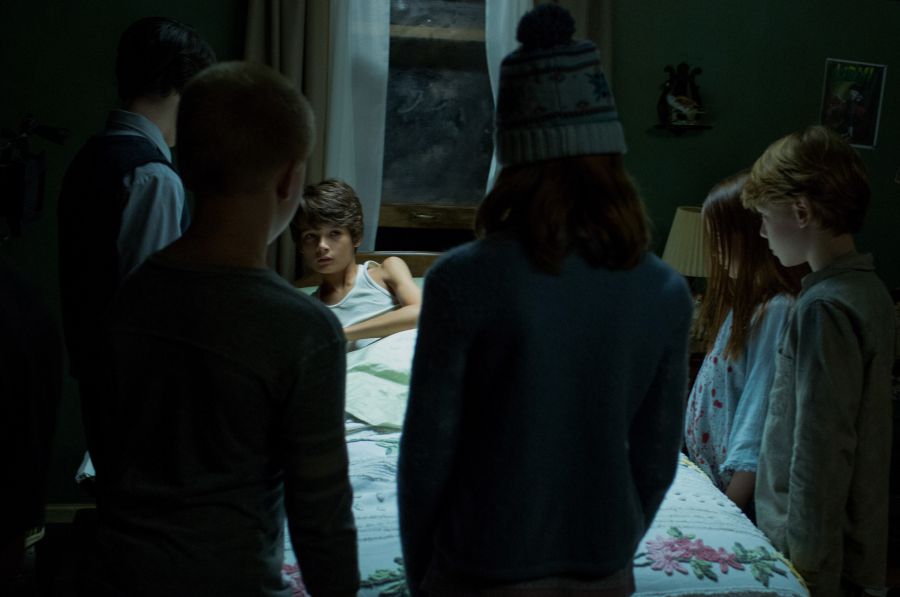
The life of a horror sequel is not an easy one. Invariably, whether from the fandom that spawned the sequel or the critical masses, a continuation will be far more scrutinized it seems. Not to worry, Dear Reader, I am not opening up the Pandora’s Box that is editorializing on the agglomeration of reviews, or even fan reaction. I’m pointing out that while I was anticipating this film highly, I too went in ready to be overhyped and possibly disappointed, as the original was one of the tops of 2012, but I must say I walked away most certainly pleased.

One of the biggest successes it that it is indeed an expansion of the mythos, a further closer look rather than a straight-up regurgitation that many series seem to covet, and at times audiences seem to demand. A classic example would be how Carpenter originally had designs on the Halloween series always telling different tales on All Hallows’ Eve, yet he only managed to steer the films away from Michael Myers once.

Sinister 2, follows-up and picks up with Ex-Deputy So & So (James Ransone) from the first installment. He’s back but having found no satisfactory resolution in his own mind he continues to seek out properties where similar occurrences happened that can be linked to the demon Bughuul.

Sinister 2 (2015, Universal)

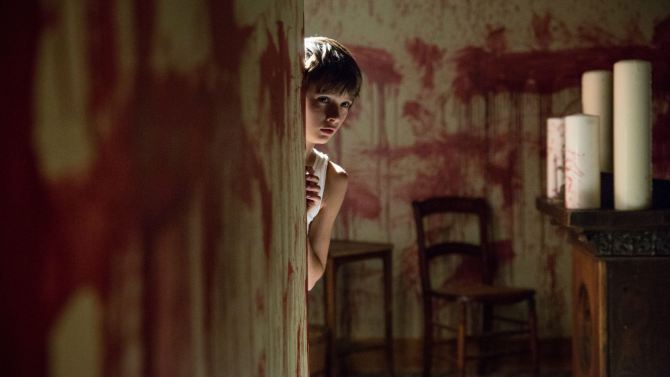
Almost immediately the film puts you in a new frame of mind, ready for anything, as it seems to be playing a temporal trick. By casting one of the boys (Robert Daniel Sloan) and making him look a lot like a young Ransone; and having few telltale signs of era you wonder for a bit if these sequences aren’t flashbacks to his past. This is quickly cleared up and cleverly played into. With this trick played, and explained away ,you’re prepared to tread a different path.

Another differentiating factor is the interweaving a naturally fearful situations: namely the custody dispute and domestic violence themes displayed by the contentious relationship that Courtney (Shannyn Sossamon) and Clint (Lea Coco) enact. Coco is chillingly convincing as a sociopathic, abusive, ex-husband. This just adds a layer to the terror, which is natural rather than supernatural.

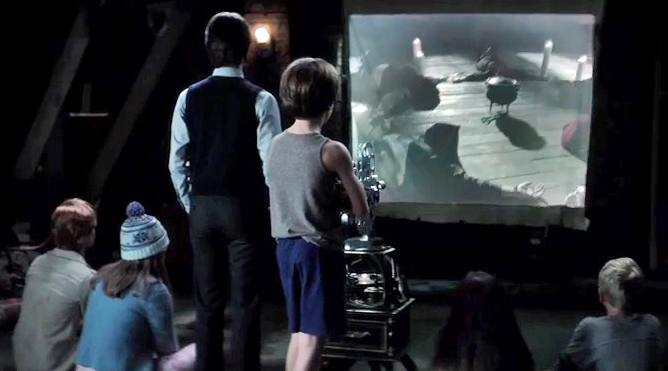
Further layering this tale is the shift in perspective from that of a terrified father (Ethan Hawke) learning of this strange, dark past through these home movies; to the children targeted to be sacrificed to and to make offerings to Bughuul. What is brilliantly left behind the curtain in the original is revealed here, and examined with results that are nearly as terrifying, and just as captivating.

The children herein also play well on a classic horror trope: that of twins. This film differentiates itself first by making them fraternal, and secondly by having these two have entirely distinctive personalities. This is also intimated early on by one subtle fact: they do not share a room. Just having mom have separate bedtime visits in different rooms and talk to each about the other makes an immediate statement.

Sinister 2 (2015, Universal)

Having the children be more the focus means they have to a little more this time around than just look the part of scary ghost or unfortunate victim. Starting with the twins played by Robert Daniel and Dartanian Sloan they are expertly cast and play their types to a tee. When necessary they emote precisely namely Robert Daniel engendering sympathy and pity, exuding fear; Dartanian on the other hand inhabits the role of bully and can strike fear, and causes shock in the blink of an eye.

Those children who are apparitions are also allowed to have their moments namely Lucas Jade Zumann as Milo who delivers the most hypnotically serpentine performance by a young actor since Frank Dillane in Harry Potter and the Half-Blood Prince.

Delving further in to the plot there are great single-scene subplots like the Norwegian Hell-Call, which I wouldn’t mind seeing a whole spinoff film about, and also the clever excision of Vincent D’Onofrio’s character. Granted it was likely due to scheduling more than anything else, but it works and leaves the door open for a return if needed.

Sinister 2 (2015, Universal)

Coincidentally, I saw Sinister 2 with the same large group of friends as I saw the first one, and it similarly caused quite a bit of discussion afterwards. When more often than not the reaction after a horror film is tepid apathy, or worse disgust (I’ll never forget the reaction at my screening to The Devil Inside); this is least one can ask for but it goes further than that.

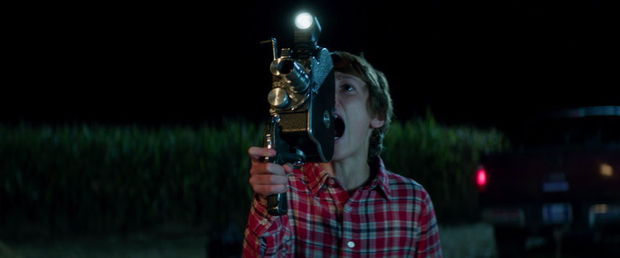
Much but not all of what made Sinister a success was its witty retort to the standard found footage approach. However, what the Sinister films have found it seems is a mythology that it’s exploring to its fullest based on the self-assigned parameters of each film. Sinister, like the Purge, leaves fans wanting more, but in Sinister’s case it’s not a backhanded compliment but rather the highest praise.

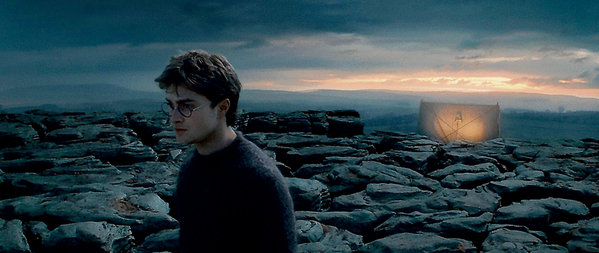
Rewind Review: Harry Potter and the Deathly Hallows, Part 1

The film begins poignantly focused in on Rufus Scrimgeour’s (Bill Nighy) eyes as he declares with voice aquiver that “Dark times are ahead.” It is an apt tone-setter for the remainder of this film that David Yates, who has been at the helm since The Order of the Phoenix, steers into previously uncharted territory.

The film absolutely has to be applauded for resisting facility and showing remarkable restraint and patience with its storyline. When it was announced that the film would be told in two parts, of course, it smelled like a money-grabbing marketing ploy, which has apparently worked, however, once the decision was made it had to be made to work aesthetically and it has.
The young wizarding triad finds itself out of school with no mentor left to find horcruxes, fractions of Voldemort’s soul stored in object that they must destroy, which could be anywhere. Where does one start and how does one remain safe amidst constant threat? This film deals with that. They meander about and in fact hide out much of the time trying to gain knowledge from afar. It’s, to deviate momentarily, one of the lasting images I have of the book, their hiding in the forests and the countryside and this film does deal with that to a great extent.

Yet the information flow is deceptively consistent, it could seem not much is happening but there is a rather even pace being employed throughout, in which, they are slowly acquiring the knowledge they need to better face Voldemort.

Harry Potter and the Deathly Hallows, Part 1 (2010, Warner Bros.)

With the characters out of the shelter of their ivory tower, one that was hardly impenetrable but where their whereabouts were almost always known, there will not be a tale going from one high-impact incident to another. Yet this film contains more genuine scares than your average horror film because of the suddenness and ferocity with which attacks to occur. Very quickly they find no place is safe.

Yet it does set the table extremely well, which there is room for in a series. For the next installment is surely to be full of fireworks.
It’s a tremendously human tale in which we see these characters, whom we’ve watched grow up, changed and stressed and furthermore we see actors, whom we’ve watched grow up and improve, flex their muscles and deliver their most solid, rounded and complete performances to date.

The rest of the cast as per usual is due their kudos. Firstly, there is Ralph Fiennes who makes tremendous use of the very small allotment of screen time he has. Rhys Ifans is wondrous as Xenophilius Lovegood, first as the tree from which Luna fell not far from and then as a frantic desperate man. Helena Bonham Carter continues to take Bellatrix Lestrange to heights which I thought weren’t possible. Then, of course, there’s Alan Rickman who continues to be deceptively simple in his brilliantly deft performance of the complicated Severus Snape. Also, Michael Byrne as Gellert Grindewald, the elder version, ought not be overlooked for his deliciously creepy short stint.

Harry Potter and the Deathly Hallows, Part 1 (2010, Warner Bros.)

It is quite possible that in a film with seemingly fewer effects shots than most throughout the series that the CG here is the best it’s ever been. Nowhere is this more apparent than with the work done on Dobby who in this edition is one of the most stunningly realistic CG-creations ever.
There is of course the matter of the ending of the film to discuss. Much of the Harry Potter film’s success has, I feel, hinged on the endings. Some of them have been a bit too languid on the last shot. Thankfully none have gone Return of the King. The ending of this film is sheer perfection. If you are going to have a bifurcated tale the first half clearly needs to be apparent defeat for our heroes and a moment of triumph for the villain. You could not imagine a more gloriously chilling conclusion than what does transpire in this installment.

As a kind of aside the film introduces the concept of the Deathly Hallows early and then enters with an explanation late, with a very ingenious and creative animated sequence. It may be the most prominent use the title object in the series in a while. I loved The Half-Blood Prince but who he was and his connection to Harry did become sort of an afterthought considering all the other events that needed to come to fore.

It’s very strange to try and assign a numerical value to any film, as some that don’t receive a “perfect” score stay very near and dear to me, it’s even more difficult for this one. In the end the function of this installment is to inform and make the next one possible. To that end it does the job brilliantly and thus it shall be a 10 for that reason and because I did enjoy every minute. Whether that ranks it amongst the year’s best remains to be seen.

10/10

Review: Magic Silver and Magic Silver 2

Introduction

This is a post that is a repurposing of an old-school Mini-Review Round-Up post. As stated here I am essentially done with running multi-film review posts. Each film deserves its own review. Therefore I will repost, and at times add to, old reviews periodically. Enjoy!

Magic Silver and Magic Silver 2

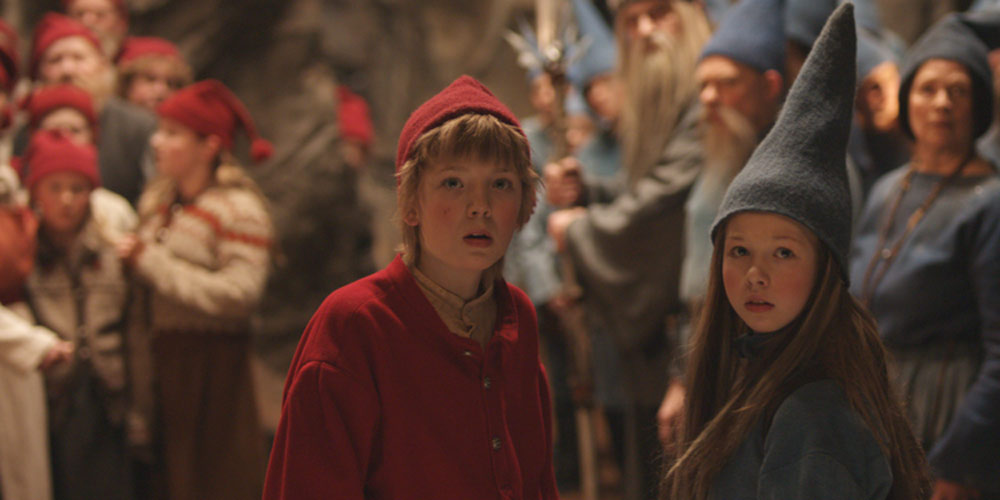
Without going into a full rehash of recent guest post that I did, what I will say on a wider scale with relation to the Magic Silver films is that it’s a prime example of what’s great about Netflix. Here you have two recent and rather popular Norwegian films that I had heretofore not heard of. Physical home video distribution of these titles in North America is a riskier, more expensive proposition so the streaming solution is perfect and brings these films to a wider audience.

As for the films, what drew me to the films at first was the 1980s-like illustrated approach to the artwork. Sure enough, the first film does have that feel, with some 21st Century technique thrown in. The film excels in virtually every level of production and maximizes the values it can get for whatever the budget is.

It’s a fantastical tale about how gnomes can control the weather and their life in a mountain. The sets of the inside of the mountain in the first film are simply but beautifully done and gives everyone just enough room. In the sequel the expanded space is not maximized. Similar to the costuming which in the first film is simple but effective, but in the second gets a bit more intricate and somehow doesn’t work as well. However, the art direction in both is quite good.

The story, however, again more so in the first film than the second, introduces the rules of this world wisely, as we hear it being told to the children of the village. It’s a thin but effective veil on the exposition, and some of the rules are really fascinating dramatically as they have intriguing consequences.

Both films are quite good, but the difference being that the first film has much higher stakes. Not only is the protagonist, Bluerose, coming to grips with overcoming her own fears, she must also learn the consequences of her actions, learn to assume responsibility, deal with mortality and try to do what is best for all concerned; a test of true leadership. Making this an even more intriguing dynamic is the fact that her struggles as princess are mirrored by a child king in the other clan of gnomes. There’s an innocent, subtly played romantic interest, but they both in working together learn how they can face up to their newfound responsibilties.

In these films I expected good escapist fun, what caught me most off guard about the first film was the gravitas of it, how involved and moved I would be by the narrative, and how compelling the performances of the entire cast especially Ane Viola Semb and Johan Tinus Lindgren. The best fantasy tales go to a very real place emotionally, when they are character-driven. When plot-drives a bit too much it’s harder to reach that heightened level. So a film like the former can be fun (read the sequel) but is ultimately disposable. Whereas, the film that finds universal truths in its fantastic settings, and also connects across cultural boundaries is truly special.

One more note about the follow-up film, it is fun and intriguing for randomly deciding to have four musical numbers. The first caught me totally by surprise but the next three are better, and the last one is a great Christmas-themed song that also highlights the climate change subtext of the story.

Very fun and different movies both that lend themselves to consecutive viewings like I had.

10/10 and 6/10

Review: There’s No Place Like Home

Introduction

This is a post that is a repurposing of an old-school Mini-Review Round-Up post. As stated here I am essentially done with running multi-film review posts. Each film deserves its own review. Therefore I will repost, and at times add to, old reviews periodically. Enjoy!

There’s No Place Like Home

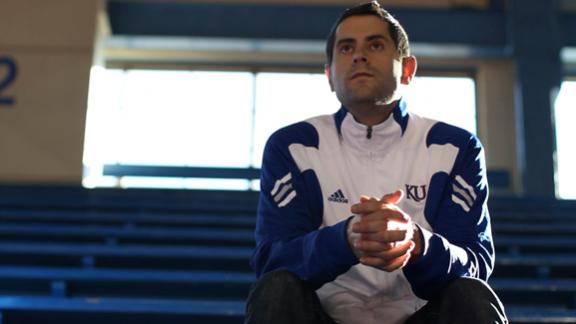
ESPN’s 30 for 30 continued last week with There’s No Place Like Home. Here’s another case whereupon seeing the synopsis of the film I was not so interested, but after having viewed the film it’s more effective than anticipated.

The film tells the tale of Josh Swade, a lifelong Kansas Jayhawk fanatic, who organized a grassroots effort to try and win the original rules of basketball as written by James Naismith. When reading the narrative the piece I was missing, either from ignorance or faulty memory, was that Naismith shortly posting these rules in a Massachusetts YCMA took the game to Kansas and started the Basketball program at Kansas. He was at the University for four plus decades after that. So, yes, Kansas has, and had, a very rightful claim to ownership that I was unaware of.

Another moment of enlightenment was the underscoring of the fact was that basketball, as opposed to other sports which became formalized after years of play, was very much created fairly spontaneously. I was always a rules nerd as a kid, and gaining access to rule books was a big deal, and writing down rules to created games was something I’d partake in. Therefore, the provenance of the document also interested me.

However, that’s all information gleaned, which is valuable but not the be all and end all. What’s truly most interesting in this film is that it takes perhaps the most interesting avenue in telling the film. It takes the perspective of a superfan who has the unmatched, undying passion for his team and has him be the mouthpiece, the spokesman for what he knows is something right but hasn’t the means to accomplish: acquisition of the rules. Through sheer will and determination he does get in contact with those who have the connections and the financial means, and it is impressive to see the seemingly spontaneous outpouring of similar emotions from members of the KU family.

There are some occurrences that would’ve been great to see on camera (like the apparent defeat faced), but other portions that seem rather extraneous do come back into play. The film does feel like it could’ve been tightened a bit, however, it builds the personal connection well and gets a lot of tension and drama out of the auction day even though the outcome is somewhat foreseeable.

All in all, it’s a very good dramatic rendering of the situation, and I always like to see the bump where the filmmakers discuss the process, their inspiration, etc. and this one is perhaps the best I’ve seen.

8/10

Rewind Review: Flipped (2010)

Introduction

As those who know me, and if such a person exists, cyberstalk me, know I created this blog after writing on another site, which shall remain nameless, for a while. The point is, I have material sitting around waiting to be re-used on occasion I will re-post them here. Some of those articles or reviews may have been extemporaneous at the time but are slightly random now, hence the new title and little intro, regardless enjoy!

Flipped (2010)

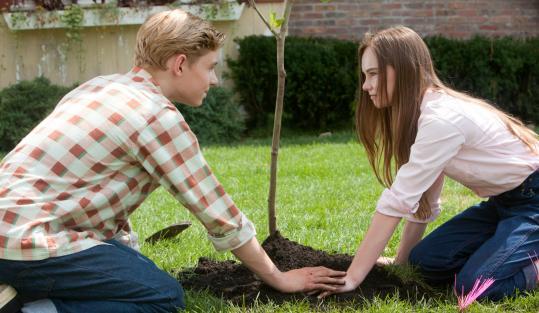
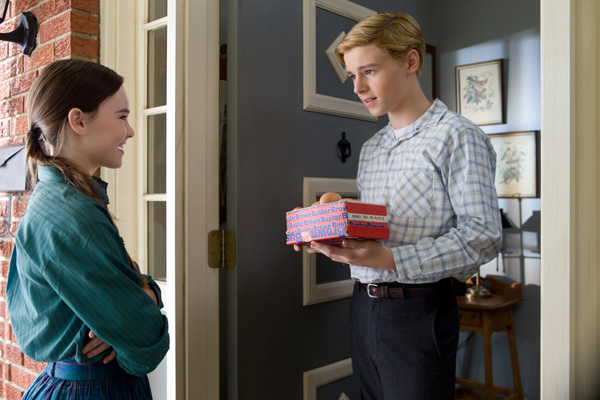
Flipped is likely a film that has gone unnoticed by many. It has had a weird distribution schedule considering Rob Reiner is its director and its coming from Warner Bros. It hit a few screens, very few, on August 3rd and made a wider release without much fanfare on August 27th. It’s quite unfortunate too because this is great little heartfelt film that is sure to have an emotional resonance with audiences of all ages. Hopefully, once it hits video more people find out about it.

Flipped while telling a seemingly simple story of a protracted relationship between neighbors Bryce (Callan McAuliffe) and Juli (Madeline Carroll)  it tells the tale from the perspective of both the male and the female, here we get the truest illustration of the now cliché that men are from Mars and women are from Venus as they are rarely on the same page. However, their perspective on each of the major events of the tale is very interesting indeed.

While it does seem at first like it is a narrative device which is being used simply for you to get to know the characters it quickly becomes the signature of the film. It is slightly unconventional and so it may not be an unusual reaction to be waiting for a more traditional narrative structure to take hold but eventually I did find myself awaiting the visual flip in which the story switch to the alternate narrator for a chapter and part of what becomes so engaging about it is that you start to identify at some points with either side of the seemingly star-crossed lovers.

Flipped (2010, Castle Rock Entertainment)

It therefore becomes a very emotionally involving experience and to an extent and intellectually stimulating one whereas you see a scene play out and know the opposing party will have their own version of the events and you wonder what that might be.

A great surprise that this film has in store is at the end when their feelings are mutual is when the narrative divide is crossed and they speak in the same segment both of them telling the story. It is a wonderful break from the myopic views as they now are sharing a moment they’ll both remember with equal fondness.

The film in the latter stages does become manage to become very moving and by then the characters have been built so well you want for them and might even feel your eyes stinging with tears.

What is most fitting about the ending is that it is done telling the tale and that is all. There is no “happily ever after” it can be implied if you wish it or not the story at hand was about the beginning not the end so why venture a guess.

Flipped (2010, Castle Rock Entertainment)

In the end the ebb and flow of the film was quite satisfying and there was likely something most people could relate to regardless of the construct of this particular tale or the period it is set in.

This film being a period piece was a decision that Rob Reiner came to and one that was not suggested by the novel and it was a good decision as the story itself does ring a bit more true being set in the past than it would in the modern-day. Particularly due to the connection that Bryce’s grandfather (John Mahoney) and Juli have. While this does allow for a few things that make you wonder if they are accurate like dinner table conversations about salmonella and the prices of things it is ultimately a change for the good.

What is perhaps most interesting in this film in that because it has two protagonist/narrators thus it focuses on two family units and it does manage to give us some understanding as who all these characters are and allows for great dramatic scenes amongst the family units.

Flipped (2010, Castle Rock Entertainment)

The cast is impeccable all the way to the smallest player like Juli’s older brothers who not only look the part of aspiring doo wop singers but sing the part as well. However, the glue that holds the film together can be found in its young leads Callan McAuliffe, who not only convincingly plays a somewhat naive well-intentioned boy but also has no remaining trace of his Australian accent throughout and Madeline Carroll who is like a young Ellen Page.

This is a throughly enjoyable, heartfelt, funny and endearing film that you should make an effort to see.

7/10

Review: A Wolf at the Door

A Wolf at the Door may appear on the surface to be a standard, formulaic Fatal Attraction-style plot transported in location and time. However, where this film differentiates itself is rightly in its reflection of its setting and its lack of concern over traditional conflicts caused by extra-marital affairs but rather it seeks to examine the characters on their own terms, how they interact and how they affect one another.

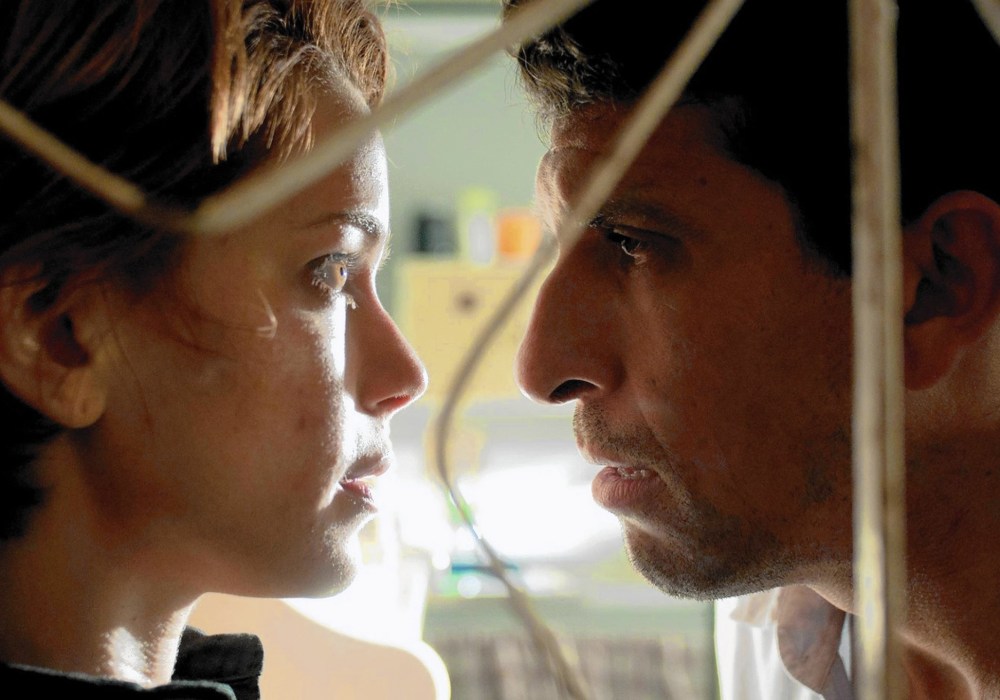
A Wolf at the Door starts with the inciting incident, a crime, a mother (Fabíula Nascimento) reports an unknown woman has picked up her six-year-old girl at school. While being questioned the school teacher starts remembering certain details that give the investigators a slight lead. As they summon the girl’s father (Milhem Cortaz) he confesses to an affair that leads suspicions to center on his lover, Rosa (Leandra Leal).

In a tale where at times witnesses are unreliable, and they slowly give more details about what they did or didn’t do, revealing layers of truth; a fractured chronology with frames and some narrative ellipses will be not only preferable but almost a necessity.

Much of what makes this film work is the pairing of cinematography and editing in long takes. In these hypnotic shots with slow pushes like a Brazilian version of Fred Kelemen’s work with Bela Tarr the viewer is drawn into the madness unfolding, and it also allows the actors the freedom, and the challenge to work uninterrupted without alternate takes. This continuous imagery with precise movement and mise-en-scène may seem less cinematic to those who have gotten too used to the ever shortening shot-lengths in Hollywood films; however, it’s quite the opposite. It’s astounding to watch on a technical level alone, and much more impressive when you see what it does for this story.

A Wolf At The Door (2014, Strand Releasing)

Whenever writing on a film produced outside the US, and not in the English language, there is a temptation to do a standard mandatory bit on cultural relativism; especially when its a culture I’m as familiar with as the Brazilian one being a dual citizen. Yet that familiarity with the culture doesn’t guarantee the success of the product in question, just as much as “based on true events,” which this film boasts; doesn’t guarantee 100% accuracy. The cultural relativism bit bears saying here because there are certain plot points that may challenge suspension of disbelief that are quite culturally accurate and ring true.

This is another film that is fearless in tackling a taboos, not only in general, but using it as its climactic moment, and that’s as much as bears saying without giving too much away.

Because they sometimes get overlooked I will first give kudos to a standout supporting turn in this film: Thalita Carauta, playing a character who only gets thrown into the mix by chance on a few occasions steals every scene she’s in. A bulk of the film is carried by Leandra Leal and Milhem Cortaz, more by Leal for her scenes with Nascimento. They are both magnetic, and precise in charting their persona’s unraveling, and make it quite easy for those shots to hold as long as they do. They turn in two of the most impressive performances to date this year.

A Wolf at the Door is definitely not a story to be entered into lightly, and will most definitely not find universal favor. However, those believe that great art can and should be created from human immorality and depravity should give it a look.

9/10

A Wolf at the Door will be available on DVD and digital video on August 25th.