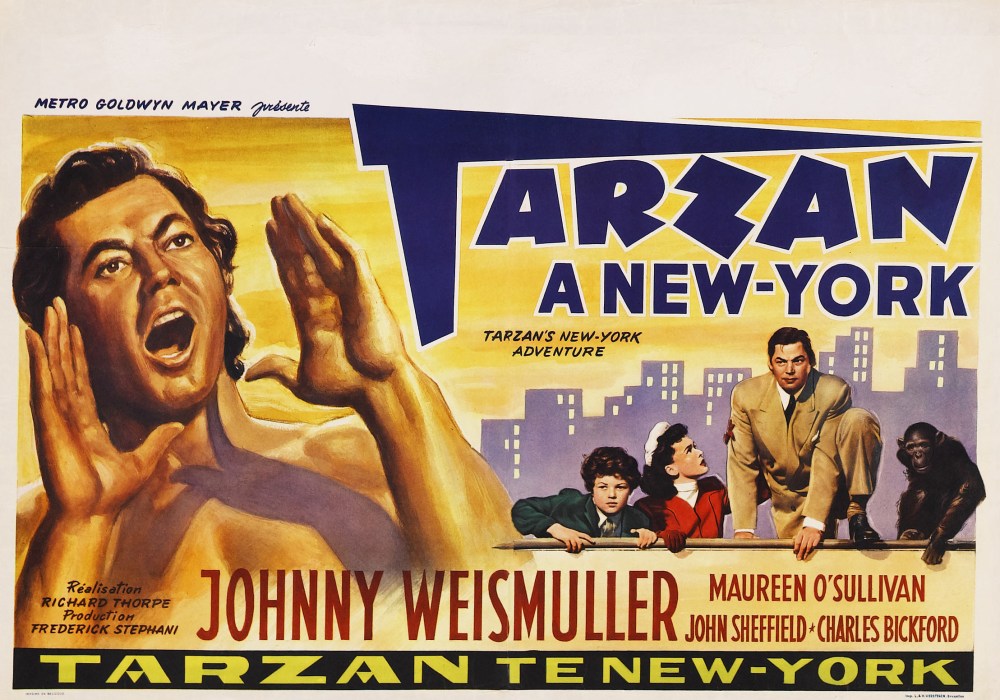
Tarzan Thursday: Tarzan’s New York Adventure (1942)

Introduction

Last year the character of Tarzan celebrated his 100th year in print. A serialized version of the story first appeared in 1912. A hardcover collection of Tarzan of the Apes first appeared in 1914. Being in the middle of the Tarzan centennial period it’s an opportune time to (re)visit many of the screen renditions of the character. Previous posts in this and other series can be found here.

Tarzan’s New York Adventure (1942)

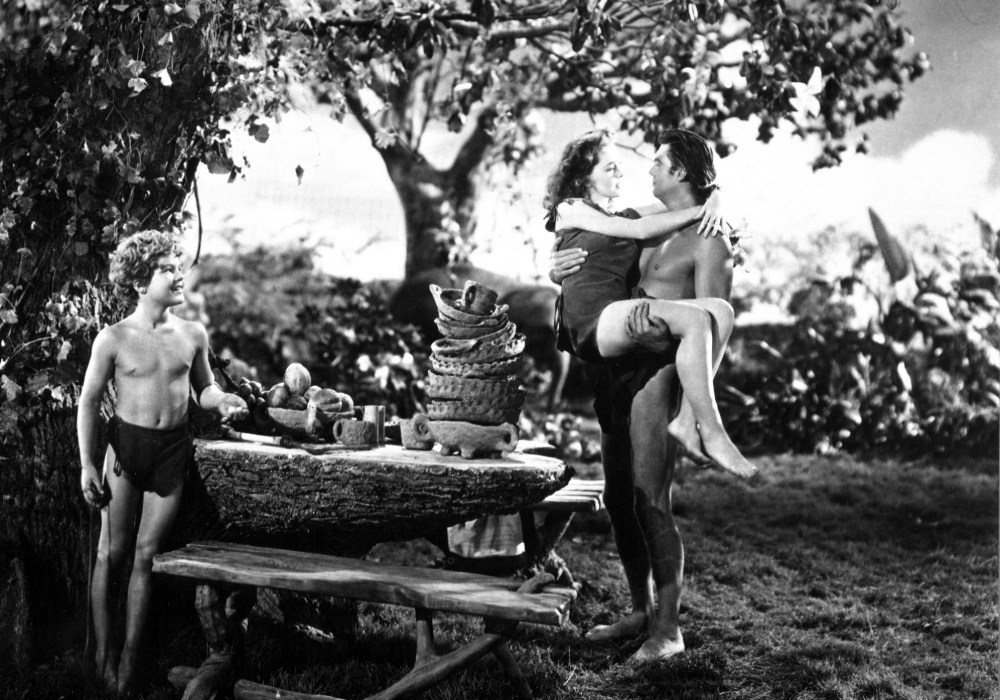
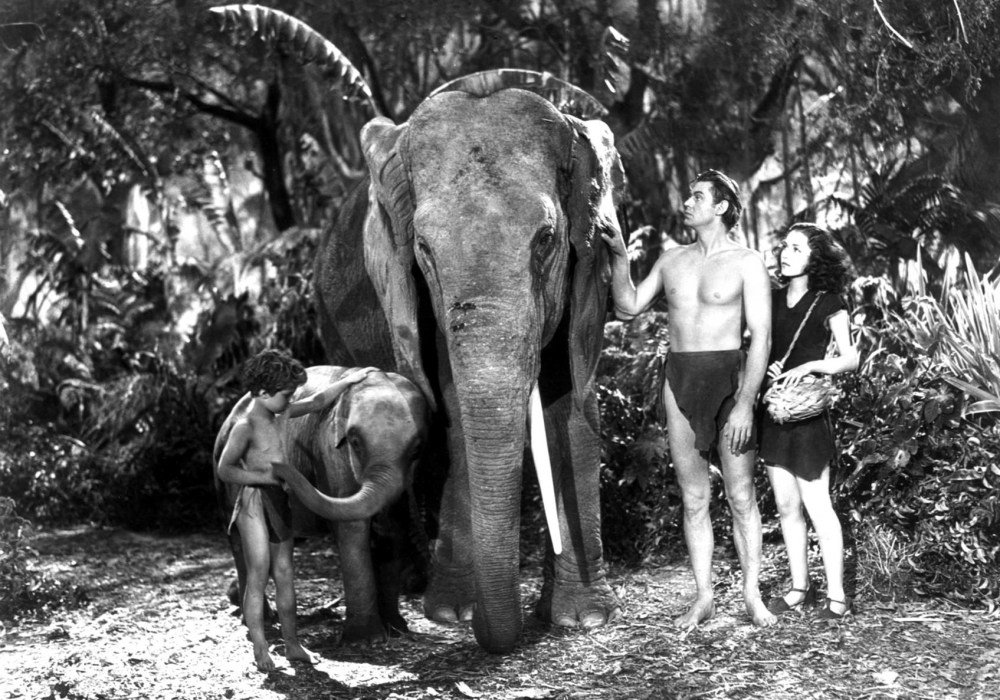
From reading some on the series, not exhaustively mind you, but I have seen mention that Maureen O’Sullivan was known to be playing Jane for the last time in this film, which is understandable. It’s understandable that an actress of her talent would want to move on to something else – in this case to devote time to her actual family offscreen. For as well as she played Jane, and as well as the writers consistently crafted her part, the need for a change can be tolerated. Similarly, the need to change venue from the escarpment can be accepted. It’s almost like airing out a play when adapting it for film. A play tends to be mostly interiors and focused on having a unity of time and space as much as possible dating back to Ancient Greece. Film by its nature needs more room in time and space.

However, it’s what done in light of these facts that isn’t all that great, along with some ancillary fumbles that take an idea with potential and makes it a sad miss. Most notably the sequences in New York don’t do great with the fish-out-of-water aspect, and introduce maybe more unfortunate racial attitudes than were ever displayed in the jungle. Even if you’re inclined to let that slide understanding it came with the time, it’s further jarring because, at least when O’Sullivan played her, Jane was a very progressive woman for the era, living in the jungle and all she willingly left behind – so being shown other antiquated attitudes stands out more.

Which brings us to one of the few bright spots this film has and it is, oddly enough, the courtroom sequence. Here both Jane and Tarzan get to speak and stake their claim to boy. It gives O’Sullivan the chance to perhaps display more range with her character than she ever did. Seeing as how in protecting Boy’s interests she makes mistakes and reels from them. Tarzan is allowed a few philosophical insights on the stand and is prodded to the point of rage and attacking the prosecutor. It’s most definitely Weissmuller’s best turn as the character. It also marks another progression as Tarzan is now more vocal than ever in part because he has to be but that has developed well throughout.
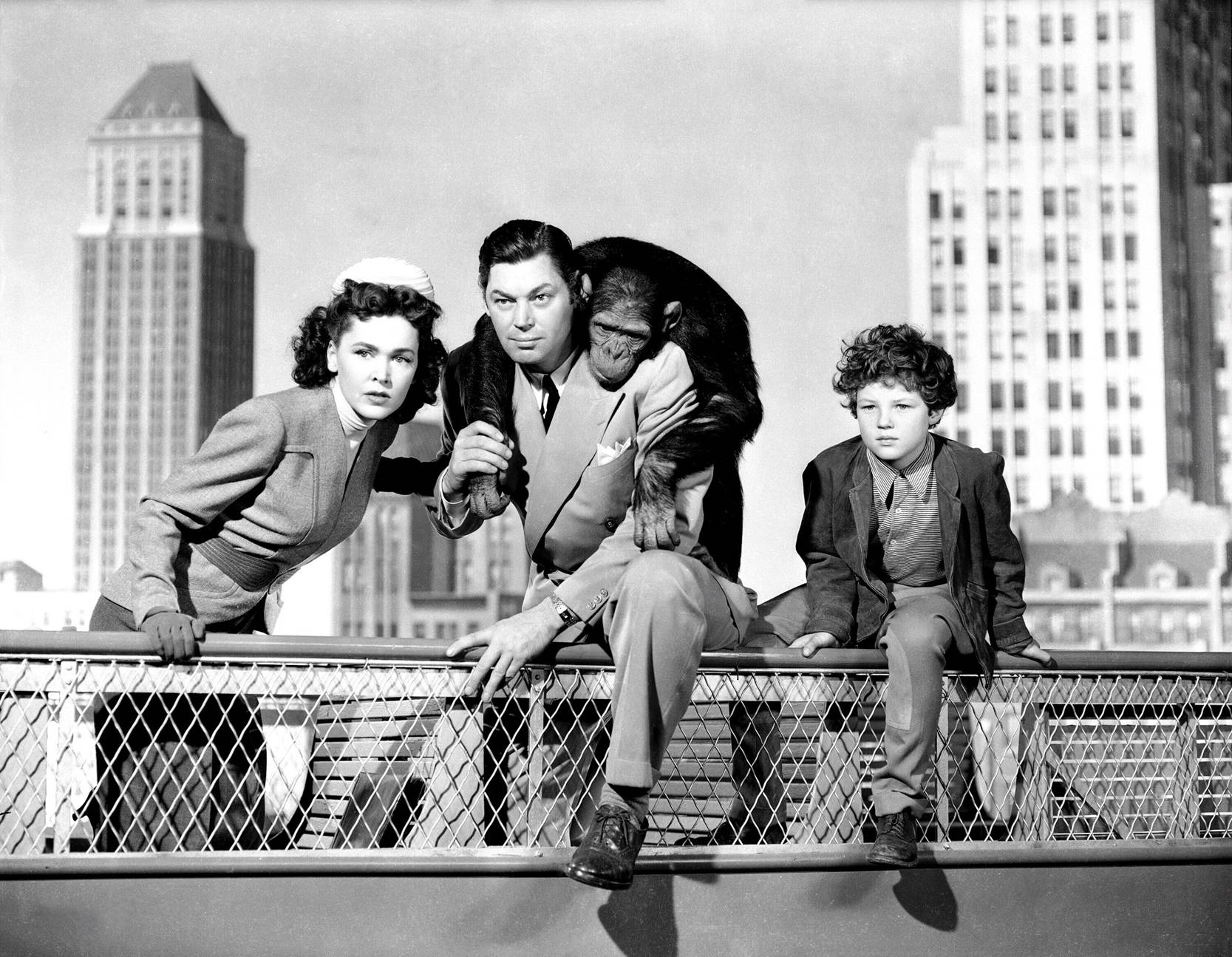
Tarzan's New York Adventure (MGM, 1942)

However, much of the sequences outside the escarpment do nothing great or exciting. As the series grew longer the running times grew shorter, but the task of crafting a good Tarzan film didn’t get easier because it seems in some installments more filler was added rather than substance, and this film is a prime example of that.

Now, I have been purposely exploring narrative patterns and some other themes that run through the series without annotating each post with a score simply because I wanted more focus on these areas as opposed to the good or bad. Similar thoughts have come to me when I tackled other series’ in the past. The precise number I’d rate it was almost an afterthought because I wanted to discuss certain things regardless of what side of the good/bad paradigm the film fell. So without bringing it up until we get to that film: there will be another good one and this is not it.

The filler, which in this film was a lot of Cheetah alone both on the escarpment and in New York was usually just her. In the plot I only noted one occasion where Cheetah’s involvement was both necessary and helpful. In production she was most helpful as she got the three leads quite a bit of time off while the camera rolled on random monkey crap.
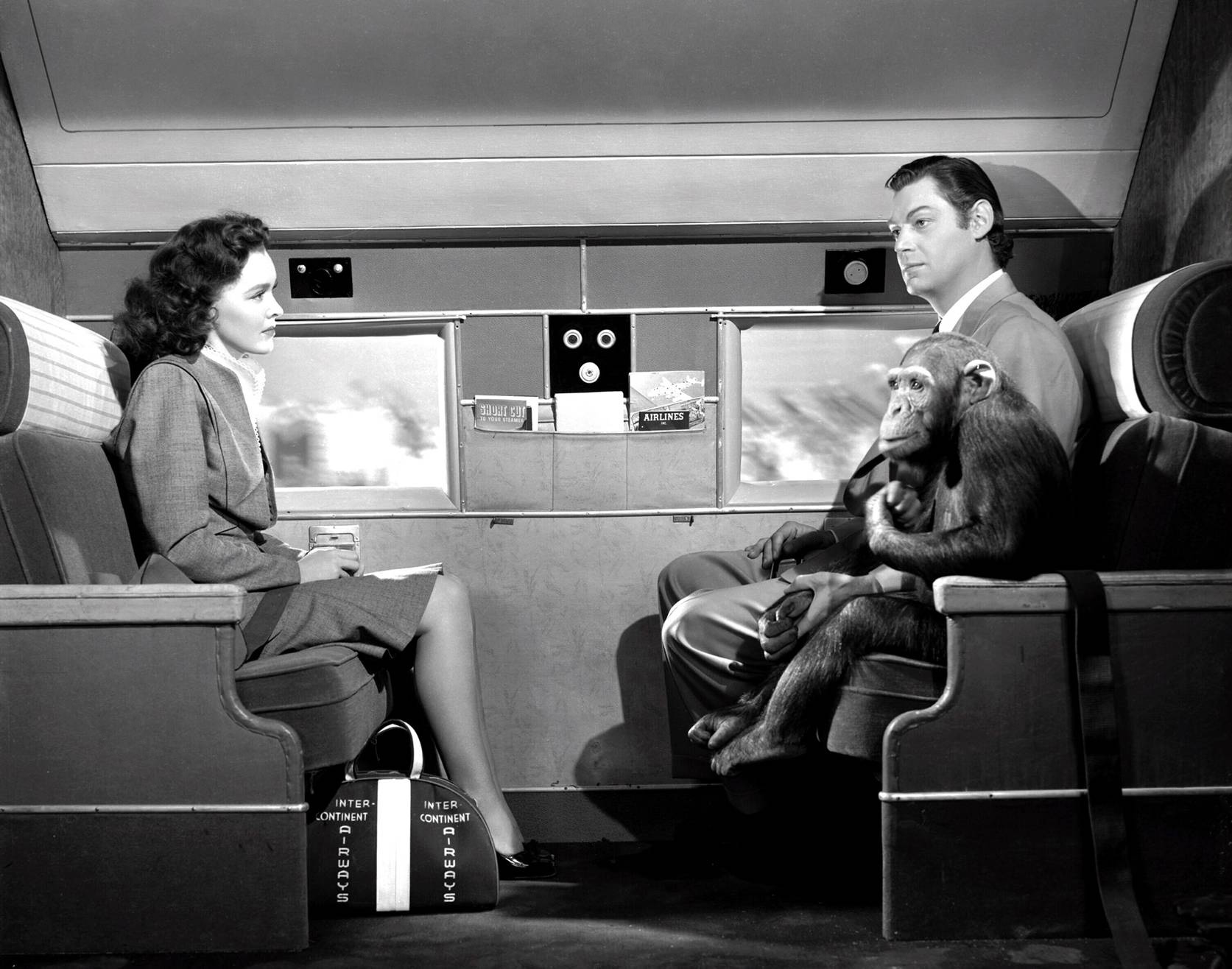
Tarzan's New York Adventure (1942, MGM)

The naïveté and messing up of Boy landing him in trouble rears its head again. This a well that was went back to far too often with his character being too slow on the uptake. Many of the films were very concerned with how white men would try and fool or convince Tarzan who rightly grew more skeptical as the films moved on. Boy sadly got to repeat the exact same tropes too many times over. There are rare flashes of growth in his character later on that are a breath of fresh air. To be fair, he is spirited away in the end but it’s his naïveté that gets him into the situation.

Aside from the courtroom sequence the best aspect of the film is definitely the fact that, despite Tarzan seeming more able to cope with civilization than he should, Jane most definitely take the lead in their search for Boy throughout New York.

Essentially what this film hoped was that a few different setpieces while others were re-fenestrated would be enough to make it feel truly different without the film ever getting there. Essentially it started to feel like MGM was really just churning the series out at this point and it ending there was just fine. The films not only got shorter but got less score. I remember at one point when the score came in thinking “Oh, there’s the music.” Music was far more present in the first three. At this point if the series was to continue, which it did, it turning around to RKO was not necessarily a bad thing.
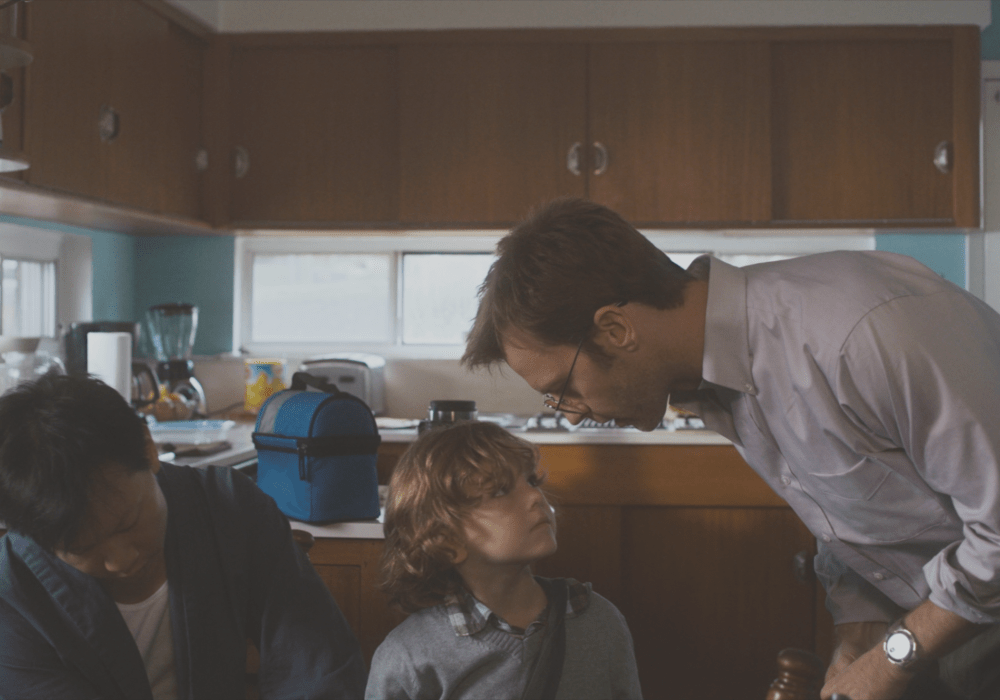
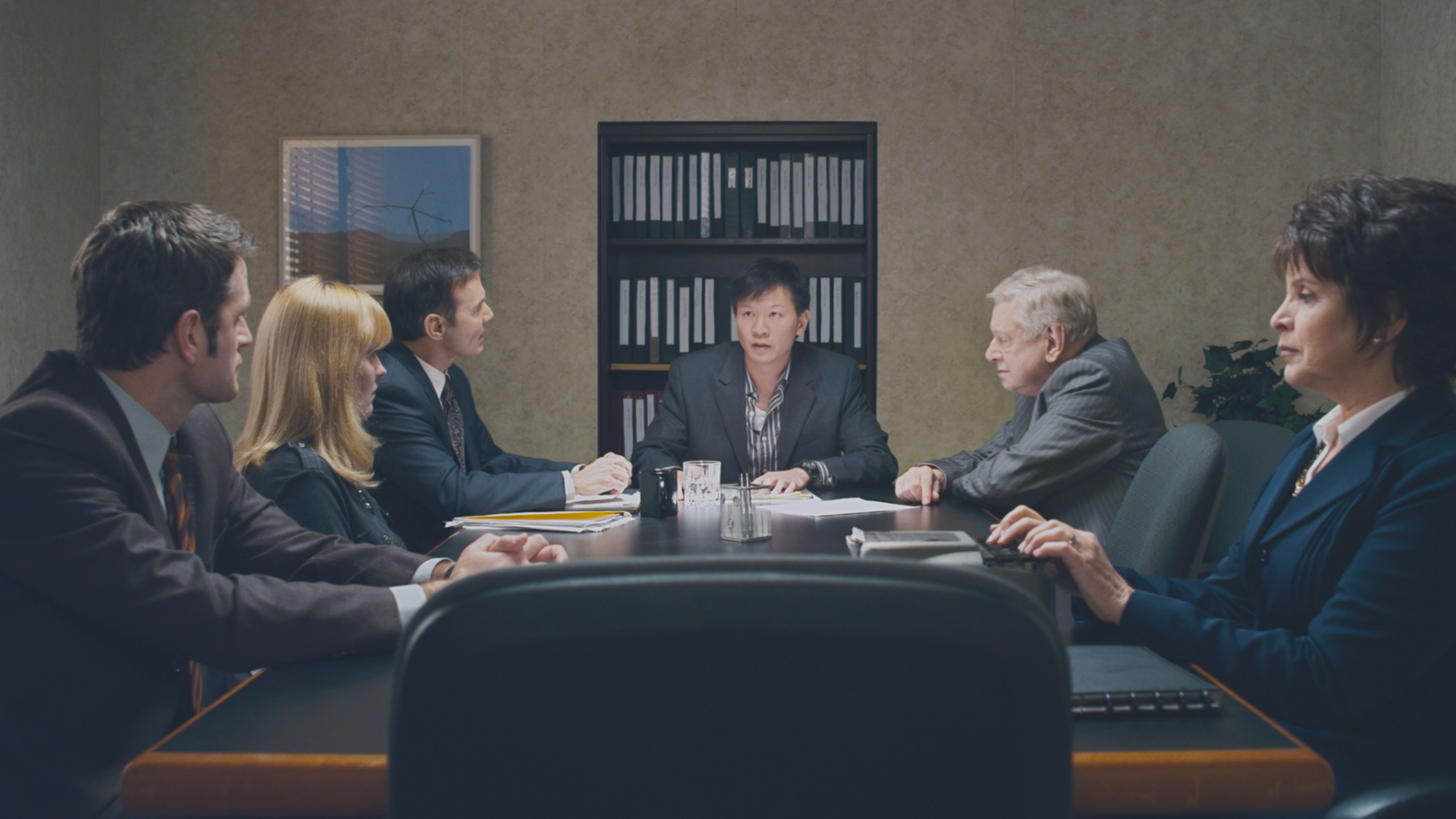
Blu-ray Review: In The Family

Prologue

I’ve written on a few occasions about films earning multiple appearances on this website, namely at the start of a series of posts on Django Unchained. However, even if the film does engender multiple write-ups that doesn’t mean I will hesitate to champion it whenever and whenever I can.

Such is the case of the self-distributed In the Family, which in good old-fashioned barnstorming fashion went around the country city-by-city for more than a year, if not two. Now that its arrived on both Blu-ray and DVD, the great equalizers of the film marketplace, it deserves a proper mention here.

This is a film that I not only reviewed upon having seen it but also won the BAM Award for Best Original Screenplay and was nominated for two others so it’s a home video title I was quite excited to get to view.

If you have yet to see it I recommend you watch the film via rental means. If you feel as strongly about it as I, and many others do, rest assured that the video release could not come more highly recommended.

Introduction

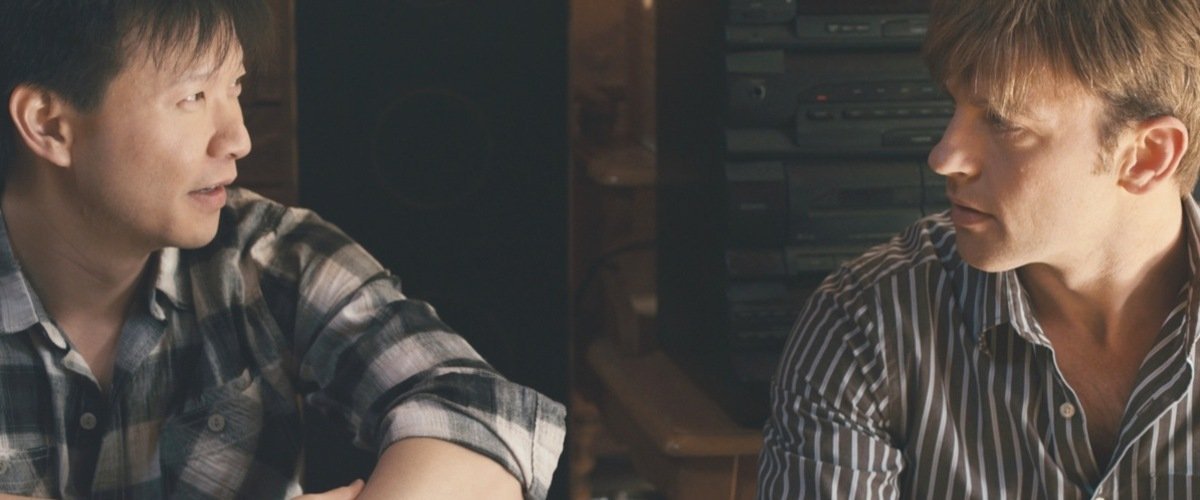
In the Family (2011, In the Family)

Since I viewed the film, and became a fan, I tracked its progress and further triumphs both on its Facebook and Twitter pages. One day on Facebook I saw a pull-quote of a DVD review I could not get out of my head which compared it to a Criterion release. That’s high praise but that comparison echoed through my mind repeatedly as I got willfully immersed in the myriad special features.

What’s great about a film like In the Family is that it is nuanced enough to earn not only the bonuses that are included on the disc, but any others that may come along should Criterion ever pick it up. As I finished reading the varied essays in a booklet that was included, it struck me that quite a few other topics could’ve been explored – that’s how you know you have a nuanced title.

The Features

In the Family (2011, In the Family)

The special features are many and are for the most part all pretty great. I have to admit to not watching too many video essays but the two by outside parties on this disc really exploit the technique brilliantly: one exploring, and further extrapolating visual motifs of the film, expounding upon vague notions I had that really underscore why the film is as effective as it is; another is a great recounting of a Q & A session Wang had in San Francisco. Having been on both sides of the Q & A equation I must tell you it’s fascinating to have this perspective wherein the discussion points and conversations have been digested. Usually you go, listen to, ask or answer the question and it ends, here it reflects back on the kind of impact the film already was having.

Wang narrates two great featurettes one called A Tour of the Cutting Room Floor and another called Sculpting a Scene. In the former, he, more methodically than most, illustrates deleted scenes and shot and discusses why they went unused in the final edit. However, even more valuable than that is Sculpting a Scene. The scene chosen is one of several long takes in the film so rather than discuss editing he discusses through three takes the evolution of the camerawork, lighting and acting and gives examples of the sound edit by switching between production sound and the final audio mix. Whether you’re a filmmaker or enthusiast it’s really great to get that focused and that dramatic an example of the craft of filmmaking.

Lastly, comes the trailer and a behind the scenes video. The trailer was interesting for me to see because I hadn’t seen it ahead of watching the film and not since. It’s a really well done trailer that employs an approach so many other films would do well to learn from. “Cut it like this,” producers and marketers should say. The Behind the Scenes is not so much a making of as a collection of outtakes, however, incorporating music from the film makes that a bit of an artistic achievement also.

As for the written essays they were equally, if not more, compelling than the video essays; and as I mentioned earlier got me thinking that there were other segments, motifs and themes that could’ve been explored also. However, then this bundle might be approaching a bundle with a book the thickness of a BFI Classics book and a disc in tow.

Conclusion

In the Family (2011, In the Family LLC)

I wanted to write about this film again because it’s deserving of more recognition and audience but also thinking that it might be my ode to its coming home to me after its nomadic journey found me and convinced me to go see it. However, maybe there’s one more piece in me about it. Perhaps it would be about dragons and Ingmar Bergman or the the virtues of carefully fractured chronologies. With In The Family now being available to take home I feel it will be a film written about for many years to come.

Tarzan Thursday: Tarzan’s Secret Treasure (1941)

Last year the character of Tarzan celebrated his 100th year in print. A serialized version of the story first appeared in 1912. A hardcover collection of Tarzan of the Apes first appeared in 1914. Being in the middle of the Tarzan centennial period it’s an opportune time to (re)visit many of the screen renditions of the character.

With this installment of the series there are a few things at play: Most naturally this is yet another incident wherein naiveté brings the outside world in. Now here Boy is fairly young and the mistake is more forgivable and understandable. As the series progresses they’d return to that theme with varying degrees of success. Now, while there is some progression with him (we see him learning to write) the evolution of the nuclear family trilogy is stunted here with the inclusion of Bomba, a young native boy, who doesn’t serve a lot of purpose and ends up disappearing. So the natural progression that occurs in the first three films doesn’t quite happen here either.

The introduction of gold to the landscape and what is says about civilization versus jungle life is a good touch and a natural choice. There were always only going to be so many stories you could tell surrounding the elephant’s graveyard anyway. What ends up plaguing the film is a lot of time divided and Bomba’s inclusion, and his tribe, is only a small part of it; there’s still the time-wasting animal play and a long stasis to start the film off wherein some strange advances in their living quarters are made such as makeshift refrigeration and caviar being eaten.

Perhaps some of the issue, as mentioned prior, was there was a greater rush to release new films now that there was a child included. There was more time between prior installments refining the respective tales.

With regards to the minute touches a few of them work out well. Finally, there is a matte painting of the escarpment introduced to give us a visual reference point, the hostile tribe is a new one. Boy is rescued by party of outsiders which bucks a tend, Tarzan’s call here changes from the one used in the beginning of the series, and Tarzan helps the outsiders out of a sense of gratefulness.

The ratio of decent outsiders is the same as ever and even the good one is quite the annoying caricature only good for the occasional punchline or set-up. There will be some later installments too threadbare to be that great, this one spilts its time to greatly with events of lesser consequence. Sadly, while the trio of Weismuller, O’Sullivan and Sheffield are together they don’t have that great closer and solidification of the family unit anew like the first three films did. And I say that in terms of quality. Tarzan’s New York Adventure plays the part of that capper but has its own failings which I will discuss. Here certain aspects and characters are up and others falter as is par for the course in the long run of these representations. Few ever run on all cylinders but one is coming down the line.

Tarzan Thursday – Tarzan Finds a Son! (1939)

As I mentioned in the last post, this film begins a new chapter in the trajectory of this franchise while at MGM. There was a trilogy-style approach to consolidating Jane and Tarzan’s relationship, and now, the next step would be to throw a child into the mix. While it can be said to mirror Tarzan’s beginnings (Beginnings ignored by the MGM series, and perhaps adding allure, legend and mystique to the character), the introduction of Boy is also a fairly Code-friendly affair. He is found, and not conceived, even though he’s scarcely more than a newborn.

The appeal of the series to younger audiences was likely already clinched: there was a foreign land, action, adventure, animals, and now a reflection of their age group on screen; a presence through which the viewer can live vicariously. What this second phase of films may not have in originality and quality it tries to make up for in this added layer of identification.

With a younger character/cast member being added to the mix the production schedule ramped up, this also likely has much to do with MGM trying to get all they could out of the franchise (sounds familiar, doesn’t it?) but I’m sure that having this added element contributed. The possibility of recasting at some point is dangerous, it hung like a pall over the Harry Potter series during renegotiations and production slow-downs, and a maximization of efforts are needed. Not that there appears to be as much of a master plan to the films to follow, but still the desire for more frequent output existed.

While the film adds a new element, and creates a new dynamic, the narrative framework of the film is not that unlike that in the first three. Eventually, relations of Boy’s show up. There is an inheritance plot, there is one altruistic relative who wants what’s best for him and two who are conniving.

The climactic sequences are also not that unlike prior installments: the conniving of the ‘civilized’ white folks is interfered with by native who imperil all and Tarzan comes to the rescue.

The welcome additions to the lore in this version are in the more minute details. As a whole, the bones of this story stay the same. In a certain way, the troubles that are faced by these latter installments is finding balance when a necessary new element/character is introduced. Many of the old hat time-killers (swimming, stock footage of animals, inconsequential bits of comedy by Cheetah, etc.) are still overly-present and divide time with even more principal players. Again, my having previously skipped parts and missed some may lead to finding some surprises (one of the most glaring missing titles is coming up). It just seems, in general terms, during the elongation of the series, where more creativity was needed to rise up to story challenges, what occurred instead was uninspired formula and at times apathy.

Bela Tarr Retrospective: Werckmeister Harmonies (2000)

Introduction

As has become customary for winners of the Ingmar Bergman Lifetime Achievement Award at the BAM Awards, I have begun a Bela Tarr retrospective. The introduction and initial short film post can be found here and here.

Werckmeister Harmonies (2000)

So it’s been a little longer than I wanted it to be before I returned to this series and gave my first closer look at a title but here it is.

With Werckmeister Harmonies not only do you have Tarr fully embracing his new aesthetic but you also have him creating the trajectory of his remaining films. What can be found here is the opening salvo in the ongoing dialogue of his cinema. Some of the themes both visual and otherwise start here and you can feel them echoed in later works.

For example, the film begins with a shot of a piece of wood being added to the fire on an oven. Now, as it turns out here this is just the opening frame of a lengthy tracking shot, but the motif of wood-burning ovens, flames through the grate and things of the like reappear, most notably in the Turin Horse.

The opening shot is an intricate and quite a famous one. It is perhaps the most we will hear out of our protagonist. However, interestingly this protagonist is one whom for the most part is just a vessel with through which we can be shown the story, such that it is.

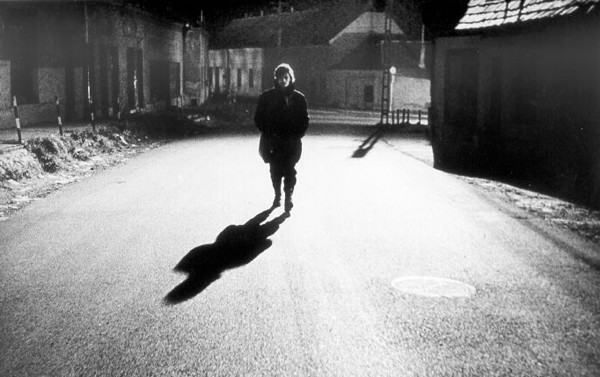
Werckmeister Harmonies (2000, Facets)

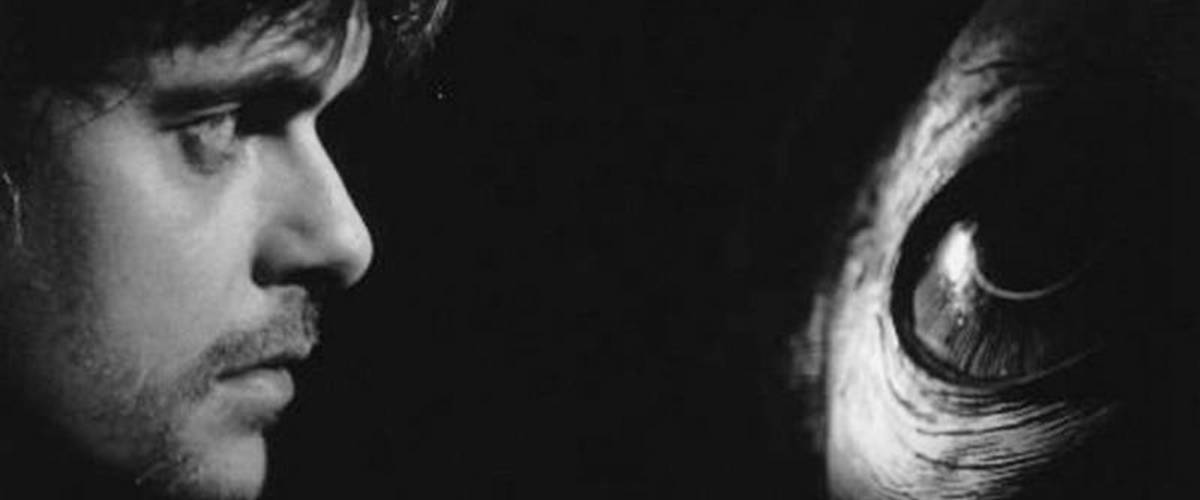
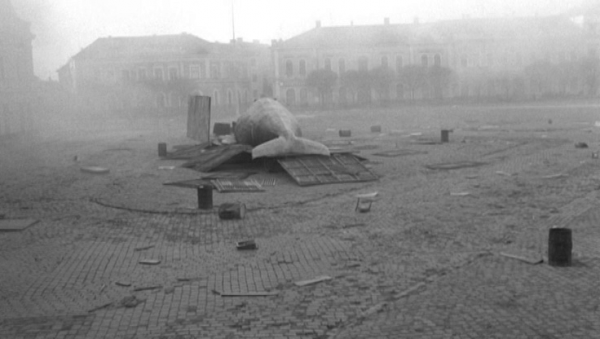
There are two significant and long speeches in the film and much like the only dialogue of consequence in The Turin Horse, the temptation to disregard it rather than trying to ferret out some semblance of meaning is compelling but erroneous. The first such extended piece of dialogue is right there in this opening tracking shot wherein Janos describes to bar full of inebriates the workings of the solar system. I read of a God Complex in one essay but the way Janos walks around observing the whale, being transfixed by it and assigning it no special significance, save for the wondrous work of God that it is, doesn’t quite mesh. I think the intent is likely to define Janos here for we will see little else throughout that does. He listens and does what he is told most of the time. Whether or not he does that to a fault is debatable, but what this is establishing is that he thinks on a simple matter and sees the wonder of it, much like a child would, and seeks to share his wonder. The barkeep lets him go on only so long before kicking him and everyone else out.

The second dialogue passage of significance is when the title the Werckmeister Harmonies is disseminated. It is a rant on musical theory on how the tuning of instruments and the regimentation of notes and octaves created something far more mechanical and less artful and organic than existed prior. On the surface it has nothing to do with anything else, save for the fact that it is this old man’s, Gyuri Eszter’s, obsession. However, it’s not the explanation that matters, but how he feels about it. He likens it to man tinkering with the work of God and here, yet again, we have a theological reference. Now, God here is being invoked in a more existential and cosmic way, rather than in a dogmatic way. It’s seemingly invoked as a larger ideal rather than a denominational claim, much like the the whale and the so-called prince, a dwarfish shadow-figure whose face is not shown threatens the natural order in the minds of many in the town, are.

As in much of Tarr’s work when he stayed shooting in black-and-white, moved the camera more and created a course the film is about decay. It’s about how we as human beings are always teetering on the edge of devolution and anarchy.

Werckmeister Harmonies (2000, Facets)

The sound of church bells in this film, much like in Satantango are ascribed and ominous connotation; similarly to that film a broken clock in a church starts working anew rather mysteriously. Much in the way many of the people, except Janos, interpret the whale in their own way. The allegory of the whale is perhaps the most powerful in Tarr’s filmography because for as large and imposing as it is, as much of a spectacle as it is, it can’t do anything. It does not do anything and neither does the feared Prince who evokes passion and creates followers. However, the people believe they can and do and that’s what causes them to react the way they do. The people want no change, in spite of its constancy, and when something threatens that they lash out.

The order the enraged mob seeks to be restoring is an illusion. It’s as much an illusion as film is, which could be why Tarr in this instance brought in two German actors, the wide-eyed, childlike Lars Rudolph as Janos and the formerly omnipresent Fassbinder vamp Hannah Schygulla; and had them speak their lines in German and then had them dubbed, and not necessarily in a way that syncs perfectly, because something it always off.

Uncle Gyuri Eszter, in his diatribe about the Werckemeister harmonies, states that what the struggle is as follows “the octave versus the note; the natural tune versus the manmade construct; the heavenly versus mundane; human hubris versus divine gifts.” And that’s much of what the struggle in this film is.

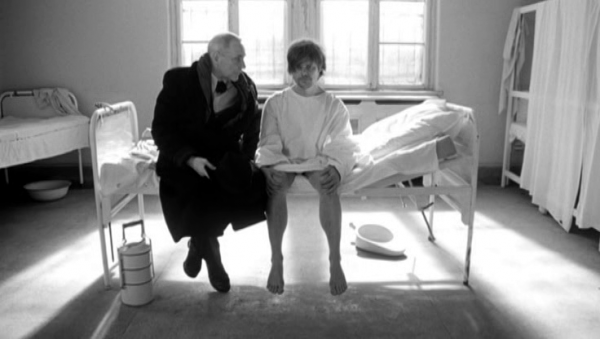
There are still mysteries to be unraveled. Many can assume, since we did not see him through much of the assault on the hospital, that Janos was not there. However, that long and significant tracking shot ends on him looking terrified after the violence stops upon the site of the frail old man who no one wants to harm. So one can wonder did he just witness it all, unable to stop it; or was he a party to it. Similarly is the account he reads in the church one he found or one he wrote himself. The film leaves them purposely vague. However, I think it correlates more with both his passivity and his folly that he was merely a witness. What is left unsaid the end that he was inactive in the assault and not the author of what he read.

Werckmeister Harmonies (2000, Facets)

When all is said and done he’s the perfect scapegoat. The society back to its so-called sense and must now restore order and the most logical scapegoat is Janos. They, meaning all the citizens, recognize neither God nor Man, so he must leave. The end of the film is uncle Gyuri Eszter going to see the whale. It is left out in the square on display where the madness began passive and immobile as it always has been.

It’s a film that’s really not about what happens, but why it happens and that answer is not nearly so nebulous people have willed it to be. They’ve assigned meanings based on their fears and ignorance and punished the guilty. In almost an eschewing of genre toward the end there is a helicopter, maybe verifying early rumors of military involvement, hovering in the sky behind Janos. It circles him quite bit, but it’s not going to try and barrel him over like the cropduster in North by Nothwest. It’ll just watch him and let him know that he’s targeted. He’s the odd man out because he embraced the whale and got the finger pointed at him and now he must go down the train tracks and out of town.

All that remains is delusion and lies, he’s told once and that’s the way it stays. It’s merely an illustration of that statement is what the film is. The people fear, they know nothing. They do not move on. The Prince is gone, the circus is burnt, the whale lies alone; an abandoned blasphemy and things go on unchanged.

Tarzan Thursday – Tarzan Escapes

Being a modern film viewer it’s at times difficult to realize that everything that’s old is new again, and that’s understandable. Especially in an Internet age we are now as film fans not only diving into the minutiae of new releases but also future releases such that patterns that developed in the past may be lost through the vast landscape of film history.

What prompts me to bring this up is that going through these Tarzan releases now in some semblance of order, as going through any series will, has brought to the forefront certain patterns. Of course, as you traverse a series you will invariably find the specific formula therein, but here there also seems to be a design that’s fairly modern. The first three films of the MGM Tarzan series for a sort of trilogy wherein the union of Tarzan and Jane is formed, then tested and finally solidified.

Now, this is going purely on narrative and not based on the studio’s intent. I’m sure that MGM always wanted to propagate the series so long as it was profitable. It’s just the master plan was not necessarily there before the release of the first. However, that hardly matters since this is the way the first three films did play out. They did end up forming a trilogy where Tarzan and Jane constantly have to battle external forces to be and stay together.

However, as the films remained popular and MGM still wanted to make them after three films they recognized the need to move on storywise, which is why in part four is where you find the introduction of Boy. As the MGM legacy progressed to amass twelve films the series would invariably become increasingly about outside forces threatening the escarpment, Tarzan’s domain and him by extension, to the extent that they nearly become proto-environmentalist tales in many cases. The series would also eventually, naturally have Tarzan leave, if only for a time, and even engage in propaganda battling Nazis, which I believe is the last of the four in this run I’ve not seen.

This installment is also perfect proof of why I didn’t want to write this series up in typical review format, because sure enough here Iatched on to a thread that illustrated the design of the franchise as opposed to how well this particular installment functioned within and without it. Having said that, it is an enjoyable albeit somewhat more predictable rendition of prior versions. There are some small wrinkles and twists that keep it fresh enough to be entertaining. However, it does become far more interesting when you see how it works in the grand design of the character’s trajectory with MGM.

Once Upon a Time in the 80s: Kidco (Part 16 of 17)

Note: This article features in-depth plot analysis that may contain spoilers, read on at your own peril.

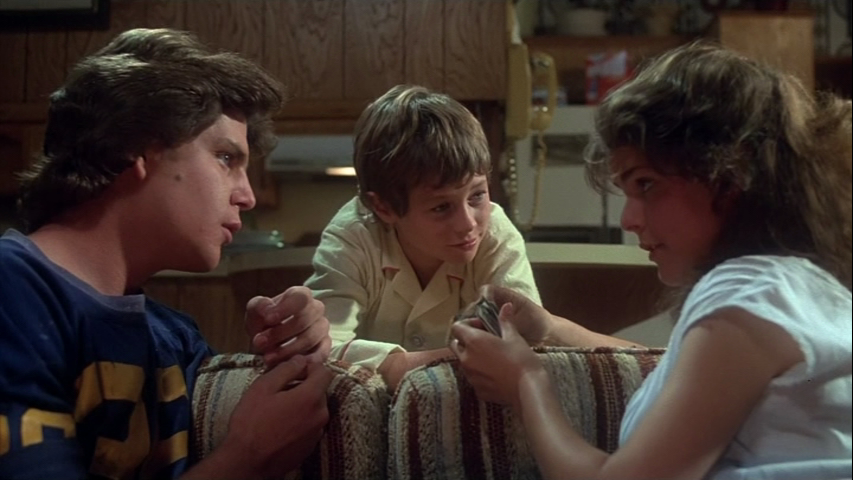
Kidco is another one of those fantastical films although it has a very grounded theme. It was written by a man, well let’s just say this was his best work, because Bennett Tramer went on to create probably the most famous television show that’s “So Bad It’s Good,” called Saved by the Bell. This film tells the story of Dickie Cessna, played aptly by Scott Schwartz. I happened to have obtained a copy of the film’s script and I think Tramer describes the protagonist best: “Dickie possesses the all-American good looks of a Norman Rockwell cover: sandy hair hanging over his forehead, healthy tanned complexion, a big toothy grin…Combined with the shrewd eyes and alert demeanor of a junior executive who yearns to be running the company himself. Dickie’s only twelve years old — but he’s been looking for an angle since he was in the womb.”

We start off watching his Keno scheme at school which is busted by the principal. He also tricks some Japanese tourists to go on a moose trail when touring his father’s ranch and dangles a moose head from out of the bushes. He’s the quintessential 80s hero; anything for a buck, but he’s the little guy so who’s gonna come after him? The crummy feds, of course. We first meet with these agents when they come to inspect his father’s ranch because the Board of Taxation needs to appraise his assets. First, Dickie gives them bad directions and then when they arrive his sisters lead them to the barn where they supposedly live and put on an act of misery. 
 

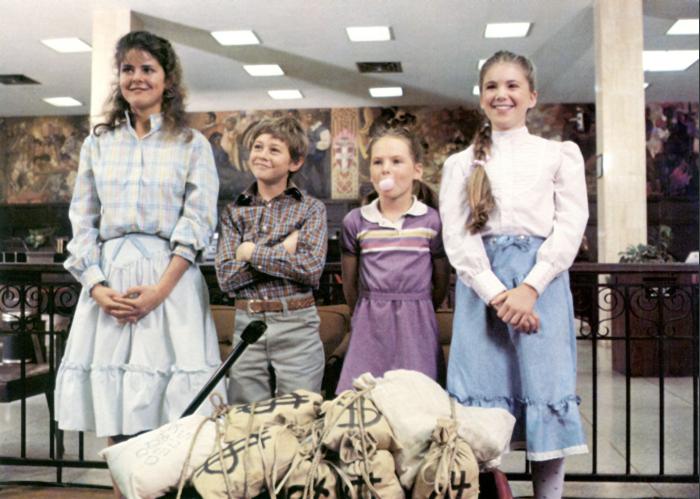
Kidco (1984, 20th Century Fox)

Dickie’s father tells him he has to stop running scams in school so he takes him up on the loophole. Yet then he stumbles on to a legitimate business opportunity when he sees they throw away piles and piles of manure everyday and all the local companies are complaining that Orville Peterjohn, the town tycoon, is charging them an arm and a leg for fertilizer.

Their first client is the owner of a local driving range and they go on from there. Peterjohn starts to lose business so he gets in contact with the feds. He wants them investigated after he sees them on a talk show where they claimed to have made $30,000 in profits over the summer. They are then charged with not paying sales tax, not having a seller’s permit and not listing the contents of the product. Not only are they brought to trial, but Dickie and Bette Cessna (Tristine Skyler) decide to defend themselves. This provides for some of the most hysterical moments in this film.

Kidco (1984, 20th Century Fox)

At one point, Dickie decides he needs to deliver a speech to state his case and says closing with “The United States could’ve been the greatest country in the world but they had to go and bust Kidco.” This is also a film that deals heavily with the fundamental differences between children and adults and Dickie says “Youth is wasted on the young. Children should be seen and not heard. Your honor, if we believed in cruddy old sayings like that Kidco wouldn’t have made a cent.” While Dickie’s vocabulary is lacking he is always brutally honest and has no problems insulting a lawyer which is always fun to watch and what this film has which I think is great is a triumphant defeat.
    

They get out of the sales tax because their father has already paid sales tax on the hay and oats the horses ate that became the manure. It’s a great moment because you see it coming and Dickie says “Your honor we’re getting taxed at both ends!” The judge under heavy media and political scrutiny to be easy on the kids quickly dismisses the charges. Then the prosecutor reminds him the other charges still stand before the court. There is a plea bargain struck because there’s really no way they’ll be completely absolved. They’ll be given a special seller’s permit and must pay practically all their profit’s worth in fines. The triumph comes when they walk outside.

Kidco (1984, 20th Century Fox)

There is a gathering of thousands of kids and Dickie gets up before them and starts talking, riling them up. Neil (Tom Mackie), a cub reporter who’s been helping them out, gives Dickie a box full of orders for Kidco T-Shirts then Dickie grabs a bullhorn and says: “And we wanna tell you, you just made us enough dough to pay our fine…and buy supper for every kid in San Diego! Maybe now those bozos will pick on someone their own size” then he announces plans for a new shirt with his picture on it. And the kids chant “Kid-co, Kid-co, Kid-co.” Some of the details in this film are really what make it work. For example, instead of baseball pennants over his bed Dickie has pennants of Ford, Standard Oil and General Motors. And at the very end there are protest signs that read: “In Kids We Trust,” “Peter Pan Lives,” “Children’s Coalition,” “Kids Liberation,” “Suffrage for Kids” and “Equal Rights for Kids.”

These signs are fantastic. The whole tone of the movie is perfect. In many films made in the United States children are given little or no respect as people they are portrayed as stupid, whiny, troublemakers. Few and far between are the films that treat them with any respect. This film screeches for and demands that respect. Not only that but it’s a great portrayal of big business in the 80s where kids were also looking for money and identifying themselves with corporations. Kidco might be a strange and unusual little film but it is most definitely funny and it is definitely a film of the 80s.

Work Cited: Tramer, Bennet. Kidco. Screenplay. September 1982, Frank Yablans Productions.
 Ibid.
 

DVD Review – Allez, Eddy!

Introduction

This was a film I was initially going to discuss in my Mini-Review Round-Up. However, the review grew such that the ‘mini’ tag didn’t really fit anymore. This is a film that has not seen North American release and has only been out on Region 2 Blu-Ray on DVD. These titles are still viewable in other regions on computers or region-free players. I discuss that here.

I found this film through an importer on Amazon, and as I will describe below it goes above and beyond the seemingly simple call of its synopsis.

Film

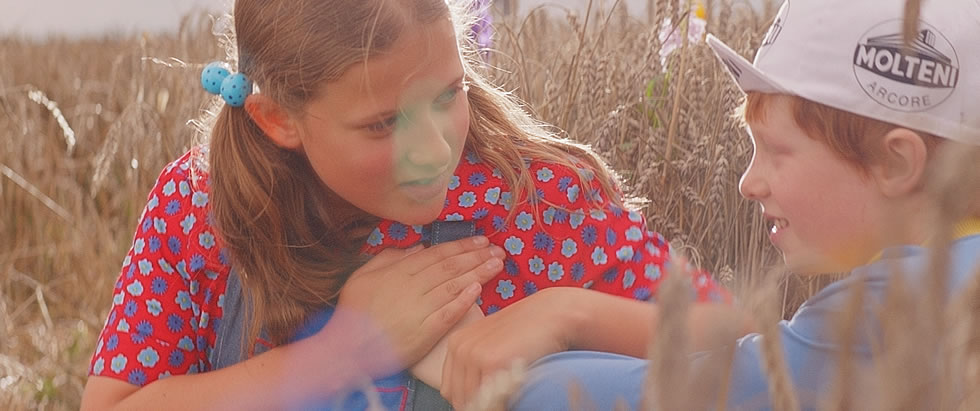
Allez, Eddy! (2012, Benelux Film Distributors)

With a film such as Allez, Eddy! there are with its various components, which prescribe certain plot points and confrontations. However, what is unique about the film is the handling of said situations, not necessarily the situations themselves. Also, adding to the distinctive palate of the film is the combination of these situations.

To be a bit more specific, in this film you have: the tradition vs. advancement plot of the family-owned butcher shop versus the new supermarket, which in the setting of this tale is a new concept in an of itself. Then you also have the underdog sports story of a kid who comes out of nowhere to shock his hometown in emulation of his hero. Intermingled with those concepts is a family drama, but lastly you have the tale of an isolated child. The cause of his isolation is a malady that could be the cause for much potty humor, but is for the most part handled deftly and delicately. Already upon combining these things you can see this film is anything but run-of-the-mill.

All those items are tethered to one another so there’s no feeling of the film being disjointed as there is a unity to it all; a common thread. There are other subplots that could be touched upon, but its better that those be discovered in the film. Aside from their connection what makes the handling of these themes and plots unique is that things don’t always turn out as you expect or occur when you expect. The film sets you up believing there will be a clichéd climax or sequence and pulls a reverse on you at the last second.

So on a narrative, and more intellectual, level it is intriguing. However, it also captures you viscerally with the varied and wondrous performances of the cast. They elicited from me all the emotions desired. As viewers we are constantly put in a place of being ‘for’ or ‘against’ a character in a scene. Empathy and understanding throughout a film, even with character you dislike or are mad at, is rare. This film achieves that engagement. Regardless of how characters are designed to affect you, you understand them. And within a film that focuses mainly on a family dynamic that’s quite a feat, for even though you may not like the way a family behaves individually at times, or toward each other, the striven for reconciliations are stronger if you desire them for the characters as well.

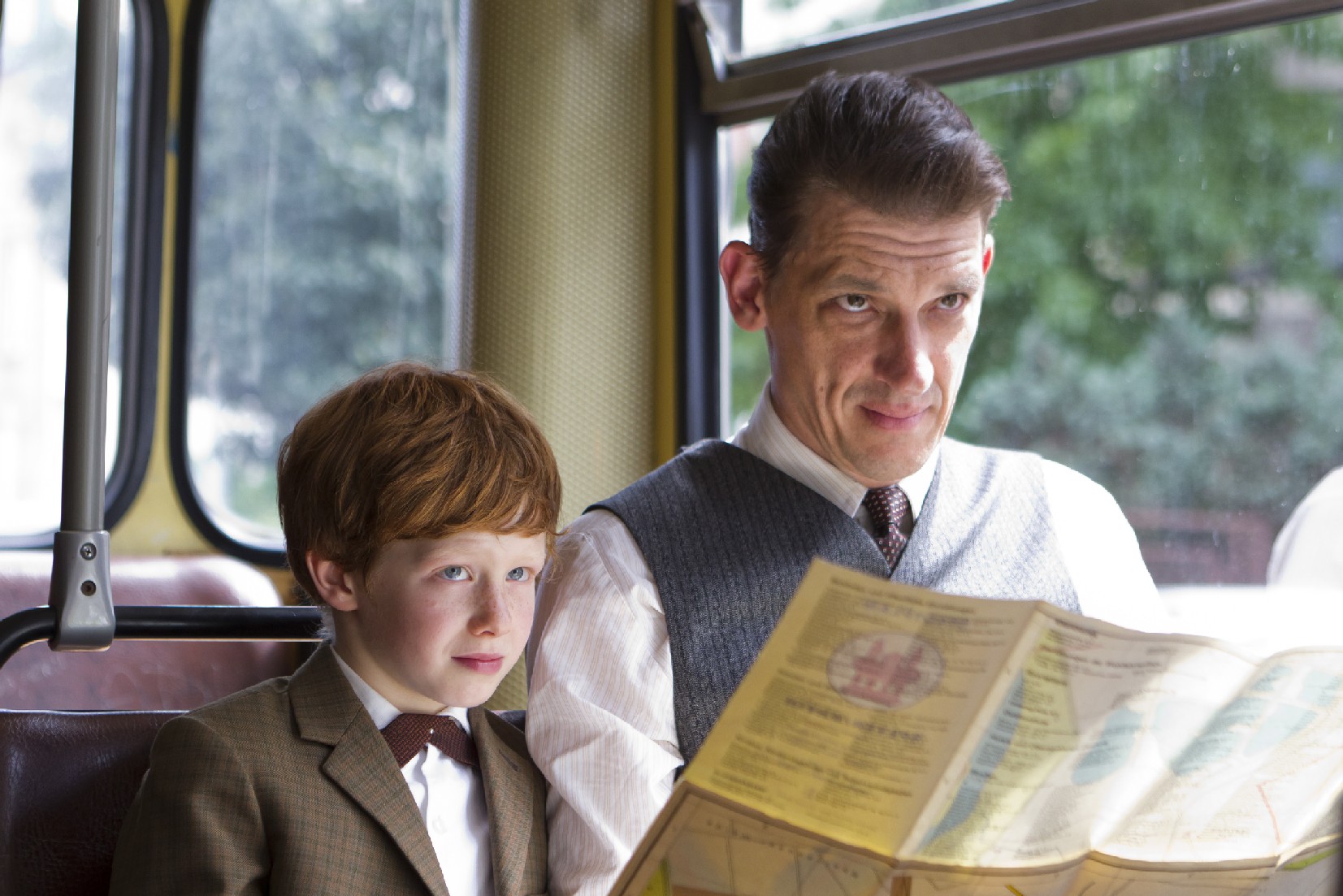
Allez, Eddy! (2012, Benelux Film Distributors)

So this film engages on those two levels, however, nearly from the start it also engages the imagination, which combines the intellect and the visceral in a number of ways. It achieves this engagement through the stylized, self-contained, imagined depictions of stories Freddy’s mother tells him. They are mainly tall tales of her fashioning designed to reinforce her rules but they do have a resonance later, and do play into the pure wonder of storytelling, which should be the foundation of all cinema, and ultimately art.

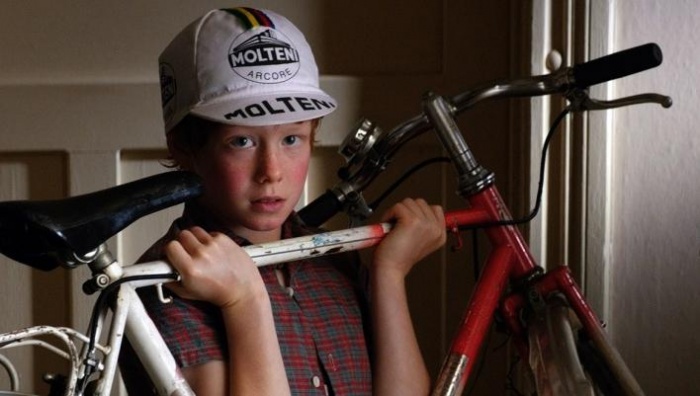
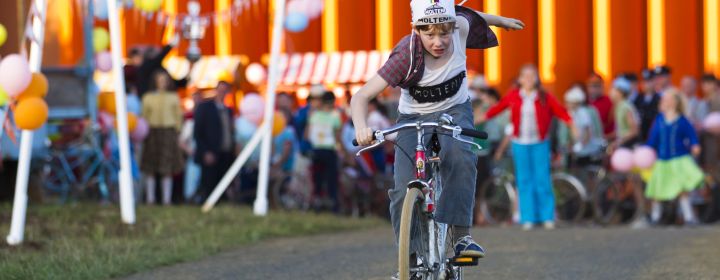
Oh, yes, and if you look at the synopsis much of the initial conflict is not only caused by Freddy’s wanting to be out of the house unattended, which is forbidden, but also his entering a supermarket-sponsored bike race, which is doubly forbidden. Thus, there’s the sports element perhaps 5th or 6th down the pecking order of things that stand out in this film. This makes it a film that features sports rather than a sports film, but it does that brilliantly. It uses Eddy Merckx’s quest for a 6th Tour de France title not only as a backdrop for the events of that summer, but also at one point as a tremendously artful parallel in a cross-cut sequence. There are other ways in which cycling is folded into the mix that are creative, but I will leave those as a surprise as well.

Allez, Eddy! plays all the right emotional notes throughout such that it can even earn a more subdued end quite well. It is uniquely beautiful, at times touching and warm, at times hilarious, often sad and empathy-inducing film that’s quite nearly always spot-on. It’s one of those films I come across once in a while that got better as I sat down to write about it. An extraordinarily well made film.

10/10

Extras

Allez, Eddy! (2012, Benelux Film Distributors)

A case of caveat emptor for those who seek out foreign region discs is that typically bonus features are not subtitled. Another word to the wise is if you do start scouring resellers, or foreign Amazon stores, become familiar with the words for “subtitles” and “English” in each. It’s usually fairly apparent. As per usual, the deleted scenes here are in Flemish and not subtitled. I confirmed that fact, but may see if they translate visually. So if you speak the language the film is in, as I speak Portuguese, you’ll get by, otherwise it’s good to keep in mind.

One very great bonus feature is a compelling, quirky and original short film called Vincent. The short is vaguely reminiscent of the early works of Robert Rodriguez, and you can clearly see the seeds for Allez, Eddy! being sewn in the style, content and tone.

Unless, it actually comes to region 1 at some point it won’t be a cheap or easy find, but it’s well worth it if you’re compelled to see it.

Once Upon a Time in the 80s: Amazing Grace and Chuck (Part 15 of 17)

Warning: This post features in depth story analysis, which includes spoilers. If you have not seen this film proceed at your own risk or not at all.

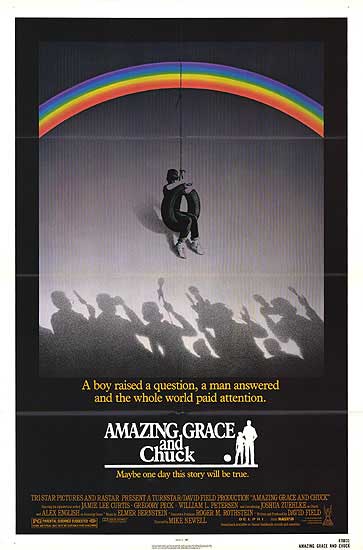
This film was the catalyst for this paper. I think what I admire above all else in filmmaking is bravery and I think it was very risky to make this film. This is an idealistic fairy tale about global nuclear disarmament and of political martyrdom. David Field, writer, and Mike Newell, director, knew no fear in making this film, there was no ceiling for how far it could go. While it’s an outlandish tale, it admits as such, and gives it even more redeeming value in the process.

The film very early on inserts a title stating “Once Upon A Time There was a Boy…” it’s a fairy tale, for some reason some Americans just cannot comprehend that a fairy tale can be depicted in a live action film. What we have in this film is a grassroots movement. A boy, Chuck Murdock (Joshua Zuehlke), is taken on a field trip to a missile silo one day. The kids are shown an actual missile, Chuck is the only one who questions its existence and is also very frightened because his father is in the Air Force. After the trip the Congressman who led them around pulls him aside and tells him “That missile will never be used, that’s why it was built,” it’s that kind of thinking that got us in an arms race stockpile and made us want to scare the other guy into not using their weapons. That night Chuck has a nightmare that he is caught at the silo during a nuclear attack.

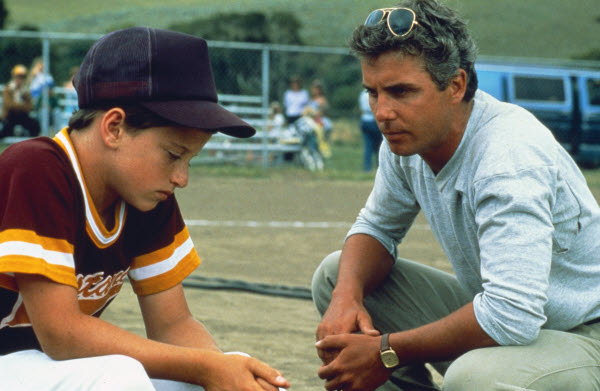
The next day when he gets on the pitcher’s mound he decides to quit baseball. He states it’s “his best thing,” and no one understands why their star pitcher walked off the field. Then he explains that he won’t play baseball again until there are no more nuclear weapons.

Amazing Grace and Chuck (1987, TriStar Pictures)

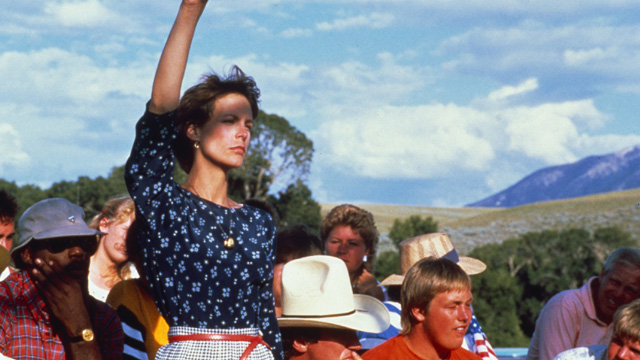
The other protagonist of this film is a professional basketball player nicknamed “Amazing Grace” Smith, played by Alex English who was a player for the Denver Nuggets at the time this film was produced. We see him playing, hit a three-point shot and give his famous three fingers in the air gesture, after the game his agent/best friend, Lynn (Jaime Lee Curtis) reads him an article about Chuck and the wheels start spinning.

With the memory of his wife and daughter gnawing at his mind, Amazing decides to quit basketball and do like Chuck did, an official protest has begun. At one point someone asks Amazing “Do you really think you’re going to bring an end to nuclear weapons?” Amazing turns to him and says “I don’t know but wouldn’t it be nice.” This soon starts a snowball effect and so many athletes join the cause that professional sports are crippled and the movement spreads worldwide. So leftist is this film that Ted Turner was a consultant and used this film to promote CNN with many news reports in the film brandishing their logo.

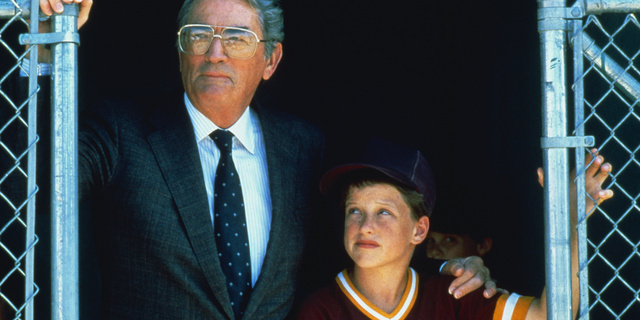
The protest continues and gains national recognition. Chuck meets with the president and he eventually proposes that the Americans and Russians will disarm within seven years but this plan is rejected because the President (Gregory Peck) might not be in office by then. The protest causes problems between Chuck and his father and Amazing Grace starts getting anonymous phone calls. A powerful businessman, who has been threatening Amazing Grace, tricks him into getting on one of his planes and then he blows it up. Following Amazing Grace’s death Chuck vows not to talk anymore and this movement sweeps across the world and forces another meeting between the Russian Premier and the President.

Amazing Grace and Chuck (1987, TriStar Pictures)

We see them meeting at people in Montana in a cabin just a few miles from Chuck’s home. The President opens by saying “Are your grandchildren talking to you?” the Premier laughs and says “No.” Then they talk about how troubling it is that they’re losing their children. And ultimately this is what the disarmament would be for: so they don’t lose their children. They agree on total nuclear disarmament immediately. And, of course, the president goes to visit Chuck and thanks him.

Now a lot happens in these two hours and it all ends with Chuck stepping back up on the mound. The Russian Premier is there, so’s the President. The catcher starts to give him signs he shakes off the fastball one, and the curve two, and then he turns to the crowd and makes the three-point gesture. And every one stands and repeats the gesture, yeah it’s been done to death but in this film it all works. Chuck looks up to the heavens when he’s poised and says a word to Amazing, he throws the pitch and we follow the ball in close shot as it spins through the sky and cut to black and then there’s a title it reads:

“But wouldn’t it be nice.”
-Amazing Grace Smith

Amazing Grace and Chuck (1987, TriStar Pictures)

This is a film that is idealist and dares to dream. It takes the fears of Three Mile Island and Chernobyl and combines them with the hope of Glasnost and presented us with a fantasy. The poster for this film should tell you it’s a fantasy. And it’s one that only could have come out of the 80s, this film literally drips 80s. In the 1990s, and especially in the present, disarmament was the furthest thing from anyone’s mind. It’s a great film about one person can make a difference and a film with a message.

DVD Review: A Royal Affair

As I mentioned the last time I did a DVD review, I don’t do them too often. I do prefer writing them when I didn’t write about a film I enjoyed upon its initial release. Thus, when I saw that A Royal Affair was coming around on DVD I decided I would do so.

I saw the film just before my annual year-end dash to see a multitude of titles and bolster my BAM Awards field. Its being the Danish submission and eventual Golden Globe and Academy Award Nominee also helped bring me out to it. However, I will admit that its costume drama nature did give me some trepidation, as did, as much I hate to admit it, its length.

I was glad to report then, and even gladder now, that I enjoyed it a great deal and it held up to a re-screening.

What brings this film jumping off the screen is that it doesn’t put the cart before the horse. It doesn’t make costume or historical accuracy as paramount. It immediately places the audience in a position where it can identify with the young queen and quickly plunges us into the loveless, arranged royal marriage and the torrid romantic love affair. Nearly as soon as the players and politics can be quickly established, we go into the personal matter.

What watching the DVD, with all its features underlined, is that the tale was rendered in a rather universal way, even though director Nicolaj Arcel wanted to bring the story to the big screen because it’s a big, great Danish tale that had not yet seen a silver screen rendition. What’s more interesting is that he learned of the more rounded nature of Carolne Mathilde’s character and her diaries in researching the film, and it created a great frame.

And this background information also lends some insight into the selection of the film as the Danish representative. As much as I, and many others, enjoyed it, I cannot judge how it stacks up to its competition, but it has now been underscored for me the national importance the tale has.

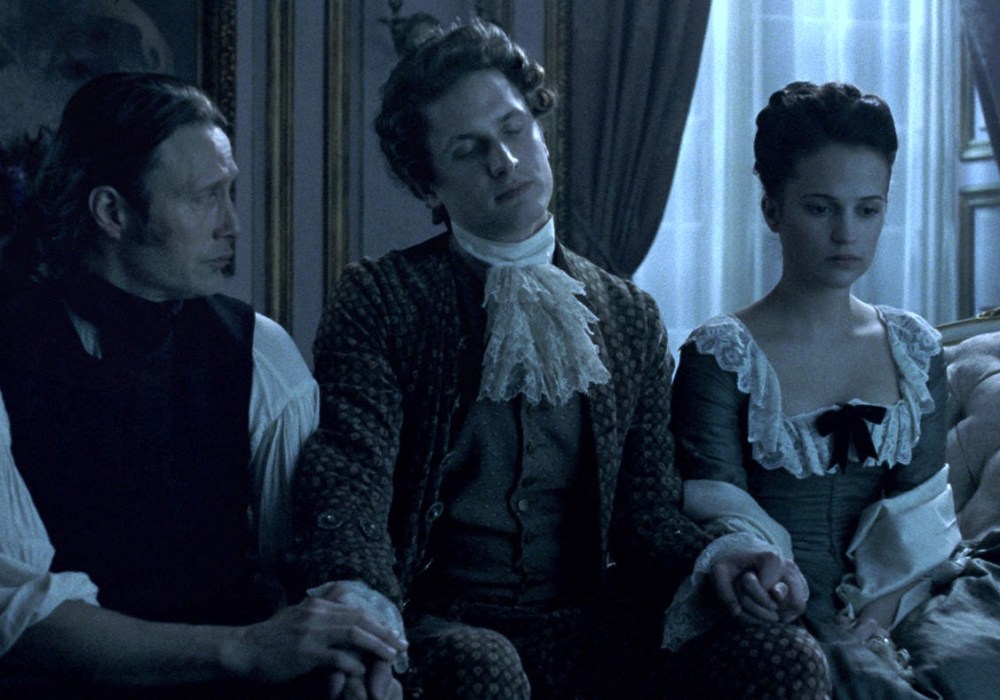
Most of these factoids were things I gleaned by listening to the three interviews (Mads Mikkelsen, Nicolaj Arcel and Alicia Vikander). The other bonus features are the standard trailer and two interesting royal tidbits: portraits and bios of key players in the film as well as royal family trees which trace both the Danish Royal family just prior to the film to the present, as well as the British Royal family to the present, as Caroline Mathilde was English.

The film is highly engaging, well written and excellently performed. When all was said and done it was nominated for a BAM Award last year (Mikkel Bo Folsgaard for Best Supporting Actor0.

It is available on DVD and Blu-Ray from Magnolia Pictures home video now.

9/10