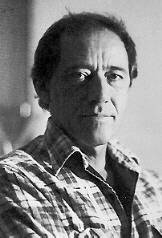
Bernardo Villela is like a mallrat except at the movies. He is a writer, director, editor and film enthusiast who seeks to continue to explore and learn about cinema, chronicle the journey and share his findings.
If you think that short animated films deserve serious analysis, you should first visit Cartoon Brew, and second watch more films like Peace on Earth. It’s a chilling, gorgeously rendered, dystopian future that counts on simple ideas and hope (or loss thereof) rather than incessant cynicism for its effect, and incorporates a holiday theme. Enjoy!
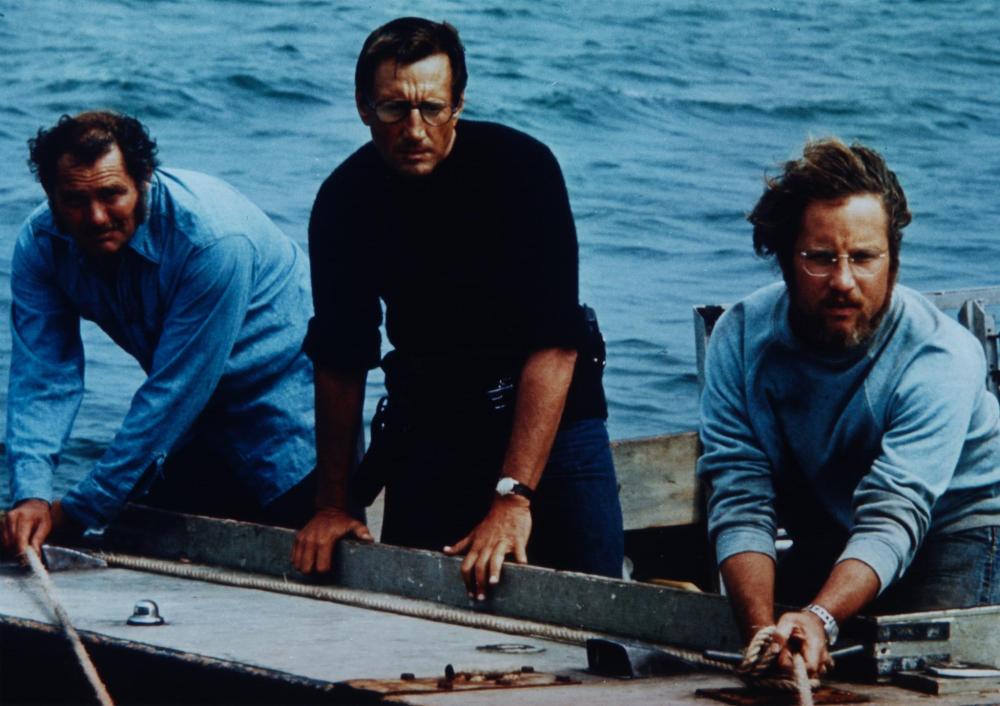
As time moves on we must learn that things need to be contextualized. It takes no insight to show kids Jaws and sit there bemused as they’re unimpressed. The first thing that must be noted is that, in my case for example, Jaws wasn’t that old a movie when I saw it as a kid. Now things from five years ago may have the faint whiff of being dated already. I’ve caught myself thinking “Wow, that came out a while ago” about a fairly recent film.
The art, all arts, are evolving at ever-dizzying speeds because they have to to survive. That’s just the way things are. It’s not better, not worse, no judgment; just a fact. Therefore, Jaws is now an old film. Even I, who was a self-motivated film watcher needed, and relished hearing, the framework my favorite college professors would create to establish what our mindset should optimally be going in. I was motivated to watch Citizen Kane on my own and Hitchcock and a few others and I got an innate sense for them. As I learned more film history and discovered more varieties and approaches. I benefitted from the brief intro.
Tendaciousness still will apply. You will like what you’ll like. I don’t care for The Social Network. I am able to appreciate all the technical refinement and skill in the making of it. My background makes it such that I can ignore its departmental prowess. It cannot move me in any way as much as it tried, but I had the framework.
Bringing it full circle to Jaws you can’t just put it on and say “watch this, it’s great.” You can’t really do that for any old movie, which it now is. Context before, and not during or after, is the only real way to ensure it may be appreciated. And, as is true with any kind of film, like what you like and let the kids respond to what they will.
One of the biggest fallacies around is the whole “you have to like this or you don’t like film” school of thought. Venture forth wisely, bringing some of your knowledge with you but your baggage with a film (good or bad) is yours, so don’t pass it on just try to help them see it the way you did once upon a time, even if it can no longer be looked at the same way.
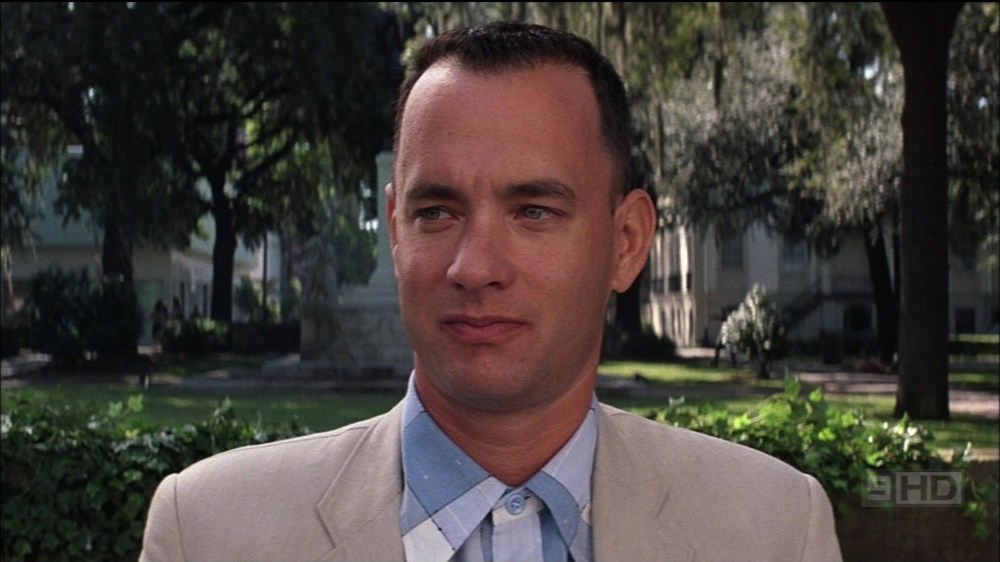
Forrest Gump is a film that defies the conventions of filmmaking, and in that sense it is difficult to do a typical analysis of the film. It’s not so much that the film is overly complicated or that reality is always in question or any art house tricks of that kind; it’s just that Gump doesn’t really follow any rules.
We begin with the most obvious: the plot. This is a film that should have redefined the biopic. It is completely about the life and times of Forrest, the protagonist, in fact through it all that’s the only thing it’s consistently about. Other films that tell the story of a person’s life are usually focused on one section of a person’s life, even cradle-to-grave biopics usually hinge on some narrative fulcrum. This film, however, makes no pretensions of having a conventional plot, and in this regard it surpasses even Citizen Kane in the biopic subgenre. Whereas in Kane there is a pretense to find out about Charles Foster Kane, and the search for the meaning of Rosebud, in Gump all we get is Forrest telling us his life story. Story for story’s sake, it’s a beautiful thing. In this sense we also get filmmakers playing with time in an interesting way. For the first two hours of the film we are told what has happened in Forrest’s life up until this point. Then, suddenly, for the last part of the film (about 14 minutes) we see things as they happen from then. While the frame of the narrative is built on a flimsy premise it’s still a very interestingly constructed film.
In many ways Gump’s tale becomes that of America. We follow his adulthood from Vietnam to the Reagan years and the beginning of the AIDS epidemic, and through this time he stumbles from one historical moment to another. This is one of the problematic things about the film to some: Forrest is always able to make it through these hardships with his head held high. It also practically condemns all political assassinations and the Vietnam War and it can be seen as a very liberal film, and if someone wants to dislike it for that it’s a better argument than not being able to connect with it because of Forrest’s intellectual incapacity. The latter statement is something that is virtually countermanded throughout.
Characters
Forrest
When looking at the characters in Forrest Gump one must first look at the film’s name sake. In listening to the DVD’s commentary track Robert Zebecks stated that Forrest is a man of less than average intelligence who “Never made a wrong decision as a man.” They made a point of showing this explicitly when his principal showed him that his IQ was only slightly below the acceptable level.
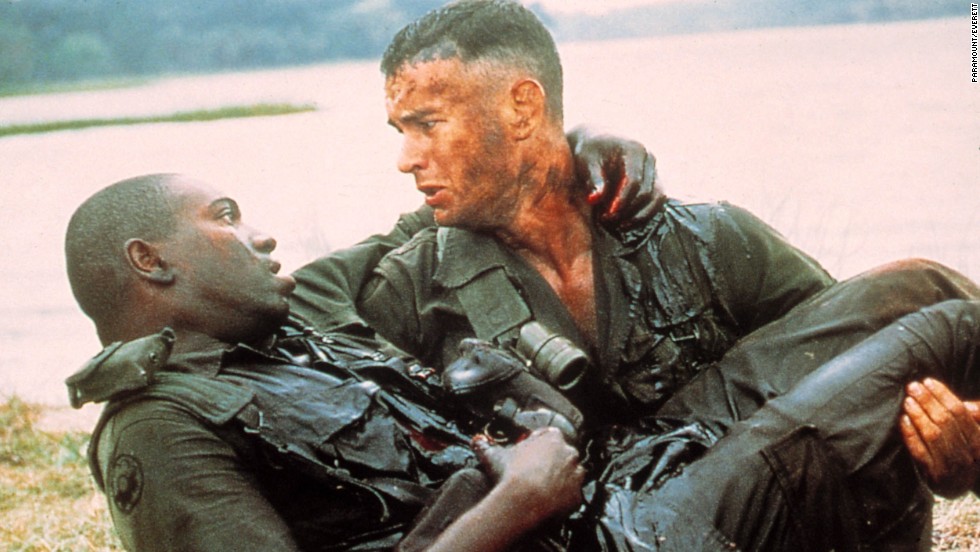
The catch-phrase “Stupid is as stupid does,” has been misinterpreted by many. This phrase defines Forrest in that he’s not stupid because he’s never really done anything wrong. Whether Jenny was being harassed as a nude guitarist or abused by her counterculture boyfriend, Wesley, Forrest was always there to protect her. Forrest picked up a notebook dropped by the first black student at the University of Alabama. In Vietnam he ran back and saved as many members of his platoon as he could from certain death never considering his own safety for a minute. Yet while showing noble qualities as a man Forrest still shows himself to be childlike in many ways he has always listened to mother’s advice (e.g. endorsing a ping pong paddle), feels shy and embarrassed when Jenny makes a romantic advance toward him, and has the same physical mannerisms as his son while watching TV and fishing. Another place in which Forrest’s character is used for commentary is when he says he fits in like “a round peg” in the military. Why is that? It’s because he’s a man who has never really thought for himself and always obeys orders. When Forrest meets Lieutenant Dan we see that he takes all questions seriously and doesn’t have the intelligence to be mean, cruel or condescending and in that sense he is an endearing figure. This quality of taking everything at face value is what allows him to moon President Johnson without a bit of malice. This quality of his character also provides the film with some of its best dialogue. Here’s an example:
LT. DAN
Have you found Jesus yet, Gump?
FORREST
I didn’t know I was supposed to be looking for him, Sir.
Forrest is also honest and a man of his word. His honesty leads him to be the whistleblower on the Watergate scandal. He also kept his promise to Bubba and compensates his mother with a huge check. Forrest’s one moment of defiance is when Jenny has come back to live with him and he confronts her about why she won’t be with him, and he delivers another wise and knowledgeable line. This one being: “I may not be a smart man…but I know what love is.” Forrest then needed time to think and to himself. After all the hectic moments in his life that is the reason he decided to run.
Jenny
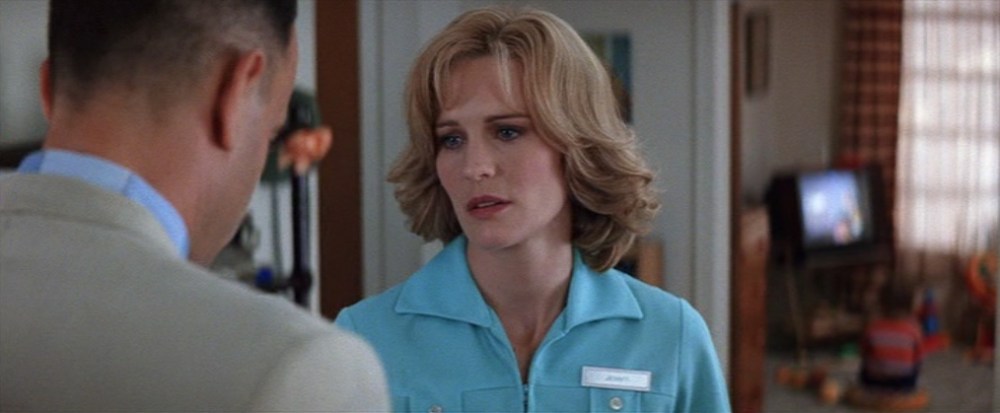
Jenny is a character plagued by her past. Her life has always been turbulent and she has always been turbulent and has always turned to Forrest when things got too crazy for her to be able to deal with. She left home and went to an all girls college. She was expelled and then became a hippie, then she reunited with Forrest in Washington. At this point she was with Wesley who palled around with the Black Panthers. Later she got into the Disco/drug scene. Jenny is a much tougher character for a general audience to figure out because we see her in flashes and hear things about her in dialogue and her motivations get clouded but they’re real. In the end, Jenny comes back home because she is tired. She has gone all over the country looking for an identity and she is able to come home because the problems she was running from wasn’t the little town she grew up in but what had happened there. These were the events in her life that lead her to spiral downwards and almost pushed her over the edge. Jenny had wanted to be a folk singer to connect to people but Forrest was the only person she could ever talk to whom would never judge her.
Lieutenant Dan
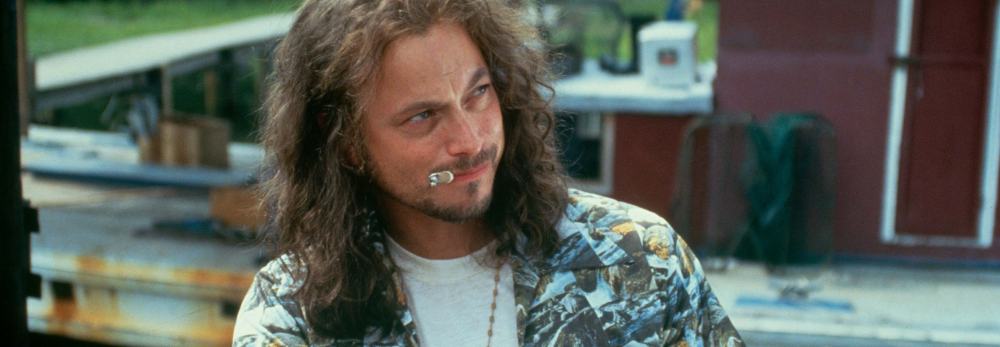
Lieutenant Dan carries us through most of the second half of the film alongside Forrest. There is a lot of turbulence in his life after Vietnam. We’re introduced to him in one of two brilliant “Generational Flashes” where we see his forefathers dying in major American wars. He feels this is his destiny and because Forrest took him away from that he dives into alcoholism and deep depression. Nonetheless he defends Forrest against the prostitutes who call him stupid and lives up to his promise to work with Forrest on a shrimp boat. Lieutenant Dan starts to feel about things after a violent storm where he is able to vent all his anger about what has been going on. After indirectly thanking Forrest he vanishes from the film until he returns with a Vietnamese wife and titanium-alloy legs.
Mama
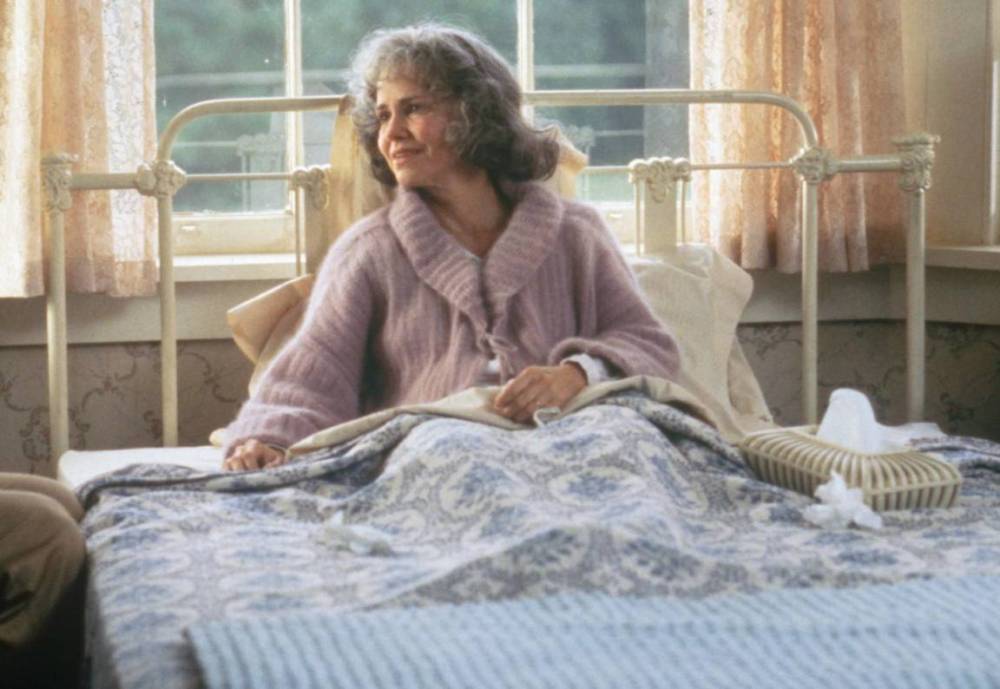
Mama is played by Sally Field. That says it all doesn’t it? She is given no proper name aside from being referred to as Missus Gump on occasion. If it wasn’t by design it should’ve been. That’s what she is: Forrest’s mother. No one has a perfect mother, but Forrest undoubtedly had the right one, like Forrest says “Mama, always had a way of explaining things so I can understand them.”
Little Forrest
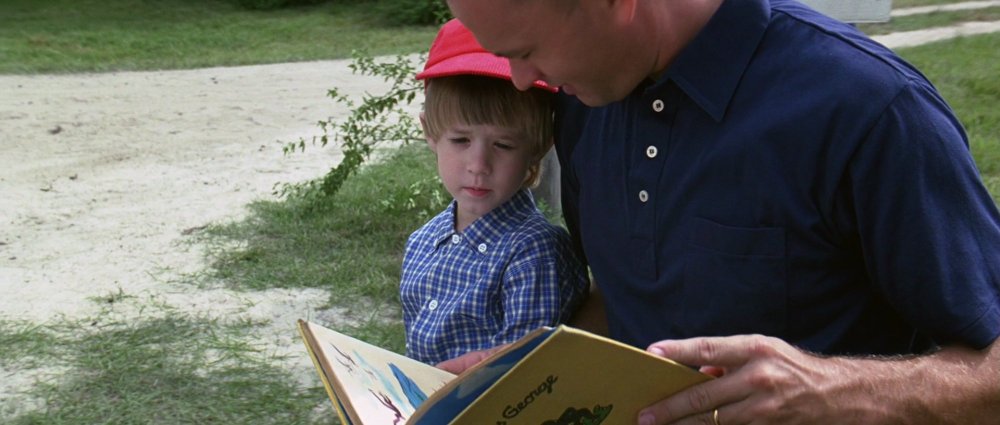
Little Forrest is worth mentioning because with Hollywood being the way it is, I can just see producers counting down to the day when they can start shooting a sequel. Now, this wouldn’t be a bad idea initiated by Hollywood, but would just be followed through by them. After Forrest Gump’s astounding success, as it was in development almost since it was originally published in 1983, novelist Winston Groom published a sequel, Gump & Co. Like the original it is “plotless” but the major concerns are about Forrest and his son as he wanders through adolescence. I don’t know if Robert Zemeckis was joking but on the DVD he repeats the same comment twice: “In case we ever do a sequel Haley’s a big star now, so that’s good.” The book is often amusing but the relationship borders on combative and they should follow the lesson that the makers of The Evening Star learned, which is even when the book has a sequel you’ve got a tough act to follow.
Special Effects
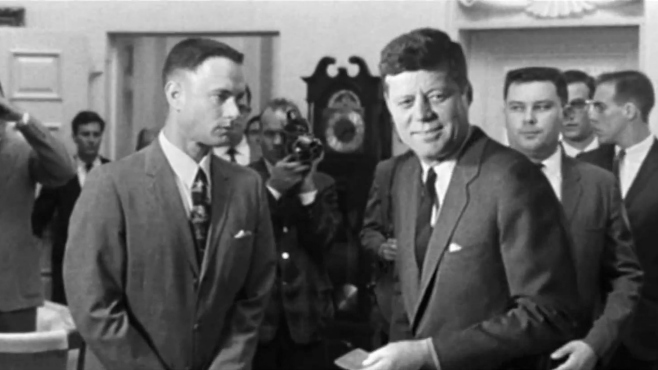
Forrest Gump was also groundbreaking for its use of special effects. It’s appreciated that the effects are used when there are many effects for something that is not an action or Sci-Fi film. Through the effects the filmmakers were able to make many historical figures into characters: Nathan Bedford Forrest, Civil War Lieutenant General and KKK member, a distant relative of Forrest’s who illustrates we needn’t be prisoners of our past. We also see Elvis, John Lennon, JFK, George Wallace, Lyndon Johnson, RFK, and Nixon, all in a somewhat exaggerated fashion but still reflecting the way the public perceives them. Thus, turning them into participants in this story and lending them to Forrest’s own simple interpretation of things, which ends up being oh so truthful. For everyone who was either killed or had an assassination attempt on them Forrest comments in passing “And for no particular reason at all someone shot him.” He made these comments in reference to JFK, RFK, George Wallace, and John Lennon. Yet in other instances news of an assassination attempt was used to indicate to the audience what the present date was without using an annoying insert. We see flashes of attempts on Ford and news of what Carter was saying while Forrest eating a bowl of cereal, and while Jenny was living with him Reagan was shot. At this time only in The Tin Drum had i seen more subtle passage of time, and it does wonders for not slowing the film down.We always have a general idea that something is happening but needn’t be told the exact date, time, and place.
Dialogue
The dialogue in Forrest Gump is often exemplary and I’ve already listed some examples. The first great line to come out of the movie is one that’s simple and really demonstrates what Forrest’s mother is all about “If God had intended us all to be the same, we’d all have braces on our legs.” Many of the great lines became great due to the editing of sound and film alike. An example of good film editing is when Forrest’s mother tells him that “You’re not different.” Then it cuts to the principal saying “The boy’s different, Mrs. Gump.” We get a lot of comedy out of Hanks’ voice-overs in which he often says something and then we see it happen in the scene. The best example came in Vietnam. It goes like this:
FORREST (V.O.)
…he’d always tell us to get down and shut up.
LT. DAN
Get down! Shut up!
FORREST (V.O.)
(whispering)
So we did.
The use of ironic voice over is a product of the editing because Zemeckis knew the amount of voice over work was risky. It was truly a hit-and-miss thing so it was one of the last things added to the film. It was basically placed where they knew the results would be favorable so it worked perfectly.
A unique thing about this film is that it doesn’t seem to have much conflict in it at all. When there is conflict there isn’t a whole lot of focus put on it. Yet is still ends up working better than a lot of films that focus too much on their conflict and never give the audience a breather.
Forrest Gump isn’t a film that can be duplicated. It stands alone as a modern-day classic of American cinema.
Roger Ebert gave this film 3.5/4 stars. He provided great pull-quote material but not without a caveat:
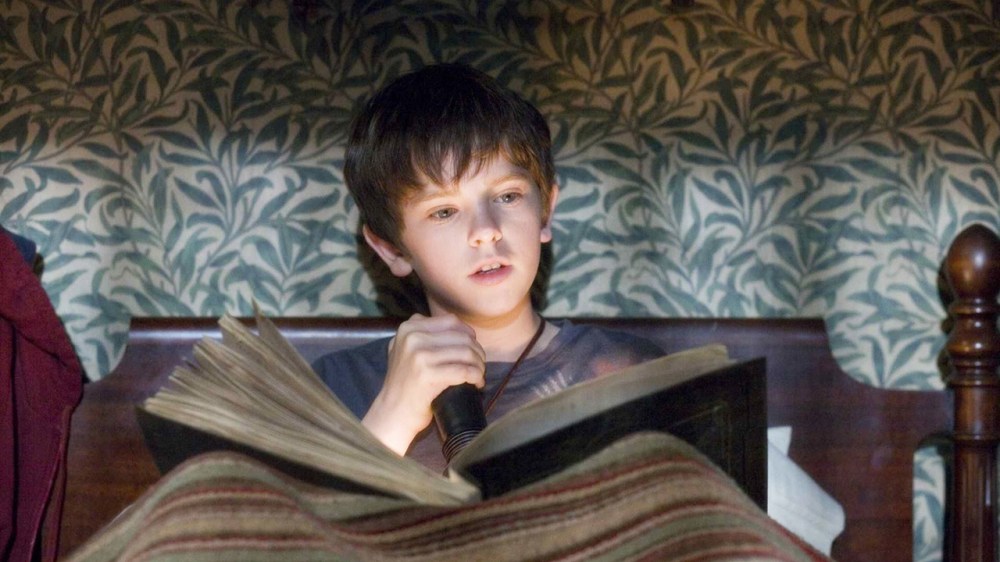
“The Spiderwick Chronicles is a terrific entertainment for the whole family, except those below a certain age, who are likely to be scared out of their wits. What is that age? I dunno; they’re your kids.”
Clearly that sentiment was truncated for the DVD release. He is correct in that it is likely a more 1980s PG than a 2008 PG. However, it is quite good and has an 80% on Rotten Tomatoes, which is rather high for a family fantasy.
In 2008 this film was nominated for 10 BAM Awards (tied for the most) in large part due to its technical prowess of it, but it was also in my top 10 and thus a Best Picture nominee for that year. It won the award for Best Sound Editing.
The lead actor, Freddie Highmore of the dual roles, was nominated for Best Performance by a Child Actor as it was called then, and likely would have won were it not for Will Poulter’s stunning debut which did not require the affectation of dual roles. Highmore won the year before in a comparatively stronger performance in August Rush.
The Team
The film is an amalgamated adaptation of a number of books in the series. The team in front of and behind the camera is impressive. Director Mark Waters, just coming off his remake of Freaky Friday, which was a big hit in every sense; but the names behind the scenes of The Spiderwick Chronicles get bigger. James Horner provided the scoring, Michael Kahn, whom usually cuts Spielberg’s films was editor, and Caleb Deschanel, the noted multi-Oscar nominee, was the cinematographer. So the team was in place to deliver this story as well as possible.
Flanking Highmore was Sarah Bolger, Mary-Louise Parker as his mother, Joan Plowright as Aunt Lucinda, David Strathairn as Arthur Spiderwick, and Nick Nolte as Mulgarath. Freddie Highmore
Highmore has become better known in his early adulthood as Norman Bates on Bates Motel, which will have upcoming its 5th and final season. However, his transition from young actor to adult actor has been, albeit not well-publicized, fairly smooth and persistent.
in 2010, at age 18, he appeared in Toast, which earned a bit of notice on my site and at the BAM Awards. In 2011 he was in the lackluster The Art of Getting By and in 2013 Bates started up. This year he featured in a BBC mini-series called Close to the Enemy an indie called The Journey, and his most outstanding work on Bates Motelto date.
Even becoming a working actor after being one of the biggest young stars of your day is quite a feat.
As for The Spiderwick Chronicles, dual roles is not something that young actors normally do for pragmatic reasons first and foremost. Young actors, due to union and legal regulations, work fewer hours on set. Minors also have schooling requirements if they’re not working a summer shoot. To put a young actor in two major roles is a logistical hardship more so than merely having a young lead or ensemble, which is the reason why you see so many “high school” shows populated by actors in their 20s and even 30s.
So there’s a tribute to Highmore in that they found him capable of playing these twins, rather than finding twins to play the roles, and also in making scheduling a bit more of a headache as a trade-off for a better end product.
If you then consider that this is was Highmore working with his non-regional American dialect for a 3rd film and this time while playing two characters, it’s even more impressive. Clearly, when playing two characters, even when one if far more involved in the plot than the other, it’s still twice as much work and the actor has to work two characters through their arc while also differentiating their mannerisms, physicality, and demeanor.
This is established almost right away. Jared, the character who carries most of the action in this film, gets into a spat with his older sister Mallory (Sarah Bolger). Highmore is intense and angry and seeking to engage her physically. Wanting help from his twin, Jared says:
“Simon, get her!”
“I’m a pacifist.”
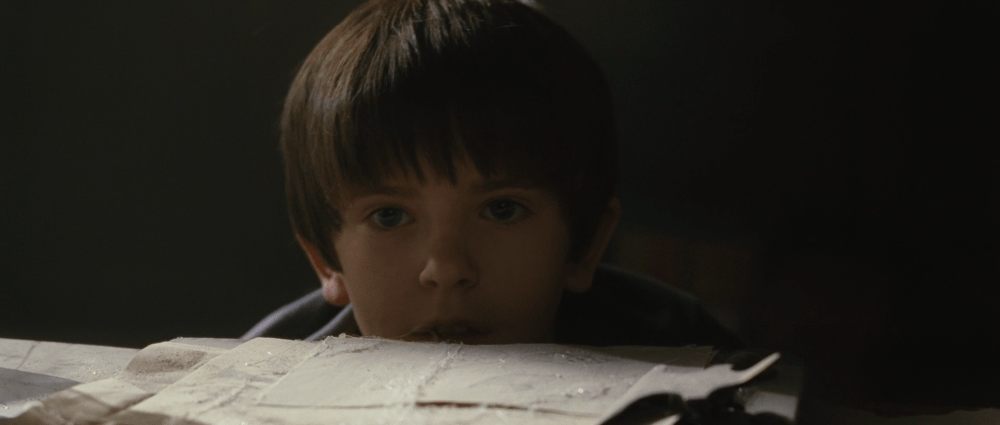
The response is a throwaway wherein Highmore makes no eye contact with his alter ego. This instantly makes an impression about how to set the twins apart. They are not the dress alike, inseparable brand. Jared is more the everyman, who is angrier about the move, and in general; Simon is more studious and uptight.
Jared is the doubter at first of anything magical going on, but is also more adventurous and finds the book, uses the dumbwaiter. His character is not only introduced in a fit or anger but it is intimated he had anger management issues in the past.
Simon doubts Jared’s story´at first. When he’s taken by ogres Jared’s on a journey whether he wants to be or not having started the ball rolling by reading the book and taking it outside of the protective circle around their house.
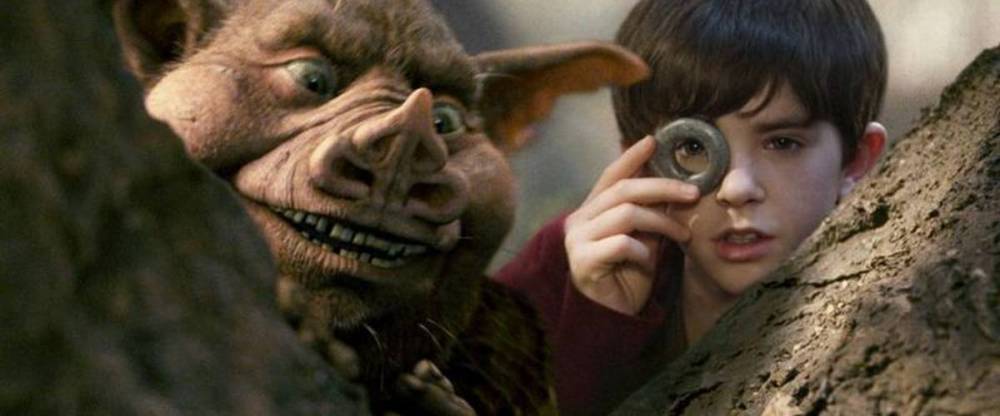
Among the other challenges present to Highmore in this film is that he has to interact with a CG counterpart on more than a few occasions. There is also a scene wherein Jared and Simon are fighting each other which required Highmore to play both sides of the fight opposite stand-ins and doubles, it’s a demanding piece of physicality that cuts well.
After Jared brings Simon back to safety, literally dragging him, his leg injury (prosthetic make-up time added to logistics to consider – time in the make-up chair is time on the clock for a young actor) makes him most useful at the house. This allows for fewer scenes where Highmore would have to shoot two sides if he went with them to try and fight Aunt Lucinda.
While we’re far removed from the silent film days where there were Hollywood legends of directors literally willing to traumatize young actors to get them to produce real tears on film, crying scenes are still very demanding on an actor of any age. Highmore as a youth had these scenes as one of his calling cards and in this film there is a point where each of his characters is pushed to tears. For Jared it’s when he learns the truth his father won’t tell him about their parents separation that their dad has been too chicken to say to him himself.
Toward the end there are scenes where the two characters collaborate such as when Jared summons the Griffin and Simon settles him down. Simon is teary in the cage when captured and also toward the end I believe. Here is the former scene for an example of Highmore as his own scene partner:
Below is another example of his work, this time in a climactic scene. Please do not watch it if you’ve not yet seen the movie. Scroll past.
There was less fanfare for this film than say The Parent Trap, as that was Lohan’s breakout and a remake, but this film is not too well remembered, and it should be in part because Highmore shines throughout.
While this In Memoriam starts more like a traditional obit, I continue in my new tradition of enlivened posts, as opposed to Gene Wilder, where I posted clips, here I have entire features where you could build your own film festival if you want. Thanks, public domain!
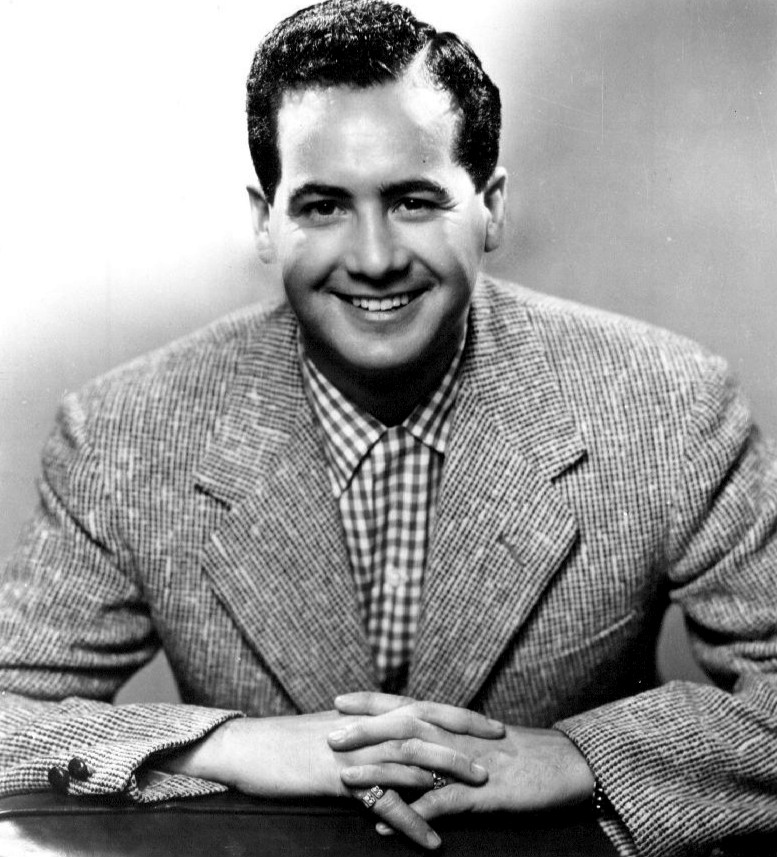
Bobby Breen
Bobby Breen passed away on September 19th, 2016, he was born Isadore Borsuk in Montréal, Québec, Canada on November 4th, 1927; he was 88. His parents were Jewish immigrants from modern-day Ukraine (then USSR).
While the case with most child stars was that their parents that pushed them, Breen’s parents did not. His much older sister, a music student, discovered his talent and allowed him to pursue a career shortly after they moved to Toronto.
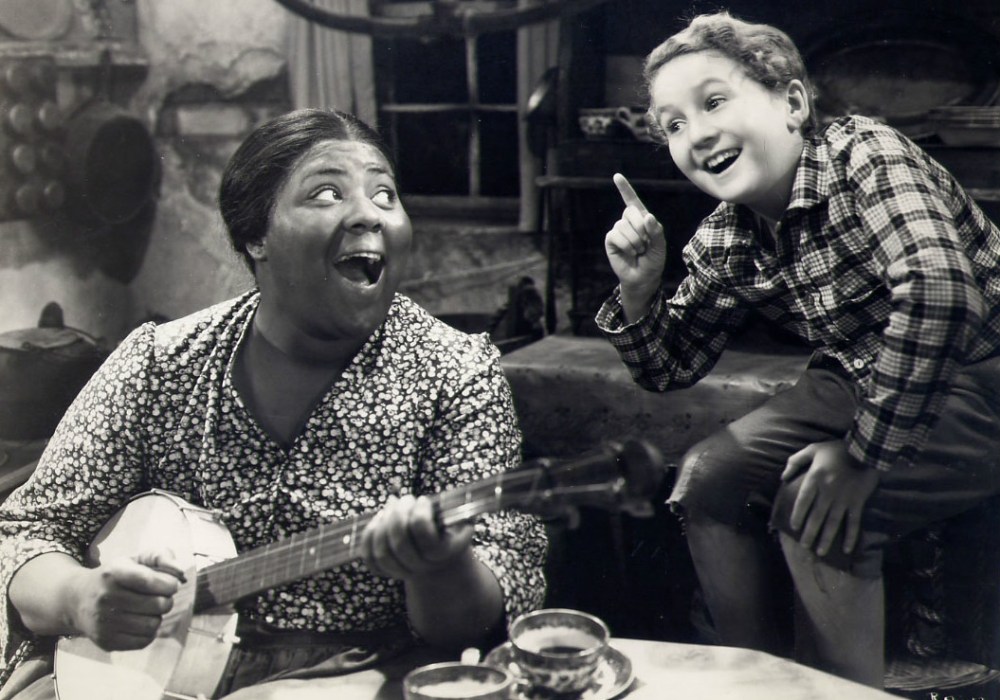
He was touted as the boy soprano. His voice is undoubtedly incredible but what’s really intriguing is the films are truly built around him and showcasing his singing.
Bobby Breen and his sister.
Shortly after his first gig at a nightclub he started entering and winning competitions. In 1934 he was on a bus to Chicago and working in the theatre, with his surname already changed to the more anglophonic Breen.
A year later he was in Hollywood and Sol Lesser, a producer best known for discovering Jackie Coogan and being involved in many Tarzan renditions, signed him to RKO.
Films
After some radio appearances his first film, Let’s Sing Again was released. Most of these videos are links to whole features. Enjoy!
After its success RKO signed him to a three-picture deal.
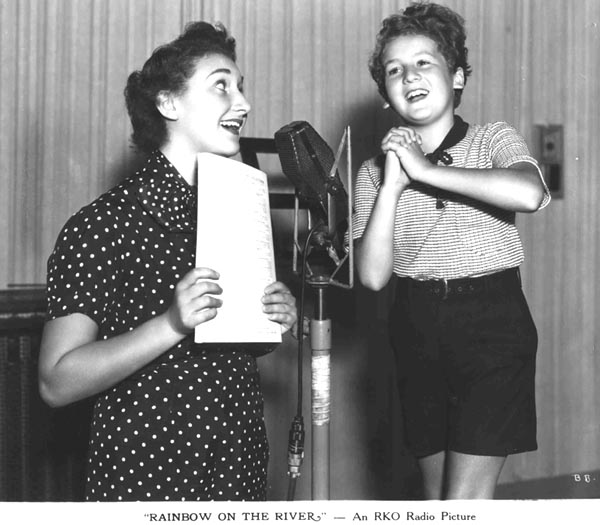
Rainbow on the River (1936)
How good or bad the films he was in usually hinged on how naturally the opportunities for him to unleash his voice were folded into the plot. On the rare occasion both of these combined perfectly.
Make a Wish (1937)
It may not be the best film he was in, I’d argue the melodrama Make a Wish was, but it may be the best showcase of his singing talent.
Way Down South (1939)
You can get this film on DVD with a great introduction by Lou Lumenick:
I did the intro for this almost out-of-print DVD release of an odd Bobby Breen musical co-written by Langston Hughes and Clarence Muse. pic.twitter.com/aKQTK8waqi
However, like all his films it ends well and enjoyable enough to watch and there is decent spacing and plenty of singing.
Hawaii Calls (1938)
In 1939, following Escape to Paradise, and with two more films still on his contract. He retired from the industry.
Four films Bobby starred in were nominated for Academy Awards in scoring categories so they were fine productions.
Life After Film
In a 1977 article he discussed his decision to leave the industry:
When you’ve been a child star and suddenly find yourself with a husky voice, it’s hard to convince agents that you’re not over the hill. I stopped singing at 16 because of the huskiness and took up the piano. I had the knack for it, but never wanted to be a concert pianist. I just wanted to be back in the world I’d known all my life.
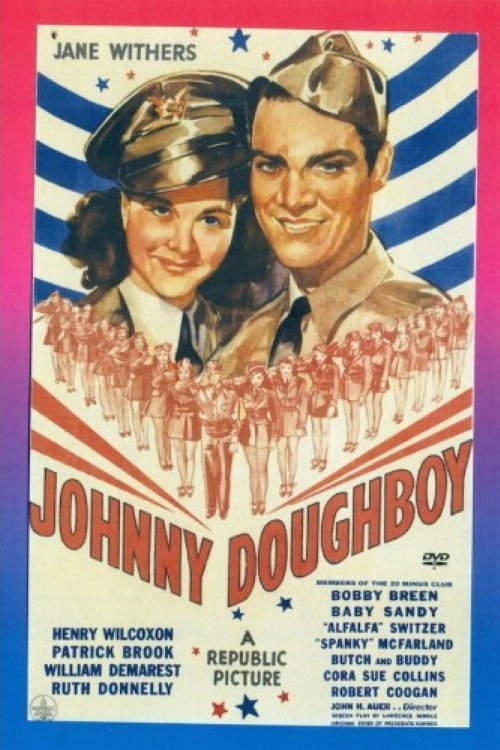
In 1942 he returned to appear in Johnny Doughboy as himself. This film is very hard to find, save for wildly overpriced Amazon resellers.
He served in the army during World War II, and despite not performing at the time, was recruited to entertain the troops along with Mickey Rooney. He did see action on the battlefront though. In 1945 he was hospitalized in France and won a Bronze Star after the war was over.
After retraining his adult voice over time he did return to performing in his new tenor range.
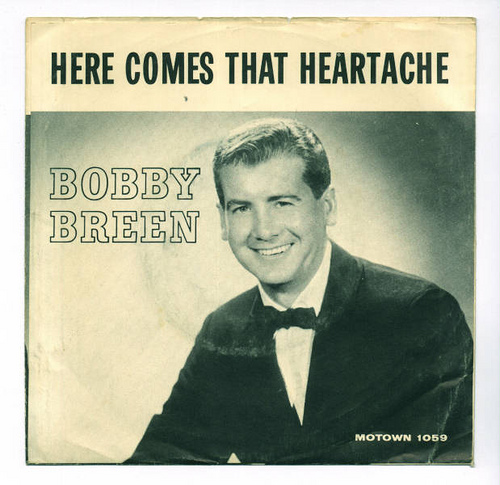
In 1964 he recorded an album with Motown called Better Late Than Never, which was not claimed not to be released. However, that song and some of his other recordings can be found on Spotify. These were his first recordings since 78 rpm releases in the 1930s.
In his later years he was living in Tamarac, Florida and was running Bobby Breen Enterprises which focused on local talent after having managed bookings of what he called the “Condominium Circuit” which meant hiring aging stars of the past.
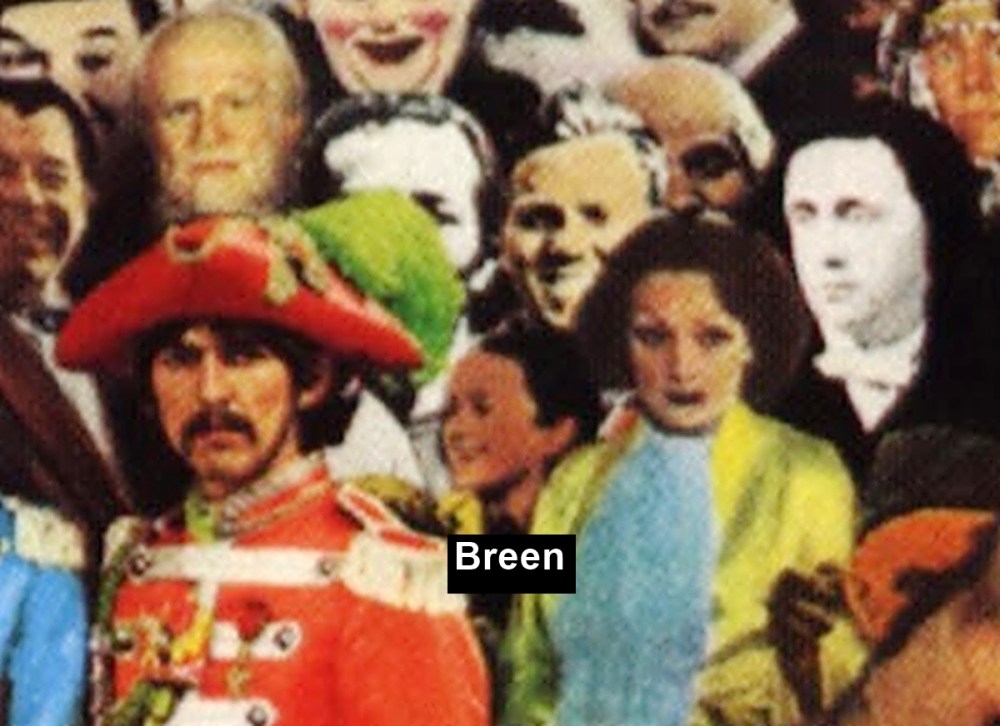
Breen was also featured on the cover of the Beatles Sgt. Pepper’s Lonely Hearts Club Band.
I have found more to say as I wanted to share these under-viewed films and his incomparable singing. The sad truth is that far too often human nature dictates that we don’t look to the past too often unless we hear of a death. However, since I first saw his films I’ve written of them, and saw this as a last chance to alert the uninitiated that there’s more out there than you realize, and you don’t know what you’re missing.
Rest in peace Bobby, may choirs of angels come to greet you.
It recently occurred to me to consider the Stephen King works which are not yet films and which may be most suited for adaptation. I will take this task on in separate posts.
The Running Man and Thinner already exist, so the books in this realm where Stephen once wrote under a pseudonym on rainy days would rank as follows in my estimation:
5. Rage
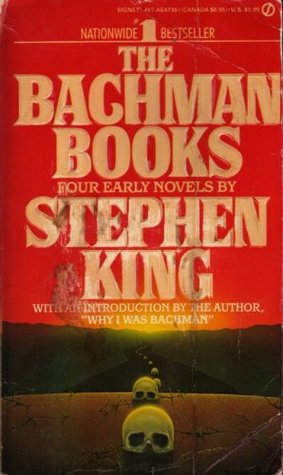
Last year I acquired the original release of The Stand from 1978, that runs quite a few hundred pages shorter. With that I no longer have any literary white whales. The first one I had was Rage, and it took me a while. I didn’t acquire The Bachman Books when they were still readily available.
After much searching in the days before online shopping was easy, I just happened to see it on the shelf at my friend’s house. I freaked out. I needed to at least borrow it. He voluntarily gave it to me.
It remains the only King book I read in a day. Time and distance from being angered by feeling the need to pull it from print have given King a good perspective on the story independent of the controversy its caused. He discusses it in Guns, and I agree entirely with his take.
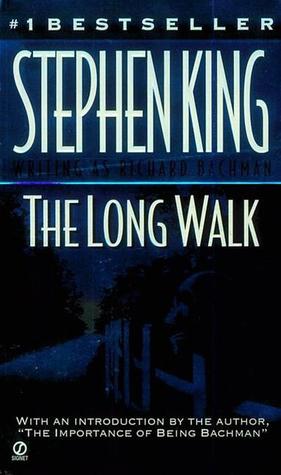
While I feel The Long Walk is just detached enough from reality to connect to modern audiences this one hits a little too close to home. It’s truly a wrenching, fascinating, and brilliant work. Sometimes we just can’t have nice things, or in this case nasty things that make you think.
4. Blaze
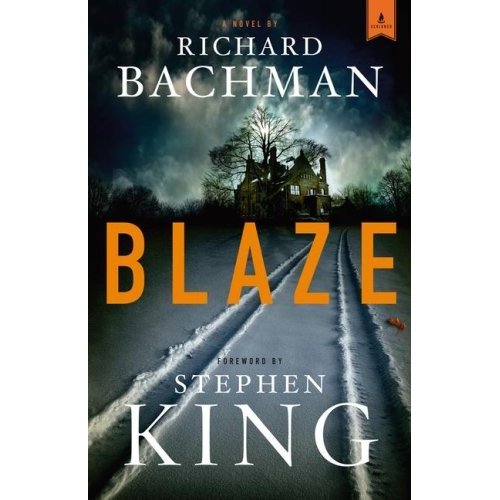
This one that would be a challenge in similar ways to Roadwork (below). However, with all the different interpretations of mental illness and voices in people’s head that exist in movies there are quite a few interesting ways to go about this one.
3. The Regulators
My impression of The Regulators may have been affected by the fact that I read it long after I did Desperation, which was my introduction to Stephen King and had me hooked as a Constant Reader from there.
I think the best way to make this idea work would be to translate the concept of the book’s companionship to the screen, which would entail a remake of Desperation and have the same cast play very different parts in the dueling films. It would be fascinating to watch, especially if you had the same creative team behind-the-scenes.
2. Roadwork
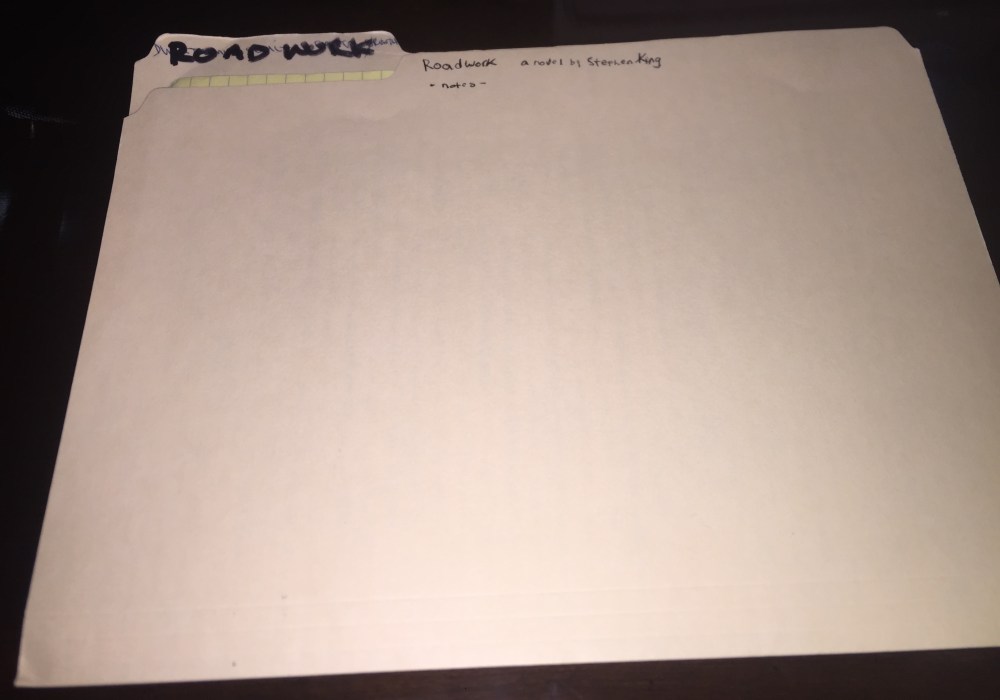
While I had to use some analytical chops to grin and bear it as I placed a title that was not my absolute favorite in a subset as number one I will start lobbying for my favorite by saying: a story a solitary man who loses it as he refuses to accept a buyout so his house can be bulldozed to make way for a freeway is not a high concept. It’s an insular one, with a lot of inner monologue and flashes. That’s what I love about it and the challenge of it is intoxicating. In my informal independent study during film school I took upwards of 30 pages of notes on how exactly I would translate this story to the screen.
It was in that note-taking, and practice attempts with a tales by Lovecraft, King, and Lumley that I formed an adaptation style that aided me in writing and directing a Dollar Baby of Suffer the Little Children I was fortunate enough to be given the permission to work on.
So, yes, there is a soft spot that elevates this one, but if you haven’t discovered it yet you should.
1. The Long Walk
I place The Long Walk first not because it’s my favorite Bachman title, but despite its violence, it’s the one I’m most surprised that has not been adapted. It’s an indie film budget’s dream. The concept is a simple dystopian premise that’s far more likely to be palatable to today’s audiences than it would’ve been in the 1980s. Postscript
Kirby McCauley, King’s literary agent, posed as Richard Bachman for author pictures.
When Blaze was released in 2007 it was branded by King as a “trunk novel” meaning it was an old Bachman title he unearthed and edited for release, while still using the pen name. I hope there are more.
When recently J.K. Rowling’s pen name of Robert Galbraith was outed it was kind of like Déjà Vu. I’ve read of how pissed Stephen was when Bachman was found out, and I empathized with Rowling as well. Though clearly the revelation that Rowling was Galbraith inevitably spiked the sales of the first book in Cormorant Strike series, and all subsequent releases – it’s clear there was a reason she felt the need to write under a pen name and now that freedom from name, fame, and expectation is gone from both of them. I admire her not giving it up and I hope Steve still knows what Richard’s up to.
In 2011 Rohan Gotobed was a small part of the cast of Harry Potter and the Deathly Hallows, Part 2. He played Young Sirius Black in a flashback. As such, he was listed among the nominees and winners of my annual BAM Awards.
Being a young person in this day and age in a film as massive as the Harry Potter series he developed a following, and was known to people for a brief film appearance. It’s the kind of notoriety that could turn bittersweet, or stop being sweet altogether. But with the below post on his experience being part of the Wizarding World, Rohan reveals a great wisdom, and perspective on things. Whatever the future holds it’s great to see he sees his brief involvement in the series as a blessing, as a bonus he provides and update on his now resurgent acting career.