Updates: November 4th, 2013

As tends to happen from time to time, things came up on the previously intended update day (November 1st) that made updating the lists due for additions (as well as other posts) a bit hard.

However, many exciting things are afoot at The Movie Rat. So here’s a quick rundown.

First, and these posts will be forthcoming soon, we are in the midst of a new theme: Thankful for World Cinema.

Second, The Movie Rat is currently co-hosting its first ever giveaway thanks to the fine folks at Film Movement. Details on how you can win Broken and three other films can be found here.

As you also may have noticed, new pages are up (and will continue being added) go here to learn more about The BAM Awards and the Associations this blog is a part of.

I may have been a bit generous but my Contenders for Favorite Older Film First Viewed in 2013 saw its most additions in October.

Five new titles added to My Radar.

Another change on the site is that October 2013 marked the last time I will post a Mini-Review Round-Up. The reason being that in the last theme many mini-reviews spawned their own post anyway – and the idea originally was to save myself some work. In the end it doesn’t save work but creates more. Yes, this will make it easier to fill up my schedule. However, this will also give some oft overlooked films a post all their own rather than being buried in a long running post where they need to be found.

My Year-End Dash will likely remain a running post.

Four candidates added to the Entertainer of the Year Award race.

One name added to the Lifetime Achievement Award.

Lastly for today is my contribution to the Silent Recasting Blogathon where I re-cast Harry Potter as a silent film.

Next updates should be on November 15th, as scheduled.

Silent Recasting Blogathon: Harry Potter and the Philosopher’s Stone (1917 – a 17-Chapter Serial by Louis Feuillade)

This is my contribution to the Silent Recasting Blogathon at Carole and Co.

Had I given this post more time, in terms of design, I’d have come up with an actual one sheet as opposed to just a color-corrected banner image. However, what I am lacking in graphics I am prepared to try and make up for in terms of an alternate history narrative.

In this take I am imagining a parallel universe wherein there is a J.K. Rowling who instead of publishing Harry Potter and the Philosopher’s Stone in 1997 did so in 1897. With the book being published at this time, I also imagine that the British title would not have been changed for US audiences, due to the fact that American English and the King’s English were more closely related at the time.

What I imagine would have ensued had such a book come into being 100 years before it actually was written is quite a long process wherein the rights to the cinematic adaptation of the book changed hands a few times, and eventually taking 20 years to bring to the screen.

In fact, in this alternate history all the books would’ve been published, and similarly successful, before any film version had been made.

The development of the motion picture first started under the auspices of Georges Méliès and Star Film Company. However, with the closest thing to extended narrative that Méliès had offered where things like series of shorts based on The Dreyfus Affair and titles roundabout 30 minutes he felt uncomfortable fully committing to adapting the title to the big screen. As Star fell on hard times he let his option lapse prior to his first dealings with Gaumont in 1910.

When the rights were free again British filmmakers were again outbid. This time by Ufa in Germany. They tinkered with the idea for a few years and were willing to give a young, as of yet unproven, Fritz Lang a go at it and even began the casting process a few times, but ultimately they were not yet ready to take the project on properly.

Gaumont then finally got their chance at the rights in 1916. They began discussing the project with Louis Feuillade. Feuillade at this point with both Fantomas and Les Vampires under his belt had some clout and wanted to treat the book faithfully and turn the 17 chapters in the book into 17 shorts making one serialized feature. Though they were already casting the budget required to shoot that much material of so fantastical a story became something that Gaumont would ultimately balk at.

It was clear that it was a monumental task for any one studio to take on a globally renowned tale in an age when the concept of a worldwide blockbuster did not yet exist. Untrod trails were being blazed and nervousness abounded.

That was when Carl Laemmle and Universal Studios stepped up to the plate and offered a co-production deal that would not only guarantee many screens in the US but also assistance on inter-titling the film in quite a few language that would likely lead to the films profitability.

With Universal shouldering much of the financial burden they were able to make a few demands: first, production would move to Hollywood. They would willingly retain Feuillade and have him work with a translator, but would need to discuss new casting options.

With such a big, unprecedented project underway studio affiliations were all but meaningless and the stars lined up. Eventually, the cast started to come together with many of Feuillade’s original choices being replaced by American counterparts.

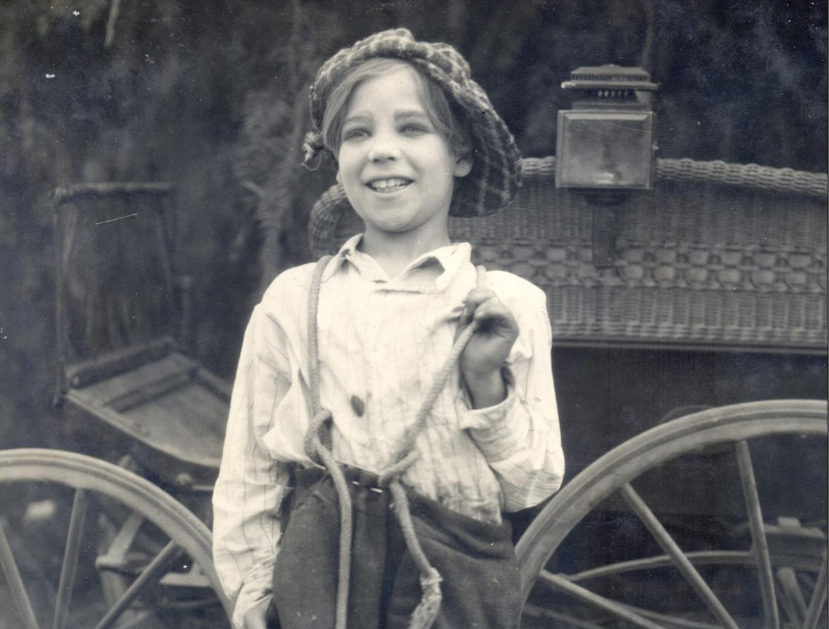
In the role of Harry, Gordon Griffith was cast replacing Fabien Haziza whom Feuillade had directed in Judex.

Gordon_Griffith_signedx850w

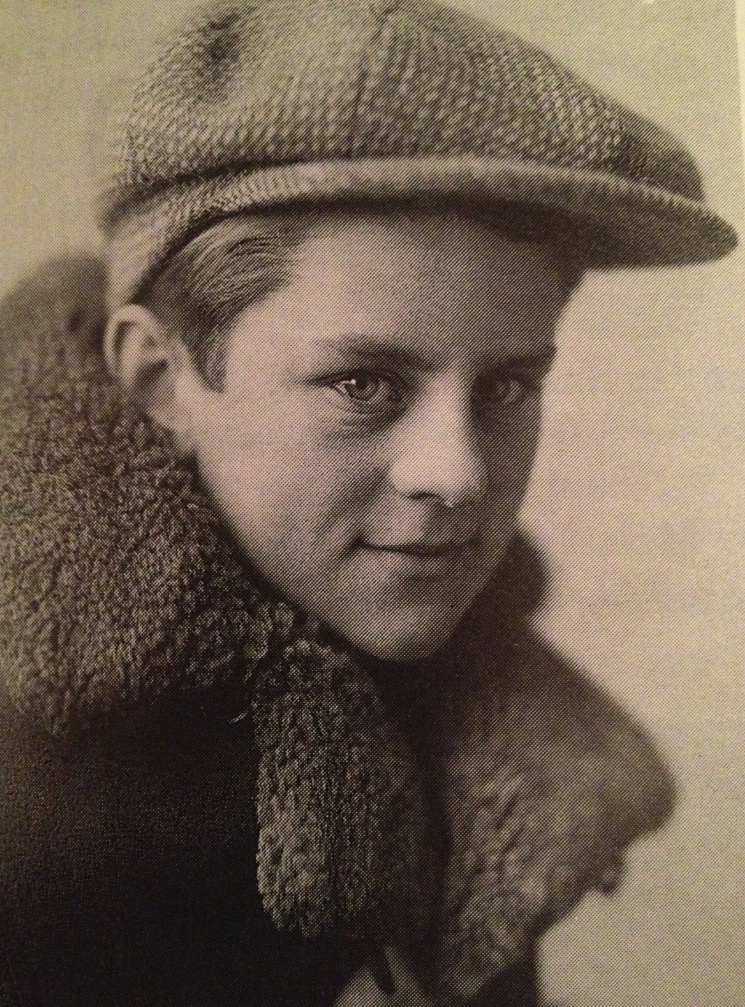
Feuillade didn’t have a Ron, so he was open to discussions. It ended up being one of the more heated debates. Wesley Barry was considered as he was actually a ginger. However, Laemmle argued, especially in black-and-white and tinted film, that that didn’t matter so the role ended up going to the more expressive Coy Watson, Jr.

Coy Watson

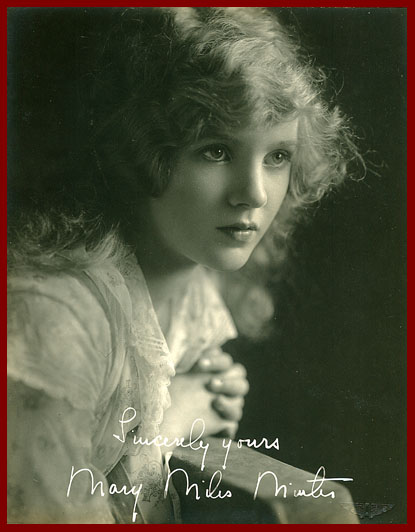
Hermione was the role most bantered about. As opposed to the boys, few of the actresses considered were actually the age they were playing. Due to that fact much crystal-ball-gazing was done as they debated who would be able to play Hermione as the series progressed with the least likelihood of needing to be recast. Eventually hopes for longevity won out over bigger name older actresses and Mary Miles Minter, got the part and eventually lead to her also being cast in Anne of Green Gables.
mary-miles-minter-flying-A-publicity-photo

Many of the supporting parts were open-and-shut discussions.

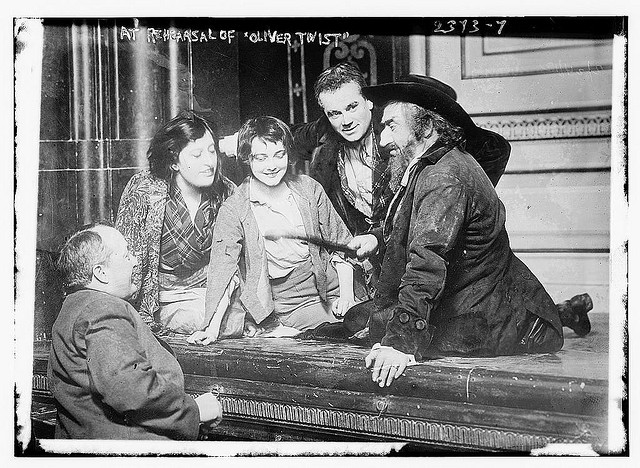
Harry’s friend Neville Longbottom was a role they were unafraid to go overseas for and cast Tibi Lubinsky (a.k.a Tibor Lubinszky, seen in the center of the photo below).

2163042781_e00f33d2e5_z

While Draco Malfoy, another nemesis, was cast locally with True Boardman, Jr.

TrueBoardmanJrCrop

The Dursleys were decided quickly. Buddy Messinger was selected as Dudley and Louise Fazenda and Mack Swain, who had paired so often in the Wilful Ambrose films, would bring the necessary comedy to his parents.
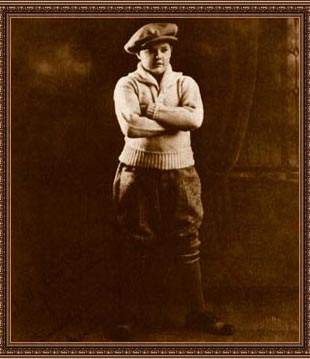
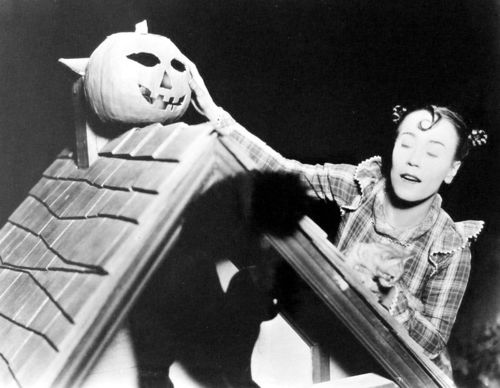
Messinger

Louise Fazenda

Swain19

John Barrymore, carried himself with a gravitas beyond his years, and was cast as Albus Dumbledore.
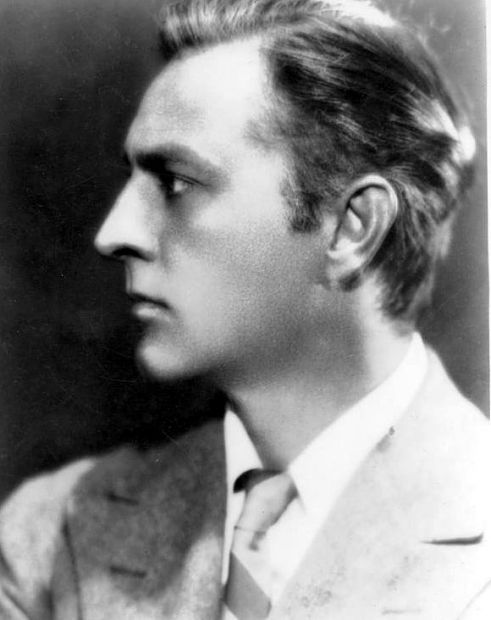
john-barrymore-profile_opt

On the comeback trail, and with the film in need of more comedic touches (as per the studio not necessarily per Feuillade), Fatty Arbuckle was cast as Hagrid.

The overly-nervous Professor Quirrel was deemed to be a job for Harold Lloyd.
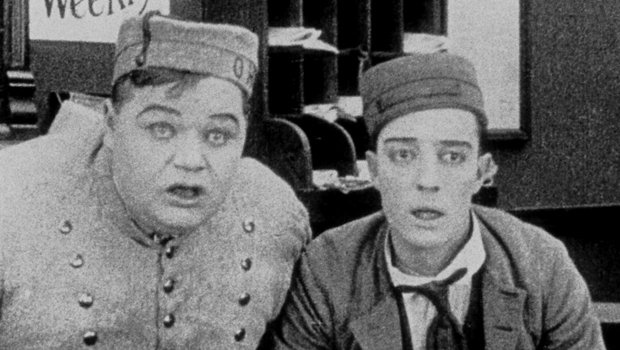
Fatty Arbuckle and Buster Keaton

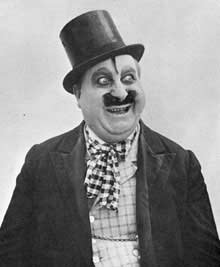
While, his superior, and villain to the whole series could only be the Man with a Thousand Faces, Lon Chaney.
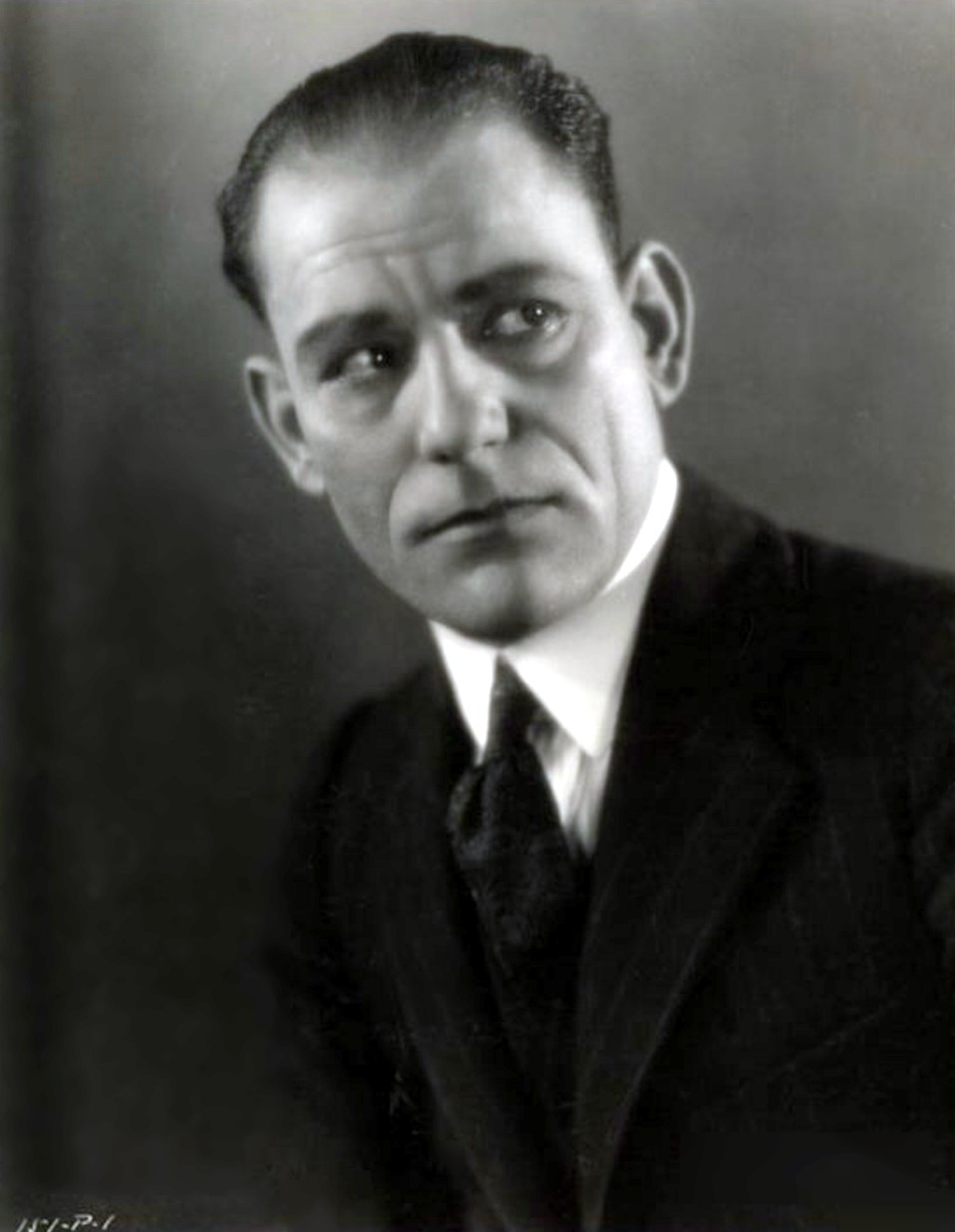
Lon_Chaney_by_Clarence_Sinclair_Bull_R1

The role of Severus Snape was one much debated as Feuillade wanted something to stem the tide of comedic actors coming in to preserve some balance at least. The final two candidates were comedian Max Linder and as-of-yet-unknown German actor Mac Schreck. Feuillade won the argument and Schreck’s appearance in this film would make waves in Germany especially with F.W. Murnau who would later cast him in Nosferatu.
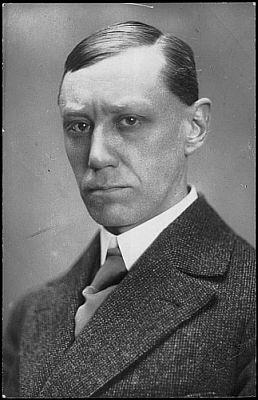
5561798_135566554083

As opposed to the Harry Potter series in actuality, which had to replace Professor Dumbledore (Michael Gambon took over after Richard Harris’ death), here it was Minerva McGonnigall that needed to find a new actress to fill the role later on. Sarah Bernhardt who would start the series and was unable to complete it. Feuillade was able to convince Universal that the inclusion of the renowned French stage actress would add box-office appeal among women.

Sarah_Bernhardt_by_Paul_Nadar_(crop)

With such a cast as this in place this alternate-universe version of the film was a hit akin to the one in our own. As for who would come in to play key figures down the line that may be decided in future blogathons, or can be speculated in the comments below. Hope you enjoyed!
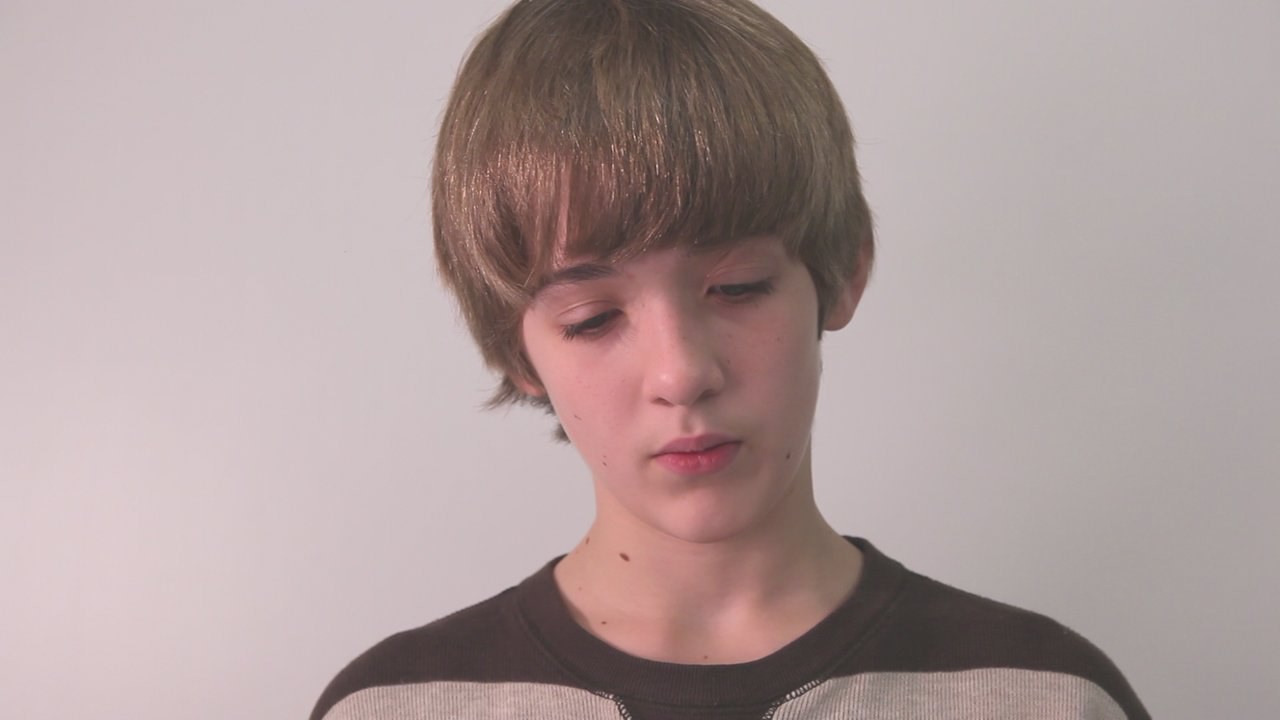
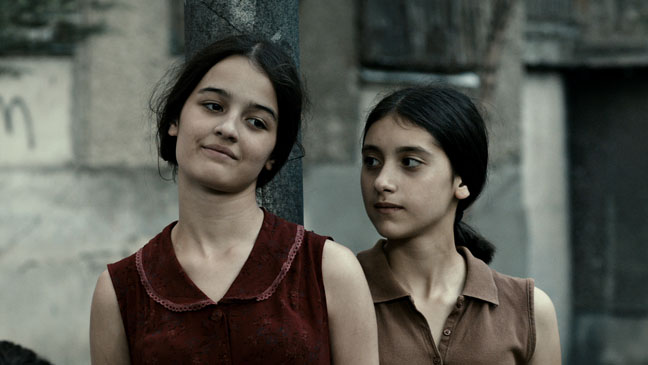
2013 BAM Award Considerations – November

Last year I had one massive running list and it became very cumbersome to add to, and to read I’m sure. By creating a new post monthly, and creating massive combo files offline, it should make the process easier for me and more user-friendly for you, the esteemed reader. Enjoy.

Eligible Titles

Blind Spot
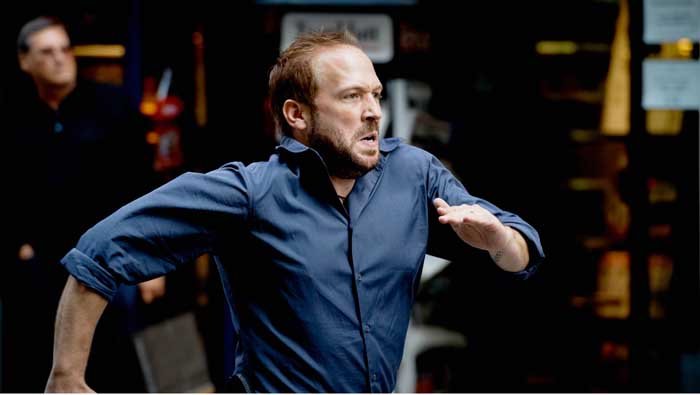
In Bloom
Ender’s Game
The Notebook
Watchtower
Class Enemy
La Playa DC
It’s All So Quiet
Once Upon a Time Veronica
About Time
The Green Wave
Schooled: The Price of College Sports
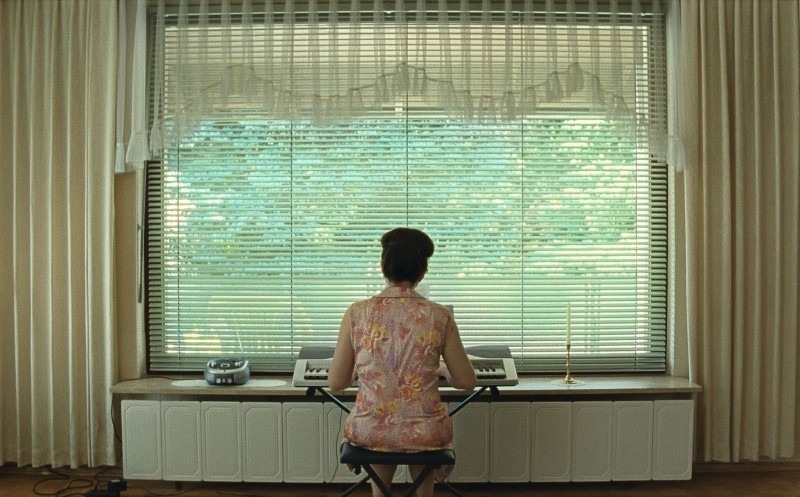
Two Lives
The Old Man
Great Expectations
Thor: The Dark World
Pete’s Christmas
In the Fog
You and the Night
Bernie & Ernie
The Fifth Season
The Christmas Ornament
The Color of the Chameleon
Hannah Arendt
The Hunger Games: Catching Fire
Contest
La Jaula de Oro
I Declare War
Philomena
The Book Thief
Frozen
The World’s End

Best Picture

Ender’s Game
Class Enemy
It’s All So Quiet
Two Lives
The Old Man
Frozen
Philomena

Best Foreign Film

Blind Spot
The Notebook
Watchtower
Class Enemy
La Playa DC
It’s All So Quiet
Once Upon a Time Veronica
The Green Wave
Two Lives
The Old Man
In the Fog
You and the Night
The Fifth Season
The Color of the Chameleon
Hannah Arendt
La Jaula de Oro

Best Documentary

Last year this was an omitted category, due mostly to the fact that too few total candidates existed to make the slate feel legitimate. I will hope to be able to rectify that this year.

The Green Wave
Schooled: The Price of College Sports
Bernie & Ernie

Most Overlooked Film

As intimated in my Most Underrated announcement this year, I’ve decided to make a change here. Rather than get caught up in me vs. the world nonsense and what a film’s rating is on an aggregate site, the IMDb or anywhere else, I want to champion smaller, lesser-known films. In 2011 with the selection of Toast this move was really in the offing. The nominees from this past year echo that fact. So here, regardless of how well-received something is by those who’ve seen it, I’ll be championing indies and foreign films, and the occasional financial flop from a bigger entity.

Blind Spot
The Notebook
Class Enemy
It’s All So Quiet
The Old Man
Great Expectations
The Fifth Season
The Color of the Chameleon
La Jaula de Oro
I Declare War
Philomena

Best Director

Blind Spot
Ender’s Game
The Notebook
Class Enemy
It’s All So Quiet
Two Lives
The Old Man
Great Expectations
Philomena

Best Actress

Nilay Erdonmez Watchtower
Hermila Guedes Once Upon a Time Veronica
Rachel McAdams About Time
Julian Köhler Two Lives
Natalie Portman Thor: The Dark World
Kate Moran You and the Night
Barbara Sukowa Hannah Arendt
Jennifer Lawrence The Hunger Games: Catching Fire
Judi Dench Philomena

Best Actor

Jules Werner Blind Spot
Asa Butterfield Ender’s Game
Olgun Simsek Watchtower
Igor Samobor Class Enemy
Jereon Willems It’s All So Quiet
Domhall Gleeson About Time
Yerobla Toguzakov The Old Man
Jeremy Irvine Great Expectations
Chris Hemsworth Thor: The Dark World
Vladimir Svriskiy In the Fog
Niels Schneider You and the Night
Ruscen Vindinliev The Color of the Chameleon
Josh Hutcherson The Hunger Games: Catching Fire
Sam Louwyck The Fifth Season
Steve Coogan Philomena
Geoffrey Rush The Book Thief
Simon Pegg The World’s End

Best Supporting Actress

Viola Davis Ender’s Game
Doroteja Nadrah Class Enemy
Piroska Molnár The Notebook
Liv Ullmann Two Lives
Helena Bonham Carter Great Expectations
Aurélia Poirier The Fifth Season
Janet McTeer Hannah Arendt
Elizabeth Banks The Hunger Games: Catching Fire
Emily Watson The Book Thief

Best Supporting Actor

André Jung Blind Spot
Harrison Ford Ender’s Game
Voranc Boh Class Enemy
Jan Zupancic Class Enemy
Martijn Lakemeier It’s All So Quiet
Bill Nighy About Time
Sven Nordin Two Lives
Robbie Coltrane Great Expectations
Anthony Hopkins Thor: The Dark World
Vladislav Abashin In the Fog
Alain-Fabien Delon You and the Night
Django Schrevens The Fifth Season
Brendan Meyer The Christmas Ornament
Ulrich Noethen Hannah Arendt
Stanley Tucci The Hunger Games: Catching Fire
Josh Gad Frozen
Nick Frost The World’s End

Best Performance by a Young Actress in a Leading Role

Lika Babulani In Bloom
Hailee Steinfeld Ender’s Game
Karen Martinez La Jaula de Oro
Mackenzie Munro I Declare War
Sophie Nélisse The Book Thief

Best Performance by a Young Actor in a Leading Role

Asa Butterfield Ender’s Game
András Gyémánt The Notebook
László Gyémánt The Notebook
Zachary Gordon Pete’s Christmas
Toby Irvine Great Expectations
Brandon Lopez La Jaula de Oro
Gage Munroe I Declare War
Michael Friend I Declare War
Daniel Flaherty Contest

Best Performance by a Young Actress in a Supporting Role

Mariam Bokeria In Bloom
Abigail Breslin Ender’s Game
Bebe Cave Great Expectations
Bailee Madison Pete’s Christmas
Katherine McNamara Contest

Best Performance by a Young Actor in a Supporting Role

Aramis Knight Ender’s Game
Andrés Murillo La Playa DC
Orynbek Moldakhan The Old Man
Peter DaCunha Pete’s Christmas
Toby Irvine Great Expectations
Dennis Andreev The Color of the Chameleon
Rodolfo Dominguez La Jaula de Oro
Siam Yu I Declare War
Alex Cardillo I Declare War
Kenton Duty Contest
Gill Vancompernolle The Fifth Season
Django Schrevens The Fifth Season
Nico Liersch The Book Thief

Best Cast

Blind Spot
Ender’s Game
The Notebook
Watchtower
Class Enemy
It’s All So Quiet
About Time
Two Lives
The Old Man
Great Expectations
In the Fog
You and the Night
The Color of the Chameleon
The Fifth Season
The Color of the Chameleon
Hannah Arendt
Philomena
The Book Thief
The World’s End

Best Youth Ensemble

In Bloom
Ender’s Game
Pete’s Christmas
The Fifth Season
Contest
La Jaula de Oro
I Declare War
The Book Thief

Best Original Screenplay

Watchtower
Class Enemy
You and the Night
The Fifth Season
La Jaula de Oro
I Declare War
The World’s End

Best Adapted Screenplay

Blind Spot
Ender’s Game
The Notebook
It’s All So Quiet
Two Lives
The Old Man
Great Expectations
In the Fog
The Color of the Chameleon
Philomena
Frozen

Best Score

Ender’s Game
The Notebook
It’s All So Quiet
Two Lives
The Old Man
Thor: The Dark World
You and the Night
The Fifth Season
The Color of the Chameleon
La Jaula de Oro
I Declare War
The Book Thief
Frozen

Best Editing

Blind Spot
The Notebook
Class Enemy
It’s All So Quiet
The Green Wave
Two Lives
The Old Man
Great Expectations
The Color of the Chameleon
The Fifth Season
La Jaula de Oro
I Declare War
Philomena
Frozen
The World’s End

Best Sound Editing/Mixing

Blind Spot
Ender’s Game
La Playa DC
It’s All So Quiet
Two Lives
The Old Man
Thor: The Dark World
In the Fog
The Hunger Games: Catching Fire
La Jaula de Oro
I Declare War
The World’s End

Best Cinematography

Blind Spot
Ender’s Game
The Notebook
Watchtower
It’s All So Quiet
Two Lives
The Old Man
Great Expectations
In the Fog
You and the Night
The Color of the Chameleon
The Fifth Season
La Jaula de Oro
The Book Thief
Frozen

Best Art Direction

Ender’s Game
The Notebook
Watchtower
La Playa DC
It’s All So Quiet
Two Lives
The Old Man
Great Expectations
Thor: The Dark World
In the Fog
You and the Night
The Color of the Chameleon
The Fifth Season
The Hunger Games: Catching Fire
La Jaula de Oro
I Declare War
The Book Thief
The World’s End

Best Costume Design

Ender’s Game
The Notebook
It’s All So Quiet
Two Lives
The Old Man
Great Expectations
Thor: The Dark World
The Color of the Chameleon
Hannah Arendt
The Hunger Games: Catching Fire
I Declare War
The Book Thief

Best Makeup

Ender’s Game
The Notebook
Two Lives
The Old Man
Thor: The Dark World
You and the Night
The Color of the Chameleon
The Hunger Games: Catching Fire
I Declare War
The Book Thief

Best Visual Effects

Ender’s Game
The Notebook
The Green Wave
The Old Man
Thor: The Dark World
You and the Night
The Hunger Games: Catching Fire
I Declare War
Frozen
The World’s End

Best (Original) Song

Ender’s Game
The Notebook
La Playa DC
About Time
Schooled: The Price of College Sports
The Hunger Games: Catching Fire
Contest
La Jaula de Oro
Frozen

Short Film Saturday: Zéro de conduite (1933)

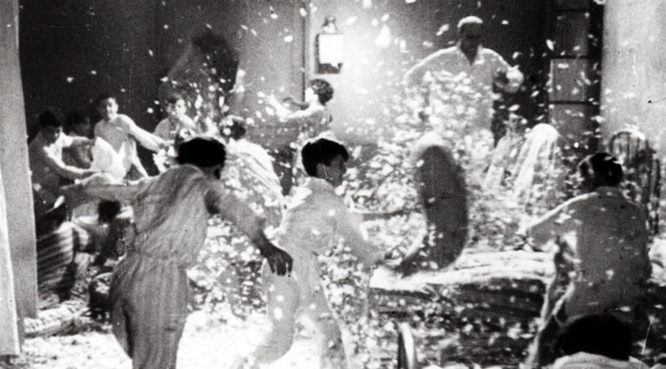
Jean Vigo is perhaps the most proportionally influential filmmaker of all-time based on his small body of work. His penultimate film, of only four, was the following short.

An essay on Criterion about it states a few things well right at the outset:

French sociologist Roger Caillois proposed that every form of human recreation could be placed somewhere on a continuum between two terms: ludus and paidia. The first of these represents games defined almost wholly by their rule systems. Crossword puzzles and chess might lie near the ludic extreme. Paidia, by contrast, is sheer tumult, a realm of spontaneous roles and invention and a ceaseless overturning of bodies. If one were to assign an emblematic sound to paidia, it could only be that which opens Zéro de conduite (1933): the screams of kids at recess, a mass of voices expressing nothing beyond the creative energies of play in and for itself.

As Kite goes on to discuss some of the design and the kismet behind this film’s design one can see by choice and chance a precursor to the Nouvelle Vague due to some of the naturalistic filmmaking choices. The not immediately tangible plot, a challenge to conventional structure and the rebellious, dangerous nature of the tale itself all play into that. By AMPAS standards this film is actually a feature, but few titles ever fit into this mid-range and being about half as long as most features I think it applies as a short and is fairly important one.

To view this film please visit this link.

Thankful for World Cinema 2013 Introduction

I’ve done this theme a few times. I started it on The Site That Must Not Be Named, but my focus was too narrow (The first year it was just Old World, tying it to the upcoming Thanksgiving holiday).

The idea as of last year was to take some days to focus specific on World Cinema. World meaning made outside the US, and as of this year not always necessarily in a language other than English). Now, I write about and seek out foreign films often. I am a dual-citizen of the US and Brazil. I have grown and have found many different cinemas I connect with globally, as each nation does have its own voices aside from just genre cinema, but they also bring their own voice to genres.

In the forthcoming posts I seek not only to hopefully reveal under-viewed films to people, both through new posts and those already done, but also to find new titles myself.

Much like with the 61 Days of Halloween, this is a short focus on something that is usually a style of film that attracts me anyway. If you look at the BAM Awards’ Best Picture, Director, Actor, Actress, Supporting Actor, Supporting Actress and Screenplay awards have all been awarded to films made outside the US. It’s just a time to focus on and give special attention to these films here.

In the coming days and weeks I will also continue to add pages to the menu bar on this site and there you will find links to posts from prior years as well.

Enjoy!

Broken DVD Four-Pack Giveaway: Courtesy of Film Movement

On November 5th one of the best films of the year to date, Broken, will be released on DVD. As I have frequently said, I never tire throughout the year (and sometimes beyond that year) of championing a great film and this is one. Another thing I’ve frequently mentioned is my fondness for Film Movement (as well as their Film of the Month Club).

In light of the aforementioned facts, the kind folks at Film Movement have made available a copy of Broken for a giveaway run in conjunction with The Movie Rat. So now you have a chance to heed my advice to “watch Broken, it is an absolutely exquisite piece of cinema.”

But, wait, there’s more! Film Movement has also offered three other foreign-produced films (Befitting the current Thankful for World Cinema theme), to join Broken making an awesome prize package and a perfect introduction to their films.

If you win you will also get Clandestine Childhood, Shun Li and the Poet and Aliyah.

This giveaway is open to entrants from the US & Canada Only.

To enter:

1. Follow this link: http://www.filmmovement.com/email-join/facebook/

2. Sign up for the Film Movement newsletter.

That is all. Easy, yes?

Only those signing up between now and 11/8 will be eligible for the giveaway, so get crackin’!

This giveaway has now ended.

61 Days of Halloween: Haunter (2013)

Introduction

For the concept of 61 Days of Halloween, as well as a list of previously featured titles, please go here.

Haunter (2013)

The synopsis of Haunter gives you facts that lead you quite a bit of the way into the story:

The ghost of a teenager who died years ago reaches out to the land of the living in order to save someone from suffering her same fate.

Given that as a starting point one would hope that there are layers to this tale, and those who share that hope will not walk away from this film disappointed. For while the comparisons that Haunter has drawn to both The Sixth Sense and Groundhog Day are not unwarranted, there is more at play here and a very intriguing myth being built after all.

The film’s cinematography has great panache and sets the tone throughout, the camera wanders through the world of the story and takes different vantage points on its early-stage déjà vu scenes.

For each of the characters within the story, be they live or be they dead, there is a moment of discovery. Our protagonist Lisa (Extremely well portrayed by Abigail Breslin) is the first to have such a discovery, and, as such, it is through her eyes that we experience this film and start to uncoil the mysteries therein.

One such mystery is what the exact nature of The Pale Man (Chillingly rendered by Stephen McHattie) be he natural or supernatural. As the myth starts to build and the pieces start to fall in place there are surprises in store and there are very intricately transgressed borders between the states of being. The way this handled allows there to continue to be a sense of mystery to the film.

While there is a slight leaden quality to pace towards the tale end of Act II, the conclusion is ultimately quite satisfying as the investment we as an audience have been asked to make in these characters is a fruitful one. Their fates are something that become a concern, and as those who have passed come to the realization that they are past more details fall into place.

Furthermore, the family dynamics, the fulcrum of the dramatic element of the tale changes and we see why. These moderations, these tones and notes would not hit home as well without contributions from the whole cast be it Peter Outerbridge, who has to be a source of empathy and fear, grief-stricken and terrifying; Sarah Manninen whom runs the gamut from TV playing a role to scared victim to knowing realist; or Peter Da Cunha (whose specific echo is one of the key indicators of the film) who plays a soft-spoken, sunny child who is resigned to a cautious fear, and also ultimately terrified.

Despite whatever superficial similarities this film bears to other more famous works, and I thought of a few others myself, the narrative fabric this film weaves is wholly its one and a great one to look at and get lost in. This is a fantastic horror film that melds a few different subgrenre approaches and should be one you look out for whenever you need another horror fix.

8/10

61 Days of Halloween: The Curse of the Fly (1965)

Introduction

For an introduction to the concept of 61 Days of Halloween, as well as a list of previously featured titles, please go here.

The Curse of the Fly (1965)

One thing that becomes clear when your are viewing a series of films in hindsight is when the death knell rang. When you’re in the midst of things occurring extemporaneously, it can be easy to be hopeful and want a course correction that may not necessarily be better than just abandoning ship.

Now, a lay-off in a series is not always a bad thing. A contemporary example would be that the Paranormal Activity series just skipped its first year since the series debuted, and will return in the early part of 2014. However, with the prior film (still being wildly successful in my mind) being six years prior, the changing climate of the nation as the ’60s progressed; a tale like The Fly had to change and wasn’t necessarily going to work.

So in this The Curse of the Fly there is no fly so to speak, the curse is a euphemism. However, the decks are also virtually scrubbed of any connections to the prior to films only bringing in a very old Inspector Charas to fill in blanks. However, the characters who are brought in don’t contribute in a great way: the colleagues in London add a conscience, the servants in the Delambre add an unfortunate racial stereotype (as well as whitewashing) that seems extraneous even for that kind of thing; the love interest distracts from building the new Delambre generation. A generation that’s building the myth of the series by not being as far from the first incident as one may think at first. Or is it? That was murky too.

All this splits focus, however, there’s also the fact that the fly element is removed and what the threat is, is deformity as attempts of transatlantic teleportation are seriously disfiguring test subjects.

There’s less spectacle, less character, less drama, less suspense, less everything in this film such that the end, not only of this installment, but of the original series is a sweet relief. The mythology of this series is great and could easily be picked up and updated again, maybe even in a truly Quebecois version, but sadly this is an unfortunate final chapter to the original series.

61 Days of Halloween: Jug Face (2013)

Introduction

For the concept of 61 Days of Halloween, as well as a list of previously featured titles, please go here.

Jug Face (2013)

This is one of those titles that jumps out at me as one that deserves at the front of the review a reiteration of the fact that any film is merely just the writer to the best of his or her ability relating his/her experience with a film and why. As to whether it is something that will work for you, that’s something you have to parse for yourself based on what you read here and I stress that prior to discussing this film because it is most definitely one where I can understand how it would engender support.

If there’s one thing I unquestionably enjoy about this film is that it refuses to dumb its narrative down. It concerns a teenage girl who becomes pregnant and for many extenuating circumstances feels the need to flee her backwoods home. One of the extenuating circumstances is a communal, pagan-cult-like existence that mandates basically all the residents’ life decisions. The rural location and isolation create a microcosm separated from reality as we know it. What the rules are about life in this place are made clear throughout the course of the film, as well as what transgressions have occurred against said rules. There is nary a bluntly expository word uttered. Things are learned either visually or indirectly.

Where the film bogs down some are in a few places. One such area is when the minutiae is temporarily unclear. The stakes are quite clear early on, which is great, but the impending doom of the characters (in various ways) is also made apparent early. The lack of clarity does muddle a few relationships, plot points and character assignations but that is a minor concern.

The film ends with some mysteries left unsolved, but some of the answers feel like they should pack more of a wallop than they do. The nature of these deities fascinates but, that is due to the visual conveyance of information.

I am being intentionally guarded in my explanation of of my grievances because to over-discuss them would be to give too much away. It’s better to meet this film knowing just the one line synopsis and no more. It’s the kind of world I would not be averse to seeing revisited and expounded upon. This is the type of first installment that could allow for a shorthand to be in place before it’s followed up, and can create something more akin to a companion piece than a sequel.

The performances in the film, namely by the protagonist Lauren Ashley Carter, are impressive and make the film worth viewing. If you are curious to see the film and form your own opinion it is available to stream on Amazon Instant Video (free to Prime Members).

5/10

Cinematic Episodes: The Haunting Hour, Season 1

Introduction

When I first thought of the concept of cinematic episodes, this is one of the handful of television shows that came to mind. However, it was not the show I was intending to be my first follow-up to that post. I intended to take a more chronological approach to the question of drawing parallels between television and film.

However, seeing as how the first show I started drafting a post on is more in the suspense anthology realm rather than the horror anthology realm, and this is 61 Days of Halloween; The Haunting Hour seemed more appropriate.

Now, the reason I choose a half-hour (what really amounts to about 23 minute) show as opposed to horror anthology series that literally produce short features (e.g. Masters of Horror) is that it places the series more firmly in the realm of television; a commercial-television product is still very much a TV program no matter how much technique it borrows.

There is also the question of format and genre, there aren’t that many half-hour dramatically-inclined series’ in North America. The standard approach is hour dramas and half-hour comedies. However, those shows (as I’ve mentioned in the past) that decide to go for shorter bursts of drama, suspense, horror, or other non-comedic reactions; are typically more successful.

The reason I choose horror over a straight drama is not just so I can fit it in with my theme. Horror is not that frequently attempted on TV as compared to other genres. Yes, there’s a surge in recent years due to the success of some series, but in the overall history of the medium it’s more rare. Part of that rarity is that horror is a genre very conducive to literature and cinema. With television one of historical imperatives has been timeliness and economy.

Only since the mid-’90s, when trying to jolt viewers and win the ever faction-ing audience has the single-camera approach to dramas and comedies become more prevalent, and horror more pervasive.

However, the fact that The Haunting Hour is a horror program aimed at younger viewers also factors in to my selection, also not only because I covered another Stine film this year. It factors in because if you look at these kinds of shows a generation (or so) ago with Goosebumps and Are You Afraid of the Dark? the ante is significantly increased in terms of narrative and production value. Nickelodeon finally jumped back into the contest with the far inferior Deadtime Stories this year, but The Haunting Hour not only excels in horror but for programming for children in general winning multiple Emmys thus far.

However, it is its consistently cinematic approach, ability to attract A-List caliber young actors and its not-always-happy-endings that have earned my loyalty as a viewer.

Below I will take a closer look at the cinematic DNA of this show that made itself evident through the course of the show’s first season. It was it’s largest season in number of episodes (22) which makes sense since it launched as the Hub Network did and is one of the young network’s flagship programs. I will briefly recap and react to each episode, offer thoughts on the cinematic qualities of each (usually in visual terms), list directors and cast and link to video where available legally.

Really You, Part 1 and 2 (Season 1, Episodes 1 & 2)

74500_160814223956091_160409627329884_259311_7754816_n

Director Neill Fearnley
Featured Cast Bailee Madison, Connor Price, Casey DuBois

Synopsis/Reaction

To start off a new program bearing R.L. Stine’s name. How else would be better than with a refraction of a theme that was not altogether unfamiliar to viewers and readers of his previous series of books (and TV) Goosebumps? Really You tells the tale of a doll that is more than it seems (i.e. alive) and also starts the series off in impressive fashion bringing talented young actress Bailee Madison into the mix.

Commentary

I began compiling this post with more exhaustive notes, however, in a way I still don’t quite understand; I lost those notes. It’s probably a good thing. This ought not be an exhaustive look that dissuades your viewership, but rather a closer one with a focused on eye on what makes this particular program generally more cinematic than most. Some of the motifs and movements used in this tale are: a pan-heavy montage at the beginning, afforded by double-episode status. The double-episode may be mathematically similar to the hour-long episode, however, there is an obvious difference. The difference is in the intensity allowed to build in a more easy fashion.

This fashion is not as cinematic, structuring to climactic commercial breaks and a mid-point cliffhanger leading into the next week (or episode), but depending on the story it can serve a show better. Some hour-long TV plots can meander whereas double-episodes can have a more consistent pleasurably dramatic build.

Aside from a match dissolve at the start, the use of high contrast, steadicam, dolly shots and canted angles (including panning from one cant to another) this episode also implements cinematic elements in an homage (A Paranormal Activity style scare) but also with the progressive make-up application as the protagonist becomes more tired and frazzled showing more passage of time quicker than is standard.

A Creature Will Stir (Season 1, Episode 3)

ACreatureWasStirring01

Director Terry Ingram
Featured Cast Thomas Robinson, Stacy Grant, Kurt Evans, Rachel Pattee, Cainan Wiebe

Synopsis/Reaction

If ever there was a delicate balance for a juvenile horror series to strike it is that of the wonder of Christmas, especially through youthful eyes; and a horrific element. Now the table is well-set for the preternatural element that will find its way into this episode by the fact that a family portrait is painted of disharmony. As the story unfolds we discover that a divorce is imminent. Naturally, the creature is discovered by the youngest child, Timmy (Thomas Robinson), so doubt is natural. The horror comes to fore in the latter half of the episode and acts as a cathartic catalyst, thus it succeeds exceedingly well in both tasks: telling a horror tale and a heartwarming Christmas Story.

Commentary

To be able to strike all the aforementioned notes properly what this episode does very well is have its camerawork and edit correlate to the the intended tone. The episode commences with dollies, tracking, and other kinetic shots; that reflect the upbeat Christmas morning tone that is being set. However, as the family awakes and some of their issues come to the fore the camera and the edit as well settles a bit. Here the cinematography not only assists in characterization but also in effects-work but also changes the tone anew as things get tense.

The balancing act of family, horror and Christmas tales culminates towards the end not only with the locations (the attic and then on the street, with a skylight in one; sooty and a aglow in firelight in another) these simple decisions show it’s not always about big budgets to create a more cinematic feel even on the small(er) screen.

Some clips that illustrate what I’m talking about can be found on the Hub’s site below.

http://www.hubworld.com/watch/710912856001/r-l-stines-the-haunting-hour-a-creature-will-stir-ep-3-season-1-clip-1

http://www.hubworld.com/watch/710851564001/r-l-stines-the-haunting-hour-a-creature-will-stir-ep-3-season-1-clip-2

http://www.hubworld.com/watch/710912857001/r-l-stines-the-haunting-hour-a-creature-will-stir-ep-3-season-1-clip-3

The Dead Body (Season 1, Episode 4)

149827_160813973956116_160409627329884_259297_2417041_n

Director James Head
Featured Cast Brendan Meyer, Matt Angel, Samuel Patrick Chu, Tiera Skovbye, Bryce Hodgson

Synopsis/Reaction

Here’s the first time the series goes beyond the grave, and in doing so this is where the trademark of the series really starts to come to the fore. As I recently stated in a piece on one of Stine’s features: his brand of horror is not a substandard one, and furthermore, it is one that is not as safe as one would assume would be designed for a young audience.

Not only is a ghost a very tangible threat in this particular installment, but the living are not safe from repercussions of meddling in their lives.

Commentary

Clearly when you want to establish a more filmic feel on television one thing that needs to be done is to occasionally buck certain trends and structuring decisions that become mandates in creating the style of a show. While one can dissect the formulaic structure (as I have with this show) with any program, the building blocks that form that structure can be easily switched without hurting the integrity of the whole.

Examples of this abound in this episode. First, it has a pop-song montage start to establish its character and location, and it effectively eschews the signature “Oh-ee” cut-to-black theme ending usually reserved for episodes. Why these changes work is that they effectively create the tone they are seeking to.

While there are some visual signatures in this tale worth noting that pop up in this show for the first time: like the use of obstructions in frame, flickering light; and some repeating like smoke and firelight; it’s the edit of the end that bucks the trend. It uses a cinematic settling-in-of-fact to take the journey of discovery along with its protagonist (Brendan Meyer) and, though the audience may jump ahead of the conclusion, the impact is heightened because of the fact that for the last few minutes you’re allowed to feel the enormity of the reversal of fortune sink in for the characters involved as well as for yourself.

You can also view clips from this episode at the links below.

http://www.hubworld.com/watch/710842887001/r-l-stines-the-haunting-hour-the-dead-body-ep-4-season-1-clip-1

http://www.hubworld.com/watch/710851565001/r-l-stines-the-haunting-hour-the-dead-body-ep-4-season-1-clip-2

http://www.hubworld.com/watch/710865436001/r-l-stines-the-haunting-hour-the-dead-body-ep-4-season-1-clip-3

The Nightmare Inn (Season 1, Episode 5)

Nightmare_Inn_1

Director Nick Fearnley
Featured Cast Madeline Carroll, Ingrid Torrance, Jodie Balfour, Richard Harmon

Synopsis/Reaction

One of the classic shows of influence in sci-fi, the supernatural and horror is The Twilight Zone. It’s influence will be eternal and is hard to avoid. When one compares what you’re doing to that program it is the utmost compliment if you are said to be doing well at the impersonation. The set-up of this episode is not unlike an episode of The Twilight Zone.

The nuclear family at the center of this tale happen upon an inn that has been haunting the recurring dreams of Jillian, the eldest (Madeline Carroll). Her mother turns a deaf ear to concerns and they stay there regardless and begin to uncover the secrets the inn has.

Commentary

This episode is all about low-light and high-contrast. Well, two thirds of it is. To not put too fine a point on it the night-day-night structure of the three acts is crucial in the telling of the tale. Far more than the occasional POV lurking shot or the use of slight-bounce (as opposed to to jiggly-cam) to convey tension. In film (as in television) time of day is a much a part of the setting as the year and location, if not more so. These choices are influenced by the telling, and aid the impact of the story as well as various production departments.

You can see clips of this episode below.

http://www.hubworld.com/watch/710865435001/r-l-stines-the-haunting-hour-nightmare-inn-ep-5-season-1-clip-1

http://www.hubworld.com/watch/710865434001/r-l-stines-the-haunting-hour-nightmare-inn-ep-5-season-1-clip-2

The Red Dress (Season 1, Episode 6)

The_Red_Dress_(Promo_Still)

Director J.B. Sugar
Featured Cast Emmanuelle Vaugier, Linda Tomassoni

Synopsis/Reaction

One of the classic motifs of horror is the desired object and the maleficent salesperson who will dispense justice to those who cross them in business dealings. However, when one deals with an anthology series commonly tread ground will be found quite often. It usually comes down to how said ground is trod this time around.

With regards to comeuppance this is one of the most daring tales, and early on in the first season again sends out a reminder that not all will end well. This can be looked at as a controversial approach. However, when one considers nursery rhymes and Grimm’s Fairy Tales one realizes that kids do process the horrific rather well and come to expect it. Almost any ramification can be absorbed. It’s an overly-realisitic rendition of violence and threats that can really cause problems it seems.

Commentary

The crow breaks the visual malaise and foreshadows. The motivation is set (impress the boy) now the trap needs to come into place.

Shafts of light, shots through glass, camera movement both amped and smooth; the mood-setting of this episode definitely delivers where the conclusion may not. The production picks up for fairly standard plotting of a desirous-object tale. As does the very last shot in the shop.

You can see clips of this episode below.

http://www.hubworld.com/watch/754415201001/r-l-stines-the-haunting-hour-the-red-dress-ep-6-season-1-clip-1

http://www.hubworld.com/watch/754424254001/r-l-stines-the-haunting-hour-the-red-dress-ep-6-season-1-clip-2

The Ghostly Stare (Season 1, Episode 7)

7.-The-Ghostly-Stare

Director Neill Fearnley
Featured Cast Jason Spevack, Emma Grabinsky

Synopsis/Reaction

Here we have an episode mostly dealing with events in and around a cemetery. A pair of siblings each has their own preoccupation with the dead. Lauren (Emma Grabinsky) practices the art of grave rubbings, whereas her brother, Mark (Jason Spevack) is curious to see a dead body.

This is a tale that deals with the desecration of a burial site, both in a personal and corporate way. The corporate will be that a mini-mall is soon to be built over the graveyard (thus, the ability for Mark to actually potentially see a body) and the personal comes from the children coming to close to those trying to rest at peace.

In the end this episode ends up acting as a covert zombie tale preying on fears that we all harbor about proximity to the dead will ultimately lead us to crossing over.

Commentary

The displaced corpse tale alluded to with a languid series of camera moments and shots as construction workers move about a dilapidated, torn up cemetery. Staring contest set-up siblings and leads into discussion of mortality and hobbies, grave rubbings; things that tie-in to death. The line of propriety that must not be crossed is explored in here. POV and long shots establish watchers and suspense, montage of of headstones when mark is missing, and empty graves do as well.

One of the lines of fright “I’m so cold” echoes something from Are You Afraid of the Dark? that’s handled much better here. In night time scenes very similar shots to those used in the day at the cemetery are amplified by the lighting. Claustrophobic shots on last story day of the tale lead to the visual and narrative circle closing that occurs.

http://www.hubworld.com/watch/754415197001/r-l-stines-the-haunting-hour-the-ghostly-stare-ep-7-season-1-clip-1

Walls (Season 1, Episode 8)

TheWalls01

Director Michael Scott
Featured Cast Bobby Coleman, Cameron Bancroft, Gina Holden

Synopsis/Reaction

As difficult as it is to create a wholly new tale, Walls comes about as close as this series has. The creature living behind the walls of Jeffrey’s (Bobby Coleman) new family home, who menaces him, is a parasite. He knows it’s there, his parents deny it. Does it want to hurt him or is that just perception? That’s the set-up and what will be discovered over the course of this episode.

What buoys this episode is the prosthetic work, the voice over of the creature, its conclusion and most importantly Bobby Coleman‘s performance, which may be the finest of the series to date.

Commentary

There is visual foreshadowing in abundance not just with the POV shots but with the shots that focus on the lamb-patterned wallpaper that has an oddly hypnotic quality. Many of these shots have unique wrinkles to them. The creature in this tale is treated at times like a classic movie creature being shot in pieces and under-exposed through much of the episode. There is also a prevalent use of audio allow the audience to imagine where the creature might be, what it looks like and what it’s doing.

The edit of the first physical contact between Jeffrey and the Klemit is very strong. Once the walls of the house are breached there is even more visual intrigue added to the story than before with certain frames being trifurcated.

The last shot is brilliant, as is the fact that this is perhaps one of the biggest tales of perception told; secrets inherently being frightening.

http://www.hubworld.com/watch/754424250001/r-l-stines-the-haunting-hour-walls-ep-8-season-1-clip-1

http://www.hubworld.com/watch/754411253001/r-l-stines-the-haunting-hour-walls-ep-8-season-1-clip-2

Game Over (Season 1, Episode 9)

77115_164228053614708_160409627329884_274533_6841027_n

Director Terry Ingram
Featured Cast Calum Worthy, AJ Lutsky

Synopsis/Reaction

While it can’t be said that this episode is wholly un-cinematic this one is much more about creating an interesting fantasy than trying to produce a scare. With a video game basis the tale is more reliant on effects than most and that is just one of the episode’s failings, which can’t escape being one of the most wholly uninteresting and unsuccessful of the series thus far.

Commentary

There is a pervasive use of Steadicam, tacking shots and shot that follow one subject and “dump” onto another in this episode which lends it an immediate visual style. The Art Direction then joins in the flair with a stylized gaming lair (Scaffolding and overhead lighting grids). As the mystery game invades world and the visual style changes accordingly more CG comes into play, jib shots, lighting affectations.

The design of the diner is artful, some lights being gelled the video game aesthetic becomes more present here. Gels representing highlighting of weapons in gaming. The framing of the climactic shots, as well as the allusion to a classic horror film are appreciated if not as gracefully handled as they could have been.

Alien Candy (Season 1, Episode 10)

150365_164243456946501_160409627329884_274571_4844273_n

Director Neill Fearnley
Featured Cast Grayson Russell, Matthew Knight, Bal Nagra, Jessica Macleod

Synopsis/Reaction

One thing an anthology series, or any other series that is not dealing in strictly-linear storytelling; has to deal with that other series and films don’t run into as often is the conundrum or ordering their series. Both this and the prior episode can be considered departures from the usual tone and tenor of the series.

There is a supernatural, extra-terrestrial and menacing aspect to this installment, however, there is also quite a bit of comedy to as well. Thus, this episode and Game Over being dropped down consecutively in season one feels a bit odd.

However, aside for the two Young Artist Award nominations (and one win) that this episode garnered there is a bit going for it that makes it somewhat more enjoyable than the last.

Commentary

Aside from an early low-angle the first attempt at something non-vanilla in this episode is about 6 minutes in where the secret of the tale is being divulged. From that point forward things start to get decidedly less flat, more graded and cinematic as the story goes beyond the ordinary. Green light in night shot, singles become slightly more angled (up-shots and down-shots), underlit school at night, red gels and the like become the norm rather than the exception.

All of the above episodes are available on DVD from Shout Factory, or can stream on Amazon Instant Video (Free to Amazon Prime members).

Fear Never Knocks (Season 1, Episode 11)

R.L._Stines_The_Haunting_Hour_The_Series_Fear_Never_Knocks

Director Peter DeLuise
Featured Cast Ariel Winter, Quinn Lord, Matthew Walker, Christopher Heyerdahl

Synopsis/Reaction

This episode starring Ariel Winter and Quinn Lord tells a rather metaphysical tale. The two children are staying at their grandfather’s house. He is a renowned psychiatrist, who struck an unusual deal to be able to physically trap the fears that haunt his patients. All hell breaks loose when the fears get out.

Commentary

This expansive house, with diffused light flowing in through its windows, looks like it would’ve been the backdrop for a Golden Age Hollywood film. Slow push-ins, one of the most effective tension-building methods, are and combined with soft-spoken fearful retelling of their phobias along with black & white flashbacks to overheard phobias; add style to the visuals. Smoke and a push-ins used on the personification of Fear (who in another old school technique has his eyes “masked” by light often) makes his first appearance. Focus filters seem to be played with a bit too, but to accentuate something very specific as opposed to some shows that just use it as a texturing device. Tracks and swish-pans abound as they run around fearfully. Another bit of lackluster effects work doesn’t hold it back.

Many tight angles, along with the situation make this an effective chamber-horror tale despite the fact that the house is massive it feels like it closes in. The tragically flawed role model makes for a more interesting tale, as does the open end.

Best Friend Forever (Season 1, Episode 12)

BestFriendForever01

Director Jason Furukawa
Featured Cast Nolan Gould, Cris Cochrane, Darren Rizzolo, Anne Openshaw

Synopsis/Reaction

Some very good and funny things have been done in the horror genre when playing with the notion of pet and master then mixing that notion with zombies. Fido being among them. Here a boy who desperately wants a dog, but is not allowed one by his mother; has a zombie as a pet.

Commentary

The tying in of several threads help this episode: the desire for a pet met by the discovery of a zombie by a child (Nolan Gould) with an aptitude for science. The set-up in the episode includes a long take walking down a school hallway. The take seems cinematic because it follows its subjects in a two-shot, doesn’t cut and is long for a TV shot; it also relies upon the actors to interact naturally without aid from the editing room, which they do. The visuals are spiced up further in a later fantasy sequence, by use of a filter, fog, in-frame depth and tracking shots. There’s also the classic hand out of grave trope, which can never really be tired if well done. Similar to a pattern already seen once this tale leaves the school the style of the episode unfurls itself.

In the final scene, the lighting belies the tone of the tale’s end at least to start. There is the use of a symbol, which the protagonist decodes and adds an exclamation point to the ending, which an invitation to visual literacy.

Black Mask (Season 1, Episode 13)

77121_165351410169039_160409627329884_280106_5034375_n

Director Neill Fearnley
Featured Cast Madison Pettis, Ricardo Hoyos, Ian Crane

Synopsis/Reaction

Here is an episode that not only deals with time travel, villains, but also has quite a twisted ending. Three kids break into an old house full of mysterious artifacts. Most intriguing among them is a black mask that they believe is giving them glimpses of the past, but a past that they can change. They then set out to try and do just that.

Commentary

The first episode to go title sequence first and not have a teaser lead-in to it, this helps to establish a greater immediacy and legitimacy to the narrative. Start with a jib over a for sale sign to establish the central location of the story.

Many things stand out visually in this episode: Eyeball-shaped orange vistas through the mask on black backdrop with a sort of 16 fps flicker to them; the canted steedicam shot with slightly up-glancing angles to start; flashlights; diffused sunlight through dank, dark basement.

It’s a tale of twisted antiquity with a lurking man whose status is unknown. The cutting pace near the end is exceptional as is the sense of false victory leading to the chilling conclusion.

Afraid of Clowns (Season 1, Episode 14)

Afraid-of-Clowns-1

Synopsis/Reaction

Director Peter DeLuise
Featured Cast Jake Cherry, James Alan Hartley, Sean Mathieson, Samantha Page

Synopsis/Reaction

I was never afraid of clowns growing up. In fact, pretty much the only thing with clowns in it that did ever scare me was Stephen King’s It. However, I can appreciate their treatment in the horror genre, especially taking into account how it is likely to affect those who are afraid.

Not to mention the fact that this episode in particular has a very unique take on clowns one that can be described as treating them like a species.

Commentary

Wobbly POV tracks to start the episode. As with many tales about clowns in horror: start with the childhood trauma and tell a story later at the apex of this fear. The spin on clowns here is quite an interesting one and quite different.

The introduction of the protagonist (Jake Cherry) and his family with allusions to “the talk” is great. Then there’s the potential love interest, which adds intimations of a coming-of-age subplot and subtext. There’s a great series of shots and cuts set-up around the rock-throwing scene at poster. A scene where our lead is followed by a car finishes with a great punch after being constructed by smooth camerawork.

All horror can be boiled down into two categories: fear of what you’re becoming or fear of what’s coming after you; this episode manages to combine both these things deftly.

Many canted and slightly moving shots when our lead goes to the circus and is confronted by clowns non-stop. Shots in the box with the spinning lights is style in spades.

My Sister The Witch (Season 1, Episode 15)

Alice-Performing-a-Reverse-Spell

Director Michael Scott
Featured Cast Uriah Shelton, Jodelle Ferland, Mitchell Duffield, Julian LeBlanc

Synopsis/Reaction

When you’re dealing with horror and kids there are going to be many tales that deal with siblings. Usually what is going to be a focus is that one sibling notices a change in the other that their parents are oblivious too. Here Alice (Jodelle Ferland) has returned from boarding school and Pete (Uriah Shelton) starts to suspect that she is a witch dabbling in black magic. However, here it is the misunderstanding, and lack of communication, that leads to tragic circumstances.

Commentary

Sibling rivalry, and differences between sexes, obfuscate realities here. Night falls three minutes in and shots gain contrast, look up, fog abounds outside. Discussion of next day: sneaking, hiding and black cat (plus score) aid fear. Another situation with a symbol; at first misinterpreted.

Conflict rises and hits a volatile, game-chaging midpoint where the characters part and understanding becomes impossible, then one tragic turn compounds itself atop another, then another. When communications open up properly it’s all about trying to right wrongs.

Situation heavily overrides affectations and surprising visual turns abound because of it. Suspicions turns outward. A better effect than most episodes were afforded. Just when you think you got the last wrinkle, you haven’t. Two other notes is that naming the cat Baba Yaga, is a much more effective use of folklore. Also, scouting versus witchcraft, plus the inclusion of the grimoire, add to a textured narrative of accepted fraternity.

Wrong Number (Season 1, Episode 16)

Season_1_Episode_16_Wrong_Number_Still_2

Director Neill Fearnley
Featured Cast Debby Ryan, Sarah Dugdale, Stacy Kohl, Karin Konoval

Commentary

In an unusual turn for this, in fact, for most series; this episode features two mean girls. They are, of course, the most popular girls in school, Steffani (Debbi Ryan) and Tarah (Sarah Dugdale). Sarah is good at her core but has built a coarse uncaring exterior to survive and fit in. In a classical horror trope they cross the wrong woman, an old gypsy, and start to face severe consequences following her demise.

Synopsis/Reaction

Great job establishing characters right off the bat through voice-over and music. The use of text-message-subtitles is also a nice touch. Perhaps what’s best here is seeing one of the central figures be an un-likeable character because of how it can instruct on different narratives and sets up a better morality play.

Shortly after stasis and the mean girls’ doormat is introduced another “nemesis” incites the plot. Wonderful shot to sell initial effect scene. Effective use of diffused light down hallway on next pivotal scenes. Cell phones come in to play more as the episode progresses to great effect. A strand of lights adorning the wall a simple art direction choice that adds texture. Reading of Shakespeare in school is old hat but the kind of detail that adds some texture to the tale also.

Catching Cold (Season 1, Episode 17)

Marty_gets_his_ice_cream

Director Peter DeLuise
Featured Cast Robert Capron, Ty Olsson, Sarah-Jane Redmond, Laine MacNeil, Nicholas Elia

Synopsis/Reaction

As much as it can be a central focus in comedic tale, so can obsession factor significantly in horror. Here the tale is a very simple one: Marty (Robert Capron) loves ice cream. This obsession makes him the target of a mysterious ice cream truck that only he can see.

One could draw a parallel between this episode and We All Scream for Ice Cream on Masters of Horror. While a majority of the episodes on The Haunting Hour are original teleplays, this one is based on a short story by Neal Shusterman.

Commentary
This is a classic set-up that any kid can relate to on some level: an obsession with ice cream. A Maximum Overdrive approach to shooting the truck as a driver cannot be seen. “Pop Goes the Weasel” plays frequently (as per usual taking a childhood song and rendering it scary). One particularly cinematic affectation in the lighting is the exaggerated headlights at night, freezer in the truck.

In fact, most of the special shots and lighting saved for the mystical like the frozen makeup, and shot through frozen window at the end.

Pool Shark (Season 1, Episode 18)

Pool_Shark

Director Jason Furukawa

Featured Cast Booboo Stewart, Patrick Gallagher, Mackenzie Porter, Anthony Kocheny, Kai Donily

Synopsis/Reaction

If there’s one thing I can’t handle very well it’s when a very cool bit of folklore is brushed off only to be used in a very subpar narrative. First and foremost among those would be the werewolf myths in Native American folklore being bastardized in Twilight. However, this bit of Hawaiian culture the Nanaue (a human which turns into a shark when it goes into the water) is a close second as this episode is fairly obvious throughout, fairly ineffectual and lacking in style.

Commentary

Another childhood trauma scene early here: water/swimming, that portion while short is well-shot and edited. And there is a contradiction, our lead is a lifeguard but little works here. Neil Shuster, who wrote Catching Cold is back, but there is a very broad drawing of love interest and antagonist. The score has some very odd notes to it that muddle the tone.

This episode is part of the reason most of the commentary is technique-based. While I do enjoy a lot of these episodes quite a bit on a narrative level, even when they fail greatly in that regard the techniques are still usually very cinematic (like some lurking shots of swimming legs similar to Jaws) and worth breaking down.

The retelling of the legend allows for hope in a saving grace but there ultimately never is one here and its highly anticlimactic and ineffectual. And that complaint isn’t about the premise of how does one have a pool-shark (Old-SNL jokes aside), but rather how it’s handled.

Lights Out (Season 1, Episode 19)

Lightsout04

Director Neill Fearnley
Featured Cast Gabriel Basso, Jeff C. Ballard, Madison Desjarlais

Synopsis/Reaction

This episode features one of the most perfect narrative circles in the series to date. A group of friends watching a ghost hunting show on TV doubt its veracity go out in search of their own local haunt to see what they can find. The bet being that they can fake a better show than the “pros.” Here again there are very strong performances spearheaded by Gabriel Basso who stands amongst the most impressive turns in the series to date.

Commentary

This is an episode written by Melody Fox, her name is on most of the better episodes of this first season. Visually there is a lot of night vision in this one and much high contrast as well as a great arc for the characters here. As history of the locale builds so does the ambiance and what it attempts to throw at its intruders. Flashlights are used again, but in much lower light thanks to the locale.

Sound design and routine (time) come into play greatly in the plotting of this episode. The chase sequences are highly effective. In most episodes there is usually a very cinematic push of the score, here especially.

What really sets the episode apart is not only a circle-closing kind of end but how the story separates the leads isolating one, leaving him alone and afraid; chillingly, realistically afraid. Gabriel Basso delivers one of the top two turns in season one (And I really can’t break that tie).

The Perfect Brother (Season 1, Episode 20)

ThePerfectBrother01

Director Michael Scott
Featured Cast Gregg Sulkin, Landon Liboiron

Synopsis/Reaction

A so-so episode inasmuch as the concept in the end is not a bad one but the execution is a bit lacking as there is actually some filler and an elongated sequence roundabout the middle. Josh wanders down the rabbit hole when his brother Matt, always thought to be perfect, starts to show some imperfections. The more he discovers the scarier and odder things become.

Commentary

Fairly straightforward handling of stasis and then into the initial dinner scene but it does set-up the family idyll. Similarly by design are the line-readings in the opening scene by the parents they ultimately act as foreshadowing.

On the production end here is a situation where actors of age were brought in, partially because the story allowed for it, but also to more economically produce the film. As the secrets start to come out, and things get cockeyed this episode becomes a more intriguing one visually, acting as our leads eyes as he seeks the truth and also following him through the strange environs he investigates.

Blues, yellows and smoke come into play as the factory is walked through and the truth starts to boil over.

Scary Mary, Part 1 and Part 2 (Season 1, Episodes 21 & 22)

Eric_and_Hanna_are_home

Director Peter DeLuise
Featured Cast Jean-Luc Bilodeau, Eva Allen, Tyler Johnston

Synopsis/Reaction

A local urban legend, one that sounds a bit like a Michigander rendition of New Jersey’s Bloody Mary, is recounted and Hannah (Eva Allan) starts to see signs all about her that there may be truth to it and soon finds herself in a world not at all like her own.

This is a two-parter that has some great world-building, cinematography and ambiance; it may be just slightly bloated to achieve double-episode status but the only true misstep is to replace the traditional, eerie “oh-eeh” musical finale with a very annoying techno song.

Commentary

This is the first episode where there is a content warning before it about how it may be too scary for children under seven. I have no doubt this is the result of the effectiveness of prior episodes and complaints received. The OTS at the head of the show, now commonplace, allows for a longer unfragmented first act, beneficial when a tale needs set-up time and can’t start on a jolt.

Once in the house the first thing you see is the mirror, which will be the most important set piece in the episodes. The characters quickly show a kind of rapport and then the idea of the fright-game is explained. Music starts in, the legend is sketched and will be filled in and consuming.

The covered mirror is also indicative of character and functional to the plot so is a nice touch. There is a tremendous myth and world built throughout augmented by lighting and locale occasionally overly-undercut by certain decisions. Attitudinal change builds towards a well-chosen midpoint.

Candlelight is all illuminating her face at the first key moment of the story.

Mirror breaking here, as well as the use of other mirrors and reflective surfaces appearing in the episode are well placed and chosen considering their importance.

Part two has a previously on The Haunting Hour intro which of course breaks pretenses of cinema. However, it is very succinctly and precisely cut together. Most of this half will deal with our lead in this other realm. There is great atmosphere built here but sluggishness in a few spots where it’s ill-afforded the opportunity and it ends in a very low key manner.

The more horrific spin on Alice Through the Looking Glass is appreciated though. It does split time well in trying to pick up the pieces in her home town and dispelling disbelief.

On occasion the formula for a show can set you up to over-anticipate the conclusion and thus ignore a lot of the good that occurs before that point is reach if the finale is dissatisfying in some way. The Moonlight Sonata masking scene is particularly effective, if the later pay-off isn’t all that special. However, that is a question of the chosen technique (CG vs. Practical) more than anything else.

The apparent defeat works well, even if one of the major failings is Scary Mary, which is an issue. As well as then end jolt whose last two beats are just so unfortunate.

Conclusion

R.L. Stine's The Haunting Hour The Series (The Hub)

After all that I won’t belabor a conclusion too much. I had intended to parcel the season out but my schedule didn’t work that way.

One pattern that is apparent and fairly self-explanatory is that when the tale is mundane so is the camerawork and that follows. That’s not unusual. What is unusual for a TV show is a lot of what goes into the production of these episodes. The single-camera treatment allows for these specialized shots that we’re used to seeing on a big screen. The scoring, which I didn’t discuss much, is an integral part of producing the desired emotions whereas many TV shows don’t have noticeable scoring.

As opposed to other anthologies aimed at kids in the past this show still does, but especially in season one, bring in not only capable actors, but those their target audience would recognize. In terms of the horror genre the show is not safe, which one might think it’d be more inclined to be when being intended for younger audiences. That’s what horror can’t afford to be is safe, and in terms of going a step above it’s what television can’t be either.

Since TV came into being there’s been an aesthetic conversation between it and film, one has pushed another at certain points. The single-camera approach was an edge film had for years, for a TV show to turn its back on it there has to be a good reason. Furthermore, with growing sophistication in audiences, in some regards; kids (or anyone) won’t watch a show that’s not at least mimicking certain techniques in a short convenient format. It may not be a conscious thing, but it will be noticed.

The Haunting Hour has on the The Hub begotten a new horror-themed weekly series, Spooksville, and as mentioned Nickelodeon is back in the anthology game. It’s not necessarily reinventing the wheel but it is filling the need of a horror anthology and a smart, well-produced show geared towards younger audiences delivering short scares. With new generations come new interpretations by default. Newer isn’t always better. Better is better and this series with its cinematic, polished approach has upped the ante for its particular subgenre and added a valuable voice to the horror genre in general.