Short Film Saturday: Barney Oldfield’s Race for a Life (1913)

This week’s short film piggy-backs off last week’s train theme. When I read this fascinating blog post about how the silent film got so closely identified with a woman being tied to train tracks, and why that might not be so accurate, there was a link to one short that’s a famous example of it.

It’s a fairly humorous and straight forward tale. Though D.W. Griffith is most noted for making cross-cutting a staple of film technique, he was by no means the only one implementing early in the development of cinema and here Mack Sennett really does the technique justice and makes the short very compelling. Another interesting thing you’ll note is that this short film is bereft of score. I am fine with that. Very few silents have their proper score attached to them to this day – some never had a specified score and that was left to the discretion of the live accompanist. Chaplin’s work, as he was also a composer, is an exception; furthermore, the restoration of the original Metropolis score is a large part of what made that reconstruction so very brilliant. Anyway, this is quick, fairly humorous short full of silent tropes.

Enjoy!

To view the film follow this link.

Film Thought: Walking Out of a Movie

Previously I had written about the conundrum of when to turn off a film. However, if there is one mark of delineation I drew there it’s that Netflix has somewhat changed my approach to that whole question. With Netflix, or any other service that gives you movies at the touch of a button, the tendency is to just push play with less consideration than in the past, unless you’re paying just for that film. With films that are included with a subscription we tend to treat them like they’re free, or at the very least we’re more inclined to click just to try and get the most out of our subscription.

However, the way I approach movies at the auditorium is a bit different. Whereas home viewing can be far more impulsive there is still a shrine-like, quasi-religious reverence granted to a movie being screened as it was intended. This is why I have no tolerance for disruptive, completely unnecessary, loud talking; cell phone use and other breaches of etiquette. While I’m at it it’d also be great if the glow stick brigade at my local theater, which is part of a large chain of multiplexes, would stop traipsing through the theater at the beginning and end of a film, when focus is more critical.

Due to the elevated status that I give seeing a movie in an auditorium (Though I see a much larger number at home than ever before), I am far more hesitant to abandon a screening that I’ve gone to see in person. There are a few reasons this is so: firstly, there is the time invested. Whether or not I’m close to the theater I still like to show up early, there are a significant number of trailers playing before the film so the time invested is more than the running time. Secondly, the financial investment is invariably greater. I’ve mentioned it on a few occasions, and the numbers are easy to figure out, if you’re viewing a film on demand you are renting it so it’ll play on your TV. They don’t verify how many people you have sitting in front of that TV so the savings are obvious especially if you snack at your home theater and at the multiplex. Lastly, it just seems like a much bigger move to get up and walk out. Yes, there is the complication of if you’re with a group of people, but hitting a stop button and walking out of an auditorium are two massively different things.

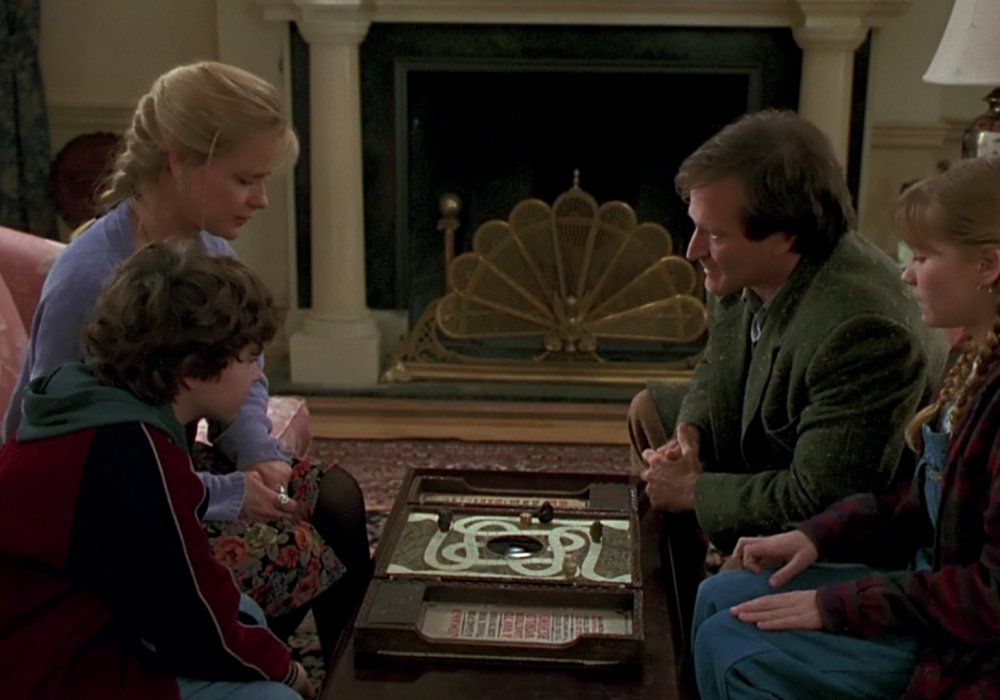
The last time I felt the twinge to want to leave a film was when I saw Creature. However, it was ultimately too much train wreck to ignore so that leaves Jumanji as the only film I voluntarily walked out of because I just couldn’t take it anymore. I could count Big Fish also, but the decision was aided by a fire alarm that allowed me to realize “Hey, I don’t care if I finish watching this movie now. Thanks!”

So there’s my take. How about you? What have you walked out on and do you find it’s easier to shut off a film at home than to walk out?

The Hits and Misses in The Globalization of Casting

Even before the advent of sound, when Hollywood became a dream factory and was beginning to make films known the whole world over, it has not been uncommon for those in film from the world over to emigrate when they’ve reached a certain status and want to continue to hone their craft at a significantly increased salary.

Just a quick look for evidence shows you as much. “Garbo Talks!” blared the one sheets when Great Garbo, the austere Swedish star made her debut in sound. So the world coming to Hollywood is not new. Hollywood going abroad and making attempts to represent other cultures more accurately hasn’t been going on quite nearly as long.

Such practices as white washing, and basic stereotyping, thrived for years in large part due to prevailing social mores. The last bastion of political incorrectness in cinema, for better or worse, was in the 1980s. Since then films have become more PC, but also have come closer to incorporating the globalizing mindset that hit other industries first.

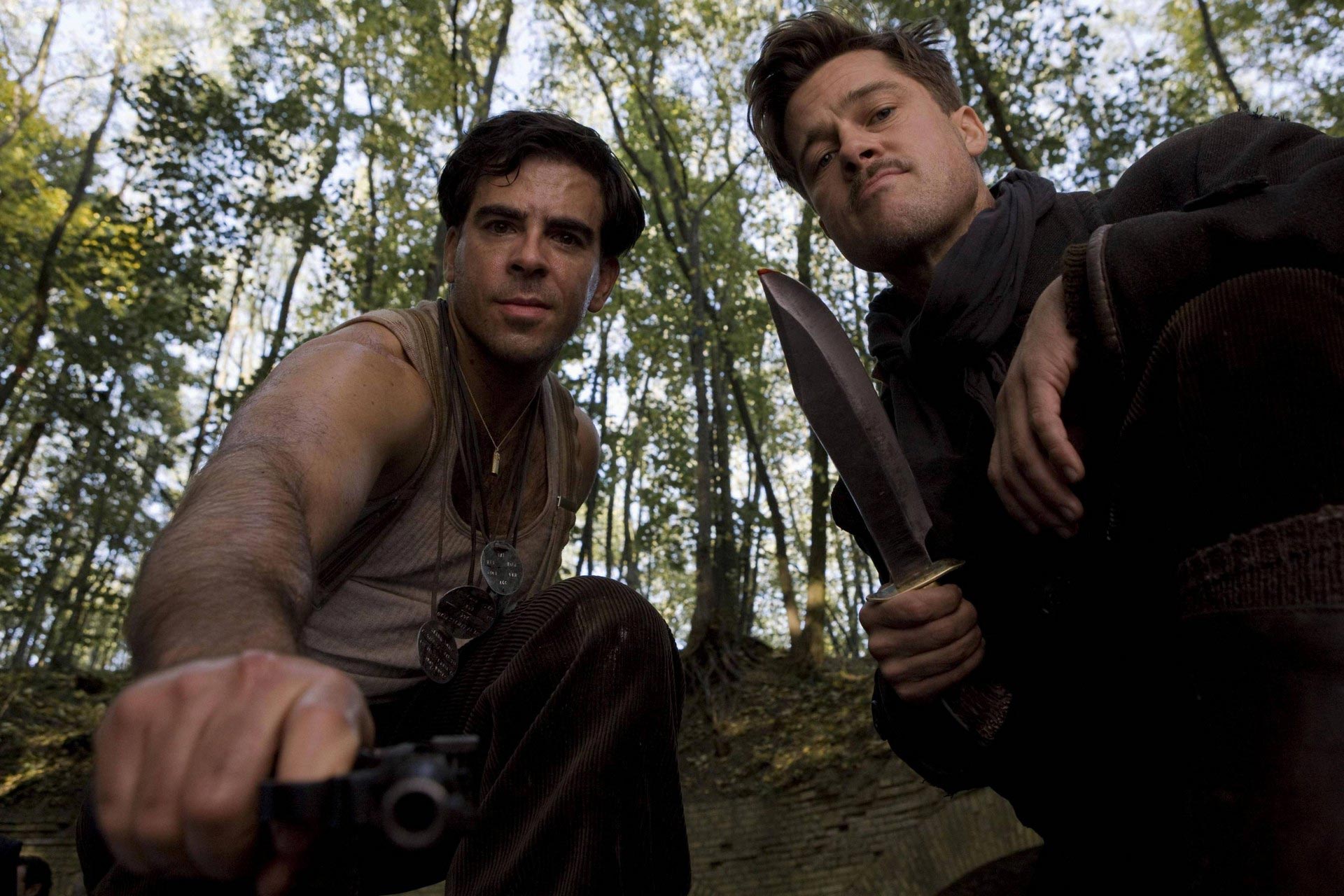
The foreign-born stars are still present, except now many simply keep their names rather than Americanizing them. Foreign world premieres are more prevalent as well as Hollywood films opening overseas before they open in the US. Whereas the British accent was once the standard Hollywoood code for “these people speak foreign,” that is not as heavily relied upon anymore. Thanks in large part to Quentin Tarantino’s Inglourious Basterds foreign dialogue and subtitles are now more common in mainstream American cinema.
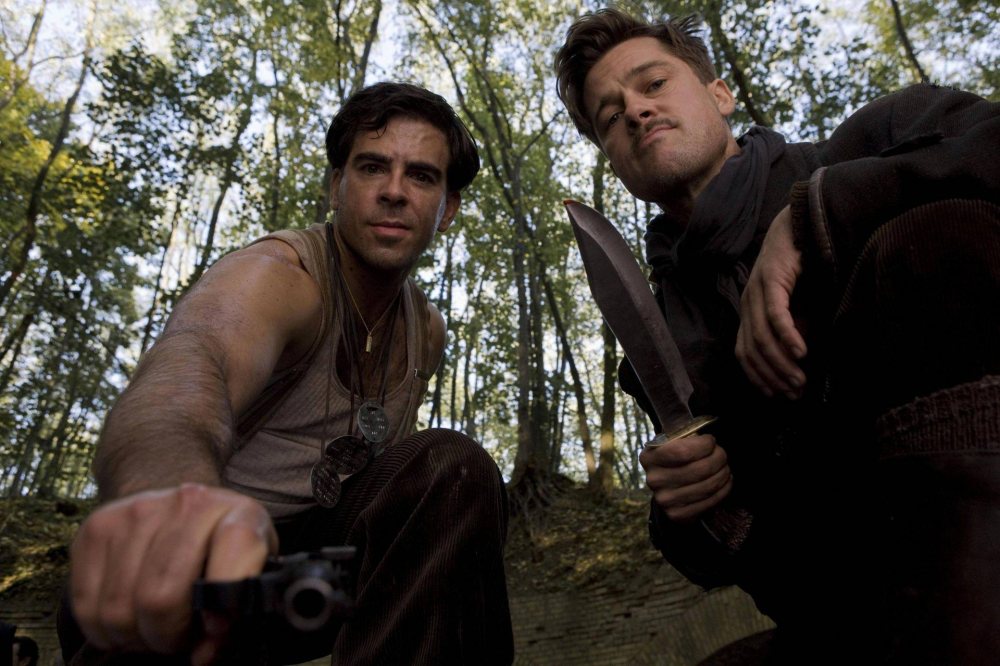
Inglourious Basterds (2009, The Weinstein Company)

While there are two sides to everything, most of those things are just fine. I’d dare say recent global box office returns more than justify the overseas first strategy; even when it becomes irksome. For some it’s not a matter of jingoism but simply what makes sense. For example, Tintin opening in many markets all over the world before the US makes perfect sense. The only reason I knew who Tintin was growing up was because I’m a first generation American. But when things like Iron Man 3 go abroad first, as opposed to a universal release date, it can get under our skin, but I for one will live.

The one place in which the shift to a globalized game of cinema seems to have skipped a step is in casting. This was something that was recently brought to my attention by a Facebook post written by a friend of mine, which gave me a different frame of reference other than my own.

Films have gone from a place where caucasians born in the US can and do play any and every ethnicity or race to a place that’s more mired and perhaps a specific casting stop was needed. The hard thing about arguing for literal casting choices is that casting, as well as writing, is a creative enterprise and it’s impossible to enforce policies or try to set quotas with regards to it. However, it is something that can and should be discussed.
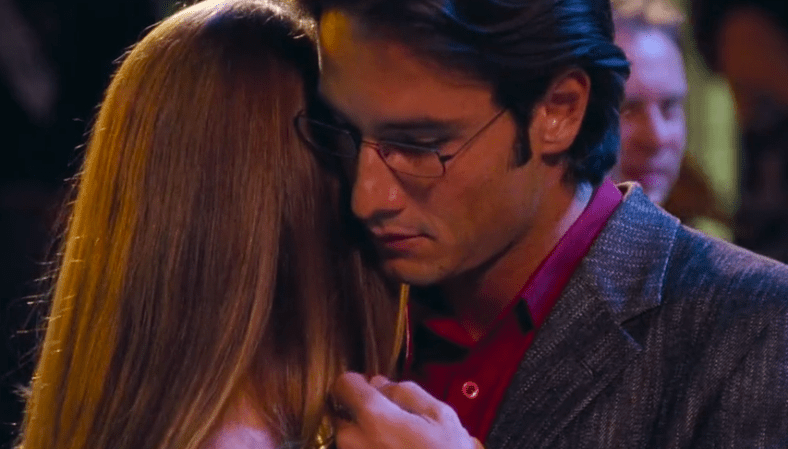
Love Actually (2003, Universal)

Here’s my frame of reference being a dual citizen of the United States and Brazil: In the past decade or so I have been very pleased to see a few more Brazilian actors break through onto the world scene.

The first one I noticed was Rodrigo Santoro. Now, I never watched Lost, so I give him a pass for being part of an annoying couple, but in film terms I thought it was a rather progressive step that he was in Love Actually and he wasn’t cast because the character was written as the “dreamy Brazilian” guy, but he was just supposed to be an unrequited love.

Another encouraging step I found was Alice Braga’s involvement in Predators. Now characters written as Brazilian have been cast by actors of different Hispanic ethnicities before, but this was the first time I saw a Brazilian actress playing a character specifically designated as being Hispanic.
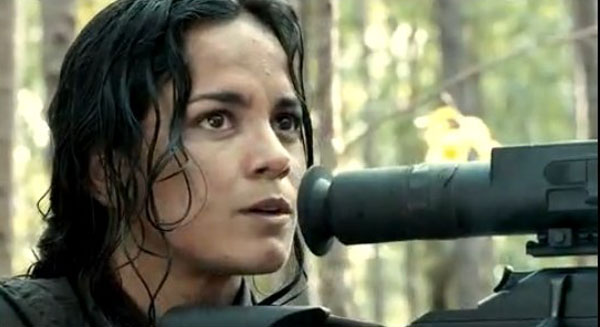
Predators (2010, 20th Century Fox)

Of course, this where characters as speaking English the whole time anyway. The next threshold to cross would be to see if someone like Wagner Moura will break through into lead roles or significant supporting characters written for any and all comers.

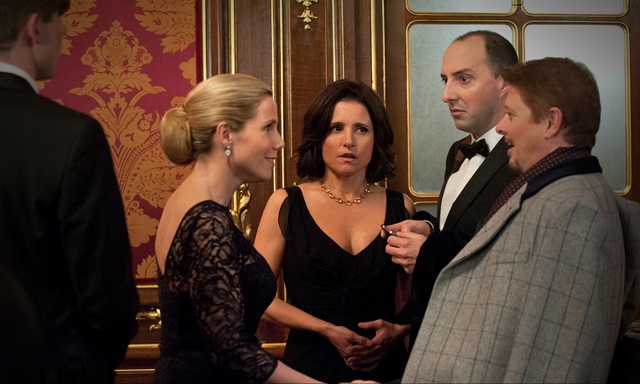
Here’s where the issue becomes complicated, and here’s where my friend’s Facebook post comes in, you’re casting people for an American project who are supposed to be from another country and speaking another language. His specific example is of a recent episode of Veep wherein it takes place in Finland and instead of finding actors who speak Finnish (They exist! There are Karusmaki films to prove it!) instead a Canadian and British actor are hired and taught their lines and likely pass for American audiences but it just seems like a waste of resources especially for guest spots. I like Dave Foley a lot but that choice seems like the kind where, even as much as I like an actor, the oddity of the decision would’ve taken me out of the moment as a viewer. Maybe someone saw the Feelyat skit one too many times.

If you’re directing a film and you’re convinced an actor can nail the lead role, even if they have to learn a language to do it, like Alicia Vikander did for A Royal Affair, that’s one thing, but to take a fairly small role and teach someone a language when you can easily find someone who won’t have that hurdle standing in their way just seems silly.
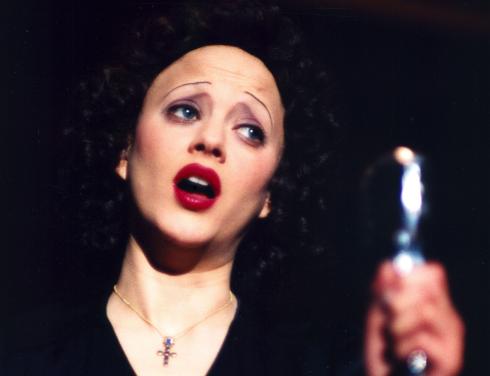
La Vie en Rose (2007, Picturehouse)

There are plenty of actors who work in many languages and accents. However, many are clearly stronger in one over the other. Gerard Depardieu and Marion Cotillard in French films are a inordinately better than they are in English-language ones. So wouldn’t it stand to reason that a Finn, who is also a trained actor, would be more capable of performing a role than English-speaking actors who were taught a language for a part; a language mind you that is siphoned off from the Germanic tongues of the other Scandanavian countries and is more akin to Hungarian?

Of course, if the film good you get a pass, but it’s risky. For example, in a vaccuum would I have preferred a Brazilian play Eduardo in The Social Network? Yes. However, I never heard someone nail a Brazilian accent like Andrew Garfield did, and he was absolutely robbed of an Academy Award nomination.

So in closing, yes, it’s a creative field and any decision can be justified, especially if the end product is well received. However, sometimes things that make more sense work. Keep it simple. And if you want to question what happens when the shoe is on the other foot? I have a perfect example: The Brazilian film Four Days in September is about a US Ambassador held hostage during the military dictatorship in Brazil. Did the producers of said film get some no-name Brazilian actor who could speak English and looked “American”? No, they got Alan Arkin because he’s American and he’s money in the bank. That’s a casting choice you won’t second guess. Case closed.

Alternate History: A Hitchcock-Clouzot Switch

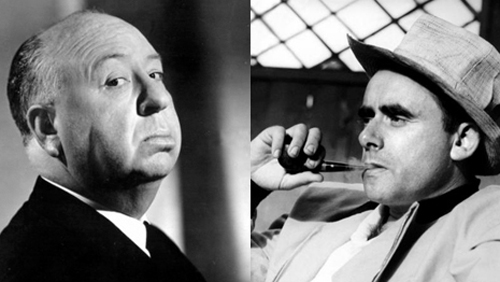
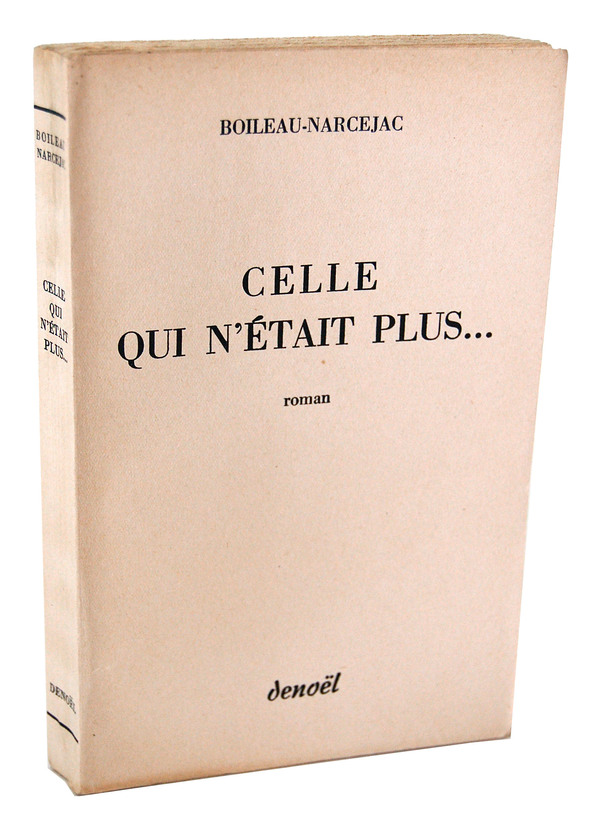
Alfred Hitchcock and Henri-Georges Clouzot had two lengendary square-offs for film adaptation rights for novels by the writing team of Boileau & Narcejac.

The first of which was for Les Diaboliques. Htichcock wanted it, but did not get it. How Hitchcock having done that film in 1955 would have changed his career it’s hard to tell, save for the fact that it likely would’ve accelerated his evolution and perhaps there would not have even been a film version of Psycho. For if Hitchcock had unleashed Diabolique on an unsuspecting American public, then maybe Psycho wouldn’t have seemed as shocking. Though there are some clear differences.

The second such square-off was for the rights to the book D’entre les morts. That one Hitchcock won. It later became known to US audiences as Vertigo.

I venture in this post to just do a bit of dream-casting in the what if scenarios of Alfred Hitchcock directing Diabolique in the US in 1955 and Henri-Georges Clouzot directing D’entre les morts in France in 1958.

Hitchcok’s Diabolique

441-2

So who would be this dream cast? Although the last vestiges of the studio system were still hanging about in 1950s, Hitchcock was at that point virtually his own boss so if he had a film he could do it how he saw fit and studio affiliations of actors and the like wouldn’t matter as much. Since this is a hypothetical situation, and one that involves Hitchcock, it’s essentially carte blanche.

There are a few possibilities that came to mind for Diabolique in the US in the 1950s. Hitchcock always did have stars involved but for the most part they were the best fit for the role also. For the role of Michel Delasalle, let’s call him Michael in the US version, the seemingly-jilted husband; a few possibilities came to mind.

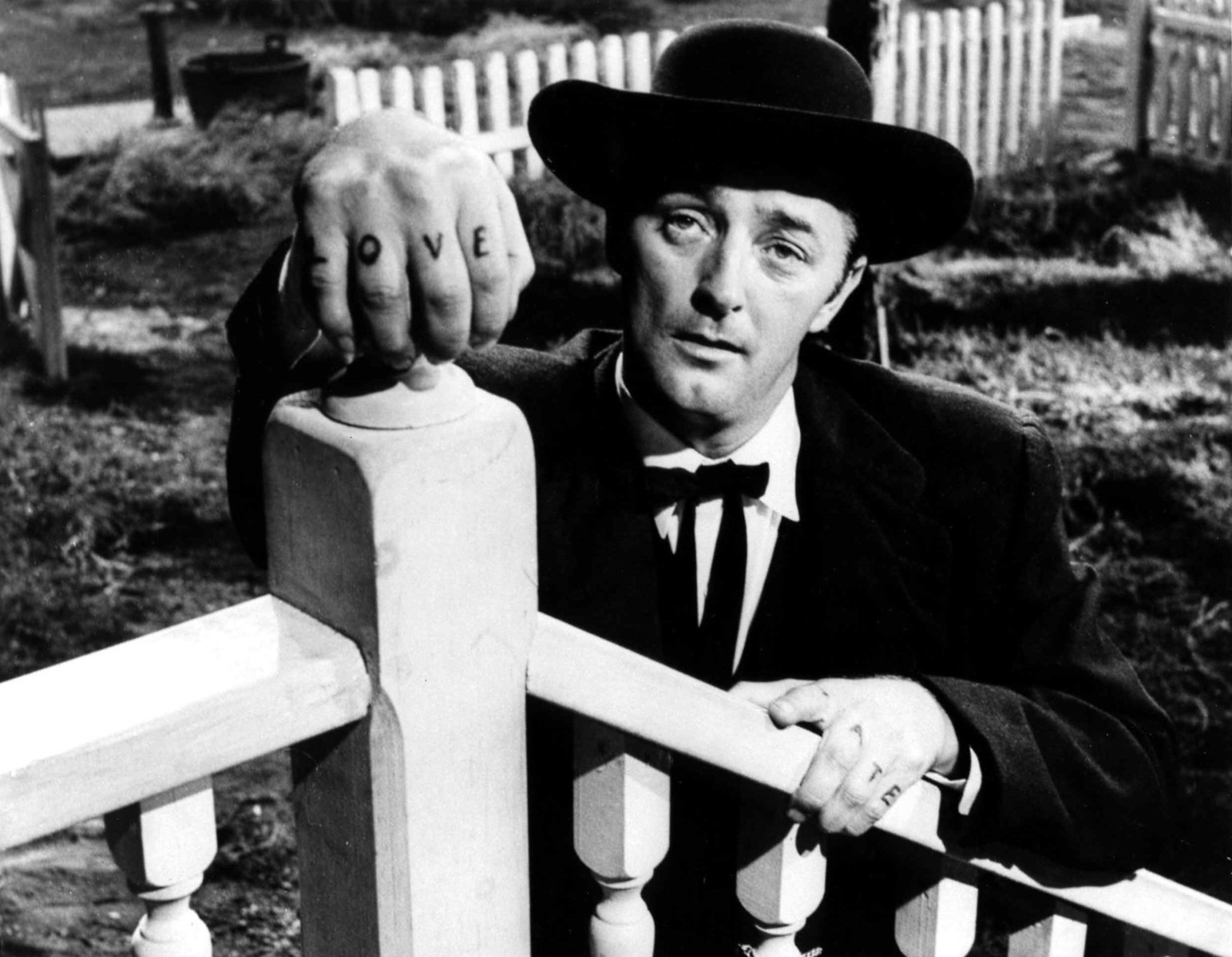
Hitchcock did a lot of work with Cary Grant in the 1950s so his name would naturally come up. Though Grant could easily play this two-sided role he was perhaps too classically good-looking. Perhaps someone with a little more of a rugged and mysterious quality; I also considered Fred MacMurray. MacMurray’s career was a fascinating one. He was a film noir staple and later became a linchpin to many family-oriented projects; first, the sitcom My Three Sons and then many Disney films. However, as good as that selection seems, the potential of Robert Mitchum was just too enticing. Just imagine that in some alternate universe Robert Mitchum made Diabolique and Night of the Hunter in the same year. The mind boggles.

For the role of Christina, Michael’s wife who is always racked with more doubt than her cohort, only one name really ever came to mind: Audrey Hepburn. Not only is Hepburn perfectly suited for this part, but it would have been fascinating to have seen her in a Hitchock film and playing a school teacher a few years prior to The Children’s Hour.

Marilyn Monroe

The role of Nicole was one I tussled with a bit. Hitch’s only only 1950s blond that was in the vicinity of this character to me was Anne Baxter. However, there is that bombshell quality to the character which is why Simone Signoret is in Les Diaboliques and Sharon Stone was tapped for the American remake. So there was one more dream pairing with Hitch that just had to be made: Marilyn Monroe.

Marilyn is likely where my warning about studio affiliation comes most into play, but I think whether Fox got involved or loaned her, if Hitch had this cast in his sights, and this property, some arrangement would’ve been made and it would’ve been a colossus.

Clouzot’s D’entre les morts

D'entre Les Morts

My frame of reference for an American Diabolique is much greater than mine is for a French Vertigo, which in all likelihood would’ve just retained the title that Boileau-Narcejac gave it in the first place D’entre les morts. However, two names immediately came to mind for the two key roles in the film and I never looked back from there.

For the role that became ‘Scottie’ (James Stewart) in the American version I thought only of Maurice Chavalier. Granted Chevalier was 10 years older than Stewart at the time but there is an analogous quality between the two that I think would’ve made Chevalier quite the amazing fit. His interpretation I’m sure would’ve been very powerful.

The blond goddess, the now seeming reincarnation of his lost love, in the late 1950s in France could be played by no other than Brigitte Bardot in my mind. Though I suspect Clouzot would’ve likely gone back to Simone Signoret for this part too as he did for Nicole in the Diabolique that did occur.

Conclusion

Night of the Hunter (1955, All Rights Reserved)

I’m not sure if I’ll find another instance in film history that coud’ve changed things so greatly that would allow me to speculate like this anew, but it was sure great fun this time around.

Who would you see in these films if things had gone differently?

2013 BAM Award Considerations – June

Last year I had one massive running list and it became very cumbersome to add to, and to read I’m sure. By creating a new post monthly, and creating massive combo files offline, it should make the process easier for me and more user-friendly for you, the esteemed reader. Enjoy.

Eligible Titles

Deadfall
Brooklyn Castle
The Ghastly Love of Johnny X
Room 514
Upstream Color
The Giants
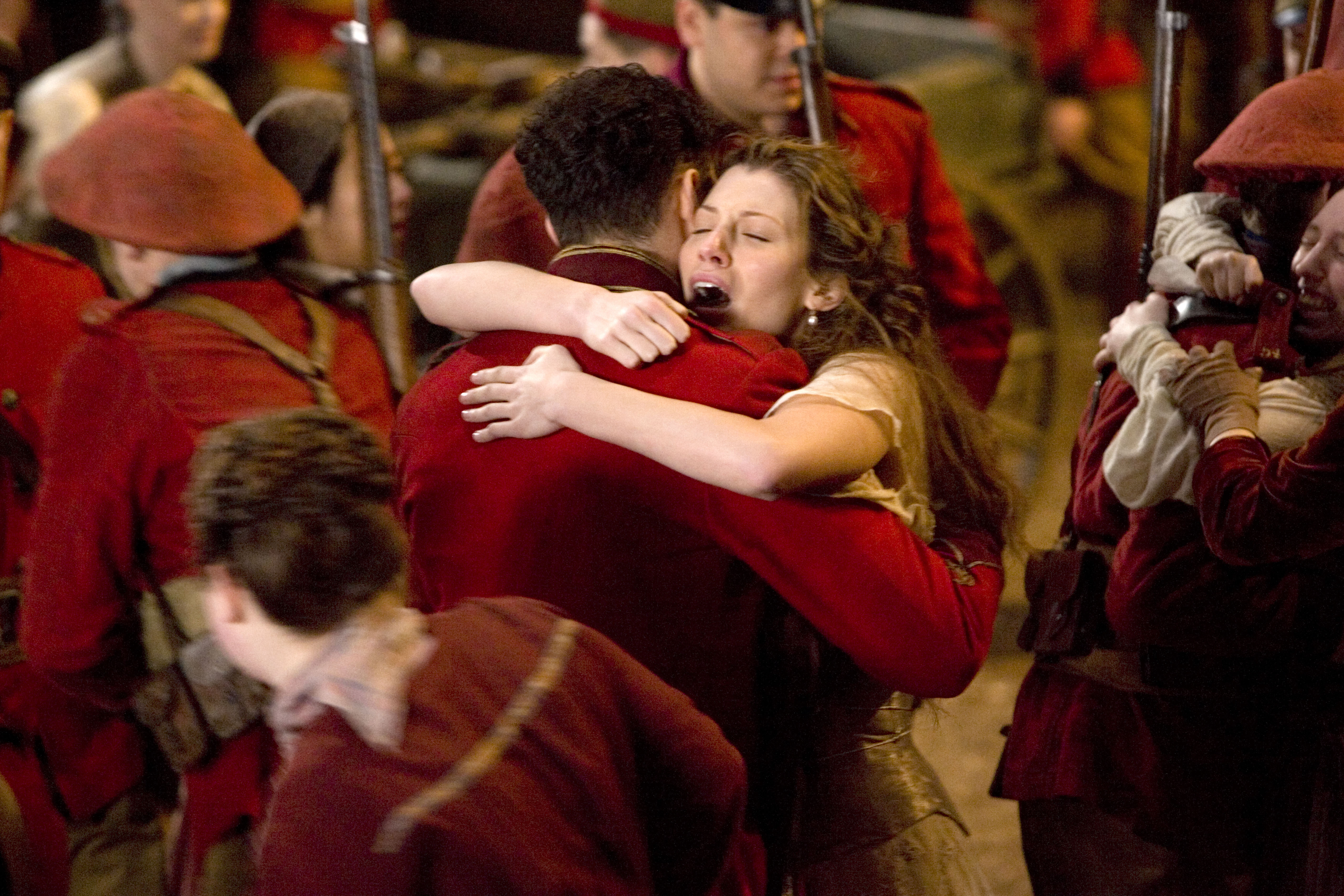
The Magic Flute
Kai Po Che!
This is The End
Imaginaerum
Man of Steel
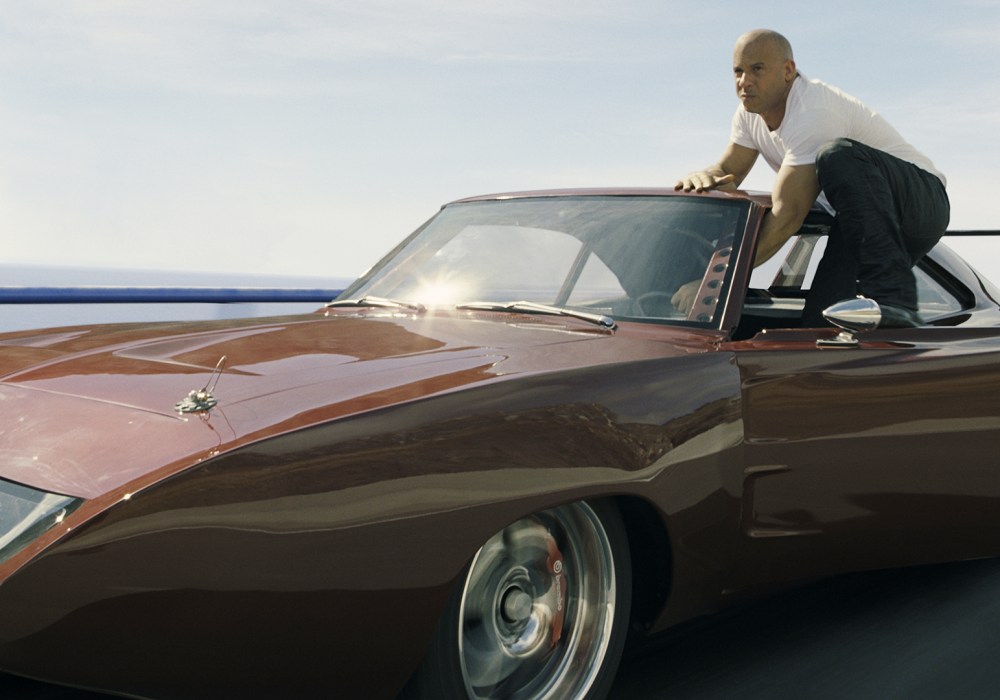
Fast & Furious 6
World War Z
Upside Down
Hanson Re Made in America: The Making of Anthem
23:59
Monsters University
Into the White
The Heat

Best Picture

Deadfall
Room 514
The Giants
The Magic Flute
This is the End

Best Foreign Film

Room 514
The Giants
Kai Po Che!
23:59
Into the White

Best Documentary

Last year this was an omitted category, due mostly to the fact that too few total candidates existed to make the slate feel legitimate. I will hope to be able to rectify that this year.

Brooklyn Castle
Hanson Re Made in America: The Making of Anthem

Most Overlooked Film

As intimated in my Most Underrated announcement this year, I’ve decided to make a change here. Rather than get caught up in me vs. the world nonsense and what a film’s rating is on an aggregate site, the IMDb or anywhere else, I want to champion smaller, lesser-known films. In 2011 with the selection of Toast this move was really in the offing. The nominees from this past year echo that fact. So here, regardless of how well-received something is by those who’ve seen it, I’ll be championing indies and foreign films, and the occasional financial flop from a bigger entity.

Deadfall
Room 514
Brooklyn Castle
The Magic Flute
The Giants
Imaginaerum
Into the White

Best Director

Deadfall
Room 514
The Giants
The Magic Flute
The Heat

Best Actress

Olivia Wilde Deadfall
Asia Naifeld Room 514
De Anna Joy Brooks The Ghastly Love of Johnny X
Amy Carson The Magic Flute
Amitra Puri Kai Po Che!
Amy Adams Man of Steel
Sandra Bullock The Heat
Melissa McCarthy The Heat

Best Actor

Charlie Hunnam Deadfall
Udi Persi Room 514
Joseph Kaiser The Magic Flute
Zacherie Chasseriaud The Giants
Jay Baruchel This is the End
Sushant Singh Rajput Kai Po Che!
Henry Cavill Man of Steel
Florian Lukas Into the White

Best Supporting Actress

Sissy Spacek Deadfall
Kate Maberly The Ghastly Love of Johnny X
Lyubov Petrova The Magic Flute
Emma Watson This is the End
Joanna Noyes Imaginaerum
Diane Lane Man of Steel
Daniella Kertesz World War Z

Best Supporting Actor

Kris Kistofferson Deadfall
Eric Bana Deadfall
Treat Williams Deadfall
Guy Kapulnik Room 514
Creed Bratton The Ghastly Love of Johnny X
Rene Pape The Magic Flute
Benjamin Jay Davis The Magic Flute
Didier Toupy The Giants
James Franco This is the End
Danny Mcbride This is the End
Michael Cera This is the End
Craig Robinson This is the End
Asif Basra Kai Po Che!
Amit Sadh Kai Po Che!
Francis X. McCarthy This is the End
Russell Crowe Man of Steel
Kevin Costner Man of Steel
Timothy Spall Upside Down
Tommy Kuan 23:59
David Kross Into the White
Rupert Grint Into the White

Best Performance by a Young Actress in a Leading Role

Best Performance by a Young Actor in a Leading Role

Zacherie Chasseriaud The Giants

Best Performance by a Young Actress in a Supporting Role

Teale Hansen Deadfall
Keyanna Fielding Imaginaerum
Sterling Jerins World War Z
Abigail Hargrove World War Z

Best Performance by a Young Actor in a Supporting Role

William Dutton The Magic Flute
Luke Lampard The Magic Flute
Jamie Manton The Magic Flute
Martin Nissen The Giants
Paul Bartel The Giants
Digvijay Deshmukh Kai Po Che!
Quinn Lord Imaginaerum
Dylan Sprayberry Man of Steel
Cooper Timberline Man of Steel
Fabrizio Zacharee Guido World War Z
Elliot Larson Upside Down

Best Cast

Deadfall
Room 514
The Magic Flute
The Giants
This is the End
Kai Po Che!
Imaginaerum
Man of Steel
Into the White
The Heat

Best Youth Ensemble

The Magic Flute
The Giants
Imaginaerum
Man of Steel
World War Z
Upside Down
23:59

Best Original Screenplay

Deadfall
Room 514
Upstream Color
The Giants
Imaginaerum
Upside Down
Into the White
The Heat

Best Adapted Screenplay

The Magic Flute
This is the End
Kai Po Che!

Best Score

The Ghastly Love of Johnny X
The Giants
Upstream Color
Kai Po Che!
Imaginaerum
Man of Steel
Fast & Furious 6
World War Z

Best Editing

Deadfall
Room 514
The Magic Flute
Upstream Color
The Giants
This is the End
Kai Po Che!
Imaginaerum
Man of Steel
Fast & Furious 6
Into the White
The Heat

Best Sound Editing/Mixing

Deadfall
The Magic Flute
Upstream Color
Imaginaerum
Man of Steel
Fast & Furious 6

Best Cinematography

Deadfall
The Ghastly Love of Johnny X
Upstream Color
The Magic Flute
The Giants
Kai Po Che!
Iamginaerum
Man of Steel
Upside Down
Into the White

Best Art Direction

Deadfall
The Ghastly Love of Johnny X
The Giants
The Magic Flute
Imaginaerum
Man of Steel
Upside Down
Into the White

Best Costume Design

The Magic Flute
The Giants
Imaginaerum
Man of Steel

Best Makeup

The Ghastly Love of Johnny X
The Magic Flute
Upstream Color
The Giants
Into the White

Best Visual Effects

The Ghastly Love of Johnny X
The Magic Flute
Upstream Color
This is the End
Imaginaerum
Man of Steel
Fast & Furious 6
Upside Down

Best (Original) Song

The Ghastly Love of Johnny X
The Magic Flute
The Giants
This is the End
Kai Po Che!
Imaginaerum

Mini-Review Round-Up June 2013

Here’s my standard intro to this post:

I had quite a review drought to end 2011 so I think the remedy for this kind of post would be to have the post be cumulative monthly. Therefore, after each qualifying film a short write-up will be added to the monthly post. The mini-reviews will be used to discuss Netflix and other home video screenings. Theatrical releases, regardless of how they are seen whether in an auditorium or on VOD, will get full reviews [That is when deemed necessary. As I wrote here I do want to focus more on non-review writing wherever possible].

For a guide to what scores mean go here.

Dracula 3D

Dracula 3D (2012, IFC Midnight)

This particular selection from Dario Argento was an official selection of last year’s Cannes Film Festival and was recently picked up by IFC Midnight here in the US. However, if you are a fan of his I would not recommend you go out of your way to acquire the film, as I did, and simply wait for it to roll around as a rental. If you are not familiar with Argento do not start here. I’d recommend Suspiria as a jumping off point.

Much of what’s unfortunate about this film is the disconnect between certain elements: there is throughout a very uneasy relationship between the well-photographed, geometrically intricate, well-lit shots; gorgeous production design and a tendency to go for really unconvincing and unfortunate CG. This is not just a complaint about CG blood, but larger elements. Much of the CG blood usually upon opening wounds and then the close-ups use practical effects well.

An issue of a less nitpicky nature is the that there isn’t a consistent enough progression and amplification of stakes and incidents. Argento has always had a leaning to a slow-burning style but there there’s not a lot of intrigue to buffer that slight build here. Those peaks where there are spikes in the action, where we need to feel the oomph, are usually undercut by the CG work.

The scoring is great, and minus some seriously off moments by some lesser players the acting is good to passable. One thing that had me searching online after it was over was that there is a veritable bestiary of creatures that this Dracula can become. This is not inaccurate, but with the redefinition that cinema has had in various versions over the years it rather took me aback without a more overt introduction in this tale. However, it really is the stuttering pace, the disjointed nature of certain elements and fairly lifeless final third that keep this version from staying afloat.

5/10

Deadfall

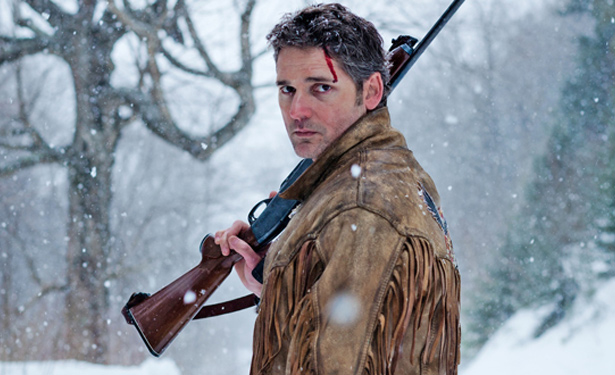
Deadfall (2012, Magnolia Pictures)

The hook in Deadfall, or what pulls you into the story, is the inevitable collision course of events and people at a Thanksgiving dinner. From the start when a bank heist escape goes awry in a blizzard and characters split up, you can feel it coming. However, what keeps you engaged throughout is the characters and their personal journey leading up to the moment.

You have in the tale essentially four parallel story-structures surround the manhunt. There is Addison (Eric Bana) who takes off and tries to keep on the move and get to the US-Canada border, who while on the run encounters some foes and plays out some family traumas of his own. Liza (Olivia Wilde) who sets the collision course in motion by finding Jay (Charlie Hunnam) whose troubles and complications we are introduced to early.

Then there’s the law enforcement side with another family dynamic of Sheriff Marshall T. Becker (Treat Williams) and his daughter, a trooper named Hanna (Kate Mara). Lastly, the parents awaiting Jay, and little do they know the trouble coming with them, Chet (Kris Kristofferson) and June (Sissy Spacek). What occurs in the end is a tense, though not overly-melodramatic, confrontation. There is great acting throughout, particularly by Bana, and the story takes its time so there are stakes invested on behalf of characters who we now know and understand. Some of the explosive dynamics of the climactic sequence we know will occur, just not how, are set up wonderfully; but they have even more impact with the work that has been put into these personages.

Deadfall is a beautifully photographed film that doesn’t neglect development while creating a compelling crime thriller. It delivers plenty of shocks, heart and intelligence.

8/10

Room 514

Room 514 (2012, Film Movement)

This film contains one of the slyest, most telling pieces of foreshadowing I’ve seen in some time. I won’t give it away, but as I reflected on this film it seemed to me to be a modern, Israeli-set version of A Few Good Men. The drama is more intimate and behind closed doors, but what the film is about is the people and how they react in a given set of circumstances rather than what the consequences for said action is. The comments both societal and militaristic have been made and the story is at an end. The outside world may never feel any ramifications or repercussions from what occurred, but those behind said closed doors do.

What director Sharon Bar-Ziv achieves is an intimate tale not only in terms of the number of participants but also in the frame. There are many times where there is scarcely background to be spoken of as two faces, within very close proximity to one another, dominate our view. Their is an intense focus on the characters studying one another and we in turn study them and not only how they react to one another but also what they are saying.

For a film of this nature to achieve maximum effectiveness it needs great acting and it gets that from its three main players: Asia Naifeld, Guy Kapulnik and Udi Persi. Neifeld plays Anna the Military Police interrogator at the center of virtually every scene and her performance is a veritable tour de force. Her choices as an actress are as clear as the convictions of her character and really help bring this film home. It’s a fascinating tale that is worth your time as it really and truly engages you.

Room 514 will be available on home video from Film Movement on 6/18.

9/10

Brooklyn CastleBrooklyn Castle (2012, Millennium Entertainment)

A few things with regards to documentaries that most of the good ones prove true is that: the quality of the documentary is determined by the filmmaking and not by the subject being examined, and, second, when making a documentary you have to go where the story is taking you and not the other way around.

Clearly if you enjoy chess this will be a film you are drawn to. However, this film works well enough, and focuses enough on its the people involved and their journey, such that it should connect with anyone and everyone.

While the story of a junior high school (I.S. 318 in Brooklyn, NY) where the chess team not only excels in unparalleled ways, but also where the players not the outcasts but some of the most popular kids in school, is certainly enough of a hook; it carries even further significance following the recent economic crash. While we engage readily in the personal struggles, victories and defeats big and small alike, there is a greater game at play as budgeting becomes a large concern of the film and the importance of extracurricular activities in the lives of students, both academically and otherwise, is made abundantly clear.

It is the people whom we get to know that drive and tell this story. What the filmmakers do is craft the tale for maximum efficacy that allows you to connect with the tale. An perhaps having seen a successful program personified it may convince others of the vitality they possess and why they should be preserved. It really is a great film that will put a smile on your face, get your rooting for these kids and make you wish all students had a program like it available to them.

10/10

The Ghastly Love of Johnny X

The Ghastly Love of Johnny X (2012, Strand Releasing)

There is an odd concoction of elements that the Ghastly Love of Johnny X is trying to blend. Its charms, however, are not enough and the spell it attempts to weave doesn’t have enough staying power to make it a truly successful venture.

What it does well is riff on nuance pretty brilliantly, create some memorable lines, it’s odd and unique and has its moments in terms of cinematography, production design and musically (in terms of arrangement if not always the singing – yes, it’s a musical too).

All that sounds good and the tale of a man exiled from his home planet to earth to wander with a gang of ’50s style hoods and try to earn his way home does have potential. The issues it ends up facing are that it devolves into being what it seeks to emulate in the worst ways as opposed to transcending to it while still making us laugh at its tropes; namely a cheesy ’50s movie except this one plays quite a few genres at once. In short, the pace begins to suffer; there are touches slightly too modern; the plot, goals and motivations of characters become muddled and the comedy starts to click less consistently.

Also, as a musical there are some very long stretches between some of the numbers that are far too big. It’s not an entirely regrettable experience, but one I can’t say I’d recommend.

4/10

Upstream Color

Upstram Color (Erbp, 2013)

The one thing I can advise potential viewers of this film is: you should not embark on this journey if you’re not ready to be challenged. If you’re looking for escapist hit-me entertainment, this isn’t it.

The film is quietly cacophonous and, on the surface, visually disjointed. This is all by design as, much like characters in the film, we go off in search of as to how and why things occur. The answers to the questions are not disseminated in an overt manner, but most of the ones that truly matter are there. Ones that seemingly aren’t would likely be there upon review, or aren’t as much of a concern.

The heavily visual nature of the film is among its greatest assets, along with its edit. Some of the performances and the sound work, and the plot that is unearthed, are among its more uneven elements. Ultimately, its the craftsmanship and artistry of the film that has it succeed in spite of its missteps.

It welcomes revisiting, debate and discussion but once most of its mystery fades, and its minor ambiguities settle in, there’s not as much impact as it seems to promise early on. It’d make a great double feature with Beyond the Black Rainbow; though I find this to be a better film in a similar vein.

7/10

The Giants

The Giants (Kino Lorber, 2011)

If there’s a trope, or worse yet a cliché, you can name in a coming-of-age film it’s very likely that The Giants sets you up to expect it and then subverts it. That is not to say you should approach this film with a checklist, but there are many times wherein either salvation or damnation threatens these characters, but what you see instead is maturation and survival. Brothers, Zak and Seth, along with their friend Danny are isolated both by circumstance and by choice. The adult world is an invasive burden on their existence but one they are ultimately forced to cope with by themselves.

The film has opportunities to embrace conventions either of dystopian coming-of-age stories, like Kids, or more utopian ones where despite all the travails the characters go through there’s a classical Hollywood ending. This film takes the road less traveled as often as possible when faced with a plot point that can be seen as fairly common and that choices pays off over and over again.

With parents that are perpetually absent without true explanation, it’s a tale essentially of individuation rather than any of the other pitfalls of growing up. There’s definitely no love interest in the tale, and, without station too much, if there is even any true commentary on sexuality is left ambiguous.

The restraint and certainty that the film has in the handling of its plot, edit and musical selections is matched by the young cast. This especially applies to Zacherie Chasseriaud shows the poise and control of a veteran from first scene when he deals with his mother’s absence and nearly cries, but doesn’t, through to the end.

Bouli Lanners does not seem to be going for either extreme of the emotional spectrum with this tale, but rather and accurate portrayal of kids in circumstances out of the ordinary forced to grow up. They are neither idealized through nostalgia or auteristic proclivity nor are they “gritty” just for the sake of it. Elements that could be used for shock value in less-skilled hands here are what they are, meaning part of their existence and are there without commentary. The Giants is a highly effective, well-crafted tale deserving of a larger audience.

10/10

Kai Po Che!

Kai Po Che! (2013, UTV Motion Pictures)

I took a Bollywood film course which got my feet wet in the style of popular cinema that emerges from India in college. Since then I can’t say I’ve taken many forays back there again, though both Netflix and certain multiplexes make it a distinct possibility. However, what I’ve noticed in my last few forays (Namely Zokkomon and Chillar Party) is that there are stories that have featured aspects of subgenres and tales tied together by approximately a half dozen montages throughout a two-hour-plus film.

This film is about three friends who want to start a cricket supply store/training academy. The motivation for each to get involved is different and there are different narrative threads throughout. There is the assisting the underdog plot which leads into the sociopolitical commentary the film has to make, that eventually becomes a factor in the friendship. While there are not non-diegetic bursts of song there is source music during said montages. There is a romantic subplot, which links its way into the interaction of these friends and so on.

While the sports theme is always there, and as tends to happen I picked up a bit more about cricket through this film, it never becomes a sports film per se. It essentially remains a slice-slice-of-life drama with much fenestration throughout that charts many years in the lives of this group of friends.

The film through judicious editing tells a lot of story in not a lot of time and handles its tonal shifts fairly well and it is very capably performed. It’s an entertaining film, and I hope to be able to catch some more recent titles from India before the year is out.

7/10

Imaginaerum

Imaginaerum (2012, Solar Films)

What the Finnish symphonic metal group Nightwish brings with this film is not so much a musical but a film built around music. It’s the visual accompaniment to their concept album that’s the kind of thing that I would’ve liked to have seen from the titans of the music video form at their zenith as well. Having said that there is not much at all un-cinematic about this tale, quite to the contrary.

What Imaginaerum is, is a mind-play and it implements the inner-workings of a man’s psyche and imagination to create a personal and engaging fantasy. Throughout symbols consistently come to the fore and return to create their meaning to tell the tale of a quasi-willful descent into dementia, and what precipitated it all.

The way in which it does all this is a gradual process and the implementation of the music, which is fantastic, is always at the service of the narrative. In other words, it gets the equation right and doesn’t live to support the music but the music serves to buoy the tale.

There is fine editing, cinematography, production design and quite a few good special effects throughout. The film is also aided by very engaging performances by Joanna Noyes and Quinn Lord.

This film is not readily available in the US, but fans of Nightwish and inventive cinema should seek it out.

8/10

Upside Down

Upside Down (2012, Millennium Entertainment)

It’s all too easily to come out swinging at Upside Down. However, I’d be remiss if I didn’t note that the story does hold a lot of potential. The issues the film faces, and never really overcomes, are two-fold: firstly, the film starts with a long, overly-storybook, poorly-delivered voice over explaining the rules of the solar system wherein the story takes place. This type of exposition can be overcome but when you feel like you’ll be tested on rules and plot points at the end it’s the wrong foot to start on. Second, whether or not the science fiction element of the tale is hokey becomes irrelevant because, and it is honest about this at least, it’s perhaps one the most over-fenestrated love stories yet told.

The science fiction aspect makes shallow, general observations that could apply to any place or time, and they are not the point, which makes the facade quasi-farcical and cumbersome. There are some clever things that occur as the story progresses, which owe their debt to rules-establishing, but it’s little more than smoke and mirrors.

It’s a creative film visually, but it’s the same story that’s been told countless times on fancy, colorful stationery; thus it’s a highly redundant experience of little value save for the superficial.

4/10

23:59

23:59 (2011, Magnet Releasing)

Where this film succeeds in in bringing oral history and the element of fireside horror stories into a mostly cohesive narrative. Where it finds troubles is unfortunately towards its ending. What was a very simple and straightforward story decides it’s going to take a dip into the coy and vague.

Sadly, the ending though does feel a bit of a letdown and incongruous when it first occurs is truly symptomatic of the lack of ebb and flow of the film as whole. During act one, when most of the flashbacks are occurring there are some good moments, and maybe even a shock or two, as the suspicions of what’s really occurring come to the fore the film becomes increasingly uninteresting and uninspired.

The ending is the built-to whimper rather than a necessary jolt.

5/10

Hanson Re Made In America

Hanson Re Made in America (2013, 3CG)

As I tweeted when I recently acquired tickets to one of their upcoming tour dates, I’m no longer in high school so I really don’t care who knows about this fandom of mine at this point – like what you like and haters be damned. However, a large part of the reason I include this review in this round-up is not just the fact that this self-produced documentary does qualify, but it’s a further chronicle of the band’s trajectory as indie musicians that may surprise those who still wrongly perceive the group as a “one hit wonder.”

Granted there isn’t the turmoil in this narrative that there was in Strong Enough to Break, a doc that was put together over the course of many years that chronicled the group’s failed attempt to release their third studio album with a major label and the ultimate formation of their indie label 3CG; but anyone interested in a glimpse of the creative process, regardless of the form it takes, will be interested in this film. While many of the discussions occur in a vernacular all their own that doesn’t always necessarily incorporate musical jargon you do eventually see the follow-through and progression as the tracks are laid down.

Aside from just not following as tumultuous a time in their career the film’s climax has its literal, if not figurative, fireworks and not too much else. The only other slightly disappointing thing is that certain processes of creating an album like additional recordings and overdubs are explained in a cursory manner, but they can seem redundant to the layman. This is a doc recommended for fans and music enthusiasts. Fans of music, Hanson specifically, and film in general, are urged to watch Strong Enough to Break.

6/10

Short Film Saturday: Trains 18 Years Apart

Here you will find two quick clips that show some early progress in film as a documenting tool.

One of the first shorts ever in 1895 was of a train arriving at a station by the Lumière brothers.

Compare that to this shot 18 years later when a train collision was caught on film. In the meantime, storytelling developed but the journalistic possibilities were always apparent.

Shyamalan Week: BAM Best Picture Profile – The Sixth Sense

Introduction

The Sixth Sense (1999, Touchstone Pictures)

Here’s another one where I’ve decided on a different tact as opposed to the pre-existing text I’d written. I don’t recall what the assignment was but I originally wrote a comparison between The Sixth Sense and American Beauty as they were best picture nominees. I’ve decided to edit that such that I only discuss The Sixth Sense and why it won the BAM Award for Best Picture of 1999. As I recently stated in the site’s first official piece on Django Unchained all the Best Picture winners should have write-ups and to that end, those that do not yet will get their due in December. However, since I decided to focus on the work of M. Night Shyamalan this week, I may as well post it now.

Overly-Cautious Warning: If you’ve never seen this film stop what you’re doing right now and go see it. I do spoil it eventually in this analysis.

The Sixth Sense (1999)

The Sixth Sense (1999, Touchstone Pictures)

When I first saw the trailer to The Sixth Sense I knew I wanted to see it. I thought it was going to be one of “My Movies,” meaning no one but me would like it. There was a sneak preview a week before the nationwide release. My family and I got our tickets early via Moviefone. Thank goodness we did because there were many people walking up to the box office wanting to see it and being turned away because it was sold out. That was a good sign.

The film spent five weeks at #1 at the box office. I then started to hear the Oscar buzz stirring. After the Golden Globes and SAG Awards it didn’t seem likely it would do much at the Oscars. It didn’t. That doesn’t make it right, though. However, that’s why I had started the BAM Awards in the first place.

The Sixth Sense starts slowly but builds upon detail, one thing that give it a boost is amazing ensemble acting. The role of Cole’s mother is played by Toni Collette, an Australian actress. She had her Philly accent down so well I believed it was authentic at the time. She’s a very caring, playful mother but there’s also anger, fear and worry in her performance.

The Sixth Sense (1999, Touchstone Pictures)

If you want character development this film is definitely for you, it’s not a concept-only piece. It has a strong and fairly high concept, but there is a lot of character to it. You are thrown into the life of Malcolm Crow (Bruce Willis) immediately. There is a confrontation in the first few minutes. This confrontation ends up being pivotal in the rest of the story. Then a year later he meets a boy named Cole Sear (Haley Joel Osment). From that moment forward there is rarely a moment when one of them isn’t on screen.

Films of a supernatural nature like this one often have underlying messages and present real questions. These movies, like horror fiction, are generally frowned upon. This may be another reason it didn’t win at the Oscars. If that’s so, it’s not justified.

In my estimation, Haley Joel Osment is not a supporting actor in this movie, he is the lead. Just like Joseph Cross wasn’t a supporting actor in Shyamalan’s previous film Wide Awake. Bruce Willis like Rosie O’Donnell prior sold the film. While Crow starts and ends the movie, a vast majority of it is dealing with Cole and his issues. You can argue Crow is a lead based on perspective, but if you’re talking screen time and, more importantly, who faces and ultimately overcomes their obstacles it’s Cole.

The Sixth Sense (1999, Touchstone Pictures)

Osment’s performance is incredible. The best acting is when you believe it’s happening and he sold it to you and you bought it because it’s real. He’s genuinely afraid. He’s shy and awkward when necessary and his suffering reaches off screen and wrenches your guts. In one scene when the thermostat drops and his breath vaporizes, I felt cold. Osment’s performance would not have been so amazing if not for the brilliant script. The script is nearly Hitchcockian in both its detail and the way Shyamalan is seemingly tossing elements up and plucking them down at exactly the right moment. The ways Shyamalan got everyone to believe Bruce Willis was alive then allowing hindsight to show he definitely wasn’t is both amazing writing and directing.

The Sixth Sense (1999, Touchstone Pictures)

The Sixth Sense has subplots, even aside from the obvious ones which are the tales of the spirits that Cole sees. One example is the characterization of a secondary player: Tommy Tommasimo, played by Trevor Morgan, isn’t just a bully. His performance is typical of a bully when it has to be, but in his character’s cough syrup commercial it’s commercial acting and satirical. It also gives the audience good comic relief. Tommy in the end of his narrative is comedic and dejected. He becomes and inside joke between Cole and Malcolm. Another storytelling interlude goes as follows: In a classroom scene where the school grounds were the sight of hangings. His teacher denies the fact. Then Cole starts to yell calling him by his boyhood nickname. It’s very intense and serves as momentary comic relief as well. We empathize with Cole for it, and who wouldn’t want to know their teacher was called ‘Stuttering Stanley’? We see the hanged bodies later and perceptive viewers are awed, those who miss the connection will be frightened regardless. It works on two levels.

That’s what most of the brilliance of the script and the film is: connection. Cole’s mother is cleaning and she notices some spots shining in the pictures. All we see her do is questioningly look at it. Later, when Cole tells her his secret she believes him deep down. The proof is given after. That too is a subplot. It’s a movie of such intricacies but it works because of its intimacy. There aren’t too many characters in it. The movie deals realistically with the supernatural. There is a psychologist involved with the boy. Cole at one point is in the hospital and the doctor questions his mother about the bruises on his body. This is a societal critique, but a subdued one and a welcome one. Both her and the therapist are in the room and disgusted by these accusations. They don’t see each other. We don’t know that though.

The crumbling marriage of Malcolm Crow is also a pivotal part of the puzzle. This also works brilliantly as an illusion. The best illusions are the ones we believe to be true. He and his wife never speak to each other anymore. She is with another man and Malcolm never quite chases him down. What’s crucial is when Malcolm comes to the restaurant late. She signs the check says “Happy anniversary” and leaves. This is so key because we think she is talking to him. She wasn’t and what’s best is the way all the pieces fit together and nothing is really out of place.

The Sixth Sense (1999, Touchstone Pictures)

The film also expertly foreshadows after re-viewing The Sixth Sense you see how it was set up all the way through the movie and you wonder how everyone took the bait, but we did. The ending was a shock. Nothing in The Sixth Sense seems forced or out of place. It all comes together in the end and it moves me. Cole asks, “Grandma says the answer is ‘everyday.’ What’s the question, Mama?” His mom is on the brink of tears and puts her hand on her chest, “Do I make her proud?” This is something we can all identify with. I got teary-eyed just thinking about it. I went to see it again with my cousins in Brazil. They all loved it. It’s truly a universal movie and now fourteen years on this films has not waned in my eyes, not in the slightest. It’s tremendous.

The Awards

The Sixth Sense was nominated for 10 BAM Awards, and won seven.

The wins were in the following categories:

Best Picture

Best Director

Best ActorHaley Joel Osment

Best Performance by a Child Actor – Haley Joel Osment

Best Supporting Actress – Toni Collette

Best Score – James Newton Howard

Best Cast

The Other Nominations were for:

Best Original Screenplay – M. Night Shyamalan

Best Cinematography – Tak Fujimoto

Best Supporting Actor – Bruce Willis

Shyamalan Week: Things Worth Discussing

What I had wanted to do with this series of posts initially was dust off some old posts that had not yet seen their moment on this blog. That’s easy enough to do when your topic is immutable and not really on a current event. A fictitious conversation among myself, Hitchcock and Truffaut that I created after having read their series of interviews or my interpretation on the role Catholicism plays in Fellini’s 8 1/2 aren’t going to become less relevant in a few years time. A post I wrote, however, calling out a question M. Night Shyamalan was asked when doing press in Mexico for The Last Airbender kind of does.

If you want you can look for it, but my point in a nutshell is the phrasing of the question was leading, trying to get headlines and it received a much better response than it deserved. I wrote it mostly because the reporter seemed to be getting a pass and nothing said on that end was questioned. While perspective may have strengthened or weakened some of my points, it’s all past now.

The one line of the piece that really stuck out, in part because I had just read something similar, was a thought I didn’t think had occurred to me:

The bottom line is: We love movies. We write about them, we watch them and make them. If there weren’t M. Nights around making things at least worth discussing what would the there be? Nothing. So regardless of your opinion of his films as a whole, especially the more recent ones, let us not trash the man in all he does…

After Earth (2013, Sony)

I then finish speaking very specifically about the reporter incident so this is the only part of the conversation pertinent today. However, it is a significant one. The point I allude to is beyond a good/bad subjective interpretation. The fact of the matter is very rarely these days will you go to the multiplex and be shown something that causes any kind of discussion, much less debate. I kind of skirted around this when discussing post-movie conversations. However, what I didn’t address is that few of the movies we see even give you reason to talk at any length about them.

I also don’t think this is entirely the fault of the news cycle in film, which usually has little tolerance for the movie out this weekend but glorifies the teaser of the full trailer that’s going to drop next Tuesday. More often than not Shyamalan, whether you be a devotee, someone longing for him to do something amazing again or a skeptic; has left you with something to talk about. Even if he did break from his twisting ways there’s still a bit of “Wait, what?” to most of his films. Which is saying something because far too often we not only know too much going into a film but we also don’t get the unexpected nearly enough.

You can get milquetoast anywhere. You can get it in at least one major release 52 weeks a year. Whether it hits or misses, I’d much prefer a brash attempt to do something. Many people didn’t bother to see Cloud Atlas. It wasn’t in my Top 25 but one thing I could not get over was how much I loved the audacity of that movie. It was a hard sell but it seemed to be exactly what people always seem to say they want: something different. However, then different comes knocking and where are they all?

With so much cinema being use-once-and-destroy anyone who can consistently refuse to be ignored is worth taking note of. I haven’t seen much in the After Earth trailers and teasers that make it look as if it’s unlike anything I’ve seen. However, the fact that there were no advance screenings until the night before the soft open Thursday night shows, and as of this evening Rotten Tomatoes had no registered opinions on either side give me some hope that there’s something they’re sitting on that’s pretty good fodder at the very least, that stands out, even if it doesn’t quite hit as well as it wants to.

Shyamalan Week: Village Building

Introduction

With After Earth being released this week it struck me that the timing was good to revisit not only some of M. Night Shyamalan‘s films but also some old pieces I wrote about him or his works that have not yet made their way over to this site.

This piece, however, is new and the thoughts occurred to me upon revisiting The Village.

Note: If you have not seen The Village or Shutter Island you are advised not to read on as there are spoilers.

Pre-Life

The Village (2004, Touchstone)

There are times when I truly wish films could be viewed in a vacuum of information. This is why, aside from ambience and picture size, at times, finding something on television can be one of the purest film-watching experiences on a narrative level. You come around to something, it catches your eye, you watch it; and if it’s in the middle, you figure out what it’s about as you go. Granted, that was far more possible before onscreen program guides and DVRs.

I say this to add a different perspective to my frequently discussed notion of films having a pre-life. You invariably learn what they purport to be about and are influenced in your decision-making process by the synopsis, the trailer and other writings you may see. In a way taking a film-only approach is an exercise in re-training your thinking.

More often than not I too am watching films at the multiplex and I will see the trailers, often many times, so I try not to focus too much on what I see there because it’s marketing. Things will be cut together a certain way to sell it but they have no bearing on the film itself.

The Village (2004, Touchstone)

That’s a very roundabout introduction to The Village because I will admit I was not an early adopter. I was not one who was immediately upon seeing it going to scribble a comment somewhere saying how much I enjoyed it and cap it off with an emphatic “FIRST!”

What immediately occurred to me was that I likely needed to see it again to see how well it did what it attempted, but for whatever reason I never did. Wanting to re-view something is always a good thing. It doesn’t always make a film better or worse, but it is a boon to that film that it compelled you to do so.

However, perhaps more so than The Sixth Sense and Unbreakable, this one needed re-examination because it subverted expectations in a few ways, and when I say expectations I mean those instilled by the way the narrative is constructed rather than those of the advertisements. It’s hard in a trailer to convey the sense of the outre with which the villagers treat the outside, the pain they bear, the fact that you always think there’s something looming. What is tangible is the creature, so that was oversold, but once the credits roll it has no bearing on the film.

Village Building

The Village (2004, Touchstone)

The film begins in a slightly unorthodox manner in as much as the opening montage comprised of shots that go around town introduce us to certain characters, but not necessarily who we expect to see first. Typically, you’re hard-pressed to avoid starting with your protagonist as it can be disorienting. However, the film is called The Village and to figure out what’s behind the veil, you have to have an understanding of how this cloistered society works. That actually slowly unravels throughout as needed, but the basics are gotten out of the way as we begin to get a better sense of who the key figures are.

So we as audience members start off not only a little disoriented, but what is key is that throughout the telling of the film (for a great majority of it, in fact) we see the world as they do. We never seem to know something that they do not until the very end. So we view the creature like they do much of the time, as a tangible threat.

Even the way the creature is removed as a threat is done in a slightly unorthodox way. At a few late stages we come across things that don’t make sense to us or to the character confronted with it, we frame around with what lead to said falsity being introduced, and then work our way back to the present.

The Village (2004, Touchstone)

A few axioms come to mind when thinking of these decisions that do support it as being a bit closer to the norm: first, start your story as late as possible. “A group of people so scarred by traumatic experiences in their life that they decide to form their own secretive utopian society” doesn’t quite gel as a story, unless, in the attempt to form the society something goes awry. That something would likely serve as commentary on society in general. However, pushing that narrative later in the game this film presumes that these people succeeded and then asks instead: “What if such a society was already in place? What would they do to keep themselves isolated, to shield themselves; and assuming they successfully isolated themselves, how would they handle the possibility that they might one day need to leave their safe zone?” The film has interesting and creative answers to all these things. It does require suspension of disbelief, but given that this is the only world their children have ever known I find it easy enough to accept, especially considering the elders are secret-keepers who know the entire truth and for all we know may have surreptitiously left prior, if necessary.

The second axiom is one I actually thought of with regard to chronology. Sometimes when you get close too something a simple question can stump you. I recall my father complained about a film not being in chronological order. He asked something to the extent of “Why would you do that?” With so simply posed a question can be hard to articulate an answer. When you think about it the rule could read: “Narratives should be told in chronological order unless there is an imperative that necessitates the rearranging of chronology.” In other words, the revelations in The Village (this applies mainly to the three biggest ones) are elevated by the fact that when something that doesn’t make sense is seen the film does an about face to demystify what we just saw, and allows it to sink in a bit.

Another instance that can be troubling for some, and it was for me at first also, is the very end. Now, the first time I saw The Sixth Sense I honestly fell for it hook, line and sinker such that it was about midway through the credits before I realized “Yes, it probably did work without any cheats.” It was upon re-viewing it that I noticed things like the lack of responses in supposed conversations between Malcolm and his wife, or the fact that Malcolm and Cole’s mother never looked at each other, and she never reacts to him, even though they are sometimes in the same room. In The Village there is no oomph right at the very end there is a settling in to a new reality and new possibilities; all the reveals are through.

The Village (2004, Touchstone)

However, what Shyamalan does here is again playing with perception quite well. We accept the reality we are presented with onscreen almost without question such that when we see this film with its wide shots of a rustic village nestled in the woods, peasant attire of a bygone era, kerosene lanterns and torches; we think “period piece,” though nothing ever stated it was. People speak in antiquated fashion, but it seems a bit forced to the elders. When you come back to it you hear more clues than you ever saw and the visual indicators early on, namely the mysterious downward pans, are fairly apparent. In one of the first lines of the film, for example, the very carefully chosen words spoken by William Hurt’s character are “we settled here.” Settling has a colonial invocation, or at the latest hearkens back to the frontier days when new areas of the country really were being settled. Subtle things like that throughout sell you on the fact that the setting is not in modern times, yet just as many things that aren’t as quickly caught, like the way certain stories are told, indicate otherwise.

Kingian Location

The Village (2004, Touchstone)

I cannot take credit for this notion but comparisons started popping up early in this era between Shyamalan and the works of Stephen King, namely the early works. They could be seen as broad: suspense, mystery and fright found in the mundane, but there’s also a world-building deeply entrenched in location. That is why I think the comparison gets made. Many of Stephen King’s stories don’t even happen if he’s not born and raised in Maine. I know in the foreword of one of his books he discusses the genesis of ideas. Sometimes you remember them, sometimes you don’t. It was a vivid one from him from taking walks on a rickety, wooden bridge. Similarly, I’m not sure M. Night Shyamalan ever has an idea about an insular community that shuns the outside world if he’s not from Pennsylavania and riffing on what already exists nearby, namely the Amish and Mennonite communities. Within the framework of the story the state they are in is never mentioned. However, those communities are known the nation over so I connected that fact before I even migrated it to thinking about Shyamalan creating the story.

This location-based storytelling of his early career combined with a propensity for tales that go to darker places, if not necessarily in the horror genre, make the comparison somewhat apt indeed.

Conclusion

The Village (2004, Touchstone)

The misdirection isn’t completely impeccable and some things need to be taken on faith, but I think the reason Night’s other “twist” films never had the resonance The Sixth Sense did has nothing to do with his ability to cloak what’s really going on. I think quite a bit of it has to do with the nature of the reversal. The twist in The Sixth Sense takes one character from one state of being to another. The power of the reveal in Unbreakable is that that you could either laugh off Elijah’s theory as nonsense or you can agree with it. That is what makes the prospect of a sequel to that film so tantalizing.

While here we went from thinking we were dealing with some kind of period piece with a creature involved to realizing that what we had were deeply hurt people who couldn’t cope with the outside world and created elaborate ruses and arrangements to keep themselves tucked away. We not only discover there is no creature, but the twist (one of them) deals with the setting, with when the story is taking place, which makes it a gutsy move whether you like it or not. It is a very jarring reversal, which is why it left a little ambivalent at first. Regardless of whether you like it or not, it’s gutsy move.

Twists, really big reversals of perception and plot, are hard to deal with consistently. More than most things it seems to go on a case-by-case basis. I’ve argued on some that didn’t work for me about the story hinging on the twist, but that’s a little vague. Twists a dangerous game, but one thing The Sixth Sense, Unbreakable, Signs (to an extent) and The Village did was build to them. The shocking thing about The Village is that it does blindside you, Unbreakable does to an extent. So it is one of those that hinges on the twist, however, builds from there and has a series of reveals. So it may seem it has it all riding on one trick like say Shutter Island, but it doesn’t alter reality just the audience’s perception of it. It doesn’t play something like the schizophrenia card, which is hit-or-miss.

The Village (2004, Touchstone)

Moreover, the fact that this is a cloistered community in modern times, that there is no monster, and how they set this place up (to an extent) are dealt with prior to the last scene. The last scene leaves one question unanswered: Will these people continue living this way? They have their cover story should they choose to, whether they do or not remains to be seen. And whether they do or not marks the beginning of another movie. This one is over. It may feel like an off-balance ending after all the other times the equilibrium of things was messed with, but it does work for the tale that preceded it.