Shyamalan Week: The Spiritual Trilogy

Introduction

With After Earth being released this week it struck me that the timing was good to revisit not only some of M. Night Shyamalan‘s films but also some old pieces I wrote about him or his works that have not yet made their way over to this site.

This particular piece is brand new, however, and the thought occurred to me after having revisited Wide Awake/em>.

Wide Awake and The Spiritual Trilogy
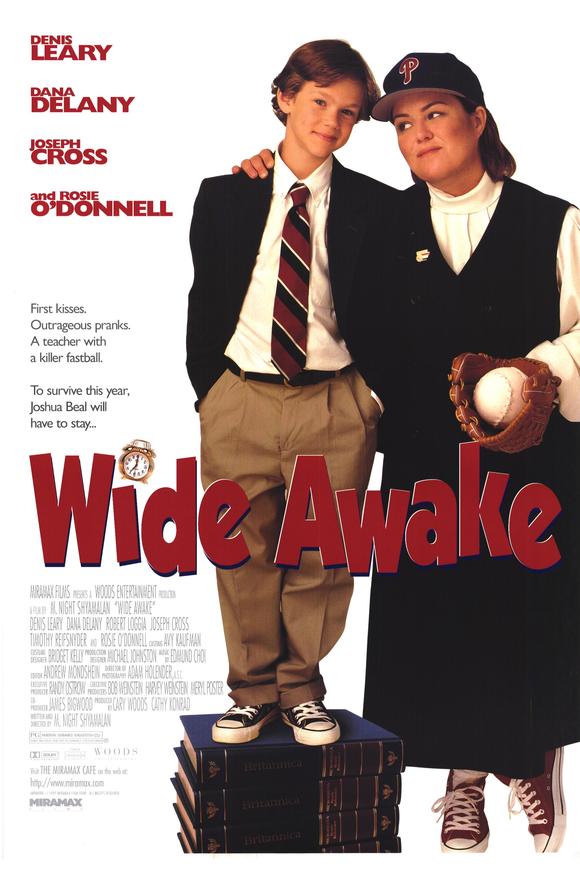
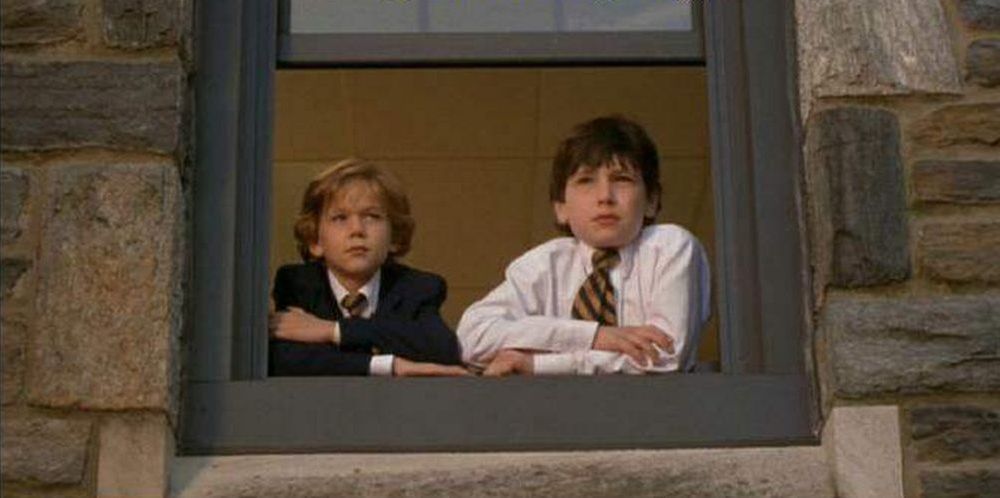
Wide Awake (1998, Miramax)

Wide Awake was released in in 1998, and was a film I was looking forward to seeing at the time. This was based on both the trailer and the fact that I was a fan of Rosie O’Donnell’s at the time (Granted her involvement was slightly oversold, but that’s marketing). Indie films, even ones distributed by Miramax, were not as easy for me to get a hold of so it had to wait until its home video release, but I recall being very taken with the film then. I had not revisited it many times since but still had fond memories of it.

Wide Awake garnered 7 BAM Award nominations, which are my personal year-end picks. Mind you that M. Night Shyamalan would not be a director I knew anything about, or someone most people knew, until The Sixth Sense took off; it was just a reaction to what I saw, no hype, nothing.

Wide Awake is about a grade school boy (Joseph Cross) not only coping with the loss of his grandfather but dealing with very big questions because of it. He is concerned for the fate of this grandfather’s immortal soul, questions his own religion, the existence of God and more things that are not usually the purview of one so young.
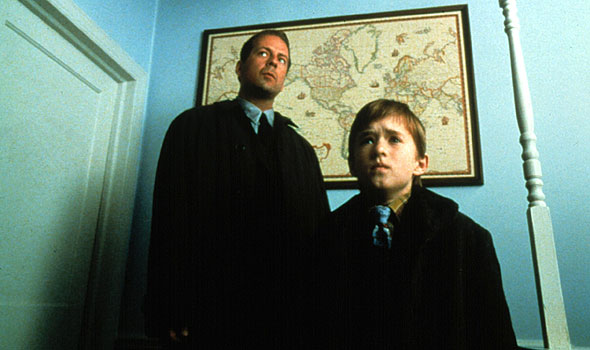
The Sixth Sense (1999, Touchstone Pictures)

With The Sixth Sense Shyamalan takes a turn towards the supernatural but many of the same answers are being searched for by the young protagonist. Cole Sear, played by Haley Joel Osment, the protagonist of The Sixth Sense has this unique ability to see the dead, he doesn’t know what they want, why they come to him, why they won’t leave him be and what it all means. All he knows for sure is that he’s terrified and trying to understand what the meaning of death is and by inference the meaning of life.

Moving Forward
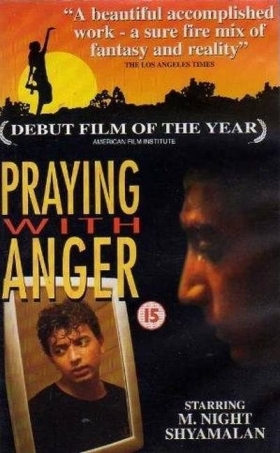
Praying with Anger (1992, Cinevista)

For many who seek to trace the career of Shyamalan they erroneously trace it back just to The Sixth Sense. However, even my analysis will only go so far. I can assert through an educated guess that The Sixth Sense closes out a thematic trilogy, a period of work Shyamalan had not unlike a painter. His first feature Praying with Anger was filmed in India while he was still an undergraduate.

According to the synopsis it tells the tale of an “Alienated, Americanized teenager of East Indian heritage sent back to India where he discovers not only his roots but a lot about himself.” Praying with Anger has never been readily available on video in the US, or at least it hasn’t been for some time, though it does seem it had one week in one theater in 1992. Myself and many others have been unable to see it, and that is probably by design, it seems rather clear that there was a spiritual, soul-searching phase that kicked off Shyamalan’s career.

The next phase wherein he discussed wanting to make what amounted to feature-length Twilight Zone episodes, would spin-off from The Sixth Sense, but the that film stands a bit apart from the others. Interestingly, while it caps the first theme it also acts as a transitional film to the titles that come. If one is to look at the next three films (Unbreakable, Signs and The Village) there are certainly more commonalities in those three films when removing The Sixth Sense from that grouping.
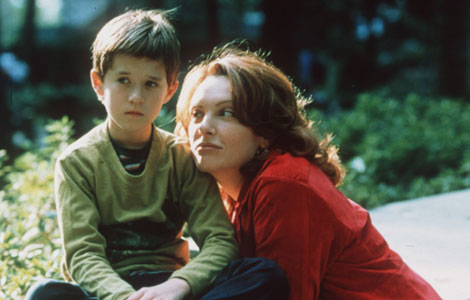
The Sixth Sense (1999, Touchstone Pictures)

This phase notion is one I never really considered, but what I do know is that it can get you pegged. It turns out that the similarities that The Sixth Sense did bear with the next three set some people up. However, I recently mentioned that one of the pitfalls of auteur criticism is just that. You expect things too readily and I never even thought of grouping his first three films. Steven Spielberg tried to dodge pidgeonholes people tried to keep him in for as long as he could. He attempted to avoid films too similar to one another back-to-back until later on in his career with two straight dramas (The Color Purple and Empire of the Sun) or his dark futures (A.I. and Minority Report). Yet, even he had associations dog him. Aliens, for example.

I’m not comparing the two filmmakers, but rather finding one point of comparison: both broke through with a massive hit at a young age that put them under the microscope. Both Shyamalan and Spielberg have had their missteps and their big early hits, and both have had to contend with people attempting to define them. One of the things that Spielberg benefitted from is that he was at the vanguard of director-as-star. With Shyamalan it was an accepted notion that he was lumped into due to his being the creative force behind a worldwide box office smash.

Conclusion
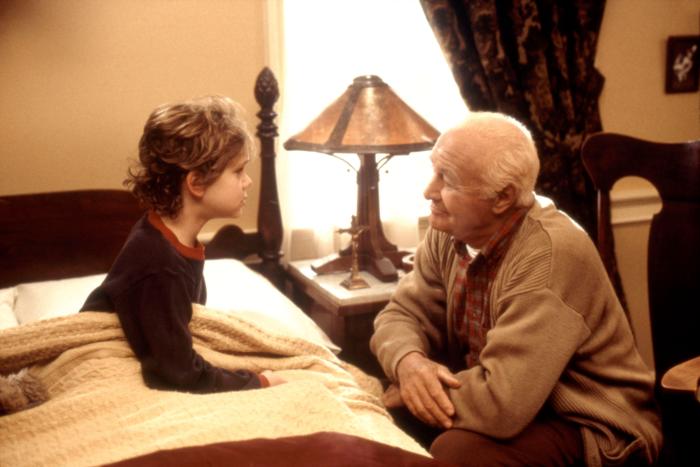
Wide Awake (1998, Miramax)

Essentially, what I am seeking in this series of writings is to merely examine the works more closely. I am not writing a persuasive essay. His films don’t work for some and that’s fine, but I am also not coming from an over-rationalizing fanboy’s perspective either. I later on connected Wide Awake and The Sixth Sense. All I knew about The Sixth Sense as it was looming was that it looked good and I wanted to see it. After I had I recognized that name in the credits, and checked the IMDb. So in some ways I was a lot like other people discovering who he was and what his voice at the time was. I just already had a track record with his work is all.

Essentially, if you’re going to look at the trajectory of his career his first three films, the actual first three films and I believe have to be looked at as one unit. Call it a cinematic coming-of-age if you will. In the next three he’s exploring a particular milieu and genre. From that point on he’s been branching out and we will get to those in due course.

Children in Films Blogathon: A Revisionist Look at the Juvenile Award

When I learned of the Child Actor Blogathon at Comet Over Hollywood, I had two ideas for it almost right away: the Jackie Searl spotlight and this one. Not too long ago I argued for why the Juvenile Award should be re-instated. In this post I will follow up on that notion to augment my case. It’s one thing to quickly cite who won while it was around and state it never should have left, it’s quite another to show you who would have had they never gotten rid of it. Now I have decided to illustrate that in three ways, including some omissions found when it was instated (it’ll make more sense when we get there, trust me). First, I will list the young actors who since the end of the award (after 1961) were nominated for an Academy Award.

These actors obviously, had there still been a Juvenile Award, would have won that. While on occasion they were awarded the prize, more often than not they didn’t have a realistic chance. Regardless, their nomination was deemed prize enough it would seem, but I disagree and as you will see there have been plenty of instances where the Juvenile award could have been handed out either in addition to or in place of the nomination.

Based on Academy Award nominations from 1961-Present:

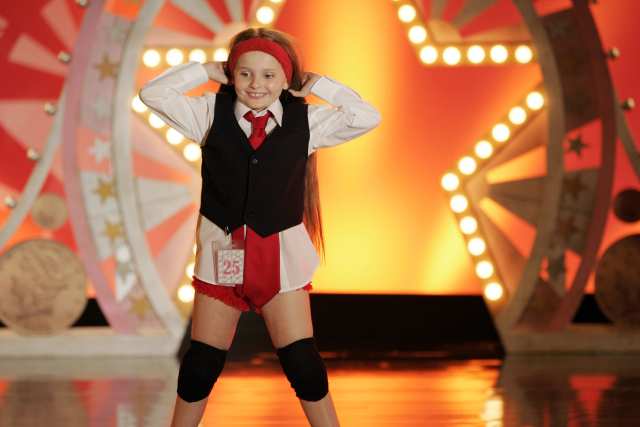
Little Miss Sunshine (2006, Fox Searchlight)

2012 Quvenzhané Wallis Beasts of the Southern Wild
2010 Hailee Steinfeld True Grit
2007 Saoirse Ronan Atonement
2006 Abigail Breslin Little Miss Sunshine
2002 Keisha Castle-Hughes Whale Rider
1999 Haley Joel Osment The Sixth Sense
1993 Anna Paquin The Piano
1979 Justin Henry Kramer vs. Kramer
1977 Quinn Cummings The Goodbye Girl
1976 Jodie Foster Taxi Driver
1973 Tatum O’ Neal Paper Moon
1968 Jack Wild Oliver!
1962 Patty Duke The Miracle Worker
Mary Badham To Kill a Mockingbird

Personal Selections

Super 8 (2011, Paramount)

In 1996, when I was 15 and the young actors of the day where my contemporaries, I started making my own award lists. Being young myself at the time I wanted to recognize young actors where most awards excluded them more often than not. These selections reflect those that were my among my BAM award selections that were eligible and the Academy bypassed. Prior to 1996, I thought of significant performances that were worthy of noting and would’ve had a strong case for the Juvenile Award had it been around.

2012 Rick Lens Kauwboy

This one is highly unlikely as Kauwboy wasn’t shortlisted for the Best Foreign Language Film prize. However, the fact that it was the official selection for The Netherlands did make it eligible.

My young actress choice last year, Sophie Nélisse, was a year off from the Oscar calendar but also a strong possibility for Monsieur Lazhar.

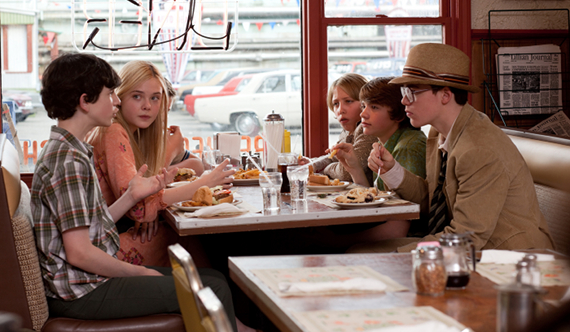
2011 Joel Courtney, Elle Fanning, Ryan Lee, Riley Giffiths Zach Mills, Gabe Basso Super 8

It figures that both the best young ensemble, and perhaps individual performance, of the past 25 years got overlooked. So they are all honored here.

2009 Bill Milner Is Anybody There?

2008 Bill Milner and Will Poulter Son of Rambow

A slight wrinkle here from my original selection. Since the Academy set precedent of awarding tandems, why not do so here as well?

2005 Dakota Fanning War of the Worlds

2004 Freddie Highmore Finding Neverland

My 2004 winner was one where I was awarding a film from 2003, due to my stand on release dates, which is different than the Academy’s. Having said that I then had to factor in both my nominees and who the Academy would be more likely to pick and decided if they chose anyone it would have been Highmore.

2003 Jeremy Sumpter Peter Pan

2001 Haley Joel Osment Artificial Intelligence: A.I.

2000 Haley Joel Osment Pay It Forward

1998 Vinicius de Oliveira Central Station

1997 Joseph Ashton The Education of Little Tree

Here’s another interesting case: my winner was in a TV film which the Academy would never honor. Then two more nominees were either shifted due to my interpretation of release date rules and one erroneously in my revisionist phase. That leaves two eligible: Dominic Zamprogna in The Boy’s Club and Joseph Ashton in The Education of Little Tree. Some people besides me actually saw the latter so I’d put that one up as a winner.

1996 Michelle Trachtenberg Harriet the Spy
Lucas Black Sling Blade

Michelle was my actual winner in 1996. Sling Blade in my awards was shifted to 1997 due to its release date. It being an Oscar nominated film make it a more likely retrospective candidate.

My Girl (1991, Columbia Pictures)

This section marks personal selections prior to my picking extemporaneous year-end awards.

1994 Elijah Wood The War

I recall watching E! and hearing there was some buzz being stirred by the cast/studio for Elijah. I knew it would never happen, but it was deserved buzz.

1992 Maxime Collin Leolo

I have since expunged them but for a time I did backtrack BAM Award to back before they started. Some of these picks reflect those findings.

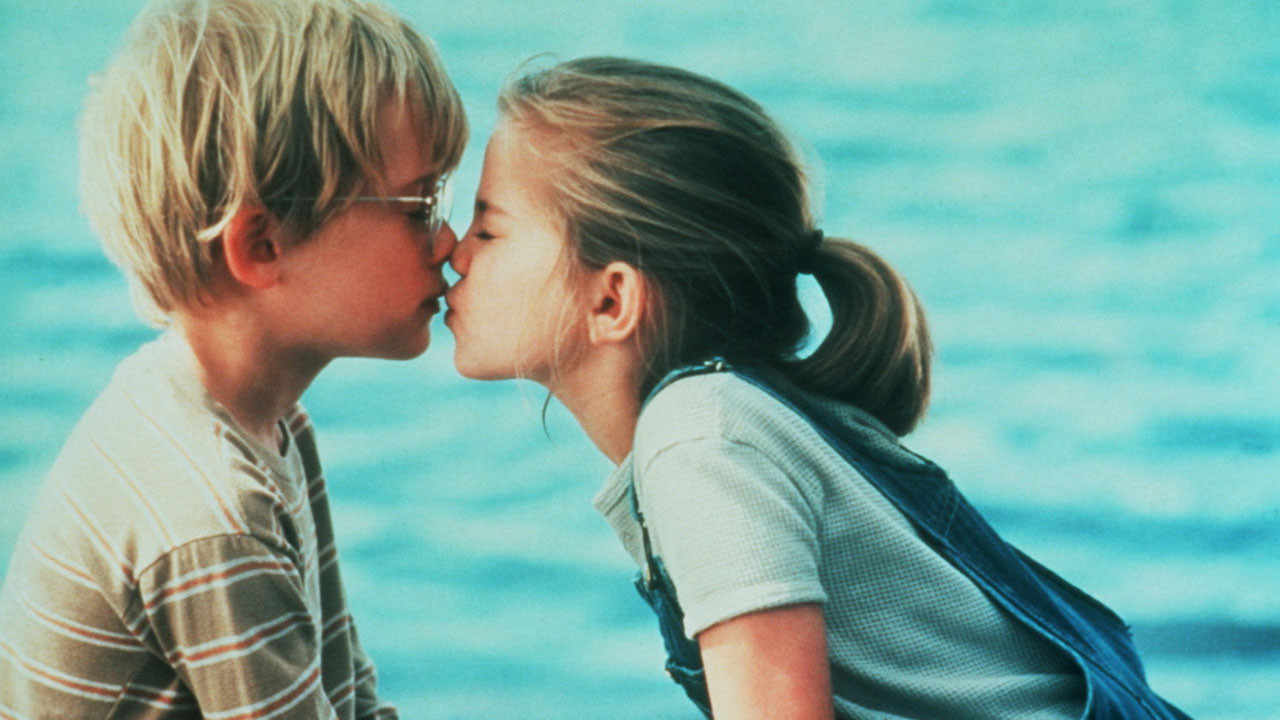
1991 Anna Chlumsky My Girl

1990 Macaulay Culkin Home Alone

Say what you will, but you know if the award was around that this would have happened.

1988 Pelle Hvengaard Pelle the Conqueror

1987 Christian Bale Empire of the Sun

1986 River Phoenix Stand by Me

1983 Bertil Guve Fanny and Alexander

1982 Drew Barrymore and Henry Thomas E.T.: The Extra-Terrestrial

1979 Ricky Schroeder The Champ
David Bennent The Tin Drum

1972 Nell Potts The Effect of Gamma Rays on Man-in-the-Moon Marigolds

Who Should Have Gotten One But Didn’t

No Greater Glory (1934, Columbia Pictures)

I honestly almost scrapped this section. However, looking back through young nominees I noticed the discrepancy that some young nominees did not get a Juvenile Award while there was one. So I figured while I was at it I’d list a few notable performances that didn’t get recognized. Those that “didn’t need one” since they were nominated as in their respective categories against adult competition have denoted those with an asterisk.

1956 Patty McCormack The Bad Seed*
1953 Brandon deWilde Shane*
1952 Georges Poujouly Forbidden Games
1941 Roddy McDowall How Green Was My Valley
1936 Freddie Bartholomew Little Lord Fauntleroy
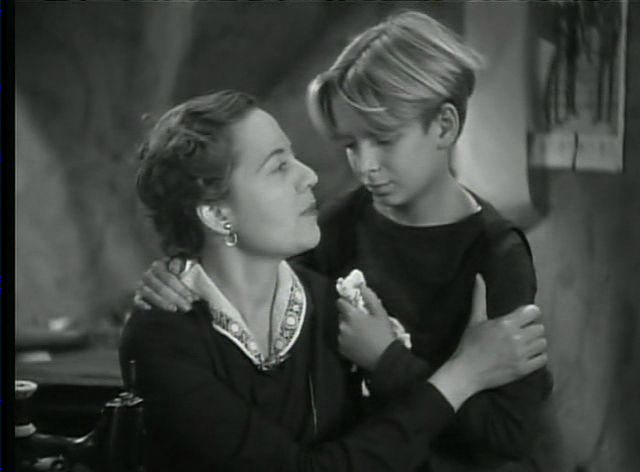
1934 George Breakston No Greater Glory
1931 Jackie Cooper Skippy*

Short Film Saturday: Yuck

I believe the last time I posted a trailer it was in conjunction with another short just so it wouldn’t feel like such a cheat. Here, however, the trailer is for a short, and since the story is cool and the film looks to be of significance; I will make another exception.

This hit a number of websites the other day as it appears to be making a splash at the NYC Independent Film Festival. Quite simply, Yuck is a short documentary created by a 4th Grade student at P.S. 130 in New York about the poor state of public school lunches. Aside from the cleverness, courage and talent of this burgeoning filmmaker, the thing that is as impressive as it is scary about the film is the topic. I myself went through the New York City Public School system from grades 5 thru 12 and the most frightening thing is a lot of this food looks exactly the same, which is why I’m glad I brown-bagged it most of the time. It also makes forcing me and my classmates to sing “Food, Glorious, Food” at fifth grade graduation all the more hypocritical.

As for Yuck, you can learn more about the film on its official site.

UPDATE: The film has since hit Vimeo and been linked to me. The timing is coincidental due to the fact that I just recently saw A Place at the Table , which looks at hunger in America and discusses the budgetary constraints around school lunches.Yuck is very well done, funny and finds what I may have expected: false advertising, smoke and mirrors PR and redundant food stuffs all too often. It’s definitely worth a watch. Enjoy!

A Movie Rat Guest Post for Rupert Pupkin Speaks on Underrated Comedies

So this is a fairly big day for the Movie Rat, through sheer coincidence. Not only is my contribution for the Children in Films Blogathon up but I also have a guest post on underrated comedies for Rupert Pupkins Speaks, Brian Saur‘s blog, which is a great reflection of the fact that he’s one of the great film fans around. Go check out my list and many others in the series before me.

Children in Film Blogathon: Jackie Searl

When by chance I found that Comet Over Hollywood was doing this blogathon there were a number of options I could have selected. Quite frankly, I was a little late in noticing that it existed so some good options that I also would have liked to have covered were taken. However, I don’t regret it because whenever possible I like to go a bit outside the norm. And choosing to discuss Jackie Searl (or Searle as he was occasionally credited) does that. The first thing that sets the selection apart is that he was rarely a leading player, more often he played in support.

However, this year, somewhat in the spirit of my Neutron Star Award, I’ve had chance to find not only more range in his performances but also a rare early lead. While Jackie had a long career as a character actor after a hiatus that allowed him to transition in the age range, he was frequently cast to his type. Yes, films type actors young and old alike.

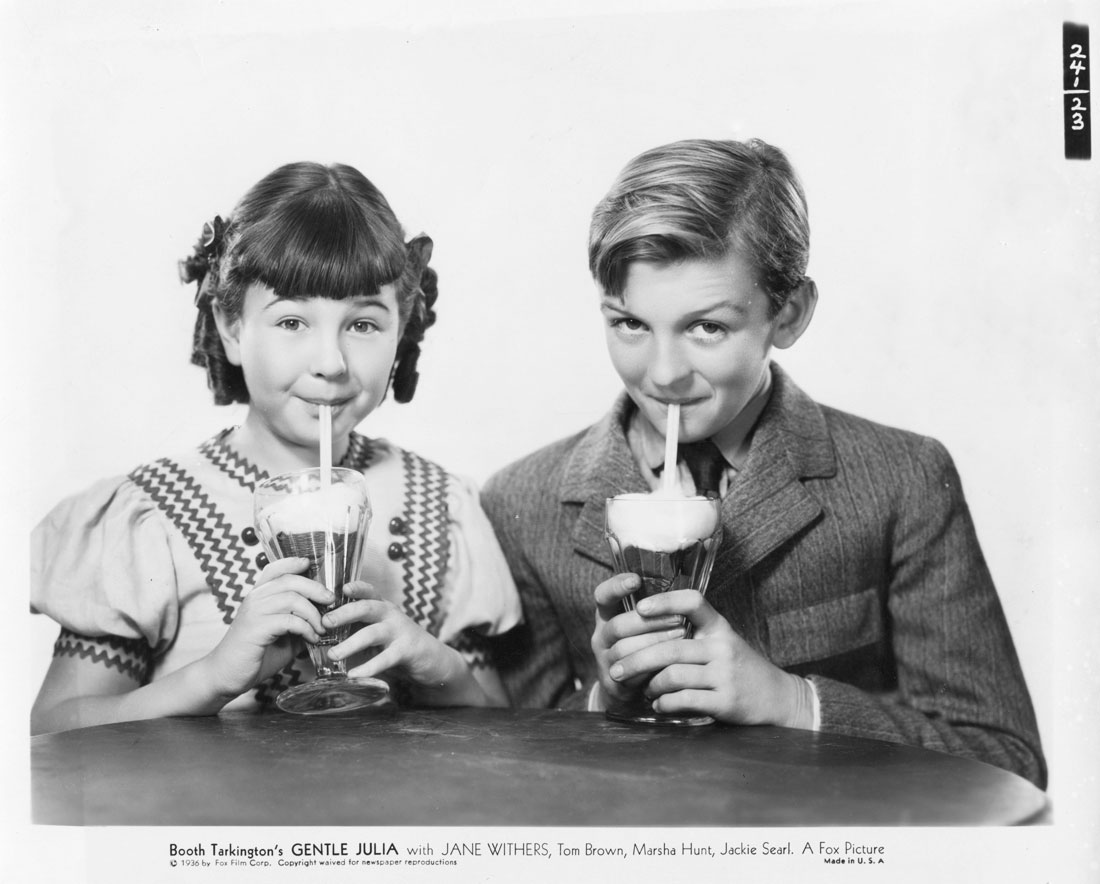
Realizing his range did hearken me back to something I heard Jack Lemmon say back on Inside the Actor’s Studio. He was recalling a conversation wherein he complained to his agent about the kinds of roles he was getting and being offered. “But I can do Shakespeare,” he protested. His agent responded simply and calmly “Yes, Jack, but other people are better at it.” That’s not to say actors shouldn’t take risks and directors haven’t done great things when casting against type, but typing happens for a reason and it’s usually because said actor is inordinately good at a particular task. With Searl, in his younger days, he was not only usually a heavy, a villain, but he had an innate ability to come off as smug and detestable, which is quite a higher calling than simply playing a villain.

Gentle Julia (1936, Fox)

What reminded me of the the Lemmon story was when I saw him in earlier roles in Poverty Row titles. One in particular, which may go down as one of my favorite new discoveries of the year is Hearts of Humanity. Here he plays the affected child, suddenly orphaned, new to the States, who is the honorable one, who sets the example for his wayward, newly-adopted brother and sacrifices himself for him. The only thing off about him at all is his Irish accent, but that wasn’t uncommon back then. Not that Searl wasn’t adept at an accent. In fact, before I decided to do this focus on him I thought his playing American was putting on an accent not when he was playing British, which he did often.

So in that film, and in other titles like One Year Later and High Gear, all of a sudden there was this complete other side to him. Granted the writing, such that it was, made him obviously perceived as a likable character, but he pulls it off with ease. Many mature, trained actors have issues not only shaking their persona but their perception. Searl was the pre-eminant, go-to jerk of the young actor set around this time (the early-to-mid-1930s). But playing the good kid was his “Shakespeare;” he was good at it but he was so much better at engendering an audience’s antipathy that he got those roles more often then not when the studio films came his way.

Little Lord Fauntleroy (1936, Selznick)

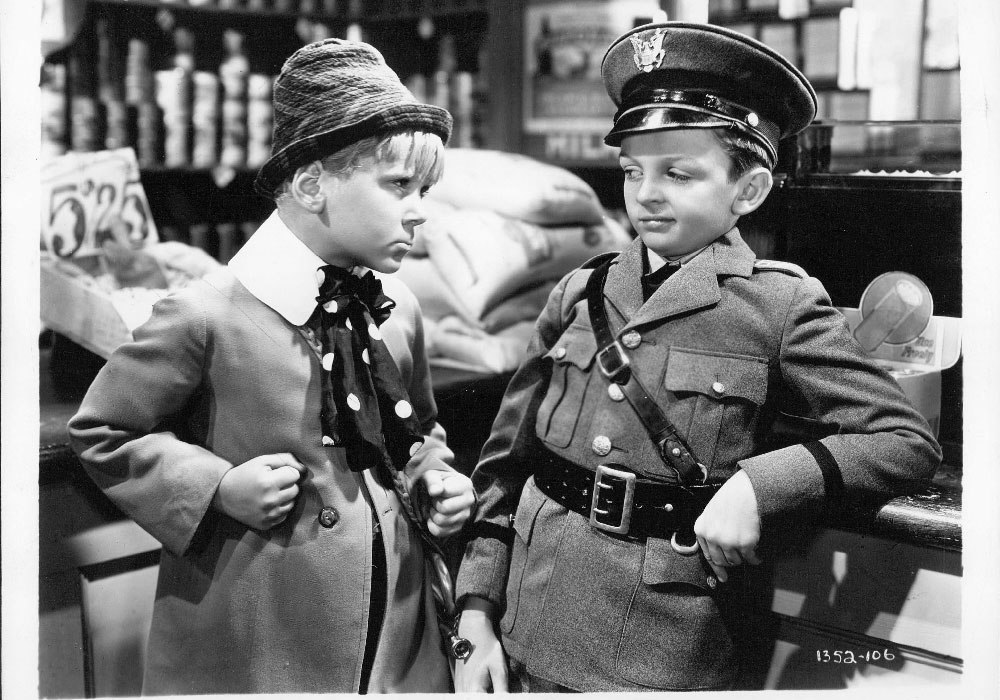
Peck’s Bad Boy is another film wherein you see him in his more usual mold, whereas Jackie Cooper, being the lead is a more rounded character and has justifications for his actions; he’s merely antagonistic. In fact, in one of his first appearances, The Sins of the Children, his type was set as his sole purpose in playing the younger version of one of the main characters was to be bratty. Slightly different from those two, but still on the unlikable end of the spectrum, was his turn as the doltish false claimant to the title in Little Lord Fauntleroy.

No Greater Glory (1934, MGM)

Of the films of his I’ve seen thus far he had one role of significant size that had an arc, and change of heart. In No Greater Glory he starts off in the vein you most often saw him: officious, haughty and bothersome. As events transpire, however, he softens. The maturation of the characters, as well as the message conveyed are among the things that make that particular film so powerful. That same year saw the release of A Wicked Woman, which implemented well his ability to cry and allowed him to play the victim. As he grew, parts that allowed him to show both sides of his ability came more frequently. In Little Tough Guy he does end up being a slimy type, but if you didn’t know who he was you’d buy the nice, rich kid act he pulls through the first few scenes, but slowly and surely he shows his character’s true colors. It may not be his most impressive turn, but there’s a confident ease to all he does that stands as a harbinger of the long-lasting ability to do character work that he found later on.

The generation of young actors that graced the silver screen when sound was in its infancy was perhaps one of the deepest in movie history. If you follow the trajectory of a lot young performers, many of whom were usually relegated to supporting roles, you could really see just how gifted a lot of these actors are – the fact that a talent like Searl’s was usually utilized as a supplement is testament to that, but it does not make his work any less effective or memorable.

Tarzan Thursday – Tarzan and His Mate (1934)

Introduction

Last year the character of Tarzan celebrated his 100th year in print. A serialized version of the story first appeared in 1912. A hardcover collection of Tarzan of the Apes first appeared in 1914. Being in the middle of the Tarzan centennial period it’s an opportune time to (re)visit many of the screen renditions of the character. Previous posts in this and other series can be found here.

Tarzan and His Mate (1934)

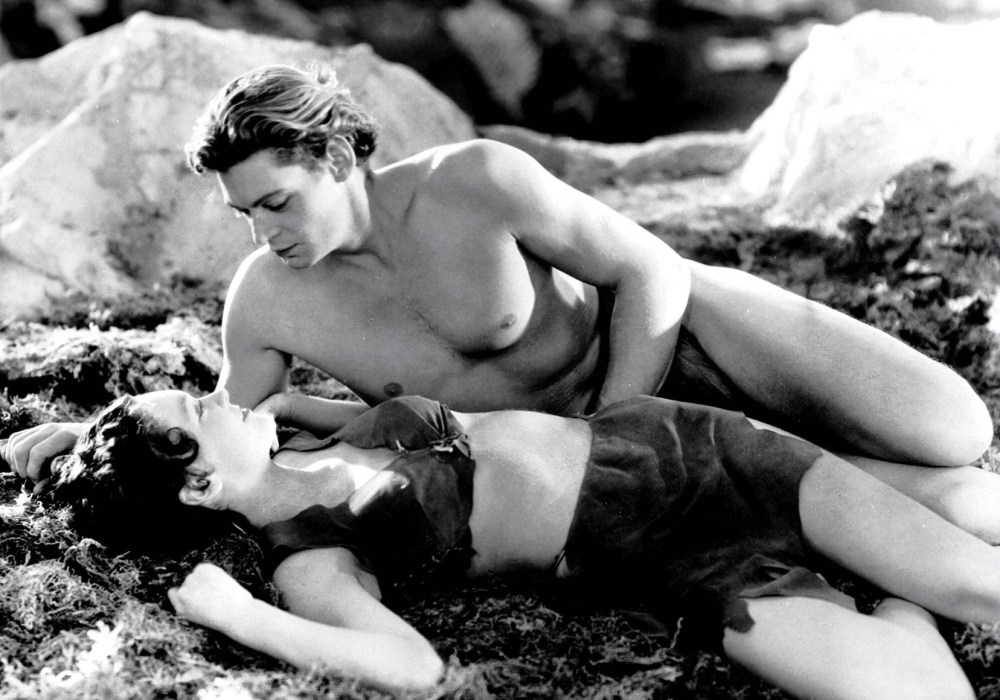
Here is another case wherein I honestly am quite glad to be revisiting the series chronologically. In earlier viewings I not only skipped this film but saw later ones out of order. It’s hard for me to argue that this installment is better than its predecessor, but it is rather impressive.

It does take its time easing you in. Once again it makes its title character’s presence scarce in the first 20 minutes or so. Instead, what we are introduced to is an outside party’s trip into the jungle seeking a return to the elephant graveyard and a bounty of ivory. These two white men carry a torch for Jane and it’s her first contact with them in some time. This allows her to be rather conflicted between comforts of her old life and the happy simplicity she now enjoys.

It’s also great to find this film in this set, if not in its intended form, then closer to it than previously screened. The infamously altered skinny dip of O’Sullivan is in this cut, but overall there’s a very Pre-Code take to this tale that seems a step beyond “figuraitve literalness” to being very overt as both men make their plays for her affections quite openly.

So far as Tarzan’s character goes, while he is still written fairly monosyllabically there is an arcing toward a more vocal character and the words chosen for him are chosen well; “Always is gone” and the response at the end have a great significance and are wonderful touches.

There is the introduction of music to Tarzan’s character, but on the more visceral side the fights are better staged and the blend of actual trained animals, dummies and rear projection looks to be about as seamless as the era could produce.

The villainy sets itself up early and rears its head when it matters most and thankfully on the animal side of the equation, whereas later on Cheetah serves more as a prop, comic relief and/or distraction here his presence is vital, which is another nice touch. Most second installments to series are disappointments but the second MGM Tarzan is an exception.

Bela Tarr Retrospective: Werckmeister Harmonies (2000)

Introduction

As has become customary for winners of the Ingmar Bergman Lifetime Achievement Award at the BAM Awards, I have begun a Bela Tarr retrospective. The introduction and initial short film post can be found here and here.

Werckmeister Harmonies (2000)

So it’s been a little longer than I wanted it to be before I returned to this series and gave my first closer look at a title but here it is.

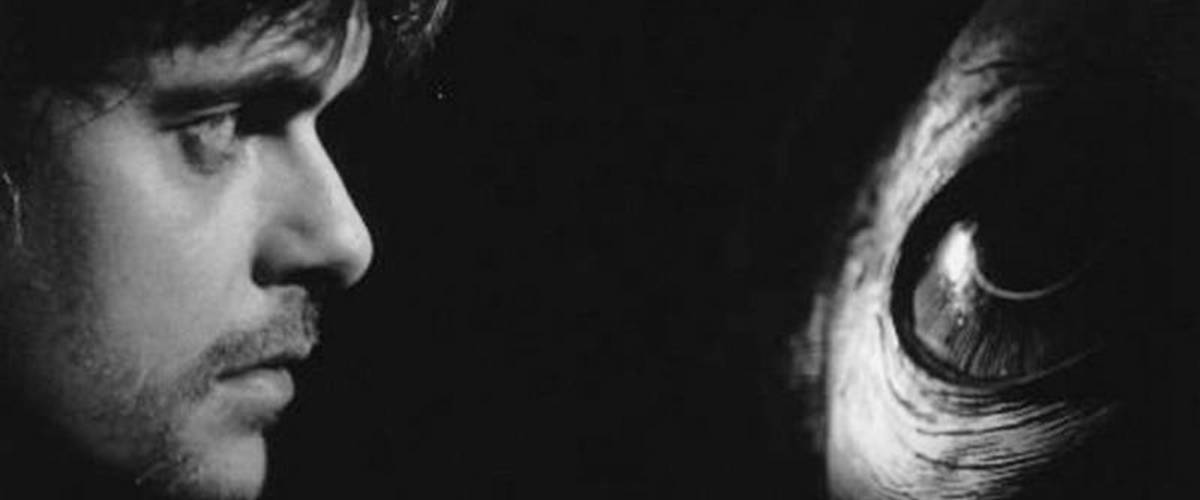
With Werckmeister Harmonies not only do you have Tarr fully embracing his new aesthetic but you also have him creating the trajectory of his remaining films. What can be found here is the opening salvo in the ongoing dialogue of his cinema. Some of the themes both visual and otherwise start here and you can feel them echoed in later works.

For example, the film begins with a shot of a piece of wood being added to the fire on an oven. Now, as it turns out here this is just the opening frame of a lengthy tracking shot, but the motif of wood-burning ovens, flames through the grate and things of the like reappear, most notably in the Turin Horse.

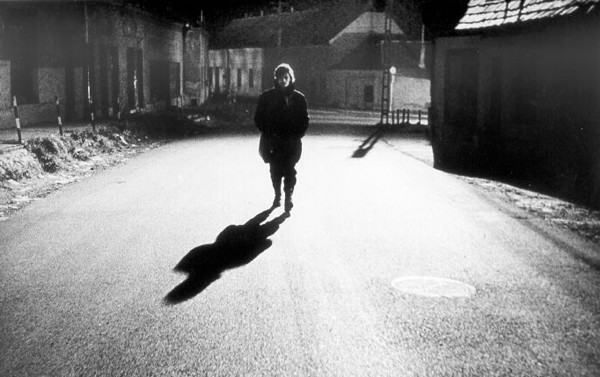
The opening shot is an intricate and quite a famous one. It is perhaps the most we will hear out of our protagonist. However, interestingly this protagonist is one whom for the most part is just a vessel with through which we can be shown the story, such that it is.

Werckmeister Harmonies (2000, Facets)

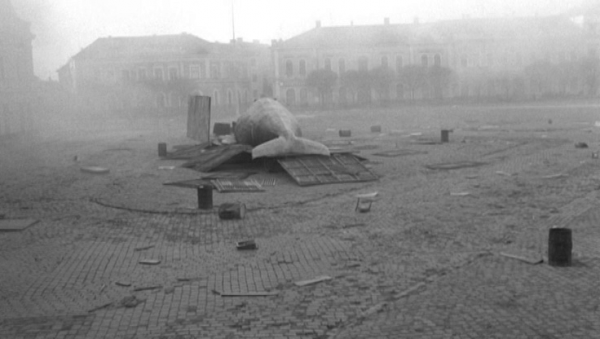
There are two significant and long speeches in the film and much like the only dialogue of consequence in The Turin Horse, the temptation to disregard it rather than trying to ferret out some semblance of meaning is compelling but erroneous. The first such extended piece of dialogue is right there in this opening tracking shot wherein Janos describes to bar full of inebriates the workings of the solar system. I read of a God Complex in one essay but the way Janos walks around observing the whale, being transfixed by it and assigning it no special significance, save for the wondrous work of God that it is, doesn’t quite mesh. I think the intent is likely to define Janos here for we will see little else throughout that does. He listens and does what he is told most of the time. Whether or not he does that to a fault is debatable, but what this is establishing is that he thinks on a simple matter and sees the wonder of it, much like a child would, and seeks to share his wonder. The barkeep lets him go on only so long before kicking him and everyone else out.

The second dialogue passage of significance is when the title the Werckmeister Harmonies is disseminated. It is a rant on musical theory on how the tuning of instruments and the regimentation of notes and octaves created something far more mechanical and less artful and organic than existed prior. On the surface it has nothing to do with anything else, save for the fact that it is this old man’s, Gyuri Eszter’s, obsession. However, it’s not the explanation that matters, but how he feels about it. He likens it to man tinkering with the work of God and here, yet again, we have a theological reference. Now, God here is being invoked in a more existential and cosmic way, rather than in a dogmatic way. It’s seemingly invoked as a larger ideal rather than a denominational claim, much like the the whale and the so-called prince, a dwarfish shadow-figure whose face is not shown threatens the natural order in the minds of many in the town, are.

As in much of Tarr’s work when he stayed shooting in black-and-white, moved the camera more and created a course the film is about decay. It’s about how we as human beings are always teetering on the edge of devolution and anarchy.

Werckmeister Harmonies (2000, Facets)

The sound of church bells in this film, much like in Satantango are ascribed and ominous connotation; similarly to that film a broken clock in a church starts working anew rather mysteriously. Much in the way many of the people, except Janos, interpret the whale in their own way. The allegory of the whale is perhaps the most powerful in Tarr’s filmography because for as large and imposing as it is, as much of a spectacle as it is, it can’t do anything. It does not do anything and neither does the feared Prince who evokes passion and creates followers. However, the people believe they can and do and that’s what causes them to react the way they do. The people want no change, in spite of its constancy, and when something threatens that they lash out.

The order the enraged mob seeks to be restoring is an illusion. It’s as much an illusion as film is, which could be why Tarr in this instance brought in two German actors, the wide-eyed, childlike Lars Rudolph as Janos and the formerly omnipresent Fassbinder vamp Hannah Schygulla; and had them speak their lines in German and then had them dubbed, and not necessarily in a way that syncs perfectly, because something it always off.

Uncle Gyuri Eszter, in his diatribe about the Werckemeister harmonies, states that what the struggle is as follows “the octave versus the note; the natural tune versus the manmade construct; the heavenly versus mundane; human hubris versus divine gifts.” And that’s much of what the struggle in this film is.

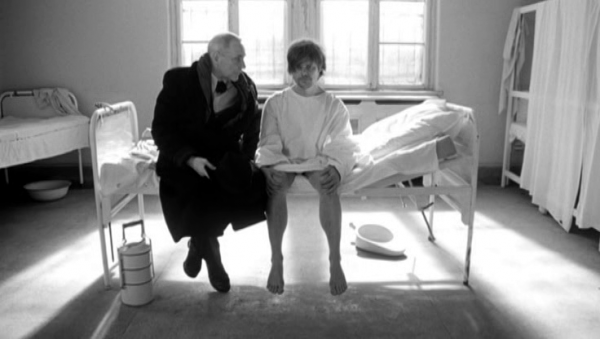
There are still mysteries to be unraveled. Many can assume, since we did not see him through much of the assault on the hospital, that Janos was not there. However, that long and significant tracking shot ends on him looking terrified after the violence stops upon the site of the frail old man who no one wants to harm. So one can wonder did he just witness it all, unable to stop it; or was he a party to it. Similarly is the account he reads in the church one he found or one he wrote himself. The film leaves them purposely vague. However, I think it correlates more with both his passivity and his folly that he was merely a witness. What is left unsaid the end that he was inactive in the assault and not the author of what he read.

Werckmeister Harmonies (2000, Facets)

When all is said and done he’s the perfect scapegoat. The society back to its so-called sense and must now restore order and the most logical scapegoat is Janos. They, meaning all the citizens, recognize neither God nor Man, so he must leave. The end of the film is uncle Gyuri Eszter going to see the whale. It is left out in the square on display where the madness began passive and immobile as it always has been.

It’s a film that’s really not about what happens, but why it happens and that answer is not nearly so nebulous people have willed it to be. They’ve assigned meanings based on their fears and ignorance and punished the guilty. In almost an eschewing of genre toward the end there is a helicopter, maybe verifying early rumors of military involvement, hovering in the sky behind Janos. It circles him quite bit, but it’s not going to try and barrel him over like the cropduster in North by Nothwest. It’ll just watch him and let him know that he’s targeted. He’s the odd man out because he embraced the whale and got the finger pointed at him and now he must go down the train tracks and out of town.

All that remains is delusion and lies, he’s told once and that’s the way it stays. It’s merely an illustration of that statement is what the film is. The people fear, they know nothing. They do not move on. The Prince is gone, the circus is burnt, the whale lies alone; an abandoned blasphemy and things go on unchanged.

Celia: A Cautionary Tale of Video Titles

I enjoy attending MonsterMania Con because it allows me a periodical dousing in horror. Recently I’ve taken to finally viewing some of the selections that I acquired while there this last go-round.

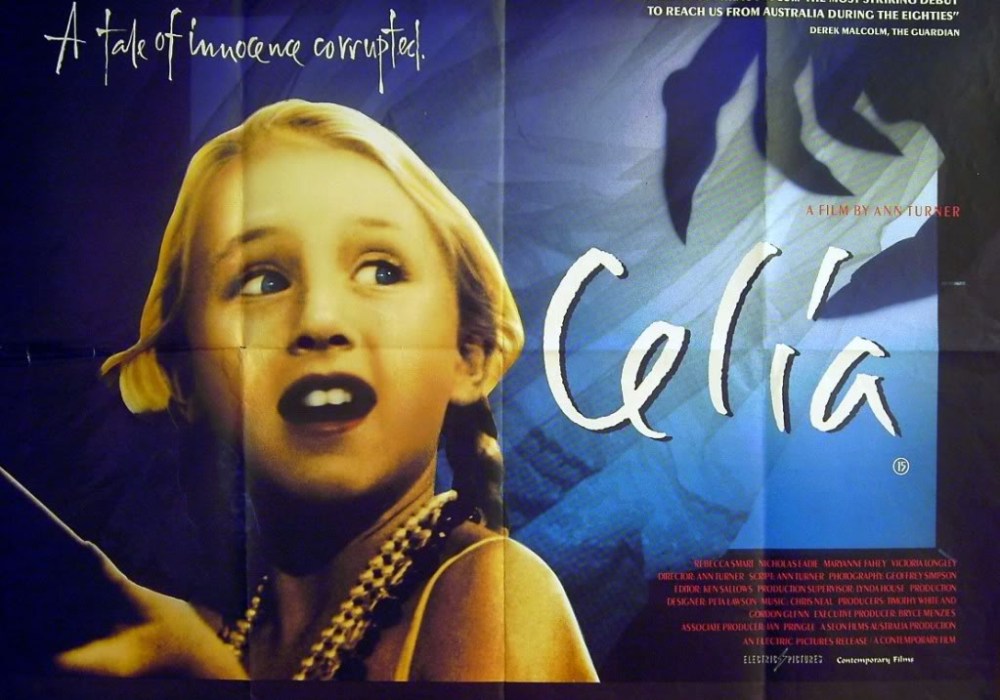
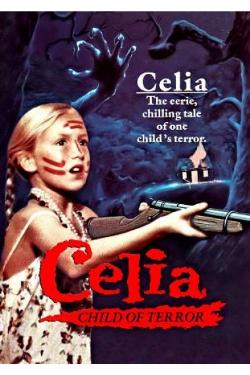
My most recent selection brought to mind, yet again, an issue that seems to be popping up more and more. One film I picked up was bombastically proclaiming itself as Celia: Child of Terror, and the cover image featured a girl (Rebecca Smart) with shotgun in tow.

Now the image of her holding the shotgun does occur in the film, and there is build in the film throughout. However, the title Child of Terror evokes something entirely different than what the pull quotes suggest. Child of Terror evokes something exploitative and potentially hokey, meanwhile, the pull quotes wherein Janet Maslin of the New York Times makes an allusion to Blue Velvet and where Tom Hutchison of The Mail compares it favorably to The 400 Blows and The Fallen Idol portend something more serious-minded. So these things do not necessarily mesh. However, it was the quotes and the synopsis that sold me on the film.

Celia: Child of Terror (1989, Scorpion Releasing)

As the film started, I was reminded of some of the factoids I absorbed about it months ago when deciding whether or not I should buy it. I saw the title Celia come up, without subtitle and something I kind of knew, but didn’t fully acknowledge until that moment, crystallized: Child of Terror was an add-on by the video distributor, a video box title as it were. Sure enough, the IMDb confirms that.

I was ready and open for anything and found that the subplots, the rise up to a boil at certain sections of the film, like the rabbit muster in Australia in the late 1950s and the ostracism of Communists and Communist sympathizers, make the film a more artful and dramatic piece than the box advertised. I rather enjoyed the film and I can separate something that’s in the control of the marketing department and/or distributor and the filmmakers. I can guarantee you that this subtitle has coerced others to buy or rent it and had them come away disappointed because they felt duped.

The other place I noticed something similar recently is that Full Moon Pictures has had a tendency lately to rename films of theirs that are about a decade old and re-release them through Redbox. On Redbox’s site the film shows a new release date so you assume it’s a new film rather than a re-issue. The only reason I caught on the first time around was through researching the cast. Eventually through an actor’s filmography I was able to discover what the film was called the first time it was released.

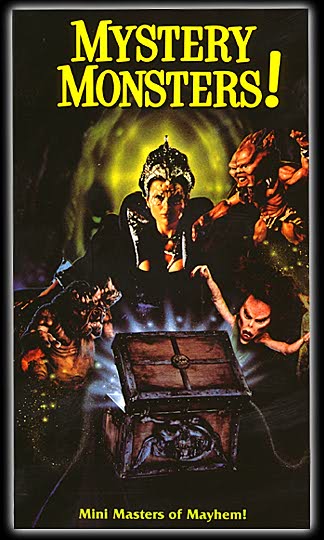
Mystery Monsters (1997, Full Moon)

The Full Moon film was called Goobers on re-issue and I liked it enough to include it here. I’m not quite sure yet if Celia will end up on the 2013 version of that list, but I do know that while Full Moon and Scorpion Releasing may be boosting their sales and rentals through this slightly misleading branding, but they’re playing with fire with this strategy.

Consumer advocacy shouldn’t really play into criticism. The film is the film and a review of said film is one’s explanation of what they think of the film and why. However, I am, at the end of the day, also a consumer so I think it appropriate to make this statement of caveat emptor separate from a review. This is just another case wherein one should be very careful. I knew full well that Goobers would likely be quite silly, I just didn’t know it was an old film. I learned and pass that knowledge on so that others may avoid that. I also knew that Celia would likely be artsier than the title implied and that too turned out to be the case. I was fine with both films, but not with the marketing strategies employed, and thought that others should be aware of said practices so you can make more informed viewing decisions.

Don’t You Recognize Me: Sarah Paulson

So here I am again with another of these posts that I plan on tossing up when I suddenly realize I knew someone who is far more familiar from an earlier role. This post marks the first actress included in the festivities in Sarah Paulson. However, it also is the first where I actually realized two early roles.

The first role Paulson’s occurred to me when I recently wrote about underrated comedies. I realized that she was in Held Up. She is in it the pretty girl that no one really notices until their all stuck together for quite some time in a very humorous scene.

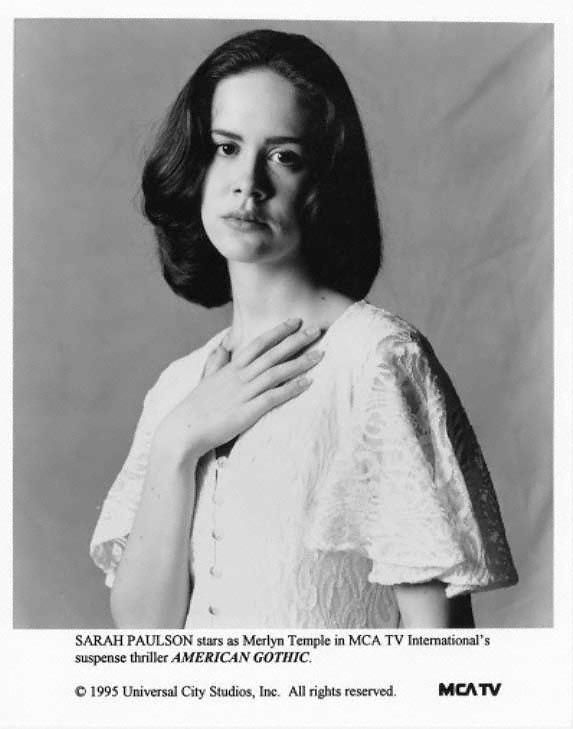
American Gothic (1995, MCA TV)

However, there came another instance recently where I spotted her. I sat down to start watching American Gothic for the first time in eons and I noticed her name in the credits there and sure enough her role is pivotal in the first episode.

She may be most well-known now for appearances in Martha Marcy May Marlene, Mud and American Horror Story: Asylum but these are some early roles that did give an indication of her talent.

Short Film Saturday – The Adventures of Billy (1911)

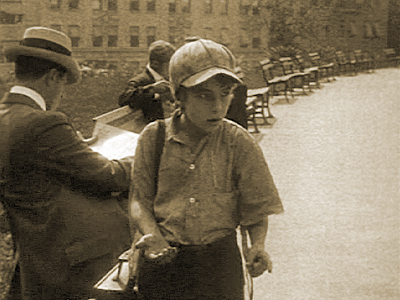
There are a few things to note here: the first is that this is the second Griffith title I watched for this weekend. The first I felt, though more interesting in its construction, is not as effective a narrative. Also, interesting to note, and I haven’t seen too much of this even in the silent era, but the title role of Billy, a boy, is played by Edna Foster, a girl. This is a practice more common on stage and in ballet than on film. In spite of that it is still an enjoyable film that gives you a sense of Griffith’s penchant for melodrama and social problem films.