Considerations for the 2013 Neutron Star Award

I want to get back on schedule, folks. Owing to a recent prolonged blackout this is the best thing I could come up with. Originally I didn’t want to list considerations for either Entertainer of the Year Award or Neutron Star Award. The reasoning behind this was that these awards being body of work kind of awards should’ve had their winners be rather apparent. However, owing to previous memory lapses I reconsidered this philosophy.

Therefore, any and all eligible, worthy candidates for either award will be kept on this list. It will be one of the running lists that I update on a biweekly basis.

In essence, This will give those who stand out in these categories their due. For example, last year I felt remiss in not mentioning Matthew McConaughey in my explication for the Entertainer of the Year Award for 2013. In my reasoning behind Samuel L. Jackson’s win I had to talk about his year and how great it was and why Jackson’s superseded it. With this list, at year’s end I will be able to discuss each of the prospective candidates works.

Without further ado, the candidates…

Candidates

Rainer Werner Fassbinder
Coy Watson, Jr.
Louise Fazenda
Jackie Searl

Able to Crush Tall Buildings In a Single Bound

Note: Please do not proceed if you have yet to see Man of Steel.

In a very similar vain to how I responded to the Rex Reed fiasco earlier, I wanted to wait until the Man of Steel banter ran its course before chiming in. I will, more often than not, forgo a bit of traffic for clarity. In a certain regard my discussion is more about the discussion than my reaction to the debatable points in the film, but I will touch upon those too.

However, before I get to that very specifically allow me to couch my commentary by telling you where I’m coming from. As I chronicled painstakingly in parts one and two of Hero Whipped (and to a lesser extent in further additions), I was a comics reader as a kid, left and returned but was never a superhero guy until my return. Having said that, even since my return there are only a few individuals or teams, usually obscure, that I consider myself to be well-versed in. Therefore, I am not coming at this talking point from a perspective of extreme Superman fandom.

I believe when I was younger I likely saw pieces, if not all of, the Christopher Reeve versions but that’s about all I can claim. The last attempt to revitalize the franchise was one I skipped. The parts of Man of Steel that I enjoyed were good enough that I liked it in spite of my major reservations regarding many sections of the film.

Character vs. Film: The Fan Argument
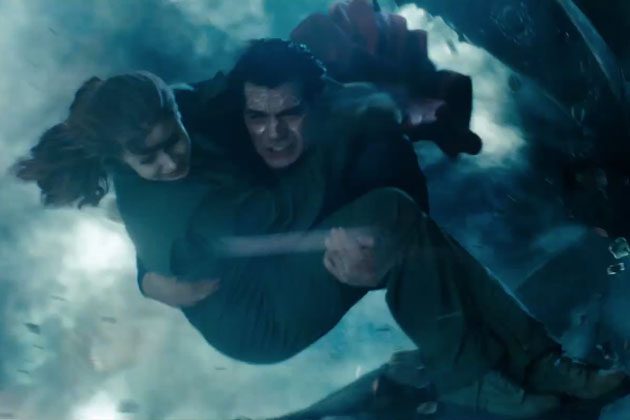
Man of Steel (2013, Warner Bros.)

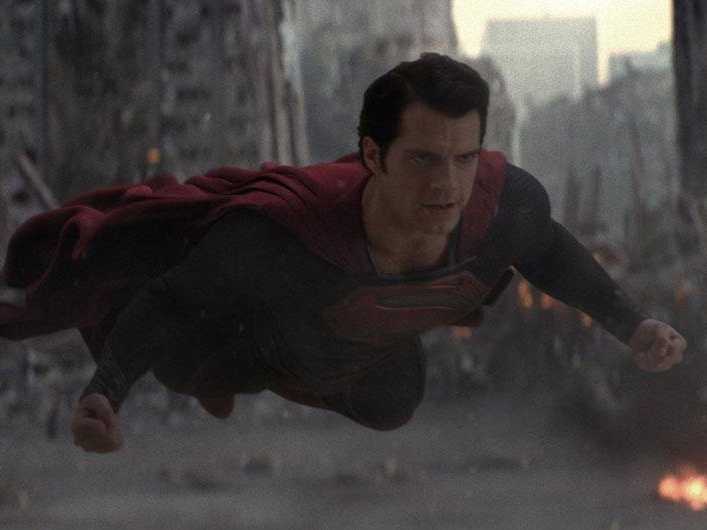
The main tenet that I will state here is that a lot of the comments that I saw in my twitter feed seemed to be arguing mixed points. Namely the film was getting slammed for what the character was doing. The climactic battle with Zod is problematic due to its length, repetitiveness and the fact that there are cutaways to pieces of less consequence where better story edits existed.

However, I cannot knock the mere fact that there is collateral damage in the battle. That has happened in myriad action, sci-fi and superhero films depending on how you want to pigeonhole Man of Steel. However, the fact that it exists is not what I’m reacting to. It’s how the destruction is portrayed that’s problematic.

The first aspect of a detrimental nature is the amount and the incessant nature of the destruction. However, I have no issue with this film deciding that Clark’s inexperience and Johnny Come-Lately status to this battle will impact how it occurs. I also fully understand and appreciate that the destruction of Metropolis, in part, is a small price in dramatic context when compared to what Zod intends to do with the world.
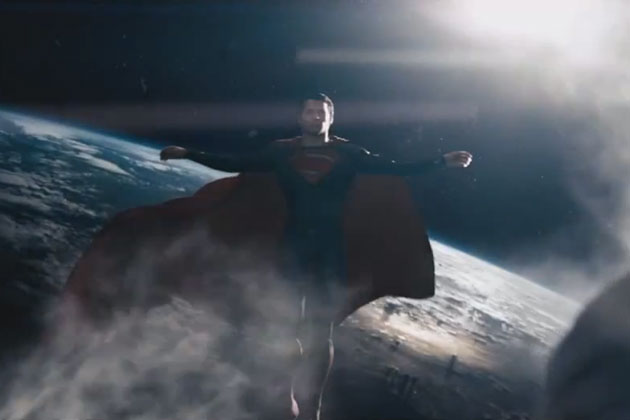
Man of Steel (2013, Warner Bros.)

However, while Goyer and Snyder have since broken the silence and discussed the controversy, future plans of a series don’t absolve the sins of an installment much in the same way knowledge of a book doesn’t forgive the shortcomings of a film version thereof. What I was missing from all this was either the film caring about the impact of all these buildings and cars being crushed with people in them. And based on the way he was drawn I believe that Clark does care, and we’ll see that along with his guilt in the sequel, it was not evident in this film until the moment where he just can’t take it anymore and ends Zod rather than seeing someone else victimized.

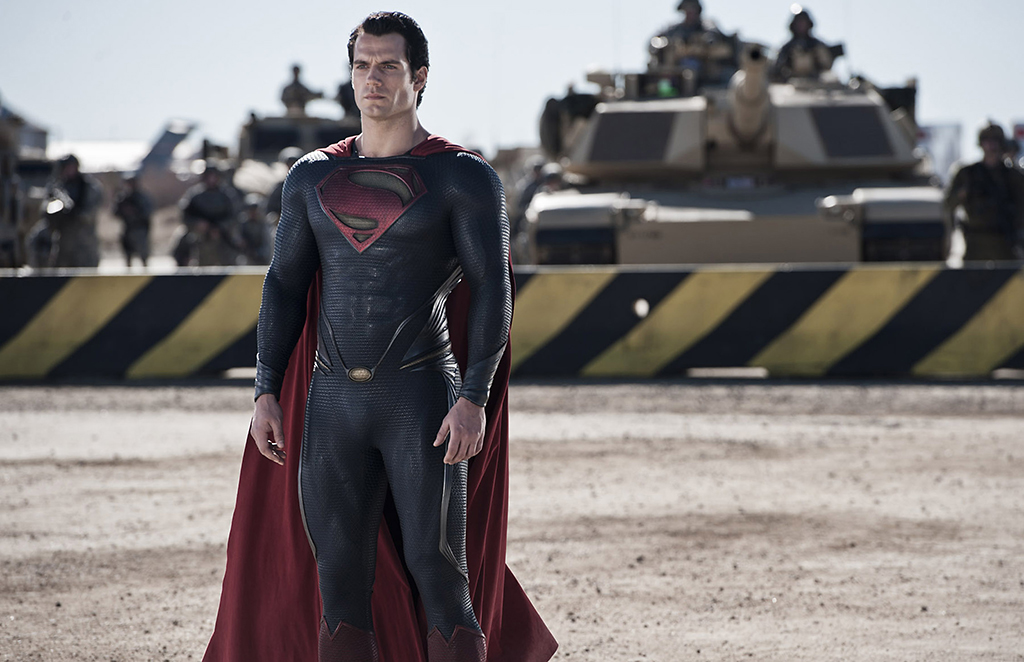
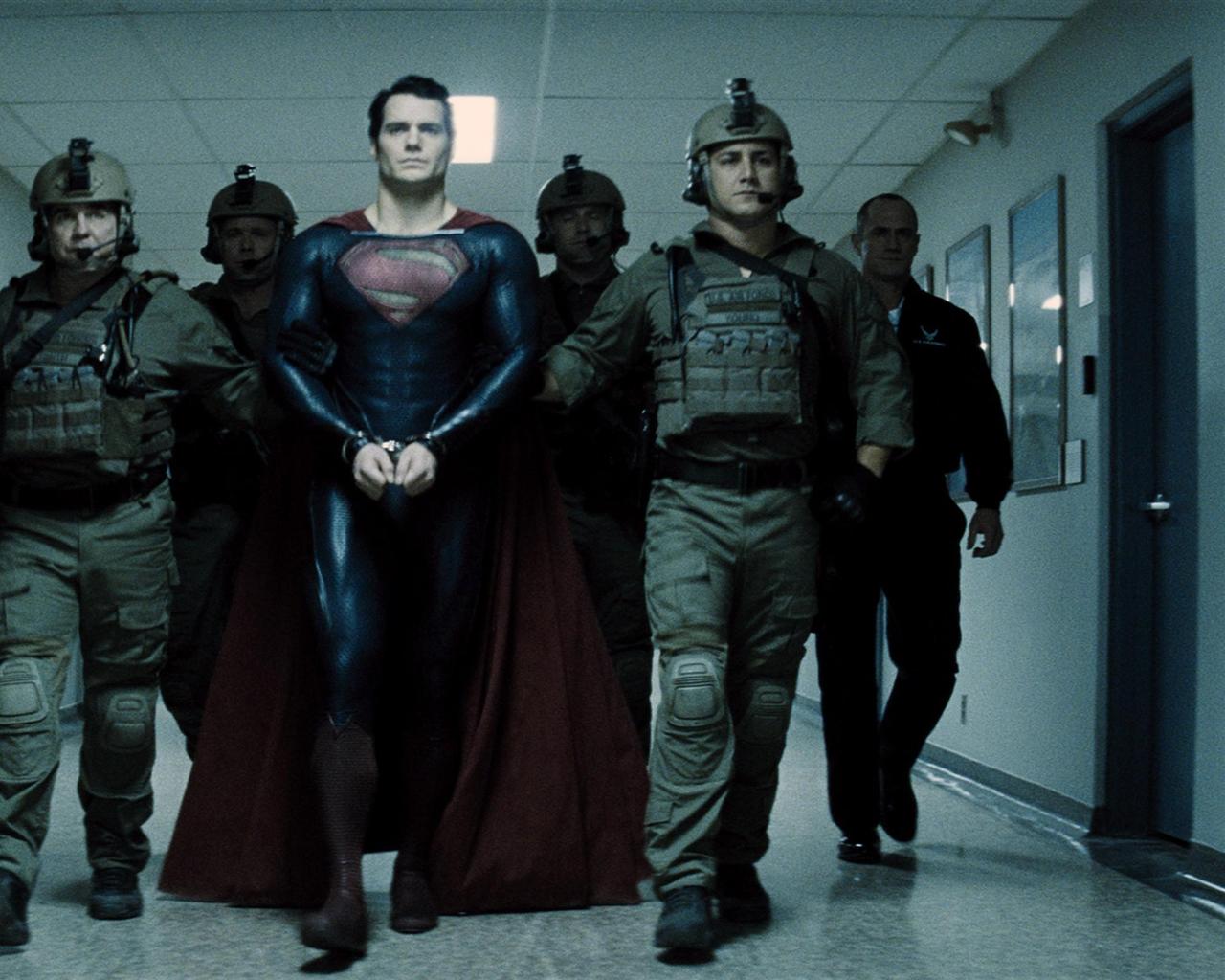
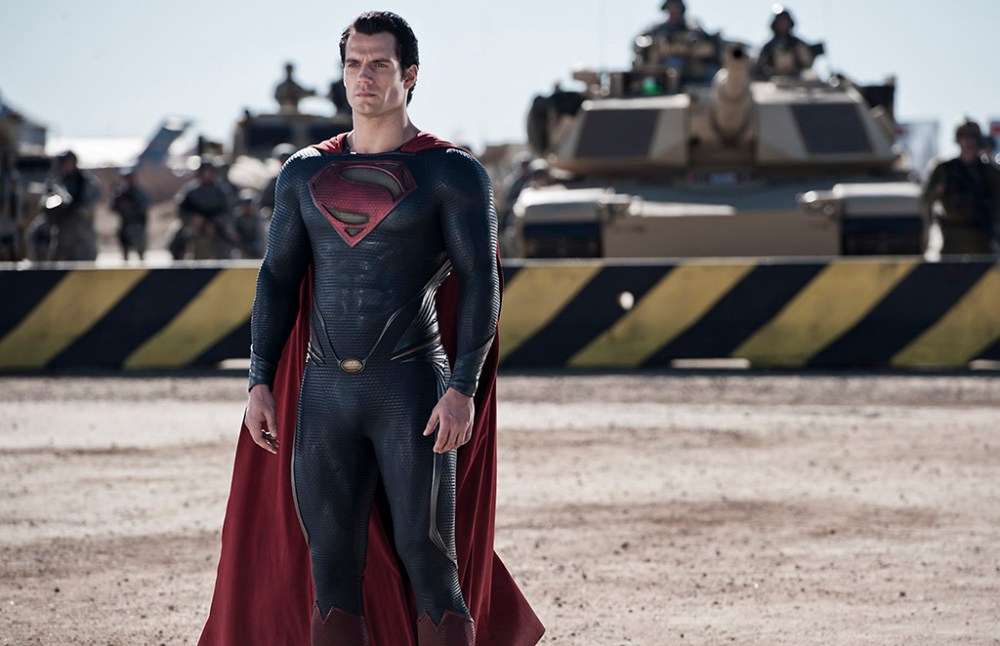
I’m fine with his attitude in the one exchange with the military. This is not discordant to the posture many superheroes take. They act based on principal, not political agenda. They will assist the common good, but will not be pawns. The police in Gotham have a signal to summon Batman, but Batman does not seek permission from the Gotham PD to act. Superman doesn’t want to be a pawn of the military; I love that scene.

Similarly, the epilogue wherein Clark joins the Daily Planet is a great set-up and capper for the film. To me the film’s highlights are Clark’s humanity and progression. His doubts about how to deal with his gifts, to understand where he came from, who he is and how the world will deal with that are what hold the film together. His regrets about how this battle happened and the decisions made will play into the next one surely, but there was none of that here. In a number of ways Man of Steel is combining certain coming-of-age tropes in the flashbacks and also chosen one tropes from many sci-fi tales, and it mixes them beautifully. What the climactic sequence lacks are what the film gave us throughout: thought, understanding of consequence and introspection.
Man of Steel (2013, Warner Bros.)

Suddenly, we were thrust into random destruction anew that was not elevated either by the stakes or how either character responded to it.

Post-9/11
Man of Steel (2013, Warner Bros.)

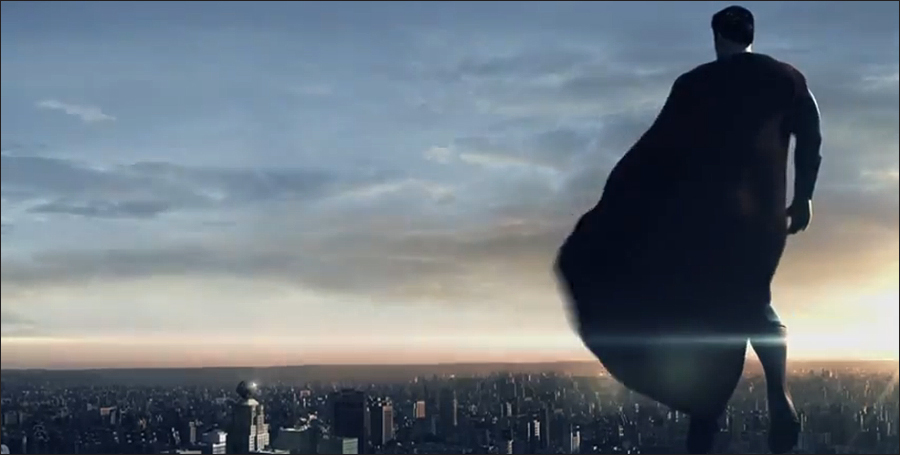
Is there something specific about this post-9/11 world that made these images seem so jarring that caused so many to jump on this point in unison as the glaring issue in the film, or is it just a combination of Superman, the original superhero and American icon, with these images that is so jarring?

I personally will admit that apocalyptic and post-apocalyptic films wherein there’s some extraterrestrial source of destruction, or some outlandish cause, has less impact for me and holds less interest than ever before. New York, and or its comic book clones in the DC Universe Metropolis and Gotham, have not been exempt from cinematic disaster since then.

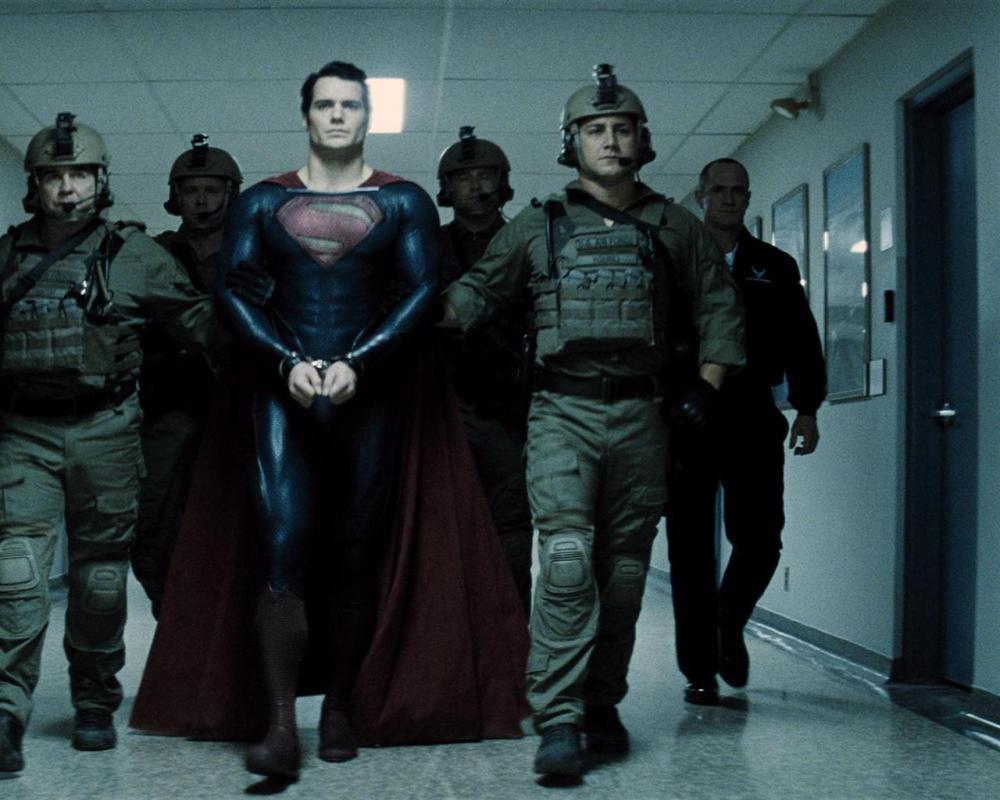
So I think the character has something to do with it, but there’s also a lack of examination of impact that’s my biggest pet peeve. Mind you that Spielberg‘s War of the Worlds deals with a lot of these old hat items, places its ground zero in New York and was released post-9/11 and is very effective part of the reason is the survival aspect. Aside from the workers at the Daily Planet there’s not much in the way of attempted escapes, and due to ratings concerns, none of the buildings being damaged are shown to have visible victims. Their literary ghost status makes it a more haunting tale, but a colder one.
Man of Steel (2013, Warner Bros.)

Does one sacrificial lamb that we can see change this perception? Maybe, that is if we got to see Clark get distracted by it before ending the fight. I get the adrenaline and focus arguments that can be made, but that’s exactly the issue with protracting the fight so long. The longer it goes on the more the audience gets to wonder about things that aren’t happening or being shown because what is being shown is fairly redundant.

Conclusion

Man of Steel (2013, Warner Bros.)

Part of why Man of Steel has gotten pounced on is because films featuring superheroes have had the bar raised in the past several years. In fact, part of that raising of the bar was done by gentlemen involved in this film, writer David S. Goyer and Producer Christopher Nolan first and foremost. One of those films is Iron Man 3 as it does have a strength where Man of Steel has a weakness. Tony Stark starts to show signs of PTSD in light of the events in The Avengers where he had to escort a nuke through a wormhole and save New York.

It was actually a plot element I was surprised by because its precisely the kind of thing you’ve come to expect superheroes to shake off. The fact that Tony doesn’t makes the film that much more interesting and it makes sense when you realize that Tony is closer to a guy in a suit compared to some heroes endowed with certain gifts as birthright.

So coming off a hero that shaken by an experience he had, and just having come through the most recent Batman trilogy, and there’s hardly a more haunted hero than Batman; it’s not a wonder we expected some kind of response from Superman, especially when the film showed his sensitivity and caring prior. I do believe that not unlike Batman Begins, Man of Steel could be a stepping stone, and if Warner Brothers and DC play their cards right, and don’t rush; they could build differently and eventually to a Justice League film, however, that doesn’t mean there weren’t missteps here.

Wish You Were Here: Rene Russo

I was originally going to call this new series “Where are they Now?” But that would’ve implied that the actor in question had disappeared entirely and that it was a sort of investigative journalism piece, which is not really my intent. Essentially the idea is to highlight an actor I enjoy watching who is not around nearly enough.

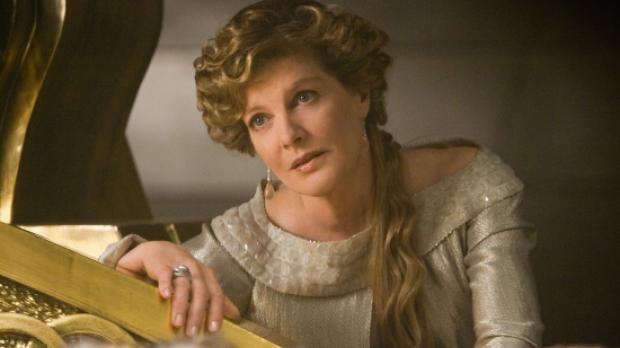
Now, when I thought of this piece I was reminded that my subject, Rene Russo, played Frigga in Thor, and reprised the role for the upcoming sequel. She popped into my mind as someone I hadn’t seen, and there truly was a long hiatus before that re-emergence.

Prior to joining the cinematic Marvel Universe she was last seen in 2005’s Yours, Mine and Ours. Now, that movie was just OK in my book. However, when you consider that it was the second remake of a 1960s comedy about a large family in short order (after 2003’s Cheaper By the Dozen) it was never likely to do much at the box office.

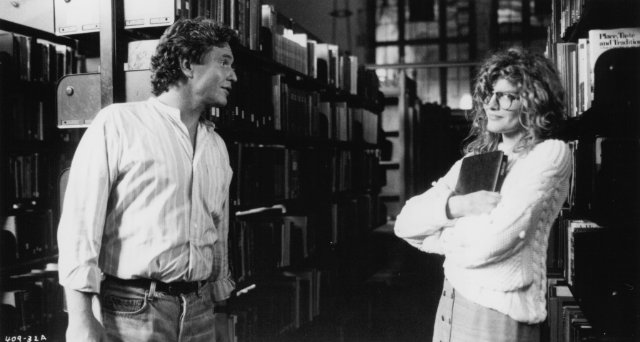
Major League (1989, Paramount)

Many of her headlining opportunities were in comedies that were less than ideal projects but she was a constant for me as I saw nearly all the films she appeared in during the 1990s.

Rene Russo was a unique case inasmuch as she debuted after the age of 30 following a modeling career. So she already defied the Hollywood odds stacked against her in that regard by being one of the most notable and in-demand leading ladies for a brief period. While it seems that some actresses have been able to transition from that 30s-40s range where the they are offered leads to the next phase where its mostly supporting work they can get, Rene hasn’t been afforded that opportunity, and she should be.

However, one thing I am hopeful of is that fantasy and/or superhero franchises do have a tendency to revamp and reinvigorate and actor’s career. Maggie Smith was well-known and well-regarded amongst those in her profession for years, but playing Professor McGonigall in the Harry Potter series got her a new audience and level of notoriety, thus opportunities. Much the same can be said for Ian McKellen playing Magneto and Gandalf. I hope that being in Thor, and potentially other Marvel ventures, opens up possibilities for Rene Russo becasue she should still be a presence.

Film Thought: I Think We’re Alone Now

A few times recently I’ve been very close to being the only person, or party, in a theater for a particular showing of a film. In fact, a film I mentioned last week, Creature, may have been the last time that happened as it got a much wider release than should’ve been possible, and thus, shattered a record for box-office futility.

I recall the first time it happened was when I finally got around to seeing the extended/altered cut of E.T. many weeks after it was out. It sure is a fun and surreal experience for being alone and not having to worry about social graces and movie-watching etiquette; it’s one of the few times if ever I slack on that kind of thing.

Being in the sole party is the sort of thing I should contrive to do more often so maybe I’ll wait about a month to see Fast and Furious 6 because it is fun.

The two questions I have regarding this experience are: Have you ever been a part of the only party at a screening? And for people who have worked at theater, if no one is there does the movie even start up?

Short Film Saturday: Samesies

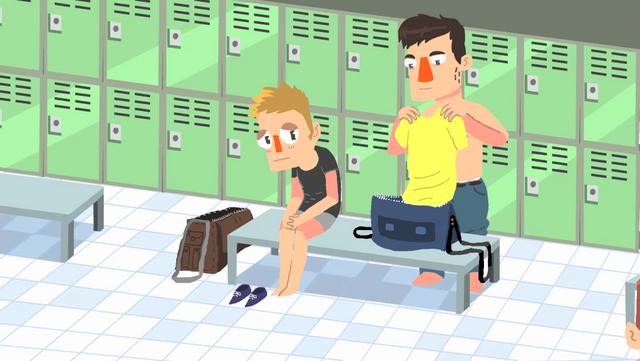
Any film, feature or short, can be boiled down to a ‘what if’ question. This one humorously explores the notion of pinpointing the exact moment in time wherein the seeds of homophobia were first planted.

Viewer discretion is advised as it does contain adult language.

The Magic Flute: My History with Opera on Film

My History With Opera

I cannot claim that I have a foundation in opera. Nor can I claim, as I can with ballet, that I have a very active appreciation of it.

What my history with this artform is, in all likelihood, not unlike that of most people. Pieces that were featured in Looney Tunes shorts either in part, or as the basis for entire stories I know well. In fact, two of my more memorable Looney Tunes viewing experiences were shorts of this type, Rabbit of Seville being one of the funnier ones, and Long-Haired Hair being one that as a kid made me a bit uncomfortable because I did start to feel bad for the pompous Mr. Jones (I got over that eventually).

My first true introduction to opera appropriately enough was through a film. In French class we watched Franceso Rosi’s Carmen (1984) as one of our screenings to get more acclimated with hearing the language; this time through Bizet. I absolutely loved it. I later found what I thought was the same film and didn’t like that interpretation of the story at all (that version being Saura’s 1983 version).

Opera (1987, Blue Undrground)

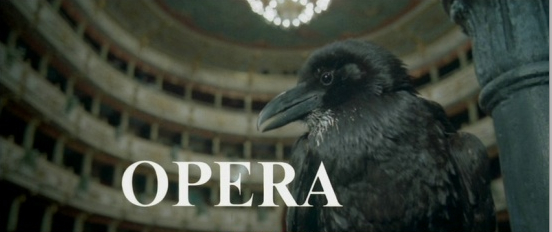
There was a long hiatus after that where I really didn’t take another jump back in. As I discovered the works of Dario Argento, Opera quickly became one of my favorite works in his oeuvre. In that film I did learn both a bit about Argento outside film and also about the operatic version of Macbeth; and how it has similar tales of misfortune associated with it.

Later on I would, again going through the works of a particular director, this time Ingmar Bergman; come to know The Magic Flute. Yes, heathen that I am, I first experienced Mozart’s tale with all-Swedish libretto. I enjoyed that version a lot and then viewed it in German, as it was written, at a Fathom Events screening at a local movie theater.

Since then, while I may not have gained too much narrative or other insights into operas in general, I have listened to a lot more of them through a few means. Namely borrowing CDs from the library and on Spotify (I’ve used both these means to become more versed in classical music as well).

The Magic Flute (2006, or 2013 as the case may be)

The Magic Flute (2006, Revolver)

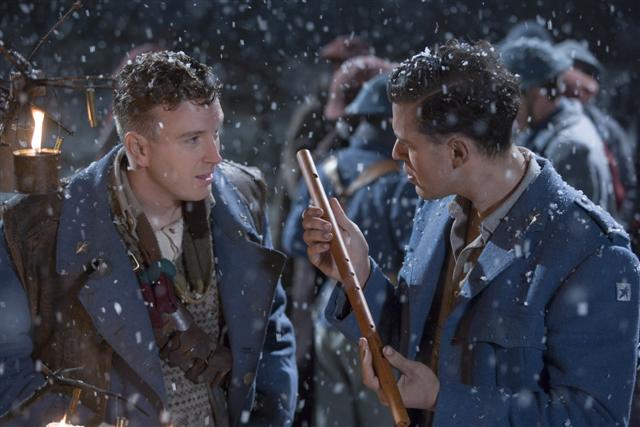
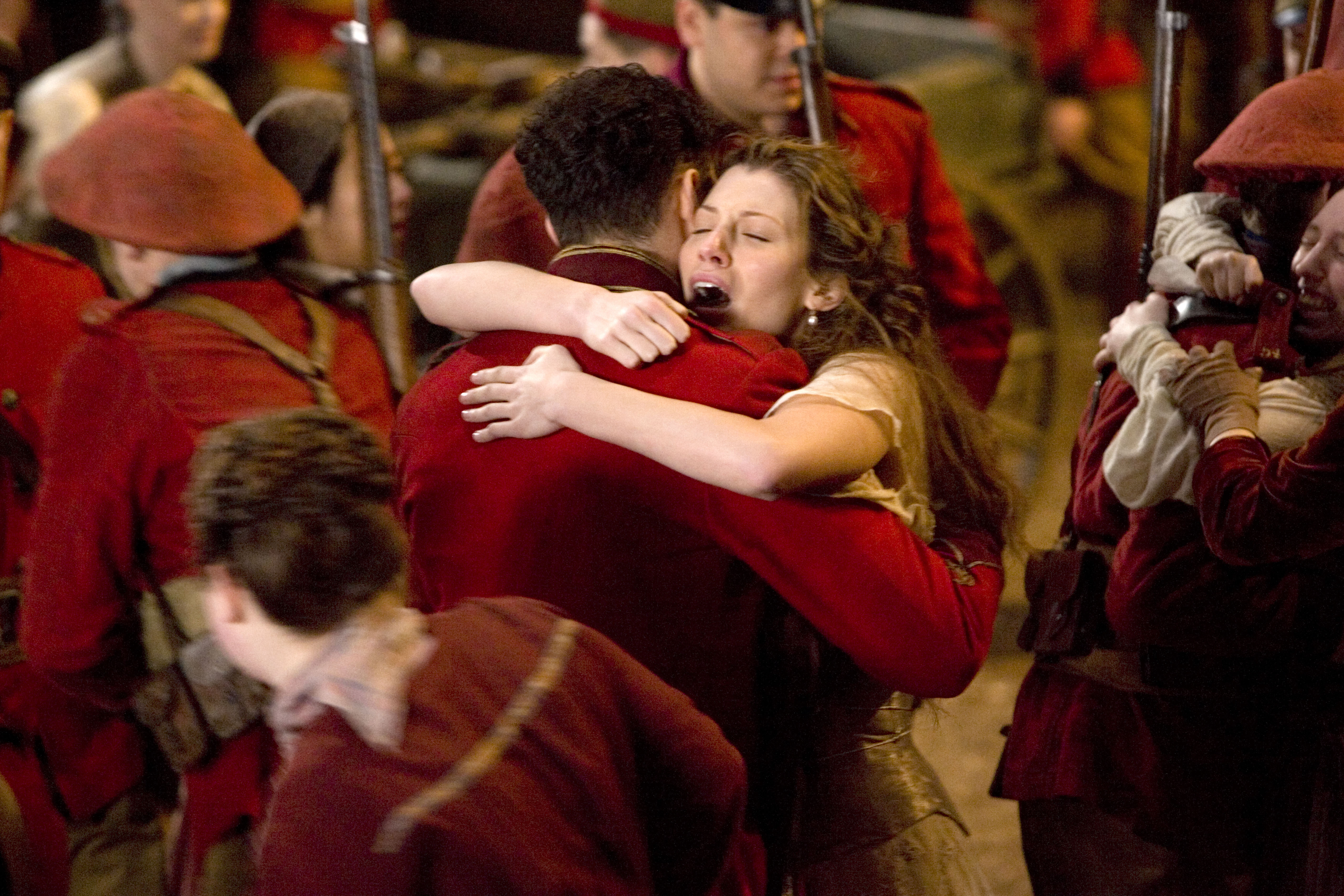
That brings me to the present and my latest brush with the artform in Kenneth Branagh’s only-recently-distributed English rendition of The Magic Flute. What Branagh does with this film is not that unlike what many have done with Shakespeare: the text is the same albeit translated and the setting is updated. This tale taking place during World War I.

Branagh’s doing this makes perfect sense when you consider that most are familiar with him through his Shakespearean adaptations. However, this film is perhaps the best assimilation of his sensibilities: there’s the classical dramatic sensibility he’s familiar with in Shakespeare and parlayed well in Thor, but also a zany, irreverent humor that he possesses as he’s shown as an actor in the Harry Potter series that fit this film as well.

Being an opera on film it will invariably have its stagier moments, but it has infinitely more cinematic ones. The camera, and at times even the characters in motion, accompany the movements of the music. This is especially true in the “Queen of the Night Aria” which is as mind-blowing cinematically as it is musically in this version.

In short, after all prior re-introductions to opera on film are taken into consideration the Looney Tunes are a wonderful warm up, but Kenneth Branagh’s The Magic Flute is the perfect introduction to opera for the uninitiated.

Iron Man 3’s Variation on Opening Title Sequences

When film began any things that were deemed worth crediting came at the front, or at latest on a title card. The end of the film was reserved for a card saying “The End” and re-affirming who owned the film. As the film industry became more formal and unionized more crediting became necessary, thus the creation of closing credits at some point in time and the changes to the opening credits. Since both those as well as studio logo and/or fanfare count toward running time there have been tweaks to the the way title sequences are handled to economize in that regard. Here are a few instances and trends I’ve noticed lately.

Hanna (Focus Features, 2011)

Probably one of the best tone-setting openings of the year was that to Iron Man 3. I say this in part because it is slightly out of the ordinary:

Tony Stark (Robert Downey, Jr.) starts recounting the story. He will ultimately tell how his blowing off Alrdich Killian (Guy Pearce), and his one night stand with May Hansen (Rebecca Hall), came back to haunt him. However, like a few film’s storyteller’s he has a false start. So he starts over. After that false start is when the Marvel logo comes up and Eiffel 65’s “Blue (Da Ba Dee)” starts playing. It’s an inspired musical choice. I never liked that song, but few things say 1999 like it, so it works very well. Following that, the prologue on the eve of Y2K in Bern, Switzerland plays out.

Insidious (2011, FilmDistrict)

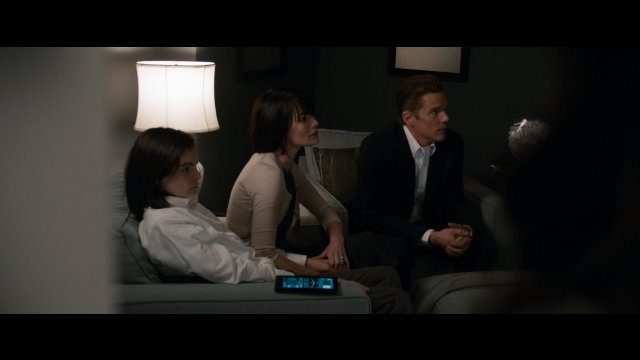
I’m not sure when the plan for the opening title sequence (OTS) came to fruition for this film, but this is part of the reason why screenwriters are instructed never to indicate where the opening credits go. Firstly, because it’s not the screenwriter’s job, but also because even if you did decide in preproduction where it belonged, and what it should entail, it could close you off from a better idea should one present itself.

Perhaps the most inventive thing about the open of the film is that it creates a payoff in the now-obligatory Marvel stinger that most people now know to wait for. This opening also stood out to me though because in 2011 a trend in OTSs developed of quickly flashing the title after an introduction. The title was usually very large, but that was all and the story proceeded unabated from there. Insidious is an example, as is Hanna. Hugo notably brings its music to a climactic crescendo as if a short film had come to a close, but instead the title of the film merely pops up and on we go to the rest of the film.

Hugo (2011, Paramount)

Whether a protracted OTS at the start, a truncated one after a prologue, or no OTS is requisite depends on the film and it is interesting to follow the tendencies as it is a part of setting the tone of the story and changes in approaches don’t seem to come along very often.

Franchise Focus: The Fast and the Furious

Rather than have just a one off piece on an aspect of a franchise, I thought this would be a good way to kick off a new series. As you may have seen during 61 Days of Halloween, I tend to like to take on long series no matter what so here’s a post that can run anytime on any franchise and discuss any aspect of it.

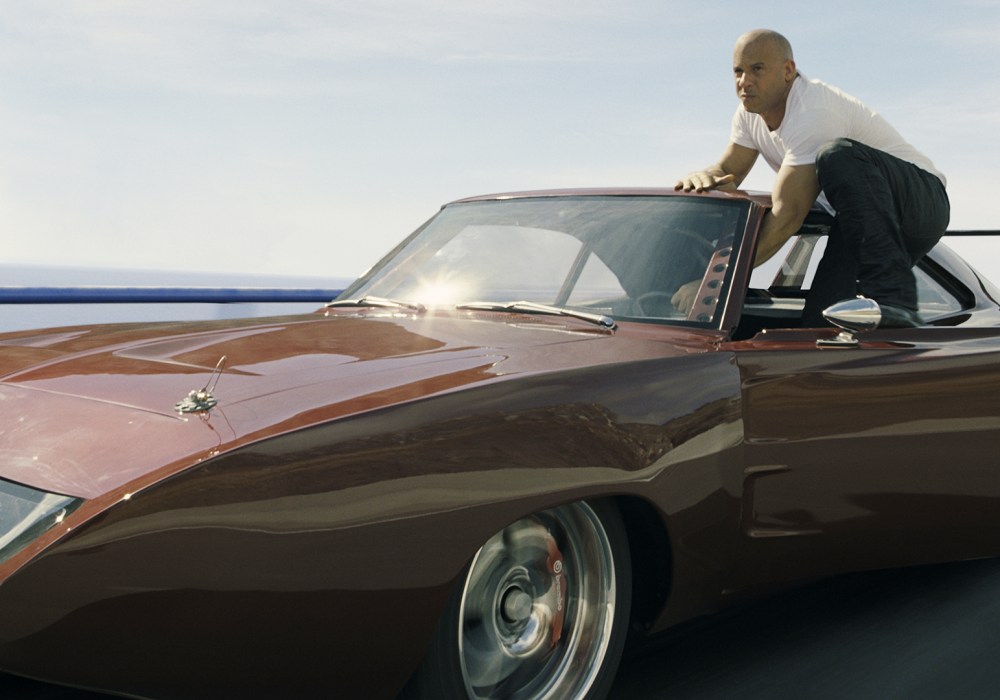
Usually when you say the first film in a series you’ve seen is part 5 that’s a strange thing to say. However, when I tell you that the series I’m referring to is The Fast and the Furious franchise, suddenly that doesn’t seem that odd. It’d be difficult to prove but I doubt there’s a precedent set for a series where part 5 is the most critically acclaimed and where part 6 is poised to be the highest grosser.

The ups and downs on Metacritic and Rotten Tomatoes are similar: Metacritic: 58, 53, 46, 45, 67 and 61; and Rotten Tomatoes follows suit with slightly different numbers 53, 36, 35, 27, 78, 71.

With those facts in mind I wanted to backtrack and watch the series that I hadn’t seen up to part 5 before taking in the new one. It seemed many people did, only I haven’t been bingeing. I’ve been taking my time, however, getting the discounted double features wasn’t as easy as I thought because I looked at the titles of the first four: The Fast and the Furious, 2 Fast 2 Furious, The Fast and the Furious: Tokyo Drift and Fast and Furious and was confused. Since I’ve gotten in the bad habit of disregarding the word “The” in titles I couldn’t tell, and had forgotten, that part four had one of lazier more non-descript titles in recent memory.

A lot of the reason that the series has been so successful late in the game, and bigger than ever, is the producers have been willing to change it up from what I can tell already. The ante is upped, the players change, the stunts get bigger the location has changed and so on. What it lacks in over-acing philosophy and narrative through-lines it makes up for with its chameleon-like nature and progressively growing. It’d be nice if the titles matched that shift more though.

Essentially, this is a branding commentary, since the discussion is on a franchise and branding is an aspect of it, like it or not. These titles dilute the brand. The film stands apart as I’ve said, but aside from Tokyo Drift, which was a compelling reason to start the journey, they don’t stand out. This series has split the difference between straight numbering, like Iron Man, and subtitling. If a subtitle is good enough it will be remembered no matter how cumbersome. Just look at the Star Wars series.

I don’t think I’ll come out disagreeing with the overall perception of any of these films as represented by composite scores and box office, but as this series invariably continues and tries to innovate and better itself, hopefully it adds more character to the title it splashes across the poster.

Why The Purge Matters

Finances

Box office actuals won’t likely be out until tomorrow, but the estimates are that The Purge not only won the box office for the weekend clearly, but it also sets a record for an opening by an R-rated horror film in the US. On top of that, it’s take in excess of $36 million dollars more than makes back its reported 3 million production budget.

I’ve frequently commented on budgets inasmuch as I don’t care what they are so long as the film is good. As a viewer that’s true. If a film cost a couple of thousand dollars and works (like Absentia) good for it. If a movie costs a lot of money and works for me bully for it as well (See Artificial Intelligence). Budget really only comes into play on a film, for a viewer, when a film is trying to tell a story beyond its means and fails. If a film understands its constraints and tells its story well within them you can’t knock if for being made on the cheap.

As a filmmaker, budgets do matter. When a film made with a very small investment compared to many, especially so-called tentpoles, can be a hit regardless of what its magic number is and return on that investment that’s a great thing. Most people with sense recognize that fiscal responsibility is needed. Steven Spielberg has directed a number of blockbusters but even he knows that more isn’t always more. So there’s a sense that profit, more than throwing money at a supposed sure thing; or rather something that can’t miss because too much has been invested already, doesn’t always make sense.

The Purge (2013, Universal)

Story

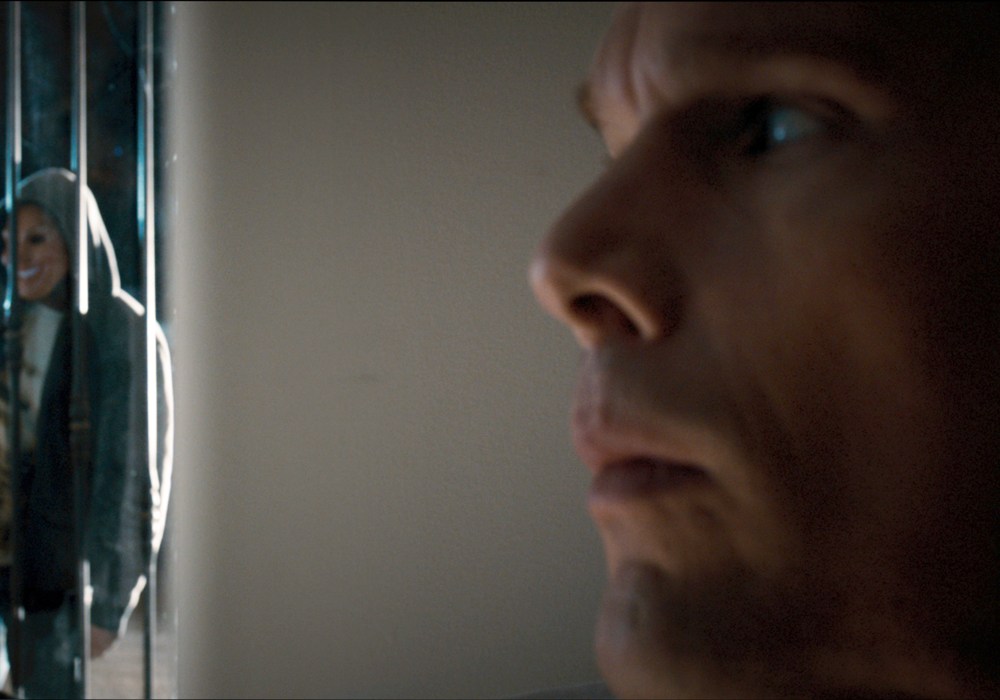
But the success of The Purge is exciting because its strength is its idea. Now, I am one of those who enjoyed the film a great deal. There was a certain more that I wanted, and not in the best way, but the film does work and sets the stage. The concept is about a night of legalized crime. The introduction to the concept is through a microcosmic approach where one family who usually does not get involved, just hides out, becomes ground zero for the neighborhood’s hunt. It essentially plays a home invasion plot.

However, with a jumping-off point of legalized crime and the potential franchise (I am sure it will be one now) drawing its strength from a concept rather than a star or an iconic character there are any number of areas or stories in the genre it can explore. It can either start the next installment with this family or go off on a tangent, it can show the chaos that lead to this all or any number of permutations on Purge Night. Like many of the most successful franchises it tethers itself to a once-a-year happening, but in this case they created a holiday.

I think a common talking point was we wanted more about what precipitated the institution of the purge. That is introduced just enough such that the story can work and the details are left as potential fodder for later. In this film its a given and that’s fine. It still works very well and more importantly people talked about it. Whether you went in cynical or willingly suspended disbelief it got people talking, just on the concept.

On my Twitter feed I saw a hashtag develop of #LegitPurgeQuestions. Yes, many of them were funny but it’s still people talking, engaging, being interested in the idea, and when all is said and done, wanting more.

When I recently rescreened Sinister I noted how many bullets I jotted down for a post I’m planning later in the year. There are many talking points in it. Blumhouse is not only making successful horror films but ones that get people talking and whether you enjoy them or not, I for the most part have liked them a lot, they’re keeping a genre that’s always in peril of stagnation, to one extent or another, fresh.

I say that can be nothing but a good thing.