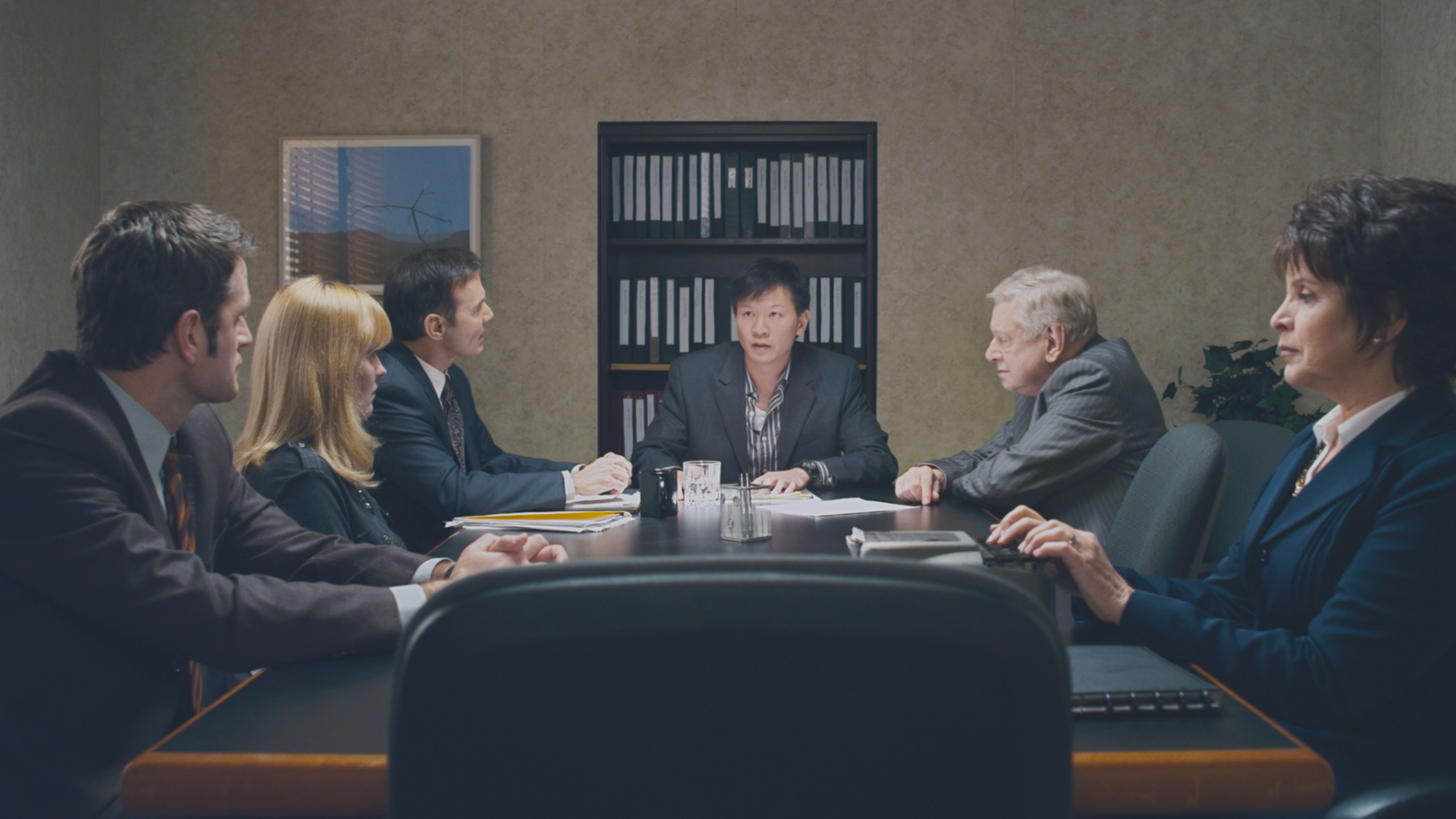
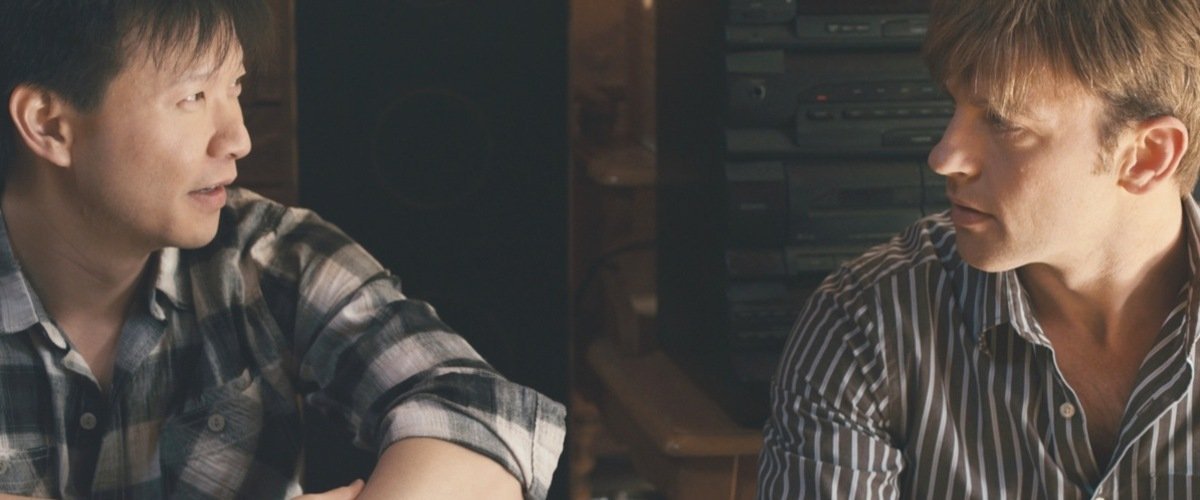
Blu-ray Review: In The Family

Prologue

I’ve written on a few occasions about films earning multiple appearances on this website, namely at the start of a series of posts on Django Unchained. However, even if the film does engender multiple write-ups that doesn’t mean I will hesitate to champion it whenever and whenever I can.

Such is the case of the self-distributed In the Family, which in good old-fashioned barnstorming fashion went around the country city-by-city for more than a year, if not two. Now that its arrived on both Blu-ray and DVD, the great equalizers of the film marketplace, it deserves a proper mention here.

This is a film that I not only reviewed upon having seen it but also won the BAM Award for Best Original Screenplay and was nominated for two others so it’s a home video title I was quite excited to get to view.

If you have yet to see it I recommend you watch the film via rental means. If you feel as strongly about it as I, and many others do, rest assured that the video release could not come more highly recommended.

Introduction

In the Family (2011, In the Family)

Since I viewed the film, and became a fan, I tracked its progress and further triumphs both on its Facebook and Twitter pages. One day on Facebook I saw a pull-quote of a DVD review I could not get out of my head which compared it to a Criterion release. That’s high praise but that comparison echoed through my mind repeatedly as I got willfully immersed in the myriad special features.

What’s great about a film like In the Family is that it is nuanced enough to earn not only the bonuses that are included on the disc, but any others that may come along should Criterion ever pick it up. As I finished reading the varied essays in a booklet that was included, it struck me that quite a few other topics could’ve been explored – that’s how you know you have a nuanced title.

The Features

In the Family (2011, In the Family)

The special features are many and are for the most part all pretty great. I have to admit to not watching too many video essays but the two by outside parties on this disc really exploit the technique brilliantly: one exploring, and further extrapolating visual motifs of the film, expounding upon vague notions I had that really underscore why the film is as effective as it is; another is a great recounting of a Q & A session Wang had in San Francisco. Having been on both sides of the Q & A equation I must tell you it’s fascinating to have this perspective wherein the discussion points and conversations have been digested. Usually you go, listen to, ask or answer the question and it ends, here it reflects back on the kind of impact the film already was having.

Wang narrates two great featurettes one called A Tour of the Cutting Room Floor and another called Sculpting a Scene. In the former, he, more methodically than most, illustrates deleted scenes and shot and discusses why they went unused in the final edit. However, even more valuable than that is Sculpting a Scene. The scene chosen is one of several long takes in the film so rather than discuss editing he discusses through three takes the evolution of the camerawork, lighting and acting and gives examples of the sound edit by switching between production sound and the final audio mix. Whether you’re a filmmaker or enthusiast it’s really great to get that focused and that dramatic an example of the craft of filmmaking.

Lastly, comes the trailer and a behind the scenes video. The trailer was interesting for me to see because I hadn’t seen it ahead of watching the film and not since. It’s a really well done trailer that employs an approach so many other films would do well to learn from. “Cut it like this,” producers and marketers should say. The Behind the Scenes is not so much a making of as a collection of outtakes, however, incorporating music from the film makes that a bit of an artistic achievement also.

As for the written essays they were equally, if not more, compelling than the video essays; and as I mentioned earlier got me thinking that there were other segments, motifs and themes that could’ve been explored also. However, then this bundle might be approaching a bundle with a book the thickness of a BFI Classics book and a disc in tow.

Conclusion

In the Family (2011, In the Family LLC)

I wanted to write about this film again because it’s deserving of more recognition and audience but also thinking that it might be my ode to its coming home to me after its nomadic journey found me and convinced me to go see it. However, maybe there’s one more piece in me about it. Perhaps it would be about dragons and Ingmar Bergman or the the virtues of carefully fractured chronologies. With In The Family now being available to take home I feel it will be a film written about for many years to come.

What is Box Set Summer?

This post is meant as a brief accompaniment/aside to my latest schedule update. It’s meant to just further explain what Box Set Summer is and why, like other themes usually have, it may not generate posts specifically branded with the title.

Essentially most of my theme ideas are linked either to a time of the year and/or a need to whittle down my unwatched DVD pile. Box Set Summer was designed to tackle the box sets in the pile which are some of the most cumbersome in terms of viewing commitment and take up quite a bit of space too. One area you have and will continue to see Box Set Summer’s agenda reflected is in my ongoing Tarzan series. I’ve now viewed all the Wiessmuller titles and have one other box to get to before I’ve seen everything currently in my possession.

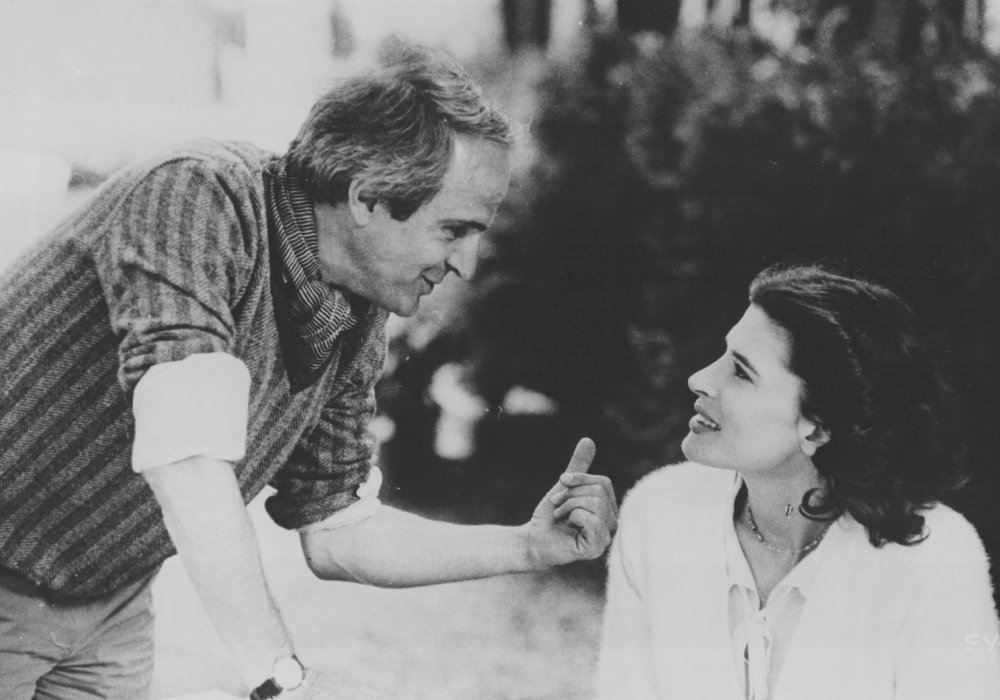
I also, in conjunction with a TCM theme, may start preparing for future Truffaut-related posts by watching and reading more of him soon. And there are a few other examples. It may not become a category but my fulfilling this mission will influence myriad posts and hopefully bring more diversity to the content offered on The Movie Rat. Thank you!

The Movie Rat Schedule

I’ve recently rediscovered the joys of posting in themes. So that there is always a handy reference I have decided to post this schedule to tell you all what the main focus of my site will be at any time cinematically.

I will try and add more regular features and/or special features as we move into the new year but for now this is what I have enjoy.

What’s Changed?

9/2/13
-Added the update post to the schedule. Post updates will occur tomorrow.

7/8/13
-Added Series Tracker to schedule
-Added Silent Feature Sunday as a regular post
Changed date of BAM Nomination Announcements to 1/2/14 (to get past the whole New Year crossover craze).
-Shifted dates of BAM Best Picture Profiles
-Added Food for Thought starting January 13th

Schedule-At-A_Glance

    Regular Features

Short Film Saturday

A short film is showcased each weekend.

Silent Feature Sunday

A new silent feature film post weekly.

BAM Award Considerations

Where I track candidates for all categories in my awards. New post monthly.

Mini-Review Round-Up

Short Reviews of non-theatrical but 2013 BAM- Award eligible films. New post monthly.

List of Films Seen

Where I list as accurately as I can what I’ve seen. Updated approximately bi-weekly.

Considerations for Favorite Older Film Seen

A list of the best older vintage film I’ve seen in a year for a separate list. Updated approximately bi-weekly.

Series Tracker

Where you can find links to special series and ongoing series that may post sporadically.

BAM Special Award Considerations

Posts that track candidates for Jury Awards, Lifetime Achievement, Neutron Star and Entertainer of the Year.

Update Posts

A bi-weekly post highlighting what’s been updated.

Special Features

Bela Tarr Retrospective

Starts Tuesday, May 7th

Part of winning the Ingmar Bergman Lifetime Achievement Award will now, officially, include a retrospective the following year. Starting on Tuesdays in May I will re-examine the films of Bela Tarr.

September 1st – October 31st

61 Days of Halloween

A focus on horror-related review and write-ups.

November 1-28

Thankful for World Cinema

A focus on films made both outside the US and/ or not of the English Language.

November 29th- December 31st

Year-End Dash

A head-long sprint to try and get as many titles eligible for the BAM Awards as possible. Capsule reviews of year-end dash to add eligible titles. Updated daily.

BAM Best Picture Retrospective

December 8-19

A look back at the films that have won the Best Picture title at my awards.

December 23rd

BAM Awards Shortlists announced.

January 2

At some point after midnight EST, the nominees for the 2012 BAM Awards will be announced here via LIVE BLOG.

January 7

The Winners of the 2012 BAM Awards will be announced in a series of posts and they will be added to the historical lists.

January 8th to When Complete

Favorite Older Films First Seen in 2013.

January 13th-February 28

Food for Thought

An undetermined number of analytical pieces during a fairly slow time in the film cycle.

BAM Special Jury Awards and 2013 Contenders

Every so often over the years I’ve had occasion to award Special Jury Prizes for certain films for miscellaneous je nes sais quois that can’t always be pigeonholed into one category. While I may be a jury of one I can will expand and give an additional award when I see fit. Not only will this post highlight the occasions where I have added awards but it will also track possibilities for 2013.

2011

Harry Potter and the Sorcerer's Stone (2001, Warner Bros.)

This year spawned a post of its own as I awarded two prizes one for the Short Film The Confession and another for The Harry Potter Franchise.

My specific thoughts on both can be found here.

2010

They were listed as TBA in the nominations but I didn’t end up awarding any.

2000

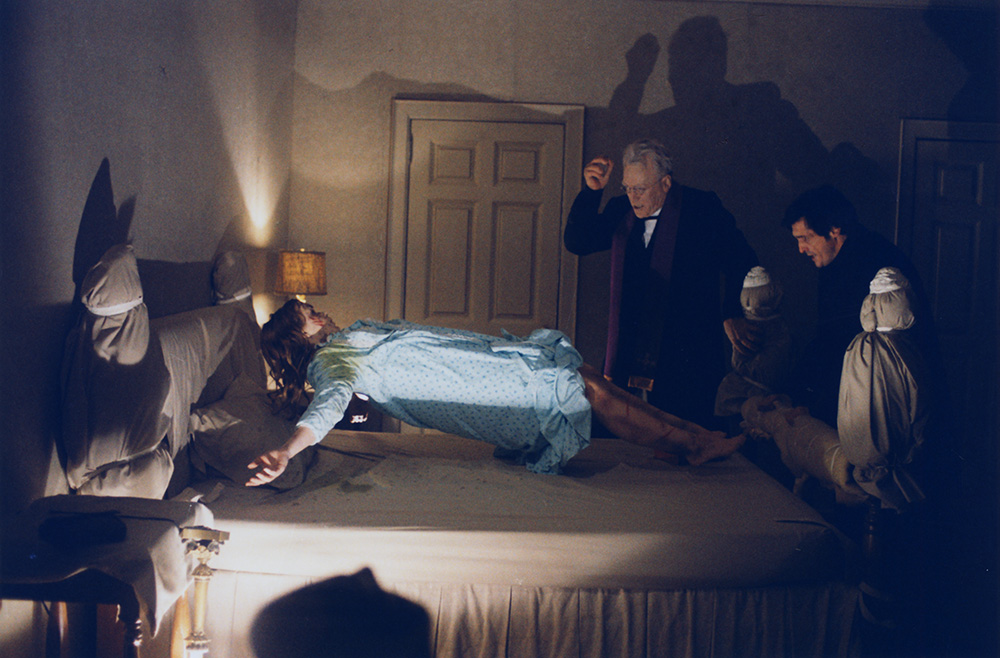
The Exorcist (1973, Warner Bros.)

Not yet called Jury Awards but rather Special Achievement awards I awarded two: one for the re-release of The Exorcist and another to Billy Elliot.

My thoughts on that occasion can be found here.

Contenders in 2013

Sweet Love
The Blue Umbrella
Death of a Shadow
Get a Horse!
Headlong

Short Film Saturday: Rediscovered Films from the 1890s

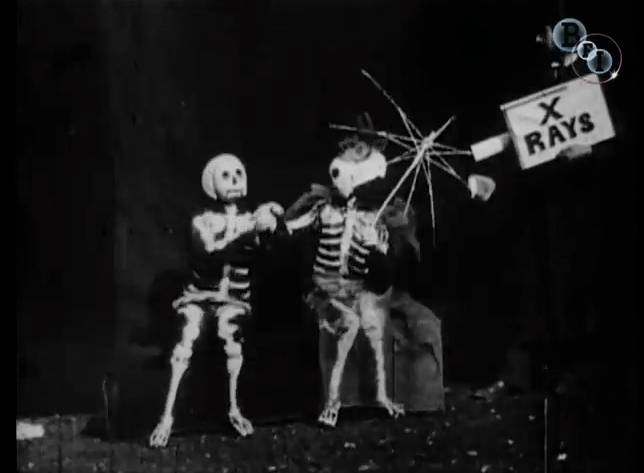
Recently I was doing research on another topic entirely and came upon a Wikipedia list of rediscovered films. That is to say films believed to be lost and rediscovered much later. Many of these finds are quite remarkable and unlikely. The fact that many of these films are quite old and in the public domain made me start searching for them. I was thus able to create a few Short Film Saturday, and maybe a few other posts, featuring these films.

This first post contains the oldest: it’s a film from 1897 by George Albert Smith and is quite ingenious.

Tarzan Thursday: Tarzan’s Secret Treasure (1941)

Last year the character of Tarzan celebrated his 100th year in print. A serialized version of the story first appeared in 1912. A hardcover collection of Tarzan of the Apes first appeared in 1914. Being in the middle of the Tarzan centennial period it’s an opportune time to (re)visit many of the screen renditions of the character.

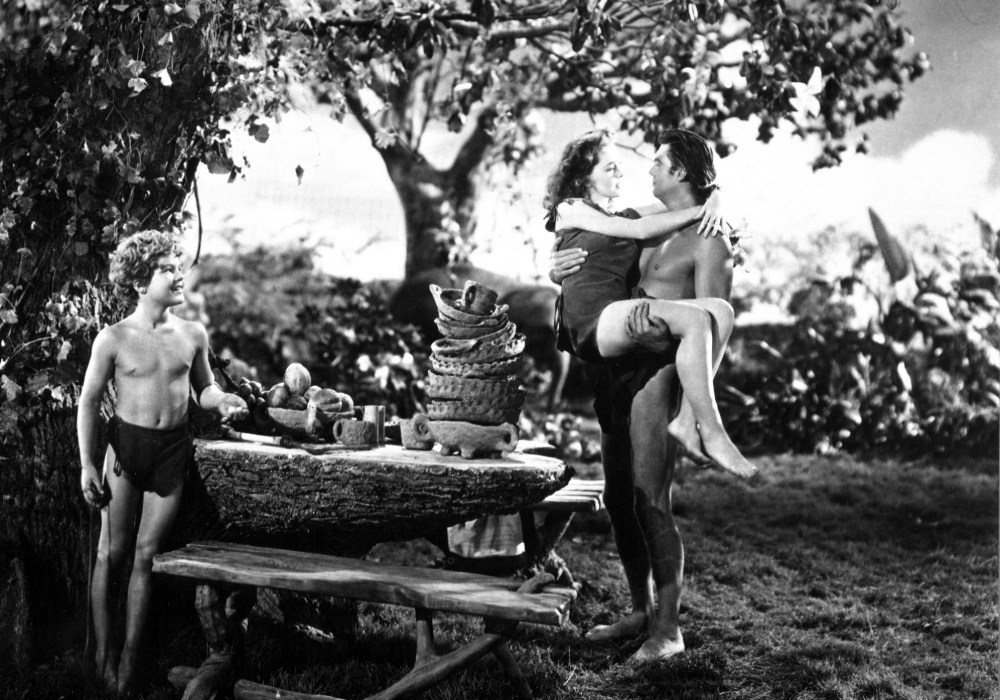
With this installment of the series there are a few things at play: Most naturally this is yet another incident wherein naiveté brings the outside world in. Now here Boy is fairly young and the mistake is more forgivable and understandable. As the series progresses they’d return to that theme with varying degrees of success. Now, while there is some progression with him (we see him learning to write) the evolution of the nuclear family trilogy is stunted here with the inclusion of Bomba, a young native boy, who doesn’t serve a lot of purpose and ends up disappearing. So the natural progression that occurs in the first three films doesn’t quite happen here either.

The introduction of gold to the landscape and what is says about civilization versus jungle life is a good touch and a natural choice. There were always only going to be so many stories you could tell surrounding the elephant’s graveyard anyway. What ends up plaguing the film is a lot of time divided and Bomba’s inclusion, and his tribe, is only a small part of it; there’s still the time-wasting animal play and a long stasis to start the film off wherein some strange advances in their living quarters are made such as makeshift refrigeration and caviar being eaten.

Perhaps some of the issue, as mentioned prior, was there was a greater rush to release new films now that there was a child included. There was more time between prior installments refining the respective tales.

With regards to the minute touches a few of them work out well. Finally, there is a matte painting of the escarpment introduced to give us a visual reference point, the hostile tribe is a new one. Boy is rescued by party of outsiders which bucks a tend, Tarzan’s call here changes from the one used in the beginning of the series, and Tarzan helps the outsiders out of a sense of gratefulness.

The ratio of decent outsiders is the same as ever and even the good one is quite the annoying caricature only good for the occasional punchline or set-up. There will be some later installments too threadbare to be that great, this one spilts its time to greatly with events of lesser consequence. Sadly, while the trio of Weismuller, O’Sullivan and Sheffield are together they don’t have that great closer and solidification of the family unit anew like the first three films did. And I say that in terms of quality. Tarzan’s New York Adventure plays the part of that capper but has its own failings which I will discuss. Here certain aspects and characters are up and others falter as is par for the course in the long run of these representations. Few ever run on all cylinders but one is coming down the line.

2013 BAM Award Considerations – July

Last year I had one massive running list and it became very cumbersome to add to, and to read I’m sure. By creating a new post monthly, and creating massive combo files offline, it should make the process easier for me and more user-friendly for you, the esteemed reader. Enjoy.

Eligible Titles

A Place at the Table
The Iran Job
The Brass Teapot
Despicable Me 2
The Lone Ranger
Grown Ups 2
Bad Kids Go To Hell
Pacific Rim
Kevin Hart: Let Me Explain
Red 2
The Conjuring
Venus and Serena
La Sirga
Teen Beach Movie
Paradise: Love
Post Tenebras Lux
Stoker
The Haunting in Connecticut 2: Ghosts of Georgia
Hayride
The Depraved
Byzantium
Ginger & Rosa
Safe Haven
Let Them Wear Towels
The Deflowering of Eva Van End
The Wolverine
Come Out and Play
56 Up
No Limits
The Way, Way Back

Best Picture

The Conjuring
Stoker
Byzantium
The Deflowering of Eva Van End
The Way, Way Back

Best Foreign Film

La Sirga
Post Tenebras Lux
Paradise: Love
The Deflowering of Eva Van End
Come Out and Play

Best Documentary

Last year this was an omitted category, due mostly to the fact that too few total candidates existed to make the slate feel legitimate. I will hope to be able to rectify that this year.

A Place at the Table
The Iran Job
Venus and Serena
Let Them Wear Towels
56 Up
No Limits
Kevin Hart: Let Me Explain
*

*It’s borderline, but will likely stay as a candidate.

Most Overlooked Film

As intimated in my Most Underrated announcement this year, I’ve decided to make a change here. Rather than get caught up in me vs. the world nonsense and what a film’s rating is on an aggregate site, the IMDb or anywhere else, I want to champion smaller, lesser-known films. In 2011 with the selection of Toast this move was really in the offing. The nominees from this past year echo that fact. So here, regardless of how well-received something is by those who’ve seen it, I’ll be championing indies and foreign films, and the occasional financial flop from a bigger entity.

A Place at the Table
The Depraved
Byzantium
The Deflowering of Eva Van End

Best Director

James Wan The Conjuring
Post Tenebras Lux
Stoker
Byzantium
The Deflowering of Eva Van End
56 Up
No Limits
The Way, Way Back

Best Actress

Juno Temple The Brass Teapot
Lili Taylor The Conjuring
Margarete Tiesel Paradise: Love
Natalia Acevedo Post Tenebras Lux
Mia Wasikowska Stoker
Abigail Spencer The Haunting in Connecticut 2: Ghosts of Georgia
Nathalie Kelley The Depraved
Saoirse Ronan Byzantium
Jacqueline Blom The Deflowering of Eva Van End
Tao Okamoto The Wolverine
Toni Collette The Way, Way Back

Best Actor

Michael Angarano The Brass Teapot
Armie Hammer The Lone Ranger
Ron Livingston The Conjuring
Aldofo Jiminez Castro Post Tenebras Lux
Matthew Goode Stoker
Nick Eversman The Depraved
Ton Kas The Deflowering of Eva Van End
Hugh Jackman The Wolverine
Liam James The Way, Way Back

Best Supporting Actress

Ruth Wilson The Lone Ranger
Helen Mirren Red 2
Vera Farmiga The Conjuring
Nicole Kidman Stoker
Catherine de Léan The Depraved
Gemma Arteton Byzantium
Alice Englert Ginger & Rosa
Vivian Dierickx The Deflowering of Eva Van End
Rila Fukushima The Wolverine
Allison Janney The Way, Way Back
Annasophia Robb The Way, Way Back

Best Supporting Actor

Johnny Depp The Lone Ranger
Charlie Day Pacific Rim
John Malkovich Red 2
Patrick Wilson The Conjuring
Peter Kazungu Paradise: Love
Klaus Stiglmeier The Depraved
Max Reimelt The Depraved
Caleb Landry Jones Byzantium
Tomer Pawlicki The Deflowering of Eva Van End
Abe Dijkman The Deflowering of Eva Van End
Rafael Gareisen The Deflowering of Eva Van End
Hal Yamanouchi The Wolverine
Sam Rockwell The Way, Way Back
Steve Carrell The Way, Way Back

Best Performance by a Young Actress in a Leading Role

Emily Alyn Lind The Haunting in Connecticut 2: Ghosts of Georgia
Elle Fanning Ginger & Rosa

Best Performance by a Young Actor in a Leading Role

Ross Lynch Teen Beach Movie
Liam James The Way, Way Back

Best Performance by a Young Actress in a Supporting Role

Mana Ashida Pacific Rim
China Anne McClain Grown Ups 2
Joey King The Conjuring
Mackenzie Foy The Conjuring
Mimi Kirkland Safe Haven

Best Performance by a Young Actor in a Supporting Role

Bryant Prince The Lone Ranger
Mason Cook The Lone Ranger
Joseph E. Foy The Lone Ranger
Jake Goldberg Grown Ups 2
Cameron Boyce Grown Ups 2
Noah Lomax Safe Haven
River Alexander The Way, Way Back

Best Cast

The Brass Teapot
The Lone Ranger
Red 2
The Conjuring
Paradise: Love
Post Tenebras Lux
Stoker
The Depraved
Byzantium
The Deflowering of Eva Van End
The Way, Way Back

Best Youth Ensemble

The Lone Ranger
The Conjuring
Post Tenebras Lux
Safe Haven
Come Out and Play
The Way, Way Back

Best Original Screenplay

Pacific Rim
The Conjuring
Post Tenebras Lux
Stoker
The Depraved
The Deflowering of Eva Van End
The Way, Way Back

Best Adapted Screenplay

The Lone Ranger
Red 2
Paradise: Love
Byzantium
Come Out and Play

Best Score

A Place at the Table
Despicable Me 2
The Lone Ranger
Pacific Rim
Red 2
The Conjuring
Stoker
Byzantium
Come Out and Play
No Limits

Best Editing

The Lone Ranger
The Conjuring
Post Tenebras Lux
Stoker
The Depraved
Byzantium
The Deflowering of Eva Van End
Come Out and Play
No Limits
The Way, Way Back

Best Sound Editing/Mixing

The Lone Ranger
Pacific Rim
The Conjuring
Stoker
The Wolverine
Come Out and Play

Best Cinematography

The Lone Ranger
The Conjuring
The Sirga
Post Tenebras Lux
Stoker
The Depraved
Byzantium

Best Art Direction

The Lone Ranger
Pacific Rim
Red 2
The Conjuring
La Sirga
Post Tenebras Lux
Stoker
The Haunting in Connecticut 2: Ghosts of Georgia
The Depraved
Byzantium
Ginger & Rosa
The Deflowering of Eva Van End
The Wolverine
Come Out and Play
The Way, Way Back

Best Costume Design

The Lone Ranger
The Conjuring
Stoker
Byzantium
The Deflowering of Eva Van End
The Way, Way Back

Best Makeup

The Lone Ranger
The Conjuring
The Depraved
Byzantium
Come Out and Play

Best Visual Effects

The Lone Ranger
Pacific Rim
The Conjuring
Post Tenebras Lux
Byzantium
The Deflowering of Eva Van End
The Wolverine

Best (Original) Song

Despicable Me 2
Venus and Serena
La Sirga
Teen Beach Movie
Stoker
Safe Haven
The Deflowering of Eva Van End
56 Up
The Way, Way Back

Mini-Review Round-Up July 2013

Here’s my standard intro to this post:

I had quite a review drought to end 2011 so I think the remedy for this kind of post would be to have the post be cumulative monthly. Therefore, after each qualifying film a short write-up will be added to the monthly post. The mini-reviews will be used to discuss Netflix and other home video screenings. Theatrical releases, regardless of how they are seen whether in an auditorium or on VOD, will get full reviews [That is when deemed necessary. As I wrote here I do want to focus more on non-review writing wherever possible].

For a guide to what scores mean go here.

Into the White
Into the White (2012, Magnolia Releasing)

Here’s another case where I had a little inadvertent crossover between months. I saw this film towards the end of June and included it in the BAM Considerations there, then I stalled on writing the review until now so it kicks off July.

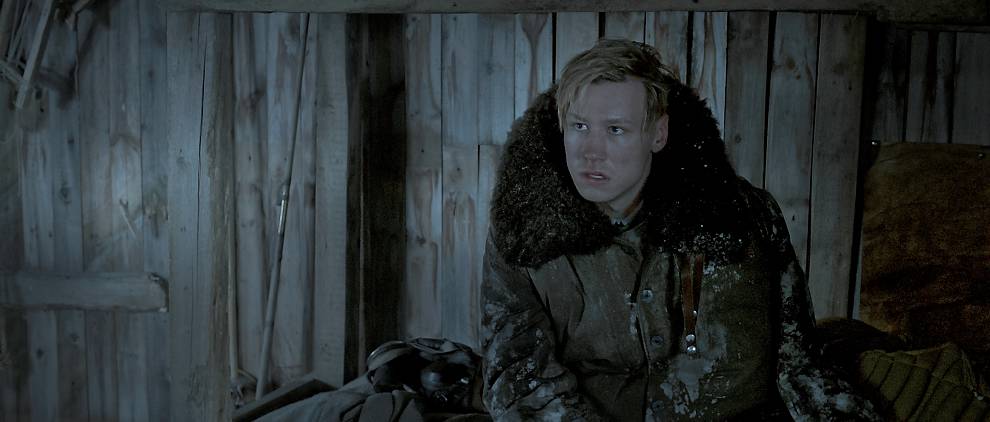
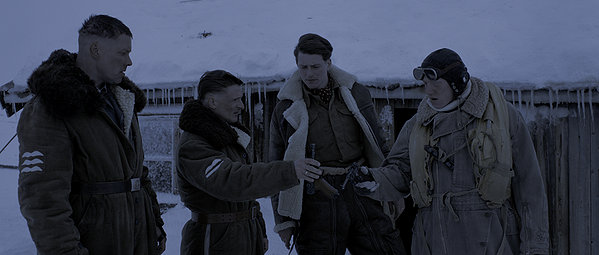
This film does a few things that are a little out of the norm that I feel work for it every well: first, though it is a wartime tale it’s not really concerned with battle sequences, but rather with human nature and survival. Two World War II fighter planes, one British and one German, are downed in Norway. The crews of both find refuge in the same abandoned hunting cabin and seek to survive the harsh winter. Second, while there is some of the expected banter, power struggles and a effective chamber drama setpieces; the film is the latest in a gray-area treatment of World War II inasmuch as it tell not a black-and-white tale but a more involved human character study and psychological approach to those involved. In short, these are people, not types.

With a common goal of survival this film studies its individual characters both on their own and in relation to one another. Eventually façade come down and they are able to see each other as individuals. One of the pitfalls of a tale like this is that there could be the danger of going too far in the other direction. Things end too well and they get too chummy. The film walks that tightrope well. The performances all around are great by the five central figures particular standouts being Florian Lukas, David Kross and Rupert Grint.

7/10

A Place at the Table

A Place at the Table (2012, Magnolia Pictures)

When one discusses hunger in America there are a lot of seemingly disparate facts that need to be connected so that the roots of the problem are readily understood to all. When No Kid Hungry and other similar charities started to have more of a national presence the dots weren’t quite connecting. That’s not meant to downplay the quality of filmmaking here to one similar to a PSA. I merely mention that to illustrate that some issues have enough layers such that a film such as this one is a necessity. The economic restraints of having and applying for food stamps; concepts such as food deserts, food insecurity; the budgeting of school lunches; the link between poverty and obesity; the dated structure of food subsidies; are all things that cannot quickly be discussed and this film does well to correlate these facts and paint a picture.

However, the film is issue-centric only when needed. As much as it can, it dramatizes these political issues with tales of actual people that personify certain struggles. Thus, the issues are brought home more so than they would be otherwise. It’s yet another documentary that tackles a dangerously large scope but it does fairly well to rein in all the contributing factors. Any who see it will be made more aware and it will likely spur action by many.

8/10

The Iran Job

The Iran Job (2012, Film Movement)

This is a film that very interestingly finds a back door into being a precursor to the Arab Spring movements and a testimonial about how women in the Middle East feel about their current situation. You embark on a film expecting a fish-out-of-water tale about an American basketball player going overseas to earn a living. You get that and the basketball angle, but slowly as he’s there he makes friends. While he wisely tries to stay away from politics as much as he can knowing people starts to bring insights into the state of affairs. There is always a political undercurrent with the election of Barack Obama near the beginning of the film and the controversial Iranian elections coming towards the end.

The Iran Job has a balancing act to pull off and it does so fairly well. It’s a prime example of a documentary going where the footage starts to lead it. Surely, the film may have started out with only aspirations of political undercurrents, ones that may have been shoehorned in had events not conspired otherwise, alas they did and the film is better for it.

7/10

The Brass Teapot
The Brass Teapot (2013, Magnolia Releasing)

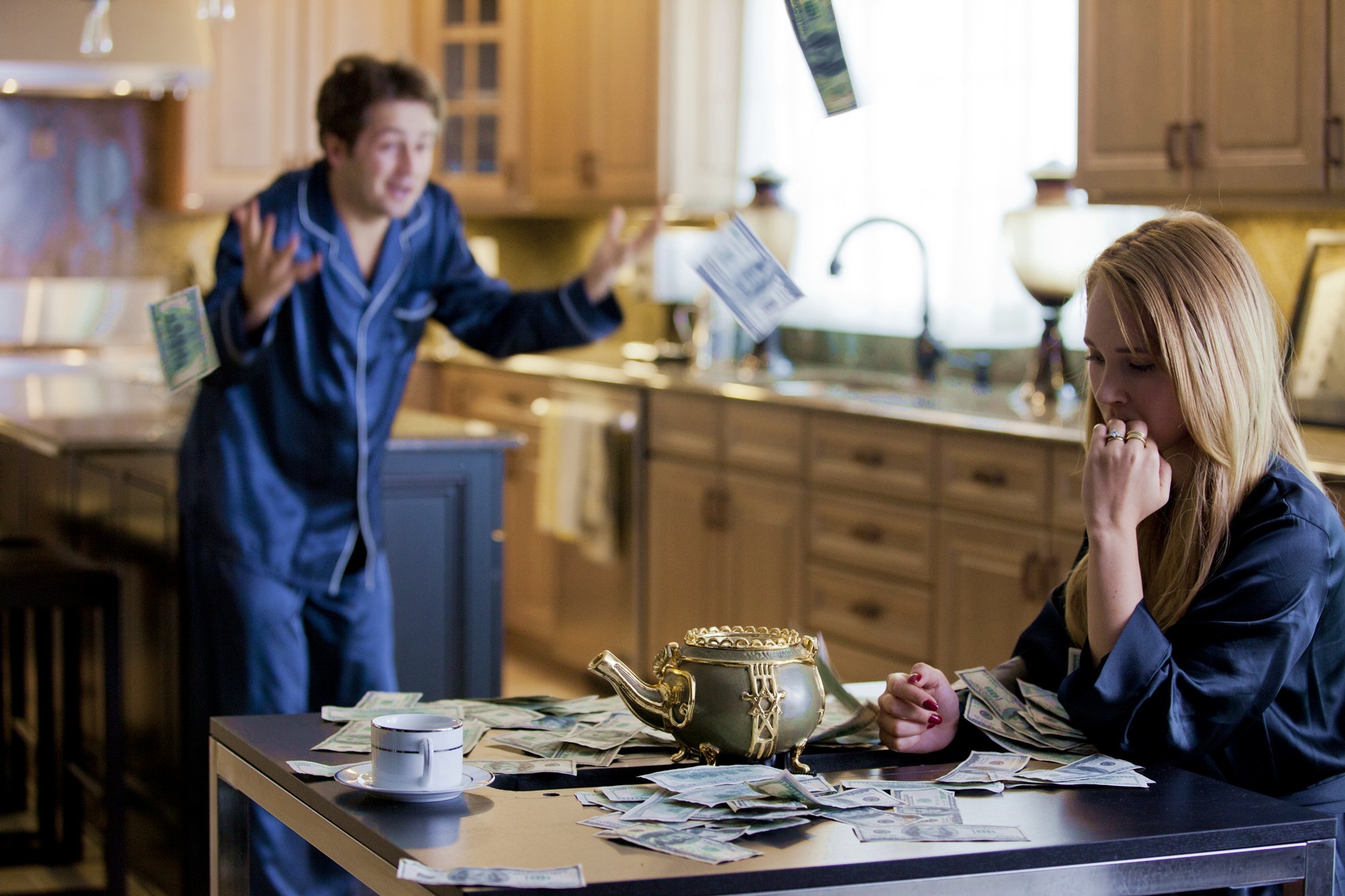
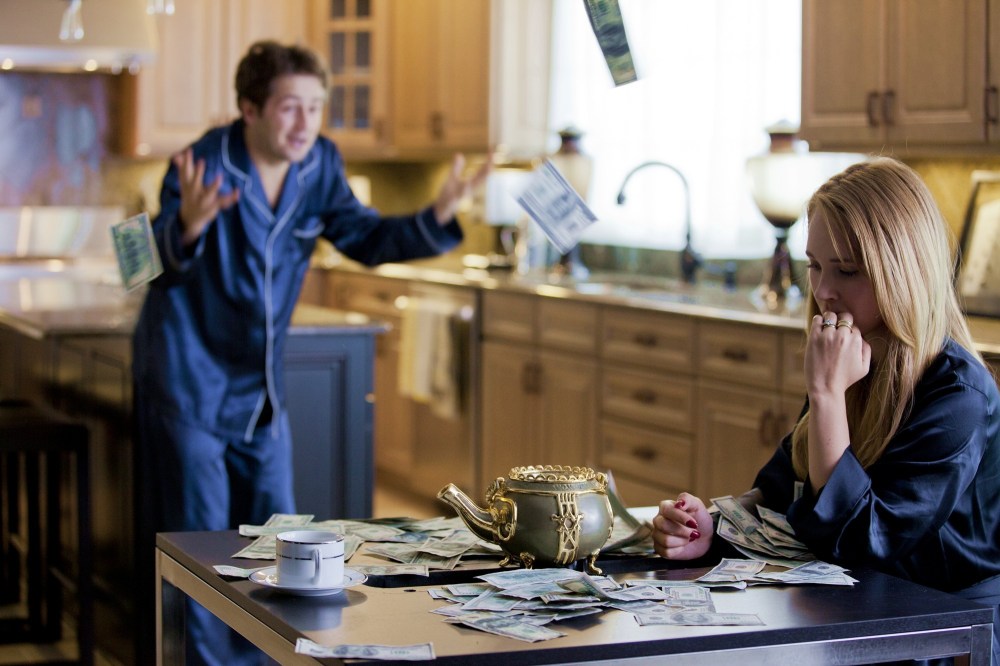
This is a film that tells a quirky, fairly originally-spun tale about unlimited riches being made available to a young, struggling couple and the toll that takes on their life. As funny as the film manages to be for a while, it does start to lose its bearings as it moves on. The rules seemingly change on a whim and it builds to a chaotic yet fairly anticlimactic finale.

The film has its moments and its laughs as well as good performances but it ultimately doesn’t keep itself in check and loses its chance to be a quirky charmer as it goes off the deep end.

5/10

Bad Kids Go to Hell
Bad Kids Go to Hell (2012, Phase 4)

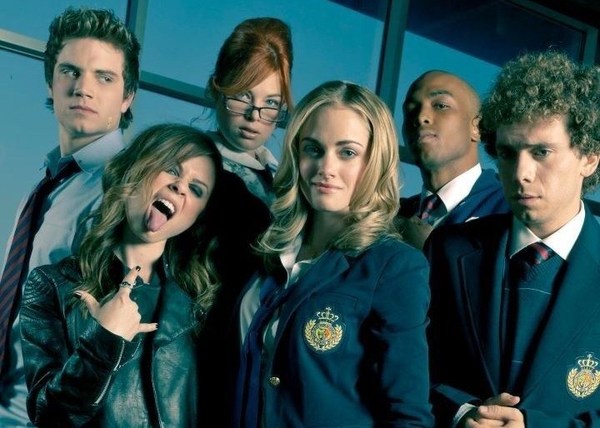
This is a film, which in a similar vein to Detention you can’t knock because it’s not trying, but rather it’s the method in which the attempt is made where its issues come to play, and there are several. Namely one persistent issue that comes to the for is that the film never truly justifies my engaging in the stories or the characters. This isn’t a generic likability complaint, the film quite firmly states it’s not going to be a warm-and-fuzzy detention tale like The Breakfast Club (Though parts definitely echo it). However, the characters do have skeletons in their closets that are discussed, and while none of them are ever likable or well-drawn, they’re mostly uninteresting too.

It’s a film that goes down a rabbit hole, and flips the script on you a few times, but each concussant shift in the story makes it a more frustrating journey. It’s built on a flimsy pretext that gets eschewed, questioned, left vague, then gives us rather ridiculous renditions for the detainees punishment and a tangled, overly-contrived web that unravels itself out of the horror genre the film seems to be taking you into the whole time.

However, it is mainly the decisions, execution, casting, performances, characters and writing that are the culprits here and not the genre it plays in. The movie starts out poorly and spirals ever downward from there; the twists only serving to frustrate you as you are still not heading back in a desirable direction.

2/10

Venus and Serena

Venus and Serena (2012, Magnolia Releasing)

Whenever you’re dealing with a documentary about current athletes there is always a undercurrent of concern about the PR spin or publicity angle of the piece. However, Venus and Serena does manage to a bit more even-handed than anticipated in three notable instances once about an early coaching stint and two times about Serena’s more noteworthy on court outbursts. What is also fortunate is that the film was allowed to be a more human tale as for the most part it chronicled the 2011 season where they both dealt with their share of injuries so the film goes back and forth between the rehab process and personal information and their path to that point.

While the film does lack a bit in narrative thrust, it is a good portrait of their lives and career to that point.

6/10

La Sirga

La Sirga (2012, Film Movement)

This is a film where much happens beneath the surface. It’s a narrative wherein we also have few, if any, assurances of what occurred prior to the film beginning and what occurs after it is completed. In fact, what can be considered the climactic moment of the film isn’t visible, but rather takes place behind a closed door. There isn’t too much said, but what is said bears thinking about and reading between the lines; as nothing jumps out and screams “Hey, this is important!”

That’s not to say the film isn’t engaging, or that conflict is absent. It’s just that it’s not as engaging as it might be and the conflict is highly internalized. The cinematography of the film is quite spectacular especially in terms of framing. It features some of the most exacting frames I’ve seen since Found Memories. It’s definitely a film worth viewing and considering.

7/10

Teen Beach Movie

Teen Beach Movie (2013, Disney Channel)

I’ve discussed previously when DCOMs come up that all films are judged on their own and not in comparison to one other kinds of films. Having got that out of the way, save for a few issues, I was taken aback by Teen Beach Movie; inasmuch as there’s one hysterically funny song/commentary on the nature of the musical. Also enjoyable is the fact that it’s a tongue-in-cheek homage to teen subculture cinema of the ’60s spun forward to the present.

First and foremost among the issues is that you have to completely suspend disbelief and go with the concept that a surfboard with magic powers transports the leads into the film they’re stuck in. While it’s the need of the characters that gets it to act, but it’s not as mysterious or as clear as it could be. The second large one was the occasional temporal breaks in dialogue the film-within-film characters had saying things that didn’t feel true to their period.

However, it establishes early what the conflict that arises between the heroes is and there is a clarity throughout that they need to find a way out of the situation. Slowly, almost without they or us noticing, there are consequences of being stuck in the film. It’s less bombastically self-important than other DCOMs with even sillier premises and ultimately it comes back to the main characters and not the parody or the revisionist look at gender roles in the sixties. It’s far funnier and more enjoyable than it likely has any business being.

7/10

Paradise: Love

Paradise: Love (2012, Strand Releasing)

In a very naturalistic and non-sensationalist way Paradise: Love seeks to explore the sex tourism trade. It does so through the guise (and eyes) of a woman who is new to such things. She goes from Austria to Kenya in search of a new experience. Being new and not-yet-jaded she runs the gamut from being shy; falling for lies; falling in love; trying to deal with it coolly, heartlessly and feeling regret.

Where the film finds its difficulties is that it plays things so close to the vest, in a very authentic seeming way, at times, in spite of a great lead performance by Margarete Tiesel, it’s at times hard to decipher if she’s willingly being duped or just duped. The pace suffers a bit through act two despite being usually engaging.

The conclusion feels proper and earned but the climactic sequence, a birthday rent boy party attended by all her “friends” achieves what it seems to want (an uncomfortable ambivalence and tenuous balance between expose and exploitation), but it, too, lingers well after its point has been made.

This is one of the films where it’s about the journey not the destination. It is in the journey where it issues lie.

6/10

Post Tenebras Lux
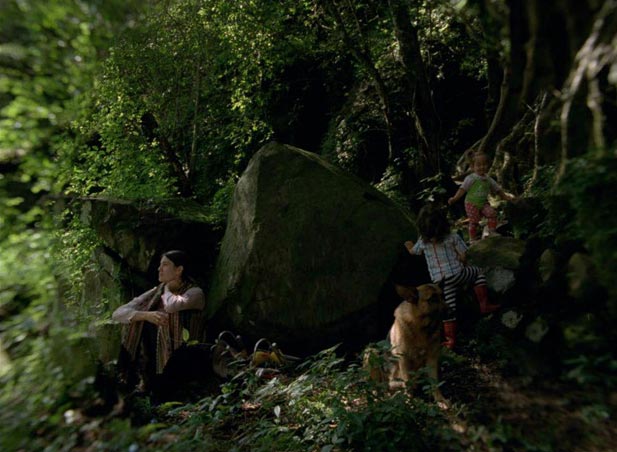
Post Tenebras Lux (2013, Strand Releasing)

At some point while watching Post Tenebras Lux I paused to make sure I had an a correct understanding of what the title meant. I knew it was Latin, I had a notion of each individual word, but wanted to make sure that in context it meant “After Darkness, Light.”

Slowly after the film was complete I had a theory about what it was I had read as I crossed the terrain. In a fashion not dissimilar to when I first saw Holy Motors, where it has sections that I had to ferret out rather than an ultimate goal, or feeling; here it was a bit of both that needed to be ferreted out simultaneously. I believe I have those answers now. However, the overriding point of a film in the style of Post Tenebras Lux is not ultimately what is its “truth,” but how it weaves its mysterious web, what an audience’s level of engagement is and if you find a connection to it.

It’s almost disappointing to describe it in such an alchemical way, but what it boils down to is do its ellipses, its seeming impenetrability, repel or compel you; frustrate or fascinate; goad or gratify. In the end, I enjoyed the grapple more than I fought with it. I enjoyed parsing scenes, sequences and the whole based on what I perceived to be the perspective; whether I felt it reality or hallucination; past, present or future.

The impact I felt from it may not have been as big as the aforementioned Holy Motors, but it is quite nearly as fascinating, in a quieter, more introspective (just whose introspection it is, is debatable) rumination on life, culture and humanity.

8/10

Stoker

Stoker (2013, Fox Searchlight)

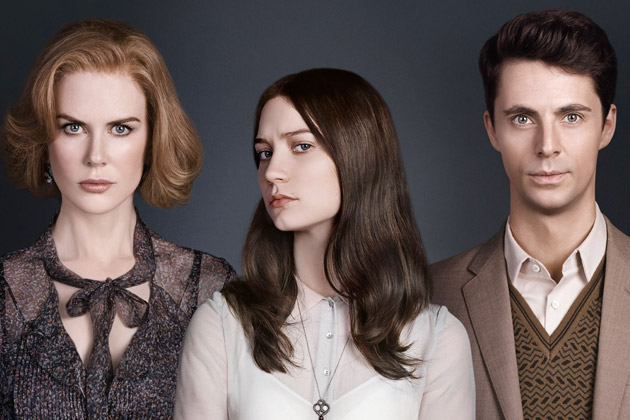
This is one of those films that grabs you from the first frame and scarcely ceases long enough to let go. It’s the kind of film that peels back layers of mystery and intrigue, slowly at first, but, then it escalates them until you find yourself in a delirious whirl of rapt tension and drama. All the while, as it slowly sets the foundation of the most basic facts, it’s setting up reveals of more precisely sinister revelations of motivation and past incidents.

The film is technically constructed to match this narrative drive employing montages, cross-cutting sequences, frames and L-cuts (cuts where audio lingers after a scene, or starts before an accompanying visual) to link what are at first seemingly disconnected events.

Stoker builds mystery regarding enough elements of its story, while keeping things simple, such that it easily achieves misdirection from one unanswered riddle to another. Thus, answers you had half-formed are forgotten briefly as you puzzle something else and when you’re confronted with confirmation of a fact it lands with the desired impact, whether you intuited the information or not.

Practically everything regarding Stoker is precise and stylized to the utmost for impact, yet scarcely ever feels forced when you consider all the pieces in the whole. It’s a mesmerizing portrait that is sure to rank among the best of the year.

10/10

The Haunting in Connecticut 2: Ghosts of Georgia
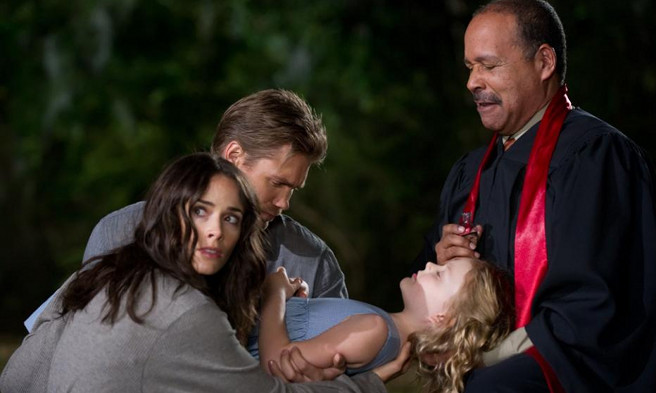
The Haunting in Connecticut 2: Ghosts of Georgia (2013, LionsGate)

I nearly did a commentary on the rise of, and you may even consider it to be a re-emergence; of nonsensical, paradoxical film titles such as this one. Essentially, I made peace with this silly title by likening it to Halloween III. The fact that a disconnected narrative was lumped into a series should not influence my opinion of the title. Sadly, this film is not quite of the caliber of Season of the Witch.

While I can’t knock it entirely, I can’t say I came away from it liking it. What the film does have going for it are the occasional good scare and an interesting mythology and themes it plays upon. Southern gothic tales seem like they’re the latest milieu ripe for the picking in horror, and this film at least starts the conversation. However, the build is a bit staggered such that the climax is drained of some of its tension by flashing back to fill in blanks that have already mostly been filled in by us being allowed time to reflect.

Unnecessary doubt can always be a bothersome aspect in horror and this film eschews most of that and almost reverses it to be too willing to believe visions, but it works. Thus, there’s not quite balance: there’s a doubter you know is in denial, a fairly silent skeptic and a vocal prodder. Ultimately it is the construction of the myth from near the mid-point in act two into act three which cause issues, and could very well be an editing issue as opposed to a writing one.

It’s not a film I would not be averse to revisiting, and it doesn’t feel like a wasted experience, but also doesn’t feel like it’s quite up to what it could’ve achieved. A lot of what does buoy it is the performances of mother and daughter, Abigail Spencer and Emily Alyn Lind.

5/10

Let Them Wear Towels
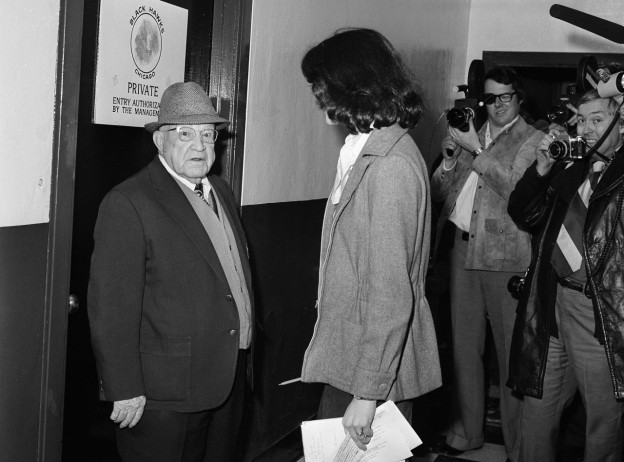
Let Them Wear Towels (2013, ESPN Films)

I have been a bit behind but have wanted to start up on the Nine for IX series by ESPN Films. What Nine for IX is is a companion series of documentaries to ESPN’s acclaimed 30 for 30 series. The difference in the two is that this series of films is that this series started to commemorate the passing of title IX, which assured equality of opportunity between the sexes in college sports; and therefore, focuses on stories about female athletes or women in sports in general.

The first tale I took in was the corollary-to-women’s-liberation tale of the struggle for female sports writers to be allowed into pro locker rooms so that they could do their jobs. In factual terms it’s an interesting, incisive survey of the battle in three of the major sports leagues in the US (MLB, NFL and NHL). The NBA is conspicuously absent and why that is so is never mentioned. Another thing is that while it’s effective didactically it’s not as strong dramatically. Its briskness absolves its slightly repetitive nature. It’s an important story that needed telling and deserved being told in a somewhat more compelling way.

6/10

The Deflowering of Eva Van End
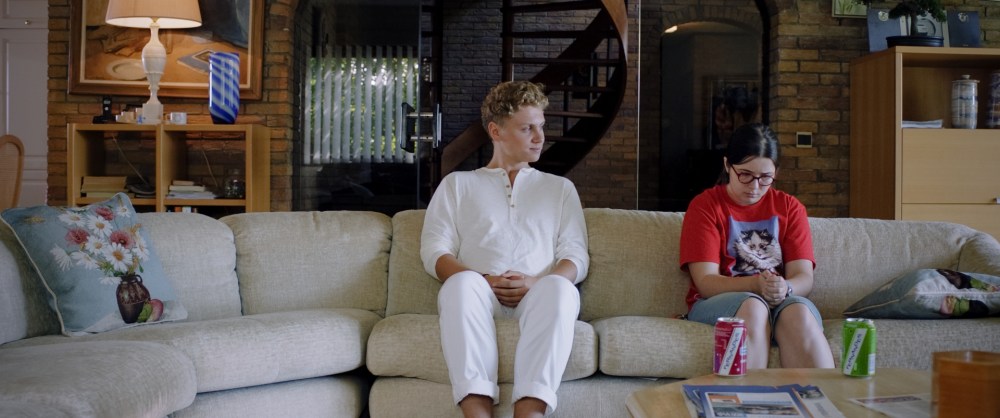
The Deflowering of Eva Van End (2012, Film Movement)

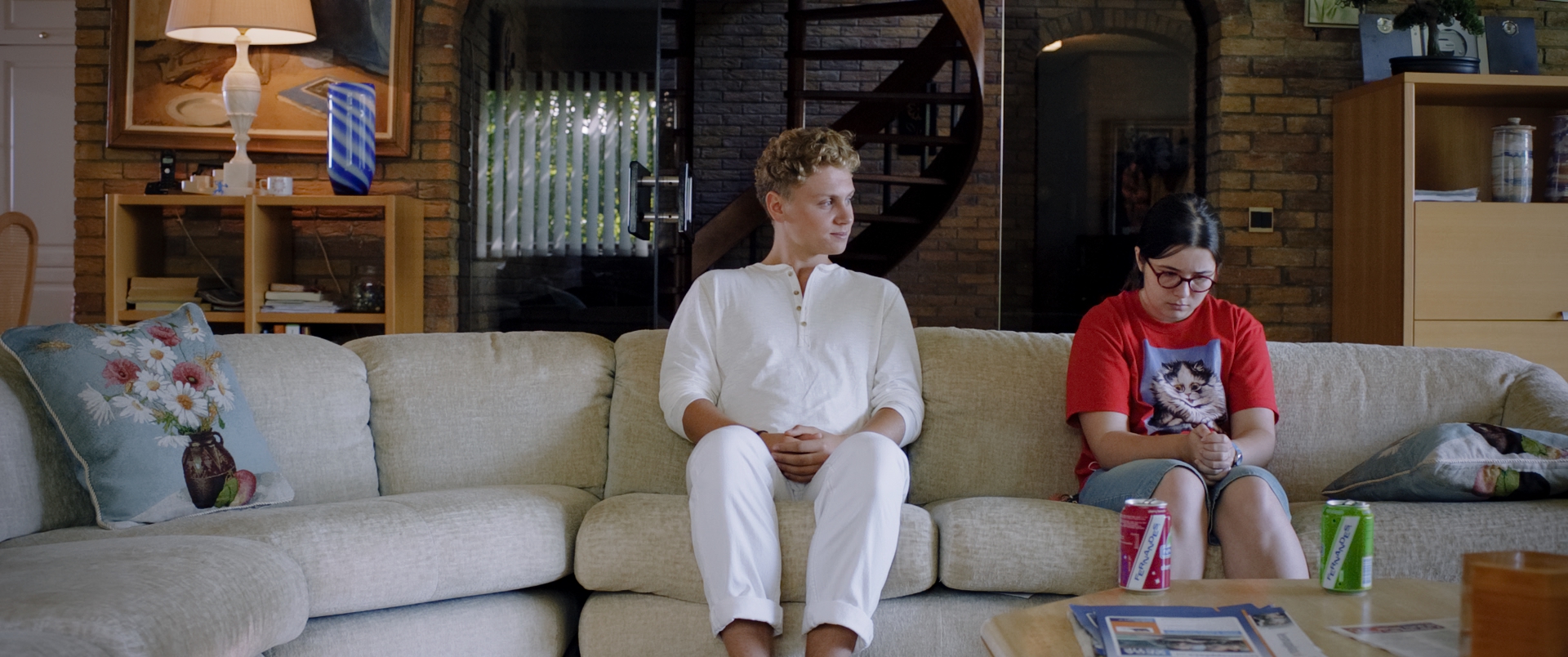
I’ve discussed the fact that I quite enjoy the Film Movement film-of-the-month club. One aspect I’ve mentioned less frequently than the included short films on each DVD release, is the fact that on the inside cover there is usually a statement about the film from both the company and the director of the film. I make it a point to not read either until after I’m done watching the feature. The reason I mention that is because what struck me from the first frame is what Eva’s (Vivian Dierickx) look, her persona; reminded me of was Dawn Wiener, the protagonist of Todd Solondz’s Welcome to the Dollhouse, and as the opening scene played out that notion was reinforced. Those sentiments were echoed in the statement. However, I agree this is its own film because it’s not a myopic view of a world but rather a portrait of an entire family.

Eva is our entry into their world. She gives us our first glimpse of them and thus we see them in a very broad stroke. As Veit (Rafael Gareisen), the German exchange student who turns their world upside down, changes their behavior we learn about them, what their insecurities were and what they try to do to take control of an alter their lives.

It’s a very funny film in both its exaggerated renditions of reality, but also a very real one with dramatic consequences. The characters progress but are not perfect; they remain flawed in the end, but better for the experience. Veit could be the only one who walks through it unchanged. He is what he always is, it’s what the family projects him to be that alters.

Through artful cinematography, editorial finesse and music that enchantingly encapsulates this odd world, there are well-executed tonal shifts and visceral impact that far overcome any minor quibbles I may have. The Deflowering of Eva Van End is a film that paints the portrait of a family far more fully than its title suggest and is recommended viewing if you see it about.

9/10

56 Up

56 Up (2012, First Run Features)

It’s a bit difficult to discuss 56 Up in a vacuum. Most of the reason behind that is that it is the 8th installment in a series that ought not be viewed in before the prior films. Starting on the UK’s Granada Television in 1964 the series has revisited its subject every seven years. Starting under director Paul Almond it has since been taken over by renowned director Michael Apted.

As this film touches on, it seems the initial these of the series stated first that the child at seven was a forerunner of the adult, but the more overriding theme of the initial installment was a commentary on the class society in England. I re-introduce the initial concepts because they are touched on by the subjects anew. In fact, of all prior installments this is without question the film that most fully, totally and maturely (with respect to the subjects’ comments) deals with the nature of the series both in terms of the class question and in terms of the odd life of its own that the series has developed over the years, the paradoxical attachment that some subjects have with it no matter how much they may dislike it.

As a follow-up to 49 Up, it’s quite the impressive installment. As always, it’s next to impossible to predict the changes life brings to people, but on the filmmaking end it has perhaps the best order and compartmentalization of subjects yet.

Released in the UK last year it remains to be seen if Apted and the “cast,” a few of whom come and go (look out for a surprising return here),will be back in 2019 with 63 Up, but one can only hope. If only conception, it’s perhaps the most fascinating long-term documentary project in history. However, many of the installments are about as good as documentaries get. I may take a bit of time to see just how this one stacks up.

8/10

Hayride

Hayride (2012, Uncork'd Entertainment)

About the only thing Hayride does in something akin to a proper fashion is create a legend. However, that legend is lodged a bit too deep into the story, nearly usurped by others and leads up to quite a clunker of a climax.

The film spends a bit of time with its characters, which is fine as an isolated fact, but it’s less desirable when they are so simply drawn and so unconvincingly interpreted. There is a supposed hayride attraction that is incredibly poorly staged in both filmic and hayride terms. Lastly, there is the open ending which is not only expected but is quite nearly an anti-jolt. There are very small patches that show promise, but overall it’s quite a wasted effort.

2/10

No Limits

No Limits (2012, ESPN Films)

Here is the second Nine for IX title that I got to in the course of the month, you can find the other above. This film deals both with a sport and an event that I had no familiarity with. In the case of some documentaries that could be a hinderance, in the case of this film it is most certainly not.

The precepts of no limits free-driving are simply told enough and the film dramatically, both through recounting of facts, various interviews and use of split-screens and incredibly harrowing footage that audiences do need to be warned of, recreates events such that as a film it overcomes the lack of cooperation in interviews by the key figure in question.

No Limits conveys this terribly tragic event in jaw-clenching fashion, is not recommended for the feint of heart or weak of stomach, but is an excellent documentary nonetheless.

10/10

The Depraved
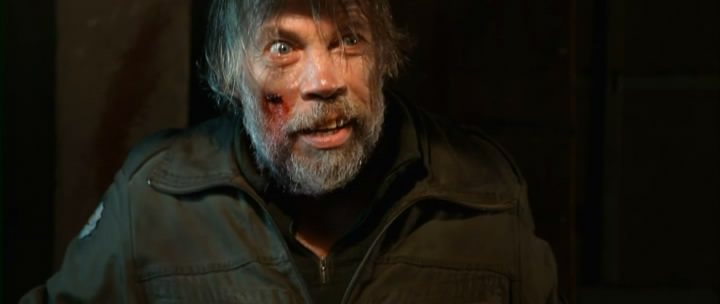
The Depraved (2011, Uncork'd Entertainment)

Using the concept of urban explorers this film follows five tourists who seek to look about the tunnels underneath Berlin. It’s hard to say what’s most interesting about this film whether it be the proper execution of an extreme tourism concept that The Chernobyl Diaries failed with, or the fact that it combines in a horror film both tropes of Nazi Germany and the Cold War mindset of postbellum Germany.

The film not only has a strong sense of locale and finds one with tremendous visual appeal but there are also some brilliant practical effects work and strong performances all around, most especially by Nick Eversman and Klaus Stiglmeier.

8/10

Ginger & Rosa
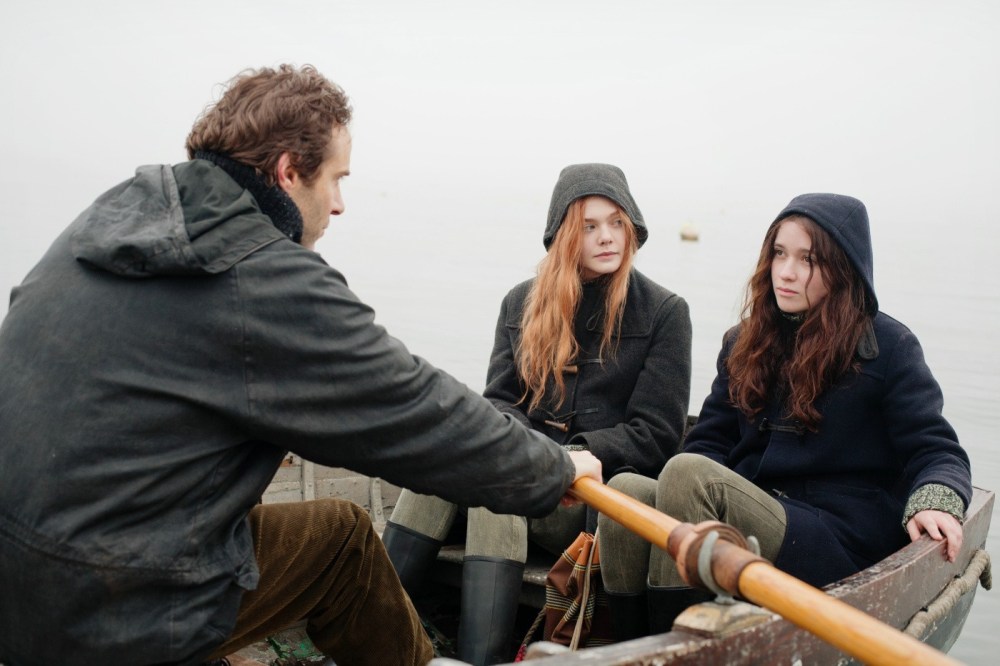
Ginger & Rosa (2012, A24)

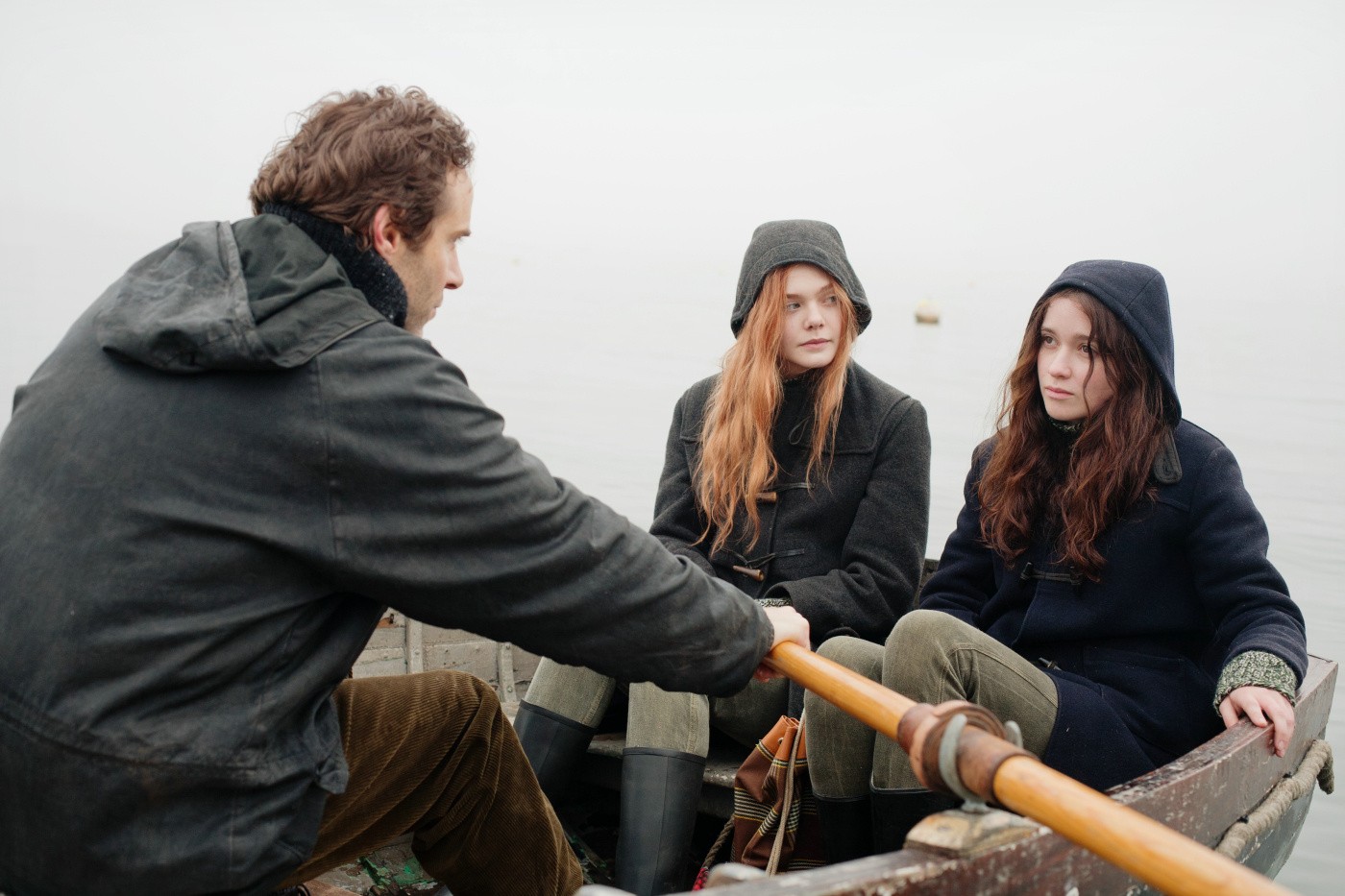
One cannot summarily dismiss this film if only for the performances of Elle Fanning and Alice Englert if nothing else. It starts out on a very visual note, it doesn’t quite persist in that regard. In many ways many of its failings can be perceived through the lens of persisting: persisting in an overly-minimal tale and lacking persistence in narrative progression.

The first act seems most concerned with establishing character, the second with slowly unraveling the superficial and actual causes of angst that Ginger feels. This all builds to very subdued if real climax. It’s a climax that could be earned if there was sufficient forward momentum prior, but there is not.

5/10

Byzantium
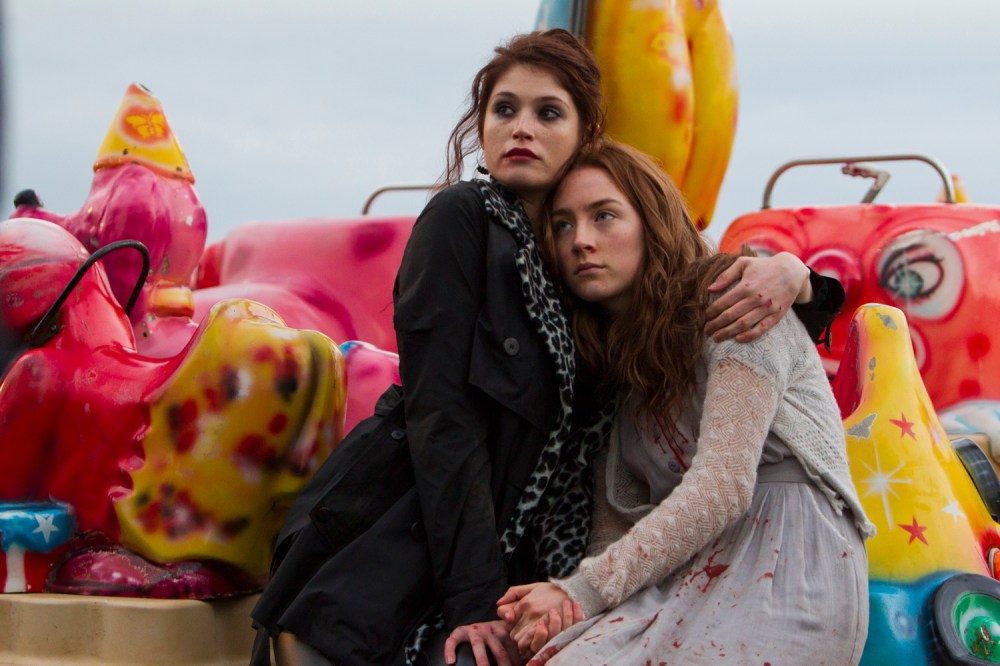
Byzantium (2013, IFC Films)

If one were to just look at the surface of Byzantium you might think it rings a bit too familiar as compared to other vampire-related films of recent vintage. However, when you consider the fact that this film has Neil Jordan at the helm, or if you just simply watch it then you see that surface similarities are merely what the name suggests: superficial. For what Byzantium has in spades are what other vampire narratives all too often lack: backstory, character, emotion, depth, conflict and humanity.

To put it quite simply, the only thing Byzantium does that is a little tiresome is something that’s true to a teenage character, it’s that it rehashes the same conflict over a few times without true progression of the struggle. However, it does move forward and unravel more of the web that these characters find themselves in.

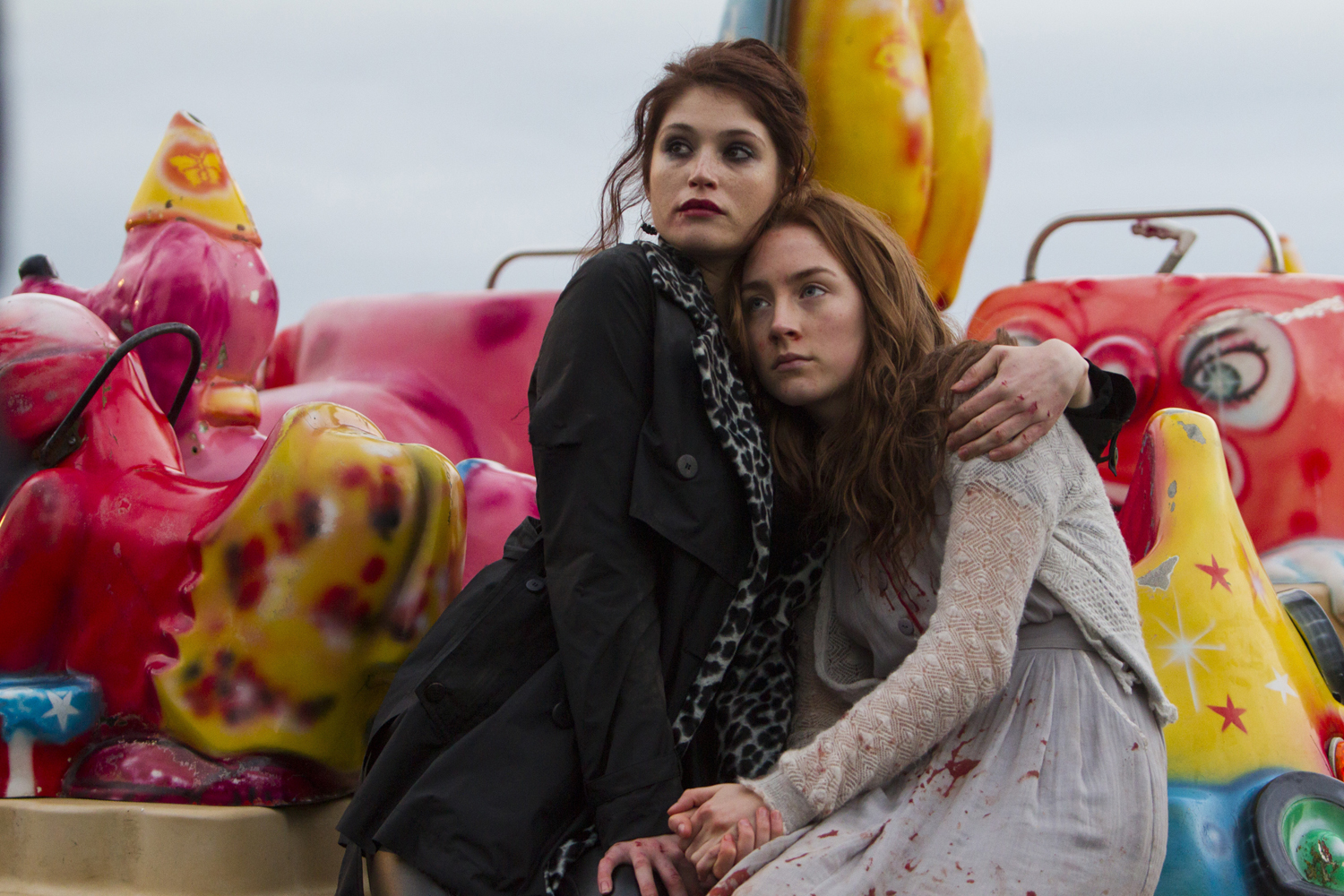
The film is spearheaded by another brilliant turn by Saoirse Ronan and by far the best performance I’ve seen by Gemma Arterton to date. It’s another film that epitomizes the fact that drama is the foundation of all other genres and is intrinsic to building a good horror tale, and this is a great one.

9/10

Come Out and Play

Come Out and Play (2012, Cinedigm/Cinetic)

Whenever possible I try to give those who may be reading these reviews a frame of reference of where I’m coming from with a particular title. That can in large part become relevant when one discusses a remake. I believe I viewed Who Can Kill a Child? last year and I was not a fan in the slightest. When dealing with a remake, you want to try to have a clean slate, but I realize this can be difficult as certain things are expected. I liked this version just marginally and here’s why:

The biggest faults the film has are in the beginning and the end, there’s far too much unspoken and not enough urgency as the weird situations start to present themselves. I’ve not read the book, but so far as I’m concerned there’s not yet the perfect rendition of this tale, regardless of how faithful each may or may not be to the book.

As the film progresses further from the overly-coy beginning, it does start to address some concerns, seriously up the stakes and after some missteps in the suspense department early playing that up. The score is consistently effective, and the all-too-ghostly children start to have presence, a bit of information to them, which makes them more dangerous, and in turn makes the audience engage further. It creates some mystery and makes you interpret events after a minimal mandatory amount of information is handed out.

Where I feel the film could’ve further excelled was at the very, very end. However, what it manages to do after being a fairly ineffectual carbon copy elevates it oh-so-slightly from its predecessor.

6/10
Funny Lady Blogathon: Louise Fazenda

Introduction

When I heard about Movies, Silently’s blogathon about funny women the first name that came to mind was Louise Fazenda’s, and that was almost instant. However, unlike in my recent Children in Film Blogathon post wherein I knew Jackie Searl’s works, but had just discovered a new side of his them; here I’d quite honestly never heard of Louise Fazenda until I read the wonderful book The Keystone Kid.

The Keystone Kid is part film history and part memoir. The recollections of Coy Watson, Jr. speak most fondly of Louise Fazenda, not only as she became a close family friend, but also of her talents as a comedienne.

My discovering Fazenda’s work, any of it really, is a testament to the importance of The Keystone Kid as a document of film history. As we move further and further in time from given eras in the artform, thumbnail sketches and one line synopses become what we take to be the truth about era, films and performers alike, while other instrumental figures can be forgotten entirely.

Coy Watson

Examples of this would be that through Watson’s book I learned that Bobs, whose talent and fame for crying I knew and have been witness to, was the youngest of a large family; that Coy, Sr. was a pioneer in wire effects in Hollywood and that there was an actress named Louise Fazenda who was highly regarded. However, even in wanting to give her what was her due, and he did so citing her notoriety; and two stories (one on set and one off), I still knew nothing of her really, and I was very intrigued. This was not just because she was an unknown silent actress to me, but also because even her name, which means farm in Portuguese, fascinated me. It was a decidedly “un-American” surname yet remained unchanged.

Method

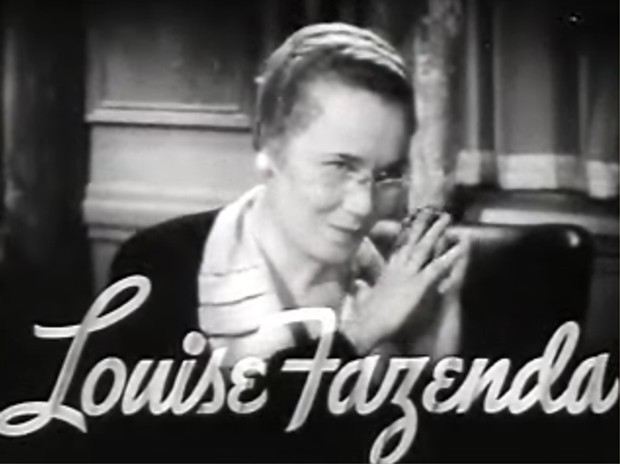
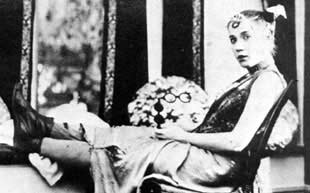
Louise Fazenda

So this post has that element of excitement wherein I’m not coming of a position of having known a bit about, and having insights into, said performer, but instead was discovering her. And that’s great because part of why I don’t read books about film as voraciously as I could is that element of “I wanna see that, and that and that” for various reasons and being disappointed to find said titles are rare or hard-to-find.

My tactics in finding her, owing to the fact that I didn’t have too much time to get cracking, were to hit two internet resources one was YouTube, the other the Internet Archive. I didn’t scour compilations as it may have taken too long to uncover he appearances there.

The films I was able to see all or part of were as follows:

Your Show of Shows (1929)
Wilful Ambrose (1915)
Ambrose’s Fury (1915)
When Ambrose Dared Walrus (1915)
Ambrose’s Lofty Perch (1916)
Ambrose’s Nasty Temper (1917)
Once Over Lightly (1944)
The Bat (1926)
Her Fame and Shame (1917)
Her Torpedoed Love (1917)
A Versatile Villain (1915)

General Impressions

The Old Maid (1939, Warner Bros.)

If I had only seen Once Overly Lightly, a 1944 moviereel style compilation of many silent films with a voice-over track full of insincere wistfulness and backhanded apologies for silent tropes; I still would’ve known little. Again she’s cited as one of the best but all that’s cut into the film is one very apt pratfall. This release being just five years after her last credit mind you.

Yes, Louise Fazenda survived into the sound era. As the first clip I watched showed (Her segement in Your Show of Shows), though she was playing the straight man, she remained quite funny, versatile and had a pleasant speaking voice. She had a good run in the transition to sound, at least in terms of years, it seemed apparent even in 1929 that writers didn’t know what to do with her talking though – a harbinger of the influx of stage influence in the craft of writing and acting perhaps.

So those first two bits only gave me small glimpses. As I sat down to write this I wondered, maybe the internet has some insights. I found on Golden Silents her bio from Who’s Who on Screen 1920:

“Louise Fazenda, famous Mack Sennett comedienne, was born in Lafayette, Indiana and educated in Los Angeles. After a short season in stock she secured an emergency engagement with Universal, going from there to Keystone and Mack Sennett. Miss Fazenda scored notable success in “The Kentucky Lady,” “Her First Mistake,” “Her Screen Idol,” “The Village Chestnut,” “The Village Smithy,” “The Foolish Age,” “Hearts and Flowers,” “Treating ‘Em Rough,” “Back to the Kitchen,” and “Down on the Farm.” She is five feet, five inches tall, and weighs a hundred and thirty-eight pounds. Her hair is light and her eyes are blue. In spite of her remarkable characterizations of homely girls, Miss Fazenda is one of the screen’s most beautiful actresses.”

Louise Fazenda

At least, here you see some popular titles at the time. It can be worth looking into those down the line, but I’m fairly sure that time has been very unkind to many of her earlier works. Oddly enough through my viewing over this week, I didn’t see what was cited as her staple character:

Her best known character was her country bumpkin — complete with spit curls, multiple pigtails, and calico dresses, a look that went on to inspire such later comics as Judy Canova and Minnie Pearl.

However, I did see her range one of the amazing things I picked up by watching Fazenda, even in the fleeting glimpses I saw, was that there is an elasticity, a chameleon-like quality to her appearance. In the teens she played lovestruck young ladies and matronly housewives. When you compare that to her appearance in Your Show of Shows, she looked more refined, mature (as she could look) but hardly like 14 years had passed.

Louise Fazenda

Sure there was movie magic even back at the very beginning but ones facial structure and the quality of their features have to be perfectly conducive to such a seamless transformation. Fazenda did what needed doing to create her character and seemed to take it seriously even in entirely goofy films. That grounding in reality, even of just one element can be essential for comedic success. It’s not a wonder that legend has it that Mack Sennett would bring in Fazenda to try and quiet Mabel Normand’s comments on the caliber of films Keystone put out.

Fazenda seems to have a physicality that’s ahead of her time, possessing not only natural ability but the innate ability to seem natural on screen. Silents weren’t communicating with words so gestures, movements and looks had to be exaggerated such that those who could be big but also convey and get desired results with restraint are noteworthy. As cameras moved closer to actors broader was no longer better and those who could make subtle communicative gestures continued to work consistently. Fazenda proved early on she had that innate ability.

Her facial expression in Wilful Ambrose as she lines up a “bonk” in Wilful Ambrose is priceless. A husband being smashed on the head is a standard bit, but to make the anticipation funnier than the result is great and the mark of a good comedian. All of these traits, including a good singing voice, were on display in the sound era.

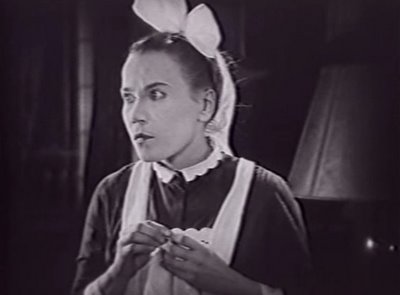
In The Bat you can see that she was the comic relief and brought that levity when needed but her fear always seemed very real. She instantly asserts her presence. Her character, for as superstitious as she is, is often correct to be fearful and it ends up being one of the charms of the film. While that film had its failings it is perhaps the best illustration of her persona that I was able to see: deft physical comedy and seriously grounded commitment.

Conclusion

The Bat (1926)

Going back around to the beginning, it really is a wonder what The Keystone Kid, or any written work about film can do. You open the book with a vague interest in the subject matter and learn of very specific avenues to explore. They are entryways to new constellations in the universe of film. Due to this book I now have definitive thoughts on why Louise Fazenda is great. I no longer take that statement and remember it like a cinematic platitude such as film X is great and film Y is such-and-such’s best. I’ve now seen some of her work for myself.

If a piece of film writing leads you find one new artist of film it’s done a great service. If you find many it’s a debt that can never be repaid save to thanks again. I am now a fan Louise Fazenda’s thanks to Coy Watson, Jr.’s book, and I’m quite grateful I am.

Tarzan Thursday – Tarzan Finds a Son! (1939)

As I mentioned in the last post, this film begins a new chapter in the trajectory of this franchise while at MGM. There was a trilogy-style approach to consolidating Jane and Tarzan’s relationship, and now, the next step would be to throw a child into the mix. While it can be said to mirror Tarzan’s beginnings (Beginnings ignored by the MGM series, and perhaps adding allure, legend and mystique to the character), the introduction of Boy is also a fairly Code-friendly affair. He is found, and not conceived, even though he’s scarcely more than a newborn.

The appeal of the series to younger audiences was likely already clinched: there was a foreign land, action, adventure, animals, and now a reflection of their age group on screen; a presence through which the viewer can live vicariously. What this second phase of films may not have in originality and quality it tries to make up for in this added layer of identification.

With a younger character/cast member being added to the mix the production schedule ramped up, this also likely has much to do with MGM trying to get all they could out of the franchise (sounds familiar, doesn’t it?) but I’m sure that having this added element contributed. The possibility of recasting at some point is dangerous, it hung like a pall over the Harry Potter series during renegotiations and production slow-downs, and a maximization of efforts are needed. Not that there appears to be as much of a master plan to the films to follow, but still the desire for more frequent output existed.

While the film adds a new element, and creates a new dynamic, the narrative framework of the film is not that unlike that in the first three. Eventually, relations of Boy’s show up. There is an inheritance plot, there is one altruistic relative who wants what’s best for him and two who are conniving.

The climactic sequences are also not that unlike prior installments: the conniving of the ‘civilized’ white folks is interfered with by native who imperil all and Tarzan comes to the rescue.

The welcome additions to the lore in this version are in the more minute details. As a whole, the bones of this story stay the same. In a certain way, the troubles that are faced by these latter installments is finding balance when a necessary new element/character is introduced. Many of the old hat time-killers (swimming, stock footage of animals, inconsequential bits of comedy by Cheetah, etc.) are still overly-present and divide time with even more principal players. Again, my having previously skipped parts and missed some may lead to finding some surprises (one of the most glaring missing titles is coming up). It just seems, in general terms, during the elongation of the series, where more creativity was needed to rise up to story challenges, what occurred instead was uninspired formula and at times apathy.