Why I Won’t Boycott Ender’s Game

Quite recently a planned-boycott of the film adaptation of Orson Scott Card’s Ender’s Game was announced by a group called Geeks Out.
 
As one who once wrote this piece about Roman Polanski, it may not surprise you that I do not plan to participate in said boycott. However, a topic of this nature cannot be discussed by simply saying I separate the artist from the person.

I can’t remember when I read Ender’s Game, but I assure you it’s before I knew anything about Orson Scott Card. As I learned, and read Speaker for the Dead, sure some of his experiences (his work as a Mormon missionary in Brazil makes itself apparent by his frequent use of Portuguese words and the like) do come through, and every so often there’d be a bothersome passage, but I still found the book to be quite enjoyable. After all, most of the stories he’s building a science fiction and have little to do with the rhetoric he espouses that I not only strongly disagree with, but find downright hateful, striking a rawer nerve with me than most other artists of dubious character.
 
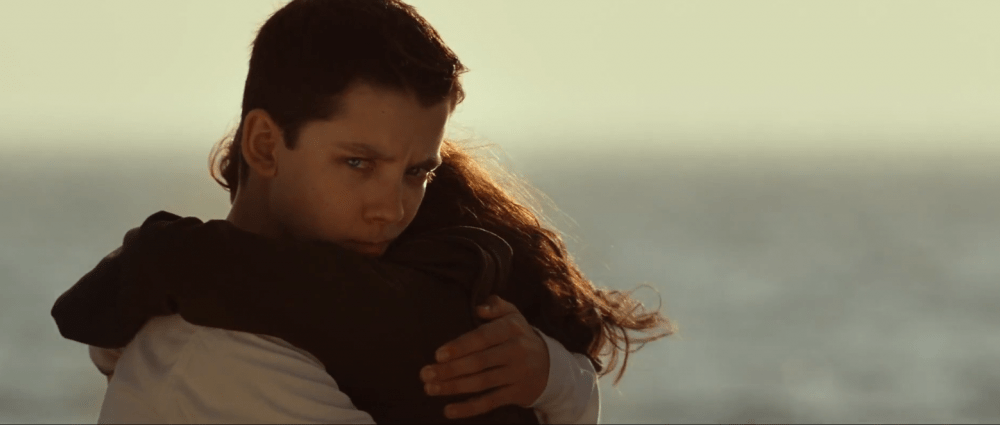
Ender's Game (2013, LionsGate)
 
I got Speaker for the Dead at a library sale after I read Ender’s Game and Lost Boys, which I bought at retailers. The extent of my boycotting is wanting to read his works but having the funds go to my local library (or perhaps a reseller at some point; anyone really) rather than him.

I’ve never been one to divorce myself from the works of an artist simply because I find things they say or stand for personally are despicable. And believe me Card really even has some doozies in the non-sociopolitical arena, just look at this Oscar time rant. So, yes, I still watch Polanski, I think Mel Gibson is still a effective screen presence, and I will grant that due to what he rails against still seeking out Card is perhaps most difficult, but the movie is the wrong target for many reasons.
 
Firstly, if you’re going to boycott Card, boycott him; everything he does. Pressure Disney and Marvel to stop adapting Ender’s Game into comic form, stop buying his books, don’t visit his website. Don’t make this just about the film. And I find it interesting that as I looked into the series anew lately I noticed that Ender in Exile, the latest in the series, is only available from resellers in physical form; so maybe some backlash has already hit home, but I think Dustin Lance Black‘s comment on it come close to expressing why I won’t boycott the film:
 

“Boycotting a movie made by 99% LGBT equality folks in an LGBT equality industry is a waste of our collective energy. Making one phone call to a relative in the south who isn’t quite there yet would be 1,000 times more effective.”

 
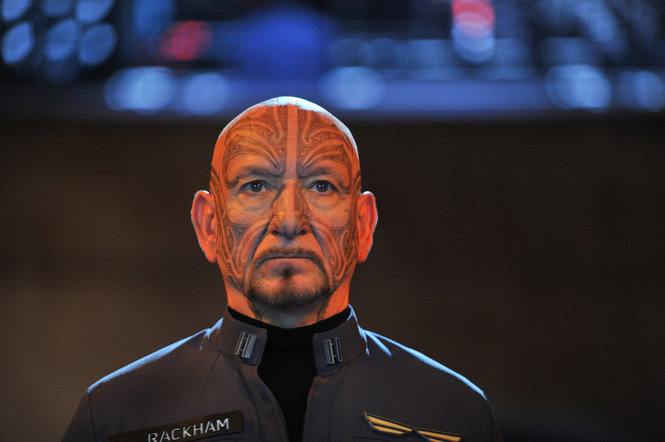
Ender's Game (2013, LionsGate)

I would go further and say: yes, if you refuse to go see the movie that’s less royalties for Card (that is if he even has a back-end percentage, which is unlikely. The likes of Stephen King get points on the back-end. Most authors merely get the money for the option to adapt the book. In other words, he’s likely already made his money on this film.), but truth be told he’s already made his killing with this series many times over. The fact of the matter is while Speaker for the Dead might be the book he wanted to write, but he needed to put out Ender first; I’m not sure that’s as appealing as written as a follow-up. In fact, while this installment could be a great rendition of the first part of the series I’m not sure of the potential it has as a franchise without being vastly different than the books.
 
The bottom line is, removing my sociopolitical beliefs and feelings about the author, Ender’s Game is great book in my estimation one that I wanted to see a movie of since I read it and the cast assembled for it is quite and incredible one and I will have to see it. If I happen to use coupons or passes to do so even better, but see it I will.
 
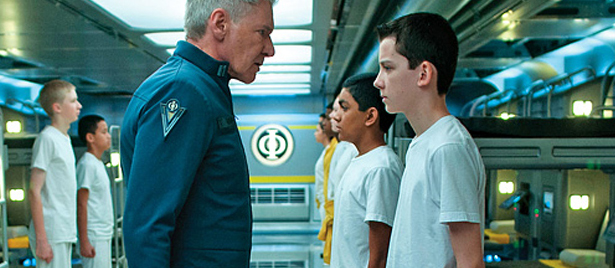
Ender's Game (2013, LionsGate)

 
I read Film School Reject’s post on the boycott, which is where I found Dustin Lance Black’s quote, I think the closing is great (I suggest you read the whole article because it does touch on other things including corporate personhood and heteronormative cinema):

In all seriousness, geeks and bloggers: keep up the boycott. Geeks Out: keep holding the practices and associations of studio filmmaking accountable and transparent. Orson Scott Card: go fuck yourself. No amount of advertising and sleek promotion means that a movie deserves our money or must be seen. If Ender’s Game flops, I will likely enjoy a brief moment of satisfaction. Not only because of Card’s homophobia but, as with Chick-fil-A, because some forms of mass production are just plain bad for you.

That said, Ender’s Game may make the bar, and it’s important not to see this or any single commercial film’s fate as the terms by which LGBT advocacy in the field of entertainment is valued. Queer cinema exists. It exists on HBO with Behind the Candelabra. It exists in underground cinema with Interior. Leather Bar. It exists in the arthouse with Laurence Anyways. It doesn’t yet exist in science-fiction.
 
Emphasis on “yet.”

While I’ve spent time discussing why I won’t boycott it. I agree with many of the points made here. Just because I won’t throw down the gauntlet on this one title doesn’t mean the discussion is invalid. Yes, there should be more inclusive sci-fi, horror and any other genre you can think of. This story was making news around the same time Andrew Garfield was almost lamenting Peter Parker’s heterosexuality. As long as the discussion occurs, as long as there is some brushback, maybe a studio will take a “risk” on another project and not play only to the lowest common denominator. Does that mean I think there will be a lesbian in the next Star Wars trilogy or a gay interpretation of a Superhero anytime soon (on the big screen that is as comics have picked up the slack in that regard lately), not necessarily but without discussions like this there may never be at all. So, I agree this isn’t just about Ender’s Game so my decision to see it, or other’s to boycott it, won’t be the end of the discussion but hopefully the opening salvo in a long dialogue.
 

UPDATED: The Director’s Cut of Nightbreed is coming to Blu-ray

The other day I saw tweets from Clive Barker about a website organizing the effort to get a home video release of the director’s cut of Nightbreed. Now, this is a film I had not gotten around to seeing but once I discovered that said cut had been unearthed and restored and has now even screened, seeing what the theatrical release ended up being seems to pale in comparison.

I urge you to sign the petition and follow its social network links. I believe in standing with artists and defending their vision, and clearly Barker is one who has earned the right to show his intention. So, it’s not really just a case of I want to see it and so will you. Also, when DVD came on to the market this was the kind of thing that was supposed to become more commonplace, but has become all to rare. If there is demand, an overwhelming amount of it, it will not be ignored. Make yourself be heard!

UPDATE: Since the news that the cut existed first broke there have been screenings at horror conventions and festivals the world round of the Cabal cut. Due to unfortunate scheduling I was unable to attend a screening very close to me. The good news is that Nightbreed the Cabal cut is now officially coming to Blu-Ray. The story was broken by Rue Morgue. You can read more here.

Short Film Saturday: Rediscovered Films from the 1910s

Here is the third and second to last Short Film Saturday where I will give you a sampling of short works that were once thought to be lost, but were re-found at times in the most unlikely circumstances. These selections are films originally produced between 1910-1919.

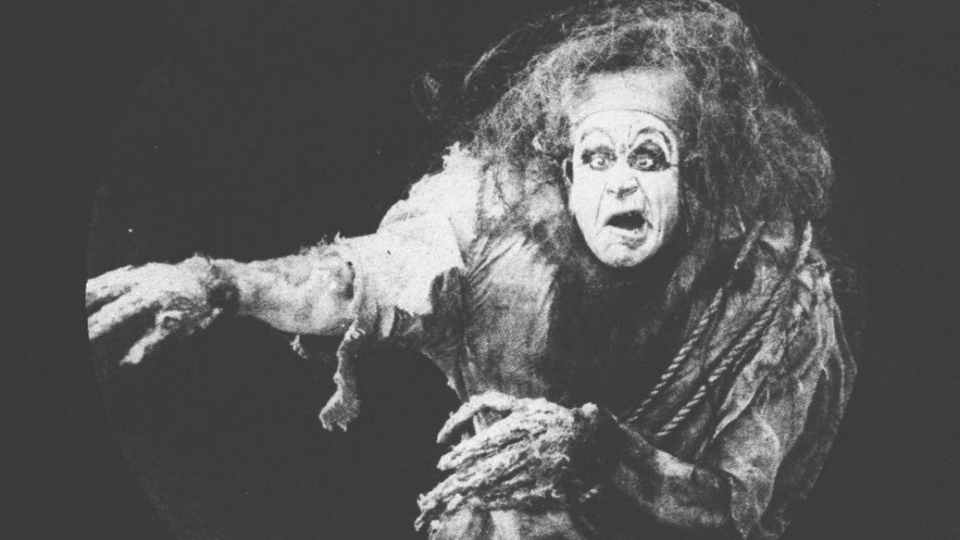
The first cinematic incarnation of Frankenstein was brought to us by Thomas Edison. I had seen this prior but didn’t realize it was missing.

Frankenstein (1910)

The second is another first time screen adaptation this time of Robert Louis Stevenson’s classic Dr. Jekyll and Mr. Hyde

Dr. Jekyll & Mr. Hyde (1912)

The Lone Ranger’s Unbankable Intrigue

At the beginning of Matt Zoller Seitz’s review of The Lone Ranger he encapsultes exactly what’s right and wrong with the film in my eyes:

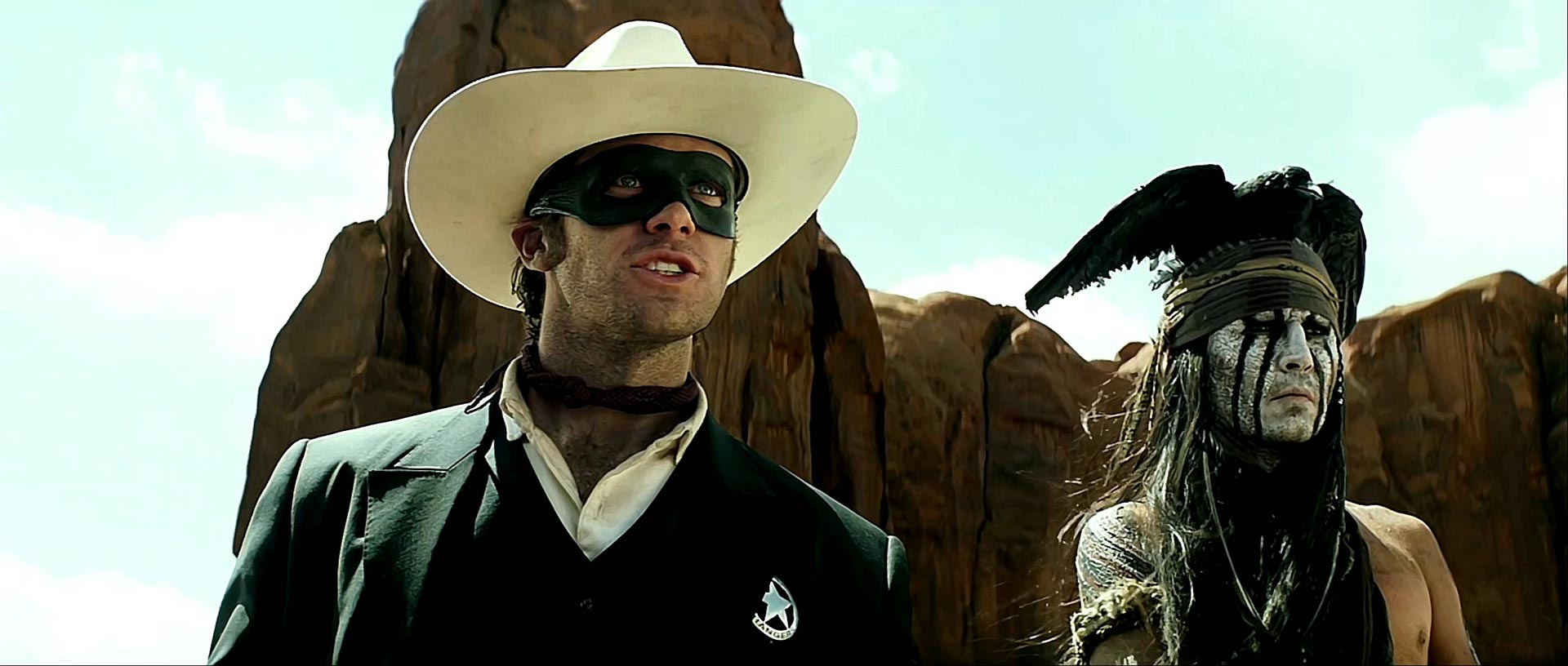
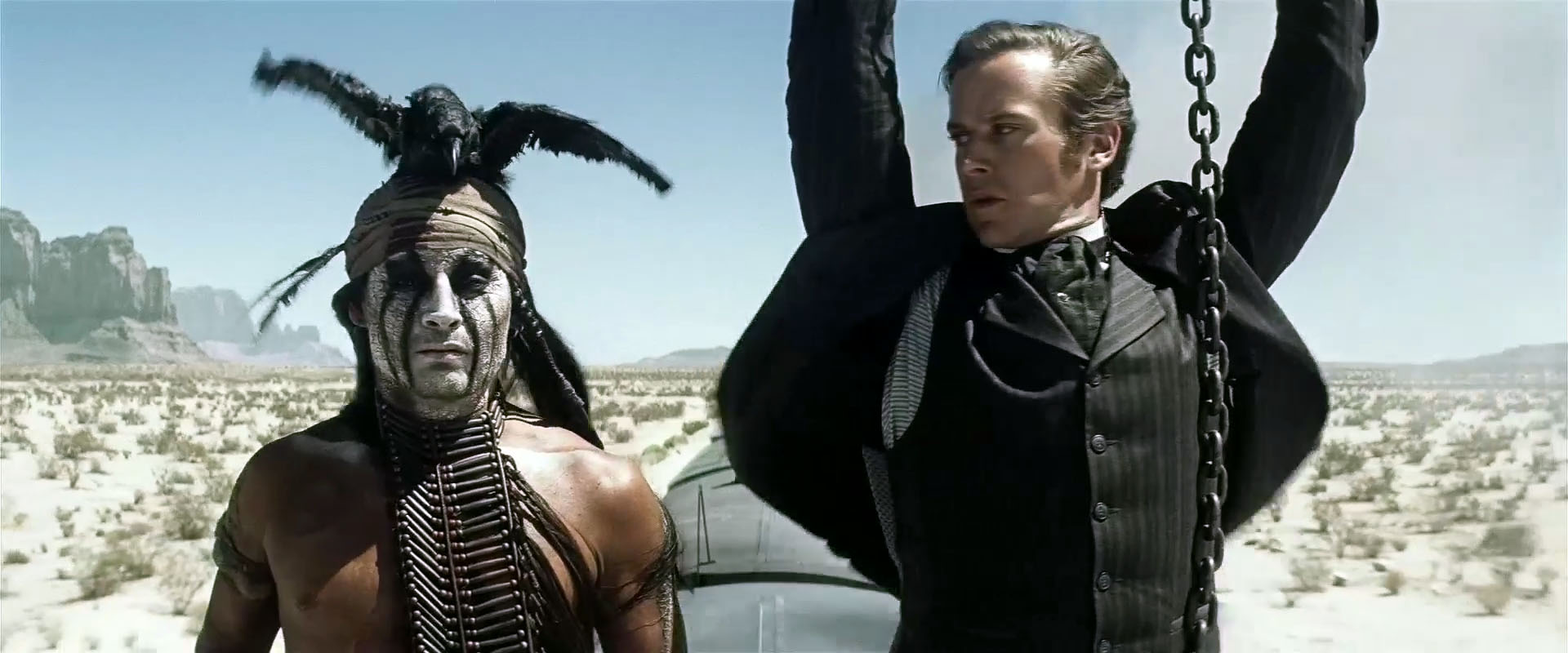
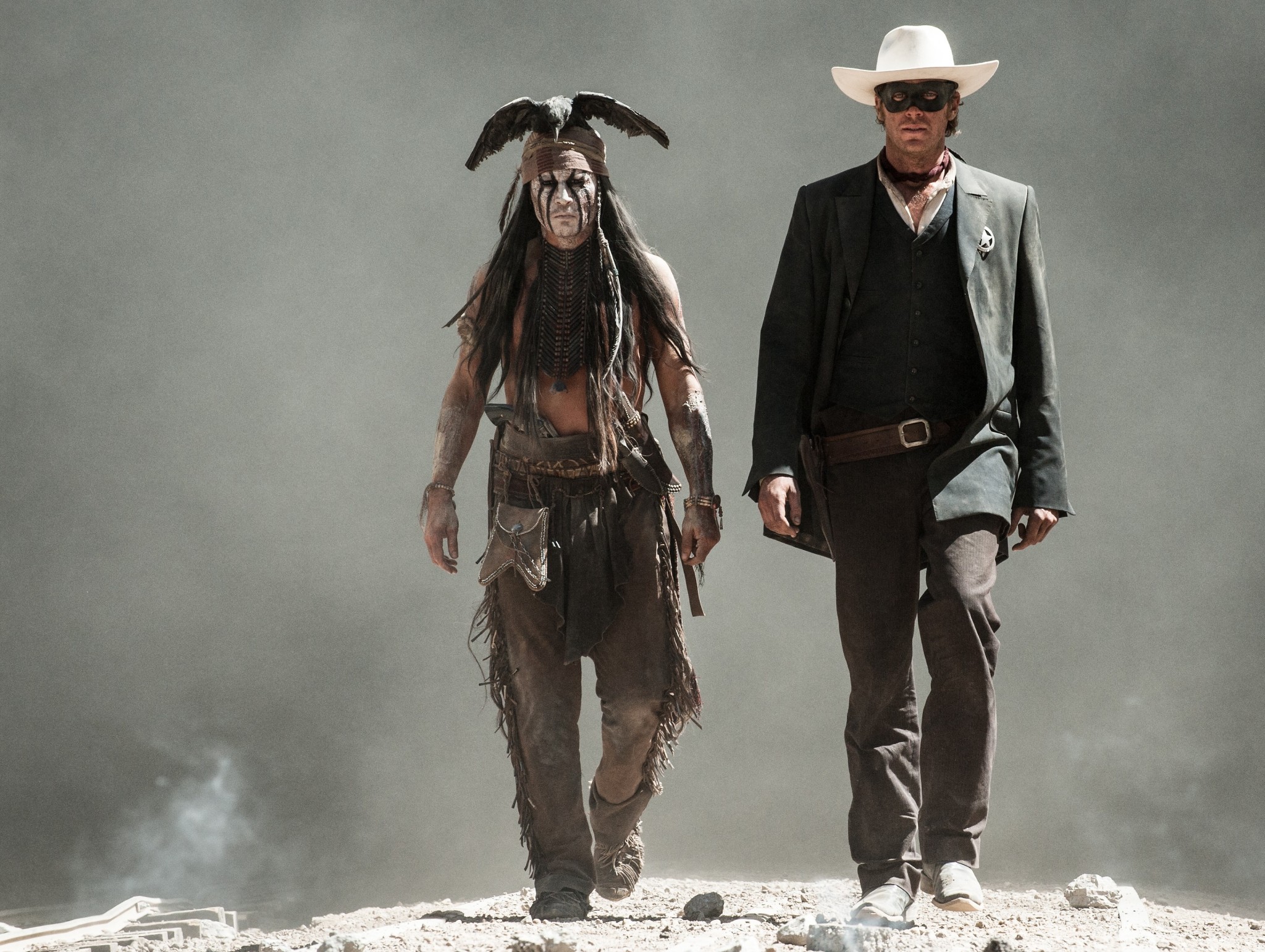
Like “Speed Racer” and “John Carter” before it, “The Lone Ranger” is a movie with no constituency to speak of. It’s a gigantic picture with a klutzy, deeply un-cool hero (Armie Hammer of “The Social Network”), based on a property that most young viewers don’t know or care about. It arrives in theaters stained by gossip of filmmaker-vs.-studio budget wars, and concerns that its star and co-executive producer, Johnny Depp, would play the Ranger’s friend and spirit guide, Tonto, as a Native American Stepin Fetchit, stumbling around in face-paint and a dead-crow tiara. The film’s poster image might as well have been a target. Too bad: for all its miscalculations, this is a personal picture, violent and sweet, clever and goofy. It’s as obsessive and overbearing as Steven Spielberg’s “1941” — and, I’ll bet, as likely to be re-evaluated twenty years from now, and described as “misunderstood.”

You really should read the whole review it’s simply replete with brilliant observations about the movie, but what struck me most was that beginning wherein it enumerates not only kind of how I walked out of the film feeling but also what was miscalculated about it in terms of its being a tentpole.

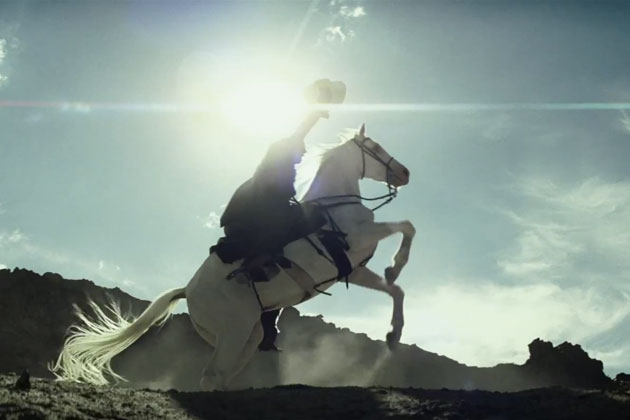
The Lone Ranger (2013, Disney)

As I tweeted when the numbers started coming in, and I should’ve put it out there earlier, you could’ve seen the box office failure of the film coming. It was a film that almost didn’t happen and after John Carter flopped you thought it might not. It’s almost like they went back to a well that ran dry hoping to find water this time because they brought Johnny Depp along.

Lack of Bankability

The Lone Ranger (2013, Disney)

Not to sound too crass, as I did like it, but clearly the same inherent issues that John Carter had in terms of bringing out the masses The Lone Ranger was sure to have. It seems tiresome but every time there’s some sort of box office bomb it makes me want to list who is involved. Yes, there are still plenty of good actors and movie stars, but guaranteed draws are very few.

Off the top of my head it seems only Tom Cruise and Adam Sandler get people to show up, but even Cruise had the under-viewed Jack Reacher just recently. As with Sandler, I have to wonder how much of that is morbid curiosity because after seeing Grown Ups 2 I wanted to curl up into the fetal position, weep and wish it was still 1999.

So, in spite of the fact that this film also is a good one, likely a much better one than John Carter, I never saw it as a money-maker. I couldn’t have predicted how insanely Despicable Me 2 would open (It really is Universal’s year it seems; R.I.P.D. notwithstanding) but in a vacuum this is not one I had high hopes for in that regard.

Disney Issues

The Lone Ranger (2013, Disney)

It’s even more frustrating because if you follow what Disney does you know they acquired Lucasfilm and will be bringing Star Wars back. Sure that cost a lot of money both in acquisition and the production of the five announced films, but could they just grin and bear it for a while and know they’ll see a return on that investment, especially with the Marvel leviathan growing ever bigger? No, they just had to gut their hand-drawn animation staff.

Yes, hand-drawn is costly, but it did all begin with a mouse and all those investments will yield dividends but you can’t forget where you came from. New Mickey cartoons are great but it’s bittersweet to say the least.

Reflexive Western

The Lone Ranger (2013, Disney)

Back to The Lone Ranger, as for the film itself, it’s constructed in such a way that we can likely go back to it and start parsing the visual cues and narrative references to diagram the deconstruction of the western, as Zoller Seitz does and this review does.

It takes an old character, and perhaps a cynical, nihilistic advantage of older connotations of Disney films and toys with expectations and creates this The Lone Ranger perhaps the only way he can exist now and re-creates Tonto perhaps as he always should have been.

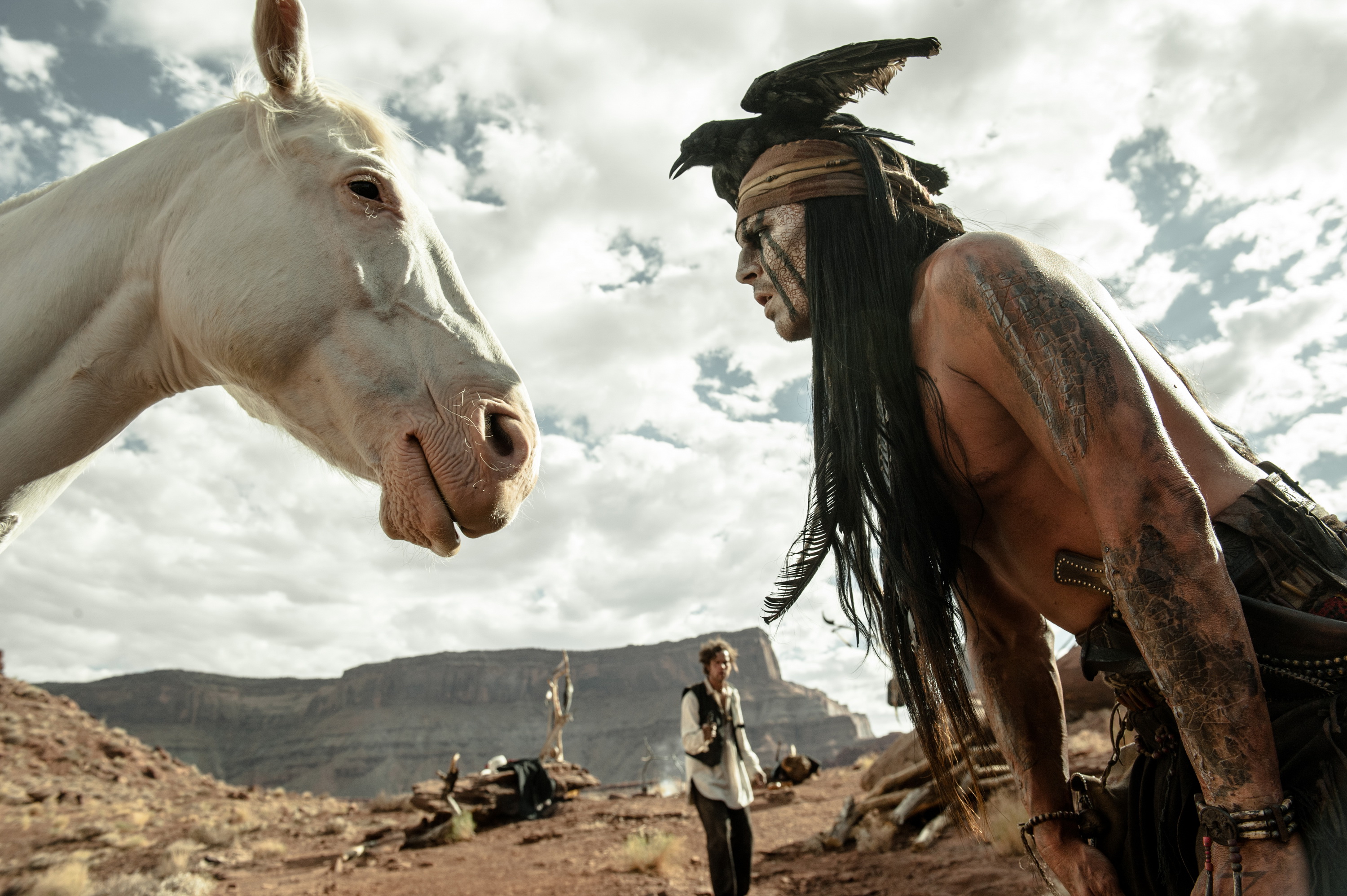
Does Depp being Depp undercut some of the commentary being made on race and the old west, Manifest Destiny and all the rest? That was something I grappled with as the film played. In the end, I don’t think it does for narrative perspective has to be taken into account. This is really Tonto’s story from the opening shot to when he tells The Lone Ranger to “Never do that again,” after finally breaking out the anticipated (by those who know something of the character) catch phrase “Hi-yo, Silver, away!” at the very end.

The Lone Ranger (2013, Disney)

There’s lamentation and regret from both characters in this tale: The Ranger for his lost ideals, and Tonto for his naive mistake. In some ways the film plays like a lament of the loss of the old Western, not the Old West. When film and society was more naive the Western was the canvas of absolute ideals, as we’ve come to terms with our past as a nation and further world events have stripped that naïveté; the Western had to grow up. The films are now adult tales for adults who remember the genre as children and don’t cater as well to a young audience anymore because it’s not really in the pop culture landscape anymore, not for kids.

While this allows the film to do some interesting thing in terms of commenting on genre, history, race, the country in general; it’s not box office material, especially considering the amount of money invested in this film.

Lastly, the character of Tonto, for how it used to be portrayed, is likely a racist symbol to many. Honestly, the only exposure to the character I had as a kid was in SNL parodies of Tonto, Tarzan and Frankenstein. I don’t think there will be a consensus of where this rendition falls. All I know is in culturally sensitive matters there is never a unanimous sentiment and hardly ever a consensus. From my perspective, as one who had my defenses up waiting for something that crossed the line, I really don’t think it did. Especially when the tribe s introduced and explains Tonto’s story.

The Lone Ranger (2013, Disney)

When one went in not knowing what to expect it was far too easy to be caught off-guard by the film; far too easy too take it at face value as over-produced, overly-expensive fluff, but there’s more to it than meets the eye, which is what makes it interesting even if it won’t make it profitable.

Tarzan Thursday: Tarzan Triumphs (1943)

One thing that you can more readily see in hindsight is what I’ve been examining most consistently through the course of this series of posts is the shape of a franchise. With Tarzan’s Secret Treasure what RKO seemed to be trying to do was as closely emulate the MGM Tarzan films as they could. What occurred in Tarzan Triumphs is that they were much closer to making it an RKO film. Now, it has been widely reported and agreed upon that RKO, unlike, say MGM and Warners, did not have a signature style in the studio era; so I suppose what I really mean is that they came closer to making it a well-crafted B-Film that had as much if not more fun than MGM packed in and less shimmer.

One shrewd move that RKO made when assuming the mantle of the series was to put off re-introducing a re-cast Jane. Ultimately the new actress playing Jane was put behind the eight ball by the parts written for her. The fact that she was not Maureen O’Hara, or even a reasonable facsimile, also hurt greatly.

So the transition to a more RKO-friendly formulation was as of yet imperfect and would be bettered for the next installment. The quickening pace of production also became even more apparent here as this is one of two releases from 1943. Weissmuller assumed the role from 1932 to 1948 and this was the only year in the whole run when there were two releases in a calendar year.

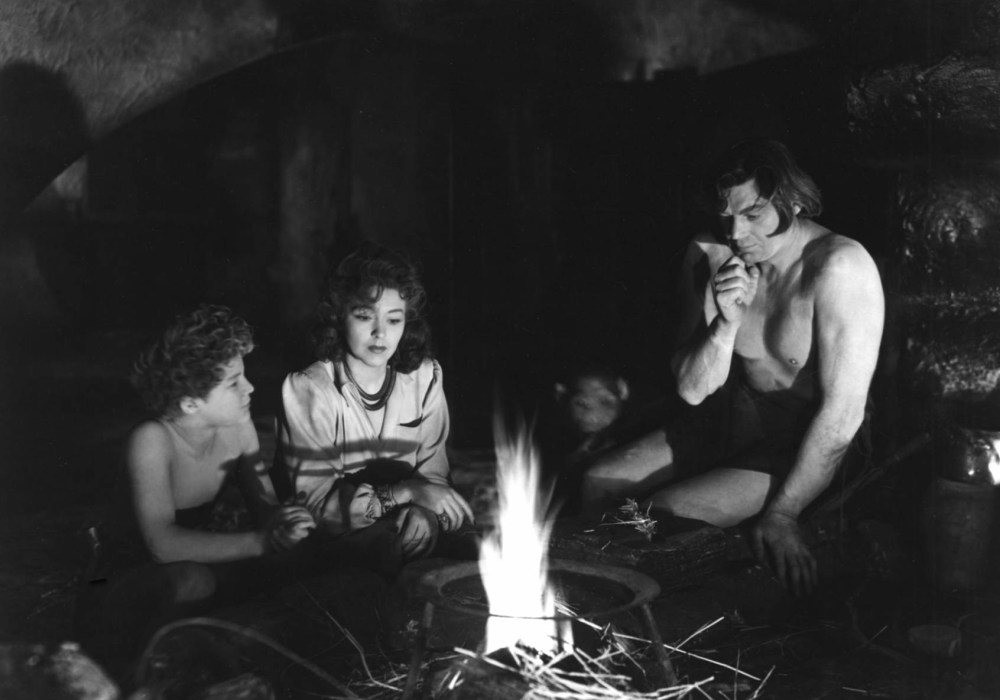
Tarzan Triumphs (1943, RKO)

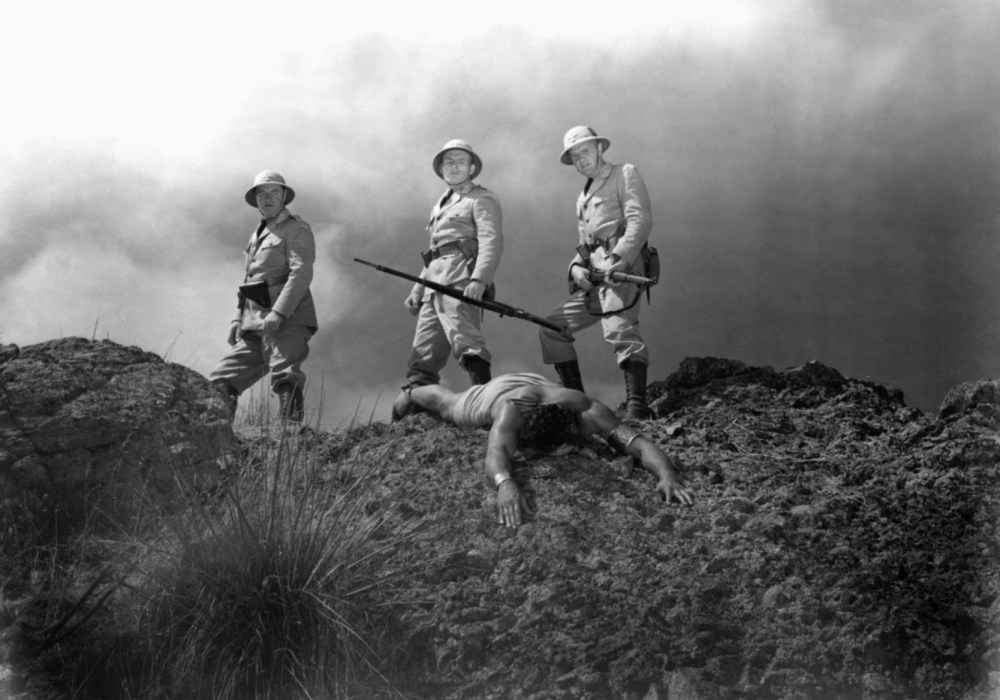
So, yes, this is the (in)famous installment when Tarzan does do battle with the Nazis. As silly as that can be, as inconsistent as the German and/or English accents, as vaguely as said Nazis are clad; those aren’t the biggest issues. Some of the biggest troubles are the same as they ever are. 10 minutes in, and what has actually happened? They met a new character but no inciting incident really occurs. An “Iron Bird” makes its ominous appearance but they everything is OK for another minute or two.

To this film’s credit, it does accurately portray Tarzan. He more often than not in the series wants to just live and let live. He doesn’t want outsiders in his land and also doesn’t want to fight just because. “Why Tarzan kill Nazis?” In a propaganda era the temptation to have him forget these ideals may prove too large. However, they stood firm. Tarzan only fights when Boy is taken, “Now Tarzan make war.”

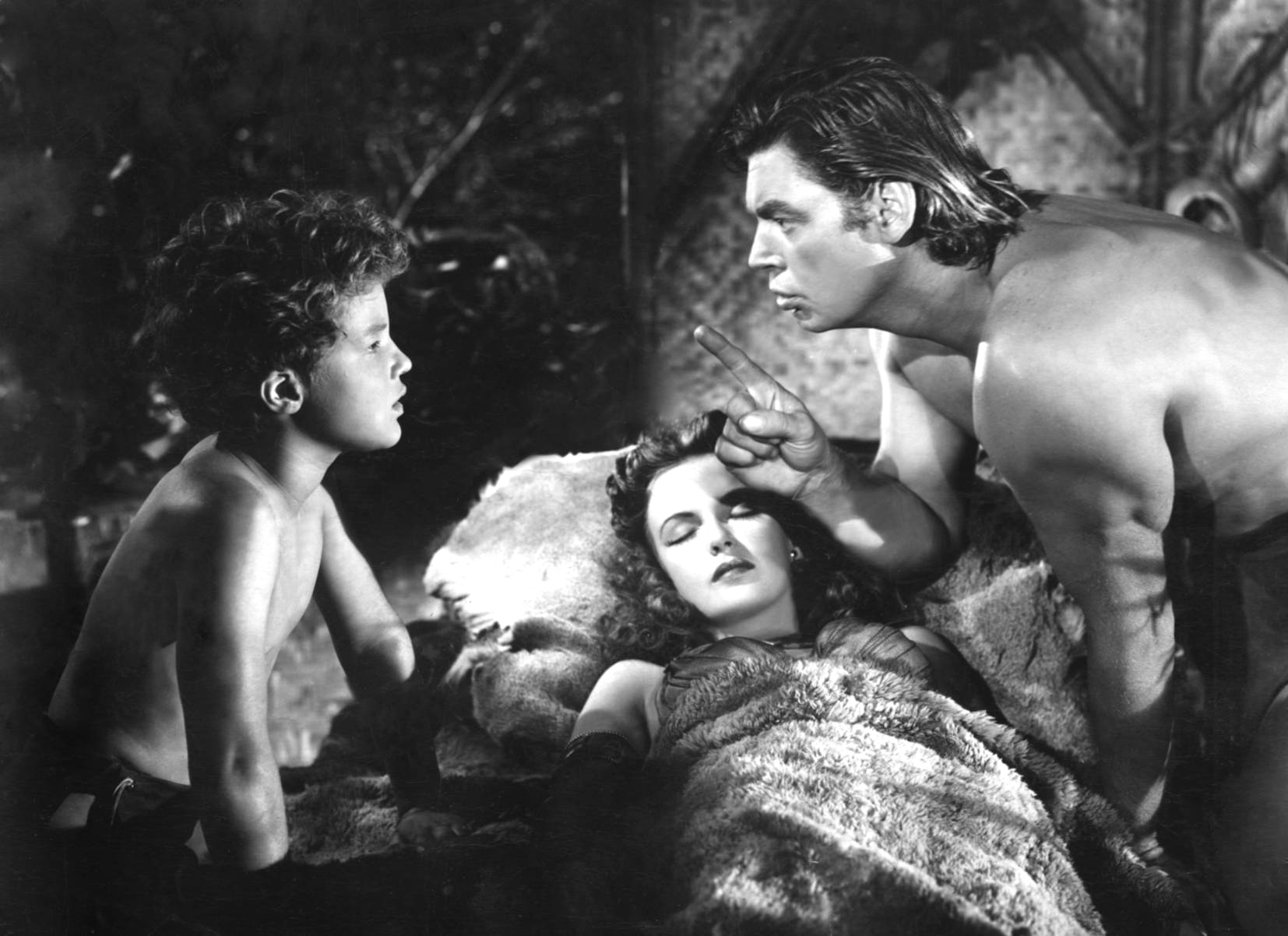
Yet, through that consistency there are some odd changes. Namely the instances in the two-film absence of Jane there are some awkward, uncomfortable sequences where Tarzan must ally himself with a woman from another tribe, which is handled fairly platonically, until for reasons unknown, Boy prods Tarzan to swim or engage in other activity that’s fairly flirtatious, especially during the Code. This being the same Boy who’s been raised believing Jane has been his mother. It’s quite odd to say the least.

Tarzan Triumphs (1943, RKO)

The film ultimately falls into a sequel trap wherein the writing seems to try to shoehorn in things the audiences like and expect. What do we do now? What do they want it, and how do we give them more of it?

While it is good that here Tarzan does start to have friendly interactions with other tribes, and is not always keeping “unruly savages” in check. An odd habit does develop of casting other caucasian actors, not making any attempt to disguise their ethnicity in make-up and simultaneously giving them no backstory, or even making comment as to why they’re in the jungle. Particularly when Tarzan battles Nazis this is a missed opportunity and more than a bit unfortunate. It’s hard to believe that the next film would be RKO’s zenith but sure enough it was, even after all this.

Facebook Actor Game: James Franco

Like many things on Facebook, this game has waxed and waned in popularity over the years, and, for whatever reason; I never participated until just recently. Essentially, it functions kind of like a chain letter. Someone mentions who asked them and if you like the status you’re assigned an actor by the author of said post.

In my first time playing I was assigned James Franco, which is a pretty interesting choice, and not just because he’s already in the running for Entertainer of the Year this year. So I figured I’d share my thoughts in something slightly larger than an Facebook post here. Also, if you’re so inclined you can like The Movie Rat’s Facebook page here.

Movie I Loved: This is the End

This is the End (2013, Sony Pictures)

It’s too early to tell if this film really is a game-changer, however, what can be said is that it’s a fantastically executed concept and uproariously funny. Crass and immature, yes, but funny too.

Movie I liked: Rise of the Planet of the Apes

Rise of the Planet of the Apes (2011, 20th Century Fox)

As the above linked-to review supports, I did like the film. I can’t say that I slammed him for this one but it seemed to be one of his disconnected parts though. Those, unfortunately, do come around from time to time.

Movie I hated that I liked: Pineapple Express

Pineapple Express (2008, Columbia)

I interpreted this one as kind of meaning overrated. There’s no so-bad-it’s-good in his works, those are rare. This movie is OK but no big whoop like some made it out to be.

Movie I hated: Spider-Man

Spider-Man (2002, Columbia)

This selection has very little to do with Franco and a lot to do with the effects I never liked, the casting and the story that didn’t get me to engage at all.

Movie(s) I keep meaning to see but haven’t yet: 127 Hours, Howl

127 Hours (2010, Fox Searchlight)

I really wanted to see 127 Hours in the year it was released. Essentially, it would’ve been just to see him. Unfortunately, that never happened. Same story for Howl except that I was anticipating that a bit more as a film.

Movie(s) I can’t wait to see: Spring Breakers, The Little Prince, The Sound and the Fury

Spring Breakers (2013, A24)

Spring Breakers has a lot of hype for his part so I’d like to see it. The last two titles are if they happen, obviously as they are in development and pre-production respectively. If he get to tackle The Sound and the Fury as a director I’d want to see that. However, even more intriguing to me, albeit another animated version, would be a The Little Prince. It’s a book I’ve read in three languages so any new version is something I look forward to.

Conclusion

I was glad to have participated in this game. At times we seem to always be in the present or thinking about the future, therefore it was good to do a little retrospective.

Short Film Saturday: Rediscovered Short Films of the 1900s

If you saw last week’s post, you’ll see I’m running a theme on rediscovery. These will spin-off into a different kind of post when I start to run into features. As for now, while shorts were king, the films will appear here.

The Death of Poor Joe (1901)

Believed to be the first cinematic work based on Dickens.

Katsudō Shashin (1907)

Believed to be the first Japanese animation.

Running only 3 seconds. Discovered in Kyoto in July 31, 2005.

Sherlock Holmes Baffled (1900)

From Wikipedia:

Running only 30 seconds, this is the first recorded detective film and the first to feature Sherlock Holmes. A paper copy was identified in 1968 in the Library of Congress Paper Print archive by Michael Pointer, a historian of Sherlock Holmes films. It was transferred to 16 mm film in the Library of Congress collection.

El hotel eletrico (1908)

Directed Segundo de Chomon a Spanish film pioneer.

I Quit: World War Z

As I have proven in the past by watching many more Hellraiser, Friday the 13th and Children of the Corn than I likely would have otherwise; I am at times inclined to watch a series long past its best days being behind it. However, what delineates those examples from, say my treatment of Paranormal Activity, is that in those series there was the impetus of having liked at least one installment. With Paranormal Activity, though I came dangerously close, I’ve not liked one. Yet, I admit to having been a small part of the problem inasmuch as I’ve seen all four at theaters.

It therefore occurred to me, after having been made perfectly aware that I am in a minority opinion on World War Z, that I should publicly decree that I quit the series. Rumors of a sequel I feel may have been a bit premature, even in this day and age, considering the unwieldy production budget, that does not include the promotional blitz, but as it stands fairly strong both here and overseas it seems more likely. I will not contribute to the success of the sequel even out of curiosity. Not during its theatrical release anyway. I know that sequels tend to lower the threshold for financial success, but this is more about principle than any delusion that my ticket makes that much of a difference.

It’s just time to say enough. I could’ve picked another franchise to be the sacrificial lamb, and this seems to be one in the making that I’m fairly sure I’ll never get so I’ve had it. Enough. If you enjoyed it I don’t begrudge you, go and enjoy them all, however many there may be. However, I do encourage you to stand firm regarding another property that you’re patronizing just because, not due to the fact that you really want to see it.

Will I be able to throw down to gauntlet to other behemoths? Maybe not, but it has to start somewhere. I shielded myself as well as I could from outside opinion of World War Z before I saw it. In all honesty, I expected my reaction would be ‘meh’ in the face of many positive reviews. It fell well short of even that unimpressive standard to me and hovers somewhere between atrocious and a travesty in my mind. So I say no more. If you feel as strongly about it or something else I suggest you do the same.

Tarzan Thursday: Tarzan’s New York Adventure (1942)

Introduction

Last year the character of Tarzan celebrated his 100th year in print. A serialized version of the story first appeared in 1912. A hardcover collection of Tarzan of the Apes first appeared in 1914. Being in the middle of the Tarzan centennial period it’s an opportune time to (re)visit many of the screen renditions of the character. Previous posts in this and other series can be found here.

Tarzan’s New York Adventure (1942)

From reading some on the series, not exhaustively mind you, but I have seen mention that Maureen O’Sullivan was known to be playing Jane for the last time in this film, which is understandable. It’s understandable that an actress of her talent would want to move on to something else – in this case to devote time to her actual family offscreen. For as well as she played Jane, and as well as the writers consistently crafted her part, the need for a change can be tolerated. Similarly, the need to change venue from the escarpment can be accepted. It’s almost like airing out a play when adapting it for film. A play tends to be mostly interiors and focused on having a unity of time and space as much as possible dating back to Ancient Greece. Film by its nature needs more room in time and space.

However, it’s what done in light of these facts that isn’t all that great, along with some ancillary fumbles that take an idea with potential and makes it a sad miss. Most notably the sequences in New York don’t do great with the fish-out-of-water aspect, and introduce maybe more unfortunate racial attitudes than were ever displayed in the jungle. Even if you’re inclined to let that slide understanding it came with the time, it’s further jarring because, at least when O’Sullivan played her, Jane was a very progressive woman for the era, living in the jungle and all she willingly left behind – so being shown other antiquated attitudes stands out more.

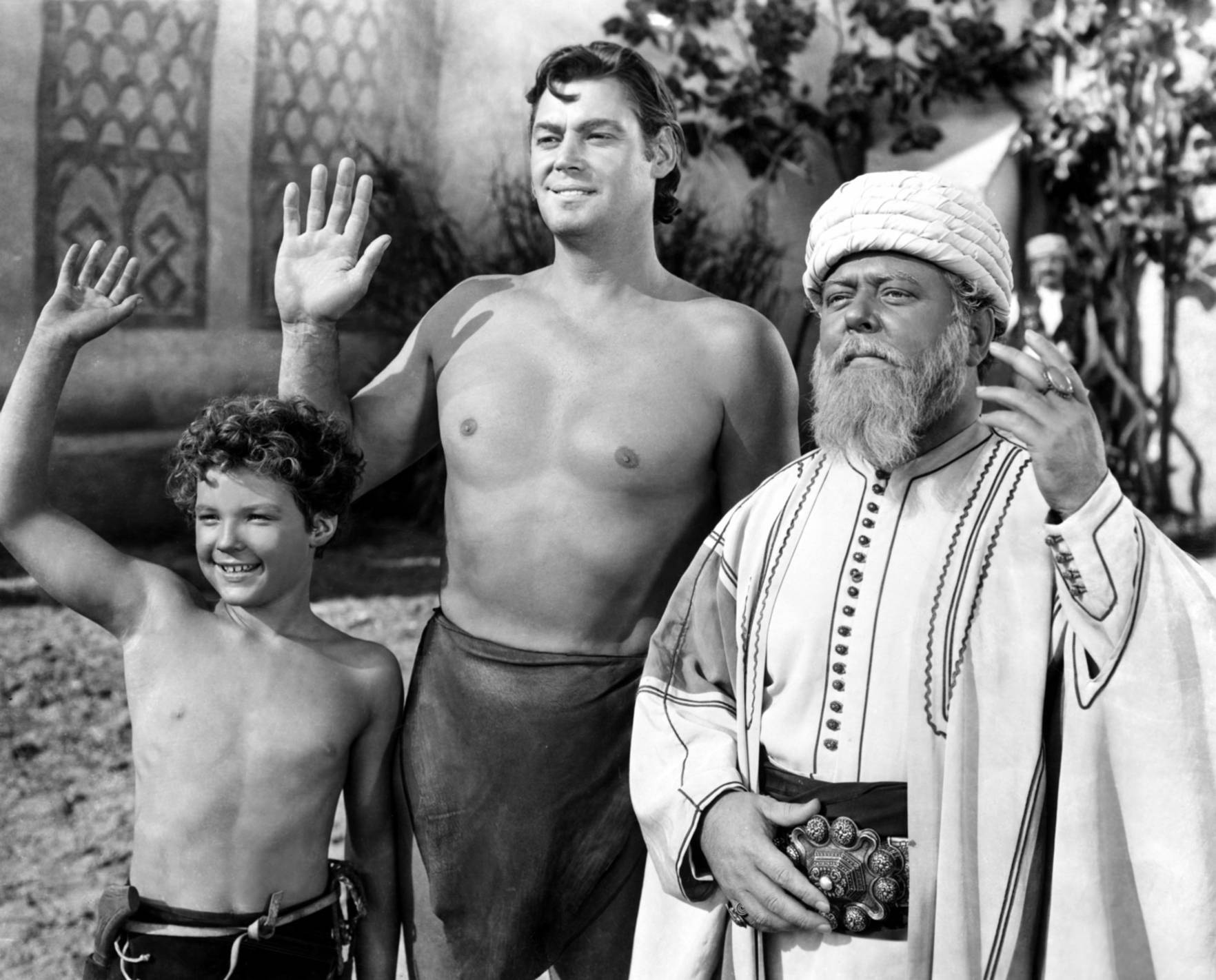
Which brings us to one of the few bright spots this film has and it is, oddly enough, the courtroom sequence. Here both Jane and Tarzan get to speak and stake their claim to boy. It gives O’Sullivan the chance to perhaps display more range with her character than she ever did. Seeing as how in protecting Boy’s interests she makes mistakes and reels from them. Tarzan is allowed a few philosophical insights on the stand and is prodded to the point of rage and attacking the prosecutor. It’s most definitely Weissmuller’s best turn as the character. It also marks another progression as Tarzan is now more vocal than ever in part because he has to be but that has developed well throughout.

Tarzan's New York Adventure (MGM, 1942)

However, much of the sequences outside the escarpment do nothing great or exciting. As the series grew longer the running times grew shorter, but the task of crafting a good Tarzan film didn’t get easier because it seems in some installments more filler was added rather than substance, and this film is a prime example of that.

Now, I have been purposely exploring narrative patterns and some other themes that run through the series without annotating each post with a score simply because I wanted more focus on these areas as opposed to the good or bad. Similar thoughts have come to me when I tackled other series’ in the past. The precise number I’d rate it was almost an afterthought because I wanted to discuss certain things regardless of what side of the good/bad paradigm the film fell. So without bringing it up until we get to that film: there will be another good one and this is not it.

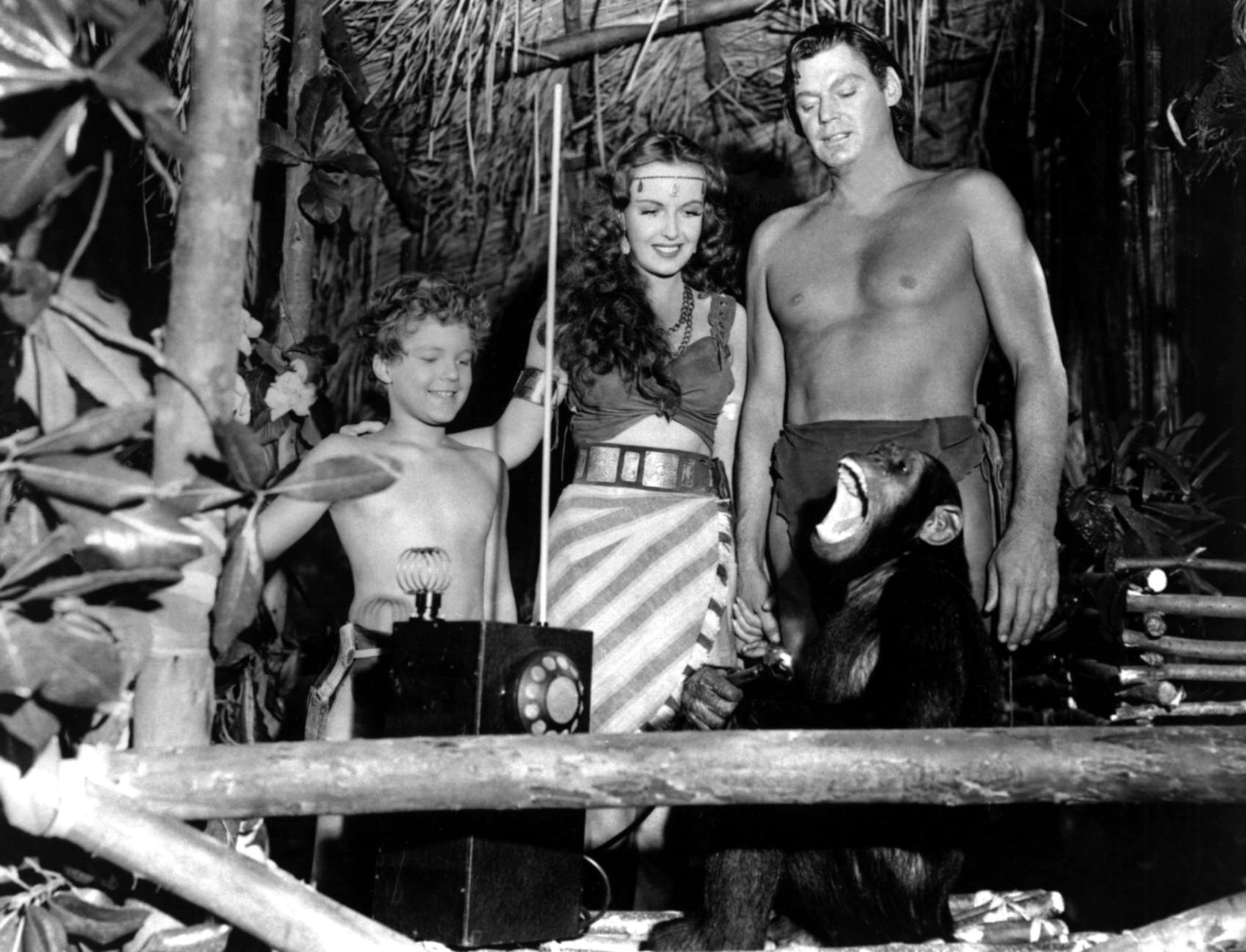
The filler, which in this film was a lot of Cheetah alone both on the escarpment and in New York was usually just her. In the plot I only noted one occasion where Cheetah’s involvement was both necessary and helpful. In production she was most helpful as she got the three leads quite a bit of time off while the camera rolled on random monkey crap.

Tarzan's New York Adventure (1942, MGM)

The naïveté and messing up of Boy landing him in trouble rears its head again. This a well that was went back to far too often with his character being too slow on the uptake. Many of the films were very concerned with how white men would try and fool or convince Tarzan who rightly grew more skeptical as the films moved on. Boy sadly got to repeat the exact same tropes too many times over. There are rare flashes of growth in his character later on that are a breath of fresh air. To be fair, he is spirited away in the end but it’s his naïveté that gets him into the situation.

Aside from the courtroom sequence the best aspect of the film is definitely the fact that, despite Tarzan seeming more able to cope with civilization than he should, Jane most definitely take the lead in their search for Boy throughout New York.

Essentially what this film hoped was that a few different setpieces while others were re-fenestrated would be enough to make it feel truly different without the film ever getting there. Essentially it started to feel like MGM was really just churning the series out at this point and it ending there was just fine. The films not only got shorter but got less score. I remember at one point when the score came in thinking “Oh, there’s the music.” Music was far more present in the first three. At this point if the series was to continue, which it did, it turning around to RKO was not necessarily a bad thing.

That Should Be a Thing/Film Activism: Extant/Lost Film Database

OK, I know what you’re thinking: What’s with the slashes? Well, quite frankly, I’m not sure I’ve had a post that’s changed so much from the day I wrote it to the day I was going to post it. Essentially, what I was setting out was the first in a series wherein I would propose a utopian concept that should exist. Namely a database wherein you can type the title of a movie and its status (lost, extant, out-of-print, etc.) would be listed.

Here’s the text I started with:

I will always, and without apologies, support a utopian ideal if I think it will really be of service. For those who love film there is such a thing as film activism and if I should see something pop up that matches that criteria I will post a new edition of that series.

That Should Be a Thing is an idea that spawns more form my daydreaming about an ideal and not thinking or knowing if something like it exists. If it does not it should is what I am getting at here.

I am a strong supporter of film preservation efforts. The goal of preservation is the prevention of loss of films we already have. Sadly, many have already been lost. Finding out about a very cool sounding movie, looking for it; only to discover it is now considered lost is a terrible thing. However, much searching, headache and heartache could be spared the seeker of the arcane if a database existed listing the status of a given film.

Therfore, all one would have to do upon learning about a title would be to input the title and year of a film and be given a status report.

Do any of you know if anything like this exists? I know Movies Silently has been profiling lost films in a series, and it’s always great to feature lost titles but that’s not a searchable database of myriad titles, which would be ideal I’m envisioning. If there is such a thing I’d love to know about it.

Name That Film (EastmanHouse.Org)

So what changed the post? Well, it’s not quite the same thing, but there is an effort to assemble a comprehensive list of lost films, which has been organized by the Deutsche Kinemathek – Museum für Film und Fernsehen, Berlin, and funded by the Kulturstiftung des Bundes (German Federal Cultural Foundation). As per its about section anyone and everyone is encouraged to join:

Its purpose is to make visible the invisible portion of film history by acting as a collaboration platform for internet users to bring together relevant information and surviving documents concerning Lost Films.

The archive of titles currently contains over 3500 films believed or declared to be lost.

A constantly growing network of collaborators has been responsible for building up this archive.

Initial collaborators submitted almost 500 of these titles to a specially set up Wiki during the earliest stages of Lost Films’ development.

Others, meanwhile, have been kind enough to allow Lost Films to reproduce information already published elsewhere.

The archive was specially developed using a new Open Source Software called CollectiveAccess.

Using this software, it is possible to supplement individual titles with detailed textual, photographic, audio and video information – all in a single, virtual space.

As an example, the Deutsche Kinemathek has personally illustrated 37 of the most sought after lost German films, carefully selected through consultation with renowned experts.

The 6 partner institutions together submitted over 1500 surviving primary documents, which were then uploaded to the CollectiveAccess database and linked to the relevant film title(s).

Over 40 different document categories were assigned to the documents so that users would have the option to view the different document types separately.

Document types uploaded include surviving production records, such as scripts and set designs, as well as posters and other distribution materials, press items, censorship documents and music manuscripts. Also uploaded are numerous photographic stills and even in some cases digitised film clips.

An identify section, meanwhile, presents a selection of pictures and video clips of unidentified films for users to help identify.

All visitors to Lost Films are free to view its contents. However, members have the added benefit of being able to amend existing information, as well as to contribute additional information and documents.

Member contributions will assure the frequent and essential supply of the most up-to-date and accurate information.

All visitors to Lost Films are therefore encouraged to become members. Click here to register.

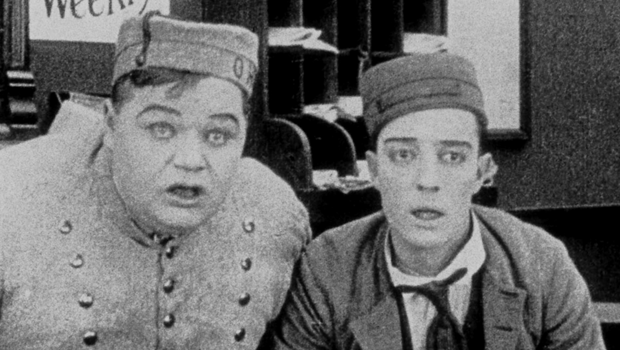
Buttons (1927, MGM)

Sure enough when I searched its database Buttons, (a title I was prompted to search for due to my having read The Keystone Kid) which was recently reported as lost to me via Warner Archive’s Facebook wall, is not in the database. Therefore, while I await the utopian arrival I will join and do what I can (try to get that title added). I hope you will too.