The Miriam Hopkins Blogathon: These Three and The Children’s Hour – The Adaptation of Miriam Hopkins

Introduction

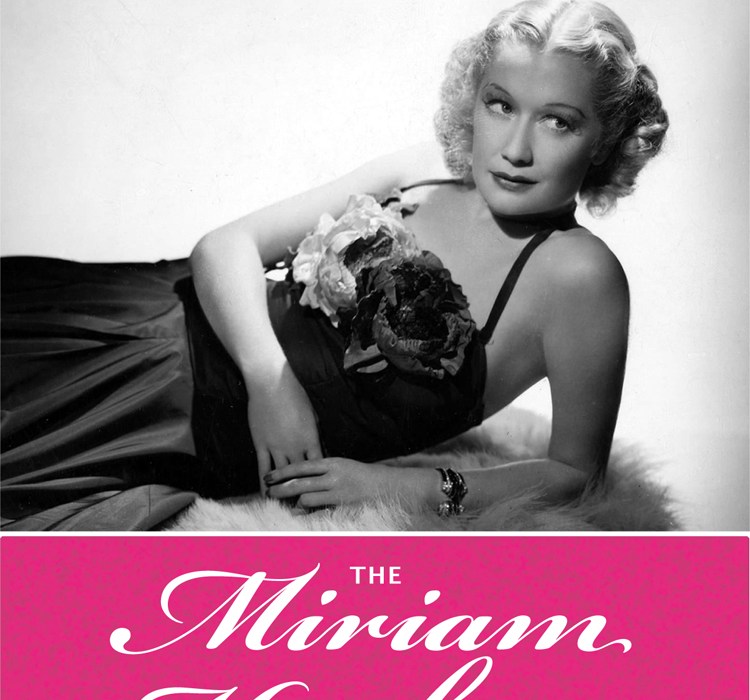
One thing I must fully acknowledge before beginning was that prior to signing up for this Blogathon Miriam Hopkins was not a name I could connect to a face. When I checked her filmography on the IMDb I saw that i had seen her in a few things but it hadn’t stuck with me for some reason. At that point I thought I would pass on the blogathon. However, then I got to following links and I realized that she was in not one but two versions of Lillian Hellman’s The Children’s Hour on the big screen. The opportunity to cover the multiple fascinating angles that affords got me more into.

First of all, I find it quite interesting that both she and William Wyler were drawn to the title on more than one occasion. Second, an actor playing two parts in the same story over the course of a career is quite interesting as well. Third, due to the fact that 25 years elapsed between the films it also displays Hopkins at two very different stages in her career. Lastly, what makes these two versions of The Children’s Hour, the earlier called These Three, interesting to compare and contrast is that since the initial adaptation was made in the early days of the Code being fully enforced it’s a rather different treatment of the narrative that removes overt references to lesbianism entirely.

In the structuring of this post I will touch on all these topics while attempting to keep a bulk of the discussion on Hopkins, and extrapolate and disseminate other points from that place.

The Children’s Hour (1934 a play by Lillian Hellman)

e0484b656e107f538deba822747075d5

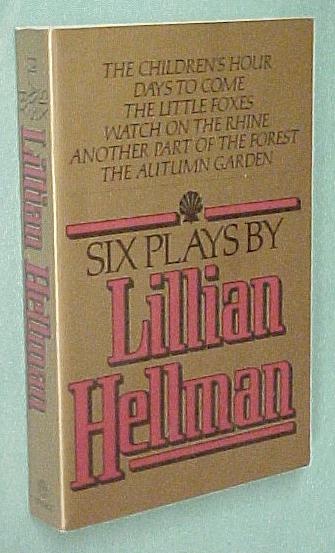
To start with I wanted to finally get to read The Children’s Hour. When I was in college, in one of those oh-so-wise syllabus-requirements I was asked to purchase Six Plays by Lillian Hellman even though we were only going to study the Little Foxes. I don’t mind having extra plays, it just seemed a little silly as required reading.

I happened upon excerpted reviews of the play on Goodreads before I embarked on reading it that I must say disappointed me a great deal. They did so because they said things to the extent of “it doesn’t seem so shocking now, maybe it was then…” and they would proceed to discuss why they think the play is mediocre. The issue there is that they’re missing the point entirely. Firstly, there’s only a halfway decent rationalization of the time period. Yes, discussing the subject of homosexuality in 1934 carried far more weight, however, I do not think that shock was the sole intent of the play – or even the intent, at most it’s the hook. The tale in its original form and in the 1961 film is a tragic one. It’s about perceptions, attitudes, rumors and lies. Furthermore, many of the things that Lillian Hellman wrote in 1934 are still said in America in 2015 when the topic is discussed by some the perceived relationship is described as “unnatural,” “it becomes a great deal more than that when children are involved,” “I don’t understand it. I don’t want any part of it,” “But this isn’t a new sin they tell us we’ve done. Other people aren’t destroyed by it.” Clearly we’re not as advanced as we’d like to think. Some of these very prejudices and perceptions are still bandied about like they make the most sense in the world. Furthermore, a child’s word when they do not understand the totality of what they are insinuating is the same thing that incites the recent Danish film The Hunt. Clearly I think there is still a vitality to this play that belies the date of its first production such that I wouldn’t mind it being revisited anew. However, it clearly struck a nerve in 1934 and remained relevant enough that it was deemed worth of revisiting when film was entering a bolder, new era.

Now back to the era at hand when this story first rolled onto the silver screen the liberties Miss Hellman was afforded as a playwright were not the same she would be afforded as a credited screenwriter, not to the studio adapting her work seeing as how the Pre-Code madness was snuffed out and the Code was in full force.

These Three (1936)

These Three (1936, Samuel Goldwyn)

In the initial Production Code there is a section on “Impure Love.” In that section is detailed that any sexual congress deemed inappropriate by the Bible were impermissible. It then goes on to detail how things like extra-marital affairs or pre-marital relations should be handled when necessary as plot elements. Banished from even mention in the code was homosexuality. Even miscegenation, was later addressed and strictly forbidden in an amendment. Homosexuality it was understood was not to be broached. It was in fact the “love that dare not speak its name” in his mind.

Thus, when dealing with a narrative wherein a child claims her two female teachers have an unnatural relationship not only can Martha not confess that she believes she has loved Karen “the way they said” the entire insinuation has to be struck or risk being banned altogether. Therefore, the story must be told under the guise of something that can be dealt with, but not glorified: a heterosexual love triangle with jealousy.

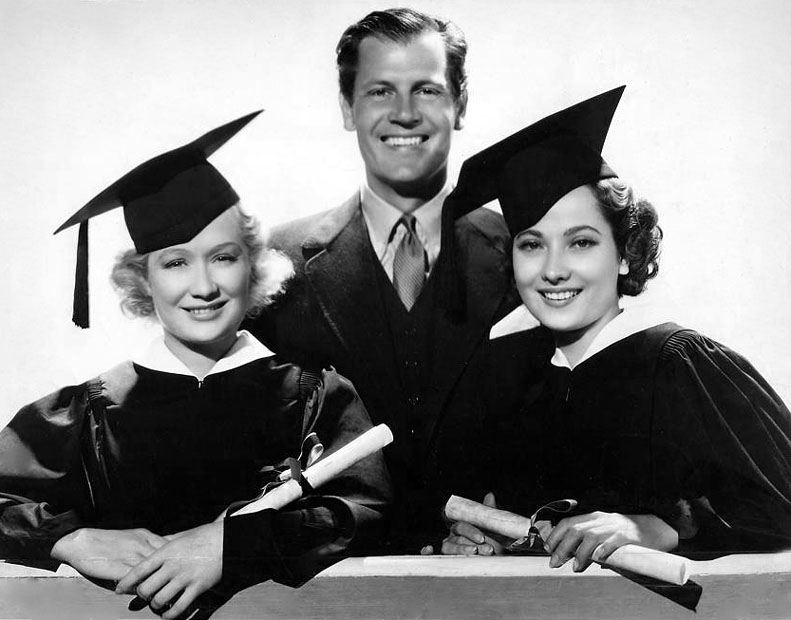
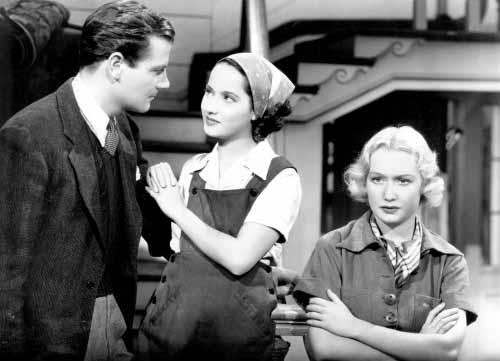
To make the story function in this manner two things were highly necessary: first, a meet-cute treatment for all three with Carden (Joel McCrea) being drawn to romantic interest in Karen (Miriam Hopkins), and just friendly interest with Martha (Merle Oberon). Second, Mary has to be even more the villain in this film than she was in the play. Thanks in large part to the rather spectacular scene-stealing performance by Bonita Granville that is accomplished.

Hopkins in this film has a statuesque poise and refinement that make her perfectly suited to the role. There’s a certain authority that lends her character, which while she seems affable enough she also has a no-nonsense approach to dealing with the likes of Mary and a cool patience with the flights of Mrs. Mortar (Catharine Doucet).

It would be tedious to quantify but it seems in this version Martha get a much greater share of the screen time. However, the ensemble scenes such as the initial confrontation with Mrs. Tilford (Alma Kruger) are all beautifully handled.

Hopkins certainly has no troubles engendering sympathy, and being the heroine getting for us to root for her. Now the story in this version does conclude in a standard Hollywood was (again owing to the code), however, while some say that this film reads as even more of a lesbian love story with the change in dynamics, I do not after first viewing. Yes, I did feel the insinuation nipping around the edge every once in a while, but Rebecca this most certainly is not.

The Children’s Hour (1961)

The Children's Hour (1961, United Artists)

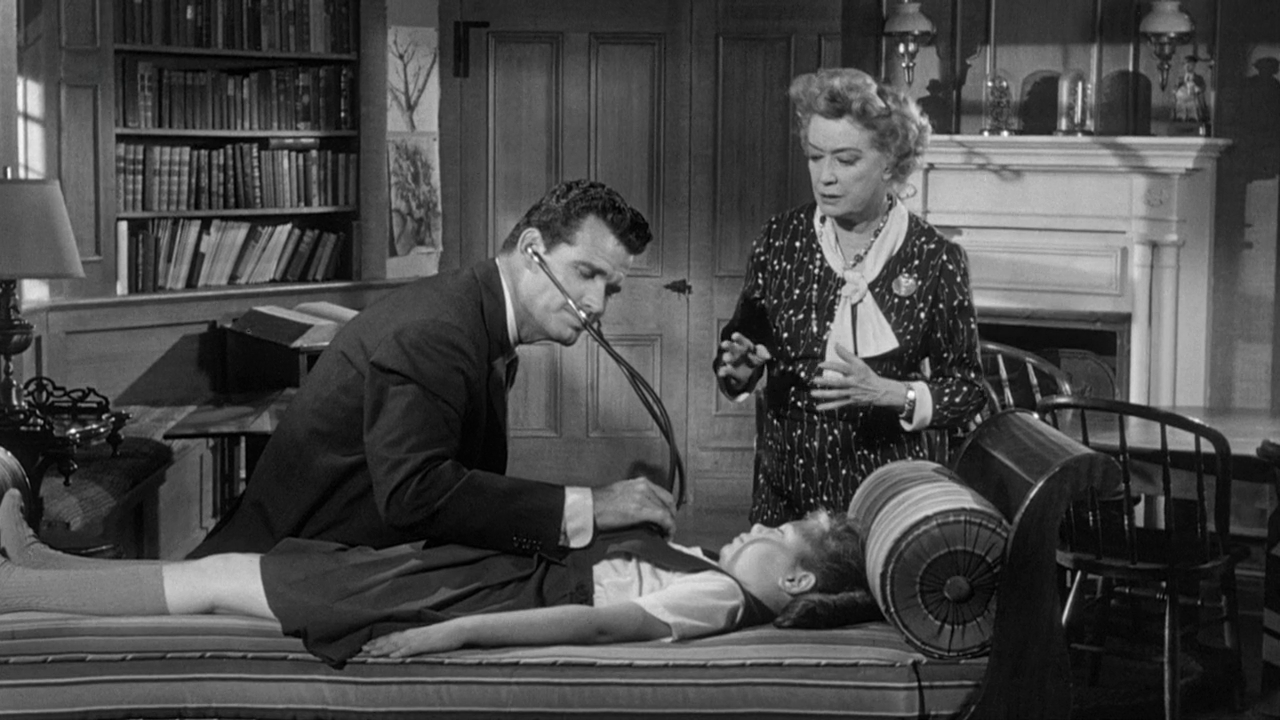
One thing that is immediately clear to those that have both read/seen the play and seen this version is that it is far more faithful to the original text than the prior incarnation. With the transformation of the alleged transgression in the first one changing one would think that would be a given, but this film does more closely approximate the play even in its claustrophobic mostly chambered set-pieces.

Part of the film being allowed to be so faithful is not just the different era in which it was made but also the involvement of screenwriter John Michael Hayes. Hayes a two-time Academy Award nominee and WGA Lifetime Achievement Award recipient was prior to this film wrote Rear Window, To Catch a Thief, The Trouble with Harry, The Man Who Knew Too Much (1956) and many more.

Having William Wyler at the helm again helps this film achieve far greater heights than the one before it. Those achievements further bolstered by the film receiving five Oscar nominations.

The first time I saw The Children’s Hour was during TCM’s 31 Days of Oscar and it’s interesting to note that in an interview segment with Shirley Maclaine she lamented, practically apologized for the fact that the subject matter though known to all was not discussed on set. She felt it showed in the finished product. I don’t believe it did, and it astounds me based on the results. Now that I think on that fact more that could have a lot to do with the way scenes played out on film that the cast was working under the discomfort that people in society felt in even broaching the subject and channeled it into their performance.

From Martha to Lily

These Three (1936, Samuel Goldwyn)

Not to be forgotten in the midst of the tremendous work that Hepburn and Maclaine do in this film is the contribution of Miriam Hopkins as Lily Mortar. As Martha’s aunt and the school’s elocution teacher she plays a pivotal role in the proceedings. Mrs. Mortar is a far more insidious type as she’s an aloof, eccentric actress who seems silly and harmless until she gets angry and uses the words that can all-too-easily be misconstrued, and later damns the pair with her absence.

Interestingly its Hopkins’ refined elegant air that here matured and combined with the eccentric behaviors she employs for the role of Lily that make the transition seamless. I was struck by this notion of playing different characters in the same drama ever since I saw a one-act play about an actress who spent her life in The Sound of Music transitioning from one role to another. It would’ve been fascinating to see Hopkins have completed a trilogy, but that’s just dreaming.

Interestingly, in part because as a whole the impact of The Children’s Hour is so much greater than its predecessor’s that, Hopkins impresses and sticks in my mind more in the newer version with a supporting role than in the original where she was one of the leads. This is due to the aforementioned air, the key role the scenes play and the humanizing aspect Hopkins brings to the part. It can be far too easy to play Lily Mortar as a caricature, but to make her human, understandable even if intolerable is the task of a great actress. It’s an occasion that she more than rises to, but embraces.

Conclusion

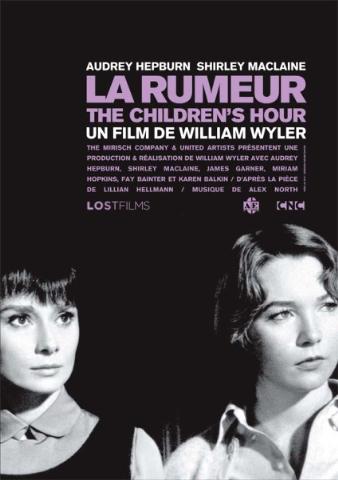
La Rumeur (The Children's Hour) (1961, Samuel Goldwyn)

It is quite a small sample size, just two of over 50 credits, but it was great to have a chance to focus on her work in two versions of the same story. It was also great to be able to focus more closely on the adaptation and film-crafting of a story that truly moves me a great deal.

Short Film Saturday: Following Heart – The Violinist (2014)

For those who are not aware Jack and Finn Harries have gone from performers on the British sketch comedy series School of Comedy to YouTube personalities to now writing, directing and producing independent documentary projects.

This title is the first in a series called Following Heart, presented by Skype. It’s a wonderful short subject documentary that refuses to fall prey to talking head syndrome as it wonderfully blends voice over narration, music and visuals to tell its story artistically and viscerally. It’s well worth viewing.

If you want to be skeptical about the commercial presentation there is a clear reason for it. Furthermore, having backing doesn’t automatically taint short subject documentary projects. Another notable example is Xzavier by Werner Herzog for AT&T.

Enjoy!

Rewind Review: X-Men Origins: Wolverine

X-Men Origins: Wolverine is a strange little film. This isn’t necessarily always a bad thing in the case of this film but it’s just strange. It seems as if in an hour and forty minutes that not very much story was told and whatever story was told wasn’t properly focused.
The opening sequence which takes place in the Northwest Territory of Canada in the 1840s is quite strong. Yet it barely keeps its head above water. What drives the first four to five minutes is the performance of Troye Sivan who was great despite little screen time. Michael-James Olsen as young Creed, aside from one line reading, was forgettable and the one line, delivered by Aaron Jeffery, which was supposed to be a surprise wasn’t and was poorly delivered. Aside from a conversation when Victor reveals his clear stand on what he thinks his powers on there is no examination of the impact of young Wolverine’s actions on him and where he went from there.
One of the hardest balancing acts a film has to do is when to age a character. Though it was predictable that once the opening title sequence began that Hugh Jackman and Liev Schrieber would appear and while it’s cutesy to see them going through the major American wars until we get to the present day of the tale a lot ends up getting glossed over and they’re almost immediately through their service and going to be executed, when that fails enter Stryker.
Stryker is rounding up a unit for a very covert task which you discover later and they’re off to Nigeria in search of Adamantium, which the team in unaware of they are just doing a job. Wolverine is not having it and leaves.
He goes back home. He lives in a cabin with Kayla Silverfox (Lynn Collins) and in their most intimate moment lies an example of the problem with the film. She tells him of a native legend of the moon and a creature, a wolverine, being separated and it serves its purpose, like it or not, and it’s over only it’s not because it’s flashed back to twice; once in audio, in short order thereafter. Flashbacks of this kind are typically only necessary when you have a complicated plot or want to highlight a twist and this fell into neither. Logan sitting on his bed and looking stressed could look just as effective without it, more so in all likelihood.
There then comes the unnecessary scene where Logan nearly attacks a jerk on the road because he won’t move his car. The plot that ensues of Wolverine on his way to try and find Stryker and seek his revenge on his terms isn’t unnecessary it just could’ve unfolded quicker perhaps. Did the Blob really need to lead to Gambit? Either could’ve had all the information. It was a very odd mix of action scenes that didn’t necessary have a lot of kinetic energy or the highest stakes and almost completely forsaking character.
It says Wolverine on the poster, he needs to have an antagonist which is Stryker and his other struggle is with Creed. The other characters are kind of like window-dressing it’s fun and fine but doesn’t really accomplish much. The shock that’s supposed to be delivered at the end, seeing Kayla alive when she’s supposed to be dead, doesn’t really hold much weight. In fact, Stryker killing the general is slightly more surprising but still not jaw-dropping. It’s a little strange that she had to say so little to Logan to be forgiven when her character are Logan’s are so underdeveloped, which is saying something when this is the 4th X-Men movie.
Recent articles about the Wolverine sequel have quoted producers as saying that it’s their “responsibility to remain true to the source material.” Which would be good because this was neither like the original three or the comics and if you’re going to change things like that, of course, that’s their prerogative and there’s little that can be done about it but they could’ve been executed this tale differently and better than they did.

5/10

Favorite Film Discoveries of 2014: Part Four (The 2000s)

This is the same idea as “Favorite Older Films First Viewed in” which I did since 2011. The idea was one I first saw on Rupert Pupkin Speaks. I have usually done the list in parts. This time I will find ways to group the films.

My first installment can be found here. The second installment can be found here, and part three here. In this installment I will focus on a segment of films I do not discount from a list like this: Post-2000 releases. Since I have an annual award anything else is usually eligible, I do usually try to keep them a bit older, but 2014 was rather different in a few regards.


Miracle in Bern (2003)

Miracle in Bern (2003, Universal)

One thing that was a bit of predestination it would seem is that prior to the 2014 World Cup I watched two German films that were football (soccer) themed. The first being a story surrounding West Germany’s unlikely win in 1954 that focuses on the scorer of the eventual clinching goal in the final against Hungary and the young boy who idolizes him and is like a good luck charm. On a footballing note one interesting factoid is that the club the boy is a fanatic of, and the goalscorer Helmut Rahn played for; Rott Weiss-Essen has since fallen by the wayside in the tiers of the German Bundesliga.

It’s a film that works a number of plots very well and has very realistic, and time-appropriate football action. It’s only available on region 2 disc but it well worth watching if you can, especially for fans of the sport.


The Wild Soccer Bunch 4 (2007)

The Wild Soccer Bunch 4 (2007, Ratpack)

In Joachim Masannek’s film adaptations of his football-themed books it seems each installment is odder than the last. While no title in this series has the balance, cast or layers that his most recent title V8 does, this film is enjoyable in its own right and likely the oddest of the lot that stands five films deep, and threatens to grow.

This one is only available on region 2 as an import and is recommended for fans of children’s film, football and the weird.

Real Injun (2009)

Reel Injun (2009, Kino Lorber)

In what was an all-too-rare experiment I watched this film on the Kino Lorber app I watched this film free, with a 60-90 second commercial break per 10 minutes. It usually only costs a dollar to by pass the commercials.

This is a fascinating, eye-opening doc that discusses the changing face of the Native Americans on film. It delves into how stereotypes developed and how they either influenced, played off or ran counter to societal perceptions through the ages. With any group examining the portrayal they have had on film is crucial and this one stands with The Celluloid Closet and Bamboozled as powerful statements on depictions of minority groups in American cinema.

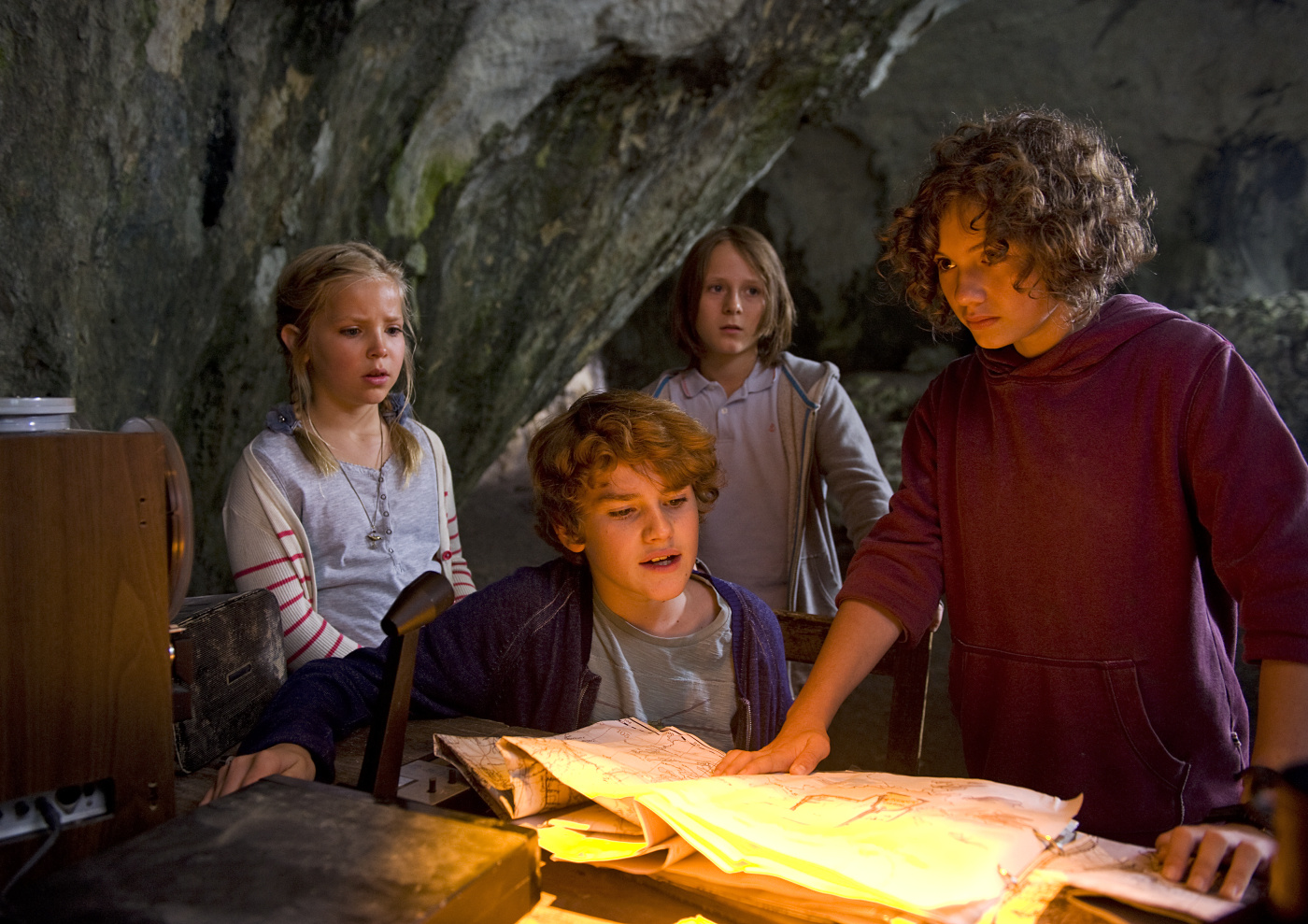
The Famous Five (2012)

The Famous Five (2012, Beta Cinema)

When you dig around through international releases long enough it becomes quite interesting to discover what films, books, shows, music, etc. register abroad that may not have quite such an impact in your home culture. Such is the case of The Famous Five series.

Prior to discovering this current incarnation of these cinematic adaptations I was unfamiliar with the series and author Enid Blyton both. As it turns out both this series and her works continue to be very popular both in her abroad and in her native England. Though she died in 1968 she was one of the top 10 selling authors in the UK during the first 10 years of the 21st century. Her film adaptations to date have been all overseas. The first two were serials in 1957 and 1964 in the UK. Then in 1969 and 1970 there were two adaptations in Denmark. The current German series is the most prolific and most profitable at the box office to date.

I went into part three blind to all these facts, as well as to the cinematic backstory that accompanied these films. Therefore, I backtracked to be better able to appraise these films on their own merits, including how this particular film worked in conjunction with the other two.

The Famous Five feature a familiar formula of smart kids who get embroiled in mysterious capers by chance or insistence and save the day. The fact that there are two boys, two girls and an extra-smart dog make the best of The Hardy Boys, Nancy Drew and Rin Tin Tin rolled into one.

The original in the new series is available on Blu-Ray in Germany with English subtitles and does offer the kinds of smart kid-based adventure film that’s too rare here.

This concludes the 2014 list. See you next year!

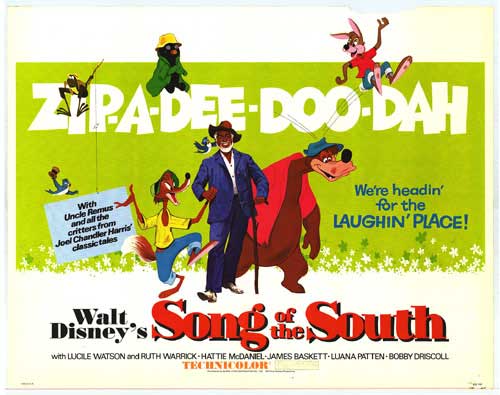
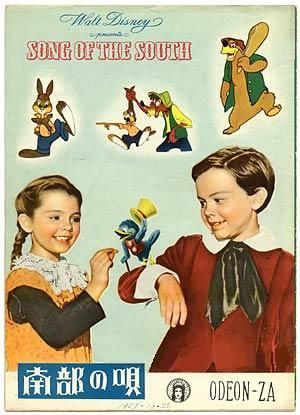
Contrary to Popular Opinion Blogathon: Song of the South (1946)

Is This Really Contrary to Popular Opinion, or Why Choose Song of the South

In the course of this brief examination of Song of the South I hope that the only mea culpa I have to write is about the fact that my enjoying this film is not a minority view. Usually, when I’ve seen discussion about the film on Twitter it has been by people who also have a fondness for the film, and are film people. However, the mere fact that it is Disney, the very company that produced the film that is doing the suppressing is a large part of the issue in my mind, and part of why it feels like an unpopular opinion.

The film is one that Disney produced in the mid-40’s, had a mixed reaction, and early detractors, the NAACP included, but was not a title Disney ran from until the 1980s, after its second re-release in theaters it was gone from American home video in the mid-’80s. Later on “Zip-A-Dee-Doo-Dah” was even expunged from Sing-Alongs. However, one of the many aspects about this disavowal is the fact that Disney picks and chooses where and how it will shun the film. It will not distribute the film in the US, but it does still sell overseas; it will make one of its more popular Disney Wold rides about it, but it won’t include Uncle Remus or try to enlighten the park guests who is on the tee shirt they’re buying. They will have many pop singers reinterpret its iconic theme song, but no longer play the version from the film.

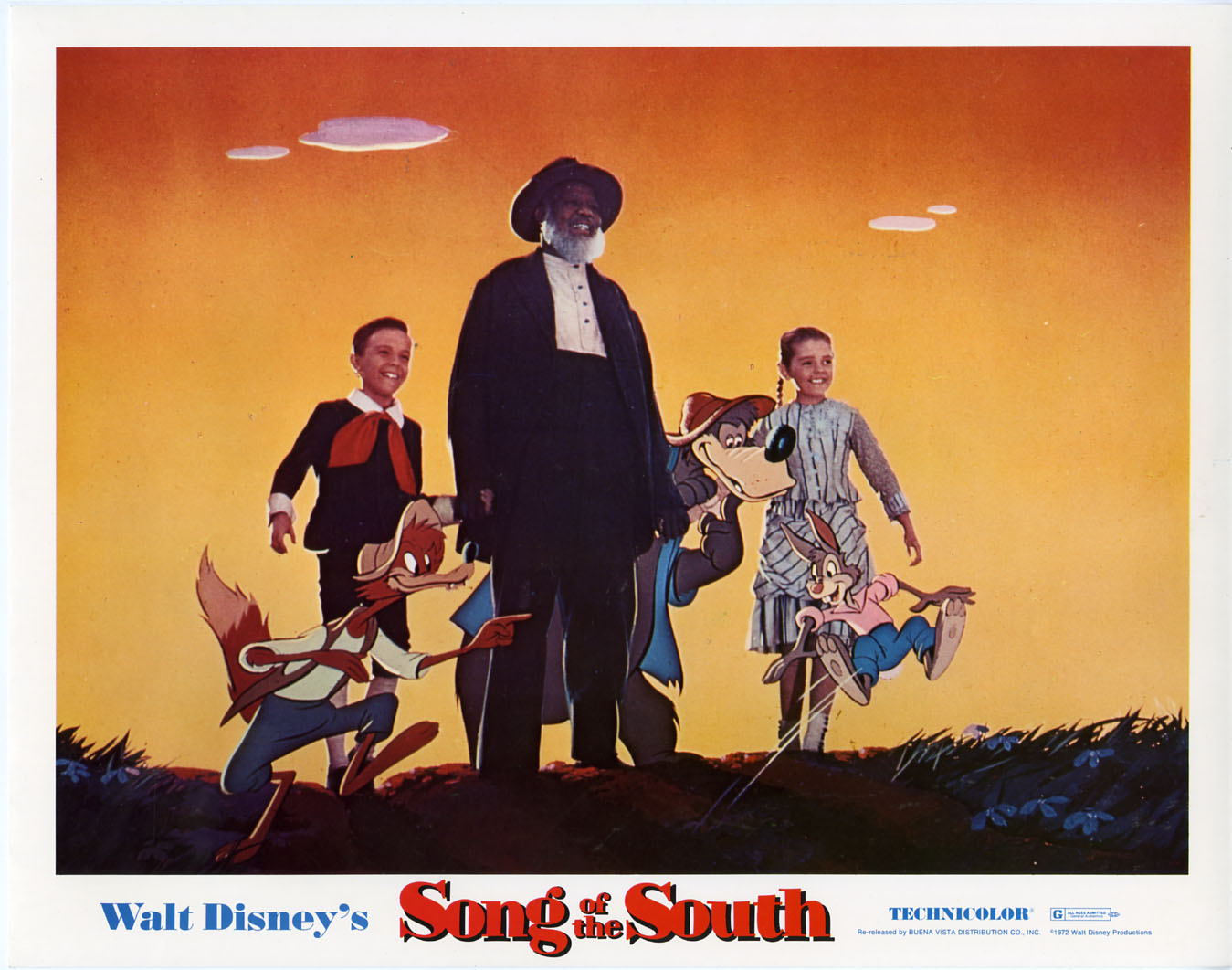
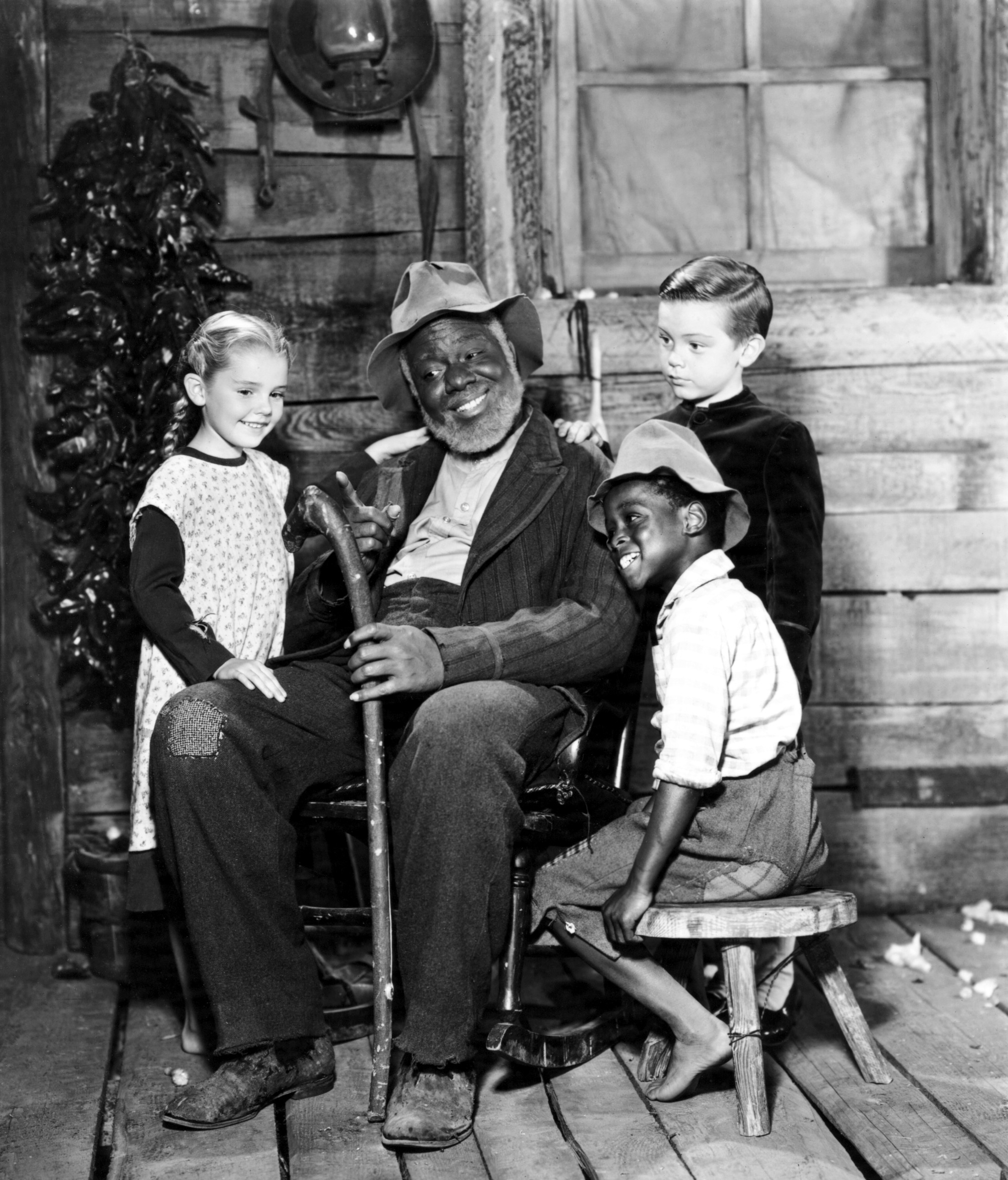
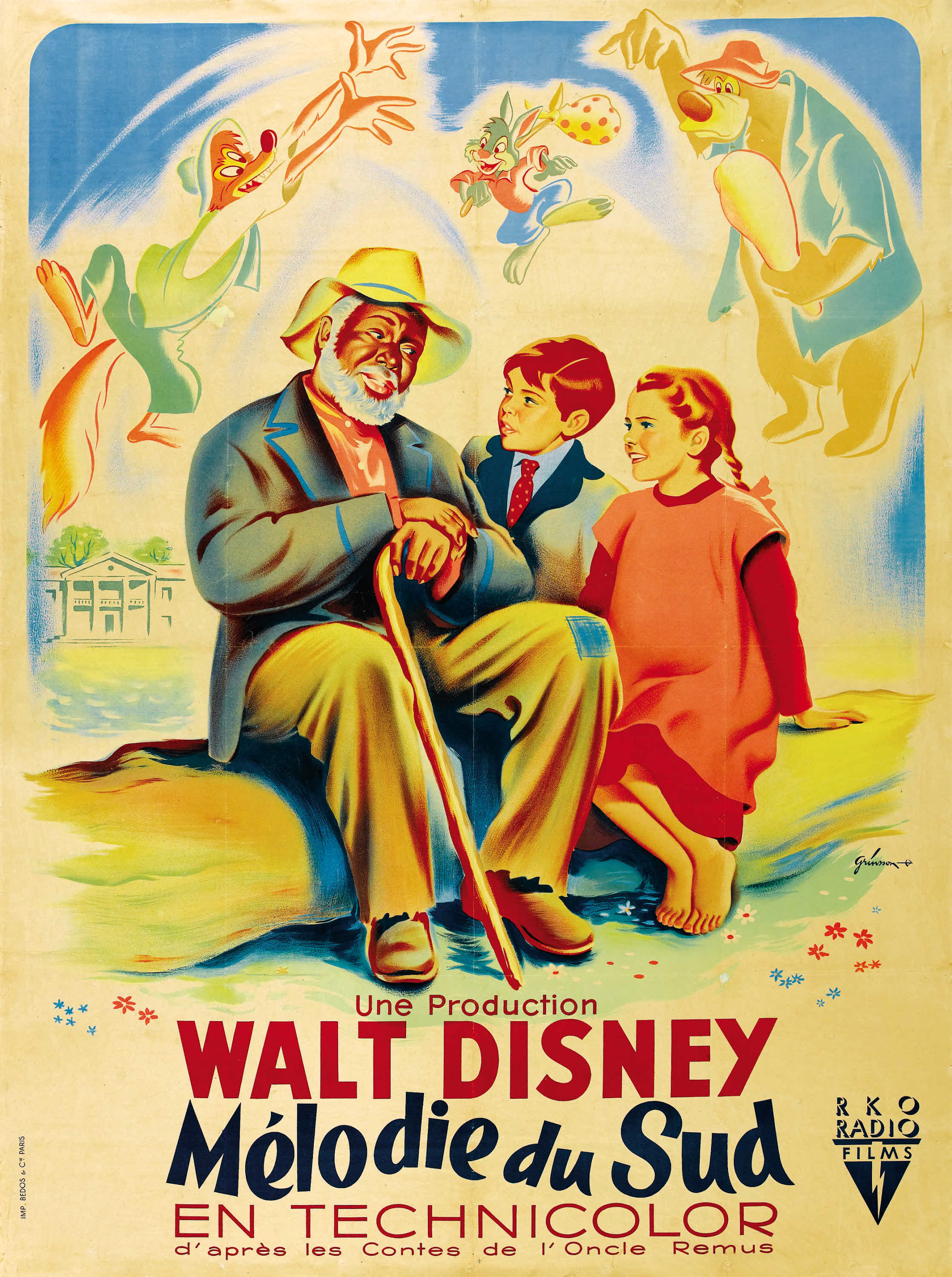
Song of the South (1946, Dinsey)

In the past Disney liked to used to play the “you misremember” card. With the advent of video and the internet that holds less water so editing and suppression have become the norm for certain things that have made people squeamish. While other projects, also fairly common to all forms of entertainment in their era are addressed via contextualizing disclaimer usually delivered by Leonard Maltin on a DVD collection.

In the interests of further fully disclosing where I am coming from I will say that yes, I do consider myself a fan of Disney. One of my blog’s theme topics on an annual basis is an examination of Disney fare. However, in an age of fanboydom it seems like you can only be a cynical chronic complainer or a blind follower. I’ve always equated following a studio, especially one that’s part of a large corporate armature, to be akin to rooting for a sports team: you like them, you want them to do well and right, but you’re not blind and they are not immune to being criticized by their patrons.

It’s not as if Disney has never had to deal with these questions even from their stockholders. It has come up rather frequently at annual meetings. There’s more on that and many other of the stories I will touch on here in Who’s Afraid of the Song of the South? a great book I read in preparation for this blogathon. I recommend you check it out if you have further interest in the topic.

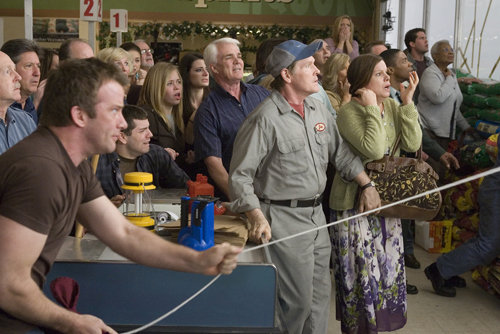
“Somebody has to kill the babysitter.”
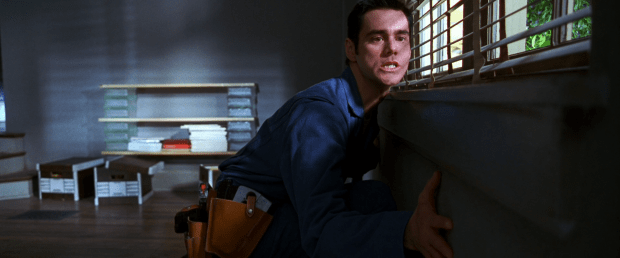
The Cable Guy (1996, Columbia Pictures)

Television and Film as surrogate parent or babysitter is not a new concept. The quote that is in the inspiration for this heading is from The Cable Guy (1996). In that film this is the line that divulges the modus operandi of Chip’s psychosis. When this film was made the over-emphasis that some believed TV and Film had on society, or on certain individuals, was not a new debate. However, one of the points that the film is making, even in all its silliness, is that it takes a deranged sort of delusion to really use film or TV as an analogy for real life or to get it to substitute things like parenting, conversation, thought and other things. The climactic events of the film take place as the nation hangs on the live broadcast of a famous murder trial (a subplot which brilliantly spoofs the Menendez case). What this is all leading to is that one of the things that Song of the South has had to contend with, which was not a problem of its own making was the overemphasis that depictions in the media have been given on the formative process of human beings as they pertain to attitudes towards racial groups, women and the like.

I use the word overemphasis because I cannot argue there’s no impact, but it is almost never the main cause of a prevailing attitude. Those who have cited video games, movies, or TV as motivation for crimes have usually had mental issues that impaired their grasp on reality. Part of the issue stems from the fact that oftentimes a film or cartoon with dated material or material that can be interpreted as offensive are usually seen by children who are not monitored. In essence, removing the potentially offensive work of art is pandering to the lowest common denominator: the “impressionable child” watching something unsupervised.

Singled Out; Other Things are Never Questioned and Readily Available

Song of the South (1946, Dinsey)

Yet, aside from some short subjects this is the only Disney product that has been struck in its entirety. Disney’s corporate penchant for self-editing and censorship is usually in smaller moments but rarely involve making a title wholly available. Other films, even from the selfsame studio, have references or depictions by today’s standards that are wholly unacceptable but they’re still widely consumed without a second thought. One of the more notable examples is Dumbo. Aside from having its scary moments I am mostly referring to the crows. The characters are crows and clearly voiced by African-American actors, which can be construed as a reference to Jim Crow laws. However, the availability of Dumbo has never been threatened. Disney has never shied away from the title as a whole. Yes, the crows are absent from the Dumbo ride at Disney world and their songs (Namely “When I See an Elephant Fly”) are rarely collected and re-released despite being one of Disney’s finest musical creations. The Simpsons made a brilliant joke about this, Lisa asked if Dumbo was the film that had “those racist crows in it?” Homer responds “Oh, Lisa, those crows weren’t racist the men who animated them were.” Which is what a lot of this boils down to: it was a different era so the necessity of sensitivity, and the level that needed to be reached to be seen as progressive, was lower.

In watching documentary footage on a Little Rascals box set you hear speak of the progressive move it was to have characters like Buckwheat and Farina who played with white children as equals. In a nation that still had segregation and other discriminatory practices in play, yes, relative to society that was a utopian vision. Even though a lot of the dialog and gags those characters have are what most date their films relative to its own era it was a step forward. Back then it was a bold statement today children of different races playing together is far more common, as it should be.
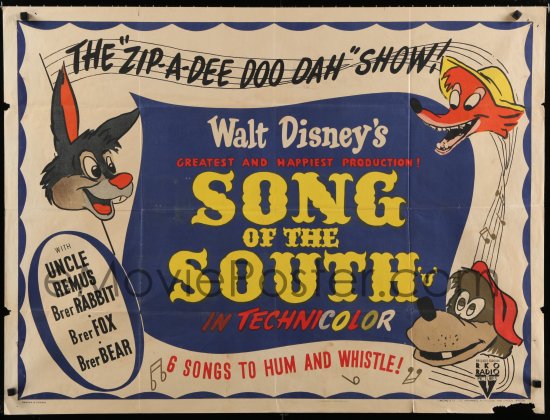
Song of the South (1946, Disney)

In the ‘90s certain Bugs Bunny cartoons like Hillbilly Hare for one were taken off the air after complaints were lodged to Cartoon Network. Yet, to my knowledge the short where in Bugs sings “One, Little Two, Little Three, Little Injuns” as his tallies his arrow-hits and then corrects himself to mark one as only half a hit because “that one’s a halfbreed” never was removed. That fact is brought to attention because those who know of the cartoons know these facts, but they don’t get the notoriety the Disney titles get for equal or lesser offenses. Looking at the whole landscape of animated shorts from these eras ethnic stereotypes were common, broad and not unique to one studio. Even with these occasional lapses in judgment (by modern sensibilities) it doesn’t really change Bugs Bunny’s character. He was wisecracking and had a mean-streak at times but he was always the retaliatory figure in his conflicts. Only on occasion like in the aforementioned short or in his battle with Giovanni Jones, the opera singer did things go too far. Woody Woodpecker over at Universal on the other hand was an instigator but still made of similar stuff, maybe a little more unhinged. Getting back to the Disney realm, one correct modern interpretation is actually found on a t-shirt you can find at Disney World gift shops with Donald Duck on it, which cites him as the original angry bird.
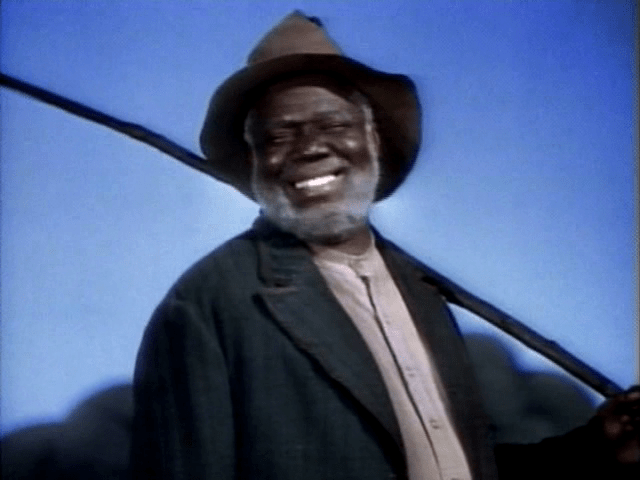
Song of the South (1946, Disney)

In Song of the South, even accepting the fact that there are some miscalculations the bottom line is that Br’er Rabbit and Uncle Remus are undoubtedly heroes of the story. I used to attribute most of the notion that the film was racist to the Tar Baby sequence, which as I discovered when watching this film was and is a phrase and a fact of life in the South before it became a racial slur. Much of the belief that the film is racist stemmed from the fact that Disney did not add a title card establishing a postbellum time period. Thus, some believed it was antebellum and not postbellum. It’s an unusual miss though from an audience that frequently had to infer and decode as the Hayes Code made filmmakers get creative about such things so they could deal with adult issues in films without being overt.

One thing that Who’s Afraid of the Song of the South by Jim Korkis goes into a good amount of detail about is the pre-production process. Many of the errors and perceived errors in the making of this film can be attributed to Disney playing both ends against the middle. The first writer (Dalton S. Raymond) they hired with a mind to be true to the source material. Then after some battles about certain elements like his use of the word “darkie,” which Disney sought to avoid they hired a leftist Jewish writer (Maurice Rapf) to try and balance it out.

If you want a troubling depiction of the South and slavery set before the war watch Way Down South which I discuss here. There’s no move from any entity to strike it. On a more noteworthy level Birth of a Nation both received protests upon its release and spurred and increase in popularity of the KKK. The next decade (the 1920s) was the zenith of its membership numbers. It is in the public domain now so it would be hard to suppress, but it’s still very easy to find.


Segregation and Other Truths We’d Prefer not to Address
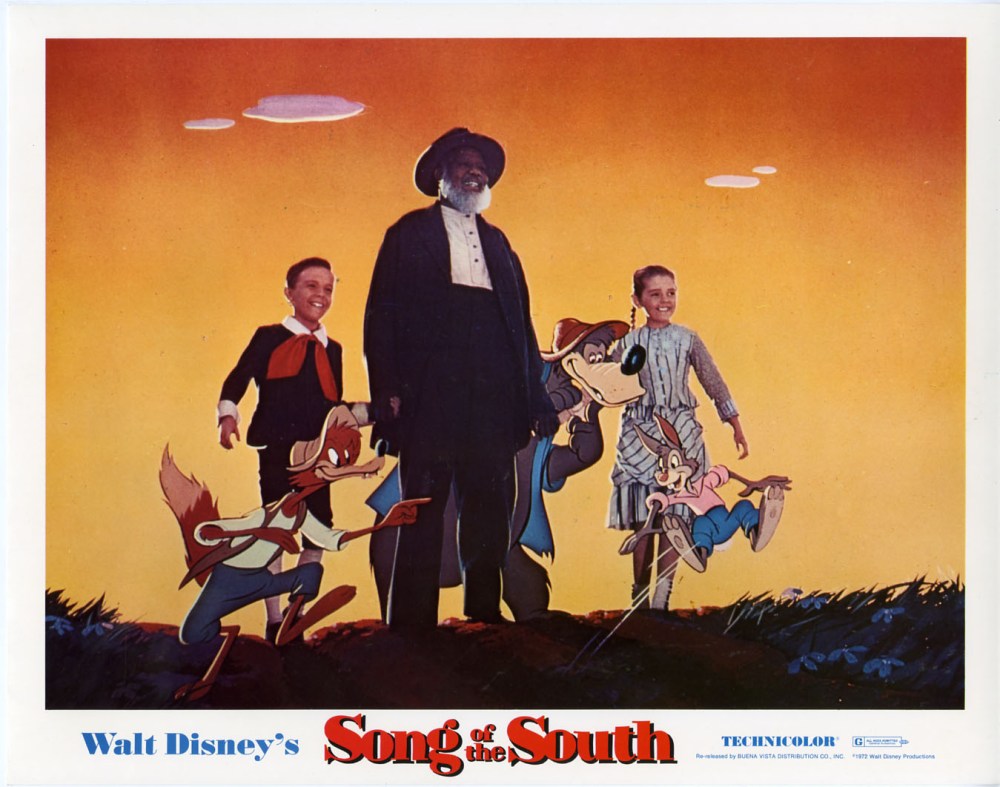
Song of the South (1946, Disney)

Part of this whole issue is that we like to pretend there’s no racism in America. If we didn’t how could someone seriously have coined the term post-racial with a straight face almost entirely based on one election result? Song of the South was made in an America that was still segregated, thus, in some ways racism was still government-sanctioned. Furthermore, its premiere was in Atlanta meaning that many of the cast members were not even in attendance because the premier venue was “Whites Only.” So clearly almost any film made in this time will likely reflect racial attitudes that are no longer prevalent or acceptable. But just because its not the norm, or frowned upon, does not mean that racism has been eradicated.

Slaves being emancipated, didn’t end the discrimination against blacks in America. Neither did the Civil Rights Act. Nor did the creation of the term Post-Racial. However, unless some incident sparks the debate like Ferguson we choose not to have the discussion. Film has always tied art and business and with the corporations running the big studio being larger than ever the gut instinct more than not is to always be safe and never be sorry.

Splash Mountain

Splash Mountain (Disney Parks)

Splash Mountain is perhaps one of the most iconic rides at Walt Disney World. The theme parks are like an embodiment of the Fantasia ideal rides (read segments) have been switched out but the basic premise remains the same. The planning of the ride, like anything Disney, is well-documented in lore. There was much discussion and it was decided that all the animal characters could and should play a role in the ride, but Uncle Remus, the center of the film, should be omitted since it was his persona, his perception by some as being an Uncle Tom, which much of the controversy around the film swirled. Because the fables in which Uncle Remus and his cast of animal friends were a part of are no longer as well known as they once were there is no frame of reference for younger patrons.

However, what happens when he’s hidden is that Disney really ends up misrepresenting itself and baiting-and-switching its consumers. There are are people riding it who have no idea there’s a film behind the ride, many likely leave believing that Br’er Rabbit, Bear and the like may be created for the ride like Figment was for The World of Imagination in Epcot. It’s another case of Disney wanting to have its cake and eat it too: because the film is deemed misrepresentative and offensive to some in the US market we will not make it available on video there, but we will make it available in many foreign markets, exploit the song for CD sales and the other characters for a ride.

Zip-A-Dee-Doo-Dah
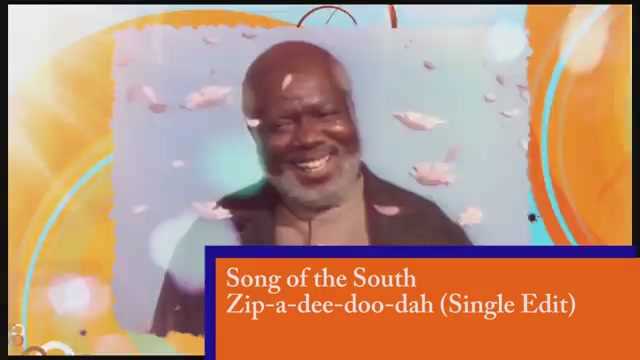
Sing-Along (Disney)

Lawrence Welk, Xavier Cugat, Freddie and the Dreamers, André Previn, Bing Crosby, Doris Day, Debbie Reynolds, Mannheim Steamroller, Dionne Warwick, Johnny Mercer, Rick Ocasek, Steve Miller, Los Lobos, The Jackson 5, Miley Cyrus and many others have recorded the song. Many of them on Disney released albums. Disney has even still included James Baskett’s film version on some collections. The only apparent retraction of the song was removing it from a Sing-Along collection on later editions. It’s just another case of Disney being inconsistent. They still want to be able to profit from the movie, but not actually make the movie available.

The Split On the Film Has Always Existed
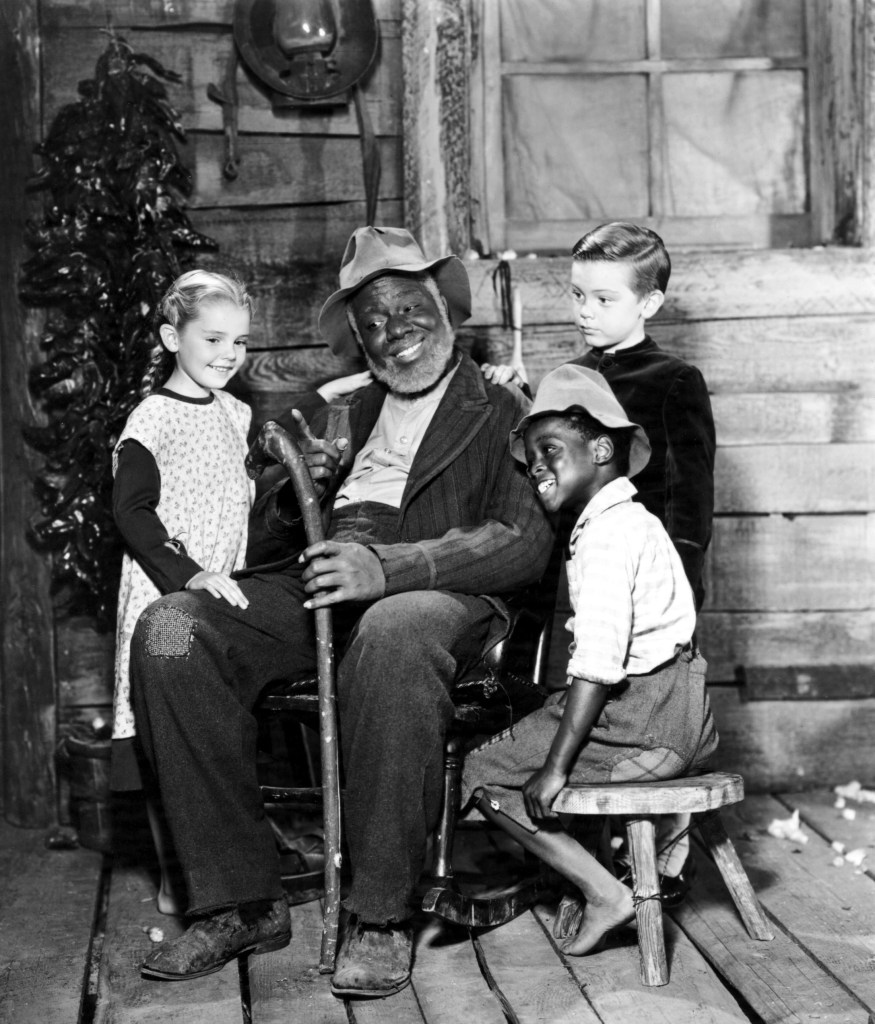
Song of the South (1946, Disney)

Upon its release the NAACP issued a statement on what if felt about the film much of their interpretation was shaped by the areas Disney left vague. The point being really that that reaction was immediate and not revisionist or in hindsight. It’s only many years later that Disney decided it would start to err on the side of caution to protect their brand name and assuage the detractors of the film and make the film hard, if not impossible to find in the US.

It’s Consistent with Disney
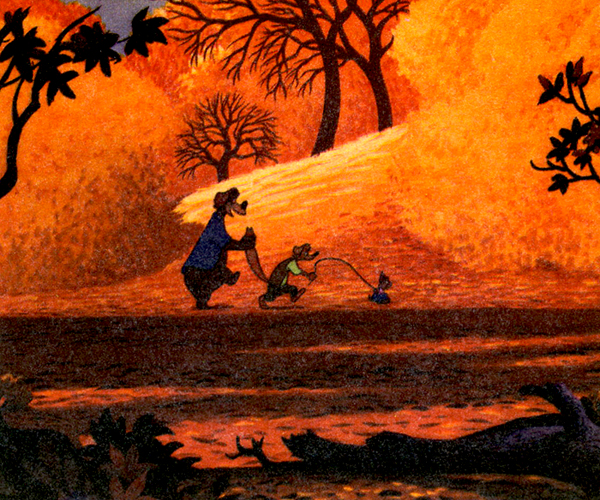
Song of the South (1946, Dinsey)

However, the unfortunate part of this story is that it’s just the most notable example of Disney’s in-house censorship. Many of the stories Jim Korkis tells are about films being altered, edited or otherwise modified because certain things years down the line may have been deemed objectionable.

Among them are the car crash in Who Framed Roger Rabbit, characters being digitally removed from Fantasia and shorts disappearing because they were wartime propaganda, and there are many more.

Disney Buried RKOs Swiss Family Robinson
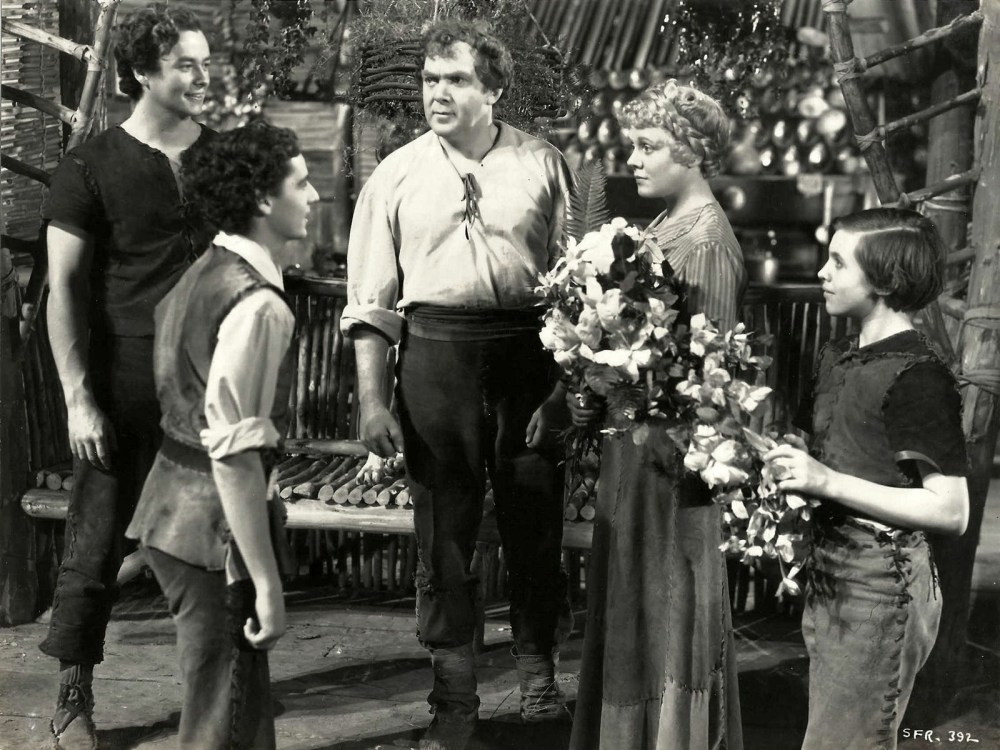
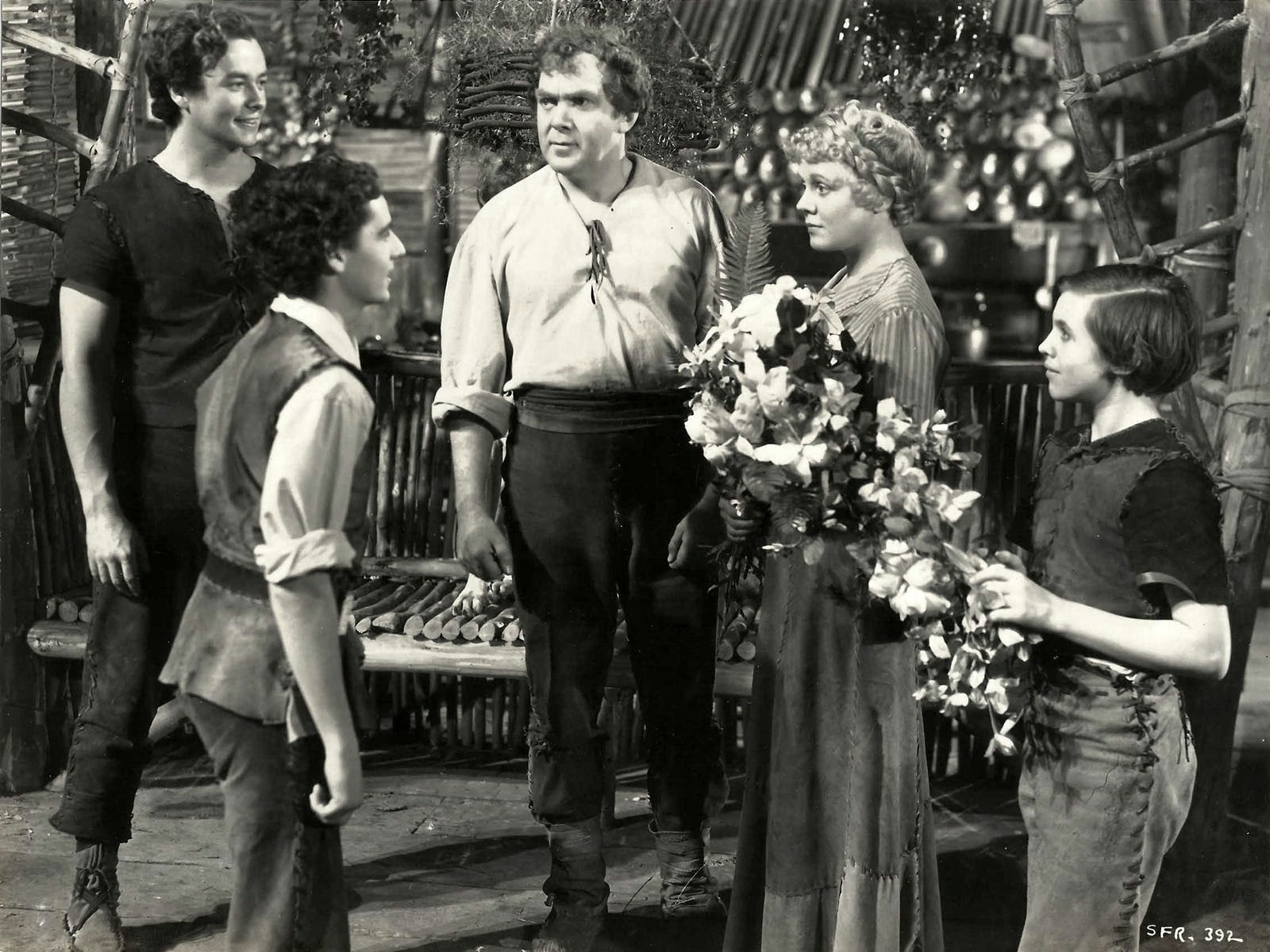
Swiss Family Robinson (1940, RKO)

Here’s a small tidbit about Disney that really irks me, and it goes back to suppression: when Disney was preparing to make Swiss Family Robinson they made sure they acquired all the copies of Swiss Family Robinson (1940) produced by the defunct RKO Radio. The purchase was made simply because Disney didn’t want the versions compared. Now, this is not an act too dissimilar from repeatedly optioning a story, or many stories, simply so your competition can’t have any. However, where it falls into suppression is that the original they wanted hidden is now 75 years old. They audience for it, and even for Disney’s version has, dwindled. No one can see it now, it’s not impossible that the film is now lost for all time just to continue to protect the business interests of a 55 year old film.

Rerelease Madness
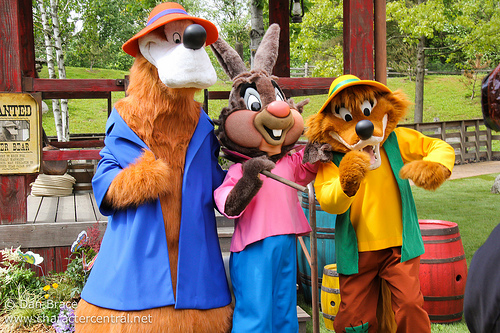
(Disney Parks)

Song of the South is a property that Disney didn’t cool on immediately. It was later on, when Walt was gone and the company was bigger, more successful and more corporate than it was during and just after World War II. A comic strip story was the topic of some internal debate in the 1970s, ultimately it was printed and came and went without incident. A clip from the film was featured in an episode of the Disneyland TV show a decade later. More telling is the fact that the film was, like many Disney films, rereleased on multiple occasions. The difference here was that there was more of a layoff. The film again saw the light of day in 1980 and 1986. It was released on VHS in 1986 but has since been further and further barred from the pantheon.

Conclusion
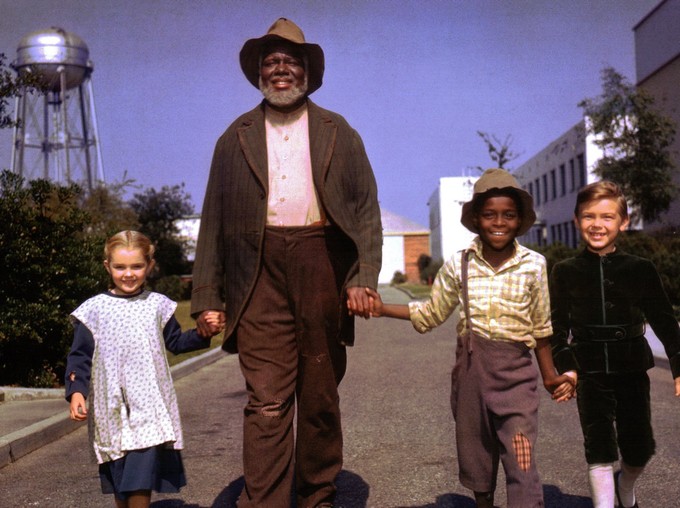
Song of the South (1946, Disney)

Perhaps what should really be asked is “What is gained through the suppression of Song of the South?” If there’s one thing that many recent headlines have proven is that freedom of speech is still under attack, and many of us who are fond of the arts and making a living therein are willing to fight tooth and nail to defend the right to speak. The argument that passive racism is more pervasive and harmful than overt racism is a fair one. In my estimation there are cinematic trends that are far more harmful than one interpretation. If you look at the landscape of films most award-nominated performances for African-American actors are still Civil Rights or Slavery-themed films. Films without award aspirations usually still cater to stereotypes that are not new. The Help may be a film that was divisive, but regardless if your outlook on it is positive or negative it is still about domestics as well-intentioned as it is. The point I’m driving towards here is: Song of the South had good intentions that were muddled in the the production decisions, and furthermore through interpretation. There are far more obviously troubling titles that never get questioned.

The expunging of history, and formerly accepted attitudes, many of which still exist, do not change the fact they once existed. If there’s one thing that history, or even the nightly news proves, is that ignoring problems does not make them go away. Even in its condemnation of the portrayal of African-Americans in the film the NAACP did commend the filmmaking at play involved, and the Academy followed Mr. Disney’s suggestion and gave him a honorary Oscar. Correcting the notion that this was an antebellum tale lessens much of the issues. The costuming was another aspect that in reading the book I had to roll my eyes. If the white characters had been more threadbare and destitute in the throes of reconstruction as they had been described as in the script the notions of class and master-slave relations wouldn’t have been able to take hold. That doesn’t alter the fact that these children are taught sage advice, and helped out greatly by Remus more so than their parents can.
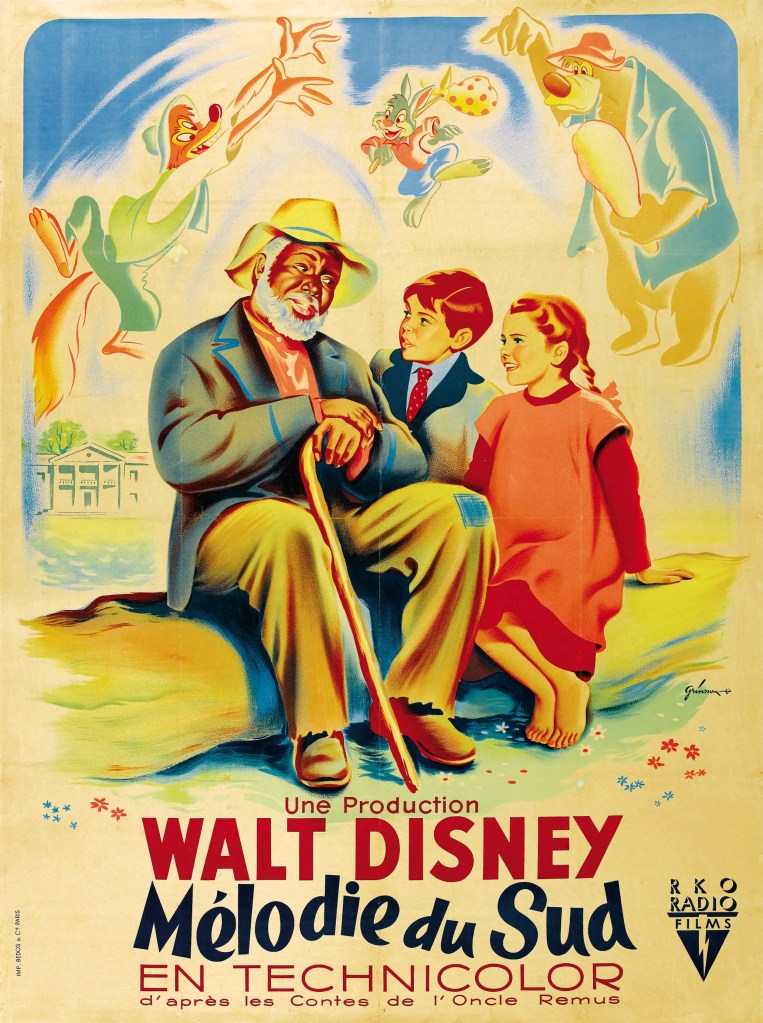
Song of the South (1946, Disney)

While I’ve gone over the finer points and discussed how the film has been construed as racist, and where I believe more deliberate decisions could have been made to make the facts and points of the narrative more clear; I do not agree with its assertion that its racist. I have not been able to get past Birth of a Nation’s introductory shot of African-American characters sitting on a porch eating watermelon. There it’s not the kind of offense I can roll my eyes at and continue Propaganda films are still available to see in more cases, highly uncomfortable to sit through and at times more uncomfortable because of how effective they are like Triumph of the Will. However, these are opinions I’ve formed by seeing all or part of this film. I’ve seen Song of the South on multiple occasions. Those who have seen it and contend it is racist are at least informed by their interpretation of the film. As Eric Vespe of Ain’t It Cool News points out, the gatekeepers who keep the film hidden are not as informed:

I was speaking to an ex-Disney executive a few years ago at a film festival and I brought up Song of the South. We had been watching a lot of films together over a couple of days and I decided it was okay to broach this subject. After all, this unnamed exec seemed very smart and obviously cared about cinema.

My big question: “When do you think we’ll ever see Song of the South on DVD or Blu-Ray?”

His response: “Never.” I asked why. “Because it’s racist,” he exclaimed.

I know that’s the general perception of this film, but I was still taken aback. I thought for a second and asked, “Have you seen it?” Incredibly he said he hadn’t and that right there is the root of the problem. People see the Tar Baby image or remember Uncle Remus as a slave, which is wholly incorrect. The film is set during Reconstruction and Uncle Remus is a free man. In fact all the people working on the farm are free.

The heart of the film is Uncle Remus’ friendship with the white kids, played by Walt Disney favorites Bobby Driscoll and Luana Patten. Their characters didn’t see Uncle Remus as black or a lesser person. He was a friend.

Someday someone at Disney will realize there’s a way to release the movie to home video. Harry had a good idea to have someone like Spike Lee put the film in context with a specially filmed intro. It’ll take something like that, which is a bit of a shame. It’s also a bit hypocritical since they aren’t afraid to monetize the cartoon characters and the infamous Zip-A-Dee-Doo-Dah while pretending the actual movie they come from doesn’t exist.

Dated and inaccurate portrayals where they are found are different than a film that is in its entirety a racist construct. Furthermore, there is a bottom line notion that every film is a film of its time. Disney here becomes a victim of its own marketing where titles are branded as classics prior to even coming out. There’s also a fallacy of timelessness, of unchanging social mores and that everything will always be the same. Nothing is ever the same. A popular film notion has always been “They don’t make them like they used to.” Recently I saw that amended to read: “They don’t make them like they used to and they never did.” Film is an ever-changing artform just as society continually adjusts our interactions, laws, politics, etc. Therefore, how can a film made nearly 70 years ago ever be acceptable by current standards of anything. Context always matters, and discussion is not bad regardless of what side of a topic you land on.

That puts a button on the final point of the last argument. I feel if anything Disney was trying to make its point in not-so-many words. The problem there, especially when things were usually more didactically done is that it can be misconstrued. However, just because something makes us uncomfortable or can be difficult to discuss doesn’t mean it should go away. Ignoring problems doesn’t make them go away as we’ve been forced to rediscover many times over. I happen to be pro-Song of the South. However, even if I was against it and thought it to be a harmful representation, I would not be in favor of its being made unavailable. Too many films are lost to the ravages of time and chance. Where other arts enjoy more permanence film remains fragile in this regard and we should not wilfully remove films from existence just because some may dislike it. It’s a part of cinematic history and our history that should be readily available.
contrary-blogathon-6

Favorite Film Discoveries of 2014: Part Three (Assorted Features)

This is the same idea as “Favorite Older Films First Viewed in” which I did since 2011. The idea was one I first saw on Rupert Pupkin Speaks. I have usually done the list in parts. This time I will find ways to group the films.

My first installment can be found here. The second installment can be found here. In this installment I will focus on a mixed bag of films thematically and based on release date.

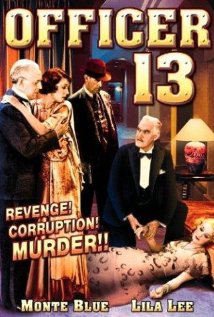
Officer 13 (1932)

Officer 13 (1934)

In this year’s Poverty Row April post I said I’d dedicate Sundays to sharing features. However, I missed last week so I will get two up this weekend.

When I found out that this was available from Alpha Home Video I did not find it on the Internet Archive. It has surfaced since I saw it. This film features early performances by both Mickey Rooney and Jackie Searl.

The film deals with a cop who seeks vigilante justice when the system won’t find solutions. It’s a surprisingly effective title.
To view the film go here.
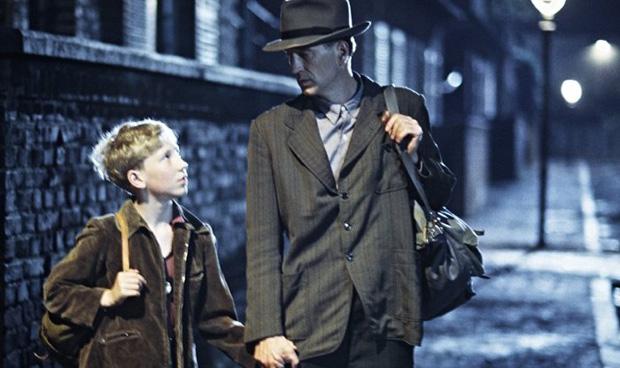
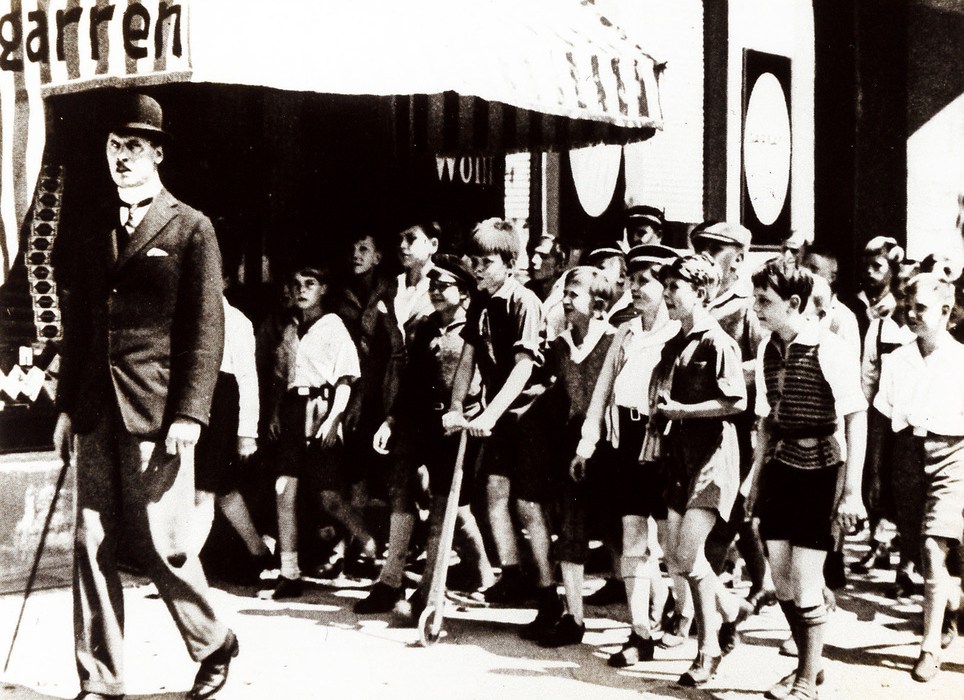
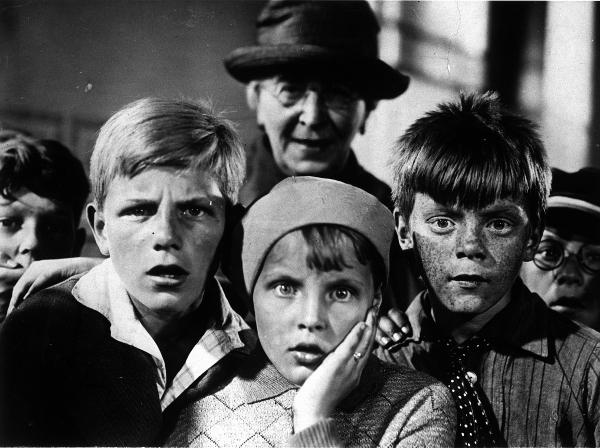
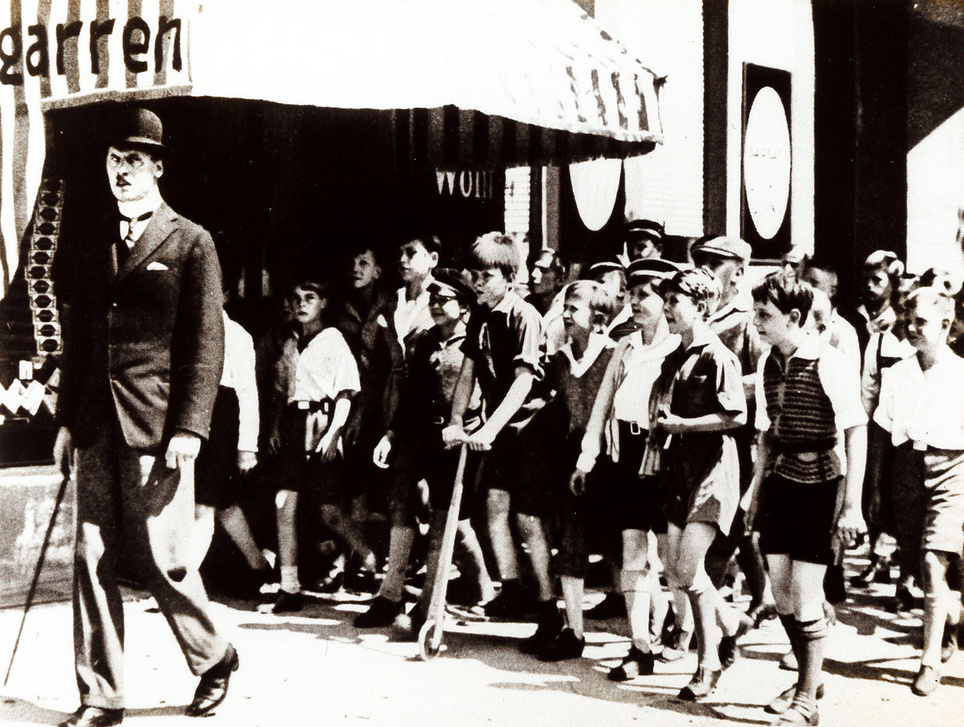
Emil and the Detectives (1931)

Emil and the Detectives (1931, Ufa)

A later remake of this story appeared on my list a few years back. I saw this and the 1935 version for the Billy Wilder blogathon. Here was my take on it it from there:
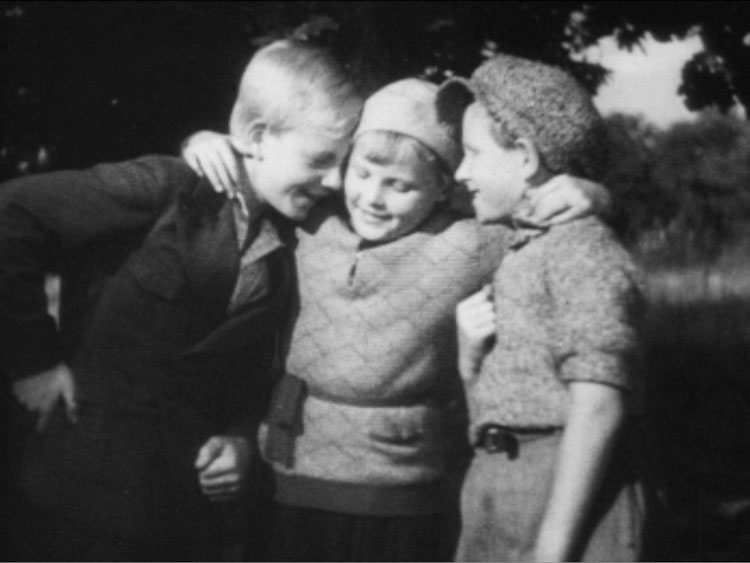
Emil and the Detectives (1931)

Emil und die Detektive (1931, Ufa)

My first exposure to this tale in anyway was the 1964 Walt Disney-produced version. Interestingly enough it ends up being rather a hybrid of the first two adaptations of the novel onto film. The actors are American but the story is German-set. As one would expect Disney is still Disney but much of the charm of the story still exists and it was one of my favorite film discoveries of 2012.

This tale is German and translated, but with a solid cast, very well-composed cinematography and an engaging storyline it works fairly well.

Clearly the standout the first time around was the visual-flair. The kids’ world with adults on the periphery is there, it’s adventurous and fun but a safe world. What Wilder and the team brought to the 1931 tale, that is likely also part of the fabric of the book, is that there is a naturalism to it, which when dealing with a crime and solving it means there is an inherent level of danger. With Disney some of the edge is taken off and its clubhouse-like. What is delightful to see the seeming opposites co-exist naturally.

What was written by the New York Herald seems well warranted and rings true to this day:

“The great simplicity in design and execution, the perfect naturalness and the move away from that particular sentimental hypocrisy and affectation, which often viewed as an inevitable prerequisite of cinematic oeuvre.”

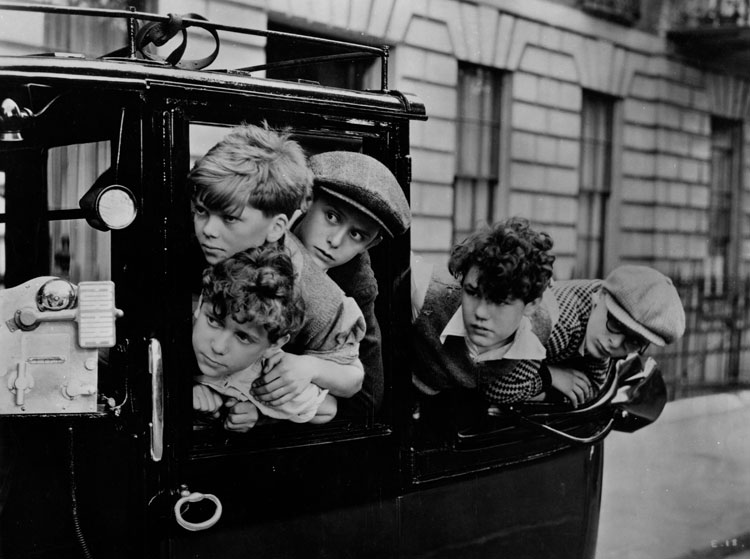
Emil and the Detectives (1931, Ufa)

While sticking fairly close to the source Wilder taps into and accentuates some of the universal truths of this tale and storytelling for young people that this narrative highlights. First, there is the introduction of the audience to “another world.” Though not a fantasy world in any sense, but rather just the big city we are still viewing somewhere fairly unknown to the protagonist and perhaps to us as well. The creation and depiction of the outsider is perfectly played.

Something that Michael Rosen underscored that I had never quite put my finger on is the following:

“I’ve always felt that children’s books that last the best are those which engender a sense of yearning in the child: you want to be there, you want to be them, you want to be as clever or as lucky as them. For me Emil and the Detectives has this in bucketloads.”

I would go so far as to extend that notion to any great children’s literature read at any age. For example, I first read Harry Potter in my senior year of High School, if I’m not mistaken, and as I made my way through that series I had that sense of yearning also.

Now something else Disney did was to add a more fantastical feel to the tale. Whereas what was shocking and controversial about the book, and handled so well by the original film versions, was the naturalness of the setting in which these children find themselves. It isn’t a fantasy or a far off world, but rather these kids, much like those that lived at that time, much like you or I in real city with a very real problem. Perhaps it is that singular notion that has kept the story alive even through a period where the Nazis tried to rewrite German culture and Europe and the world wasn’t as willing to dabble in anything Teutonic.

Emil and the Detectives (1929)

The trajectory of the project is one that will look familiar. It’s not that unlike a hot literary project today. It was published in 1929 was an almost instant hit. In 1930 a version hit the German stage, the adaptation by Kästner himself. The film rights were then picked up by Ufa. Although, a relative unknown at this point Wilder ended up working on versions of the film with Kästner and others. The success of People on Sunday had allowed him to become a professional screenwriter that the studio would tap for such an important project as this one.

One thing that the 1931 Emil and the Detectives excels at is visual storytelling. It is one of the earliest and most important German sound films but it is not as stagebound as many early US talkies are. There are montages, moving shots around Berlin and a wondrous impressionistic dream sequence which is breathtaking. Suspense is built by watching, following or hiding and not dependent on dialogue exchanges for too much.

Film Quarterly in 1933 astutely stated that:

“It is remarkable that the cinema all but ignores the very considerable audience of children that supports it; and it is tragic that the few films specially made for children lead one to wish that they had been ignored.”

This a lead-in to praise for this film, and in many ways, that can still be true today what’s key is that that the filmic touches are left to the apt maneuvering of the crew behind the scenes and the kids for lack of a better term just have to be themselves and seem to be selected specifically to be able to “be” their part rather than “play” it.

Emil and the Detectives (1931, Ufa)

As the date on the Film Quarterly review indicates the original film version had quite a legacy. While sadly many of the young actors who took part in the film would end up dying on the front in World War II it did launch an acting career for three of its cast members Hans Richter, Martin Rickelt (then Baumann) and Inge Landgut.

Such was its continued success that it was showed on Christmas in 1937 as Wilder was in the US and Kästner was forbidden to write.

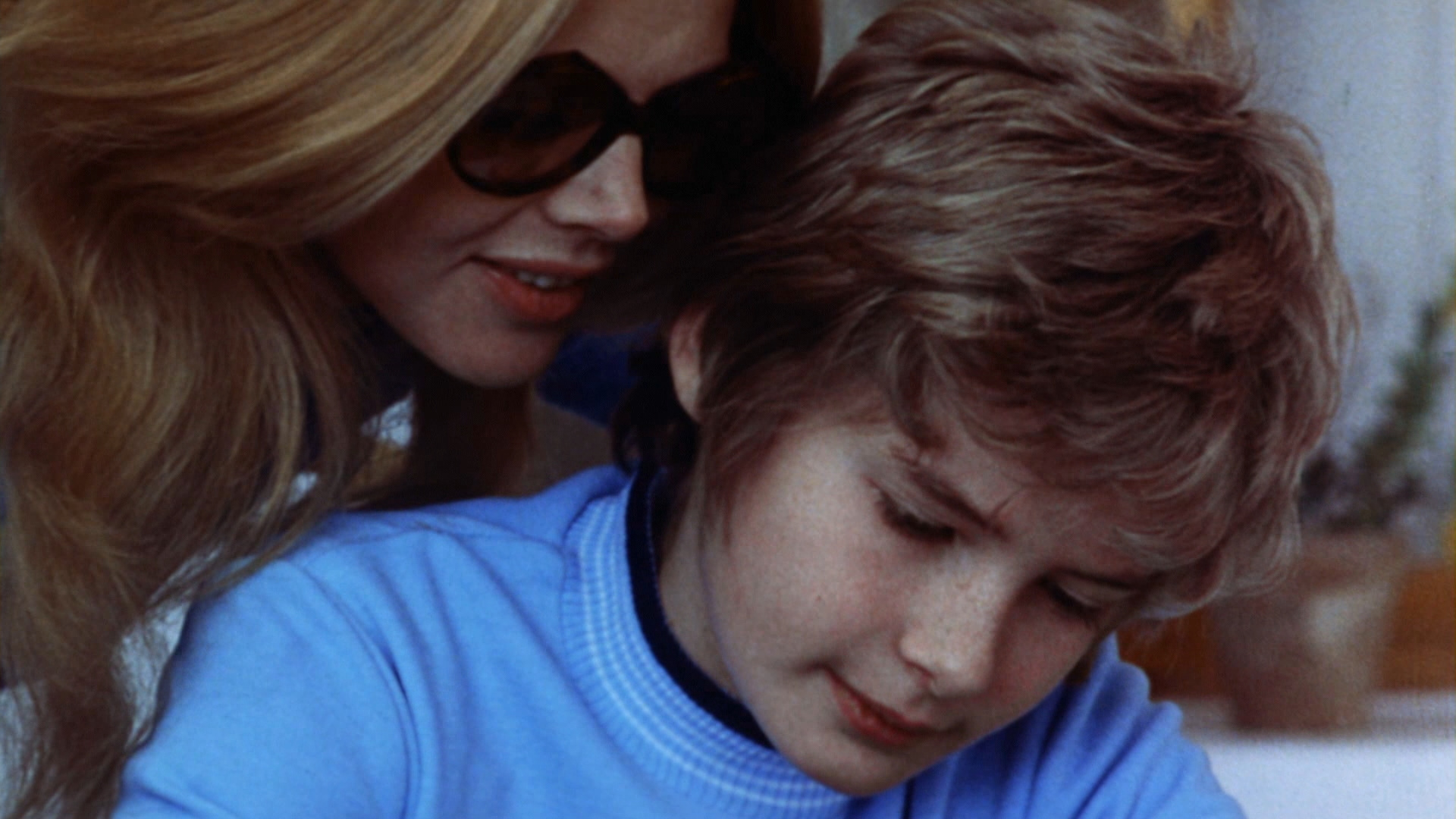
What the Peeper Saw (1972)

What the Peeper Saw (1971, VCI Entertainment)

This is one I had known of for quite some time but was unavailable on video until this last year. Thanks to VCI Entertainment’s limited run it enjoys a new day in the sun. Just knowing that Brit Eklund stars in it (star of some of the better-known gialli), and Mark Lester playing as against his Oliver! persona as possible (as seemed to be the idea behind all his choices of roles after it) are intriguing enough. Add to it the diabolical mindgames between stepmother and stepson, and the twists this tale takes and it’s highly entertaining and still rather shocking. Quite worth looking into if you’re intrigued and not dissuaded by a dysfunctional family feud.

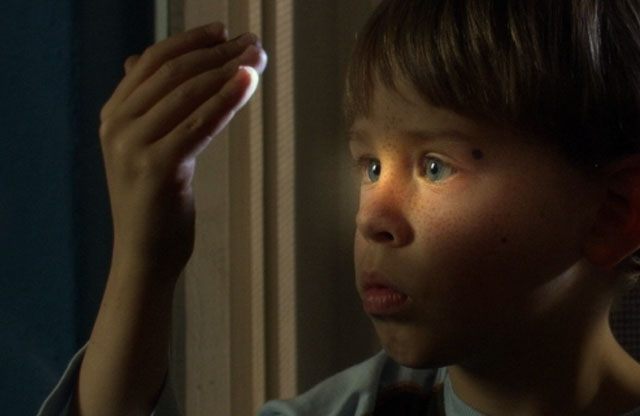
Children of the Moon (a.k.a Mondscheinkinder) (2006)

Mondscheinkinder (2006, Piffl Medien)

This is a visually imaginative, creative film about a child isolated by a rare photosensitive condition, his dreams and his best friend who acts as sister and protector to him. It features tremendous voice-over, creative use of animation. It’s touching, entertaining and well acted.

This series will conclude on Monday.

Favorite Film Discoveries of 2014: Part Two (The Not-So-Discoveries)

This is the same idea as “Favorite Older Films First Viewed in” which I did since 2011. The idea was one I first saw on Rupert Pupkin Speaks. I have usually done the list in parts. This time I will find ways to group the films.

My first installment can be found here. In this installment I will briefly discuss some films that are not discoveries in the truest sense, but rather ones I either took a while to get to and versions I didn’t know existed.

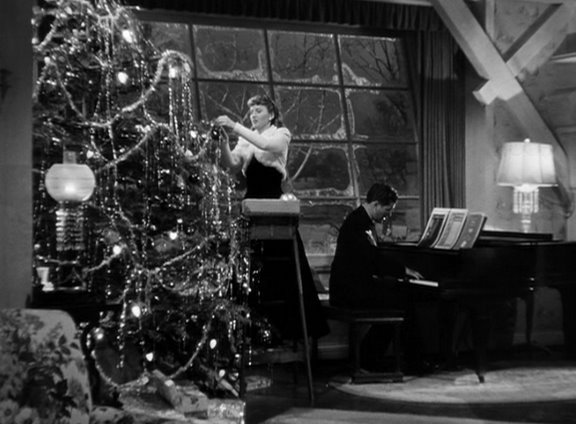
Christmas in Connecticut (1945)

Christmas in Connecticut (1945, Warner Bros.)

This is one of two on this list that I saw for the first time on the big screen. It’s tremendously funny, zany, permanently S.Z. “Cuddles” Sakall in my head (another tremendous Hungarian ex-pat character actor) and quite romantic too. It was a lot of fun. I saw it after A Christmas Carol (1938) which I believe I had seen before but not on the big screen. It was a great presentation by Fathom Events, which showed the positive side of digital projection.

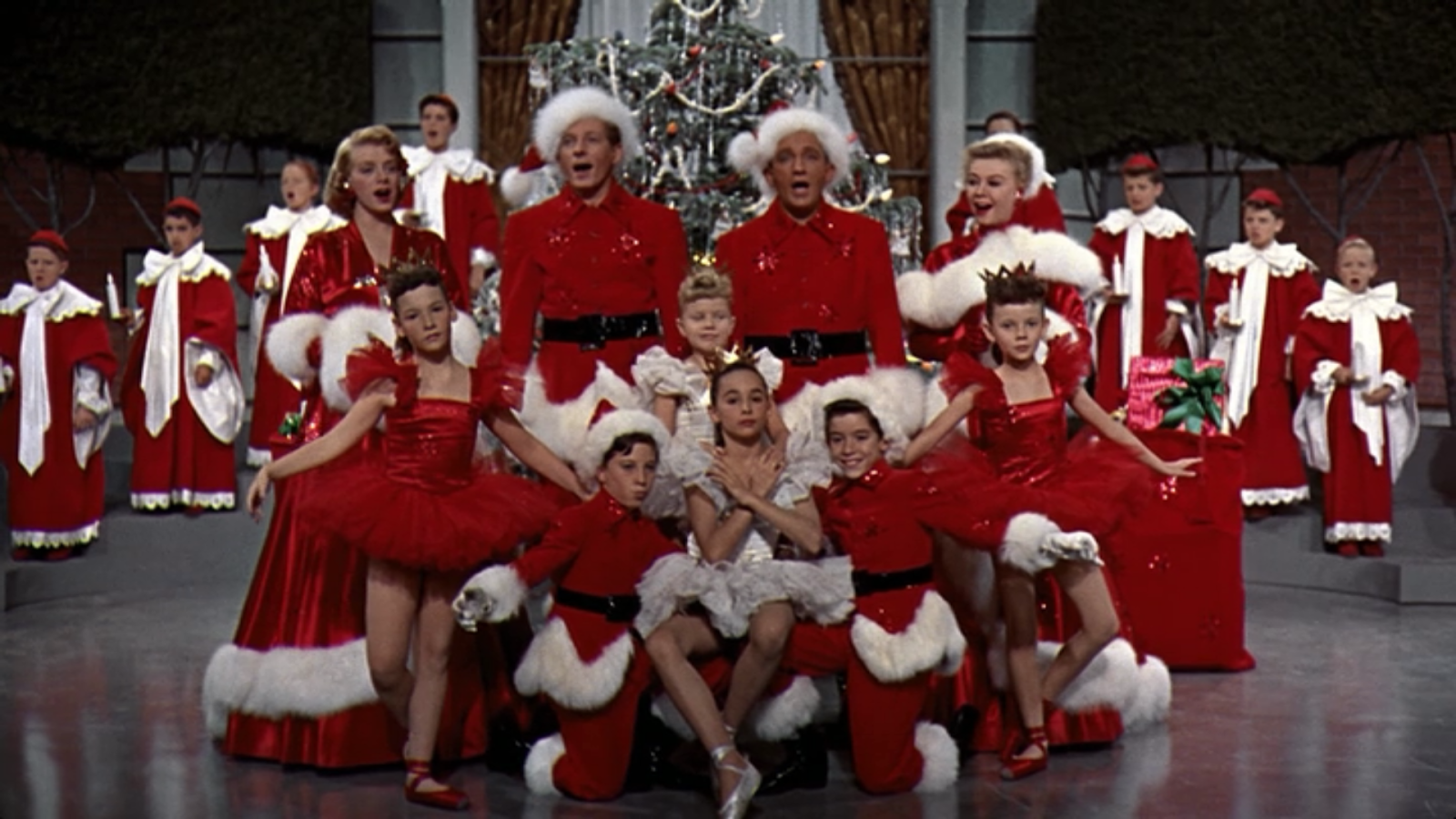
White Christmas (1954)

White Christmas (1954, 20th Century Fox)

This was a separate Fathom Events presentation, and it was another Holiday standard that I finally got around to. It is a simple, effective through-line and proves once again that Michael Curtiz can do anything.

The Hideaways [a.k.a. From the Mixed-Up Files of Mrs. Basil E. Frankenweiler] (1973)

The Hideaways (1973, Cinema 5 Distributing)

This story wasn’t new to me. I had seen the ’90s TV version which featured Lauren Bacall. Here it’s Ingrid Bergman as the mysterious woman. The story is rendered better here and equally as capably performed by the young leads. It’s a film I wouldn’t have known of or seen if not for Warner Archive which continues to do great work.

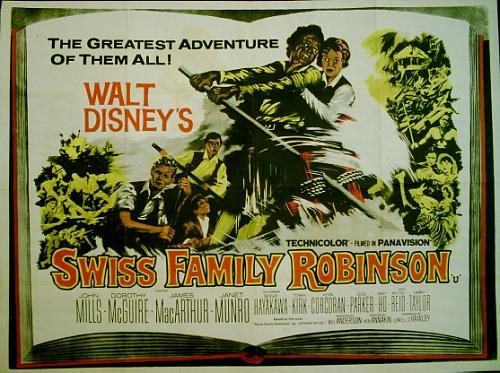
Swiss Family Robinson (1960)

Swiss Family Robinson (1960, Disney)

The first of two Disney films on the list this viewing was a long way coming, because I had it around and because of my having climbed through the Disney World Treehouse inspired by the film a few times. While it was sad to learn that Disney purchased and buried the 1940 RKO version starring Freddie Bartholomew and others, to avoid comparisons this is a very good film with some Disney regulars.

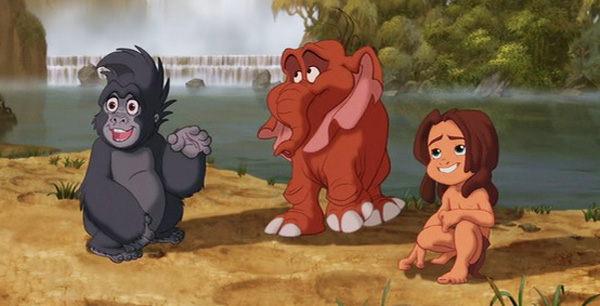
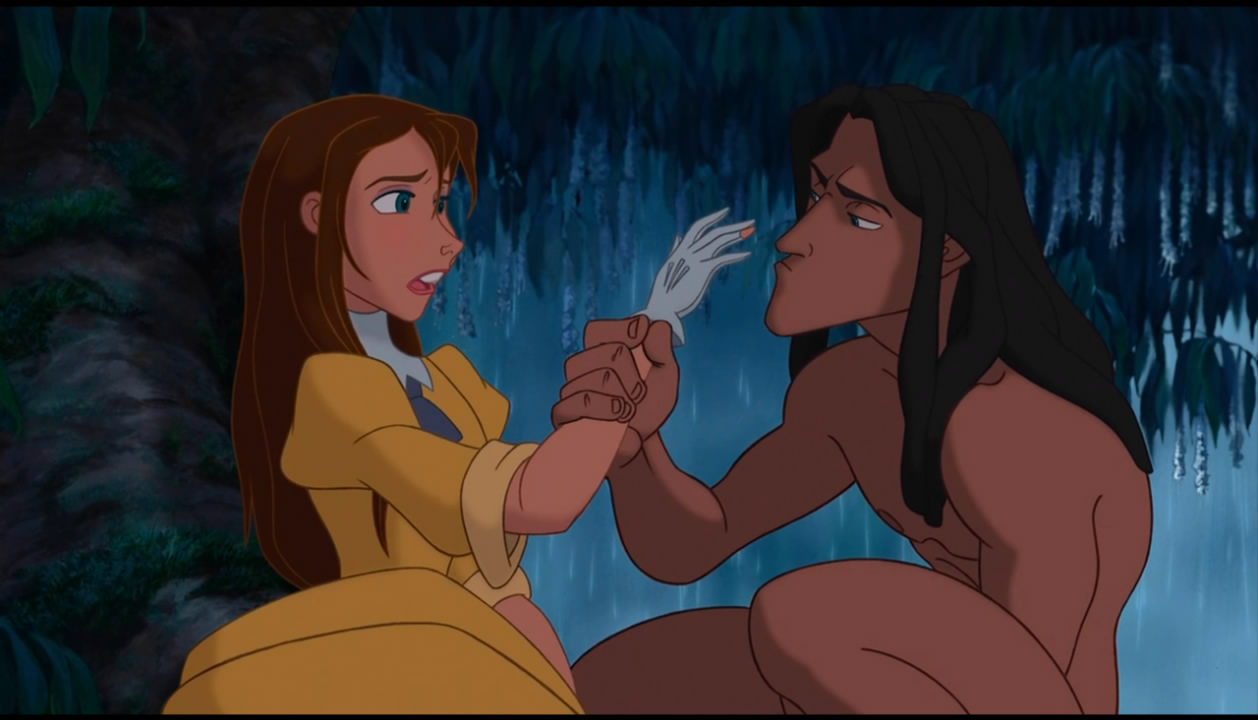
Tarzan (1999)

Tarzan (1999, Disney)

I’ve discussed many a Tarzan film on this site. It was only a matter of time before that theme crossed with my annual devoted to Disney theme and I finally got another film off my list from my hiatus.

Here was my conclusion:

By getting away from certain conventions that other Tarzan movies set, and spinning the tale a Disney way, while also tweaking certain expectations of a Disney film the road to success is already paved. In a pleasurable surprise, however, the film also does manage to tug at the heartstrings like most Disney fare does – more strongly here. Also, Disney flips the script on a template established in The Jungle Book. A successful restructuring of a given pattern can be a joy to watch, conversely a failure of such an attempt is difficult to deal with.

Taking all that in mind, with so many other versions under my belt, and with the hallmark Disney delivery of the origin, this may be the Tarzan film I was looking for all along the one that combines adventure, emotion and the intrinsically fascinating things about this tale in one package.

The Mist (2007) [The Black and White Version]

The Mist (2007, Dimension)

I closed my mostly highly-favorable review of The Mist in 2012 with the following:

The ending is a conversation piece. It is strong and unlike King’s story it’s not open. King approved of this change. Certain elements are very effective some aren’t. What you make of it is up to you. It does not detract from the whole and the film is definitely worth watching.

I still really enjoyed it, I discussed the CG quite a bit. Later on I discovered that there was a black-and-white version, then it clicked. That would probably “deal with” most of the issues I had with it. The film sat around here a while waiting to be seen. When I did my suspicions were confirmed: it’s darn near perfect in monochrome. Check it out if you have a chance.

There will be other themes to follow.

Announcing the Pre-Code Blogathon! (Or: Silk, and Satin, and Lace – oh, my!)

Yes, another blogathon I am adding to my slate. However, this reblog/announcement comes well in advance of the late March-Early April window. It fits in well leading into Poverty Row April as well, as usually I have many pre-code titles in there as well. I am covering Blonde Venus (1932) and am looking forward to it greatly.

shadowsandsatin's avatarshadowsandsatin

Precodegif2Jean Harlow. Joan Blondell. Warren William. Dorothy Mackaill. Kay Francis. Ricardo Cortez. Madge Evans. Leila Hyams. Lyle Talbot. Anita Page. Norma Shearer.

Pick a star, any star.

Or any movie released between 1930 and 1934 – that absolutely awesome, totally titillating, sinfully scandalous era of filmmaking known as pre-Code.

The 2015 Pre-Code Blogathon is a celebration of this brief but oh-so memorable period in the annals of cinema – one that featured more lingerie than you can shake a stick at!  Around these parts, we think that the films produced in the early 1930s are some of the best from Hollywood’s Golden Age – and if you share our fondness for these features and the performers who made them so unforgettable, you are cordially invited to join in the fun!

Precodegif3Your co-hosts for this event are:

Danny of Pre-Code.com (precodedotcom@gmail.com) and

Karen of Shadows and Satin (thedarkpages@yahoo.com)

View original post 303 more words