During TCM’s 31 Days of Oscar every year I like to keep a running log of what I see. It’s a great chance to check off a number of films I should’ve seen already. Aside from the selections on TCM, I will also get a handful of Oscar-Winners of my To be Watched pile. My goals this year based on my desires and TCMs structure in 2013 are: At least 31 films, 100 nominations accounted for by the films seen, at least one film represented by each studio featured in the line-up and also to keep up my guessing game tradition of not knowing what the nominations are and trying to figure them out as the film progresses.
For a guide to what my scores mean go here.
TCM Selections
1. Gold Diggers of 1933 (1933)

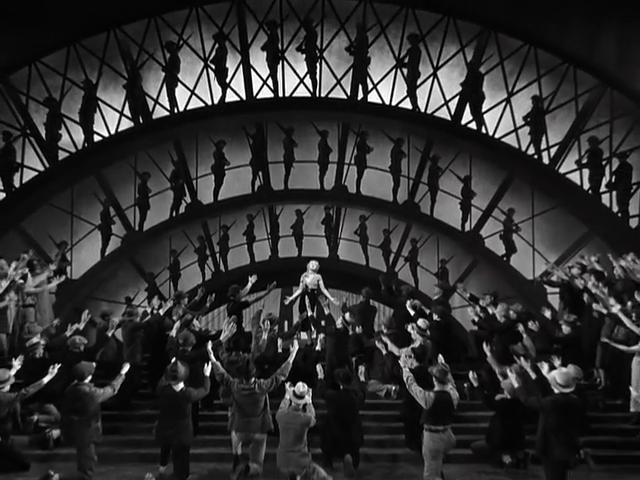
I remember when I sent away for a headshot of Anna Chlumsky when I was young this was listed as being her favorite movie. Recently in reading about the Pre-Code era I was reminded of this title. The opening number “We’re in the Money” became a standard, but many forget that it was a very topical Depression Era song. The musical sequences directed by Busby Berkeley are magical but by and large there is a disconnect between them, the occasional commentary and the light, escapist fare that is the thrust of the film.
I forget my guess regarding this film’s nominations, but its nod for Sound Recording is well earned as the audio is crystal clear – not always the case in this time period, as sound was still in its infancy.
Score: 6/10
Oscar Nominations/Wins: 1/0
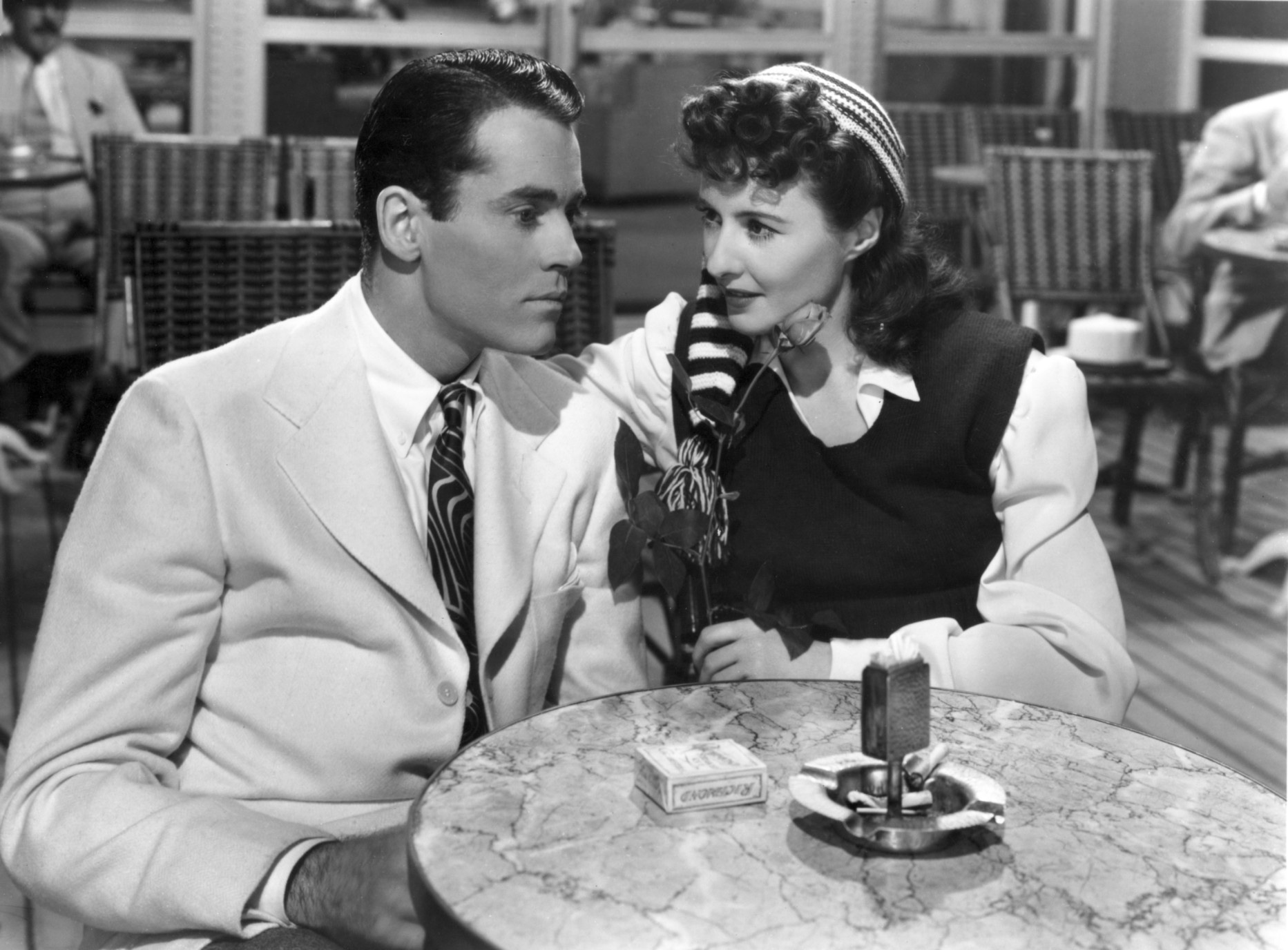
2. Jezebel (1938)

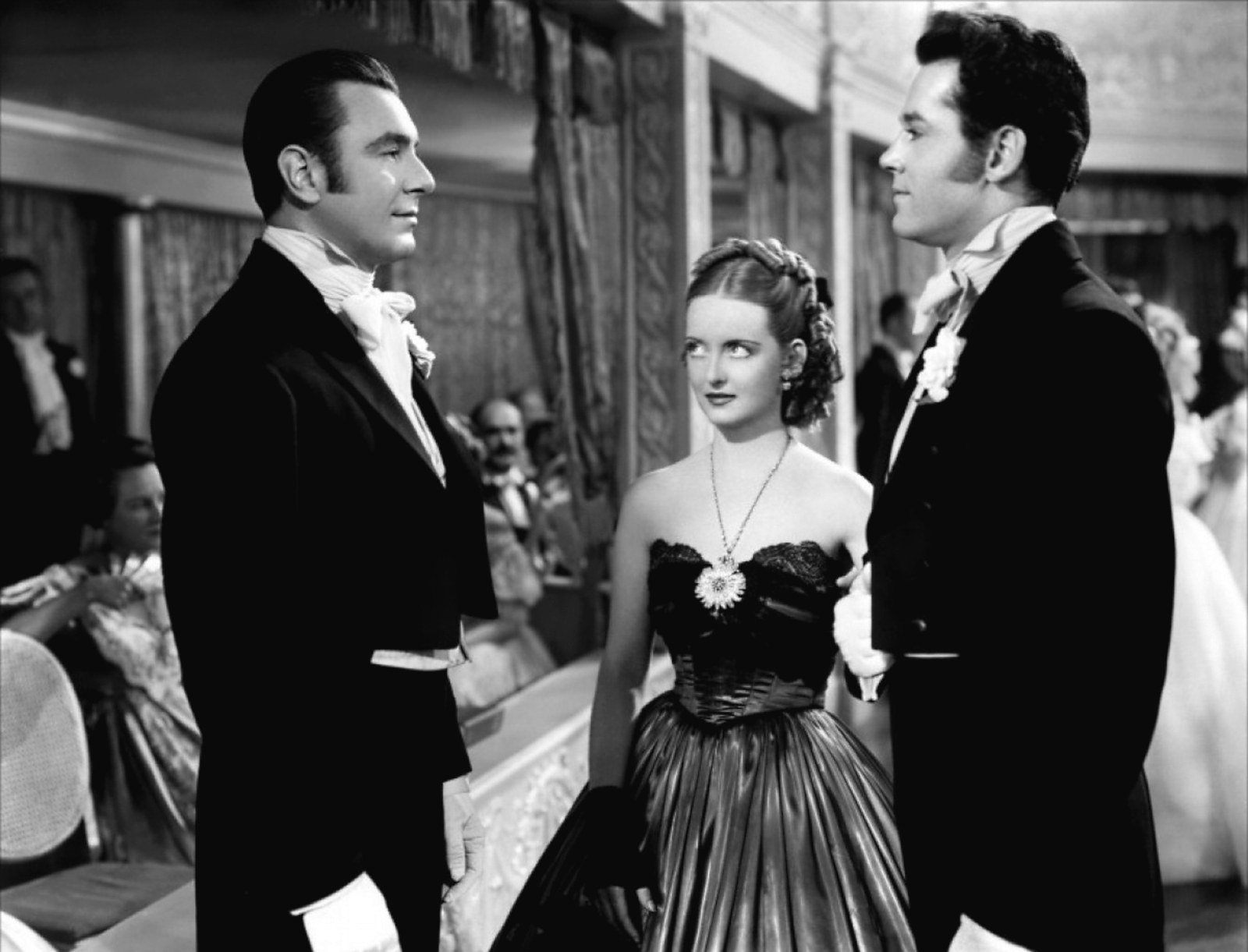
This is the first film of this year that landed with a resounding thud to me. To get too far into it would be too give to much away. Despite the fairly good narrative flow, likely the first great leading turn of Davis’ career and seeing a young Henry Fonda, anothr great Max Steiner score, I still didn’t like the movie much at all mostly due to the narrative and the handling thereof.
Score: 4/10
Oscar Nominations/Wins: 5/2
3. The Story of Louis Pasteur (1936)
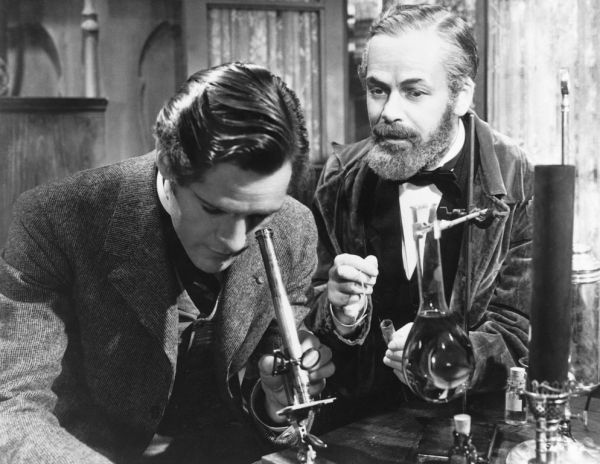
More often than not I’m leery of biopics. They tend to all fall into form in one way or another. This one, however, is an engaging tale of a scientific crusader. Perhaps what’s most intriguing is that it’s not a cradle-to-grave tale, or even all that personal; it begins in Pasteur’s career and concludes at its pinnacle. Yes, his character is shown, and some of those around him do arc, but it’s most concerned with his work, which makes it in a way far more engaging.
Score: 8/10
Oscar Nominations/Wins: 4/3
4. Who’s Afraid of Virginia Woolf? (1966)
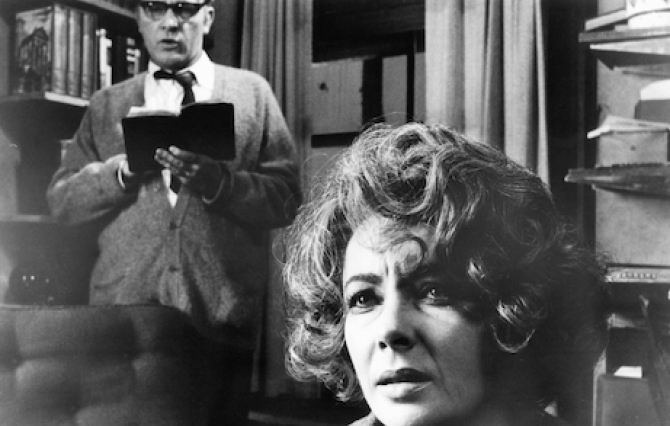
This is an incredibly intricate and thankfully subtle-when-it-counts psychological drama. It also has an interesting approach of showing us what is seemingly your typical, bitter, drunken, couple of academia, then when their guests arrive we start to learn, slowly but surely who they really are, and the portrait painted is shocking, harrowing and really makes you think.
Score: 10/10
Oscar Nominations/Wins: 13/5
5. The Life of Emile Zola (1937)
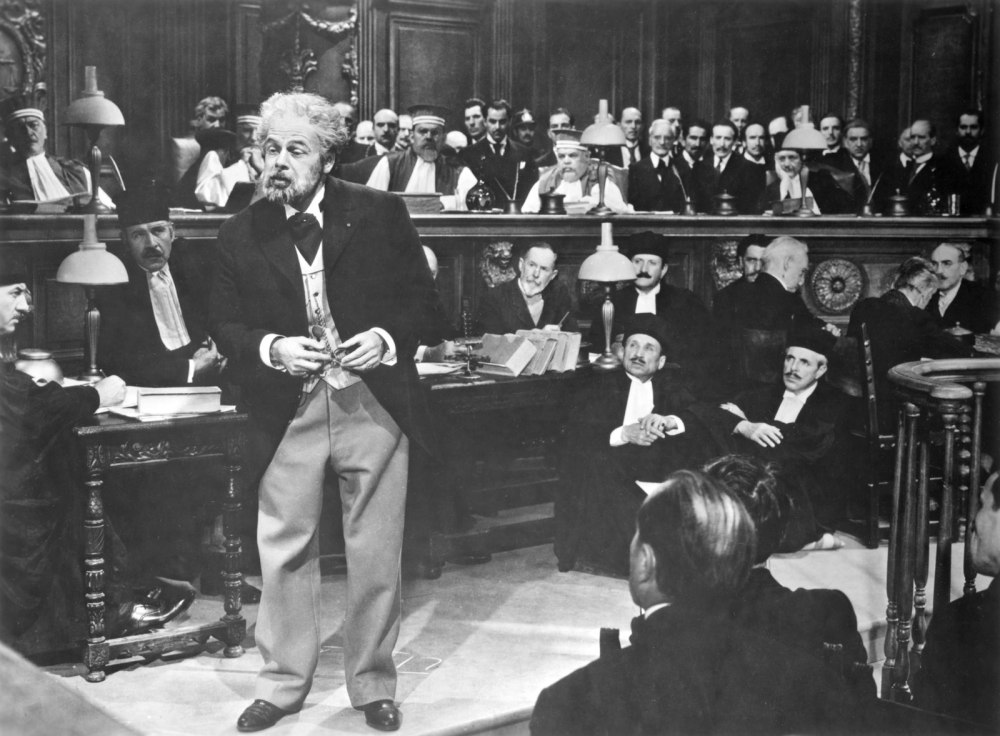
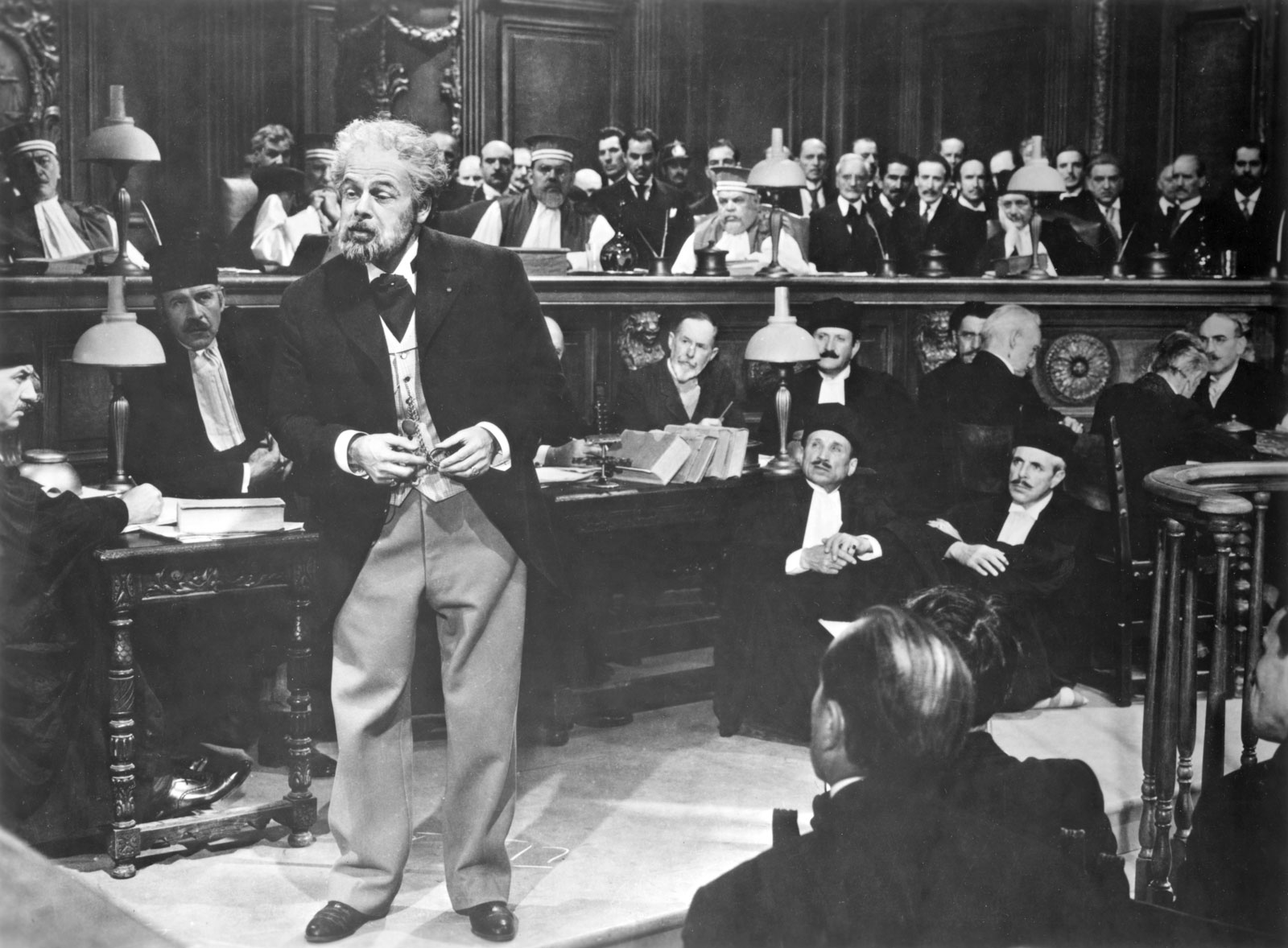
A Paul Muni biopic strikes again, and perhaps he takes an early lead in the Neutron Star Award race for this year. What’s fascinating is that it chronicles a writer’s rise in typical biopic fashion in act one, then a military frame-up at the head of act two and has them smash together and culminate in a riveting courtroom drama. It distills the essential and best elements of a few subgenres to make a riveting and engaging film that surpasses its formulaic and periodic tropes.
Score: 10/10
Oscar Nominations/Wins: 10/3
6. The Hanging Tree (1959)
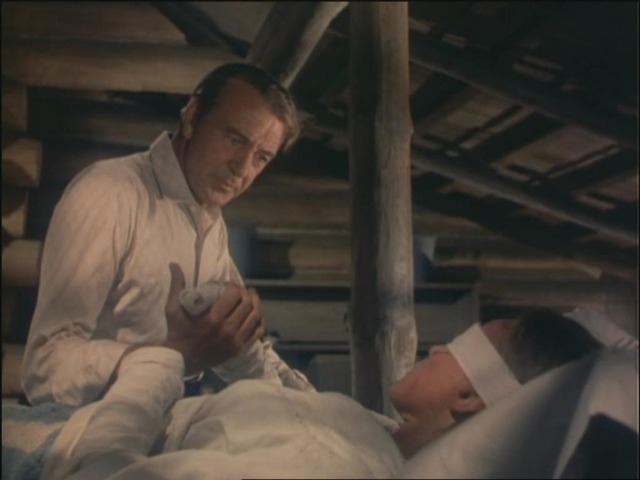
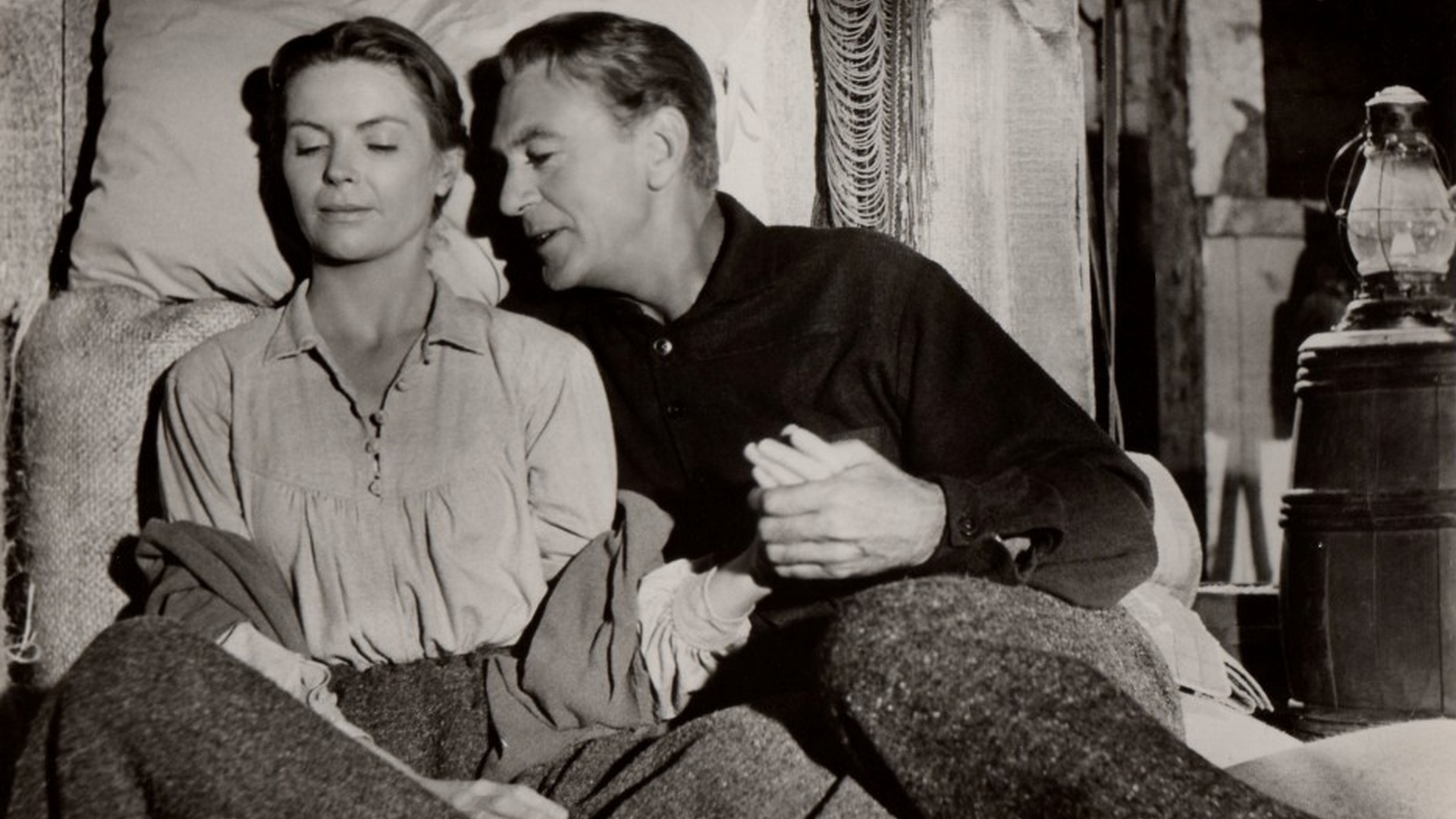
This is, as are many westerns, a gorgeously shot film. There is a culmination its ultimately building to, but there is a bit of meandering and seeming filler in the latter half of act two. Characterization for the supporting parts is fairly thin such that it seems to leave good actors like Karl Malden and George C. Scott trying a bit too hard to make sense of their living plot devices. This film has its admirers, and I get that. I think more focus on Frail (as we lose him) and a few minutes off the running time, which could easily be lost, may have had me among them. Needless to say this film’s Oscar nomination is almost instantly clinched as it’s a Best Original Song nod.
Score: 4/10
Oscar Nominations/Wins: 1/0
7. Imitation of Life (1934)
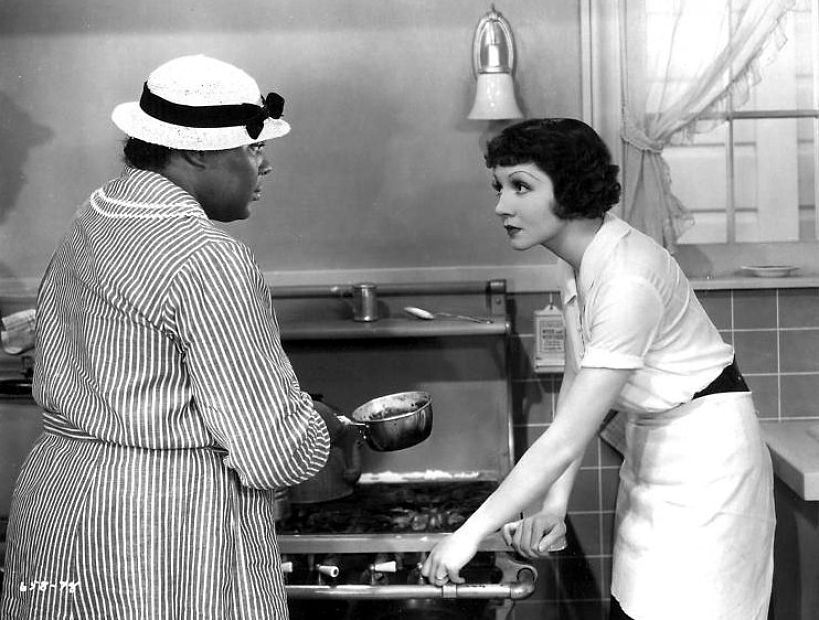
Merely being ahead of one’s time is a great in and of itself, however, that alone doesn’t make for a great drama. What’s fortunate is that for this film it has both. Imitation of Life deals with race about as openly, maturely and progressively as any film of its era – if you can fault it for anything cinematically it’s being slightly repetitious (But it addresses that), in social terms it discusses and even challenges norms. This was considered a dangerous films and Universal was strongly urged not to make it. Not only does it deal with race relations but in having Delilah’s daughter be able to pass for white, it also implies miscegenation, which was at the time one of the biggest taboos there was.
However, as I said without a compelling narrative all of the above is just a footnote. Bea’s chance meeting with Delilah snowballs in a very compelling way into a most unlikely friendship and partnership. The trials as single mothers also form dueling subplots that at times are equally compelling. The only knock I thought I had against it was that I wanted more focus on the more unusual plot, but based on the way things play out it is handled properly.
If one is not very familiar with Claudette Colbert there are likely few roles that are better for you to get to know her in. Every year, it seems, I mention that I do love the selections that have intros by the hosts on TCM. This one was a gold mine. Not only for mentioning that Colbert appeared in three Best picture nominees in 1934 alone, but also for pointing out the fact that this film likely could’ve sported two best supporting actress nominees (Louise Beavers and Fredi Washington) but the category was two years from being created.
Score: 10/10
Oscar Nominations/Wins: 3/0
8. The Lost Patrol (1934)

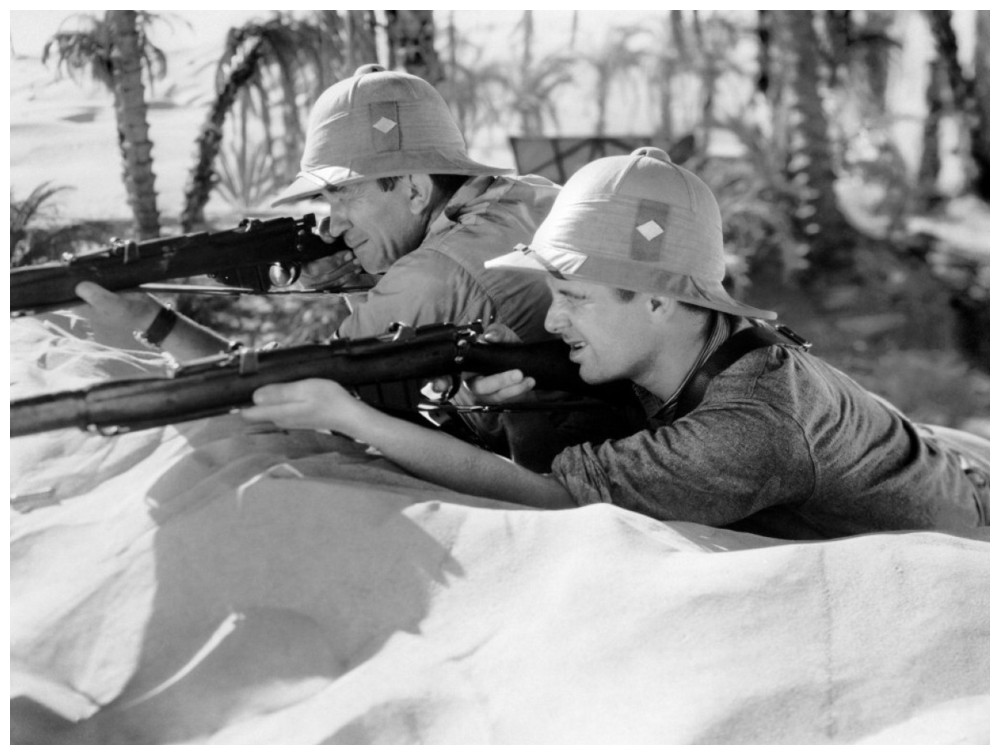
This film is proof positive that brevity can still cause impact and that an unseen enemy can be the most frightening. This is another John Ford film, but this one is so eerie, and builds its characters well such that the doomed nature of the mission has an even greater effect. Even Boris Karloff, in an early dramatic turn, as over-the-top as he is here, has an arc and shows the effects of the strain faced so well.
Score: 9/10
Oscar Nominations/Wins: 1/0
9. The Narrow Margin (1952)

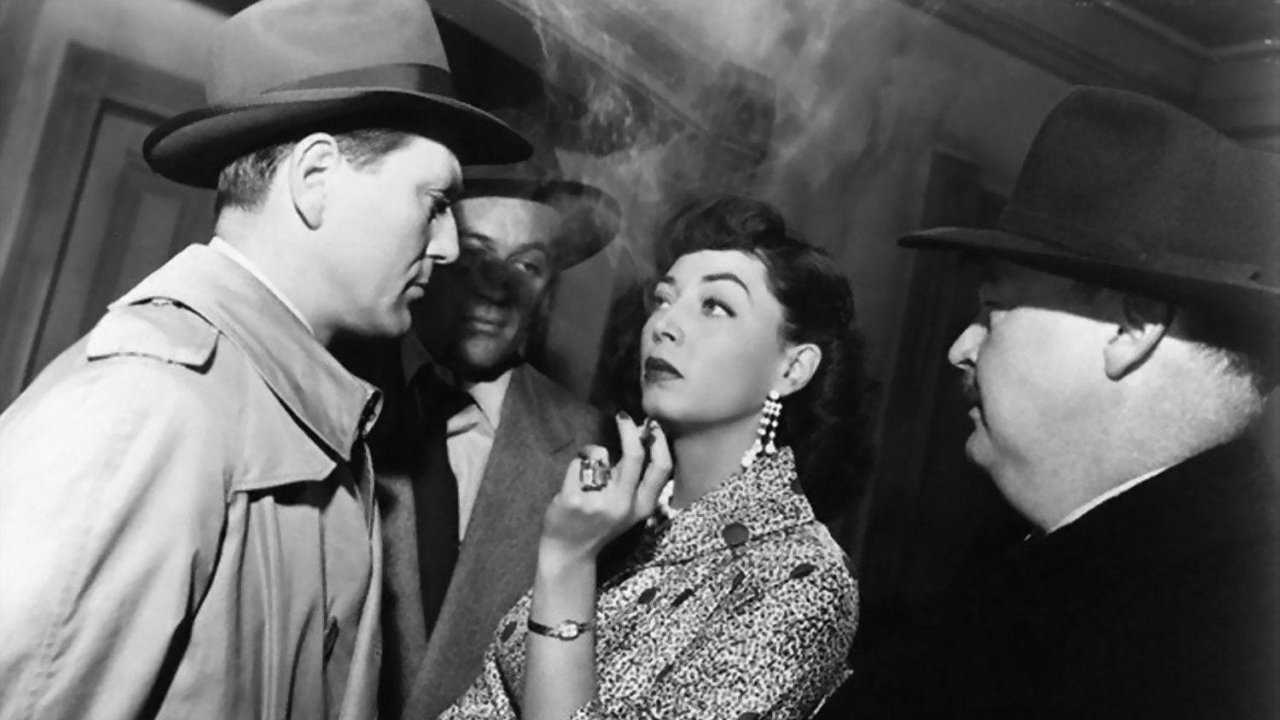
Here’s another film with a short running time but a hell of a lot of wallop. The setup is great: cops escorting a grand jury witness cross-country to testify against a mobster. When you throw in the fact that it’s a film noir tale, you know you’re gonna be thrown for a loop quite a few times and boy does it have some doozies up its sleeve. This movie’s the kind of good that had me absolutely buzzing after it was over. Amazing.
Score: 10/10
Oscar Nominations/Wins: 1/0
10. Friendly Persuasion (1956)
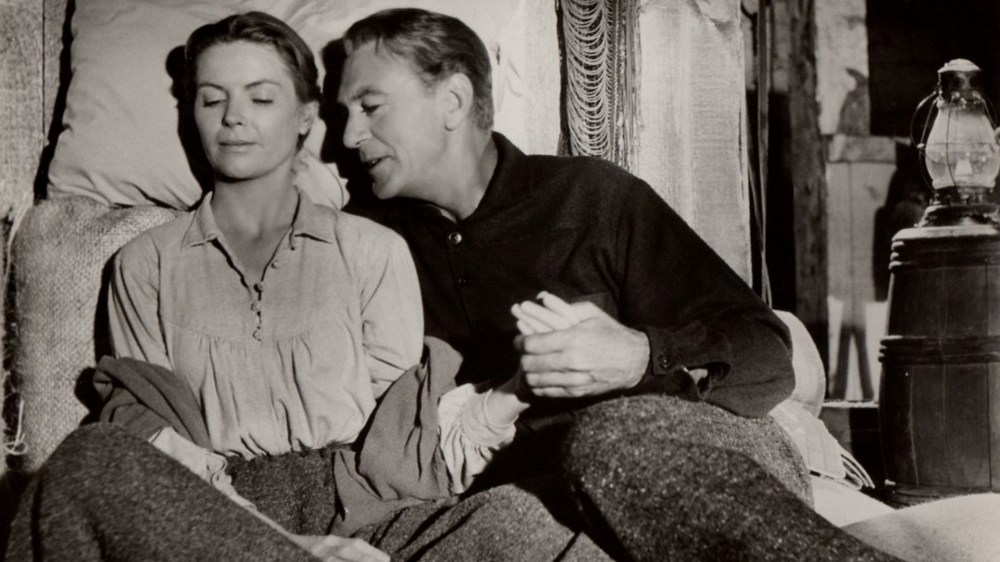
This is the kind of film where a tweet reaction might seem to slight it. The synopsis does divulge what the ultimate conflict is: Quakers must decide if the go against their stated pacifist principles to defend their homes in the civil war. From that you might expect a dour, maybe even cerebral drama. While the film does face that and the temptations that modern life does throw their way often, frequently it does so in a light, comedic tone; one that is successful I might add. It does shift gears well too and some of the more dramatic moments have the desired effect. Its the pacing and space between these tonal shifts, epitomized by the climax and denouement that keep this film from being better than it is, but it is very enjoyable.
Score: 7/10
Oscar Nominations/Wins: 6/0
11. Bad Day at Black Rock (1955)

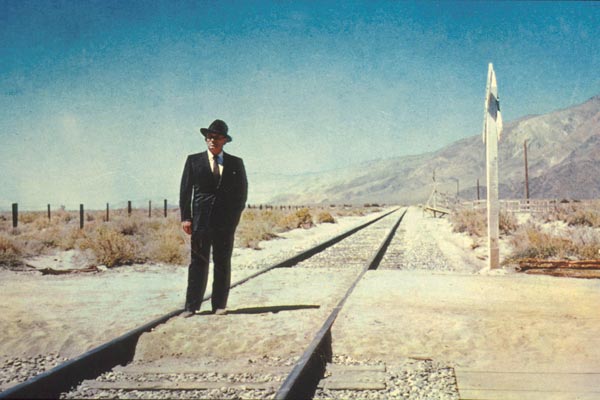
This film sets itself up so well and does things that work in its favor constantly. It deals with xenophobia, with regards to its ghost character; it deals with the stranger-in-a-strange-land trope brilliantly, with its protagonist; however, it also makes the paranoia felt in this town so palpable the lead is instantly on the defensive, such that you’re left unsure as to what his business in town is. It’s a cloistered and oddly claustrophobic tale, in what looks like an inhabited ghost town that’s well worth watching.
Score: 10/10
Oscar Nominations/Wins: 3/0
12. Father of the Bride (1950)
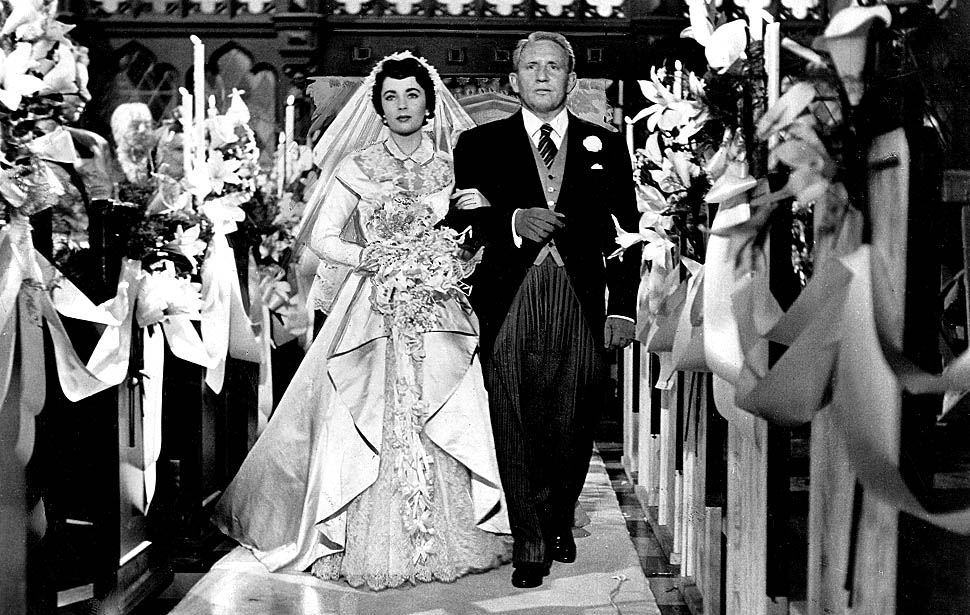
Having just seen Spencer Tracy I decided to make it a two-for. Now, this is a case where I saw the remake in theaters and still remember the experience. I expected this version to be different seeing as how they cast two very different leads, but I found this one so bogged down in the details and the humor usually was on the subtle side, save for the occasional loud, overlapping dialogue slapstick sequences with workers, that it just wasn’t very interesting at all. The table was set for this reaction right from the very awkward introduction of the topic of marriage. Were it not for the dream sequence, which is truly special and elevates the film, practically nothing about this film would’ve stood out at all.
Score: 5/10
Oscar Nominations/Wins: 3/0
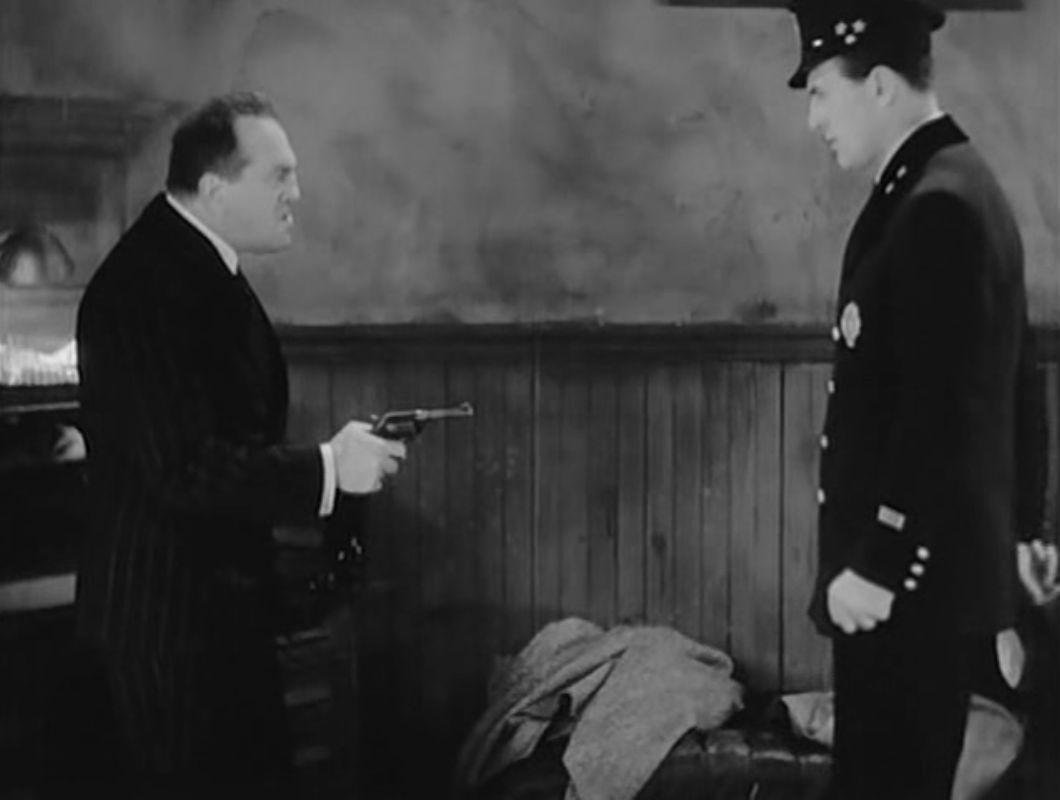
13. The Racket (1928)
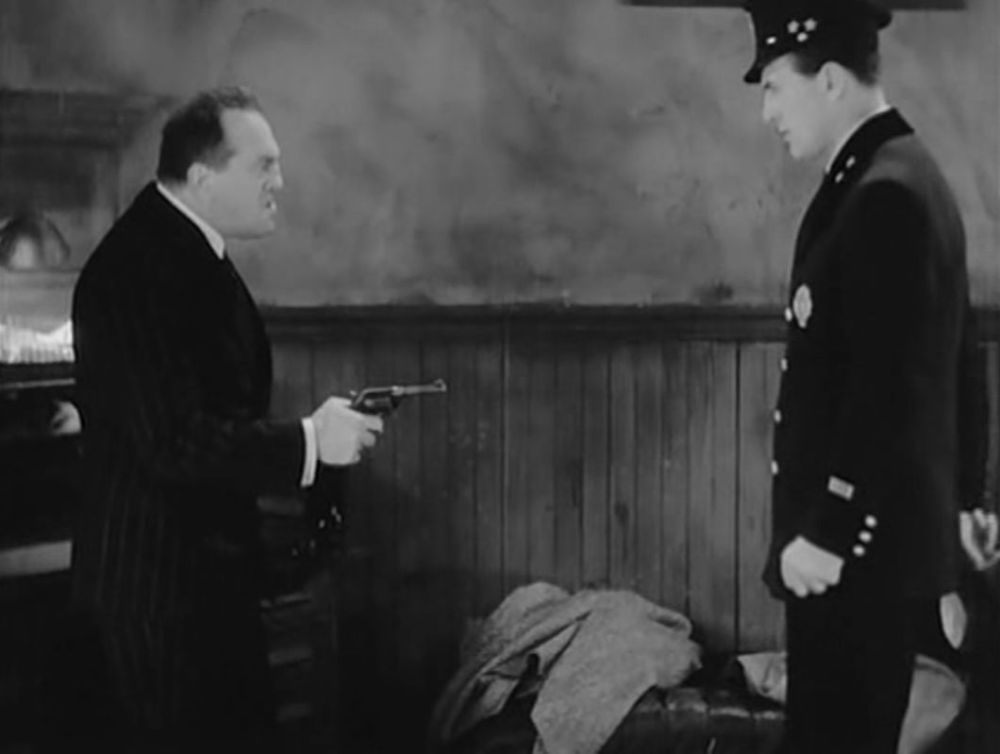
Here is one I was surprised to find was a silent. I didn’t pay attention to year on the TCM schedule and looked up the wrong information, rather I searched the remake’s synopsis. Regardless, it was a pleasant surprise that (seeing as how they were virtually identical) I chose by virtue of narrative a silent and took in stride. It was also reassuring to learn of the restoration efforts that had been made for this particular title. While it does play it coy with the nuances of the corruption at high levels of the police department and local government, this is a great treatment of a lone-cop-trying-to-take-down-a-kingpin story, which is very well done. Its also interesting to note this is one of the few films ever to be nominated for Best Picture (called “Most Outstanding” in 1928) alone.
Score: 8/10
Oscar Nominations/Wins: 1/0
14. The Lady Eve (1941)
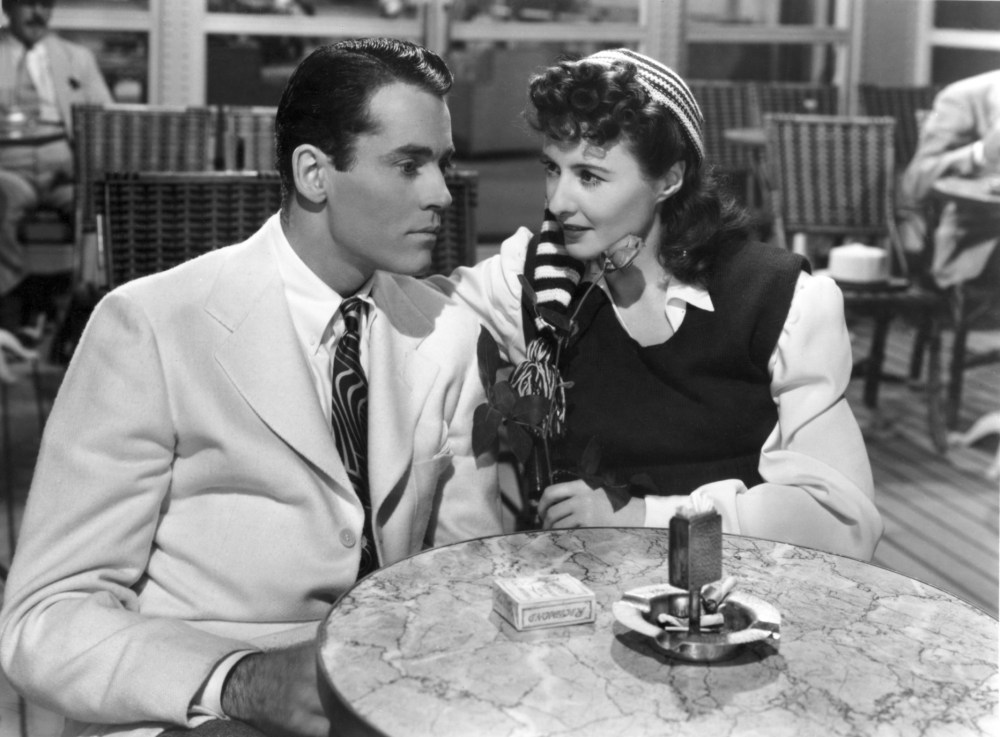
Maybe I just ran across this film at the wrong time, or maybe this particular story is just not for me. I’ve seen and appreciated other films that could be categorized as screwball comedies, however, even in that subgenre it is possible to get too ridiculous for its own good. The film was already dragging and losing me and then my ability to suspend disbelief was completely shot by a significant plot development. One so insane that it’d be hard to salvage, even if this film was very funny, which I really didn’t find it to be.
Score: 4/10
Oscar Nominations/Wins: 1/0
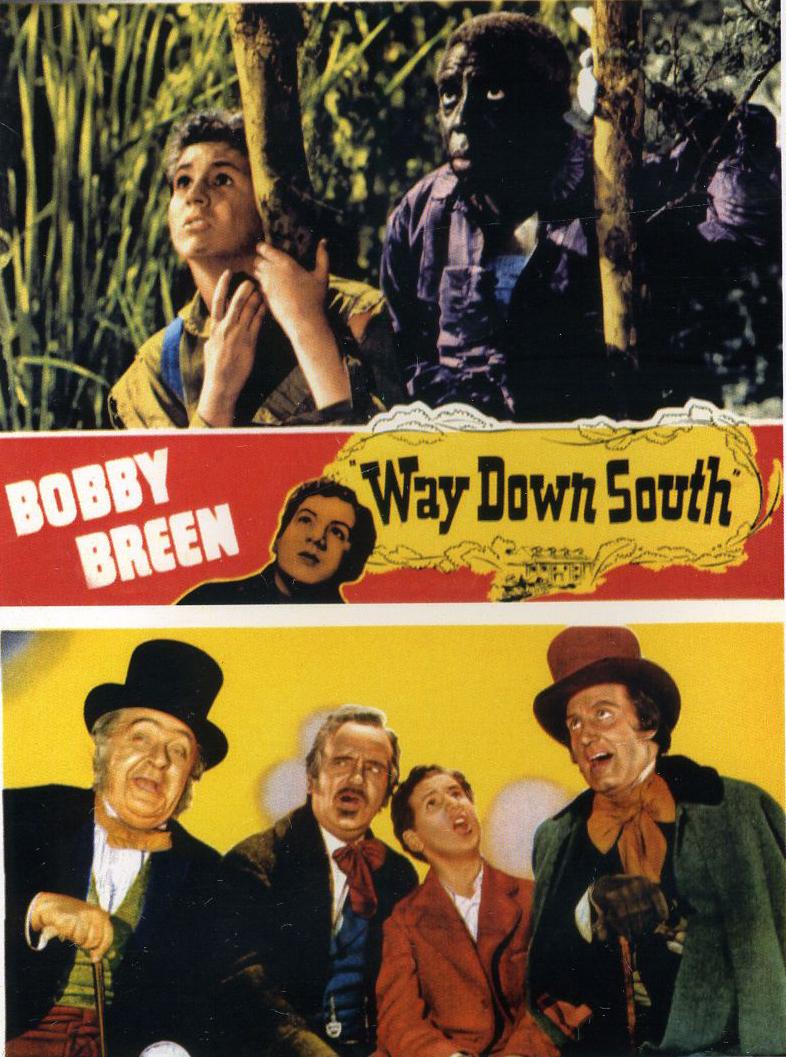
15. Way Down South (1939)
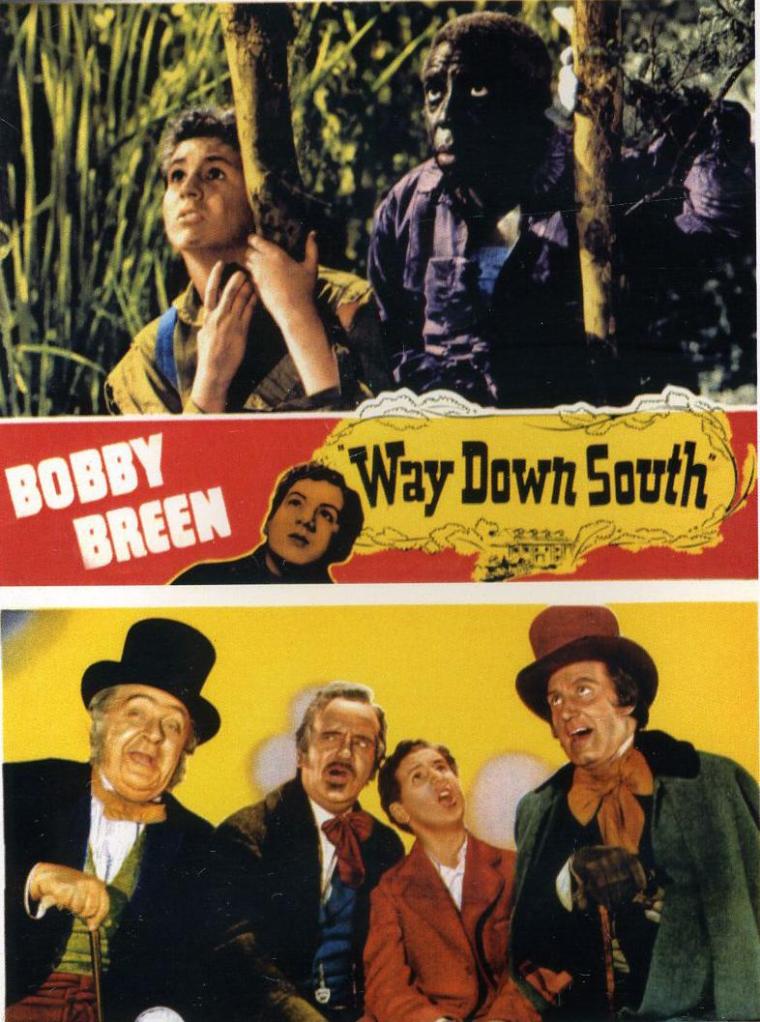
This is a film that’s another re-screening. I first saw this film as a rental, quite a while ago from Movies Unlimited when they were still in the brick-and-mortar rental game. I also believe it was the first Bobby Breen film I saw, and one of his last at that. Breen was one of those musical stars that had films custom made for him. How good or bad the films he was in usually hinged on how naturally the opportunities for him to unleash his voice were folded into the plot. In thematic terms, it may be the most dated of his films dealing with a boy who loses his father, a “benevolent” plantation owner, the executor of his father’s will is now to sell off all the families assets, slaves included. In this context the lead acts heroically, trying to save the first whose threatened with being sold, when they’re all threatened, and families will be split up; other remedies must be found. Perhaps what’s most surprising in this viewing was I had forgotten how chillingly amazing Breen’s rendition of this spiritual is. It may not be the best film he was in, I’d argue the melodrama Make a Wish was, but it may be the best showcase of his singing talent.
Score: 8/10
Oscar Nominations/Wins: 1/0
16. Seven Days in May (1965)
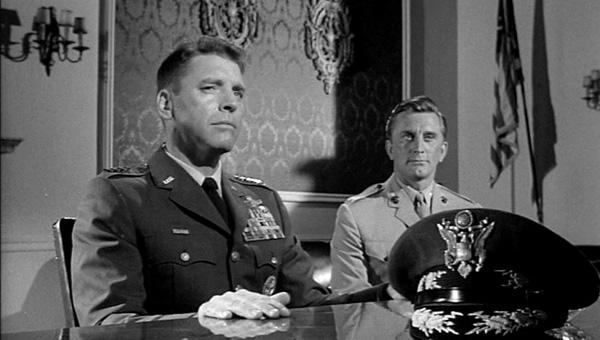
The old expression is that “The world will end with a whimper rather than a bang,” and this film treats a coup d’etat in much the same way, which is really what makes it so effective. This is a film written by Rod Serling, and if I wasn’t informed beforehand, I may have guessed. It certainly bears his indelible mark of great dialogue, taut situations and Twilight Zone brand eerieness, made even more effective by how plausible it all seems, especially set against the backdrop of the upheaval in the 60s and the cold war panic that resurged in the wake of the Cuban Missile Crisis. It’s a highly effective tale of political intrigue that is engaging precisely due to its restraint.
Score: 8/10
Oscar Nominations/Wins: 2/0
17. The 5,000 Fingers of Dr. T (1953)

This is a film that contains no shortage of Easter Eggs, oddities and charm for me personally. The first, and most surprising thing for me, is not only is this an original screen idea by Dr. Seuss, but one I really connect with. Even as a kid I was never really into Dr. Seuss at all, quite the contrary, but on occasion I will find a tale that sneaks by and I enjoy and this is one. Next this film features Tommy Rettig pre-Lassie and he’s perfectly cast and has quite a bit to carry aside from singing he also breaks the fourth wall and narrates the tale. The villain, played by Hans Conried, struck me as familiar. As the film started, I knew I had heard that voice. Sure enough I was right, and guessed it. I heard that voice a lot as Disney’s Captain Hook. Almost immediately I pegged this film as a one nomination film and having fallen in love with the production design thought it’d be that, it was the score which is also good. It merited multiple honors in my estimation. Part of the point of doing and Older Films list is when you stumble on these oddities that you connect with unexpectedly. This is definitely a highlight.
Score: 10/10
Oscar Nominations/Wins: 1/0
18. From Here to Eternity (1953)

Much in keeping with a theme above, here you have a title that is typically classified, or at least described by some, as a war film. While it takes place on a military base, during the second World War, much of it takes place before the US enters the war and it’s not really about the war at all; it’s about its characters. It’s not only about them in a superficial sense either; it’s concerned with their love and loss, but it also, through showing how they react to diverse situations, provocations and set-backs espouses their philosophy without saying it outright. It’s the kind of film that’s easy to get preachy with and it avoids that temptation beautifully. It doesn’t ascend for me quite as much as it does with others, but it strikes me as one of those films that is unimpeachable. I can’t hold anything against it to downgrade it save that on a visceral level I didn’t connect with this film as strongly as I wanted to. It did highlight to me the shocking fact that somehow the Academy never saw fit to have Montgomery Clift win Best Actor.
Score: 8/10
Oscar Nominations/Wins: 13/8
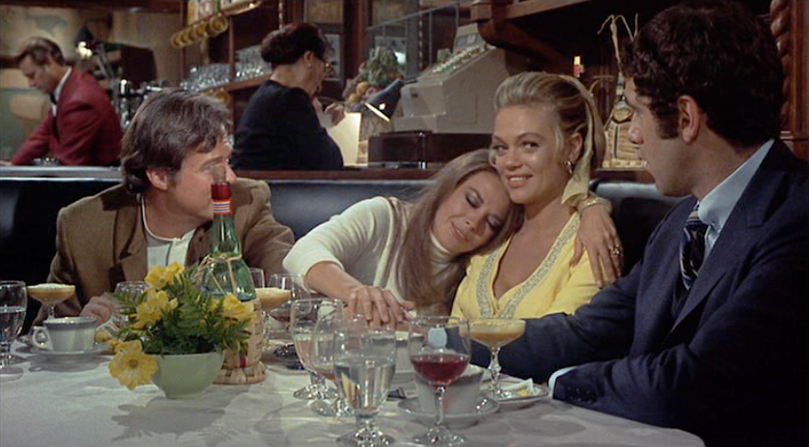
19. Bob & Carol & Ted & Alice (1969)

This is a film that strikes me as a great performance piece, but not the best possible execution of the idea. It has its comedic moments, its dramatic moments and all the acting is strong it just feels a bit sparse at times. The subtext is there and bubbles over, but the aftermath seems a bit unsatisfactory, and truth be told the path there isn’t that brilliant. The film may be a bit ahead of its time. Some of the paired scenes seemed precursors to Scenes from a Marriage, only trying more humor, not as tightly written and inferior.
Score: 5/10
Oscar Nominations/Wins: 4/0
20. All-American Co-Ed (1941)
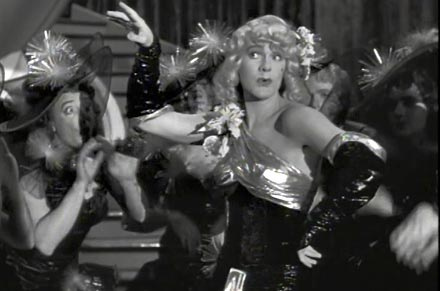
What an impossibly silly film. I will readily admit that part of the intrigue in seeing this film is that it’s short. It actually clocks in at under 50 minutes as opposed to the 51 listed on the IMDb. Thus proving the 40 minute plus rule the Academy has for features does have a place. Its nominations are musical and that portion of the film is fine. The premise is admittedly silly, but for a story that’s not going anywhere too far away it takes its time getting there, and gets bogged down in silly bits, such that the climactic sequences are a cacophonous blur. A great footnote is that I missed the TCM airing but found the film on the great Internet Archive.
Score: 5/10
Oscar Nominations/Wins: 2/0
20. Way Out West (1937)
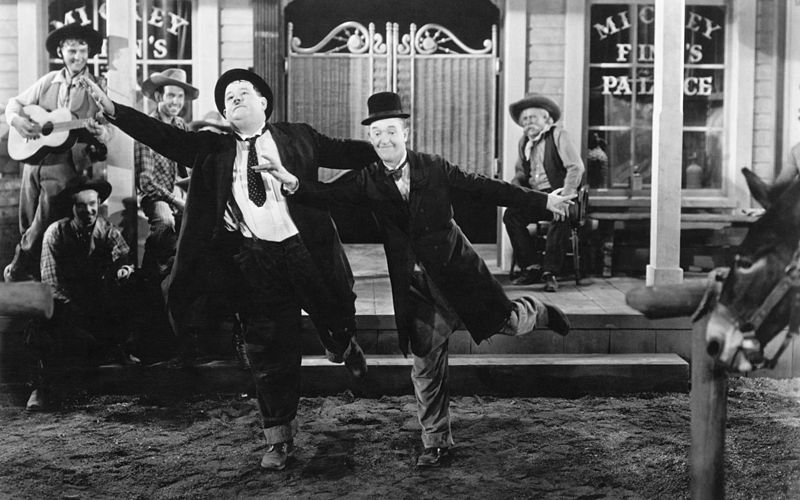
I love Laurel and Hardy. I’m not sure how many of their features I’ve seen. I do fondly recall watching their shorts on weekends growing up. Overall this movie is good. I haven’t the heart to dislike one, but this one does bug me in a serious way because the bamboozlers make one too many bad mistakes right at the beginning that should have been caught. Aside from that, the film is fine and has some hysterical sequences. The Oscar nomination is for scoring, which is truth be told, is pretty special. I do like that the Academy had a proclivity for recognizing comedic scoring earlier on. It’s definitely worth a watch for fans who haven’t seen it I would introduce them with it though.
Score: 7/10
Oscar Nominations/Wins: 1/0
21. Victor Victoria (1982)

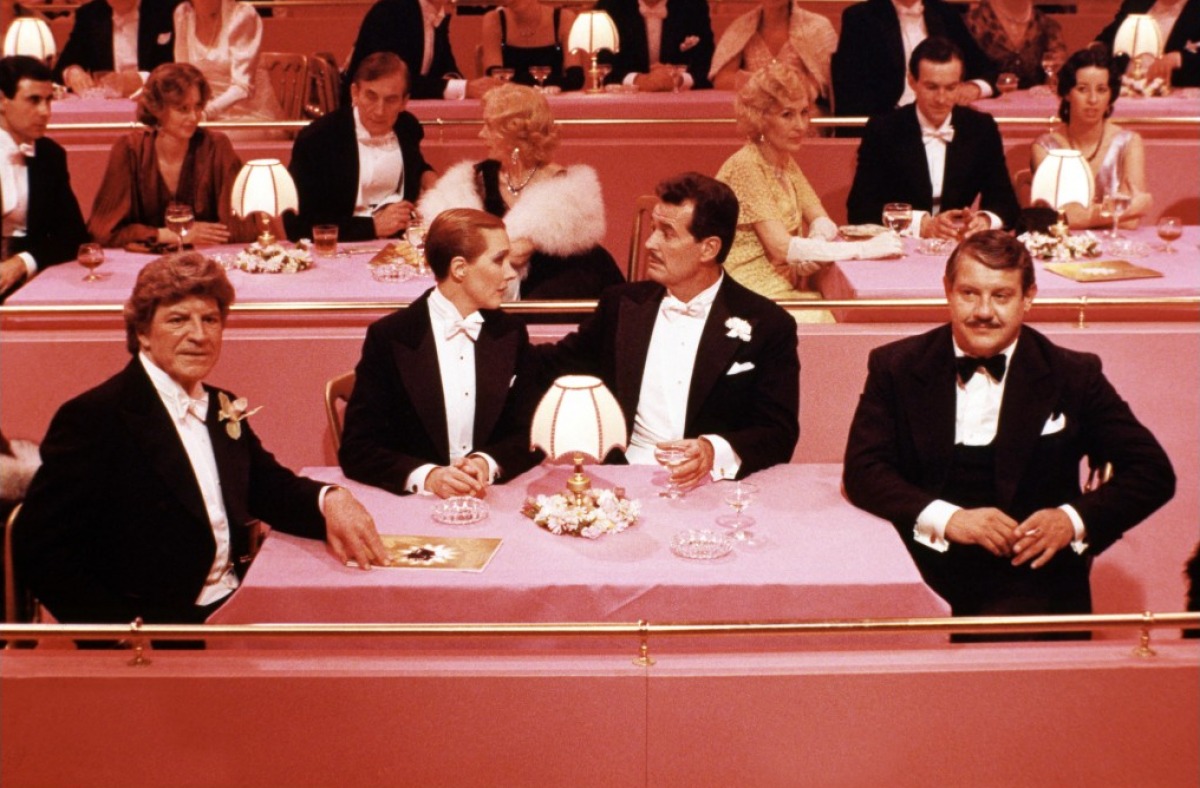
There are givens in this film: Julie Andrews is great, the intelligence of the dialogue that ensues regarding gender and sexuality is sparkling, the music is toe-tapping. The film is highly entertaining. I’m not sure if its part of the slapstick that the illusion of Victoria being Victor isn’t sold more say with more fitted clothes, shooting in black & white or any number of methods, but that does allow for some distraction in frequent buffering of your suspension of disbelief, wherein you have to convince yourself that most of the unseen masses in this fictional land buy the illusion. It’s a small thing that snowballs into a bigger one, but it’s still a good film that should be seen and discussed more than it is.
Score: 7/10
Oscar Nominations/Wins: 7/1
22. Saraband for Dead Lovers (1948)
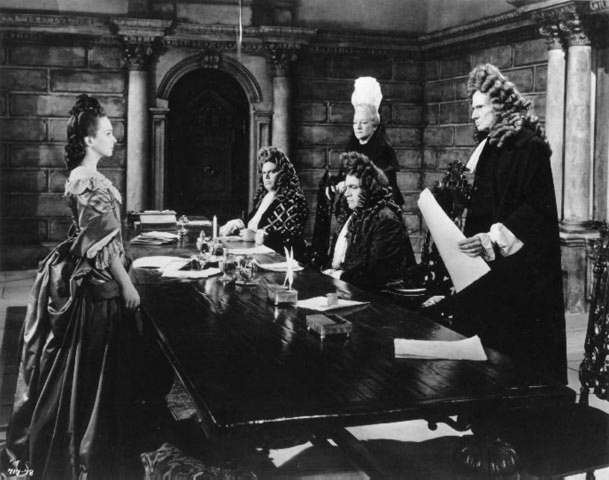
I like to try an avoid cliches at all costs, however, when I watched this film what came to mind was the thought that if you looked up “stuffy costume drama” in the dictionary you’d find a photo of this film. Yet, there was still something about it that oddly kind of worked for me. What I think made it connect is that it was a British production with a more classical, yet more restrained acting style than I’m accustomed to for the time period. Take the same plot points and similar performances and place them in a Hollywood studio era production and it likely feels flatter than it is. Here, somehow, it retains some buoyancy. The restraint doesn’t feel forced and similarly pumping up the melodrama would seem unnatural and inappropriate.
Score: 6/10
Oscar Nominations/Wins: 1/0
23. The Circus (1928)

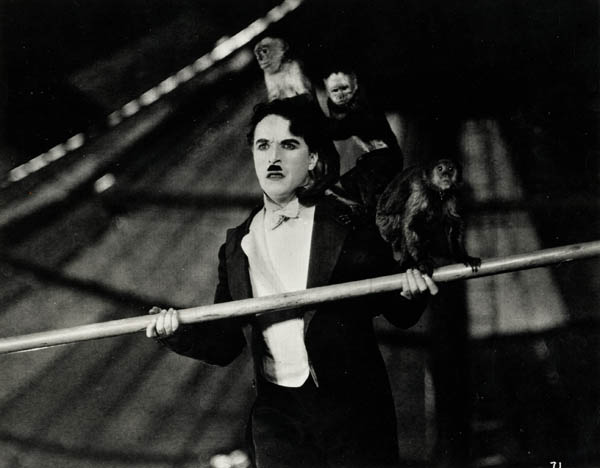
Unlike when I was watching Monsieur Verdoux, I received no confirmation that I had seen this film before. Some parts of it felt familiar, but I believe it was for the most part new. It’s a sweet, brisk, funny and refreshing tale that builds its characters as much as the comedic situations, which he can get into with ease. This film is silent, but is one that I consider to be during the beginning of Chaplin’s slow transition into the world of sound, which makes it standout as a silent film with a locked in score, which as you watch more of them you realize is very rare.
Score: 9/10
Oscar Nominations/Wins: 0/1 (Won Honorary Oscar “For versatility and genius in acting, writing, directing and producing The Circus. Though nominated for best actor, the academy decided to remove Chaplin’s name from the competitive classes and instead award him a Special Award” Kind of a back-handed complement, not sure why he needed his nomination removed when the honorary award decision was made.)
Films in My Personal Collection
1. Treasure of the Sierra Madre (1948)
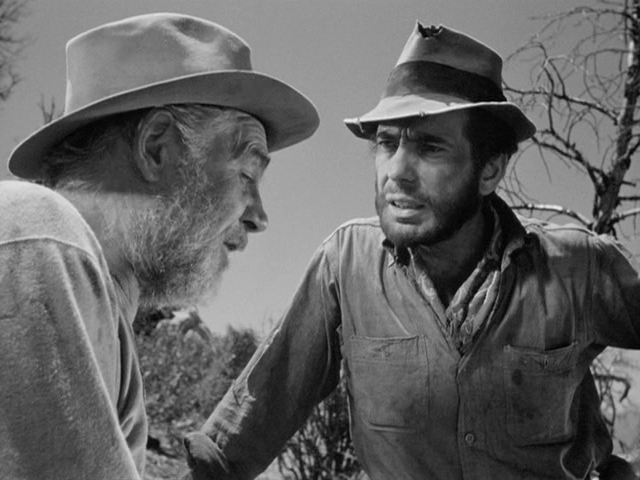
What’s best about this film is that it essentially tells you what’s going to happen to these characters early on, then you see it happen and it still manages to be very riveting because it becomes about the characters and stays that way. It’s a brilliantly rendered character study. I was not surprised in my guessing game that I was close to picking how many nominations this film was up for. What shocked me is that Humphrey Bogart wasn’t nominated, when he’s virtually unrecognizable by the end of the film in appearance and demeanor. I saw this on Blu-Ray and selected the Warner Night at the Movies presentation which plays a newsreel and two shorts before the film. I recommend that treatment for all film geeks so you get a taste of moviegoing in 1948.
Score: 9/10
Oscar Nominations/Wins: 4/3
2. Pocahontas (1995)

When you watch films in runs and themes, you welcome any chance that will allow you to kill two birds with one stone. Considering that I plan to write about Disney films in March, screening some now will give me a jump on that and there are some titles I have been missing, as much as I like Disney. My complicated adolescent relationship with the company and more detailed thoughts on this film will follow, for now suffice it to say: Disney did some different things that worked here, it was treacherous ground they covered and for the most part it’s very well done.
Score: 8/10
Oscar Nominations/Wins: 2/2
3. The Hunchback of Notre Dame (1996)

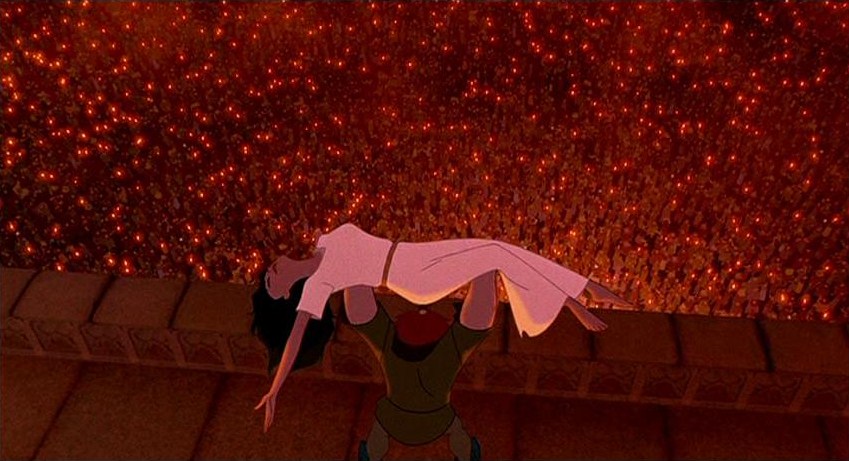
Due in part to the fact that I just didn’t know very much about this title, I expected less from this Disney selection than the above, but in the end I liked it a lot more. It does things a little differently in the end, and with regards to anthropomorphism, but it goes back to the theme of ostracism and has a solitary character effectively drawn, literally and figuratively, that really make this film work. It also by its nature takes on aspects of religion and racism with a lot more finesse than you’d ever expect out of a Disney film, which makes it highly underrated in my mind.
Score: 9/10
Oscar Nominations/Wins: 9/1
4. Citizen Kane (1941)

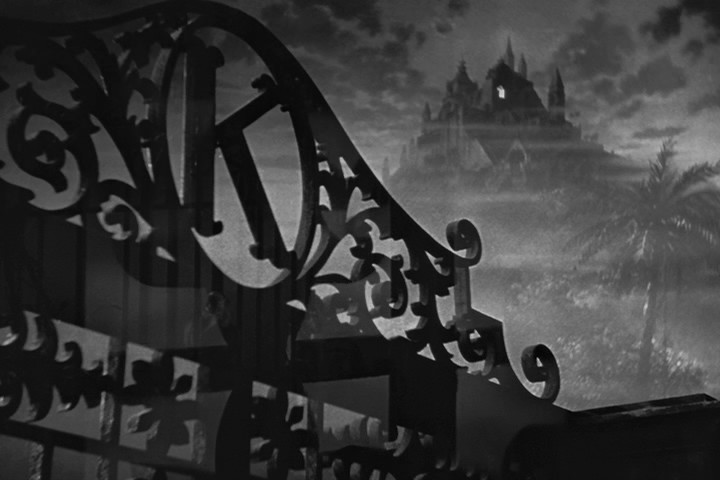
Now before you go into a tizzy, yes, I have seen Citizen Kane. I have an old review of it I may post, but that’s not what I’m going to do here. Since I’ve seen it, and just saw it for the first time on Blu, I wanted to address some common talking points about the film.
1. I love Citizen Kane. It’s one of my favorite films. I viewed it on my own before I studied film formally and no one “made me like it.” I connect to it. I can distinguish between what I like and important and or well-crafted works and grudgingly acknowledge some films as important, or milestones, though I personally dislike them. That is not the case with me and this film.
2. It is not shocking to dislike this film, you won’t get a rise out of me if you say so. Aside from the fact that everyone’s taste is their own business, I can see how this one may not impress you, but save it.
3. Don’t hold Citizen Kane against How Green Was My Valley because it won Best Picture not Kane. How Green Was My Valley is a very good movie indeed. It is not Citizen Kane, because it has not desire to be so. Please try to gauge that film in a vacuum and don’t hold its Oscar win “against it.” The fact of the matter is Welles made a lot of enemies, which made the rest of his career a struggle and I’m sure there are myriad Oscar stats that will show you films that only won for Screenplay and who got a boatload of nominations and are virtually shutout. And in conspiratorial terms, Hollywood wasn’t about to crown Welles “king of the world.” In other words, something was gonna beat Kane that year, and in the estimation of many it was a loaded field.
Those are probably the three biggest ones. With regards to 31 Days, since I saw it before adding it to the total is kind of cheating but I’m on good pace and hope to be well clear of 31 films and 100 nominations, and I hadn’t see the blu-ray transfer yet. P.S. If you are a fan buy it, it’s a great box.
Score: 10/10
Oscar Nominations/Wins: 9/1
5. The Magnificent Ambersons (1942)

Now, since I included Kane, which I’ve seen, I’ll include this too, since it’s a cheat and I barely consider this a re-screen as I napped, thus preserving myself for the new film screened. I include it, again, to provide a few more thoughts on Welles’s work here:
1. It’s sad that you can almost see the scarring on the film from RKO’s over-zealous and over-involved cutting of this film. My score below is the one I originally logged on the IMDb upon originally seeing it, and that may be a bit too harsh but it does reflect the fact that we’ve been robbed of a truly masterful work over the years.
2. In a sort of wish fulfillment, I hope that by saying this often enough it one day comes true: May Welles’ cut of this film, the now holy grail of lost versions, surface one day.
Score: 6/10
Oscar Nominations/Wins: 4/0
6. Blossoms in the Dust (1942)

This was actually I found in a drug story on Oscar Day in 2012, this was after my having missed this on a TCM broadcast. This film is part of Greer Garson’s legendary run of five consecutive Oscar Nominations for Best Actress and six in seven years. Yes, this film doesn’t get away with not having its stump-speeches and it does give a classical Hollywood whirlwind treatment to and elongated tale, but it is so tremendously moving and gorgeous to look at. Watch it for the the acting, watch for Karl Freund working in color and stay for the tale, which when it really has to, when it wants to hit home, holds up just enough. It took me a while to get this one off my to watch pile, but it certainly was a memorable viewing. There are plenty of jaw-dropping moments in the film. I also learned a few things so it has the righteous indignation angle working for it too.
Score: 10/10
Oscar Nominations/Wins: 4/1
7. Anna Karenina (2012)

Yes, this is a very new selection, but I just got it on Blu-ray and I had to see it during 31 Days because not only was it an Oscar winner, but one of my favorite films of 2012 and cleaned up quite a few BAM Awards. The only new item of note is that this does strike me as a film that is far more impressive and imposing on a big screen. I wish more had seen it as such.
Score: 10/10
Oscar Nominations/Wins: 4/1
Total
Total Films: 30
New Films: 26
Total Oscar Nominations/Wins: 109/31
New Nominations/New Wins: 90/30
Conclusion

The film per studio goal was the first that fell by the wayside. I am forever in search of a theme that is the ultimate. I think one year was categories, which was quite good.
I came my closest to a 31 Film total ever. The ideal is to have them all be debuts, 26 were. So depending on how you slice it I either exceeded the nomination goal or fell just short. However, I found some very strong previously unseen films this year, which should make scheduling next year more challenging/fun to schedule.
Lastly, I will spare my DVR some room, but I will salvage a few films I missed to see at a later date.













 The Movie Rat