61 Days of Halloween: Films to Keep You Awake: Spectre (2006)

Introduction

For an introduction to the concept of 61 Days of Halloween and a list of films previously feature go here.

Films to Keep You Awake: Spectre (2006)

Part of why I write about movies, and why I’m not so hesitant to revisit them at times, is that my memory can be a bit dodgy at times. When thinking back on these films it was the one further down the list of Favorite Older Films, A Christmas Tale, that stood out more, but here’s what I wrote:

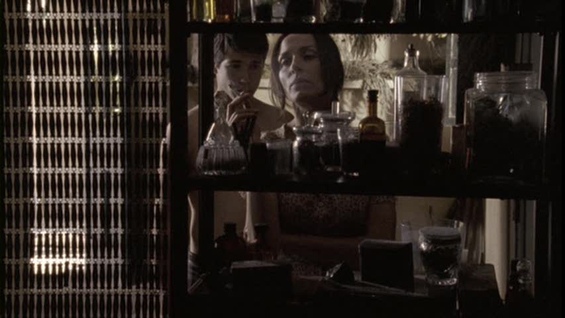
I embrace any and all horror series like Six Films to Keep You Awake that round up genre directors from certain countries to tell quick effective tales. It’s not dissimilar to Door into Darkness or Masters of Horror, this edition highlights the uniquely opaque, intricate and dramatic flair that Spain has for the genre. There will be another tale from the series on this list. This is the one that separates the die hards from the casual admirers.

Part of my wanting to write about them here is first to highlight them, as I acquired them on DVD, but also to disentangle them. In trying to surmise a series of films, a much more limited one than say Masters of Horror, generalizing and grouping can do a disservice to the individual titles.

This is title really toys with chronology and with perception, its jumps through time in a character-based way and what’s best about it is its myopic focus and view of events. For only through entering the protagonist’s perception can we glimpse Moira in a different manner than the entirety of the town does. When it’s boiled down what occurs is fairly simple but the jarring, disorienting moments, the paradoxical ones, and the way in which the narrative unfolds are what make it so fascinating to watch.

Tales of obsession, be them adolescent or adult, can be hard to convey, especially in the horror genre, but I think this one sells it very well.

Another reason to revisit titles at times it to see if you over-estimated or under-estimated something the first time around. Complete reversals of opinion are rare, as they should be, but re-evaluations are good. I will see if I tweeted about another title in the series but I may have given that one the short-shrift just slightly. With this one I agree with the assessment that this is not necessarily the title that will make one gravitate to Spanish horror, but those who already like it may come to appreciate it.

61 Days of Halloween: The Blair Witch Project (1999)

Introduction

An introduction to the concept of 61 Days of Halloween as well as past films discussed can be found here.

The Blair Witch Project (1999)

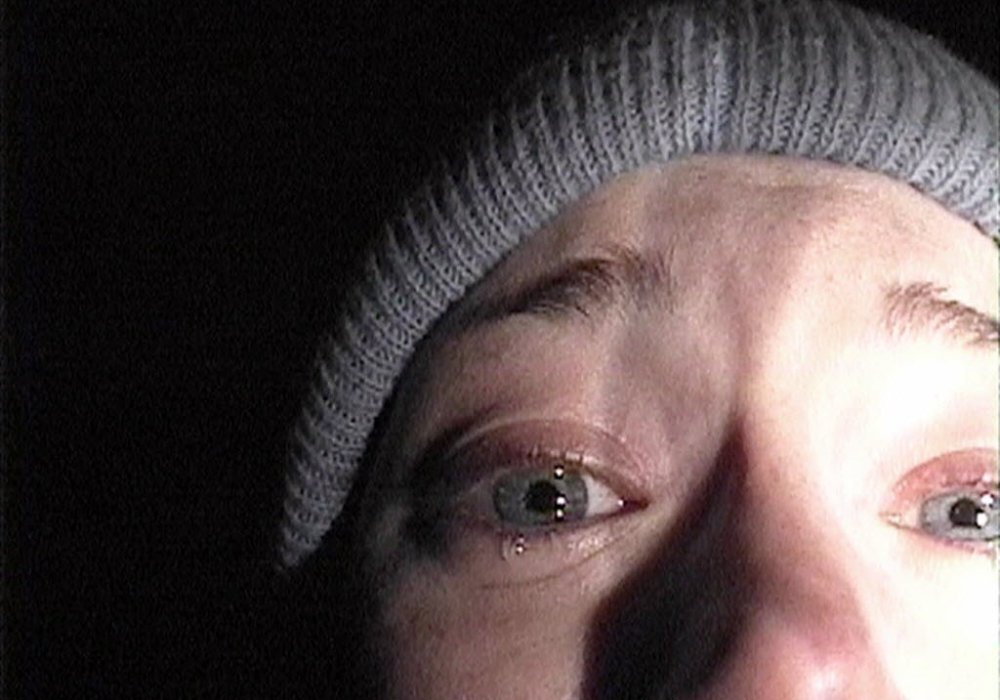
To kick off this year I figure I’d go with a film I know and like, one I would gladly revisit anew for the purposes of this piece. The first thing that should be mentioned with regards to this film and myself is that I was fairly young when it first came out, and I first viewed it. Therefore, I fell for the marketing ploy hook, line and sinker; meaning, I fell into the trap that this was real footage. That made my first viewing of the film particularly intense, and perhaps the most affecting fright I ever felt.

Between that time and when I revisited it anew, I learned the truth. I came full circle with my reaction. At first, of course, I was quite angry. However, when it came time for me to see it again I took it as it really was- as fiction. I would’ve likely seen through the ruse the first time had I looked into the film more, but I hadn’t. This was one of the few real instances one can have of “seeing it again for the first time.” I knew a lot of the beats and took it all in, and it’s impressive how well it works, especially the performances. Due to the fact that there’s a brief period of expository information, and much walking and arguing, it can be easy to miss the set-ups and escalation.

I won’t spend too much time discussing it as the progenitor of many found footage films since, save to say that a lot of the shots are clear (barring the running sequences of course) and there’s escalation, pay-off, focus on character/performance, and, perhaps most importantly, it cares about explaining where the footage came from and why it was shot.

It’s a film that mixes sources of footage and has a respect for the process of filmmaking. It’s intelligent enough to be clearly edited, but it doesn’t go too far. Far too often in new-age found footage there’s too much “Hey, look this is real raw footage!” scenes clogging up the first act. By switching cameras and stocks the film spices up the beginning without wasting too much time. Having come full circle with it, it’s a film I’ve really come to admire a whole lot. It’s films like this one that make me come back to the found footage approach as tired and low-percentage as it’s been. The Blair Witch Project is a truly great film, that I just had to add to my collection. Being lost can be truly terrifying whether something is after you or not, few films exploit it as acutely as this one.

Birthday Movies 2013

This is a new edition of this post, it’s a follow-up to one wherein I chronicled the films I could recall having viewed on my birthday. Some have been good to great, some have been awful. I usually try to make the selection something befitting a mood I wouldn’t mind being in on that day (hence I saved Amour for today) and something I think I would remember. I think both the titles from yesterday. For a guide to what these ratings mean, please go here.

Twixt

Twixt (2011, American Zoetrope)

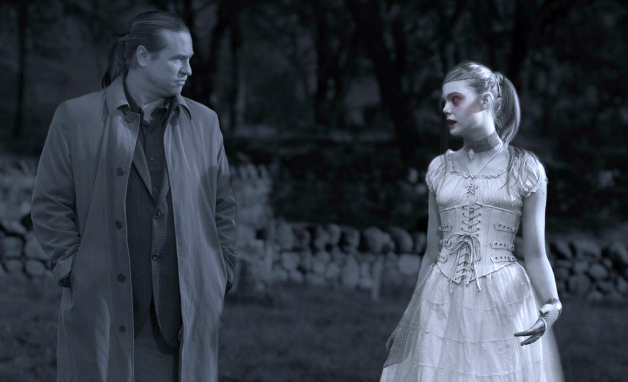
This is a film that I wanted to see first because it’s Coppola returning to horror, but then also because of some of the people involved. I cannot argue by any means that it’s perfect. However, if there’s one thing that gets under my skin is when people argue “It’s just a horror movie” implying: there’s a ceiling to how good it can be, or it’s OK if it’s stupid, or worse, it’s allowed to be unambitious. I don’t think this film falls into any of those tappings. It’s hard to say if going beyond a standard horror film’s running time would’ve benefitted or hurt it, but I think it may have hurt. I recall that why I liked My Soul to Take so much was underscored by what was left on the cutting room floor. The exposition that was deleted spoon-fed things I and my friends pieced together after it was over, and that made it more powerful. There are deeper mysteries and enigmas here and multiple plots all horrific and well-wrought, though they don’t always seem so. After seeing him in a few that were not-so-great, it’s good to see Val Kilmer in a fascinating horror film.

8/10

Blue Jasmine

Blue Jasmine (2013, Sony Pictures Classics)

The allusion I made above to occasional greatness definitely applies here. For a filmmaker such as Woody Allen who on many occasions has been accused of using his films as therapy and being un-cinematic this film is a rebuttal. For myself, as a long-time devotee, it’s wondrous not only to see him work a story that again employs a wonderful editorial language that is quickly-learned and never off; but also such a non-judgmental character study. It’s a film of revelation rather than reparation. It has its humor, too, but is perhaps the most searing, honest drama he’s committed to the screen since Husbands and Wives. The casting, as well as the cast, is flawless; but it’s really Cate Blanchett who makes this film work. She’s as powerful, if not more so, in her character’s detached, pained moments as she is in the “big” ones, which is what makes her turn so immaculate. It’s a performance that towers not only due to the sparsity of great roles afforded women in the American cinema lately, but because of how titanic an effort it is on its own.

Engaging and enthralling from the first frame this film of a life shattered, whether by design or not, may be his most Bergmanesque, and is truly one of the year’s best.

10/10

Blu-Ray Review: The Many Adventures of Winnie the Pooh

Prologue

Thanks to a quick response to my film-of-the-month selection in the Disney Movie Club, I was able to view The Many Adventures of Winnie the Pooh prior to its release date today.

Introduction

The Many Adventures of Winnie the Pooh (1977, Disney)

My history with Winnie the Pooh is a long one, I suspect the case is the same with many Disney aficionados. For me this was a no-brainer upgrade because, in spite of my varied interests in film, Disney films are high up there. Owing to my affection for this film it was an automatic. The DVD was one of the first handfuls I had and watched several times over even in college. I do have thoughts on its worthiness for different levels of collectors/consumers below.

Program and Features

The Many Adventures of Winnie the Pooh (1977, Disney)

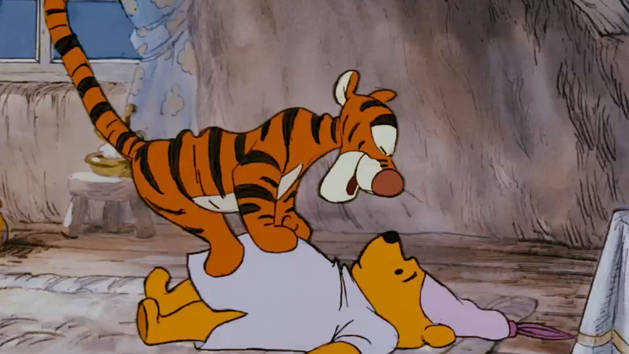
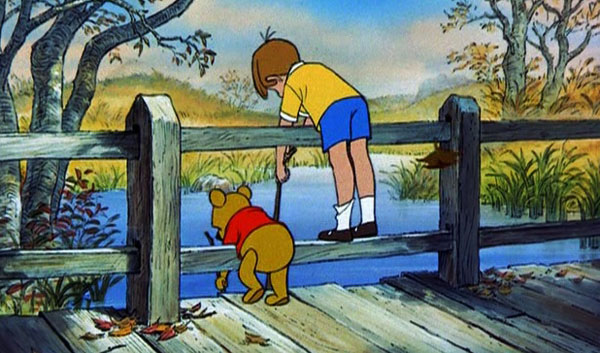
So far as the feature film goes when one has seen it as many times as I have it’s more a process of rediscovery, or being reminded of something rather than reprocessing and reanalyzing. Having re-viewed the documentary I was reminded of the conscientious effort in creating the backgrounds, and perhaps the reason – even at an early age- these films struck me so was the atmosphere was the reality, the wholly envisioned place that the Hundred Acre Wood is. Such that, even knowing nothing of how A.A. Milne came to create these tales it felt real. What the the stories did to augment that feeling was add every sort of weather imaginable to add depth to said atmosphere.

The transfer, as best I can tell, is the suspected upgrade you’d expect when going from a DVD to a Blu-ray.

The features, while there are a few new wrinkles, are where I wanted a bit more, but take that with a grain of salt as my perception is skewed from loving these stories and characters so.

What it does offer in terms of features are as follows:

Disney Intermission takes the cake as the debut innovation to the viewing process. I did hit pause and tried this out. The Pooh stories can feel timeless, and with this option they come even closer to feeling so, as kids can take breaks and play games in the Pooh Play-Along set in the Hundred Acre Wood. The games will seemingly go on as long as your attention allow and feature things like “I Spy” style games and Find the Differences.

I have not tried to assemble and use it yet but the Blu-Ray/DVD bundle does feature a kite. Sure, it’s branded, but at least it’s a somewhat proactive approach to trying to get kids to play outside as opposed to just paying lip service (and a fitting tie-in considering the story).

The five Mini-Adventures of Winnie the Pooh shorts are quasi-new. Some of them are refashioned as opposed spliced out of other new-age Winnie the Pooh films. I’ll admit to irrational Fanboy hatred of these films until I actually tried to watch some and have mostly liked them a lot especially Winnie the Pooh. Viewing these optimistically they may not just as advertisement, but maybe a sign of intent to prolong the series even with recent cuts in the hand-drawn division.

This edition, in a rather uninspired way, decides to label the re-used features as Classic DVD bonuses, selecting that option you can view the wonderful documentary The Story Behind the Masterpiece and another classic A Day for Eeyore.

Last but not least, there’s a music video of Carly Simon (Newly-recruited to sing the theme song). It’s a standard series of singles spliced with film footage, but a decent bonus.

Conclusion

The Many Adventures of Winnie the Pooh (1977, Disney)

So, while most of the features, new and old are good, although some were a bit lacking. Where does that leave this disc? I don’t usually get into consumer advocacy but with a home video review it’s a bit more implied:

If you like the film but don’t have it at home, especially if you have kids: it’s a must.

If it’s an upgrade, and you’re not an avid Disney collector: I’d wait some or comparison shop.

Regardless, it’s great that this film’s turn has come around and I was very glad to see it get this treatment such that it may continue on, and do hope to see more from the series in the future.

Tarzan Thursday: Tarzan and the Mermaids (1948)

Introduction

Last year the character of Tarzan celebrated his 100th year in print. A serialized version of the story first appeared in 1912. A hardcover collection of Tarzan of the Apes first appeared in 1914. Being in the middle of the Tarzan centennial period it’s an opportune time to (re)visit many of the screen renditions of the character.

Tarzan and the Mermaids (1948)

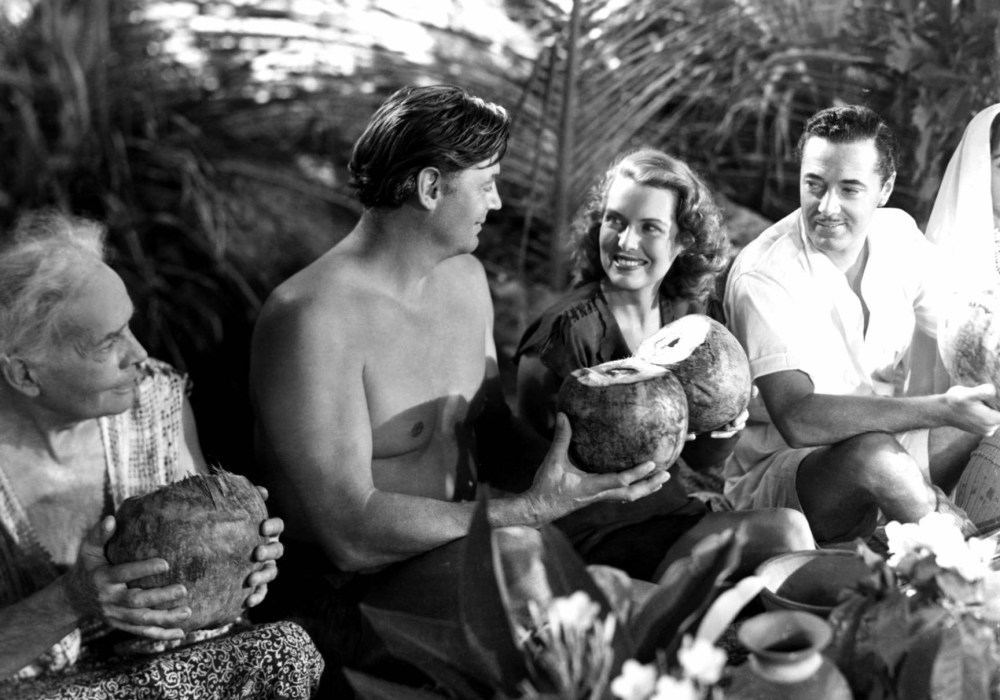
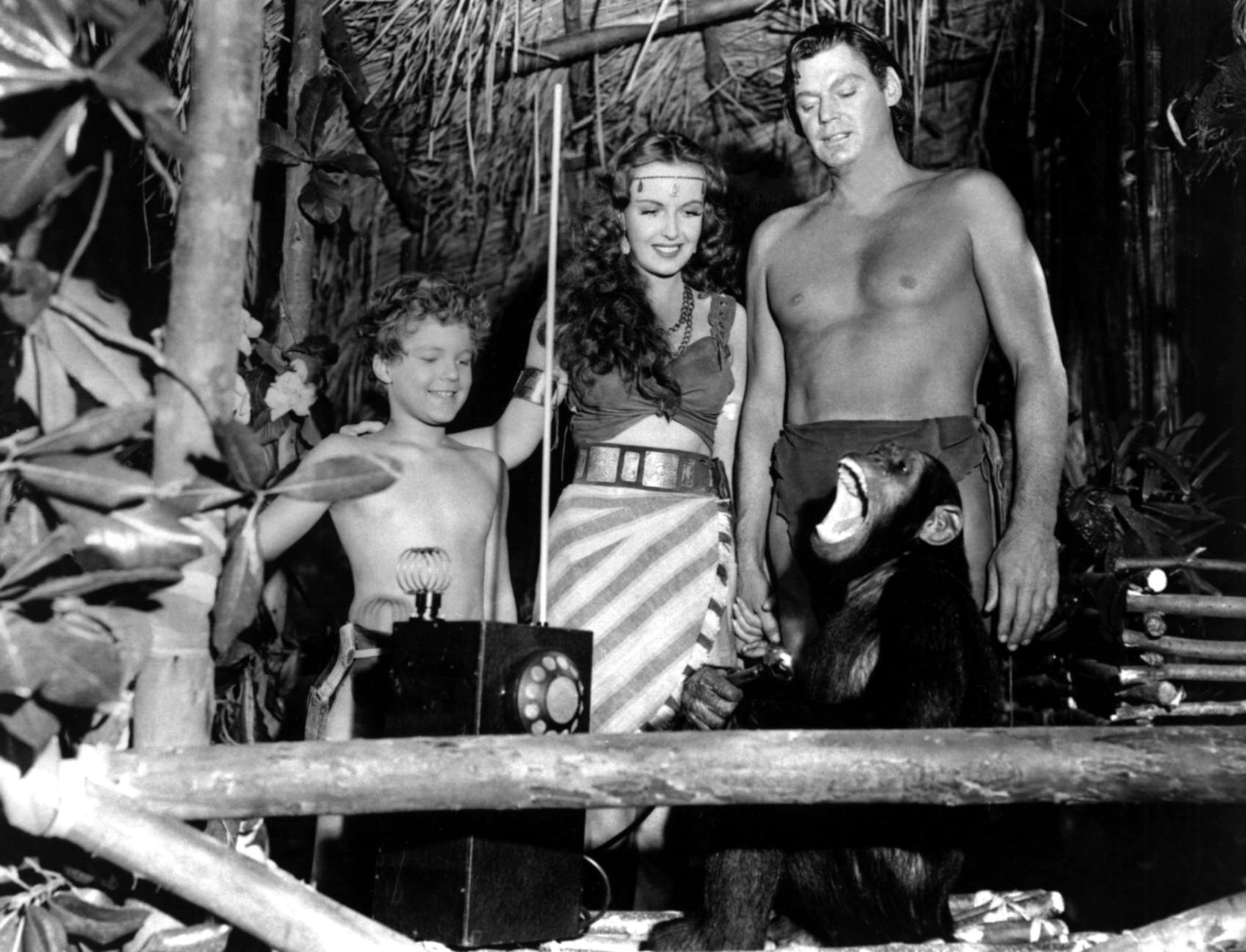
So as I alluded to in the last post Tarzan and the Mermaids, aside from being the last Weissmuller Tarzan, also changed some trends up. So what exactly is different? Well, there are a few things:

Firstly, Boy (Johnny Sheffield) is written out of this edition. “Boy is away at school in England,” Jane says to let the audience know. The problem with these writing-outs is they are paradoxically more interesting tales. Jane nursing soldiers; Boy being educated in the UK would’ve made interesting asides or cutaways. Thus, if you could’ve re-cast or convinced the actors to take smaller parts it would’ve been a great wrinkle to add to the tale.

As it happened that was the only mention though, it was very much a writing out. Coincidentally, Sheffield’s only other steady acting gig was as a Jungle Man, named Bomba (another coincidence), whom he played as many times as Weissmuller played Tarzan.

The issues with this last installment can be summarized by saying that the great Dmitiri Tiomkin’s score is the best part of this film. The smallest issues is that they’re rehashing the forbidden/secret society mold. As useful as it ends up being, there is a very long expository voice-over to start the film. It’s as if the whole production was a contractual obligation to everyone involved and Weissmuller and Joyce sought as little screentime as possible.

Whereas previously a matte painting of the escarpment was a major reveal, as the series progressed it went further and further in mapping Tarzan’s environs and neighbors. Here there is a tracking shot across a fictional map to the island in question near the start. This is a highlight, which illustrates what a wasteful experience this really is in the end.

The natives finally all seem to be “of color,” which is an amazing advance, and the heroics are helping the two star-crossed lovers from the island find each other again. So how can that be bad? Well, throw in a singing postman who seemingly just flew in from Latin America to sing really long “impromptu” songs about things he sees. No, this isn’t a Family Guy joke, this really happens in this film.

This film doesn’t have a second stasis but it does follow a climactic sequence with a tremendous lull that’s a failure in editorial, tonal, score-spotting and any other number of ways. It’s major lag in the third act acts as false denouement and puts the exclamation point on the complete and total mess this final installment is. It’s rare to see what ended up being the last film in a series so definitively feel like one and so richly deserve to be one. So far as this group was concerned it felt this series was over before this one even really started. And unlike other three-film segments in the series there was no feeling of finality, this film just ended like it started suddenly.

Review- Percy Jackson: Sea of Monsters

Pre-Amble

If you read this blog consistently while I have tried, and I hope succeeded, to keep content fresh and diverse. However, as I intimated in this post particularly, I’ve been far less interested in reviewing theatrical releases lately (mini-reviews don’t fall under that category). There’s a certain bit of “FIRST” to it that can be tiresome and doesn’t allow one to reflect. Moreover the more interesting hooks to me to write about lately have been pieces about the films, that aren’t reviews like I did for The Dictator, The Sitter and most recently The Lone Ranger, to name three. It’s easier to write a review at polar extremes. However, this one came about through discussing the films and found me pretty firmly split on and that compelled me to write this. I say only to this to close this introduction: I do not write from a perspective of consumer advocacy but of vocalizing my thoughts and why they are so. If you read between the lines, you can usually decipher if the film may be your cup of tea.

Without further ado, the review…

Percy Jackson: Sea of Monsters

Percy Jackson: Sea of Monsters (2013, 20th Century Fox)

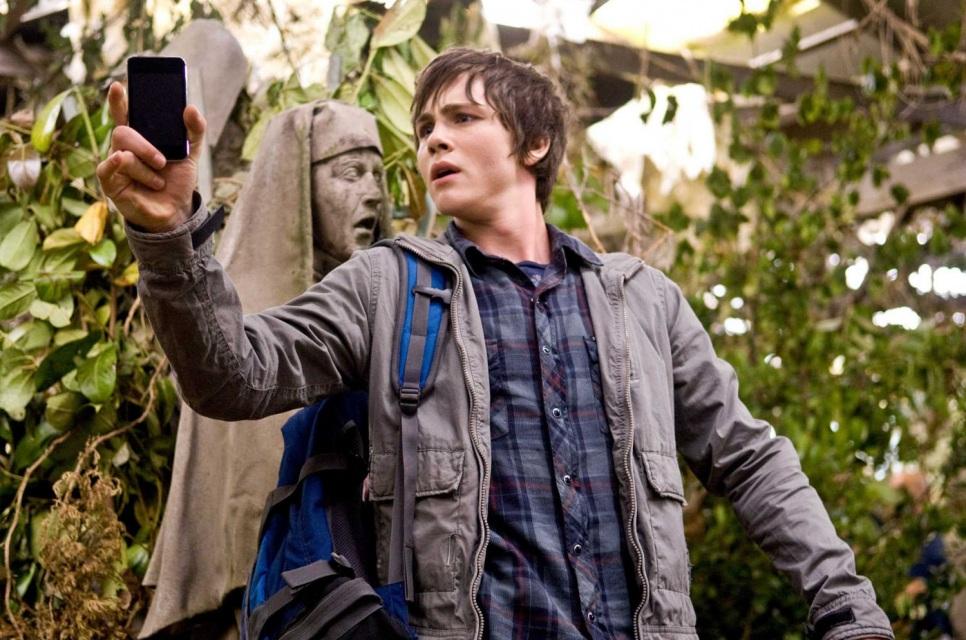
Perhaps the best way to encapsulate my thoughts on this film would be to echo the sentiments I tweeted about it the next day and expand upon that. “Percy Jackson: Sea of Monsters has highlights that are higher than the first (film) & lowlights that are lower than the first (film); a mixed bag.” I admit that I’m a fairly positive person, or I try to be. I can’t say I didn’t enjoy it, I just didn’t as much as I could have. A higher degree of satisfaction was within reach but there were frustrations and eye-rolling moments to be had.

Due to viewing commitments with different groups of friends I saw the first installment quite a few times and after just one viewing this one already felt more memorable than the initial foray. I don’t recall any really bad failings in the film prior like this one had; yet there were some things that really worked much better than before. Having said that, it’s an uphill struggle to get past all the encumbrances.

Many of the issues stem from the writing: the dialogue is frequently where there are misses. Many attempted jokes are lame but don’t land. There are some good ones. Delivery plays a role. Stanley Tucci has impeccable timing and makes most of his material work, Nathan Fillion’s brief appearance is one of the highlights, Lerman has one great line, which was given the benefitted of my anticipating.

However, these writing concerns are not just limited to the attempts at levity, but also with building character. A lot of the scripting problems lie in characterization of Annabeth (Alexandra Daddario) and Clarisse (Leven Rambin), each has a character flaw we know they’ll work through but each spends half the film repetitiously re-enforcing their one-dimensional attitude regarding their prejudice to the point of cartoonishness.

Percy Jackson: Sea of Monsters (2013, 20th Century Fox)

Another odd aspect of the series made itself evident first in the beginning and crystallized as the film moved on: There is a mystical cab that takes the characters part of the way on their journey. The three “drivers” have one eye among them them and drive recklessly and the cab can split; a clear homage to Harry Potter and the Prisoner of Azkaban, both the book and the film pre-date this book/film pair. What it underscores is that: while both this and the Potter series deal with subcultures of superhuman beings with the fate of the world in their hands, unbeknownst to mere mortals, there’s an intangible lack of epicness that permeates this world. It’s smart and creative how the mundane hides these things, but it never gets awe-inspiring when the curtain is pulled back. The divested way this series is approaching its subject matter, fronting action first, forsaking character depth and internalized; conflict is undermining it no matter how high the stakes get.

Which brings me to the The CG, which is again hit-or-miss. Overall, it’s likely better than before but while some of the designs are great, but the work isn’t the best, which is unfortunate because that being improved would go some of the way to creating the kind of impact that is being sought here.

Percy Jackson: Sea of Monsters (2013, 20th Century Fox)

Logan Lerman is someone who I’ve twice nominated as Best Actor at the BAMs, in 2009 and 2012. Yet, this series gives him hardly anything to sink his teeth into. He has the one-liner moment and the compulsory scene where he can be emotional but not much in between. The stuntwork in terms of choreography and execution is Grade-A stuff and he had a small part in that, but most of those kudos go to that unit.

I’m not a staunchly anti-voice-over person. However, another misstep was the voice-over at the very end which explained the implications of what just happened and blew the doors wide open for the next installment. Had there not been that voice over and the film left off at the last line of dialogue the ending would’ve been awesome. Yes, awesome. As it stands, it wasn’t.

Percy Jackson: Sea of Monsters (2013, 20th Century Fox)

There are surprises to be had and when things stop needing set-up the film really clicks, pacing is never an issue. The introduction of Tyson (Douglas Smith) is a great addition in terms of character and the performance by Smith. While Freudenthal does fine here anew as he did with Hotel for Dogs and Diary of a Wimpy Kid, the series is sitting in a good place at the end that makes you hope that story and forthcoming director can really ratchet up the franchise to a newer, higher level.

Owing to that fact, I marginally give it a…

6/10
Rewind Review: Percy Jackson & The Olympians: The Lightning Thief (2010)

Percy Jackson and the Olympians: The Lightning Thief is the latest film and franchise attempt from Chris Columbus. While there definitely are some very strong positives to this film there are a few drawbacks as well.

The film is built upon standard story elements both of our age and the fantasy genre, but at least it puts them to good use. For example, it’s a quest film, however, that is openly addressed when Percy is getting volunteers to help him. His mother is married to a jerky man, who is Percy’s stepfather, and Percy has a learning disability which both fit neatly into the plot in very creative ways. Not so creative ways are the ticking clock which is introduced to indicate that Zeus needs his bolt back by the summer solstice, the reason he needs it back is never established. The trio is somewhat Potter-esque and the necessary mentors are all in place to aid in the unwitting heroes’ quest.

The cast for the most part is very strong with a few glaring exceptions. The film is carried well by the young leads particularly Logan Lerman who has to play both awkward teenager then embracing and capable of living up to his demigod status. Perhaps more important is Brandon T. Jackson, who plays Percy’s protector and provides much of the comic relief in the film and he steals the show. Alexandra Daddario is also very capable in the role of Annabeth.

The supporting cast brings the inconsistency. You have the stark contrast of the brilliance of Uma Thurman‘s short turn and Rosario Dawson‘s charmingly sinister appearance contrasting with the wheezing-in-an-attempt-to-sound-older Pierce Brosnan and Catherine Keener, who is not as effective as she was in Where the Wild Things Are.

The CG in the film is solid albeit a little more inconsistent than desirable. Medusa’s head for example could look convincing or bogus depending on the angle its seen from. However, the Hydra and the water-work were spectacular.

The film is a funny and action-filled piece of escapism, which includes some very well-choreographed swashbuckling. It also wastes no time in diving into the tale and letting us know there could be war.

The film is rather entertaining despite a few head-scratchers like why Percy doesn’t make a run for the entrance to Olympus when the true nemesis is heading at them; instead they just wait for him to land. Or why the entrance to Olympus is atop the Empire State Building (At least in diegetic, non-inferred terms).

On a side note not really impacting interpretation of this film, all seems well and sewn up at the end of this film and there is no apparent opening for a sequel.

Overall Percy Jackson is very enjoyable entertaining, action-packed film which provided laughs and diversion even while flawed.

7/10

Tarzan Thursday: Tarzan and the Amazons (1945)

Introduction

Last year the character of Tarzan celebrated his 100th year in print. A serialized version of the story first appeared in 1912. A hardcover collection of Tarzan of the Apes first appeared in 1914. Being in the middle of the Tarzan centennial period it’s an opportune time to (re)visit many of the screen renditions of the character.

Tarzan and the Amazons (1945)

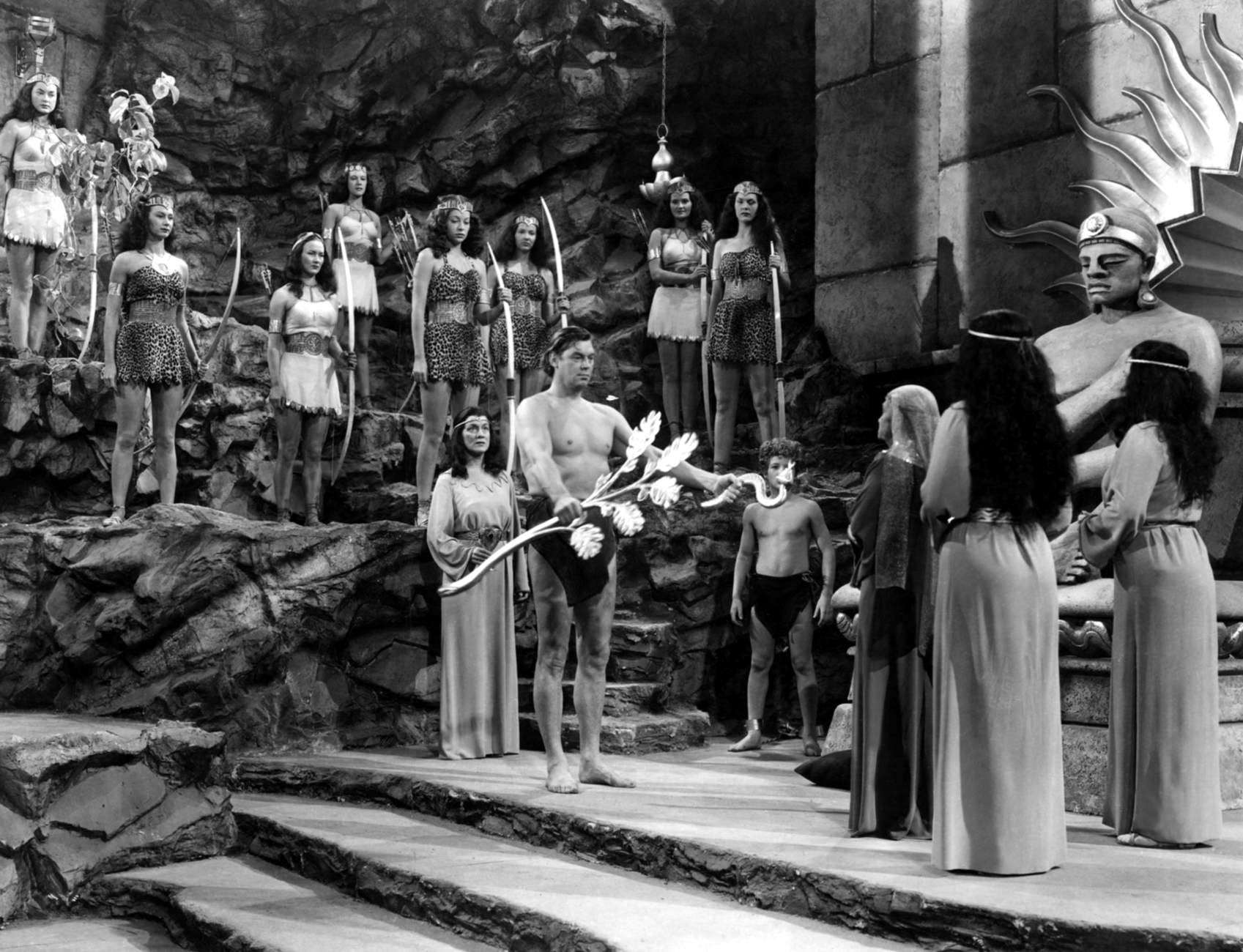
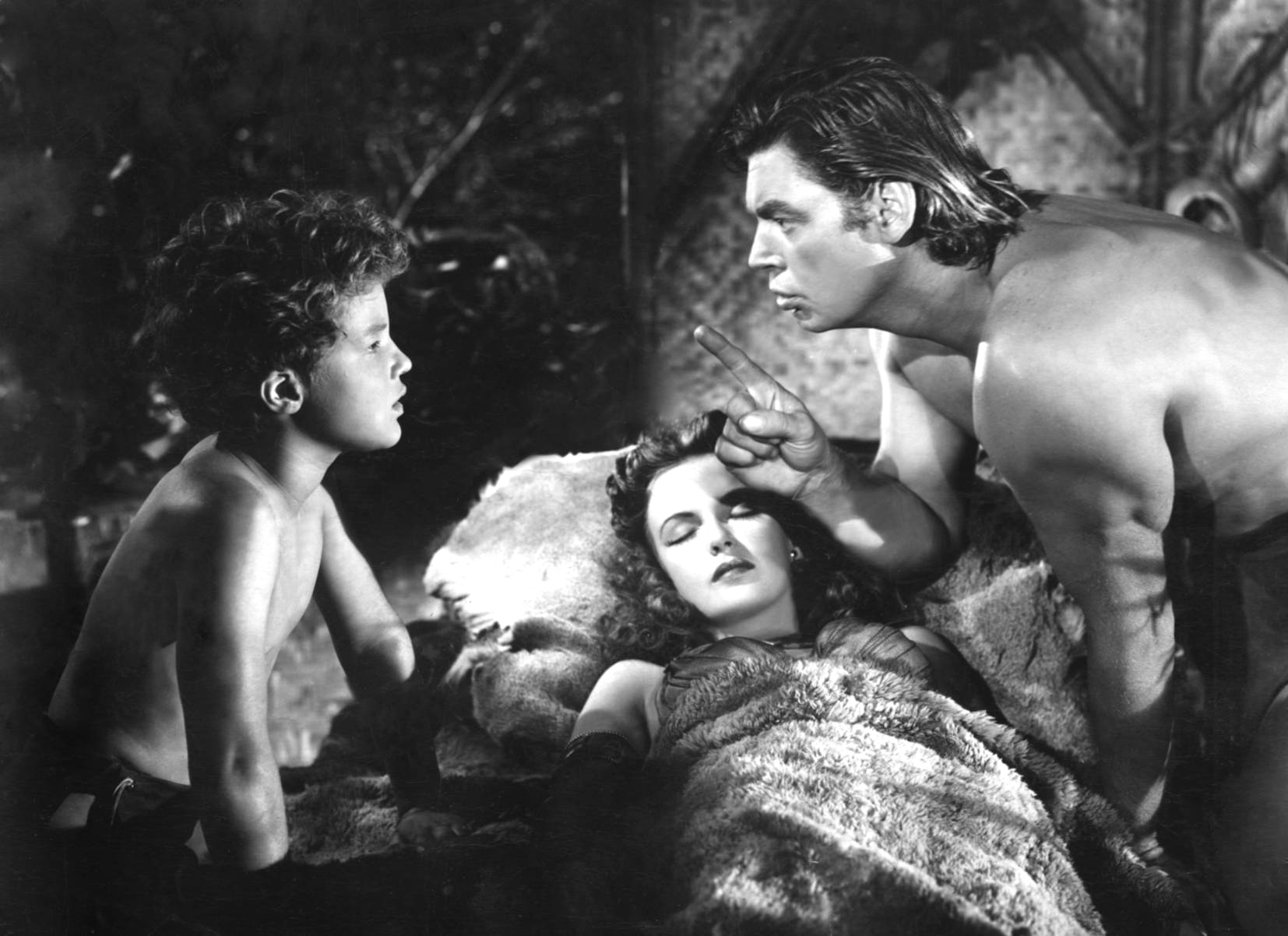
So after the last installment was a triumph here is where the series should excel again, instead it starts to falter anew. Sure after two successful (at least in financial terms) go-arounds without Jane’s character being present re-introducing her, even with the need to recast here, should’ve been a no-brainer. Only the recasting wasn’t done right. This is not to lay the entire blame on Brenda Joyce. She’s not terrible, but she’s mediocre at best, and certainly at Maureen O’Sullivan’s level.

A majority of the blame though has to lay on the shoulders of the writers who through the course of Jane’s appearances in the RKO titles backslid her from being a progressive character to one who was nearly antiquated even in the 1940s. She soon began to become overly-trusting of the outside world and bowing to them too much, thereby defying Tarzan without good cause. This may have even worked if it was addressed; if Tarzan called her out. However, it was like a retcon, as if Jane was always this gullible about the world she willingly left behind and the writing of her character became even more unfortunate than the recast.

This is difficult enough to swallow without combining it nearly on a film-by-film basis with Boy either consciously or naively making a mistake. Sure, the leads can be flawed but what it does is to an extent defangs the antagonists. They seek to trick and gain confidence where maybe a few more instances of strong-arming would’ve been more effective.

Tarzan and the Amazons (1945, RKO)

I’ll grant some of those preferences are subjective, but what’s not as much is the importance of Act II and that’s where this film decides to do most of its time-wasting, which makes it a rather grueling viewing experience. What makes it worse is that it does waste some of the better elements of the film: there is an animal attack with great relevance, as opposed to the gratuitous ones in other films. Johnny Sheffield, both in reciting Hiawatha and his conflict with Tarzan, delivers his best performance as Boy, and there’s the great Maria Ouspenskaya as seemingly one of the few playing a non-caucasian character in the film. All those things go for naught due to the missteps.

I can’t fault the film for trying to create conflict, but when there are characters that are established acting somewhat out of sorts; it feels hollow. The best element of the tale is perhaps Tarzan that needed to keep a secret and not giving any clues as to the fact that there even is one, but even this becomes redundant as it’s discussed quite a few times with no progress made. It’s a good touch to have Tarzan an allied secret-keeper as opposed to an intimidating force, but, sadly this title has far too many failings.

Tarzan Thursday: Tarzan’s Desert Mystery (1943)

Introduction

Last year the character of Tarzan celebrated his 100th year in print. A serialized version of the story first appeared in 1912. A hardcover collection of Tarzan of the Apes first appeared in 1914. Being in the middle of the Tarzan centennial period it’s an opportune time to (re)visit many of the screen renditions of the character. Previous posts in this and other series can be found here.

Tarzan’s Desert Mystery (1943)

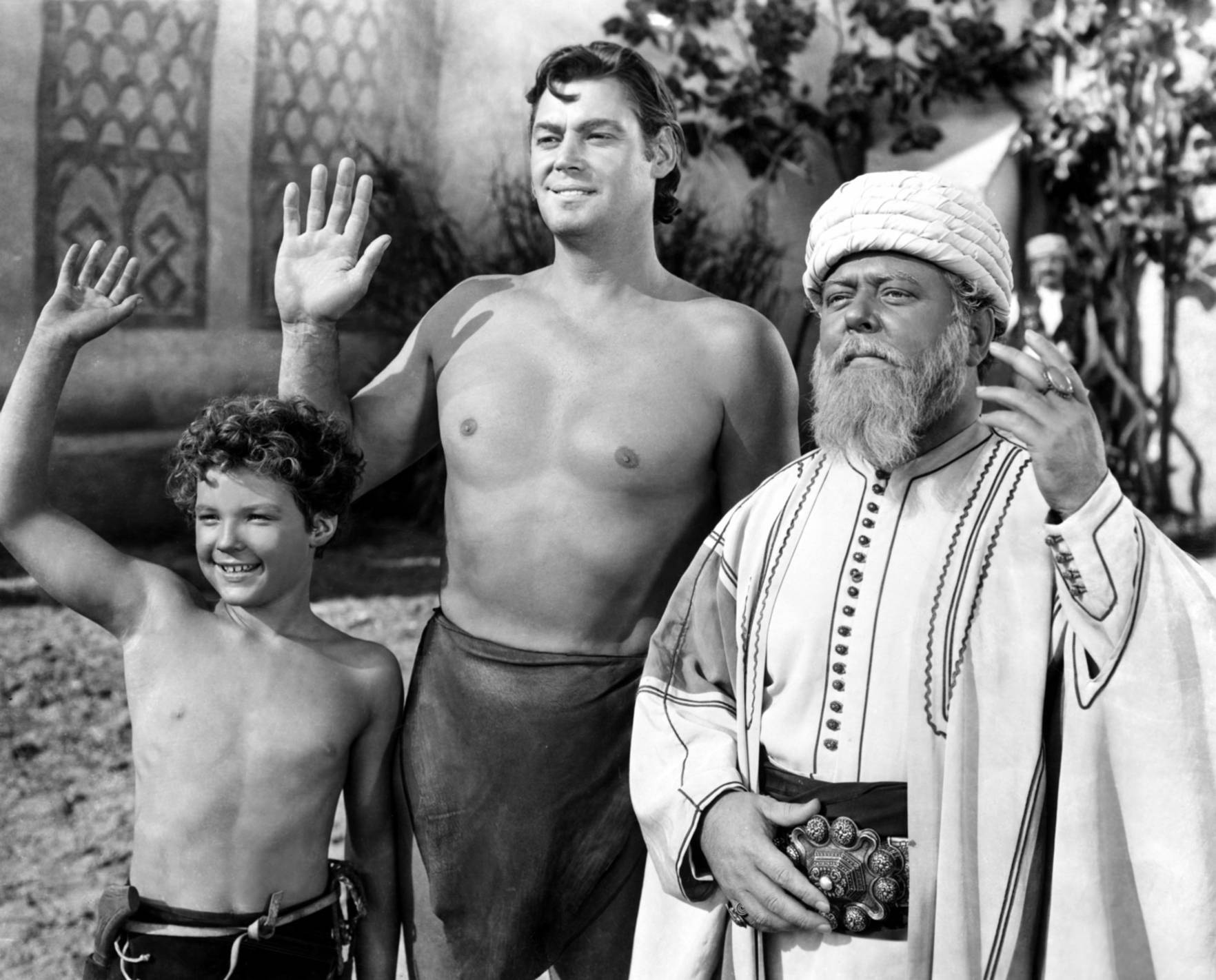
In many ways this was the title that inspired not only a chronological viewing of the Weissmuller titles but much of the impetus behind the entire series. I had heard good things about this and/or Triumphs so I was anxious to see this one a first time. Sure enough whether you come into the title cold, or you watch it in its rightful place in the series is a joyous revelation to behold. Not only does Tarzan’s Desert Mystery firmly embrace a B movie ethos here, and feel more firmly in an RKO mode than any other title, but if you follow the entire series it either repurposes tropes or uses them to maximum effect in this film. I lost track of how many times while watching it I saw a seemingly familiar instance or set-up not only followed-through, but done so in a beautifully satisfying manner.

One of the main sins of the series that is rectified here is that it hardly wastes a second through the entirety of the feature. The late-MGM and early RKO films were shorter as a rule but still had the same fillers, not so here. Perhaps it was destiny that this was the one that would work the best since the initial Wiessmuller trilogy. The studio took a flyer on writing Jane out: she is still nursing wounded soldiers at war, but the MacGuffin (Yes, there’s a MacGuffin in this film) is a journey by Tarzan and Boy for medicine.

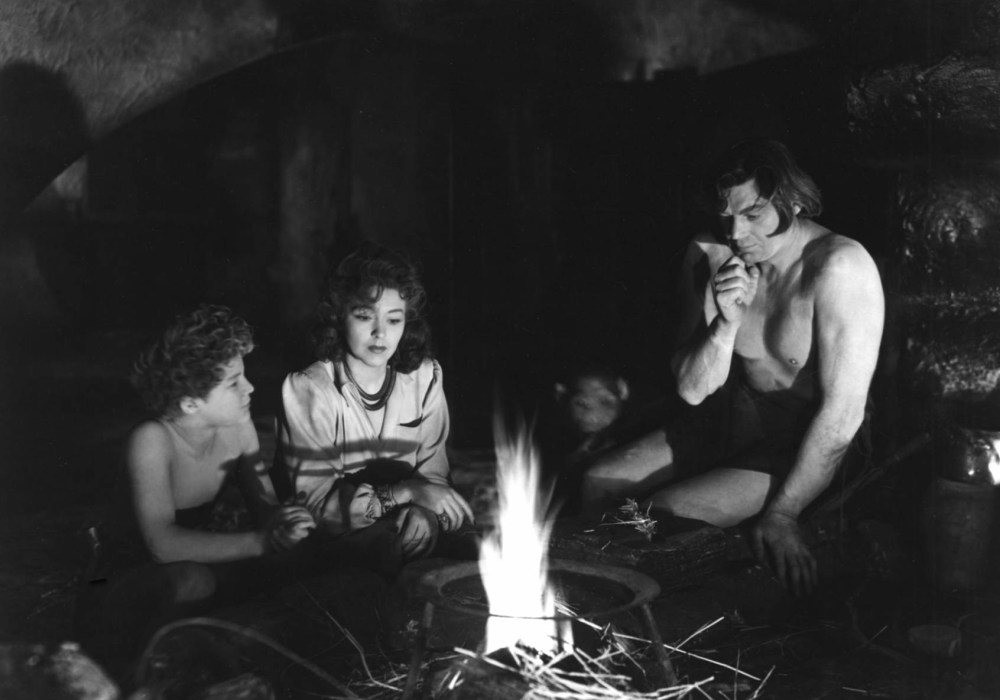
One of the principal causes of wasted screentime in the past was Cheetah. However, in this film Cheetah not only comes to the rescue at a crucial point but is instrumental throughout. Rather than just being a kleptomaniac, and a bit of comic relief; Cheetah more frequently is an active participant in a Lassie-like mold and aids the heroes of the tale.

Tarzan's Desert Mystery (1943, RKO)

With some subdued conflict this film also addresses the father-son dynamic of Tarzan and Boy fairly well. Boy’s lie here is that Jane insists he go on the trip, though Jane is instructing he should not. Boy being the one who can read tries to use that to his advantage. Tarzan, knowing Jane and what she thinks is best for Boy, tries to keep him home. Eventually Boy’s will wins out and that is a great thing for the film also as it doesn’t split time having him chase down Tarzan or getting in some other bit of trouble. They start out on the same footing as equals.

Another massive boon to the film is Nancy Kelly in the role of Connie Brice. While she’s introduced in the only scene that feels it’s going to serve next to no purpose save for showing off a magic trick that, too, is quickly fixed. She plays the archetypal fast-talking dame and has other qualities that make her character, and her interpretation thereof, a wonderful addition to the film. The amount of intrigue she adds to the plot is spectacular. Not to mention that the conniving plots of the villains never really take a backseat and is always a real and present danger, and of impact in the story.

Tarzan's Desert Mystery (1943, RKO)

Nothing is out of place in this film. Even when there’s something weird and seemingly frivolous like a seemingly poorly scaled rear projection image, a turban theft or a jailing, things are paid off left and right there’s clearly thought behind everything in the writing and the performances.

Not only that but this movie is ridiculously fun to watch. It’s crowd-pleasing aspects drench it and still radiate off the screen to this very day. Having traversed the series anew my expectations were corrected, but even thinking back to where they (the expectations) had been this blew those right out of the water regardless. Can I claim it’s the definitive Tarzan film? No, probably not for a lack of Jane, but in latter-day terms of the Weissmuller era there was likely little if anything that could’ve been done to better it. It’s great and will likely stand as one of my favorite older films of the year.

Tarzan Thursday: Tarzan Triumphs (1943)

One thing that you can more readily see in hindsight is what I’ve been examining most consistently through the course of this series of posts is the shape of a franchise. With Tarzan’s Secret Treasure what RKO seemed to be trying to do was as closely emulate the MGM Tarzan films as they could. What occurred in Tarzan Triumphs is that they were much closer to making it an RKO film. Now, it has been widely reported and agreed upon that RKO, unlike, say MGM and Warners, did not have a signature style in the studio era; so I suppose what I really mean is that they came closer to making it a well-crafted B-Film that had as much if not more fun than MGM packed in and less shimmer.

One shrewd move that RKO made when assuming the mantle of the series was to put off re-introducing a re-cast Jane. Ultimately the new actress playing Jane was put behind the eight ball by the parts written for her. The fact that she was not Maureen O’Hara, or even a reasonable facsimile, also hurt greatly.

So the transition to a more RKO-friendly formulation was as of yet imperfect and would be bettered for the next installment. The quickening pace of production also became even more apparent here as this is one of two releases from 1943. Weissmuller assumed the role from 1932 to 1948 and this was the only year in the whole run when there were two releases in a calendar year.

Tarzan Triumphs (1943, RKO)

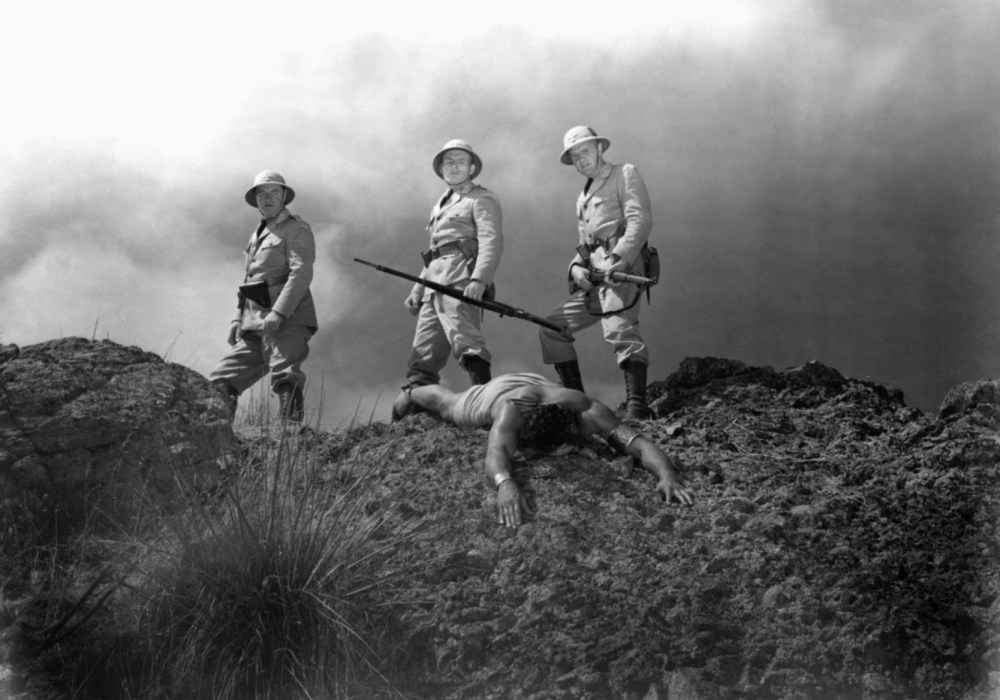
So, yes, this is the (in)famous installment when Tarzan does do battle with the Nazis. As silly as that can be, as inconsistent as the German and/or English accents, as vaguely as said Nazis are clad; those aren’t the biggest issues. Some of the biggest troubles are the same as they ever are. 10 minutes in, and what has actually happened? They met a new character but no inciting incident really occurs. An “Iron Bird” makes its ominous appearance but they everything is OK for another minute or two.

To this film’s credit, it does accurately portray Tarzan. He more often than not in the series wants to just live and let live. He doesn’t want outsiders in his land and also doesn’t want to fight just because. “Why Tarzan kill Nazis?” In a propaganda era the temptation to have him forget these ideals may prove too large. However, they stood firm. Tarzan only fights when Boy is taken, “Now Tarzan make war.”

Yet, through that consistency there are some odd changes. Namely the instances in the two-film absence of Jane there are some awkward, uncomfortable sequences where Tarzan must ally himself with a woman from another tribe, which is handled fairly platonically, until for reasons unknown, Boy prods Tarzan to swim or engage in other activity that’s fairly flirtatious, especially during the Code. This being the same Boy who’s been raised believing Jane has been his mother. It’s quite odd to say the least.

Tarzan Triumphs (1943, RKO)

The film ultimately falls into a sequel trap wherein the writing seems to try to shoehorn in things the audiences like and expect. What do we do now? What do they want it, and how do we give them more of it?

While it is good that here Tarzan does start to have friendly interactions with other tribes, and is not always keeping “unruly savages” in check. An odd habit does develop of casting other caucasian actors, not making any attempt to disguise their ethnicity in make-up and simultaneously giving them no backstory, or even making comment as to why they’re in the jungle. Particularly when Tarzan battles Nazis this is a missed opportunity and more than a bit unfortunate. It’s hard to believe that the next film would be RKO’s zenith but sure enough it was, even after all this.