Introduction: March to Disney 2014

As profiled on one of my newer pages this is my annual tribute to Disney and its works in all shapes and sizes. On the aforementioned page you can see the titles I have profiled in the past. This year I am seeking to cover a few more and dip my toe back into the TV waters on a new installment of Cinematic Episodes. There will be shorts and some other surprises through the course of the month. Come back early and often and see what this year’s posts have to offer.

The Arts on Film: In the House (2013)

Introduction

Enumerating how many artistic disciplines exist is not the purview of this series. Rather the idea of this series is to briefly explore an iteration, an instance, of another artform in the world of cinema.

In an upcoming series of posts I will state that I believe that cinema is the ultimate artform because of its ability to encompass or represent all the forms that came before it. Its elasticity is such that I believe it will be able to dialogue with whatever comes next.

However, this post seeks to satisfy a simple aim by illuminating a work cited by a film. To learn more of it and the artist in question. In short, just a bit more than information the film deems suitable.

In the House (2013)

In the House (2013, Mars Distribution)

I have had some troubles picking up this series wherein the other arts are featured in films. However, I’d rather feature a film that speaks very specifically about the works of an artist with less information than not to mention it at all.

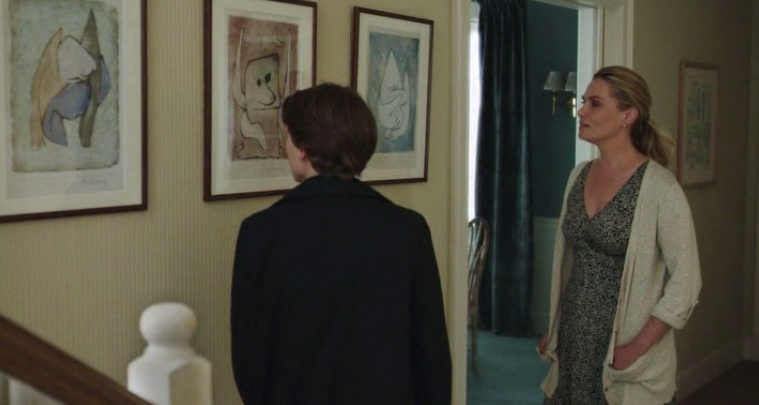
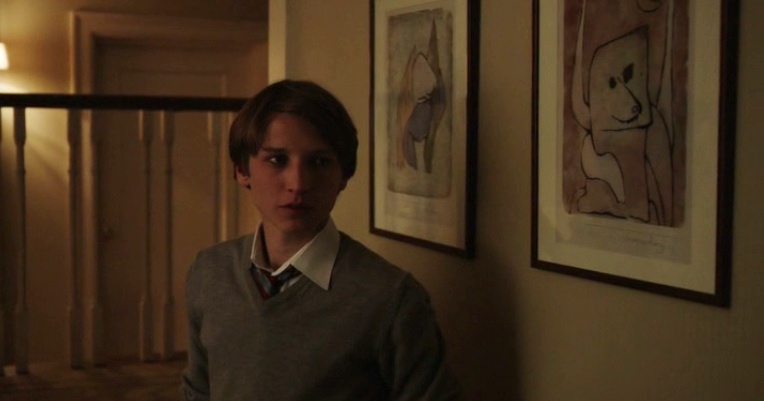
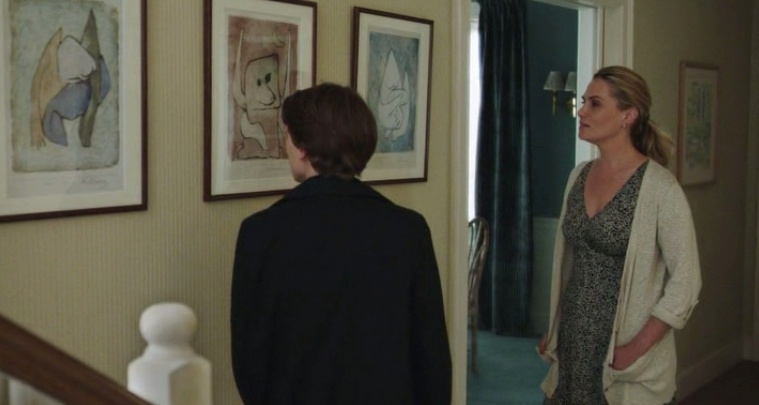
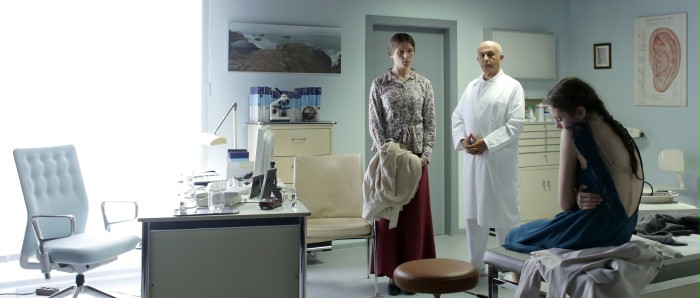
In The House references several writers, naturally as the lead is a French teacher and frustrated writer and has a protege with a flair for the written word. However, just one painted is ever mentioned through the course of the film. That painter is Paul Klee.

In doing a web search I was able to get these screen captures that give you a closer look at the paintings discussed. One review cites the titles as Rettung,
Unterbrechung and Hoffnung.” Which if memory serves is right.

Any other light that can be shed on them would be appreciated.

In The House (2013, Mars Distribution)

BAM Award Winners: Most Overlooked Picture

This is the category that was designed to replace Most Underrated Picture. Essentially the move was in the offing for a few years. With my prior selections of both Toast and Kauwboy, I was starting to pick films that were more unheard of rather than underestimated. I became more interested in championing a smaller film that touting a film “wrongly” assessed or dismissed. Hence the change in name.

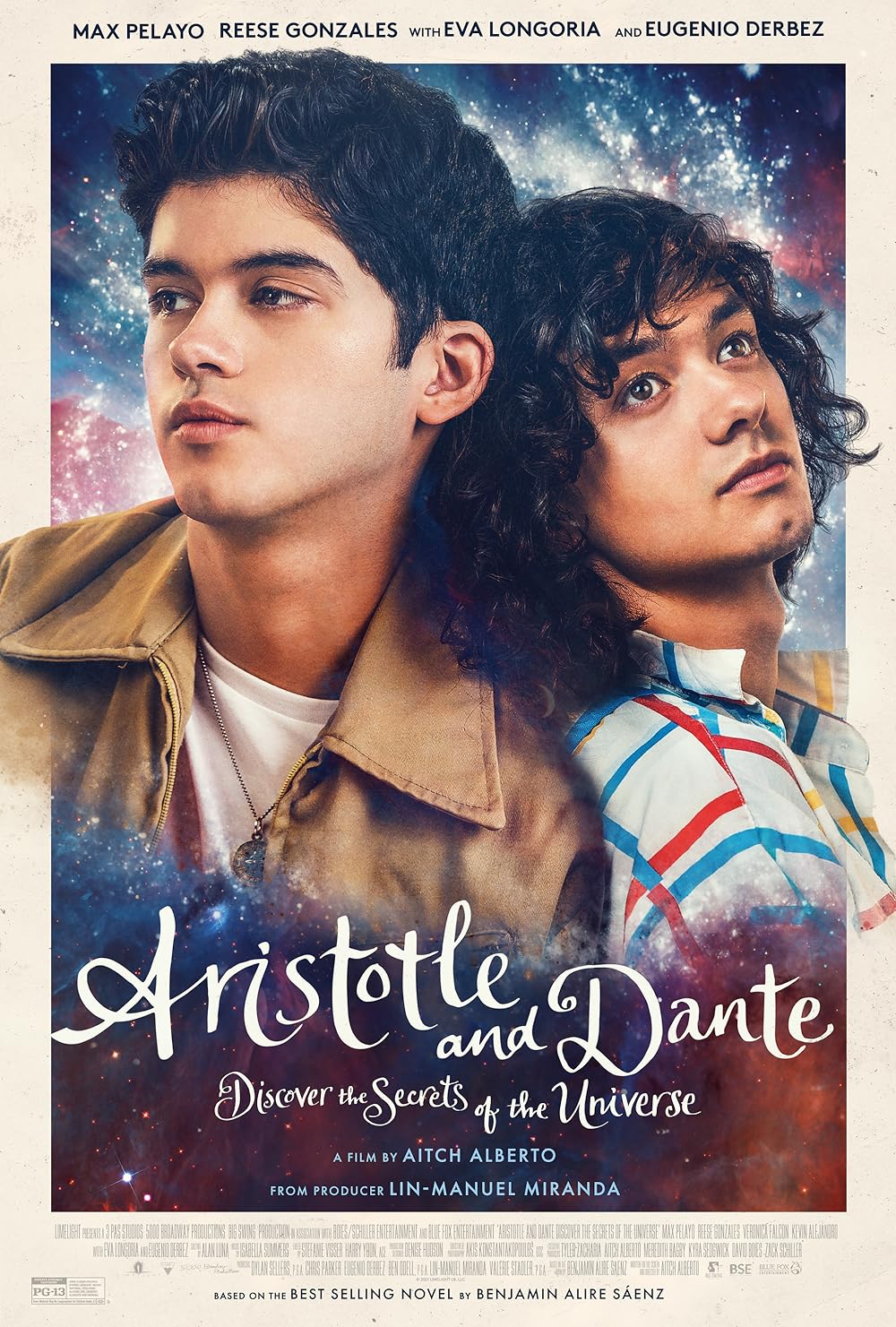
2023 Aristotle and Dante Discover the Secrets of the Universe

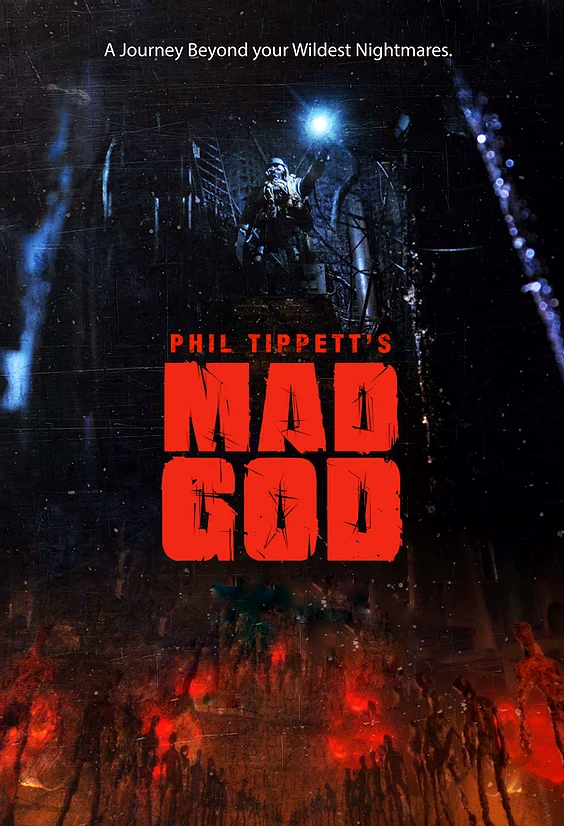
2022 Mad God

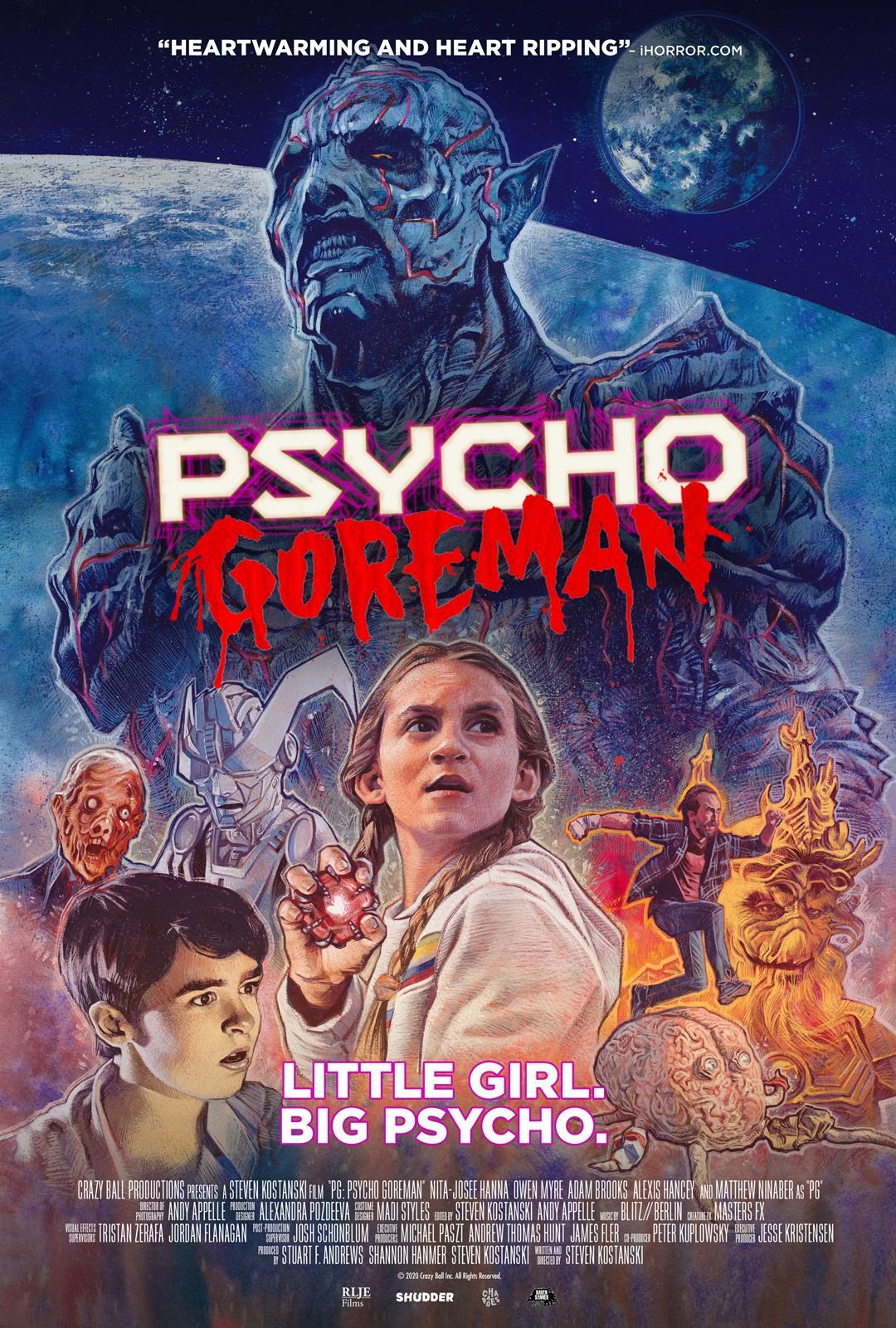
2021 Psycho Goreman

2020 Not Awaded

2019 Not Awarded

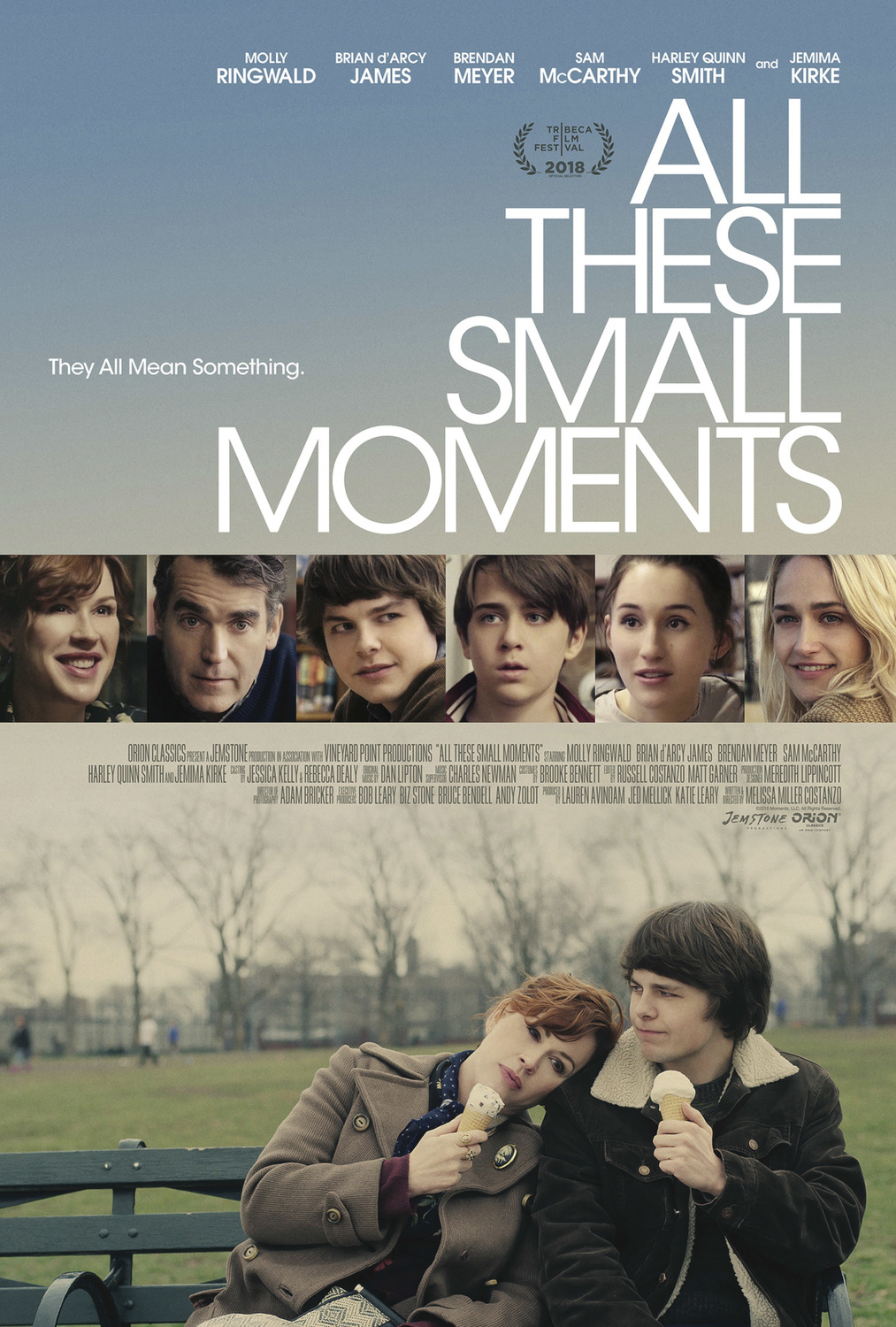
2018 All These Small Moments

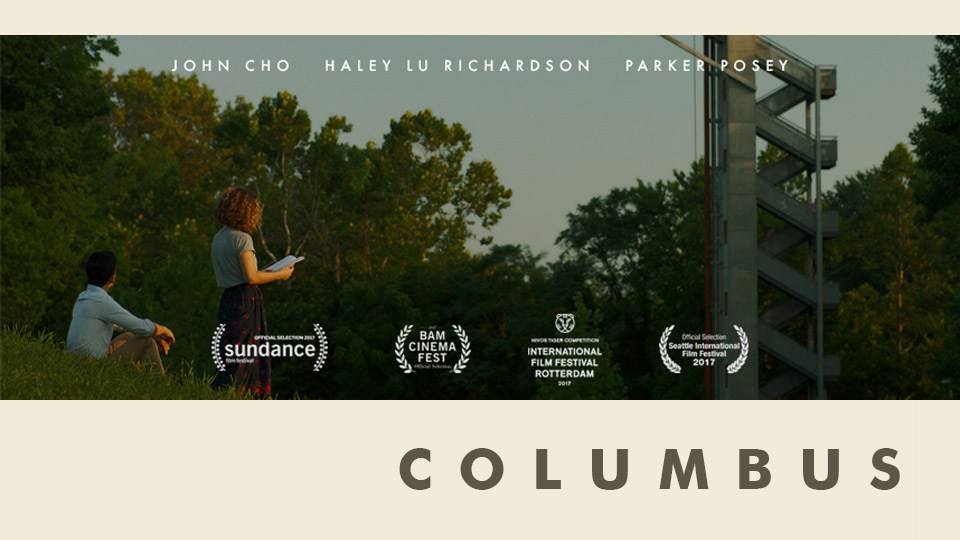
2017 Columbus

2016 The River Thief

unspecified-7

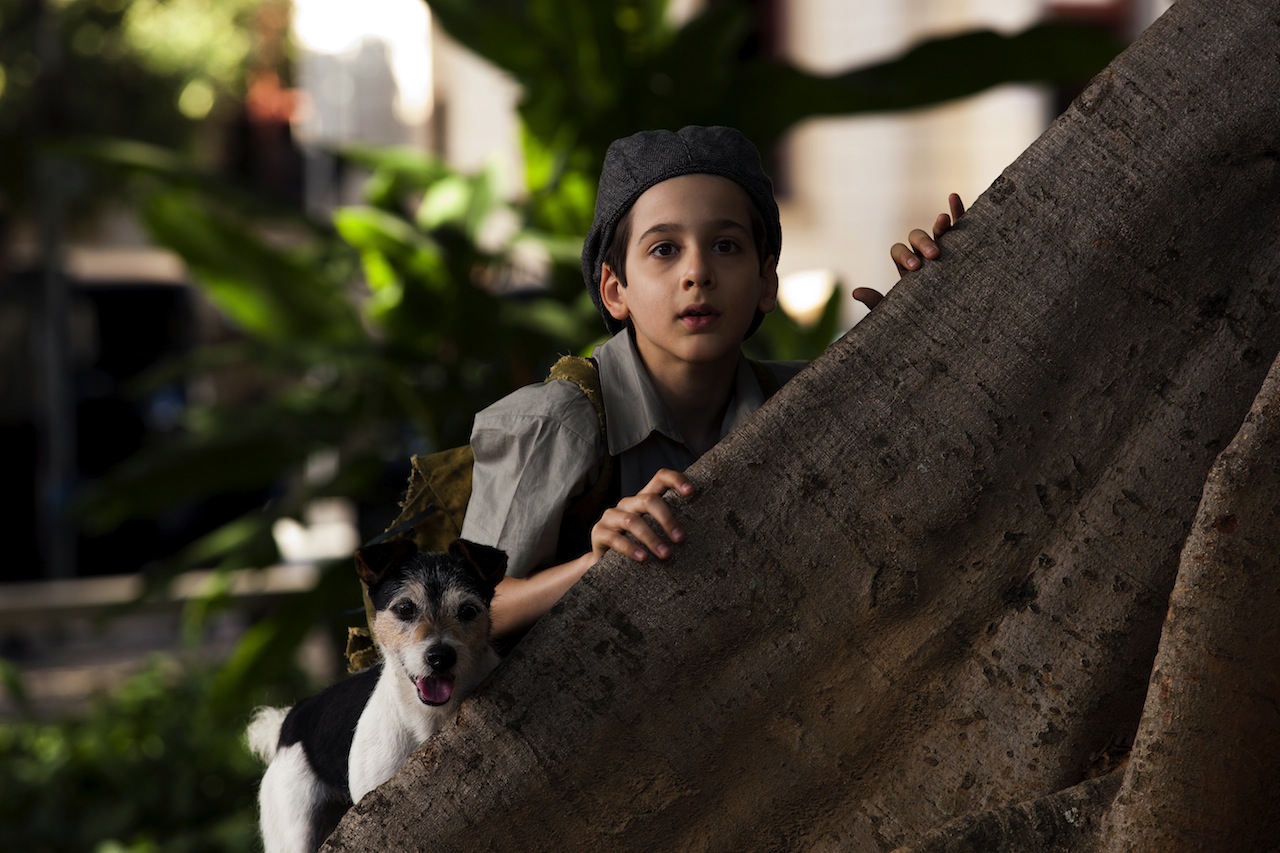
2015 The Boy in the Mirror (O Menino no Espelho)

Longa-metragem O Menino no Espelho. Roteiro adaptado do livro homônimo de Fernando Sabino. Direcao de Guilherme Fiuza e Producao de Andre Carreira

2014 Stations of the Cross

Stations of the Cross (2014, Beta Cinema)

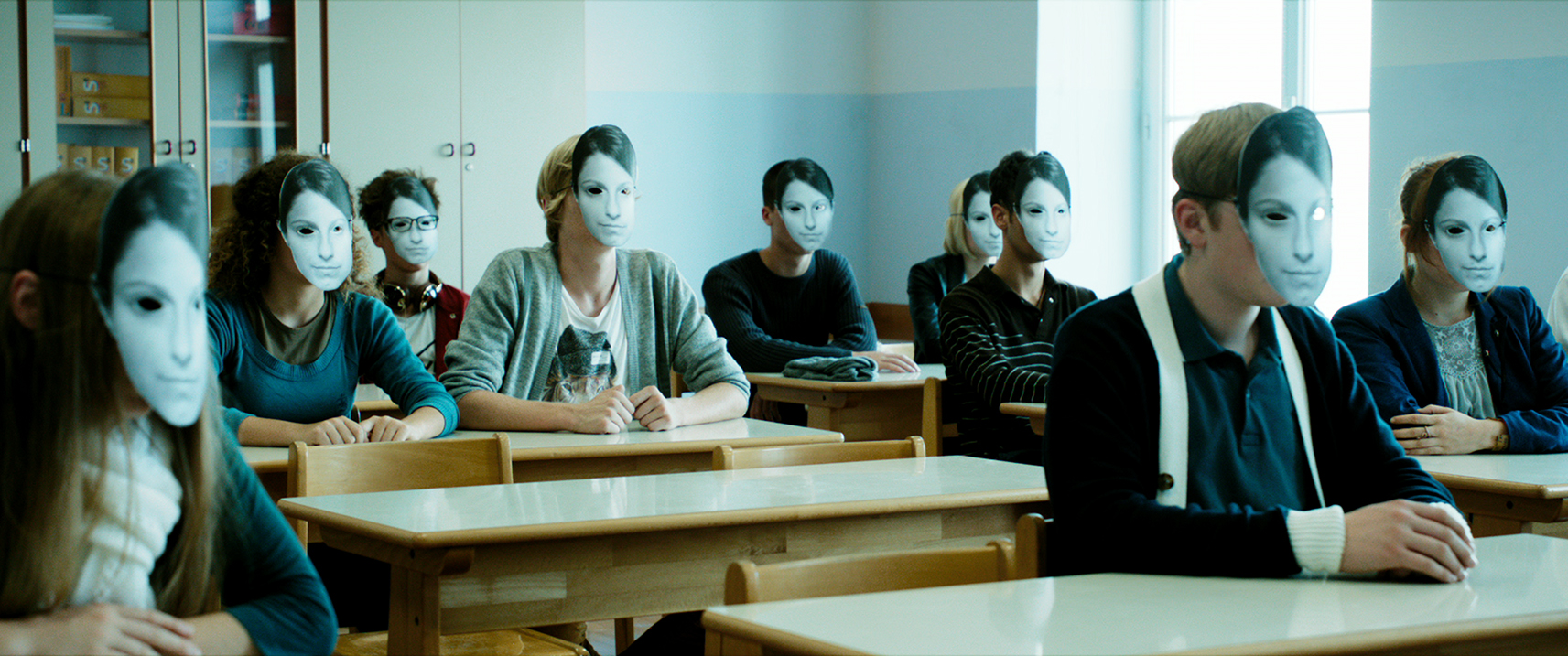
2013 Class Enemy

Class Enemy (2013, Courtesy of Triglav Film)

Thankful for World Cinema: In the Fog (2012)

Introduction

For an introduction to the concept of Thankful for World Cinema please go here.

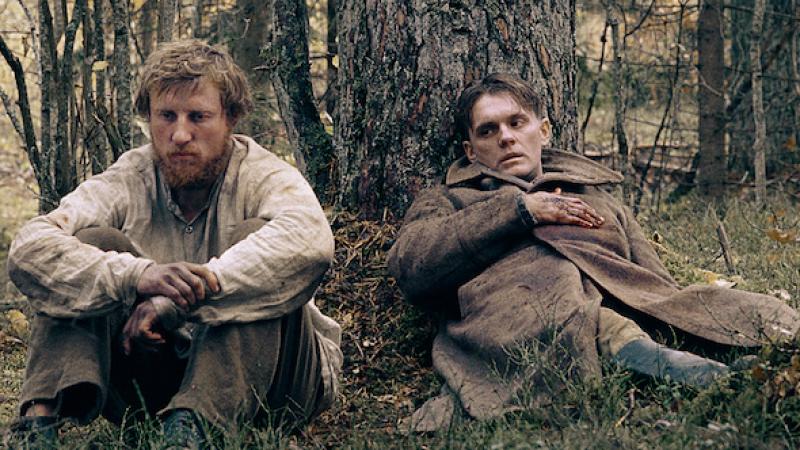
In the Fog (2012)

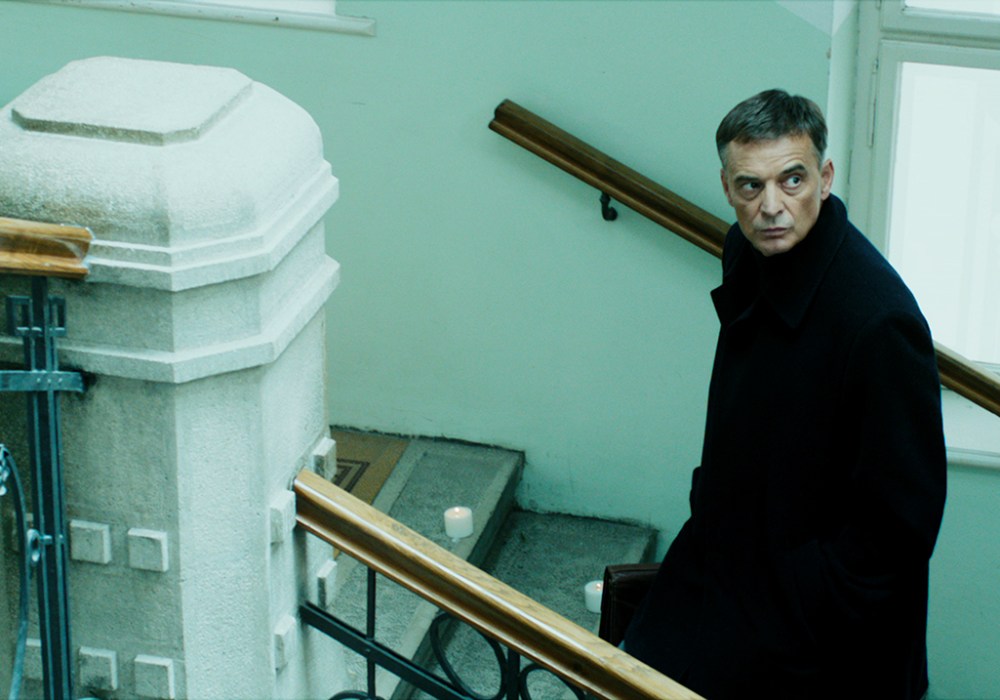
In the Fog goes about its narrative in a few ways that are a bit outside the norm. By norm I mean standard three-act formatting and forward-moving chronological narrative. What this film does is persistently but languidly pushes its narrative forward about twenty to thirty minutes at a time then at a necessary crossroads backtracks to fill-in any blanks that may have been left by the previous passage. However, the reason this method works for the most part is that you get a bare minimum of information as you need to be able to follow the plot. What the backtracks do is illuminate the shock, but what had occurred prior is engaging because of the basic drama, and in part some of the disorientation being felt.

Another aspect that makes this structural decision adept is as you follow the tale of this man who has been wrongly accused of collaborating with the Nazis who are occupying Belarus at this time is that the end of his, and the film’s, story are not that difficult to figure out. However, the structuring of the tale is such that impact of most plot points and twists is heightened and made more profound by information you glean after the fact.

Nearly all the drama in this story centers around three soldiers: Sushenya, the accused (Vladimir Svisky), Burov, sent to capture him (Vladislav Abashin) and his partner Voitik (Sergei Kolesov). It is largely thanks to these three performers that you stay as engaged in this tale as you do. Much of the time these three are interacting, either recounting what has occurred or engaging when only stakes and not details are yet understood and its their commitment and clarity that is communicating what the details omit.

Another aspect of this film that is worth noting is that the framing is usually rather loose and withdrawn, leaning toward wide shots that are fairly static. It plays into the more storytelling nature rather than a battle tale. The film is a human tale amidst a war not a war film amidst humanity.

Perhaps the most interesting aspect of this film is the psychological. Both the psychology of the characters that is examined throughout, but also the psychology of the Nazi nemesis in this film, which is very accurately portrayed and seemingly well-adapted from the source material.

The only things that really holds this film back are that slight bit of lag, and the fairly clear endgame in sight. However, those are not the be and all and end all of this film, thus, those facts are not ruinous to this film and it does manage to engage well enough.

7/10

Thankful for World Cinema: The Fifth Season (2012)

Introduction

For an introduction to the concept of Thankful for World Cinema please go here.

The Fifth Season (2012)

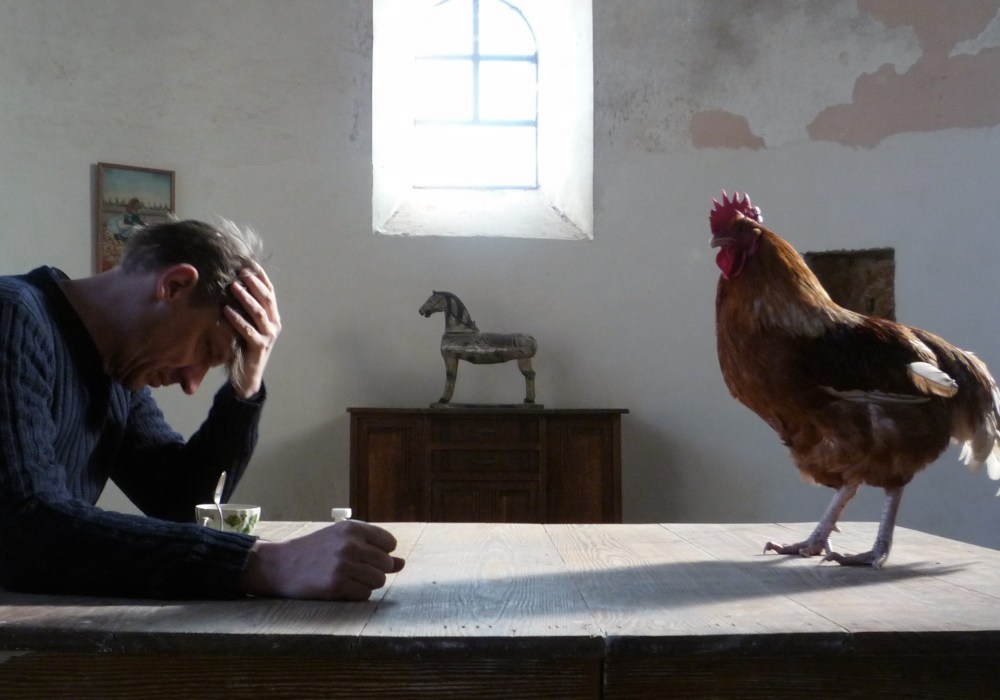
The Fifth Season is a film that tells the story of a small town in the Ardennes region of Belgium that starts to suffer greatly when winter doesn’t end as its supposed to. This is a film that starts out with a more community-oriented view and starts to narrow its focus to a few central figures and storylines, as the climate begins to take its toll on the agrarian community more and more as things deteriorate.

These problems get their first indicator at a bonfire celebration. In a scene that could be plucked out of a low-key horror film you get a sense that some very weird things are afoot. As with many stories about unusual occurrences, there is naught found in the way of explanation. In lieu of that we examine people under duress and see what they do when bereft of  basic necessities. It’s a harsh illustration not only of the affects of climate change but also mob mentality which assumes that it can’t be everyone’s fault, which is the more likely explanation, but rather seeks to find a single person to scapegoat.

However, on smaller levels you also witnesses relationships deteriorate: such as the young couple like that of Alice (Aurélia Poirer) and Thomas (Django Schrevens) and even between man and beast. There are also small wondrous scenes that turn bittersweet in light of later events like the wonderful scene where Pol (Sam Louwyck) and his son Octave (Gill Vancompernolle) sing one of Papageno’s arias together.

There in this film a precision of framing as well as a tonally brilliant approach to the edit that communicates far more than any piece of dialogue in the film can. Thus this way the utter malaise that the town is thrown into, the depth of despair is exactly communicated, whilst how they react to it is guarded such that those moments where there is a lashing out still come as a surprise.

In The Fifth Season nature and the environment are not merely part of the atmosphere, but are turned into an active player, much as it is in reality. The task of making it a palpable entity in a two-dimensional plain is never easy and this film succeeds at that and having its impact on the characters rendered quite dramatic; more dramatic, in fact, than if anything supernatural had occurred, because few things are actually more palpably frightening than a cessation of any kind of order to something we as a species had become reliant upon – this is especially true when we’re most to blame for such erratic shifts.

8/10

Thankful for World Cinema- Short Essay and Review: In Bloom (2013)

Post-Soviet Cinema and the New Postcolonialism

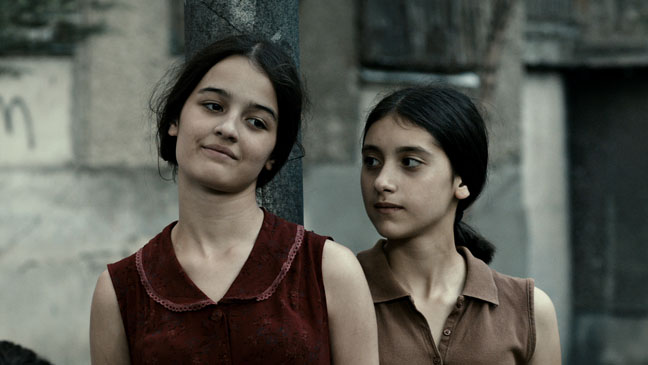
One thing that jumped to mind when I had concluded In Bloom is that it holds a fairly unique place in cinema, one that I’m not sure has been fully examined or surveyed just yet. The story of this film is a coming-of-age tale set against the backdrop of Tblisi, Georgia in 1992; shortly after the independence of the new nation. In essence what you have is a slice-of-life look at a new-age postcolonialism.

Much postcolonial cinema deals with the Old World and the colonies spawned from its outward expansion. Therefore, the tales both about the colonial age, and the cinemas born in new nations (mainly those in Latin America), were the First Wave of Postcolonial Films.

However, as this film underscores, there is a New Wave of Postcolonial Films to consider and that is of the former Soviet states. Throughout the entire history of the cinema (barring a brief period where Georgia declared independence following the Bolshevik revolution and was under British protection) Georgia has been a part of another nation and with no outlet to express its national identity to the world at large.

In the early 1990s with the collapse of communism 15 new Post-Soviet nation-states came into being. That’s 15 new cinemas, new voices and a brand-new wave of post-colonialism in the world. That’s just out of Russia alone, when you consider the division of the former Yugoslavia, and other changes in the Balkans, you can see this is not a small topic. It’s subject that would make a fascinating research and writing for one well-versed both in cinema and in those regions. This film is just a peephole into that newfound reality.

Review of In Bloom

In that light, In Bloom offers an interesting glimpse, not only as my first exposure to Georgian film, but also to the concept that a brand new cinematic world opened up.

That being said, there is only so much intrigue that can be generated by such non-diegetic thoughts within the diegesis of a given film. What the film does do well is sketch the backdrop and the world that these characters are growing up. It’s a society a bit difficult to swallow to a Western sensibility but the general lawlessness of the tumultuous time is apparent, and that is something often glossed over.

Usually, independence is treated as the endgame. Whereas here in this tale, and with nations, it’s really just the beginning. It’s what happens next that really matters. How does one get ones feet under oneself when their fledging nation is still war-torn and barely standing on its own two feet?

The backdrop works, and the performances of the two leads: Lika Babluani as Eka and Mariam Bokeria as Natia really are tremendous. I see many impressive performances by young actors. However, it’s very rare to see two performances in one film from neophytes that are not only exceptional, which these are, but also read as if they are veterans; and furthermore should continue acting for a very long time to come. Babluani and Bokeria certainly achieve that and make this film as watchable as it.

However, the issues that end up plaguing the film are not that unique to slice-of-life tales. Essentially, what these films boil down to is: is that approach the more effective telling of the tale than something more conventional? Quietly and without too much fanfare these girls are doing tremendous things and defying social mores but the pace struggles; the telling is a bit matter-of-fact; the eye on the story too far removed. Major occurrences are treated with ho-hum indifference by camera, edit and characters alike.

The unique backdrop and performances are enough such that I would advise people to see this film for themselves, but the facets that work against this film are such that I cannot say I enjoyed it.

5/10
61 Days of Halloween: The Curse of the Fly (1965)

Introduction

For an introduction to the concept of 61 Days of Halloween, as well as a list of previously featured titles, please go here.

The Curse of the Fly (1965)

One thing that becomes clear when your are viewing a series of films in hindsight is when the death knell rang. When you’re in the midst of things occurring extemporaneously, it can be easy to be hopeful and want a course correction that may not necessarily be better than just abandoning ship.

Now, a lay-off in a series is not always a bad thing. A contemporary example would be that the Paranormal Activity series just skipped its first year since the series debuted, and will return in the early part of 2014. However, with the prior film (still being wildly successful in my mind) being six years prior, the changing climate of the nation as the ’60s progressed; a tale like The Fly had to change and wasn’t necessarily going to work.

So in this The Curse of the Fly there is no fly so to speak, the curse is a euphemism. However, the decks are also virtually scrubbed of any connections to the prior to films only bringing in a very old Inspector Charas to fill in blanks. However, the characters who are brought in don’t contribute in a great way: the colleagues in London add a conscience, the servants in the Delambre add an unfortunate racial stereotype (as well as whitewashing) that seems extraneous even for that kind of thing; the love interest distracts from building the new Delambre generation. A generation that’s building the myth of the series by not being as far from the first incident as one may think at first. Or is it? That was murky too.

All this splits focus, however, there’s also the fact that the fly element is removed and what the threat is, is deformity as attempts of transatlantic teleportation are seriously disfiguring test subjects.

There’s less spectacle, less character, less drama, less suspense, less everything in this film such that the end, not only of this installment, but of the original series is a sweet relief. The mythology of this series is great and could easily be picked up and updated again, maybe even in a truly Quebecois version, but sadly this is an unfortunate final chapter to the original series.

61 Days of Halloween: Dead Souls (2012)

Introduction

For an introduction to the concept of 61 Days of Halloween, as well as a list of previously featured titles, please go here.

Dead Souls (2012)

I have frequently argued that when I choose to watch a TV movie that does not preclude it from inclusion in BAM Award consideration. However, on occasion some TV movies, I must admit, will have me shy away for a while. This is one I regretted letting slip. I think this were late 2012 re-airings of this Chiller original film but I let it slip owing to the fact that I was bogged down in my Year-End Sprint. I wish I hadn’t. However, this film is very much alive for my favorite older films of 2013 list.

The synopsis on the onscreen guide was thankfully bereft of information. With a setup up kind of like this on the menu: John returns to his birthplace to learn the secrets of his biological family; there’s a lot of blanks left to fill in.

The film starts strong from the very start. What you see is a shocking series of events, including crucifixions (easily cringe-inducing for me) as well as intimations of some kind of cult activity. However, the exact nature of what is going on is a bit obscured. Thus, we the audience are placed much in the same place as the protagonist, discovering along with him. That’s a good place to be in.

What this film does that’s slightly off the beaten path is that it plays out like a haunted house/ghost story, but also has an element of occult building and that puts it’s own spins on the events.

It leaves its protagonist John (Jesse James) alone much of the time. That’s good for character work, especially when there’s an expressive actor in tow. James has a natural sensitivity that exudes off the screen and allows him to carry the vehicle quite easily. He effortlessly handles the notes he has to play in the film: thoughtful, quiet, scared – and, upon learning what he deals with, feeling an emotional pull to the place and his family he’d never known. He does brilliant work here.

The arc of Emma (Magda Apanowicz) is also a benefit to this film. Whereas, she seems like she’ll be a bothersome and unnatural guest much like the one in Let’s Scare Jessica to Death, she softens, becomes a sidekick and co-combatant with the protagonist.

By the conclusion of the film not only are the blanks left un-filled by the beginning filled in but a new spin on the occult has been portrayed. Not to mention that the start is mirrored, completed and filled in by that point. This is a horror film that’s a little different and ought not be overlook, and I’m kind of kicking myself for letting it slip through the cracks last year.

61 Days of Halloween – Films to Keep You Awake: The Christmas Tale (2006)

Introduction

For an introduction to the concept of 61 Days of Halloween, as well as a list of previously featured titles, please go here.

The Christmas Tale (2006)

This is the second film in this series that was featured in my Favorite Older Films First Seen in 2012. Here is what I wrote about it:

As mentioned above in Spectre, this is a Six Films to Keep You Awake tale, but this is the more accessible of the two I chose. It deals with a group of kids who find a woman trapped in a hole, as they learn about what got her there each faces moral dilemmas about how to deal with the situation. It not only sets up good horror but great character study.

This is the kind of film that immediately starts off on the right foot. It begins with a hilarious parody of a cheesy horror film. However, aside from entertainment value that faux-film-within-this-film will serve as the rules that these kids eventually refer to in fighting their enemy.

The tale is set in Spain in the 1980s and features a group of friends all of whom are introduced with pop-up title cards, but as opposed to say something like Feast, it’s easy to tell them apart after that, especially considering that the characters are well-defined after that. Also, while being set in the ’80s it’s not over-saturated with nostalgia or references. The faux-film is vague and the other persistent reference is a character trait and key to the film.

As mentioned above, part of what makes this film really good is that it balances horror, drama and comedy. The way the drama comes in is that through drawing on these characters’ personalities there are a few moral debates about how best to proceed in the strange situation they find themselves in. It ultimately factions them before they reunite.

I’ve discussed acting in a few of the posts in this series and Maru Valdivielso has quite the task set before her needing to be believable in a few different notes aside from working in a lot of make-up at times and also playing someone in pain through most of the film without being grating. She succeeds in all these tasks with flying colors.

Perhaps what’s best is not just that there’s a very visually appealing climactic sequence, but also the fact that even within a short film such as those in the series are, there are quite a few reversals of fortune that keep you guessing. There are many surprises in store for you if you should decide to watch this film so I shan’t discuss it too long lest I give it away. This is definitely the most highly recommended title of the series. If you’ve not seen the work of Paco Plaza yet, this could be a good place to start get a quick sense for what he does before moving on to the [REC] series.

61 Days of Halloween – Films to Keep You Awake: Blame (2006)

Introduction

For an Introduction to the concept of 61 Days of Halloween, and a list of previously featured films, please go here.

Blame

This installment of the series is offered by Narciso Ibáñez Serrador. The only other film I’ve seen of his is Who Can Kill a Child?, the original not the remake, which I enjoyed a bit more. Although many years later it’s interesting to see a filmmaker only twice and at two very different stages of their career, especially when some of the themes that are being explored are similar. This title is the most recent of his listed on the IMDb. While there are some interesting aspects to the film, and some of it is well-handled; I can’t help but feel it shares a lot of the difficulties the earlier film works: namely there are some dubious decisions by characters and some head-scratching moments.

However, what this film has going for it is that its tale is, eventually, a more layered one and touches upon themes too often avoided in American horror films. However, there does come a point in a film where it can be said you’ve been playing coy for too long and are starting to hurt the end result. The delayed nature of the reveals adds a sudden choppiness to the reveals and a very quick escalation with minimal time to absorb the impact of what is seen.

There is certainly a deftness of hand in how this tale is wrought, but it ultimately encounters some issues that titles truncated to have shorter running times do; inasmuch as I feel this film would’ve benefitted from being expounded upon such that the overall flow of it was more consistent. As it stands there are interesting scenes a themes, as well as effective sequences, that don’t gel into a completely successful whole.