Underrated Dramas: Benelux

Introduction

Recently I decided to partake in another great theme going on at Rupert Pupkin Speaks. The last list I did there was for the Underrated Comedies series. As I anticipated, there was far more competition among movies I like to make the dramas list than the comedies list. So much so that I decided to post ancillary lists here before the big list debuts there. I wasn’t able to get all the contenders onto these lists but I was able to feature the most competitive regions (foreign films were one of my main foci). This is the second list, here is the first.

Underrated Dramas: Benelux

Benelux is the collective name for the region of Europe comprised of the Belgium, The Netherlands and Luxembourg. I’ve yet to see a film made and set in Luxembourg, but I hope that changes soon.

In the past few years it seems that all the movies I’ve seen from the region are outstanding films, and I have not yet seen some more well-known ones (Such as Bullhead). Regardless the point needs to be made as only only two of the eight would not be considered recent.

In many cases, I’ve already written about these films before so the blurbs will be brief and there will be links included. This is as much a declaration of an emerging and vibrant region, that many seem to be overlooking; as it is a list.

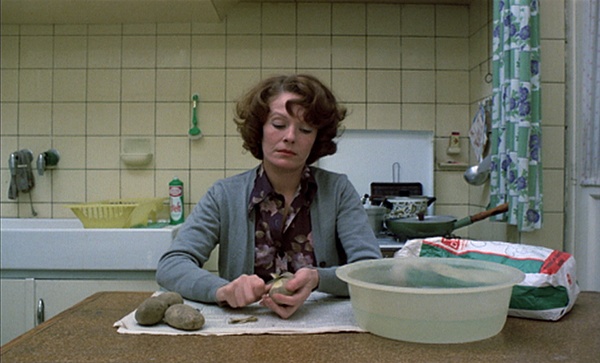
Jeanne Dielman, 23 Quai du Commerce, 1080 Bruxelles (1975)

Jeanne Dielman (1975, Janus Films)

I only ever heard of this film thanks to something I read in a booklet that accompanied a Bela Tarr film on DVD. The fact that it took that, to me, makes it an underrated film. It’s one that admittedly I had to give a second chance, but I’m glad I did.

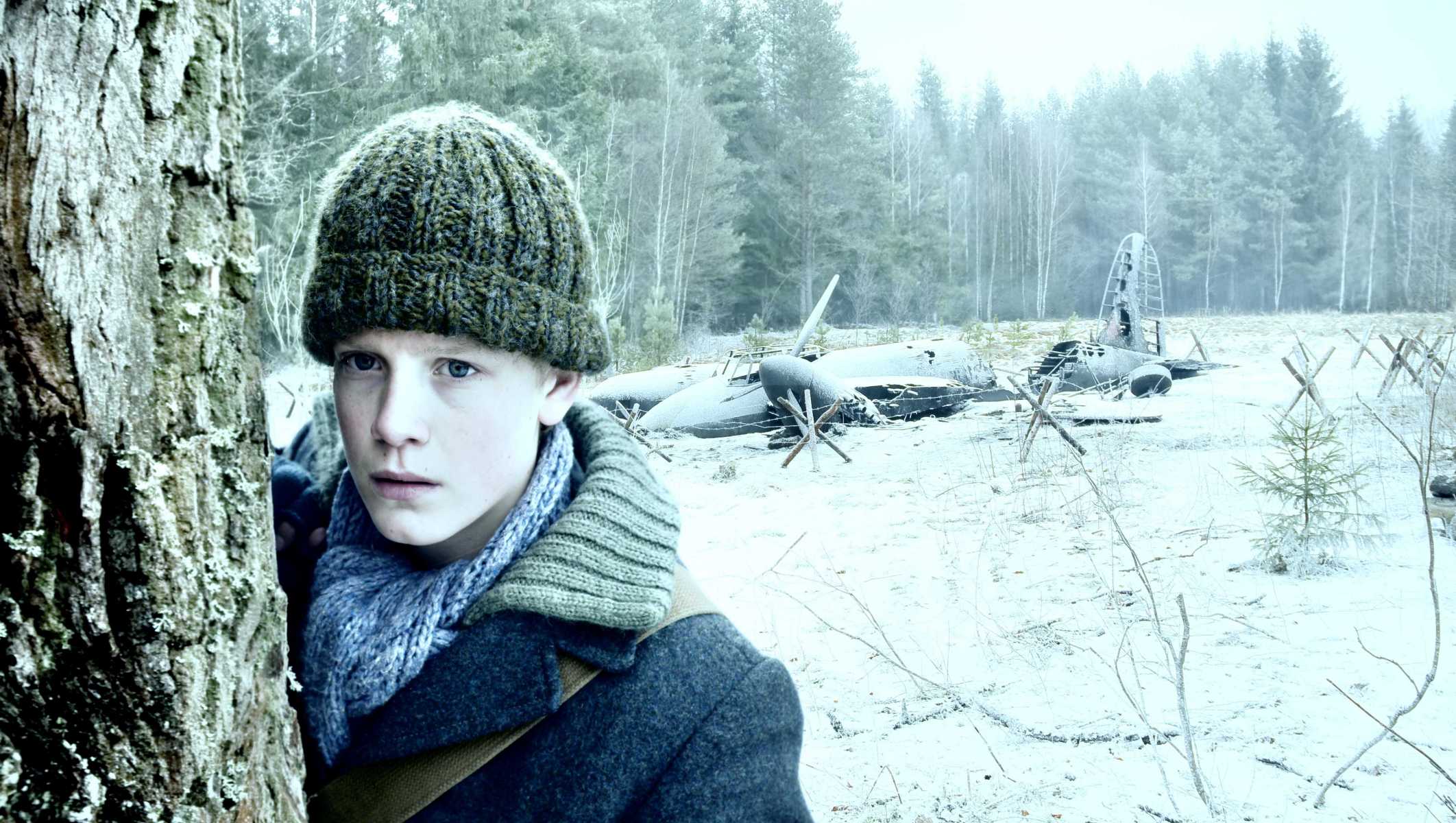
Winter in Wartime (2008)

Winter in Wartime (2008, Sony Pictures Classics)

This is a film I viewed by myself, and it made quite a big dent in that year’s BAM Awards. This was an official selection for the Netherlands to the Academy Awards but took a while to get picked up and didn’t make a lot of noise when it did; it ought to have.

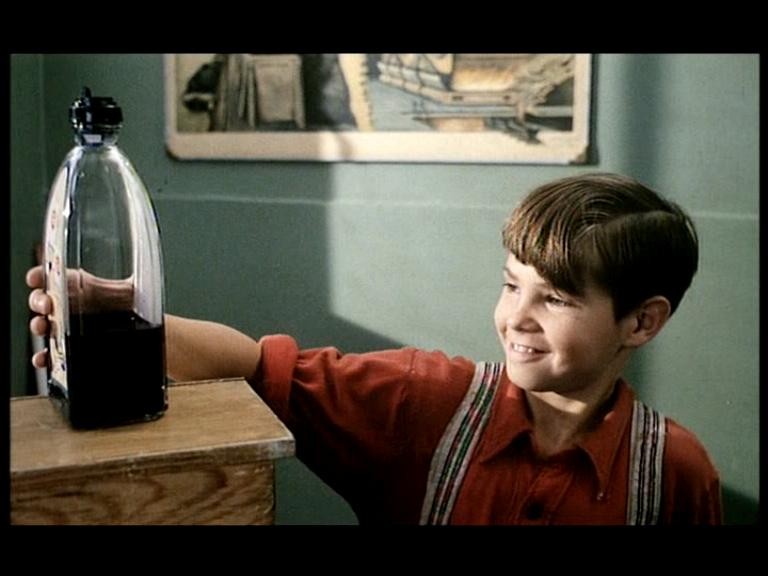
Ciske the Rat (1984)

Ciske the Rat (1984, Concorde Film)

This is a film that fits one of the criteria I set out of being out-of-print. To tell you of some of the levels in which it excels would be to give away too much, but it is a film both sensitive and shocking, that has endearing and infuriating moments that are all completely by design.

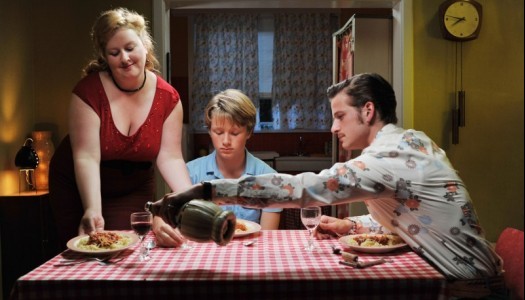
The Misfortunates (2009)

The Misfortunates (2009, NeoClassics Films)

The upbringing of an artist is a narrative that always intrigues me. More often than not these tales tell of less-than-pristine circumstances wherein the protagonist overcomes misunderstanding or even lack of support to excel against the odds. The Misfortunates doesn’t break that mold necessarily but it tells its tale well within it, as I tweeted:

“The Misfortunates” a well-acted, interestingly constructed, creatively told family drama about an author’s upbringing in Flanders.

Considering I saw this well ahead of the other films it could benefit greatly from a revisit as I’ve grown more accustomed to the sensibilities and aesthetics that seem to be the zeitgeist in the region at current.

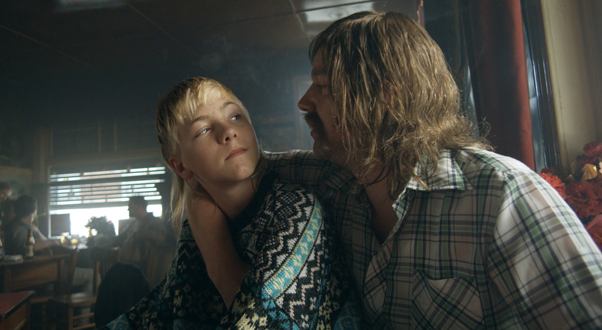
North Sea Texas (2011)

North Sea Texas (2011, Strand Releasing)

While nominated at the most recent GLAAD Awards, it sadly didn’t walk away a winner there. I still assert that the test of time will treat this film very well. I included it in many ways in the 2012 BAM Awards, with significant wins and submitted it to OMIEs and LAMBs and will continue to champion it.

The remaining three could make some serious hay in the upcoming BAM Awards:

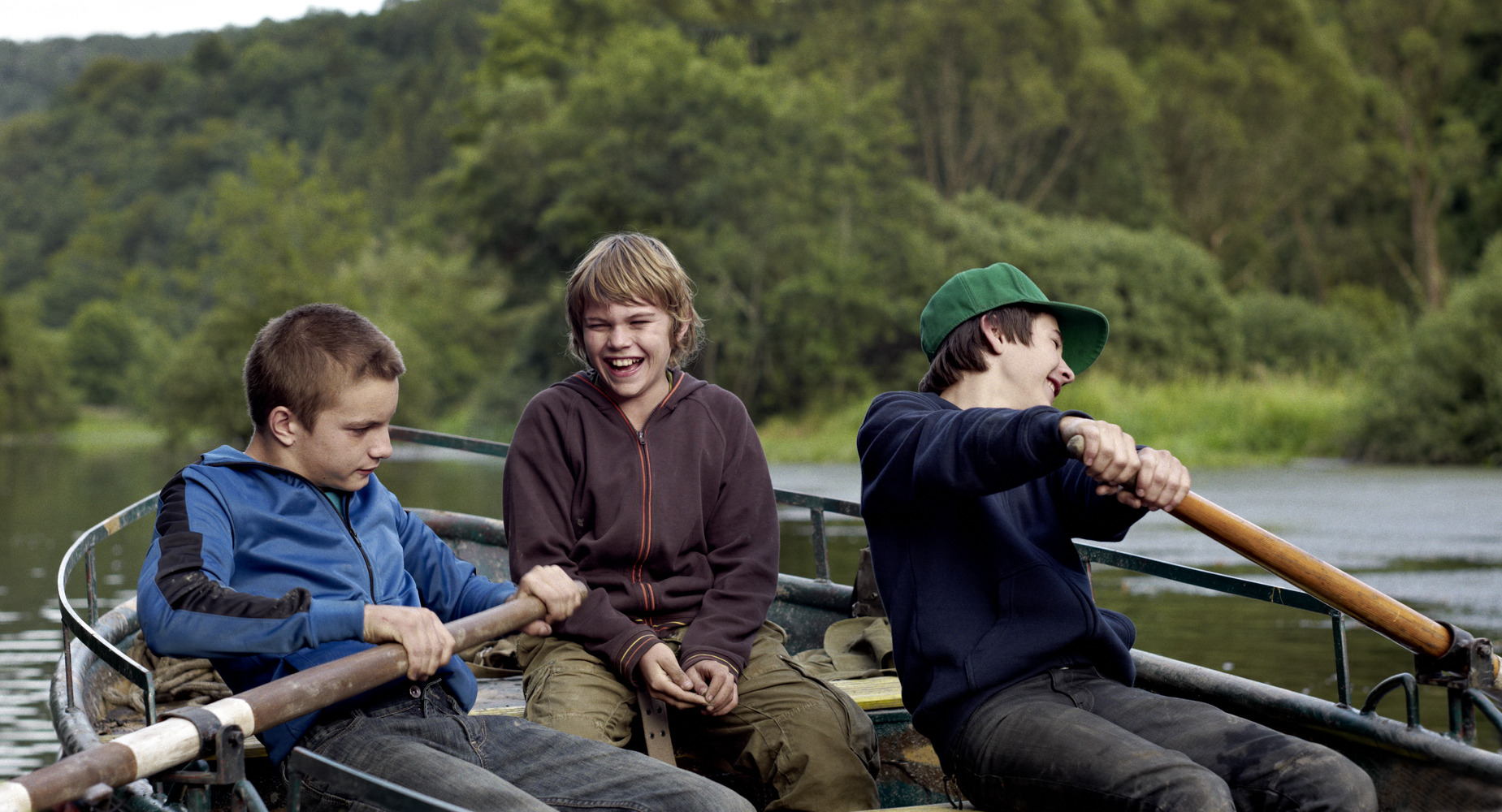
The Giants (2012)

The Giants (Kino Lorber, 2011)

In any year, there are those films that stand out, and continue to, long after they’ve been seen. This is one of them. This film recently came to not again for me after reading Mike Scott’s take. It’s a strong film, that treats adolescence in less-than-ideal-circumstances a very real way that doesn’t have sensationalized “grit” and doesn’t forsake soul. Highly, highly recommended.

Allez, Eddy! (2012)

Allez, Eddy! (2012, Benelux Film Distributors)

Creativity and quirkiness abound in this tale that transcends the usual trappings of underdog-sports-tales and children’s films to be rather artistic, humorous, moving and heartwarming.

Time of My life (2012)

Time of My Life (2012, Strand Releasing)

The most wondrous thing about this film is that from the outset you know how it’s going to end, but that doesn’t make it any less effective as a statement or as a piece of raw, human drama.

Tarzan Thursday: Tarzan and the Huntress (1947)

Introduction

Last year the character of Tarzan celebrated his 100th year in print. A serialized version of the story first appeared in 1912. A hardcover collection of Tarzan of the Apes first appeared in 1914. Being in the middle of the Tarzan centennial period it’s an opportune time to (re)visit many of the screen renditions of the character.

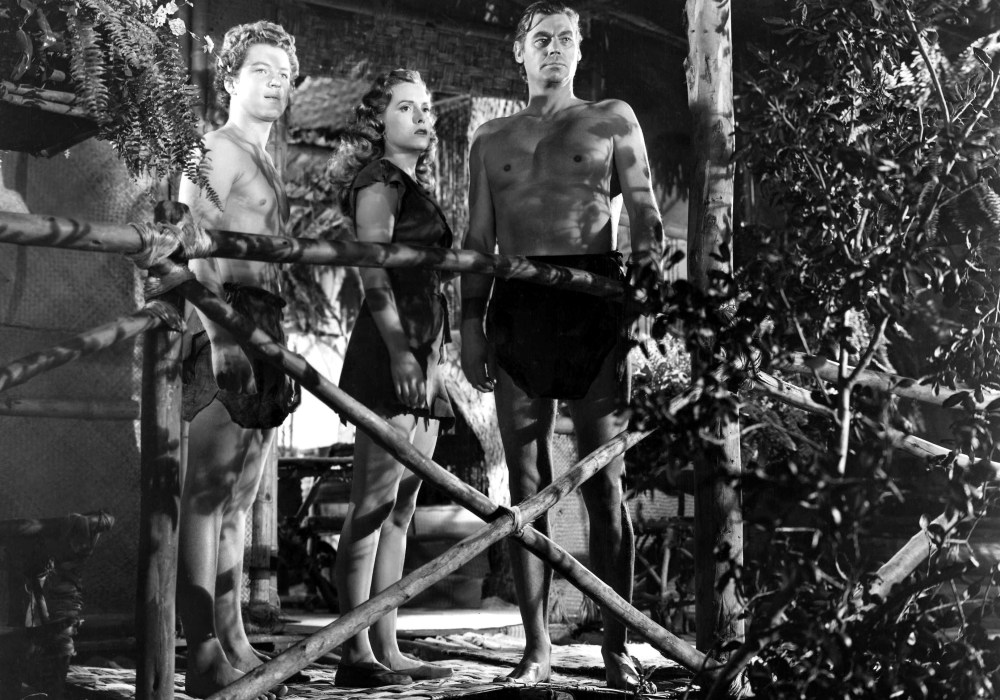
Tarzan and the Huntress (1947)

Probably the most unfortunate thing about Tarzan and the Huntress is that there are good things in the script, but there’s just not enough material. At times it seems like they only started with half-a-feature-length screenplay, elongated everything, shot cutaways and time-fillers to bolster the running time.

One of the switches that works really well here is that the impending threat is introduced prior to the stasis, therefore, at the outset of the film there is greater promise than there are in many of the films. The stasis is thus leant and undercurrent of tension none of the prior ones have.

What interferes with the success of this installment most is the fact that, here perhaps more so than any other film, it seems Tarzan is the only one with a memory of past interactions with white men in the jungle. Again Boy, whose youth and naivite are harder to sell the bigger and broader he gets; and Jane’s willing acquiescence to the desires of the civilized world are what causes a majority of the issues and strife.

Conflict is necessary but considering how flip the trappers are it’s hardly necessary for them to be tricked so. Tarzan attempts diplomacy bowing to the King and they cross him many times. Now, part of the issues is the concept and the writing there’s a line of the “war taking its toll on zoos.” How? Air raids, I would assume, but it that really a justifiable reason to over-poach? The greed is now underscored furthermore the animals are usually respected greatly by Tarzan and his family so Boy giving away two cubs for a flashlight is the hardest turn of events to take in the series.

The reason it feels like have a script elongated is that there is a stasis section in the middle of the film. Much like my sudden, un-segued shift to discussing it, such is that section to the flow of the film.

The conclusion of the film is not unusual and similar to others, including the fact that it’s not really earned. The next film, and the last time Weissmuller played Tarzan, would break the mold slightly but not for the better.

Updates: August 13th, 2013

As those of you who follow my Twitter or the sites Facebook once every two weeks I update all the posts that I consider to be what I call “Running Posts.” Those being lists I update throughout the year or month for various year-end considerations. This is also why I like to say I (try) to post new or updated content daily, as usually update days allow for little else. However, I thought it time to formalize this process. The next update will be on September 1st, 2013.

Films Viewed in 2013
My Radar
Contenders for Favorite Older Films First Viewed in 2013
2013 BAM Award Considerations – August
Series Tracker
Considerations for the 2013 Ingmar Bergman Lifetime Achievement Award
The Movie Rat Schedule
Mini-Review Round-Up

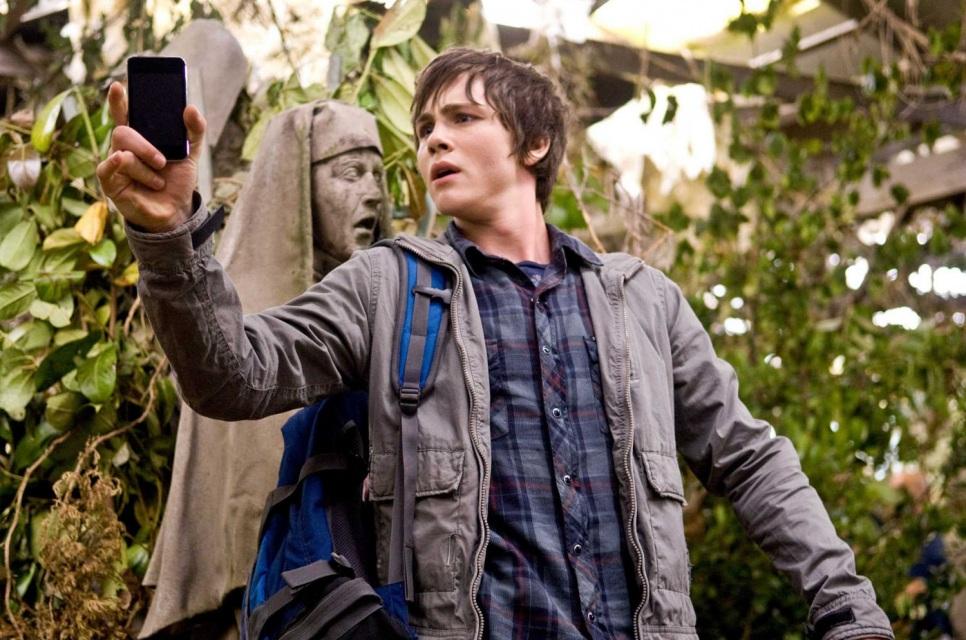
Review- Percy Jackson: Sea of Monsters

Pre-Amble

If you read this blog consistently while I have tried, and I hope succeeded, to keep content fresh and diverse. However, as I intimated in this post particularly, I’ve been far less interested in reviewing theatrical releases lately (mini-reviews don’t fall under that category). There’s a certain bit of “FIRST” to it that can be tiresome and doesn’t allow one to reflect. Moreover the more interesting hooks to me to write about lately have been pieces about the films, that aren’t reviews like I did for The Dictator, The Sitter and most recently The Lone Ranger, to name three. It’s easier to write a review at polar extremes. However, this one came about through discussing the films and found me pretty firmly split on and that compelled me to write this. I say only to this to close this introduction: I do not write from a perspective of consumer advocacy but of vocalizing my thoughts and why they are so. If you read between the lines, you can usually decipher if the film may be your cup of tea.

Without further ado, the review…

Percy Jackson: Sea of Monsters

Percy Jackson: Sea of Monsters (2013, 20th Century Fox)

Perhaps the best way to encapsulate my thoughts on this film would be to echo the sentiments I tweeted about it the next day and expand upon that. “Percy Jackson: Sea of Monsters has highlights that are higher than the first (film) & lowlights that are lower than the first (film); a mixed bag.” I admit that I’m a fairly positive person, or I try to be. I can’t say I didn’t enjoy it, I just didn’t as much as I could have. A higher degree of satisfaction was within reach but there were frustrations and eye-rolling moments to be had.

Due to viewing commitments with different groups of friends I saw the first installment quite a few times and after just one viewing this one already felt more memorable than the initial foray. I don’t recall any really bad failings in the film prior like this one had; yet there were some things that really worked much better than before. Having said that, it’s an uphill struggle to get past all the encumbrances.

Many of the issues stem from the writing: the dialogue is frequently where there are misses. Many attempted jokes are lame but don’t land. There are some good ones. Delivery plays a role. Stanley Tucci has impeccable timing and makes most of his material work, Nathan Fillion’s brief appearance is one of the highlights, Lerman has one great line, which was given the benefitted of my anticipating.

However, these writing concerns are not just limited to the attempts at levity, but also with building character. A lot of the scripting problems lie in characterization of Annabeth (Alexandra Daddario) and Clarisse (Leven Rambin), each has a character flaw we know they’ll work through but each spends half the film repetitiously re-enforcing their one-dimensional attitude regarding their prejudice to the point of cartoonishness.

Percy Jackson: Sea of Monsters (2013, 20th Century Fox)

Another odd aspect of the series made itself evident first in the beginning and crystallized as the film moved on: There is a mystical cab that takes the characters part of the way on their journey. The three “drivers” have one eye among them them and drive recklessly and the cab can split; a clear homage to Harry Potter and the Prisoner of Azkaban, both the book and the film pre-date this book/film pair. What it underscores is that: while both this and the Potter series deal with subcultures of superhuman beings with the fate of the world in their hands, unbeknownst to mere mortals, there’s an intangible lack of epicness that permeates this world. It’s smart and creative how the mundane hides these things, but it never gets awe-inspiring when the curtain is pulled back. The divested way this series is approaching its subject matter, fronting action first, forsaking character depth and internalized; conflict is undermining it no matter how high the stakes get.

Which brings me to the The CG, which is again hit-or-miss. Overall, it’s likely better than before but while some of the designs are great, but the work isn’t the best, which is unfortunate because that being improved would go some of the way to creating the kind of impact that is being sought here.

Percy Jackson: Sea of Monsters (2013, 20th Century Fox)

Logan Lerman is someone who I’ve twice nominated as Best Actor at the BAMs, in 2009 and 2012. Yet, this series gives him hardly anything to sink his teeth into. He has the one-liner moment and the compulsory scene where he can be emotional but not much in between. The stuntwork in terms of choreography and execution is Grade-A stuff and he had a small part in that, but most of those kudos go to that unit.

I’m not a staunchly anti-voice-over person. However, another misstep was the voice-over at the very end which explained the implications of what just happened and blew the doors wide open for the next installment. Had there not been that voice over and the film left off at the last line of dialogue the ending would’ve been awesome. Yes, awesome. As it stands, it wasn’t.

Percy Jackson: Sea of Monsters (2013, 20th Century Fox)

There are surprises to be had and when things stop needing set-up the film really clicks, pacing is never an issue. The introduction of Tyson (Douglas Smith) is a great addition in terms of character and the performance by Smith. While Freudenthal does fine here anew as he did with Hotel for Dogs and Diary of a Wimpy Kid, the series is sitting in a good place at the end that makes you hope that story and forthcoming director can really ratchet up the franchise to a newer, higher level.

Owing to that fact, I marginally give it a…

6/10

Silent Feature Sunday: Battleship Potemkin (1925)

While I do watch many new films, and have annual awards and will discuss current cinematic topics. Part of my desire to create my own site was to not have an agenda forced upon me that was not my own. This allows me to discuss films from all periods of history whenever I see fit. Recently my Short Film Saturday posts have been running toward silents more often. I questioned this tactic for a second until I realized that if I really do hope to encompass all of film history then the silent era most definitely should not be ignored. If you mark the silent era from the birth of film (1895) to the first talkie (1927), and I realize it could be argued that the silent era stretched a few years beyond that, and also that there were experiments with sound very early; that’s still 27% of film history at current which was entirely silent. Therefore a weekly post (or, however often I put it up) is not out of line at all mathematically or otherwise.

The good news is that many silent films are available to watch online, and are in the public domain. So I will feature some here.

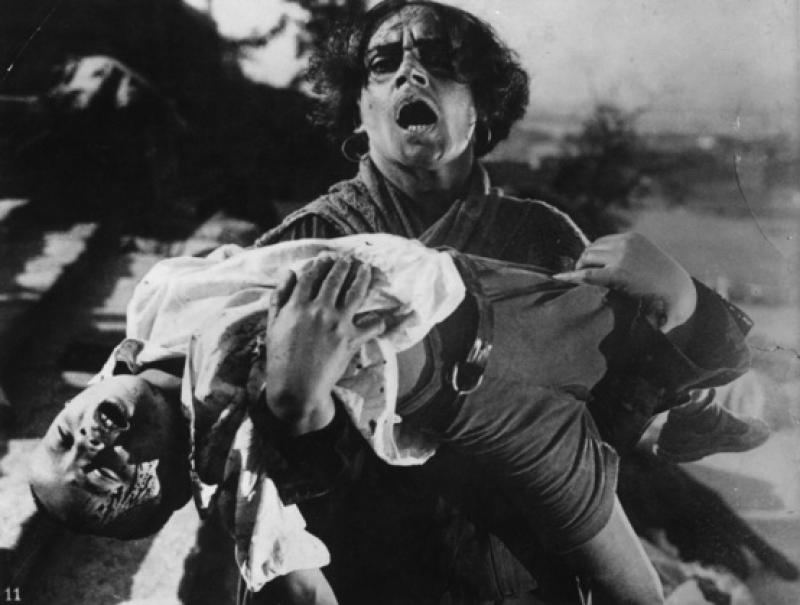
When I was studying film, from one source or another, I heard it said that Eisenstein’s work was more interesting in an academic sense than any other. Having sought out and seen this film on my own after having seen the famous “Odessa Steps” sequence, I could not have disagreed with this statement more. Surely, in a historical context one cannot explain the art of editing without discussing Eisenstein. For it was both in practice and theory that he pushed it forward as the essential component in the art. Yet I found the film tremendously gripping. In his book Film Form he explains himself that its structuring has much to do with it both here:

Potemkin looks like a chronicle or a newsreel of an event, but it functions like a drama.

The secret of this lies in the fact that the chronicle pace of is fitted to a severely tragic composition. And furthermore, to tragic composition in its most canonic form – the five-act tragedy.

And here:

The utility in the choice of a five-act structure in particular, for this tragedy was, of course, by no means accidental, but was the result of prolonged natural selection…

The impact of this structural decision is redoubled in my estimation by the film’s slender running time (75 minutes, officially speaking). It’s not a wonder then that some may not connect, seeing as a five-act structure can be seen as archaic, and some films who can be argued to employ one (such as A.I.) can disengage people.

That temporally truncated approach to a classical epic structure is only a small part of why it works for me. Regardless of whether or not it does for you this is one you should scratch of your list, which is another reason I’ve chosen to take on this theme, both to introduce essentials and to see more myself.

Enjoy!

Short Film Saturday: Cherish

Continuing the Madonna theme this month, which began last week, we come to a video that is not only in black and white but has a bit of a story to it also “Cherish.”

Here’s some interesting info about the video gleaned from Wikipedia. Some of it pertains to the production and release and the last paragraph gets into interpretations of the motifs, which you are always advised to take with a grain of salt. If you want to look into what the sources are, you can visit the original article here.

“Cherish” was accompanied by a black-and-white music video that was directed by Herb Ritts and was filmed on July 22, 1989 at Paradise Cove Beach in Malibu, California. Its world-premiere took place on MTV on August 28, 1989.[47] Ritts was one of Madonna’s preferred photographers at that time and so she asked him to direct the “Cherish” video. Ritts reportedly tried to talk her out of it saying, “But I’m a still photographer. I don’t know anything about film.” Undaunted, Madonna replied simply, “Well you have a few weeks to learn.”[47] The video was conceptualized by Ritts, who wanted to portray Mermen in their natural habitat, but Madonna baulked at the idea since she wanted to be portrayed as herself, but keep the Mermen also.[47] Four male performers were signed for this, one of them being Tony Ward, who would become Madonna’s boyfriend later, with the other three being water polo players from nearby Pepperdine University.[47] There were four Merman tails created by Global Effects in North Hollywood, California, for the video.[47] Three full size tails for the mermen were cast in a solid highly flexible rubber, each weighing around 40 lbs. This was necessary to make them neutrally buoyant in water as lighter tails would have floated, causing the swimmers to be head down in the sea.[47] Once in these tails, the polo players needed to be carried to and from the water and once inside, they had tremendous swimming power and agility. This was partly due to a plastic spring like armature cast into the flipper of each tail.[47] One of the reasons that this video was shot in black and white was because the water was very cold, causing Madonna’s already pale complexion to look even whiter.[48]

Fouz deduced a relationship between the music and the images in the video for “Cherish”, saying that they complement each other; the author felt that this in turn encouraged the viewer to watch the video repeatedly.[49] Fouz talked about the balancing of height and depth occurring in the video. The visual depictions of the Mermen and the lighting used in the video was influenced by Ritts’ still photography known as “The Male Nude Bubble”, which showed nude male models inside a giant water tank, with a white cloth entwined around them. Many of the qualities in the photos, including the floating nature of the models, were used in the swimming and the posing of the Mermen.[49] Carol Vernallis, author of Experiencing Music Video, found homoerotic connotations between Madonna and the Mermen. The Mermen in the video exist in a self-contained world of their own, where they procreate with their own kind, both biologically and socially. The fact that the Mermen did not seem to possess genitalia led Vernallis to believe that it associated them with Ritts’ other works, homoerotic sculptural images without penis.[50] Their tails drew different meanings, including sexual ones and Christian symbolism. Since in contemporary art, the images of Mermen are rare and Mermaids are prominent, they are sometimes called fairies partly because it is not known how they came to be.[50] Vernallis believed that the mysteriousness and the elusiveness of the mermen in the video played a crucial role. They never address the camera directly and are often shown disappearing from view.[50] Vernallis believed that since invisibility is a central theme in the homosexual community, this actually portrayed oppression and also the desire to watch but never be seen.[50]

Underrated Dramas: France

Introduction

Recently I decided to partake in another great theme going on at Rupert Pupkin Speaks. The last list I did there was for the Underrated Comedies series. As I anticipated, there was far more competition among movies I like to make the dramas list than the comedies list. So much so that I decided to post ancillary lists here before the big list debuts there. I wasn’t able to get all the contenders onto these lists but I was able to feature the most competitive regions (foreign films were one of my main foci). This is my first list.

Underrated Dramas: France

One criteria that I tried to hold steadfastly to when creating the list submitted to Rupert Pupkin Speaks was that I wanted to avoid including “big directors.” Essentially, I wanted to try and find as obscured a film as possible that doesn’t deserve that fate. Hence, if a director is known the world over by his last name alone long after he has passed such title was usually omitted. One such director (François Truffaut) finds his way onto this list because of how staggeringly great I find one of his titles to be, how simultaneously like and unlike the rest of his works it is. Aside from that the rest of the list I think adheres fairly close to what I set out to do. There is one title that dabbles in myriad genre I feel and I’ll discuss it below.

La gloire de mon père/Le château de ma mère (My Father’s Glory/My Mother’s Castle) (1990)

My Mother's Castle (1990, Gaumont)

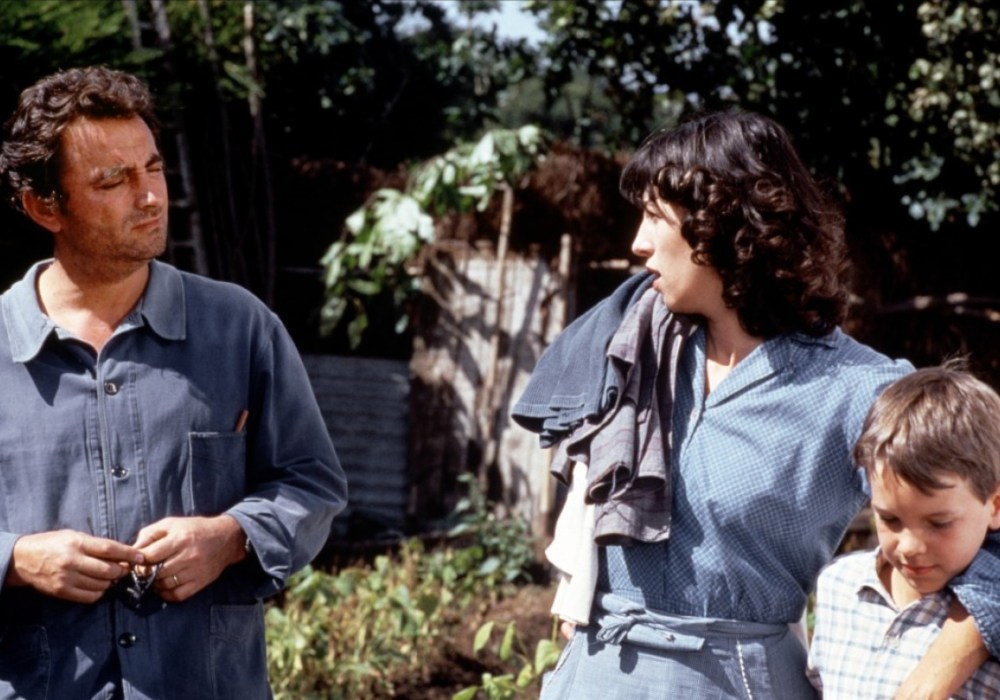
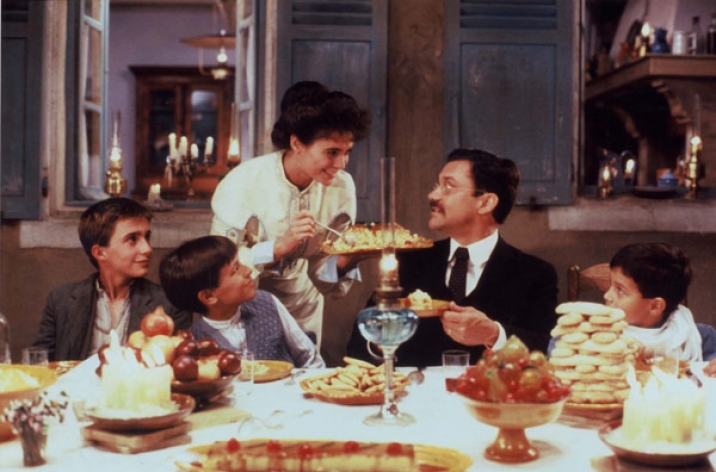
The way I figure it if you’re going to fudge selections, or it can be claimed that you are, you may as well start at the top. When I had these films listed I knew it’d be impossible to break them up. While you can watch one without the other, they are truly companion pieces. Here Yves Robert lovingly adapts the novels by Marcel Pagnol of simple childhood idyll in Provence roundabout the turn of the century. It’s not a wonder the series of novels is entitled “memories of childhood,” there is that reflective, glorified tinge to the most commonplace occurrence that makes the films radiate with warmth. With each title focusing more on one parent it really is impossible to pick one over the other for a list though I am inclined to say I like the former more. However, they ought to be viewed in the order listed above.

8 Femmes (8 Women) (2002)

8 Women (2002, Canal +)

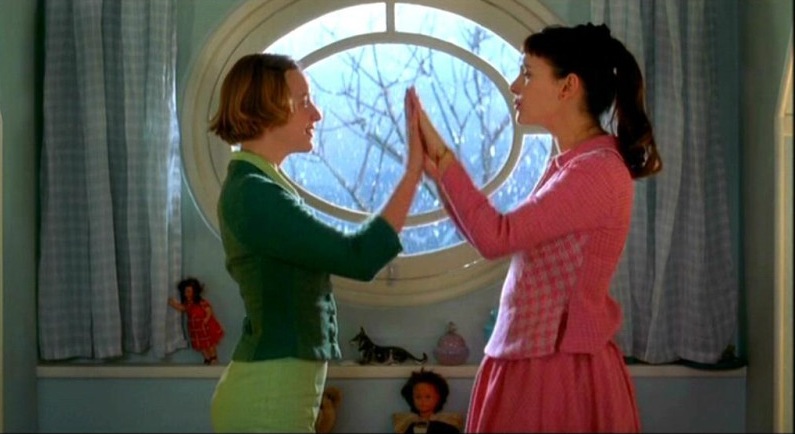
Here’s another case where I can be said to be shoehorning a selection. Ultimately, these are some of the reasons these titles didn’t make the final list, but they are worthy of their attention here. It can be said that 8 Women plays in a number of genres: it’s unquestionably a musical, it’s also quite comedic, but there is a murder mystery aspect to much of it that brings skeletons out of everyone’s closet making it play out like a chamber drama in its straight moments. One way in which it qualifies as underrated is that while it certainly racked up many honors like 12 César nominations, it had no wins there; and while I lost my nomination records from 2003, I know it was much nominated there and only won one award (Best Song). It’s fairly different in some regards from Ozon’s other films, but in others quite similar, and definitely worth checking out.

Le Grand Chemin (The Grand Highway) (1987)

Le Grand Chemin (1987, Miramax)

As I have a tendency to do, some films will be references multiple times on this site. This is one of them. Having already written extensively, albeit in-depth, about this film in a series of posts (starting here); I’ll only add here, in very non-spoiler ways, that this film portrays three people in flux (a couple and a child), treats them with respect, as equal persons going through similar things at different stages of their life. This film also had the misfortune of being the subject of a watered-down American remake, which means the original deserves to have attention drawn to it.

La chambre verte (The Green Room) (1978)

The Green Room (1978, Les Films du Carrosse)

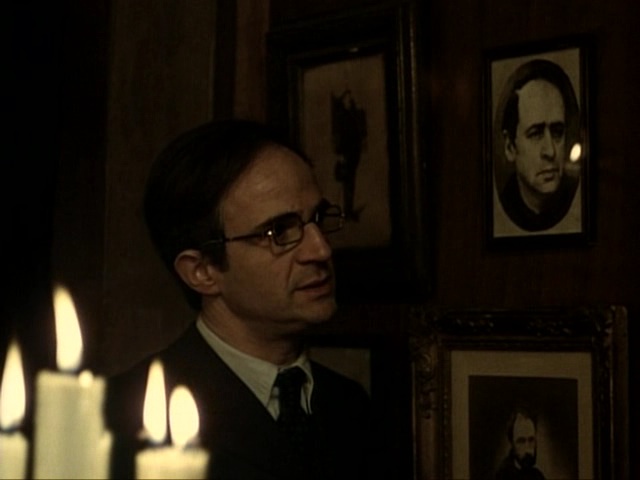
Here’s Truffaut’s selection on this list. I griped in the past about how this should be on DVD and was glad when it was, but I don’t necessarily think its profile has been elevated to where it should be. I’m rounding out my Truffaut filmography, but if you watch a few of his movies you very quickly get a sense for his milieu and his wheelhouse. That’s why it’s so brilliant to see him take an essentially Bergmanesque character who is preoccupied with death, portray him himself and also put his warm, humanist spin on it. For further thoughts you van visit the link above.

Mauvaises Frequentations (Bad Company )(1999)

Bad Company (1999, Pyramide)

If you become a fan of a particular foreign-bron actor, as I am of Robinson Stévenin, you may find their filmography sporadically available in the US. Every once in a while I’ve played catch up on his works. However, this film is much more than a personal showcase. It’s a disturbing and gritty tale of obsession, lust and greed that was one of the best films I saw in 2001, when it made its way here.

Tarzan Thursday: Tarzan and the Leopard Woman (1946)

Introduction

Last year the character of Tarzan celebrated his 100th year in print. A serialized version of the story first appeared in 1912. A hardcover collection of Tarzan of the Apes first appeared in 1914. Being in the middle of the Tarzan centennial period it’s an opportune time to (re)visit many of the screen renditions of the character.

Tarzan and the Leopard Woman (1946)

If there’s one thing you can’t really knock the Tarzan movies for is that they most definitely did introduce enough tropes, setpieces and motifs such that it did give the writers the flexibility to try and break certain molds from time to time. The issues usually stemmed from trying to juggle too much and being too inconsistent in the results as it pertained to these disparate elements.

A few things change here in Tarzan and the Leopard Woman. For one we open on the other interest in this film instead of opening on Tarzan and Jane or Boy. In fact, for a few consecutive titles the opening shots were nearly identical (Boy riding an elephant). So here we learn of the Leopard people. Everyone assumes it’s a Leopard attack but we and Tarzan knows better.

There is also introduced a native doctor whose now “civilized” who plays an antagonist role and a foil to Tarzan. However, there is also the character of Kimba, who is a far more active antagonist and more two-faced as he has most of the characters fooled throughout. The last time there was an additional young character was Bomba, but he ended up being fairly superfluous. Kimba is a fairly significant character and well-portrayed by Tommy Cook.

The biggest boon to the film is that there is a different feel to it than other Tarzans without giving away too much of what happens in the latter stages of it. There’s a more insidious, subdued plotting by those who threaten Tarzan. The things that hold it back are similar to other films but those that set it apart are quite unique. It does hold some surprises and tension in the latter third that many of the titles that fall short do not. It earns a mark of distinction, if not quality, due to Jane tailspinning, time-wasting and the like.

Rewind Review: Percy Jackson & The Olympians: The Lightning Thief (2010)

Percy Jackson and the Olympians: The Lightning Thief is the latest film and franchise attempt from Chris Columbus. While there definitely are some very strong positives to this film there are a few drawbacks as well.

The film is built upon standard story elements both of our age and the fantasy genre, but at least it puts them to good use. For example, it’s a quest film, however, that is openly addressed when Percy is getting volunteers to help him. His mother is married to a jerky man, who is Percy’s stepfather, and Percy has a learning disability which both fit neatly into the plot in very creative ways. Not so creative ways are the ticking clock which is introduced to indicate that Zeus needs his bolt back by the summer solstice, the reason he needs it back is never established. The trio is somewhat Potter-esque and the necessary mentors are all in place to aid in the unwitting heroes’ quest.

The cast for the most part is very strong with a few glaring exceptions. The film is carried well by the young leads particularly Logan Lerman who has to play both awkward teenager then embracing and capable of living up to his demigod status. Perhaps more important is Brandon T. Jackson, who plays Percy’s protector and provides much of the comic relief in the film and he steals the show. Alexandra Daddario is also very capable in the role of Annabeth.

The supporting cast brings the inconsistency. You have the stark contrast of the brilliance of Uma Thurman‘s short turn and Rosario Dawson‘s charmingly sinister appearance contrasting with the wheezing-in-an-attempt-to-sound-older Pierce Brosnan and Catherine Keener, who is not as effective as she was in Where the Wild Things Are.

The CG in the film is solid albeit a little more inconsistent than desirable. Medusa’s head for example could look convincing or bogus depending on the angle its seen from. However, the Hydra and the water-work were spectacular.

The film is a funny and action-filled piece of escapism, which includes some very well-choreographed swashbuckling. It also wastes no time in diving into the tale and letting us know there could be war.

The film is rather entertaining despite a few head-scratchers like why Percy doesn’t make a run for the entrance to Olympus when the true nemesis is heading at them; instead they just wait for him to land. Or why the entrance to Olympus is atop the Empire State Building (At least in diegetic, non-inferred terms).

On a side note not really impacting interpretation of this film, all seems well and sewn up at the end of this film and there is no apparent opening for a sequel.

Overall Percy Jackson is very enjoyable entertaining, action-packed film which provided laughs and diversion even while flawed.

7/10

Mini-Review Round-Up August 2013

Here’s my standard intro to this post:

I had quite a review drought to end 2011 so I think the remedy for this kind of post would be to have the post be cumulative monthly. Therefore, after each qualifying film a short write-up will be added to the monthly post. The mini-reviews will be used to discuss Netflix and other home video screenings. Theatrical releases, regardless of how they are seen whether in an auditorium or on VOD, will get full reviews [That is when deemed necessary. As I wrote here I do want to focus more on non-review writing wherever possible].

For a guide to what scores mean go here.

Under the Bed
Under the Bed (2012, XLrator Media)

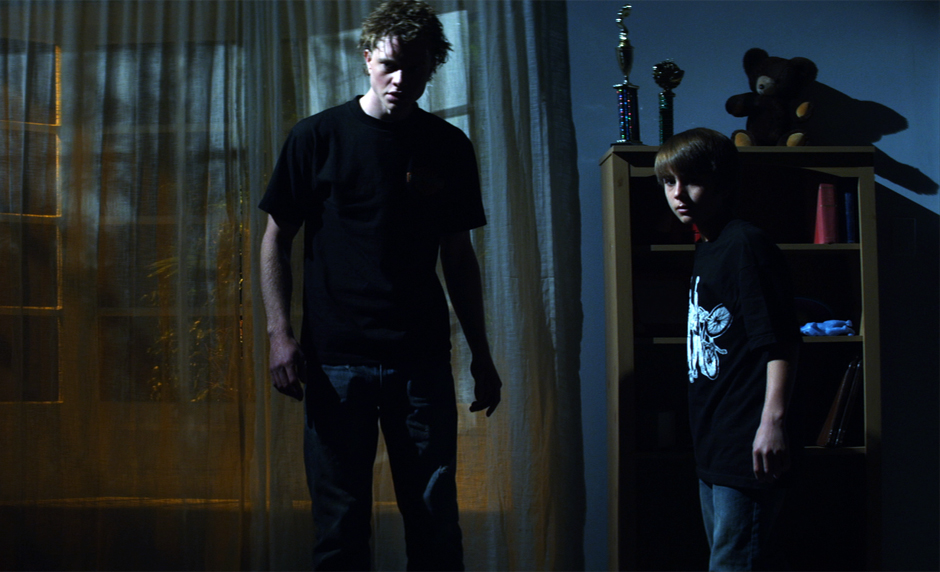
This is a film that’s a classic non-starter. The work that’s done to build the characters, the brothers, at least, is appreciated; as is the late reveal of several key pieces of information. However, the issues that come into play are that the film ends up not having enough jolts or enough incidents. The battle against the evil entity these brothers fight is forestalled too long, is resolved to quickly and far too anti-climacticly. So you have a film where engagement is barely kept for as long as it takes and then there’s no real pay-off. With a horror film, especially one of this type, you know certain characters are going to be safe so it really ends up being more about how things occur rather than who makes it. The film has really good performances by Jonny Weston and Gattlin Griffith, especially the latter, but not much else to show for itself.

3/10

Funeral Kings
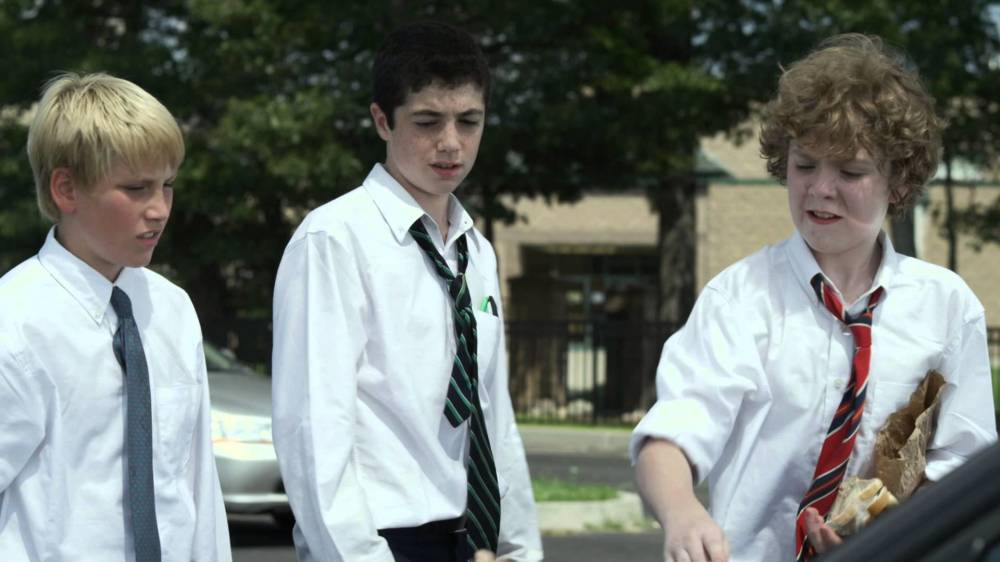
Funeral Kings (2012, Freestyle Releasing)

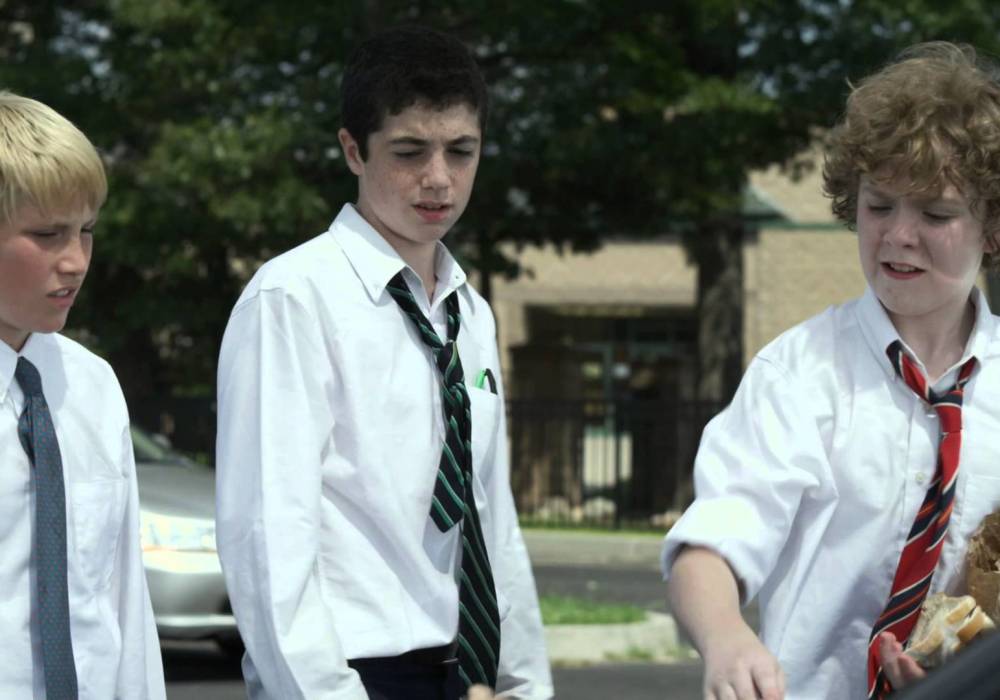
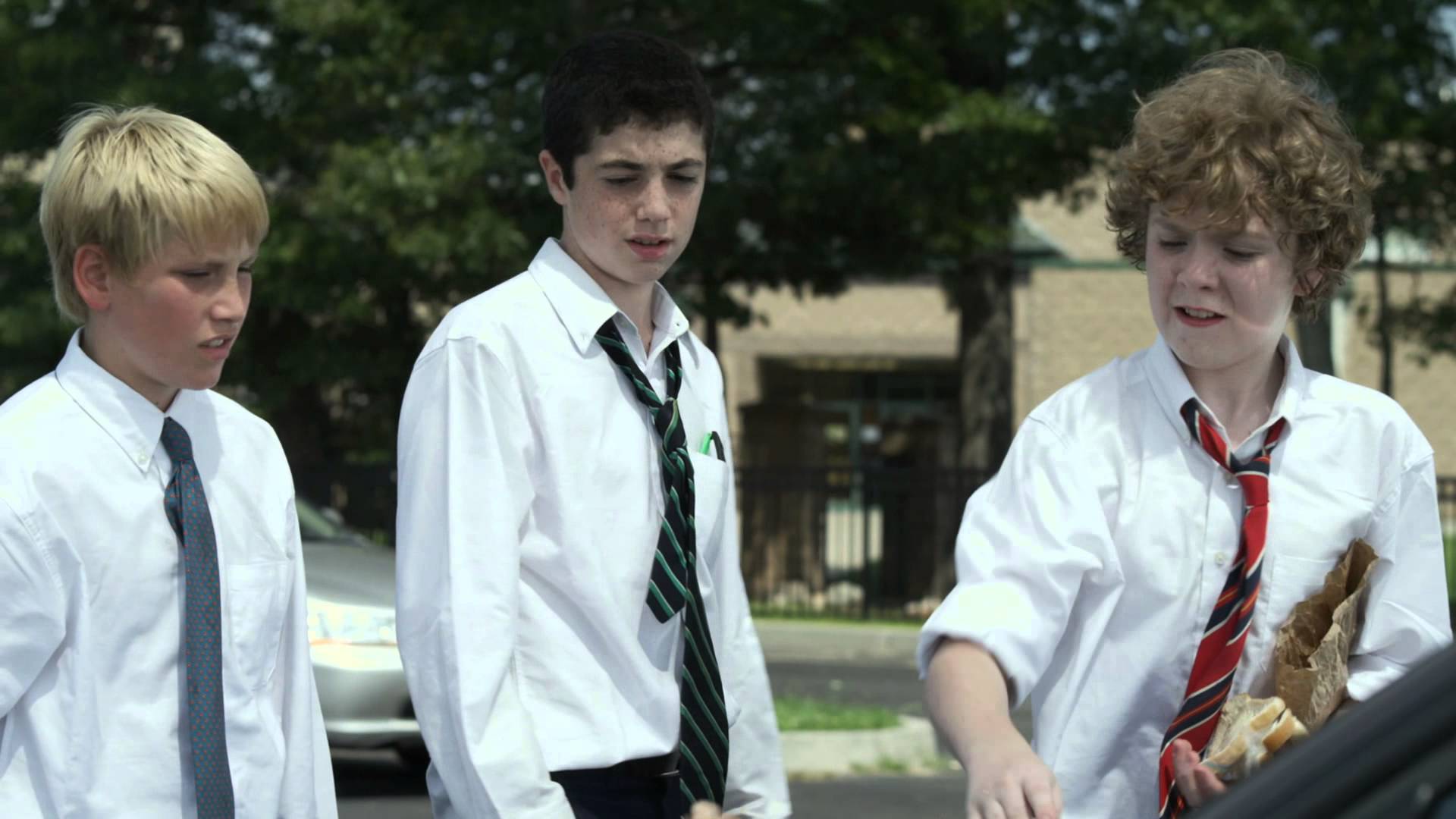
In most cases, it takes some fairly brave filmmaking, the kind you usually only find on the indie scene; to get a refreshing and fairly honest coming-of-age style tale. This is not just a question of using profanity and making “kids sound like kids,” but also being unafraid to make the characters fairly complicated; gray, neither black nor white. For in this tale the two main foci Charlie (Alex Maizus) and Andy (Dylan Hartigan) are inclined to make trouble and misbehave, but when backed into a corner they reach the point of maturation, and reveal their true character. The closest thing to a “white” character is Dave (Jordan Puzzo) but even he, as the plot necessitates, shows a little added dimension and isn’t entirely squeaky-clean.

Of course, none of this journey, which is more a life-like domino-effect of events than a standard plot; without very realistic performances from the young actors in question. This leading trio is exceptional. Maizus has before him what can likely be considered as the most daunting task having to juggle streetwise smart-aleckness, Napoleonic complex and a well-guarded sensitivity and excels. However, Hartigan matches Maizus’ worldliness and brings his own brand of alpha to the part. Last, but most certainly not least is the performance most likely to be overlooked, and it oughtn’t be, is Jordan Puzzo. Puzzo has to be earnest and deadpan and absolutely nails all of his dialogue that has to land.

Funeral Kings is very funny, insightful and refreshing take on a coming-of-age tale that put character first and circumstance second even though it sets itself up for potentially sensationalistic scenarios.

8/10

Swoopes

Swoopes (2013, ESPN Films)

Nine for IX continues with the tale of Sheryl Swoopes carer. It’s always great when I don’t know much about the subjects of these films, or as much as I thought I did. Perhaps the most interesting thing about Swoopes as a subject is the fact that she is not easily definable and is an individual. She’s not at all interested in labels of any kind. The only issues I really had with the film itself was that it glossed over what she did in the two-year span between her graduation and the Olympics, and then one interviewees seemed to have responses that made him seem the mandatory contrarian. It would’ve benefitted the film all the more if one subject had varying interpretations of her actions and career choices. However, it’s still a very effective piece that highlights many aspects of the game and the player that would otherwise be overlooked. A job very-well done by director Hannah Storm.

8/10

Pat XO

Pat XO (2013, ESPN Films)

Here’s another Nine for IX title that takes an unexpected avenue. Not only was I unaware for Pat Summitt’s early career, both in being Head coach at such a young age and also her close-calls, but it tells the story mostly through her and her son, Tyler Summitt (recent University of Tennessee graduate), reminiscing and other colleagues, former players, etc. The film reflexively talks about how it likely helped her remember things she wouldn’t have otherwise (Summitt recently retired due to early onset dementia). Therefore, aside from being a great piece on her life and career it also becomes a living document for her and her family and all those she coached and helped along the way. The film could end up being far too loose with such a format but it crafts itself into a very neat and highly effective narrative.

9/10

Cherry Tree Lane
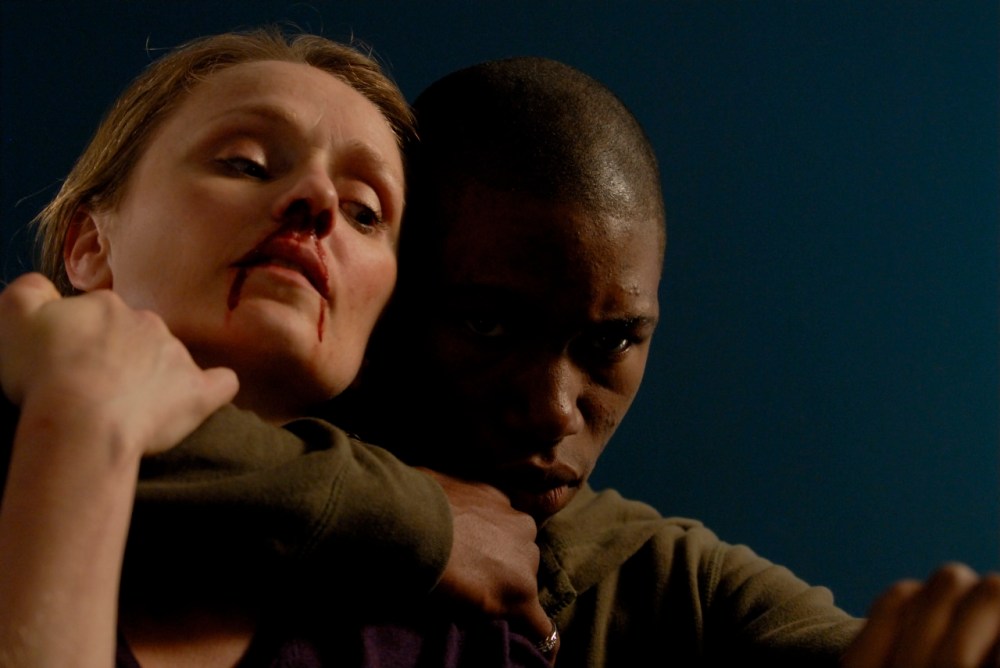
Cherry Tree Lane (2010, Metrodome Distribution)

It’s not that the attempt being made by this film isn’t understood or appreciated, it’s just that somewhere along the way it loses the plot. The film deals within a home invasion wherein thugs are really after their teenage son. While it occasionally elicits the desired emotional response, ennui eventually wins out. It tests the limits of voyeurism and fails. It brings existential questions to mind like “Why am I watching this?”.

An example of how it loses the plot is by having a fairly standard horror-film jolt-ending which feels tawdry, unearned, and mostly disingenuous. If we’re meant to just bask in the terror of how quickly and nearly irrevocably things change for this family the end should be more low-key and broken. This film by no means wants to be The Strangers, but it reaches wildly for it end when perhaps its prior sin was being unambitious. Perhaps the most enjoyable passage of the film is the set-up where there’s mundane small-talk that establishes character- that’s not good enough because there’s a second and third act where it can’t be compelling enough one way and tries another at the end.

1/10

The Diplomat
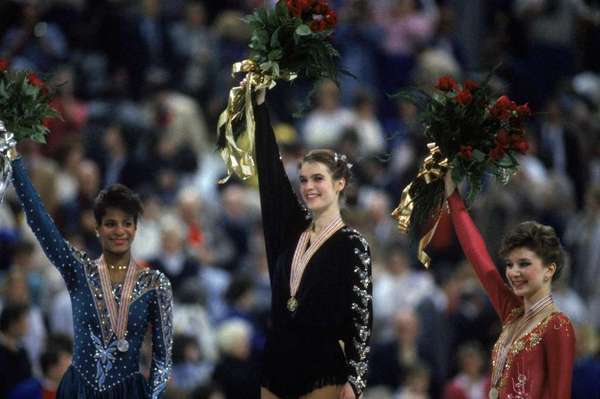
The Diplomat (2013, ESPN Films)

As I was a young when the Berlin Wall came down and communism collapsed in Eastern Europe, documentaries like this that take a more focused look at things are really beneficial. For example, I was under the impression that it was just because I was young that it felt like the wall’s coming down was fairly sudden; as it turns out, it was, compared to other similarly seismic sociopolitical touchstones. However, that’s a detail about a larger event. What this film does is take the diplomatic, athletic lightning-rod that was Witt and examines East Germany, both their sports regimen (pro and con) and the Stasi (only cons) through that guise and billows out from there to close relations and the everyman – and it has great and significant interview subjects on the matter. However, it’s also about Witt, some of conflicting feelings about the time, about her relationship with her coach; and how her coaches struggle molded her path to an extent. It’s a film that made me want to delve into that period, into other films about East and West Germany, made me want to see Carmen on Ice; in short, I wanted more and lots of it, and there’s hardly a higher compliment one can pay a film.

10/10

Shadow People
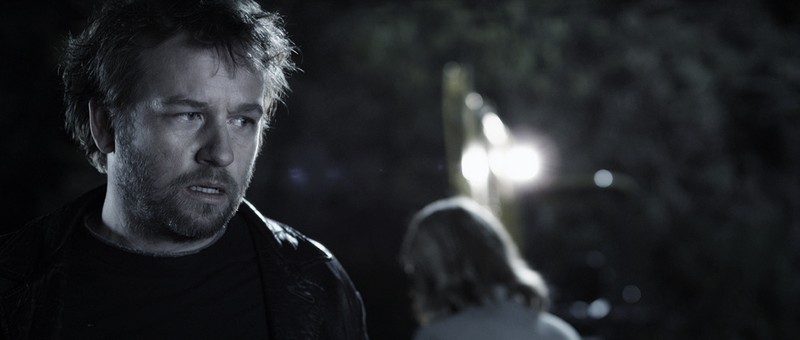
Shadow People (2013, Anchor Bay Films)

I could probably write a much longer piece on this film. One thing it does fairly successfully is mash feature and documentary techniques together. It fully commits to the this “inspired by real events.” The subject matter (Seeing malevolent shadows that would kill you in your sleep if you know they exist) is very strong. This commitment to approach, and the scoring help driving home despite missteps in the approach on occasion and casting issues. A testament to it’s efficacy is that it still was unsettling even in spite of nagging doubts about the quick escalation of the investigation of the phenomena and the fact that much of the second into the third act is spent crystallizing the modus operandi of these beings. Some aspects work brilliantly, for example, it’s a shame I watched it on TV because it was trying deft, slight scares at time that would read better in a theatre, some facets of the myth aren’t quite as strong as the others, however, it’s a fascinating one.

Granted the bones of it do have a source in popular culutre but its impact on the cinematic realm, as far as I know, is fairly small at current. What one can say is that this film is not unlike The Curse with better production values that’s slightly less clear on its own rules – in short, it excels in spite of itself. Taking that into account, and owing to how it made my skin crawl, I can give it a…

8/10…

despite my reservations.