31 Days of Oscar 2014

For all intents and purposes 31 Days of Oscar, for me, has been snowed out this year. What I mean by this is that there were many demands on my concentration between script rewrites, home renovations, the Winter Olympics and the like it was hard to get any momentum built up. In fact, there were but a few sporadic viewings and one marathon day before my writing of this. As meager as these viewings are they still merit writing about in a post here since there were not enough to generate multiple posts this year. If there are other viewings before 3/3 I will add them here.

Wuthering Heights (1939)

Wuthering Heights (1939, Samuel Goldwyn)

There’s something to be said for one’s first exposure to a story. As hard as it is to believe I’d never seen any rendition of this tale. I can’t put my finger on the reason why, but I’m glad to have seen it now. It’s a truly great tragic romance with allusions to a ghost story.

Wins/Nominations: 1/8

Gate of Hell (1953)

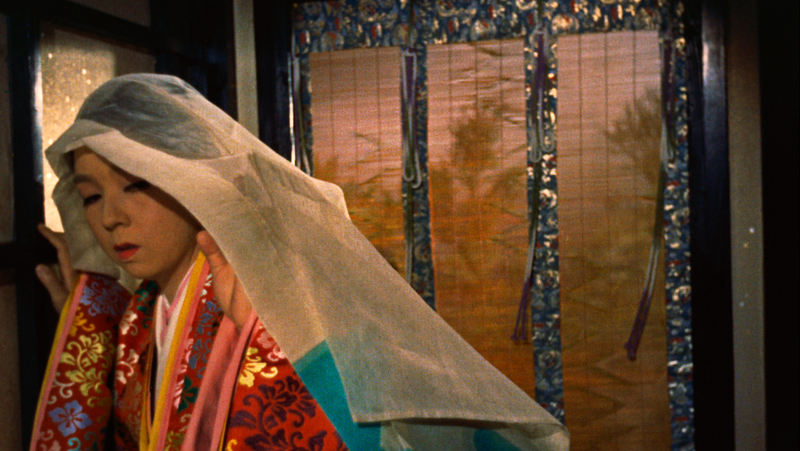
Gate of Hell (1953, Criterion)

As seems to be the case with a lot films set in feudal Japan, it did take a few minutes to get my footing and keep names and clans orderly in my mind. When I had my bearings it did become a very touching and involving film that is fairly universal and requires minimal existing knowledge of Japanese custom and history. Most of what you need is found within the story. It’s worth noting this film won the color costuming award and won a special award for foreign films and was one of the titles that lead the way to a full category being added.

Wins/Nominations: 2/2

Closely Watched Trains (1966)

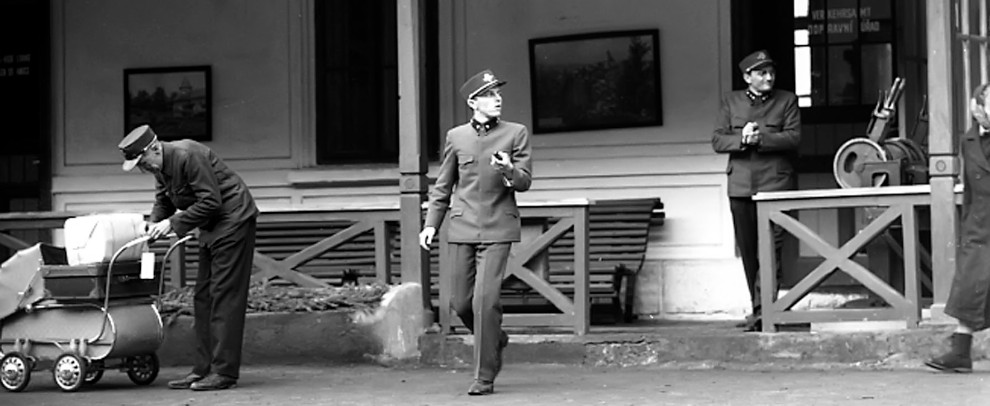
Closely Watched Trains (1966, Janus Films)

This film is very much a New Wave film, this one coming from the Czech New Wave. The prior film I had seen from it can be found here. The story here is fairly straight-forward in narrative if not structural terms and combines a coming-of-age element with the backdrop of World War II. It’s a decent tale but not one that will likely stick with me for very long. Maybe it’s just not my cup of tea or the novelty of the Wave isn’t novel to me anymore, though I do like the approach.

Wins/Nominations: 1/1

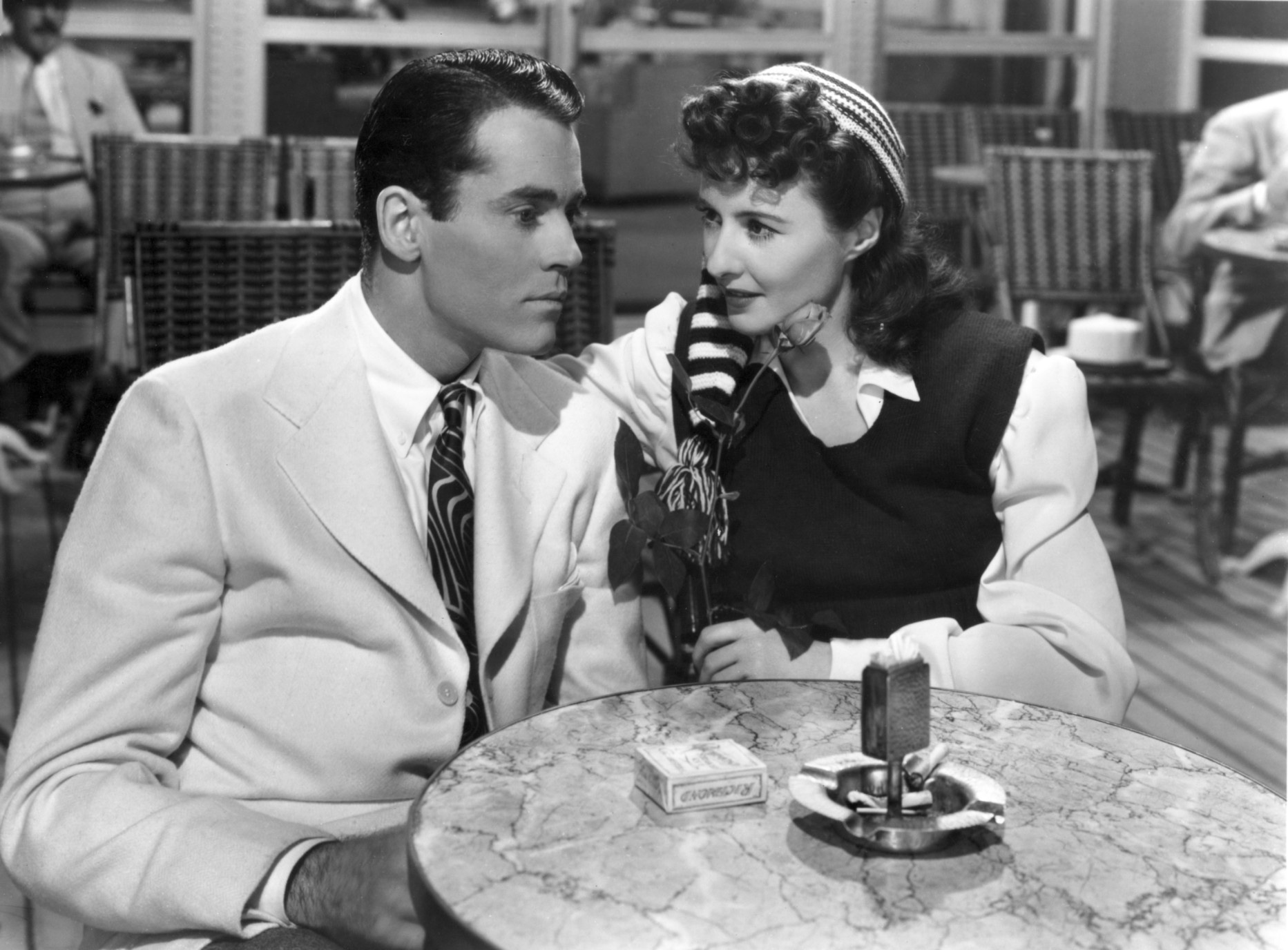
Ninotchka (1939)

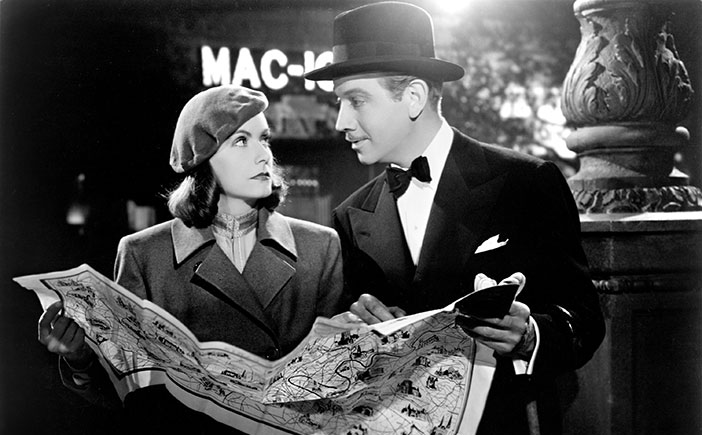
Ninotchka (1939, MGM)

This was a film a professor of mine suggested to me in school as the Garbo film he liked and also as a good intro to Lubitsch, I believe. I’m not sure why it took me so long to follow this advice, as he never steered me wrong, but I finally saw it and am very glad I did. It’s quite a charming story and a good time.

Wins/Nominations: 0/4

Three Smart Girls (1936)

Three Smart Girls (1936, Universal)

In watching films grouped together by the sole fact that they were nominated for Oscars you will inevitably watch a little differently. In many viewings I would try to start guessing (if not already told) what a film was nominated in. I say this because on the rare occasion you don’t really get it. With this film I didn’t at all. Save for the sound recording nomination. I refuse to merely attribute it to the film not aging well, because the dated argument is a substitute for thought. I’d have to research and watch more, but in an age with myriad musical romantic comedies this one, that I didn’t even care for, was a Best Picture nominee baffles me.

Nominations/Wins: 0/3

Totals

Films: 5
Wins: 4
Nominations: 18

31 Days of Oscar 2013

During TCM’s 31 Days of Oscar every year I like to keep a running log of what I see. It’s a great chance to check off a number of films I should’ve seen already. Aside from the selections on TCM, I will also get a handful of Oscar-Winners of my To be Watched pile. My goals this year based on my desires and TCMs structure in 2013 are: At least 31 films, 100 nominations accounted for by the films seen, at least one film represented by each studio featured in the line-up and also to keep up my guessing game tradition of not knowing what the nominations are and trying to figure them out as the film progresses.

For a guide to what my scores mean go here.

TCM Selections

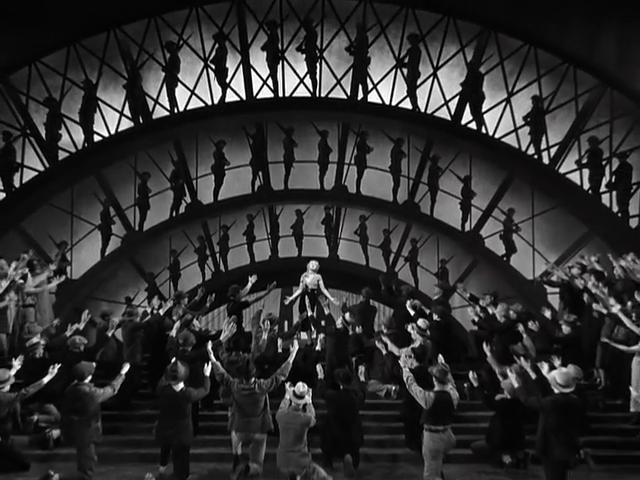
1. Gold Diggers of 1933 (1933)

Gold DIggers of 1933 (1933, Warner Bros.)

I remember when I sent away for a headshot of Anna Chlumsky when I was young this was listed as being her favorite movie. Recently in reading about the Pre-Code era I was reminded of this title. The opening number “We’re in the Money” became a standard, but many forget that it was a very topical Depression Era song. The musical sequences directed by Busby Berkeley are magical but by and large there is a disconnect between them, the occasional commentary and the light, escapist fare that is the thrust of the film.

I forget my guess regarding this film’s nominations, but its nod for Sound Recording is well earned as the audio is crystal clear – not always the case in this time period, as sound was still in its infancy.

Score: 6/10
Oscar Nominations/Wins: 1/0

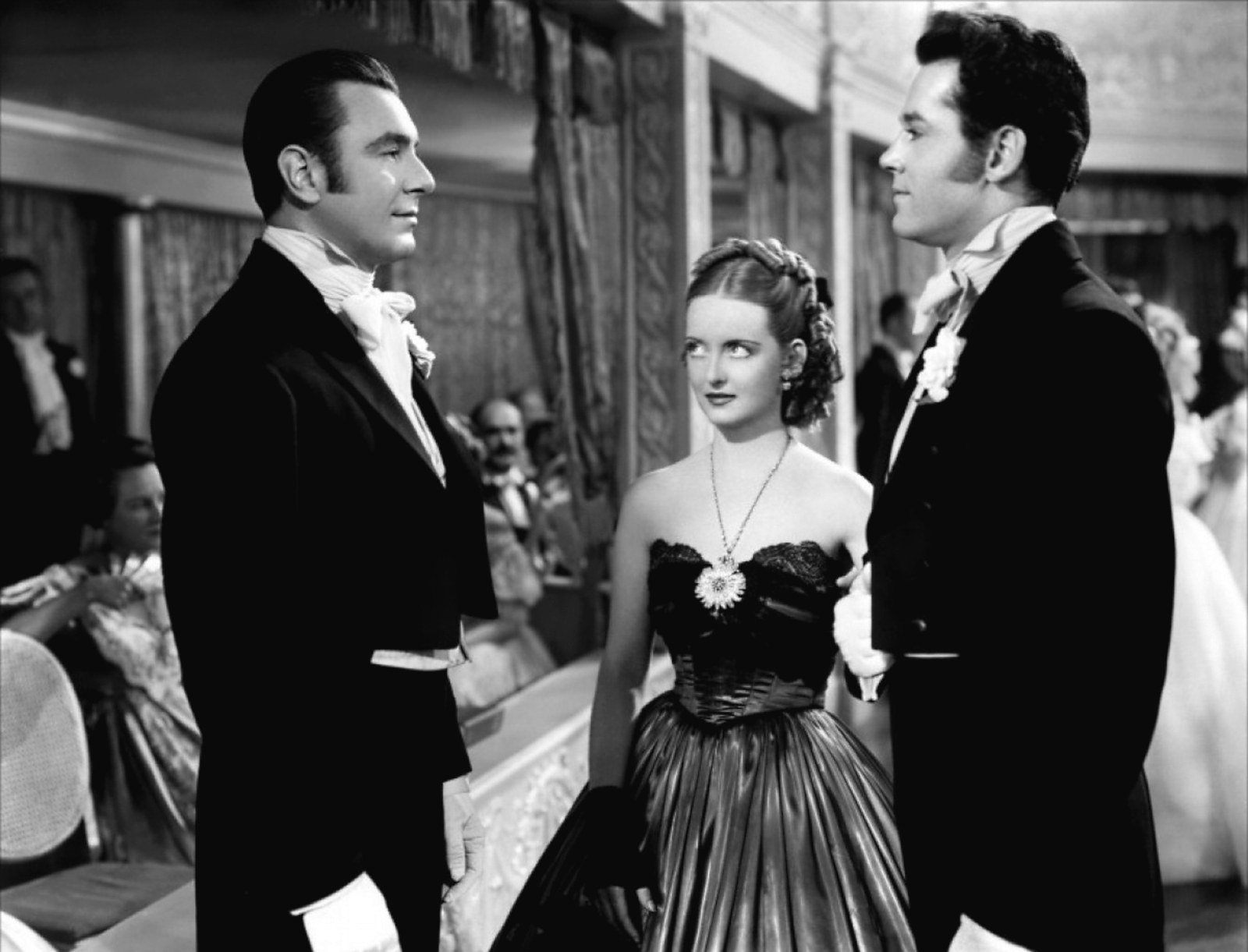
2. Jezebel (1938)

Jezebel (1938, Warner Bros.)

This is the first film of this year that landed with a resounding thud to me. To get too far into it would be too give to much away. Despite the fairly good narrative flow, likely the first great leading turn of Davis’ career and seeing a young Henry Fonda, anothr great Max Steiner score, I still didn’t like the movie much at all mostly due to the narrative and the handling thereof.

Score: 4/10
Oscar Nominations/Wins: 5/2

3. The Story of Louis Pasteur (1936)
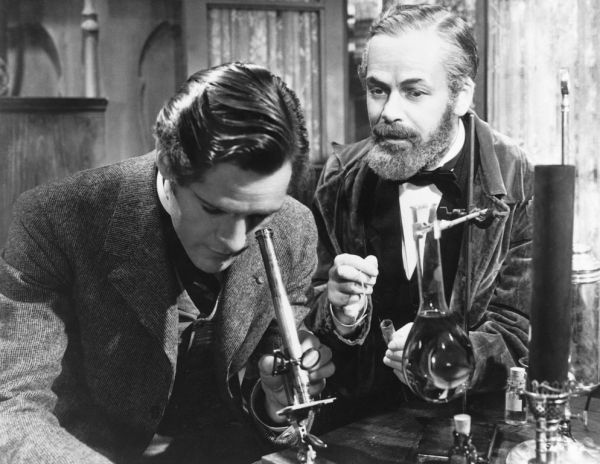
The Story of Louis Pasteur (1936, Warner Bros.)

More often than not I’m leery of biopics. They tend to all fall into form in one way or another. This one, however, is an engaging tale of a scientific crusader. Perhaps what’s most intriguing is that it’s not a cradle-to-grave tale, or even all that personal; it begins in Pasteur’s career and concludes at its pinnacle. Yes, his character is shown, and some of those around him do arc, but it’s most concerned with his work, which makes it in a way far more engaging.

Score: 8/10
Oscar Nominations/Wins: 4/3

4. Who’s Afraid of Virginia Woolf? (1966)
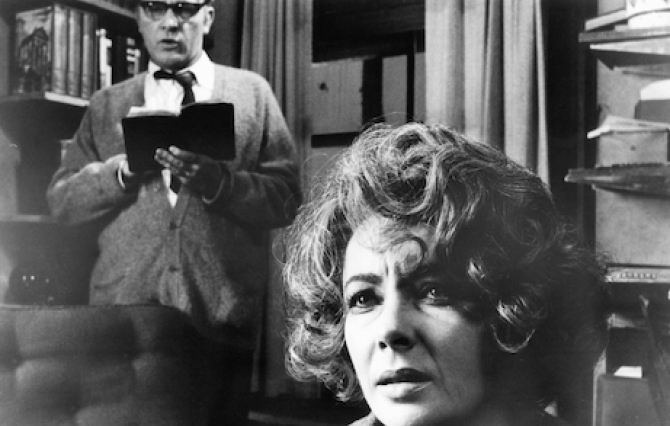
Who's Afraid of Virginia Woolf? (1966, Warner Bros.)

This is an incredibly intricate and thankfully subtle-when-it-counts psychological drama. It also has an interesting approach of showing us what is seemingly your typical, bitter, drunken, couple of academia, then when their guests arrive we start to learn, slowly but surely who they really are, and the portrait painted is shocking, harrowing and really makes you think.

Score: 10/10
Oscar Nominations/Wins: 13/5

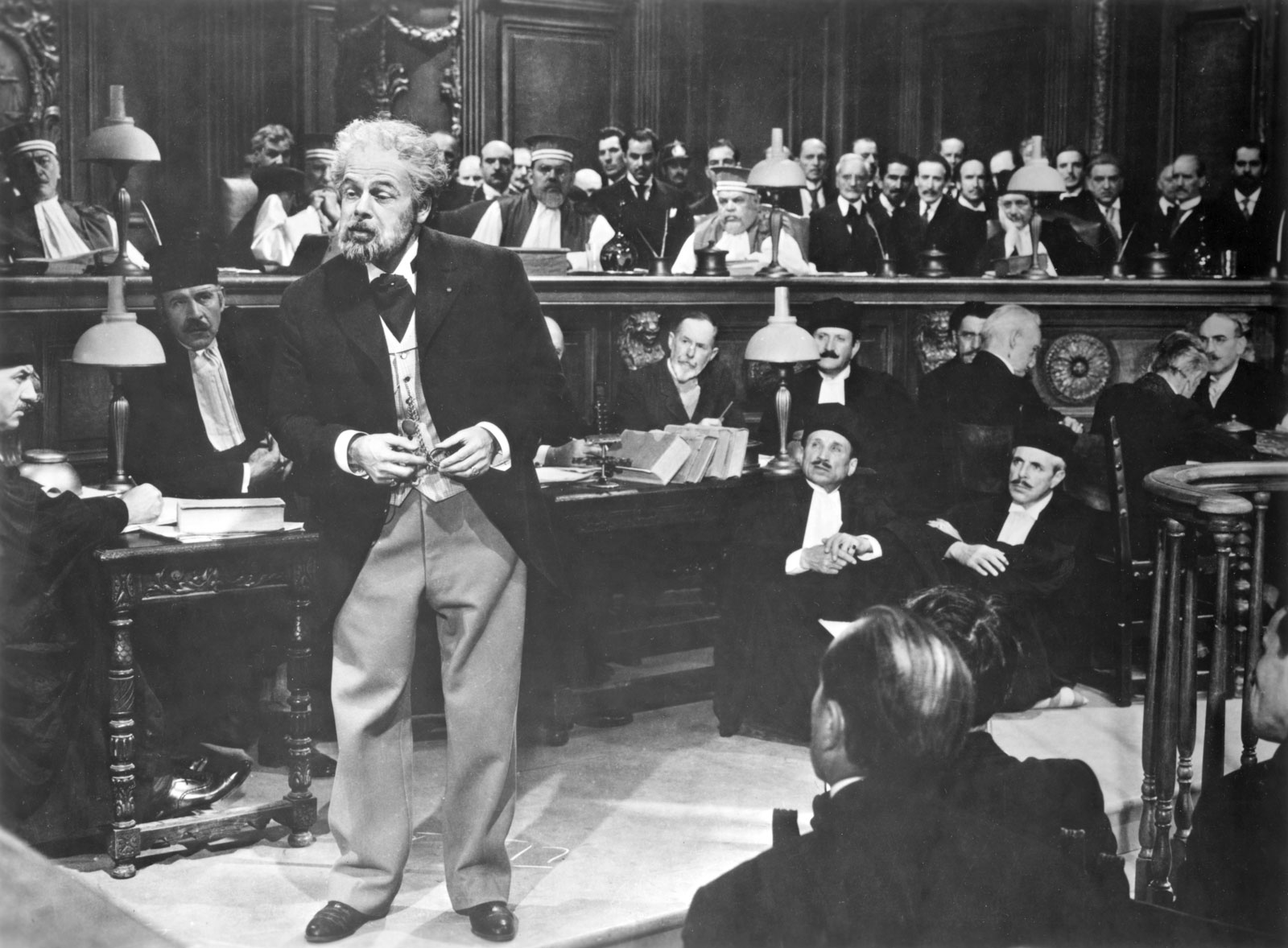
5. The Life of Emile Zola (1937)
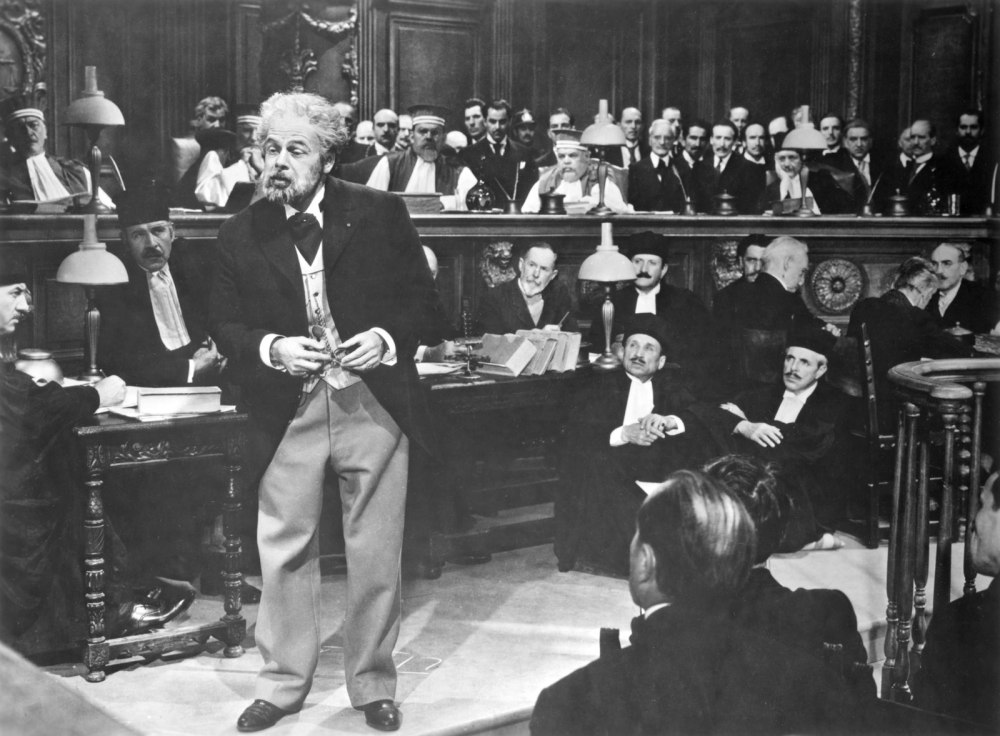
The Life of Emile Zola (1937, Warner Bros.)

A Paul Muni biopic strikes again, and perhaps he takes an early lead in the Neutron Star Award race for this year. What’s fascinating is that it chronicles a writer’s rise in typical biopic fashion in act one, then a military frame-up at the head of act two and has them smash together and culminate in a riveting courtroom drama. It distills the essential and best elements of a few subgenres to make a riveting and engaging film that surpasses its formulaic and periodic tropes.

Score: 10/10
Oscar Nominations/Wins: 10/3

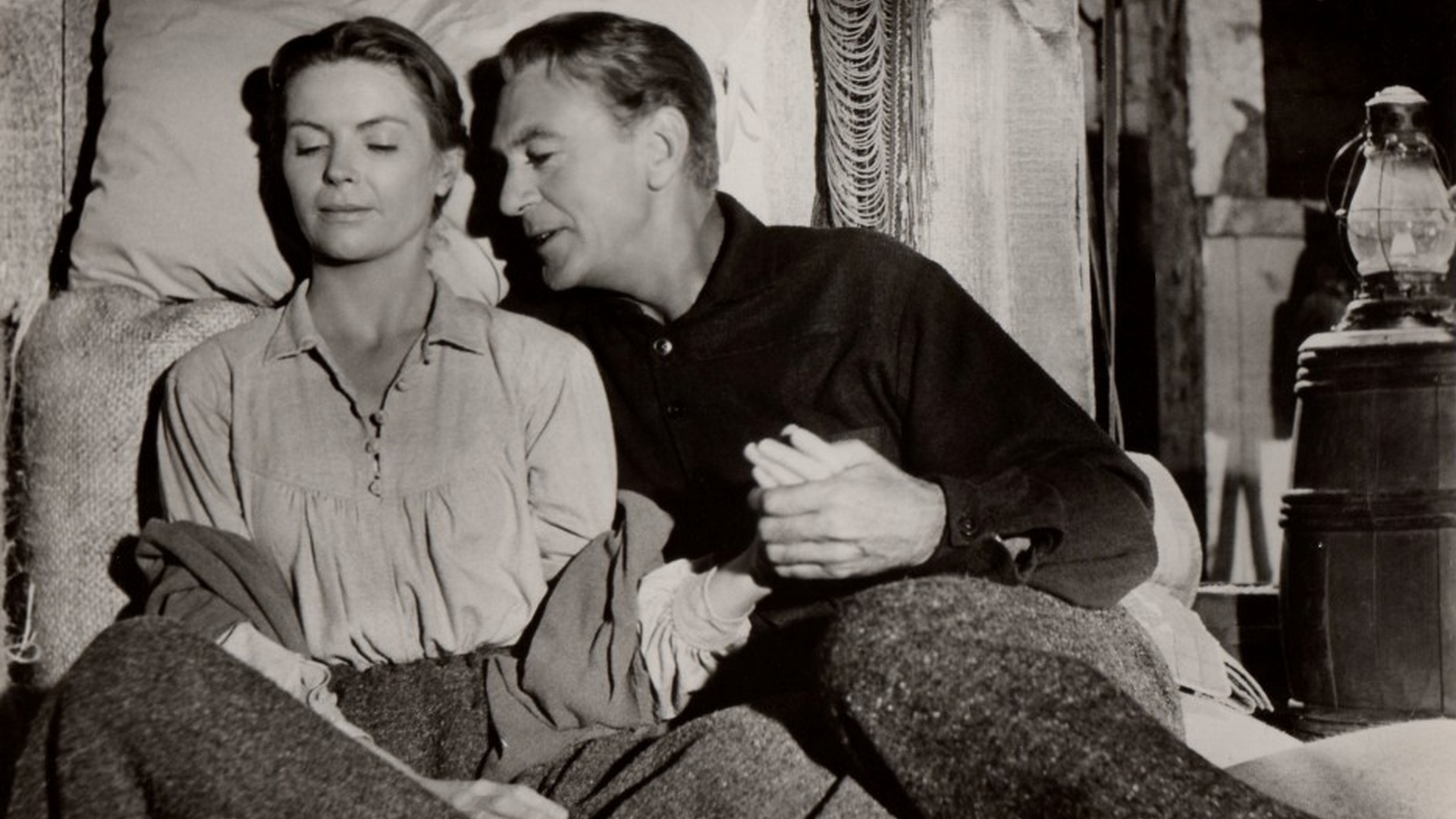
6. The Hanging Tree (1959)
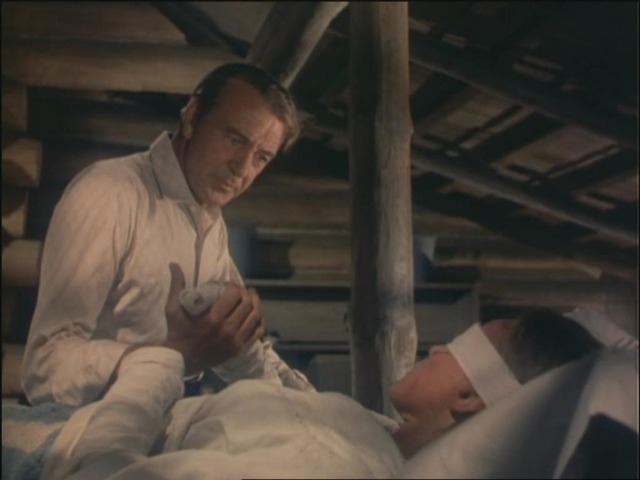
The Hanging Tree (1959, Warner Bros.)

This is, as are many westerns, a gorgeously shot film. There is a culmination its ultimately building to, but there is a bit of meandering and seeming filler in the latter half of act two. Characterization for the supporting parts is fairly thin such that it seems to leave good actors like Karl Malden and George C. Scott trying a bit too hard to make sense of their living plot devices. This film has its admirers, and I get that. I think more focus on Frail (as we lose him) and a few minutes off the running time, which could easily be lost, may have had me among them. Needless to say this film’s Oscar nomination is almost instantly clinched as it’s a Best Original Song nod.

Score: 4/10
Oscar Nominations/Wins: 1/0

7. Imitation of Life (1934)
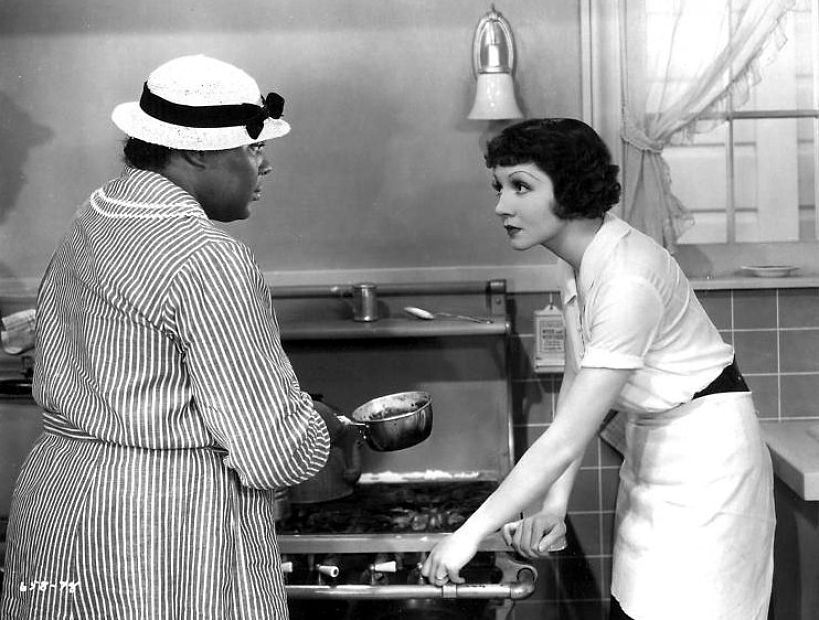
Imitation of Life (1934, Universal)

Merely being ahead of one’s time is a great in and of itself, however, that alone doesn’t make for a great drama. What’s fortunate is that for this film it has both. Imitation of Life deals with race about as openly, maturely and progressively as any film of its era – if you can fault it for anything cinematically it’s being slightly repetitious (But it addresses that), in social terms it discusses and even challenges norms. This was considered a dangerous films and Universal was strongly urged not to make it. Not only does it deal with race relations but in having Delilah’s daughter be able to pass for white, it also implies miscegenation, which was at the time one of the biggest taboos there was.

However, as I said without a compelling narrative all of the above is just a footnote. Bea’s chance meeting with Delilah snowballs in a very compelling way into a most unlikely friendship and partnership. The trials as single mothers also form dueling subplots that at times are equally compelling. The only knock I thought I had against it was that I wanted more focus on the more unusual plot, but based on the way things play out it is handled properly.

If one is not very familiar with Claudette Colbert there are likely few roles that are better for you to get to know her in. Every year, it seems, I mention that I do love the selections that have intros by the hosts on TCM. This one was a gold mine. Not only for mentioning that Colbert appeared in three Best picture nominees in 1934 alone, but also for pointing out the fact that this film likely could’ve sported two best supporting actress nominees (Louise Beavers and Fredi Washington) but the category was two years from being created.

Score: 10/10
Oscar Nominations/Wins: 3/0

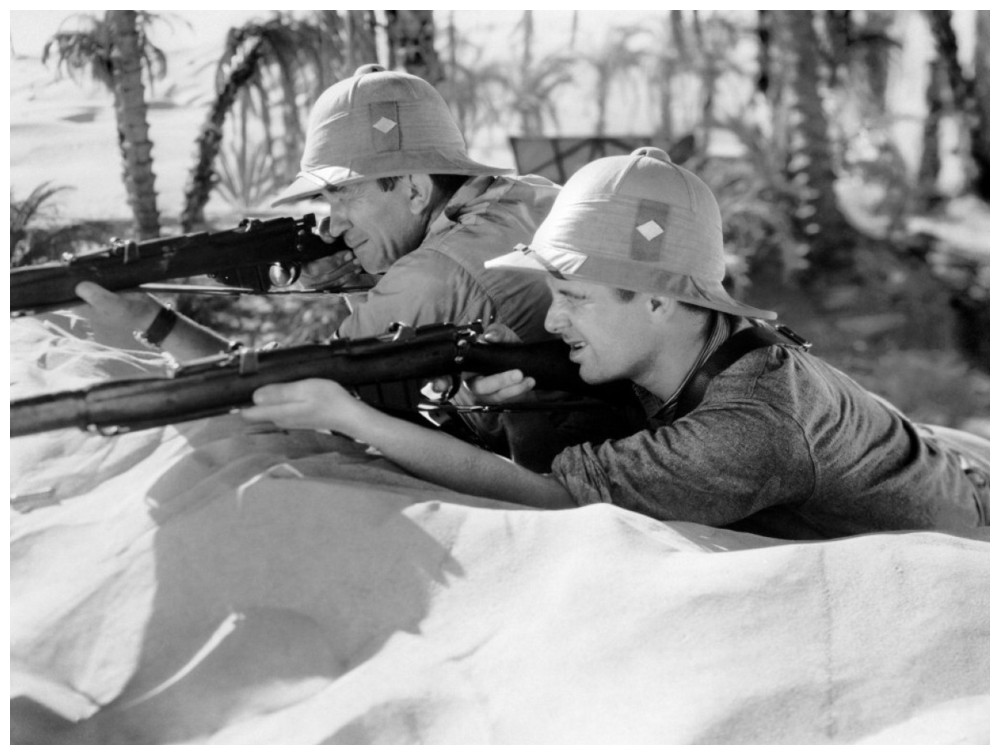
8. The Lost Patrol (1934)

The Lost Patrol (1934, RKO Radio Pictutres)

This film is proof positive that brevity can still cause impact and that an unseen enemy can be the most frightening. This is another John Ford film, but this one is so eerie, and builds its characters well such that the doomed nature of the mission has an even greater effect. Even Boris Karloff, in an early dramatic turn, as over-the-top as he is here, has an arc and shows the effects of the strain faced so well.

Score: 9/10
Oscar Nominations/Wins: 1/0

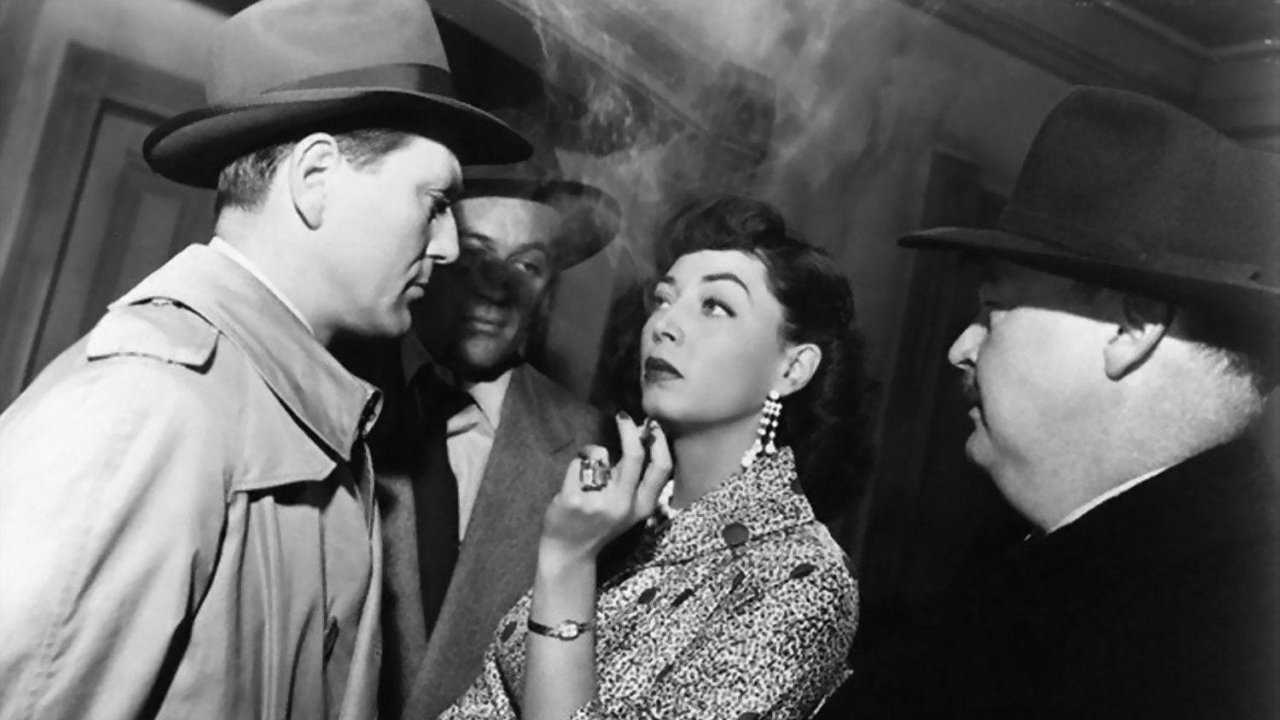
9. The Narrow Margin (1952)

The Narrow Margin (1952, RKO Radio Picutres)

Here’s another film with a short running time but a hell of a lot of wallop. The setup is great: cops escorting a grand jury witness cross-country to testify against a mobster. When you throw in the fact that it’s a film noir tale, you know you’re gonna be thrown for a loop quite a few times and boy does it have some doozies up its sleeve. This movie’s the kind of good that had me absolutely buzzing after it was over. Amazing.

Score: 10/10
Oscar Nominations/Wins: 1/0

10. Friendly Persuasion (1956)
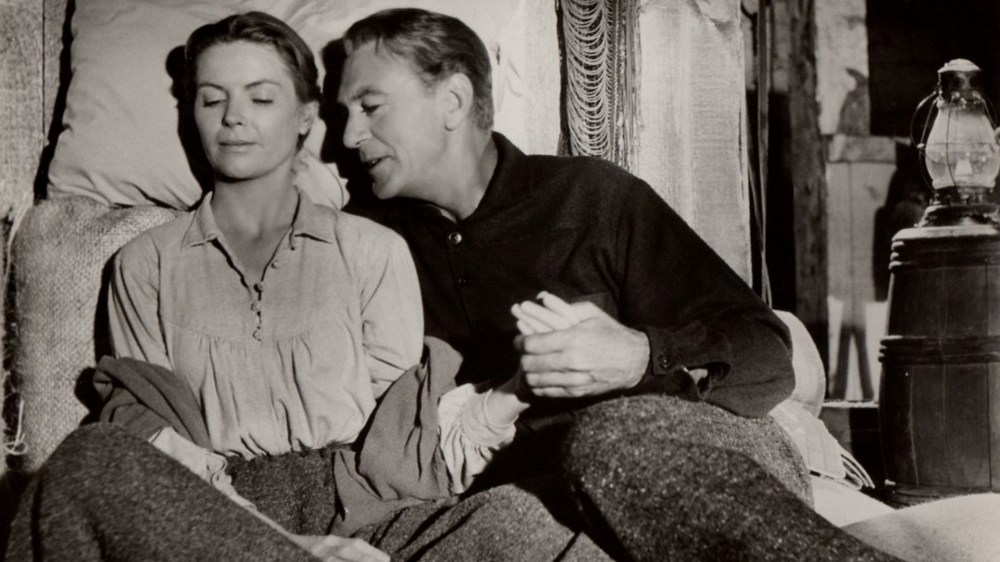
Friendly Persuasion (1956, Allied Artists)

This is the kind of film where a tweet reaction might seem to slight it. The synopsis does divulge what the ultimate conflict is: Quakers must decide if the go against their stated pacifist principles to defend their homes in the civil war. From that you might expect a dour, maybe even cerebral drama. While the film does face that and the temptations that modern life does throw their way often, frequently it does so in a light, comedic tone; one that is successful I might add. It does shift gears well too and some of the more dramatic moments have the desired effect. Its the pacing and space between these tonal shifts, epitomized by the climax and denouement that keep this film from being better than it is, but it is very enjoyable.

Score: 7/10
Oscar Nominations/Wins: 6/0

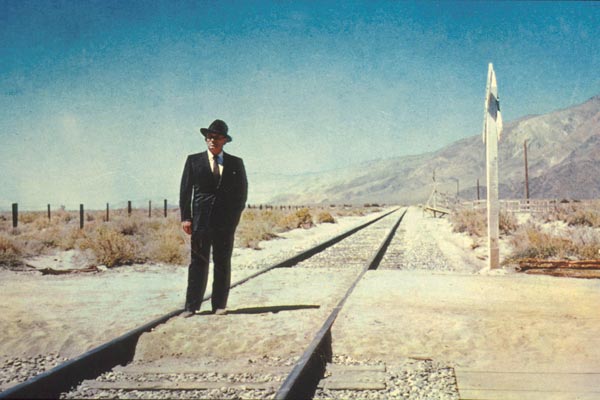
11. Bad Day at Black Rock (1955)

Bad Day at Black Rock (1955, MGM)

This film sets itself up so well and does things that work in its favor constantly. It deals with xenophobia, with regards to its ghost character; it deals with the stranger-in-a-strange-land trope brilliantly, with its protagonist; however, it also makes the paranoia felt in this town so palpable the lead is instantly on the defensive, such that you’re left unsure as to what his business in town is. It’s a cloistered and oddly claustrophobic tale, in what looks like an inhabited ghost town that’s well worth watching.

Score: 10/10
Oscar Nominations/Wins: 3/0

12. Father of the Bride (1950)
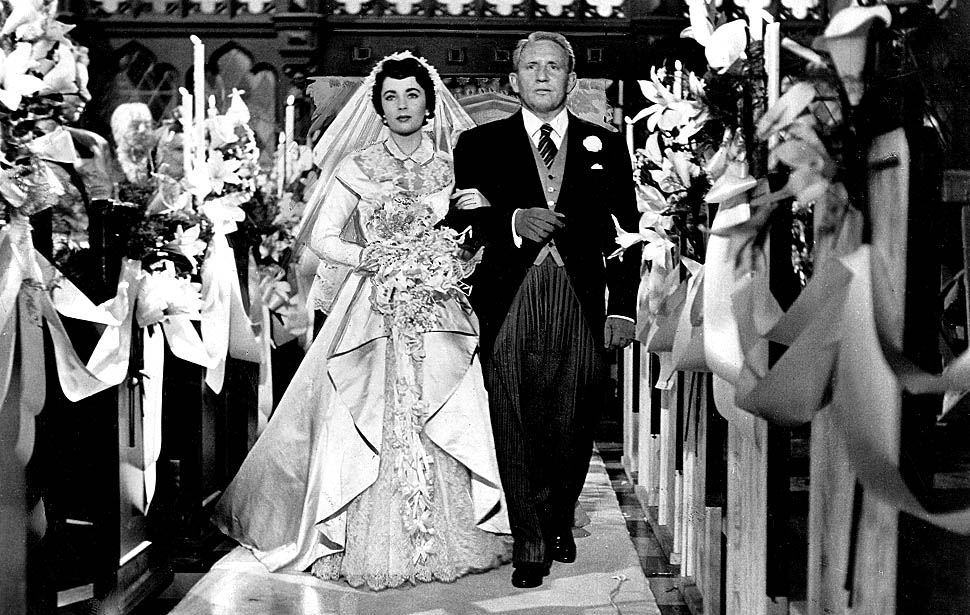
Father of the Bride (1950, MGM)

Having just seen Spencer Tracy I decided to make it a two-for. Now, this is a case where I saw the remake in theaters and still remember the experience. I expected this version to be different seeing as how they cast two very different leads, but I found this one so bogged down in the details and the humor usually was on the subtle side, save for the occasional loud, overlapping dialogue slapstick sequences with workers, that it just wasn’t very interesting at all. The table was set for this reaction right from the very awkward introduction of the topic of marriage. Were it not for the dream sequence, which is truly special and elevates the film, practically nothing about this film would’ve stood out at all.

Score: 5/10
Oscar Nominations/Wins: 3/0

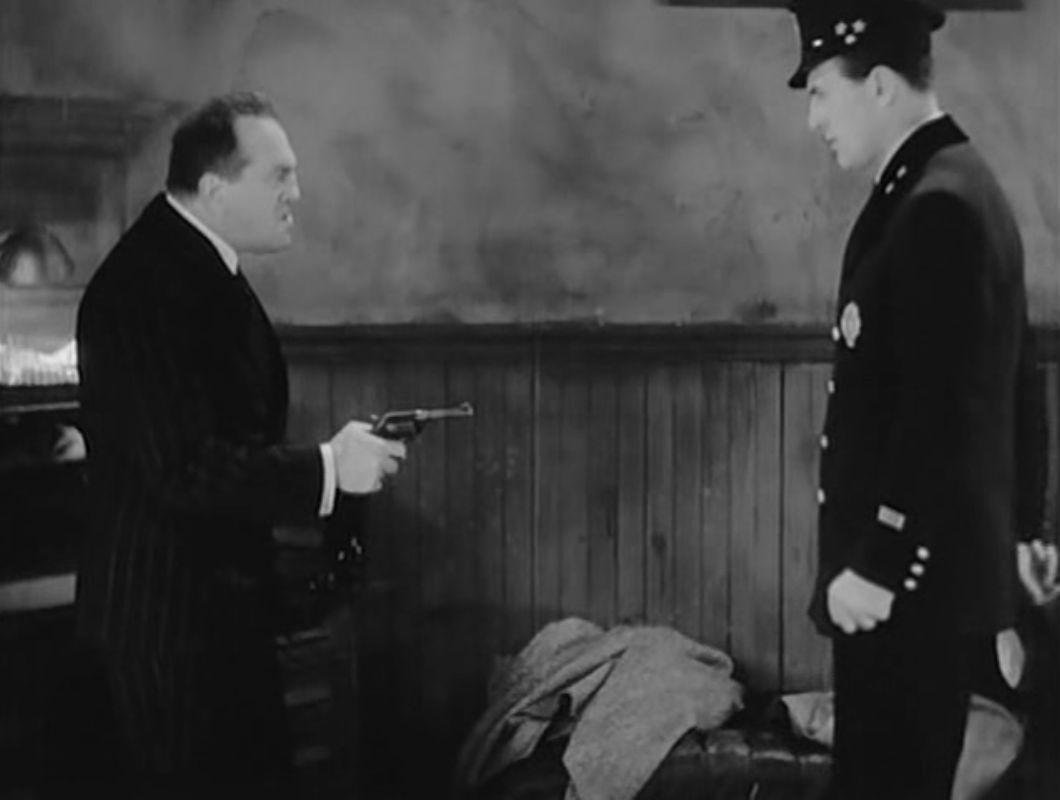
13. The Racket (1928)
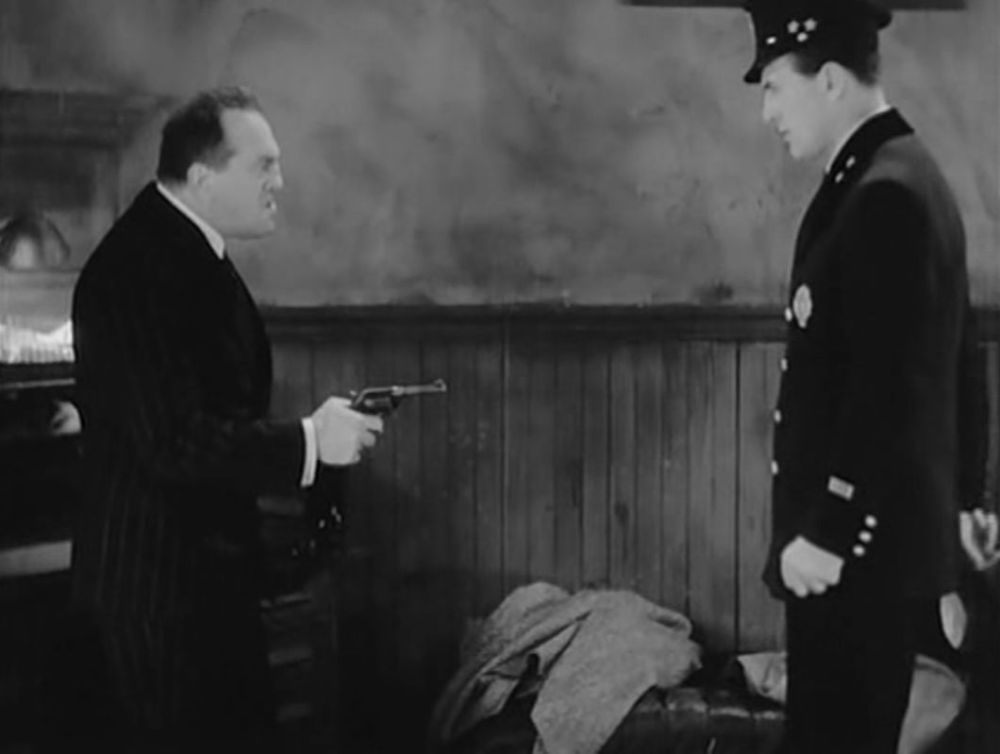
The Racket (1928, Paramount)

Here is one I was surprised to find was a silent. I didn’t pay attention to year on the TCM schedule and looked up the wrong information, rather I searched the remake’s synopsis. Regardless, it was a pleasant surprise that (seeing as how they were virtually identical) I chose by virtue of narrative a silent and took in stride. It was also reassuring to learn of the restoration efforts that had been made for this particular title. While it does play it coy with the nuances of the corruption at high levels of the police department and local government, this is a great treatment of a lone-cop-trying-to-take-down-a-kingpin story, which is very well done. Its also interesting to note this is one of the few films ever to be nominated for Best Picture (called “Most Outstanding” in 1928) alone.

Score: 8/10
Oscar Nominations/Wins: 1/0

14. The Lady Eve (1941)
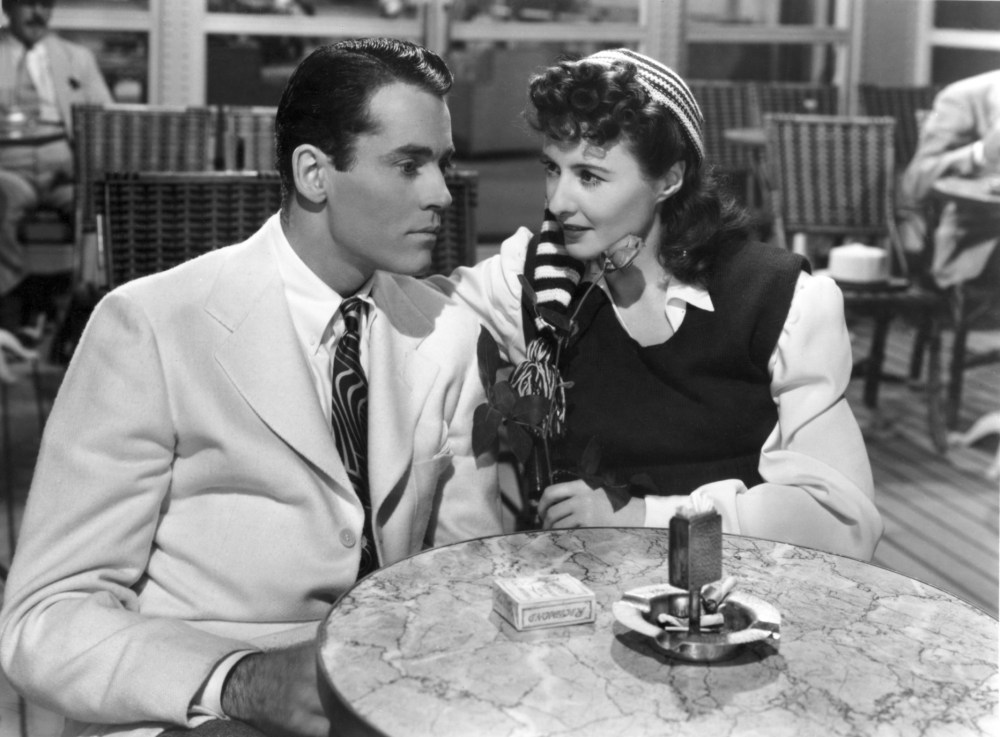
The Lady Eve (1941, Paramount)

Maybe I just ran across this film at the wrong time, or maybe this particular story is just not for me. I’ve seen and appreciated other films that could be categorized as screwball comedies, however, even in that subgenre it is possible to get too ridiculous for its own good. The film was already dragging and losing me and then my ability to suspend disbelief was completely shot by a significant plot development. One so insane that it’d be hard to salvage, even if this film was very funny, which I really didn’t find it to be.

Score: 4/10
Oscar Nominations/Wins: 1/0

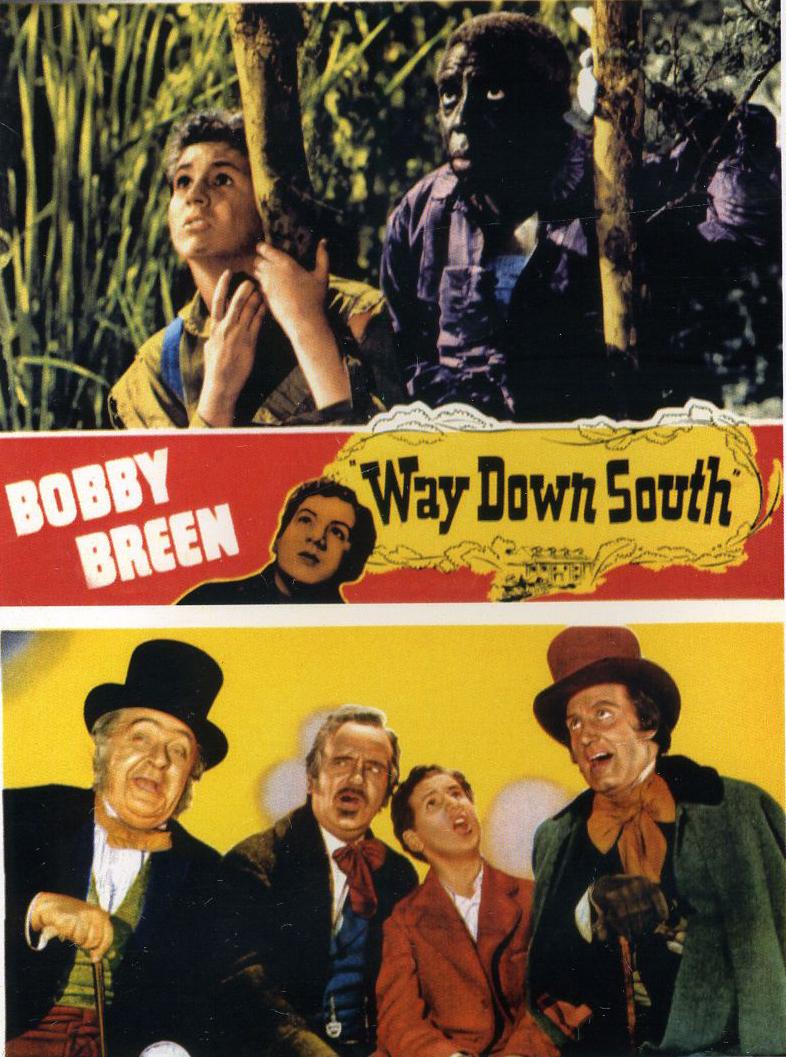
15. Way Down South (1939)
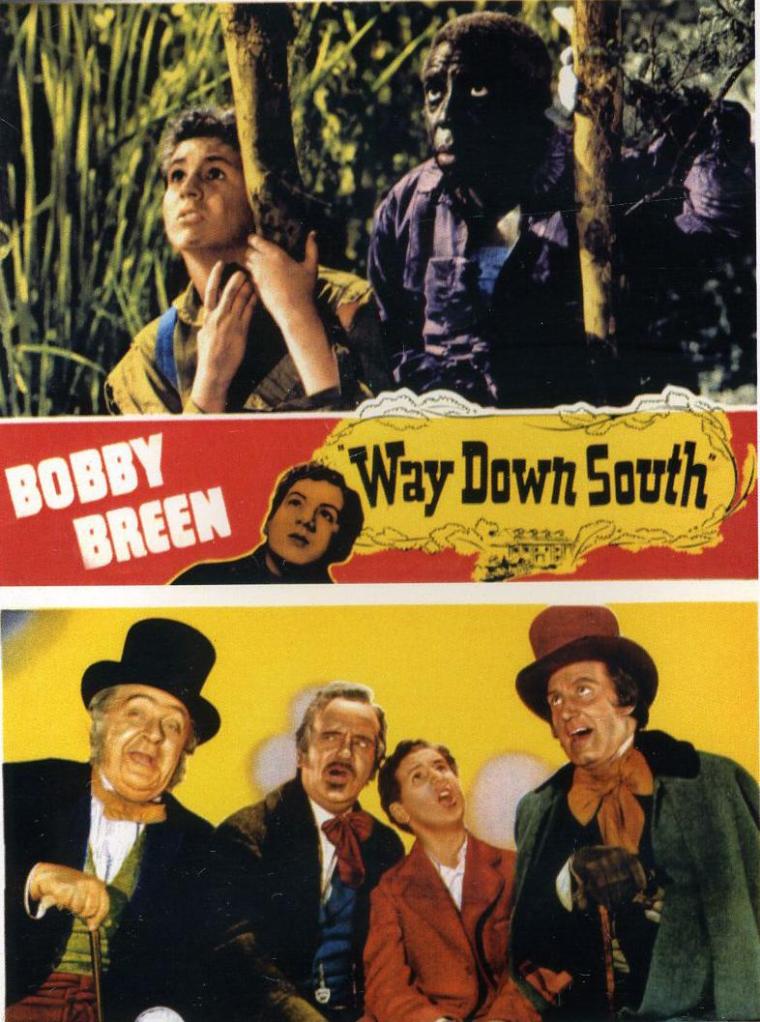
Way Down South (1939, Sol Lesser Productions)

This is a film that’s another re-screening. I first saw this film as a rental, quite a while ago from Movies Unlimited when they were still in the brick-and-mortar rental game. I also believe it was the first Bobby Breen film I saw, and one of his last at that. Breen was one of those musical stars that had films custom made for him. How good or bad the films he was in usually hinged on how naturally the opportunities for him to unleash his voice were folded into the plot. In thematic terms, it may be the most dated of his films dealing with a boy who loses his father, a “benevolent” plantation owner, the executor of his father’s will is now to sell off all the families assets, slaves included. In this context the lead acts heroically, trying to save the first whose threatened with being sold, when they’re all threatened, and families will be split up; other remedies must be found. Perhaps what’s most surprising in this viewing was I had forgotten how chillingly amazing Breen’s rendition of this spiritual is. It may not be the best film he was in, I’d argue the melodrama Make a Wish was, but it may be the best showcase of his singing talent.

Score: 8/10
Oscar Nominations/Wins: 1/0

16. Seven Days in May (1965)
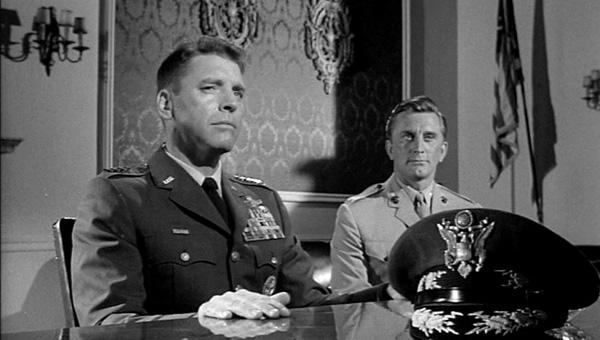
Seven Days in May (1964, Paramount)

The old expression is that “The world will end with a whimper rather than a bang,” and this film treats a coup d’etat in much the same way, which is really what makes it so effective. This is a film written by Rod Serling, and if I wasn’t informed beforehand, I may have guessed. It certainly bears his indelible mark of great dialogue, taut situations and Twilight Zone brand eerieness, made even more effective by how plausible it all seems, especially set against the backdrop of the upheaval in the 60s and the cold war panic that resurged in the wake of the Cuban Missile Crisis. It’s a highly effective tale of political intrigue that is engaging precisely due to its restraint.

Score: 8/10
Oscar Nominations/Wins: 2/0

17. The 5,000 Fingers of Dr. T (1953)

The 5,000 Fingers of Dr. T (1953, Columbia)

This is a film that contains no shortage of Easter Eggs, oddities and charm for me personally. The first, and most surprising thing for me, is not only is this an original screen idea by Dr. Seuss, but one I really connect with. Even as a kid I was never really into Dr. Seuss at all, quite the contrary, but on occasion I will find a tale that sneaks by and I enjoy and this is one. Next this film features Tommy Rettig pre-Lassie and he’s perfectly cast and has quite a bit to carry aside from singing he also breaks the fourth wall and narrates the tale. The villain, played by Hans Conried, struck me as familiar. As the film started, I knew I had heard that voice. Sure enough I was right, and guessed it. I heard that voice a lot as Disney’s Captain Hook. Almost immediately I pegged this film as a one nomination film and having fallen in love with the production design thought it’d be that, it was the score which is also good. It merited multiple honors in my estimation. Part of the point of doing and Older Films list is when you stumble on these oddities that you connect with unexpectedly. This is definitely a highlight.

Score: 10/10
Oscar Nominations/Wins: 1/0

18. From Here to Eternity (1953)

From Here to Eternity (1953, Columbia)

Much in keeping with a theme above, here you have a title that is typically classified, or at least described by some, as a war film. While it takes place on a military base, during the second World War, much of it takes place before the US enters the war and it’s not really about the war at all; it’s about its characters. It’s not only about them in a superficial sense either; it’s concerned with their love and loss, but it also, through showing how they react to diverse situations, provocations and set-backs espouses their philosophy without saying it outright. It’s the kind of film that’s easy to get preachy with and it avoids that temptation beautifully. It doesn’t ascend for me quite as much as it does with others, but it strikes me as one of those films that is unimpeachable. I can’t hold anything against it to downgrade it save that on a visceral level I didn’t connect with this film as strongly as I wanted to. It did highlight to me the shocking fact that somehow the Academy never saw fit to have Montgomery Clift win Best Actor.

Score: 8/10
Oscar Nominations/Wins: 13/8

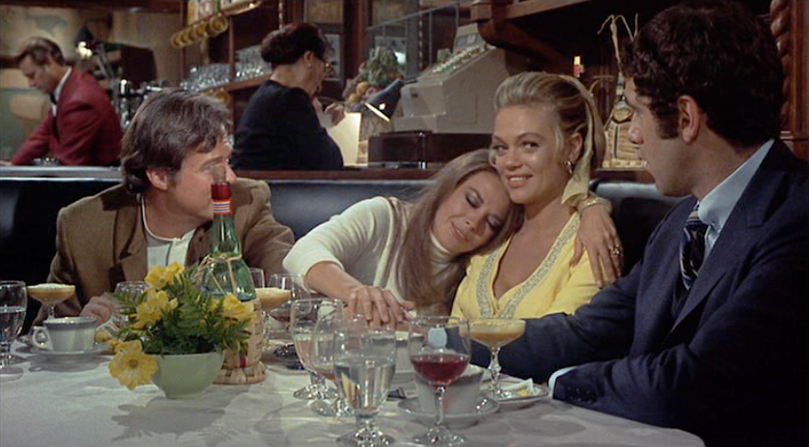
19. Bob & Carol & Ted & Alice (1969)

Bob & Carol & Ted & Alice (1969, Columbia)

This is a film that strikes me as a great performance piece, but not the best possible execution of the idea. It has its comedic moments, its dramatic moments and all the acting is strong it just feels a bit sparse at times. The subtext is there and bubbles over, but the aftermath seems a bit unsatisfactory, and truth be told the path there isn’t that brilliant. The film may be a bit ahead of its time. Some of the paired scenes seemed precursors to Scenes from a Marriage, only trying more humor, not as tightly written and inferior.

Score: 5/10
Oscar Nominations/Wins: 4/0

20. All-American Co-Ed (1941)
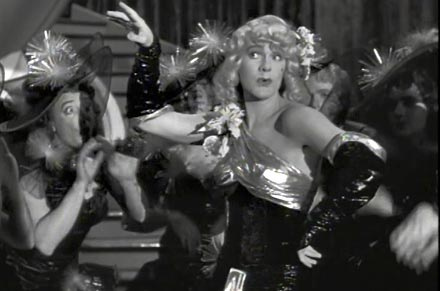
All-American Co-Ed (1941, Hal Roach Studios)

What an impossibly silly film. I will readily admit that part of the intrigue in seeing this film is that it’s short. It actually clocks in at under 50 minutes as opposed to the 51 listed on the IMDb. Thus proving the 40 minute plus rule the Academy has for features does have a place. Its nominations are musical and that portion of the film is fine. The premise is admittedly silly, but for a story that’s not going anywhere too far away it takes its time getting there, and gets bogged down in silly bits, such that the climactic sequences are a cacophonous blur. A great footnote is that I missed the TCM airing but found the film on the great Internet Archive.

Score: 5/10
Oscar Nominations/Wins: 2/0

20. Way Out West (1937)
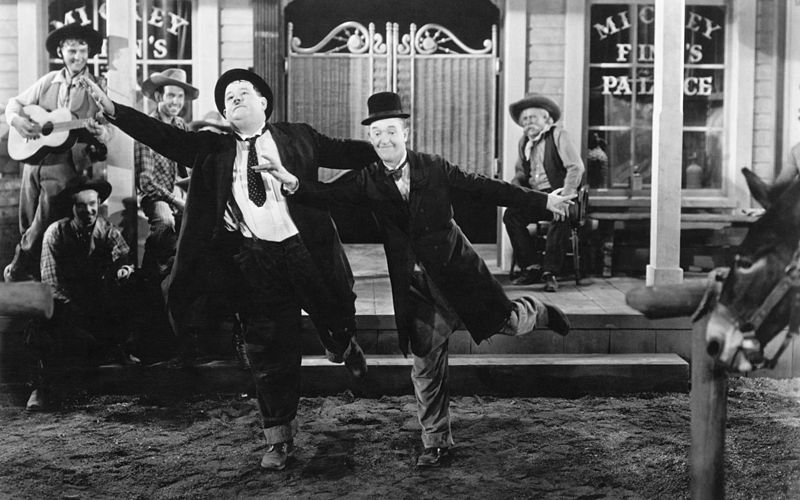
Way Out West (1937, Hal Roach Studios)

I love Laurel and Hardy. I’m not sure how many of their features I’ve seen. I do fondly recall watching their shorts on weekends growing up. Overall this movie is good. I haven’t the heart to dislike one, but this one does bug me in a serious way because the bamboozlers make one too many bad mistakes right at the beginning that should have been caught. Aside from that, the film is fine and has some hysterical sequences. The Oscar nomination is for scoring, which is truth be told, is pretty special. I do like that the Academy had a proclivity for recognizing comedic scoring earlier on. It’s definitely worth a watch for fans who haven’t seen it I would introduce them with it though.

Score: 7/10
Oscar Nominations/Wins: 1/0

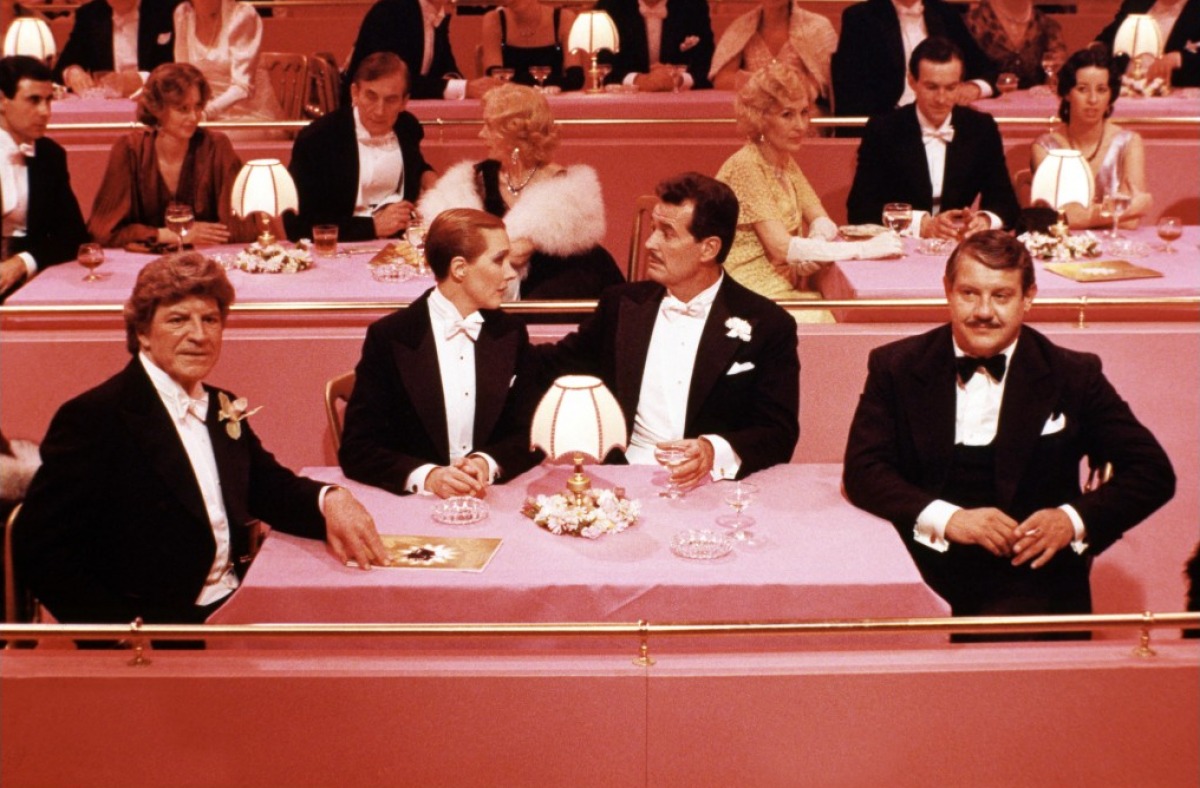
21. Victor Victoria (1982)

Victor Victoria (1982, MGM)

There are givens in this film: Julie Andrews is great, the intelligence of the dialogue that ensues regarding gender and sexuality is sparkling, the music is toe-tapping. The film is highly entertaining. I’m not sure if its part of the slapstick that the illusion of Victoria being Victor isn’t sold more say with more fitted clothes, shooting in black & white or any number of methods, but that does allow for some distraction in frequent buffering of your suspension of disbelief, wherein you have to convince yourself that most of the unseen masses in this fictional land buy the illusion. It’s a small thing that snowballs into a bigger one, but it’s still a good film that should be seen and discussed more than it is.

Score: 7/10
Oscar Nominations/Wins: 7/1

22. Saraband for Dead Lovers (1948)
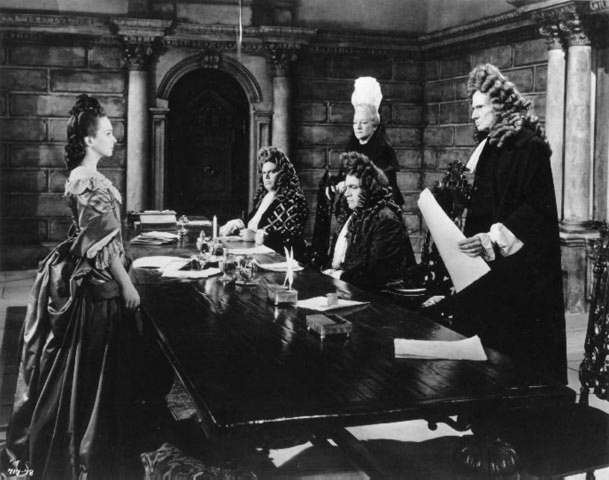
Saraband for Dead Lovers (1948, Ealing Studios)

I like to try an avoid cliches at all costs, however, when I watched this film what came to mind was the thought that if you looked up “stuffy costume drama” in the dictionary you’d find a photo of this film. Yet, there was still something about it that oddly kind of worked for me. What I think made it connect is that it was a British production with a more classical, yet more restrained acting style than I’m accustomed to for the time period. Take the same plot points and similar performances and place them in a Hollywood studio era production and it likely feels flatter than it is. Here, somehow, it retains some buoyancy. The restraint doesn’t feel forced and similarly pumping up the melodrama would seem unnatural and inappropriate.

Score: 6/10
Oscar Nominations/Wins: 1/0

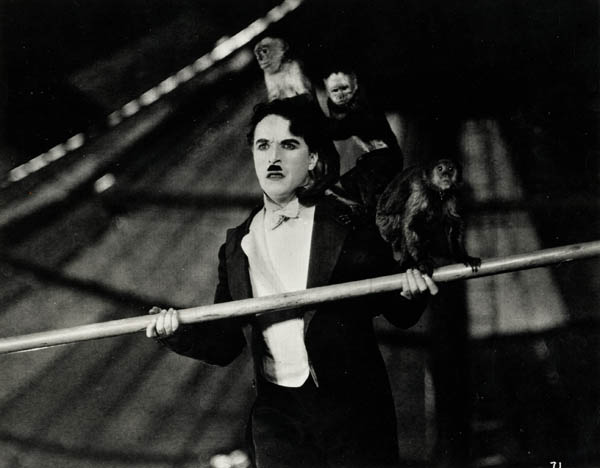
23. The Circus (1928)

The Circus (1928, United Artists)

Unlike when I was watching Monsieur Verdoux, I received no confirmation that I had seen this film before. Some parts of it felt familiar, but I believe it was for the most part new. It’s a sweet, brisk, funny and refreshing tale that builds its characters as much as the comedic situations, which he can get into with ease. This film is silent, but is one that I consider to be during the beginning of Chaplin’s slow transition into the world of sound, which makes it standout as a silent film with a locked in score, which as you watch more of them you realize is very rare.

Score: 9/10
Oscar Nominations/Wins: 0/1 (Won Honorary Oscar “For versatility and genius in acting, writing, directing and producing The Circus. Though nominated for best actor, the academy decided to remove Chaplin’s name from the competitive classes and instead award him a Special Award” Kind of a back-handed complement, not sure why he needed his nomination removed when the honorary award decision was made.)

Films in My Personal Collection

1. Treasure of the Sierra Madre (1948)
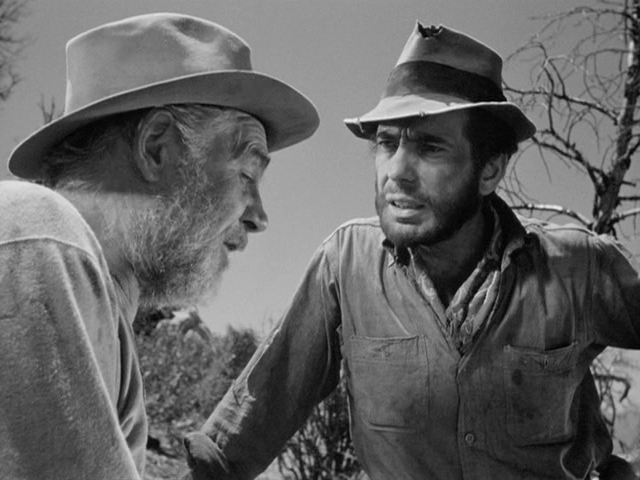
Treasure of the Sierra Madre (1948, Warner Bros.)

What’s best about this film is that it essentially tells you what’s going to happen to these characters early on, then you see it happen and it still manages to be very riveting because it becomes about the characters and stays that way. It’s a brilliantly rendered character study. I was not surprised in my guessing game that I was close to picking how many nominations this film was up for. What shocked me is that Humphrey Bogart wasn’t nominated, when he’s virtually unrecognizable by the end of the film in appearance and demeanor. I saw this on Blu-Ray and selected the Warner Night at the Movies presentation which plays a newsreel and two shorts before the film. I recommend that treatment for all film geeks so you get a taste of moviegoing in 1948.

Score: 9/10
Oscar Nominations/Wins: 4/3

2. Pocahontas (1995)

Pocahontas (1995, Disney)

When you watch films in runs and themes, you welcome any chance that will allow you to kill two birds with one stone. Considering that I plan to write about Disney films in March, screening some now will give me a jump on that and there are some titles I have been missing, as much as I like Disney. My complicated adolescent relationship with the company and more detailed thoughts on this film will follow, for now suffice it to say: Disney did some different things that worked here, it was treacherous ground they covered and for the most part it’s very well done.

Score: 8/10
Oscar Nominations/Wins: 2/2

3. The Hunchback of Notre Dame (1996)

The Hunchback of Notre Dame (1996, Disney)

Due in part to the fact that I just didn’t know very much about this title, I expected less from this Disney selection than the above, but in the end I liked it a lot more. It does things a little differently in the end, and with regards to anthropomorphism, but it goes back to the theme of ostracism and has a solitary character effectively drawn, literally and figuratively, that really make this film work. It also by its nature takes on aspects of religion and racism with a lot more finesse than you’d ever expect out of a Disney film, which makes it highly underrated in my mind.

Score: 9/10
Oscar Nominations/Wins: 9/1

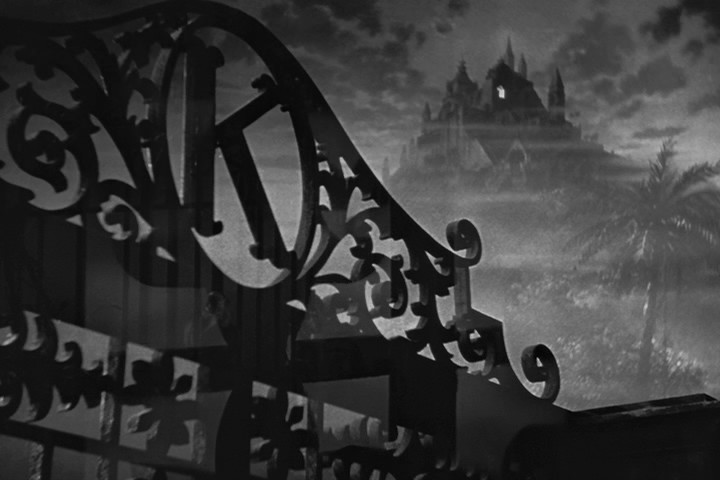
4. Citizen Kane (1941)

Citizen Kane (1941, RKO Radio Pictures)

Now before you go into a tizzy, yes, I have seen Citizen Kane. I have an old review of it I may post, but that’s not what I’m going to do here. Since I’ve seen it, and just saw it for the first time on Blu, I wanted to address some common talking points about the film.

1. I love Citizen Kane. It’s one of my favorite films. I viewed it on my own before I studied film formally and no one “made me like it.” I connect to it. I can distinguish between what I like and important and or well-crafted works and grudgingly acknowledge some films as important, or milestones, though I personally dislike them. That is not the case with me and this film.

2. It is not shocking to dislike this film, you won’t get a rise out of me if you say so. Aside from the fact that everyone’s taste is their own business, I can see how this one may not impress you, but save it.

3. Don’t hold Citizen Kane against How Green Was My Valley because it won Best Picture not Kane. How Green Was My Valley is a very good movie indeed. It is not Citizen Kane, because it has not desire to be so. Please try to gauge that film in a vacuum and don’t hold its Oscar win “against it.” The fact of the matter is Welles made a lot of enemies, which made the rest of his career a struggle and I’m sure there are myriad Oscar stats that will show you films that only won for Screenplay and who got a boatload of nominations and are virtually shutout. And in conspiratorial terms, Hollywood wasn’t about to crown Welles “king of the world.” In other words, something was gonna beat Kane that year, and in the estimation of many it was a loaded field.

Those are probably the three biggest ones. With regards to 31 Days, since I saw it before adding it to the total is kind of cheating but I’m on good pace and hope to be well clear of 31 films and 100 nominations, and I hadn’t see the blu-ray transfer yet. P.S. If you are a fan buy it, it’s a great box.

Score: 10/10
Oscar Nominations/Wins: 9/1

5. The Magnificent Ambersons (1942)

The Magnificent Ambersons (1942, RKO)

Now, since I included Kane, which I’ve seen, I’ll include this too, since it’s a cheat and I barely consider this a re-screen as I napped, thus preserving myself for the new film screened. I include it, again, to provide a few more thoughts on Welles’s work here:

1. It’s sad that you can almost see the scarring on the film from RKO’s over-zealous and over-involved cutting of this film. My score below is the one I originally logged on the IMDb upon originally seeing it, and that may be a bit too harsh but it does reflect the fact that we’ve been robbed of a truly masterful work over the years.

2. In a sort of wish fulfillment, I hope that by saying this often enough it one day comes true: May Welles’ cut of this film, the now holy grail of lost versions, surface one day.

Score: 6/10
Oscar Nominations/Wins: 4/0

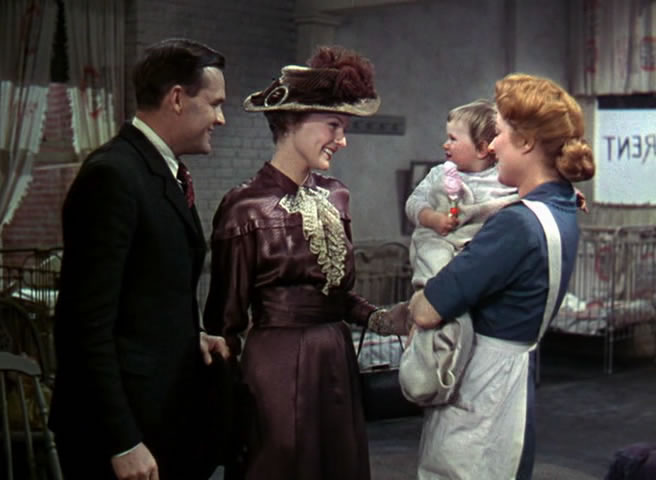
6. Blossoms in the Dust (1942)

Blossoms in the Dust (1941,

This was actually I found in a drug story on Oscar Day in 2012, this was after my having missed this on a TCM broadcast. This film is part of Greer Garson’s legendary run of five consecutive Oscar Nominations for Best Actress and six in seven years. Yes, this film doesn’t get away with not having its stump-speeches and it does give a classical Hollywood whirlwind treatment to and elongated tale, but it is so tremendously moving and gorgeous to look at. Watch it for the the acting, watch for Karl Freund working in color and stay for the tale, which when it really has to, when it wants to hit home, holds up just enough. It took me a while to get this one off my to watch pile, but it certainly was a memorable viewing. There are plenty of jaw-dropping moments in the film. I also learned a few things so it has the righteous indignation angle working for it too.

Score: 10/10
Oscar Nominations/Wins: 4/1

7. Anna Karenina (2012)

Anna Karenina (2012, Focus Features)

Yes, this is a very new selection, but I just got it on Blu-ray and I had to see it during 31 Days because not only was it an Oscar winner, but one of my favorite films of 2012 and cleaned up quite a few BAM Awards. The only new item of note is that this does strike me as a film that is far more impressive and imposing on a big screen. I wish more had seen it as such.

Score: 10/10
Oscar Nominations/Wins: 4/1

Total

Total Films: 30
New Films: 26
Total Oscar Nominations/Wins: 109/31
New Nominations/New Wins: 90/30

Conclusion

Oscars (AMPAS)

The film per studio goal was the first that fell by the wayside. I am forever in search of a theme that is the ultimate. I think one year was categories, which was quite good.

I came my closest to a 31 Film total ever. The ideal is to have them all be debuts, 26 were. So depending on how you slice it I either exceeded the nomination goal or fell just short. However, I found some very strong previously unseen films this year, which should make scheduling next year more challenging/fun to schedule.

Lastly, I will spare my DVR some room, but I will salvage a few films I missed to see at a later date.
2013 Oscar Nominated Short Films – Live Action

While not quite as deep as the animated shorts field, the live action shorts do have some very good contenders.

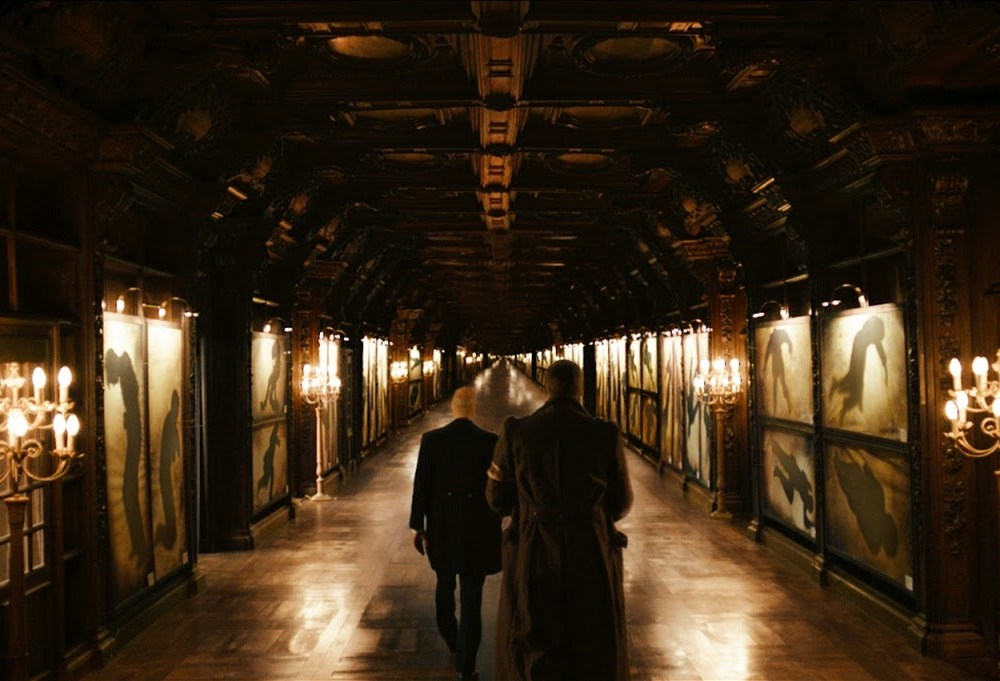
Death of a Shadow

Death of a Shadow (2012)

In a short film you obviously have very little time to convey your idea, therefore, it’s even more admirable, and helpful in decision-making, when the idea you’re conveying is quite different. The overall production values of this short are astounding and with very little dialogue tells its off-beat and engaging tale with the highest degree of cinematic quality possible. My favorite for this year’s category by a landslide.

Henry

Henry (2012)

The most intimately grandiose of the productions which, like the first title, blurs the lines of time and memory to paint a loving portrait of a man fighting infirmity and memory loss.

Curfew

Curfew (2012)

The American entry tends to usually be comedic in my brief experience viewing nominees. I was glad to find that this one is more of a dramedy. There are some slight missteps striking that balance I feel, but it is very good and serves as a breakout role for young Fatima Ptacek who steals this movie.

Buzkashi Boys

Buzkashi Boys (2012)

This is a subtle coming-of-age tale set in Afghanistan, which for all its best intentions and visual splendor, feels a bit incomplete.

Asad

Asad (2012)

In terms of simulacrum, this is a most interesting tale inasmuch as it’s a South African film set in Somalia starring Somali refugees. Removing that and sticking solely to the narrative its a bit bare, though the from the outset neorealist approach is appreciated.

The Problems of Limiting Foreign Film Submissions (Part 2 of 2)

Similar to the first installment of this piece there was one nation where I got a more rounded, abundant reaction. However, I still didn’t have near the sample size as I did with Brazil. Therefore, I wanted to test the waters and get samples from around the world about the foreign film submissions from my Twitter friends’ respective countries. Even with fewer reactions, and fewer characters with which to glean and convey information, I still got some interesting insights that furthers my hypothesis that limiting a nation to one film submission to the Oscars for consideration can cause issues. Some of these reactions point to aforementioned stumbling blocks, some are new. As is the case with Brazil’s selection, I have not had the chance to see the films that have been submitted on behalf of the nations listed below. I will attempt to see as many of them as I can. Also, I realize that some of these opinions may venture into more perception than reality, but that’s kind of the point. There is a threshold where perception becomes reality and behind every cynicism is some truth, so these opinions do highlight flaws in the system.

Sweden

Sweden’s is a case I alluded to in my prior commentary and review about Simon and the Oaks, so I was glad to get the kind of feedback I did there. Sweden’s official selection is The Hypnotist by Lasse Hallström. The general reaction I got from the handful of people who ended up commenting was that it was a weak choice. In fact, the notion I had in mind when formulating the “reputation of the director” question was echoed here. What prompted me to write that question was the conventional wisdom of ‘Oh, well, so-and-so directed it so it has to be selected.” The reactions to the the film itself were mixed to negative, as was the perception of its choice, and chances of making a dent on the nominees list. I also saw in this selection a reflection of a common theme with a award shows in the US, wherein the film was submitted to the Academy but hadn’t premiered, which is not dissimilar from press screenings of late-December releases that are up for awards before a vast majority of moviegoers have gotten a chance to see it. If these comments are any indication, I wouldn’t be surprised to see either Brazil or Sweden missing out on the shortlist. More tellingly they seem to play out scenarios and ill-feelings that would be alleviated by additional selections.

Canada

Canada, and the next section, are in this list for a few reasons. So far as Canada goes, I have a lot of Twitter contacts there, and it’s important to note that none I asked had seen War Witch at the time I asked. Quite a few heard of it and wanted to, some went on to learn of its fairly impressive festival run to date. So again you have, at least based on a small sampling, an underseen film, which would benefit from Oscar attention. I don’t necessarily think that it represents a language barrier (That is, however, a selection concern for many nations where multiple languages and/or dialects are spoken), as the film was only playing in Vancouver when I asked.
Chile

The difference between the answers I got from two contacts in Chile and the myriad I have in Canada is that the Chileans were both well aware of No, it has been well-received and they intended on seeing it.

France

When asking a contact in France I got very interesting and honest feedback regarding The Intouchables, which I missed over the summer. He believed it a worthy selection for many reasons, but also added that it was “the most Weinsteinable,” which, of course, refers to the Weinstein Company who are not only Award forces but purveyors of ‘gateway’ foreign film selections.

Conclusion

Lastly, I asked a huge foreign film watcher my question. The answer was qualified by not having seen sufficient titles from any country to make definitive statements, but he did cite both France and Denmark as countries that had stronger films in his estimation that could’ve been submitted. In the end, the point of this exercise is not to definitively approve or condemn a film selection. It has been to gather information from those who have seen said film(s) and are familiar with the machinations of their nation’s film industry. In doing so I hoped and think I have illustrated that there are issues with the system at current that would be alleviated by allowing for additional submissions. If you were to introvert the Oscar screening process, that is to say, were I to only stick to Oscar nominees I never would’ve discovered Le Grand chemin, and if it wasn’t self-evident by now, my personal awards (The BAM Awards) do not have a limiter. However, as I’ve stated with many synonyms this plan is an interesting academic exercise, somewhat impractical, and unlikely to be implemented in any way shape or form. Therefore, what can we take from all this? If nothing else, it’s that whether there’s a cinema that we’re close to personally, either through relations or by aesthetic appreciation, we should try to get to know it more fully. Rather than just debating and griping about the film it submits to the Oscars, have another immediately in mind, or better yet know and appreciate that cinema well enough to not care what the submission is, but just think of that as a bonus. Should the country you call home, home away from home, or whose films you enjoy gets nominated; that’s great. If it does not, you can still watch all its other great films.

The Problems of Limiting Foreign Film Submissions (Part 1 of 2)

In my previous post, I wrote about how I would propose to alter the Foreign Language Film submission process. I am working backwards as now, in this post, I will address, with a little more support to back up my own hypotheses the issues that would be addressed if you were to allow select countries multiple submissions.

Essentially, the goal is as follows:

If you are a nation like France or Italy with a long and rich cinematic tradition, the selection process can prove volatile and complex. France, for example, submitted Of Gods and Men a few years ago. Its being snubbed, while an Algerian film with a similar subject, Outside the Law, making the shortlist caused quite a furor. Now, this is not to say that France being given more submissions would’ve gotten it to the shortlist, but being limited to one film invariably creates questions and doubts. Both nations made films about the colonial era, one was chosen and one wasn’t. Aside from the complaints about which nation a production really pertains to, it’s messy. Just search debates about selections and you will find trades reporting on them annually.

Now, I will grant that a multiple submission policy is altruism, and being realistic these things would likely still have happened but if France were afforded a handful of submissions, these incidents would likely have been lessened.

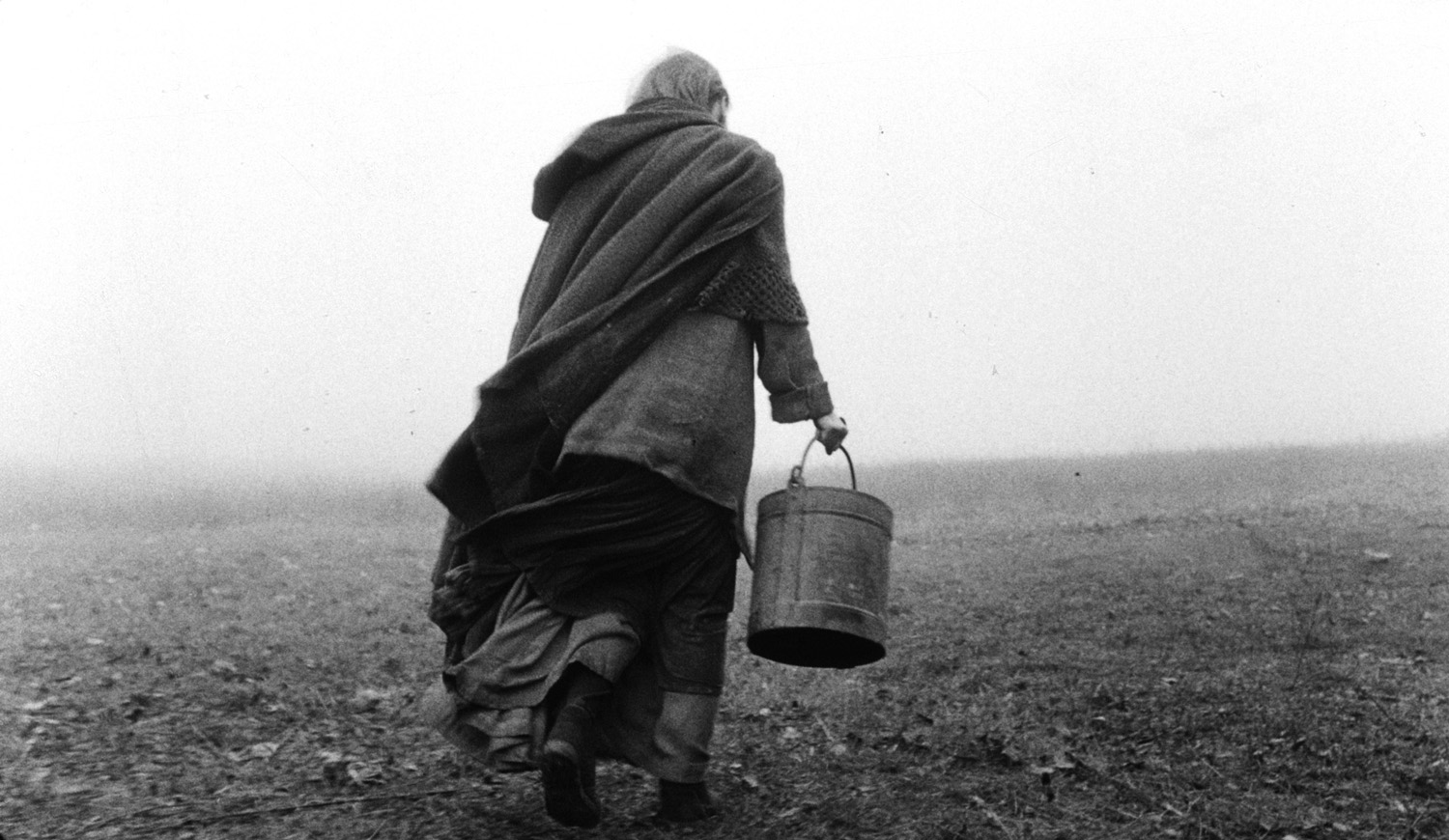
Erika Bók in The Turin Horse (Cinema Guild)

Taking any political extremism out of the equation, multiple nominees for some countries would also make some nations more inclined to take a chance. When Hungary submitted The Turin Horse last year, it was speculated in trades to have a slim chance due to the composition of the viewership and the nature of the film, and sure enough it wasn’t shortlisted. Not that Hungary has been especially prolific lately, and their last nomination was in 1988, but it’s a good example of a country that could’ve used an extra spot to pick what it thought was the best artistic choice and then gamble on a popular pick and/or one likely to find favor with American viewers.

Greece’s selection of Dogtooth a few years ago was seen as some as being silly, almost frivolous. Just it being described as gutsy made me want to see it. They were lucky in actually earning a nomination. I enjoyed it, but was equally surprised by its selection once I saw it.

With just one film allotted per country, as fair as that may seem, too many ulterior factors come into play besides is this really the best film, and some of the factors I suspected were echoed by others I asked. Other factors I hadn’t considered, that can be found mirrored in American films jockeying for Oscar nominations, also came to the fore.

The questions I typically asked were as follows:

At times, does the reputation, or lack thereof, of a director influence the selection?

At times, does politics, whether real or film, play a part?

At times, do films more likely to impress Oscar voters get selected over more artistic films?

Did you see (Title of film submitted by your country)?

If you saw it, did you like it?

Why do you think (Name of country) selected (Title of Film) Deserved it? Oscar-Friendliness? Both? Neither?

Here are some of the findings from Brazilians I asked, more nations will follow in the next part.

Brazil

With regards to Brazil, this is the nation where I will have the widest range of opinions. Aside from being a dual citizen, a majority of my family lives in Brazil so I was able to receive the highest number of responses here also.

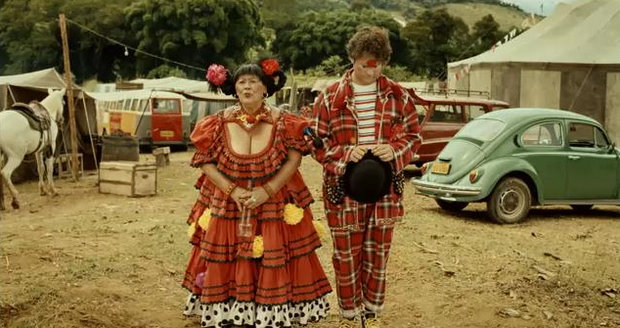
When The Hollywood Reporter wrote-up the announcement they correctly cited O Palhaço (The Clown) as a domestic box-office success. Over 1.4 million tickets sold. That’s accurate, as ticket sales are the measure (especially for domestic films) and in Brazil that’s a fairly high total. I take no issue at face value with sending the domestic box office champion as your nominee. There are stories like wins for domestic films in Spain and Norway that are most definitely positives. Hollywood proliferates globally and for indigenous cinemas to be successful at home is very important.

The complications of selecting the box-office champion of the year arise when you have mixed reactions to the film in general. First, I will recuse myself from weighing in on the film itself (O Palhaço) as I have yet to see it. However, I admit I was a bit surprised by this choice as I had yet to hear of it. I saw one Brazilian title this year, which I thought was great, and heard of another one. Both made a decent splash either on the festival circuit or in the international market. With regards to the plot when I read of it, it seemed like a less actually political selection, but did entertainment politics factor? What besides the box office could’ve influenced this selection?

So what did my family and friends say in response to my inquiries regarding O Palhaço? They start off about as negative as a film receiving such an honor can get: “My husband saw it and thought it was horrible! According to him the movie must’ve been picked for a lack of options!” The lack of options isn’t something that’s necessarily supportable by empirical evidence. In 2012 two films either solely produced or co-produced by Brazil appeared in Berlin, 5 films either solely produced or co-produced appeared in the Cannes programs and 2 either solely or co-produced appeared at Sundance, so there were other Brazilian films with festival pedigree. Not to mention the fact, that having eligible films doesn’t always lead to a submission, as was evidenced by Luxembourg passing.

As I got more and more comments, the initial reaction that people were “Sharply divided” proved true. However, in Brazil’s case one of my suppositions seems to have played out, and that’s the reputation of the director. With O Palhaço the director is lead actor Selton Melo. It’s a passion project, those with negative views of the film argue it’s a “commercial for him.” So box office appeal and the fact that a respected actor took on a project does buoy the Oscar hopes of this film, and even those who like Melo fell on the side of those less than enthused by the film, and some even underwhelmed by this particular turn. However, Melo’s status only seems to be growing in Brazil, as he is also taking on a Brazilian-produced HBO series.

The clout, or lack thereof, of some distributors within Brazil was also reported to me as a factor that could keep more deserving films from being considered. This seems not too foreign when anyone who pays attention to Oscar races here knows how much money is involved in campaigning, and how certain directors, producers, and studio heads become favorites. It was also indicated to me that candidacy for the Brazilian submission may not be a cheap thing to make yourself eligible for, which wouldn’t surprise me either, but that is an issue that filters down to the national level and is beyond the purview of the Academy or any foreign body. However, the fact remains that many would attribute most submissions as being decisions that disregard aesthetics and if the film also happens to be good it’s a bonus, but it’s a powerplay. One response pronounced all that quite explicitly and even concluded in English stating “It’s all about business!”

Perhaps the most intriguing response I got was the one that indicated it’d be impossible to remove politics entirely since you’re asking countries to submit films, and I will grant that. It’s practically impossible to expunge when other productions and/or world events will cause protests. The nation submitting likely consciously or unconsciously affects voters, even if its just that a certain viewer has more of an affinity with one national cinema or another. What the ultimate goal of this plan, that I admit will likely never, ever occur, is to encourage more risk from national film governing bodies. Perhaps that encouragement would lead to more aesthetically forward choices that will get rewarded by the votership, or better yet bring the film to new audiences.

Now, according to my idealistic designs, Brazil as a prior multiple-nominee would receive three submissions. If that were the case, perhaps they’d be so inspired to take a chance on one of the remaining selections on something a little more free of influence. To paraphrase John Lennon, I may be dreaming but I know I’m not alone in hoping something like that would occur.

Short Film Saturday- Ralph Phillips

Ralph Phillips in Boyhood Daze (Warner Bros.)

Continuing the theme of under-utilized characters I now turn my attention to the Looney Tunes. In the short film game the Looney Tunes are without question my favorite cadre of characters. I love some of the smaller personages especially, however, they are fewer and further between than other groups. The Looney Tunes while they do have depth in talent are buoyed mostly by their titanic personalities. Having said that the two Ralph Phillips shorts that Chuck Jones directed have always been favorites of mine. They are lyrical and whimsical celebrations of childhood imagination. Of all the characters in the Warner canon he is who I’d most want to see more of owing mostly to the fact that he has only these appearances. Establishing him as a dreamer makes him suited for shorts or a TV series and he could be easily incorporated into the Looney Tunes comic published by DC Comics, I’m uncertain if he ever has been.

So here are the two shorts, the first of which was nominated for an Academy Award.


31 Days of Oscar Log

As you are likely aware every year TCM does a month long festival of only Oscar-winning or -nominated films. Each year the slate is different and differently organized but it’s a great chance to see films you’ve never watched before. Below I will list films I’ve watched as part of the block this year (Goal: minimum 31).

As always refer to My Rating Scale for insight on the scores.

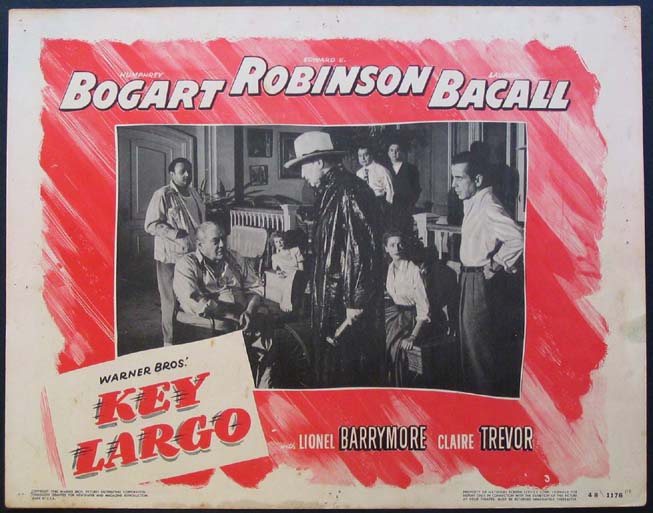
1. Key Largo (1948)

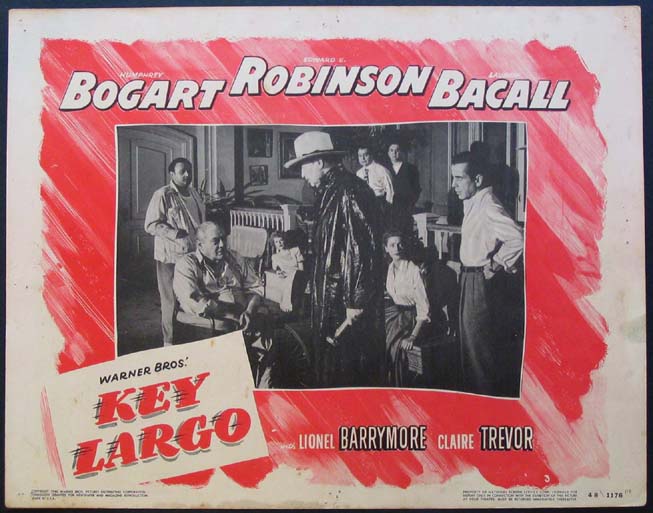
Key Largo (Warner Bros.)

I’ll admit I allowed myself to get too swept up in the MacGuffin but that didn’t hurt the film at all. The only things that really got in its way was that I ended up knowing what Bogart’s endgame would be and the occasional heavy-handed (read dated) attempt of inserting a message into the film about Native Americans while still reinforcing certain stereotypes. In the big picture it’s minor stuff. It’s a great situation that lends itself to tension-building and surprising reversals of fortune and plot.

Oscar Nominations/Wins: 1/1

Score:
8/10

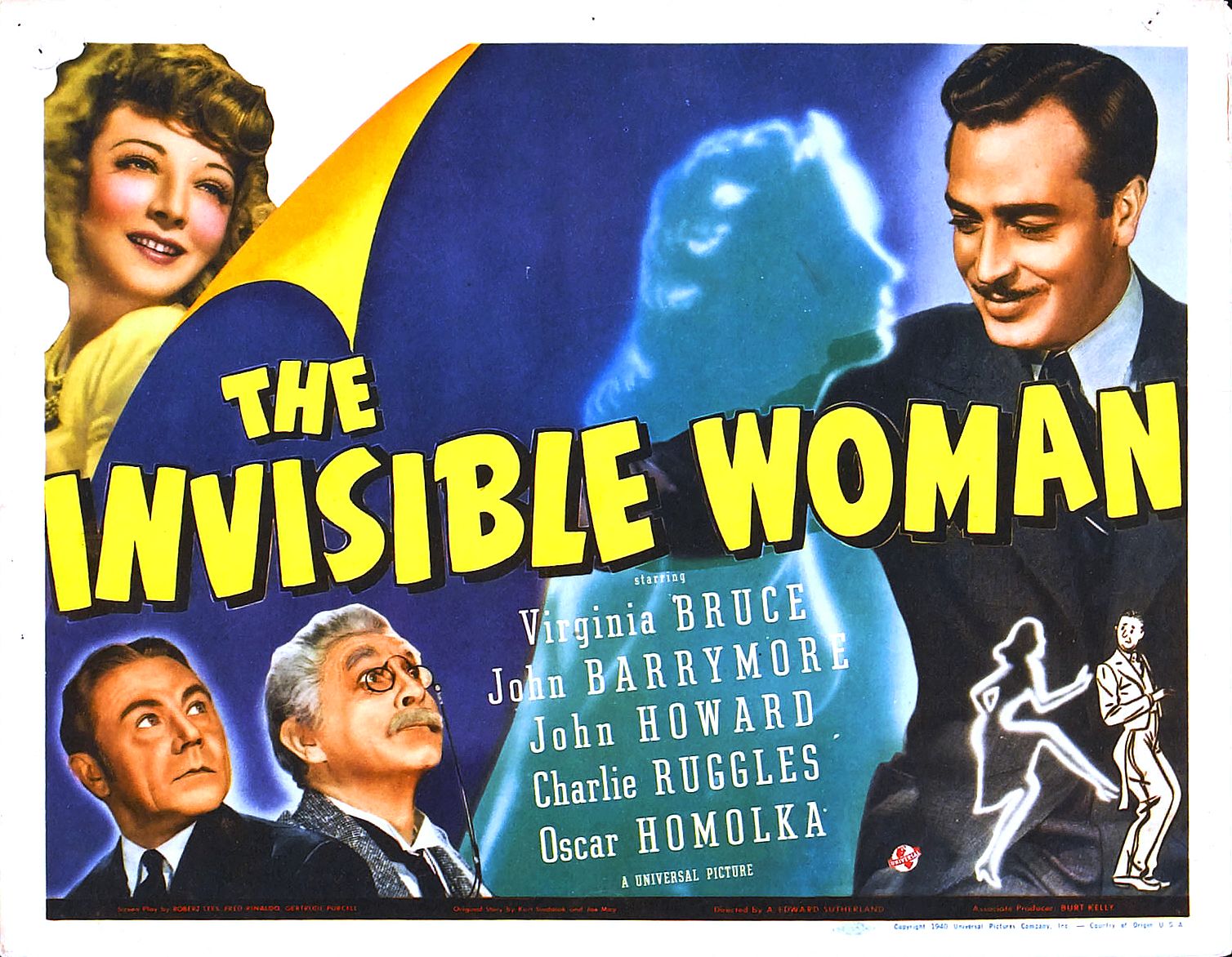
2. The Invisible Woman (1940)

The Invisible Woman (Universal)

If you think that dumb movies that are all about effects are a new thing you should check this out. While not even new I must say the effects work in this film are great, however, the film is comedic in tone and isn’t that funny and truly suffers from the cast trying a bit too hard to sell it. Virginia Bruce does fine when she’s visible but when she’s invisible she’s as obnoxious as her character’s antics. It’s premise is thin and it’s a lame effort, sadly.

Oscar Nominations/Wins: 1/0
Score: 3/10

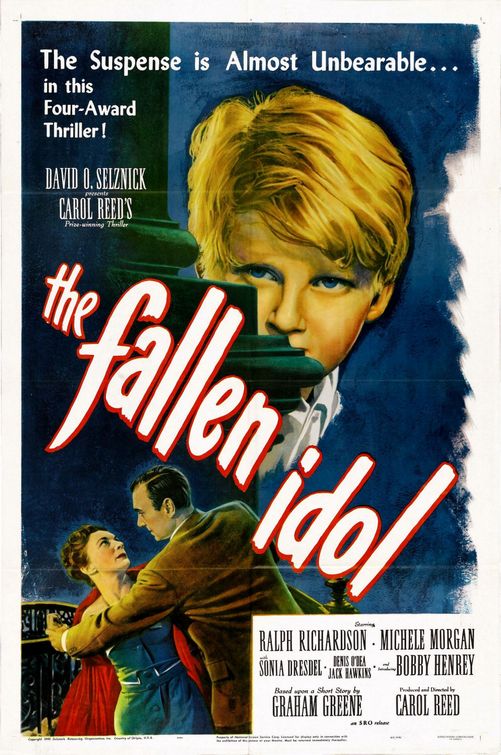
3. The Fallen Idol (1948)

The Fallen Idol (Selznick Releasing Organization)

This is the first film I’ve seen in this year’s run I’d truly call great. Carol Reed, a director with many great titles to his credit, does a wonderful job building the tension in this film and creating doubt there’s also some great writing of conversations overheard or purposely cryptic. The Kordas always had great sets and the design of the film factors into it as well. It’s no wonder that this film is in Criterion’s library.

Oscar Nominations/Wins: 2/0
Score: 9/10

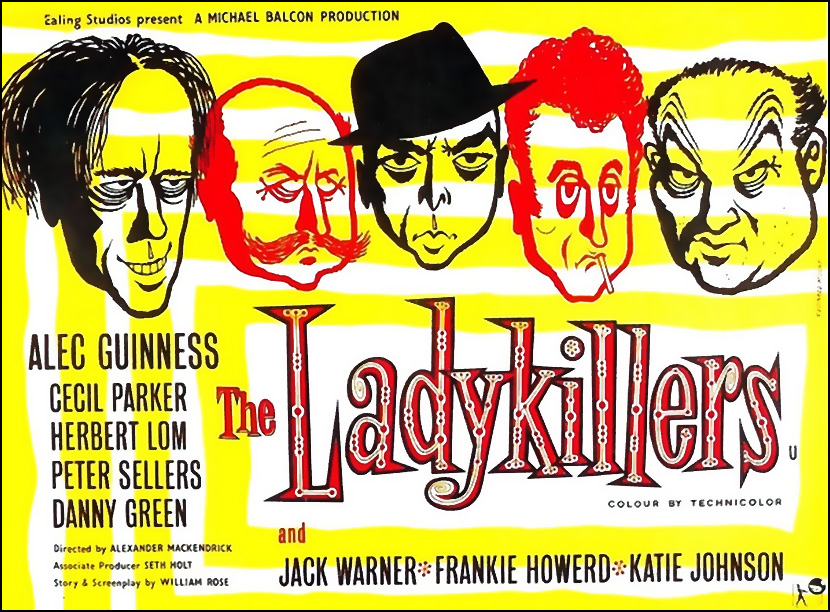
4. The Ladykillers (1955)

The Ladykillers (Ealing Studios)

To describe the humor of this film as dry would be an understatement. As a matter of fact most of its humor would be situational and not in the dialogue or actions, in fact, Katie Johnson as the old woman offers most of it in the film simply by being so kindly and oblivious. The film also serves to show a small glimpse of what Alec Guinness and Peter Sellers are capable of but is not among their peak performances.

Oscar Nominations/Wins: 1/0
Score: 6/10

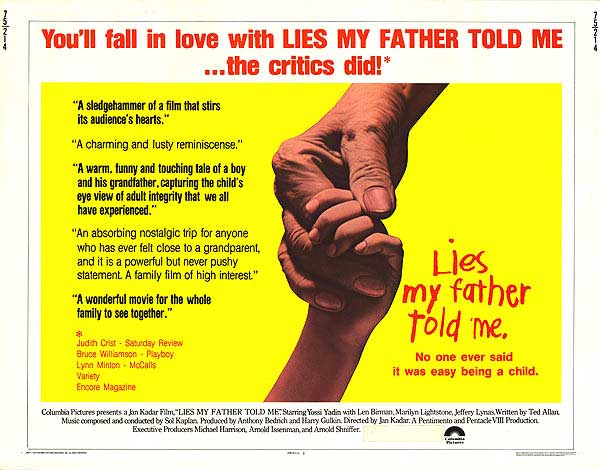
5. Lies My Father Told Me (1975)

Lies My Father Told Me (Columbia Pictures)

Sadly, I have to say that I chose the above image because of its orientation rather than because I agree wholeheartedly with all the sentiments conveyed therein. While the film does have its moments of charm and humor they aren’t consistent enough to sustain this film. The song is more grating than memorable, too many of the characters are tiresome, some scenes too repetitive and the edit is not tight enough. Had the film shifted focus some, tried to place David in the courtyard’s world more often it would have succeeded for me.

Oscar Nominations/Wins: 1/0
Score: 5/10

6. Judgment at Nuremberg (1961)

Judgment of Nuremberg (United Artists)

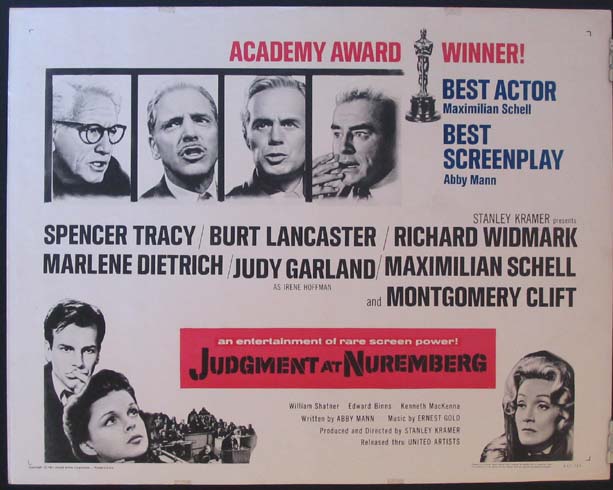
It was bound to happen at some point: I saw this film but just didn’t vote for it at the IMDb and didn’t recall having done so. Part of the reason was because I viewed it in a social studies class in grade school (Junior High or High) I forget which. Regardless, I watched again it anyway because that is not way to have watched this film and it is great enough to revisit. In Night and Fog one of the narrator’s asides discusses responsibility and that’s the crux of this film how far up or down the line does responsibility for the holocaust lie and it’s examined brilliantly with superlative acting. Those interested in film or history should watch this film.

Oscar Nominations/Wins: 11/2
Score: 10/10

7. Scrooge (1970)
Scrooge (MGM)

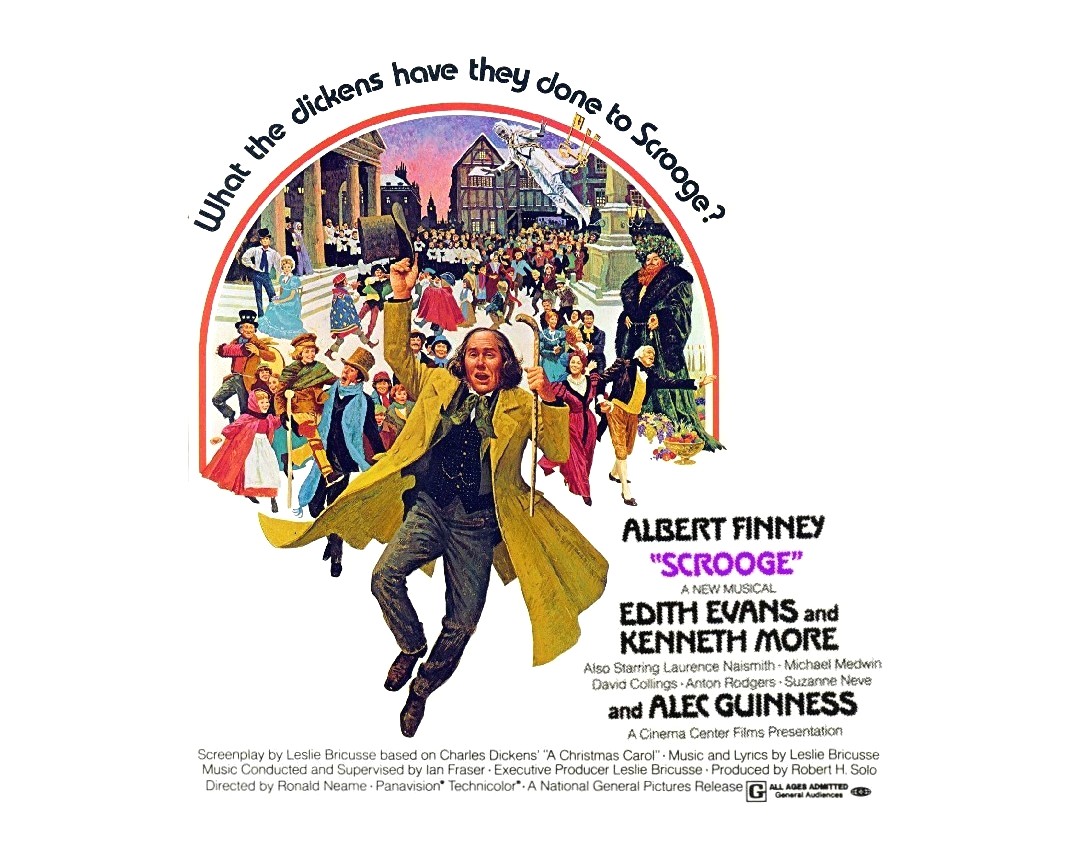
I, like many, have seen many a version of Dickens’ classic A Christmas Carol it’s one of the Great Stories that we all become accustomed to and can analyze individual adaptations based on interpretation and choices more so than for the narrative itself. This version is a musical that is penned by the renowned Leslie Bricusse and for as closely as it sticks to the structure of the story for the most part offers as change of pace with songs, many of which were new. The songs are well-spaced allowing the drama to unfold adequately between numbers and also many are half-sung which lessens the theatricality of it. When watching 31 Days of Oscar I like to try and guess the nominations, if I don’t know them already and I guessed right on Art Direction and Song and was not surprised by the costuming being included. This is a very enjoyable rendition of the tale that ought not be overlooked.

Oscar Nominations/Wins: 4/0
Score: 8/10

8. The Search (1948)

The Search (MGM)

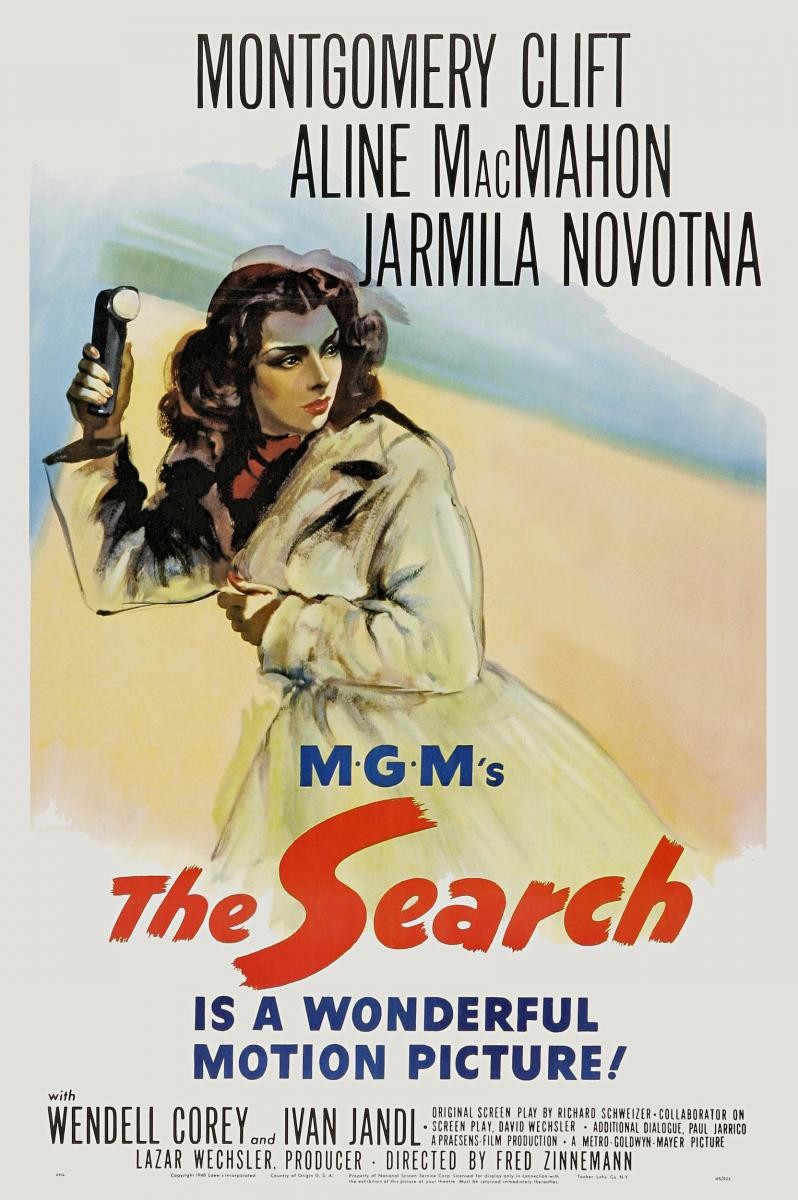
In mentioning my guessing game above I must say that upon checking the IMDb I was astonished by all the nominations this film got. I knew of this film because of the fact that it featured one of the rare Juvenile Award winners, a now defunct non-nominated category that was occasionally awarded to a deserving youth. However, Fred Zinneman, a talented director perhaps best known for High Noon the writing and Montgomery Clift were all also nominated. Now I do like the film but only by the skin of its teeth. I will grant that shooting in occupied Germany and dealing with displaced children so soon after the war is commendable and it does tell a good tale but not as tightly as it should and with truly intrusive narration. The flip-side of the equation (German children in post-war Germany is handled so much better in Germany Year Zero). The film means well and is enjoyable but some of its fumbling I can’t chalk up to merely being dated, there’s a fine line between simplistic storytelling and spoonfeeding information, between being direct and bad dialogue and this film crosses it on a few too many occasions.

Oscar Nominations/Wins: 4/0 (1 Win in a special non-nominated category)
Score: 6/10

9. The White Cliffs of Dover (1944)

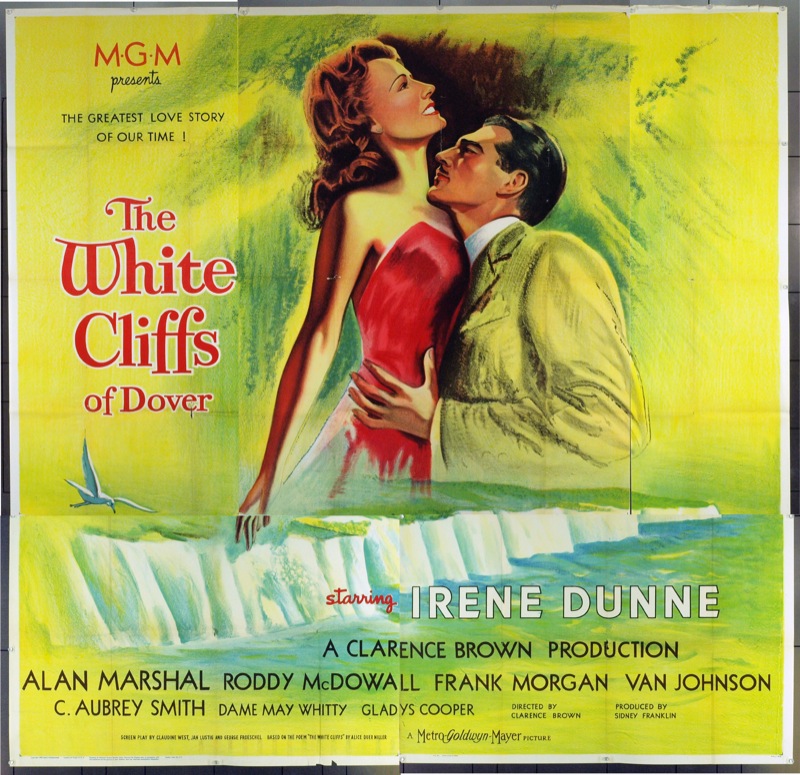
This is a film that suffers somewhat from its preachiness which can be overlooked for the most part when you consider its release date both in a historical context and a film history context. The start is also a little slow considering the fact that you know where the story is going in a lot of cases. One other quibble aside most of it works quite well and is entertaining. Irene Dunne does wonderfully as do Roddy McDowall and Elizabeth Taylor in fleeting parts. It’s lengthy but moving in spite of some of its faults.

Oscar Nominations/Wins: 1/0
Score: 8/10

10. Indiscretion of an American Housewife (1953)

Motgomery Clift and Jennifer Jones in Indiscretion of an American Housewife (Coumbia)

This film illustrates some of the great things about this month of screenings. First, I’ve been able to discover more the marvelous work of Montgomery Clift. Second, aside from his early neorealist work I was none too familiar with De Sica and while this employs many of his production precepts it is a heightened and stylized forbidden romance. The tension and chemistry is absolutely electric and only suffers some pace issues somewhat towards the end. It’s a fascinating film that I may want to revisit on Criterion.

Oscar Nominations/Wins: 1/0
Score: 9/10

11. Panic in the Streets (1950)

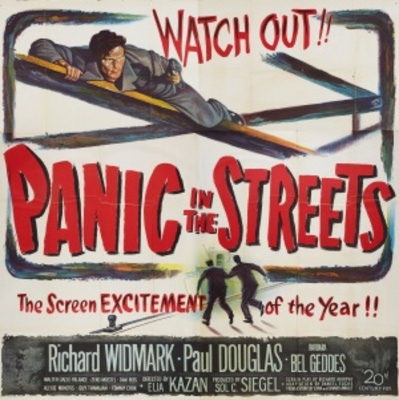
This is a very interesting film which can be categorized as Film Noir but also as an outbreak film. It’s that unusual combination which truly makes this film special and entertaining. Was it either but not both it likely isn’t that intriguing but the combination thereof makes it worthy.

Oscar Nominations/Wins: 1/1
Score: 7/10

12. Wait Until Dark (1967)

This is a film that after having seen it I expected it to have more than one nomination. The films is very tense and the set-up is brilliant. I take some issue with the way it decides to quickly, practically brusquely, resolve itself but most of what happens leading up to that point is great. Of course, Audrey Hepburn is great in one of her more celebrated roles but Alan Arkin is also very noteworthy in this film. The climax of the film nearly makes up for the unfortunate and quick ending.

Oscar Nominations/Wins: 1/0
Score: 9/10

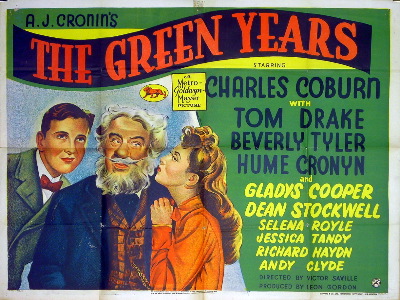
13. The Green Years (1946)

Oh, boy. It’s not a wonder that this one slipped my mind and I had to backtrack through my twitter feed to see if I missed something else. I asked rhetorically if a film could polarize one individual when I finished watching this film because the aspects I disliked about it I truly loathed and the things I loved I adored. It made for a very frustrating and difficult viewing experience. The film does have balance in showing its protagonist as a child and a young adult, however, the beginning is a bit repetitive and almost masochistic in the amounts of gruffness, insensitivity and bullying he comes across. Thankfully, he manages to get through to a few people who warm to him otherwise it would’ve made Dickens at his most dire look like Disney at his sunniest. Yet, there’s a bit too much deus ex machina at play later on and an albeit moving but all to typical All-This-Horrible-Stuff-Happened-To-Me-But-I’m-Fine-Now ending. I wanted to like this one but in the end I just couldn’t.

Oscar Nominations/Wins: 2/0
Score: 5/10

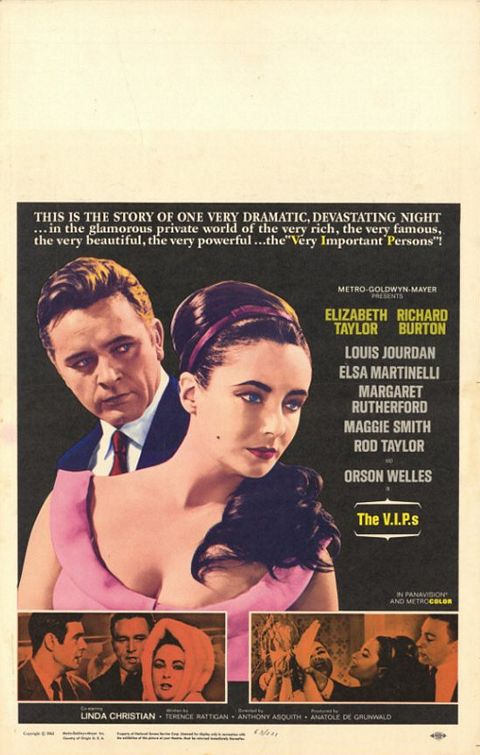
14. The V.I.P.s (1963)

This is a film that is pretty intriguing while its players are all fogbound in the airport and their disparate stories are interesting but when the story extends to a second day and incorporates another locale it loses steam and fast. I can’t say I guessed that this was a supporting actress win for Margaret Rutherford but it makes the most sense, however silly her character and plot-line were.

Oscar Nominations/Wins: 1/1
Score: 5/10

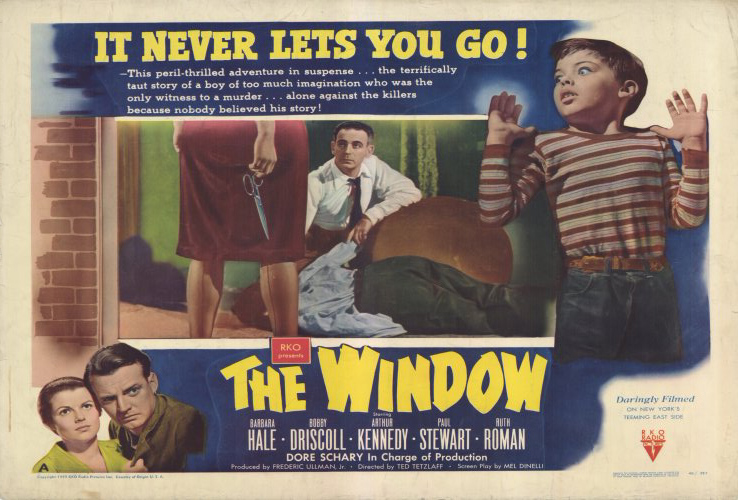
15. The Window (1949)

This film was not on Turner’s line-up this year. Instead I acquired it form the Warner Archive Collection. This film was out of print for sometime despite its brilliance and it being one of the rare films to win a young actor the Juvenile Award. Not only is it likely to be my favorite film of this month but it’s also one of the best films I’ve seen in quite some time. The set-up is simple: a boy who cries “wolf” once too often is witness to a murder and doubted at every plea for help and in danger because of it. If you didn’t know that this was based on a story by Cornell Woolrich you’d guess, it plays like a kids’ introduction to Rear Window and that’s not a wonder as the one of Hitch’s DPs (Ted Tetzlaff Notorious) directs here. Combine Woolrich brilliant story with a man who worked with the Master and you get something very close and a film so suspenseful you hope it’ll last. I’m not embarrassed to admit this film actually had me talking to the TV and shouting interjections at times that’s how into it I got. Yet all this is accomplished in a little over 70 minutes. It’s not a wonder this film also earned an editing nomination. Not a shot, not even a moment is wasted in this film. I’ve talked about this film more than most in this rundown and and I think you can see on and clearly I could go on. One could call many Academy decisions into question but Bobby Driscoll’s Juvenile Award is not one of them, not in the least. He is absolutely pitch perfect in this performance. It embodies all his abilities as a young performer yet all things are in service to the story it’s not a star vehicle per se.

Oscar Nominations/Wins: 1/0* (One academy award win for Bobby Driscoll as this film is cited for his Juvenile Award win).
Score: 10/10

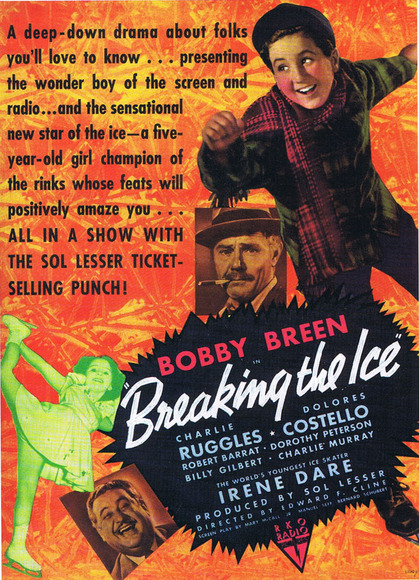
16. Breaking the Ice (1938)

Here’s another film where I went outside the TCM schedule to add a title. I wrote of Bobby Breen recently and this is one of his many films you can stream or save from The Internet Archive, all are in the public domain. I already knew that many of his films had an Oscar nominated song, so there was no guessing game and while the narrative of this one is better than most of his vehicles it is a little lacking in as much as there is some filler were we watch a lot of skating that really doesn’t impact the story in any great way. However, like all his films it ends well and enjoyable enough to watch and there is decent spacing and plenty of singing.

Oscar Nominations/Wins: 1/0
Score: 7/10

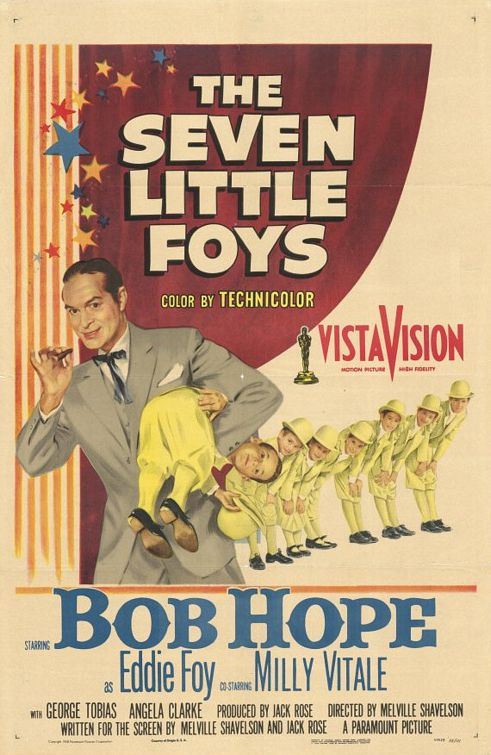
17. The Seven Little Foys (1955)

This is a pretty enjoyable tale of the old vaudeville days. It takes some great classical elements and recombines them. It creates in the process an unusual family dynamic that you get accustomed to and you root for all the characters and in a sense understand all of them. Bob Hope is very good in the film and there is a showstopping dance routine where he is paired with James Cagney that is something to behold. Its writing nomination is well-earned.

Oscar Nominations/Wins: 1/0
Score: 7/10

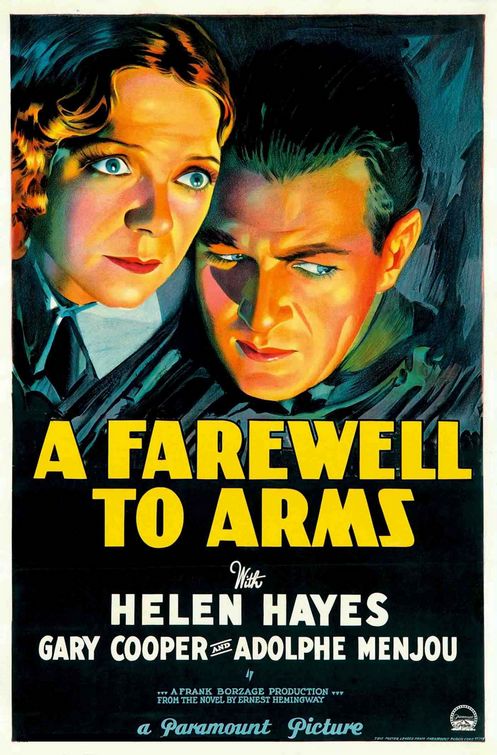
18. A Farewell to Arms (1932)

I will be espousing the importance of separating film from source material soon but my minor quibbles with this film are somewhat different than that. I never read the book. However, when you know something is an adaptation of Hemingway, a titan of literature whose reputation precedes him, you expect something a bit more in terms of story than what amounts to a fairly standard Hollywood tragic love story. The sound work for the era is superlative, the cinematography grand and there’s a brilliant albeit slightly lengthy montage but story-wise it lacks a little.

Oscar Nominations/Wins: 4/2
Score: 7/10

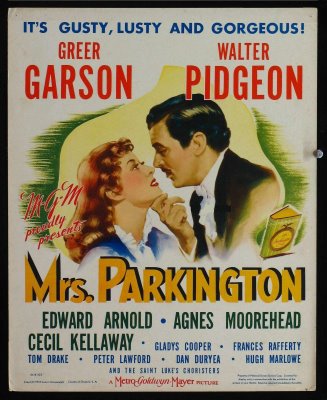
19. Mrs. Parkington (1944)

Oscar Nominations/Wins: 2/0
Score: 10/10

I think it was last year that TCM did a spotlight on Greer Garson and how I wish I’d seen the whole thing. They aired all 5 of her consecutive Best Actress nominations (an unparalleled achievement) back-to-back. After what I thought of Mrs. Miniver I really regretted not seeing all of them. I tried to rectify that as best I could this year. This film is also a “through the years” kind of tale but very interestingly told going from the story’s present to several other key junctures in the past. The conclusion comes swift and impactful and nobly triumphant. Another film I watched for Garson but loved entirely.

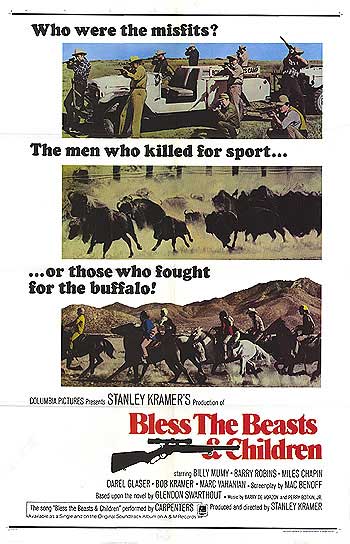
20. Bless the Beasts & Children (1971)

As soon as I saw the opening credits I knew this film had one nomination and likely didn’t win it. The title song to the film is a great one by The Carpenters and may be perceived as the kind of nomination that’s trying to get young viewers to watch the ceremony- I think it’s worthy. However, as the film progressed I really liked it. It’s the kind, in fact, that I may like more once I see it again. It’s about six misfits who become friends at a summer camp and decide to free buffaloes from a reserve. The film starts with the beginning of their mission but at key and appropriate points we backtrack so you get an introduction to a particular character then you see how they interact and understand them more. There are some quirky 70s transitions and an ending that leaves you wanting more both in a good way and a bad way but it really is timeless if you look past the details. In fact, with Goodenow’s plight of being bullied due to his perceived homosexuality (the movie brilliantly never confirms or denies it) and threatening suicide it becomes quite relevant today and other characters are as engaging in their struggle to fit in but it’s Daryl Glaser’s portrayal as the aforementioned character and Stanley Kramer’s direction that make the film succeed whatever its faults. I’m glad this is another title now available through the Warner Archive.

Oscar Nominations/Wins: 1/0
Score: 7/10

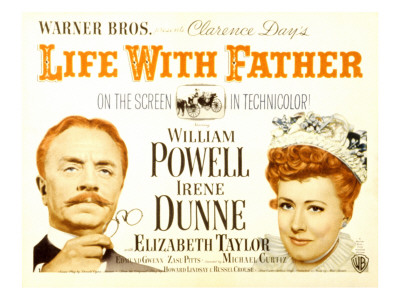
21. Life with Father (1947)

This is a quirky and pleasant film though it does feature some odd logic and math for humor’s sake and does get a bit long in the tooth. The cinematography proves there’s nothing quite like three-strip technicolor and once again proves that there’s nothing that Michael Curtiz could not do he was just better at some genres than others but more than capable of doing anything. It really in an enjoyable and contained film that is a tribute to restorers as the film has only resurfaced in viewable condition in recent years.

Oscar Nominations/Wins: 4/0
Score: 6/10

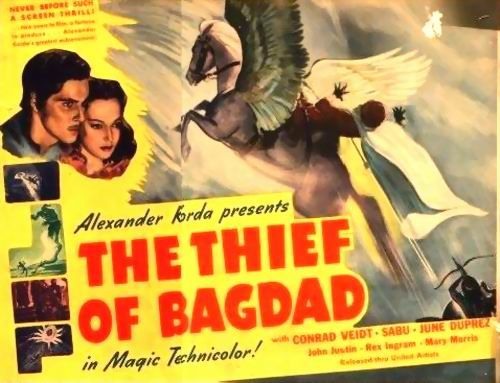
22. The Thief of Bagdad (1940)

This is one of the more surprising titles of this year’s festival. I knew some things about some of the talent involved but not the film itself. I was surprised on many occasions. I knew Vincent Korda was a great art director but these sets may be his best. I didn’t know the story was such an enjoyable fantasy. You typically pick up on common names in the fest other not as well-known artists make their presence felt, especially musicians. This year it was Alfred Newman and Miklos Rosza, nominated for this film. Sabu, recently given an Eclipse set by Criterion, stars in this film but there’s also Conrad Veit. It’s a very fun, enjoyable movie with great effects, amazing for the era.

Oscar Nominations/Wins: 4/3
Score: 9/10

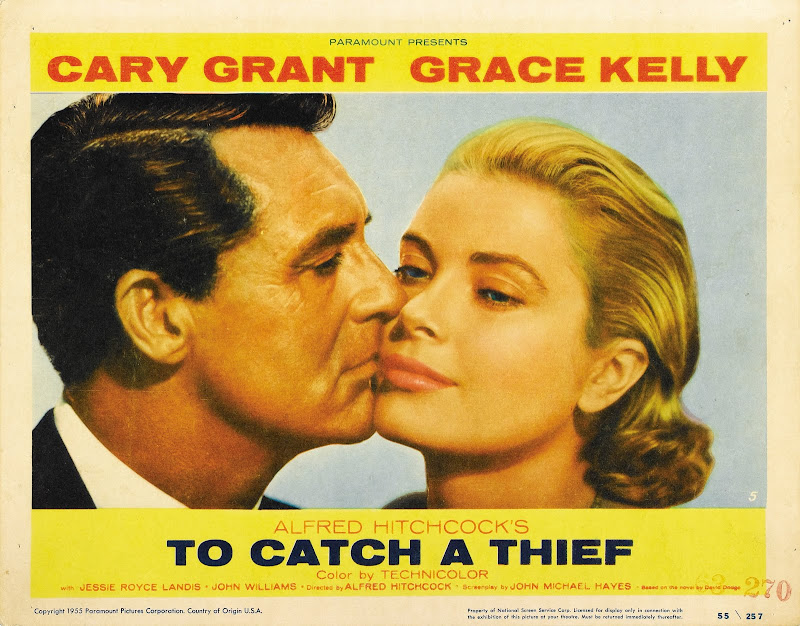
23. To Catch Thief (1955)

When I become familiar with a filmmaker part of my scoring indicates how the film fits on their scale. Hitchcock was the first director I started to watch religiously. I always avoided this film based on the description. It’s better than I thought it would be but still not what I’d recommend to anyone as where to start as a starting point. It is enjoyable though.

Oscar Nominations/Wins: 4/1
Score: 8/10

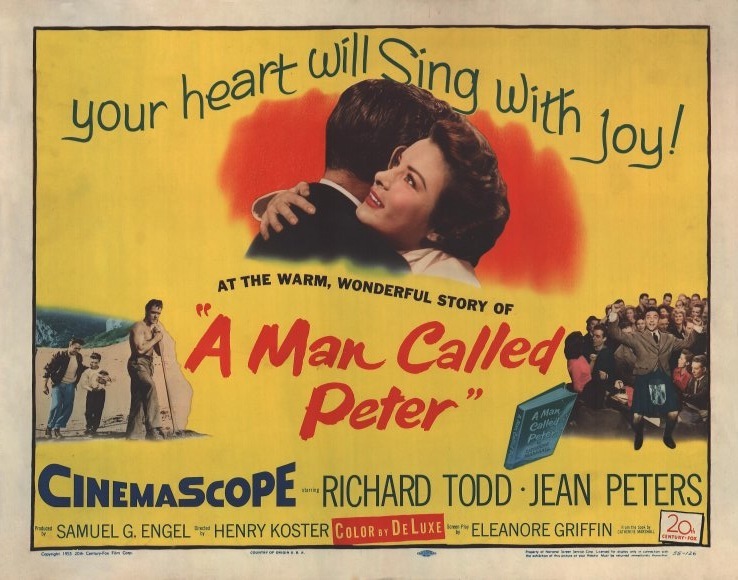
24. A Man Called Peter (1955)

Perhaps the most interesting thing about this film is the fact that it contains some really amazing sermons, which are even greater if cribbed from real life and more impressive. Now preaching is generally verboten in film, however, one exception is when your lead is a priest. Some of the thoughts conveyed are great and even applicable to current times, one reminds me of Stephen Colbert’s recent point about being a Christian country. It gets a little languid towards its inevitable conclusion but the cinematography is great as are some of the performances.

Oscar Nominations/Wins: 1/0
Score: 6/10

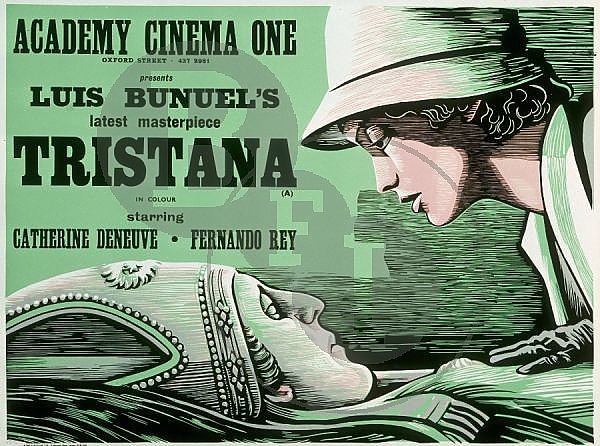
25. Tristana (1970)

This is an interesting film by Buñuel which stars Catherine Deneuve. It’s not great but the plotline is simple and accessible and the protagonist’s situation is easy to identify with. There is a pretty impressive closing montage, not to say too much.

Oscar Nominations/Wins: 1/0
Score: 6/10

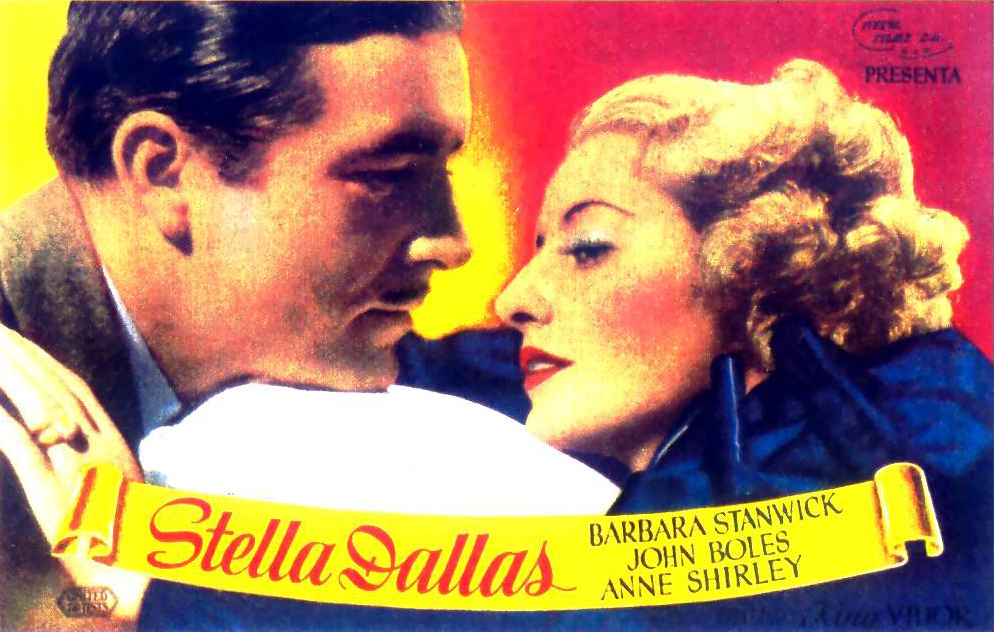
26. Stella Dallas (1937)

Barbara Stanwyck is brilliant in this. Very deserving of her Best Actress nomination and frankly the only thing that truly makes the whole film worth watching. The film hits an unusual flatness as the romance fizzles and the marriage is in name only it all feels like a lot of window dressing to the next major conflict of the film. It’s about as enjoyable as it can be but not as good as it could be.

Oscar Nominations/Wins: 2/0
Score: 5/10

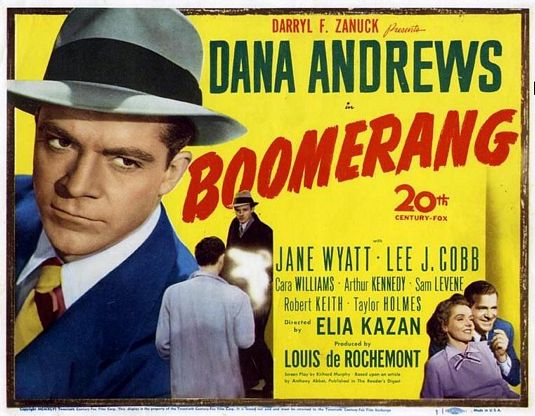
27. Boomerang! (1947)

It’s funny how similar in conclusion and resolution this is to the other Kazan film I saw (Panic in the Streets above). Another thing that struck me is that it handles a lot of similar elements much better than the later The Town That Dreaded Sundown.

Oscar Nominations/Wins: 1/0
Score: 7/10

28. The Letter (1940)

Better Davis and William Wyler were a pretty dynamic duo when they joined forces, however, this is not the best that duo can do. The situation and complications the protagonist finds herself in are fascinating and he cast is brilliant but the resolution is slightly lacking and a bit anticlimactic, the twists make it work.

Oscar Nominations/Wins: 7/0
Score: 7/10

29. Kiss of the Spider Woman (1985)

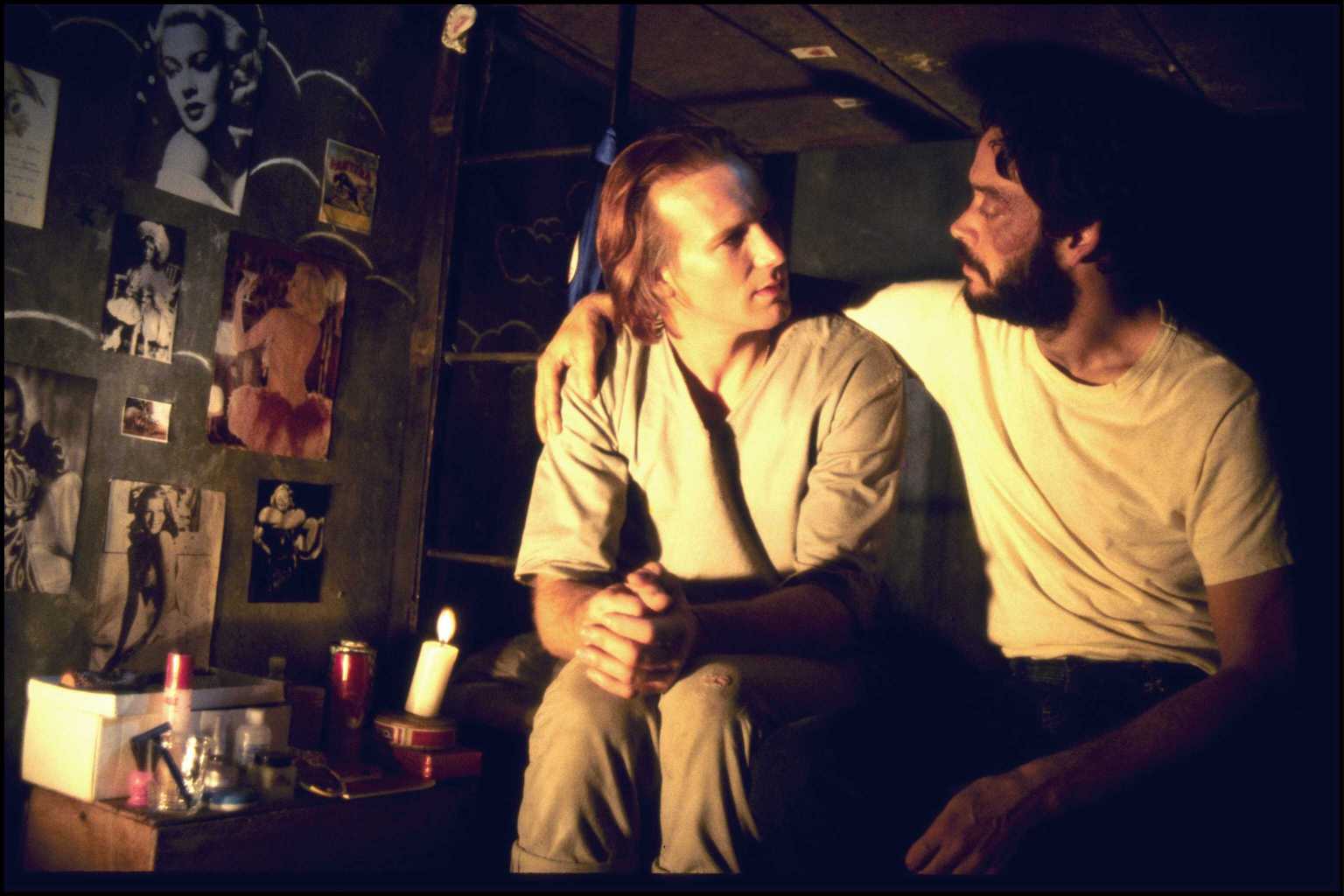
William Hurt and Raul Julia in Kiss of the Spider Woman (HB Filmes)

Despite the fact that it’s based on a novel I first became familiar with Kiss of the Spider Woman though a play version. I know that for the most part the narrative is one I enjoyed yet there were a few reasons I avoided the film version for some time.

Most of it has to do with the fact that the film in production terms and representational terms ends up in a very weird cultural limbo. Now in the interest of full disclosure: I am Brazilian so in many ways I disqualify myself but bear with me and try to understand my perspective.

The setting according to the text is always vaguely South American and surely for many reasons dictatorships were rampant on the continent for a time but the signage, location, supporting talent and director (via naturalization) are all Brazilian. It’s a muddled world wherein I see great Brazilian actors look less than stellar for the most part as they struggle with their broken English. You have late great Raul Julia doing a wonderful job but who generally gets overlooked in this film, except by the National Board of Review, and as brilliant as William Hurt is his name is Molina and he has no accent and isn’t designated as a gringo. So those factors along with Brazilians playing German in the film clips don’t ruin the film they just make suspension of disbelief a chore at times.

I’d absolutely love to see this (as I would most stories) in the languages intended whether Spanish or Portuguese and German and French.

Other than that the film is a great tale of unlikely friendship and loyalty, however, another bugaboo is there’s a line where Molina seems to indicate he’s more transgendered at heart than homosexual, so perhaps the description is not accurate. The only difference that really makes is in a public perception and social awareness. If this is looked at as William Hurt playing a transgendered man rather than crassly classifying “just another actor winning an award for playing gay” it would be better for the whole GLBT community so that people would know there are differences amongst the letters in that acronym. To continue to merely characterize the character as homosexual does a disservice to Hurt’s performance and in this day an age a community though I recognize that when the film was made there was a lack of differentiation.

But the only other issue I had was the prolonged and foreseeable ending. It truly is a good piece despite issues I had with it. That baggage was mostly my own and those things didn’t turn me off from the film.

Oscar Nominations/Wins: 4/1
Score: 8/10

84th Annual Academy Awards

Before We Even begin

Here are the pertinent links you’ll need as a frame of reference for my thought-process as the evening progresses.

In a vacuum my thoughts on what the nominees should’ve been based on what I saw can be found in the BAM Award Nominees. The pertinent winners can be found in these three posts (Acting, Crew and Film).

For a slightly less competitive slant on the year in film you can check out my Top 25 of 2011 (#25-21, #20-16, #15-11 and #10-1).

For what I want to happen and what I think will happen in most categories tonight go here.

You’ll note I didn’t comment on the short films as I was ill-informed at the time. I have since seen them my thoughts on the live action shorts and animated shorts are now available.

I’ll likely only know at the end of the night how well or how poorly I did in regards to prognosticating but you can follow the post here or tweet me during the show and I’ll likely respond.

The Red Carpet

I always complain about E!’s coverage yet what am I watching before I leave for the party. Yeah…

What’s written under that piece of paper with the Canadian flag on it? Press ID or what?

These Oscars will at least be more engaging because of the sizable screen I am seeing them on.

If not for the little skirt thing Michelle Williams’s dress would be perfect.

George Clooney is the only current star who looks like he fell out of the Golden Age. Everyone else is slightly awkward in a tux.

Milla Jovovich is now in the pole position for best dressed.

Maybe Penelopé Cruz now. Pretty amazing look.

The Ceremony

Billy Crystal still has it. Amazing opening. Wow.

They have to get Tom Hanks.

Robert Richardson wins for Hugo! Amazing! My favorites are 1-1.

Switching up the announcements this year.

Hugo again yes! Called set design on both counts I think.

Where’s this band coming from?

The Artist takes costume design. Is the start of the dominance?

Melanie Griffith and Antonio Banderas sighting. Good to see them. For all my E! complaining they do seem to be less myopic.

It’ll be hard to top the speech by A Separation.

Octavia Spencer wins for The Help. Well done. Great work. First standing ovation of the show.

This band in the boxes is the consistent bad idea in this show.

The Girl with the Dragon Tattoo wins editing. Funniest awkward acceptance.

Hugo gets sound editing. That’s three.

Another editing/mixing sweep. Hugo is up to four wins.

Not a surprise considering the attendance numbers that the Oscars are focusing on celebrating moviegoing this year.

Undefeated I’ve heard about and want to see. Memorable speech for an audio dump and the first playoff of the next.

Rango best animated feature.

Hugo in somewhat of an upset, which pleases me. Five now.

Christopher Plummer with a much deserved win and standing ovation. Great moment.

Thankfully the president’s speech was short and followed by one of the best jokes of the night.

In all seriousness what is the rule about using non-original music in scores. Loved The Artist and its original music but it did use a lot of Vertigo.

Well, my gamble in a competition fell through. Not surprised Muppets won. There were better songs in Rio than the nominee.

The first wow of the night. Woody Allen won it. I was taken aback. Amazing and awesome.

Surprising but pleasant live action winners. Political speeches abound. Great speech from animation winners.

Should’ve charged my phone the whole way. Blogging by phone is draining may power down before the end of the show.

It’s An Honor Just To Be Nominated

Elizabeth Taylor and Roddy McDowall in Cleopatra (20th Century Fox)

“It’s a an honor just to be nominated” is a phrase that’s such a truism that it rings empty and hollow. In fact, you hardly hear it anymore, however, I do believe actors when they do say it. The fact is there are only so many Oscar nominations to go around such that many very, very talented people never even get so much as nominated. While some have one standout performance that grabs everyone’s attention. Below you will find a list that could be longer of some notable actors who never even were nominated for supporting or leading actor/actress prizes.

Pictured above is one of the more unfortunate cases: critics at the time and film historians agree that Roddy McDowall was a virtual lock for Best Supporting Actor in Cleopatra. However, a clerical error submitted him as a lead. Fox tried to rectify the mistake but the Academy wouldn’t allow it thus McDowall was not even nominated. An ad taken out by Fox apologizing for the oversight and commending McDowall’s performance was a poor consolation prize at best.

Best Non-Oscar Nominees

1. Christopher Lee
2. Bela Lugosi
3. Boris Karloff
4. Vincent Price
5. Edward G. Robinson
6. Mae West
7. Michael Keaton
8. Peter Lorre
9. Mel Gibson
10. Sonia Braga
11. Alan Rickman
12. Fernanda Torres
13. Roddy McDowall
14. John Barrymore
15. Joseph Cotten
16. Errol Flynn
17. Bob Hope
18. Lloyd Bridges
19. W.C. Fields
20. Lon Chaney, Jr.
21. Victor Mature
22. Conrad Veidt
23. Peter Cushing
24. Donald Sutherland
25. Eli Wallach
26. Robert Blake
27. Malcolm McDowell
28. Kurt Russell
29. Martin Sheen
30. Christopher Lloyd
31. Jeff Goldblum
32. Steve Buscemi
33. Kevin Bacon
34. Vincent D’Onofrio
35. Marilyn Monroe
36. Jean Harlow
37. Rita Hayworth
38. Myrna Loy
39. Hedy Lamarr
40. Tallulah Bankhead
41. Maureen O’ Sullivan
42. Betty Grable
43. Jane Russell
44. Jeanne Moreau
45. Barbara Steele
46. Mia Farrow
47. Margot Kidder
48. Jamie Lee Curtis
49. Meg Ryan
50. Ellen Barkin
51. Isabelle Huppert
52. Shelley Duvall
53. Madeline Stowe

So You Wanna Win Best Foreign Language Film?

Gaspard Mannesse and Raphael Fejtö in Au Revoir les enfants (Orion)

To be clear this article is not meant in any way shape or form to disparage the Academy. This list is aimed at the film enthusiast who may, as I used to, get a bit too worked up about who won or lost. Granted you will link your opinion to a sense of justice, however, it bears keeping in mind that below are over 30 films all of whom were nominated for Best Foreign Language Film but did not win all of whom have a legacy stronger than most winners of the award. Ultimately, time, the public and critical re-appraisal are what determine the films that last, awards, while nice, are in the moment comparatively speaking. The Oscars are a great show and if something or someone you like wins its even better but if not its not the end of the world. The list below is evidence of that.

1. Umbrellas of Cherbourg
2. Kapò
3. Marriage Italian Style
4. Kwaidan
5. Stolen Kisses
6. Lacombe, Lucien
7. Cousin Cousine
8. Jacob the Liar
9. That Obscure Object of Desire
10. Kagemusha
11. The Last Metro
12. Das Boot
13. Colonel Redl
14. Au Revoir Les Enfants
15. Pathfinder
16. Farewell My Concubine
17. The Scent of Green Papaya
18. The Wedding Banquet
19. Eat Drink Man Woman
20. O Quatrilho
21. Secrets of the Heart
22. Four Days in September
23. The Thief
24. Central Station
25. Children of Heaven
26. Amores Perros
27. Lagaan
28. Amélie
29. Evil
30. The Chorus
31. Downfall
32. Pan’s Labyrinth
33. After the Wedding
34. The White Ribbon
35. Incendies