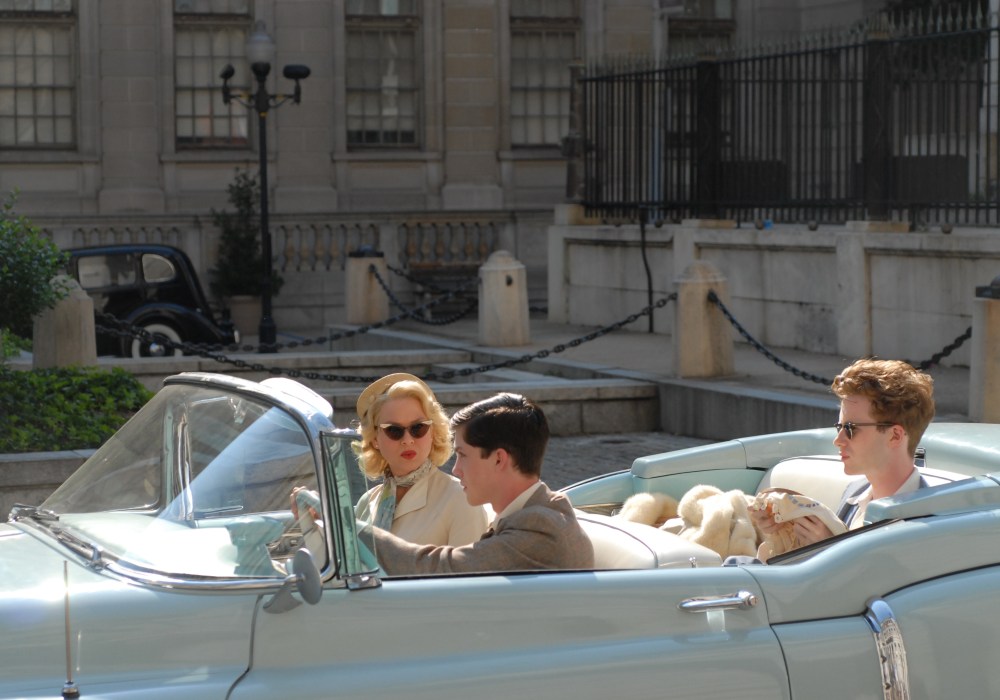
Once Upon a Time in the 80s: The Breakfast Club (Part 14 of 17)

Warning: This article features in depth plot analysis. If you have not seen this film you are urged not to read on. Spoiler alert administered.

John Hughes was a big name in the 1980s, but more so as a writer/producer than as a director. He started off as a writer with the National Lampoon’s crew. While it’s true he did work in a formulaic manner, and did practically invent the template for the teen film of the 80s; he did strike gold from time to time. The teen film of the 80s was so badly adapted to the 90s it spawned a spoof film called Not Another Teen Movie at the turn of the century. Hughes became a big player as a writer/producer but rarely directed his own scripts. He directed this film but his other films ran the gamut quality-wise from Weird Science, Ferris Beuller’s Day Off and Curly Sue to Vacation, The Great Outdoors and Home Alone. Hughes’ best directorial efforts were this film and Trains, Planes and Automobiles; regardless of all that this is his seminal work.

We start with a quote by David Bowie which is much better in the written word than it is in the song itself: “…And these children/ That you spit on/As they try to change their worlds/ Are immune to your consultations,/They are quite aware/ Of what they’re going through…” and the image shatters so we begin…

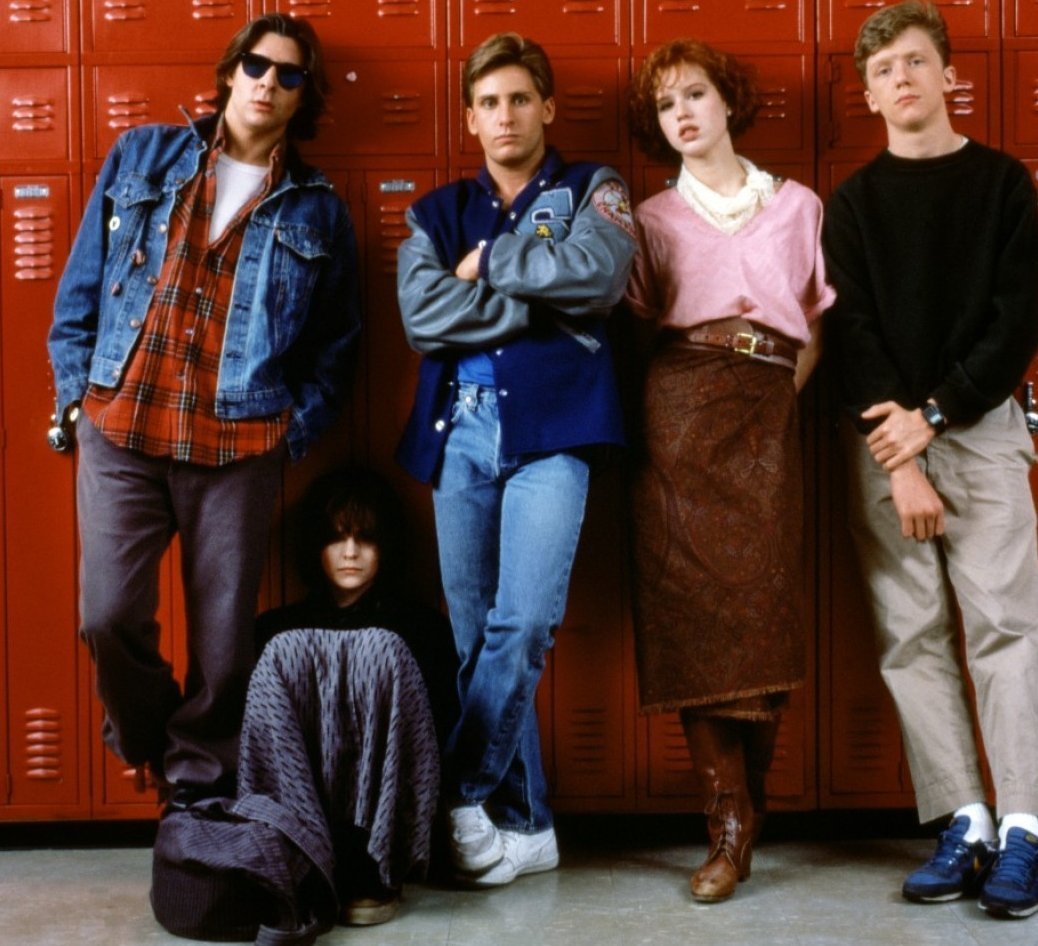
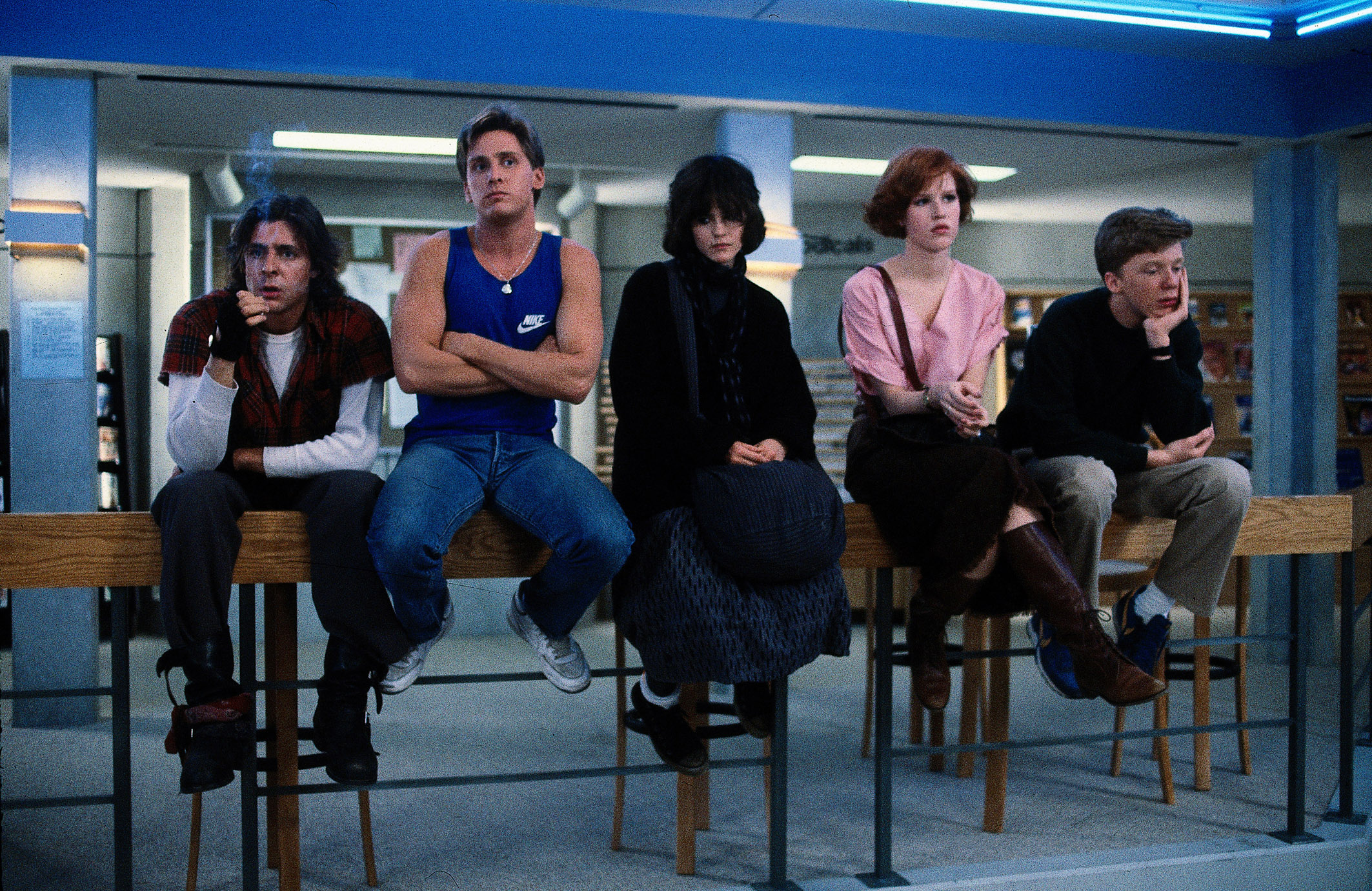
The Breakfast Club is in essence two things: it is first a character study and secondly, a timeless manifesto of teen angst. The setting is Saturday detention, our five protagonists are all here for reasons of their own but they are thrown together in the school library for eight hours and have to co-exist though they are very different. This is one of Hughes’ great situations and has been repeated on shows like Dawson’s Creek. Hughes is a master of creating a great situation for comedy. The premise of Sixteen Candles is that everyone has forgotten the main character’s birthday and it was a plot of one episode on practically every sitcom in the 1980s. This film is almost a play it is so dialogue-driven, however, if you turned it into a play I don’t think it’d work not that that’s going to stop anyone from trying [I’ve since learned at a screening with a Q & A hosted by Kevin Smith that this film was initially written as a stage play].

The Breakfast Club (1985, Universal)

“Anyone who moans that cinema in the 80s amounted to the death of dialogue and the triumph of action Jackson, should take a look at this movie. It’s all talk.”

The characters are immediately defined as we see them dropped off at school. Brian (Anthony Michael Hall) is told by his mother to use his time to study, he protests saying he isn’t supposed to study and she says he has to find a way; he’s the brain. Andrew (Emilio Estevez) is being reamed out by his father that he won’t get a scholarship if he gets caught again that and his letter jacket tell us; he’s the jock. Claire (Molly Ringwold) is being told that cutting school doesn’t make her a defective; she’s the popular girl or the princess. Allison (Ally Sheedy) is dropped off without a word when she goes to say goodbye the car speeds off and almost runs over Bender (Judd Nelson) so we have the last two, the basket case and the criminal. These labels are very important because that’s what we all perceive them as in the beginning and how they perceive each other and we learn about these characters and they bond with each other. While they’re in detention they’re each supposed to write a 1,000 word essay but they choose to do something else instead.


Why they ended up in detention ends up being like the “Rosebud” of this film. Except in this film it is but a gimmick. In their discussions, we find out more and more about these characters and what pushed them there. We find out about their home lives and for all of them there is something that makes it unbearable for them. In a very memorable scene Bender re-enacts a typical night in his house and depicts an argument between his parents. When Andrew doesn’t believe him he lifts his sleeve and says “See this? It’s about the size of a cigar. See this is what you get in my house when you spill paint in the garage.” Andrew relates how his father was always browbeating him to be number one and how he’s been made to hate weakness. Claire’s affections are a prize her parents keep fighting over since their divorce. Brian relates how he nearly killed himself, albeit with a flair gun, because he got a B in shop and his parents demand academic excellence from him “I can’t have it, and my parents can’t have it,” he says. At the end, we find out Allison’s problem is that her parents outright ignore her and that’s why she’s been contemplating running away. Their discussion concludes with the question “My God are we all going to turn into our parents” and Allison “It’s inevitable at a certain age your heart dies,” which leads us to the antagonist.


The Breakfast Club (1985, Universal)

The villain in this film is Principal Vernon (Paul Gleason). He is the establishment. And when he gets Bender alone he ranks him out like nobody’s business, and you just want to punch him right in the face, and he even gives Bender the chance to but Bender’s not used to this brutal honesty and is scared to death. I’d even say his tough guy image is an act even though he does have a hellish home life. Vernon also talks to the janitor and complains that “Every year these kids are getting more and more arrogant,” and then the Janitor speaks the truth saying “Come on, Vern, the kids haven’t changed you have. What do you think you’d think of yourself at their age?” and that ends the conversation. The principal is the embodiment of everything these kids hate and fear becoming. And he also gives a very good and funny performance. The teen angst of this film is apparent. When this film becomes a manifesto is when at the end they decide to ask Brian to write their essay for them and he agrees.


While there is a montage at the beginning of all that is high school. This is also a striking visual sequence. We see Vernon holding the paper, Claire and Bender being romantic, Andrew and Allison holding hands and Brian getting into his car. And we hear Brian doing a voice-over narration:

“Dear Mr. Vernon: We accept the fact that we had to sacrifice a whole Saturday in detention for whatever it is we did wrong, but we think you’re crazy for making us write an essay telling you who we think we are. You see us as you want to see us: in the simplest terms, in the most convenient definitions. But what we found out is that each one of us is a brain, and an athlete, and a basket case, a princess, and a criminal. Does that answer your question? Sincerely yours, The Breakfast Club.”


The Breakfast Club (1985, Universal)

And as the narration ends we see Bender walking across the football field and he pumps his fist in the air as “Don’t You (Forget About Me)” by Simple Minds plays the frame freezes. It’s the best, and one of the few acceptable, freeze frame endings I’ve ever seen; it’s perfect.


Some of the vernacular in this film is very 80s for example I don’t think I’ll ever know what “Neo-maxi-zoom-dweebie” is but the themes and storyline that run through this film are timeless such that I only came to see this film about three years ago (as of this writing). It’s a great piece of adolescent rebellion and a great comedy undoubtedly Hughes’ best work.

Works Cited: p. 33 Brat Pack: Confidential Andrew Pulver and Steven Paul Davies. BT Batsford: London, 2000.
The Breakfast Club. Dir. John Hughes. 1985. featuring Emilio Estevez, Judd Nelson, Molly Ringwold, Ally Sheedy, Anthony Michael Hall, Paul Gleason. Universal Pictures.

Once Upon a Time in the 80s: The Neverending Story (Part 12 of 17)

Note: This piece contains in depth story analysis. It is not recommended reading if you’ve not seen the film.

Five Films

We’ve taken a very broad look at the 80s. Now I want to take a closer look at five films that in their own unique way captured a different part of the 80s flavor. In my opinion, they are at least great pieces of entertainment, and on some level great films. One film The Neverending Story I rediscovered as an adult; one, Parenthood, I saw as a child, the other three I saw for a first time as a mature viewer. Each of them capture the character and magic of the 80s in their visuals, plot and themes and in such a different way I’ve included them all here:

The Neverending Story


The Neverending Story (1984, Warner Bros.)

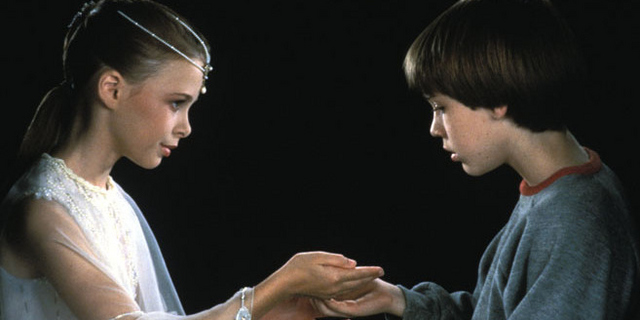
This is a film adapted from a book, which was a phenomenon written by German children’s author Michael Ende. It was produced entirely in Germany with an English-speaking cast thus the official title of the film is Die Unendliche Geschichte. The film was directed by Wolfgang Petersen. This was, in fact, his follow up to Das Boot. This is a film I watched anew after many years of not having seen it anywhere. I first saw this when I was in the fourth grade. In fact, it was screened to us before we went on a field trip to see the sequel. The next time I saw this film again was a year or two ago on cable (as of this writing). I was absolutely amazed by the sheer fantasy and wonder of this film. The affect this film has is timeless and perhaps it’s even more profound now.

The tale is about a boy named Bastian (Barret Oliver), this name does carry symbolism as it is similar to bastion, and our protagonist lives in a dream-world. Ironically, he will visit a world of fantasy and there will be created another great symbiosis of the 80s. The difference between adults and children is also drawn out right away in this film. His father (Gerald McCraney) yells at him because he was drawing horses in class. Bastian corrects him and says they were Unicorns and his father doesn’t understand what he said. This is fundamental dichotomy: Adults lose their imagination and prefer pragmatism. 


We see the plight that makes Bastian escape to his fantasy world when three bullies accost him. As fate would have it, he stumbles into a book store run by Mr. Koreander (Thomas Hill). Barret Oliver was a young actor of some note in the 1980s, he was no Henry Thomas but he had some good performances, this one was not especially convincing. It is especially weak when he challenges Koreander saying he does read. This meeting introduces one of the many towering concepts these ideas are amazing on their own but we find them all here in one gem of a film. These concepts are: 1) A story that has no end, 2) Fantasia is the world of human fantasy and has no borders, 3) Fantasia is starting to die because people have begun to lose hope, 4) The Nothing, 5) The reader is actually part of the story. 


The Neverending Story (1984, Warner Bros.)

Great concepts are essential to a good fantasy and here we have it five great ones. I will expound on them now. Obviously the narrative within cinematic context must end but the idea of this book Bastian finds doesn’t is that everyone who reads it forms the story. All the imaginations of the world form their universe; it’s great. The first example of the great production design is the book that contains The Neverending Story. It has on its cover two snakes that are eating each other which give us an alternate symbol for eternity. 


The story he experiences (isn’t that what we do with the very best stories, experience them, we also don’t want them to end) takes place in Fantasia which is the world that is created by the dreams of human beings. What’s great is that there is an inference that we will identify with this story because everyone who reads this book will shape the tale and they are ultimately the ones who will save Fantasia. 


All this talk of saving Fantasia leads me to the next great idea. The Nothing is literally nothing, the film explains this right away “A hole would be something no it was, nothing,” the Rock Biter says. The Nothing has come about because people have started to lose hope and have stopped dreaming. “And people who had lost hope are easy to control.” The reader, Bastian, must complete the story such that Fantasia can be saved. Thus, we can also infer a grander vision that every time someone some one stops dreaming part of Fantasia dies. Its fate is always in the balance.


The Neverending Story (1984, Warner Bros.)

The reader’s active participation in the story is also a great touch. Everyone at one point or another wanted to shape the story they were reading. This is a great piece of fantasy and in this manner the film has two heroes: Atreyu (Noah Hathaway), who goes on a classic fantastical quest to try and save the Childlike Empress, whose death would end Fantasia; and Bastian, who manages to recreate Fantasia even when there was only a speck of sand left just by the power of his imagination! This also creates another bookish film a lá The Many Adventures of Winnie the Pooh which is less a cinematic adaptation but embracing of two separate art forms. 


The flow of this story is unbelievably smooth and quick. While it’s a little over 90 minutes long a bad or poorly paced 90 minute film can feel like it’s two hours long or more. We are introduced to the idea of the nothing by an assorted cast of fantastic creatures: a night-hob, a racing snail and a Rock Biter, a rock-formed creature that eats rocks. They travel to the Ivory Tower, this is one of the magnificently designed sets of the film, even though this first shot is probably just a matte painting it is just fantastic. Then there are The Swamps of Sadness, Engyebook’s Hut and the Ivory Tower itself are as other examples of fantastic sets made for this film. At the Tower news of the Empress’s illness and its connection to the Nothing are given and a brave warrior is called to go on a quest to find the one who can defeat the nothing, one who lives beyond the boundaries of Fantasia.

Atreyu proves he’s the one who’s meant to go on this quest; Noah Hathaway had a great fantastical accent which seems as if it was an amalgam of British and Australian speech patterns. Bastian immediately identifies with Atreyu and we identify with both of them in turn. It seems the amount of symbiotic connections this film makes is endless. The two snakes turn out to be the AURYN, a magical amulet that protects the wearer. Yet another classic fantasy element; it’s such mishmash and yet the story itself is so much more unique than most 80s fantasy like Legend, which was purposefully a combination many fantasy epics.


The Neverending Story (1984, Warner Bros.)

Atreyu journeys through the Swamps of Sadness where if you let the sadness that emanates from the place get to you, you will sink into the mud and die. He is brave and makes it but his horse Artax dies. This is a huge event not only in the film’s dramatic context but production-wise this is a bold move in a kid’s movie where only someone like Disney usually had the guts to do something like that. He then encounters Morla the Ancient One. The dialogue in this scene is great. Morla keeps referring to itself as “we” and Atreyu asks “Are there more than one of you.” The response “We haven’t talked to anyone in so long. So we started to talking to ourselves.” Morla later starts sneezing because it’s literally allergic to youth.

He’s told he must go to see the Southern Oracle, which is more than 10,000 miles away. As Atreyu walks dejected through the swamp, we see class at Bastian’s school is no longer in session but he stays to continue reading because he can’t put the book down. Atreyu is taken most of the way by Falkor a full animatronic luck-dragon that was 43-feet in length. There Atreyu meets Engyebook and Urgl an old couple who fight incessantly. Engyebook is a scientist and does everything experimentally and never takes a chance in his life. There are two gates you must pass before reach the Oracle are giant twin sphinxes, these are another pair of great symbolic moments. The premise of the first gate is that anyone who doesn’t feel their own worth is destroyed by the gate. Beams shoot out of the sphinxes eyes and kill the unworthy. We see a man in armor get burned. This film stayed PG oddly enough despite the fact that we see his face burnt to a crisp and the statues have large exposed breasts. Atreyu makes it through after some trepidation and the second gate is the magic mirror gate where he must come face to face with his true self and who does he see in the mirror but Bastian. This is the second time Bastian is given a hint that the people in the story know of him. The third time the Empress pleads outright with him telling him every place Bastian had followed Atreyu and pleads for a name.

This film has developed quite a cult following although it had quite a good run at the box-office. There are many websites online dedicated both to the film and the novel. The seemingly great mystery of the film is what Bastian’s mother’s name is because this is the Empresses new name. He yells it out the window during a storm and it seems purposely drowned out. On the DVD there is no subtitle to tell us what he says even when you have the feature on. This is one of Petersen’s greatest touches. It could be any kid’s mother’s name, even though if you listen carefully you can decipher it (hint: it’s the same thing he says in the book.). His best work was in adapting the novel to film. He didn’t try to adapt the whole thing, but saw a definite point where the novel stops telling one story and starts telling another. At page 180 of the novel Bastian has saved Fantasia, in the book he goes there and it wanders off into battles with Xiathis, which are used and terribly adapted in the sequel. Petersen had great foresight and knew, this is the best part of the book, and this is my film, Ende can keep the rest.


The Neverending Story (19484, Warner Bros.)

The Neverending Story is a great departure for Wolfgang Petersen. It is also a monumental fantasy, and perfect for the 1980s where it seemed people were starting to lose hope, and they had some good reasons to, but the cinema was trying to give them something to hold onto. The novel was on the bestseller list in Germany for four years and the film became a phenomenon in and of itself. It’s a little gem that could only have been a product of the 80s. 


End Notes

Miraculously the film does succeed as Oliver is a supporting player. The film does have kinks in its armor like why an attic key is so easy for him to find in a school but it still works and you’ll see why.

In Ende’s novel the land is called Fantastica but it was changed to Fantasia in the film so that people would have a name they could identify with and also to make allusion to the Disney film.


Morla is a giant tortoise who literally is the Shell Mountain. It’s gender is never established one way or another, however, if forced to guess I believe Morla is a woman.

DVD Review – Straight A’s

Introduction

I don’t frequently write DVD reviews, but upon seeing this film I was compelled to watch the special bonus features on it as well. Typically, I would stick to a review of the program on the disc, but have included thoughts on the features below.

Film

Straight A's (2013, Courtesy of Millennium Entertainment)

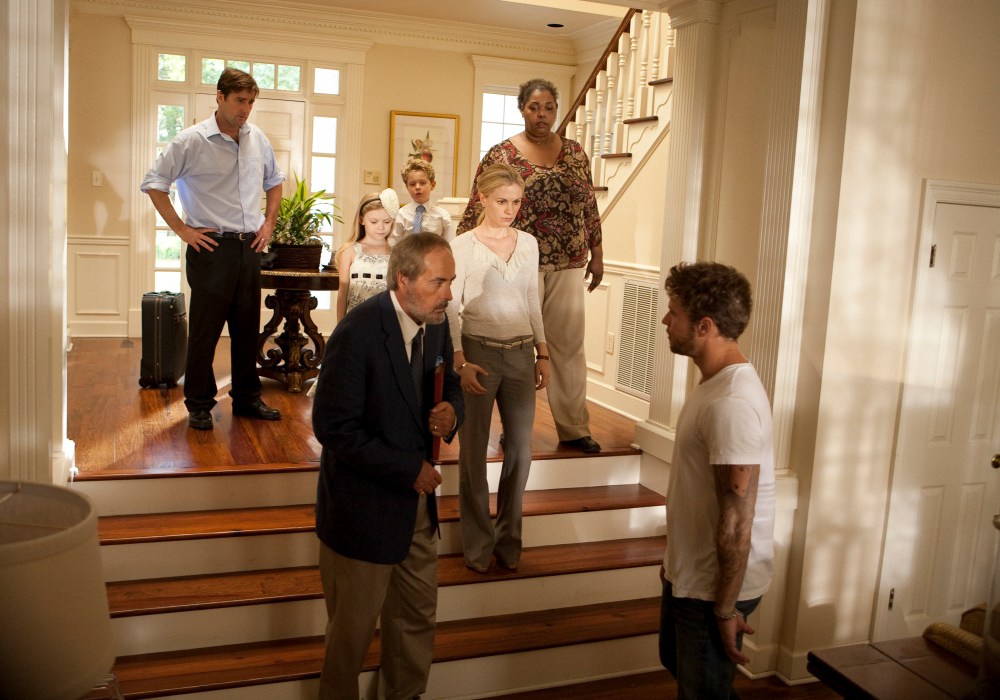
The film has a very basic synopsis and I will not elaborate much at all on that here. It’s likely better that you go in knowing that much or less about this film. Straight A’s really caught me by surprise as a refreshing, character-driven family dramedy, that doesn’t get bogged down in the histrionics that are potential pitfalls of a film with a synopsis such as this one.

I will readily admit that I just may have a soft spot for family dramedies. However, the recent film in the subgenre that comes to mind for me is Fireflies in the Garden, and that film pushes its melodramatic limits, whereas there is a fairly realistic grounding to be found here. Characters’ motivations and reactions make sense, things are played up as much as they need to be and are still fairly effective. While the overtures of external conflict are apparent, there is also a lot inner-turmoil that the film is wise enough to hold the reins on, and allow some disputes to be settled sub-textually rather than textually.

There are two things this film does very well early on that set it up for success: The first is that it establishes an overt structure for the titles that confirm the passage of time and that a new day has begun. I’m not one who is slavish towards a ticking clock mentality, but far too often films employing this sub-division approach lag because we as an audience have no clue what the endgame is, and they’d be better off letting time flow organically. This structure becomes intrinsic to this film and aids the flow of it.

That narrative structure established is confirmed by the voice over of the film’s narrator Charles (Thomas Riley Stewart) and that sets up one of the many wonderful symmetries of this film. Quite a few pieces of dialogue, motifs and themes come back around unexpectedly and close many a tidy, well-wrought circle. This is assisted by the strong, certain manner in which the narrative asserts itself.

In building these characters the film does well to split the job. It always shows something about them when they’re alone, usually visually, and is constantly rounding in interaction, but perhaps the best work the film does is through dialogue. The black sheep returning to the fold is Scott (Ryan Phillippe) who is always direct. There is also the fact that Charles is very intelligent that could lead to a number of pitfalls, but his dialogue isn’t instantly and persistently showy, and neither of the kids are condescended to. It’s just one tool that that the film uses to constantly add new definition to its main characters, but one of the best used.

One good example both of dialogue and of how the film avoids overplaying its hand is one of the lead-up-to events – an oral presentation Charles has before his whole school. In this sequence, I was reminded of how the speech in Crazy, Stupid, Love devolved from its diegetic script to being a very literal thinking out loud. There’s a clear message, but never one that’s bluntly said. It’s also another good case of follow-through in the subjective editing choices that are made.

There is also good use of montages and cross-cutting sequences that are more nested and less overt than you see many times. For as strong as the film is with its use of dialogue, it doesn’t ignore the visual end of things either and has quite a few visual signatures throughout.

Of course, any film described as character-driven needs its actors to deliver in order to work and this film has that as well. Ryan Phillippe seems to be quite connected throughout and fills in those blanks the script can’t; portraying troubled, irresponsible with good intentions that could just read like a jerk. Luke Wilson, like in Meeting Evil, finds a part that really seems to suit his type, his poker-faced, button-lipped character’s moment of decision reads better due the whole of his performance. Paquin’s facade of control is always erected, even as she loses it, and it makes her a presence that can be reasonable seem to be one that would be acquiesced to, even by Scott. There’s also Powers Boothe with a significant secondary role, that’s sensitive and understated. Boothe is an actor who you literally can’t see enough of. Last, but not least, there’s Riley Thomas Stewart who has the unenviable task of playing intelligent, precocious yet still childlike and endearing, and he succeeds with flying colors. Even when the dialogue is clearly designed to show his vast intellect it just sounds like Charles talking as opposed to an actor doing a line reading, which is a hard task with verbose lines.

Straight A‘s is the kind of film that might slip under one’s radar. I know I’m glad I found it, as it’s yet another dark horse for this year that I really connected with.

9/10

Special Features

Straight A's (2013, Millennium Entertainment)

While they are a little stripped-down with quick cuts to black and spotty audio, the three special features on the disc make up for in content what they lack in flash.

There’s a featurette, which is about trailer-length that’s a quick splicing together of interview and final film footage.

There are interviews with director, producers and several stars of the film, which run about 17 minutes and explore the themes of the work rather well without getting overly-bogged down in minutiae, but also lends a personal perspective from each participant with interesting tidbits.

Most interesting to me was the behind the scenes footage. They were usually rather quick shots taken during production of the set-up of shots, gear being put in place or moved, takes being done, or re-done and the like. This runs around six minutes. It’s bereft of commentary so it would likely be more intriguing for a filmmaker, but it is an interesting touch to be added to the package.

Straight A‘s is out on DVD and Blu-Ray today.

31 Days of Oscar 2013

During TCM’s 31 Days of Oscar every year I like to keep a running log of what I see. It’s a great chance to check off a number of films I should’ve seen already. Aside from the selections on TCM, I will also get a handful of Oscar-Winners of my To be Watched pile. My goals this year based on my desires and TCMs structure in 2013 are: At least 31 films, 100 nominations accounted for by the films seen, at least one film represented by each studio featured in the line-up and also to keep up my guessing game tradition of not knowing what the nominations are and trying to figure them out as the film progresses.

For a guide to what my scores mean go here.

TCM Selections

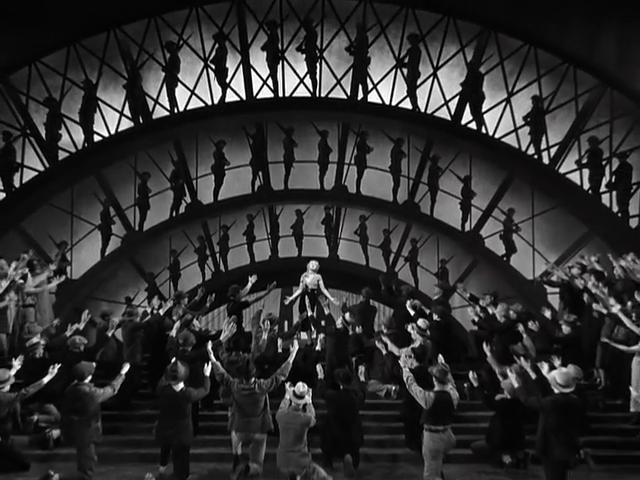
1. Gold Diggers of 1933 (1933)

Gold DIggers of 1933 (1933, Warner Bros.)

I remember when I sent away for a headshot of Anna Chlumsky when I was young this was listed as being her favorite movie. Recently in reading about the Pre-Code era I was reminded of this title. The opening number “We’re in the Money” became a standard, but many forget that it was a very topical Depression Era song. The musical sequences directed by Busby Berkeley are magical but by and large there is a disconnect between them, the occasional commentary and the light, escapist fare that is the thrust of the film.

I forget my guess regarding this film’s nominations, but its nod for Sound Recording is well earned as the audio is crystal clear – not always the case in this time period, as sound was still in its infancy.

Score: 6/10
Oscar Nominations/Wins: 1/0

2. Jezebel (1938)

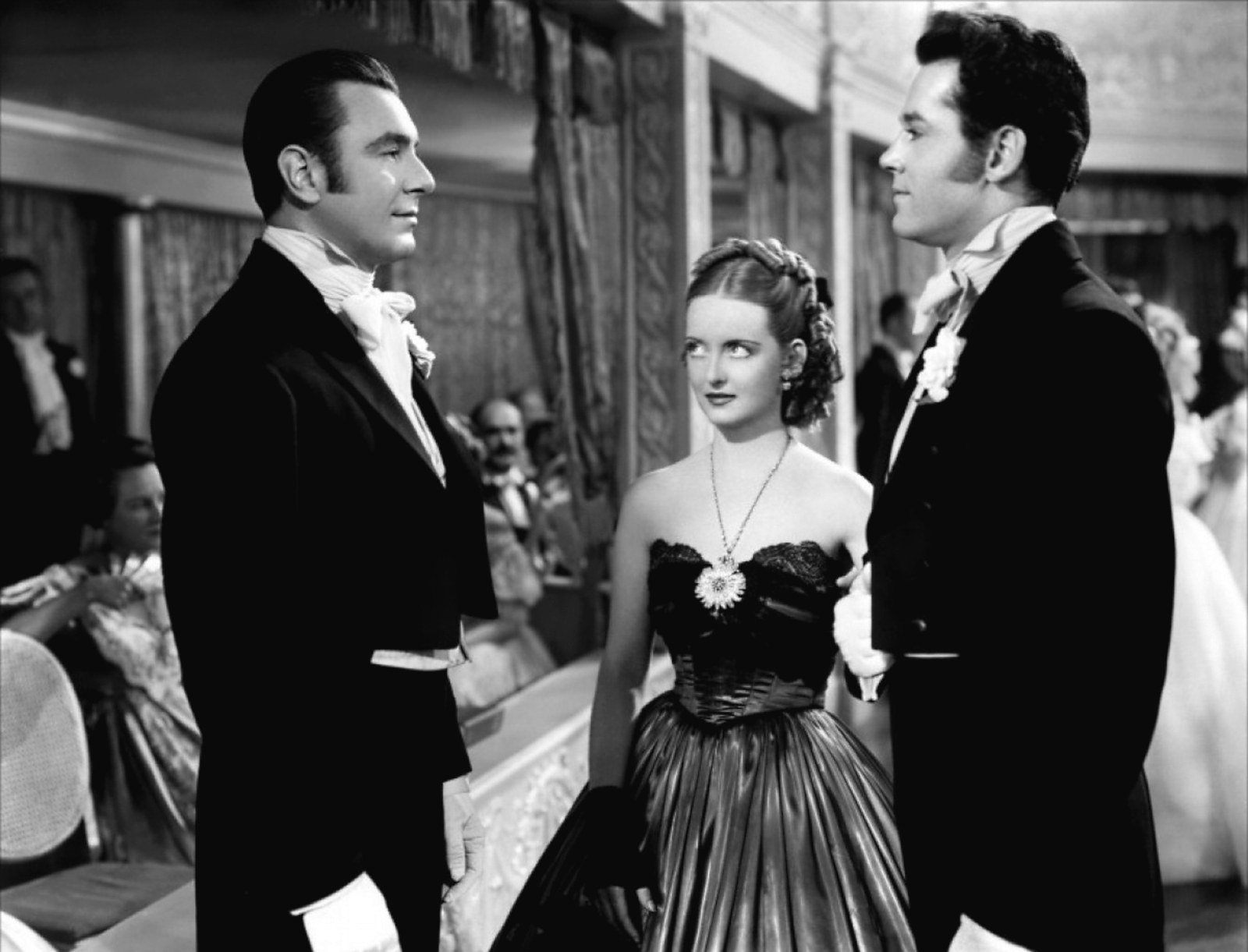
Jezebel (1938, Warner Bros.)

This is the first film of this year that landed with a resounding thud to me. To get too far into it would be too give to much away. Despite the fairly good narrative flow, likely the first great leading turn of Davis’ career and seeing a young Henry Fonda, anothr great Max Steiner score, I still didn’t like the movie much at all mostly due to the narrative and the handling thereof.

Score: 4/10
Oscar Nominations/Wins: 5/2

3. The Story of Louis Pasteur (1936)
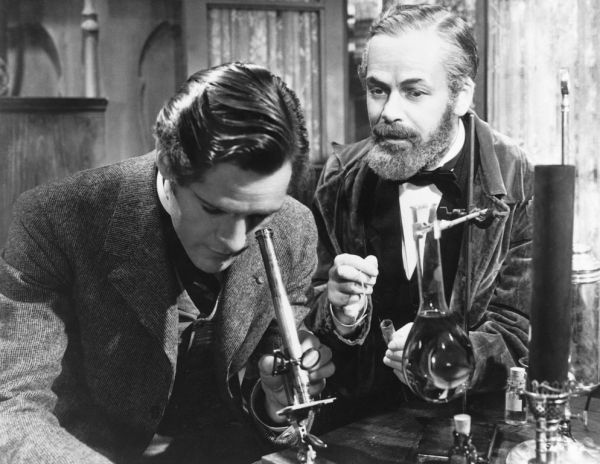
The Story of Louis Pasteur (1936, Warner Bros.)

More often than not I’m leery of biopics. They tend to all fall into form in one way or another. This one, however, is an engaging tale of a scientific crusader. Perhaps what’s most intriguing is that it’s not a cradle-to-grave tale, or even all that personal; it begins in Pasteur’s career and concludes at its pinnacle. Yes, his character is shown, and some of those around him do arc, but it’s most concerned with his work, which makes it in a way far more engaging.

Score: 8/10
Oscar Nominations/Wins: 4/3

4. Who’s Afraid of Virginia Woolf? (1966)
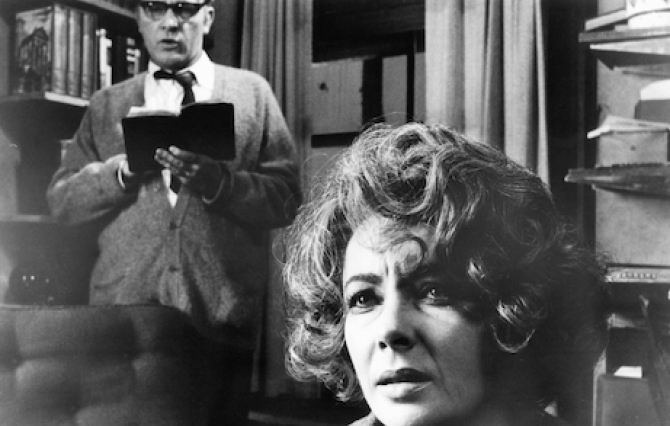
Who's Afraid of Virginia Woolf? (1966, Warner Bros.)

This is an incredibly intricate and thankfully subtle-when-it-counts psychological drama. It also has an interesting approach of showing us what is seemingly your typical, bitter, drunken, couple of academia, then when their guests arrive we start to learn, slowly but surely who they really are, and the portrait painted is shocking, harrowing and really makes you think.

Score: 10/10
Oscar Nominations/Wins: 13/5

5. The Life of Emile Zola (1937)
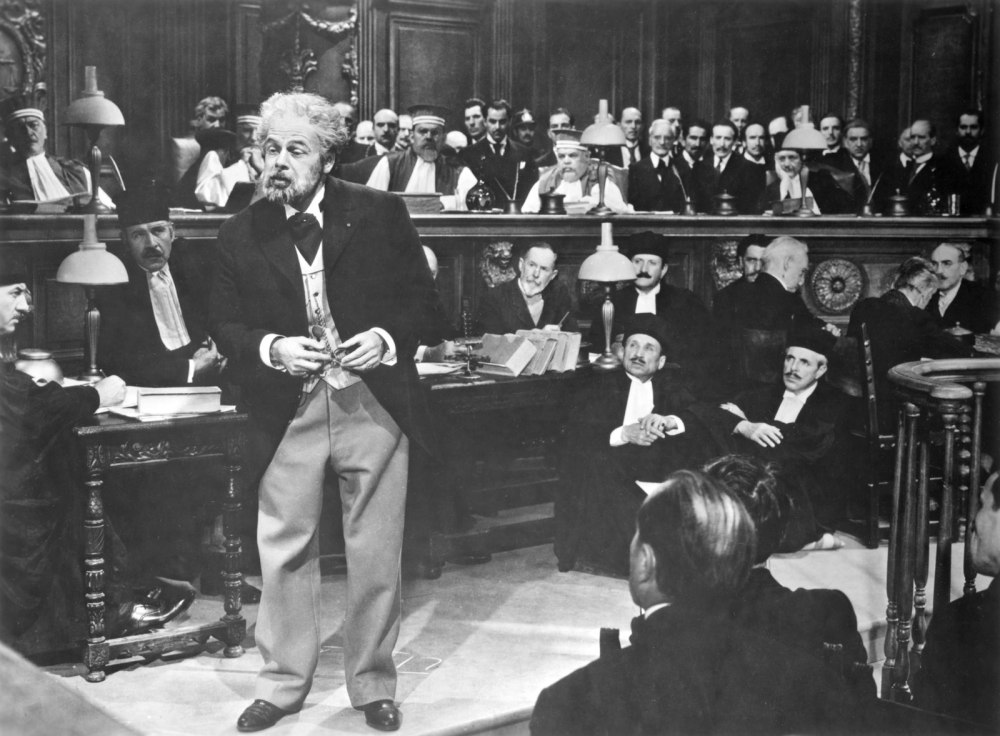
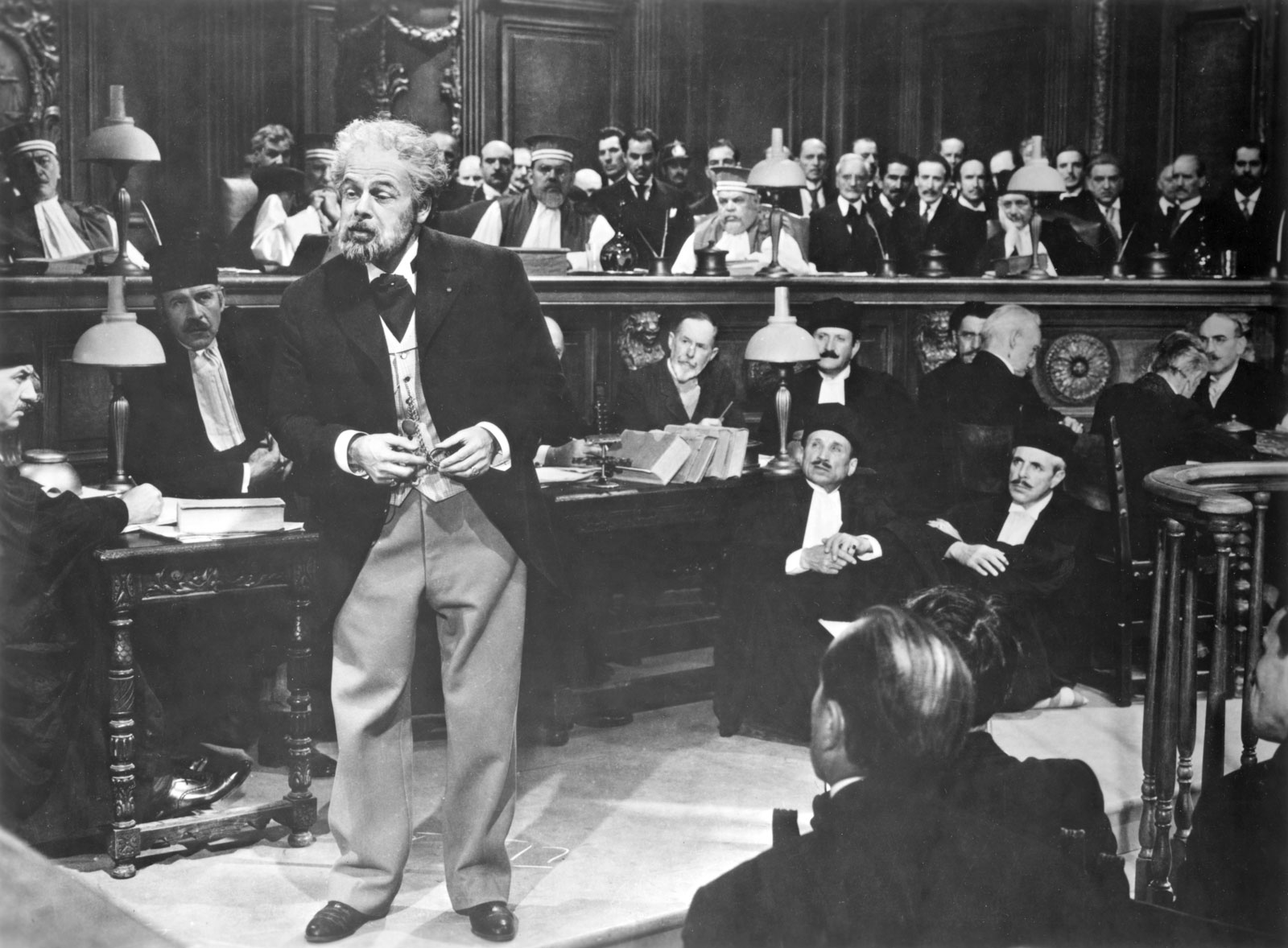
The Life of Emile Zola (1937, Warner Bros.)

A Paul Muni biopic strikes again, and perhaps he takes an early lead in the Neutron Star Award race for this year. What’s fascinating is that it chronicles a writer’s rise in typical biopic fashion in act one, then a military frame-up at the head of act two and has them smash together and culminate in a riveting courtroom drama. It distills the essential and best elements of a few subgenres to make a riveting and engaging film that surpasses its formulaic and periodic tropes.

Score: 10/10
Oscar Nominations/Wins: 10/3

6. The Hanging Tree (1959)
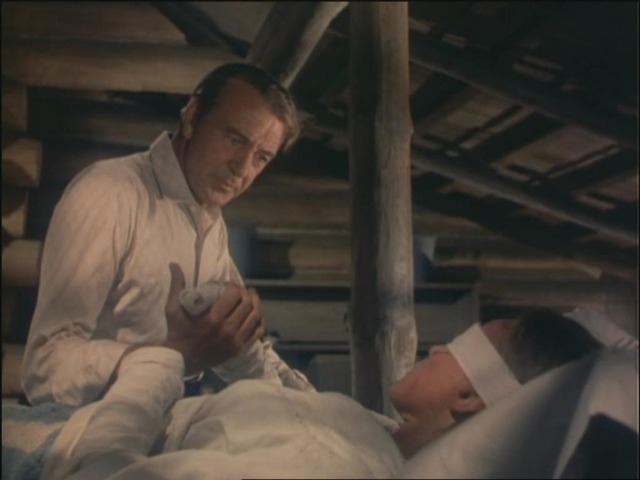
The Hanging Tree (1959, Warner Bros.)

This is, as are many westerns, a gorgeously shot film. There is a culmination its ultimately building to, but there is a bit of meandering and seeming filler in the latter half of act two. Characterization for the supporting parts is fairly thin such that it seems to leave good actors like Karl Malden and George C. Scott trying a bit too hard to make sense of their living plot devices. This film has its admirers, and I get that. I think more focus on Frail (as we lose him) and a few minutes off the running time, which could easily be lost, may have had me among them. Needless to say this film’s Oscar nomination is almost instantly clinched as it’s a Best Original Song nod.

Score: 4/10
Oscar Nominations/Wins: 1/0

7. Imitation of Life (1934)
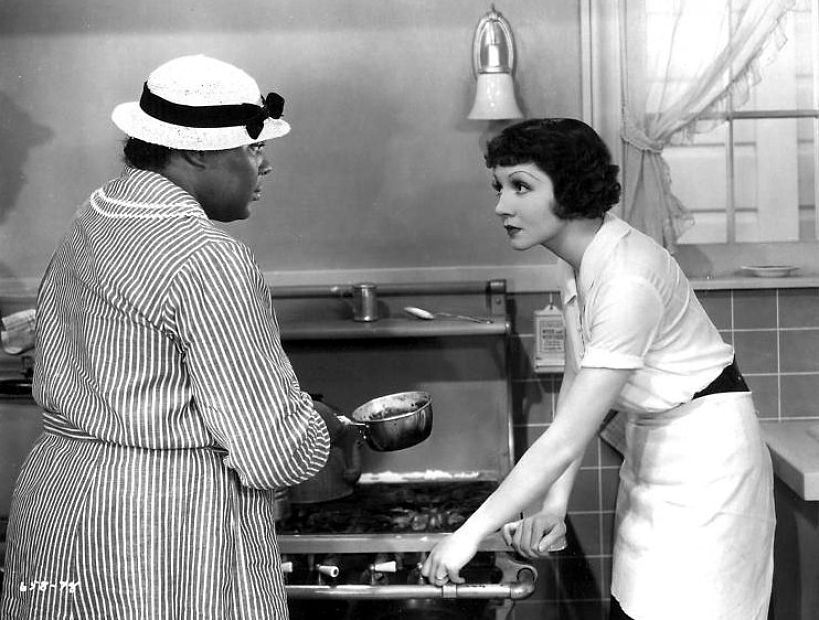
Imitation of Life (1934, Universal)

Merely being ahead of one’s time is a great in and of itself, however, that alone doesn’t make for a great drama. What’s fortunate is that for this film it has both. Imitation of Life deals with race about as openly, maturely and progressively as any film of its era – if you can fault it for anything cinematically it’s being slightly repetitious (But it addresses that), in social terms it discusses and even challenges norms. This was considered a dangerous films and Universal was strongly urged not to make it. Not only does it deal with race relations but in having Delilah’s daughter be able to pass for white, it also implies miscegenation, which was at the time one of the biggest taboos there was.

However, as I said without a compelling narrative all of the above is just a footnote. Bea’s chance meeting with Delilah snowballs in a very compelling way into a most unlikely friendship and partnership. The trials as single mothers also form dueling subplots that at times are equally compelling. The only knock I thought I had against it was that I wanted more focus on the more unusual plot, but based on the way things play out it is handled properly.

If one is not very familiar with Claudette Colbert there are likely few roles that are better for you to get to know her in. Every year, it seems, I mention that I do love the selections that have intros by the hosts on TCM. This one was a gold mine. Not only for mentioning that Colbert appeared in three Best picture nominees in 1934 alone, but also for pointing out the fact that this film likely could’ve sported two best supporting actress nominees (Louise Beavers and Fredi Washington) but the category was two years from being created.

Score: 10/10
Oscar Nominations/Wins: 3/0

8. The Lost Patrol (1934)

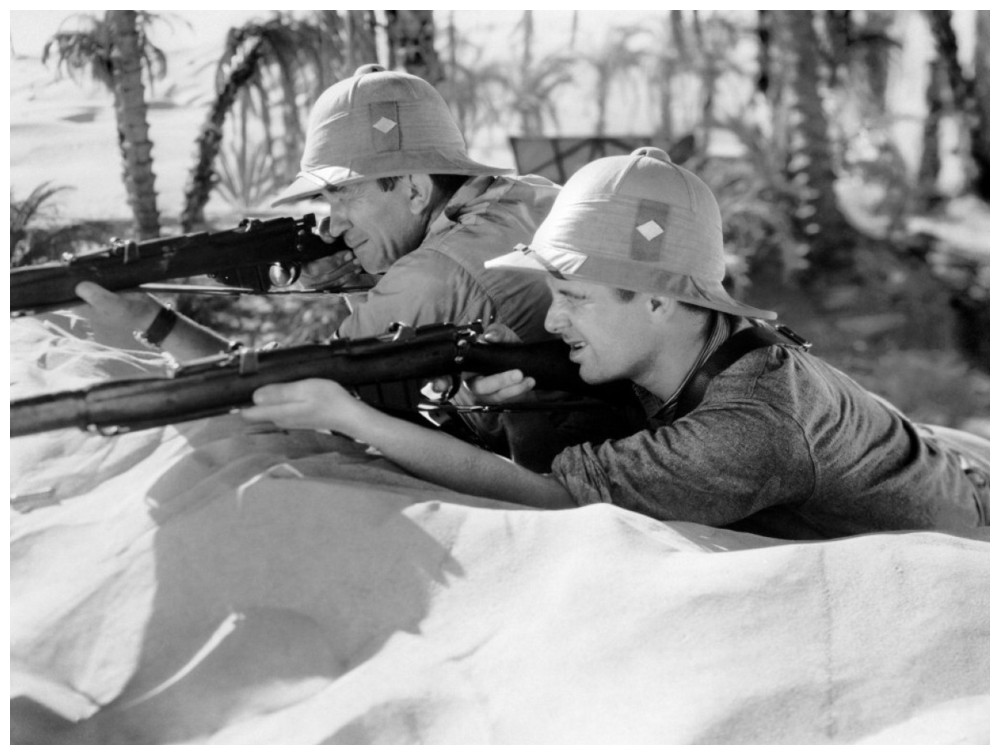
The Lost Patrol (1934, RKO Radio Pictutres)

This film is proof positive that brevity can still cause impact and that an unseen enemy can be the most frightening. This is another John Ford film, but this one is so eerie, and builds its characters well such that the doomed nature of the mission has an even greater effect. Even Boris Karloff, in an early dramatic turn, as over-the-top as he is here, has an arc and shows the effects of the strain faced so well.

Score: 9/10
Oscar Nominations/Wins: 1/0

9. The Narrow Margin (1952)

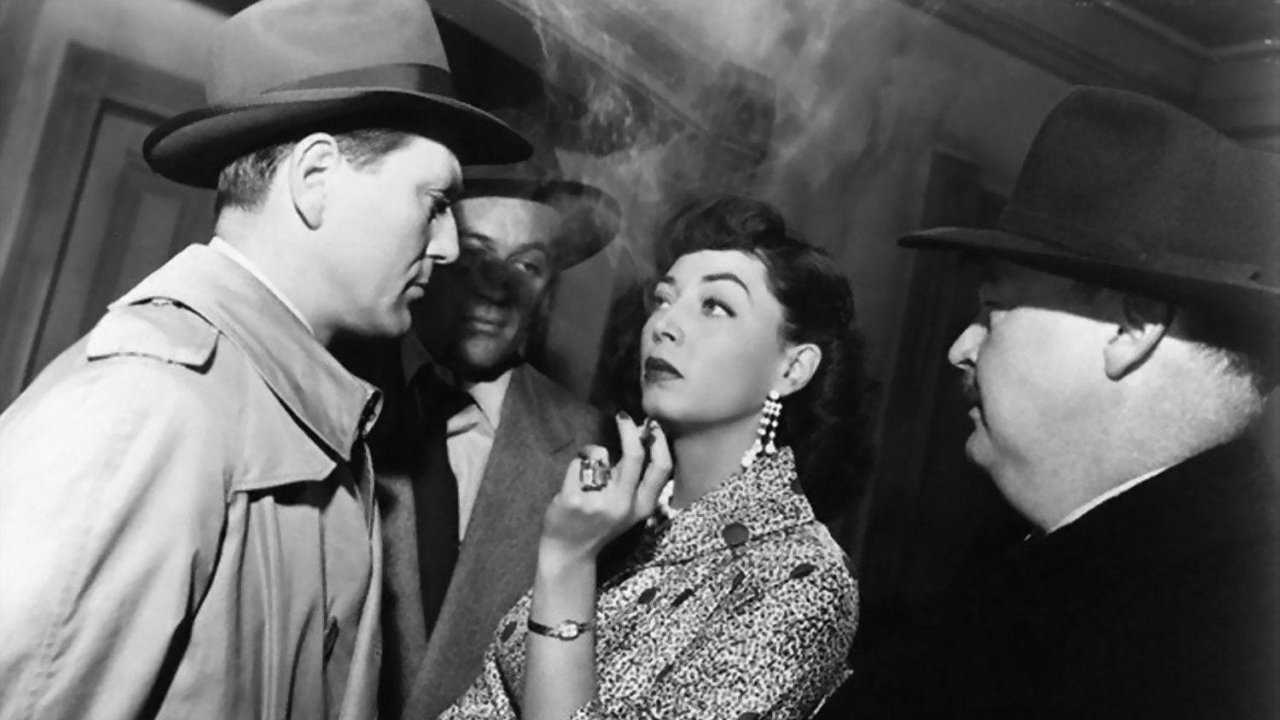
The Narrow Margin (1952, RKO Radio Picutres)

Here’s another film with a short running time but a hell of a lot of wallop. The setup is great: cops escorting a grand jury witness cross-country to testify against a mobster. When you throw in the fact that it’s a film noir tale, you know you’re gonna be thrown for a loop quite a few times and boy does it have some doozies up its sleeve. This movie’s the kind of good that had me absolutely buzzing after it was over. Amazing.

Score: 10/10
Oscar Nominations/Wins: 1/0

10. Friendly Persuasion (1956)
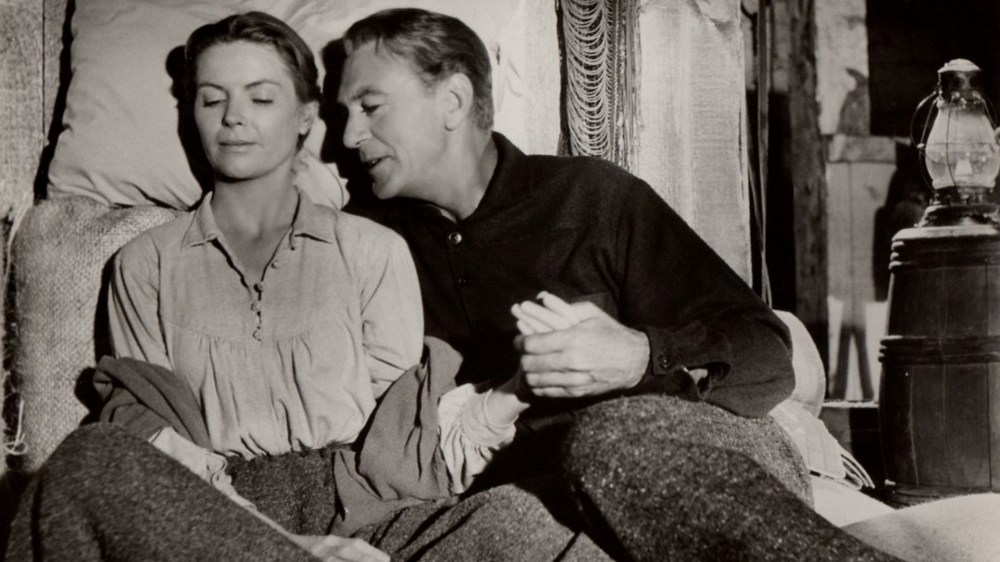
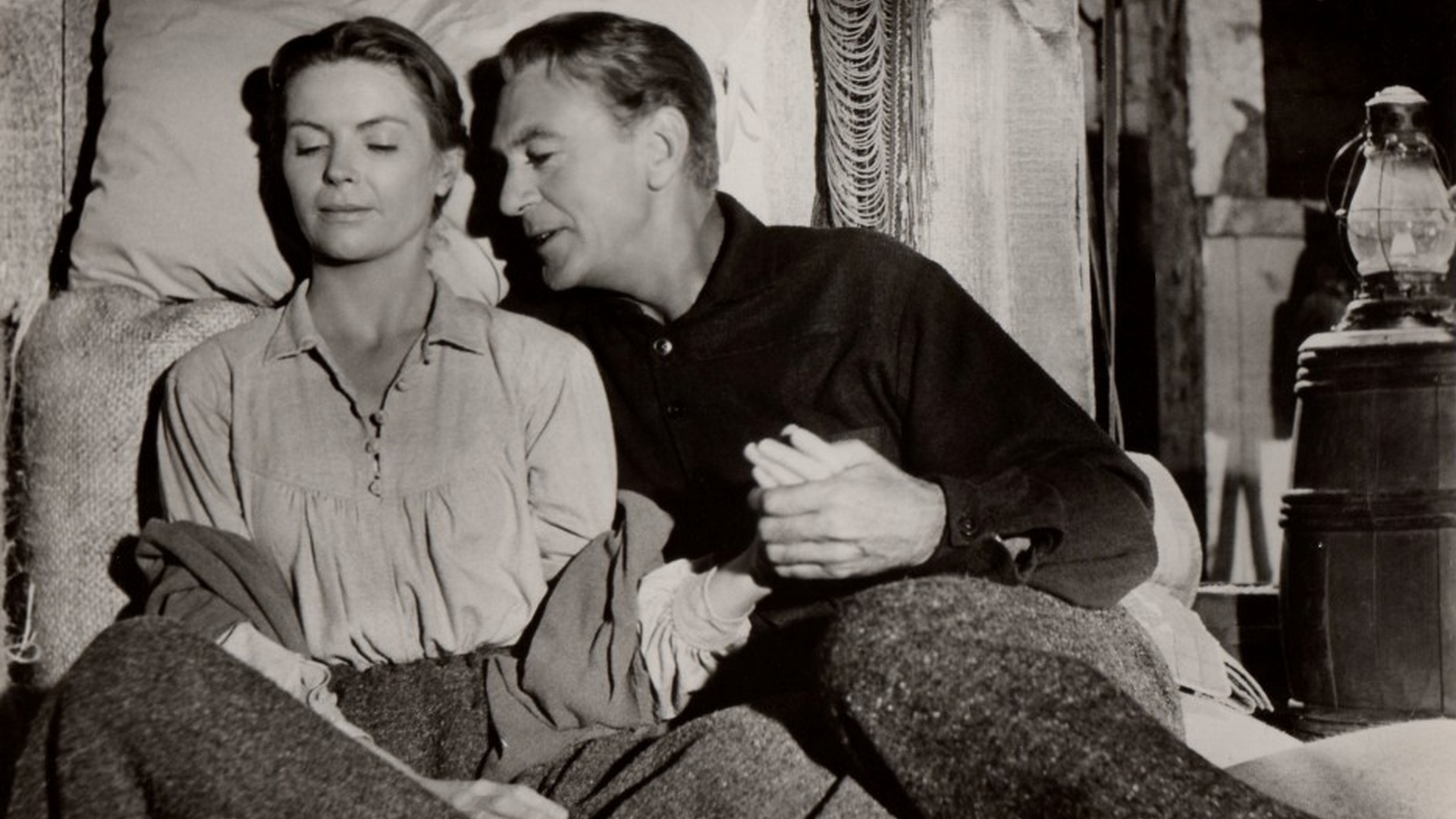
Friendly Persuasion (1956, Allied Artists)

This is the kind of film where a tweet reaction might seem to slight it. The synopsis does divulge what the ultimate conflict is: Quakers must decide if the go against their stated pacifist principles to defend their homes in the civil war. From that you might expect a dour, maybe even cerebral drama. While the film does face that and the temptations that modern life does throw their way often, frequently it does so in a light, comedic tone; one that is successful I might add. It does shift gears well too and some of the more dramatic moments have the desired effect. Its the pacing and space between these tonal shifts, epitomized by the climax and denouement that keep this film from being better than it is, but it is very enjoyable.

Score: 7/10
Oscar Nominations/Wins: 6/0

11. Bad Day at Black Rock (1955)

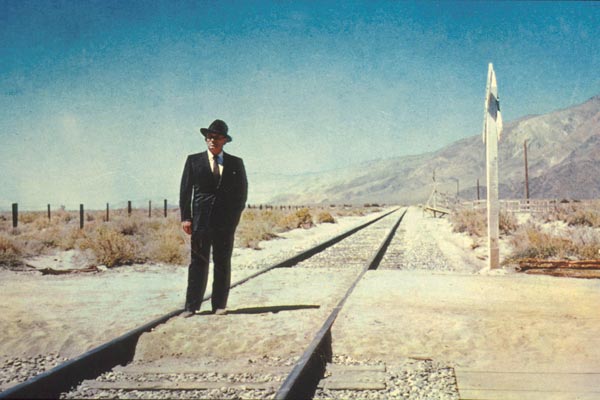
Bad Day at Black Rock (1955, MGM)

This film sets itself up so well and does things that work in its favor constantly. It deals with xenophobia, with regards to its ghost character; it deals with the stranger-in-a-strange-land trope brilliantly, with its protagonist; however, it also makes the paranoia felt in this town so palpable the lead is instantly on the defensive, such that you’re left unsure as to what his business in town is. It’s a cloistered and oddly claustrophobic tale, in what looks like an inhabited ghost town that’s well worth watching.

Score: 10/10
Oscar Nominations/Wins: 3/0

12. Father of the Bride (1950)
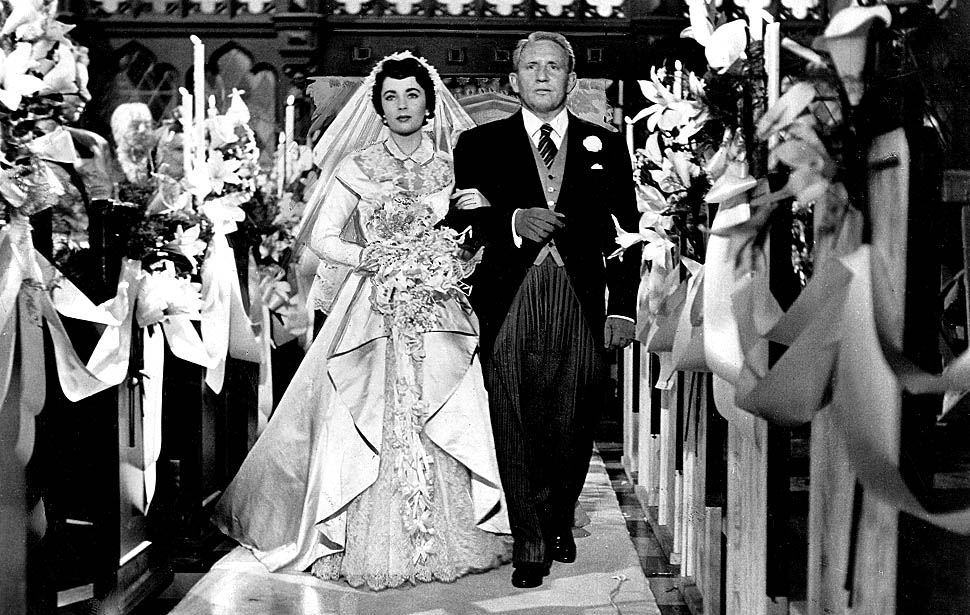
Father of the Bride (1950, MGM)

Having just seen Spencer Tracy I decided to make it a two-for. Now, this is a case where I saw the remake in theaters and still remember the experience. I expected this version to be different seeing as how they cast two very different leads, but I found this one so bogged down in the details and the humor usually was on the subtle side, save for the occasional loud, overlapping dialogue slapstick sequences with workers, that it just wasn’t very interesting at all. The table was set for this reaction right from the very awkward introduction of the topic of marriage. Were it not for the dream sequence, which is truly special and elevates the film, practically nothing about this film would’ve stood out at all.

Score: 5/10
Oscar Nominations/Wins: 3/0

13. The Racket (1928)
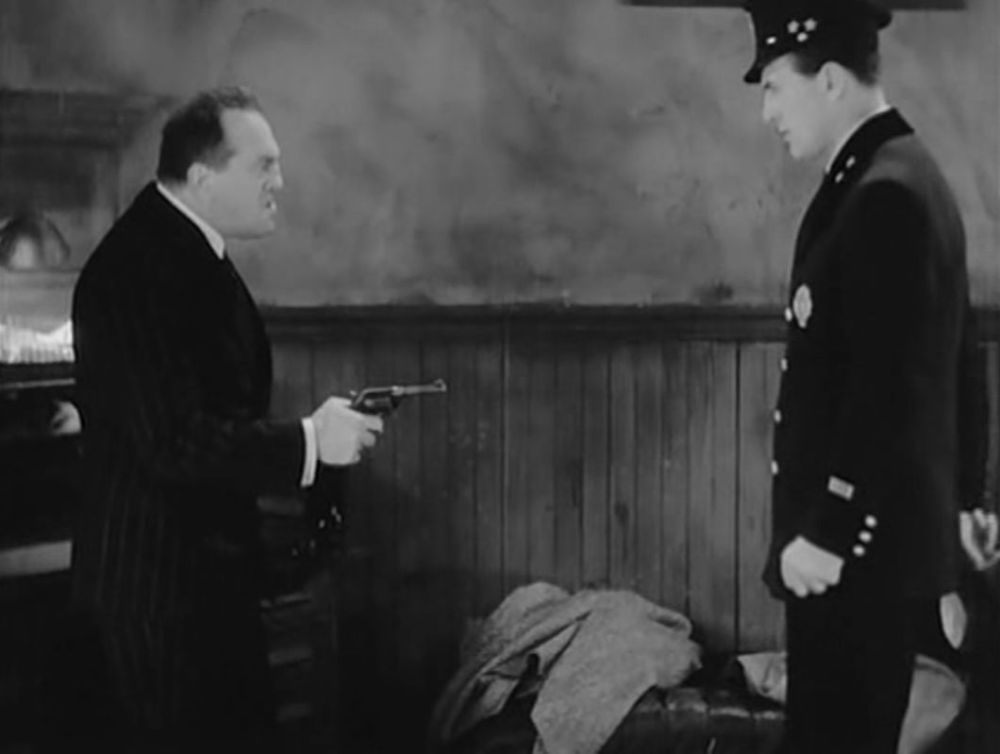
The Racket (1928, Paramount)

Here is one I was surprised to find was a silent. I didn’t pay attention to year on the TCM schedule and looked up the wrong information, rather I searched the remake’s synopsis. Regardless, it was a pleasant surprise that (seeing as how they were virtually identical) I chose by virtue of narrative a silent and took in stride. It was also reassuring to learn of the restoration efforts that had been made for this particular title. While it does play it coy with the nuances of the corruption at high levels of the police department and local government, this is a great treatment of a lone-cop-trying-to-take-down-a-kingpin story, which is very well done. Its also interesting to note this is one of the few films ever to be nominated for Best Picture (called “Most Outstanding” in 1928) alone.

Score: 8/10
Oscar Nominations/Wins: 1/0

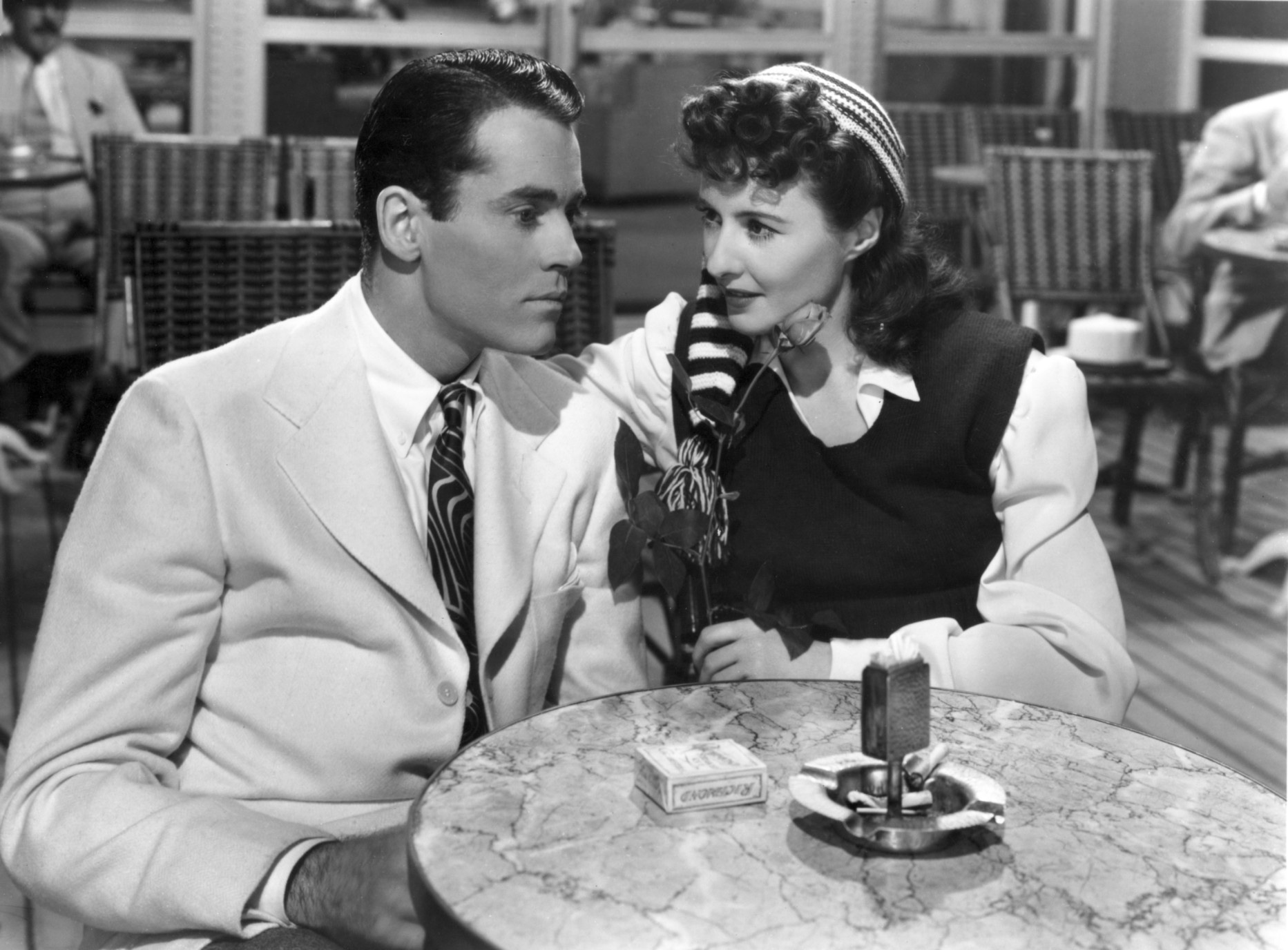
14. The Lady Eve (1941)
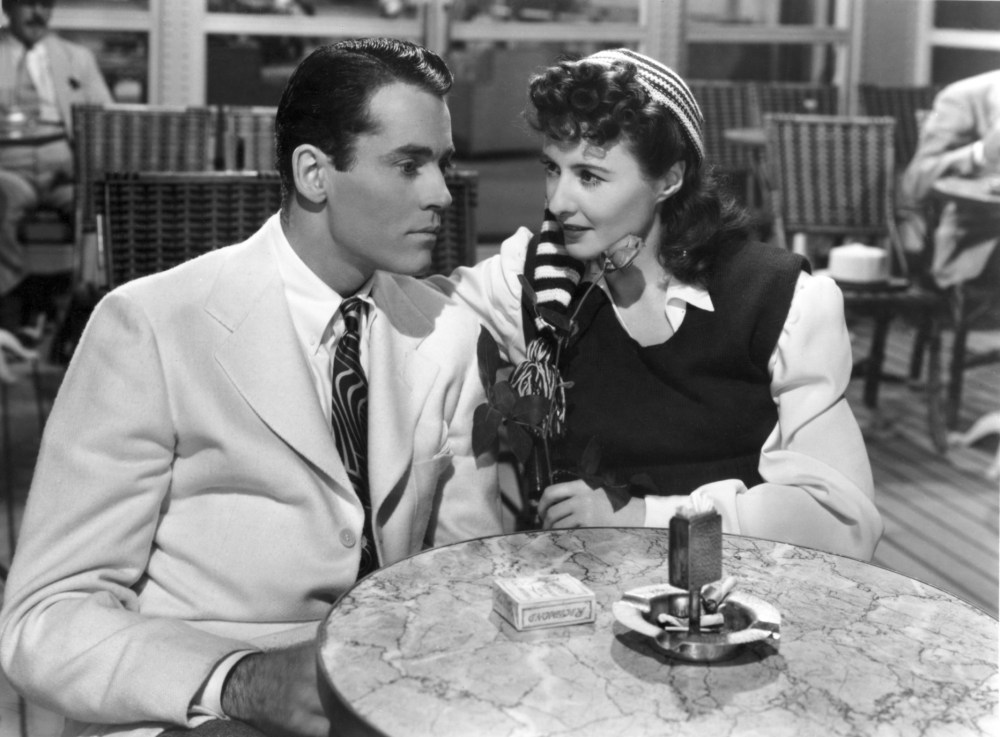
The Lady Eve (1941, Paramount)

Maybe I just ran across this film at the wrong time, or maybe this particular story is just not for me. I’ve seen and appreciated other films that could be categorized as screwball comedies, however, even in that subgenre it is possible to get too ridiculous for its own good. The film was already dragging and losing me and then my ability to suspend disbelief was completely shot by a significant plot development. One so insane that it’d be hard to salvage, even if this film was very funny, which I really didn’t find it to be.

Score: 4/10
Oscar Nominations/Wins: 1/0

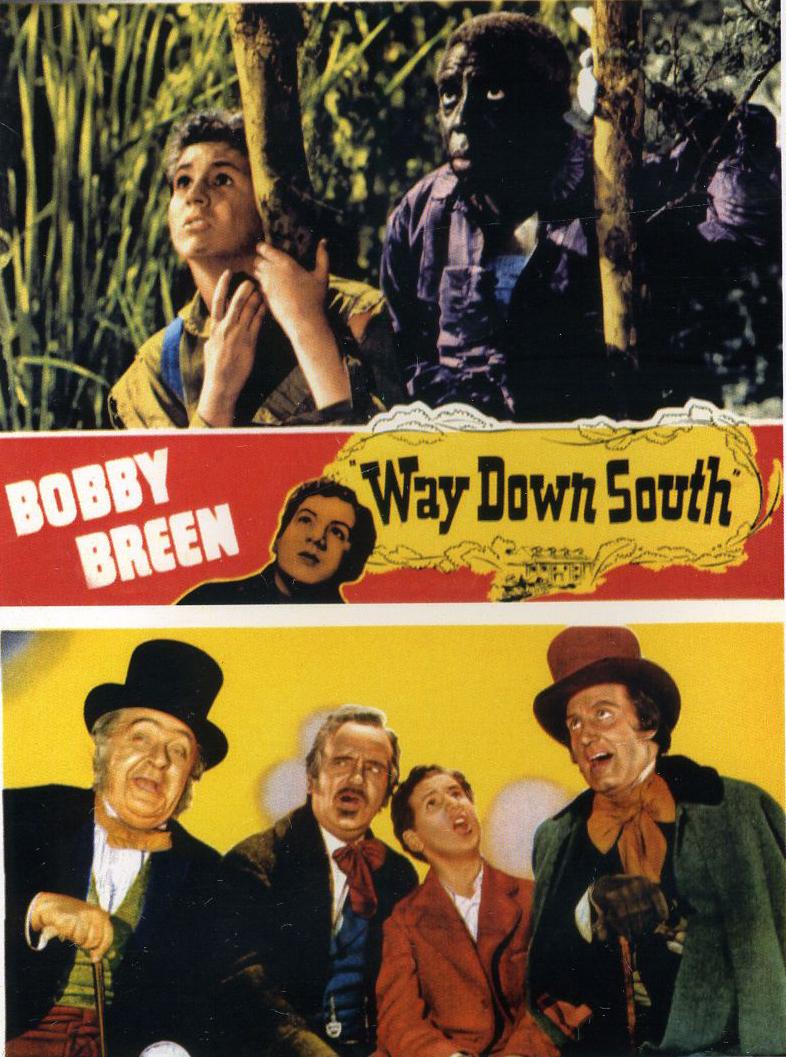
15. Way Down South (1939)
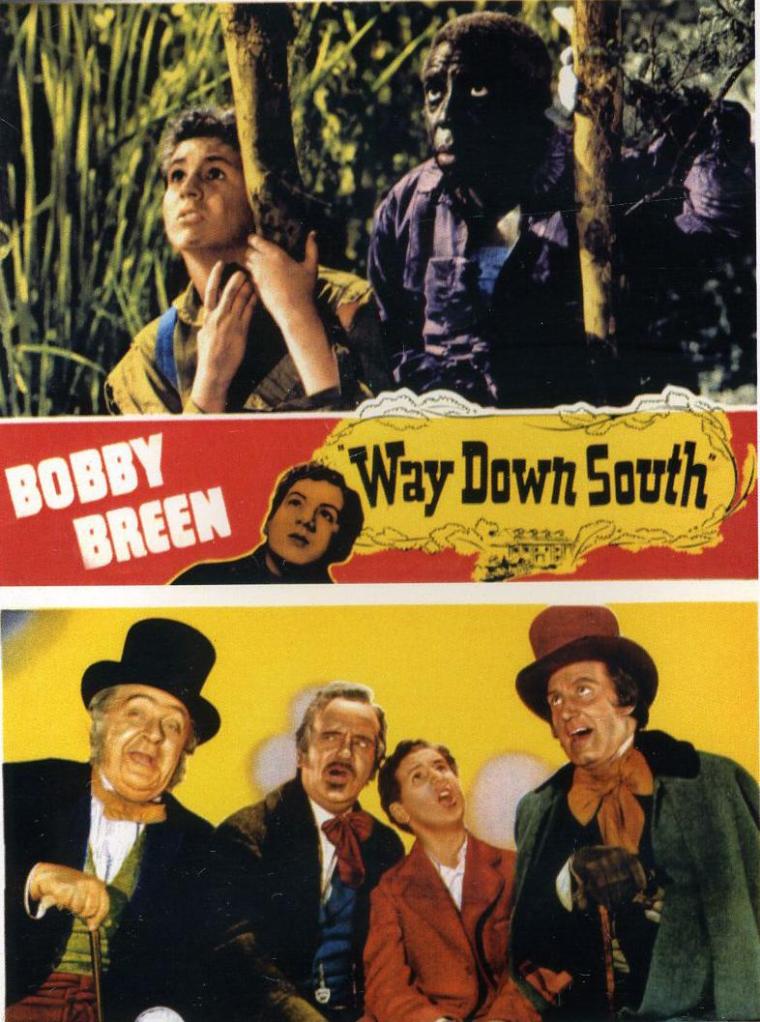
Way Down South (1939, Sol Lesser Productions)

This is a film that’s another re-screening. I first saw this film as a rental, quite a while ago from Movies Unlimited when they were still in the brick-and-mortar rental game. I also believe it was the first Bobby Breen film I saw, and one of his last at that. Breen was one of those musical stars that had films custom made for him. How good or bad the films he was in usually hinged on how naturally the opportunities for him to unleash his voice were folded into the plot. In thematic terms, it may be the most dated of his films dealing with a boy who loses his father, a “benevolent” plantation owner, the executor of his father’s will is now to sell off all the families assets, slaves included. In this context the lead acts heroically, trying to save the first whose threatened with being sold, when they’re all threatened, and families will be split up; other remedies must be found. Perhaps what’s most surprising in this viewing was I had forgotten how chillingly amazing Breen’s rendition of this spiritual is. It may not be the best film he was in, I’d argue the melodrama Make a Wish was, but it may be the best showcase of his singing talent.

Score: 8/10
Oscar Nominations/Wins: 1/0

16. Seven Days in May (1965)
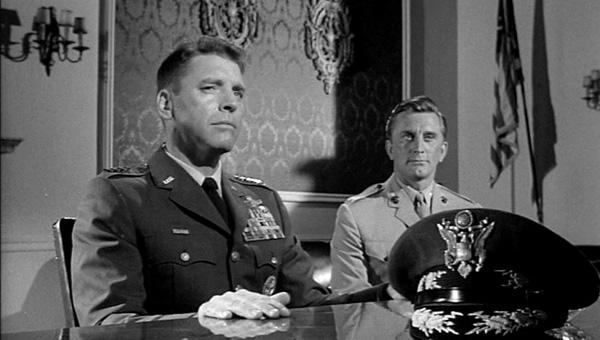
Seven Days in May (1964, Paramount)

The old expression is that “The world will end with a whimper rather than a bang,” and this film treats a coup d’etat in much the same way, which is really what makes it so effective. This is a film written by Rod Serling, and if I wasn’t informed beforehand, I may have guessed. It certainly bears his indelible mark of great dialogue, taut situations and Twilight Zone brand eerieness, made even more effective by how plausible it all seems, especially set against the backdrop of the upheaval in the 60s and the cold war panic that resurged in the wake of the Cuban Missile Crisis. It’s a highly effective tale of political intrigue that is engaging precisely due to its restraint.

Score: 8/10
Oscar Nominations/Wins: 2/0

17. The 5,000 Fingers of Dr. T (1953)
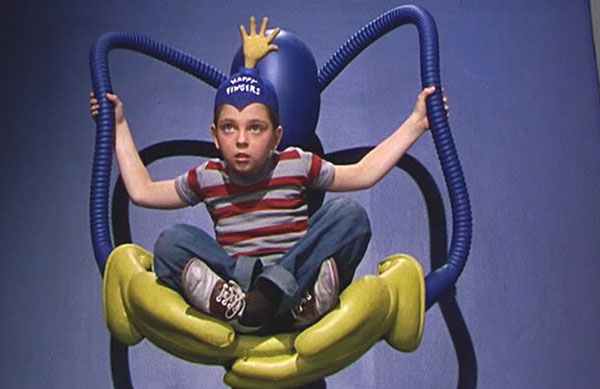
The 5,000 Fingers of Dr. T (1953, Columbia)

This is a film that contains no shortage of Easter Eggs, oddities and charm for me personally. The first, and most surprising thing for me, is not only is this an original screen idea by Dr. Seuss, but one I really connect with. Even as a kid I was never really into Dr. Seuss at all, quite the contrary, but on occasion I will find a tale that sneaks by and I enjoy and this is one. Next this film features Tommy Rettig pre-Lassie and he’s perfectly cast and has quite a bit to carry aside from singing he also breaks the fourth wall and narrates the tale. The villain, played by Hans Conried, struck me as familiar. As the film started, I knew I had heard that voice. Sure enough I was right, and guessed it. I heard that voice a lot as Disney’s Captain Hook. Almost immediately I pegged this film as a one nomination film and having fallen in love with the production design thought it’d be that, it was the score which is also good. It merited multiple honors in my estimation. Part of the point of doing and Older Films list is when you stumble on these oddities that you connect with unexpectedly. This is definitely a highlight.

Score: 10/10
Oscar Nominations/Wins: 1/0

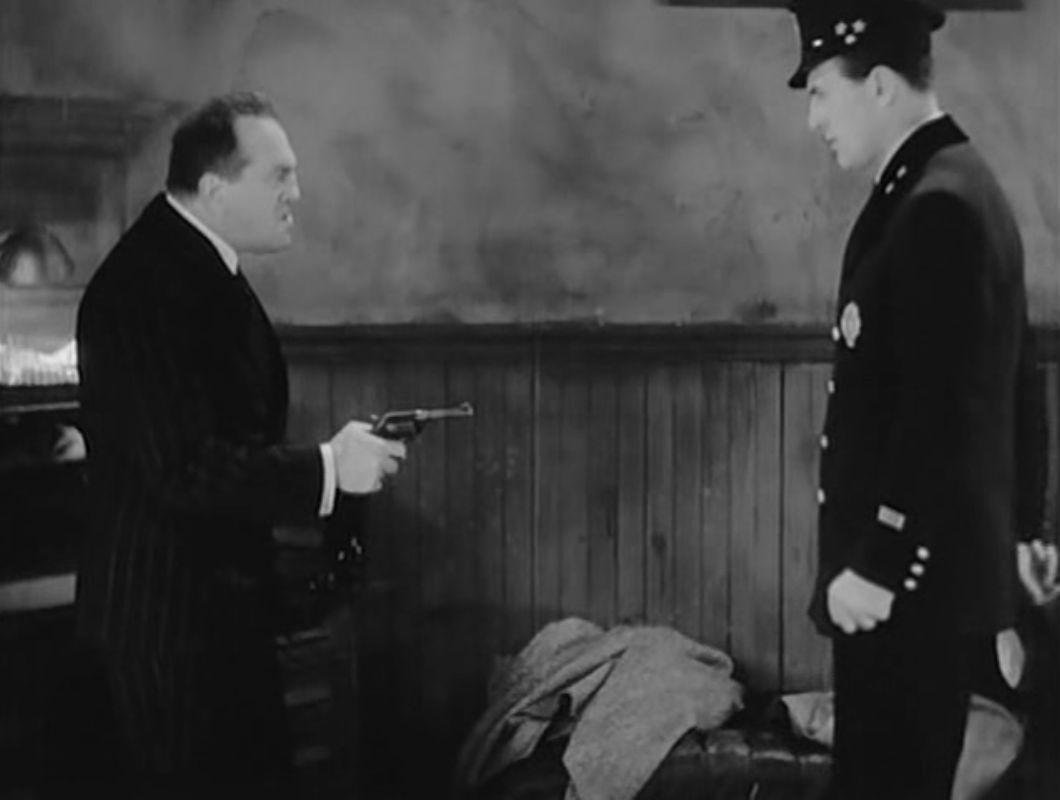
18. From Here to Eternity (1953)

From Here to Eternity (1953, Columbia)

Much in keeping with a theme above, here you have a title that is typically classified, or at least described by some, as a war film. While it takes place on a military base, during the second World War, much of it takes place before the US enters the war and it’s not really about the war at all; it’s about its characters. It’s not only about them in a superficial sense either; it’s concerned with their love and loss, but it also, through showing how they react to diverse situations, provocations and set-backs espouses their philosophy without saying it outright. It’s the kind of film that’s easy to get preachy with and it avoids that temptation beautifully. It doesn’t ascend for me quite as much as it does with others, but it strikes me as one of those films that is unimpeachable. I can’t hold anything against it to downgrade it save that on a visceral level I didn’t connect with this film as strongly as I wanted to. It did highlight to me the shocking fact that somehow the Academy never saw fit to have Montgomery Clift win Best Actor.

Score: 8/10
Oscar Nominations/Wins: 13/8

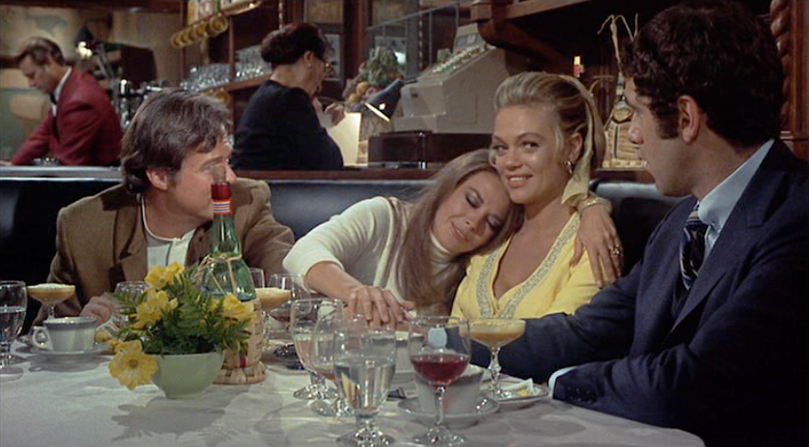
19. Bob & Carol & Ted & Alice (1969)

Bob & Carol & Ted & Alice (1969, Columbia)

This is a film that strikes me as a great performance piece, but not the best possible execution of the idea. It has its comedic moments, its dramatic moments and all the acting is strong it just feels a bit sparse at times. The subtext is there and bubbles over, but the aftermath seems a bit unsatisfactory, and truth be told the path there isn’t that brilliant. The film may be a bit ahead of its time. Some of the paired scenes seemed precursors to Scenes from a Marriage, only trying more humor, not as tightly written and inferior.

Score: 5/10
Oscar Nominations/Wins: 4/0

20. All-American Co-Ed (1941)
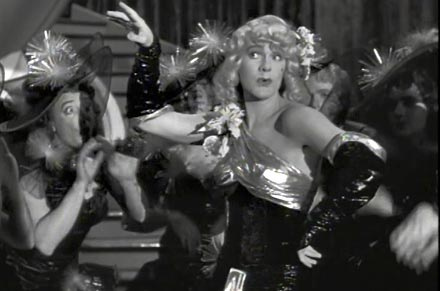
All-American Co-Ed (1941, Hal Roach Studios)

What an impossibly silly film. I will readily admit that part of the intrigue in seeing this film is that it’s short. It actually clocks in at under 50 minutes as opposed to the 51 listed on the IMDb. Thus proving the 40 minute plus rule the Academy has for features does have a place. Its nominations are musical and that portion of the film is fine. The premise is admittedly silly, but for a story that’s not going anywhere too far away it takes its time getting there, and gets bogged down in silly bits, such that the climactic sequences are a cacophonous blur. A great footnote is that I missed the TCM airing but found the film on the great Internet Archive.

Score: 5/10
Oscar Nominations/Wins: 2/0

20. Way Out West (1937)
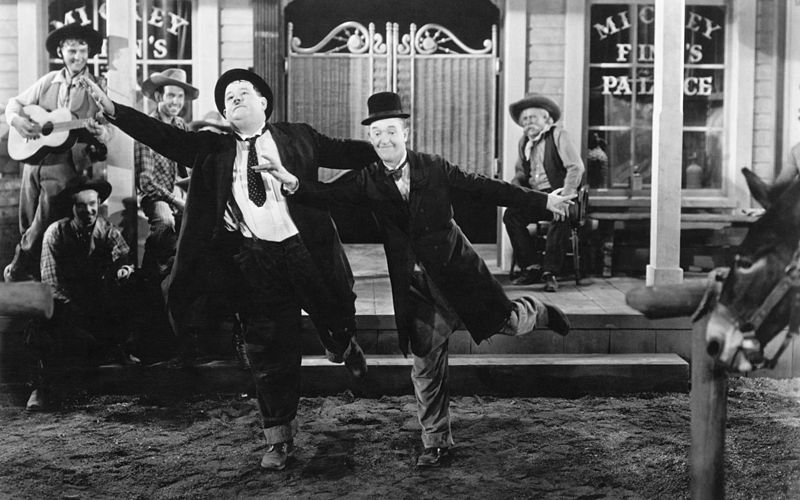
Way Out West (1937, Hal Roach Studios)

I love Laurel and Hardy. I’m not sure how many of their features I’ve seen. I do fondly recall watching their shorts on weekends growing up. Overall this movie is good. I haven’t the heart to dislike one, but this one does bug me in a serious way because the bamboozlers make one too many bad mistakes right at the beginning that should have been caught. Aside from that, the film is fine and has some hysterical sequences. The Oscar nomination is for scoring, which is truth be told, is pretty special. I do like that the Academy had a proclivity for recognizing comedic scoring earlier on. It’s definitely worth a watch for fans who haven’t seen it I would introduce them with it though.

Score: 7/10
Oscar Nominations/Wins: 1/0

21. Victor Victoria (1982)

Victor Victoria (1982, MGM)

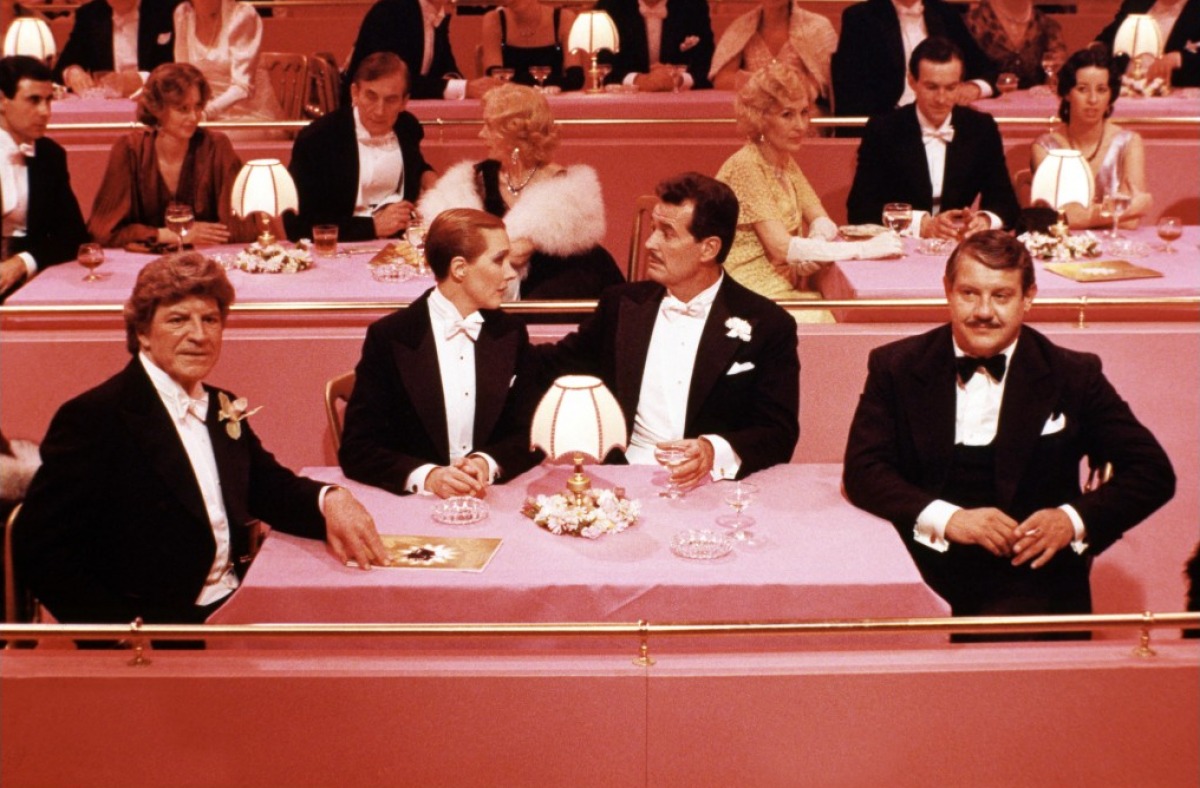
There are givens in this film: Julie Andrews is great, the intelligence of the dialogue that ensues regarding gender and sexuality is sparkling, the music is toe-tapping. The film is highly entertaining. I’m not sure if its part of the slapstick that the illusion of Victoria being Victor isn’t sold more say with more fitted clothes, shooting in black & white or any number of methods, but that does allow for some distraction in frequent buffering of your suspension of disbelief, wherein you have to convince yourself that most of the unseen masses in this fictional land buy the illusion. It’s a small thing that snowballs into a bigger one, but it’s still a good film that should be seen and discussed more than it is.

Score: 7/10
Oscar Nominations/Wins: 7/1

22. Saraband for Dead Lovers (1948)
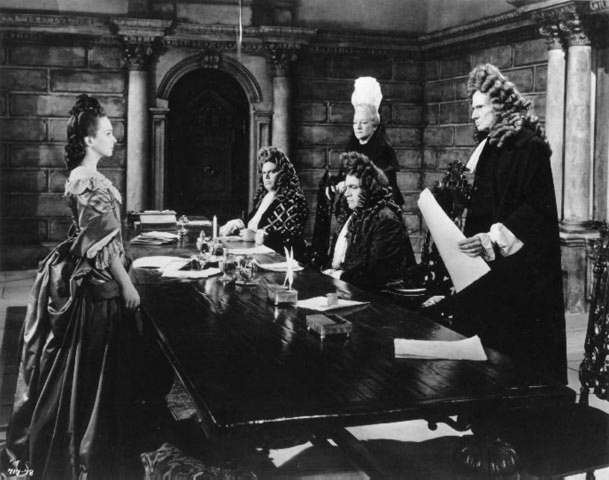
Saraband for Dead Lovers (1948, Ealing Studios)

I like to try an avoid cliches at all costs, however, when I watched this film what came to mind was the thought that if you looked up “stuffy costume drama” in the dictionary you’d find a photo of this film. Yet, there was still something about it that oddly kind of worked for me. What I think made it connect is that it was a British production with a more classical, yet more restrained acting style than I’m accustomed to for the time period. Take the same plot points and similar performances and place them in a Hollywood studio era production and it likely feels flatter than it is. Here, somehow, it retains some buoyancy. The restraint doesn’t feel forced and similarly pumping up the melodrama would seem unnatural and inappropriate.

Score: 6/10
Oscar Nominations/Wins: 1/0

23. The Circus (1928)

The Circus (1928, United Artists)

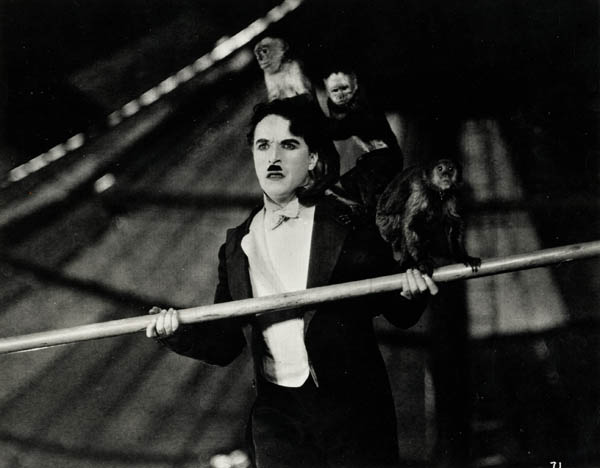
Unlike when I was watching Monsieur Verdoux, I received no confirmation that I had seen this film before. Some parts of it felt familiar, but I believe it was for the most part new. It’s a sweet, brisk, funny and refreshing tale that builds its characters as much as the comedic situations, which he can get into with ease. This film is silent, but is one that I consider to be during the beginning of Chaplin’s slow transition into the world of sound, which makes it standout as a silent film with a locked in score, which as you watch more of them you realize is very rare.

Score: 9/10
Oscar Nominations/Wins: 0/1 (Won Honorary Oscar “For versatility and genius in acting, writing, directing and producing The Circus. Though nominated for best actor, the academy decided to remove Chaplin’s name from the competitive classes and instead award him a Special Award” Kind of a back-handed complement, not sure why he needed his nomination removed when the honorary award decision was made.)

Films in My Personal Collection

1. Treasure of the Sierra Madre (1948)
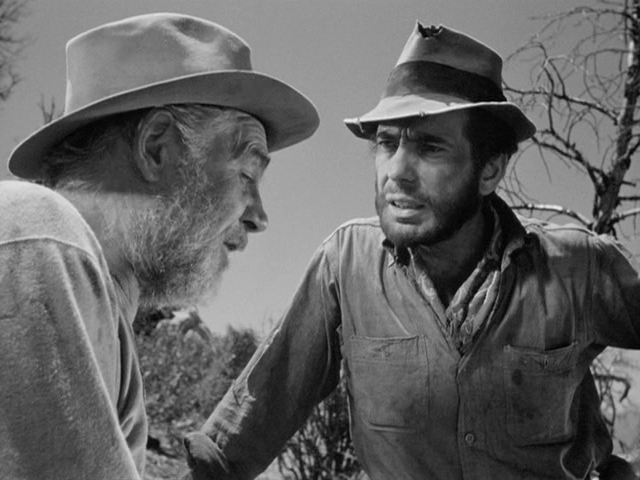
Treasure of the Sierra Madre (1948, Warner Bros.)

What’s best about this film is that it essentially tells you what’s going to happen to these characters early on, then you see it happen and it still manages to be very riveting because it becomes about the characters and stays that way. It’s a brilliantly rendered character study. I was not surprised in my guessing game that I was close to picking how many nominations this film was up for. What shocked me is that Humphrey Bogart wasn’t nominated, when he’s virtually unrecognizable by the end of the film in appearance and demeanor. I saw this on Blu-Ray and selected the Warner Night at the Movies presentation which plays a newsreel and two shorts before the film. I recommend that treatment for all film geeks so you get a taste of moviegoing in 1948.

Score: 9/10
Oscar Nominations/Wins: 4/3

2. Pocahontas (1995)

Pocahontas (1995, Disney)

When you watch films in runs and themes, you welcome any chance that will allow you to kill two birds with one stone. Considering that I plan to write about Disney films in March, screening some now will give me a jump on that and there are some titles I have been missing, as much as I like Disney. My complicated adolescent relationship with the company and more detailed thoughts on this film will follow, for now suffice it to say: Disney did some different things that worked here, it was treacherous ground they covered and for the most part it’s very well done.

Score: 8/10
Oscar Nominations/Wins: 2/2

3. The Hunchback of Notre Dame (1996)

The Hunchback of Notre Dame (1996, Disney)

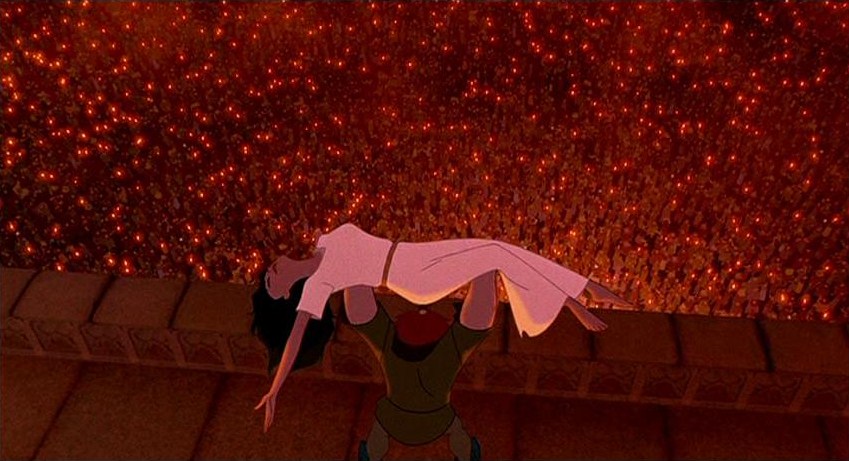
Due in part to the fact that I just didn’t know very much about this title, I expected less from this Disney selection than the above, but in the end I liked it a lot more. It does things a little differently in the end, and with regards to anthropomorphism, but it goes back to the theme of ostracism and has a solitary character effectively drawn, literally and figuratively, that really make this film work. It also by its nature takes on aspects of religion and racism with a lot more finesse than you’d ever expect out of a Disney film, which makes it highly underrated in my mind.

Score: 9/10
Oscar Nominations/Wins: 9/1

4. Citizen Kane (1941)

Citizen Kane (1941, RKO Radio Pictures)

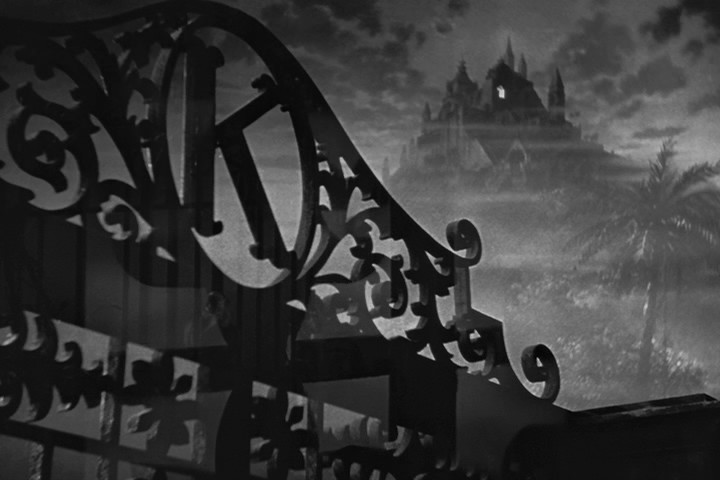
Now before you go into a tizzy, yes, I have seen Citizen Kane. I have an old review of it I may post, but that’s not what I’m going to do here. Since I’ve seen it, and just saw it for the first time on Blu, I wanted to address some common talking points about the film.

1. I love Citizen Kane. It’s one of my favorite films. I viewed it on my own before I studied film formally and no one “made me like it.” I connect to it. I can distinguish between what I like and important and or well-crafted works and grudgingly acknowledge some films as important, or milestones, though I personally dislike them. That is not the case with me and this film.

2. It is not shocking to dislike this film, you won’t get a rise out of me if you say so. Aside from the fact that everyone’s taste is their own business, I can see how this one may not impress you, but save it.

3. Don’t hold Citizen Kane against How Green Was My Valley because it won Best Picture not Kane. How Green Was My Valley is a very good movie indeed. It is not Citizen Kane, because it has not desire to be so. Please try to gauge that film in a vacuum and don’t hold its Oscar win “against it.” The fact of the matter is Welles made a lot of enemies, which made the rest of his career a struggle and I’m sure there are myriad Oscar stats that will show you films that only won for Screenplay and who got a boatload of nominations and are virtually shutout. And in conspiratorial terms, Hollywood wasn’t about to crown Welles “king of the world.” In other words, something was gonna beat Kane that year, and in the estimation of many it was a loaded field.

Those are probably the three biggest ones. With regards to 31 Days, since I saw it before adding it to the total is kind of cheating but I’m on good pace and hope to be well clear of 31 films and 100 nominations, and I hadn’t see the blu-ray transfer yet. P.S. If you are a fan buy it, it’s a great box.

Score: 10/10
Oscar Nominations/Wins: 9/1

5. The Magnificent Ambersons (1942)

The Magnificent Ambersons (1942, RKO)

Now, since I included Kane, which I’ve seen, I’ll include this too, since it’s a cheat and I barely consider this a re-screen as I napped, thus preserving myself for the new film screened. I include it, again, to provide a few more thoughts on Welles’s work here:

1. It’s sad that you can almost see the scarring on the film from RKO’s over-zealous and over-involved cutting of this film. My score below is the one I originally logged on the IMDb upon originally seeing it, and that may be a bit too harsh but it does reflect the fact that we’ve been robbed of a truly masterful work over the years.

2. In a sort of wish fulfillment, I hope that by saying this often enough it one day comes true: May Welles’ cut of this film, the now holy grail of lost versions, surface one day.

Score: 6/10
Oscar Nominations/Wins: 4/0

6. Blossoms in the Dust (1942)

Blossoms in the Dust (1941,

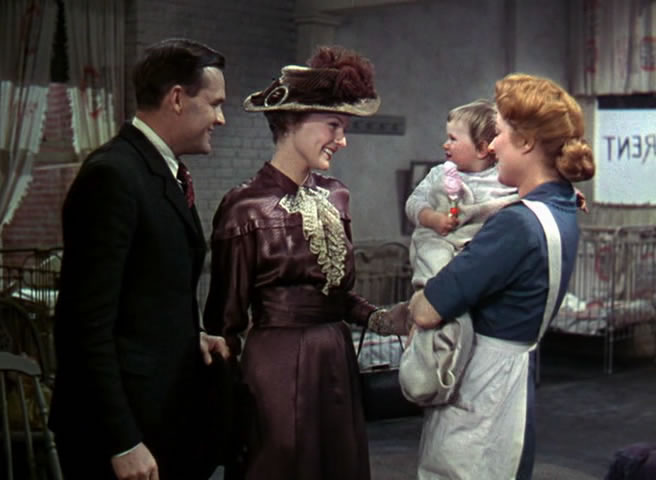
This was actually I found in a drug story on Oscar Day in 2012, this was after my having missed this on a TCM broadcast. This film is part of Greer Garson’s legendary run of five consecutive Oscar Nominations for Best Actress and six in seven years. Yes, this film doesn’t get away with not having its stump-speeches and it does give a classical Hollywood whirlwind treatment to and elongated tale, but it is so tremendously moving and gorgeous to look at. Watch it for the the acting, watch for Karl Freund working in color and stay for the tale, which when it really has to, when it wants to hit home, holds up just enough. It took me a while to get this one off my to watch pile, but it certainly was a memorable viewing. There are plenty of jaw-dropping moments in the film. I also learned a few things so it has the righteous indignation angle working for it too.

Score: 10/10
Oscar Nominations/Wins: 4/1

7. Anna Karenina (2012)

Anna Karenina (2012, Focus Features)

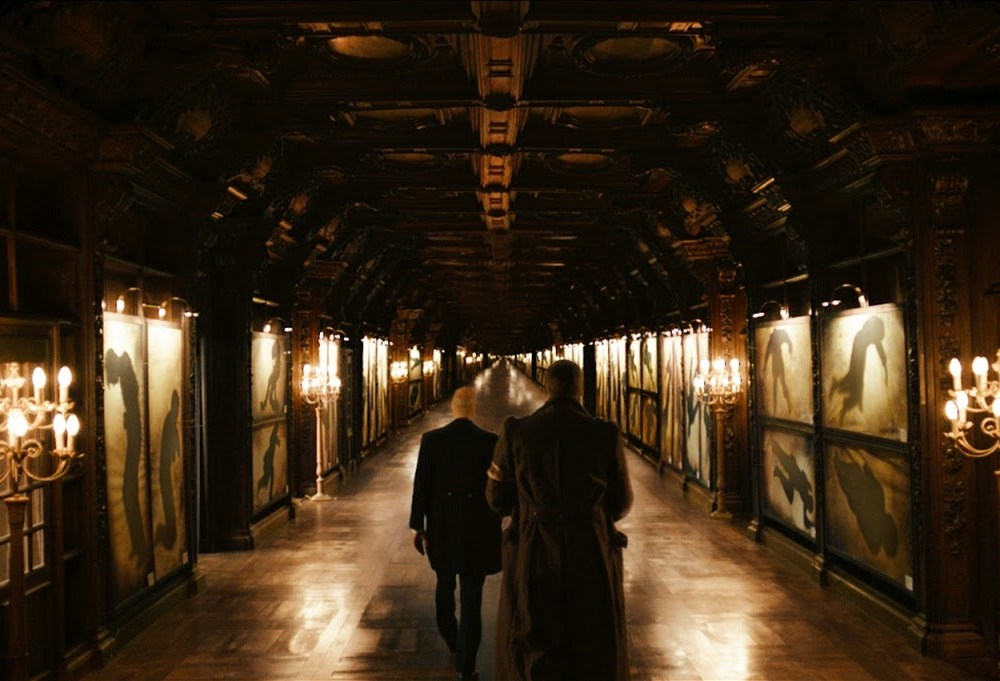
Yes, this is a very new selection, but I just got it on Blu-ray and I had to see it during 31 Days because not only was it an Oscar winner, but one of my favorite films of 2012 and cleaned up quite a few BAM Awards. The only new item of note is that this does strike me as a film that is far more impressive and imposing on a big screen. I wish more had seen it as such.

Score: 10/10
Oscar Nominations/Wins: 4/1

Total

Total Films: 30
New Films: 26
Total Oscar Nominations/Wins: 109/31
New Nominations/New Wins: 90/30

Conclusion
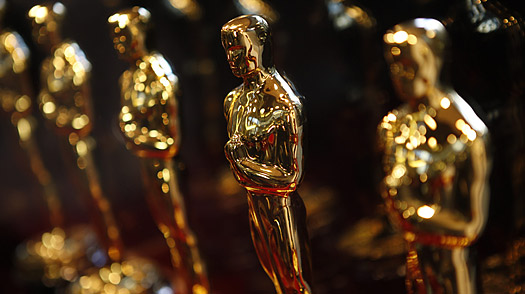
Oscars (AMPAS)

The film per studio goal was the first that fell by the wayside. I am forever in search of a theme that is the ultimate. I think one year was categories, which was quite good.

I came my closest to a 31 Film total ever. The ideal is to have them all be debuts, 26 were. So depending on how you slice it I either exceeded the nomination goal or fell just short. However, I found some very strong previously unseen films this year, which should make scheduling next year more challenging/fun to schedule.

Lastly, I will spare my DVR some room, but I will salvage a few films I missed to see at a later date.
2013 Oscar Nominated Short Films – Live Action

While not quite as deep as the animated shorts field, the live action shorts do have some very good contenders.

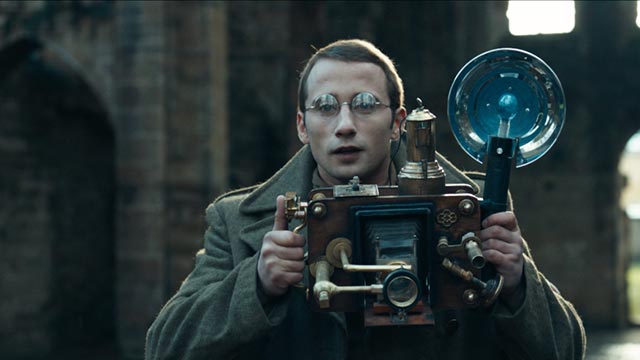
Death of a Shadow

Death of a Shadow (2012)

In a short film you obviously have very little time to convey your idea, therefore, it’s even more admirable, and helpful in decision-making, when the idea you’re conveying is quite different. The overall production values of this short are astounding and with very little dialogue tells its off-beat and engaging tale with the highest degree of cinematic quality possible. My favorite for this year’s category by a landslide.

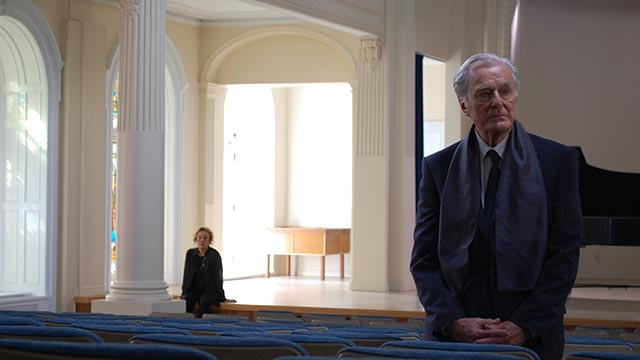
Henry

Henry (2012)

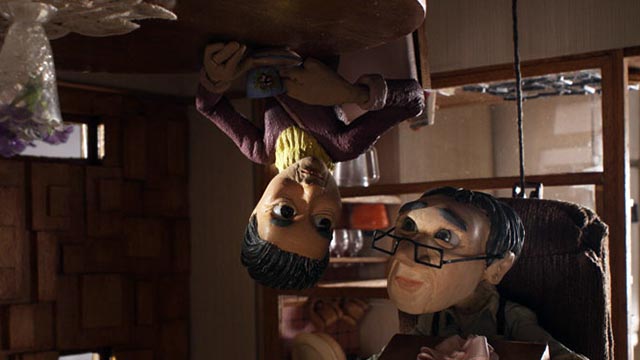
The most intimately grandiose of the productions which, like the first title, blurs the lines of time and memory to paint a loving portrait of a man fighting infirmity and memory loss.

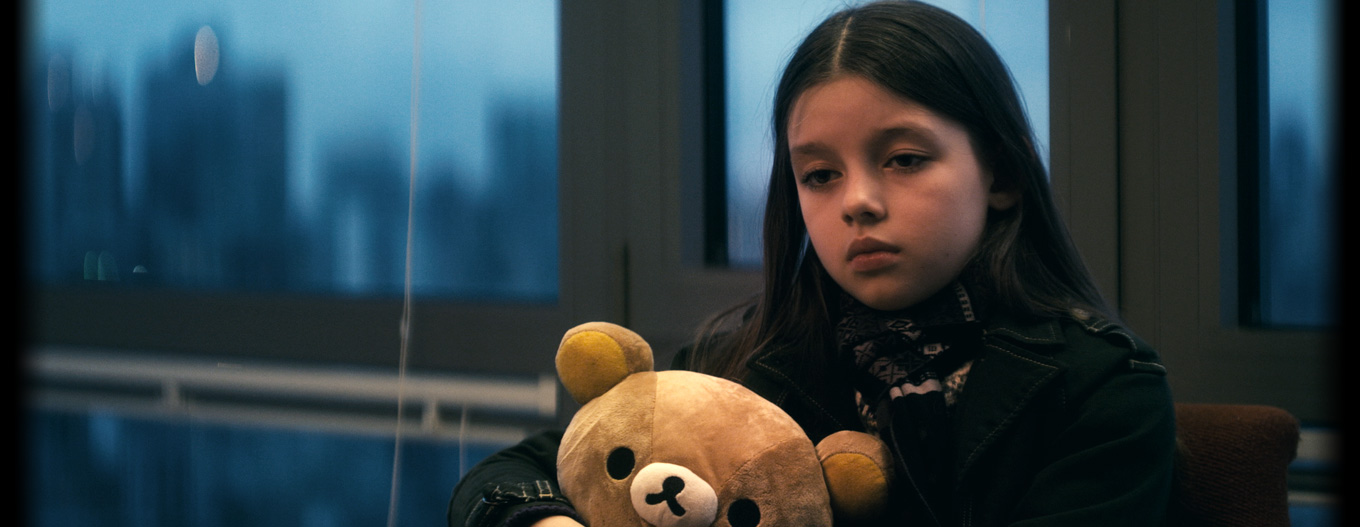
Curfew

Curfew (2012)

The American entry tends to usually be comedic in my brief experience viewing nominees. I was glad to find that this one is more of a dramedy. There are some slight missteps striking that balance I feel, but it is very good and serves as a breakout role for young Fatima Ptacek who steals this movie.

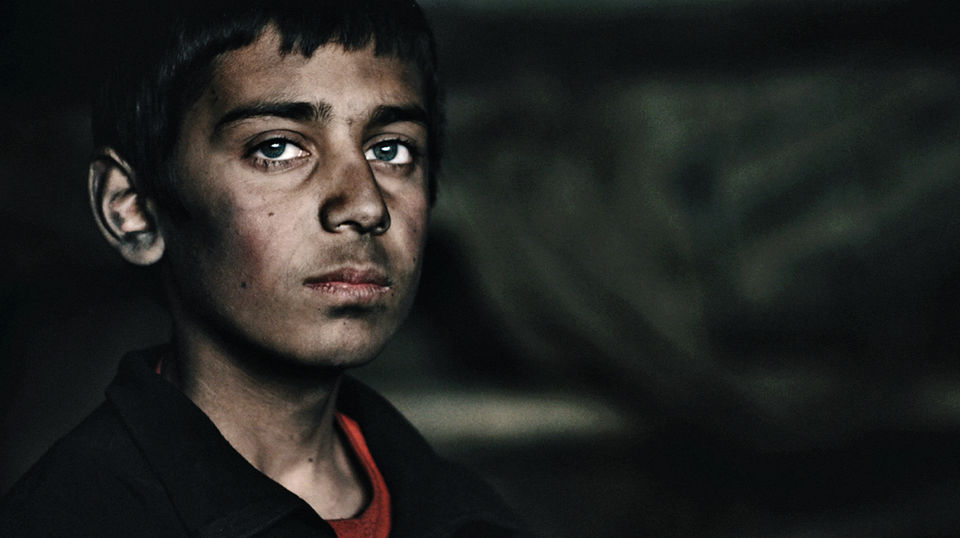
Buzkashi Boys

Buzkashi Boys (2012)

This is a subtle coming-of-age tale set in Afghanistan, which for all its best intentions and visual splendor, feels a bit incomplete.

Asad

Asad (2012)

In terms of simulacrum, this is a most interesting tale inasmuch as it’s a South African film set in Somalia starring Somali refugees. Removing that and sticking solely to the narrative its a bit bare, though the from the outset neorealist approach is appreciated.

The Gray Area 2013

To put it in its simplest terms this piece is my best attempt to keep myself and my BAM Awards process honest. What this means is that if I had a legitimate opportunity to see a film in 2012, but for whatever reason it falls through the cracks, its review ends up here, rather than rolling over into 2013. There have been some good films that have appeared here in the past and I have found a home for them after all. For a guide to what these ratings mean go here.

Jack Reacher

Jack Reacher (2012, Paramount Pictures)

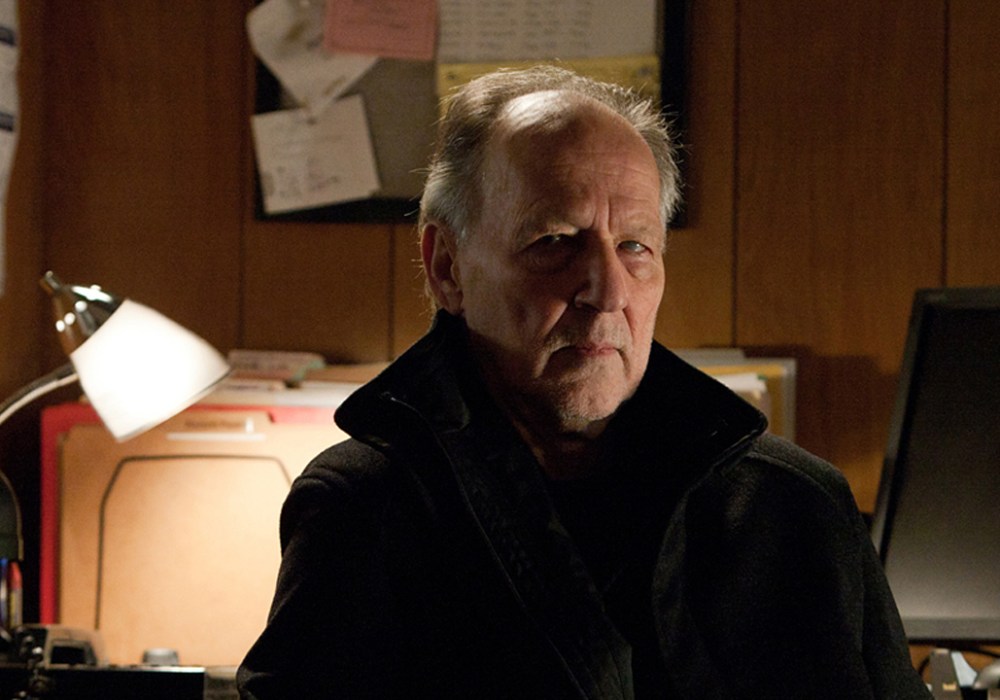
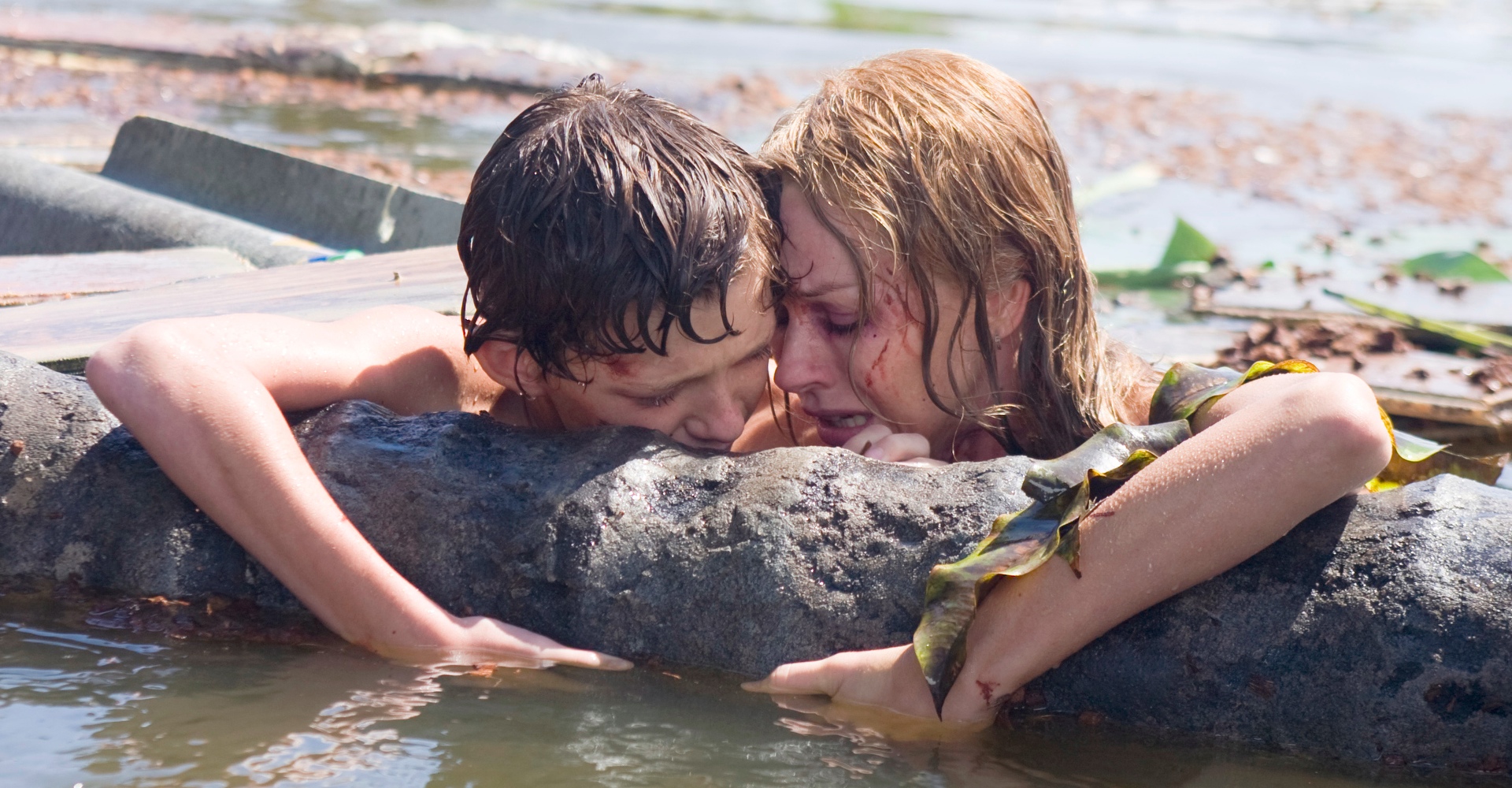
This is the kind of film that looks pretty good based on the trailer, but I’ll admit I didn’t rush out to see despite the fact that this film boasts the brilliant move of using Werner Herzog as its villain. My reaction to the trailer was that it seemed like those bits would be the highlights. It does, however, expound upon that with good action sequences and an intriguing web of mystery that’s well executed in visual and cinematic terms. It’s another winning project for Tom Cruise, who remains one of the few actors who can consistently find star vehicles that work on a narrative, financial and aesthetic level.

8/10

Clandestine Childhood

Clandestine Childhood (2011, Film Movement)

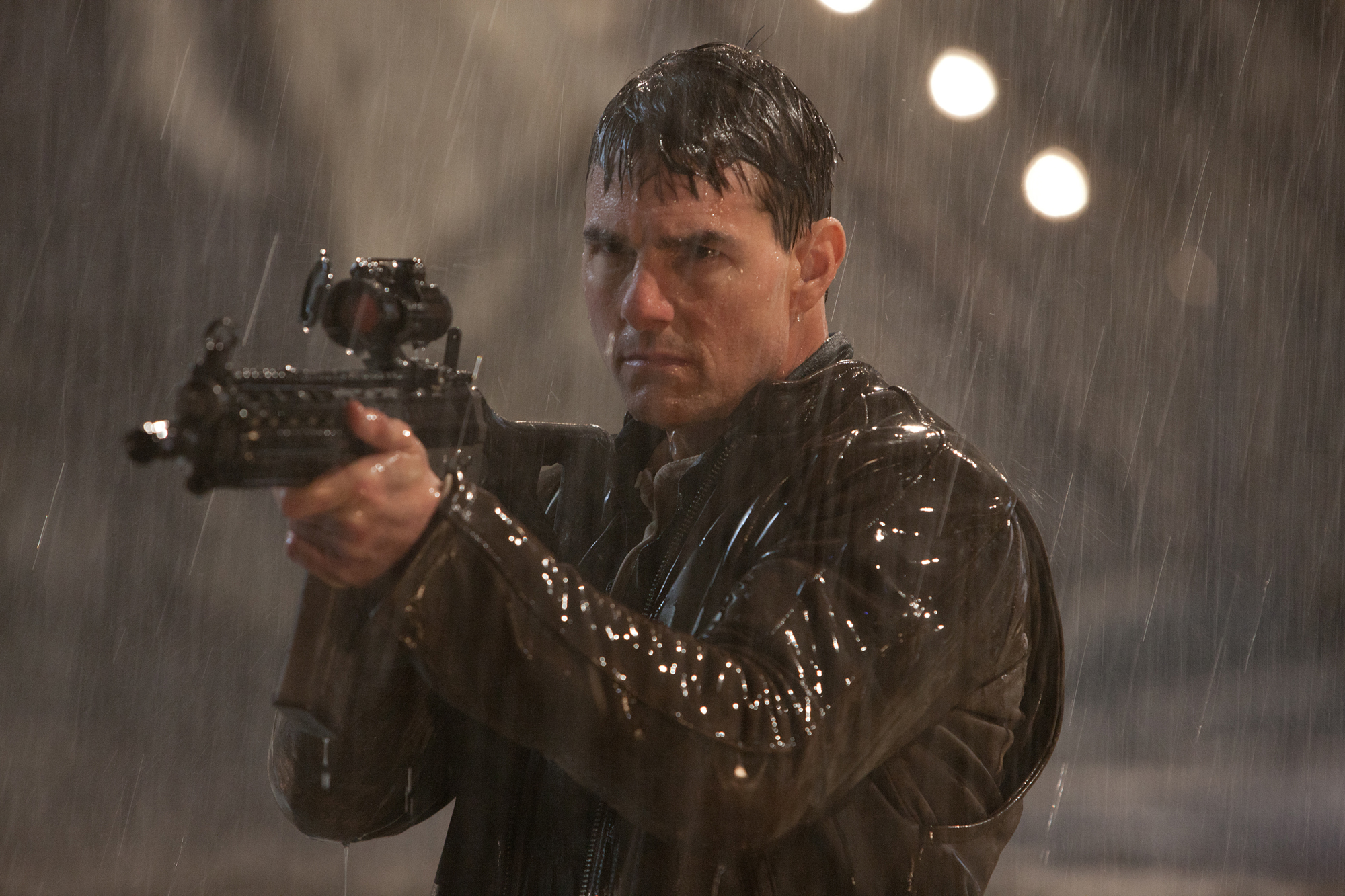
At the risk of sounding like a broken record, for I mentioned this when I reviewed Teddy Bear, not only do I truly enjoy the fact that Film Movement pairs a short film with its feature, but whenever possible its by the same director, and on occasion the short that inspired the feature. Here that is the case and it’s interesting inasmuch as the short serves as a springboard to the feature rather than just being expounded upon. The film is very well-shot with creative use of color and effective lighting throughout. It illuminates the oppressive atmosphere rebels in Argentina faced living under the regime of the late-70s/early 80s with human characters, humor and sensitivity. It’s not a wonder that Avila’s first feature earned him a spot at the Director’s Fortnight in Cannes.

8/10

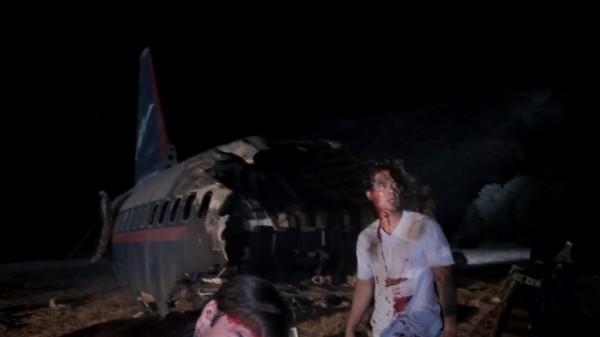
The Impossible

The Impossible (2012, Summit)

Out of all the films that will likely end up appearing in this post before it peters out, this one was the most lamentable. This past year was the first time I that I jotted down a list of films I wanted to see before the year was out in order to create my lists and awards. This was the only one left on the the outside looking in.

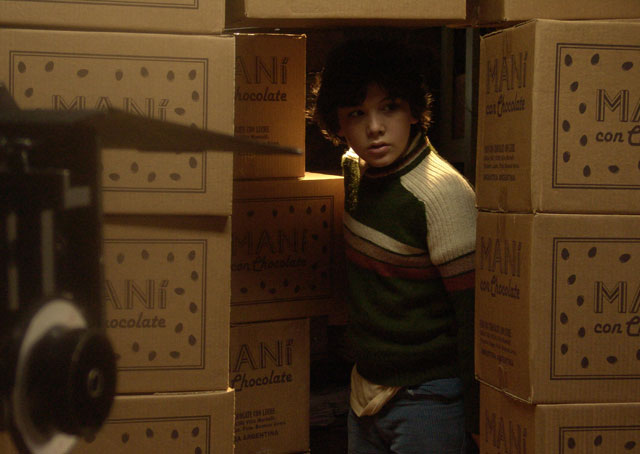
All that aside, be it my awards, the Oscars or anything else, the film still stands and should be seen. The film has a very smooth and even flow, such that the climactic sequence feels like it may be a prelude of false hope. On the technical end the film is a small marvel, not only in terms of effects work but also in terms of sound design and scoring. That’s before you get to the narrative and the performances. There’s a wonderful, pitch-perfect cameo, which is as much as I will say. As for the leads: Ewan McGregor’s work in one particular scene is likely the best moment of his career to date, and he’ll have many more to come, Naomi Watts is brilliant and all her accolades for the film are more than deserved. Most critical is the involvement of Tom Holland. He’s the audience’s bridge to the narrative, we divide time between his mother’s plight and father’s search, and he shoulders much of the burden and has a star-making turn that out not be drowned out in the award season buzz and should be seen.

Perhaps the best thing one can say about this film is that its impact as a piece of cinema is not immediately felt because it really is a harrowing and intimate portrait of a tragedy, and all that credit goes to director J.A. Bayona. The tonality of the film never wavers in its intent so it for the most part continues to feel like an account of an event rather than fiction. It never really feels over-dramatized or sensationalized, it’s real enough such that it’s engaging if not entertaining in the traditional sense.

9/10

The Thompsons

The Hamiltons (2012, Film Harvest)

Essentially part of the criteria for falling through the cracks in one year is cognizance. The release date on video for this film was 12/31, which made it a tough one to acquire and view before the end of the year.

This film reaches an honorable and rare duality of being a sequel that one could watch without having seen its predecessor and that continues the trajectory of a series properly. This sequel builds upon its own vampire myth, which is one whose origin is genetic rather than viral. What this film does infinitely better than its predecessor is build mystery, and suspense but also has reveals and significant plot points at a persistent pace. The necessary information, both new and old, is relayed quickly enough such that the raising of stakes happens early and often. You also have here a rather unusual paradigm wherein humanity is the outside world and you’re purely in a vampiric world. What The Thompsons does is firmly establish a foothold for the Buthcer Brothers concept in the genre, one that should be supported by those who like seeing new takes on old creatures, and specifically, want vampires to be brutal.

8/10

2013 Oscar Nominated Short Films – Animation

One thing I most definitely praise the Academy as well as the sponsors who help bring this showcase to being (DirecTV, AT&T and Shorts HD) is that they are bringing the Oscar nominated shorts to a wider audience, whereas before you were in the dark and few, if any of these shorts, had any life beyond the ceremonies. Not to mention the fact that they’re now being sold on iTunes too.

The animated slate screened first this year, and it’s an even stronger field than last year. Especially when you consider that none of the nominated films has any significant dialogue. One merely had a news broadcast on TV, which is of no consequence.

Fresh Guacamole

Fresh Guacamole (2012, PES)

This could well be the most creative of the nominees, but while there is abundant cleverness in the replacement of literal props with representative artifacts, its brevity and simplicity may be to its detriment considering the other nominees.

Adam and Dog

Adam and Dog (2011, Minkyu Lee)

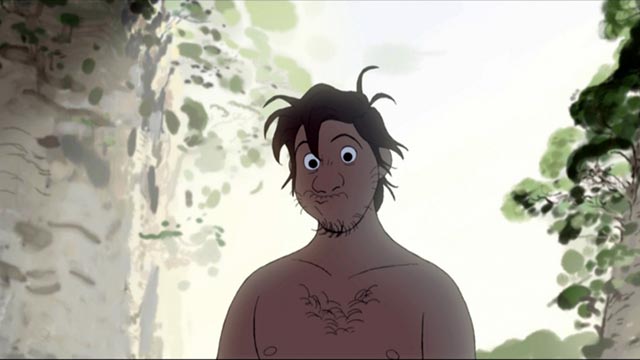
This is a very well-drawn and interesting depiction of the first dog and the first man, which is very poignant.

Head Over Heels

Head Over Heels (2012, National Film and Television School)

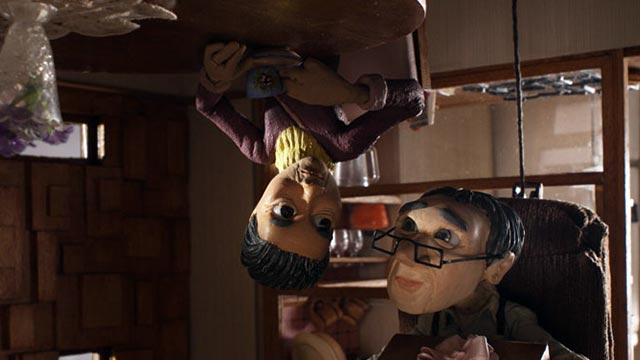
Is perhaps the most moving of the selections. As opposed to a short like Reverso, which I featured on a short film Saturday, here you get a very literal metaphor for the unusual upside-downness of the world.

Maggie Simpson in “The Longest Daycare”

Maggie Simpson in The Longest Daycare (2012, Gracie Films)

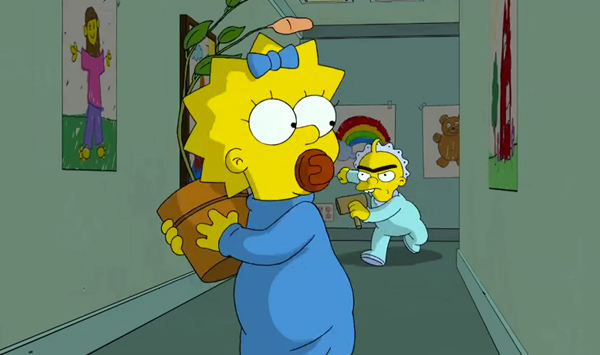
Here you have a nomination that hearkens back to yesteryear inasmuch as it is a notable lead from a popular stable of characters in this short tale. As you might expect from Matt Groening there is a lot of intelligence and humor in this short, but also a very cinematic sensibility.

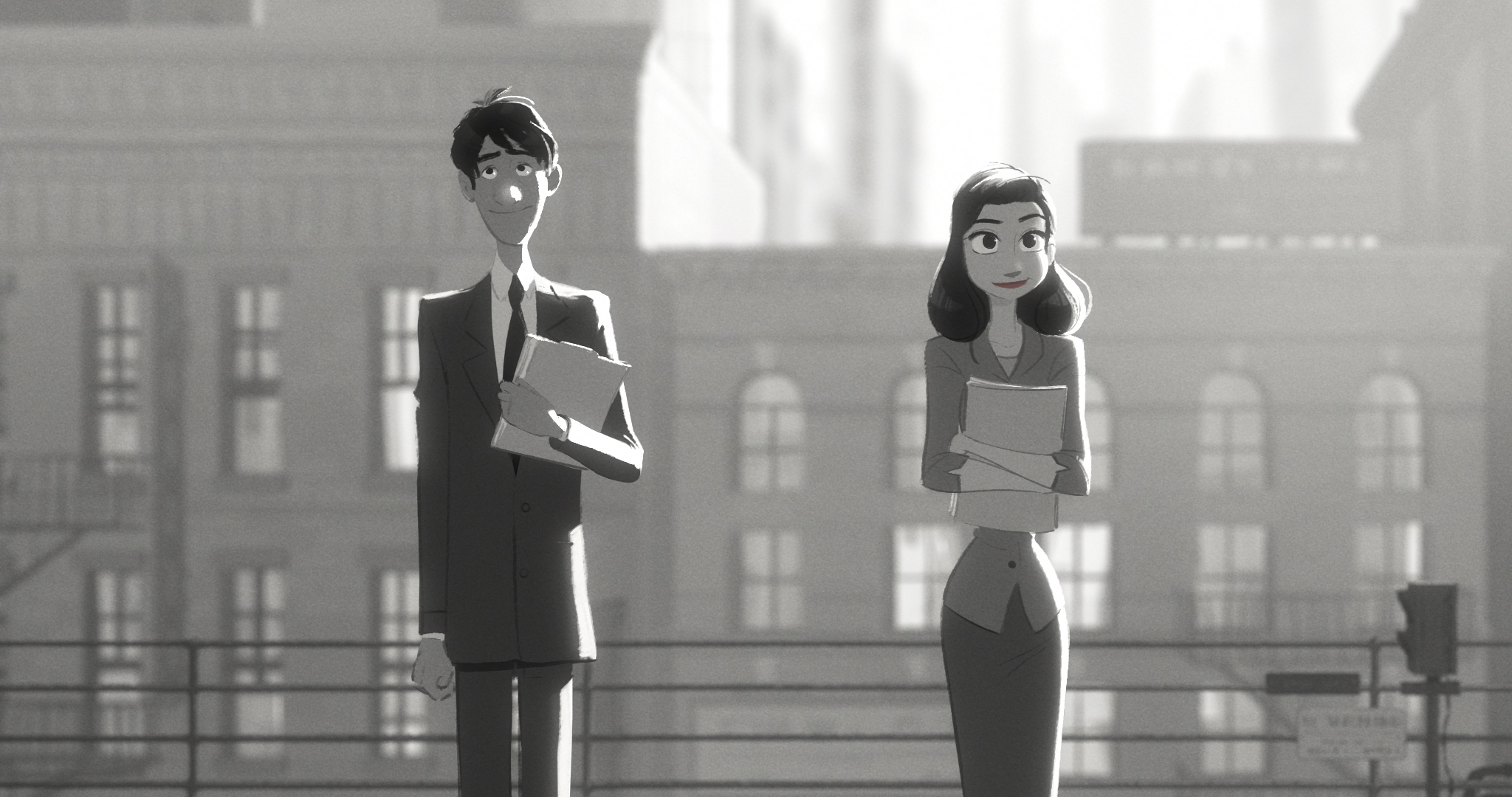
Paperman

Paperman (2012, Disney)

Walt Disney Animation Studios is also nominated for this charming little short that they had play prior to the start of Wreck-It Ralph. It’s another coup for the studio pushing the company brand to greater heights. I likely have little pet peeves about each of these shorts, this one is the largest though.

Highly Commended Selections

To fill out the program there is usually a selection of Highly Commended shorts. This year’s crop isn’t as strong overall if memory serves.

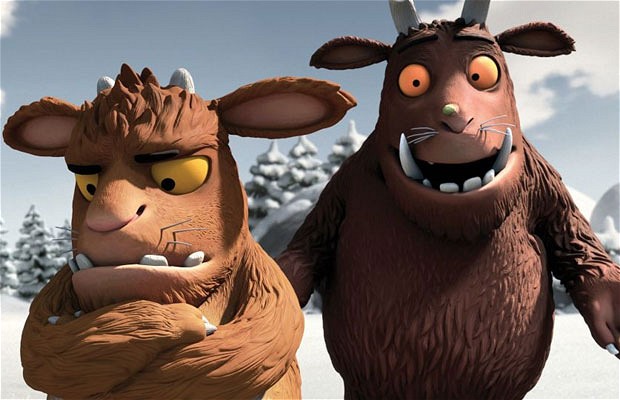
The Gruffalo’s Child

The Gruffalo's Child (2012, E1 Entertainment)

I didn’t really care for the original, and like this one less so. As beautiful as the animation is, and as much as I appreciate the technique, the storytelling is too basic and stilted in its storybook predictability.

Dripped

Dripped (2011, ChezEddy)

It’s a creative idea that doesn’t feel quite as fully developed as the others.

Abiogenesis

Abiogenesis (2011, Fuzzy Realms Media)

Of the three selections, this is by far the best and presents the double-edged sword of including Highly Commended films because I honestly don’t understand how this film wasn’t nominated. It’s sheer brilliance.

Mini-Review Round-Up January 2013

So here we are again starting a new Mini-Review Round-Up. This one is kicking off later in the year due to a more prevalent slate of Gray Area releases and early 2013 Theatrical screenings.

Here’s my standard intro to this post:

I had quite a review drought to end 2011 so I think the remedy for this kind of post would be to have the post be cumulative monthly. Therefore, after each qualifying film a short write-up will be added to the monthly post. The mini-reviews will be used to discuss Netflix and other home video screenings. Theatrical releases, regardless of how they are seen whether in an auditorium or on VOD, will get full reviews [That is when deemed necessary. As I wrote here I do want to focus more on non-review writing wherever possible].

For a guide to what scores mean go here.

Broken

Broken (2012, Film Movement)

I have quite often discussed how I love Film Movement’s Film of the Month Club. Usually when citing this fact I do so with a mind to the packaging of a short and a feature. However, as the previous year’s BAM Awards indicate I also have an affinity for a number of the titles they pick up, as The Dynamiter, Corpo Celeste, Found Memories and Amador all earned nominations. Well, that affinity has grown in leaps and bounds as their last two selections were films I was eagerly anticipating namely Clandestine Childhood and now Broken.

This is a film that, aside from being the opening selection during Critics’ Week at Cannes and winning the Grand Prix at the Odessa Film Festival, was also nominated for nine British Independent Film Awards, A European Film Award and two awards at the London Film Festival; so it made a bit of hay that made me intrigued to see it.

I am glad to say that after all that hullabaloo I was not let down in the least, quite the opposite; Broken is the first great new film of the year that I’ve had the pleasure of watching. It’s an intricately told and layered tale that with many narrative threads, characters crossing paths, that could get trite, but is instead invigorating and riveting.

There are frames within the film and excellent persistent use of cross-cutting that acutely accesses the proper emotional tenor that is sought, which finds the commonality in these characters so frequently at odds. In certain ways, it’s like an externalized version of We Need to Talk About Kevin, in terms of the way it’s cut together and how the actors have to truly use the edit to great affect.

It’s what I like to term a “collision course narrative,” which is a tale wherein there’s a suspenseful foreboding to the meeting of certain events that you feel, and it’s perhaps the best example of such I’ve seen. It’s also a film that starts strong and never really lets go.

Membership in the Film Club means I’m watching it a few months ahead of most people, therefore you have ample time to heed my advice: watch Broken, it is an absolutely exquisite piece of cinema.

10/10

Year-End Dash

I already lamented in my closing of the last Mini-Review Round-Up that there were movies I saw in November that never got written up. They are included here by necessity, but truth be told, they do form part of the year-end dash as well because this year I started my search for eligible titles earlier than ever. Anything I see from here until 12/31 will have at least some write-up here. It will be quick and this post will update daily. Some titles, if deserving and if I have time may get another more detailed write-up.

Enjoy the dash. Lists and awards to follow. To see what my ratings mean go here.

Late November

The Other Son

The Other Son (2012, Cohen Media Group)

Sometimes themes develop very unexpectedly throughout the year. One that has occurred this year is the Israeli-Palestinian conflict. This film, which oddly was a co-production but not selected by either nation for the Oscars, uses perhaps the most effective vehicle possible to examine the issue (children switched at birth) and examines it very well.

9/10

Anna Karenina

Anna Karenina (2012, Focus Features)

This is one of the few films this year that has something I call the “Atom Bomb” effect, which means that it ‘mushroom clouds’ so to speak, it grows the further away from impact you are. It was a film I felt very strongly on a visceral level as I watched it, but as I reflected upon it I was further ravished by the conscious theatrical presentation, which seemed to me to represent the societal facade through which Anna fights. As she comes closer to embracing her emotions the set seem more filmic, when scenes are dealing with emotional contrivance, they are more theatrical. I haven’t had a chance to revisit the film and test the theory, but regardless of interpretation it works. The moving camera lends much of the feeling, but the lack of cuts in certain sequences forces the actors, especially Knightley, to convey many conflicting emotions all in sequence without the aid of the edit and they do so tremendously. The score is wonderful, there are few if any aspects of the production that are not first rate, making it one of the best films of the year.

10/10

The Road

This is a most unusual film. It’s split into three distinct acts marked by time. They get progressively better, less awkward & stilted than the start such that the last act, climax and denoument save it. 6/10

Elena

This film is an effective drama. It’s sold as a thriller because it fits, but only loosely by what genre-treatment has acclimated us to here in the US. It’s very low-key and interesting but makes some off third act scene choices. 7/10

Heat Wave

A very intriguingly constructed narrative that almost imperceptibly mounts tension and very clearly and accurately builds characters. 8/10

The Day I Saw Your Heart

Has funny and heartfelt moments but its characters are a bit too eccentric and immature in certain portions. Sympathy and empathy are hard to find at times. This inconsistency is remedied as stakes rise but it’s only a mere salvation. It does, however, feature great performances. 6/10

Shun Li and the Poet

Any look at different immigration patterns worldwide will pique my interest to an extent. However, what’s most compelling here isn’t just insight into Chinese émigrés but the characters they play and the performances delivered. This is a warm, moving film that is beautifully photographed. 8/10

On the Ice

This is a slice of neo-neorealist cinema (if you can follow that) set in a native community in Barrow, AK. As opposed to something like Before Tomorrow, which dealt with traditional living in Canada, this film deals with the clash of modern times and tradition in the US. This is a low-key thriller very well executed that features shocking twists and turns. 9/10

A Separation

This film falls into that awkward category for me where it’s one of those films where I fully understand the appeal, I just don’t necessarily agree with it. There’s a compelling narrative, great performances but there are more than a few dubiously handled and conveyed pieces of information that topples the house of cards for me. 5/10

War Witch

War Witch (2012, Tribeca Film)

This is a film that when you pull apart its elements you’d wonder how they managed to combine so many seemingly disparate facets in a very seamless way. It’s a war story, a drama, coming-of-age narrative, with much Magical Realism and cultural specificity. It also features outstanding performances. This film is Canada’s official selection for the Academy Awards Best Foreign Language Film, and interestingly cited as Congolese in its Independent Spirit Award nomination as it was set & shot there. 7/10

The Barrens

This film did some interesting things in the realm of belief and attacking the protagonists credibility, but that’s not maximized as the doubt cast is undercut. Aside from that ultimately too many of the tropes are clichéd. The performances of the adult leads are wildly inconsistent, typically stronger when playing heightened emotions, Allie MacDonald and Peter DaCunha‘s consistency give the film some balance. 4/10

December 1st

Hitchcock (2012, Fox Searchlight)

Hitchcock

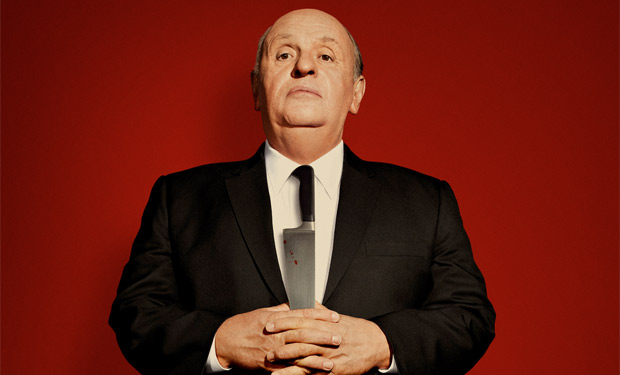
In a manner that is completely contradictory to the very issue that exists with the Psycho remake, the behind-the-scenes recreations and dramatizations are the best moments in Hitchcock: Hitch speaking over the driving scene and the enactment of the shower scene reactions to name two. Anthony Hopkins, Scarlett Johansson and James D’Arcy are the strongest re-enactors in the cast. The issues with the film are many: lack of focus, minimal arc, cutesy-ness, and one very specific and peculiar subplot is allowed far too much play. There are the occasional good insights into a creative mind but not enough.

4/10

December 2nd

Klown (2010, Drafthouse Films)

Klown

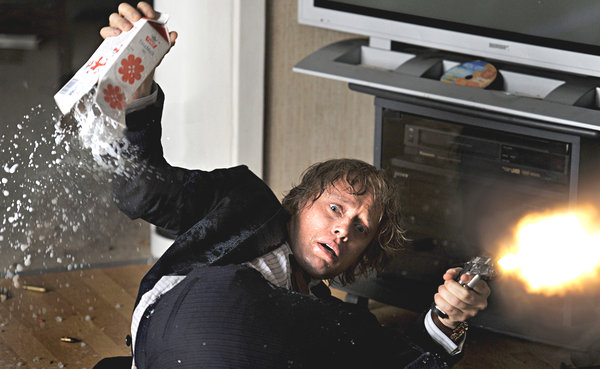
This film is unapologetically inappropriate, and most definitely not for the faint of heart as it one-ups many of the recent raunchy American comedies. It also manages to be a good deal funnier than most if not all of them. The film is expertly performed and cast.

10/10

Abel

The narrative seeks character studies and creates them and at times they are compelling, but they’re snapshots of stasis for the most part. Abel develops a new pattern to his illness but nearly everyone seemingly ends about where they started which makes it a rather vapid experience.

3/10

December 3rd

Kauboy (2012, Waterland Film BV)

Deep Blue Sea

What’s great about movie-watching in this day and age is that I heard this had won a New York Film Critics Circle award for Best Actress, and I decided to stream it just afterwards. Rachel Wiesz is great in this film, and I do love how visual it is, and how it takes us into a love affair in medias res. However, in someway it not only eschews certain tropes about how stories begin, but it also does so for how they progress, and to the film’s detriment. It mostly works until the stilted anti-climax.

5/10

Kauwboy

The Netherlands’ entry into the Best Foreign Language Film fray is quite a wonderful one indeed, and for the second year running the Netherlands could have a major player at the BAM Awards. Kauwboy is tale that’s simply told and all the more beautiful for it. It artistically expresses the wonderment of childhood, how a child can keep himself occupied, but also how a child can retreat and hide away from a difficulty. There’s great tension at times, and also laughs. The world is small containing few players, but all of them are well played; including the very expressive debutant Rick Lens. A most excellent film.

10/10

The Devil’s Carnival

This film seems to try to pick-up on the cult success of Repo: The Genetic Opera, which I have yet to see, in terms of being a horror musical, but combine that with a loose anthology structure, but yet a brisk running time. However, the pacing is sluggish, the narrative is overly loose even within segments, and sadly misfires throughout. It’s hard to watch.

3/10

Jesus Henry Christ

This film operates too much on chance, forced quirkiness and inconsistent dialogue. The actors are talented but are far too often put in forced or artificial situations. There are scenes that work, but they are few and far between.

4/10

December 4th

Friends with Kids (2012, Roadside Attractions)

The Bad Intentions

This is Peru’s submission to the Foreign Language Film fray this year. There are interesting themes and subplots examined in this film but few, if any of them, are fully explored or expand at an agreeable rate. Thus, the film suffers pace-wise and the coming to terms seems all the more abrupt for it.
5/10

Friends with Kids

This is a film whose premise is one of a subversive, humorous social experiment brings some anticipated consequences. For as seemingly fresh as the start of this film is, it falls into line thematically, structurally and socially. As uninspired as it may seem, it is funny enough, charming enough and well-told such that it’s enjoyable.
7/10

December 5th

Headhunters (2011, Magnet Releasing)

Oslo, August 31st

This is a film with some very effective use of voiceover, although it tries it doesn’t supersede The Dynamiter in that usage, it takes place over the course of one day, features some very strong performances, shots and transitional elements. However, the film ends up being a little distant from me and an emotional disconnect. On a visceral level it doesn’t reach the heights it does technically.
6/10

Headhunters

When I tweeted about this film I came a little too close to sounding like a pull-quote for my liking; I ran out of characters. What Headhunters is a prime example of is how Nordic nations, through adaptations of successful novels, have breathed new life into the recently lifeless crime thriller genre. I do believe this is a bit more than just change of venue and language. There’s usually been a noir-like gray area with most characters, fantastic twists, reversals of fortune and strong performances. The exoticness of locale is a cherry on top.

8/10

December 7th

Beyond the Black Rainbow (2012, Magnet Releasing)

Parasitic

This is one of those movies that you keep on watching in spite of itself. To mention the few things that are worth noting the prosthesis and effects aren’t terrible and after a herky-jerky start the pace pick up, but overall the film laugh out loud bad, filled with painful dialogue that believes its witty and constant affronts to acting. Not to mention the story is fairly thing and filled with conveniences.

1/10

Beyond the Black Rainbow

This is a film that is quite the mind-bender. Its daring and exacting visuals are matched by precise, pounding, droning score. It seems like a great blend of stylistic elements of quite a few directors, but the story doesn’t match up to all the technical prowess and its conclusion it a bit anticlimactic. Not to mention the stinger.

7/10

December 8th

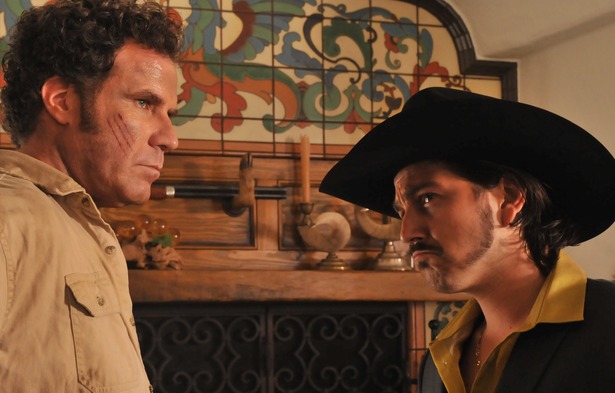
Casa de mi Padre (2012, Pantelion Films)

Playing for Keeps

This is yet another romantic comedy, and about the only thing that can be said to be refreshing is just how silly and ridiculous it can get on the comedic side. One of the things that keeps it enjoyable is how separate those things stay. Of course, the film gets rather predictable and in its own way a bit too much but it’s enjoyable.

6/10

Flying Swords of Dragon’s Gate

This film keeps my attention for about half its running time then it slows up, gets bogged down in additional histories, strategic planning and newfound alliances and really loses your interest as it get progressively more ridiculous than it was prior.

4/10

Casa de mi Padre

I admit I was very skeptical about this film, even being a big Will Ferrell fan. However, this works very well and ends up being very funny indeed. It’s a hilarious send up not only of low-rent Mexican fare, but is also unveiled silly commentary on the war on drugs. Ferell’s better-than-expected Spanish combined with his playing yet another dolt, and the supporting cast, really make it work.

8/10

December 9th

Neighboring Sounds (2012, Cinema Guild)

A Trip

I will confess there are some good dramatic building blocks in the latter-half of Slovenia’s official entry for Best Foreign Language Film, but the first have is a drudgery of slow-paced scenes; insufficient and simple character building and comedic misfires that make many of the better second half moments moot. There are other issues with the film, but even if they weren’t it’s a nearly insurmountable deficit.

3/10

Neighboring Sounds

This is a film which has the intentional modern malaise combined with a Grand Hotel style structure taking place in modern day Recife, Brazil. It quietly without too much overt discussion illustrates many urbane urban concerns. With a deft sound design that often goes from a drone to blare-out scene ending it demonstrates the discreet maddening of the bourgeoisie, and working class as the case may be. This is yet another strong entry from Brazil this year.

8/10

Red Dawn

Welcome to the most facile occupation of a nation in the history of the world, filled with clumsy dialogue, an annoying anti-hero, some odd casting choices and some production design misfire, along with some poorly played American football; have fun!

4/10

Help for the Holidays

Help for the Holidays (2012, Hallmark)

For my take on this film please go here.

December 10th

Get the Gringo (2012, Icon)

Get the Gringo

This is an interesting spin on the antihero crime film, which also takes place in an unconventional Mexican prison. The fish-out-of-water element allows us to enter the world and accept it fairly easily. There are minor plot points that come together at the very end. When you add humor, a ticking-clock element, another good turn by Gibson and a very impressive one by Kevin Hernandez (The Sitter), it’s a very enjoyable film.

8/10

Rites of Spring

This is a film where a tweet isn’t enough to convey the disappointment a film metes out. More and more you’ll find hybridization. Since there’s not really “new” idea, combine old tropes creatively. That’s the key to the success of something like American Horror Story. However, the balance, the execution, the acting, the lack of any sort of twist, barring the initial title card; make this a wasted experience.

3/10

Alps

This is Giorgos Lanthimos’s follow up to Dogtooth, and I like that film a great deal and was pleased to find that this film too focuses on a fairly unique microcosm. What is lacking in this film is that it’s not as thorough, not as polished an exploration. While it does explore character’s psyches with subtlety it doesn’t take the plunge early and often enough and end ups feeling the slightest bit hollow.

6/10

Holy Motors

Holy Motors (2012, Indomina)

While Holy Motors, like Alps deals with an unusual “business,” and like Alphaville deals with much larger implications than production value might otherwise indicate (not that they’re low), you can’t really compare it to anything. It’s the kind of film that as you think about it you find it’s absolutely saying something at given points, it may not be a wholly underlying ideal, but there are several within the context of one most unique tale. It’s the kind of film that’s just enjoyable to watch even if you’re not sure why at first. It’s the kind of film that exemplifies Bergman‘s assertion about an audiences understanding the emotional meaning of a film rather than the literal meaning.

It features a mesmerizing lead performance by Denis Lavant, brilliant prosthetics work, and a catchy original song performed by Kylie Minogue, amongst many other things.

It’s almost impossible to give a rating to the film at this juncture, especially as it seems to be ascendant at this moment. However, let’s say the placeholder is:

9/10

As I may revisit it soon.

December 11th

The Aggression Scale (2012, Achor Bay)

Small, Beautifully Moving Parts

This a fairly brisk, pretty funny, character study that due to its insights and use of symbolism overcomes the occasional awkward line and down moment. It presents the interesting conundrum of a woman unsure of her motherly intuition and desires when faced with a past that presents the same issues.

6/10

The House of Tomorrow

This film has a few unenviable hurdles for a doc: one being a wide scope and the other being needing to give requisite history lessons. However, the film succeeds because its fulcrum is TEDx HolyLand that brought together Isreali and Palestinian women to discuss ideas, business, social goals, and to open dialogue. That provides great sound bites and allows the additional required information to be placed strategically. The ideas put forth, and the importance of the meeting, aside from factual reminders, make this well worth watching, regardless of any structural or technical issues faced.

7/10

The Aggression Scale

My tweet on this film gives no more away than the synopsis of this film I feel: This is like the Home Alone as a horror film trailer taken seriously, and I mean that as a compliment. It’s awesome. This film has an effective open that directly ties to later events, features great bloodwork, some very solid performances including Ray Wise, Dana Ashbrook and the chillingly astute, silent turn of Ryan Hartwig. It raises the stakes, chaos, violence, and in some cases, ingenuity of the aforementioned film while also making those things a function of character more so than the element of surprise.

9/10

Goats

This film hits an emotional flat line about midway through, and that’s really where the pace begins to lag. It doesn’t distance itself from similar films thematically. Whereas I lauded Boy for being about acceptance of family the struggle in this film is overly-internalized and not omnipresent. There’s minimal character-building to start, just establishment of quirks. Then some things that seem like changes are status quo. The struggle is small and the overcoming thereof smaller.

3/10

December 12th

Uninhabited (2010, Viva Films)

Uninhabited

This is a film that has a slow, consistent burn that does eventually lead to a very interesting myth. It’s just a shame that the myth is buried so late and that the build-up isn’t as intriguing as the finale.

5/10

December 13th

Area 407 (2012, IFC Films)

Area 407

There is nearly nothing that this film does right. There are inexplicable character decisions, lapses in logic, unforgivably bad found footage camera work, too much yelling and overlapping dialogue and trudging plot filled with performances that are, nearly without exception, not up to snuff.

1/10

December 14th

Sound of My Voice

Sound of My Voice (2011, Fox Searchlight )

This is a film that has very interesting construction, some great nuances, lots of visual information to parse and an open ending. However, aside from being an anticlimactic one rather than a gutting one, it’s also a very clumsily-handled one that undermines much of the good work the film had dome to that point.

5/10

The Fields

This is a film that looks great and tells a very visual tale of true story and/or urban legend. However, much of the dialogue that appears sparsely is bad, some of the staging is poor motivations awkward and set-ups tritely showy. There is also, after a certain point a lack of escalation.

3/10

December 15th

Howling (2012, CJ E&M Pictures)

Howling

It’s a shame that this film over-extends some late montages and milks them for schmaltz because this is a surprisingly complex and intriguing procedural mystery up to that point, which would be better if tightened up.

7/10

December 17th

Goodbye First Love (2011, Sundance Selects)

Goodbye First Love

This film deals with time passing, emotional shifts & visual communication quite easily. It quickly establishes these things visually and moves on subtly without lingering too long. It’s a very sure-handed film that does well to represent the internal conflicts the characters are dealing with.

8/10

Once Upon a Time in Anatolia

This is a film that has much more going on underneath the surface than above it. However, it doesn’t quite click for me. As the occasional tale is told and revisited, it becomes clear what the intents are it’s just perhaps not the most compelling way to make the points that are being discussed.

5/10

December 18th

The Hobbit: An Unexpected Journey (2012, Warner Bros.)

The Salt of Life

As pleasant a surprise as Mid-August Lunch was, this follow-up is equally disappointing. Thinly plotted, only the slightest chuckles, recycled jokes and tropes; virtually no real cause for this remakes exist. The only positive is, if you weren’t aware of the fact already, you now know it happens overseas too.

4/10

The Hobbit: An Unexpected Journey

Based on all the banter I had heard about this film before I got to see it, I fully expected to despise this film. I didn’t. I do acknowledge that for those who have read the book that divorcing oneself from the source material may prove difficult here as it is a sprawling, elaborated version of the tale. I, personally, came in unencumbered by expectations from another medium.

I hope that as a series this bucks the precedent of the original trilogy where the second installment plays like a feature-length second act as opposed to an individual installment. Getting back to this film once it gets really going, which does take a bit longer than desired, it works. I also saw this film in 48 fps. It’s not quite ready for primetime it would seem. In the beginning when the lighting is flatter, it’s like you’re watching the world’s largest HDTV. There are issues handling both movement of the camera and character movement throughout. Movement isn’t always smooth, it’s at times jittery. As for helping the 3D, I’m not the best judge there, but the depth seemed consistent later on. I usually defer to CinemaBlend and agree with their final assessment.

Aside from all the extras, including the fact that I was also watching this in a new local theater, I think it is enjoyable, and perhaps having the original three as a background buoys it, but I think it’s a better start to the proceedings.

8/10

December 20th

Silent Night (2012, Anchor Bay)

Take This Waltz

I try not to fall into the likability trap, and I think some may confuse liking the character with being interested in them or wanting to watch them. However, having characters I dislike and am disinterested in, is just one of the failings of this film. There’s also the handling of the love-hate aspect, the cuckolding, the framing of the narrative and the circular shot montage, which in a “lesser” film would’ve been the subject of ridicule, amongst other things that fail this film. The dialogue is at times forced, in one unfortunate sequence fails the Gay Dilemma litmus test, there are depths to plumb that are worth a look, but after a while it seems pointless. The ending isn’t as unsatisfactory as the rest, but certainly could’ve been better. Likely to rank as one of the year’s worst.

1/10

The Devil’s Rock

This is a film that takes a very interesting angle on dealing with Nazis and the occult, especially with regards to the setting of the tale. The set-up is very effective and it could more fully exploit its trappings, but it does hold interest and contain some surprises.

7/10

Silent Night

I have not seen the film upon which this is based, but knowing that it spawned a low-budget franchise of its own makes it a candidate for examination next time 61 Days of Halloween rolls around. There aren’t nearly enough evil Santa tales, while this one doesn’t go to a “real Santa” like Santa’s Slay, this is definitely my favorite so far: good twists and mistaken identity, great turns from Malcolm McDowell with hilarious “movie cop” dialogue, and Donal Logue and excellent kills.

8/10

December 21-31

The following films were also viewed, factored into awards and lists, but didn’t get extemporaneous write-ups.

Django Unchained (2012, The Weinstein Company)

Magic Mike

Killer Joe

McConaughey is also nominated for this film as Best Actor.

Django Unchained

Les Misérables

A Royal Affair

Rewind Review- My One and Only

This is an absolute dream of a film that will likely be overlooked by moviegoers and the award season alike but is one of the best films of the year. Due to the fact that much of the film deals with Renée Zellweger’s character seeking a new husband it has been classified as a screwball comedy by many, however, this is but one aspect of this film.

This film is a story full of characters that are well-defined Zellweger who is sensational in this part has a very unique view of life. She in a Blanche DuBois kind of way relies on the kindness of strangers but seeks a certain standard of living for her and her boys. Finding a new father is how she thinks she can best mother them and drags them around the country in the 50s while seeking a new beau.

Being dragged along with her are her two sons Robbie and George. Robbie, the elder, is interested in theatre and fashion and played brilliantly by Mark Rendall. Robbie’s homosexuality is a prime example of the refreshing nature of this film. He just is and it’s like the white elephant in the room and is rarely mentioned which is accurate but he is totally accepted by his mother and half-brother. He also wields a gun without much drama and little stereotype in onepivotal scene.

George is less pleased to be along on the trip. He is more of a realist and frequently clashes with his mother. He is played with remarkable aplomb by Logan Lerman in a startling turn. Lerman will be a star for years to come based on his talent alone.

Renée Zellweger, as mentioned previously, is sensational in this film where she slowly but surely shows there’s more to her than meets the eye and yet realizes her imperfections. She completely immerses herself in this part and disappears into it.

This film has dialogue which is funny and effective. For every funny scene there is one of real emotion. Even though some events you know will happen but the how of it is the fun and what you don’t guess.

The score is also a unique signature and effective. It is jazzy and similar to that the band Dan, the boys’ estranged father played well by Kevin Bacon plays.

The entire supporting cast was extremely good. It’s the kind of movie you can try to fault but you won’t find much if anything. What a great find – go and see it.

10/10